❌

Reading view

Lojas alternativas de apps chegaram ao Brasil — e quase nada vai mudar para você

“Fim do monopólio da Apple.” “iPhone liberado no Brasil.” “Mudança histórica.” As manchetes das últimas semanas não economizaram no tamanho. Do outro lado, o que o usuário recebeu de fato foi uma opção nova e discreta nos Ajustes do iPhone — e, se você não for atrás dela, sua vida com o aparelho seguirá exatamente igual. Aposto que vai seguir…

Recapitulando rapidamente: em 18 de junho, com o iOS 26.5, a Apple oficializou a abertura do iOS no Brasil, cumprindo o acordo assinado com o Conselho Administrativo de Defesa Econômica (Cade) em dezembro de 2025 — desfecho de uma investigação que começou lá em 2022, com uma denúncia do Mercado Livre. Lojas alternativas de apps agora são permitidas — a AltStore PAL chegou no mesmo dia —, desenvolvedores podem usar meios de pagamento próprios e incluir links para compras fora do app. O acordo vale por três anos, sob supervisão do Cade, com multas de até R$150 milhões se a Apple descumprir. Nós mostramos como tudo funciona em um vídeo.

Até aqui, a notícia. Agora, a leitura que ninguém fez direito. Passei mais de 20 anos construindo aplicativos que viveram sob as regras da App Store (apps de banco, varejo, montadora, etc.) e, quando li os termos do acordo com olhos de gerente de produto, a conclusão foi rápida: a Apple não abriu a porta. Ela redesenhou o funil.

Siga o dinheiro: ele continua indo para Cupertino

O detalhe que as manchetes de “fim do monopólio” esquecem de contar: a Apple criou uma estrutura de taxas em que ela recebe em praticamente qualquer caminho que o desenvolvedor escolher. Vale comparar os cenários:

Onde o app vive e como cobraComo cobraQuanto a Apple leva
App StorePagamento pelo sistema da AppleDe 10% a 21% + 5% de processamento
App StorePagamento por sistema próprio dentro do appDe 10% a 21%
App StoreLink para compra externa15% (10% para quem se qualifica)
Loja alternativaPagamento próprio5% sobre bens digitais

Olhe a última linha com calma. Um app que sair da App Store, for distribuído por uma loja concorrente e processar o pagamento por conta própria (ou seja, um cenário em que nenhuma infraestrutura de venda da Apple aparece) ainda deve 5% de cada transação de bens digitais para a Apple. É a chamada “comissão de tecnologia essencial”, e ela viaja junto com o app para onde ele for.

Agora, pense com a cabeça de um desenvolvedor. Os apps gratuitos (WhatsApp, Nubank, iFood e a imensa maioria dos que você usa) não pagam nada de comissão hoje. Se migrarem para uma loja alternativa, passam a pagar 5% sobre qualquer venda digital que façam. Migrar significa criar um custo que não existia. E são justamente esses apps gigantes que dariam tração a uma loja concorrente. Ou seja: o desenho das taxas torna a mudança irracional exatamente para quem faria a diferença. Isso não é acaso; é arquitetura de incentivos, e das bem-feitas.

A porta existe, mas tem um cadeado de US$1 milhão

Tem mais um filtro, ainda menos comentado. Para operar uma loja alternativa no Brasil, a empresa precisa apresentar uma carta de crédito de US$1 milhão emitida por uma instituição financeira com nota BBB ou superior — ou, alternativamente, ter dois anos contínuos no programa de desenvolvedores da Apple com mais de 1 milhão de instalações anuais no mundo. Na prática, isso deixa de fora todo mundo, menos gigantes bem capitalizadas: a Epic Games (que já prometeu trazer sua loja “nos próximos meses”), talvez o próprio Mercado Livre (que, ironicamente, foi quem começou essa briga) e pouquíssimos outros.

Sem várias lojas competindo de verdade, não há pressão de preço. E sem pressão de preço, o usuário não tem motivo para mudar de comportamento. O ciclo se fecha sozinho.

A Europa já fez esse filme, e o final não anima

Nada disso é especulação minha; é o roteiro que a União Europeia vem rodando desde março de 2024, quando a Lei dos Mercados Digitais (Digital Markets Act, ou DMA), obrigou a Apple a uma abertura muito parecida — e que serviu de modelo para o acordo brasileiro. Dois anos depois, o balanço europeu é magro: as lojas alternativas seguem como nicho, a Setapp Mobile (da MacPaw, empresa séria, com catálogo bom) fechou as portas em fevereiro citando “a complexidade excessiva dos termos comerciais da Apple” e a Comissão Europeia precisou multar a Apple em 500€ milhões por continuar dificultando que desenvolvedores direcionassem usuários para compras mais baratas. A Apple recorre da multa até hoje.

O Cade, vale dizer, aprendeu algo com isso: o acordo brasileiro exige que os avisos da Apple sobre lojas e pagamentos de terceiros sejam “neutros e objetivos”, sem telas de fricção empurrando o usuário de volta para o caminho de Cupertino. É um detalhe regulatório esperto. Mas o incentivo econômico de fundo (a taxa que persegue o desenvolvedor aonde quer que ele vá) é o mesmo da Europa. E foi ele que esvaziou a festa por lá.

Onde as coisas podem mudar de verdade

Para ser justo, nem tudo é fumaça. Duas frentes me parecem promissoras — e nenhuma delas envolve você trocar de loja.

A primeira são as assinaturas. Um serviço que lhe leva para pagar no site, na faixa de 10% a 15% de comissão em vez dos até 26% de antes, tem margem real para repassar desconto — se quiser.

A segunda é o pagamento dentro do próprio app: agora, nada impede um jogo ou serviço de oferecer checkout com Pix, com taxas de processamento muito menores que as do cartão internacional embutido no sistema da Apple.

Repare, porém, no que essas duas frentes têm em comum: dependem de o desenvolvedor escolher repassar a economia. A Apple, aliás, avisou que não cuida de reembolso nem de gestão de assinatura de nada comprado fora do sistema dela — mais um empurrãozinho para que tudo fique como está.

O jardim ganhou um portão; o pedágio continua o mesmo

No fim das contas, o acordo com o Cade é real, tem dentes (R$150 milhões deles) e coloca o Brasil num clube seleto — só União Europeia, Japão e Coreia do Sul forçaram abertura parecida. Como precedente regulatório, é enorme. Como mudança no seu dia a dia, é quase nada: o botão novo nos Ajustes vai continuar intocado na imensa maioria dos iPhones brasileiros, os apps vão continuar vindo da App Store e os preços vão continuar os mesmos.

A Apple declarou que, com as novas regras, desenvolvedores pagarão “o mesmo ou menos” do que antes. Curiosamente, é a frase mais honesta de toda essa história — porque o objetivo do desenho inteiro é exatamente esse: que tudo mude o suficiente para satisfazer o regulador, e pouco o bastante para não mudar nada.

  •  

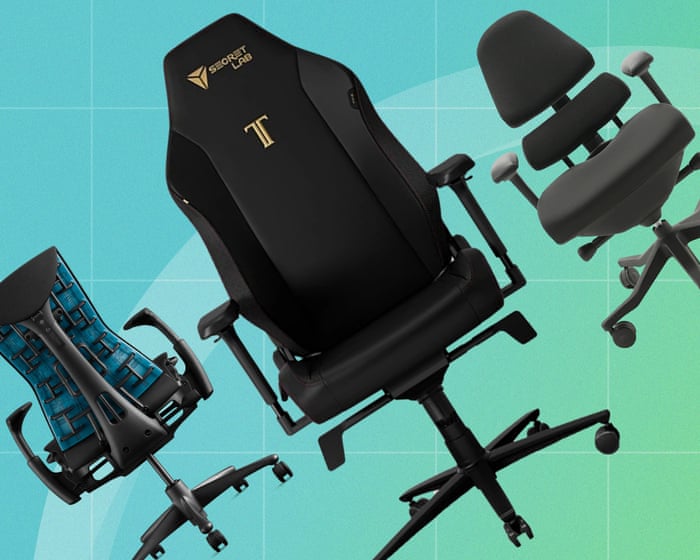
I’ve been gaming for 40 years. Here are the best chairs in the UK for comfort, support and serious play

Whether you’re on PC or a console, level up your setup with our gaming expert’s pick of the best chairs

• The best games of 2026 so far

Comfort is crucial to the gaming experience. It’s hard to focus on blasting aliens or taking Stoke to the Champions League final if your bum has gone to sleep because you’ve been sitting on an old chair for three hours. We’re spending more time playing games than ever before, so good posture matters. If you have set up a dedicated gaming space, then a rickety seat just won’t cut it.

From luxurious ergonomic thrones to cheap-and-cheerful bucket seats, the options available are bewildering. So I set out on an epic quest: to find the most comfortable, durable and stylish gaming chairs. Here’s what I discovered.

Best gaming chair overall:
Secretlab Titan Evo

Best budget gaming chair:
ThunderX3 Solo 360

Continue reading...

© Composite: PR Image

© Composite: PR Image

© Composite: PR Image

  •  

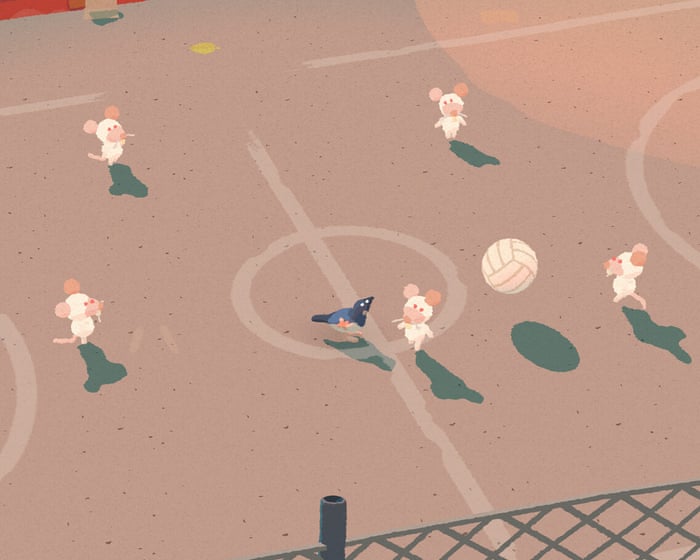
‘An anthem for the co-dependent’: Bad Magpie’s corvid carnage with a side of existential angst

Going by the mantra, if you want to make someone laugh, make them cry first, the game’s developers have created a lonely magpie who fills the void by wreaking havoc

Amid the gleeful anarchy of Bad Magpie’s debut trailer, there’s a striking note of melancholy. The game’s protagonist – a wounded corvid that creates havoc wherever she goes – calls out forlornly as a flock of her kind passes above, with a conspicuous gap in their formation.

Milktooth games designer and co-founder Daisy Fernandez has had this particular image in her head for years. Lying in the grass one afternoon during the 2020 lockdowns, she looked up and saw a V-shaped pattern in the sky, poignantly incomplete. “It really stuck with me,” she says. “I posted about it online and someone told me about a ‘missing man’ formation, which is an aerial salute to a fallen pilot.”

Continue reading...

© Photograph: Milktooth

© Photograph: Milktooth

© Photograph: Milktooth

  •  

The roaring 20s: how the current decade revolutionised cinema

Pre-Covid, the movie landscape was dramatically different: YouTubers weren’t dominating the box office, video game spin-offs rarely made an impact and Winnie-the-Pooh wasn’t yet the star of a slasher movie. Why such a flurry of innovation – and what will be next?

Cinema has always been a medium of research and development. At any given point, the industry is searching for yet another breakthrough that can drive it into the future. Synchronised sound in the 1920s. Technicolor in the 1930s. The invention of the modern blockbuster in the 1970s.

Conversely, the consensus is that, if the 2020s has a defining trend, then it is one of decline. The theatrical experience is under attack from all angles: streaming, YouTube, a once-in-a-century health crisis that shut cinemas down entirely. And yet, if you look closer, this has actually been one of the most innovative decades that cinema has ever seen. Whether down to technology or desperation, the film industry has spent these last few years figuring out new ways to make films that simply could not have existed even at the turn of the decade.

Continue reading...

© Photograph: SKLAE/Signature Entertainment

© Photograph: SKLAE/Signature Entertainment

© Photograph: SKLAE/Signature Entertainment

  •  

There Are No Ghosts at the Grand – stripping back the physical and metaphorical layers of a haunted hotel

Renovate rooms, investigate the supernatural and watch people burst into song in this surreal British ghost story

A young American man arrives in a dilapidated British seaside town to take on the renovations of an equally run-down hotel, inherited from a mysteriously absent father he never knew. His power tools talk to him in a Scottish accent, the local people speak in baffling slang, and occasionally people burst into song. Oh, and there are ghosts.

There Are No Ghosts at the Grand is a novel mix of genres – no bad thing in these times of sequels and remakes – but, according to the creative director of independent developers Friday Sundae, Anil Glendinning, it grew organically from a single goal: to tell a very British ghost story.

Continue reading...

© Photograph: Friday Sundae

© Photograph: Friday Sundae

© Photograph: Friday Sundae

  •  

How Pokémon Go encouraged me to find wonder in the world

These days, I ‘collect’ birdsong and wild flowers, but it all started when my sons and I first set out to find Pikachu and pals

• Don’t get Pushing Buttons delivered to your inbox? Sign up here

Believe it or not, Pokémon Go is 10 years old this month. The wildly successful smartphone game, which allows you to track down lovable creatures in the real world using GPS and augmented-reality technologies, has reportedly been downloaded 800m times across 150 countries and regions. A trillion Pokémon have been caught so far – and I have been responsible for a modest percentage of that figure.

When the game was first released, my sons and I spent many happy hours wandering the streets and parks of Frome searching for Jigglypuffs and Charizards, and the game’s social element, which lets you take on gym battles with other players in your vicinity, offered my autistic son a route to communicate with other children in a way he’d never been able to before.

Continue reading...

© Photograph: Eduardo Muñoz/Reuters

© Photograph: Eduardo Muñoz/Reuters

© Photograph: Eduardo Muñoz/Reuters

  •  

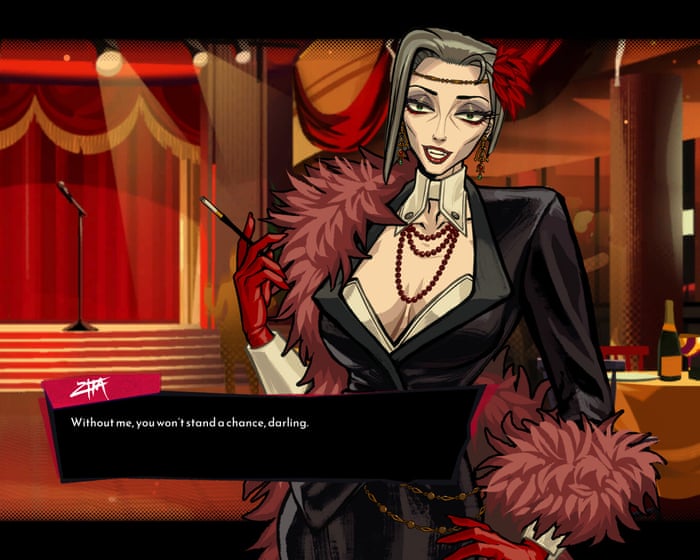
Red Kiss – guiding vampires through a blood-soaked cold war Berlin

Inspired by interactive theatre and fuelled by the motion capture tech used by VTubers, the vampire spies in Red Kiss have personality in spades

‘You look at the news and you’re like, ‘Another pointless war, another pointless bloodshed, another pointless genocide.’ And that can make you a bit hopeless.”

Roy van der Schilden, narrative designer and business director at Wispfire, speaks of a very human feeling. But the protagonist of its upcoming game Red Kiss can relate – despite being a vampire.

Continue reading...

© Photograph: Fellow Traveller

© Photograph: Fellow Traveller

© Photograph: Fellow Traveller

  •  

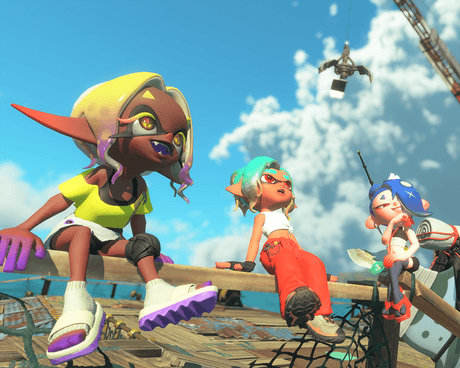
Splatoon Raiders review – Nintendo’s inky shooter fades to grey

Nintendo Switch 2
The single-player offshoot of the quirky and colourful multiplayer series is disappointingly run-of-the-mill

Splatoon is among Nintendo’s most ingenious inventions of the last decade: a series of shooting games whose paint-splattered turf war nature means being bad at shooting is just as valuable as – if not more so than – being good. It is also blessed with an abundance of personality, with vibrant characters, a richly imagined world, and a hipness that the competition can only dream of achieving. Unfortunately, Splatoon Raiders makes it difficult to remember all of this.

The first spinoff in the ink-soaked franchise, Splatoon Raiders is advertised as a single player-focused entry in this primarily multiplayer series. While this is true enough – one can play through the entire game solo just fine – Raiders is clearly best enjoyed cooperatively with up to three others. Players start each session on a hideout ship where they can upgrade their equipment and tweak their play style before heading out on bite-sized repeatable missions, and this structure is tailor-made for teaming up with friends or helping out strangers (the game lets you do either), as each person works towards creating their ultimate squid-kid avatar of chaos.

Splatoon Raiders is out 23 July; £41.99

Continue reading...

© Photograph: Nintendo

© Photograph: Nintendo

© Photograph: Nintendo

  •  

Bethesda conferma Fallout 5 e il ritorno di Obsidian con un nuovo progetto

Se c'erano dubbi sul futuro di Fallout, ora il quadro inizia finalmente a prendere forma, visto che Bethesda ha confermato che la serie continuerà a espandersi su più fronti. Abbiamo quindi la conferma che si vuole mantenere vivo uno degli universi post-apocalittici che più sono stati apprezzati nel mondo dei videogiochi, tanto da dare vita a una serie TV dedicata. Ma procediamo con ordine perché di novità ne sono state condivise.

Cominciamo col dire che ormai è certo, Fallout 5 è entrato ufficialmente nella fase di pre-produzione. Significa che il progetto è ancora nelle fasi iniziali, nelle quali vengono definiti ambientazione, meccaniche di gioco e direzione artistica, ma i lavoro sono iniziati. Mettetevi comodi perché lo sviluppo vero e proprio richiederà ancora diversi anni, ma nel frattempo lo studio continuerà a concentrare la maggior parte delle proprie risorse su The Elder Scrolls VI.

Entrambi i giochi utilizzeranno il nuovo Creation Engine 3, il motore grafico proprietario che permette ai team di condividere tecnologie, strumenti e sistemi già sviluppati anche per Starfield. In pratica, il lavoro svolto su un titolo contribuirà ad accelerare lo sviluppo degli altri.


Lo Smartphone piccolo che va bene a tutti? Motorola Edge 50 Neo, compralo al miglior prezzo da Unieuro a 239 euro.

CLICCA QUI PER CONTINUARE A LEGGERE

  •  

NVIDIA aggiorna la sua app: registrazioni a 240 FPS e novità per il DLSS

Sempre più giocatori condividono le proprie partite sui social, realizzano tutorial oppure analizzano ogni singolo movimento per migliorare le prestazioni nelle competizioni online. Nvidia è da sempre molto attenta a queste necessità, perché la qualità della registrazione è diventata importante quasi quanto quella del gioco stesso.

Ha così deciso di aggiornare NVIDIA App, con notevoli novità dalp unto di vista prestazionale. Oa la nuova versione introduce la possibilità di registrare i gameplay fino a 240 fotogrammi al secondo tramite ShadowPlay.

Va da sè che una registrazione così dettagliata consente di rallentare le immagini senza perdere nitidezza, un aspetto molto apprezzato sia dai creatori di contenuti sia dai giocatori competitivi.


Lo Smartphone piccolo che va bene a tutti? Motorola Edge 50 Neo, compralo al miglior prezzo da Unieuro a 239 euro.

CLICCA QUI PER CONTINUARE A LEGGERE

  •  

God of War, Kratos si fa male: Ryan Hurst lascia il ruolo nella serie

Se sei Kratos, il rischio di farti male c'è tutto: God of War si è imposto come un franchise di riferimento nel genere dei giochi d'azione proprio per la spettacolarità dei suo combattimenti. E ora Kratos chiede il cambio: perché stando a quanto riportato in queste ore da Deadlines Ryan Hurst, ovvero l'attore scelto per vestire i panni del protagonista nella serie di Amazon Prime attualmente in lavorazione, è stato vittima di un infortunio importante durante le riprese.

STRAPPO ALLA REGOLA

La buona notizia è che non si tratta di un incidente grave: Hurst, durante l'esecuzione di una scena d'azione, avrebbe infatti accusato uno strappo al bicipite. Un infortunio che lo ha costretto ad un intervento chirurgico, con tempi di recupero che oscillano tra i quattro e i sei mesi: troppi per i tempi serrati della produzione seriale, con l'uscita programmata a cavallo tra 2027 e 2028. E considerando la fisicità del ruolo, il ritorno sul set avrebbe probabilmente richiesto un periodo di recupero ancora più lungo per consentire all'attore di recuperare massa muscolare e scongiurare il rischio di ricadute.

RIPRESE FERME

Le riprese al momento sono ferme: la sospensione è scattata subito dopo l'incidente, e secondo Deadline l'intenzione della produzione è di riprenderla intorno a metà ottobre a Vancouver. E necessariamente con un nuovo Kratos. Il lavoro peraltro si allunga non solo per via di questa pausa, ma anche perché erano già stati girati ben quattro episodi con Hurst, che ora dovranno essere rigirati integralmente col nuovo attore.


Lo Smartphone piccolo che va bene a tutti? Motorola Edge 50 Neo, compralo al miglior prezzo da Unieuro a 239 euro.

CLICCA QUI PER CONTINUARE A LEGGERE

  •  

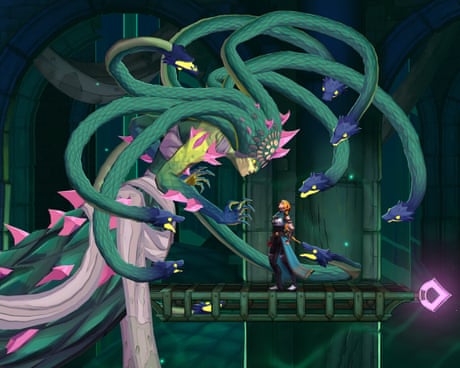
Castlevania: Belmont’s Curse - Konami classic rises again from Paris sewers and Joan of Arc is a boss

Evil Empire creatives explain how it is playing to today’s ‘metroidvanias’ and honouring the original’s legacy with much fresh slaying to be done

Since the last Castlevania game hit the shelves (2014’s Castlevania: Lords of Shadow 2), Konami’s dormant series has unexpectedly spawned a hit genre. With an entire generation raised on “metroidvanias” – a portmanteau of Metroid and Castlevania – millions of players have only ever seen the games inspired by Konami’s seminal games. Now with Belmont’s Curse, launching in October, Castlevania is finally dashing back to console, where Konami hopes to reclaim its side-scroller throne.

Set 23 years after the events of 1989’s Castlevania 3 – the same setting as the hit Netflix show – Belmont’s Curse shakes off the series’ 3D ambitions and takes the Belmonts back to basics. Dispatching players to the demon-infested streets of 1499 Paris, you’re placed in the tattered boots of Trevor Belmont’s daughter, Rose. As a bishop pleads with the Belmonts to rid Paris of the ancient evil besetting the city, Rose heads into the sewers, longsword in hand, and her demon-slaying adventure begins.

Continue reading...

© Photograph: KONAMI

© Photograph: KONAMI

© Photograph: KONAMI

  •  

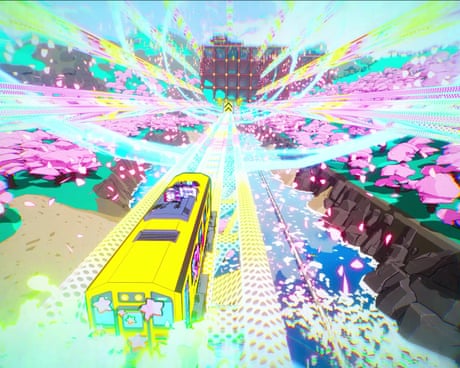
Denshattack! review – time to get on board with kickflipping trains

PC, PS5, Xbox Series X/S, Nintendo Switch 2; Undercoders
Colourful, counter-cultural and captivating – this rail riding game set in a dystopian Japan is as weird as it is exhilarating

Every now and again a game appears with a premise so outrageous you stop in your tracks to take it all in. Denshattack!, a game about kickflipping trains across a dystopian future Japan, is the epitome of this feeling. Set in a post climate disaster world, people have retreated to corporate-owned domed cities to live out their days in air-conditioned, ignorant comfort. Save for a handful of outcasts, the rest of the country is a mess of broken infrastructure, where rival gangs battle it out on the ruins of Japan’s famously extensive rail network. Naive upstart Emi has one goal: become the best Denshattacker there is, one sick nosegrind at a time.

Taking the idea of an on-rails platforming game to its extreme conclusion, developers Undercoders have combined the best bits of the Tony Hawk’s Pro Skater series – grinding, flipping and spinning through an entire dictionary of tricks – with the anti-establishment message behind Jet Set Radio. The rivals Emi encounters showcase the history of Japanese misfits, pitting you against ageing rockabillies and violent girl gangs without a shred of judgment.

Continue reading...

© Photograph: Undercoders

© Photograph: Undercoders

© Photograph: Undercoders

  •  

Snazzy Labs Puts the Mac’s Upcoming Game Porting Toolkit 4 Through Its Paces

Over at Snazzy Labs, Quinn Nelson has a great in-depth look at the changes coming to Apple’s Game Porting Toolkit with macOS 27 this fall. Paired with Metal 4, it’s a real leap over what’s possible today, and Nelson showcases the difference well.

Thanks to the upcoming update, Nelson was able to use CrossOver, a Windows-to-Mac compatibility layer that allows PC games to be played on a Mac, to spotlight some impressive numbers on games ranging from Red Dead Redemption to the recently released 007 First Light.

Not all games Nelson tried showed the same leap in performance, but that’s true on compatibility layers like Proton on the Steam Deck, too. What’s remarkable is that it’s all done in software and as Nelson points out, the advent of coding agents like Codex and Claude may help bring more PC games to Mac using the Game Porting Toolkit by reducing the porting costs.

Nelson also makes a pitch for an Apple gaming device. I agree with him that more than ever, the pieces, right down to a hardware-focused incoming CEO, are all there for such a device, and I remain optimistic. However, I’ve made the case for such a device for years now to no avail. Still, whether or not Apple builds gaming hardware itself, watch the full video above. It’s a fantastic view of how far the Mac has come as a potential gaming platform since the advent of Apple silicon.

  •  
  •  

Google abre Play Store a lojas de apps de terceiros nos Estados Unidos a partir deste mês

A Google e a Epic Games retiraram esta semana o acordo que tinham alcançado para alterar uma decisão judicial nos Estados Unidos. A gigante tecnológica terá agora de abrir a Play Store a lojas de aplicações de terceiros a partir de 22 de julho.

The post Google abre Play Store a lojas de apps de terceiros nos Estados Unidos a partir deste mês appeared first on Tek Notícias.

  •  

Zombies, gore and creepy kids – why we can’t stop playing horror games

As global anxieties multiply, ​v​ideo games from Resident Evil to Mouthwashing are providing rich source material to help decode society’s problems

• Don’t get Pushing Buttons delivered to your inbox? Sign up here

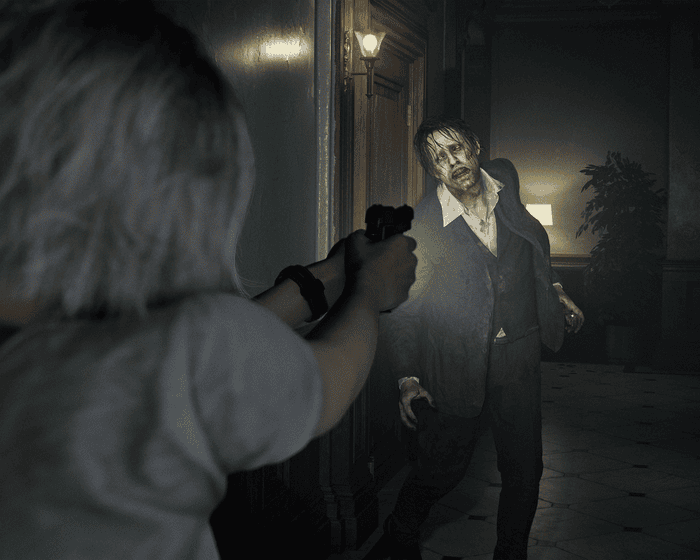
Horror is so hot right now. There’s Obsession, Evil Dead Burn and Hokum in the cinema, Widow’s Bay, From and Something Very Bad Is Going to Happen on TV, and, of course, a rotting smorgasbord of horror games including Resident Evil Requiem (pictured top) and Reanimal, soon to be joined by Silent Hill: Townfall, Silver Pines and Dreadmoor. We’re also seeing weird cross-pollinations, with horror movie studio Blumhouse making games, while games themselves become horror films and the whole backrooms genre infects every medium it touches.

So it was fascinating to attend last week’s horror and gaming conference at Falmouth University, in Cornwall: a gathering of students, researchers and lecturers, all engaged in the academic study of horror games. There were brilliant talks on zombies and posthumanism, the gothic in games, and the role of monstrous little girls in survival horror (there are a lot of them!). Subjects as diverse as masculine fragility, disability and ageing came up; Will Doyle, creative director at Supermassive Games, gave a great keynote on the art of creating horror in games using tools such as revulsion, spatial alienation and the human instinct of apophenia. I learned a lot about theorists such as Julia Kristeva and Mark Fisher, and about the technical similarities between indie horror games and film noir (for example, the use of darkness and creative camera techniques to “hide” budget restrictions). It was incredible fun.

Continue reading...

© Photograph: Capcom

© Photograph: Capcom

© Photograph: Capcom

  •  

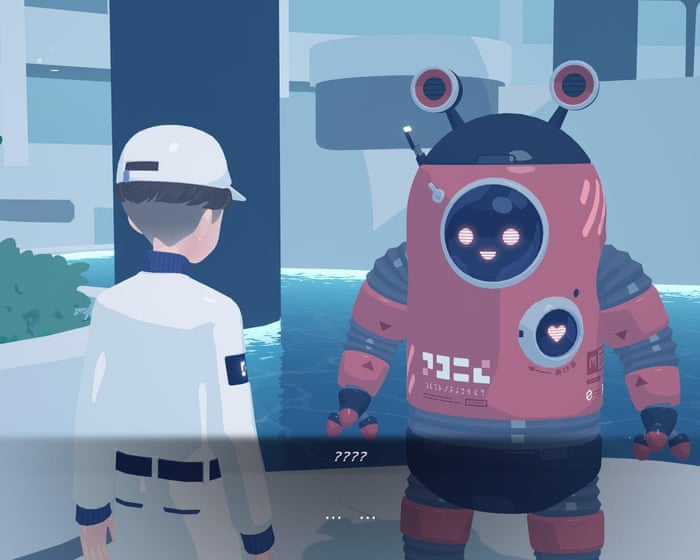
D-topia review – cosy sci-fi mystery takes aim at AI

PC, PS5, Xbox Series X/S, Nintendo Switch, Nintendo Switch 2; Marimittu Games
A soft puzzle game makes a sharp point about the over-optimised future ahead

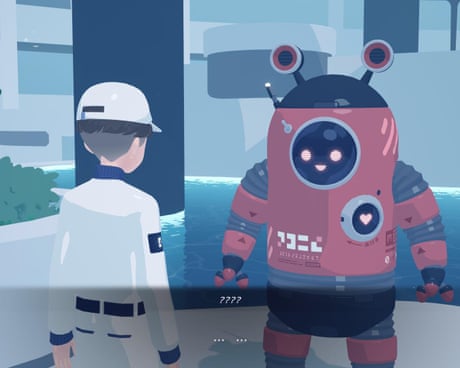
In the far future, on a planet that is not Earth, AI is in charge. This entity is no Skynet-esque killer robot but a machine that cares for humanity. Manifesting most visibly as cute droids, the technology is pervasive – embedded in everything from the design of the sleek architecture to the gorgeous, mostly sunny artificial weather. The so-called Optimization System has but one responsibility: ensuring the greatest happiness for the greatest number of people.

In less skilled hands this game might have felt like an undergraduate seminar on the limits of utilitarianism. But Japanese studio Marumittu Games elegantly marries its philosophical concerns with smart design choices. You play as a young, unnamed Facilitator tasked with tending to both the city’s bots and its human residents. Each morning you wake up, sleepily loping off to the bathroom before sitting down for an exquisitely rendered breakfast, and then embark on your day’s work. Like everything else in this near-future scenario, labour is designed to cause as little frustration as possible, amounting to simple maths brain teasers on a grid – nothing too taxing, but enough to keep you engaged.

Continue reading...

© Photograph: Annapurna Interactive

© Photograph: Annapurna Interactive

© Photograph: Annapurna Interactive

  •  
❌