Como sabemos, a Maçã não costuma falar publicamente sobre movimentos como esse. No entanto, a Lei dos Mercados Digitais (Digital Markets Act, ou DMA), da União Europeia, obriga empresas que operam no Velho Continente a notificar as autoridades sobre aquisições significativas.
Ainda segundo a Comissão, além de ter comprado a empresa em sua totalidade por meio de uma subsidiária, a Apple “oferecerá emprego e contratará alguns funcionários da PlasmaSolve”, embora não forneça números exatos.
Além de contar com uma descrição mais detalhada do campo de atuação da empresa, o site da PlasmaSolve lista uma série de pesquisas e papers desenvolvidos pelos seus funcionários com “parceiros da esfera acadêmica” e “departamentos de pesquisa e desenvolvimento de outros negócios” — algo que não deverá durar muito mais tempo, já que a gigante de Cupertino tem o costume de tirar do ar as páginas das empresas que adquire (o site do MatSight, inclusive, já foi derrubado).
A PlasmaSolve é uma equipe de especialistas em tecnologias movidas a plasma e ciência dos materiais. Nossa missão é criar modelos digitais idênticos, confiáveis e fiéis para essas tecnologias de ponta.
Sediada em Brno (na Tchéquia), a PlasmaSolve foi fundada em 2016 como uma empresa de consultoria para tecnologias e materiais baseados em plasma. O seu software de simulação, por sua vez, foi introduzido em 2023 e distribuído para “empresas pioneiras” no seu primeiro lote, com uma equipe composta por algo entre dois e dez funcionários.
Essa notícia vem apenas algumas semanas após ficarmos sabendo que a Apple adquiriu a SigScalr, empresa por trás da SigLens (plataforma de observabilidade de código aberto voltada ao processamento intenso de dados).
App Store regulatory changes are beginning to affect Apple Services growth as developers gain more ways to avoid Apple’s payment system or pay lower commissions in major markets.
Apple finance chief Kevan Parekh told investors that changes to the App Store business model in some countries had affected its performance during the June quarter. Softer spending on mobile games created additional pressure.
The acknowledgement is significant because regulatory risk has appeared in Apple filings for years without producing a clearly identified effect on Services performance. Apple is now confirming that rule changes have advanced far enough to influence reported results.
The impact does not mean the App Store has stopped growing. Apple described the store as reaching another June-quarter revenue record, while Services expanded by approximately 12% from the previous year.
The emerging issue is the rate of growth. A purchase can still occur inside an iPhone app while generating less revenue for Apple when the customer pays through a developer’s website or uses terms carrying a reduced fee.
App Store Regulatory Changes Affect Several Markets
Apple did not identify one country or policy as solely responsible for the effect.
The company is adapting to a collection of court orders, competition laws and regulatory agreements that differ substantially among the United States, European Union, China, Brazil, Japan, South Korea and other markets.
Some rules concentrate on payment choice. They allow developers to place links or buttons inside apps leading customers to external checkout pages.
Other changes permit alternative app marketplaces or direct distribution outside the App Store. Several regulators are also examining whether Apple can charge developers for transactions completed through another payment provider.
The financial result depends on the model adopted in each country. Apple may receive no commission, a reduced commission or another fee connected with platform technology and distribution.
This creates a more fragmented App Store business. A subscription sold through the same application can produce different revenue for Apple according to the customer’s country, payment route and the developer terms governing that version of the app.
Image Credit: Apple Inc.
The United States Changed External Payment Links
The most direct change in the United States came from the long-running legal dispute between Apple and Epic Games.
A federal court previously ordered Apple to stop preventing developers from directing customers toward outside purchasing options. Apple responded by allowing certain external links while seeking commissions of between 12% and 27% on purchases completed through them.
The company also introduced design restrictions, an approval process and a warning screen displayed when customers left the App Store environment.
In April 2025, the district court found Apple in civil contempt for failing to comply fully with the anti-steering injunction. The ruling prohibited the company from collecting a commission on purchases made through external links and removed several restrictions governing their appearance.
Apple updated its App Review Guidelines in May 2025. Apps distributed through the United States storefront can include buttons, external links and other calls to action leading customers toward another payment method.
The rules no longer require a special external-link entitlement for the U.S. storefront.
That change gives developers a straightforward financial reason to move some transactions to the web. A company can process a payment through another provider instead of giving Apple a percentage of the digital sale.
The customer can return to the iPhone app and use the purchased subscription or content. The app remains distributed through Apple, but the associated transaction no longer produces the same App Store commission.
Enough developers adopting that route can slow Apple Services growth even if total spending on iPhone applications continues increasing.
The European Union Introduced Alternative Distribution
The European Union’s Digital Markets Act requires Apple to permit alternative app marketplaces, outside payment systems and other changes intended to reduce its control over iOS distribution.
Developers can remain under Apple’s conventional App Store terms or adopt business terms designed for the European market.
The alternative structure separates several services that were previously combined inside one commission. Developers can choose different levels of App Store support, use Apple’s payment system, provide another payment option or distribute software through a competing marketplace.
Apple introduced reduced commissions and technology-related fees to preserve compensation for the tools, security systems, distribution infrastructure and platform access it provides.
Those terms have changed several times following regulatory objections. Beginning in 2026, Apple started moving from its earlier Core Technology Fee toward a Core Technology Commission applied to eligible digital transactions under particular conditions.
The structure means outside payments do not always eliminate Apple fees in Europe. They can still reduce the amount Apple collects or shift revenue among different fee categories.
Regulators continue examining whether the terms provide meaningful choice or discourage developers from leaving the standard model.
Apple argues that alternative stores and payment systems create additional privacy, security and fraud risks. The European Commission has focused on whether Apple’s warnings, technical requirements and fees make those options unnecessarily difficult to use.
European developers must calculate more than one commission. They need to consider payment-processing costs, marketplace charges, customer acquisition, reporting obligations and the Apple terms attached to each distribution method.
The result may be lower App Store revenue without an equally large shift toward independent marketplaces. External website payments can change Apple’s economics more quickly because they do not require customers to install another store.
Apple lowered several commission rates in the China mainland storefront beginning March 15, 2026.
Qualifying transactions under the App Store Small Business Program and Mini Apps Partner Program now carry a 12% commission. The same rate applies to eligible auto-renewing subscriptions after the subscriber’s first year.
These transactions previously qualified for a higher 15% rate.
A three-percentage-point reduction may appear small beside demands for completely independent payments. At the scale of China’s app economy, it can remove a meaningful amount of revenue while improving the share retained by developers.
The Mini Apps Partner Program is particularly important in China because large platforms can contain many smaller services inside one host application.
Reducing the commission can encourage those ecosystems to continue using Apple In-App Purchase. It also demonstrates how Apple may respond to pressure by offering more favorable terms before regulators require a more disruptive change.
Lower commissions can support transaction growth over time, but the immediate calculation is straightforward: Apple receives less from each qualifying purchase.
Image Credit: Apple Inc.
Brazil Opens iOS to Outside Stores and Payments
Apple introduced alternative app distribution and payment options in Brazil through an agreement with the country’s competition regulator, CADE.
Beginning with iOS 26.5, developers can distribute apps through alternative marketplaces, operate those marketplaces and process digital payments outside Apple In-App Purchase.
Apps can also present links leading users to an external website where the transaction is completed.
Apple continues applying notarization and other technical requirements to software distributed outside the App Store.
The company maintains that these protections reduce risks but cannot provide the complete safeguards associated with App Review.
Brazil is a major smartphone and digital-services market. Its effect on Apple Services will depend on whether large developers adopt the new options and whether customers are willing to leave the familiar App Store purchasing flow.
An external option existing in software does not guarantee that people will use it. The developer must usually offer a meaningful advantage, such as a lower price, a different subscription package or payment methods better suited to local customers.
Adoption can increase gradually as existing apps release updates. The financial impact may therefore become more visible over several quarters rather than appearing immediately after the regulatory agreement takes effect.
Why Outside Payments Reduce Apple Services Revenue
Apple receives a commission when an eligible digital purchase uses its in-app payment system.
The fee compensates Apple for distribution, payment processing, fraud management, developer tools, customer support and access to the iOS platform, according to the company.
The standard percentage varies. Small developers and long-running subscriptions can qualify for reduced rates, while other eligible digital transactions may carry higher commissions.
When payment moves to a developer’s website, an independent processor handles the financial transaction. The developer pays that provider, manages more of the customer relationship and retains the amount that would otherwise become an App Store fee.
Apple may still provide the operating system, APIs, development tools and App Store distribution without receiving the conventional payment commission.
This separation explains why App Store activity and App Store revenue can move differently. People may download more applications and spend more on digital services while Apple captures a smaller percentage of the commerce.
The same customer could maintain several subscriptions used exclusively on an iPhone without any of their monthly payments passing through Apple.
Apple can collect other revenue from that user through hardware, advertising, iCloud or its own subscriptions. The external transaction nevertheless removes one part of the Services model.
Most App Store Commerce Never Paid Apple a Commission
The size of the App Store economy should not be confused with Apple’s commissionable revenue.
Apple says the global App Store ecosystem facilitated more than $1.4 trillion in developer billings and sales during 2025. More than 90% of that commerce did not produce a commission for the company.
The largest categories involve physical goods and services such as retail purchases, travel, grocery delivery, restaurant orders and transportation.
Apple does not collect a percentage when someone uses an Amazon app to order furniture, books a hotel or pays for a meal delivered through an iPhone.
App Store commissions generally concentrate on digital goods, application features, virtual items and subscriptions sold through Apple In-App Purchase.
Regulatory changes target this smaller but financially important part of the ecosystem.
Digital transactions require no physical inventory or delivery network, allowing payment commissions to carry attractive margins. Losing part of that revenue can therefore affect profitability more than the dollar amount alone suggests.
Apple does not disclose App Store revenue or profit separately. The category remains combined with cloud services, advertising, media subscriptions, AppleCare, payments and other operations inside Services.
Mobile Gaming Weakness Adds Another Pressure
Regulation was not the only factor Apple identified.
Parekh said softer mobile gaming activity also affected the App Store. Games represent an important source of digital transactions because players purchase virtual currency, characters, cosmetic items, subscriptions and access to additional content.
A decline in game spending directly affects the commission Apple receives through In-App Purchase.
Gaming is also one category where developers have pushed aggressively for alternative stores and payments. Epic Games began its legal confrontation with Apple after introducing another payment method inside Fortnite and attempting to bypass App Store commissions.
The simultaneous effects are difficult to separate. A game can generate lower revenue because players are spending less, because payments moved outside Apple’s system or because both changes occurred together.
Apple does not provide enough category detail to calculate the contribution from each factor.
The distinction matters for the outlook. Gaming demand can recover with successful releases and stronger consumer spending. A permanent regulatory change does not reverse when one popular game reaches the top of the charts.
Image Credit: Apple Inc.
Developers Gain Revenue but Assume More Work
Outside payments can improve the amount a developer retains from each purchase.
A company moving from a conventional App Store commission to a lower-cost web payment processor may use the difference to reduce prices, fund development or improve profitability.
The developer also assumes responsibilities previously handled through Apple.
Independent billing requires payment processing, tax management, fraud protection, refunds, account recovery and customer support. Subscription status must synchronize correctly between the website and the iPhone app.
Customers changing devices or reinstalling an app expect their purchases to remain available. The developer needs its own account system capable of verifying ownership without relying entirely on Apple’s purchase history.
Small developers may decide that Apple In-App Purchase remains worth its fee because it removes operational complexity and gives customers a familiar checkout experience.
Large subscription businesses have stronger incentives to build their own systems. They already maintain accounts and payments across websites, televisions, Android devices and other platforms.
The regulatory effect will therefore vary by developer size and business model. One company may remove Apple billing completely, while another continues using it because external infrastructure would cost more than the commission saved.
Customers May Receive Lower Prices
External payments create the possibility of lower subscription prices because developers no longer need to incorporate the complete App Store fee into the amount charged.
Some services already cost more when purchased through an iPhone app than through their websites. The higher price allows the developer to preserve similar revenue after Apple receives its share.
A visible external link makes comparing those prices easier. Customers can leave the app, complete the transaction on the web and return with an active account.
Savings are not guaranteed. A developer can retain the entire difference rather than passing it to subscribers.
Independent billing can also make subscription management less consistent.
Purchases completed through Apple appear in one location:
Settings > Apple Account > Subscriptions
A subscription purchased directly must be canceled through the developer’s website or account system. Customers using many external services may need to remember several billing portals and renewal policies.
Refunds and purchase disputes also move away from Apple. The developer or its payment processor becomes responsible for resolving the transaction.
Choice can reduce prices while increasing complexity. The practical outcome depends on whether developers make external checkout clearly cheaper and easy to manage.
Apple Is Expanding Other App Store Tools
Apple is responding to the changing environment by adding business models and marketing systems that can keep developers using its commerce platform.
Monthly subscriptions with a 12-month commitment allow participating apps to offer lower recurring payments while securing a complete year of revenue.
The Advanced Commerce API supports more complex content catalogs, optional add-ons and subscription structures that were previously difficult to manage through standard In-App Purchase products.
Apple has also expanded tools for custom product pages, promotional offers, application analytics and international distribution.
These additions increase the value attached to App Store billing. A developer may tolerate a commission when Apple provides conversion tools, subscription management and access to promotional placement that would be expensive to reproduce independently.
The company can also adjust rates for particular categories. The Small Business Program, Mini Apps Partner Program and reduced commission for longer-running subscriptions already demonstrate differentiated pricing.
A more competitive payment market may push Apple toward additional service tiers rather than one universal commission.
The UK Could Create the Next Material Change
The United Kingdom’s Competition and Markets Authority is consulting on rules that would allow developers to direct customers outside Apple and Google’s payment systems.
The regulator expects any fee charged for steering to be fair, reasonable and lower than current app-store commissions. It wants the resulting savings passed to customers or reinvested in developer businesses.
The UK proposal is not yet a final requirement. Its eventual structure could determine whether developers receive the broad freedom available in the United States or a fee-based model closer to some European arrangements.
Regulators are also considering app-review fairness, interoperability and access to mobile-platform capabilities.
The outcome will matter beyond British customers. Each major jurisdiction creates another model that regulators elsewhere can examine when designing their own rules.
Apple must decide whether to continue maintaining different commercial systems by country or move toward broader global terms that reduce operational complexity.
Developers face the same choice. Supporting a separate payment route, marketplace package and reporting process for every region can become expensive enough to cancel some of the benefits regulation intended to create.
The next evidence will come from behavior rather than another policy announcement: how many major apps add external payment links, whether they offer lower prices and how quickly customers move away from Apple’s checkout.
“Fim do monopólio da Apple.” “iPhone liberado no Brasil.” “Mudança histórica.” As manchetes das últimas semanas não economizaram no tamanho. Do outro lado, o que o usuário recebeu de fato foi uma opção nova e discreta nos Ajustes do iPhone — e, se você não for atrás dela, sua vida com o aparelho seguirá exatamente igual. Aposto que vai seguir…
Recapitulando rapidamente: em 18 de junho, com o iOS 26.5, a Apple oficializou a abertura do iOS no Brasil, cumprindo o acordo assinado com o Conselho Administrativo de Defesa Econômica (Cade) em dezembro de 2025 — desfecho de uma investigação que começou lá em 2022, com uma denúncia do Mercado Livre. Lojas alternativas de apps agora são permitidas — a AltStore PAL chegou no mesmo dia —, desenvolvedores podem usar meios de pagamento próprios e incluir links para compras fora do app. O acordo vale por três anos, sob supervisão do Cade, com multas de até R$150 milhões se a Apple descumprir. Nós mostramos como tudo funciona em um vídeo.
Até aqui, a notícia. Agora, a leitura que ninguém fez direito. Passei mais de 20 anos construindo aplicativos que viveram sob as regras da App Store (apps de banco, varejo, montadora, etc.) e, quando li os termos do acordo com olhos de gerente de produto, a conclusão foi rápida: a Apple não abriu a porta. Ela redesenhou o funil.
Siga o dinheiro: ele continua indo para Cupertino
O detalhe que as manchetes de “fim do monopólio” esquecem de contar: a Apple criou uma estrutura de taxas em que ela recebe em praticamente qualquer caminho que o desenvolvedor escolher. Vale comparar os cenários:
Onde o app vive e como cobra
Como cobra
Quanto a Apple leva
App Store
Pagamento pelo sistema da Apple
De 10% a 21% + 5% de processamento
App Store
Pagamento por sistema próprio dentro do app
De 10% a 21%
App Store
Link para compra externa
15% (10% para quem se qualifica)
Loja alternativa
Pagamento próprio
5% sobre bens digitais
Olhe a última linha com calma. Um app que sair da App Store, for distribuído por uma loja concorrente e processar o pagamento por conta própria (ou seja, um cenário em que nenhuma infraestrutura de venda da Apple aparece) ainda deve 5% de cada transação de bens digitais para a Apple. É a chamada “comissão de tecnologia essencial”, e ela viaja junto com o app para onde ele for.
Agora, pense com a cabeça de um desenvolvedor. Os apps gratuitos (WhatsApp, Nubank, iFood e a imensa maioria dos que você usa) não pagam nada de comissão hoje. Se migrarem para uma loja alternativa, passam a pagar 5% sobre qualquer venda digital que façam. Migrar significa criar um custo que não existia. E são justamente esses apps gigantes que dariam tração a uma loja concorrente. Ou seja: o desenho das taxas torna a mudança irracional exatamente para quem faria a diferença. Isso não é acaso; é arquitetura de incentivos, e das bem-feitas.
A porta existe, mas tem um cadeado de US$1 milhão
Tem mais um filtro, ainda menos comentado. Para operar uma loja alternativa no Brasil, a empresa precisa apresentar uma carta de crédito de US$1 milhão emitida por uma instituição financeira com nota BBB ou superior — ou, alternativamente, ter dois anos contínuos no programa de desenvolvedores da Apple com mais de 1 milhão de instalações anuais no mundo. Na prática, isso deixa de fora todo mundo, menos gigantes bem capitalizadas: a Epic Games (que já prometeu trazer sua loja “nos próximos meses”), talvez o próprio Mercado Livre (que, ironicamente, foi quem começou essa briga) e pouquíssimos outros.
Sem várias lojas competindo de verdade, não há pressão de preço. E sem pressão de preço, o usuário não tem motivo para mudar de comportamento. O ciclo se fecha sozinho.
A Europa já fez esse filme, e o final não anima
Nada disso é especulação minha; é o roteiro que a União Europeia vem rodando desde março de 2024, quando a Lei dos Mercados Digitais (Digital Markets Act, ou DMA), obrigou a Apple a uma abertura muito parecida — e que serviu de modelo para o acordo brasileiro. Dois anos depois, o balanço europeu é magro: as lojas alternativas seguem como nicho, a Setapp Mobile (da MacPaw, empresa séria, com catálogo bom) fechou as portas em fevereiro citando “a complexidade excessiva dos termos comerciais da Apple” e a Comissão Europeia precisou multar a Apple em 500€ milhões por continuar dificultando que desenvolvedores direcionassem usuários para compras mais baratas. A Apple recorre da multa até hoje.
O Cade, vale dizer, aprendeu algo com isso: o acordo brasileiro exige que os avisos da Apple sobre lojas e pagamentos de terceiros sejam “neutros e objetivos”, sem telas de fricção empurrando o usuário de volta para o caminho de Cupertino. É um detalhe regulatório esperto. Mas o incentivo econômico de fundo (a taxa que persegue o desenvolvedor aonde quer que ele vá) é o mesmo da Europa. E foi ele que esvaziou a festa por lá.
Onde as coisas podem mudar de verdade
Para ser justo, nem tudo é fumaça. Duas frentes me parecem promissoras — e nenhuma delas envolve você trocar de loja.
A primeira são as assinaturas. Um serviço que lhe leva para pagar no site, na faixa de 10% a 15% de comissão em vez dos até 26% de antes, tem margem real para repassar desconto — se quiser.
A segunda é o pagamento dentro do próprio app: agora, nada impede um jogo ou serviço de oferecer checkout com Pix, com taxas de processamento muito menores que as do cartão internacional embutido no sistema da Apple.
Repare, porém, no que essas duas frentes têm em comum: dependem de o desenvolvedor escolher repassar a economia. A Apple, aliás, avisou que não cuida de reembolso nem de gestão de assinatura de nada comprado fora do sistema dela — mais um empurrãozinho para que tudo fique como está.
O jardim ganhou um portão; o pedágio continua o mesmo
No fim das contas, o acordo com o Cade é real, tem dentes (R$150 milhões deles) e coloca o Brasil num clube seleto — só União Europeia, Japão e Coreia do Sul forçaram abertura parecida. Como precedente regulatório, é enorme. Como mudança no seu dia a dia, é quase nada: o botão novo nos Ajustes vai continuar intocado na imensa maioria dos iPhones brasileiros, os apps vão continuar vindo da App Store e os preços vão continuar os mesmos.
A Apple declarou que, com as novas regras, desenvolvedores pagarão “o mesmo ou menos” do que antes. Curiosamente, é a frase mais honesta de toda essa história — porque o objetivo do desenho inteiro é exatamente esse: que tudo mude o suficiente para satisfazer o regulador, e pouco o bastante para não mudar nada.
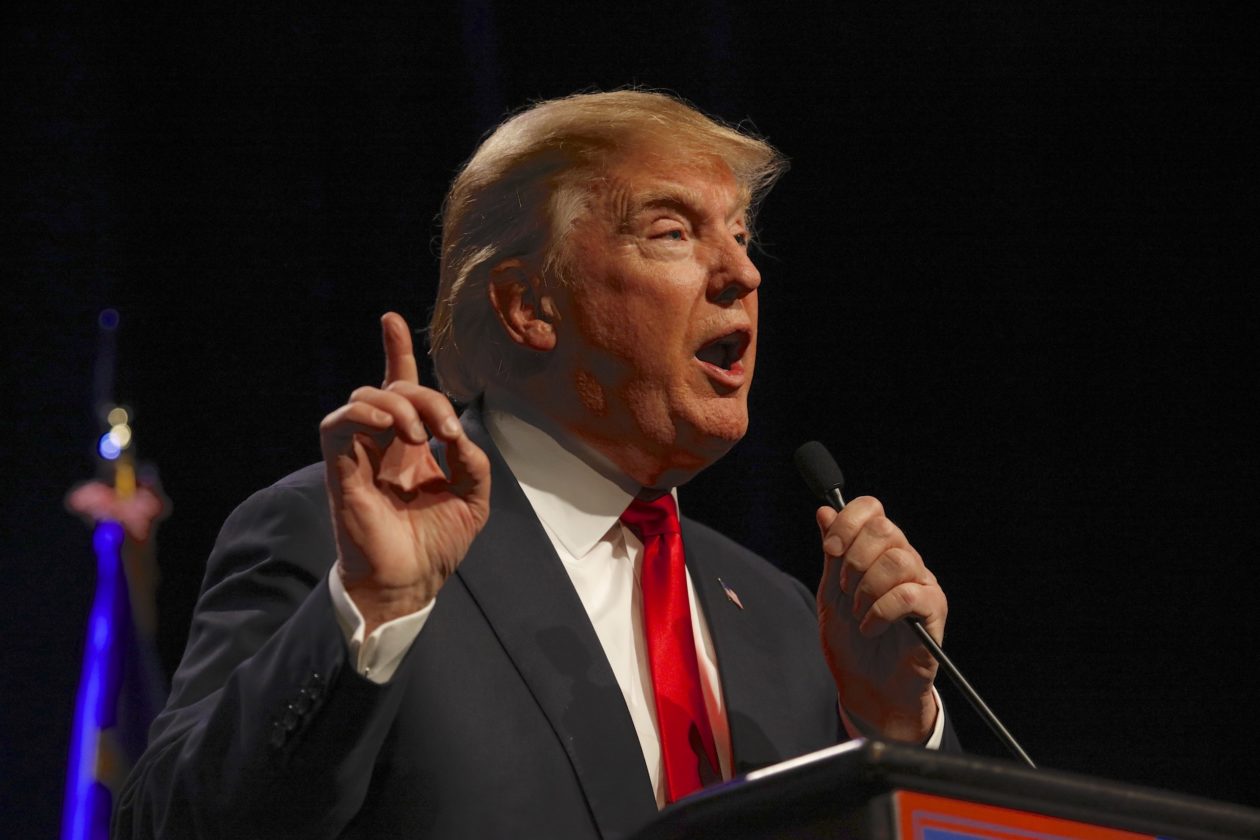
Na declaração, Trump prometeu reverter as penalidades financeiras aplicadas às empresas estadunidenses sancionando tarifas contra a UE. Ele também aproveitou a oportunidade para alfinetar o ex-presidente do país, Joe Biden:
A União Europeia atacou de novo e, como de costume, mirou diretamente nas GRANDES empresas americanas! Depois de multar a Apple, sem motivo aparente, em US$15 bilhões, a Meta em US$3 bilhões, a Amazon em US$2,5 bilhões, e muitas outras, nós acabamos de ser informados que o Google, um grupo fantástico e realmente avançado, acabou de receber outra multa de US$1 bilhão, sem explicação. Isso leva o total do Google para mais de US$18 bilhões!
Essa prática ilegal e altamente discriminatória começou nesses níveis elevados durante o primeiro ano da administração do dorminhoco Joe Biden, mas não continuará durante a administração Trump.
Os Estados Unidos da América não são um “COFRINHO” da Europa, e nós não vamos permitir que sejam!
Que esta VERDADE sirva para representar que vamos iniciar imediatamente uma investigação da Seção 301 1Lei americana de comércio que investiga práticas tributárias ou sanções injustas de outros países contra os EUA. sobre essa prática de “ROUBAR” empresas americanas e, por consequência, o contribuinte americano.
A União Europeia vai pagar caro por essa conduta ilegal e altamente antiética, sobre a qual venho alertando-os de maneira consistente. As penalidades serão inteiramente revertidas e, como esperamos, TARIFAS substanciais serão aplicadas contra eles assim que possível. Fiquem ligados!
Presidente DONALD J. TRUMP
Não é a primeira vez que o mandatário dos EUA critica a maneira como a UE penaliza as empresas americanas: em 2025, ainda recém-empossado, ele não apenas criticou essas práticas, como alegou que as multas eram, na verdade, pretextos para uma retaliação tributária e “injusta”.
Vale lembrar que o segundo mandato de Trump foi endossado de maneira reputacional e monetária por praticamente todas as empresas citadas na declaração — especialmente o CEO 2Chief executive officer, ou diretor executivo. da Apple, Tim Cook, que ajudou a financiar a cerimônia de inauguração do seu governo.
President Donald Trump holds a signed executive order on tariffs, in the Rose Garden at the White House in Washington, D.C., April 2, 2025.
A group of 25 U.S. lawmakers has sent a letter to President Trump calling on his administration to confront the European Union’s digital regulations, which they describe as discriminatory policies aimed at American technology giants.
In the letter, obtained by Reuters, the Republican lawmakers – including key members of the House trade subcommittee – urged the president to consider launching Section 301 investigations under U.S. trade law. Such probes could pave the way for tariffs or other retaliatory measures against the EU if talks fail to resolve the issues.
The central target of the complaint is the EU’s Digital Markets Act (DMA), which designates major U.S. companies – including Amazon, Apple, Google, Meta, Microsoft, and Booking Holdings – as “gatekeepers” subject to strict behavioral rules. Lawmakers argue the rules unfairly burden American firms while sparing European and Chinese competitors.
Key concerns raised in the letter:
• Cloud services: The likely inclusion of Amazon Web Services and Microsoft’s cloud business under DMA oversight would impose “unprecedented regulatory burdens” not faced by European or Chinese rivals.
• Google fines: An expected European Commission fine against Google this week for alleged DMA violations ignores the company’s significant changes to its search services.
• Inconsistent enforcement: Apple, Meta, and Amazon have been labeled gatekeepers based on user numbers in Europe, while Chinese platforms like Temu and AliExpress have been excluded.
“We write to bring to your attention the many ways the EU continues to pursue anti-competitive acts, policies, and practices as a tool of economic extraction and regulatory coercion against American firms,” the letter states. It warns that EU access to the U.S. market “is not guaranteed” if the discriminatory practices continue.
The European Commission has not yet responded to the letter. It maintains that its rules apply neutrally to promote fair competition and do not single out any country.
This latest congressional push aligns with President Trump’s long-standing criticism of EU digital policies and could signal a more aggressive U.S. trade posture toward Brussels in the coming months. Lawmakers emphasized that dialogue should be attempted first, but “all available tools” – including tariffs – remain on the table if needed.
The move highlights ongoing transatlantic tensions over technology regulation, data privacy, and market access that have persisted for years and are now poised to test the new Trump administration’s approach to international trade.
MacDailyNews Take: Good. The DMA does far more harm than good.
The European Union arose because the Europeans couldn’t compete on their own with the rest of the world, so they each lined up to surrender their national sovereignty, unique cultures, and dignity for an undemocratic, opaque, wasteful, bloated, bureaucratic quasi-governmental blob – and, even with the EU’s thumbs all over the scale, they still can’t compete. – MacDailyNews, March 4, 2024
Please help support MacDailyNews — and enjoy subscriber-only articles, comments, chat, and more — by subscribing to our Substack: macdailynews.substack.com. Thank you!
Europe wasted no time using its landmark Digital Markets Act (DMA) to try to rein in Big Tech. Companies like Apple, Meta, and Google have faced steep fines and orders to modify their business practices since the law came into force in 2024. And the hits keep on coming for Big Tech in Europe. After several months of consideration, the European Commission has announced new DMA measures that will force Google to support interoperability and competition in the European Union, and Google is not happy about it.
The new "specification measures" cover two elements of Google's business: Android phones and search. Both changes could theoretically increase competition and give users more choices, but Google claims they will undermine privacy and security. But as a "gatekeeper" under the DMA, Google has no choice but to comply. As the European Commission points out in its announcement, these decisions are legally binding.
On Android, Google will have to open up access to competing AI platforms. Currently, Google's Gemini gets preferential access to the system. Gemini is preloaded on all Google-certified Android phones and can wake up in response to the "Hey Google" hot word. Google's AI also includes system and app automation features, screen content access, and more.
EU tech regulation, Digital Markets Act, Apple Europe sales, Apple regulation, European Union, Siri AI, iPhone features, device interoperability, App Store changes, alternative marketplaces, iPhone Mirroring, AirPods translation, Apple privacy, iPhone security, app sideloading, platform competition, DMA compliance, Apple Intelligence, European technology, government control
EU tech regulation is no longer limited to App Store payment rules or competition disputes hidden from ordinary consumers. It is beginning to determine which features reach European devices, how quickly they arrive and how deeply third-party companies can interact with the iPhone, iPad and Mac.
The Digital Markets Act was designed to reduce the control of large technology platforms over software distribution, payments, browsers, digital assistants and connected hardware. For Apple, compliance has already produced alternative app marketplaces, web distribution, third-party payment options, additional default-app controls and expanded access to iPhone technologies.
The next phase reaches much deeper into the operating system. European regulators want competing accessories, cloud services and AI assistants to receive access to capabilities traditionally reserved for Apple’s own products.
Apple argues that some of those demands could weaken privacy and security. The European Commission says the company is responsible for creating compliant systems that preserve both competition and user protection.
Between those positions sits a large and commercially significant group of customers. Europe generated $28.06 billion in Apple sales during the quarter ending March 28, 2026, up from $24.45 billion one year earlier. Six-month European sales reached $66.20 billion, compared with $58.32 billion during the same period of fiscal 2025.
Europe therefore represented more than one-quarter of Apple’s latest quarterly revenue. It is too valuable to leave behind, but increasingly difficult to serve with the same software experience available elsewhere.
EU Tech Regulation Is Splitting Feature Availability
Regional differences once centered mainly on language support, licensing agreements or local services. EU tech regulation is creating a more structural divide.
Apple has blamed Digital Markets Act requirements for delaying Siri AI across the European Union. The company says regulators expect competing AI assistants to receive extensive access to personal information, apps and device actions before Apple can reserve those capabilities for its own assistant.
The disagreement concerns more than answering questions. Siri AI is designed to read personal context, understand onscreen information and complete actions across apps. That may include finding messages, accessing files, making purchases or sending information on the user’s behalf.
Opening those capabilities to outside AI systems requires new permission structures, technical interfaces and safeguards. Apple says it cannot release its assistant first and add competing access later without risking regulatory action. The Commission says Apple had sufficient time to design an interoperable solution.
Other delayed European features have included iPhone Mirroring on Mac, Live Translation through AirPods and certain location-based Maps capabilities. Each feature touches a different part of the ecosystem, but all depend on privileged communication between Apple devices, software and services.
The consequence is becoming visible at purchase. Two customers can buy the same iPhone model at similar prices and receive different capabilities because one lives inside the European Union.
Image Credit: Apple Inc.
Feature Adoption Becomes Slower and Less Predictable
Delayed availability can weaken the adoption of new hardware features even when the devices themselves continue selling well.
Siri AI is intended to become a central part of newer iPhones, iPads and Macs. Buyers who cannot access it lose part of the justification for newer chips, additional memory and on-device AI processing. Developers also face a smaller addressable audience for apps built around the new assistant.
AirPods Live Translation presents a similar problem. A feature designed to demonstrate the combination of iPhone processing, microphones and wearable audio becomes unavailable in a region built around dozens of languages and frequent cross-border travel.
iPhone Mirroring affects the relationship between iPhone and Mac. Users outside the EU can interact with the phone from macOS, while European users may receive notifications without gaining the complete experience.
These differences do not necessarily stop hardware sales. Apple’s newest results show strong European demand despite years of regulatory conflict. They can, however, reduce the speed at which customers use the ecosystem’s newest capabilities.
The effect may grow as software becomes a larger part of hardware differentiation. A faster processor has limited emotional value when the feature designed to demonstrate it is unavailable.
Apple Sales Show Why Europe Cannot Be Ignored
Apple does not report European Union revenue separately. Its Europe segment also includes countries outside the bloc, along with India, the Middle East and Africa. The official segment remains the best regularly published measure of the region’s commercial weight.
European sales rose approximately 15% year over year in Apple’s latest reported quarter. During the first six months of fiscal 2026, the segment expanded by roughly 14%.
Those figures weaken the argument that regulation is already driving customers away from Apple hardware. Demand remains strong, supported by the iPhone 17 family, Mac sales, services and the company’s installed base.
The financial risk is more gradual. Regional software fragmentation can raise engineering costs, delay launches and make European devices less competitive against products able to offer complete feature sets.
Apple must maintain separate distribution rules, payment systems, browser options and eligibility checks. Developers must decide whether alternative stores, external payments or EU-specific business terms justify additional work. Support teams must explain why features differ between countries using the same operating-system version.
A market responsible for more than $28 billion in one quarter can absorb considerable compliance expense. It can also influence Apple’s global product decisions when regulators demand interfaces that cannot be restricted to Europe easily.
A Slow Transfer of Ecosystem Control
The escalating regulatory environment also creates a more fundamental concern: control over complex technology ecosystems can gradually move away from the companies that designed them and toward government committees, regulatory bodies and administrative processes.
That transfer rarely happens through one dramatic order. It develops through repeated obligations covering app distribution, payment systems, browser engines, digital assistants, hardware access, data portability and interoperability. Each requirement may appear narrow when considered alone. Together, they can redefine who determines how the ecosystem operates.
Apple built its platform around tight integration between hardware, software, services and security. Regulators increasingly treat parts of that integration as market power that must be opened to competitors. The danger is that an ecosystem designed as one coordinated environment becomes subject to decisions made by committees that do not carry direct responsibility for product quality, reliability or long-term maintenance.
This can become a slow trap. Once a platform is required to expose one layer, regulators may use that access as the basis for demanding another. A payment exception can be followed by alternative app stores. Alternative stores can lead to broader installation rights. Device interoperability can expand into access for AI assistants, personal data and system actions.
The boundaries of the platform are then set less by engineering judgment and more by regulatory negotiation.
Government agencies have legitimate authority to address competition and consumer harm. The concern appears when regulation shifts from preventing abusive conduct to directing product architecture. At that point, public authorities begin influencing feature design, release timing, software permissions and the relationship between first-party and third-party services.
That creates consequences beyond Apple. Any company considering a tightly integrated product may decide that deep integration invites intervention. Businesses could avoid building ambitious ecosystems if successful coordination later becomes grounds for forced access.
Innovation then becomes shaped by what regulators are likely to permit rather than by what engineers believe will produce the safest or most coherent experience.
Image Credit: Ink Drop / Alamy Stock Photo
Competition Gains Come With Real Consumer Choices
EU policy has produced benefits that Apple rarely emphasizes. Users can install apps through alternative marketplaces or directly from authorized developers. Developers can offer external payment methods, promote different prices and avoid relying entirely on Apple’s distribution system.
Alternative browser engines can compete with WebKit, while users have more control over default apps. Contactless payment access has expanded beyond Apple Pay, allowing competing wallet providers to use the iPhone’s NFC technology under approved conditions.
Interoperability requirements could also improve third-party accessories. Smartwatches, headphones and other devices may gain better notification access, background connectivity and proximity pairing with the iPhone.
These changes can increase competition and reduce the advantage Apple gives its own services and accessories. A third-party smartwatch should not become artificially less useful simply because it was not made in Cupertino.
The difficulty is separating legitimate platform access from unlimited access. A notification interface is one thing. An autonomous AI assistant capable of reading messages, accessing files and acting across apps introduces a different level of sensitivity.
Privacy and Security Risks Are Not Theoretical
Alternative app distribution increases user choice, but it also moves some responsibility away from the App Store. Apple continues to notarize apps distributed through approved alternative channels, checking for known malware and severe fraud. That process is narrower than a complete App Store review.
Purchases made outside Apple’s payment system also fall outside its normal refund and billing support. Users may need to resolve disputes directly with the developer or payment provider.
A malicious marketplace, deceptive payment page or compromised developer account can create opportunities for fraud. Enterprise users face additional concerns when employees install software from sources their organization has not approved.
The AI question reaches further. A third-party assistant may need permission to access messages, photos, calendars, documents and app controls. Even a reputable provider can collect more information than the user expects or introduce vulnerabilities through poorly designed integrations.
Apple can build permission prompts, app isolation and revocation controls, but technical access always creates some exposure. Security depends on how narrowly permissions are defined, how visibly they are used and whether the operating system can stop unauthorized actions.
The Commission maintains that interoperability and privacy can coexist. Apple maintains that regulators are demanding access before adequate protections are ready. Both positions contain a legitimate concern: dominant platforms should not block competition, and competition should not require users to surrender control of personal data.
When regulators require a company to alter its architecture, responsibility can become blurred.
Apple remains the company customers blame when an iPhone feature fails, a third-party marketplace distributes a harmful app or an outside assistant misuses personal data. Regulators may have required the access, but they do not operate the device, provide technical support or repair the damage to the platform’s reputation.
This creates an accountability gap. Government committees can mandate openness without assuming the commercial and security consequences of that openness. Apple must comply, maintain the system and explain the outcome to users.
The same problem applies to delayed features. Regulators may argue that Apple chose not to release a service, while Apple may argue that the required conditions made the launch unsafe or technically impractical. Customers are left with less functionality and no simple way to determine who caused the delay.
Over time, the ecosystem can become a negotiated compromise rather than a product with one coherent direction. That may satisfy formal compliance while producing a weaker experience for everyone involved.
The risk is not that governments will literally operate Apple’s software. It is that committees increasingly define the conditions under which Apple can design, connect and release its own features. Control shifts through constraints.
The Industry Will Follow Europe’s Experiment
The consequences extend beyond one company. Google, Meta, Microsoft, Amazon and other platform operators face related European obligations. Hardware makers must consider whether ecosystem advantages can survive when core services are required to support rivals.
Smaller developers may gain new distribution and payment choices, but they may also inherit more compliance, customer-service and security responsibilities. Accessory companies could compete more effectively while becoming accountable for handling sensitive device data.
Other governments are watching. Rules introduced in Europe can influence legislation elsewhere, particularly when companies decide that maintaining one global technical framework is easier than operating several regional versions.
Apple is unlikely to abandon Europe or stop adapting its products. Its sales provide too much evidence of the region’s importance. The company will continue negotiating, appealing decisions and building compliance systems while withholding features it considers unsafe under current demands.
European customers may receive more app stores, payment choices and accessory compatibility. They may also wait longer for headline features included with the same hardware elsewhere.
The deeper consequence may be a technology industry that becomes more cautious about building tightly integrated products. Companies may design around anticipated regulatory demands from the beginning, limiting exclusive features, reducing private-system integration or avoiding innovations that depend on controlled access.
EU tech regulation began as an effort to constrain dominant platforms. Its long-term effect may be to transfer part of the power to shape those platforms from companies and users to regulatory institutions.
That shift deserves scrutiny equal to the market power it is intended to correct. Competition rules can restrain abuse. They can also become a slow mechanism for placing product design, security choices and ecosystem evolution under government supervision.
Shady Control and Bureaucracy
The danger grows when regulatory discretion becomes buried beneath permits, approvals, negotiations and technical committees that operate beyond meaningful public scrutiny.
The more power officials hold over which features, contracts or technologies may proceed—and when—the greater the opportunity for lobbying, favoritism and selective enforcement to influence outcomes. What begins as oversight can gradually become a system in which delay itself is leverage, while responsibility disappears inside layers of administration.
For the technology industry, that risks replacing transparent product decisions with political access, negotiated exceptions and regulatory influence exercised far from the consumers expected to live with the consequences.
Europe wasted no time using its landmark Digital Markets Act (DMA) to try to rein in Big Tech. Companies like Apple, Meta, and Google have faced steep fines and orders to modify their business practices since the law came into force in 2024. And the hits keep on coming for Big Tech in Europe. After several months of consideration, the European Commission has announced new DMA measures that will force Google to support interoperability and competition in the European Union, and Google is not happy about it.
The new "specification measures" cover two elements of Google's business: Android phones and search. Both changes could theoretically increase competition and give users more choices, but Google claims they will undermine privacy and security. But as a "gatekeeper" under the DMA, Google has no choice but to comply. As the European Commission points out in its announcement, these decisions are legally binding.
On Android, Google will have to open up access to competing AI platforms. Currently, Google's Gemini gets preferential access to the system. Gemini is preloaded on all Google-certified Android phones and can wake up in response to the "Hey Google" hot word. Google's AI also includes system and app automation features, screen content access, and more.

 Login