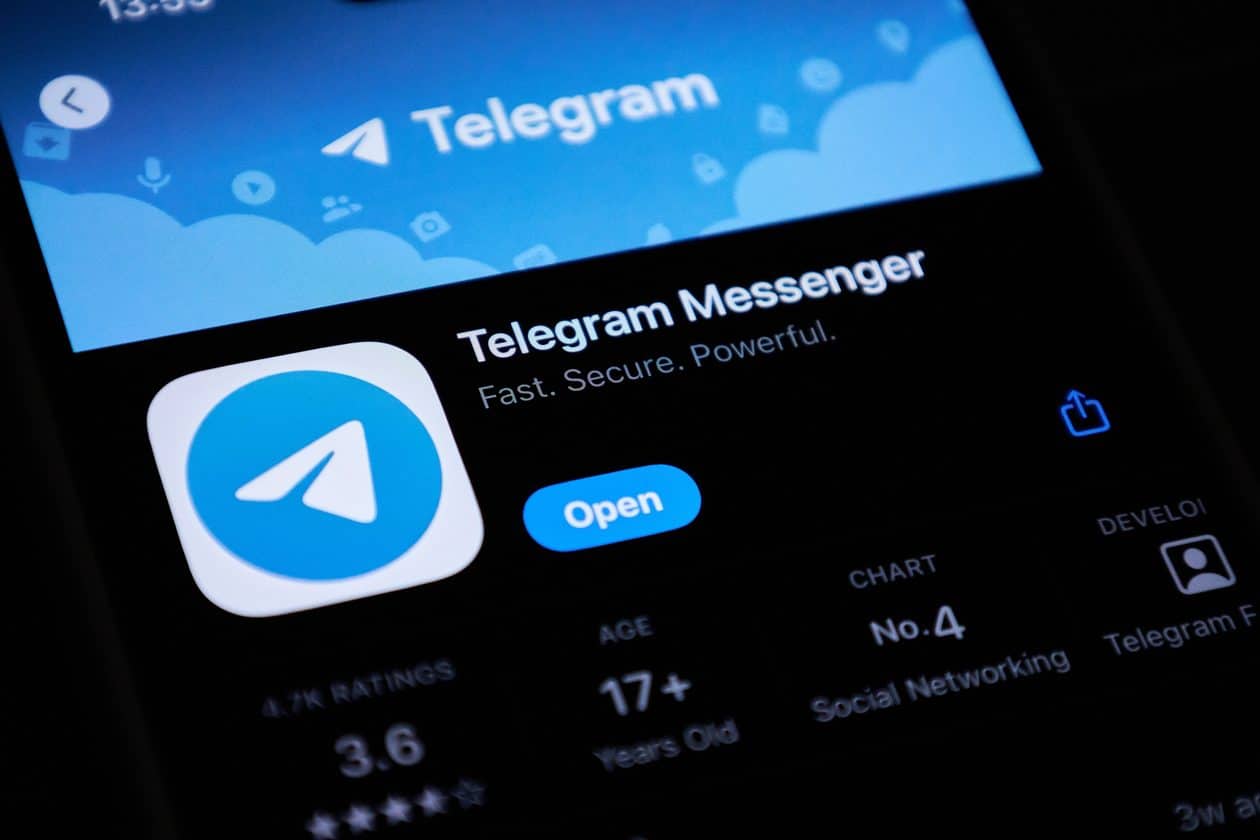
Usuários do Telegram notaram ontem que o aplicativo do mensageiro para iOS ficou indisponível na App Store por um breve período, o que deixou muita gente confusa.
Contatada pela Reuters, a Apple explicou que tirou o mensageiro do ar após um usuário ter reportado a presença de “material de abuso sexual infantil” na plataforma, o que obviamente vai contra as regras da sua loja.
Ainda segundo a gigante de Cupertino, a página do Telegram foi restaurada depois que a equipe do mensageiro removeu o conteúdo supracitado e baniu o usuário responsável pela publicação.
Em resposta, o mensageiro disse que possui uma política de “tolerância zero” contra esse tipo de conteúdo, além de ter bloqueado mais de 338.000 grupos e canais com material ilegal ao longo do último ano.
Ainda assim, a equipe do app ironizou a decisão da Apple nas redes sociais, dando a entender que a companhia não aplica o mesmo tratamento a outros apps. Ela também aproveitou a situação para divulgar uma página com dados sobre a moderação de conteúdo na plataforma:
I'm sure this stance will be applied equally to all other apps in the store, in the future right? @Apple
Outra pessoa a ir às redes sociais para comentar esse pequeno imbróglio foi o CEO 1Chief executive officer, ou diretor executivo. da Epic Games, Tim Sweeney, que criticou a falta de transparência na tomada de decisão da Apple, além de classificá-la como “arbitrária”. Em guerra com a fabricante do iPhone há alguns anos por conta das regras da App Store, ele aproveitou a situação para dizer que a loja da Maçã “precisa desesperadamente de concorrência”:
Such arbitrary policy enforcement, by a monopoly gatekeeper, creates a perfect storm of fear and acquiescence by developers who are victims of Apple’s monopoly. Speak up and criticize their gatekeeping and maybe they’ll enforce the rules one way rather than the other way.
A App Store da Apple precisa desesperadamente de concorrência global. A Apple remove arbitrariamente uma ferramenta vital de comunicação e privacidade, tornando-a inacessível a bilhões de usuários, e infelizmente isso é considerado normal.
A Apple declarou que removeu o aplicativo para um bilhão de pessoas porque um usuário do Telegram publicou algo horrível e ilegal. A empresa não explicou como, se esse é o padrão para remoção de aplicativos, qualquer aplicativo de comunicação, incluindo o iMessage, poderia operar em larga escala.
Essa aplicação arbitrária de políticas, por parte de um monopólio, cria a tempestade perfeita de medo e aquiescência por parte dos desenvolvedores, que são vítimas do monopólio da Apple. Manifeste-se e critique essa postura de controle, e talvez eles passem a aplicar as regras de uma forma, em vez de outra.
Questionada sobre os comentários de Sweeney, a Apple preferiu não emitir uma resposta.
Segundo ele, todo esse imbróglio foi provocado por um único usuário mal intencionado, que plantou conteúdo impróprio modificado por inteligência artificial (IA) em um grupo público na plataforma. Para tal, essa pessoa editou uma mensagem antiga na conversa, o que acabou fazendo com que ela passasse despercebida pelos administradores do grupo.
Ainda de acordo com Durov, esse usuário era um extorsionista — ou seja, uma pessoa que usa “contas automatizadas para plantar conteúdo ilegal em grupos públicos e depois denunciá-lo diretamente à Apple, tentando provocar a remoção de comunidades legítimas” cujos donos se recusaram a pagar o resgate.
O executivo também garantiu que a presença de conteúdo desse tipo na plataforma não representa um problema sistêmico e que sua equipe de moderação é efetiva, além de ter criticado a Apple por ter removido o app de sua loja sem contatar o Telegram primeiro. “Se um aplicativo usado por mais de 1 bilhão de pessoas pode ser removido da App Store sem aviso prévio, qualquer aplicativo pode ser”, comentou.
App Store regulatory changes are beginning to affect Apple Services growth as developers gain more ways to avoid Apple’s payment system or pay lower commissions in major markets.
Apple finance chief Kevan Parekh told investors that changes to the App Store business model in some countries had affected its performance during the June quarter. Softer spending on mobile games created additional pressure.
The acknowledgement is significant because regulatory risk has appeared in Apple filings for years without producing a clearly identified effect on Services performance. Apple is now confirming that rule changes have advanced far enough to influence reported results.
The impact does not mean the App Store has stopped growing. Apple described the store as reaching another June-quarter revenue record, while Services expanded by approximately 12% from the previous year.
The emerging issue is the rate of growth. A purchase can still occur inside an iPhone app while generating less revenue for Apple when the customer pays through a developer’s website or uses terms carrying a reduced fee.
App Store Regulatory Changes Affect Several Markets
Apple did not identify one country or policy as solely responsible for the effect.
The company is adapting to a collection of court orders, competition laws and regulatory agreements that differ substantially among the United States, European Union, China, Brazil, Japan, South Korea and other markets.
Some rules concentrate on payment choice. They allow developers to place links or buttons inside apps leading customers to external checkout pages.
Other changes permit alternative app marketplaces or direct distribution outside the App Store. Several regulators are also examining whether Apple can charge developers for transactions completed through another payment provider.
The financial result depends on the model adopted in each country. Apple may receive no commission, a reduced commission or another fee connected with platform technology and distribution.
This creates a more fragmented App Store business. A subscription sold through the same application can produce different revenue for Apple according to the customer’s country, payment route and the developer terms governing that version of the app.
Image Credit: Apple Inc.
The United States Changed External Payment Links
The most direct change in the United States came from the long-running legal dispute between Apple and Epic Games.
A federal court previously ordered Apple to stop preventing developers from directing customers toward outside purchasing options. Apple responded by allowing certain external links while seeking commissions of between 12% and 27% on purchases completed through them.
The company also introduced design restrictions, an approval process and a warning screen displayed when customers left the App Store environment.
In April 2025, the district court found Apple in civil contempt for failing to comply fully with the anti-steering injunction. The ruling prohibited the company from collecting a commission on purchases made through external links and removed several restrictions governing their appearance.
Apple updated its App Review Guidelines in May 2025. Apps distributed through the United States storefront can include buttons, external links and other calls to action leading customers toward another payment method.
The rules no longer require a special external-link entitlement for the U.S. storefront.
That change gives developers a straightforward financial reason to move some transactions to the web. A company can process a payment through another provider instead of giving Apple a percentage of the digital sale.
The customer can return to the iPhone app and use the purchased subscription or content. The app remains distributed through Apple, but the associated transaction no longer produces the same App Store commission.
Enough developers adopting that route can slow Apple Services growth even if total spending on iPhone applications continues increasing.
The European Union Introduced Alternative Distribution
The European Union’s Digital Markets Act requires Apple to permit alternative app marketplaces, outside payment systems and other changes intended to reduce its control over iOS distribution.
Developers can remain under Apple’s conventional App Store terms or adopt business terms designed for the European market.
The alternative structure separates several services that were previously combined inside one commission. Developers can choose different levels of App Store support, use Apple’s payment system, provide another payment option or distribute software through a competing marketplace.
Apple introduced reduced commissions and technology-related fees to preserve compensation for the tools, security systems, distribution infrastructure and platform access it provides.
Those terms have changed several times following regulatory objections. Beginning in 2026, Apple started moving from its earlier Core Technology Fee toward a Core Technology Commission applied to eligible digital transactions under particular conditions.
The structure means outside payments do not always eliminate Apple fees in Europe. They can still reduce the amount Apple collects or shift revenue among different fee categories.
Regulators continue examining whether the terms provide meaningful choice or discourage developers from leaving the standard model.
Apple argues that alternative stores and payment systems create additional privacy, security and fraud risks. The European Commission has focused on whether Apple’s warnings, technical requirements and fees make those options unnecessarily difficult to use.
European developers must calculate more than one commission. They need to consider payment-processing costs, marketplace charges, customer acquisition, reporting obligations and the Apple terms attached to each distribution method.
The result may be lower App Store revenue without an equally large shift toward independent marketplaces. External website payments can change Apple’s economics more quickly because they do not require customers to install another store.
Apple lowered several commission rates in the China mainland storefront beginning March 15, 2026.
Qualifying transactions under the App Store Small Business Program and Mini Apps Partner Program now carry a 12% commission. The same rate applies to eligible auto-renewing subscriptions after the subscriber’s first year.
These transactions previously qualified for a higher 15% rate.
A three-percentage-point reduction may appear small beside demands for completely independent payments. At the scale of China’s app economy, it can remove a meaningful amount of revenue while improving the share retained by developers.
The Mini Apps Partner Program is particularly important in China because large platforms can contain many smaller services inside one host application.
Reducing the commission can encourage those ecosystems to continue using Apple In-App Purchase. It also demonstrates how Apple may respond to pressure by offering more favorable terms before regulators require a more disruptive change.
Lower commissions can support transaction growth over time, but the immediate calculation is straightforward: Apple receives less from each qualifying purchase.
Image Credit: Apple Inc.
Brazil Opens iOS to Outside Stores and Payments
Apple introduced alternative app distribution and payment options in Brazil through an agreement with the country’s competition regulator, CADE.
Beginning with iOS 26.5, developers can distribute apps through alternative marketplaces, operate those marketplaces and process digital payments outside Apple In-App Purchase.
Apps can also present links leading users to an external website where the transaction is completed.
Apple continues applying notarization and other technical requirements to software distributed outside the App Store.
The company maintains that these protections reduce risks but cannot provide the complete safeguards associated with App Review.
Brazil is a major smartphone and digital-services market. Its effect on Apple Services will depend on whether large developers adopt the new options and whether customers are willing to leave the familiar App Store purchasing flow.
An external option existing in software does not guarantee that people will use it. The developer must usually offer a meaningful advantage, such as a lower price, a different subscription package or payment methods better suited to local customers.
Adoption can increase gradually as existing apps release updates. The financial impact may therefore become more visible over several quarters rather than appearing immediately after the regulatory agreement takes effect.
Why Outside Payments Reduce Apple Services Revenue
Apple receives a commission when an eligible digital purchase uses its in-app payment system.
The fee compensates Apple for distribution, payment processing, fraud management, developer tools, customer support and access to the iOS platform, according to the company.
The standard percentage varies. Small developers and long-running subscriptions can qualify for reduced rates, while other eligible digital transactions may carry higher commissions.
When payment moves to a developer’s website, an independent processor handles the financial transaction. The developer pays that provider, manages more of the customer relationship and retains the amount that would otherwise become an App Store fee.
Apple may still provide the operating system, APIs, development tools and App Store distribution without receiving the conventional payment commission.
This separation explains why App Store activity and App Store revenue can move differently. People may download more applications and spend more on digital services while Apple captures a smaller percentage of the commerce.
The same customer could maintain several subscriptions used exclusively on an iPhone without any of their monthly payments passing through Apple.
Apple can collect other revenue from that user through hardware, advertising, iCloud or its own subscriptions. The external transaction nevertheless removes one part of the Services model.
Most App Store Commerce Never Paid Apple a Commission
The size of the App Store economy should not be confused with Apple’s commissionable revenue.
Apple says the global App Store ecosystem facilitated more than $1.4 trillion in developer billings and sales during 2025. More than 90% of that commerce did not produce a commission for the company.
The largest categories involve physical goods and services such as retail purchases, travel, grocery delivery, restaurant orders and transportation.
Apple does not collect a percentage when someone uses an Amazon app to order furniture, books a hotel or pays for a meal delivered through an iPhone.
App Store commissions generally concentrate on digital goods, application features, virtual items and subscriptions sold through Apple In-App Purchase.
Regulatory changes target this smaller but financially important part of the ecosystem.
Digital transactions require no physical inventory or delivery network, allowing payment commissions to carry attractive margins. Losing part of that revenue can therefore affect profitability more than the dollar amount alone suggests.
Apple does not disclose App Store revenue or profit separately. The category remains combined with cloud services, advertising, media subscriptions, AppleCare, payments and other operations inside Services.
Mobile Gaming Weakness Adds Another Pressure
Regulation was not the only factor Apple identified.
Parekh said softer mobile gaming activity also affected the App Store. Games represent an important source of digital transactions because players purchase virtual currency, characters, cosmetic items, subscriptions and access to additional content.
A decline in game spending directly affects the commission Apple receives through In-App Purchase.
Gaming is also one category where developers have pushed aggressively for alternative stores and payments. Epic Games began its legal confrontation with Apple after introducing another payment method inside Fortnite and attempting to bypass App Store commissions.
The simultaneous effects are difficult to separate. A game can generate lower revenue because players are spending less, because payments moved outside Apple’s system or because both changes occurred together.
Apple does not provide enough category detail to calculate the contribution from each factor.
The distinction matters for the outlook. Gaming demand can recover with successful releases and stronger consumer spending. A permanent regulatory change does not reverse when one popular game reaches the top of the charts.
Image Credit: Apple Inc.
Developers Gain Revenue but Assume More Work
Outside payments can improve the amount a developer retains from each purchase.
A company moving from a conventional App Store commission to a lower-cost web payment processor may use the difference to reduce prices, fund development or improve profitability.
The developer also assumes responsibilities previously handled through Apple.
Independent billing requires payment processing, tax management, fraud protection, refunds, account recovery and customer support. Subscription status must synchronize correctly between the website and the iPhone app.
Customers changing devices or reinstalling an app expect their purchases to remain available. The developer needs its own account system capable of verifying ownership without relying entirely on Apple’s purchase history.
Small developers may decide that Apple In-App Purchase remains worth its fee because it removes operational complexity and gives customers a familiar checkout experience.
Large subscription businesses have stronger incentives to build their own systems. They already maintain accounts and payments across websites, televisions, Android devices and other platforms.
The regulatory effect will therefore vary by developer size and business model. One company may remove Apple billing completely, while another continues using it because external infrastructure would cost more than the commission saved.
Customers May Receive Lower Prices
External payments create the possibility of lower subscription prices because developers no longer need to incorporate the complete App Store fee into the amount charged.
Some services already cost more when purchased through an iPhone app than through their websites. The higher price allows the developer to preserve similar revenue after Apple receives its share.
A visible external link makes comparing those prices easier. Customers can leave the app, complete the transaction on the web and return with an active account.
Savings are not guaranteed. A developer can retain the entire difference rather than passing it to subscribers.
Independent billing can also make subscription management less consistent.
Purchases completed through Apple appear in one location:
Settings > Apple Account > Subscriptions
A subscription purchased directly must be canceled through the developer’s website or account system. Customers using many external services may need to remember several billing portals and renewal policies.
Refunds and purchase disputes also move away from Apple. The developer or its payment processor becomes responsible for resolving the transaction.
Choice can reduce prices while increasing complexity. The practical outcome depends on whether developers make external checkout clearly cheaper and easy to manage.
Apple Is Expanding Other App Store Tools
Apple is responding to the changing environment by adding business models and marketing systems that can keep developers using its commerce platform.
Monthly subscriptions with a 12-month commitment allow participating apps to offer lower recurring payments while securing a complete year of revenue.
The Advanced Commerce API supports more complex content catalogs, optional add-ons and subscription structures that were previously difficult to manage through standard In-App Purchase products.
Apple has also expanded tools for custom product pages, promotional offers, application analytics and international distribution.
These additions increase the value attached to App Store billing. A developer may tolerate a commission when Apple provides conversion tools, subscription management and access to promotional placement that would be expensive to reproduce independently.
The company can also adjust rates for particular categories. The Small Business Program, Mini Apps Partner Program and reduced commission for longer-running subscriptions already demonstrate differentiated pricing.
A more competitive payment market may push Apple toward additional service tiers rather than one universal commission.
The UK Could Create the Next Material Change
The United Kingdom’s Competition and Markets Authority is consulting on rules that would allow developers to direct customers outside Apple and Google’s payment systems.
The regulator expects any fee charged for steering to be fair, reasonable and lower than current app-store commissions. It wants the resulting savings passed to customers or reinvested in developer businesses.
The UK proposal is not yet a final requirement. Its eventual structure could determine whether developers receive the broad freedom available in the United States or a fee-based model closer to some European arrangements.
Regulators are also considering app-review fairness, interoperability and access to mobile-platform capabilities.
The outcome will matter beyond British customers. Each major jurisdiction creates another model that regulators elsewhere can examine when designing their own rules.
Apple must decide whether to continue maintaining different commercial systems by country or move toward broader global terms that reduce operational complexity.
Developers face the same choice. Supporting a separate payment route, marketplace package and reporting process for every region can become expensive enough to cancel some of the benefits regulation intended to create.
The next evidence will come from behavior rather than another policy announcement: how many major apps add external payment links, whether they offer lower prices and how quickly customers move away from Apple’s checkout.
Players in Brazil can finally jump back into Fortnite on their mobile devices today. This highly anticipated return happened following the launch of the brand new mobile storefront from Epic Games in the region. Gamers can now download Rocket League Sideswipe alongside the popular battle royale game. They also get twenty percent back in rewards […]
“Fim do monopólio da Apple.” “iPhone liberado no Brasil.” “Mudança histórica.” As manchetes das últimas semanas não economizaram no tamanho. Do outro lado, o que o usuário recebeu de fato foi uma opção nova e discreta nos Ajustes do iPhone — e, se você não for atrás dela, sua vida com o aparelho seguirá exatamente igual. Aposto que vai seguir…
Recapitulando rapidamente: em 18 de junho, com o iOS 26.5, a Apple oficializou a abertura do iOS no Brasil, cumprindo o acordo assinado com o Conselho Administrativo de Defesa Econômica (Cade) em dezembro de 2025 — desfecho de uma investigação que começou lá em 2022, com uma denúncia do Mercado Livre. Lojas alternativas de apps agora são permitidas — a AltStore PAL chegou no mesmo dia —, desenvolvedores podem usar meios de pagamento próprios e incluir links para compras fora do app. O acordo vale por três anos, sob supervisão do Cade, com multas de até R$150 milhões se a Apple descumprir. Nós mostramos como tudo funciona em um vídeo.
Até aqui, a notícia. Agora, a leitura que ninguém fez direito. Passei mais de 20 anos construindo aplicativos que viveram sob as regras da App Store (apps de banco, varejo, montadora, etc.) e, quando li os termos do acordo com olhos de gerente de produto, a conclusão foi rápida: a Apple não abriu a porta. Ela redesenhou o funil.
Siga o dinheiro: ele continua indo para Cupertino
O detalhe que as manchetes de “fim do monopólio” esquecem de contar: a Apple criou uma estrutura de taxas em que ela recebe em praticamente qualquer caminho que o desenvolvedor escolher. Vale comparar os cenários:
Onde o app vive e como cobra
Como cobra
Quanto a Apple leva
App Store
Pagamento pelo sistema da Apple
De 10% a 21% + 5% de processamento
App Store
Pagamento por sistema próprio dentro do app
De 10% a 21%
App Store
Link para compra externa
15% (10% para quem se qualifica)
Loja alternativa
Pagamento próprio
5% sobre bens digitais
Olhe a última linha com calma. Um app que sair da App Store, for distribuído por uma loja concorrente e processar o pagamento por conta própria (ou seja, um cenário em que nenhuma infraestrutura de venda da Apple aparece) ainda deve 5% de cada transação de bens digitais para a Apple. É a chamada “comissão de tecnologia essencial”, e ela viaja junto com o app para onde ele for.
Agora, pense com a cabeça de um desenvolvedor. Os apps gratuitos (WhatsApp, Nubank, iFood e a imensa maioria dos que você usa) não pagam nada de comissão hoje. Se migrarem para uma loja alternativa, passam a pagar 5% sobre qualquer venda digital que façam. Migrar significa criar um custo que não existia. E são justamente esses apps gigantes que dariam tração a uma loja concorrente. Ou seja: o desenho das taxas torna a mudança irracional exatamente para quem faria a diferença. Isso não é acaso; é arquitetura de incentivos, e das bem-feitas.
A porta existe, mas tem um cadeado de US$1 milhão
Tem mais um filtro, ainda menos comentado. Para operar uma loja alternativa no Brasil, a empresa precisa apresentar uma carta de crédito de US$1 milhão emitida por uma instituição financeira com nota BBB ou superior — ou, alternativamente, ter dois anos contínuos no programa de desenvolvedores da Apple com mais de 1 milhão de instalações anuais no mundo. Na prática, isso deixa de fora todo mundo, menos gigantes bem capitalizadas: a Epic Games (que já prometeu trazer sua loja “nos próximos meses”), talvez o próprio Mercado Livre (que, ironicamente, foi quem começou essa briga) e pouquíssimos outros.
Sem várias lojas competindo de verdade, não há pressão de preço. E sem pressão de preço, o usuário não tem motivo para mudar de comportamento. O ciclo se fecha sozinho.
A Europa já fez esse filme, e o final não anima
Nada disso é especulação minha; é o roteiro que a União Europeia vem rodando desde março de 2024, quando a Lei dos Mercados Digitais (Digital Markets Act, ou DMA), obrigou a Apple a uma abertura muito parecida — e que serviu de modelo para o acordo brasileiro. Dois anos depois, o balanço europeu é magro: as lojas alternativas seguem como nicho, a Setapp Mobile (da MacPaw, empresa séria, com catálogo bom) fechou as portas em fevereiro citando “a complexidade excessiva dos termos comerciais da Apple” e a Comissão Europeia precisou multar a Apple em 500€ milhões por continuar dificultando que desenvolvedores direcionassem usuários para compras mais baratas. A Apple recorre da multa até hoje.
O Cade, vale dizer, aprendeu algo com isso: o acordo brasileiro exige que os avisos da Apple sobre lojas e pagamentos de terceiros sejam “neutros e objetivos”, sem telas de fricção empurrando o usuário de volta para o caminho de Cupertino. É um detalhe regulatório esperto. Mas o incentivo econômico de fundo (a taxa que persegue o desenvolvedor aonde quer que ele vá) é o mesmo da Europa. E foi ele que esvaziou a festa por lá.
Onde as coisas podem mudar de verdade
Para ser justo, nem tudo é fumaça. Duas frentes me parecem promissoras — e nenhuma delas envolve você trocar de loja.
A primeira são as assinaturas. Um serviço que lhe leva para pagar no site, na faixa de 10% a 15% de comissão em vez dos até 26% de antes, tem margem real para repassar desconto — se quiser.
A segunda é o pagamento dentro do próprio app: agora, nada impede um jogo ou serviço de oferecer checkout com Pix, com taxas de processamento muito menores que as do cartão internacional embutido no sistema da Apple.
Repare, porém, no que essas duas frentes têm em comum: dependem de o desenvolvedor escolher repassar a economia. A Apple, aliás, avisou que não cuida de reembolso nem de gestão de assinatura de nada comprado fora do sistema dela — mais um empurrãozinho para que tudo fique como está.
O jardim ganhou um portão; o pedágio continua o mesmo
No fim das contas, o acordo com o Cade é real, tem dentes (R$150 milhões deles) e coloca o Brasil num clube seleto — só União Europeia, Japão e Coreia do Sul forçaram abertura parecida. Como precedente regulatório, é enorme. Como mudança no seu dia a dia, é quase nada: o botão novo nos Ajustes vai continuar intocado na imensa maioria dos iPhones brasileiros, os apps vão continuar vindo da App Store e os preços vão continuar os mesmos.
A Apple declarou que, com as novas regras, desenvolvedores pagarão “o mesmo ou menos” do que antes. Curiosamente, é a frase mais honesta de toda essa história — porque o objetivo do desenho inteiro é exatamente esse: que tudo mude o suficiente para satisfazer o regulador, e pouco o bastante para não mudar nada.
A Google e a Epic Games retiraram esta semana o acordo que tinham alcançado para alterar uma decisão judicial nos Estados Unidos. A gigante tecnológica terá agora de abrir a Play Store a lojas de aplicações de terceiros a partir de 22 de julho.

 Login