JD Hall discusses the name of Jesus, asserting that He was named Ἰησοῦς in Greek, not Yeshua in Hebrew. The Gospel of Matthew records His name in Greek, supporting the idea that He was known by this name in a multilingual first-century Palestine.
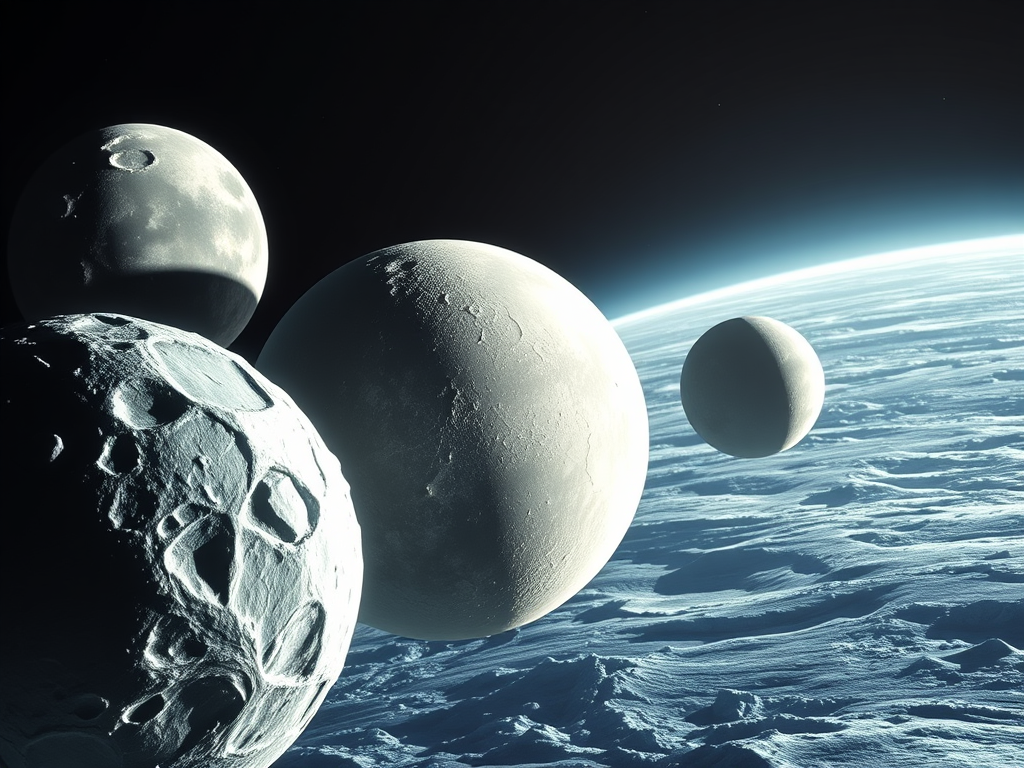
My biblical creation model of the solar system expects the presence of icy materials forming the outer planets and celestial bodies. Recent findings of water and ice in bodies like Ceres, and moons of Jupiter and Saturn support this theory, confirming the Genesis account of creation.
God cursed the creation which led to the emergence of diseases like cancer. But He also provided treatments for some of those diseases. Euphorbia peplus is such a plant, which is traditionally used to treat skin cancers. It is one natural remedy available from the weeds of the cursed creation.
The power of nuclear weapons is a grave concern as tensions rise between NATO nations and Russia. Recent strategies indicate a focus on China’s nuclear capabilities. With potential for mass destruction and global catastrophe, the implications of nuclear war are dire and call for urgent resolution.
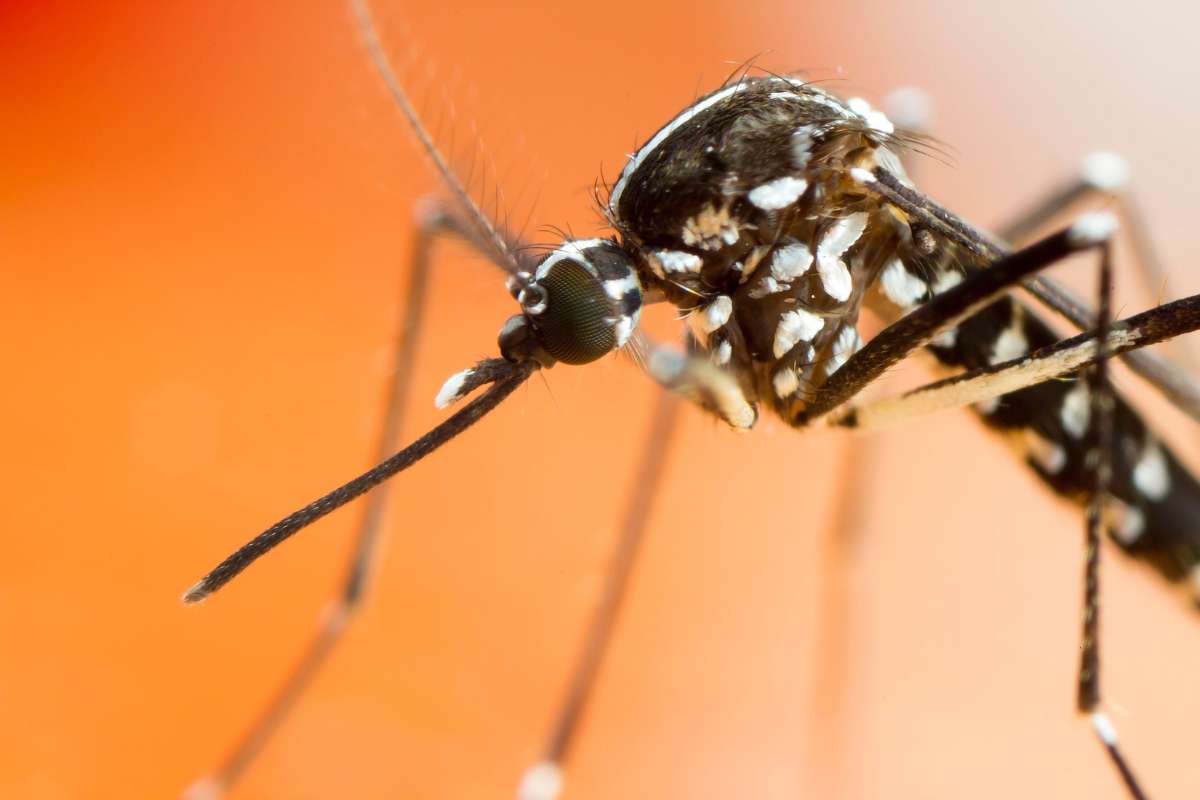
Quelque 200 000 moustiques mâles relâchés chaque semaine. Un partenariat signé sur trois ans. Une commune de la métropole de Lyon qui choisit de mener une expérience inédite contre l'Aedes albopictus. Et si la solution contre le moustique tigre venait… du moustique tigre lui-même ?
NASA’s Parker Solar Probe captured the first visible light images of Venus from space. The images, taken during two recent flybys, show a faint glow from the surface, revealing features like continents, plains, and plateaus. The images could help scientists learn about Venus’s geology and mineral make-up and understand why it became inhospitable while Earth […]
Deux millions de femmes touchées en France, un délai de diagnostic qui dépasse fréquemment dix ans. L'endométriose reste l'une des maladies les plus sous-estimées de notre système de santé. Mais la science commence enfin à mettre des mots sur ce que les patientes vivent depuis des années. Ce que...
En aviation, on dit qu’un bel avion est un avion qui vole bien. Avec son allure élancée et son aile delta, le Quarterhose Mk2.1 vient de démontrer encore une fois cet adage en franchissant le mur du son avec grâce. Attention, car le vol supersonique n’est qu’une étape pour cet héritier du fameux...
Researchers say that a discovery in remote northern Australia has revealed that a species thought to have been driven to extinction more than half a century ago has been rediscovered in the wild.
The discovery was made possible by a chance photograph uploaded to the citizen science platform iNaturalist, which came to the attention of researchers.
Now, scientists have confirmed that Ptilotus senarius, a delicate shrub that grows in some of the outback’s most sparsely populated regions and possesses a distinctive purple-pink flower, has been rediscovered in rugged terrain near the Gulf of Carpentaria in Queensland.
The species hasn’t been documented by naturalists in the wild since 1967 and was long thought to have gone extinct.
An Australian Shrub Springs Back from Extinction
The remarkable discovery initially surfaced when Aaron Bean, a professional horticulturalist, noticed the plant while working as part of a bird banding operation in a rugged portion of Australia’s northern outback. Intrigued by the colorful flower, Bean took photographs, which he later uploaded to iNaturalist, a popular website and app that allows users around the world to map and share observations of biodiversity.
Sometime later, Bean’s images on the platform eventually came to the attention of Anthony Bean, a botanist at the Queensland Herbarium who, ironically, shares the last name of the horticulturalist who made the initial discovery.
Ptilotus senarius, seen growing in one of northern Australia’s most remote regions (Image Credit: Aaron Bean/inaturalist.org/observations/288434421).
Their common name was perhaps only one of the many serendipitous circumstances related to the discovery, since the original images finding their way through millions of observations shared on the platform and coming to the attention of a Queensland Herbarium botanist was remarkable enough—add to that the fact that, in another surprising twist, Anthony Bean had formally described Ptilotus senarius himself roughly a decade earlier.
“It was very serendipitous,” said Thomas Mesaglio of the UNSW School of Biological, Earth and Environmental Sciences, who penned a recent paper documenting the discovery that appeared in the Australian Journal of Botany.
“Aaron Bean is an avid iNaturalist user who opportunistically took some photos of a few plants that were interesting on the property,” Mesaglio noted. Following the imagery that Bean obtained and its coming to the attention of the broader botanical community, researchers were dispatched to the property where the photos were captured, and, with the assistance of the landowners, the collection and confirmation of a specimen proved beyond any doubt that Ptilotus senarius survives.
A Breakthrough for Citizen Science
The rediscovery of Ptilotus senarius is not only a remarkable event for conservation efforts; it also highlights the growing importance of citizen science in biodiversity research.
With the availability of platforms like iNaturalist, members of the public with little more than a keen interest in the natural world can contribute valuable observations that often help advance science in meaningful ways.
In cases like this one, it can even lead to rediscoveries of species thought extinct or, in some instances, to the identification of entirely new species.
Thanks to such discoveries, several programs, including New South Wales’ Land Libraries initiative, have begun ramping up efforts to encourage landowners to document species on their properties and contribute observations to citizen science databases.
Among the most important pieces of information that citizen scientists can contribute are multiple photographs from various angles whenever possible. With regard to plants, being able to identify bark, stems, leaves, and other key features, as well as the surrounding habitat, can greatly help with accurate species identification.
Additional information that can assist with such identifications includes photos of soil conditions, nearby vegetation, scents the vegetation may produce, and information about local pollinators.
“The more information you can provide and the more context you can provide, the more potential uses that record will have in the future,” Mesaglio said.
Micah Hanks is the Editor-in-Chief and Co-Founder of The Debrief. A longtime reporter on science, defense, and technology with a focus on space and astronomy, he can be reached atmicah@thedebrief.org. Follow him on X @MicahHanks, and at micahhanks.com.
The Nippon Foundation-Nekton Ocean Census has announced the discovery of over 1,100 new marine species in just the last year, marking what they described as “a significant step forward in efforts to document life in the world’s oceans.”
The discoveries included the exotic ‘Ghost Shark’ chimera in the Coral Sea and a symbiotic worm that lives in a ‘glass house’ organism off the coast of Japan, adding to the increasing array of complex marine organisms living beneath the ocean’s surface.
Ghost Shark Chimera and ‘Glass House’ Worm Among 1,100+ New Species
According to a Nippon Foundation statement, the new census marks its third year with 13 separate species-hunting expeditions “across some of the world’s most remote and least explored ocean regions.” Although the new work includes the discovery and characterization of 1,121 new species from depths up to 6,575 meters, the authors, including JAMSTEC, CSIRO, and the Schmidt Ocean Institute, noted that up to 90% of the ocean’s species remain undiscovered.
“The findings highlight both the sheer scale of life yet to be documented and the importance of building scientific data that policymakers and marine managers need to protect the ocean,” they explained.
Mitsuyuku Unno, Executive Director of The Nippon Foundation, said that this record-breaking census shows what can be achieved “when scientific ambition is matched by global collaboration at scale.”
“Through expeditions reaching polar depths to tropical seas, and the science to turn samples into discoveries, this team is revealing the extraordinary richness of ocean life,” Unno added.
Sharks and Worms and Shrimps, Oh My
Among the most fascinating of the ocean organisms included in the new census was the Ghost Shark chimera. Discovered by taxonomist Dr. William White during a CSIRO expedition in Coral Sea Marine Park off the Queensland coast of Australia, living at depths between 802 and 838 meters, the research team said that the elusive predator is “among the most mysterious inhabitants of the deep ocean.”
Ghost Shark chimera is a distant relative of rays and sharks that diverged over 400 million years ago. Image credit: The Nippon Foundation-Nekton Ocean Census.
A distant relative of both sharks and rays, the Ghost Shark is an evolutionarily distinct “diversion” that took place nearly 400 million years ago. As the research notes, the evolution of the ghost shark chimera predates the dinosaurs’ reign. Along with its scientific value as a distinct species, the team said the discovery of the Ghost Shark is significant, as a third of sharks, rays, and chimeras are vulnerable to extinction.
Another discovery noted by the Nippon Foundation includes the ‘Life in a Glass Castle’ symbiotic worm. Part of a 2025 Ocean Census JAMSTEC-Shinkai Japan expedition to the Shichiyo Seamount Chain, off the coast of Japan, this unusual organism was found living at a depth of 791 meters on a volcanic seamount.
Sampling the Shichiyo Seamount Chain. Image Credit: The Nippon Foundation-Nekton Ocean Census
However, instead of living in rock or coral, the worm makes its home inside a sponge whose skeleton is made of crystalline silica, aka glass.
The ‘Glass House’ worm is a symbiotic organism that lives inside another organism with a crystalline silica skeleton. Image Credit: The Nippon Foundation-Nekton Ocean Census
Named after the mission’s principal investigator, Dr. Akinori Yabuki, this discovery of (Dalhousiella yabukii) was made by Dr. Nato Jimi and published in The Zoological Journal of the Linnean Society.
Other notable organisms discovered in the last year include a ribbon worm belonging to the Phylum Nemertea, a species with toxins that have been investigated as a potential Alzheimer’s disease treatment, and a bright orange species of shrimp in a sea cave off the coast of Marseille that could provide critical conservation data in what the researchers termed the “pressured Mediterranean region.”
Image Credit: The Nippon Foundation-Nekton Ocean Census
“We Are in a Race Against Time to Understand and Protect Ocean Life”
When discussing the significance of the foundation’s work, Dr. Michelle Taylor, Head of Science at Ocean Census, noted that many undiscovered species are at risk of disappearing before researchers have the chance to document them, adding that “we are in a race against time to understand and protect ocean life.”
“For too long, thousands of species have remained in a scientific ‘limbo’ because the pace of discovery couldn’t keep up,” Dr. Taylor explained. “We are now breaking that bottleneck. By accelerating discovery and sharing data globally, we are not just finding new life, but generating the evidence needed to drive global science and policy at a critical moment.”
The director of Ocean Census, Oliver Steeds, agreed, noting the significant discoveries that could be achieved with a comparatively small budget for space exploration research.
“We spend billions searching for life on Mars or going to the dark side of the moon,” Steeds explained. “Discovering the majority of life on our own planet – in our own ocean – costs a fraction of that.”
To facilitate the discovery of more species like the Ghost Shark chimera and other similarly elusive species, the organization’s co-founder is seeking “$100M in catalytic capital to unlock $75M+ already pledged by partners.” With a stated goal of discovering 100,000 new marine species.
“The question is not whether we can afford to do this. It is whether we can afford not to,” Steeds added.
Christopher Plain is a Science Fiction and Fantasy novelist and Head Science Writer at The Debrief. Follow and connect with him on X, learn about his books at plainfiction.com, or email him directly at christopher@thedebrief.org.
A mysteriousweather anomaly on Venus has finally been explained in new research, providing deeper insights into the weather volatility of other planets in our solar system.
University of Tokyo researchers revealed their findings in a recent paper published in the Journal of Geophysical Research, focused on their investigation of a massive cloud disturbance observed on the second planet from the Sun.
This unusual cloud phenomenon involves a 6,000-kilometer-wide wave front that travels around Venus over just a few Earth days, and scientists believe it could potentially affect future space missions.
A Weather Aberration on Venus
Japan’s Akatsuki Venus orbiter first observed Venus’s enormous, 6,000-kilometer-wide atmospheric wave move across the planet’s equator at tremendous speed in 2016. Now, a decade later, the University of Tokyo team has some answers about this peculiar feature.
Compared to Earth, Venus is a slow mover, with its rotation even slower than its 243-day orbit. Despite this, Venusian clouds move at an incredible pace, 60 times the planet’s rotational speed in what is known as “superrotation,” a phenomenon also observed on Mars, the Sun, and Earth’s supersonic atmosphere.
“We identified the phenomena, but for years we couldn’t understand it,” said lead author Professor Takeshi Imamura from the Graduate School of Frontier Sciences at the University of Tokyo. “However, thanks to this research, we’re now able to show that this cloud disruption is caused by the largest known hydraulic jump in the solar system.”
The Venusian atmosphere is hot, dense, and toxic, being composed of almost 97% carbon dioxide. This results in constant cloud cover, which rains sulfuric acid. While this creates a deadly environment for humans, at a distance, it’s a perfect natural weather laboratory. This extreme cloud density makes hard-to-spot weather patterns and processes more readily apparent than they would be on a planet such as ours.
The strange formation in the Venusian atmosphere resulted from a sudden slowdown of the fluid, known as a hydraulic jump, produced when a large atmospheric Kelvin wave moving east across Venus becomes unstable in the lower to middle cloud region. The Kelvin wave’s sudden slowing produces an updraft, pushing sulfuric acid vapor into the upper atmosphere, where it can condense into clouds. As though clouds trail, they form the enormous wavefront spotted by Akatsuki Venus.
“Venus has three distinct cloud layers, and the dynamics of the lower and middle layers are not so well understood,” said Imamura. “Our discovery of a hydraulic jump on Venus connecting a very large-scale horizontal process with a strong localized vertical wave is unexpected, as in fluid dynamics these are usually disconnected.”
Analyzing Venusian Weather
The Japanese researchers used a fluid-dynamic model to simulate the hydraulic jump observed on Venus, combined with a microphysical box model to track air flow through the atmosphere. In their analysis, the University of Tokyo researchers identified how the cloud disturbance maintains the Venusian atmosphere’s superrotation.
“Up until now, we used a global circulation model (GCM) for Venus that is similar to Earth’s, but this model doesn’t include the hydraulic jump which we have now identified,” explained Imamura. “Our next step will be to test this discovery within a more inclusive climate model that includes other atmospheric processes. We will face challenges due to the significant processing power required to run such simulations. Even with modern supercomputers, it isn’t easy.”
This marks the first hydraulic jump observed on another planet, but the researchers say this may be a portent of things to come as scientists get a closer look at other bodies in the universe.
“Under some circumstances, Mars’ atmosphere may also have the right conditions for a hydraulic jump,” mentioned Imamura.
As humanity stretches out into space with hopes of crewed Mars landings in the coming decades, advancing models of extraterrestrial atmospheric conditions will be essential to mission safety.
Ryan Whalen covers science and technology for The Debrief. He holds an MA in History and a Master of Library and Information Science with a certificate in Data Science. He can be contacted at ryan@thedebrief.org, and follow him on Twitter @mdntwvlf.
A team of Canadian researchers studying the possible anxiety-reducing effects of psilocybin, the psychoactive ingredient in so-called magic mushrooms, has revealed that the chemical compound makes an innately aggressive species of fish less aggressive and lazier compared to undrugged fish without reducing its overall social activities.
The research team behind the discovery said future research will be needed to confirm their findings, explore how the active ingredient in magic mushrooms alters neural signaling, identify the active serotonin pathways involved in these behavioral changes, and determine why certain behaviors are altered by exposure while others appear to remain unaffected.
Testing Magic Mushrooms to Evaluate Changes in Fish Aggressiveness
According to a statement announcing the research, over 200 mushroom species contain the active compound psilocybin. The majority of these species belong to the genus Psilocybe, including the well-known magic mushrooms popularized in the counterculture era for their psychoactive properties.
When this substance is ingested by mammals, it can bind to serotonin receptors that are involved in the regulation of behavior and emotions. Notably, these chemically induced changes can affect aggression, appetite, and overall mood. However, the researchers note, the effect of psilocybin on animals “remains largely undescribed.”
Since conducting experiments on human subjects poses significant challenges and limitations, the researchers examined whether these behavioral and mood changes also occur in fish. This led the team to choose the amphibious mangrove rivulus (Kryptolebias marmoratus), which they described as “innately aggressive,” especially when paired with another fish.
A mangrove rivulus fish. Credit: Vassil, CC0, via Wikimedia Commons.
“Their aggressive behaviors are straightforward, and subtle changes can easily be detected,” the team explained. “Therefore, this model ensures all observed effects are caused by psilocybin treatment rather than genetic differences between fish.”
‘Dosed’ Fish Appear to Selectively Reduce Energetically Costly Behaviors
After selecting three genetically distinct laboratory-bred lines of mangrove rivulus, they exposed one to psilocybin, whereas the second line served as “stimulus fish,” intended to trigger behaviors in the ‘drugged’ fish. The team said that the third selected line was used to “quantify whole-body concentrations and absorption of psilocybin” rather than for behavioral evaluation.
During the experiment’s first phase, fish from the first group were placed in a tank already containing the second line of ‘stimulus’ fish. Critically, the two groups were separated by an opaque cover placed over a fiberglass mesh barrier. The researchers said this arrangement allowed the fish to see and smell each other but prevented direct contact.
During this five-minute adjustment period, the team measured behavior to establish a baseline. When the five minutes expired, the barrier was removed, and the interaction between the two fish groups was closely monitored for signs of behavioral or mood changes.
Twenty-four hours after the first phase was completed, the team placed the fish from the first ‘focal’ group in a water tank containing dissolved psilocybin. The fish remained in the psilocybin-enriched tank for 20 minutes to ensure sufficient saturation, then were returned to the tank with the stimulus fish from the previous day’s experiments. Like before, the fish remained separated for five minutes by the opaque mesh barrier before it was removed.
Once again, the team monitored interactions between the two groups to determine whether the ‘drugged’ fish exhibited any behavioral changes. They also looked for potential clues to the fish’s mood. This included measuring the time the fish spent moving and their aggression levels, such as the frequency of swimming ‘bursts’ toward other fish.
According to the researchers, when they compared the fish in the first group’s activities before and after exposure to psilocybin, several changes were observed. Among the most prevalent was an overall reduction in activity after exposure to magic mushrooms’ key ingredient.
“Dosed fish (spent) less time moving than control fish when paired with a conspecific,” they explained, “and performed fewer swimming bursts compared to specimens that hadn’t received psilocybin treatment.”
The study’s senior author, Dr. Suzie Currie, a biologist at The University of British Columbia, defined swimming bursts as “high‑energy attack behaviors that represent an escalation of aggression towards the stimulus fish” but stop short of making physical contact.
“Other types of aggressive behaviors, like head‑on displays, are more about communication and social assessment and require very little energy,” Dr. Currie explained.
The study’s first author, Dayna Forsyth, a research associate and former MSc student at Acadia University in Nova Scotia, said the calming effect of psilocybin observed during their experiments appeared to “selectively reduce energetically costly, escalated behaviors” while other social display behaviors that require less energy remained largely unchanged.
“This suggests that this compound can selectively dampen escalated social conflict rather than shutting down behavior altogether,” Forsyth added.
Reducing Escalated Aggression Without Suppressing Social Interaction
When discussing the implications of their findings, Forsyth said their findings show that an acute, low dose of the active ingredient from magic mushrooms “significantly reduces activity and aggressive attack behavior during social interactions in adult mangrove rivulus fish.” The research added that the observed change was particularly significant, as the selected fish is a “naturally highly aggressive” species.
“These findings provide the first evidence that psilocybin can selectively reduce escalated aggression in a vertebrate model without suppressing social interaction,” added Currie.
When discussing the potential long-term impacts of their findings, the team said their work can provide “robust results” that can, in theory, ultimately be translated to humans. They also noted that their work could “help inform therapeutic research” by helping scientists further clarify which aspects of social behavior are most sensitive to psilocybin exposure.
Although the results were statistically significant, the researchers caution that their study faced several limitations that should be explored by future efforts. For example, they did not test any potential clinical treatments. They also noted that their findings “cannot be directly extrapolated” to humans exposed to psilocybin.
“The study also focused on single doses and short periods of exposure, and didn’t examine long-term effects, repeated dosing, or adaptation over time,” they added.
The team noted that future studies will be needed to determine whether the social changes observed after magic mushroom ingestion are sustained or transitory.
“Future studies can build on this work to explore how psilocybin alters neural signaling, which serotonin pathways are involved, and why some aspects of social behavior are affected while others are not,” Currie said, adding that “these are questions that are difficult or impossible to answer directly in humans.”
Christopher Plain is a Science Fiction and Fantasy novelist and Head Science Writer at The Debrief. Follow and connect with him on X, learn about his books at plainfiction.com, or email him directly at christopher@thedebrief.org.
Now, a pair of engineering students at the University of Melbourne has brought Hamilton’s concept to life for the first time.
Sir William Hamilton was more than a diplomat. Serving as ambassador to Naples and Sicily from 1765 to 1800, he became a leading amateur volcanologist of his time. He observed eruptions of Vesuvius in 1767, 1779, and 1794, and meticulously recorded the changes to the volcano’s 4,000-foot crater after each event.
Hamilton based his design for the Vesuvius model on a 1771 watercolor by British-Italian artist Pietro Fabris, Night View of a Current of Lava, which showed the bright glow of lava at night. He intended to recreate this effect mechanically, using light and movement to simulate an eruption. Although it is unclear whether he ever built a prototype, his detailed plans, which survived at the Bordeaux Municipal Library, served as the basis for the recent reconstruction.
Reconstructing a Lost Design
Dr. Richard Gillespie, Senior Curator in the University of Melbourne’s Faculty of Engineering and Information Technology, initiated the reconstruction project and oversaw its progress from concept to completion.
“It is fitting that after 250 years exactly, our students have brought this dormant project to life,” Gillespie said. “It is a wonderful piece of science communication. People around the world have always been fascinated by the immense power of volcanoes.”
Master of Mechatronics student Xinyu (Jasmine) Xu and Master of Mechanical Engineering student Yuji (Andy) Zeng spent three months constructing the device in the university’s Creator Space workshop. They adapted Hamilton’s original clockwork design to use modern materials, including laser-cut timber, acrylic, programmable LED lighting, and electronic control systems, while maintaining the intended visual effect. Many of the engineering challenges they encountered were similar to those Hamilton likely faced with his original concept.
“We still faced some of the challenges that Hamilton faced,” Zeng said. “The light had to be designed and balanced so the mechanisms were hidden from view.”
Concealing the machinery to maintain the illusion was central to Hamilton’s vision. To achieve this, the students had to think as both engineers and visual effects designers.
Science Education in a Different Era
Hamilton designed the mechanical volcano as an early way to share scientific concepts with the public, allowing people to see how a volcanic eruption works without traveling to Vesuvius. By the mid-1700s, Italy had become a destination for European scholars and nobility, with Vesuvius as a main attraction. Hamilton saw that scientific shows and excitement could spark the public’s curiosity.
The finished project is now a main feature of The Grand Tour exhibition at the university’s Baillieu Library, on display until June 28, 2026. The show features artwork, records, and objects that show the importance of eighteenth-century European travel, while Hamilton’s device shows how art and engineering come together.
Research engineer Andrew Kogios, who supervised the students during construction, noted that the experience gave them hands-on engineering beyond the classroom.
“From selecting materials and 3D printing, to troubleshooting electronics and satisfying requirements, working collaboratively with Yuji and Xinyu has been extremely rewarding,” Kogios said. “Experiences like these, supplementing their university studies, position them well for their future endeavors.”
Austin Burgess is a writer and researcher with a background in sales, marketing, and data analytics. He holds an MBA, a Bachelor of Science in Business Administration, and a data analytics certification. His work focuses on breaking scientific developments, with an emphasis on emerging biology, cognitive neuroscience, and archaeological discoveries.
Dreams can seem to occur at random, from everyday scenarios to unpredictable, surreal experiences. Now, a new study shows that our personal traits as well as real-life events and experiences actually shape what we dream about, creating patterns in our subconscious.
The study, published in Communications Psychology, analyzed thousands of dream and waking experience reports collected over four years. The researchers used natural languageprocessing tools to quantify the structure of dreams. They found that personal traits like how often someone daydreams, their attitudes about dreams, and their sleep quality all influence dream content. Major shared life events, such as the COVID-19 pandemic, also impacted what people dreamed about.
“Our findings show that dreams are not just a reflection of past experiences, but a dynamic process shaped by who we are and what we live through,” said Valentina Elce, researcher at the IMT School for Advanced Studies Lucca and lead author of the study.
Four Years of Dream Reports
The main dataset included 207 adults aged 18 to 70 who kept a dream diary for two weeks. Each morning, they wrote down everything they remembered from the night’s sleep. Once a day, at a random time, they also recorded what they had been thinking about in the previous 15 minutes. This created a set of waking experience reports to compare with their dream reports.
In addition to the daily records, the researchers collected detailed information about each participant’s sleep habits, cognitive skills, personality, and psychological traits. By the end, they had gathered 1,687 dream reports and 2,843 waking reports from the main group, plus 351 dream reports from 80 people during the first COVID-19 lockdown in Italy in spring 2020.
Dreams Reorganize Reality
When researchers compared participants’ reported dream experiences with situations they reported experiencing while awake, they noticed that dreams don’t simply replay scenarios from our daily lives. Instead, dreams seem to mix familiar places like workplaces, hospitals, and schools into new scenes that blend memories with imagination. Compared to reported waking experiences, the reported dreams tended to focus more on visual details, feature more characters, and make less logical sense. They were also less self-focused and less driven by conscious thinking.
These dream transformations weren’t the same for everyone. Participants who spent more time daydreaming during the day tended to have dreams that jumped rapidly from one scene to another. Those who placed more importance on dreams described them as more vivid and immersive. Sleep quality also played a role: participants who slept poorly showed different patterns in dream content when compared with those who slept better.
Pandemic Influenced Dreams
The lockdown dataset gave researchers a unique opportunity to see how a major external stressor, such as a pandemic, could affect dreams across an entire population.
Dreams recorded during the strict lockdown period were more emotionally intense and mentioned restrictions and limitations more often than dreams from later years. As people adjusted to the new situation, these differences faded. The results suggest that dreams reflect both our personal psychology and the social conditions we share.
AI as a Tool for Studying Consciousness
The team used three large language models, LLaMA 3, ChatGPT-4, and ChatGPT-4 Turbo, to rate dream reports on 16 different features, such as mood, excitement, strangeness, social content, spatial details, and freedom of movement. They combined the scores from the three models and checked them against human ratings. The results showed that these language processing tools could analyze the structure of dream reports as reliably as trained human evaluators. This finding could have uses that extend far beyond this study.
“By combining large-scale data with computational methods, we were able to uncover patterns in dream content that were previously difficult to detect,” Elce said. “This opens new possibilities for studying consciousness, memory, and mental health in a scalable and reproducible way.”
Austin Burgess is a writer and researcher with a background in sales, marketing, and data analytics. He holds an MBA, a Bachelor of Science in Business Administration, and a data analytics certification. His work focuses on breaking scientific developments, with an emphasis on emerging biology, cognitive neuroscience, and archaeological discoveries.
Felisha White, a 34-year-old T-Mobile US Inc. customer in New York, stays up late on Monday nights to see what the latest deal drops will be from her wireless provider.
John Legere with employees ahead of the T-Mobile Un-Carrier X event in Los Angeles in 2015. Photographer: Patrick T. Fallon/Bloomberg

 Login
Login