❌

Normal view

★ Fotos de viagem que se transformam em vídeo: como a IA está mudando as memórias digitais

24 July 2026 at 22:20

As ferramentas de inteligência artificial estão mudando a forma como criamos e compartilhamos conteúdos de viagem. Hoje, uma simples fotografia pode se transformar num vídeo dinâmico, com movimentos, efeitos e uma narrativa mais envolvente.

Com plataformas como o AIReel, é possível converter fotos de viagem em vídeo de forma rápida, criando memórias digitais mais vivas sem precisar de experiência em edição profissional.

AIReel

Por que cada vez mais pessoas estão transformando fotos de viagem em vídeos com IA

Durante anos, as fotografias foram a principal forma de guardar momentos de viagem. No entanto, à medida que o consumo de vídeo continua a crescer, muitas pessoas começaram a procurar formas mais dinâmicas de reviver e compartilhar essas experiências.

A inteligência artificial está tornando este processo mais simples. Em vez de depender de programas complexos de edição, usuários podem transformar fotografias estáticas em pequenos vídeos com movimento, transições e efeitos visuais em poucos minutos.

Ferramentas como o AIReel permitem fazer esta transformação de forma acessível, ajudando qualquer pessoa a converter imagens de viagem em vídeos mais envolventes sem precisar de conhecimentos avançados de edição.

Como a IA está transformando fotos de viagem em memórias digitais vivas

Uma fotografia consegue guardar um momento, mas um vídeo consegue transmitir melhor a sensação desse momento. É aqui que a inteligência artificial começa a mudar a forma como as pessoas preservam as suas memórias de viagem.

Transformar imagens estáticas em histórias animadas

Com a tecnologia atual, uma fotografia de uma paisagem, cidade ou momento especial pode ganhar movimento natural. A IA consegue criar transições, pequenos movimentos de câmera e efeitos que tornam a experiência mais próxima de um vídeo real.

Criar vídeos personalizados a partir de fotografias

Cada viagem tem uma história diferente, e as ferramentas de IA permitem transformar várias fotografias numa sequência com ritmo e estilo próprios. Recursos de conversão de imagem em vídeo com IA ajudam usuários a criar vídeos únicos, combinando fotografias, animações e estilos visuais sem processos complicados.

Recuperar e valorizar momentos antigos

Muitas pessoas têm centenas ou até milhares de fotografias guardadas no telefone ou no computador que raramente voltam a ver. Transformar algumas dessas imagens em vídeos pode ser uma forma simples de recuperar memórias esquecidas e dar-lhes um novo significado.

Criar conteúdos de viagem mais envolventes

Em vez de publicar apenas uma fotografia, os viajantes podem criar pequenas histórias em vídeo. Ferramentas como o AIReel, uma solução de imagem para vídeo IA, permitem converter imagens estáticas em vídeos com movimento, ajudando criadores a produzir conteúdos mais atrativos e dinâmicos.

Como criar vídeos de viagem mais envolventes a partir das suas fotografias

Muitas pessoas gostam de fotografar durante as viagens para guardar os melhores momentos, mas transformar essas imagens em vídeos interessantes pode ser um processo demorado e complicado. Com as ferramentas de IA, criar vídeos de viagem personalizados a partir de fotografias tornou-se uma tarefa muito mais simples e acessível.

Escolha as fotografias que melhor representam a viagem

Antes de criar um vídeo, selecione imagens que contem uma história. Uma boa combinação de paisagens, pessoas e pequenos detalhes da viagem ajuda a criar um resultado mais emocional e envolvente.

Organize as imagens e defina o estilo do vídeo

Pense no tipo de experiência que pretende transmitir. Pode optar por um estilo mais cinematográfico, descontraído ou focado nas redes sociais, dependendo do objetivo final do vídeo.

Use uma ferramenta de IA para transformar imagens em vídeo

Com ferramentas como o AIReel, o processo de criação torna-se mais rápido. Basta carregar as fotografias, adicionar um prompt com a descrição do movimento ou estilo pretendido, e a plataforma gera rapidamente um vídeo de viagem mais dinâmico e atrativo a partir das imagens.

AIReel

Ajuste o resultado antes de compartilhar

Depois de gerar o vídeo, pequenos ajustes podem melhorar a experiência final. Escolher a duração adequada, adicionar música ou adaptar o formato para plataformas como Instagram, TikTok ou YouTube Shorts pode tornar o conteúdo mais apelativo.

O futuro das memórias digitais criadas com IA

A forma como guardamos as nossas viagens está mudando. As fotografias continuam sendo importantes, mas os vídeos oferecem uma maneira mais próxima de reviver sons, movimentos e emoções associadas a cada momento.

Com ferramentas de inteligência artificial cada vez mais acessíveis, transformar uma coleção de fotografias numa história visual deixará de ser algo reservado a profissionais de edição. Para muitos viajantes, será simplesmente uma nova forma de contar as suas próprias experiências.


Roku raises streaming stick prices by up to 60 percent

24 July 2026 at 20:41

Roku is raising the prices for its streaming sticks and boxes by up to 60 percent.

Roku has updated its website with the new prices. Currently, it is still selling its streaming players at their old MSRPs but lists those prices as sale prices. The new prices are:

  • Roku Streaming Stick: $40 (formerly $30)
  • Roku Streaming Stick Plus: $60 (formerly $40)
  • Roku Streaming Stick 4K: $80 (formerly $50)
  • Roku Ultra: $150 (formerly $100)
  • Roku Streambar SE: $150 (formerly $100)

Roku is even upping the price for a bundle that includes a Streaming Stick Plus and a one-month subscription to Fox One. As recently as July 20, Roku listed the bundle at $60 with a sale price of $25, according to the Internet Archive’s Wayback Machine. Now, the bundle carries an $80 MSRP and $45 sale price.

Read full article

Comments

© Roku

MCMC Webserver

24 July 2026 at 20:06

Model Webserver

The Mars Climate Modeling Center (MCMC) presents the webserver, a website for interactive plotting and downloading Mars Global Climate Model (MGCM) output.

Artist rendering of MCMC's MGCM cubed-sphere grid with an overlay of a surface temperature plot

The model visualization tool offers the most accessible introduction to Mars Global Climate Model (MGCM) data. It is an online dashboard that allows users to interactively plot, explore, and download model output stored on the NAS Data Portal (see the MGCM Output tab for more information).

GCM analysis tools

MGCM Webserver

You can explore, plot, and download the MGCM output through our user-friendly web interface.

Link to the Webserver
Screenshot showing the MCMC data portal web interface
The Data Portal Web Interface plotting surface temperature from MGCM output stored on the NAS Data Portal
NASA/Courtney Batterson

If you use the web interface in your research, please cite it as follows:

Web Interface (APA):

NASA Ames Mars Climate Modeling Center. (2024, August 14). Data Portal Web Interface [Web tool]. NASA Ames Research Center, NASA. https://data.nas.nasa.gov/mcmc/portals/web-interface/

Return to the MCMC homepage

Mars Climate Modeling Center (MCMC) Logo in the banner style
Mars Climate Modeling Center (MCMC) banner
NASA/Courtney Batterson

The post MCMC Webserver appeared first on NASA Science.

La missione Juno della NASA, sotto la guida dello scienziato Scott Bolton d…

24 July 2026 at 18:38
La missione Juno della NASA, sotto la guida dello scienziato Scott Bolton del Southwest Research Institute, ha rivelato la struttura interna di Io, la luna di Giove caratterizzata dalla più intensa attività vulcanica dell'intero Sistema Solare. Sottoposta a spaventose forze di marea gravitazionali da parte di Giove, Europa e Ganimede, la roccia di Io subisce un continuo attrito che genera un enorme calore interno. Le rilevazioni dello strumento JIRAM mostrano la presenza di un esteso strato magmatico sottocostale e bacini di lava (paterae) i cui strati superficiali sprofondano ciclicamente nel magma fuso, confermando l'esistenza di un pianeta la cui crosta è in perenne e violenta trasformazione.

NASA Announces New Spacecraft Technology Demonstration Mission at Moon    

24 July 2026 at 17:35

4 min read

NASA Announces New Spacecraft Technology Demonstration Mission at Moon    

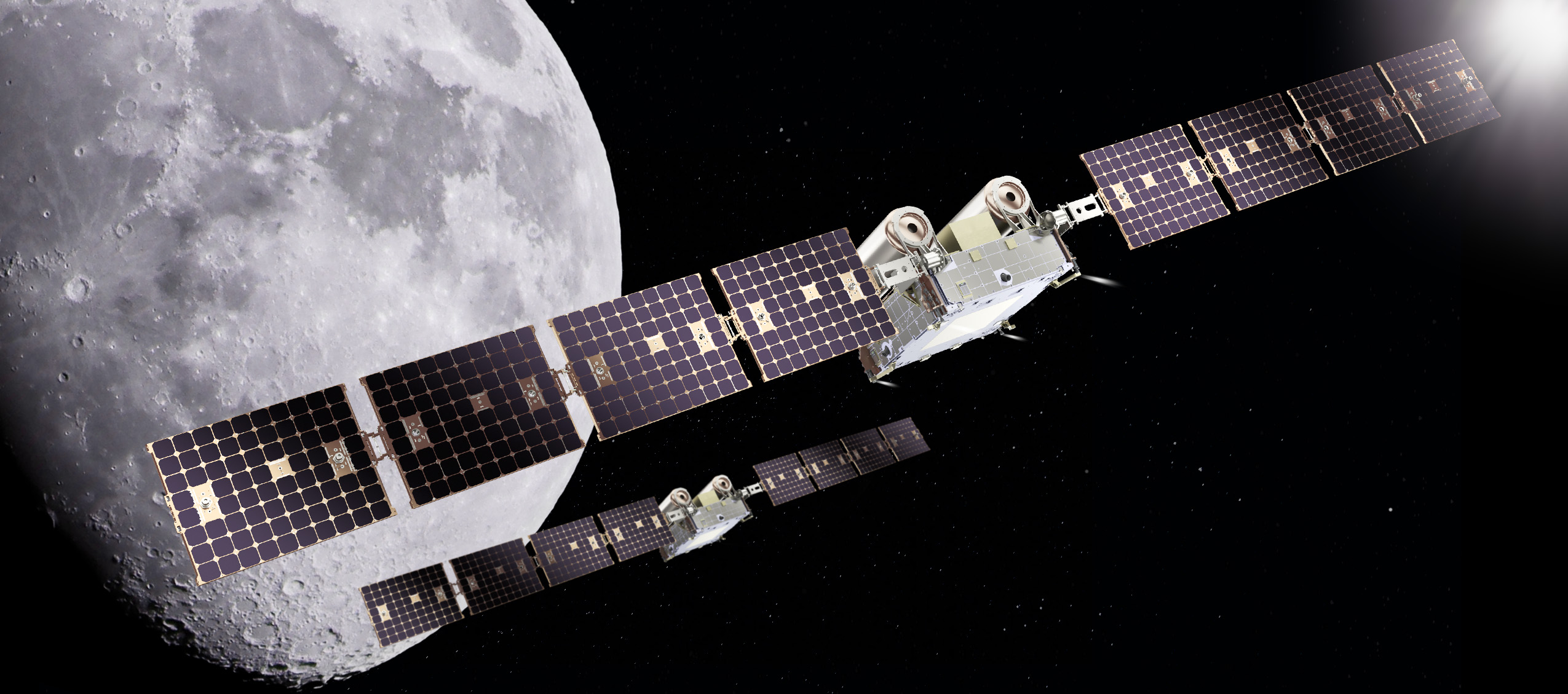
Artist rendition of two Capstone 2 in space above the Moon.
An artist’s rendering of NASA’s CAPSTONE 02 spacecraft in lunar orbit. The mission features two identical small spacecraft that will further mature technologies to support Artemis, Moon Base, and deep space exploration.
Terran Orbital

NASA is working with industry to advance the next phase of cislunar infrastructure for the agency’s Artemis program and Moon Base, including orbital assets and demonstrations. Under a contract awarded to Advanced Space, the agency’s CAPSTONE 02 mission will demonstrate rendezvous and proximity operations, autonomous navigation, and cislunar communication capabilities while continuing to characterize the radiation environment at the Moon.  

The CAPSTONE 02 mission, targeted for launch in 2027, will use two small spacecraft in lunar orbit to facilitate these demonstrations to support future NASA lunar and deep space missions.  

NASA’s original CAPSTONE demonstration, short for Cislunar Autonomous Positioning System Technology Operations and Navigation Experiment, became the first U.S. commercial mission to the Moon and the first spacecraft to operate in a near rectilinear halo orbit around the Moon. This is a nearly stable orbit, thanks to the interactive pull of gravity from both the Earth and the Moon.  

The mission successfully validated communications, networking, and autonomous navigation capabilities while gathering operational experience in cislunar space. The second CAPSTONE mission expands upon these accomplishments by transitioning from orbit validation to demonstrations that will inform future lunar exploration and infrastructure development. 

Achieving our most ambitious space exploration goals requires iterative, risk-tolerant demonstrations in partnership with industry. Technology development through flight testing is how we convert hard problems into the lasting capabilities needed for a permanent presence at the Moon.

Christopher Baker

Christopher Baker

Lead of the In‑Space Infrastructure portfolio within the Research and Technology Mission Directorate at NASA Headquarters in Washington, DC.

NASA’s CAPSTONE 02 mission will demonstrate advanced relative navigation technologies for rendezvous and proximity operations in cislunar space. These techniques are more sophisticated than those used in low Earth orbit and are designed to support NASA astronauts as they dock with Moon landers in cislunar orbit, enabling safe crew transfers to and from the lunar surface. 

The demonstration will fly two identical spacecraft of approximately 400 kilograms (882 pounds) from Terran Orbital Systems, Inc. Mission operators will conduct a series of rendezvous and proximity operations and loitering – or formation flying – techniques in lunar orbit with each spacecraft to better understand the trajectories of the spacecraft under the simultaneous influence of Earth and Moon gravities, otherwise known as three-body orbits.   

The CAPSTONE 02 mission will use ground tracking measurements, optical sensors, and celestial bodies to help one spacecraft locate and rendezvous with another. The mission will apply  navigation strategies similar to those planned for Orion’s approach to a lunar lander in deep space, helping NASA build confidence in these techniques for future exploration. 

Each CAPSTONE 02 spacecraft will have the ability to switch between ‘chaser’ and ‘target’ roles, testing a broad range of operational scenarios under a variety of environmental conditions in cislunar space. Transporting crew to the lunar surface from cislunar orbit depends on knowing how well navigation systems will perform during these operations. Since these conditions can’t be fully recreated on Earth, they must be tested in space. 

The CAPSTONE 02 mission also will serve as an operational testbed, enabling testing of three NASA-developed navigation software suites. Each software application will collect data during CAPSTONE 02’s low energy transfer trajectory, which will take it from the Earth to beyond the Moon before settling into a lunar orbit. The spacecraft will carry an optical imaging payload from Lawrence Livermore National Laboratory to support the navigation demonstration as well as capture imagery of the Moon. In addition, the mission will further mature the Cislunar Autonomous Positioning System navigation software that was first demonstrated on CAPSTONE as a method of determining spacecraft position relative to other spacecraft without relying on Earth-based tracking.  

The suite of technologies on CAPSTONE 02 are designed to automate routine navigation tasks, reduce reliance on traditional space-to-ground data, and enable new mission concepts that may be derived from increased inter-satellite coordination. Additionally, the CAPSTONE 02 spacecraft are designed for cost-effective, rapid deployment, demonstrating a scalable and repeatable mission model. 

“This mission represents an important step in the maturation of cislunar capabilities,” said Sean Fuller, Moon Base CAPSTONE manager. “By expanding on the lessons learned from CAPSTONE to demonstrate increasingly sophisticated operational concepts, CAPSTONE 02 lays the foundation for lunar infrastructure and commercial services that support Artemis, Moon Base, and future missions to deep space.”  

The CAPSTONE 02 mission is funded by NASA’s Human Spaceflight Mission Directorate with support from the Research and Technology Mission Directorate. The mission is managed by Small Spacecraft & Distributed Systems, based at NASA’s Ames Research Center in California’s Silicon Valley, within the Research and Technology Mission Directorate. NASA used a Small Business Innovation Research Phase III contract to fund the mission.  

To learn more about NASA’s CAPSTONE mission, visit: 

https://www.nasa.gov/mission/capstone02/

The post NASA Announces New Spacecraft Technology Demonstration Mission at Moon     appeared first on NASA Science.

NASA Announces New Spacecraft Technology Demonstration Mission at Moon    

24 July 2026 at 17:35

4 min read

Preparations for Next Moonwalk Simulations Underway (and Underwater)

Artist rendition of two Capstone 2 in space above the Moon.
An artist’s rendering of NASA’s CAPSTONE 02 spacecraft in lunar orbit. The mission features two identical small spacecraft that will further mature technologies to support Artemis, Moon Base, and deep space exploration.
Terran Orbital

NASA is working with industry to advance the next phase of cislunar infrastructure for the agency’s Artemis program and Moon Base, including orbital assets and demonstrations. Under a contract awarded to Advanced Space, the agency’s CAPSTONE 02 mission will demonstrate rendezvous and proximity operations, autonomous navigation, and cislunar communication capabilities while continuing to characterize the radiation environment at the Moon.  

The CAPSTONE 02 mission, targeted for launch in 2027, will use two small spacecraft in lunar orbit to facilitate these demonstrations to support future NASA lunar and deep space missions.  

NASA’s original CAPSTONE demonstration, short for Cislunar Autonomous Positioning System Technology Operations and Navigation Experiment, became the first U.S. commercial mission to the Moon and the first spacecraft to operate in a near rectilinear halo orbit around the Moon. This is a nearly stable orbit, thanks to the interactive pull of gravity from both the Earth and the Moon.  

The mission successfully validated communications, networking, and autonomous navigation capabilities while gathering operational experience in cislunar space. The second CAPSTONE mission expands upon these accomplishments by transitioning from orbit validation to demonstrations that will inform future lunar exploration and infrastructure development. 

Achieving our most ambitious space exploration goals requires iterative, risk-tolerant demonstrations in partnership with industry. Technology development through flight testing is how we convert hard problems into the lasting capabilities needed for a permanent presence at the Moon.

Christopher Baker

Christopher Baker

Lead of the In‑Space Infrastructure portfolio within the Research and Technology Mission Directorate at NASA Headquarters in Washington, DC.

NASA’s CAPSTONE 02 mission will demonstrate advanced relative navigation technologies for rendezvous and proximity operations in cislunar space. These techniques are more sophisticated than those used in low Earth orbit and are designed to support NASA astronauts as they dock with Moon landers in cislunar orbit, enabling safe crew transfers to and from the lunar surface. 

The demonstration will fly two identical spacecraft of approximately 400 kilograms (882 pounds) from Terran Orbital Systems, Inc. Mission operators will conduct a series of rendezvous and proximity operations and loitering – or formation flying – techniques in lunar orbit with each spacecraft to better understand the trajectories of the spacecraft under the simultaneous influence of Earth and Moon gravities, otherwise known as three-body orbits.   

The CAPSTONE 02 mission will use ground tracking measurements, optical sensors, and celestial bodies to help one spacecraft locate and rendezvous with another. The mission will apply  navigation strategies similar to those planned for Orion’s approach to a lunar lander in deep space, helping NASA build confidence in these techniques for future exploration. 

Each CAPSTONE 02 spacecraft will have the ability to switch between ‘chaser’ and ‘target’ roles, testing a broad range of operational scenarios under a variety of environmental conditions in cislunar space. Transporting crew to the lunar surface from cislunar orbit depends on knowing how well navigation systems will perform during these operations. Since these conditions can’t be fully recreated on Earth, they must be tested in space. 

The CAPSTONE 02 mission also will serve as an operational testbed, enabling testing of three NASA-developed navigation software suites. Each software application will collect data during CAPSTONE 02’s low energy transfer trajectory, which will take it from the Earth to beyond the Moon before settling into a lunar orbit. The spacecraft will carry an optical imaging payload from Lawrence Livermore National Laboratory to support the navigation demonstration as well as capture imagery of the Moon. In addition, the mission will further mature the Cislunar Autonomous Positioning System navigation software that was first demonstrated on CAPSTONE as a method of determining spacecraft position relative to other spacecraft without relying on Earth-based tracking.  

The suite of technologies on CAPSTONE 02 are designed to automate routine navigation tasks, reduce reliance on traditional space-to-ground data, and enable new mission concepts that may be derived from increased inter-satellite coordination. Additionally, the CAPSTONE 02 spacecraft are designed for cost-effective, rapid deployment, demonstrating a scalable and repeatable mission model. 

“This mission represents an important step in the maturation of cislunar capabilities,” said Sean Fuller, Moon Base CAPSTONE manager. “By expanding on the lessons learned from CAPSTONE to demonstrate increasingly sophisticated operational concepts, CAPSTONE 02 lays the foundation for lunar infrastructure and commercial services that support Artemis, Moon Base, and future missions to deep space.”  

The CAPSTONE 02 mission is funded by NASA’s Human Spaceflight Mission Directorate with support from the Research and Technology Mission Directorate. The mission is managed by Small Spacecraft & Distributed Systems, based at NASA’s Ames Research Center in California’s Silicon Valley, within the Research and Technology Mission Directorate. NASA used a Small Business Innovation Research Phase III contract to fund the mission.  

To learn more about NASA’s CAPSTONE mission, visit: 

https://www.nasa.gov/mission/capstone02/

Crise de memórias teria feito Apple pedir por descontos em telas OLED para o “iPhone 18 Pro Max”

24 July 2026 at 13:43

A crise no mercado de memórias causada pelo boom das empresas de inteligência artificial (IA) está fazendo até mesmo marcas como a Apple pechincharem na hora de garantir componentes para os seus produtos, segundo informações do site sul-coreano The Elec.

Mais precisamente, a empresa teria pedido que suas fornecedoras reduzissem o preço das telas OLED 1Organic light-emitting diode, ou diodo emissor de luz orgânico. destinadas ao vindouro “iPhone 18 Pro Max” para algo em torno de US$70. Para efeito de comparação, é estimado que cada tela do iPhone 17 Pro Max custe à Apple algo em torno de US$80.

De acordo com as fontes da indústria consultadas pelo veículo, no entanto, a Maçã não só teria obtido sucesso em sua barganha, como estaria pagando um valor médio ainda menor para a Samsung Display e a LG Display, suas duas principais fornecedoras de painéis: US$66,50 (redução de aproximadamente 20%).

Dados da UBI Research citados pelo The Elec dão conta de que a Samsung Display deverá produzir algo em torno de 46 milhões de telas OLED para a linha “iPhone 18” só em 2026, de modo que 2 milhões delas serão reservadas para o modelo de entrada, 18 milhões para o modelo Pro e 26 milhões para a versão Pro Max. A LG Display, por sua vez, produzirá cerca de 1,09 milhão de telas para o modelo mais barato, 19 milhões para o Pro e 21 milhões para o Pro Max.

É esperado que os iPhones “18 Pro” e “18 Pro Max” utilizem displays M16, a geração mais recente de painéis OLED. Entre as vantagens dessa versão da tecnologia estão uma maior eficiência luminosa, uma vida útil maior e características de cor aprimoradas.

Essa, vale notar, não é a primeira vez que o valor das telas OLED empregadas em iPhones cai de uma geração para a outra. Como destacado pelo próprio The Elec, os painéis produzidos para o iPhone 16 Pro Max, lançado em 2024, podiam passar de US$100 por unidade em alguns casos.

Exigências como a da Apple também não são uma surpresa para as fabricantes de telas. No último dia 22 de julho, por exemplo, o presidente da Samsung Display, Lee Cheong, comentou durante um evento que “há uma pressão muito forte para reduzir os preços de componentes e telas” devido à “inflação dos chips”. Jeong Cheol-dong, presidente da LG Display, por sua vez, reconheceu o impacto dessa crise nos negócios da fabricante, mas disse que a situação permanece “em um nível administrável”.

iPhone 17 Pro Max

Cores: prateado, laranja-cósmico ou azul-intenso
Armazenamento: 256GB, 512GB, 1TB ou 2TB
R$ 10.999,00
R$ 12.499,00

iPhone 17 Pro

Cores: prateado, laranja-cósmico ou azul-intenso
Armazenamento: 256GB, 512GB ou 1TB
R$ 9.777,77
R$ 11.499,00

iPhone 17

Cores: lavanda, sálvia, azul-névoa, branco ou preto
Armazenamento: 256GB, 512GB ou 1TB
R$ 7.999,00

NOTA DE TRANSPARÊNCIA: O MacMagazine recebe uma pequena comissão sobre vendas concluídas por meio de links deste post, mas você, como consumidor, não paga nada mais pelos produtos/serviços usando os nossos links de afiliado.

via MacRumors

Notas de rodapé

  • 1
    Organic light-emitting diode, ou diodo emissor de luz orgânico.

MacBook Air Flexgate Can Become a Costly Screen Failure

By: Jack
23 July 2026 at 20:21

MacBook Air Flexgate is an unofficial name increasingly used for screen problems that appear when the laptop lid reaches a particular angle. The display may flicker, lose its backlight, show colored lines or turn completely black even though the computer continues running.

The term can be misleading. The original Flexgate controversy involved certain 13-inch MacBook Pro models from 2016, not MacBook Air. Apple later created a display backlight service program for eligible MacBook Pro units after determining that a small percentage could develop uneven lighting or lose the backlight entirely.

No equivalent MacBook Air repair program currently appears among Apple active service programs. Individual Air models can still experience failures involving display cables, connectors, backlight components or the LCD panel, but that does not establish one confirmed defect affecting every generation.

Owners therefore need to identify the symptom before assuming the screen has the same problem associated with the earlier MacBook Pro.

MacBook Air Flexgate Is Not the Original Flexgate

MacBook Air Flexgate usually refers to damage or wear affecting the thin cables carrying display information and power between the computer body and the screen.

These cables must flex every time the lid opens or closes. When a cable, connector or bonded section begins failing, the problem may initially appear only at certain screen angles. Moving the lid can restore the image temporarily, followed by another blackout when the display opens farther.

The original MacBook Pro issue became associated with a short backlight cable integrated into the display assembly. Repeated movement could place stress on the cable, producing a stage-light effect along the bottom of the screen before the backlight eventually stopped working.

MacBook Air designs also use compact display connections routed through the hinge area, but the internal construction differs across generations. A cable-related Air failure should not automatically be treated as evidence that Apple reused the exact defective MacBook Pro component.

The distinction matters during repair. A technician may use “Flexgate” as convenient shorthand, while the written diagnosis may identify a damaged display cable, backlight circuit, panel connection or complete display assembly.

Customers should ask which component has failed and how the conclusion was reached rather than accepting the nickname as the diagnosis.

Two black ribbon cables with gold connectors on each end, positioned vertically side by side against a white background. Often associated with MacBook Air screen repairs and Flexgate issues, each cable has small white text and symbols near the bottom connectors.
Image Source: Google

Which MacBook Air Models Are Mentioned Most

Reports of angle-dependent MacBook Air display failures most commonly involve Retina models introduced from 2018 onward.

The 2018 and 2019 Intel MacBook Air share a thin Retina design with display connections running through the hinge area. The early 2020 Intel version and late 2020 M1 MacBook Air use closely related chassis designs, making symptoms across these machines look similar even when the failed component is not identical.

Owners describe displays that work when opened slightly but flicker, develop lines or turn black when moved toward a normal viewing position. Some units recover after the lid is partly closed, strongly suggesting a physical connection affected by movement.

The M1 MacBook Air receives particular attention because it sold in large numbers and remained available for several years. A greater number of public complaints does not necessarily mean it has a higher failure rate, but many of these computers are now old enough for wear, accidental pressure and repeated hinge movement to become relevant.

The redesigned M2 MacBook Air introduced in 2022 uses a different enclosure and display assembly. M3 and later versions continue that flatter design. Individual screen and cable failures can occur, but there is no established evidence of a single Flexgate defect covering those generations.

Older wedge-shaped MacBook Air models released before the 2018 Retina redesign can also develop display cable problems. They are not normally included in the Flexgate discussion because their screen architecture predates the MacBook Pro controversy and their failures follow different repair patterns.

The exact model can be checked through:

Apple menu > About This Mac

The model year and screen size are more useful than the date the Mac was purchased. Retailers may sell an earlier generation long after its original release.

How to Recognize a Display Cable Failure

A strong Flexgate-style symptom is a display that changes immediately when the lid moves.

The screen may operate normally below a particular angle, then flicker or disappear as it opens farther. Returning the lid to the previous position restores the picture without restarting the Mac.

Uneven illumination along the bottom edge can point toward a backlight connection. Several bright or dark patches resembling stage lights are especially associated with cable or backlight distribution problems.

A completely dark screen may still contain a faint image. Shining a flashlight toward the display in a dark room can sometimes reveal the desktop beneath the failed backlight. This test should be performed gently without pressing against the panel.

Colored vertical lines, black bands or duplicated images can involve the display data connection, but they may also indicate panel damage. Lines that remain unchanged at every lid angle are less characteristic of a flex-related failure.

Cracks do not always appear on the outer glass. Pressure from a webcam cover, keyboard protector, plug, pen or other object left between the keyboard and display can damage the internal LCD while leaving the surface relatively smooth.

Liquid exposure may create lines, discoloration or intermittent operation around the hinge and display connectors. In those cases, repeatedly opening the lid can spread contamination or worsen damaged connections.

An external monitor provides one of the most useful tests. When the external image remains normal while the built-in screen fails, the graphics processor is probably still generating the picture correctly. Attention then moves toward the internal display assembly, cable or connector.

A screenshot can provide another distinction. Capture the screen while the fault is visible, then inspect the file on another device or external monitor. When the screenshot looks normal, the problem is likely occurring after macOS generates the image.

MacBook Air M1

What Owners Should Do Before Paying for Repair

Back up the Mac as soon as an intermittent display problem begins. A screen that works at one angle today may become completely unusable after another cable movement.

Avoid repeatedly opening and closing the lid to demonstrate the fault. Each movement can place further stress on an already damaged connection.

Record a short video showing the display at different angles. Intermittent failures can disappear when a Mac reaches a repair counter, and clear documentation helps the technician reproduce the condition.

Apple Diagnostics may identify some hardware problems, although a clean result does not rule out a damaged display cable. Testing in macOS Recovery or during startup can help exclude an ordinary application problem.

Apple and authorized providers commonly replace the complete display assembly when the cable is integrated with the screen. That approach can make an out-of-warranty repair expensive even when the visible fault involves a small cable.

Independent repair specialists may offer component-level cable work for certain models. The quality and durability of those repairs vary considerably, and newer Air displays can require specialized equipment, adhesives and calibration.

Before authorizing work, request a written estimate identifying the model, suspected component, warranty on the repair and whether the replacement display is new, used, refurbished or genuine.

AppleCare+ may reduce the cost when coverage remains active, particularly if the screen shows accidental damage. Standard warranty coverage depends on the diagnosis and whether Apple determines that impact, liquid or external pressure caused the failure.

The current Apple service-program list should also be checked before paying. A MacBook Air display program could be introduced or changed later, while consumer-protection laws may provide additional rights in some countries even after the limited warranty ends.

Owners using the Mac with an external monitor can often continue working while evaluating repair options. FileVault credentials, backups and any essential recovery codes should be confirmed before service because a technician may need to erase, reset or retain the computer during inspection.

The post MacBook Air Flexgate Can Become a Costly Screen Failure appeared first on AppleMagazine.

NASA’s MAVEN Illuminates New Understanding of Auroras at Mars

23 July 2026 at 16:19

This illustration depicts charged particles from a solar storm stripping away charged particles of Mars' atmosphere, one of the processes of Martian atmosphere loss studied by NASA's MAVEN mission, beginning in 2014.
This illustration depicts charged particles from a solar storm stripping away charged particles of Mars’ atmosphere, one of the processes of Martian atmosphere loss studied by NASA’s MAVEN mission.
NASA/GSFC

NASA MAVEN (Mars Atmosphere and Volatile Evolution) mission scientists have uncovered a key puzzle piece in understanding certain types of auroras on Mars, finding that they form in a similar way to Earth-based auroras.
 
Results published Thursday in Nature Communications show the same mechanism that circulates and catapults charged particles into Earth’s atmosphere is happening at Mars on much smaller scales because of differences in the two planets’ magnetic fields.
 
The MAVEN spacecraft, in orbit around Mars, experienced a loss of signal with ground stations on Earth on Dec. 6, 2025. On June 3, NASA declared the mission had concluded after finding the spacecraft to be unrecoverable. However, data from the mission is still being used to inform NASA science and future missions to Mars.
 
When the Sun’s magnetic field lines get close to Earth’s magnetosphere, the large magnetic bubble protecting the planet, they can reconnect and inject energy and mass throughout Earth’s magnetosphere and magnetotail, ultimately firing electrons back into the atmosphere to generate Earth’s auroras. This process, called the Dungey cycle, drives electrical currents, accelerates charged particles that create auroras, and controls the circulation of plasma in Earth’s magnetosphere and ionosphere.
 
This new study shows that a miniature version of the Dungey cycle is happening over Mars’ strong crustal magnetic fields, which gives scientists a better look into the physics of Martian auroras.
 
“We knew that magnetic reconnection was happening at Mars but did not expect it to be like the Dungey cycle,” said Shaosui Xu, lead author of the study and associate research physicist at the Space Sciences Laboratory at the University of California, Berkeley.
 
Mars does not have a global magnetic field like Earth. Earth’s magnetic field is created by our planet’s churning core, while Mars has numerous miniature magnetospheres that arise from intensely magnetized crust scattered around the planet.  These regions were formed around 4 billion years ago when lava cooled in the presence of Mars’ ancient global magnetic field, which has since disappeared due to intense solar wind stripping the planet’s atmosphere.
 
The MAVEN mission has observed highly localized auroras over these crustal fields, similar to Earth’s auroras at the poles, but it wasn’t until now that scientists could fully understand the physics of how they form. The study used several instruments aboard the MAVEN spacecraft to build up a picture of the Dungey-like behavior: the Magnetometer and Solar Wind Electron Analyzer instruments, which were used to determine the magnetic configuration and derive electrical currents, and the STATIC (Suprathermal and Thermal Ion Composition) instrument, which was used to measure plasma flows in the ionosphere.
 
“We really pushed the limit of STATIC to get the data we needed,” said Xu. “It was the final piece to the puzzle in understanding these localized auroras.”
 
The realization that a Dungey-like cycle was happening within these crustal magnetic fields answered the question of how the electrons were being energized to create the auroras. It also shows that a Dungey-like mechanism can happen on both large and small scales, giving more insight into where in the solar system this process could be taking place.
 
“This is a remarkable result that changes how we think of Martian auroras and is another important step toward understanding why Mars and Earth have evolved so differently despite being governed by the same underlying physics.” said Shannon Curry, MAVEN’s principal investigator and a research scientist at the Laboratory for Atmospheric and Space Physics at the University of Colorado Boulder. “I am incredibly proud of our team’s work on this discovery and excited to uncover new insights into the Red Planet and its evolution.”
 
By finding out more about this process, scientists also are gaining a better understanding of how the solar environment interacts with the Red Planet as a whole, which is essential for future robotic and crewed missions.
 
“I remember in graduate school discussing with my advisor how the cycling of crustal magnetic fields could work at Mars,” said Xu. “It’s incredible to be part of the team that found the answer to that question.”
 
The MAVEN mission is part of NASA’s Mars Exploration Program portfolio. The mission’s principal investigator is based at the Laboratory for Atmospheric and Space Physics at the University of Colorado Boulder, which also is responsible for managing science operations and public outreach and communications. NASA’s Goddard Space Flight Center in Greenbelt, Maryland, manages the MAVEN mission. Lockheed Martin Space built the spacecraft and is responsible for mission operations. NASA’s Jet Propulsion Laboratory in Southern California provides navigation and Deep Space Network support.
 
For more information on NASA’s MAVEN mission, visit:
 
https://science.nasa.gov/mission/maven/
 
Karen Fox / Alana Johnson
Headquarters, Washington
240-285-5155 / 202-672-4780
karen.c.fox@nasa.gov / alana.r.johnson@nasa.gov
 
Lonnie Shekhtman
NASA’s Goddard Space Flight Center, Greenbelt, Md.
lonnie.shekhtman@nasa.gov


India's first privately developed rocket reaches orbit on dramatic debut launch

19 July 2026 at 23:11

Indian space officials celebrated the debut flight of Skyroot Aerospace's Vikram-1 rocket, India's first fully commercial satellite launcher, as a "grand success" Saturday after an on-target climb into a 280-mile-high orbit following liftoff from an island spaceport in the Bay of Bengal.

The Vikram-1 lifted off from India's primary spaceport on Sriharikota Island at 1:35 am EDT (06:35 UTC) Saturday, around midday at the launch base along India's southeast coast. The launch was delayed more than a half-hour to resolve a last-minute technical problem. The countdown resumed, culminating in the command to ignite Vikram-1's solid-fueled first stage booster to propel the rocket off the launch pad.

Vikram-1 is modest in size compared to India's larger workhorse rockets. Skyroot's rocket stands about 72 feet (22 meters) tall, with the capability to place payloads of up to 770 pounds (350 kilograms) into low-Earth orbit. This makes Vikram-1 somewhat larger than the Electron launch vehicle developed by Rocket Lab, the world's most successful dedicated small satellite launcher.

Read full article

Comments

© R. Satish Babu/AFP via Getty Images

Apple Hardware Price Hikes

25 June 2026 at 18:27

Osmond Chia (Hacker News, 9To5Mac, Engadget):

Apple plans to raise the prices of its products as the cost of the memory chips it uses has surged, the technology giant’s boss has said.

Tim Cook, Apple’s outgoing chief executive, told the Wall Street Journal (WSJ) that price increases were “unavoidable” as the situation around memory chips had become “unsustainable”.

Nick Heer:

During its holiday quarter, Apple’s profit margin on hardware was 40.7%; in its most recent quarter, that dropped to 38.7% — a remarkable figure for physical products. It is these high margins that led to analysts like Ming-Chi Kuo to claim Apple would keep prices more-or-less stable and offset the additional costs through its even higher-margin — 76.7% — services business.

Adam Engst:

Winkler suggests in his summary that Apple has absorbed the cost increases so far because it has always treated memory and storage upgrades as profit centers. That’s no surprise to the Apple community, which has long chafed at Apple’s premium prices for memory and storage. But now, for instance, the price of standalone internal flash storage is closer to and sometimes even higher than Apple’s upgrade prices.

[…]

Obviously, Apple could absorb such costs and more if it were to accept dramatically lower gross margins. But as high-minded and customer-focused as Apple is, the company is still in business to maximize profit.

I was recently looking to add another SSD and a few hard drives to my setup. Normally, prices go down over time, but currently it SSDs are about double the price I paid last year, and large hard drives are almost triple.

John Gruber (Hacker News):

Apple, to my recollection, has never before issued a warning about price increases. Keep in mind that Apple deals with prices in a very different way from its competitors. For Apple, prices are part of a product’s brand, so they don’t fluctuate with component costs.

Chance Miller (Hacker News, MacRumors, Mac Power Users):

Apple has raised prices across the board for many of its products today. MacBook Neo now starts at $699 (up from $599), while MacBook Air now starts at $1299 (up from $1099). Other impacted products include MacBook Pro, iPad, iPad Air, and many more. iPhone, Apple Watch, and AirPods pricing is unchanged.

Ben Lovejoy:

Earlier this week, I outlined three reasons for agreeing with Mark Gurman that the Apple price increases could be imminent, and that indeed proved to be the case.

iPhones have escaped the increases, but they are otherwise both broad-reaching and pretty dramatic. But perhaps the most surprising thing is that the MacBook Neo has been included …

Tim Hardwick:

Apple today increased the starting price of the Mac mini with M4 Pro chip by $200, taking the higher-tier model up to $1,599 on its online store.

[…]

Apple had already raised the Mac mini’s effective starting price in May by discontinuing the $599 configuration with 16GB of RAM and a 256GB SSD, leaving the $799 model with a 512GB SSD as the new entry-level option. Interestingly, the 16GB RAM / 256GB storage option has now been reinstated, but the $799 starting price remains.

Stephen Hackett has a table of the old and new prices.

Nick Heer:

Pre-announce it with a small delay, thus giving you a temporary sales boost as people scramble to get their orders in at current prices, and to soften the blow when the increases hit.

Matt Birchler:

I also can’t help but see that “we need to begin raising prices on a number of products, including today’s increases for iPad and Mac,” statement as implying more increases are coming. The iPhone price increase seems inevitable, and my money is on it starting with the new models in September.

Simon Sharwood:

Micron CEO, president and chairman Sanjay Mehrotra explained the SCAs in prepared remarks delivered during the company’s Q3 earnings call. He explained that Micron has signed 16 SCAs, most of them covering 2026 to 2030, and that they involve a commitment to buy a certain quantity of product and pay for it in a pricing band that has a floor and a ceiling price. The floor price covers the historically high gross margins mentioned above, and the ceiling price means those who commit to an SCA are insulated if memory prices go even higher.

Previously:

Update (2026-06-26): Hartley Charlton:

Micron’s chief business officer has hinted, without calling it out by name, that Apple’s tough supplier negotiations contributed to the conditions behind the global memory shortage.

M.G. Siegler:

For years, Apple has been able to dominate and dictate to their suppliers thanks to their scale. But the Asian operations which Tim Cook so famously set up, have been upended, like most everything else, by AI. From TSMC on down, Apple is no longer the customer dictating terms for the entire industry, it’s now the company which has taken over the mantle as the most valuable one in the world: NVIDIA.

Joe Rossignol:

Apple’s stock price dropped 6% on the day — its largest single-day loss since April 2025.

John Gruber:

Here’s a table with most of the base models whose prices increased[…]

[…]

iPad prices mostly went up 20–25%, but the hardest hit was the no-adjective base model, which rose almost 30%, from $350 to $450. That’s a big increase for a product meant to appeal to buyers for whom price is obviously their biggest concern.

John Gruber:

Anyone who purchased a MacBook Neo for $600 (or $500 with education discount) between March and this morning purchased the lowest-price MacBook Apple has ever sold — and perhaps the lowest-price MacBook they ever will sell.

Joe Rossignol:

Apple’s full statement:

The consumer electronics industry is facing an unprecedented challenge. The rapid expansion of AI data centers has created an extraordinary surge in demand for memory and storage. We have never seen a component price increase this much, this quickly. We have shielded our customers from these increases so far, but we have now reached a point where we need to begin raising prices on a number of products, including today’s increases for iPad and Mac. We know this is not welcome news, and we are working tirelessly to find solutions.

[…]

Apple indicating that it needs to “begin” raising prices suggests that additional price increases might occur later.

Jason Martin:

“and we are working tirelessly to find solutions.”

I find this to be the most confusing part. Do we believe this to be a genuine effort? Even if so, how would a “solution” actually work? Would they actually lower prices if a solution were to be found?

They also just said they “will continue working” on bringing Siri AI to the EU right before saying in a different venue that they’d stopped working on it.

Jeff Johnson:

In a statement about the price increases, Apple said, “We can no longer shield customers from our 39% gross margin.”

Christina Warren:

Like, truly laughable. $200 for a 64GB Apple TV 4K that is almost 4 years old?

John Gruber (Mastodon):

But even setting aside the prices of competing devices, it just feels wrong to hike prices this much for four-year-old hardware running five-year-old pre-AI silicon. The higher-end model’s price went up 67 percent!

The only way this makes sense is if these prices are really meant for the upcoming new hardware, and those new models are more ambitious home hubs that warrant $200–250 prices.

Previously:

Update (2026-06-29): Zac Hall:

The Financial Times reports that Apple is seeking clearance from the Trump administration to purchase memory chips from a blacklisted Chinese company. The move would help it meet demand for product manufacturing during the ongoing global memory supply shortage.

Perhaps this is the “working tirelessly” that Apple was referring to.

Ben Lovejoy:

Apple previously sought permission from the Biden administration to do the same thing back in 2022, and that did not go well – despite promising to use the chips only for iPhones sold in China …

John Gruber:

Something happens — outside the company’s control — that causes those essential components to rise in price significantly.

[…]

What you cannot do is hold a philosophically consistent logically coherent view where your answer to how a company should respond in such a scenario is contingent on what the “something happens” is that caused component prices to rise.

Maybe—but that’s only relevant if you accept the premise that it was out of Apple’s control. I don’t know the details of the deals, but there’s an argument that the rising costs to Apple are to some extent Apple’s “fault.” If Tim Cook gets credit for helping suppliers expand capacity and locking in contracts for memory at low prices over the past two decades, doesn’t the same logic apply in reverse? The AI-driven shortages were foreseeable—and publicly discussed years ago. If you believe Micron that Apple chose to prioritize its own past numbers rather than securing its future supply, doesn’t that make today’s situation different from, say, a tsunami that unexpectedly wiped out a bunch of factories? I don’t know exactly how the increased costs should be apportioned, but I think the reasons for the costs are relevant, and I don’t think they’re fully exogenous.

sid:

If Apple has the balls to raise the prices of their products, they should also have the balls to increase trade-in values for older devices.

Update (2026-06-30): Kif Leswing:

But while tech giants like Apple and Microsoft, which both announced price hikes this week, have a hefty cash cushion, supply chain leverage and customers numbering in the millions or billions, a much wider swath of businesses face potentially dire straits. Most consumer electronics companies have little margin to spare and can’t confidently raise prices in an economy already grappling with inflationary pressures.

GoPro, the struggling maker of action cameras, warned this month that it might go out of business after memory costs shot up between 80% and 115% at the end of the first quarter. And shares of speaker maker Sonos are down 23% this year as memory prices pressure margins.

Update (2026-07-06): Basic Apple Guy:

Below you’ll find a bunch of charts chronicling the current state of RAMmaggedon, the global memory-chip crisis we currently find ourselves in.

Update (2026-07-22): Tim Hardwick:

Apple’s principal chipmaker TSMC plans to raise prices by as much as 10 percent starting in 2027, according to a new report from Nikkei Asia.

Threads ganha recursos de controle parental e novidades para Live Chats

21 July 2026 at 21:00

Como parte de seus esforços para dar a pais um maior controle sobre o que seus filhos visualizam e com quem se comunicam em suas plataformas, a Meta está expandindo alguns dos seus recursos de controle parental para o Threads.

A partir da semana que vem, pais e responsáveis nos Estados Unidos poderão usar a Central da Família da Meta para controlar como as crianças sob sua guarda usam o Threads — tal como já é possível no Instagram e no Facebook.

Supervisão parental da Meta

Divulgação/Meta

Quando a supervisão estiver ativada, pais poderão visualizar o tempo que as crianças e adolescentes gastam na plataforma, definir limites de tempo para o uso, gerenciar quem pode marcá-los em posts e preferências de conteúdo.

A Meta ainda destacou que continuará expandindo suas ferramentas de supervisão para tornar mais fácil a familiares encontrarem controles e apoiar a experiência de seus adolescentes nas suas diferentes plataformas.

Novidades para os Live Chats

Além dos recursos de controle parental, o Threads também está ganhando novidades especificamente para os Live Chats, bem como anunciou recursos que chegarão em breve às suas salas de bate-papo públicas.

Segundo o TechCrunch, a Meta está liberando a criação de Live Chats para todos os Community Champions (usuários ativos e influentes nas comunidades da plataforma) e um recurso que permite traduzir mensagens na conversa.

Anfitriões, por sua vez, agora contam com um maior destaque em suas mensagens, bem como podem convidar até três co-hosts para ajudá-los a conduzir uma conversa, além de agora poderem excluir mensagens para todos os participantes.

Para o futuro, a Meta prometeu novidades como suporte aos Live Chats na versão para desktop do Threads e às mensagens fixadas, que permitirão ao anfitrião deixar avisos ou informações importantes no topo de uma conversa.

Instagram lança recurso para substituir áudio de posts já publicados

21 July 2026 at 20:28

O Instagram anunciou hoje que usuários agora podem substituir a música em posts no feed e em carrosséis já publicados. Até então, a única forma de alterar a música de uma publicação era excluí-la e carregá-la novamente.

A atualização elimina uma limitação que forçava criadores e marcas a escolher entre manter o engajamento de uma publicação e atualizar sua trilha sonora. Isso porque, com a nova ferramenta Substituir Áudio, é possível atualizar a música de uma publicação a qualquer momento, mantendo intactos as curtidas, os comentários, os compartilhamentos e o alcance.

O Instagram afirma que o novo recurso é mais um passo em seus esforços para “criar ferramentas que ofereçam aos criadores maior controle criativo sobre seu conteúdo”.

Para acessar o novo recurso, basta ir até a publicação cujo áudio deseja alterar e tocar no menu de duas linhas localizado no canto superior direito da postagem. Em seguida, é preciso rolar a tela para baixo até a opção “Editar”; lá, você encontrará a opção para substituir o áudio.

Apple poderá lançar programa de assinatura de iPhones, iPads, Macs e Apple Watches em breve

21 July 2026 at 17:12

De acordo com informações da Bloomberg, a Apple lançará na próxima semana o “Apple Upgrade”, um serviço de assinatura que incluirá iPhones, iPads, Macs e até mesmo Apple Watches.

Desenvolvida em parceria com a empresa financeira Klarna Group Plc, a iniciativa será disponibilizada primeiro apenas nos Estados Unidos — tanto em lojas físicas da Maçã quanto na Apple Store Online.

Assim como outros programas do tipo, o “Apple Upgrade” permitirá que os usuários quitem o dispositivo antecipadamente durante o contrato, façam um upgrade para um modelo mais recente antes do fim da assinatura ou fiquem com o aparelho ao final do período de locação. Ainda segundo as informações, é possível que taxas adicionais sejam cobradas em casos específicos.

Mais precisamente, aluguéis de iPhones e Apple Watches terão uma duração de 24 meses, enquanto Macs e iPads poderão ser usados por 36 meses. Sujeito a uma análise de crédito antes da contratação do serviço, o usuário sempre poderá devolver o seu aparelho ao final do período de locação.

A Bloomberg disse ainda que o plano da Maçã é divulgar o “Apple Upgrade” como uma forma de realizar pagamentos menores do que os oferecidos por programas de financiamento tradicionais. Além disso, ela estaria se preparando para descontinuar o iPhone Upgrade Program e a modalidade de financiamento tradicional para abrir espaço para a nova oferta.

Ao contrário do iPhone Upgrade Program, no entanto, o “Apple Upgrade” não incluirá o AppleCare; dispositivos de entrada — como o Apple Watch SE 3, o iPad (A16 Bionic), o iPhone 16 e o MacBook Neo — não estarão disponíveis no novo programa; por fim, usuários corporativos e estudantes também ficarão de fora da brincadeira.

Rumorado há alguns anos — e supostamente cancelado internamente pela companhia no final de 2024 — o “Apple Upgrade” chegará pouco tempo depois de a Apple aumentar os preços de vários de seus produtos em decorrência da crise de DRAM 1Dynamic random access memory, ou memória dinâmica de acesso aleatório., provocada pela alta demanda por chips de memória no mercado de inteligência artificial.

Notas de rodapé

  • 1
    Dynamic random access memory, ou memória dinâmica de acesso aleatório.

NASA, GE Aerospace Work Enables Hybrid-Electric Flight Demonstration

20 July 2026 at 19:54

4 min read

Preparations for Next Moonwalk Simulations Underway (and Underwater)

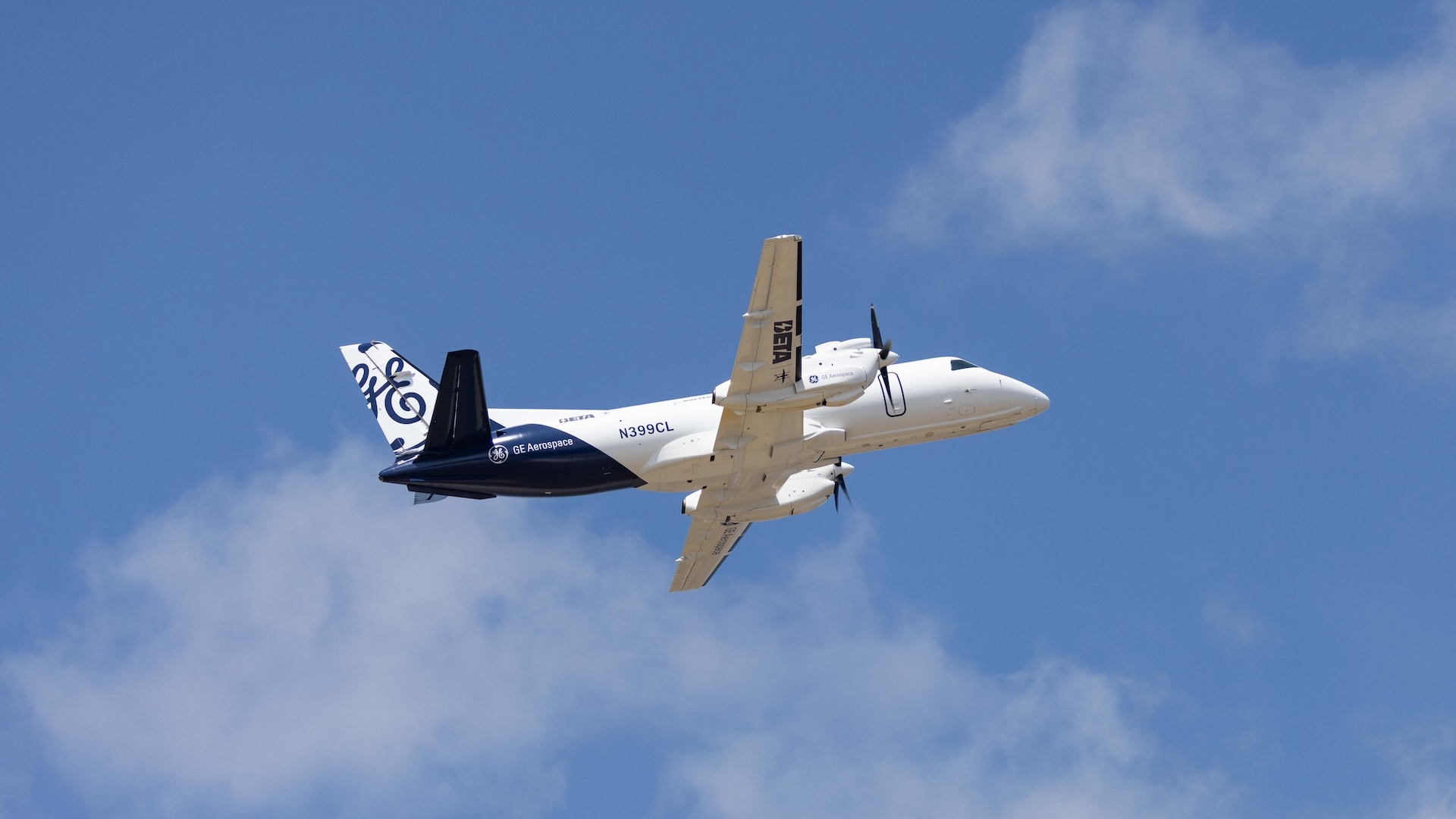
Modified Saab 340, a hybrid-electric aircraft in flight.
A modified Saab 340B aircraft in flight powered in part by a hybrid electric system built by GE Aerospace, along with NASA, BETA Technologies, and Boeing.
GE Aerospace

An aircraft powered by a megawatt-class hybrid-electric engine developed in collaboration with NASA and built by GE Aerospace, demonstrated flight of an innovation that can inform new generations of fuel-saving aircraft power systems.

Mounted to a Saab 340B aircraft, the engine flew at Farnborough International Air Show in the United Kingdom. It was the public debut of a system that has in recent months made historic test flights, becoming the first hybrid electric-powered aircraft to fly above 30,000 feet.

“This achievement reflects what NASA does best in aeronautics: we explore bold possibilities, validate them through rigorous research and testing, and work with industry to turn breakthrough ideas into technologies that bring real value for the American people,” said Laurie Grindle, director of the Aeronautics Division within the agency’s Research and Technology Mission Directorate at NASA Headquarters in Washington.

The testing leveraged work done through NASA’s former Electrified Powertrain Flight Demonstration project and the agency’s ongoing Subsonic Vehicle Technologies and Tools project – years of collaborative research that included key testing at NASA test facilities. 

The engine integrates electric motors, a gas turbine, and energy storage capabilities. It was designed to demonstrate the capacity to power an aircraft around the size of a regional-class jet, reducing fuel burn and costs without sacrificing performance. The unit’s technology and designs are expected to be used to help develop future hybrid systems that could lower airline operating costs. 

The demonstration flight came after years of rapid development for the technology. For NASA, it also validates work that stretches back to a time when hybrid aviation propulsion seemed almost beyond the horizon of possibility.

This achievement reflects what NASA does best in aeronautics: we explore bold possibilities, validate them through rigorous research and testing, and work with industry to turn breakthrough ideas into technologies that bring real value for the American people.

LAURIE A. GRINDLE

LAURIE A. GRINDLE

Director of the Aeronautics Division within the agency's Research and Technology Mission Directorate

“This is the culmination of more than 15 years of work, and we did that because it’s going to have an impact for aircraft that will help reduce energy use and help U.S. companies and the public,” said Ralph Jansen, aerospace engineer at NASA’s Glenn Research Center in Cleveland. “It’s about having a vision that no one believes can happen and then doing the work to define and execute the research and development needed to make it happen.”  

This accomplishment was possible because of the collaborative effort of hundreds of people working on Electrified Powertrain Flight Demonstration and Subsonic Vehicle Technologies and Tools projects across NASA centers, in conjunction with GE Aerospace and its partner companies.

Hybird-Electric Evolves

In recent years, aviation has seen a boom in small aircraft and drones powered by electrical systems drawing from batteries. But large passenger and cargo planes require complex engines capable of supplying massive amounts of power. So more than a decade ago when NASA began contemplating hybrid systems, just the possibility of using electric motors to supplement some energy was a daunting engineering challenge. 

NASA spent about seven years performing preliminary research, working with small businesses and other partners to consider technological obstacles and the potential commercial viability of hybrid systems. During that time, the agency addressed several barriers to implementation including the power, thermal, and battery technology, and the integration of the power system, engine, and aircraft.

Through the agency’s Electrified Powertrain Flight Demonstration award, GE Aerospace and NASA worked with researchers to develop lighter and more efficient power systems and shrink key components – sometimes dramatically. 

NASA and GE Aerospace also leveraged agency facilities and resources to further their research. In 2022, GE Aerospace tested an integrated version of its propulsion system at NASA’s Electric Aircraft Testbed at the agency’s Neil A. Armstrong Test Facility in Sandusky, Ohio. Testing allowed the system to operate in conditions simulating 45,000 feet in altitude, the range in which commercial single-aisle aircraft fly. 

The team added components, including electric motors, power converters, propellers, and a GE Aerospace commercial engine, followed by more ground tests and eventual flight tests. For the researchers who’d spent years on the concept, seeing the engine powering an aircraft in flight was a major step in a long journey.

“I’ve got to say, I was pretty touched seeing it fly. It was just awesome,” Jansen said.  “It’s just like a regular plane, which is probably the best thing of all.”

NASA’s current support for this research is through the Aeronautics Division of its Research and Technology Mission Directorate.

❌