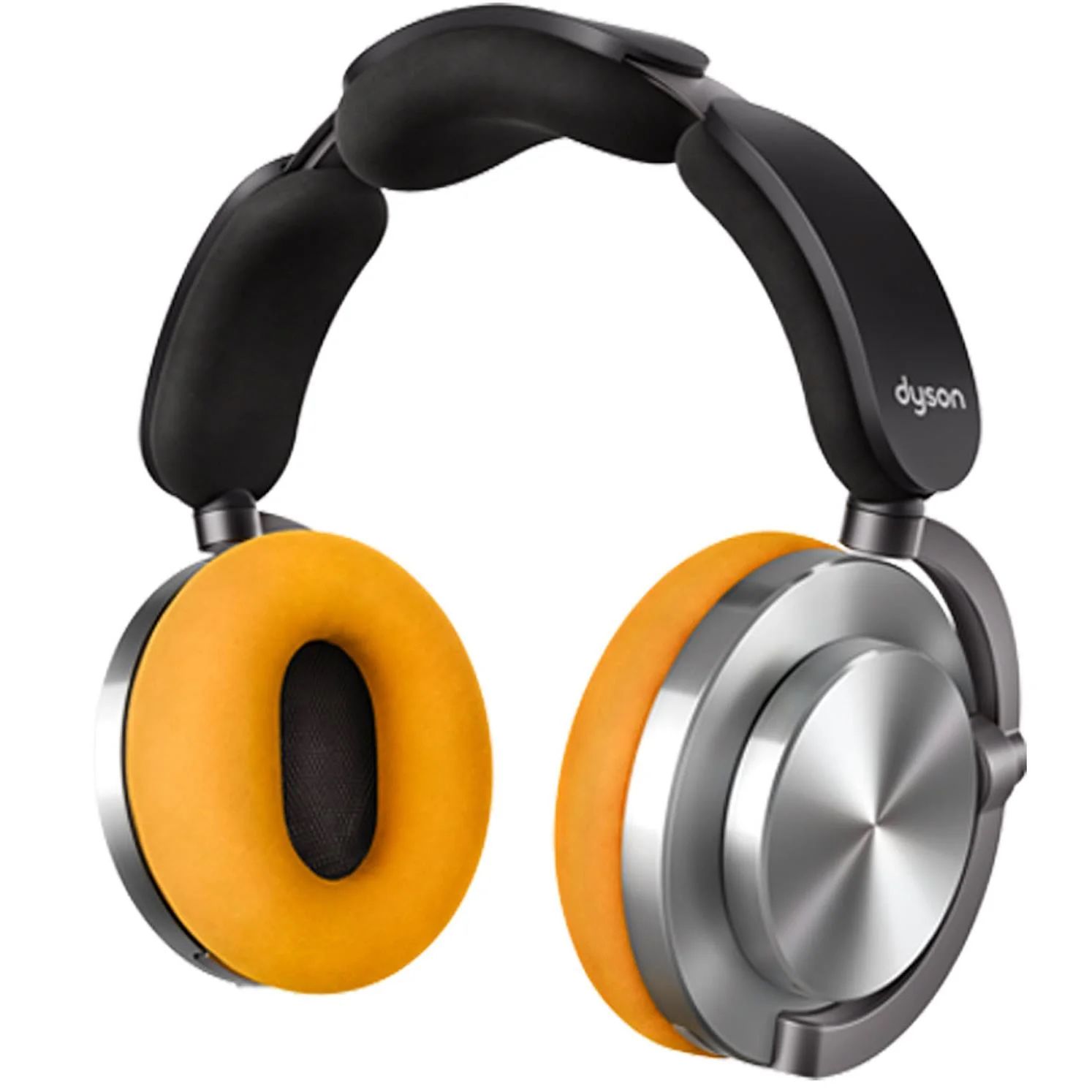
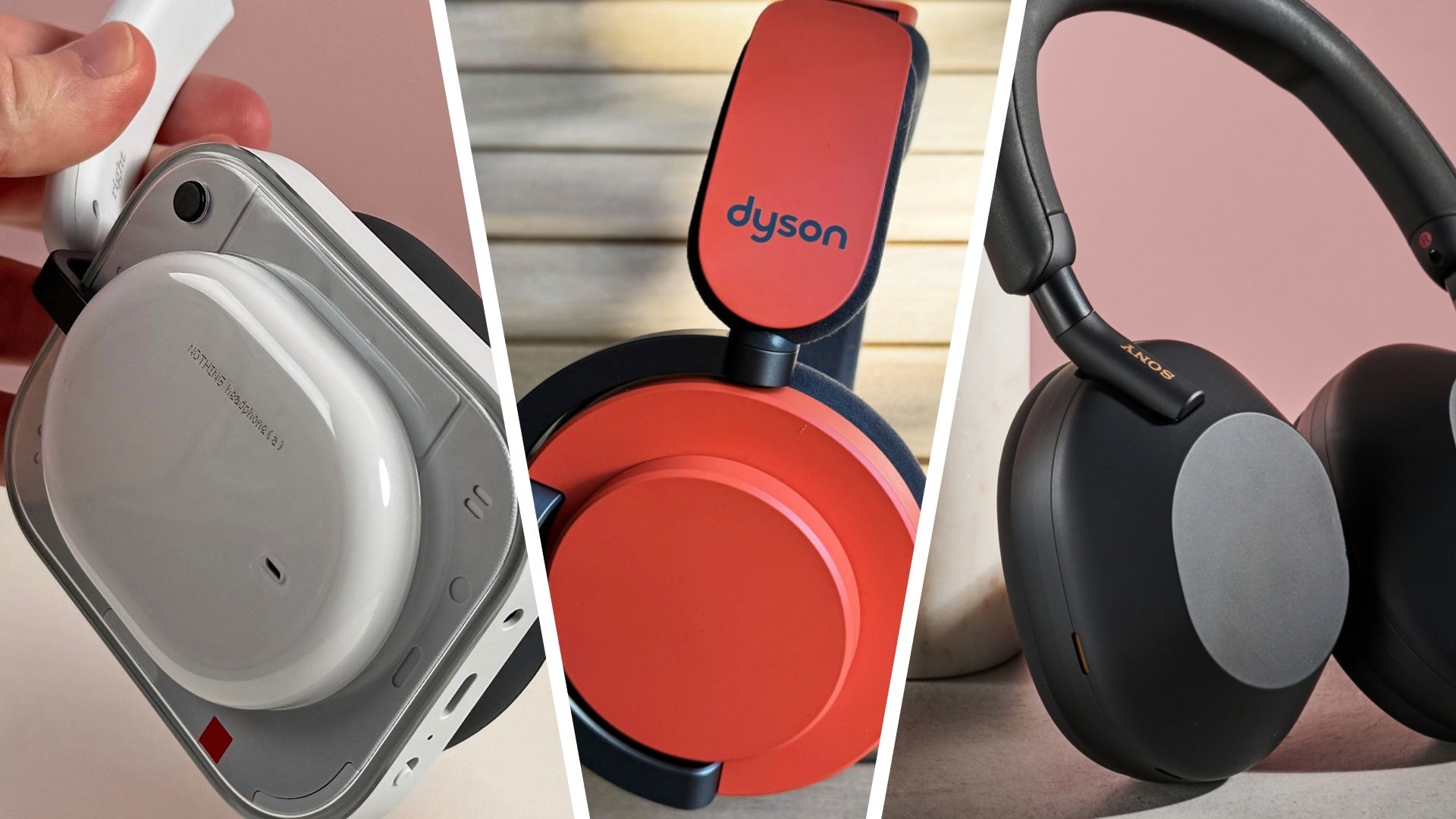
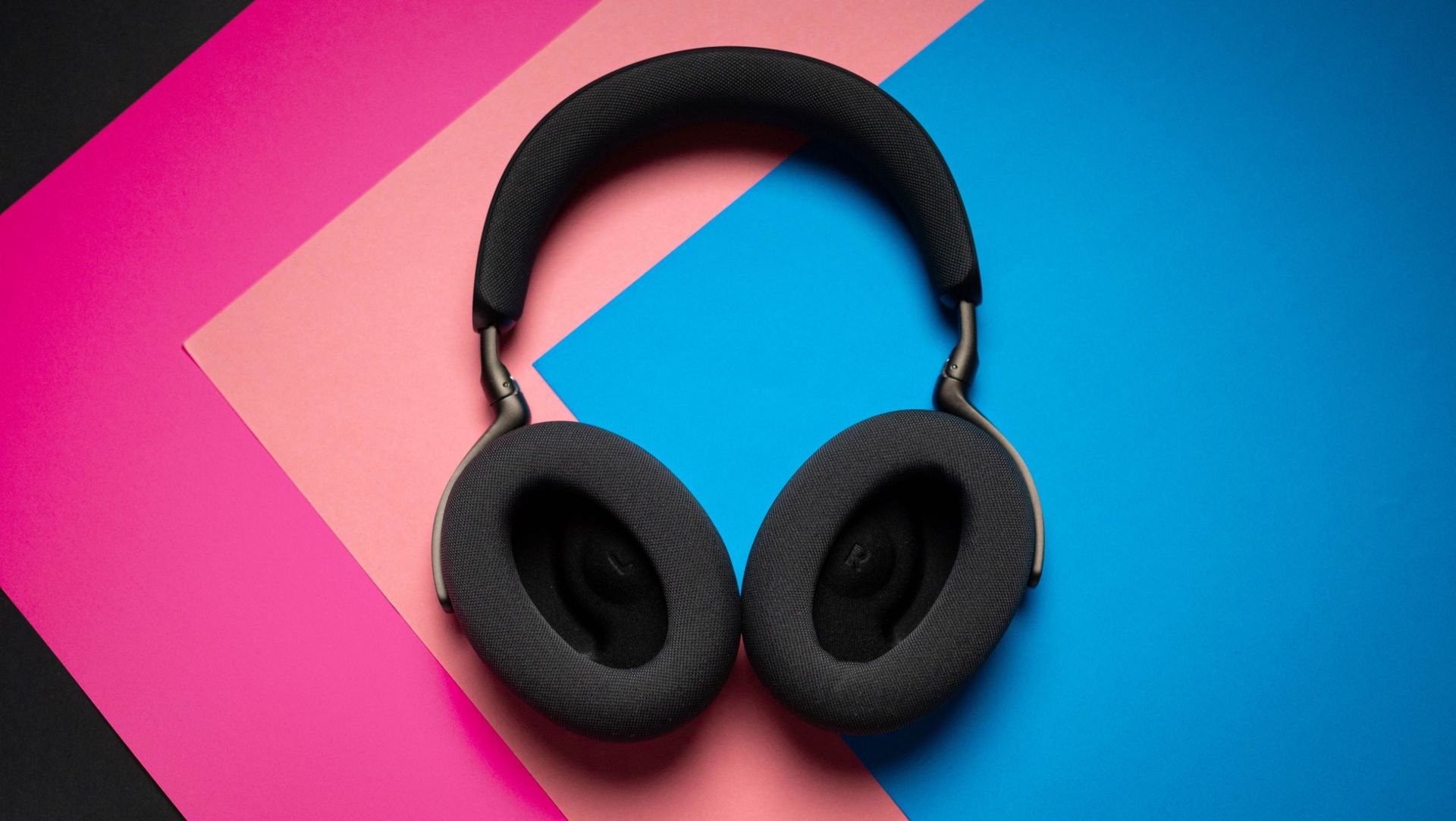
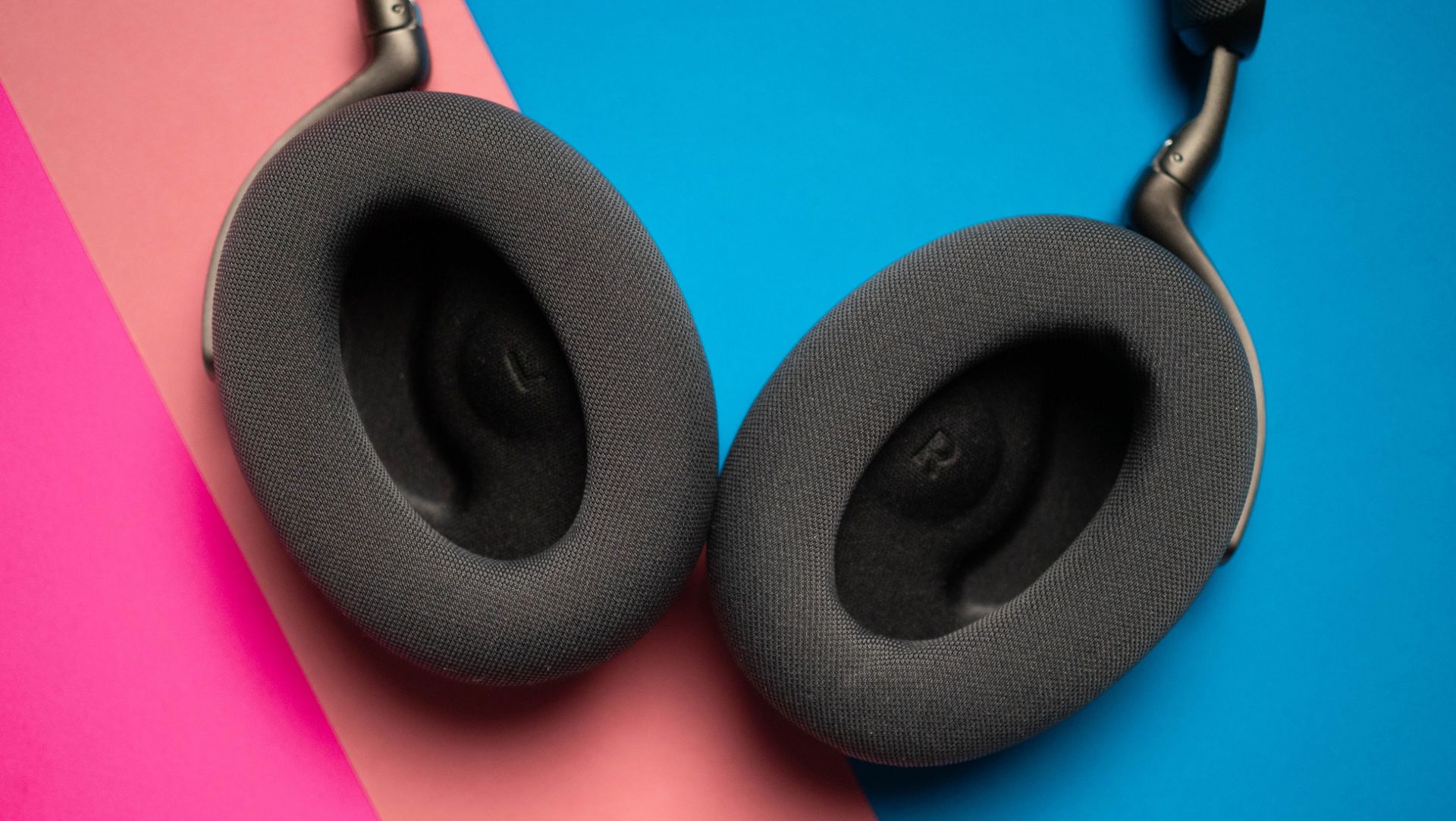
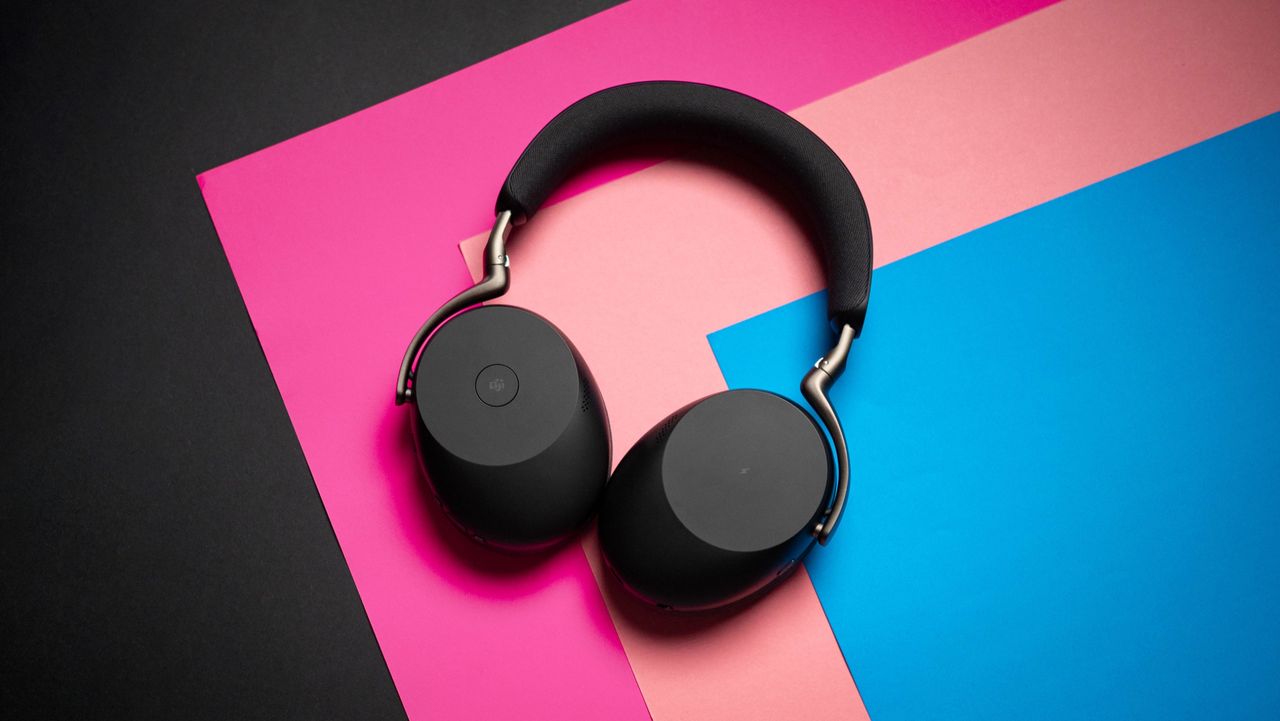
It’s been just over two years since Dyson introduced its second pair of headphones, the OnTrac, to the world. While they were a significant improvement — both in terms of sound and general design — over the Zone, I ultimately found in my Dyson OnTrac review that they still couldn’t quite challenge the class leaders — namely Sony and Bose.
A strong factor in that realisation was their exorbitant AU$799 price tag. Not only was that too much for the Dyson headphones (regardless of brand name), it also allowed other manufacturers to charge AU$700 or more for their premium cans — here’s looking at you, Sony, Bose and Sennheiser.
Now, two years later, the Dyson OnTrac has plummeted to a much more acceptable AU$299 during Dyson’s Spring Sale event. At this price, I think they’re worth a look. The noise cancellation is very good, and a 55-hour battery life gives them greater stamina than the closest competitors. I also can’t really fault the ability to customise them, since it’s a feature that’s still pretty unique. That being said, they’re incredibly heavy, so I found I could only wear them for short stints.
At this price, the Dyson OnTrac becomes a lot easier to recommend, although I’d still tread with caution. Their looks may make them stand out from the crowd, but where audio quality is concerned, they can be beaten. Although I don’t see them getting any cheaper, even during Black Friday 2026 sales in Australia later this year.View Deal
However, for your AU$300, or thereabouts, you’re not short of great alternatives. So, if you’ve got a burning desire to invest in a new set of mid-priced headphones, take a look at my top recommendations below.
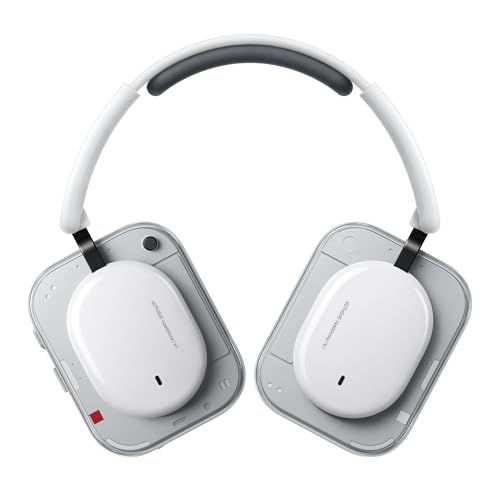
For just under AU$200 (for the white model), the Nothing Headphone (a) are a terrific buy. A vast improvement over the Headphone (1), this newer set delivers a detailed, expansive soundstage coupled with good noise cancellation. Plus, their 135-hour battery life eclipses the OnTrac by some margin. View Deal
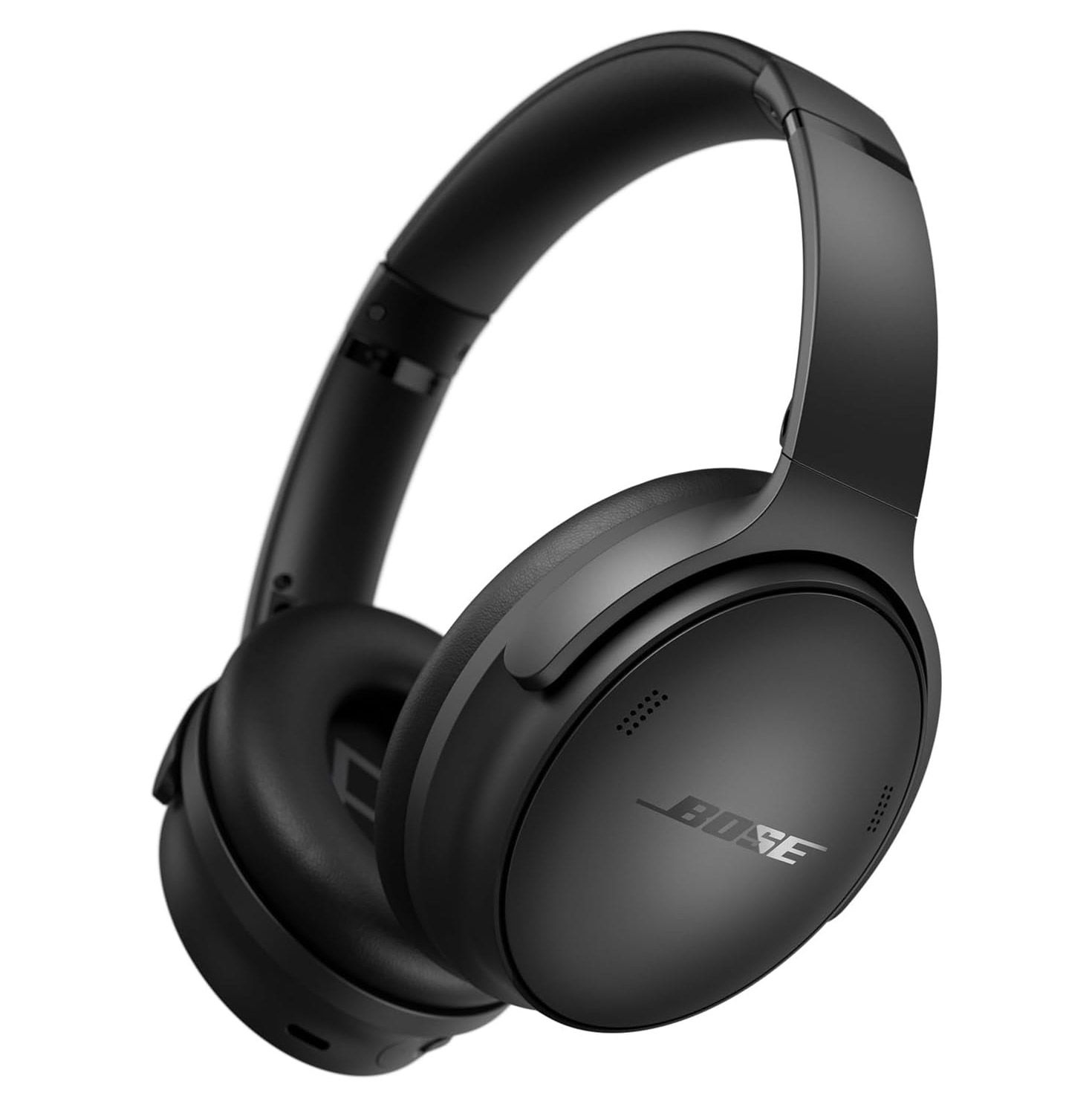
QuietComfort SC: was $499.95 now $349.99 Nearly as good as the premium QuietComfort Ultra, the SC misses out on the Immersive Audio mode — though they do come with a soft case. They have dropped to well below AU$300 before, which could happen during the next Prime Day sales event. View Deal
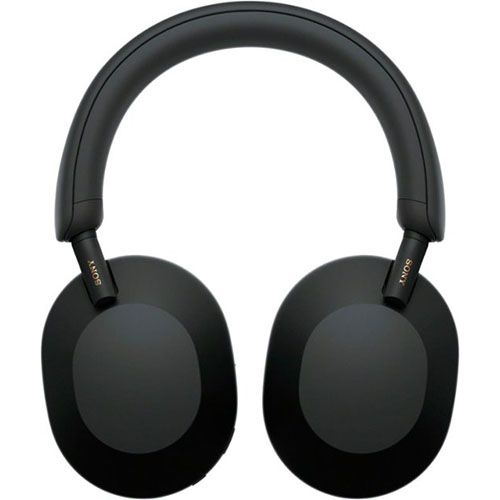
If your budget can stretch, the Sony WH-1000XM5 will reward you with superior sound quality, incredible comfort and excellent ANC. They’re comfortable to wear for long periods and benefit from a smartphone app that opens up a huge world of customisation.View Deal
AirPods 5 bring Active Noise Cancellation to Apple’s most affordable current AirPods while pushing the open-ear design closer to capabilities previously associated with more expensive models. The new generation starts at $129 and uses redesigned acoustics and computational audio to remove up to 50% more external noise than AirPods 4 with Active Noise Cancellation.
Apple is also splitting the range into two versions. The standard $129 AirPods 5 include ANC and USB-C charging, while a $149 model adds a Wireless Charging Case, longer battery life, a case speaker for Find My, and volume adjustment directly from the stems.
Both models are available for preorder ahead of their September 18 release in the U.S. and more than 65 other countries and regions.
The changes make the distinction between Apple’s entry-level AirPods and its more advanced headphones less dependent on headline software features. Adaptive Audio, Transparency, Conversation Awareness, Personalized Spatial Audio, Live Translation, and Siri AI are all part of the AirPods 5 experience.
Image Credit: Apple Inc.
AirPods 5 push open-ear ANC further
Active Noise Cancellation is particularly difficult to implement in an open-ear earbud because there is no silicone tip forming a physical seal inside the ear canal.
Apple has approached that limitation with a new multiport acoustic architecture, revised computational audio algorithms, and the H2 headphone chip. The company says AirPods 5 can cancel up to 50% more noise than AirPods 4 with ANC.
That improvement does not turn the design into an AirPods Pro-style sealed earbud. AirPods 5 remain open-ear headphones, retaining the fit preferred by people who dislike the pressure or isolation associated with in-ear tips.
The acoustic system has also been redesigned around a wider variety of ear shapes. Next-generation Adaptive EQ continuously adjusts sound based on how each earbud sits, while Apple says the revised architecture produces richer and more detailed playback.
Transparency mode has been updated to reproduce voices and environmental sounds more naturally. Adaptive Audio can move between Transparency and noise cancellation according to surrounding conditions, while Conversation Awareness automatically reduces media volume when the wearer begins speaking to someone nearby.
Personalized Spatial Audio with dynamic head tracking remains supported for compatible music, movies, and other content.
AirPods 5 are rated IP57 for dust, sweat, and water resistance, making them better suited to workouts and changing weather conditions, although they are not waterproof.
Two AirPods 5 models create a meaningful $20 decision
Apple’s pricing makes the $149 Wireless Charging Case version more than a different charging option.
Standard AirPods 5 provide up to four hours of listening on one charge with ANC enabled and up to 20 hours when the USB-C case is included.
AirPods 5 with Wireless Charging Case increase those figures to five hours from the earbuds and up to 22 hours with the case while ANC is active.
The upgraded case can charge through USB-C, an Apple Watch charger, or a Qi-certified wireless charger. It also contains a speaker that can assist with locating the case through Find My.
The more expensive model introduces another difference directly on the earbuds. Users can swipe up or down on a stem to adjust volume, bringing a control familiar from AirPods Pro to Apple’s open-ear form factor.
That leaves buyers with a relatively straightforward tradeoff. The $129 version provides the central audio experience, including ANC, without requiring a step up for the main listening features. Spending another $20 adds more convenient charging, slightly longer battery life, Find My assistance from the case speaker, and physical volume adjustment.
Placing either AirPods 5 model in its charging case for five minutes provides about one additional hour of listening.
Image Credit: Apple Inc.
Siri AI and Live Translation extend the earbuds beyond music
AirPods 5 arrive as Apple makes voice interaction a larger part of the AirPods experience.
When paired with a compatible iPhone, Siri AI can be accessed hands-free. The assistant can work with personal context from information such as messages, emails, and photos, respond to open-ended questions, and perform supported actions in apps.
Head gestures remain part of the experience. Users can nod to accept certain Siri prompts or shake their head to decline them, allowing calls and notifications to be handled without speaking or touching the earbuds.
Live Translation provides another use for the microphones and ANC system.
After compatible languages are downloaded and the feature is configured through Apple’s Translate app, a user can hear another person’s speech translated through AirPods. Translation can be started through Siri, the iPhone Action button, the Translate app, or by pressing and holding both AirPods stems simultaneously.
When two people are each using compatible AirPods and supported iPhones, both participants can hear translated versions of the conversation in their chosen languages.
Live Translation requires an Apple Intelligence-enabled iPhone 15 Pro or later, compatible AirPods, current software, and the latest AirPods firmware, with availability varying by language and region. Apple also notes that generated translations can contain errors, making verification appropriate when accuracy is especially significant.
AirPods 5 narrow the gap within the lineup
The fifth-generation model represents a different kind of upgrade from simply adding another listening mode.
ANC is now standard across both AirPods 5 configurations, instead of requiring buyers to choose a separate ANC version as they did with AirPods 4. Apple has then moved the pricing distinction toward charging, battery endurance, Find My hardware, and physical controls.
The earbuds continue to use Bluetooth 5.3 and the H2 chip, with dual beamforming microphones, an inward-facing microphone, optical in-ear detection, motion and speech accelerometers, and force sensors built into the stems.
Each earbud weighs 4.3 grams, preserving the lightweight character of the open-ear line despite the additional capabilities.
The new acoustic architecture may be the more consequential change over time. Open-ear earbuds cannot rely on a tight seal to block surrounding sound, so gains in ANC depend heavily on microphone placement, acoustic design, fit, and real-time processing. Apple’s claim of up to 50% more noise removal over the previous generation represents a substantial step for that format rather than simply matching the behavior of sealed earbuds.
AirPods 5 start at $129, while AirPods 5 with Wireless Charging Case cost $149. Both reach stores on September 18, giving the open-ear AirPods line a standard feature set that now includes noise cancellation without pushing buyers to a higher-priced model to get it.
It's time for TechRadar's annual tech awards, and this year we're doing it differently. For the first time, we have a complete set of categories where the winners are chosen 100% by you, the TechRadar readers.
The TechRadar Readers' Choice Awards 2026 comprises nearly 100 categories, but we know that not everyone is interested in voting in every one, so on this page you can vote in just our TV, Streaming and Audio categories.
These include soundbars, projectors, Bluetooth speakers, headphones and earbuds, as well as televisions and streaming services. You can vote in the survey just below — or follow the links to see other specific categories, or to vote on the full list instead.
The shortlists were chosen by TechRadar's editors based on the best products we've tested or the most popular products of the year. You'll need to vote before 00:01am PST / 03:01am EST / 08:01am BST on Wednesday October 7th 2026 for it to be counted.
Once the deadline has passed at 00:01am PST / 03:01am EST / 08:01am BST on Wednesday October 7th 2026, we'll tally your votes to find the winners in each category.
We'll announce the winners in our big TechRadar Awards 2026 Week, starting Monday October 19th. We'll reveal the winners of the Reader's Choice Awards, as well as the winners of our TechRadar Product of the Year Awards, which are chosen solely by our expert judges.
How many products will do the double? We'll be curious to see — but right now, all you can do is vote for what you think should win, so vote away!
recently purchased some songs online (not from Apple Music ). I transferred the songs to iTunes and was able to transfer all the songs to my iPhone X except one. I tried different things to get it to download, but it will not transfer to my iPhone !?!!? I tried transferring other songs that had previously been in my iTunes they transferred to my phone without any problems. It's just this one song that's giving me problems!!
If you need a headset to use at work, Bose's QuietComfort Ultra Gen II and the Sony WH-1000XM6 are undoubtedly good choices. I prefer the Bose because of its comfort and sound quality, and it is the headset I use while traveling.
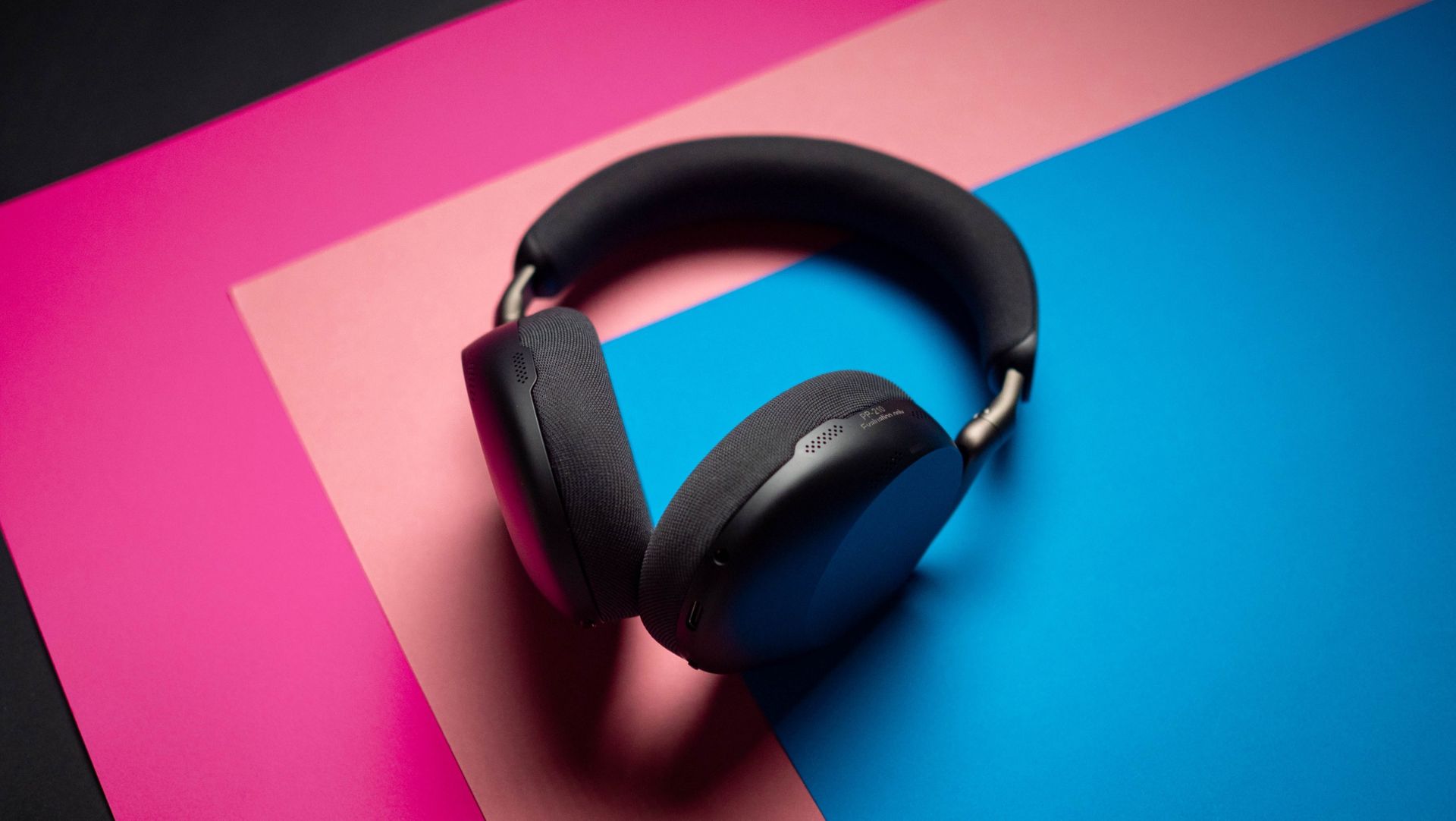
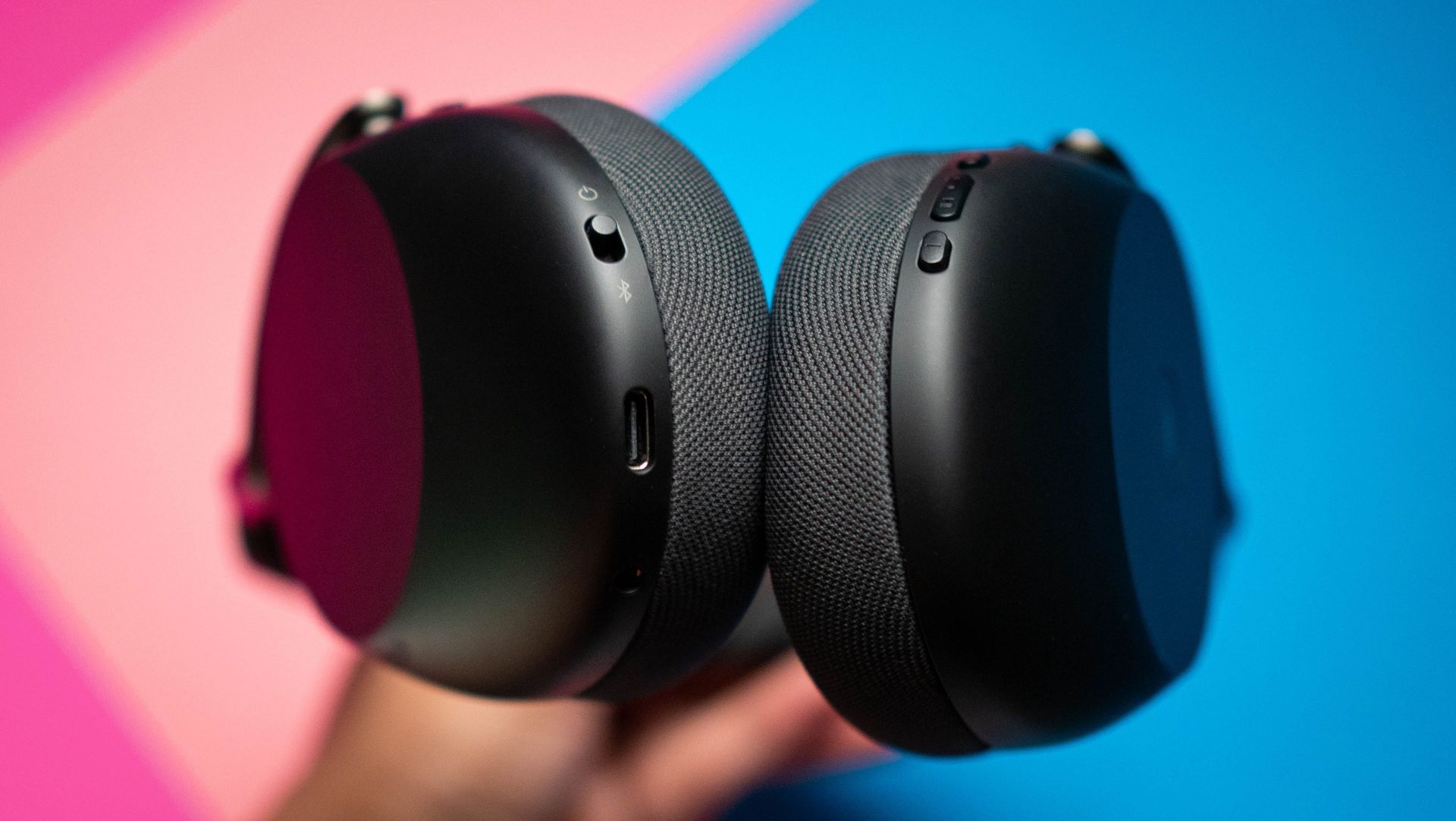
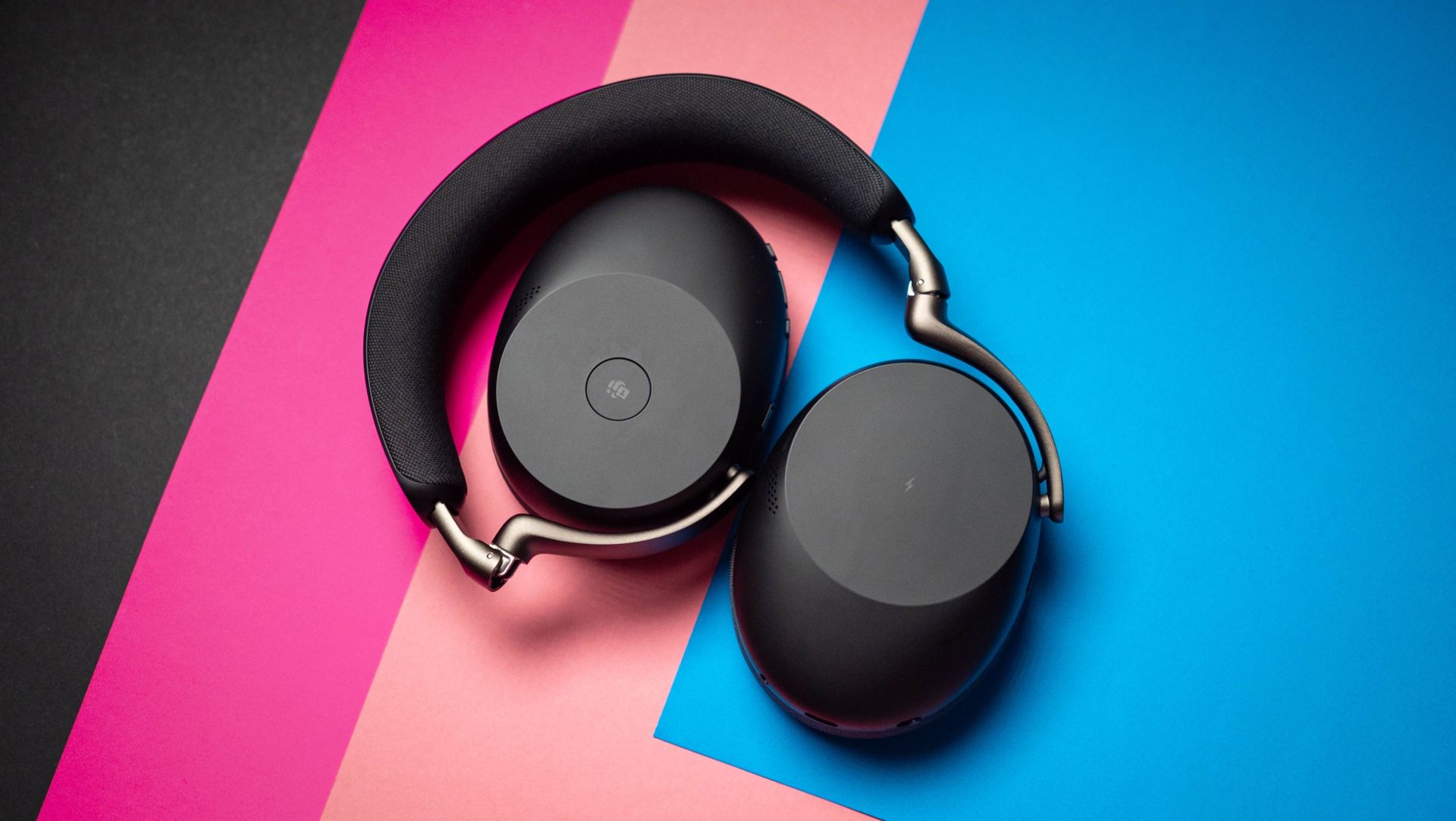
But I found out recently that there is a better choice: Jabra's Evolve3 85. It is positioned as a work headset, but it does so much more; I used it for the better part of three months now, and I'm convinced that it is better than what Bose and Sony have to offer. Coming in at $475, it is on the higher end of the scale, but it has meaningful advantages over its immediate rivals.
Let's start with the design. The Evolve3 85 is the lightest headset in its category at 220g, and I immediately noticed the difference. Bose and Sony's headsets are at least 30g heavier, and switching between the QC Ultra Gen II and the Evolve3 85, it's clear that Jabra nailed the comfort. The lightweight design ensures you get a fit that doesn't lead to any fatigue even with all-day use.
The ear cushions have a breathable design, and that extends to the headband as well. Build quality is great, and while it is light, you never get a feeling that it is flimsy — it's built to last. Another positive is the case; the headset folds flat and fits snugly into the bundled case, which is significantly smaller than what you get with Bose and Sony. This is a big deal in and of itself, as the Evolve3 85 doesn't take up anywhere as much room in your bag.
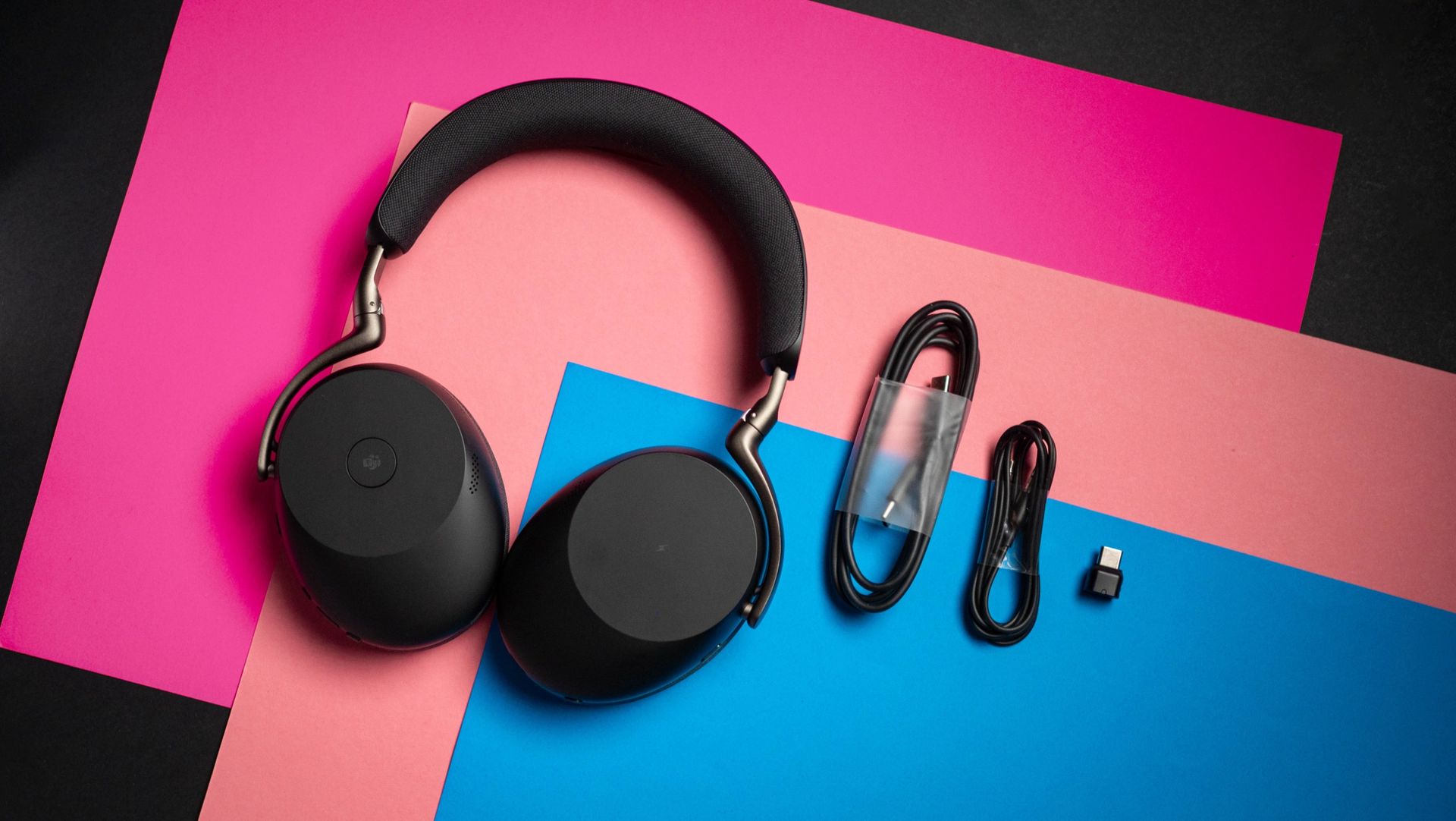
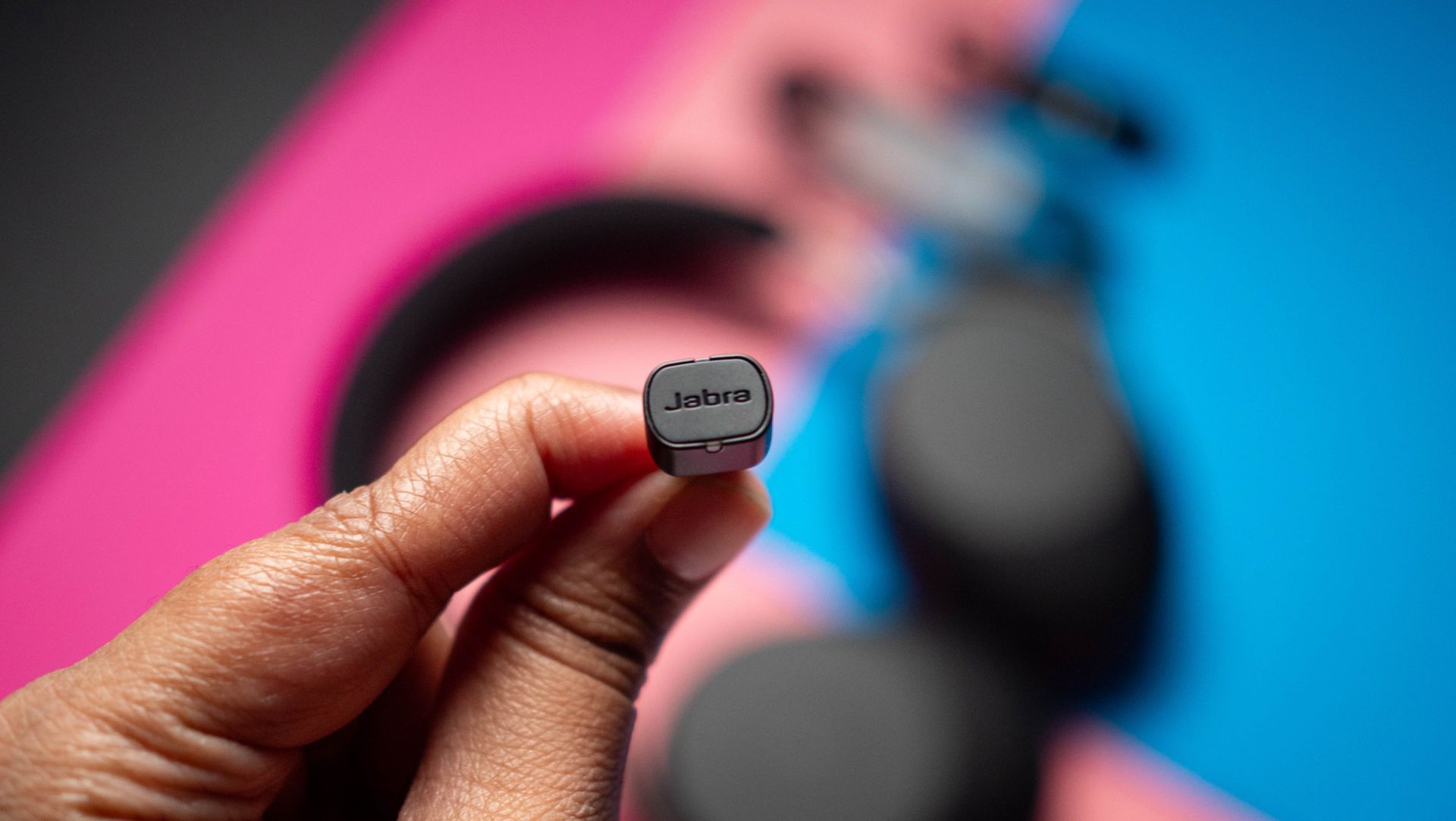
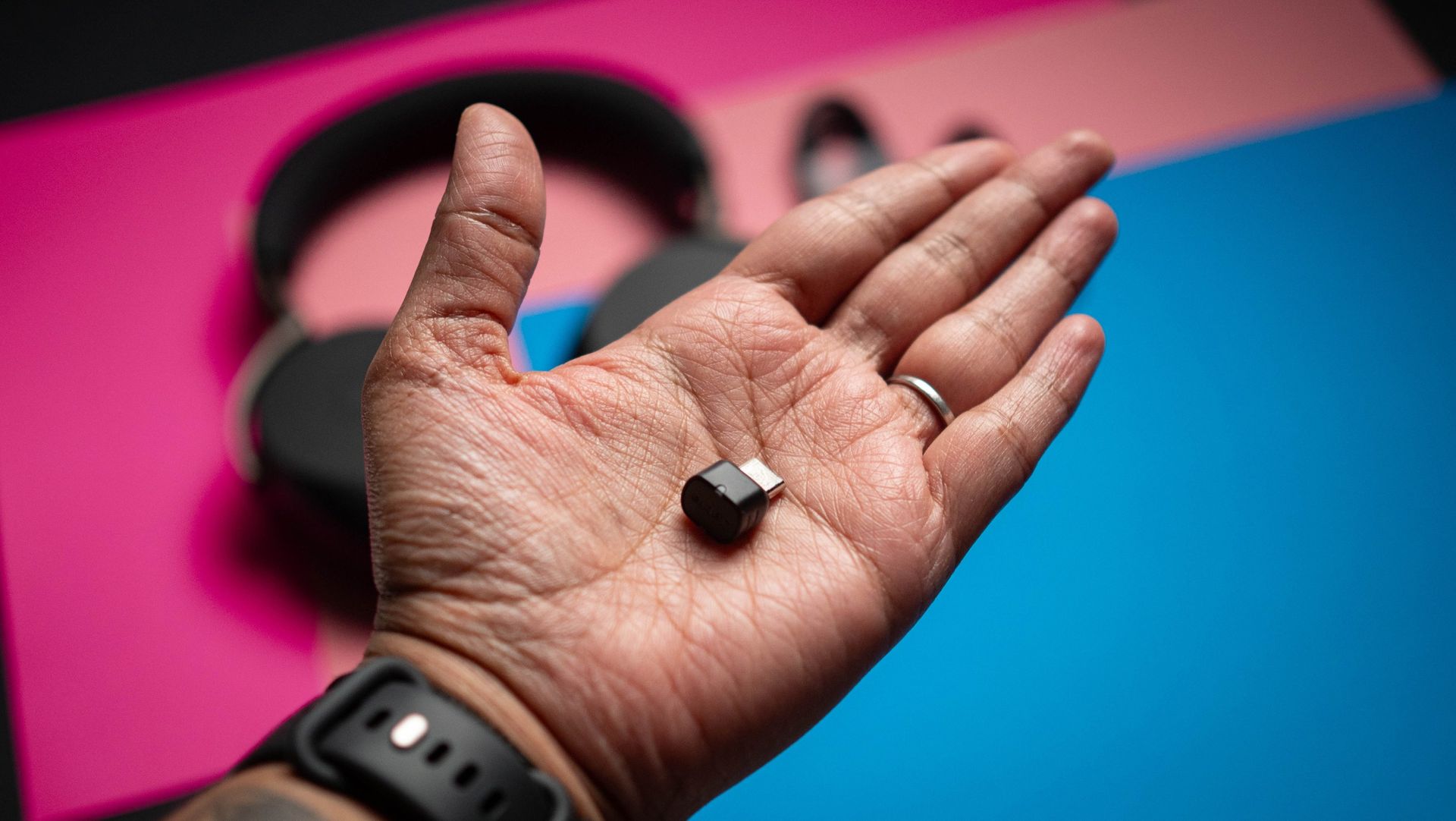
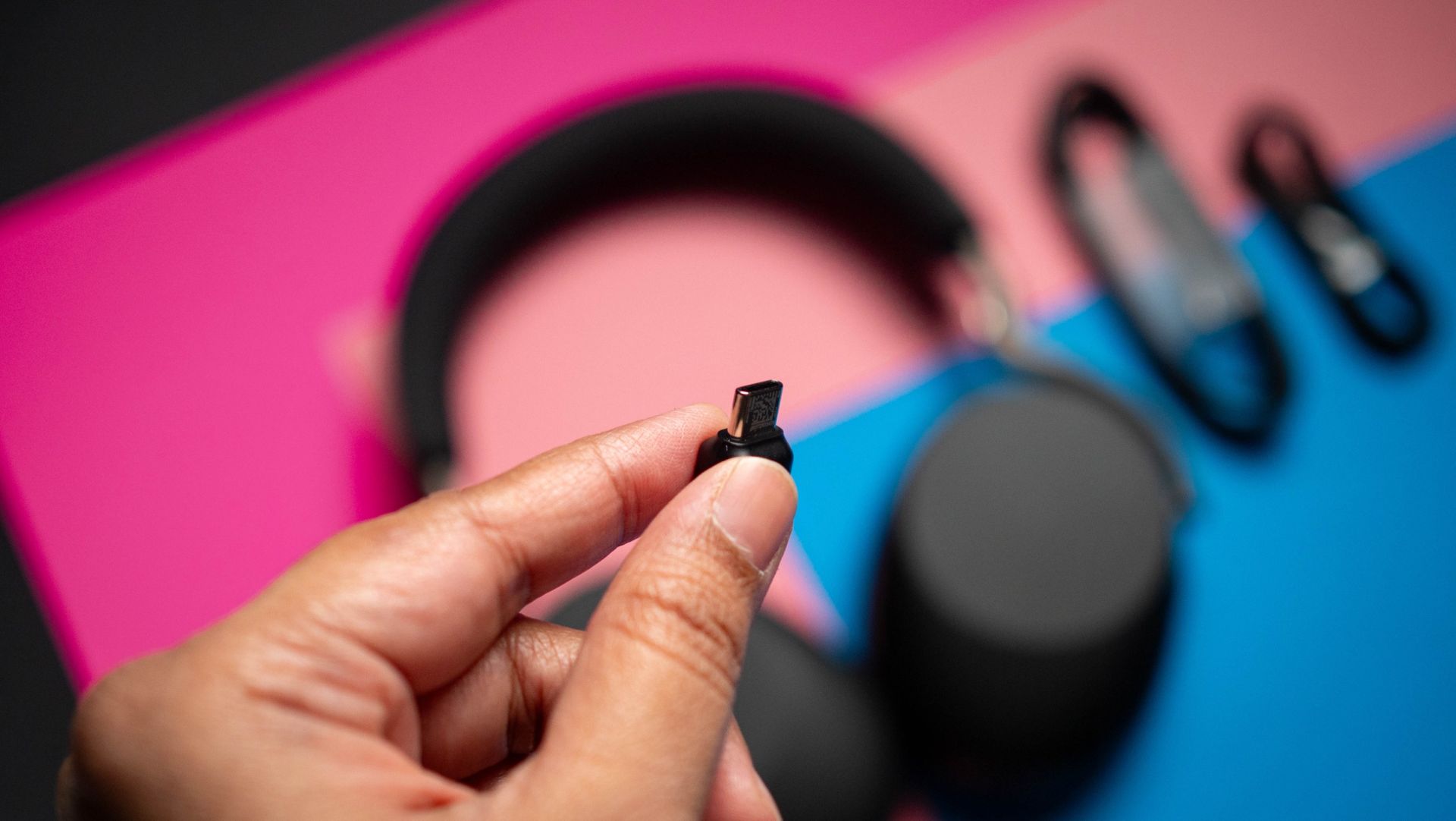
I also like the connectivity on offer. The Evolve3 85 uses Bluetooth 5.3, and I didn't see any issues pairing the headset with my Pixel 11 Pro XL, Find X9 Ultra, X9 Pro, Galaxy Z Fold 8 Ultra, iPhone 17 Pro, or the iPad Pro M4. It has Fast Pair, so it's about as easy to connect it to an Android device. There's also USB-C and 3.5mm connectivity if you want to plug the headset in, and my favorite inclusion is a USB-C receiver that lets me use the headset with my Windows machine.
I don't like using Bluetooth with Windows; my Gigabyte motherboard has a Bluetooth modem that's built clearly as an afterthought, because it is flaky at the best of times. As such, the convenience of being able to use a receiver to connect the headset with Windows is just great, and I like that Jabra went with USB-C. You also get USB-C and 3.5mm cables in the box, and I like the attention to detail that the brand lavished when it comes to connectivity.
Connectivity is a big part of what makes a work-related headset stand out, and the Evolve3 85 excels in this area. Oh, and you can easily change the battery itself, should you need to down the line. I like tech that's built to last, and given that batteries tend to degrade over time, they're usually the biggest point of failure in a headset, so it's good to see Jabra addressing the issue.
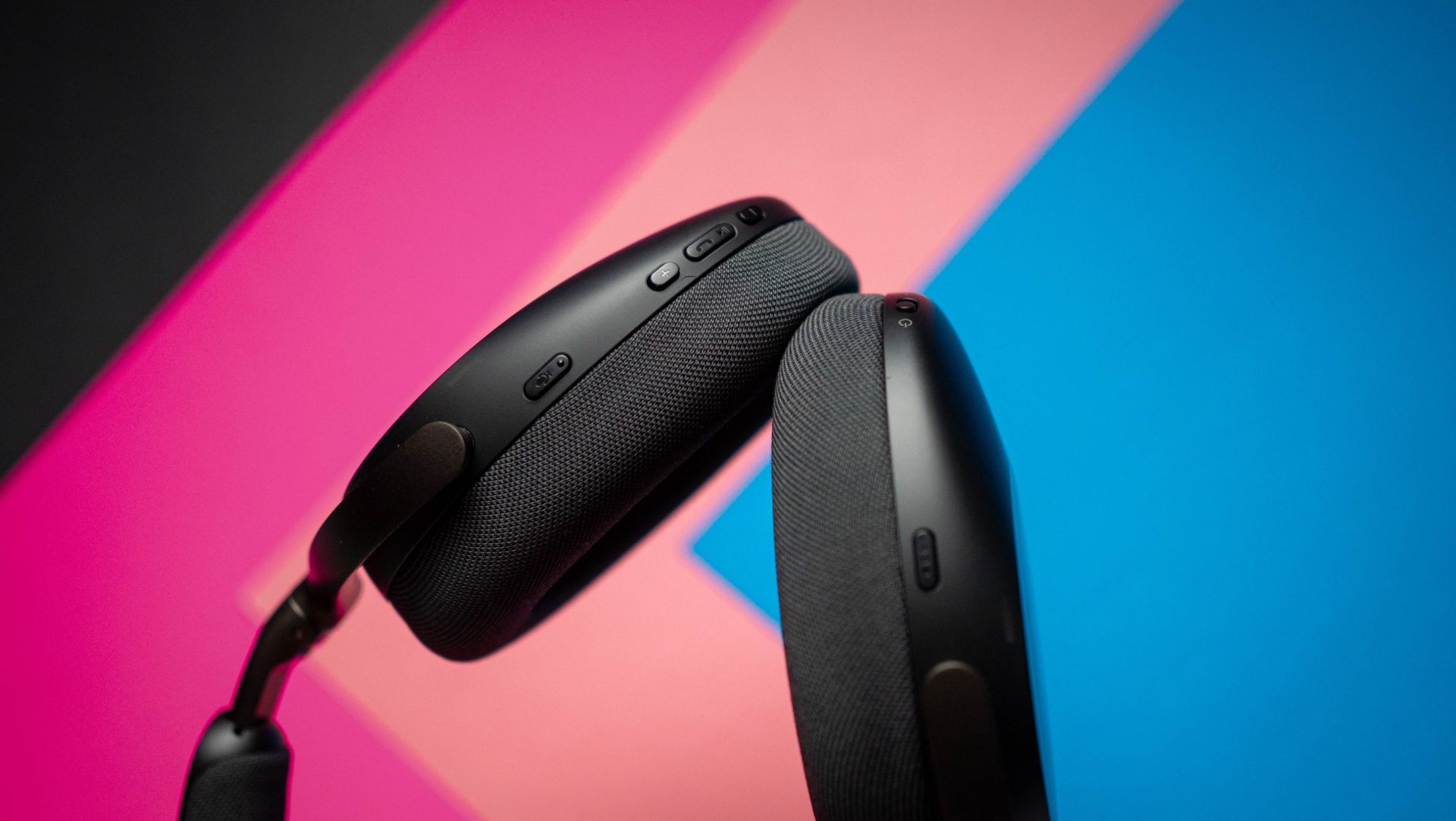
There are other niceties as well; Jabra's ClearVoice does a good job tuning out ambient noises when you're talking, and it holds up astonishingly well. I use NVIDIA Broadcast to do the same, but ClearVoice is a good enough alternative. On that note, it has dedicated ANC as well, and it does an effective job blocking sounds in your surroundings if you're in a meeting or outdoors. The headset pairs with whichever digital assistant you use on your phone, and there are physical controls.
Sound quality is pretty good, too. Honestly, given how much Jabra positioned this as a work headset, I didn't think it would sound as good as its rivals, but the 32mm drivers do a great job. You get a detailed sound with plenty of bass, clean mids, and a tight treble. It's obviously built for meetings, but the headset is just as effective at extended music listening sessions. In fact, the only problem is that you don't get AptX codecs — it is limited to SBC and AAC.
Another thing Jabra does well is charging tech; the Evolve3 85 includes wireless charging, and I didn't realize just how convenient this is until I used the headset — I now want all of my Bluetooth headsets to have this as standard. There's fast charging too, with a 5-minute charge delivering five hours of power. The headset lasts well over 23 hours of meetings, with regular music listening at 60 hours — double that of Bose and Sony. Basically, you'll only need to charge it once a week even if you use it all day.
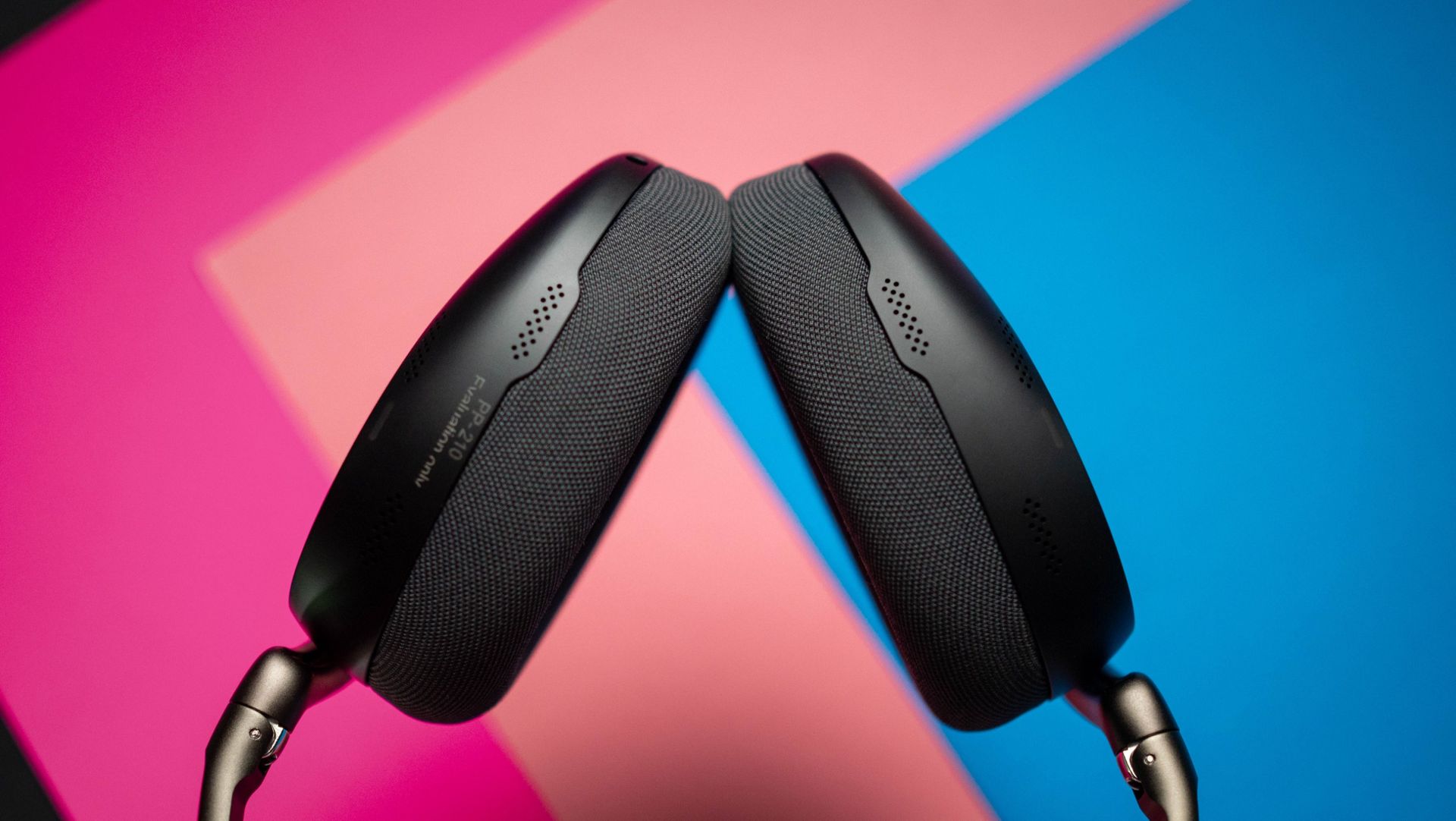
You get six mics in total, and they use MEMS solid-state tech, delivering better fidelity and low distortion. I attended dozens of meetings with the Evolve3 85 over Google Meet, Zoom, and Microsoft Teams, and the headset did a brilliant job.
While the Evolve3 85 is targeted as a work headset, it is just as great to listen to music or podcasts, and the lightweight design combined with all the extra features gives it a unique advantage you just don't see in this category.
Jabra
Evolve3 85
With a highly comfortable design, great sound quality, and unique features designed for meetings, the Evolve3 85 is the best work headset around.
On our podcast I’m known as the Apple hater, but over the past year I’ve let up a little — even defended the company.
I’ve said Apple could be the only company capable of releasing camera glasses without major backlash thanks to privacy-first approach, celebrated its approach to AI as possibly genius if the bubble does pop, and most recently said the iPhone Duo looks great and that the visible crease in some shots should be ignored — as if it’s like the Z Fold 8 Ultra you’ll never see it while you’re using it.
But in our most recent episode, I saw something that I couldn’t believe in the new AirPods 5 specs. I had to actually message our Audio Editor because I thought I must be wrong.
How are on-bud volume controls only now coming to AirPods? And how are they reserved for the pricier model?
Take back (volume) control
I brought this up in the podcast, but my Apple-wielding colleagues — Axel Metz and Matt Evans — argued the feature isn’t that useful anyway. Those with Pro-level AirPods that boast volume controls noted that they rarely use them
Folks, that’s beside the point.
Volume controls are one of the most basic earbuds functions. Take a minute to scroll through Amazon, and you can find dozens of wireless earbuds under $20 that offer volume controls. This shouldn’t be something reserved for the fifth generation of a premium earbuds brand like AirPods. It’s absurd!
Oh, and I think volume controls on the buds are useful, for what it’s worth. If I’ve set my phone up to watch a YouTube video and the volume spikes, I want to be able to quickly swipe down without reaching over; or I might want to change the volume of my workout tunes mid-session without pulling my phone out and risking getting distracted.
Sure, it’s not a game changer, but as I said already, it’s a basic feature we should expect. It would be like if your iPhone didn’t have an email app — there are ways around it, but why cut off the root of the problem?
Perhaps I shouldn't give Apple ideas (Image credit: Jacob Krol/Future)
What really grinds my gears, however, is that volume controls still aren’t truly standard. If you get the base $129 / £119 / AU$219 AirPods, you’ll be out of luck — you need to pay extra for the $149 / £139 / AU$249 model with a wireless charging case.
This isn’t anywhere near as egregious as those ridiculously expensive Mac Pro wheels from early 2020 — back when we could worry about such trivialities in the ‘before times’ — but it feels like a remnant of Apple’s arrogance, and the quality that has put me off the company’s tech for all these years.
People can get the earbuds they want, and I’m sure the AirPods 5 will be just as solid as the previous generation. But when there are so many excellent audio options out there, my philosophy is to get a pair that respects you, offers genuine value for money, and won’t nickel-and-dime you for features that should have been added back in the first-generation model — not as an upcharge on the fifth-generation iteration.
The first unverified Geekbench 7 result for Apple’s M5 Ultra suggests a substantial CPU gain over M3 Ultra, but the single database entry is not a substitute for independent testing. The listed result is for the highest-end M5 Ultra with a 36-core CPU. It should not be assumed to represent every Mac Studio configuration or […]
On social media, Meta’s chief executive appeared to jab at Anthropic by saying that leading A.I. labs should be focused on safety rather than improving their own technology.
Gravamos um novo vídeo detalhando o que mudou e, principalmente, testando os novos recursos baseados em inteligência artificial que a marca incorporou ao relógio, entre eles:
Mostradores gerados por IA, permitindo criar watchfaces personalizadas diretamente a partir de comandos;
Assistente de IA integrado, para tirar dúvidas e receber respostas sem precisar do smartphone por perto;
Tradução por IA, com suporte a conversas em outros idiomas direto do pulso;
e outras funções inteligentes que prometem deixar a experiência de uso mais completa.
No vídeo, mostramos como cada um desses recursos funciona na prática, se realmente agrega valor ao dia a dia e como o Solar Ultra se compara à versão original que já havíamos testado.
Vale a pena conferir para quem já tinha curiosidade sobre o modelo anterior ou está em dúvida entre um smartwatch bem mais em conta e um Apple Watch.
NOTA DE TRANSPARÊNCIA: Este é um artigo fruto de um acordo comercial com um anunciante, que não influenciou a nossa opinião. O MacMagazine recebe uma pequena comissão sobre vendas concluídas por meio de links deste post, mas você, como consumidor, não paga nada mais pelos produtos comprando pelos nossos links de afiliado.
Algo que não passou despercebido durante a apresentação do iPhone Duo, primeiro smartphone dobrável da Apple, foi a animação ao abrir e fechar o aparelho — uma cortesia da versão adaptada do iOS especialmente para o modelo.
Como quase nada é impossível no mundo dos desenvolvedores, essa animação já foi transportada para o macOS graças ao DuoHinge, que adiciona uma ilusão de ótica interativa de dobra à tela física do seu MacBook.
Ao acessar diretamente o sensor de ângulo da tampa integrado ao Apple Silicon, o DuoHinge projeta sua área de trabalho em tempo real em um plano 3D virtual vertical, aplicando perspectiva realista via raycasting, dispersão gaussiana de vidro em duas passagens e dispersão cromática nas bordas conforme você fecha a tela.
An iPhone Duo–style hinge animation, but on a MacBook. Sometimes it’s fun to build things just because. pic.twitter.com/grYKra4X91
Uma animação de dobradiça no estilo do iPhone Duo, mas em um MacBook. Às vezes, é divertido criar coisas simplesmente pelo prazer de fazê-lo.
O processamento da área de trabalho ocorre localmente no dispositivo, utilizando a taxa de atualização da tela integrada (até 120Hz em telas compatíveis) por meio do ScreenCaptureKit e shaders Metal personalizados, tudo encapsulado em uma camada transparente que permite cliques através dela, sem interromper seu fluxo de trabalho.
O aplicativo lê o sensor de ângulo da tampa e suaviza o movimento de acordo com a cadência de renderização. Um ícone vetorial do MacBook, no estilo da Apple, gira e espelha o ângulo real da sua tela nas barras de menu do macOS (no modo claro ou escuro).
O DuoHinge é gratuito, não contém assinaturas, nem rastreia quantas vezes você abre o seu MacBook. Ele exige pelo menos o macOS Sonoma 14 e pode ser baixado diretamente pela página no GitHub — ao iniciar o aplicativo pela primeira vez, abra-o na barra de menus e conceda permissão de Gravação de Tela e Áudio do Sistema quando o macOS solicitar.
Aplicativos que utilizam uma premissa simples e a transformam em uma experiência interessante são, particularmente, meus favoritos. Exemplo disso é o Farwave, um app para iPhone e iPad desenvolvido pelo brasileiro Fernando Bunn que permite encontrar estações de rádio de todo o mundo girando um globo 3D até uma determinada região e tocando em uma estação.
A interação baseia-se na localização geográfica, e não em pesquisas por texto. Ou seja, os usuários giram o globo, selecionam uma região e tocam em uma estação, tudo pela mesma interface.
Divulgação/Farwave
Há, ainda, um botão chamado “Take me anywhere” (“Leve-me a qualquer lugar”, em tradução direta) que seleciona uma opção aleatória para ouvintes que não querem procurar um local específico; além disso, o aplicativo salva o histórico de reprodução para que as pessoas possam retornar a uma estação mais tarde.
Além do rádio, o app também organiza podcasts e músicas utilizando a mesma metáfora do globo. Diferentemente das estações de rádio, assinantes Pro podem pesquisar programas ou adicionar manualmente um feed RSS. O aplicativo também oferece suporte a filas de reprodução, velocidade de reprodução ajustável e downloads para ouvir offline.
Assinantes do plano Pro também podem importar seus próprios arquivos de áudio de um computador ou do aplicativo Arquivos. Cada artista aparece como um “sinal” próprio, e as faixas importadas permanecem no dispositivo para reprodução offline.
Plutone potrebbe essere entrato in una nuova fase stagionale. Mentre si allontana dal Sole, le temperature scendono e parte dell’azoto atmosferico può condensarsi sulla superficie sotto forma di ghiaccio.
Mr. Trump called Jensen Huang, Nvidia’s chief executive, while Mr. Huang was onstage in Los Angeles and criticized calls to slow down and regulate A.I.
Previstos para serem lançados na semana que vem (pelo menos nos Estados Unidos e em Portugal), os novos Mac mini e Mac Studio são alimentados com os chips M6 e M5 Ultra, respectivamente — lembrando que o mini pode ser configurado também com o M5 Pro, enquanto que o Studio de entrada vem com o chip M5 Max.
Pois os primeiros resultados de benchmarks dos dois novos processadores apresentados recentemente pela Apple surgiramhoje no banco de dados do Geekbench 7, oferecendo uma visão dos ganhos de desempenho de cada um deles.
Em ambos os casos, os resultados vistos até agora tratam apenas dos testes de CPU 1Central processing unit, ou unidade central de processamento. — os de GPU 2Graphics processing unit, ou unidade de processamento gráfico. ainda não foram divulgados.
Confira abaixo a pontuação do chip M6 e as pontuações médias do chip M5 para efeito de comparação:
Benchmark de CPU
M6
M5
Single-core
4.071 pontos
3.641 pontos
Multi-core
22.783 pontos
17.948 pontos
Se o resultado acima for preciso, o chip M6 apresenta um desempenho single-core cerca de 12% mais rápido e uma performance multi-core cerca de 27% mais rápida em comparação com o chip M5. Vale notar que o chip M6 está no novo Mac mini, enquanto as pontuações do chip M5 baseiam-se no MacBook Pro de 14 polegadas — mas o desempenho deve ser semelhante.
Na tabela abaixo está a pontuação do chip M5 Ultra de ponta, com CPU de 36 núcleos, bem como as pontuações médias do chip M3 Ultra de ponta, com CPU de 32 núcleos (já que a Apple nunca lançou um chip “M4 Ultra”).
Benchmark de CPU
M5 Ultra
M3 Ultra
Single-core
3.774 pontos
2.920 pontos
Multi-core
52.516 pontos
39.059 pontos
Se os resultados acima procederem, o chip M5 Ultra oferece um desempenho de CPU single-core cerca de 30% mais rápido e um desempenho multi-core cerca de 35% mais rápido em comparação com o M3 Ultra.
Nada mau, hein!
Mac Studio
Chip: M4 Max ou M3 Ultra Memória: 36GB, 48GB, 64GB, 96GB, 128GB, 256GB ou 512GB Armazenamento: 512GB, 1TB, 2TB, 4TB, 8TB ou 16TB
NOTA DE TRANSPARÊNCIA: O MacMagazine recebe uma pequena comissão sobre vendas concluídas por meio de links deste post, mas você, como consumidor, não paga nada mais pelos produtos/serviços usando os nossos links de afiliado.
Salvar uma página da web pode ter diversas finalidades — seja para lembrar de algum detalhe textual ou visual, guardar informações de uma certa data ou apenas manter um registro cronológico de algum endereço. Há vezes, porém, que não dá para depender totalmente de bases de arquivos públicos, seja porque o conteúdo pode ter sido alterado ou não é exibido corretamente, entre outros motivos.
Para evitar possíveis problemas do tipo, vale a pena conferir o WebsiteArchiver, um utilitário para macOS que salva e arquiva páginas da web completas, sendo possível separá-las em pastas e categorias. Segundo o desenvolvedor, uma versão para iPhone/iPad será lançada em breve.
Com ele, as páginas da web são salvas localmente como arquivos HTML — com exportação em .html, .warc, .webarchive, .pdf e Markdown — disponíveis permanentemente e independentes de serviços externos.
O app exibe as páginas salvas de três formas diferentes: a opção “Salvo” mostra a cópia offline, enquanto “Leitor” exibe apenas o texto sem distrações e o modo “Ao vivo” mostra a página atual na web. É possível alternar entre eles quando quiser.
Além disso, a captura usa um motor que possibilita que páginas cheias de JavaScript sejam registradas exatamente como aparecem na tela. Também é possível remover imagens inteiras de páginas.
O WebsiteArchiver está disponível gratuitamente na Mac App Store, sendo possível salvar até dez páginas sem custo. Para desbloquear a versão completa, sem limites de registros, é necessário obter a licença vitalícia, disponível por R$120.
Leitores do MacMagazine, porém, podem aproveitar uma oferta especial para adquirir a versão completa diretamente pelo site do WebsiteArchiver: basta digitar MACMAGAZINE30 na área de código promocional para obter 30% de desconto! Saiba, porém, que o cupom é válido somente para os 50 primeiros usos.
Chama-se Geração STEM .PT e é um novo programa lançado pelo .PT concebido para apoiar e reconhecer raparigas e mulheres que querem construir o seu percurso académico nas áreas da Ciência, Tecnologia, Engenharia e Matemática (STEM).
The first unverified benchmark result for Apple's new M5 Ultra chip surfaced in the Geekbench 7 database today, offering a look at the chip's impressive performance gains. The new Mac Studio will be Apple's first device to be equipped with the M5 Ultra.
Here is how the highest-end M5 Ultra chip with a 36-core CPU scored:
Single-core CPU score: 3,774
Multi-core CPU score: 52,516
Apple never released an M4 Ultra chip. Here are the average scores for the highest-end M3 Ultra chip with a 32-core CPU on Geekbench 7:
Single-core CPU score: 2,920
Multi-core CPU score: 39,059
Unsurprisingly, the M5 Ultra is Apple's fastest chip ever. If this Geekbench result is accurate, it has up to around 30% faster single-core CPU performance and up to around 35% faster multi-core performance compared to the M3 Ultra. But, it comes at a steep cost. In the U.S., the Mac Studio with a 36-core M5 Ultra starts at $6,799.
Apple said the M5 Ultra has up to 1.25× faster single-threaded CPU performance and up to 1.3× faster multi-threaded CPU performance compared to the M3 Ultra, so the benchmark result roughly aligns with or even beats those advertised claims. However, keep in mind that there wil be some variance in scores as additional results surface.
Here is where the M5 Ultra slots in for maximum multi-core CPU performance:
M5 Ultra: 52,516
M3 Ultra: 39,059
M5 Max: 35,119
M5 Pro: 33,593
M4 Max: 29,047
M2 Ultra: 28,789
M4 Pro: 24,894
M3 Max: 24,649
M1 Ultra: 23,328
M6: 22,783
M5: 17,948
M2 Max: 17,387
M3 Pro: 16,880
M2 Pro: 16,725
M4: 15,477
M1 Max: 14,299
M1 Pro: 13,914
M3: 11,650
M2: 9,809
M1: 8,582
Based on these scores, the M5 Ultra is up to 2.25× faster than Apple's original M1 Ultra chip and up to 6× faster compared to the regular M1 chip.
As always, real-world performance varies.
The new Mac Studio with M5 Max and M5 Ultra chips and the new Mac mini with M6 and M5 Pro chips launch on Tuesday, September 22.
We are still waiting for GPU results for the M5 Ultra to appear in the Geekbench 7 database.
Bennu potrebbe essere molto più fragile di quanto sembri. Una nuova ricerca indica che la sua superficie è circa 50 volte più debole del caffè macinato, a causa della particolare struttura fatta di frammenti e polvere.

 Login