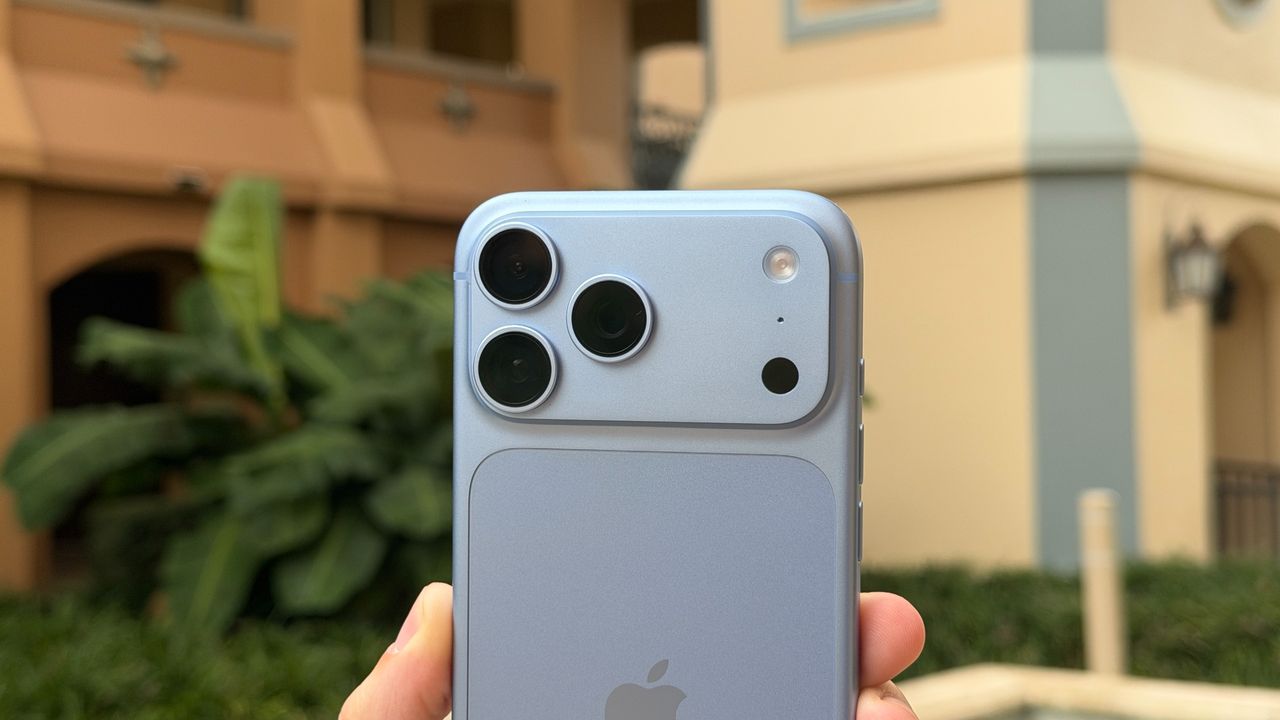
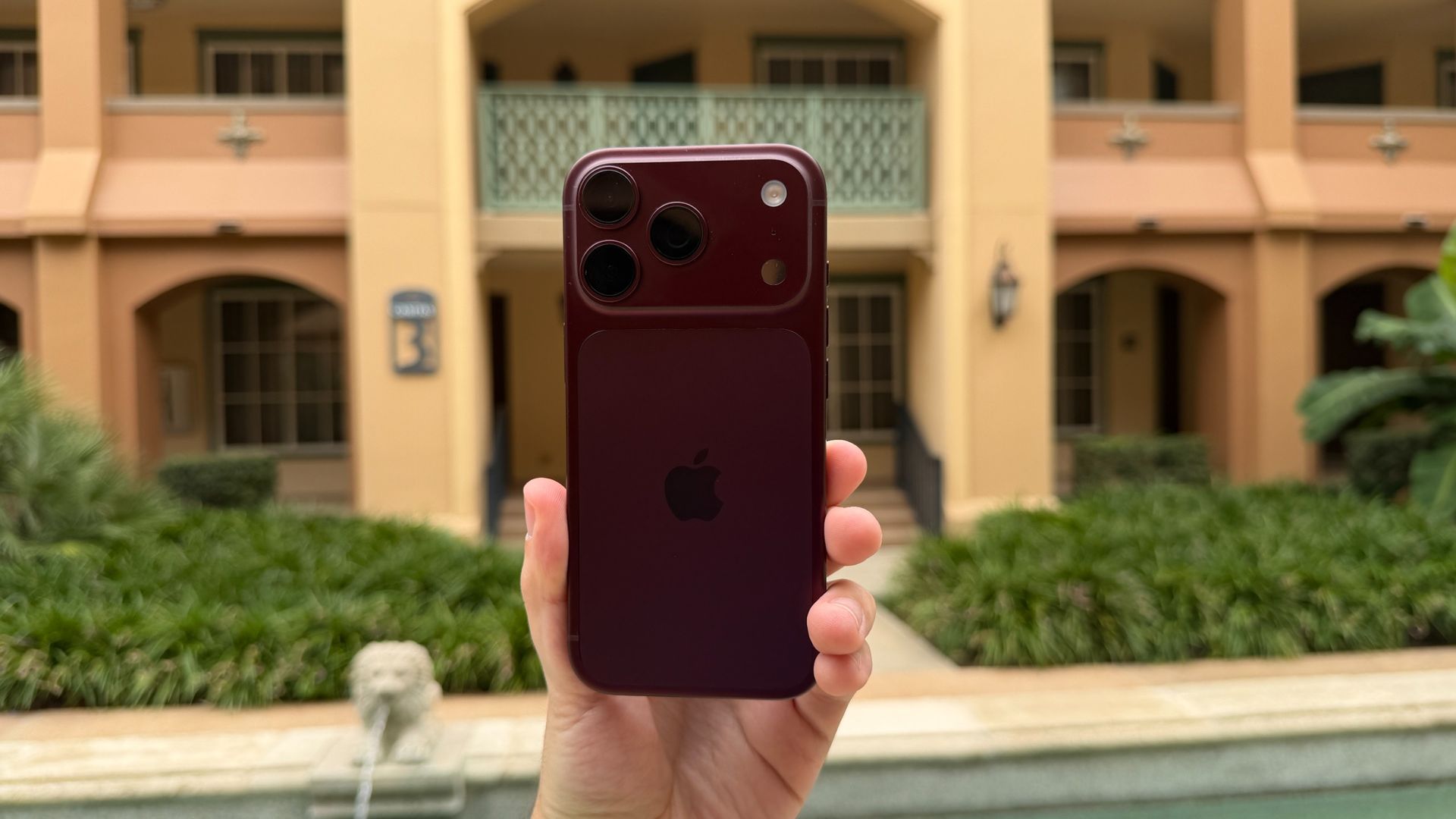
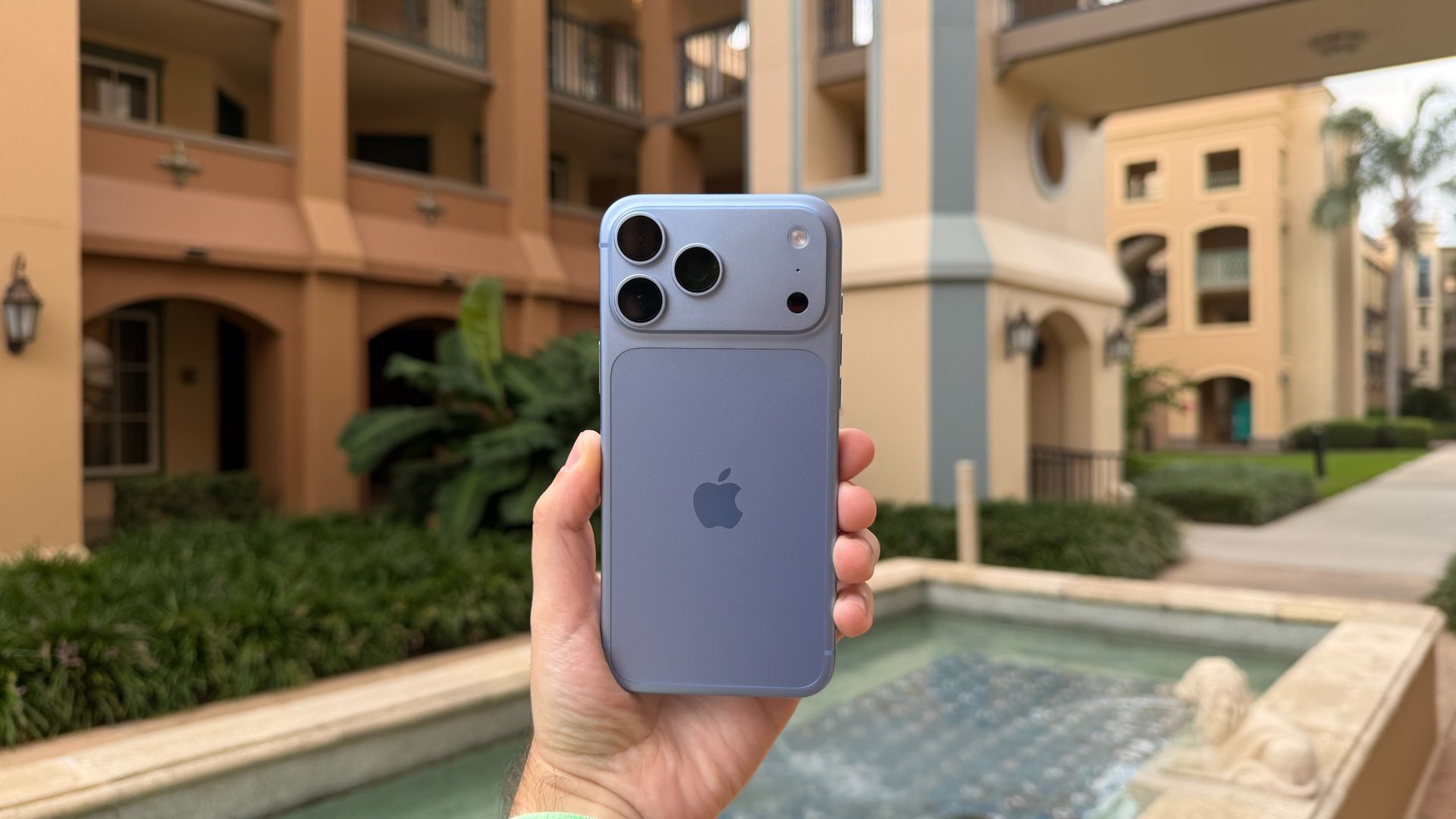
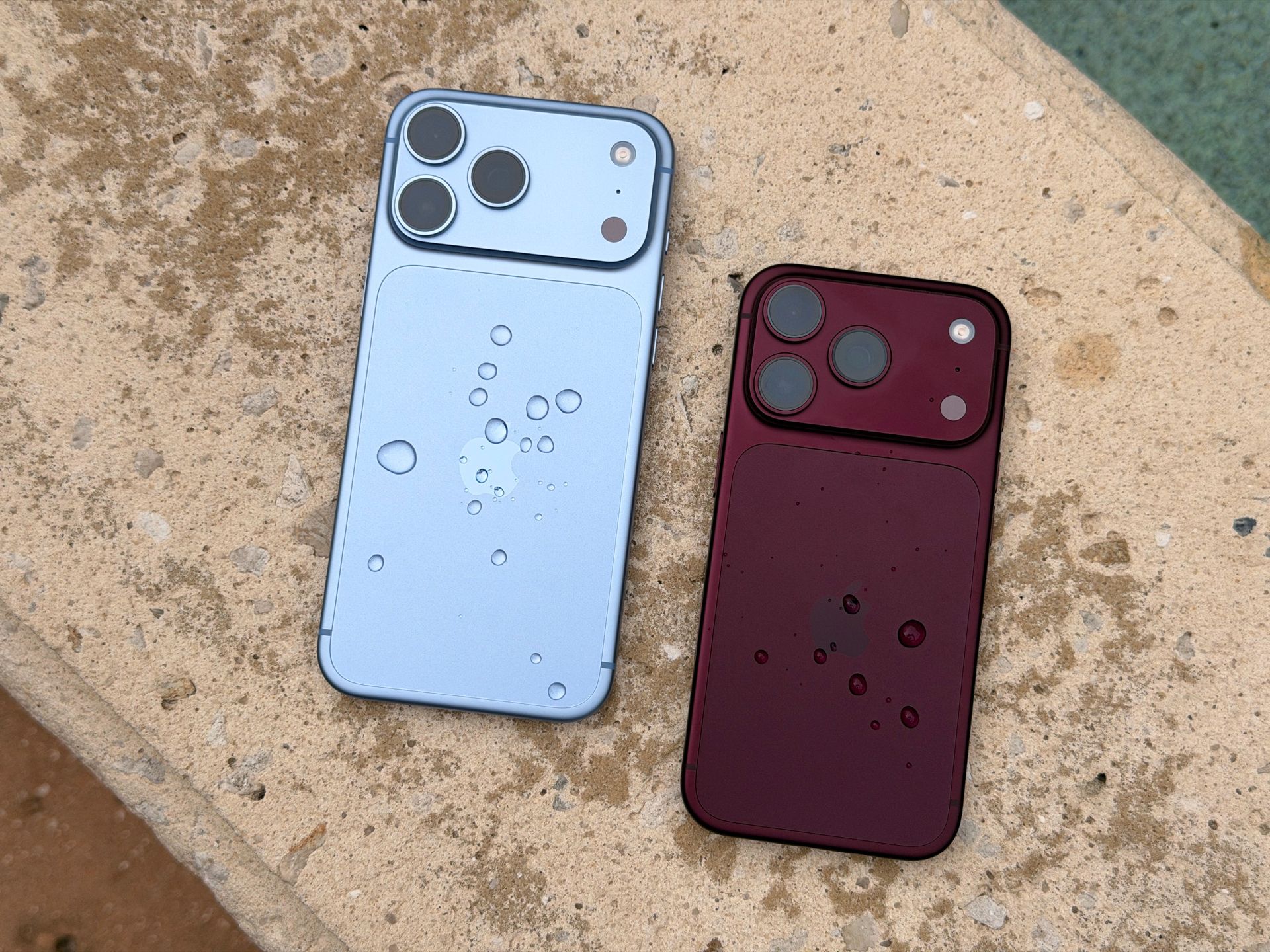
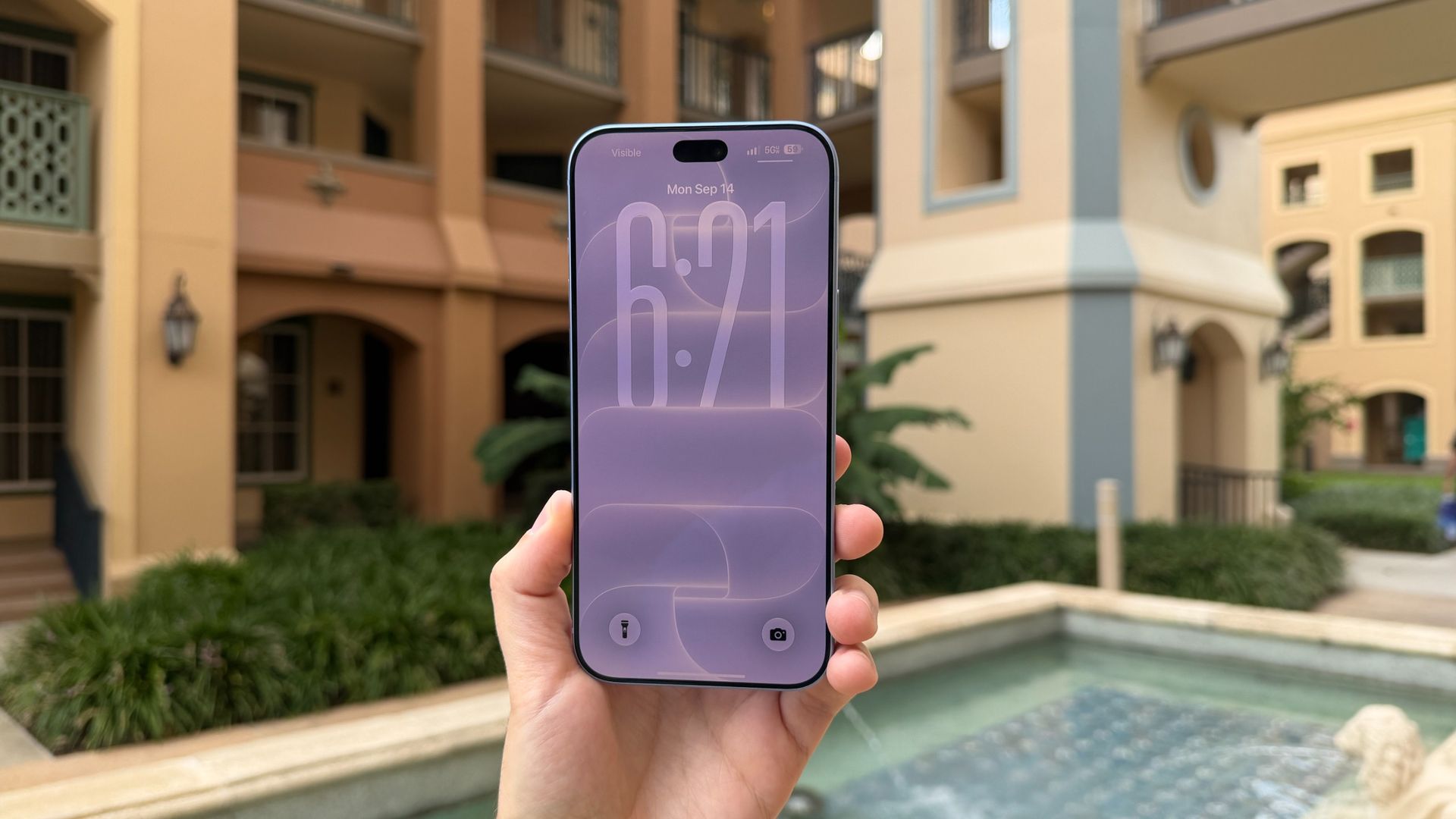
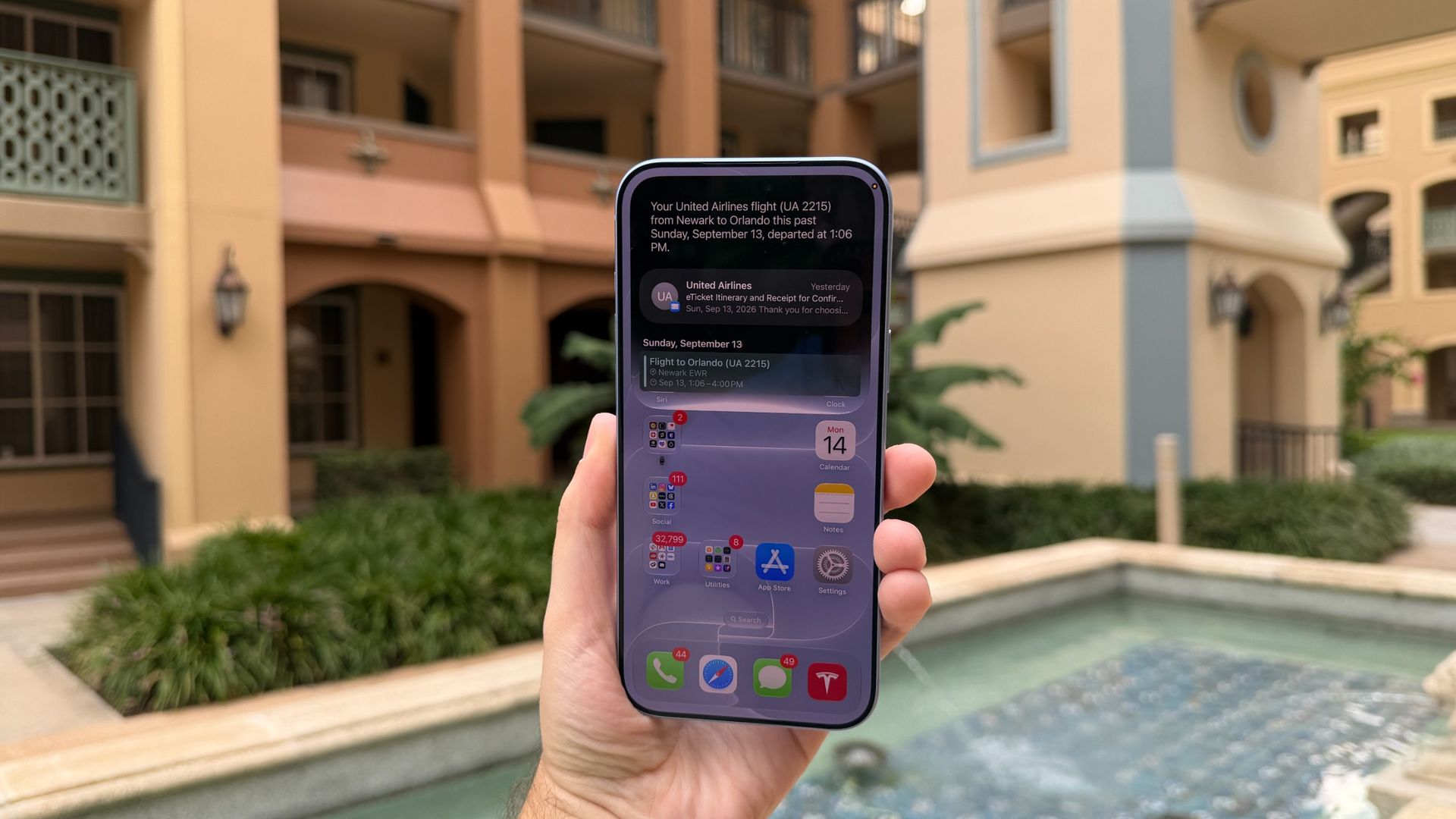
We've put the batteries in Apple's newest iPhones to the test
There are upgrades here, but not huge ones
Apple has been touting major boosts in battery life on these handsets
Sift through the press releases that Apple pushed out while announcing the new iPhone 18 Pro and iPhone 18 Pro Max, and you'll see some big battery life increases touted — including "the largest increase in battery life ever" on an iPhone with the Pro Max model (compared to the iPhone 17 Pro Max).
We know that the iPhone 18 Pro and iPhone 18 Pro Max come with 4,056 mAh and 5,391 mAh capacity batteries respectively (at least in Europe), but does that translate into much better battery life? We put both of these new handsets through their paces in the TechRadar labs (as part of our full iPhone 18 Pro review) to see if Apple's claims held up under some real-world testing.
Our standard test involves having the iPhone automatically cycle through a series of websites over a cellular connection, until the battery dies. Features like location services, Wi-Fi, and Bluetooth are all turned off while the test is being run, and the battery management features in iOS are disabled too.
The iPhone 18 Pro managed 16 hours and 17 minutes in the test, compared to 15 hours and 21 minutes on the iPhone 17 Pro, a boost of around 6% overall. The iPhone 18 Pro Max managed 18 hours and 27 minutes compared to 17 hours and 54 minutes on the iPhone 17 Pro Max, an increase of roughly 3% in total.
Those increases are of course welcome, but perhaps aren't quite as impressive as Apple is making out, though there are a lot of different variables (like screen brightness) involved. Apple's own figures usually make use of video playback time — as in how long a single battery charge lasts when you've watching a video.
For the iPhone 17 Pro and iPhone 17 Pro Max, Apple quotes 33 hours and 39 hours respectively, while for the iPhone 18 Pro and iPhone 18 Pro Max those numbers go up to 36 hours (a 9% increase) and 45 hours (a 15% increase). That last jump is indeed significant, but may only apply in quite a narrow set of scenarios.
"All battery claims depend on network configuration and many other factors," explains Apple in the small print on its comparison page. "Actual results will vary. Batteries have limited recharge cycles and may eventually need to be replaced. Battery life and charge cycles vary by use and settings."
We can safely say that you should see better battery life on the iPhone 18 Pro and Pro Max compared to the models that preceded them, but based on our own testing, don't expect the kind of improvements Apple is promising unless you're doing nothing but watching videos in long stretches between recharges.
Apple iPhone 18 Pro and 18 Pro Max: Two-Minute Review
If the iPhone 17 Pro and 17 Pro Max were a reinvention of the flagship iPhone, the iPhone 18 Pro and 18 Pro Max see Apple carrying the flagship-iPhone baton forward with few, if any, missteps.
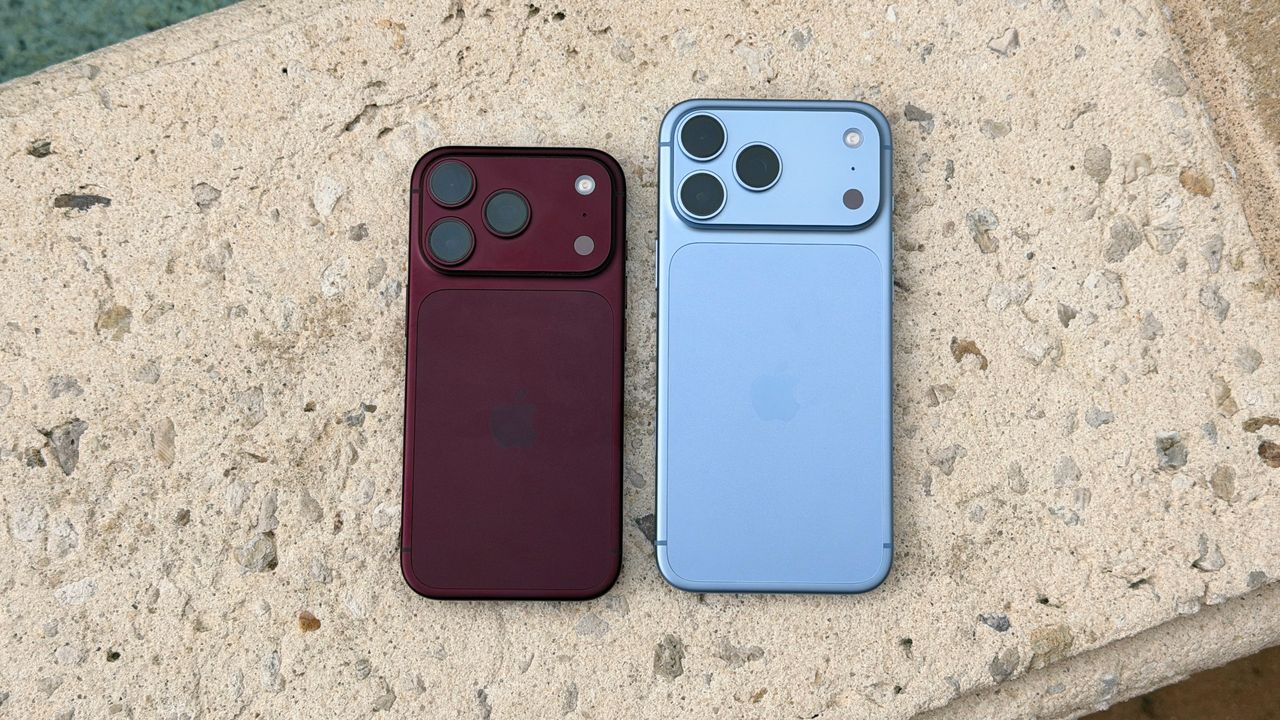
I’ve spent the last week with a Glacier iPhone 18 Pro Max and a Burgundy iPhone 18 Pro — both colors are striking new additions to Apple’s iPhone color palette — and Apple has mostly stuck to last year's winning formula, while updating key aspects of the experience to push things forward.
While the main camera array still carries the same 48-megapixel count across the telephoto, ultra-wide, and main lenses, the arrival of Pro controls in the Camera app breathes new life into the photo-taking experience, letting you get seriously creative whenever you want to.
You can also take advantage of the new variable aperture on the main 48-megapixel Fusion camera to shoot across ƒ/1.48, ƒ/1.8, ƒ/2.8, or ƒ/4.0, and capture unique visuals, including starburst effects from lights. Of course, you can also choose to let the Camera app take control, and in general it’ll capture a well-balanced shot that you can still edit after the fact.
All in all, after taking hundreds of photos and shooting dozens of videos, I’m impressed with the level of detail the iPhone 18 Pro and 18 Pro Max can deliver. Some images match what you’ll get from the previous-generation Pros, but these iPhones can also deliver even better-looking images and video, especially when you take control.
Under the hood is Apple’s first 2-nanometer chip in an iPhone, the A20 Pro, and while it doesn’t run laps around the previous A19 Pro, or the chip before that one, its CPU, GPU, and Neural Engine do an excellent job of handling general iOS tasks, as well as more advanced AI features, including keeping Siri AI chugging along where it's available and powering Apple Intelligence features in Photos, such as Clean Up and Reframing. It also ensures that third-party experiences run well, and I’ll be shocked if you encounter noticeable slowdowns anywhere.
The iPhone 18 Pro and 18 Pro Max can easily keep pace with any of the other best modern smartphones, and I suspect they’ll keep doing so for years. You can again choose between a punchy, vibrant, and crisp 6.3-inch or 6.9-inch Super Retina XDR display, and that’s the main difference between the two Pro iPhones, as Apple maintains feature parity across the lineup.
Another meaningful improvement is in battery life, with the iPhone 18 Pro lasting longer than the 17 Pro Max according to Apple, while it says the 18 Pro Max establishes a new iPhone battery-life record. Add in the improved thermal management, smaller Dynamic Island, and arrival of Siri AI, and there’s a lot of refinement here beyond the cameras and processor.
And that’s ultimately what the iPhone 18 Pro and 18 Pro Max feel like to me: a refinement of an already excellent Pro iPhone, rather than a reinvention. If the iPhone 17 Pro generation was about Apple changing the formula, the iPhone 18 Pro is about taking that formula and making it better across the board, without messing with what worked.
It’s not night and day across the board, and if you’re coming from an iPhone 17 Pro or 17 Pro Max, you probably don’t need to upgrade. The A20 Pro feels largely neck and neck with the A19 Pro in daily use, the displays remain familiar, and the overall design is essentially unchanged. But I would bet that some iPhone 17 Pro and 17 Pro Max owners will want to make the jump anyway, particularly for the camera improvements. The combination of the variable aperture and, finally, a genuinely customizable Camera app with Pro controls enables a level of user input that I’ve wanted Apple to bake into the iPhone for years.
If you’re holding onto an iPhone 15 Pro, 15 Pro Max, or anything older, the iPhone 18 Pro and 18 Pro Max represent a much more substantial generational leap. You’re getting bigger and better displays, way-improved cameras, better battery life, a faster and more future-ready chip, improved thermals, and a modern, durable design that Apple has now had a year to refine.
And that’s the thing about the iPhone 18 Pro and 18 Pro Max: you don’t need any one of these upgrades to completely reinvent how you use an iPhone. Taken together, though, they make for a seriously capable flagship that feels ready for the next several years.
Apple iPhone 18 Pro and 18 Pro Max review: Price and Availability
Starts at $1,199 / £1,199 / AU$2,099 for 256GB
Both Pro models now offer 512GB, 1TB, and 2TB options
On sale September 18, with preorders open now
Apple made the iPhone 18 Pro and iPhone 18 Pro Max official at its September 9, 2026, ‘Surprise and Shine’ special event; preorders are open now, with an on-sale date of September 18.
The iPhone 18 Pro starts at $1,199 in the US, £1,199 in the UK, and AU$2,099 in Australia, and the iPhone 18 Pro Max at $1,299 / £1,299 / AU$2,299, respectively. That means they come with a $100 / £100 / AU$100 increase in starting price over the iPhone 17 Pro and 17 Pro Max, while, like last year’s Pros, starting at 256GB of storage. Both can be configured with 512GB, 1TB, and 2TB of storage, with the latter now an option on both Pro models. You can choose from Burgundy, Glacier, Silver, and Black.
Both phones officially go on sale on September 18, 2026.
Value score: 4 / 5
Apple iPhone 18 Pro and 18 Pro Max review: Design
(Image credit: Future/Jacob Krol)
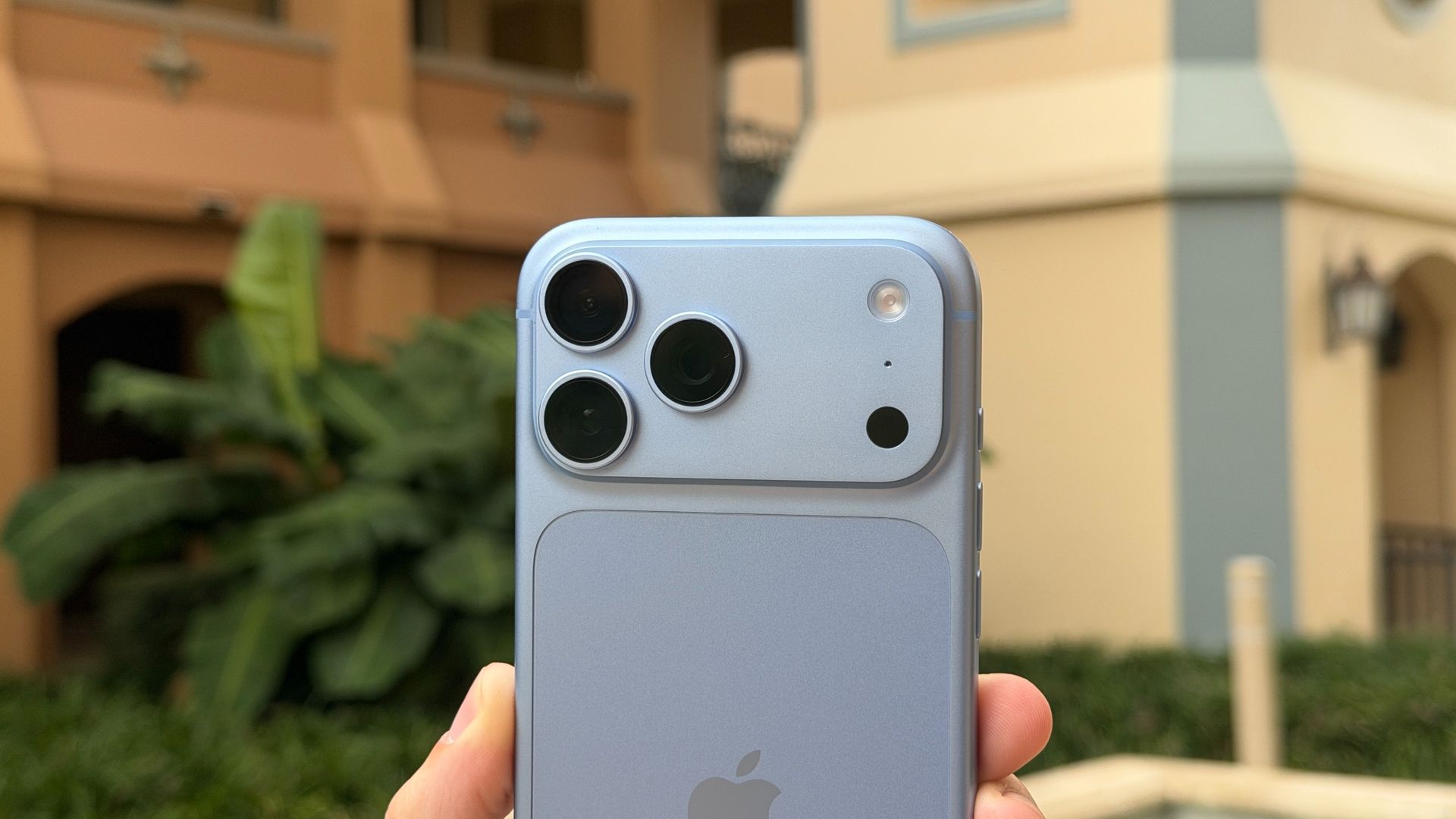
The 18 Pro keeps the 17 Pro’s aluminum body and camera plateau
Burgundy and Glacier colors bring some welcome personality to the Pro lineup
A new vapor chamber and Nanotwin copper help keep things cooler under load
With the iPhone 17 Pro and iPhone 17 Pro Max, Apple chose to dramatically reinvent the Pro-series iPhone's design. It swapped the left-side bump that housed the main camera system for a plateau that stretches across the back, went back to aluminum, and focused heavily on durability.
Given that, the odds of a major redesign for the next-gen Pro phones were slim, and the iPhone 18 Pro and 18 Pro Max stick with a design that not only scored well in our reviews, but also won over a wider audience. I've been switching between the iPhone 17 Pro Max in Cosmic Orange and the iPhone Air for the last year.
The iPhone 18 Pro and 18 Pro Max stick with the aluminum body and camera plateau from last year's models. That might seem like a safe choice, considering that the iPhone Duo is launching alongside these candy-bar-style phones in October, but it also shows Apple pushing forward with a working design — essentially the same trajectory it took from the iPhone 16 to the iPhone 17.
Still, to help the 18 Pro and 18 Pro Max stand out from the crowd — and just to let people know you’re rocking one of Apple’s new phones, rather than a 17 Pro or 17 Pro Max — there are two entirely new colors, and I can't decide which is my favorite, and luckily I've been testing both. Burgundy is sort of a dark-red wine color that evokes a sense of high-class sleekness, while Glacier, which the event invite teased, is a mix of blue and silver that looks decidedly fresh. These are the two colors that pop, both much more muted than Cosmic Orange, but also a bit more vibrant than the Dark Navy from 2025. Those two join silver and the first ‘true’ black Pro model. It shows that Apple is listening, and I'm all for more Pro colors.
(Image credit: Future/Jacob Krol)
The dimensions are the same year over year. The iPhone 18 Pro measures 150 x 71.9 x 8.75mm, while the iPhone 18 Pro Max comes in at 163.4 x 78 x 8.75mm — exactly the same footprint as their predecessors. The button placement is also identical, so if you've spent the last year with an iPhone 17 Pro or 17 Pro Max, there's nothing new to learn here: power and Camera Control are on the right, with the Action Button, and volume up and volume down on the left. Both phones are a little heavier than last year’s: the 18 Pro weighs 211 grams, up from 206 grams, while the 18 Pro Max jumps to 249 grams from 233 grams.
Even with the slight weight increase, both the 6.3-inch Pro and 6.9-inch Pro Max feel comfortable in the hand and are pretty well balanced. The Pro Max is still very much a two-handed phone for me, especially for texting, while the Pro is still the smaller, more portable option.
Then there's Ceramic Shield 2, which is sticking around. Judging by the coatings on my iPhone Air and 17 Pro Max, it's done wonders at preventing micro-abrasions and front-screen scratches, and even means that drops don’t elicit a gasp, since after a year my screens are still unblemished. In my few days testing the 18 Pro and 18 Pro Max, I haven't seen a scratch on the front or abrasions on the back, which is both aluminum and glass.
(Image credit: Future/Jacob Krol)
The iPhone 17 Pro Max was known for getting warm, or at least warmer to the touch, during more intense activities such as gaming or long content shoots, and Apple has looked to address that issue with some new cooling tech under the hood. There's a new thermal architecture inside, which consists of a vapor chamber, the positioning of which has been tweaked, and which offers three times the surface area to better dissipate heat. Apple has paired this with an industry-first Nanotwin copper material, which is baked into the display plate to help keep that surface cool.
For the most part, this has kept the iPhone 18 Pro and 18 Pro Max cool during my testing. They can still get warm, but nowhere near as warm as the 17 Pro or 17 Pro Max, and the heat is more spread out when it does become noticeable. I noticed it mostly heating up during longer capture sessions, especially when swapping between photo and video, but even then the heat felt more spread out and better regulated, and dissipated more quickly.
It's a subtle change, but one that matters when you're using the phone heavily. And that's really the story of the iPhone 18 Pro and 18 Pro Max design: Apple hasn't reinvented the wheel this year. Instead, it's taken the design it introduced with the iPhone 17 Pro and refined the parts that matter — durability, thermals, finishes, and how the phone feels during sustained use.
Design score: 5 / 5
Apple iPhone 18 Pro and 18 Pro Max review: Display
(Image credit: Future/Jacob Krol)
Two sizes, same experience across both
A new anti-reflective coating joins 3,000 nits peak brightness and120Hz ProMotion
Smaller Dynamic Island with room for three Live Activities
Your main decision when choosing between the 18 Pro and the 18 Pro Max comes down to size, as there’s feature parity between the two, and that’s a good thing. The iPhone 18 Pro features a 6.3-inch display, while the iPhone 18 Pro Max has a 6.9-inch display. Both are punchy, vibrant, and a joy to look at and use for any task, be it FaceTiming with friends or loved ones, typing out comms, reading an email, browsing the web, scrolling your photos, watching video, or just navigating iOS elements.
Much of that comes from the fact that these are Super Retina XDR displays, which are OLED and always-on, meaning that even when the phone is locked, the screen dims down to still show you the time, widgets, and even notifications. Like the iPhone 17 Pro and 17 Pro Max before them, the 18 Pro and 18 Pro Max have a buttery-smooth 120Hz ProMotion refresh rate and top out at a maximum brightness of 3,000 nits. It’s unlikely the phone will always run at that brightness, but suffice to say that even on a bright, humid, sunny day — and I mean it was really beating down — in Orlando, Florida, enjoying the sights, sounds, and rides of Disney World, I had no issues viewing content on the screen.
There’s also a new anti-reflective coating on the display, and while this isn’t a full Nano-texture coating like you’ll find on some of Apple’s other displays and the folding iPhone Duo, it’s a noticeable step up when it comes to reducing reflections and smudges. It’s particularly useful outdoors, where fewer reflections mean less fighting with the screen to see what’s actually on it. Compared to older iPhones, like the iPhone 16 and earlier models, this feels like a much bigger display upgrade.
(Image credit: Future/Jacob Krol)
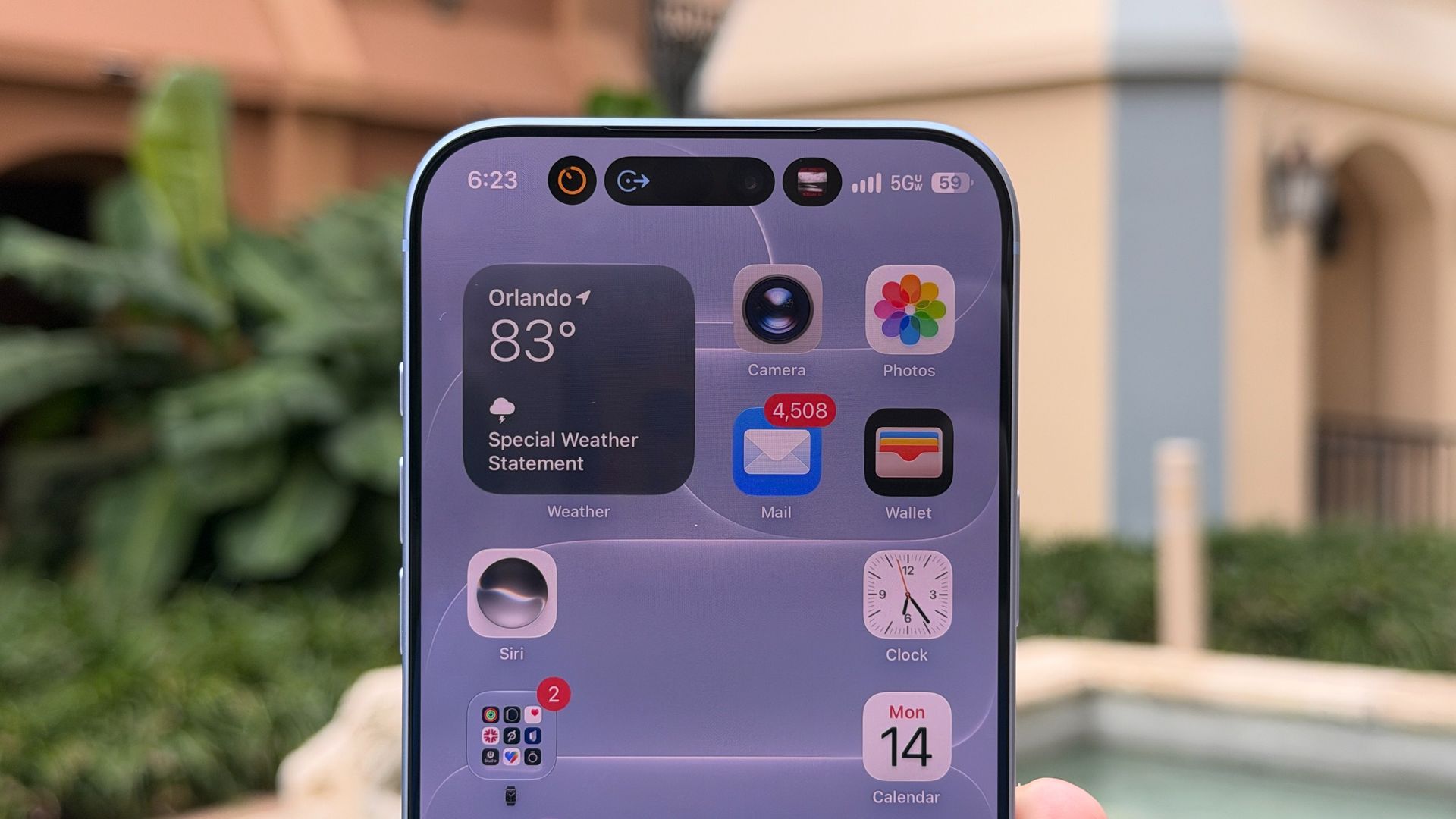
There is one thing that really did catch my eye, though, and it’s the key change with the display: Apple has shrunk the Dynamic Island down on the 18 Pro and 18 Pro Max. It’s about the size of an extra-strength Tylenol liquid gel, and much less of a distraction at the top, if you could even call it that. In addition to the reduced size, the other big change is to Live Activities — the Dynamic Island can now support three, rather than two. So maybe it’s directions, music playback, and a timer, or if you’re on a flight, maybe it’s United Airlines showing the seat number, Flighty counting down your arrival time, and music playing in Music or Spotify.
I’m not saying you need to rush out to upgrade just for this if you have a 17 Pro or 17 Pro Max — although that might be the case for the cameras or battery life — but if you’re a fan of using this space, it’s definitely a super-functional quality-of-life upgrade.
Display score: 5 / 5
Apple iPhone 18 Pro and 18 Pro Max review: Cameras
(Image credit: Future/Jacob Krol)
Pro controls finally arrive to let you adjust aperture, shutter speed, white balance, and more.
The 48MP Fusion main camera aperture is adjustable from ƒ/1.48 to ƒ/4.0
Better detail, strong low-light performance, and excellent 4x and 8x zoom
Alright, buckle in, because while the iPhone 18 Pro and 18 Pro Max still boasts 48-megapixel main, 48-megapixel ultra-wide, and a 48-megapixel telephoto camera — similar to the iPhone 17 Pro and 17 Pro Max setup — things are a bit different across the board, and especially in one specific area.
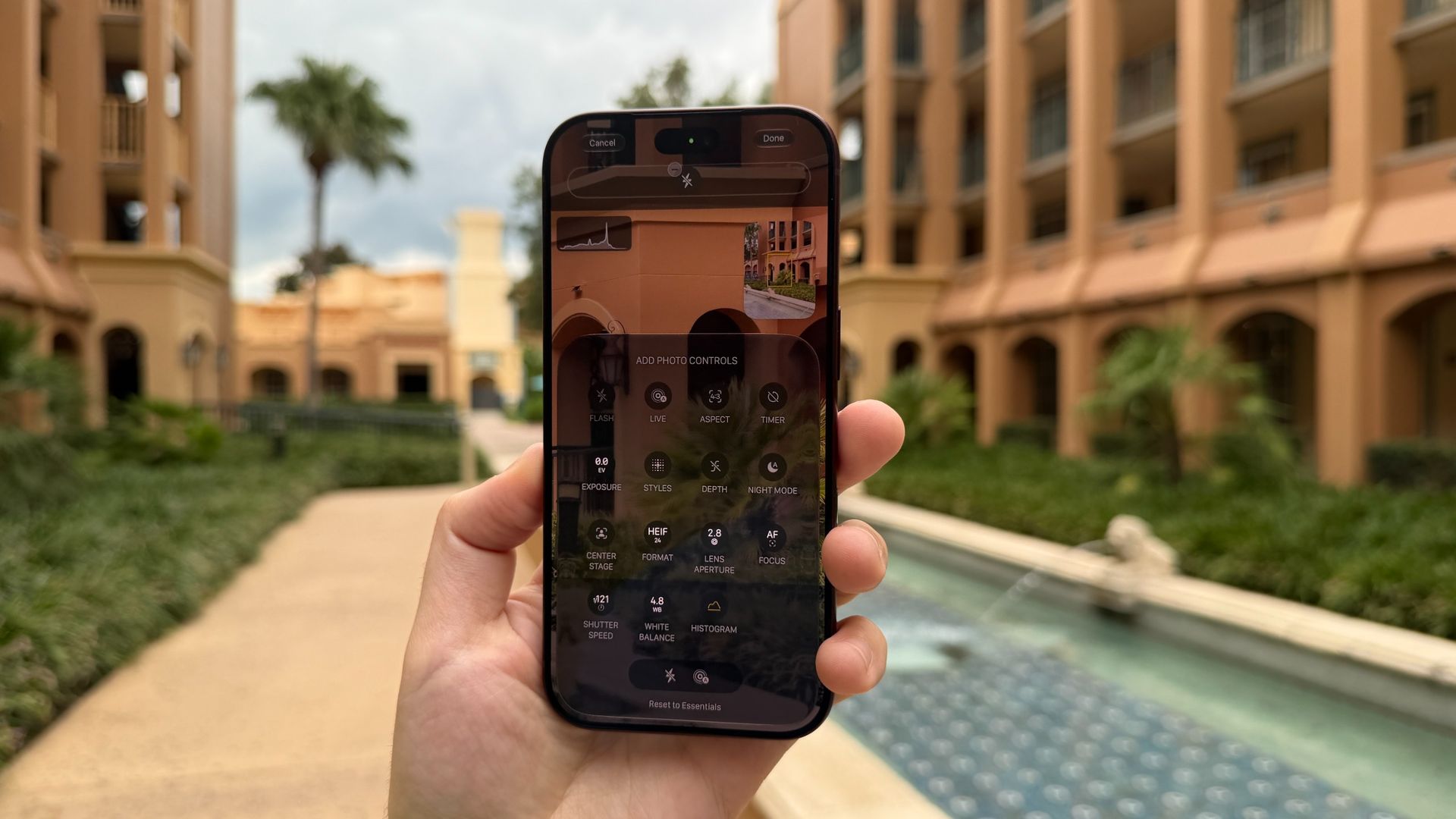
For starters, if you’ve been wanting Apple to bake more controls into the Camera app, your wish has been granted. There are now Pro controls that let you adjust the aperture, shutter speed, and white balance for the main camera, alongside a host of other tools, including improved Photographic Styles, with more granular controls, and the ability to bring up a histogram.
You can also customize which of these controls live at the top of your screen, in a similar fashion to designing your perfect home screen or Control Center. Changes to shutter speed and aperture are persistent if you have that enabled in Settings for preserving camera settings, but you can’t design exact presets with a specific aperture or shutter speed, although — hint, Apple — that would be a nice upgrade.
(Image credit: Future/Jacob Krol)
Photographic Styles are also getting more flexible. You can still pick from the expected presets, but Apple now gives you more granular control over things like texture, including adjustments specifically aimed at skin. Push it in the right direction, and you can get smoother, more glowy-looking portraits, though there are times when that comes at the expense of some detail, particularly in lower-light areas of the frame.
That’s where I think Apple’s approach makes sense: the default Auto processing generally aims to strike a balance between detail, exposure, color, and skin tones, so you don’t have to think about any of this. But if you want to get more creative, the tools are there — and you can still make adjustments after the fact, rather than having to nail everything before you hit the shutter button.
(Image credit: Future/Jacob Krol)
Here’s a look at the camera specs, right before the big change that has to do with the main lens:
48MP Fusion main with variable aperture of ƒ/1.48, ƒ/1.8, ƒ/2.8, or ƒ/4.0
48MP Fusion ultra-wide at ƒ/2.2
48MP Fusion telephoto at ƒ/2.8
With these, you can still shoot at 0.5x, 1x at 24mm, 28mm, or 35mm, 2x for a digital crop with optical-quality results, 4x (as a digital sensor crop), or an optical 8x, and stretch all the way up to 40x digital zoom.
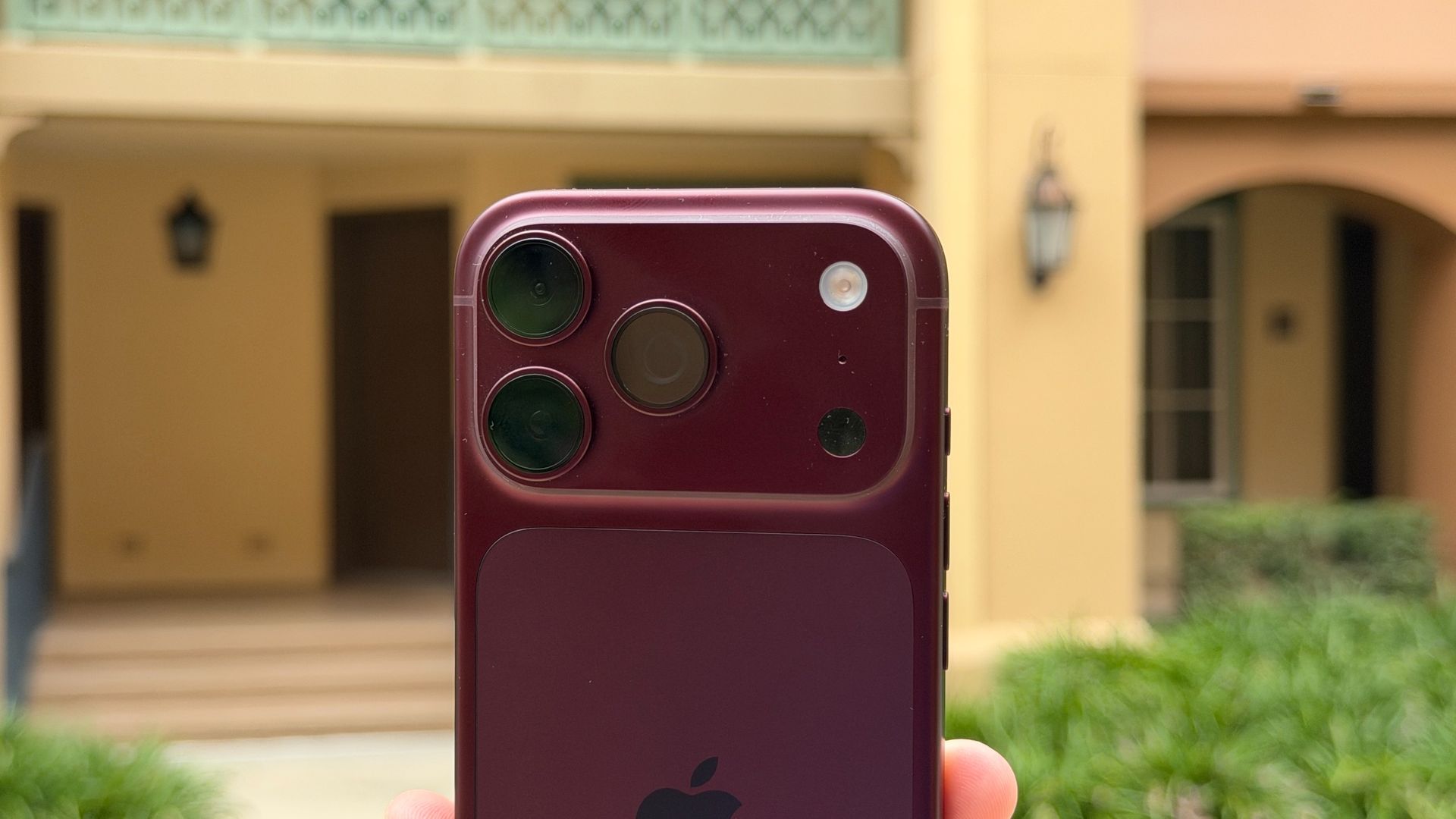
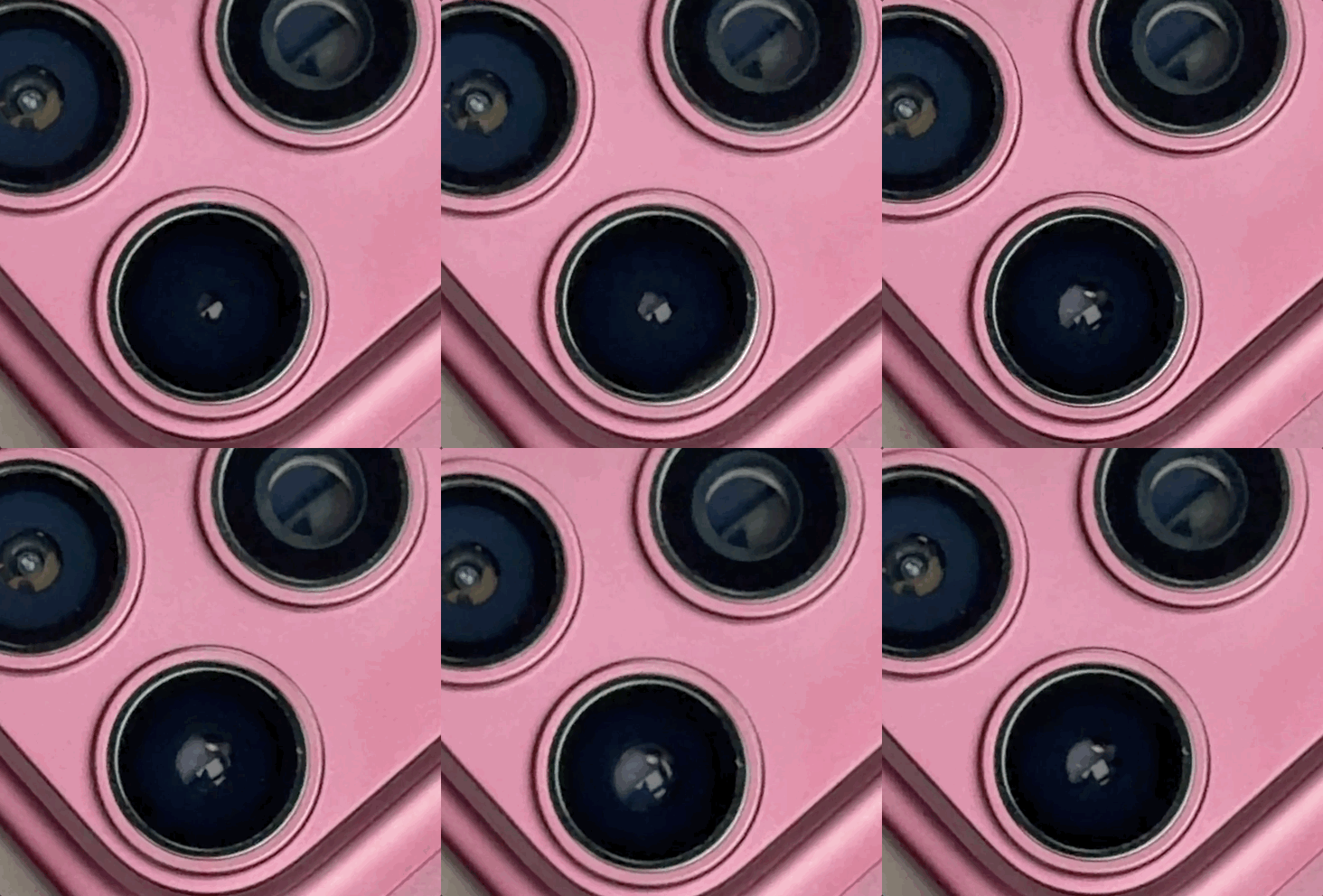
The big change, though, is that the main lens — the one your iPhone is set to by default — has a variable aperture for the first time ever on an iPhone. With a fine eye, or another camera pointed at it, you can actually see the lens aperture adjusting, getting wider or narrower to let more or less light in. It also swaps the previous main aperture of ƒ/1.78 on 17 Pro and 17 Pro Max, as the 18 Pro’ now offering ƒ/1.48, ƒ/1.8, ƒ/2.8, and ƒ/4.0.
(Image credit: Jacob Krol/Future)
You can choose to ignore this new control, as well as the ability to adjust white balance or shutter speed, and let the iPhone and its image-processing pipeline automatically engage what it believes are the optimum settings to capture a great shot. And in my testing so far, it succeeds here, offering on-par quality with the iPhone 17 Pro or 17 Pro Max, but mostly punching above those phones with better details, more natural blurring and focus points, and excellent highlights.
The image-processing pipeline has also been updated. Performance still feels very much in line with what I’ve come to expect from an iPhone, but images are more detailed and sharper throughout, though at times they can pack a little more punch with colors thanks to some update on the image pipeline. Especially for 4x and 8x shots, I’ve found that these preserve more details generation over generation. It’s not a dramatic departure from the iPhone look, but there’s a clear refinement here in how the phone handles detail and brings a scene to life.
The 4x and 8x zoom continued to surprise me with how much detail they can deliver, namely with the former being a sensor crop and the latter being optical. Whether I’m picking out details around Disney World’s parks or zooming in on something far away, the results stay impressively detailed without looking like a processed digital crop.
The variable aperture gives the main camera more flexibility, especially when you want to control how much light comes in, or how much of a subject is separated from the background. The wider maximum aperture also helps make this excellent main camera even more versatile in lower-light scenarios, and because it’s the camera your iPhone defaults to, it’s likely the one you’ll navigate to first.
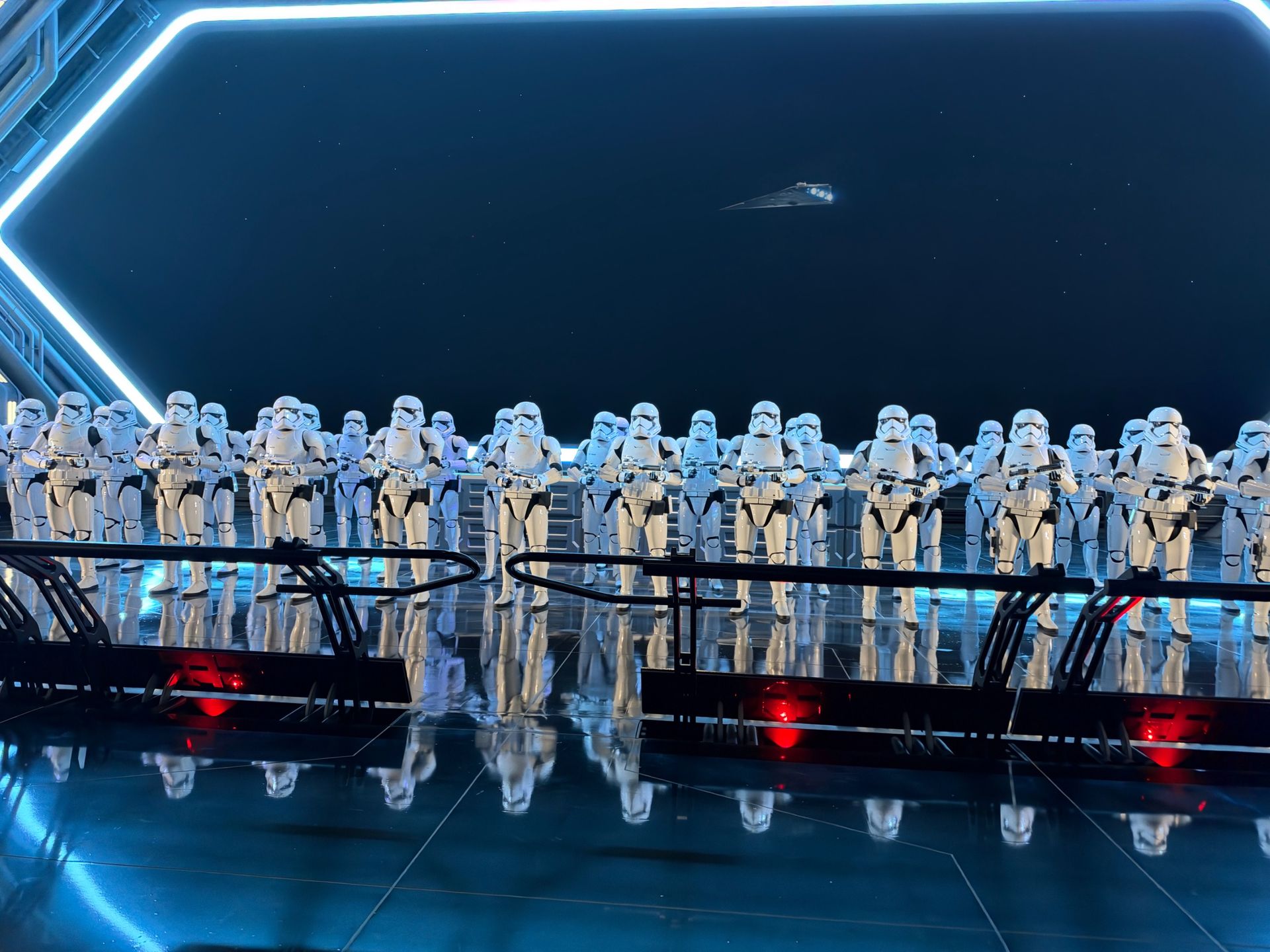
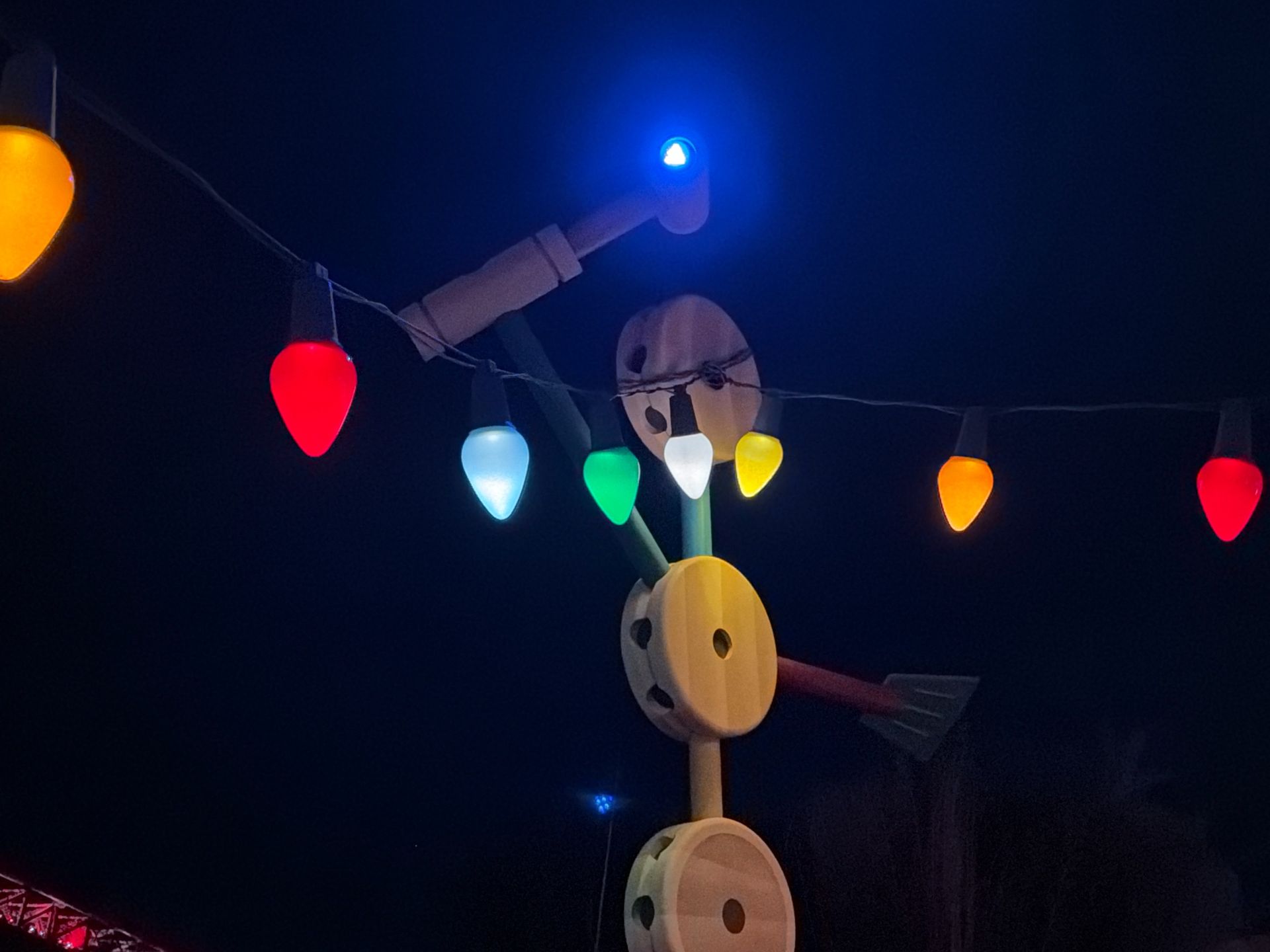
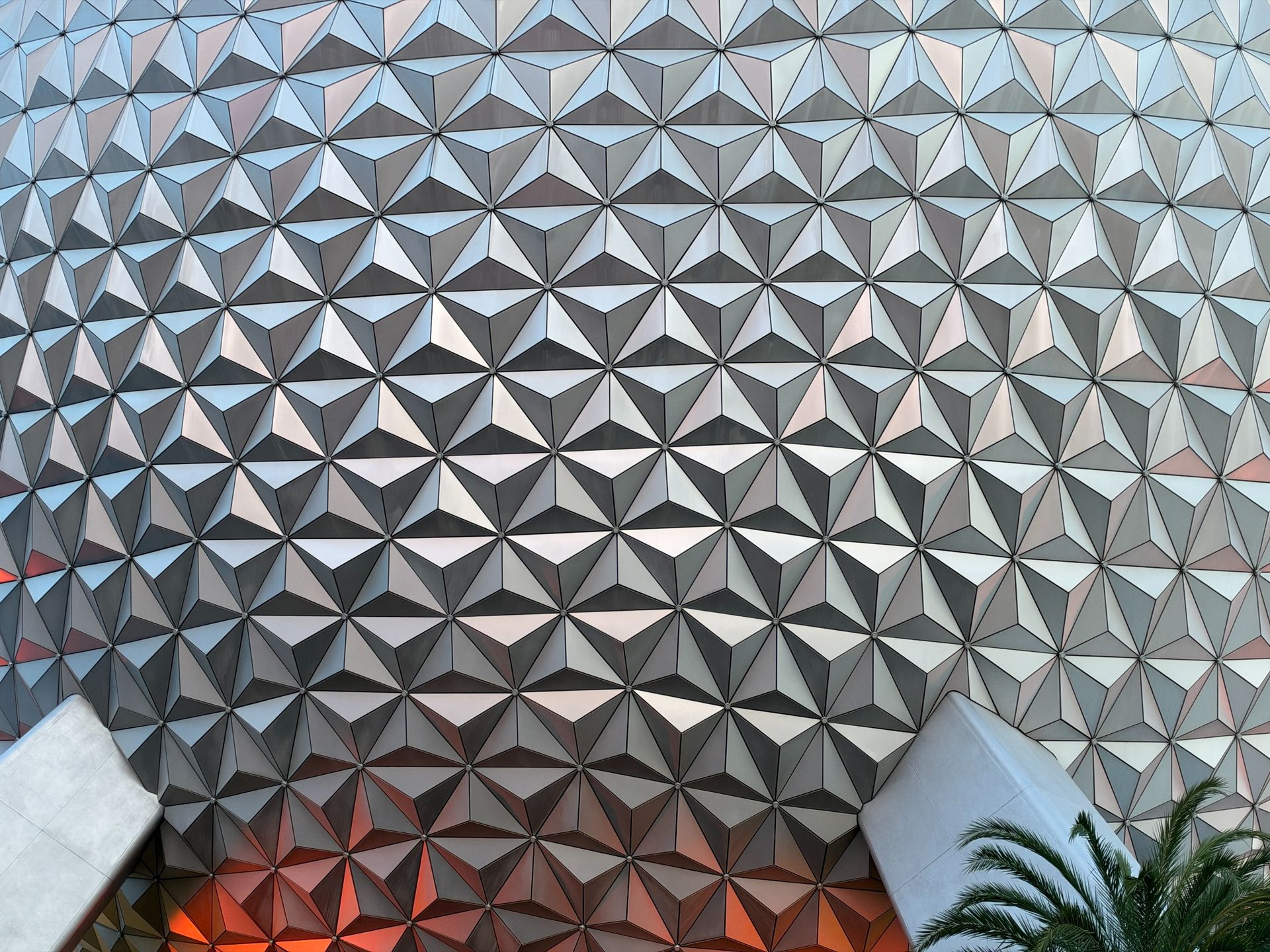
The Most Magical Place on Earth deserves the best camera on a phone on Earth, right? So I’ve done the bulk of my iPhone 18 Pro and 18 Pro Max camera testing around the Disney World parks in Orlando, and taken plenty of additional shots in New Jersey, California, and even up in the sky from the windows of planes. That means I’ve tested the cameras in just about every condition I could throw at them, from the beating Florida sun to nighttime attractions, indoor spaces, moving subjects, and everything in between.
Jacob Krol/FutureJacob Krol/FutureJacob Krol/FutureJacob Krol/FutureJacob Krol/FutureJacob Krol/Future
I’ve been putting the low-light performance to the test around Disney World, too, including taking plenty of shots after the sun went down. Even in Auto mode, I found the iPhone 18 Pro could deliver detail-packed, appropriately lit shots in less time, with Night mode often requiring less time to capture a shot than on previous generations. This comes down to about one to three seconds, versus five to eight seconds for processing. And that means less waiting around for the camera to finish its exposure and, more importantly, less chance of a moving subject turning into a blurry mess. You can accomplish longer exposures if the iPhone detects it’s in a tripod as well.
When I wanted more control, though, I could jump in and adjust the shutter speed and aperture when shooting at 1x or 2x zoom, letting me decide how I wanted to capture the scene, rather than leaving it entirely up to the iPhone. If you’re willing to take the time to dive into the controls, you can really customize how the iPhone captures a scene, and get much more creative with your shots.
Jacob Krol/FutureJacob Krol/FutureJacob Krol/Future
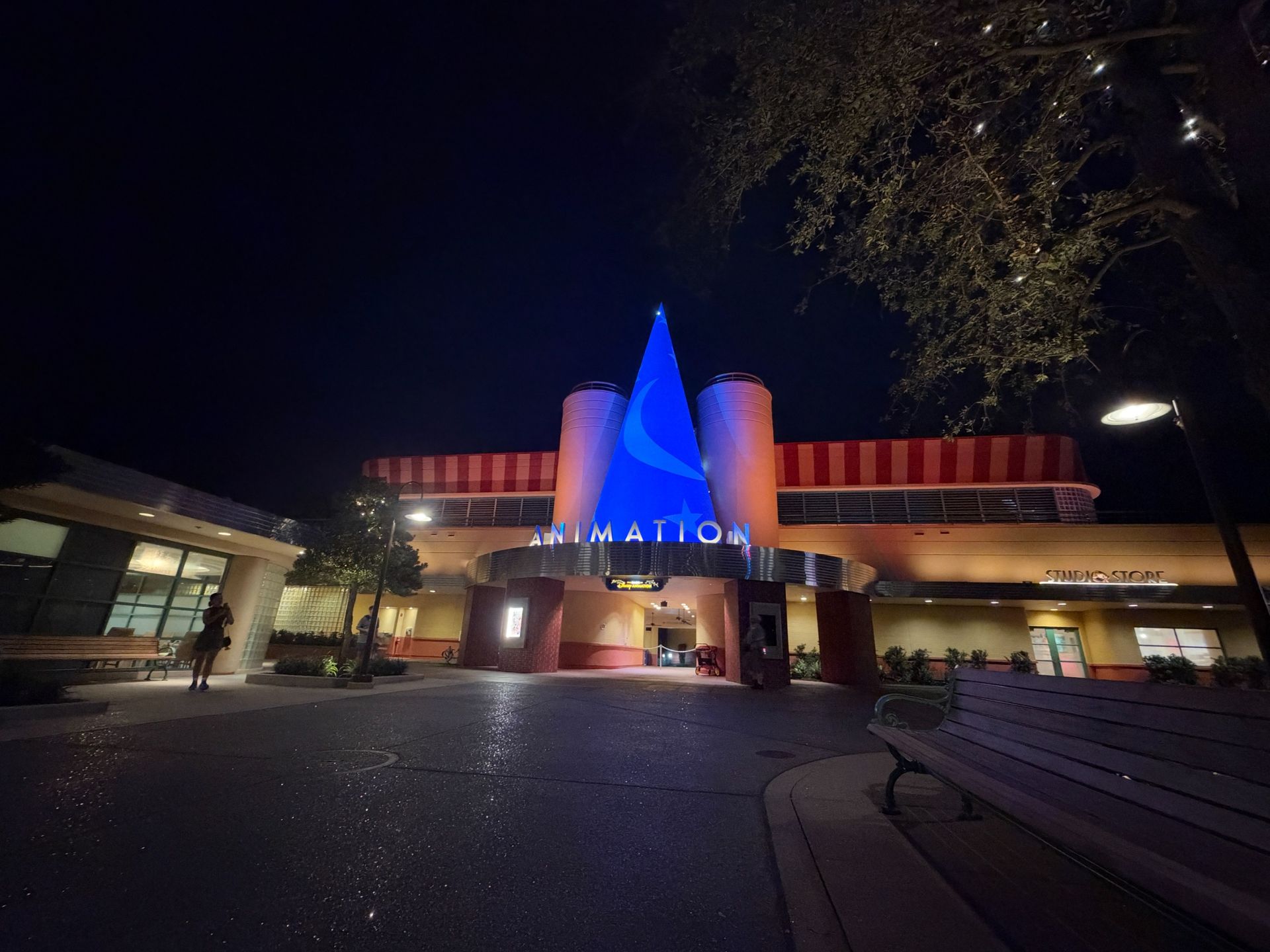
For instance, I shot the Magic of Disney Animation building at night at ƒ/1.48 and 1/30s, deliberately opening up the aperture and slowing the shutter to let in more light. The result is a detail-packed shot with rich colors and a dramatic nighttime look, as you can see above. It’s still an iPhone, so you can absolutely leave everything on Auto and get a great photo, but when you want to take more control, the tools are there to help you capture the shot you have in your mind’s eye.
The same Pro controls carry over to video, giving you more control over how you capture moving footage. There’s also a new auto-tracking feature, and I’ve found it particularly useful for fast-moving subjects.
I put it to the test at Disney World with Slinky Dog Dash, capturing the coaster as it came down the sloping track. The iPhone did a great job of keeping the front of the coaster in focus while the people blurred with the speed of the ride, and the lighting on the track moving alongside the vehicles stayed remarkably clear. The shot came out incredibly well, and it really shows what the iPhone can do with a fast-moving subject.
The 18-megapixel front-facing camera is essentially unchanged from last year, but that’s not necessarily a bad thing, as the Center Stage camera still uses that clever square sensor, letting you rotate between portrait and landscape framing without physically turning the iPhone. Better yet, it will still automatically adjust to fit more people in the shot.
The cameras are easily the most exciting part of the iPhone 18 Pro and iPhone 18 Pro Max, and as in years and generations past, it’s a big reason why folks go Pro. You get three capable shooters, and the ability to step back or step closer, depending on what you’re trying to capture. This year, Apple is giving you more control, and adding a genuinely neat upgrade to the main camera. The choice is ultimately yours: you can stick with Auto and still capture great shots, or make your mark with adjustments and shoot more intentionally.
Yes, third-party apps have offered many of these controls before, but having them baked right into the native Camera app can make a big impact, in my opinion. You don’t have to download another app or learn another interface to take advantage of them — they’re right there when you open the camera.
Apple iPhone 18 Pro and 18 Pro Max review: Software, Siri AI, and Apple Intelligence
(Image credit: Future/Jacob Krol)
Siri AI is here, in beta, and works across apps and personal context
It can use your current on-screen context to help answer questions
It's a major step forward, but it still makes mistakes and has rough edges
The iPhone 17 Pro and iPhone 17 Pro Max ran iOS 26 out of the box, and it's no surprise that iOS 27 is preloaded on the iPhone 18 Pro and iPhone 18 Pro Max. It runs really well here, and the A20 Pro under the hood keeps things gliding along — more on that processor below.
Much of iOS 27 is about under-the-hood changes that speed things up, which is especially helpful for older phones, along with more ways to customize the Liquid Glass interface, including adjusting how much of that glass effect you want to see.
The real story, though, is that the iPhone 18 Pro and iPhone 18 Pro Max come with the new, AI-powered Siri out of the box, in beta, in specific regions. It’s available now in the United States, though you’ll need to join a waitlist, and it arrives alongside some new Apple Intelligence features.
(Image credit: Future/Jacob Krol)
For starters, Siri AI is much faster, and shows its work as it goes, which makes the experience feel more transparent. For instance, I’ve asked for details on my last flight and watched Siri AI dive into the right app — whether that’s Calendar, Flighty, United, or even Mail — to pull up the information I’m looking for. I’ve also used it to confirm my departure time, and ask how long it might take to get to the airport. It really does work, and it feels natural, and easy to get the hang of.
That doesn’t mean it’s perfect. Siri AI diving into some apps can cause mistakes, and at times it can pull up the wrong dataset or make the wrong assumption about what I’m asking for. But given how delayed this upgrade has been, and how limited the existing Siri has felt, overall it finally feels like Apple has delivered on the promise of a more capable assistant, while still putting privacy at the center as it works with your personal data and what’s on your device.
Siri AI can even be cued to see what’s on your screen, adding another layer of usefulness. Rather than having to explain everything you’re looking at, you can let Siri understand the context of what’s in front of you and go from there. It’s one of those features that sounds small on paper, but once you start using it, it feels like the direction Siri should have been heading in all along.
(Image credit: Future/Jacob Krol)
Apple Intelligence also brings a handful of other updates, including new ways to work with images, improvements to Photos and other apps, and more ways to put on-device intelligence to work. But Siri AI is easily the headline for me. After years of Siri feeling like an assistant that was increasingly behind the times, it finally feels like I’m actually talking to an AI assistant on an iPhone, rather than simply giving commands to a voice interface.
And while it’s still in beta, and there are clearly some kinks to work out, that’s an important distinction. Apple isn’t just talking about what Siri will be able to do anymore — on the iPhone 18 Pro and 18 Pro Max, I’m actually using it. It’s faster, more conversational, understands more context, and can work across the apps and information already on my phone.
For me, that makes iOS 27 feel less like a flashy annual software update, and more like the foundation for where Apple wants the iPhone to go next. The A20 Pro gives it the horsepower to keep everything moving, while Siri AI finally starts making good on the Apple Intelligence promise. And because it’s built into the iPhone, and designed around the information already on your device, it feels like a much more natural extension of how I already use my phone, rather than another AI chatbot I need to remember to open.
Software score: 5 / 5
Apple iPhone 18 Pro and 18 Pro Max review: Performance
(Image credit: Future/Jacob Krol)
A20 Pro is seriously fast
The biggest gains over the A19 Pro come in specific workloads and future headroom
Improved thermal management helps keep the phone cooler under heavy use
It might be no surprise, but the A20 Pro chip inside the iPhone 18 Pro and iPhone 18 Pro Max is, as Apple claims, the fastest chip it’s put in an iPhone. And it’s actually more similar to an M-Series-powered SoC that Apple might opt for in a Mac than previous A-series chips.
With the A20 Pro, the SoC actually sits next to the DRAM, rather than having the memory stacked on top, as it has been in previous generations. It’s also built on a 2-nanometer process, just like the M6.
Inside the iPhone 18 Pro and iPhone 18 Pro Max, the A20 Pro is broken up into a 6-core CPU — two performance cores and four efficiency cores — a 7-core GPU, and a dual 16-core Neural Engine.
What does all of that mean for real-world use? Well, pretty much what you’d expect from a new Pro iPhone: everything is fast. Apps open quickly, jumping between them is fluid, games run smoothly, and even more demanding tasks don’t really give the A20 Pro much pause.
Take video exports, for example. I’ve been exporting 4K videos with graphics, text, and transitions in both Edits and CapCut, and the iPhone 18 Pro and 18 Pro Max handle them quickly. It’s the kind of task where you can really feel the combination of the new chip and all that processing power, especially when you’re working with more complicated edits.
Gaming is another area where the A20 Pro flexes a bit. Real Flight Simulator runs smoothly, with environments rendering quickly as I’m flying around. The same goes for Wuthering Waves and Genshin Impact, both of which seemingly put a pretty serious load on the phones, which they seemingly handle without issue.
Multitasking has also been a non-issue. I’ve had plenty of apps open, jumped into FaceTime while playing a game, and bounced between multiple text conversations without the iPhone 18 Pro or 18 Pro Max missing a beat. That’s probably the less exciting side of performance, but it’s also where you notice the power of the A20 Pro day-to-day — you don’t really have to think about what’s running in the background.
Photo Clean Up is a bit faster than it was on the iPhone 17 Pro, for example, so removing an unwanted object or person from a shot takes less time. It’s not a massive difference, but when you use these tools frequently, those little speed improvements add up.
Additionally, the iPhone 18 Pro and 18 Pro Max handle heat better, so sustained performance doesn’t come with the same uncomfortable warmth I experienced with the 17 Pro generation. The heat isn’t magically gone, but it’s distributed better, rather than sitting in one spot on the back, and dissipates faster.
It’s worth keeping some perspective here, though. The A20 Pro isn’t night-and-day faster than the A19 Pro in the iPhone 17 Pro or the chip in the iPhone Air, and you’ll likely only see more meaningful gains over something like the iPhone 16 Pro in specific scenarios. That’s not really the point.
The A20 Pro gives the iPhone more headroom for the future, especially as we run more and more AI-powered tasks on our phones, and, increasingly, other Apple devices. After spending this much time with it, the A20 Pro gives me no pause about getting several years of strong performance out of the iPhone 18 Pro or 18 Pro Max.
If you’re coming from an iPhone 15 or older, though, that’s where I think you’ll really notice the difference. You’re not just getting a faster chip; you’re getting a phone with considerably more processing headroom for demanding games, video editing, Apple Intelligence, and whatever Apple adds over the next few years.
Additionally, the iPhone 18 Pro and iPhone 18 Pro Max will both feature the new Apple-made C2 modem globally. On my Burgundy iPhone 18 Pro connected to AT&T's network, I scored over 900MBps down in a jam-packed park, but the story is a little different with the 18 Pro Max in the US. The larger Pro iPhone in the States opts for a Qualcomm modem, but I didn't notice much of an issue with performance. I was connected to the Visible network and averaged about 350MBps to 500MBps down while in the parks and around New Jersey.
Performance score: 5 / 5
Apple iPhone 18 Pro and 18 Pro Max review: Battery
(Image credit: Future/Jacob Krol)
I averaged around 30 hours, with the Pro Max stretching further
50% charge in 15 minutes means you can get back in action quickly with wired charging
Alongside variable aperture on the main camera and the faster A20 Pro inside, Apple is making big promises about battery life with its latest Pro iPhones. In fact, the Cupertino giant notes that the iPhone 18 Pro will last longer than the iPhone 17 Pro Max, while the iPhone 18 Pro Max offers the longest battery life ever in an iPhone.
More specifically, it’s up to 36 hours of video playback on the iPhone 18 Pro, and up to 45 hours on the iPhone 18 Pro Max. These figures are based on Apple’s video-playback testing, and real-world battery life will vary depending on what you’re doing. Also keep in mind that these devices will need some time to index and get their bearings.
I’ll likely need to come back to this section in the coming weeks as indexing concludes, and I’m not shooting hundreds of photos and many minutes of video a day — after all, this is a review period. But with both the iPhone 18 Pro and iPhone 18 Pro Max, I’ve averaged around 30 hours of use before needing to plug in, and that stretches a bit further with the Max.
Even on an endurance day in the Florida heat, with hundreds of photos captured and nearly an hour of video recorded, the iPhone 18 Pro Max lasted an impressive amount of time before I needed a pit stop back at the hotel to recharge. It can drain quickly with heavy use, especially when you’re doing a lot of content capture, but in my testing thus far, both phones have been impressive.
In Future Labs' battery test, the iPhone 18 Pro lasted 16 hours and 17 minutes, while the iPhone 18 Pro Max ran for 18 hours and 27 minutes. That’s a good chunk less than Apple’s own video-playback figures, but my daily usage does stretch a bit closer to its claims.
On my last day of testing, I took the iPhone 18 Pro Max off the charger at 6AM and it hit 80% right before 11AM. With lots of app usage and some capture, it dropped to around 40% around 6PM with heavier use, but on average I got about 30 hours of use.
Apple also has improved fast wired charging, letting you hit 50% in just 15 minutes. I achieved that with both phones using Apple’s own Dynamic 40W charger, as well as a smaller Anker 45W Nano Cube. That means even if you do drain the battery, you don’t have to spend long tethered to an outlet before you’re back in business.
Battery score: 5 / 5
Apple iPhone 18 Pro and 18 Pro Max: Should you buy?
iPhone 18 Pro and 18 Pro Max scorecard
Attributes
Notes
Rating
Value
Even with the $100 / £100 / AU$100 price increase, both Pro models deliver enough meaningful upgrades to justify the premium.
4 / 5
Design
A similar design that's now refined with better thermals and two fantastic new colors.
5 / 5
Display
The Super Retina XDR OLEDs are still punchy, sharp, and smooth with ProMotion and Always-On functionality, and with a smaller Dynamic Island.
5 / 5
Software
Siri AI finally feels like the smarter, more capable assistant Apple promised, and iOS 27 is plenty smooth.
5 / 5
Camera
Apple finally gives you serious camera controls on the iPhone 18 Pro and 18 Pro Max, plus a genuinely useful variable aperture for the main lens.
5 / 5
Performance
The A20 Pro is incredibly fast, efficient, and ready for whatever comes next.
5 / 5
Battery
Outstanding endurance, with the Pro Max delivering the longest battery life on an iPhone.
5 / 5
Buy it if...
You want the best cameras
The iPhone 18 Pro and 18 Pro Max take their three 48MP cameras to the next level, adding a variable aperture to the main camera and Pro controls across the board.
Don’t buy it if...
You have an iPhone 17 Pro
The iPhone 18 Pro and 18 Pro Max refine last year’s formula rather than reinvent it, so the upgrade is less substantial, especially if you're not interested in the changes.
Apple iPhone 18 Pro and 18 Pro Max: Also consider
Samsung Galaxy S26 Ultra
If you're alright with Android and want an excellent mix of performance and hardware, plus far-reaching zoom that can rival the iPhone, Samsung's latest and greatest candybar smartphone is worth a look.
It won't arrive until October, but if you're after a design revolution from Apple, the iPhone Duo will likely fit the bill as Cupertino's first foldable phone. It offers the same excellent performance as the 18 Pro, plus an extra screen.
I’ve covered iPhones since the iPhone 8 generation, and the iPhone 3GS was my first personal iPhone. For this review, I spent a week with the iPhone 18 Pro in Burgundy and the iPhone 18 Pro Max in Glacier.
Why you can trust TechRadar
☑️ 100s of smartphones reviewed ☑️ 15 years of product testing ☑️ Over 16,000 products reviewed in total ☑️ Nearly 200,000 hours testing tech
I used both as daily drivers, covering everything from calls and streaming to gaming, work apps, photography, and video. I also ran performance benchmarks, tested multitasking and demanding workloads, and tracked battery drain across different usage scenarios alongside a standardized battery test.
For the cameras, I captured hundreds of photos and dozens of videos across Disney World — including Magic Kingdom, EPCOT, Hollywood Studios, and the resorts — as well as New Jersey, California, and from airplane windows. I tested every rear camera, multiple focal lengths, variable aperture, Pro controls, Night mode, Portrait mode, and video, along with the 18MP Center Stage camera.
I also compared the 18 Pro and 18 Pro Max with the previous-generation Pro models, the iPhone 17, iPhone Air, and other smartphones including the Pixel 11 and Pixel 11 Pro.
Ice cold. | Photo: Amelia Holowaty Krales / The Verge
Last week, Apple announced an iPhone unlike any it has made in the past. An iPhone that has seemingly already led several other phone manufacturers to pursue entirely different designs for their flagship products. A remarkably distinct device with the kind of "I can't believe they did that" software touches that Apple sometimes pulls off when it's at the top of its game.
That phone is not the iPhone 18 Pro.
The 18 Pro and Pro Max are in the unusual position of being the second-most interesting iPhones that Apple is launching this year. The foldable iPhone Duo stole the show at Apple's launch event, but it's not arriving until next month. …
O Gemini Live permite que os usuários do aplicativo do Gemini para iPhones e iPads tenham uma conversa contínua e mais natural com a inteligência artificial — podendo inclusive interrompê-la quando precisar, bastando começar a falar enquanto ela responde em voz alta.
Porém, você pode simplesmente desativar esse comportamento, impedindo que o Gemini seja interrompido quando você fala algo em voz alta.
Apple hat mit dem iPhone 18 Pro und iPhone 18 Pro Max seine neuen Spitzenmodelle am 9. September offiziell vorgestellt. Das iPhone 18 Pro besitzt ein 6,3-Zoll-Display, während das iPhone 18 Pro Max mit 6,9 Zoll deutlich größer ausfällt.
Seit gestern können Sie Apples neuestes Flaggschiff vorbestellen. Erhältlich sind die neuen Modelle ab dem 18. September. Das iPhone 18 Pro startet bei 1.449 Euro, das iPhone 18 Pro Max bei 1.599 Euro. Hinweis: Das iPhone 18 Pro Max in der neuen Farbe “Burgunder” ist besonders begehrt – die Lieferzeiten sind mittlerweile nach hinten gerückt in den Oktober. Andere Farben und Speichergrößen werden aber noch vor Oktober geliefert. Hier können Sie die Apple-Flaggschiffe vorbestellen:
Amazon ist eine der ersten Anlaufstellen für viele Nutzer, um das neue iPhone vorzubestellen. Achten Sie unbedingt bei der Auswahl auf Farbe und gewünschte Speichergröße. Vor allem die neue Farbe Burgunder ist gefragt. Das Pro Max ist in dieser Farbvariante bei Amazon etwa nicht mehr verfügbar.
Das iPhone 18 Pro ist wie gewohnt das kleinere der beiden neuen Pro-Modelle. Es besitzt ein 6,3 Zoll großes Super Retina XDR OLED-Display mit ProMotion und bis zu 120 Hertz. Das iPhone 18 Pro Max kommt dagegen auf 6,9 Zoll. Beide Modelle verwenden die gleiche grundlegende technische Plattform.
Für die Leistung sorgt Apples neuer A20 Pro. Der Chip besitzt eine 6-Core-CPU, eine 7-Core-GPU und eine Dual 16-Core Neural Engine. Dazu kommt eine neue Dampfkammer zur Kühlung, die insbesondere bei längeren anspruchsvollen Rechen- und KI-Aufgaben für eine hohe Dauerleistung sorgen soll.
Eine der wichtigsten Neuerungen findet sich bei der Hauptkamera. Die 48-Megapixel-Fusion-Hauptkamera besitzt erstmals eine variable Blende. Dadurch kann das iPhone die Blende an die jeweilige Lichtsituation anpassen und zugleich die Schärfentiefe beeinflussen. Ergänzt wird das Kamerasystem durch eine 48-Megapixel-Ultraweitwinkelkamera und eine 48-Megapixel-Telekamera.
Bei der Akkulaufzeit unterscheiden sich die beiden Modelle deutlicher. Das iPhone 18 Pro erreicht laut Apple bis zu 34 Stunden Videowiedergabe, beim iPhone 18 Pro Max sind es bis zu 43 Stunden. Beide Geräte lassen sich mit einem geeigneten 60-Watt-Netzteil oder stärkerem USB-C-Netzteil in rund 15 Minuten auf 50 Prozent laden.
Beide Modelle verfügen außerdem über WLAN 7, Bluetooth 6, 5G, USB-C, Magsafe und Qi2. Die Geräte unterstützen zudem Apple Intelligence.
Beim Speicher haben Nutzer mehr Auswahl als bei früheren Einstiegsvarianten der Pro-Reihe: Sowohl das iPhone 18 Pro als auch das iPhone 18 Pro Max sind mit 256 GB, 512 GB, 1 TB und 2 TB erhältlich. Die Farben sind bei beiden Modellen auch identisch, Burgunder ist neu und ersetzt quasi die Spezialfarbe Orange aus dem letzten Jahr.
iPhone 18 Pro oder Pro Max: Wo liegen die Unterschiede?
Die Entscheidung zwischen den beiden Modellen fällt vor allem über die Größe. Das iPhone 18 Pro besitzt ein 6,3-Zoll-Display und wiegt 211 Gramm. Das Pro Max bietet 6,9 Zoll und bringt 249 Gramm auf die Waage. Die Gehäuse sind ansonsten beide 8,75 Millimeter dick.
Technisch liegen die beiden Modelle deutlich näher beieinander. Beide verwenden den A20 Pro, das gleiche Pro-Kamerasystem und dieselben Speicheroptionen. Die wichtigsten Vorteile des Pro Max sind deshalb das größere Display und die längere Akkulaufzeit.
iPhone 18 Pro
iPhone 18 Pro Max
Preis (256 GB)
1.449 €
1.599 €
Preis (512 GB)
1.699 €
1.849 €
Preis (1 TB)
2.199 €
2.349 €
Preis (2 TB)
2.949 €
3.099 €
Display
6,3“ Super Retina XDR Display
6,9“ Super Retina XDR Display
Auflösung
2.622 × 1.206 Pixel, 460 ppi
2.868 × 1.320 Pixel, 460 ppi
Display-Technologie
OLED, HDR, ProMotion bis 120 Hz, Always On, Dynamic Island
OLED, HDR, ProMotion bis 120 Hz, Always On, Dynamic Island
iOS 27 includes a small new Phone app detail for birthdays: a fireworks animation can appear when you call someone whose birthday is saved in Contacts. To see the reported effect, a contact needs a birthday entered in its card and the call needs to take place on that date. The demonstration does not establish […]
If a show you follow in Podcasts seems to be missing older episodes, check the filter first. Apple’s iOS 27 guide says a followed show is filtered to Unplayed episodes by default, so anything you’ve finished drops out of the list until you remove that filter or search for it. The same guide explains how […]
Fato é que alguns outros apps também receberam atualizações com essa mesma proposta — além, é claro, de incluir outras novidades. Vamos conferi-los a seguir.
Tripsy
Além de suporte ao iOS 27, o Tripsy — que apareceu na keynote da Apple, diga-se — foi atualizado com algumas outras novidades e melhorias que estão disponíveis como parte dos recursos do Tripsy Pro, entre elas:
Smart Import: importe atividades, locais e reservas de qualquer URL ou documento usando o analisador baseado em IA.
Smart Insights: utilizando os Apple Foundation Models, o aplicativo analisa e compreende o conteúdo de documentos, anexos e emails relacionados às atividades, extraindo apenas as informações relevantes e úteis para apresentá-las aos usuários.
Falando de melhorias, agora é possível encontrar todos os hotéis da sua viagem nas sugestões de localização e dispensar sugestões de partida de aeroportos de que não precisa mais. Ademais, foram aprimoradas as estatísticas de viagem, a estabilidade do mapa e os layouts de importação no Mac.
Por fim, também foi adicionado suporte ao widget extragrande no iPhone para uma melhor visualização do itinerário.
Loop
O player de podcasts Loop ganhou, na sua atualização mais recente, suporte à Siri e aos Atalhos, bem como ao recurso gestos de cabeça dos AirPods compatíveis para pular capítulos de episódios mesmo com o app em segundo plano.
Personalidades do Loop: nas configurações (em “Sobre mim”), agora é possível definir as personalidades que o Loop usará ao gerar o texto da seção “Para você”.
Métricas e estatísticas de escuta: três anéis para você acompanhar seus objetivos de escuta diários e mensais, acompanhando quantos episódios foram finalizados no mês, tempo de escuta diário e variedade de podcasts escutados.
Novos widgets: agora é possível ver o texto da seção “Para você” na Tela de Início em dois tamanhos de widgets (pequeno e médio) além de também ser possível ver seus anéis das métricas de escuta nas Telas de Início e Bloqueada.
O que ouvir em seguida: seção onde novos episódios dos podcasts que você marcou como favoritos e fixados são mostrados para fácil acesso.
O app também recebeu diversas melhorias em áreas como reprodutor de podcasts, busca e episódios baixados, além de uma melhor performance com o app em segundo plano, consumindo muito menos processamento e bateria.
FitWoody
Mais do que o suporte à Siri AI, que possibilita registrar dados por voz com ajuda da assistente, o app de saúde FitWoody agora também permite encontrar informações facilmente com o Spotlight e conta com suporte ampliado ao Handoff. O app também ganhou uma versão nativa para o macOS.
Divulgação/FitWoody
Quanto às melhorias, agora o FitWoody abre diretamente na própria tela, bem como sua pontuação do sono responde a cada noite à medida que ela acontece, de modo que a tela inicial já está completa logo pela manhã.
Steady
O aplicativo de treino Steady chegou à versão 3.0, que tem como destaque o recurso Importação Mágica — de modo que uma foto da ficha da academia, um PDF ou uma mensagem vira um programa de treino editável. Esse recurso usa os novos modelos de IA da Apple em iPhones compatíveis com Apple Intelligence e iOS 27, sem exigir o Steady Pro.
Além disso, o app ganhou planejamento de programas mais inteligente, navegador de programas, recuperação do treino, entre outros recursos.
Divulgação/Steady
A atualização também traz drop sets e deixa o app do Apple Watch mais completo, com lista de exercícios, registro de esforço pela Digital Crown e resumo do treino, reduzindo a necessidade de pegar o iPhone enquanto ele permanece por perto.
Ulysses
Já o popular aplicativo de escrita Ulysses ganhou, graças às capacidades da Siri AI, reconhecimento de contexto na tela e um botão dedicado na barra de ferramentas do macOS que abre a nova interface da assistente para escrever, reescrever, revisar e realizar outras tarefas com texto.
Ainda com relação à barra de ferramentas do aplicativo, agora é possível que os usuários a personalizem totalmente com botões de navegação, blocos, espaços, sugestões e muito mais.
We just released a very nice update across all platforms. The new version is ready for OS 27, features support for Siri AI, and introduces a fully customizable toolbar on macOS.
The update is available now. You can find the release notes on our website.https://t.co/TO7PFbVjGt
A atualização também inclui novos ícones de grupo com pictogramas e aprimora o suporte à acessibilidade “ao editar condições de filtro e ícones de grupo”. Por fim, o app recebeu ajustes visuais para melhor alinhar ao visual do iOS 27 e do macOS Golden Gate 27.
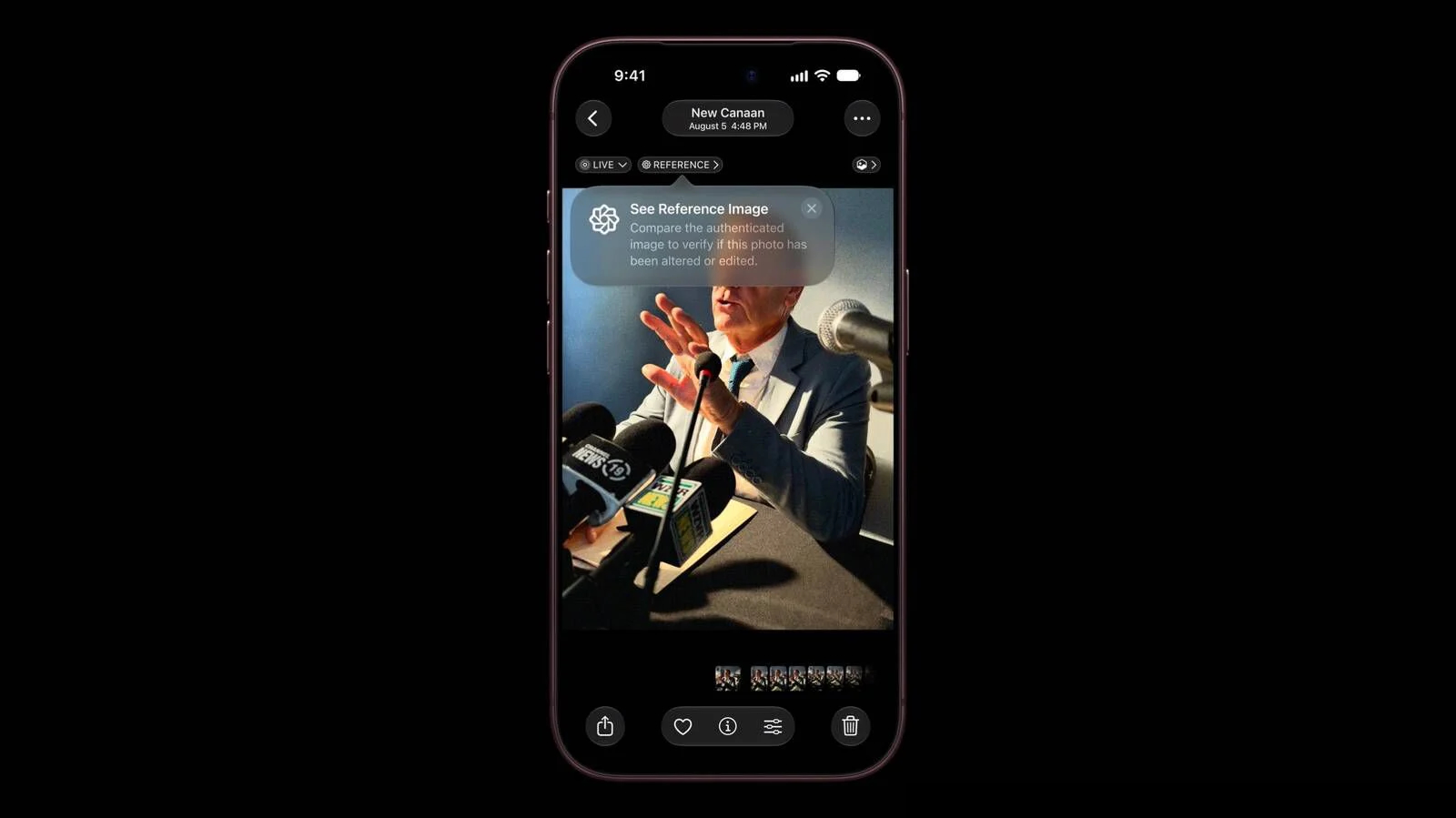
The iPhone 18 Pro models support Apple Reference Image, a way to verify that a photo was taken with an iPhone and hasn't been edited. Apple says it's a method to prove that something actually happened and wasn't AI-generated, likening the feature to a digital film negative.
Apple Reference Image offers a trustworthy, scalable guarantee that a reference image is what it claims to be: a real photograph, captured by a real sensor in an iPhone camera, at a specific time. It sets a new standard for verifiable digital photography.
Apple introduced Apple Reference Image when debuting the iPhone 18 Pro and Pro Max, and today the company shared more information on how the feature works on its Security Research blog.
Apple Reference Image boots the camera sensor into a specialized reference mode. The mode instructs the sensor to cryptographically sign pixel data immediately after capture, and the sensor firmware is prevented from modifying the data. Other authentication systems don't sign images until the end of the software processing pipeline, which Apple says leaves images vulnerable to tampering attacks.
Apple Reference Image creates a "secure digital negative" protected from software compromise alongside a standard editable photo. The negative is stored on-device and includes pixel data, sensor metadata, and cryptographic timestamps with lower and upper bounds. When a user decides to "develop" the negative for verification, it is sent unprocessed to Private Cloud Compute. Private Cloud Compute runs the steps needed to render the image in a secure, private, and verifiable environment.
Apple says the feature resists data injection attacks, compromised operating systems, hardware attacks, and cryptographic attacks. Apple believes Apple Reference Image is the only image provenance system with quantum-secure defenses. In case the system is breached, there is a revocation option. Private Cloud Compute calculates a confidence score for each image, and Apple can revoke individual photos or an entire sensor if fraud is detected.
To safeguard photographers, Apple Reference Image avoids using an explicit, public credential for photographers, and it prevents public association between different photos taken by the same sensor. The confidentiality of the image is protected, including from Apple.
Apple Reference Image is opt-in and is limited to the Main camera sensor.
Aplicativos que utilizam uma premissa simples e a transformam em uma experiência interessante são, particularmente, meus favoritos. Exemplo disso é o Farwave, um app para iPhone e iPad desenvolvido pelo brasileiro Fernando Bunn que permite encontrar estações de rádio de todo o mundo girando um globo 3D até uma determinada região e tocando em uma estação.
A interação baseia-se na localização geográfica, e não em pesquisas por texto. Ou seja, os usuários giram o globo, selecionam uma região e tocam em uma estação, tudo pela mesma interface.
Divulgação/Farwave
Há, ainda, um botão chamado “Take me anywhere” (“Leve-me a qualquer lugar”, em tradução direta) que seleciona uma opção aleatória para ouvintes que não querem procurar um local específico; além disso, o aplicativo salva o histórico de reprodução para que as pessoas possam retornar a uma estação mais tarde.
Além do rádio, o app também organiza podcasts e músicas utilizando a mesma metáfora do globo. Diferentemente das estações de rádio, assinantes Pro podem pesquisar programas ou adicionar manualmente um feed RSS. O aplicativo também oferece suporte a filas de reprodução, velocidade de reprodução ajustável e downloads para ouvir offline.
Assinantes do plano Pro também podem importar seus próprios arquivos de áudio de um computador ou do aplicativo Arquivos. Cada artista aparece como um “sinal” próprio, e as faixas importadas permanecem no dispositivo para reprodução offline.
If you recently installed iOS 27 on iPhone, iPadOS 27 on iPad, or MacOS 27 Golden Gate, you might be wondering where the widely hyped new Siri AI set of features are on your device; a dedicated Siri app, a much smarter Siri AI with chatbot like experience, custom voices, and more. These are all ... Read More
So, with some trepidation, I report that Lex Friedman has brought Strategery back from the dead. There are some clever updates, with a better visual design and even the addition of chaos mode, but I must admit I immediately set the look back to the original. Be careful with this one.
I think the first game I ever got addicted to on the iPhone was Strategery. It’s like Risk, but a lot faster, and I played thousands of games over the years.
It's an unusual Apple iPhone season. Not since the early days of the iPhone almost 20 years ago have we seen such a limited lineup. No base model, no super thin model, no plus model, no mini model. Instead, we have two powerful Pro models and the unusual, foldable iPhone Duo. Without all of Apple's typical next-gen iPhone cards on the table, you might think even Apple would be struggling with how or where to steer consumers. Now, though, thanks to Apple CEO John Ternus, we know exactly which iPhone Apple hopes you buy.
It's the iPhone Duo, okay?
Apple hasn't and honestly wouldn't say this, but sometimes it only takes a subtle signal or simple choice to reveal what should've been obvious in the first place.
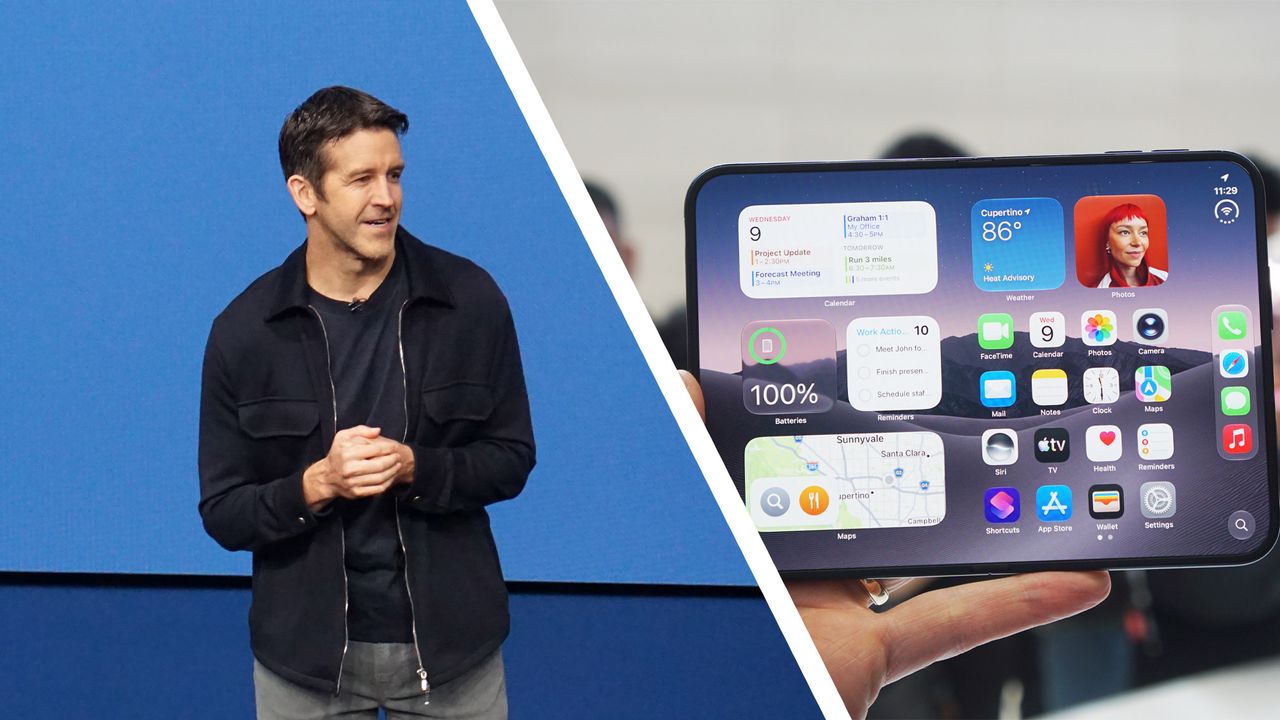
On Monday night, amid the Hollywood glitz and glamour of the 78th Primetime Emmys, newly minted Apple CEO John Ternus stood on the red carpet. Looking spiffy and maybe a bit uncomfortable in his tuxedo, with multiple microphones stuck in his face, Ternus fielded questions about Apple TV's incredible seven-year run and vast trove of awards for shows like Shrinking and the freshman Windows Bay, which garnered more season 1 Emmys than any other show before it.
Then a Deadline reporter started asking about the new phones. Without hesitation, Ternus pulled the stunning new iPhone Duo from his breast pocket as the reporter squealed with delight.
I guess she could be forgiven for her over-the-top reaction. After all, since Apple unveiled its first folding phone as the "one more thing" during Apple's "Surprise & Shine" iPhone event, not much has been seen of the passport-sized handset. It's shipping almost a month after the iPhone 18 Pro and iPhone 18 Pro Max, the only other new iPhones on offer right now.
And yet, here was Ternus, carrying it as, it seems, his phone of choice. Or at least the one he chose for that night. I guess he could've demurred when the reporter asked and pulled out a burgundy iPhone 18 Pro, but he didn't.
It was hard to hear what Ternus said over the reporter's screams, but I think it was "there we go...look at that," as he unfolded the phone to show off the unusual matte and virutally creasless display.
Doing so, on one of the entertainment world's biggest stages, was surely a calculated choice. Apple is steering all eyes toward its $1999 iPhone Duo.
You might say it's a craven attempt to garner more revenue via the pricey handset, but I think something else is at work here.
Why Apple needs to try harder with the Duo
With its late entry into the folding space, Apple is taking a risk. It's calculated, but still a risk. The foldable phone market is tiny, and most of it is owned by Samsung, which has a wide array of folding devices in shapes from the basic Flip to the larger and more powerful (at least camera-wise) Galaxy Z Fold 8 Ultra. It also has a passport-sized Galaxy Z Fold 8.
Apple isn't the first, and we still haven't decided whether it is the best. Still, how often has Samsung had the opportunity to show off its hardware at a big consumer entertainment event ostensibly watched by millions?
Well, it has been pushing its newest foldables in Spider-Man: Brand New Day, but in the action film, the phones are featured but not addressed in any real way. No one plays with them on camera to show off new features.
What would Samsung have done?
I do recall, though, when Samsung sponsored the 2014 Oscar telecast and handed out Samsung phones to celebrity audience members. With one of those phones, Ellen took one of the most famous, fame-filled selfies of all time. Even so, that sold people on social media and not the Samsung Galaxy phone.
This Emmy's opportunity was different. You had a willing and tech-obsessed reporter and Ternus, who just so happened to have their newest and most important Apple product in his pocket. There's little chance she would've asked, and he would've presented it, if he were only carrying the iPhone 18 Pro.
That wasn't the only moment where someone mentioned the foldable phone to Ternus. Another entertainment reporter called it the "Flip," and Ternus let it pass (notably without producing the phone). For Apple, it was a golden opportunity to steer consumers toward the new iPhone form factor and give it an even better chance of success.
I know, it was just a few seconds and by no means a true commercial for the iPhone Duo, but give Ternus credit for making the most of it and sending a clear signal of where Apple hopes you spend your next iPhone dollars.
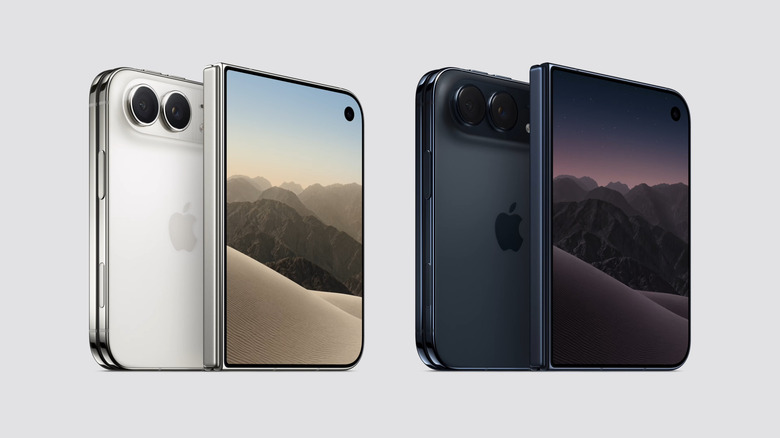
iPhone Duo gives Apple its first foldable iPhone and introduces a hardware format that required considerably more than adding a hinge to an existing handset. The device combines a 7.6-inch inner display with a compact 5.4-inch outer screen, while iOS 27 has been adapted around the different positions, orientations, and multitasking possibilities created by the folding design.
Apple unveiled the device on September 9, positioning it above the conventional iPhone lineup with a starting price of $1,999 in the U.S. Preorders open October 16, followed by availability on October 23 in more than 70 countries and regions.
The pricing puts iPhone Duo firmly into premium-device territory, but the more significant distinction is how much of the underlying iPhone experience has been reconsidered around the larger display.
Image Credit: Apple Inc.
iPhone Duo turns one phone into two screen formats
When closed, iPhone Duo uses a 5.4-inch Super Retina XDR outer display intended to work much like a compact conventional smartphone. Apple says it provides more than 90% of the screen area of iPhone 18 Pro despite the smaller physical footprint.
Opening the device reveals a 7.6-inch OLED Super Retina XDR panel. The inner display is 50% larger than the screen on iPhone 18 Pro Max and uses a nano-texture finish intended to reduce reflections and make the crease less visually prominent.
Both displays support ProMotion refresh rates up to 120Hz, Always-On functionality, HDR, and peak outdoor brightness of 3,000 nits. Apple has also retained the same display aspect ratio between the inner and outer screens, allowing interfaces and content to resize proportionally when the phone is opened or closed.
The design results in some unusual dimensions for an iPhone. Duo measures 5.2mm thick when open and 11.3mm when folded, with a weight of 254 grams. Its frame and hinge cover use grade 5 titanium, while Ceramic Shield 2 protects the outer display, while Ceramic Shield covers the back of the device. The device carries an IP68 water- and dust-resistance rating.
Touch ID is built into the side button rather than relying solely on Face ID, giving users a consistent authentication point regardless of how the phone is positioned.
iPhone Duo makes iOS 27 part of the folding design
iPhone Duo would have limited value as a larger iPhone if applications simply stretched across the inner screen. Apple instead adapted iOS 27 to treat the additional space as a new working area.
Split View brings two applications side by side on an iPhone for the first time. Users can also open two windows from the same app, save pairs of applications for repeated use, and switch between tasks without collapsing everything back into a single full-screen view.
Interface elements have moved as well. Navigation controls, Lock Screen elements, and the Dock can appear along the side of the display to preserve vertical space, while Dynamic Island has been reworked for both screens. When the device is open, the Home Screen can display two pages alongside Today View.
Several physical positions have their own uses. The phone can sit partially folded on a surface for video playback, FaceTime calls, workouts, photography, or StandBy. Apple has also confirmed future support for Apple Pencil with USB-C on either display, extending the inner panel toward note-taking, markup, and sketching.
Third-party developers will determine how useful that larger canvas becomes over time. Netflix, Zoom, and Slack are among the companies already adapting their apps for the folding interface.
Image Credit: Apple Inc.
A20 Pro and dual batteries address foldable compromises
Foldable phones create difficult thermal and battery constraints because internal space is divided across two halves. Apple’s response is a custom hardware layout centered on A20 Pro, the same chip used in the iPhone 18 Pro family.
The 2-nanometer processor combines a six-core CPU, seven-core GPU, and dual 16-core Neural Engine. Apple says the chip can deliver up to 35% better sustained performance than iPhone 17 Pro when paired with Duo’s vapor-chamber cooling system.
A custom package connects A20 Pro directly to the vapor chamber, an arrangement designed to manage heat during gaming, AI processing, and prolonged multitasking on the larger display.
Battery capacity is similarly divided. iPhone Duo places a high-energy-density battery in each half of the enclosure and manages them as a single power system. Apple rates the phone for up to 31 hours of video playback using the inner display or up to 44 hours on the outer screen. With both displays used equally, the company estimates up to 24 hours of use per charge.
Wired fast charging can reach 50% in about 20 minutes, while MagSafe or Qi2 wireless charging can reach the same level in approximately 30 minutes.
The worldwide eSIM-only design also frees internal volume for battery capacity. Connectivity includes Apple’s N1 wireless chip with Wi-Fi 7, Bluetooth 6, and Thread, alongside the C2 cellular modem.Cameras use the iPhone Duo displays in new ways
Cameras use the iPhone Duo displays in new ways
The camera system consists of a 48MP Fusion Main camera and 48MP Fusion Ultra Wide. The main sensor also provides an optical-quality 2x option, while video recording reaches 4K Dolby Vision at up to 120 frames per second on the primary camera.
The folding design also gives the cameras capabilities that go beyond their conventional specifications. Users can shoot a selfie with the rear cameras while framing themselves on the outer display, while Duo Preview lets a subject see the live composition from the opposite side of the phone.
Smart Take uses on-device models running on A20 Pro to recognize when people appear ready for a group photo and automatically capture the image. Kid Cue can display Peanuts animations on the outer screen to attract a child’s attention toward the camera.
An under-display FaceTime camera sits beneath the inner panel, while the outer screen uses a 12MP Center Stage camera. Duo FaceTime can also place another participant on the outer display when people are gathered around the device.
Siri AI brings personal-context understanding and onscreen awareness to iOS 27, while the broader Apple Intelligence experience includes new photo-editing tools and other capabilities across apps. On the inner display, users can keep a Siri conversation visible alongside another app.
iPhone Duo will ship in Night Sky and Star White with 256GB, 512GB, 1TB, and 2TB storage options. iPhone Duo will ship with iOS 27.1 when it becomes available on October 23, while Apple says USB-C Apple Pencil support will arrive later in the year.
O iPhone 17e é o atual smartphone de entrada da Apple. Lançado no início do ano, ele traz várias funções interessantes para quem quer um iPhone, mas não pode/deseja investir em modelos mais caros.
Entre as suas características, temos uma tela de 6,1 polegadas, uma câmera 2-em-1 Fusion de 48 megapixels, além do processador A19 e o botão de Ação (Action button). Ele também suporta o MagSafe e é plenamente compatível com a Apple Intelligence.
Se levarmos em conta que o preço tabelado desse modelo aqui no Brasil nessa mesma modalidade de pagamento é de R$5.999, estamos diante de um desconto de 26%!
Para quem preferir pagar à vista no Pix, o preço fica ainda mais atrativo: ele cai para R$3.972,22 — representando uma diferença também de 26% em relação ao valor à vista da Apple, de R$5.399,10.
Todos os descontos de promoções divulgadas pelo MacMagazine são calculados com base nos preços sugeridos pela Apple ou por outras fabricantes. Pode ser que um determinado produto seja comumente encontrado por valores inferiores em redes varejistas, mas a nossa base de comparação é sempre em cima das tabelas oficiais.
Se você não é louco, é claro que gosta de economizar. E, para isso, o MacMagazine tem diversas opções para ajudar você a conseguir comprar o seu produto Apple pagando menos!
NOTA DE TRANSPARÊNCIA: O MacMagazine recebe uma pequena comissão sobre vendas concluídas por meio de links deste post, mas você, como consumidor, não paga nada mais pelos produtos/serviços usando os nossos links de afiliado.
Nesta terça-feira, confira, aproveite e economize com a nossa seleção de promoções na App Store!
Planet of Lana é uma bela aventura, desenvolvida pelo Wishfully Studios e publicada nas plataformas móveis pela Playdigious, e nosso destaque do dia.
O jogo nos conquista primeiro pelos olhos: cada cenário parece uma pintura em movimento, com cores vibrantes, que transforma o planeta alienígena em algo ao mesmo tempo acolhedor e misterioso.
A jornada de Lana e seu companheiro Mui se destaca pela atmosfera contemplativa, criando uma experiência com um tom esperançoso. O design dos puzzles é intuitivo e nos incentiva a observar o ambiente e experimentar soluções criativas.
Confira um vídeo:
Um jogo cuja história passeia pelo equilíbrio, natureza e conexão. Uma oferta imperdível! 🥹
Abaixo outros jogos/apps que, juntos, somam quase R$130 em descontos:
Jogos
Jogo de aventura.
Jogo de cartas.
Diversão matemática.
Aplicativos
Calculadora.
Utilitário para códigos QR.
Fotos panorâmicas.
Aproveite as ofertas e até amanhã! Lembrando que elas são sempre por tempo limitado, então é bom correr. ✈️
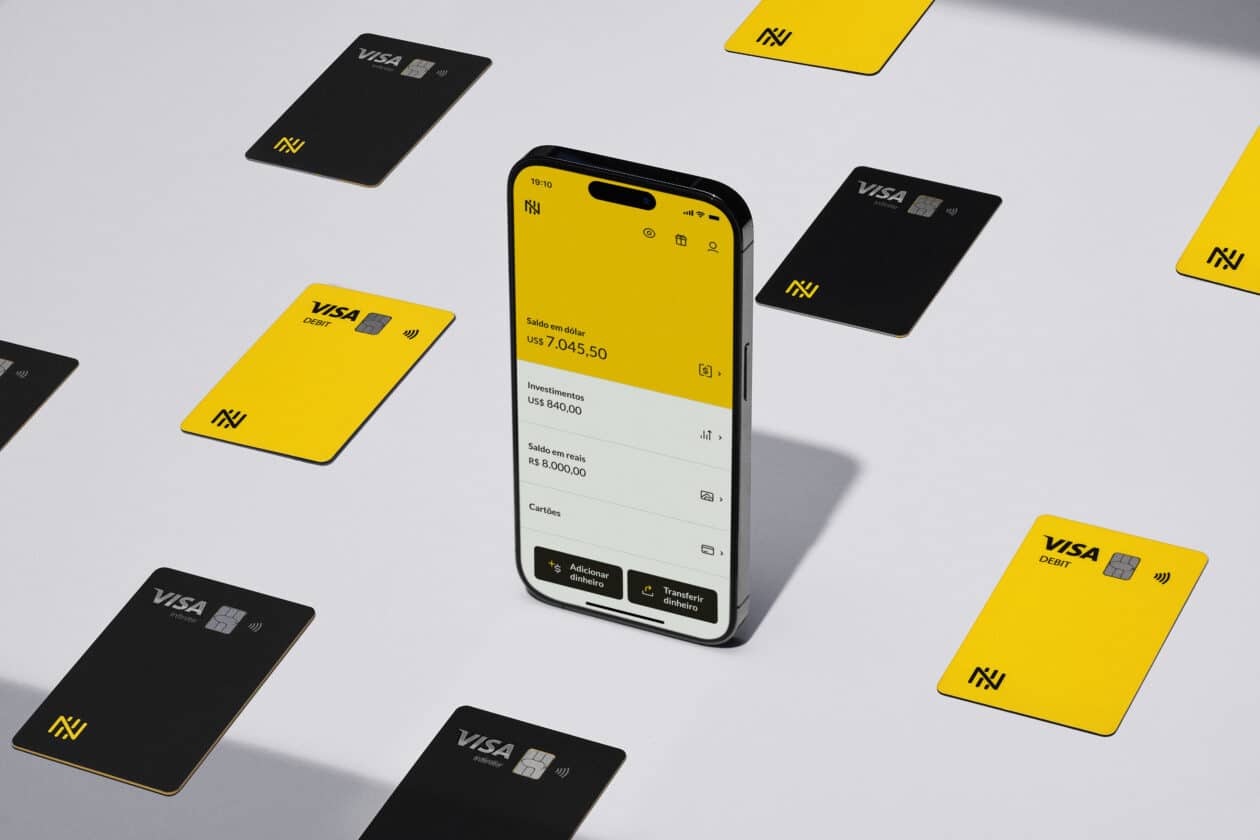
Esteja você de olho nos recém-anunciados iPhones 18 Pro e 18 Pro Max ou no badalado iPhone Duo, é bem provável que já tenha pensado em maneiras de economizar na hora de comprar um desses novos aparelhos. Como sempre, uma das melhores alternativas é optar por fazer isso nos Estados Unidos, com um cartão internacional da Nomad!
Parceira de longa data do MacMagazine, a Nomad está oferecendo 5% de cashback (limitado a US$100) para quem abrir uma conta até 30 de setembro com o cupom MAC26 e converter pelo menos R$3.500 (aproximadamente US$700/600€) — assim, você consegue adquirir seu iPhone novinho em folha com uma economia extra. 💵
Vamos usar como exemplo o iPhone 18 Pro de 256GB, que sai por US$1.200 nos EUA e por R$12.000 no Brasil. No momento da redação desta matéria, a cotação do dólar gira em torno de R$5,14, o que significa que, considerando encargos de 3,5% e uma taxa de serviço de 1,9%, o mais novo flagship da Maçã pode acabar saindo por ~R$6.504 — valor que cai para cerca de R$6.178 com cashback supracitado!
Vendido oficialmente por US$1.300/R$13.000, o iPhone 18 Pro Max pode acabar saindo por apenas ~R$6.693, enquanto o atual queridinho da galera, o iPhone Duo (preço tabelado de US$2.000/R$22.000), tem o potencial de lhe custar algo em torno de R$10.840!
Em outras palavras, caso você esteja planejando trocar de iPhone por agora, uma compra internacional com o cartão da Nomad torna-se uma das melhores opções — principalmente considerando que os preços no varejo nacional continuarão bem altos por um tempo.
Abra sua conta Nomad e ganhe até 5% de cashback!
Como dito, para aproveitar essa oferta, basta abrir sua conta internacional na Nomad até 30 de setembro e converter pelo menos R$3.500.
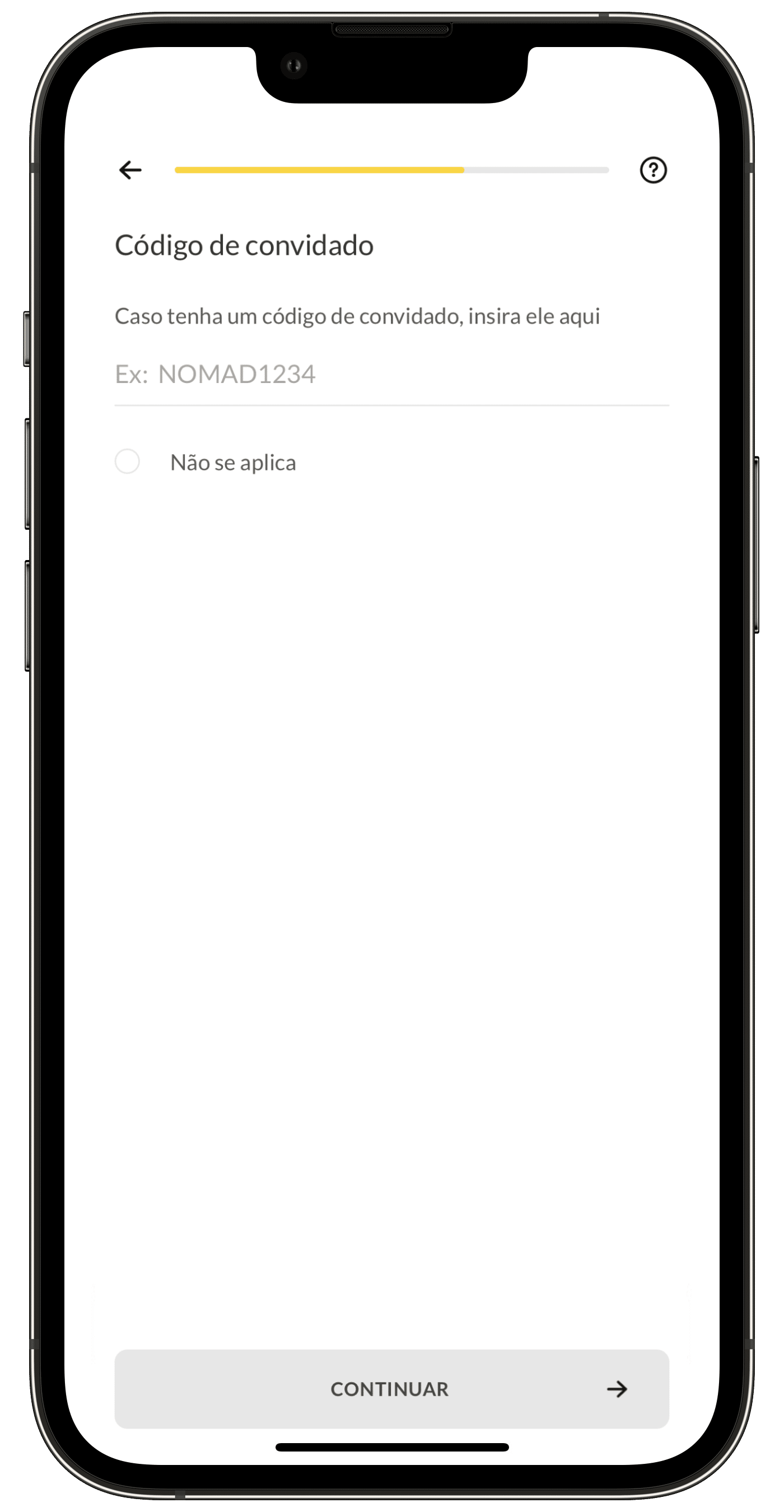
Para tal, baixe o app da Nomad e cadastre-se usando o código MAC26 no campo “Código de convidado”:
Nesta tela, digite o cupom MAC26 para ganhar 5% de cashback!
Sobre a Nomad
A Nomad foi a primeira a oferecer uma conta em dólar hospedada nos Estados Unidos, sem nenhuma taxa de abertura, anuidade ou manutenção. O cartão da empresa é aceito em mais de 180 países, oferecendo taxas bastante menores que as dos cartões de crédito internacionais.
A conta bancária da Nomad é assegurada em até US$250 mil pelo Community Federal Savings Bank, membro do fundo garantidor dos EUA (FDIC), para cada tipo de conta por titular, e permite que você faça/receba transferências de outras contas da Nomad sem nenhum custo, além de transferências para contas americanas (via Wire Transfer) e outras pagando bem menos do que as taxas cobradas nos EUA.
E não para por aí: com a sua conta Nomad você tem acesso a descontos em lojas parceiras e ainda pode aproveitar o Nomad Lounge, que concede acesso a uma das melhores salas VIP do Terminal 3 do Aeroporto Internacional de Guarulhos (SP).
Só na Nomad você tem uma conta internacional sem taxas mensais de manutenção, além de poder desfrutar de toda a praticidade e segurança que ela oferece!
NOTA DE TRANSPARÊNCIA: O MacMagazine recebe uma pequena comissão sobre vendas concluídas por meio de links deste post, mas você, como consumidor, não paga nada mais pelos produtos/serviços usando os nossos links de afiliado.
A Autoridade Central de Proteção ao Consumidor (CCPA, na sigla em inglês) da Índia está intensificando uma investigação contra a Apple envolvendo o lançamento do iOS 18, que teria causado problemas nas telas e nos microfones de iPhones — forçando, assim, consumidores do país a pagar quantias “exorbitantes” por reparos.
Segundo informações da Reuters, esse mais novo desdobramento é uma continuação de uma investigação iniciada ainda em 2024, quando o órgão regulador recebeu um grande número de reclamações relacionadas a essa atualização de software.
De acordo com alguns desses relatos, os problemas se manifestaram na forma de linhas verdes, rosas e brancas nas telas dos aparelhos — no caso do iPhone 15 (um dos modelos mais populares na época) podem custar cerca de ₹27.900 (algo em torno de R$1.500) para serem substituídas. Como updates do iOS não vêm com garantia, a Apple teria se recusado a arcar com os custos desses reparos.
O CCPA entrou em contato com a Apple em 29 de julho deste ano para informá-la que havia elevado o caso a uma “investigação detalhada” sobre o tema, citando uma possível “violação dos direitos dos consumidores”. A Apple, por sua vez, respondeu ao argumentar que softwares virem sem garantia trata-se de um “padrão global da indústria”, além de ter insistido que o iOS 18 não possuía problemas sistêmicos.
Em sua carta, a Maçã também destacou que a investigação se baseia em “apenas” 75 reclamações e disse que usuários foram lembrados nos termos de uso do seu software que ele vem “sem garantia de qualquer tipo”, bem como precisariam arcar com os custos de reparo caso haja algum problema com o software. “Exigir que cada problema seja tratado como uma violação de garantia absoluta transformaria efetivamente qualquer fornecedor de software em uma seguradora contra todos os riscos tecnológicos”, concluiu.
Em contrapartida, o CCPA disse que “cobrar dos consumidores por problemas decorrentes da própria negligência da empresa viola o princípio do comércio justo”.

 Login