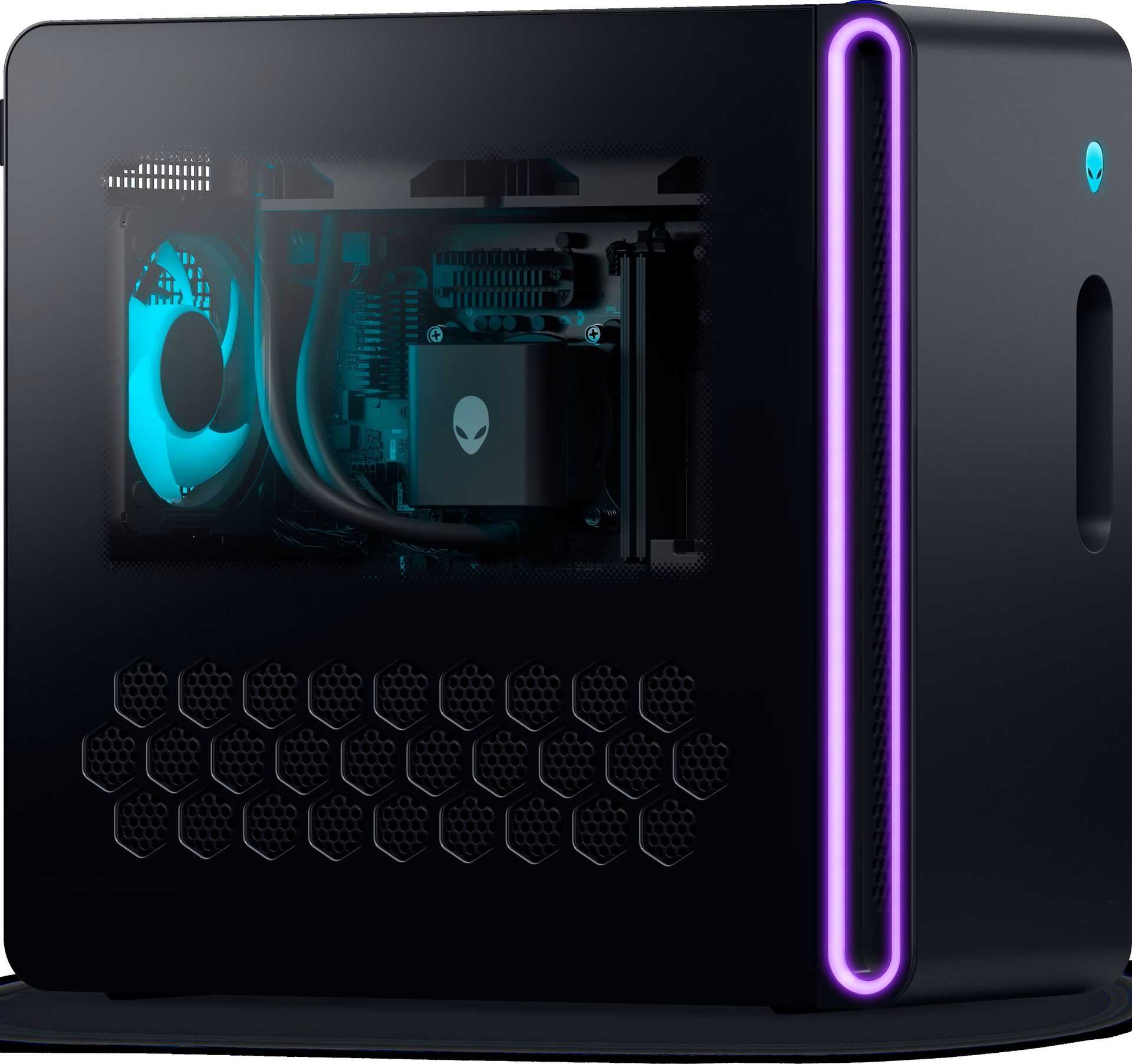
The memory crisis rages on, driving PC gaming prices through the roof. But that won't stop Dell (as Alienware) from offering powerful gaming desktops and letting players enjoy their favorite titles at high resolutions and smooth frame rates.
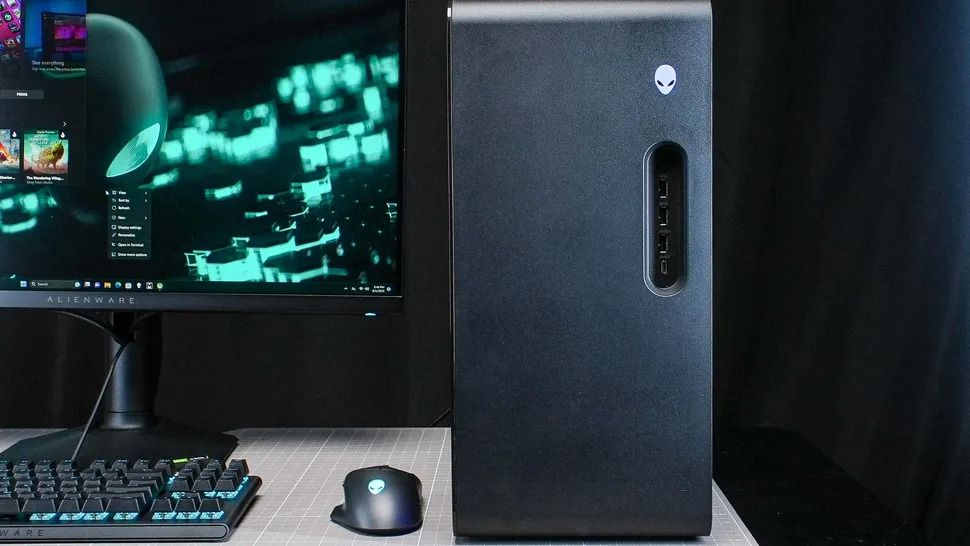
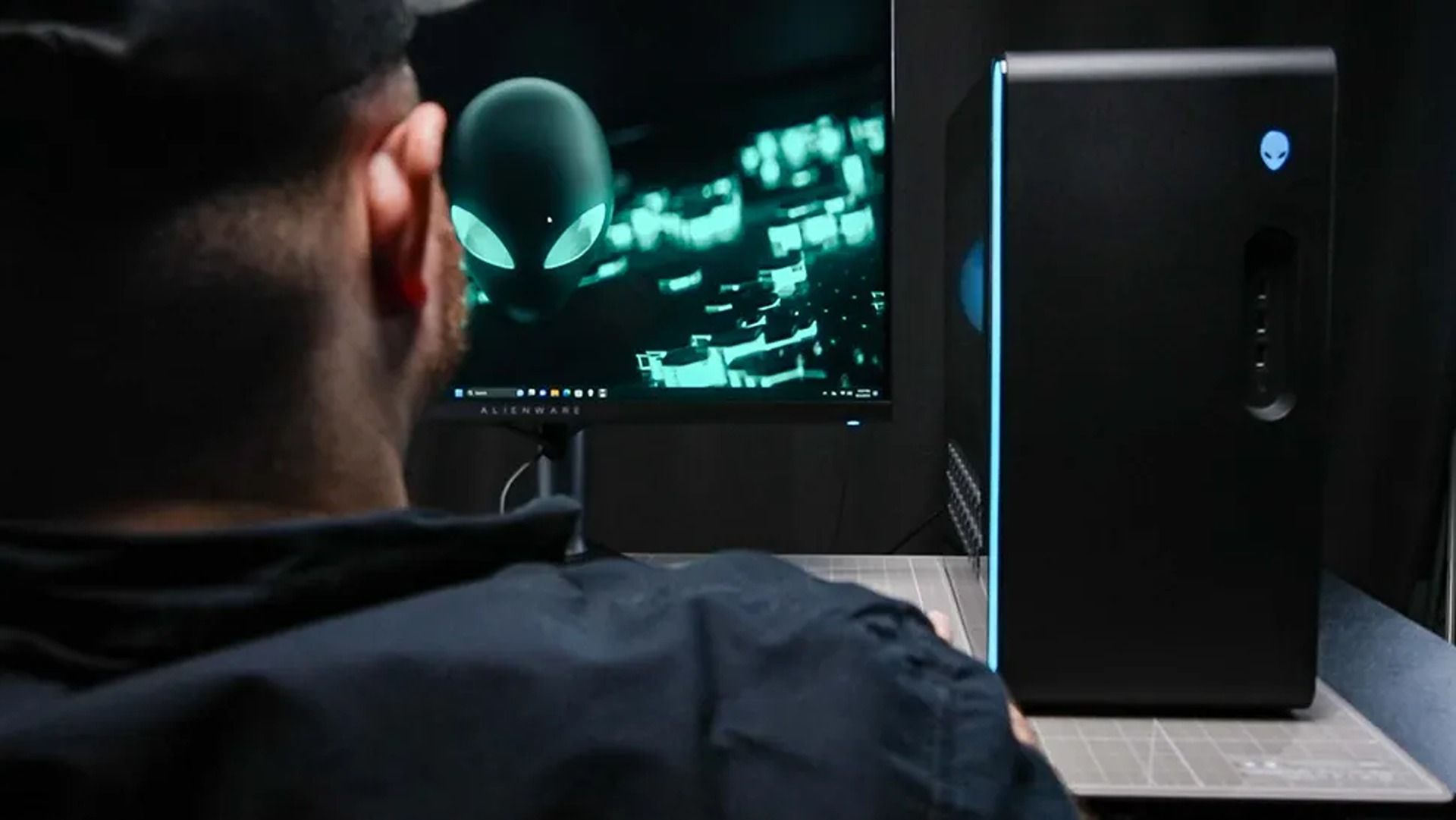
One rig in particular is the Alienware Aurora Gaming Desktop, currently discounted by $1,000 and offering an RTX 5070 (12 GB) GPU, 32GB of DDR5 RAM, and an Intel Core Ultra 7 265F CPU configuration for $2,229.99 at Dell (was $3,229.99).
"The Alienware Aurora R16 delivers great gaming performance at a whisper thanks to its powerful components and enhanced cooling technology." — Tony Polanco, Senior Computing Writer, Tom's Guide
It didn't earn these top review scores lightly either, as the Alienware Aurora R16 configuration that's on sale is equipped with some of the most mainstream and capable hardware for gaming.
These include an NVIDIA GeForce RTX 5070 graphics card to help it run graphically intense games like Cyberpunk 2077 at 1440p and 60fps (with some DLSS support), 32GB RAM to help it maintain stability during heavy multitasking (like playing a game while opening several browser tabs), and an Intel Core Ultra 7 265F CPU to aid it during content creation (like photo editing and rendering graphics) or everyday tasks (like browsing the web or writing reports).
It also has a 1TB SSD, so the Aurora can store plenty of game files or work folders that can be transferred in mere seconds.
To top it off, the Alienware Aurora Gaming Desktop has a superb ventilation and cooling system that will prevent this gaming PC from overheating during heavy-duty tasks while keeping it quiet.
Extra accessories for the Alienware Aurora Gaming Desktop
So if you're looking for a reliable gaming PC rig that can play the best PC games at their full graphical potential while getting some work done on the side in a jiffy, then you won't regret snagging the Alienware Aurora Gaming Desktop, now on sale for $2,229.99 at Dell.
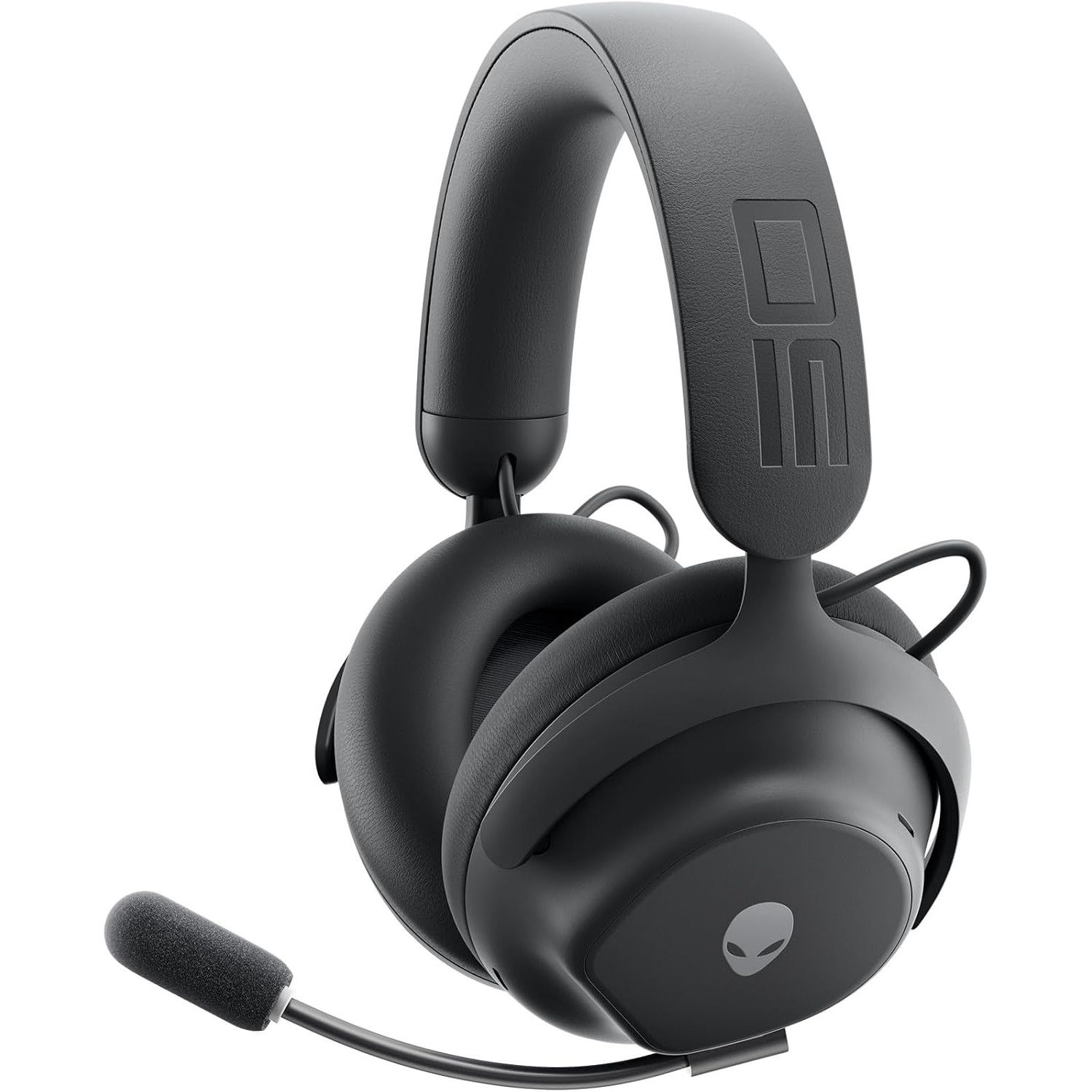
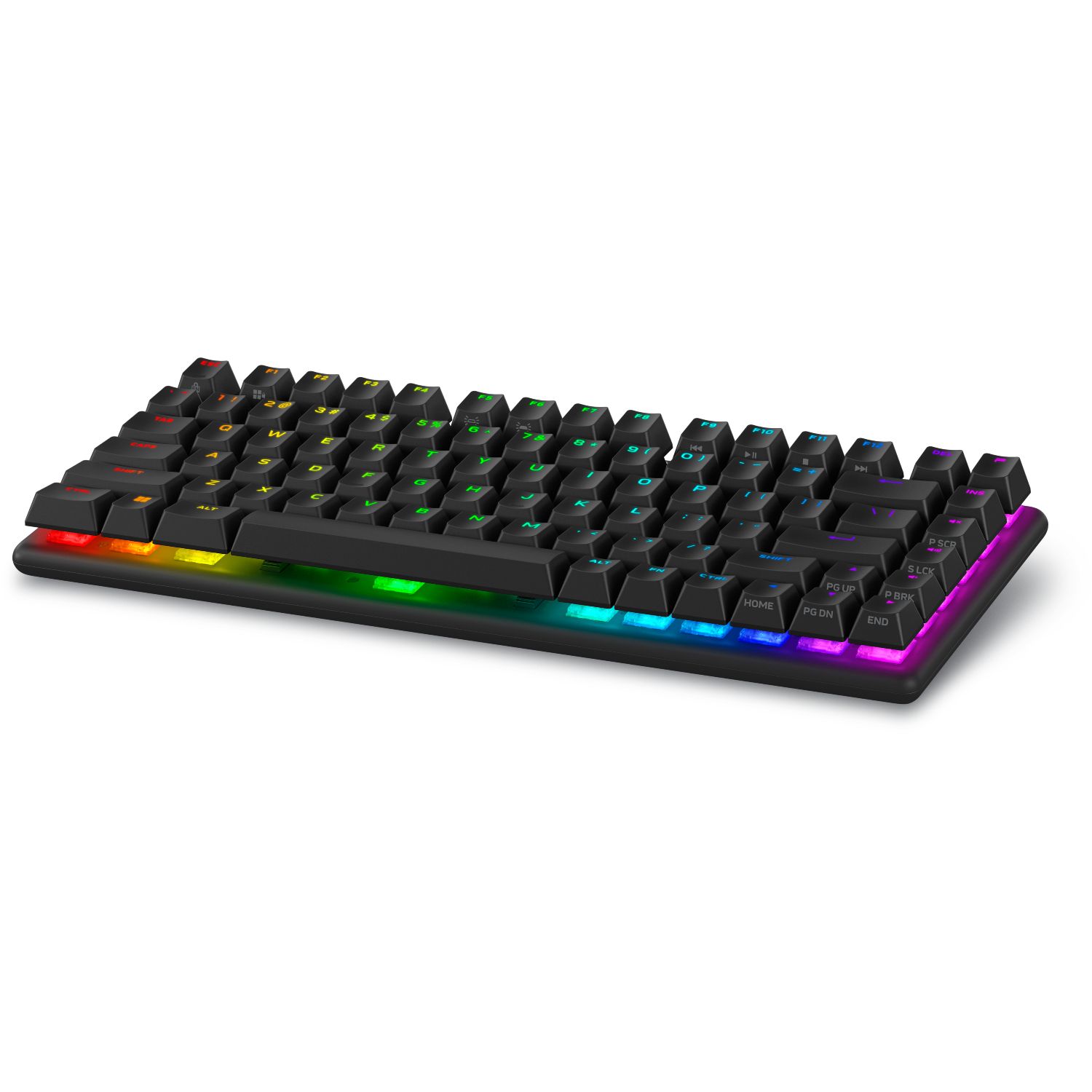
While you're at it, here are some additional discounted accessories to help complete your Alienware Aurora Gaming Desktop setup and enhance your gaming experience.
"Developed in collaboration with over 100 esports professionals, it stands as one of the best wireless gaming headsets and has dethroned my favorite Razer option as my daily driver." — Brendan Lowry, Contributor, Gaming
"Build quality is exceptional, typing feels great, and gaming performance is flawless. It's light on extra features at this price point, but the core experience is good enough to make up for it." — Zachary Boddy, former Staff Writer
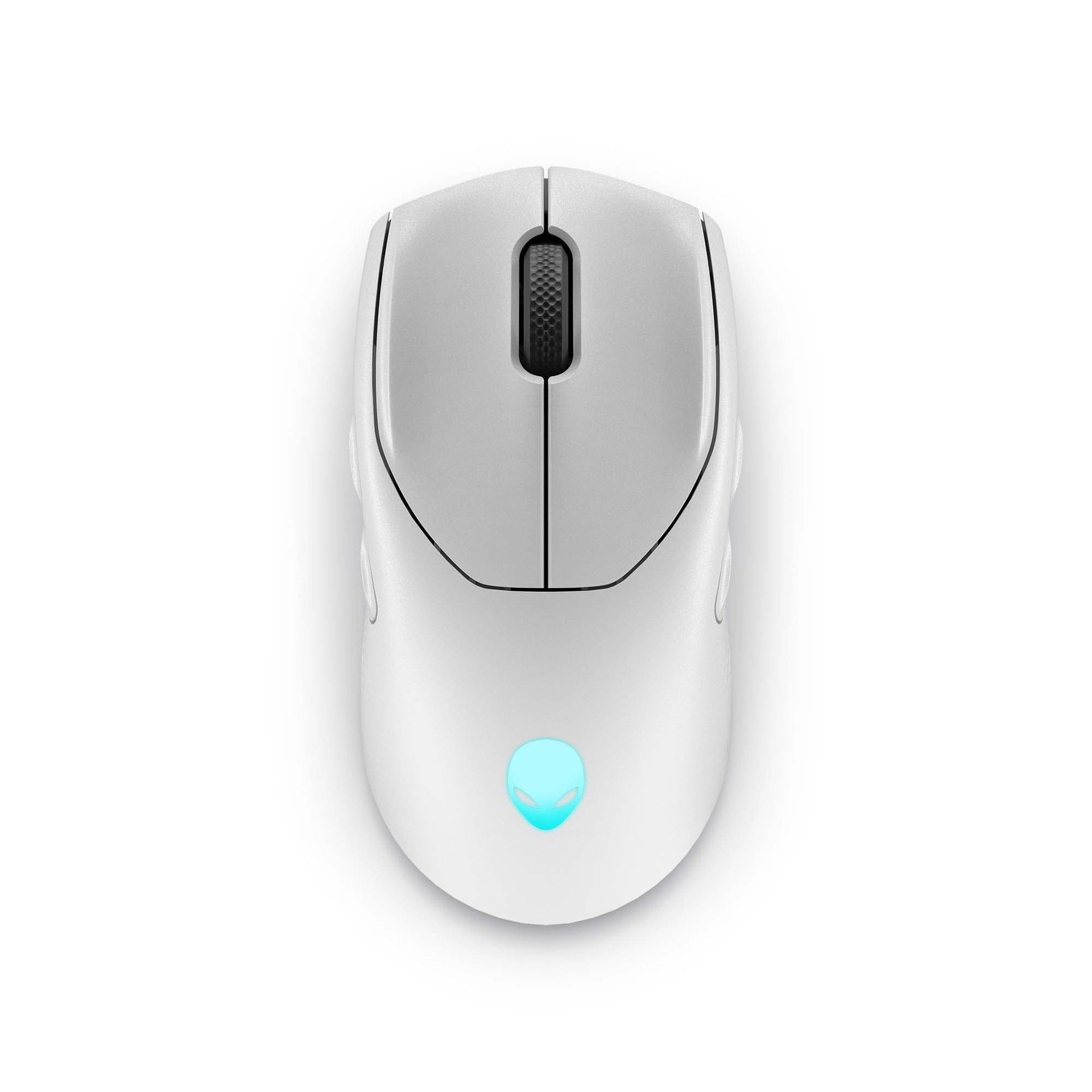
"Dell knocks it out of the park again with the excellent Alienware AW720M gaming mouse. Sleek, lightweight, and gorgeous, this mouse sports some serious hardware and specs." ~—Allisa James, Computing Staff Writer
Researchers have developed a learning mechanism that uses the natural variability of neural activity—often dismissed as random "noise"—to understand how synapses buried deep inside brain networks—or brain-inspired devices—can adapt to improve the learning capabilities of the networks as a whole.
Em tempos de anúncios de novas gerações dos iPhones, muitas pessoas fazem um balanço sobre o estado atual do seu próprio aparelho, avaliando se não é a hora de trocar de celular.
A crise de memória e os iminentes aumentos que decorrem dela são, no entanto, impeditivos razoáveis (desconsiderando a ausência de um “iPhone 18” no evento) para adquirir um modelo de última geração.
As duas alternativas restantes, portanto, envolvem pesquisar boas promoções ou restaurar o seu iPhone. A segunda opção foi a escolha de um inscrito do canal DirectorFeng, que enviou o seu iPhone 13 mini ao YouTuber, rendendo este vídeo em ASMR que detalha todo esse processo:
A restauração incluiu a substituição da bateria (que se encontrava com uma saúde de 77%, degradação suficiente para a Apple recomendar a troca) e a atualização do armazenamento interno (que foi dobrado, saltando de 256GB para 512GB).
Considerando que a memória NAND é soldada diretamente no iPhone, essa certamente foi uma das partes mais desafiadoras da restauração, junto com a organização na hora da desmontagem (que faz uso de uma série de ferramentas específicas para esse tipo de procedimento), a transferência de dados e a gravação de parâmetros no novo armazenamento do iPhone.
Pelo vídeo, o processo parece mais fácil do que ele realmente é, já que uma restauração como essa exige alguma familiaridade — inclusive com solda. A troca da bateria, entretanto, é um processo menos sofisticado, mas ainda demanda alguma atenção, e pode ser feito em todo caso com uma assistência da sua confiança.
Recentemente, fizemos a troca de bateria de um iPhone 15 Pro Max que apresentava um nível de degradação semelhante, tudo utilizando o kit de bateria da iFixit. Vale a pena conferir!
E você, é do time que arriscaria uma restauração dessas, ou normalmente opta por adquirir um iPhone novo?
Não foram somente as baterias que aumentaram nos iPhones 18 Pro/18 Pro Max: a Apple também expandiu a velocidade de carregamento dos novos modelos, que agora podem ser recarregados a uma potência de até 60W a partir da entrada USB-C.
Graças a essa melhoria, os novos dispositivos podem ser recarregados do 0 até 50% em apenas 15 minutos (cerca de 33% mais rápido em relação aos 20 minutos necessários na geração anterior), enquanto 5 minutos são suficientes para fornecer até 6 horas de reprodução de vídeo.
Na hora de adquirir carregadores de terceiros, vale checar se os requisitos batem com os exigidos pela Apple para obter esse tempo de recarga nos iPhones 18 Pro — entre eles, é necessário um adaptador de energia de 60W com USB-C Power Delivery 3.1 e que seja compatível com fornecimento de tensão ajustável.
Nesse caso, mesmo o carregador de um MacBook, com maior potência — como um modelo de 96W ou 140W — não ajudariam a obter a velocidade máxima de recarga devido a ausência do suporte às tecnologias supracitadas. Portanto, um carregador com mais potência não garante, por si só, o carregamento mais rápido.
Já para carregamento sem fio, para recarregar do 0 até 50% em 30 minutos, basta utilizar o Carregador MagSafe com um adaptador de energia de 35W — ou outro modelo que forneça essa mesma potência.
Aos poucos, informações sobre os novos produtos da Apple — que geralmente não são detalhadas pela empresa — vão sendo reveladas. Ontem, por exemplo, comentamos por aqui as capacidades oficiais das baterias dos iPhones 18 Pro/18 Pro Max.
Agora, essas informações abordam as quantidades de RAM1Random access memory, ou memória de acesso aleatório. que os novos dispositivos possuem — não só dos iPhones, mas também dos Apple Watches Series 12 e Ultra 4.
Ainda segundo a reportagem, o Xcode ainda não oferece suporte ao iPhone Duo, mas como o dobrável utiliza o mesmo chip A20 Pro dos iPhones 18 Pro, é provável que ele também possua 12GB de memória.
Eles também confirmaram que os novos Watches têm uma quantidade maior memória do que os seus respectivos antecessores.
Apple Watch Series 12: 4GB
Apple Watch Ultra 4: 4GB
Os Apple Watches Series 11 e Ultra 3, cabe lembrar, possuem 2GB de RAM — portanto, os novos modelos contam com o dobro de memória.
Apesar da grave escassez de chips de memória — que levou a Apple a aumentar os preços de iPhones, iPads, Macs e outros produtos nos últimos meses —, as linhas Series 12 e Ultra 4 mantiveram os mesmos preços iniciais das linhas Series 11 e Ultra 3.
Notas de rodapé
1
Random access memory, ou memória de acesso aleatório.
A Apple enfim revelou ontem o iPhone Duo, e é claro que as suas rivais — em ambos os casos, fabricantes de smartphones com telas dobráveis há algum tempo — não perderiam a oportunidade de alfinetar o dobrável da Maçã.
A Samsung foi a principal fabricante a alfinetar o novo iPhone (sem mencionar o nome do aparelho, evidentemente) em uma série de posts no seu perfil no X, questionando desde o alcance e o entusiasmo causado pelo anúncio até afirmar que o dobrável da Apple é uma de suas “sobras” requentadas, em alusão à linha Galaxy Z Fold.
Was there range? No. Was it exciting? No. Did it happen? Yes.#ItsTimeToSwitch
O mundo é dos que se atrevem primeiro. Nós nos atrevemos há 7 anos.
Quem também não ficou de fora da brincadeira foi a Motorola, que aproveitou ainda a oportunidade para alertar que deverá apresentar novidades sobre esse segmento de smartphones muito em breve:
Aquela sensação de desligar a ligação e o seu razr falar tudo o que você não disse. 😉
Tem gente descobrindo agora. A gente já tá preparando o próximo nível.
O iPhone Duo custa a partir de US$2.000, com pré-vendas iniciando no dia 16 de outubro (tanto nos Estados Unidos quanto no Brasil e em Portugal), enquanto o lançamento oficial está marcado para a semana seguinte, no dia 23/10.
Yesterday, Apple unveiled iPhone Duo, much to the dismay of the dozens of die-hard Surface Duo fans that opted for Microsoft's now defunct line of foldable phones. Of course, the name of the product was what drew immediate comparisons to Surface Duo, but as the keynote went on, it quickly became evident that it isn't just the name that Apple was interested in.
Ever since Surface Duo launched in 2020, I have heralded it as the best multitasking phone you could buy. No other folding phone, whether that be from Samsung, Huawei, Oppo, Honor, Xiaomi, or Google, have matched the Surface Duo from a pure multitasking perspective.
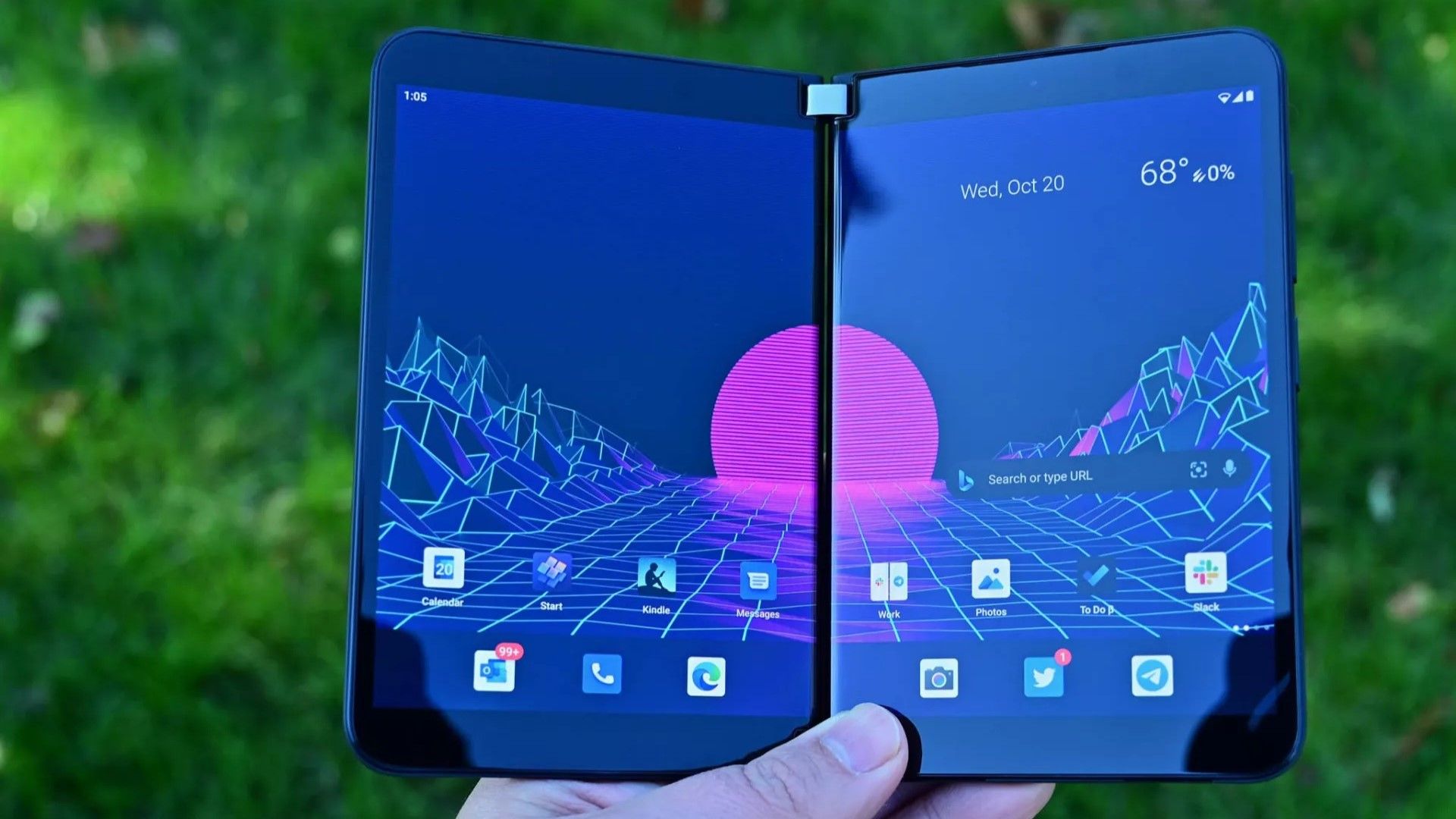
The dual-screen setup allowed for Microsoft to create a new user experience around the gap between the screens, and that led to a unique experience that made multitasking automatic. Open your app on one screen, and the other screen would remain on the home screen, available whenever you need it to begin another task.
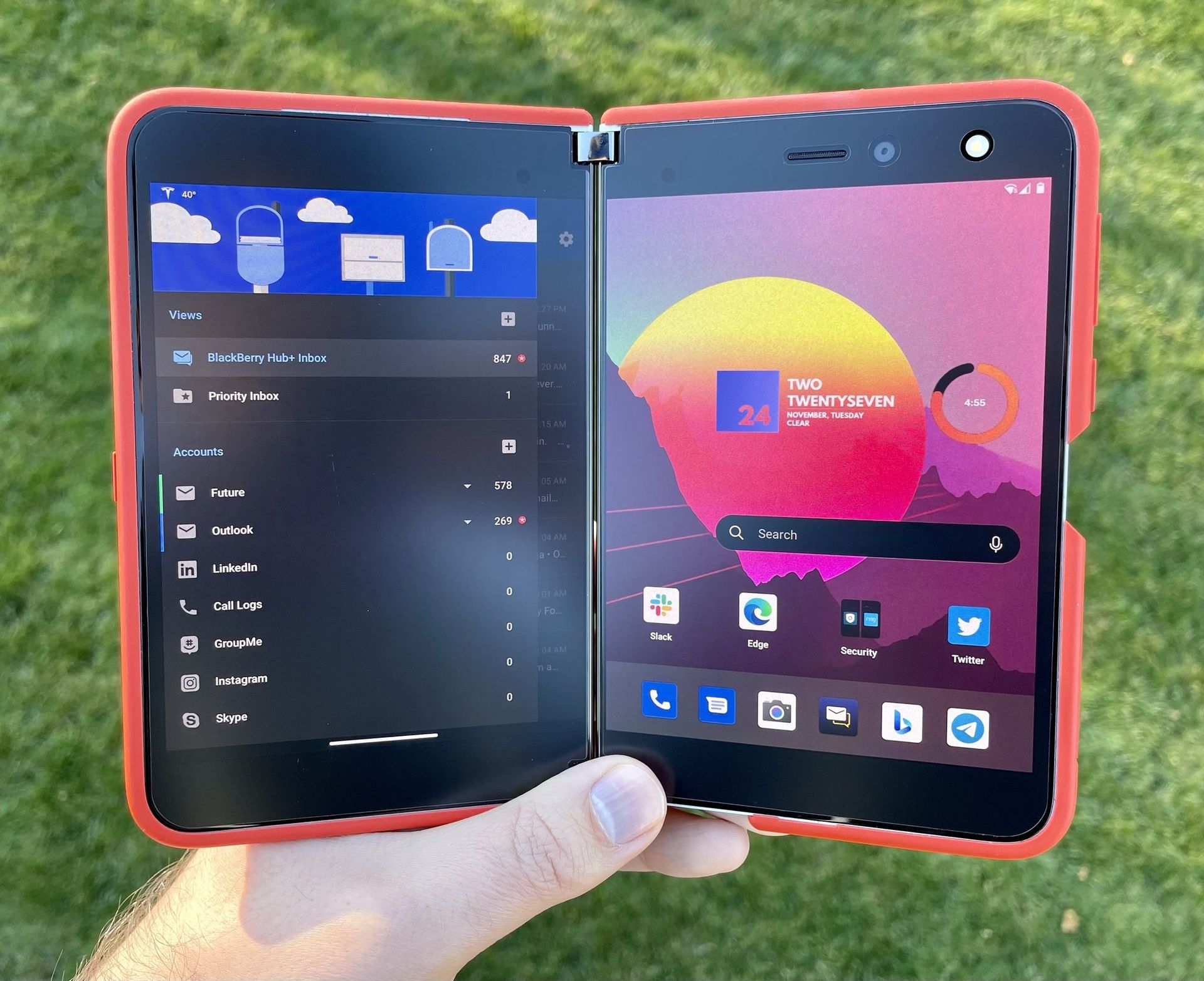
Surface Duo multitasking allowed for both halves to work independently or in unison. (Image credit: Daniel Rubino / Windows Central)
If the second screen was free, opening links would open them on the other screen, allowing you to keep viewing the first app without it being obscured by your browser. You could swipe up from the bottom and drag the app across both screens, swapping them in place or spanning a single app across both screens for a totally immersive experience.
No other folding phone has ever matched this level of fluidity or multitasking prowess. Most single-screen folding phones opt to treat the large folding screen as a tablet screen, opening apps full screen and requiring gestures or modes to enter a special "multitasking view" that allows you to run the apps side by side. The OS isn't able to dynamically do this, unlike the Surface Duo.
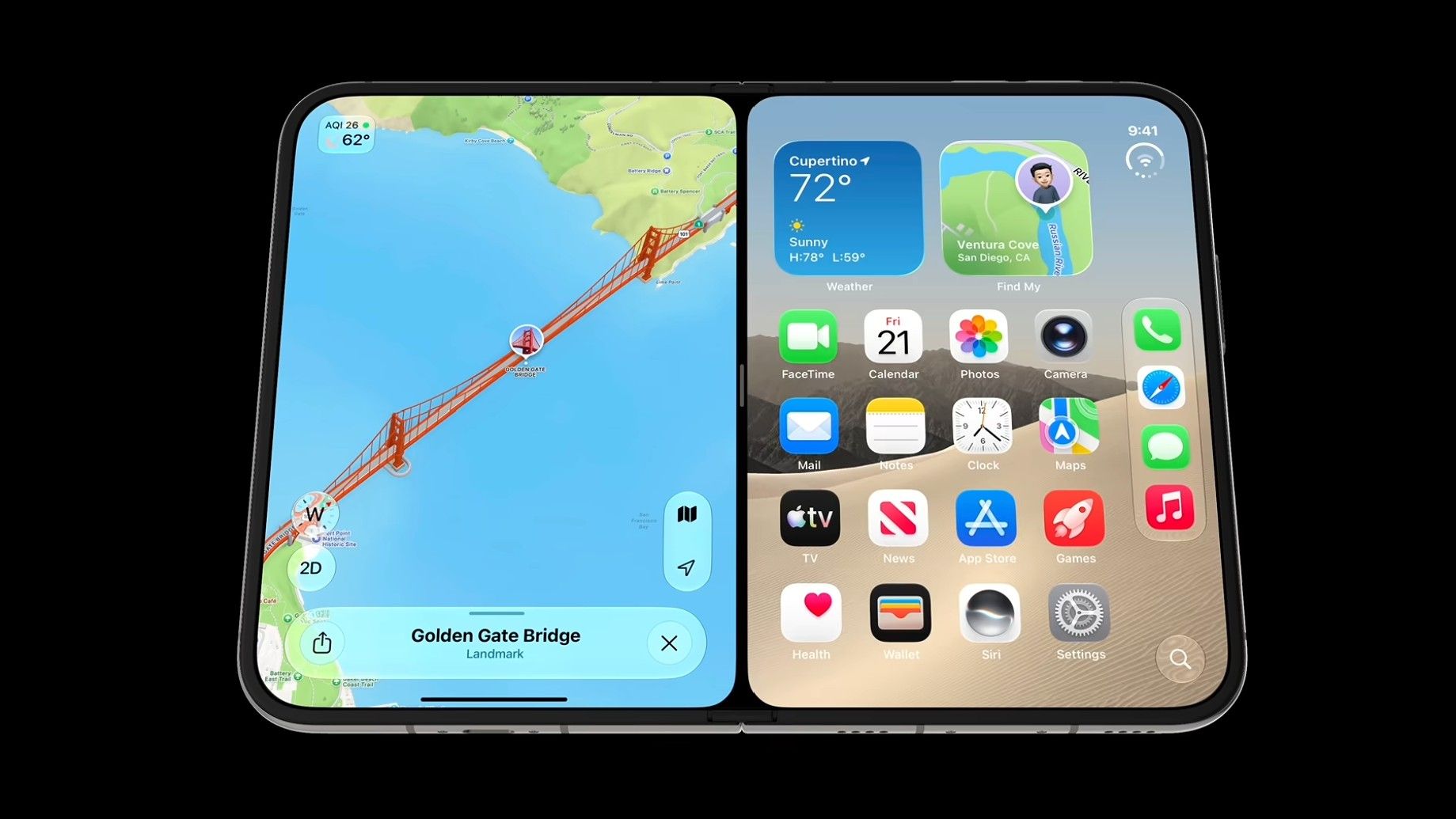
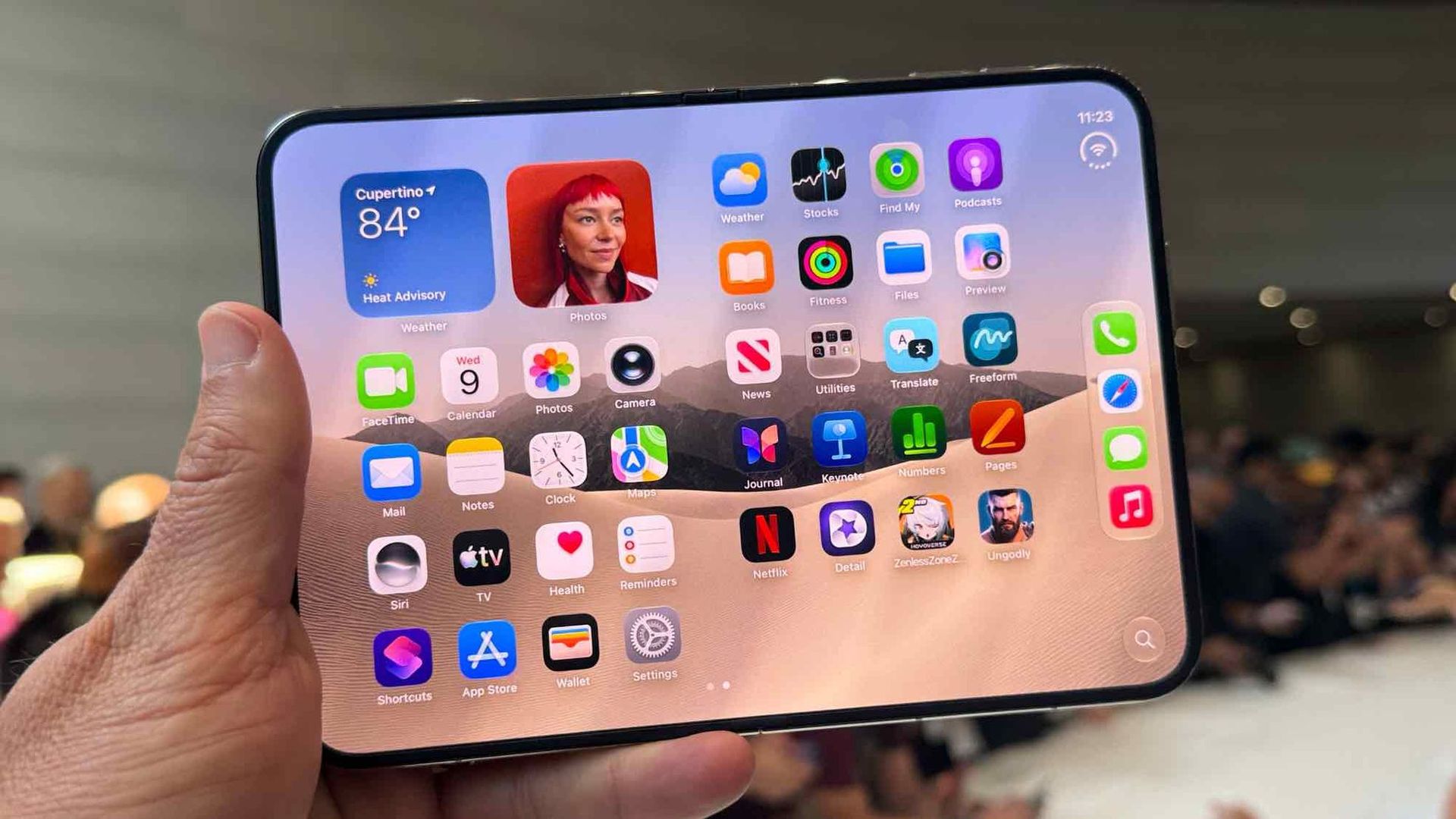
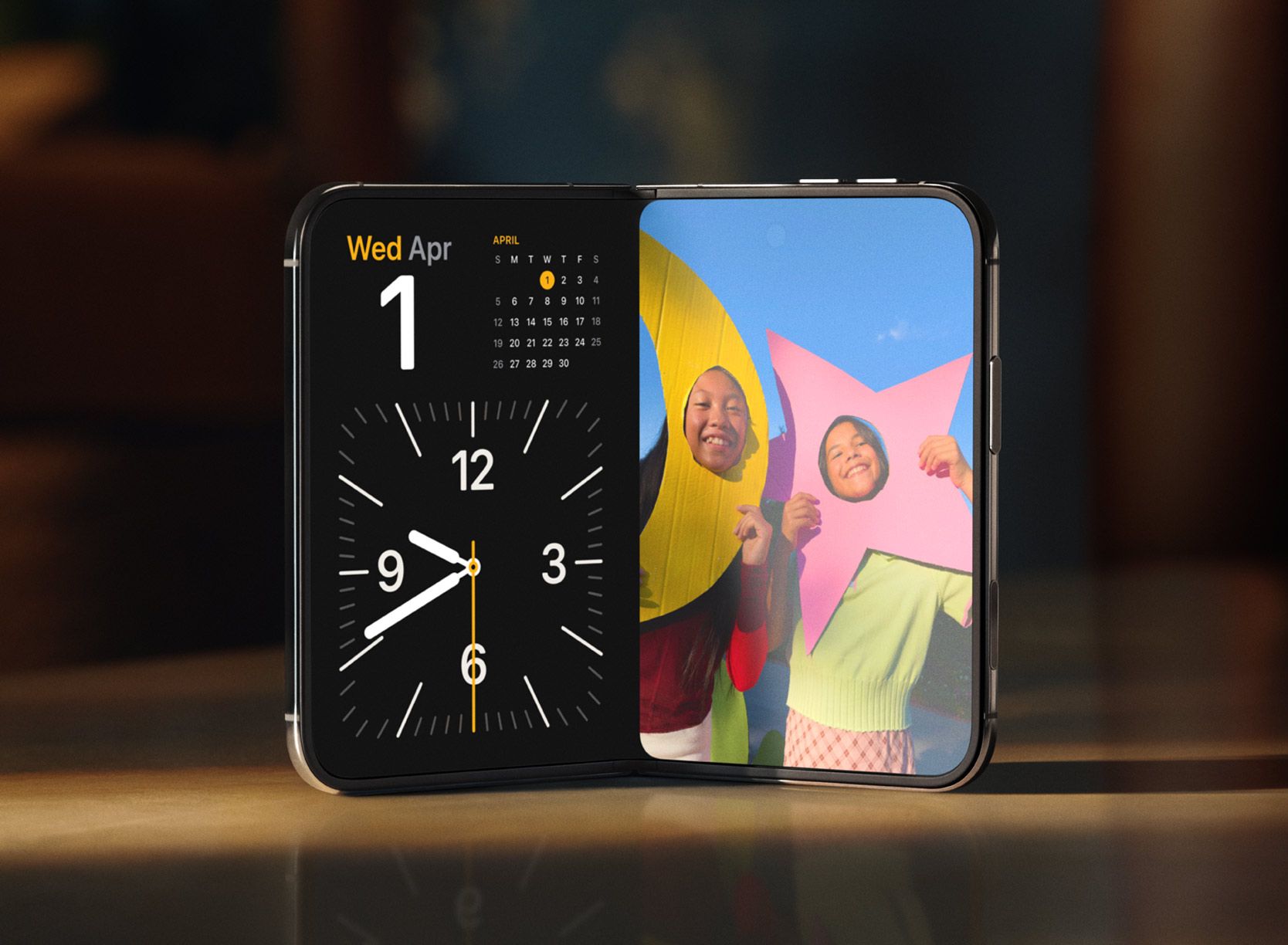
Well, it turns out, iPhone Duo can. I've never seen another folding phone match the Surface Duo's multitasking design, but iPhone Duo does almost identically. In multiple demos, Apple shows the iPhone Duo opening an app, and letting users split it side by side with another app by dragging the app up and docking it to the left or right of the screen.
iPhone Duo lets you treat each side of the folding screen as independent. Just like Duo. (Image credit: Apple)
When you do this, the iPhone home screen appears on the other side, just like Surface Duo. From there, you can open another app, and swap sides with it by doing the same drag and drop gesture you do on Surface Duo. It even opens links in a browser next to your app automatically, just like Surface Duo.
Surface Duo had a lot of flaws, but one thing it got absolutely right was the fluidity and automagic-ness of its multitasking experience. Users were in control of where apps appeared, and it was easy to move apps between the two halves, and have them run side by side. In most instances, multitasking on Surface Duo was an automatic experience. I never had to cognitively initiate a multitasking mode, it automatically happened.
It looks like iPhone Duo is opting for the same design philosphy. User shouldn't need to initiate a complex gesture or mode to multitask. It should just happen when it makes the most sense. If you need to open an app next to your currently open one, just drag the app to the side and open the second app from your familiar home screen.
If you tap a link, it should open the browser next to your current app, not on top of it like so many other Android phones do. Both Surface Duo and iPhone Duo appear to do this correctly, and that's the biggest surprise in my book. It's not just the name Duo that Apple borrowed, it's the entire multitasking design ethos as well.
You can see this in action in this video:
I'm not even mad about it, I've always said that I wish another company built the Surface Duo, because it wasn't fair of Microsoft to debut the best multitasking experience I'd ever seen on a phone, only to kill the product two years later. Apple has taken the best of Surface Duo and implemented it onto its own iPhone Duo, which is a win for Surface Duo fans in my book.
And it's not just the software multitasking and windowing that Apple have copied. iPhone Duo also supports pen, another feature that was incredibly popular on Surface Duo. Many people used their Surface Duo's as a personal diary or note taking device, and it did that quite well. iPhone Duo also supports pen input via the Apple Pencil, which is awesome to see.
I think Apple even indirectly referenced the Surface Duo during their keynote. At the start of the iPhone Duo segment, Apple says "others have created foldables that just feel like two phones awkwardly stuck together." The only folding phone that was literally two phone screens stuck together was Surface Duo.
Apple is right in that you can mimic the setup of a dual-screen phone 100% on a single screen folding phone, and that's exactly what they've done with iPhone Duo. All the dual-screen multitasking behaviors have been implemented on the folding screen, and it still works great.
Surface Duo fans, I fear we may finally have our Surface Duo 3 in the form of iPhone Duo. Too bad it costs $2,000.
Join us on Reddit at r/WindowsCentral to share your insights and discuss our latest news, reviews, and more.
Resultadospreliminares de benchmark do chip A20 Pro, que alimenta o iPhone 18 Pro, o iPhone 18 Pro Max e o iPhone Duo, surgiram na manhã de hoje no banco de dados do Geekbench 7, oferecendo uma primeira visão do desempenho de CPU1Central processing unit, ou unidade central de processamento. e GPU2Graphics processing unit, ou unidade de processamento gráfico. dos novos modelos antes mesmo de chegarem ao mercado.
Com base nesses resultados iniciais, o chip A20 Pro parece oferecer um desempenho cerca de 21% a 23% mais rápido em single-core (média de 4.722 pontos), além de 27% a 28% mais rápido em multi-core (média de 12.626 pontos) em comparação com o chip A19 Pro dos iPhones 17 Pro/17 Pro Max.
Talvez não surpreenda que os resultados do iPhone 18 Pro Max sejam praticamente iguais aos do iPhone 18 Pro. Uma diferença aparece nas pontuações do teste Metal: o modelo menor marcou 64.069 pontos, enquanto o maior atingiu 64.915 pontos.
Ainda assim, os resultados gráficos alinham-se, em linhas gerais, à afirmação da Apple — presente no comunicado de imprensa e na página do iPhone 18 Pro — de que o A20 Pro oferece uma performance gráfica até 40% mais rápida que o chip A19 Pro.
Também foram vistos resultados de benchmark do iPhone 18 Pro Max no AnTuTu, que registrou uma pontuação geral de 3.551.073. A pontuação da CPU, especificamente, foi de 920.410, enquanto a GPU alcançou 1.397.374 pontos. Os testes de memória e UX registraram 470.245 e 763.044 pontos, respectivamente. Para fins de comparação, o iPhone 17 Pro Max obteve uma média de 2.275.118 pontos, colocando o novo modelo substancialmente à frente no benchmark.
Vale ressaltar que esses testes de desempenho pontuais — que ainda não foram confirmados — não indicam como os dispositivos se comportarão durante sessões prolongadas de jogos ou outras cargas de trabalho exigentes; afinal, os resultados de testes no mundo real poderão apresentar algumas diferenças.
Apple didn't shock the world this week by unveiling the iPhone Duo, but it has taken the tech world by storm. With Apple joining the folding phone fray, we now have millions of people considering foldables that never would have considered the category.
But the iPhone Duo announcement stood out to me for another reason. It shows what happens when a company knows its own identity and leans into it. Apple is far from the first company to make a foldable phone, but the iPhone Duo tackles foldables in a way that's quintessentially Apple.
In normal Apple fashion, the company bided its time and waited for Samsung, Motorola, Xiaomi, and other companies to work out the biggest issues with foldables. Through years of trial and error, other manufacturers have determined the best form factor for a folding phone. They've also figured out use cases for folding screens and the large displays provided by what are essentially tablets that fold into phones at this point.
Apple's patient approach does more than give its engineers real-world feedback about a product category. By waiting until foldables became normal, Apple has left potentially the most difficult task to be completed by other companies: getting people to even consider a folding phone that costs a fortune.
Every time Apple introduces a new product or feature that's been seen elsewhere, people online joke about Apple "inventing" things. I get it. It's an easy joke and some Apple heads are smug and ignore advances made by other companies. But Apple's strategy works. In addition to making Apple money hand over fist, it creates good products.
Apple knows what it is. The leaders at Apple have a clear strategy and know how to make new products. Microsoft is lost when it comes to Surface, and the iPhone Duo shows that.
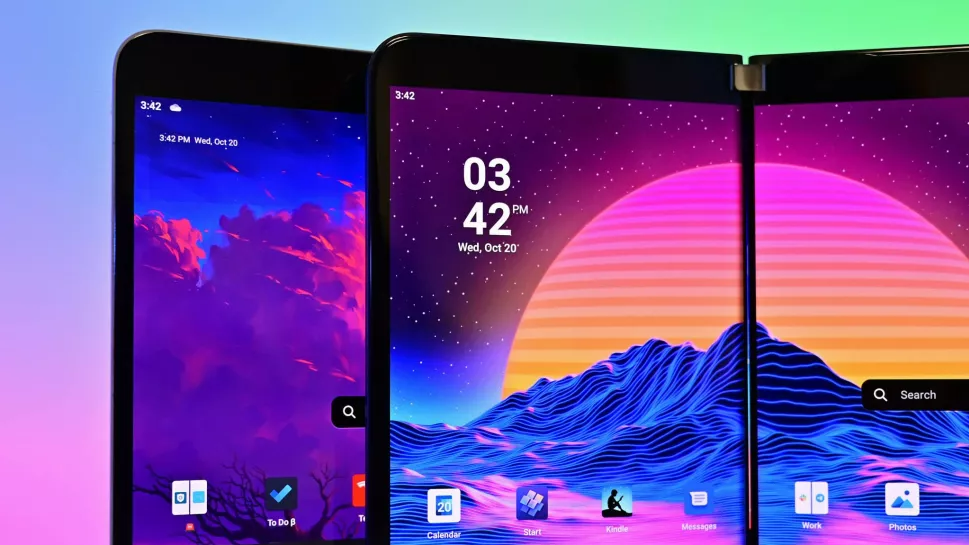
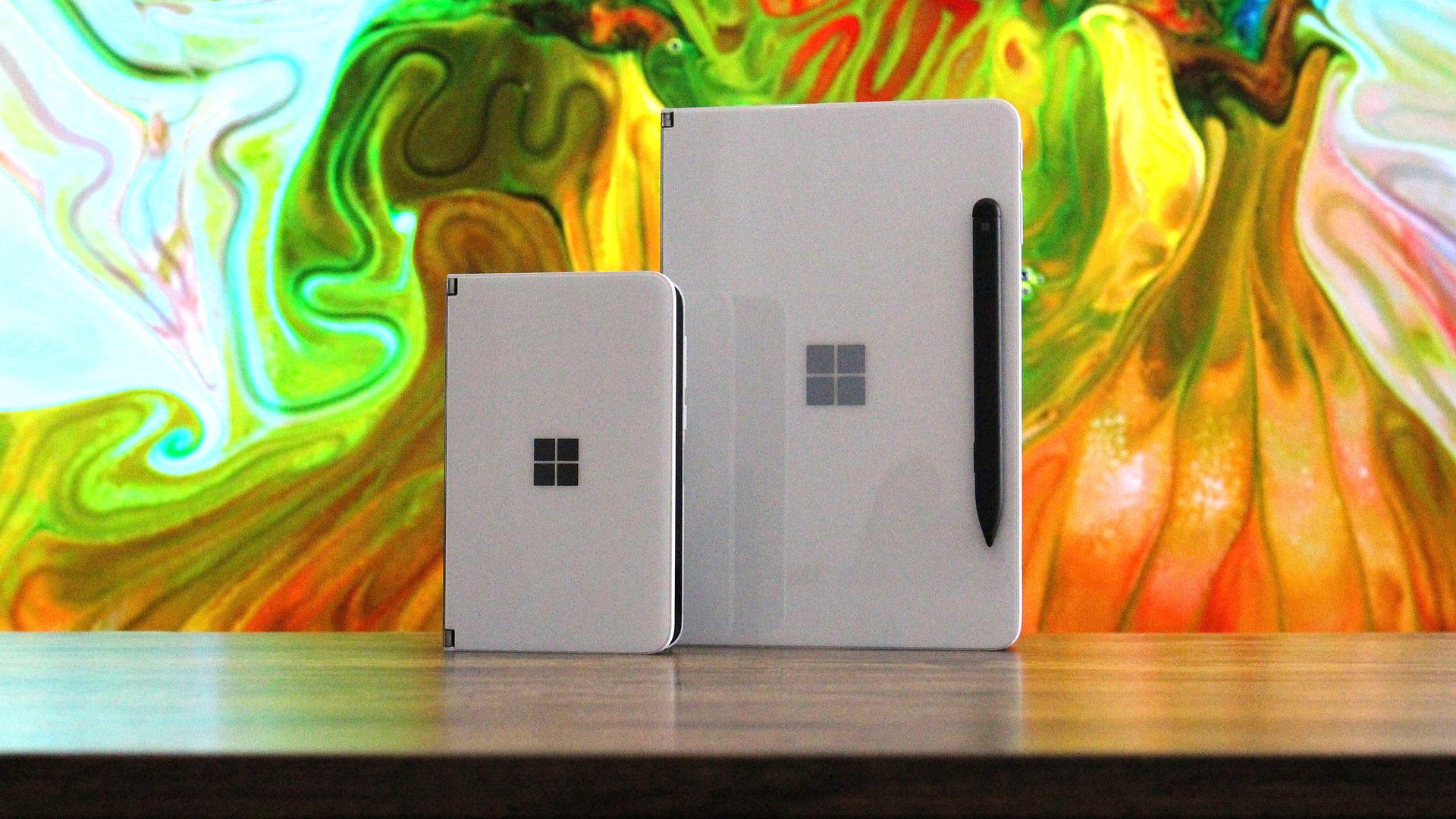
The Surface Duo pushed boundaries but was later abandoned by Microsoft. (Image credit: Future)
Before you jump to the comments, I am fully aware that Microsoft had a foldable phone years before Apple. The buggy mess that was the Surface Duo launched in 2020. After silently fixing a few bugs and realizing people want NFC and good cameras in a smartphone, Microsoft unveiled the Surface Duo 2. But Microsoft abandoned the Surface Duo lineup and never even released the Surface Duo 3, so I'm not going to give it the benefit of the doubt.
By not sticking with the Surface Duo lineup, Microsoft gave up its pioneer status. The company could have made a Surface Duo 3 that addressed concerns and then unveiled a model with a folding screen by now. But instead, Surface Duo is dusted.
When it comes to tech, you need to carve out a niche. That's often done by being the first, the best, or the most affordable. You can also succeed by being unique or by being over the top. Surface used to check some of these boxes, but it rarely does anymore.
What is Surface in 2026? It's no longer the innovative hardware maker that drove the 2-in-1 form factor. Experimental projects have been pushed to the wayside, leaving Lenovo to pick up the slack. Surface PCs were never the most affordable, and I'd argue they aren't even the best options in their respective categories anymore.
Microsoft has shown some small signs of moving in the right direction with the Surface Laptop Ultra, but I still have my reservations. Surface still seems lost, and I don't see Microsoft returning to the experimental roots of the product family.
Microsoft no longer pushes the limits of computing with experimental hardware. But it also does not wait long enough to see a category fully mature and then swoop in with a perfected version. Surface is stuck in the middle of a crowded PC space and feels like a leftover appendage of a bloated company.
Join us on Reddit at r/WindowsCentral to share your insights and discuss our latest news, reviews, and more.
Ever since the MacBook Neo launched earlier this year, Windows OEMs have scrambled to ship devices that match it from a design and price perspective. Until this year, most Windows OEMs weren't all that interested in insuring their sub-$1,000 laptops were pretty, but that has all changed in recent months.
OEMs like Dell and Acer have come out with $799 laptops that match the MacBook Neo in design and premium build quality, and now ASUS is joining the fray with their own $799 Windows laptop that also looks the part. The new ZenBook 14 with Snapdragon X is one of the better $799 Windows laptops we've tested, thanks to its premium design and excellent OLED display.
I've been daily driving the ZenBook 14 over the last few weeks, and this is my full review.
This review was made possible via a sample unit supplied by ASUS. The company had no editorial input and did not see the contents of this review before publication.
ASUS
Zenbook 14 (UX3480 Snapdragon)
The ASUS ZenBook 14 with Snapdragon X is ASUS's first true MacBook Neo competitor. Coming in at $799, it features a 1080p OLED display, excellent keyboard, plenty of ports, good performance and all day battery life.
Category
Specification
Model
UX3480QA
Operating System
Windows 11 Home
Processor
Snapdragon X X1 26 100 (30MB Cache, up to 2.97GHz, 8 cores, 8 threads)
Graphics
Qualcomm Adreno GPU
Neural Processor
Qualcomm Hexagon NPU up to 45 TOPS
Display
WUXGA (1920×1200) OLED, 16:10, 0.2ms response, 60Hz, 100% DCI‑P3, 1,000,000:1 contrast, 16.7M colors, 70% less blue light, non‑touch
Memory
16GB or 8GB LPDDR5X (on board)
Storage
256GB M.2 NVMe PCIe 3.0 SSD
Expansion Slot
1× M.2 2280 PCIe 4.0×4
I/O Ports
2× USB‑C (USB 3.2 Gen 2, display & power delivery) 1× USB‑A (USB 3.2 Gen 1) 1× HDMI 2.1 TMDS 1× 3.5mm audio jack
AI Noise Canceling, Live Update, TaskFirst, WiFi SmartConnect, Function key lock, Splendid, Fan Profile, Battery health charging, System diagnosis
Included Offers
3‑month Google AI Pro 3‑month GoPro Premium+ 1‑month Adobe Creative Cloud All Apps Xbox Game Pass Premium (2 months)
Security
TPM, Microsoft Pluton, BIOS password protection, IR webcam with Windows Hello
What I love
(Image credit: Zac Bowden / Windows Central)
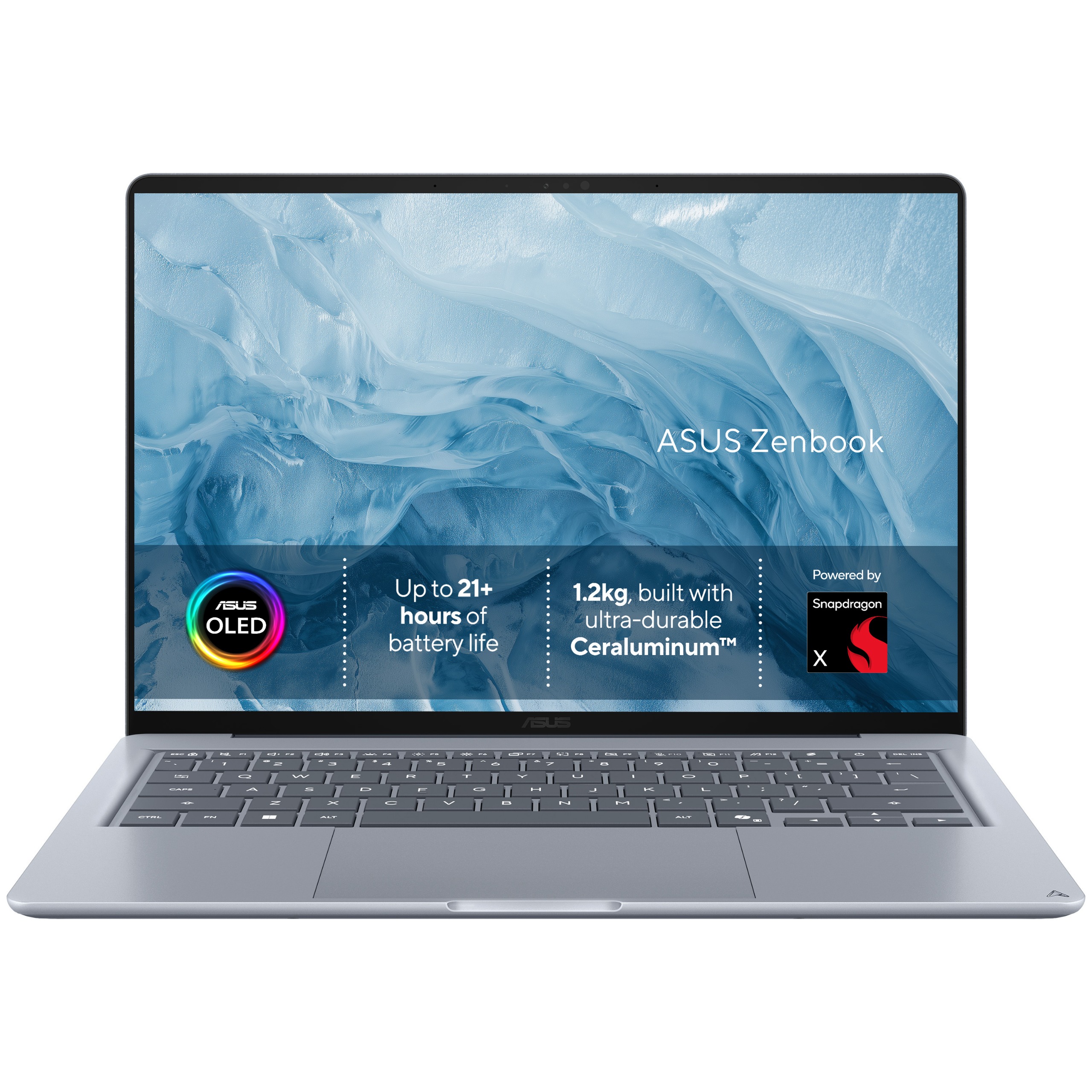
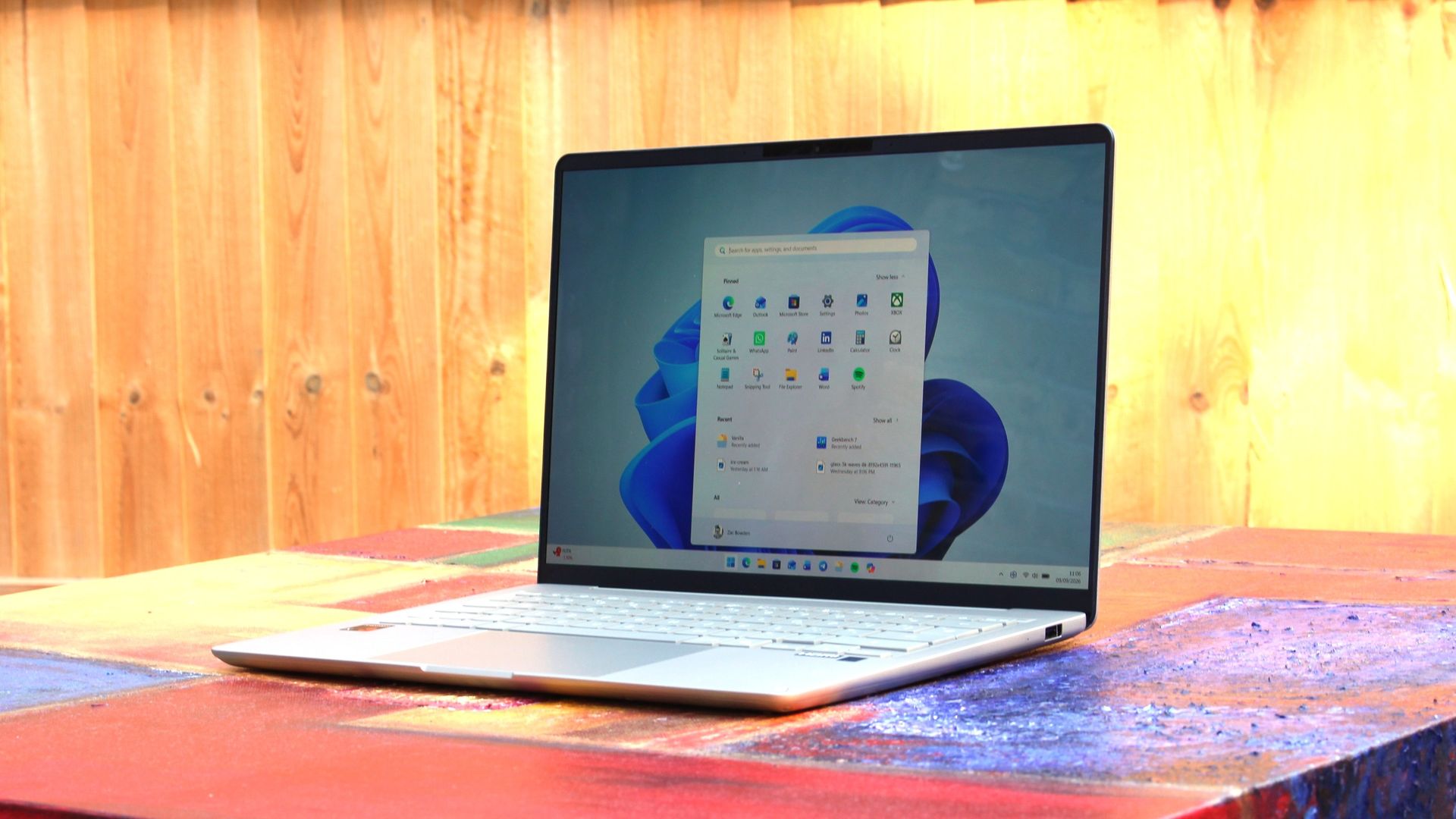
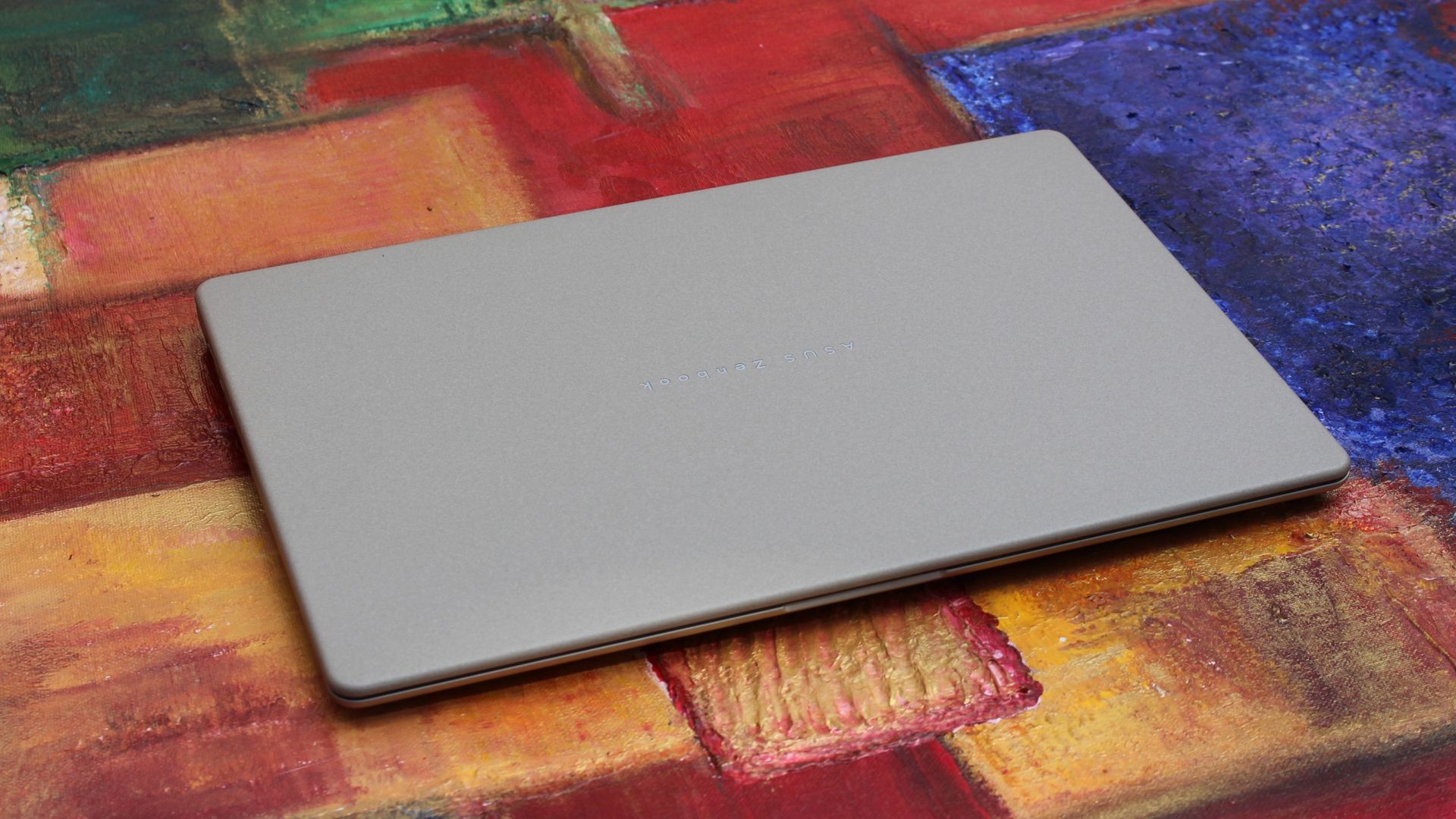
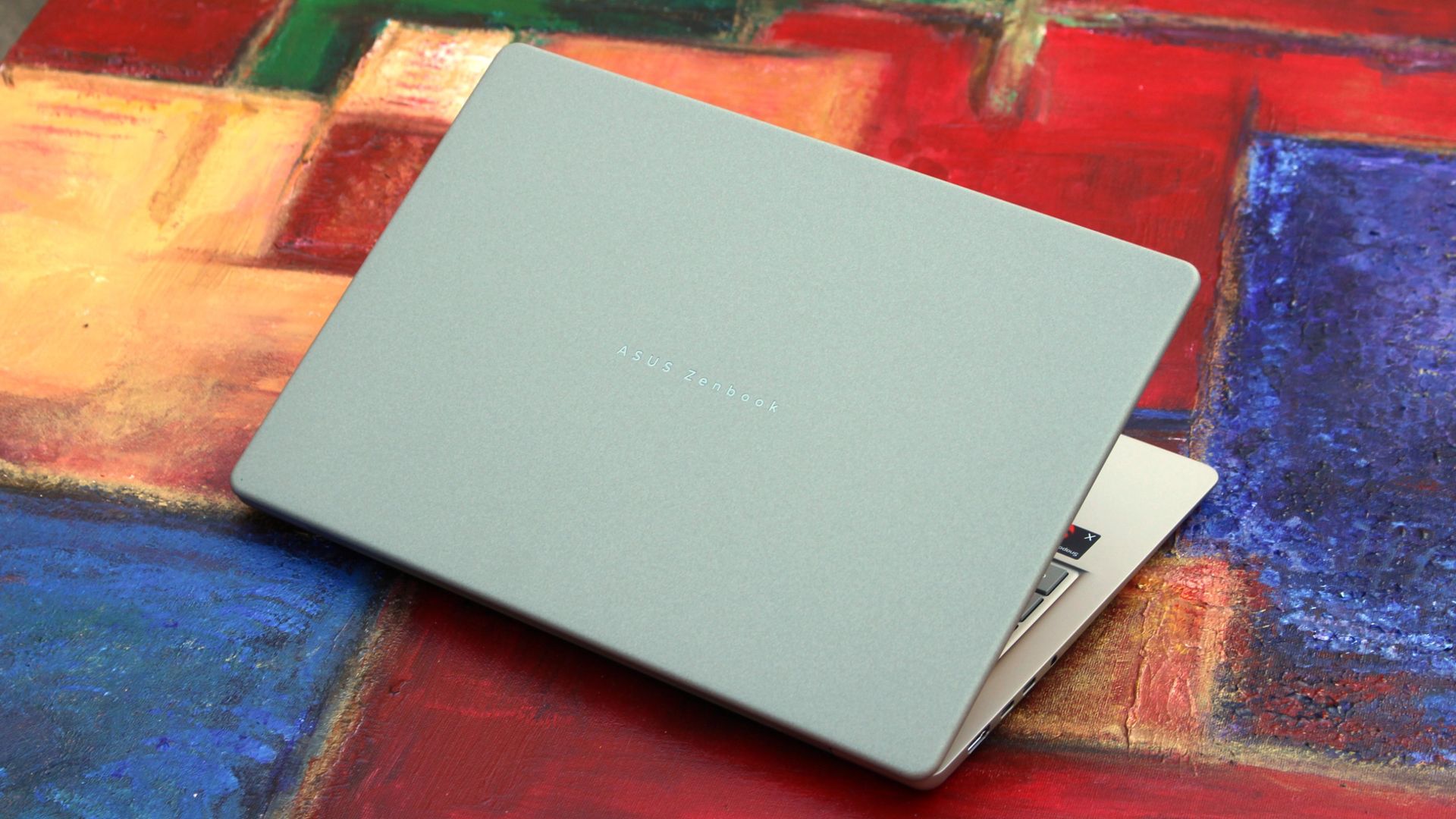
Any laptop that wants a running chance at being competitive with the MacBook Neo needs to focus on design and build quality. Luckily, the ASUS ZenBook 14 is a device that looks and feels the part. It features a premium metal chassis with a coating that does a great job at hiding fingerprints and remaining light.
The design of the laptop is notably rounder than the MacBook Neo and other laptops in this price range, which gives it an edge in ergonomics too. Carrying this laptop around in your hands is very comfortable, and it just looks great when sitting on a desk or on your lap.
The texture of the chassis is nice and smooth, and cold to the touch which helps with that premium feeling. It's also super lightweight, coming in at just 2.87lbs, making it a touch heavier than the MacBook Neo but still plenty light, especially at 14-inches. The chassis does flex a tiny amount, but not enough for it to take away from the overall premium experience.
(Image credit: Zac Bowden / Windows Central)
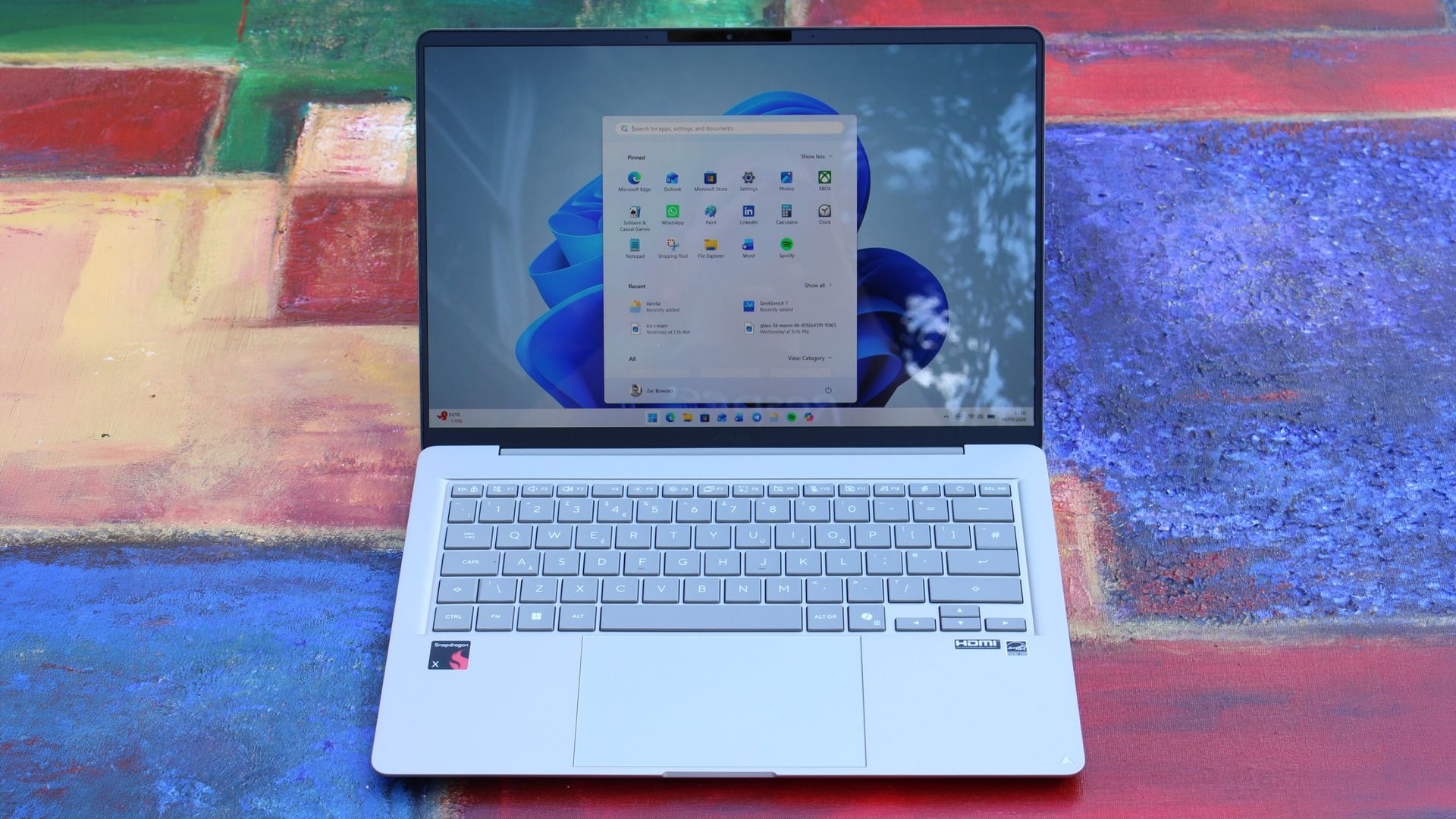
Opening the laptop up, we're greeted with what I'd arguably describe as the star of the show. This laptop is rocking 14-inch OLED display that looks great for $799. It is a 1080p panel, which is notably lower resolution than what you might find on the MacBook Neo and Dell XPS 13, but the OLED colors make up for that slight drop in sharpness.
You don't often find OLED displays on laptops at this price bracket, especially not with a Snapdragon chip on the inside. This laptop is powered by the Snapdragon X 8-core SoC, which delivers good performance for day to day tasks while being incredibly energy efficient, meaning this device will last you all day on a single charge without breaking a sweat.
The configuration that starts at $799 includes 8GB RAM, which is a little on the low side in 2026, but if you're only planning to use your laptop for lightweight productivity tasks and a bit of multitasking between a web browser, Spotify, Teams/Slack, and an email client, it should be more than enough. If you need more, ASUS does offer the laptop with more RAM and storage at a higher price.
(Image credit: Zac Bowden / Windows Central)
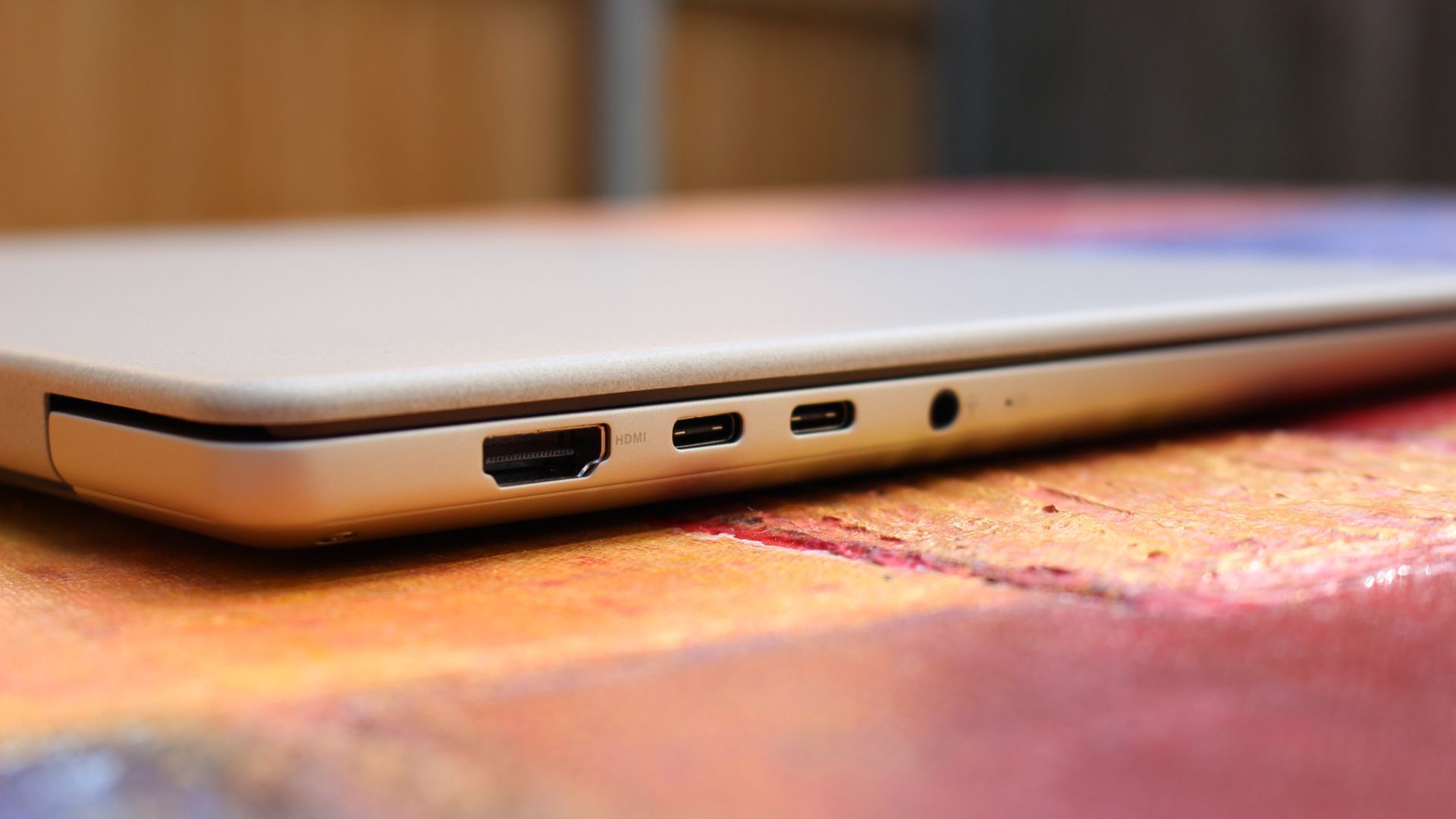
Turning out attention to the chassis once more, we have plenty of ports for a laptop at this price bracket. It features a full size USB-A port on the right, and two USB-C ports, a full-size HDMI port, and a 3.5mm audio jack on the left. The USB-C ports are used for both data and charging the device.
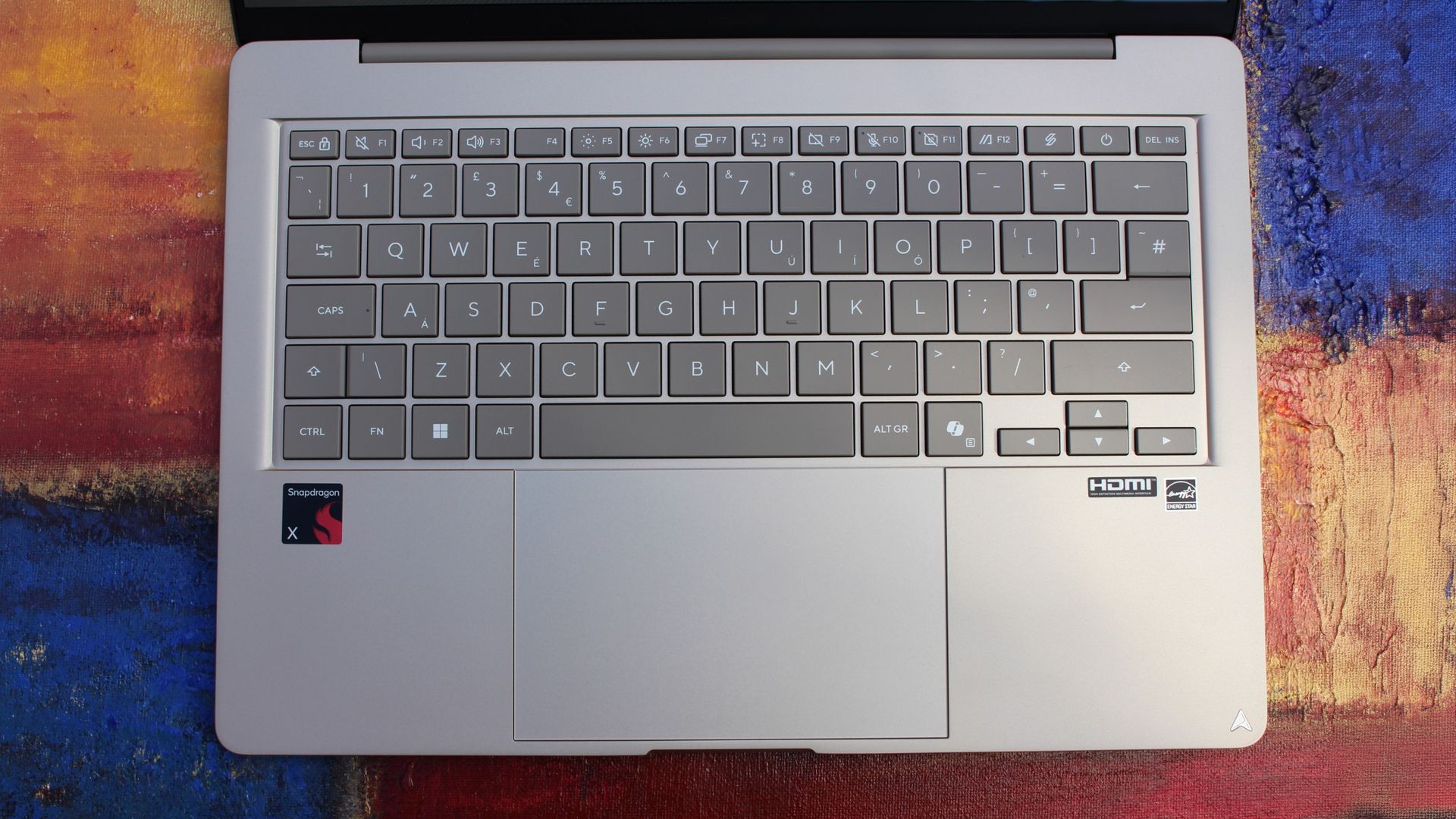
I also want to take a second to shout out the great keyboard on this laptop. The ZenBook 14 has one of the best feeling keyboards I've ever typed on at this price point. For $799, this keyboard is lush. It's tactile yet quiet, and my fingers just glide across the keys. Actuating the keys is also easy and weightless.
(Image credit: Zac Bowden / Windows Central)
Lastly, the audio and webcam on this device are surprisingly good. The webcam is a XX shooter which looks great in well lit rooms, but gets a bit noisy in low light. It's perfect for Teams calls and video calling friends, and the built-in microphone is more than cabable for the same tasks.
What's really nice about the webcam is that it also features IR sensors for Windows Hello face unlock. This level of biometric authentication isn't something you'll find on the $799 MacBook Neo, but it does match the $799 Dell XPS 13.
What I hate
(Image credit: Zac Bowden / Windows Central)
There's not much to dislike about the ASUS ZenBook 14, but there are a few things I noticed during my time with it that I wasn't a fan of.
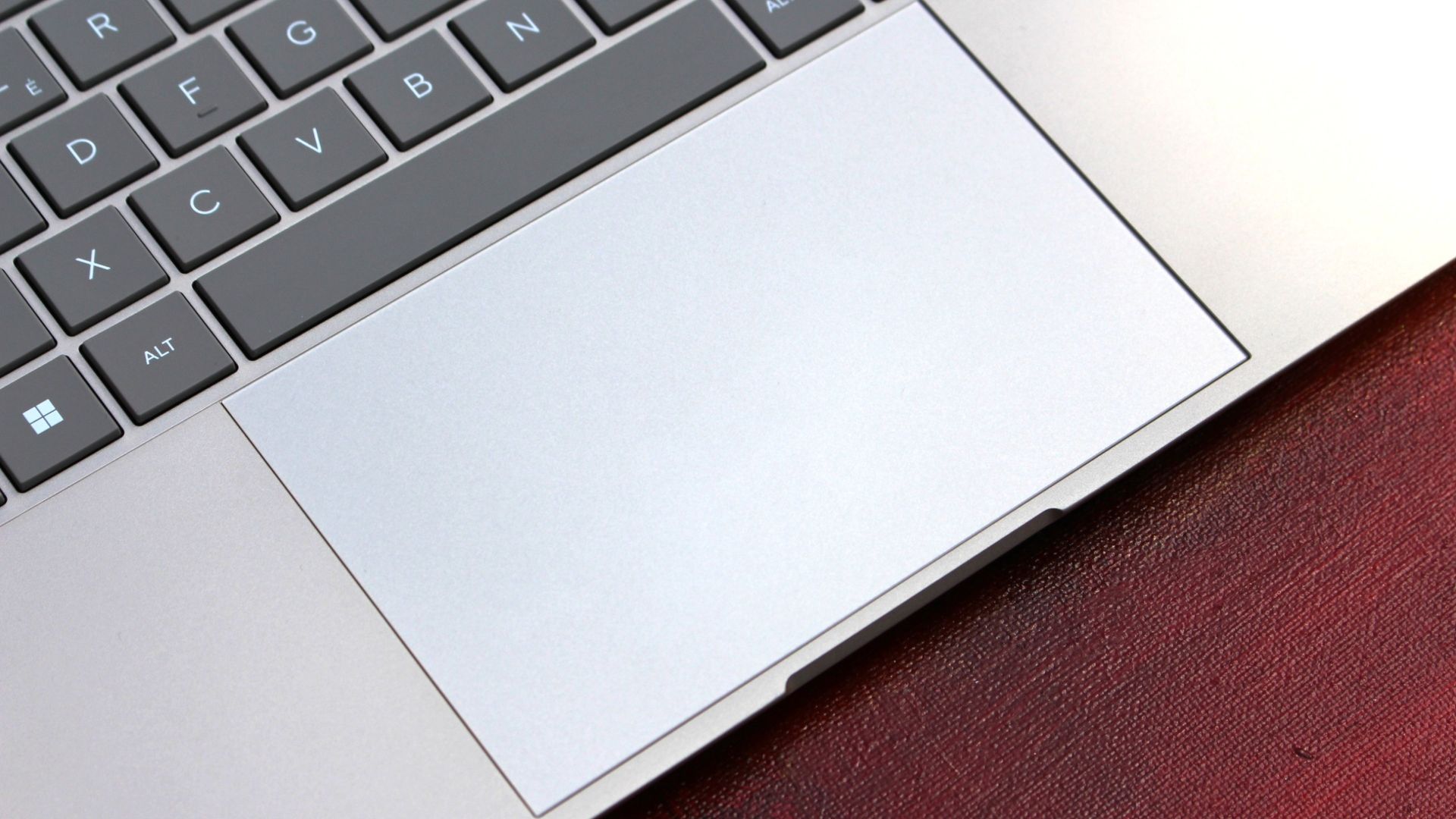
First of all, I don't like the trackpad. It's nice and smooth, and plenty large, but that's about as much good as I can say about it. I don't know if this was just an issue with my review unit, but the trackpad feels notably tougher to actuate than other trackpads I've tried. The MacBook Neo's trackpad is effortless, but the ZenBook 14 trackpad is a little tougher to press down.
I'll also say that the tracking of the trackpad itself is also not great. When people say Windows trackpads suck, I suspect it's trackpads like this that they're referring to. It just doesn't feel very accurate, often over or under shooting where I intended to move the mouse. The keyboard also doesn't feature a backlight, which kind of sucks. I know the MacBook Neo also doesn't have a backlight, but it also sucks on that laptop too. At $799, the laptop should have a backlight in my opinion.
The only other annoyance I found with the ZenBook 14 is that I found its fan spins up a fair bit, and it can get quite loud under super intensive load. It's not normally an issue in day to day use, but if you're susceptible to fan noise, I'd be weary of the ASUS ZenBook 14.
Conclusion
(Image credit: Zac Bowden / Windows Central)
The ASUS ZenBook 14 is the latest MacBook Neo competitor to hit the scene, and it's one of the better ones. Yeah, the trackpad isn't amazing, but everything else about this laptop is great for a $799 starting price.
I think it's one of the better looking $799 laptops you can find right now, complete with a thin and light profile and plenty of ports to boot. It also has all day battery life, and good performance for the day to day tasks you'd be expected to want to complete on a device in this price bracket.
The OLED display is a great addition, and while I wish it was slightly higher resolution and higher refresh rate, the panel itself is perfectly acceptable at this price point. In fact, I'd say the punchy colors are worth the slight decrease in resolution.
ASUS
Zenbook 14 (UX3480 Snapdragon)
The ASUS ZenBook 14 with Snapdragon X is ASUS's first true MacBook Neo competitor. Coming in at $799, it features a 1080p OLED display, excellent keyboard, plenty of ports, good performance and all day battery life.
Join us on Reddit at r/WindowsCentral to share your insights and discuss our latest news, reviews, and more.
Anunciados oficialmente hoje, os iPhones 18 Pro e 18 Pro Max tiveram os detalhes sobre as capacidades das baterias revelados pela Apple nas etiquetas de eficiência energética nas páginas de seus produtos na União Europeia.
O iPhone 18 Pro Max apresentou um aumento na capacidade da bateria muito mais expressivo do que o iPhone 18 Pro, em comparação com a geração anterior. Eis as capacidades dos modelos que ainda possuem bandeja para cartão SIM, segundo a Apple:
Ainda de acordo com a Apple, o iPhone 18 Pro com bandeja para chip físico possui uma autonomia de até 34 horas para reprodução de vídeo, enquanto o iPhone 18 Pro Max pode chegar a até 43 horas. No uso típico, o primeiro atinge até 23 horas, enquanto o segundo pode durar até 29 horas.
Divulgação/Apple
As capacidades de bateria dos iPhones 18 Pro exclusivamente com eSIM ainda não foram confirmadas — mas, também conforme a Apple, essa versão do iPhone 18 Pro possui uma autonomia de até 36 horas para reprodução de vídeo e de até 45 horas no iPhone 18 Pro Max. No uso típico, eles possuem autonomias de até 24 horas e 30 horas, respectivamente.
Nos baseando nos números vazados pelo órgão chinês, muito provavelmente as capacidades dos modelos somente com eSIM serão estas:
Modelo
iPhone 17 Pro
iPhone 18 Pro
Diferença em mAh
Pro (eSIM)
4.252mAh
4.288mAh
+36 (+0,8%)
Pro Max (eSIM)
5.088mAh
5.567mAh
+479 (+9,4%)
Vale notar que a disponibilidade dos modelos somente com eSIM não sofreu alterações, de modo que eles estão disponíveis nas seguintes regiões: Arábia Saudita, Bahrein, Canadá, Catar, Emirados Árabes Unidos, Estados Unidos, Guam, Ilhas Virgens Americanas, Japão, Kuwait, México e Omã. Em todos os outros países (incluindo Brasil e Portugal, é claro), os aparelhos contam com a bandeja para cartão Nano-SIM físico.
Por padrão, quando a Apple lança novos iPhones e certas gerações de Apple Watches, ela aproveita para anunciar as novidades dos processadores que equipam esses dispositivos. Neste ano, não foi diferente.
Com base no mais recente processo de fabricação de 2 nanômetros, o A20 Pro traz novidades na CPU 1Graphics processing unit, ou unidade de processamento gráfico., na GPU 2Graphics processing unit, ou unidade de processamento gráfico. e no Neural Engine.
A CPU traz 50% mais largura de banda de memória do que o A19 Pro, que equipa os iPhones 17 Pro/17 Pro Max, enquanto a GPU com 7 núcleos é até 40% mais rápida.
Há um novo Neural Engine duplo de 16 núcleos com o dobro de processamento para inteligência no aparelho, totalizando 32 núcleos — o dobro do poder de processamento de IA visto no A19 Pro.
A Apple também aprimorou o processo de acondicionamento do chip, colocando-o lado a lado com a memória — inspirado nos chips da série M, de Macs e iPads. Na prática, há melhorias na circulação/dissipação do calor, aumentando ainda mais o desempenho térmico do aparelho.
Divulgação/Apple
Soma-se a isso uma nova câmara de vapor, com o triplo da área de superfície em comparação com o A19 Pro. O desempenho contínuo é, segundo a empresa, até 40% melhor que o iPhone 17 Pro.
Divulgação/Apple
Em relação ao iPhone Duo, o A20 Pro desbloqueia o suporte a múltiplas telas e transições mais suaves entre elas.
C2
Parece mentira, mas o C2 é como se fosse a terceira geração de modems celulares da Apple — já que ela lançou, só no ano passado, o C1 no iPhone 16e e o C1X no iPhone Air.
O C2 trabalha em conjunto com o chip A20 Pro para oferecer uma maior qualidade e confiabilidade da rede celular, permitindo uploads até 50% mais rápidos (comparando com o C1X) ao mesmo tempo que consome menos bateria. Nos Estados Unidos, o C2 é também o primeiro modem da Apple a suportar redes 5G mmWave.
Curiosamente, a página americana de especificações técnicas dos iPhones 18 Pro/18 Pro Max mostra que apenas o 18 Pro (modelo com a menor tela) é equipado com o C2, enquanto a versão maior aparenta ainda estar equipada com um modem da Qualcomm.
Apple's tech specs page seems to indicate the iPhone 18 Pro has the C2 modem and the 18 Pro Max sticks with Qualcomm. pic.twitter.com/6hSrzgu2td
A página de especificações técnicas da Apple parece indicar que o iPhone 18 Pro tem o modem C2 e o 18 Pro Max continua com a Qualcomm.
S11
Depois de um hiato de três anos, o Apple Watch finalmente ganhou um novo processador! Por ser um SoC 3System on a chip, ou sistema em um chip., dentro dele temos 2 núcleos de 64 bits, um chip W3 para conexões sem fio, um chip de banda ultralarga de segunda geração e um Neural Engine de 4 núcleos.
Com um design mais compacto e eficiente para oferecer um maior desempenho, o S11 desbloqueia vários dos recursos de inteligência dos Apple Watches Series 12 e Ultra 4 — como a variabilidade de frequência cardíaca (VFC) a cada cinco minutos e leituras em segundo plano a cada cinco segundos.
Divulgação/Apple
A Inteligência de Áudio (Audio Inteligence), que usa o microfone integrado e a segurança do novo chip, pode entender melhor os sons ao seu redor.
Divulgação/Apple
Isso é possível graças à inclusão do chamado Secure Exclave, um compartimento dedicado que processa o áudio de forma isolada do sistema e o exclui de forma imediata — garantindo, assim, total privacidade.
Não sei vocês, mas estou ansioso para ver os primeiros testes com essas novas belezinhas! 😄
Notas de rodapé
1
Graphics processing unit, ou unidade de processamento gráfico.
2
Graphics processing unit, ou unidade de processamento gráfico.
Entre os que abriram espaço para os novos aparelhos, temos os populares iPhones 17 Pro e 17 Pro Max, lançados há exatamente um ano. Isso, é claro, está longe de ser uma surpresa, já que a Apple tem o costume de descontinuar os seus modelos topos-de-linha sempre que anuncia uma nova geração.
Divulgação/Apple
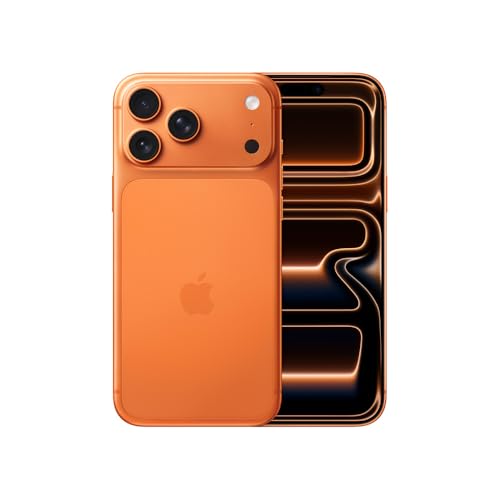
Muito parecidos em termos de design com os iPhones 18 Pro e 18 Pro Max, eles chamavam atenção pela opção de cor laranja-cósmico (cosmic orange), bem como pelo corpo unibody feito de alumínio — depois de anos apostando no aço inoxidável/titânio. Com sua descontinuação, os iPhones 17, Air e 17e permanecem como os remanescentes da última geração de smartphones da Apple.
Outro iPhone que se despediu de nós foi o iPhone 16 Plus, o “irmão maior” do modelo intermediário lançado em 2024. Muito parecido com o iPhone 17 (que não conta com uma variante Plus) no visual, ele nunca chegou a cair nas graças do público, que parecia sempre preferir o modelo menor ou partir logo para os iPhones Pro — sina carregada também pelos iPhones 14 Plus e 15 Plus.
Divulgação/Apple
Partindo agora para os relógios inteligentes da Maçã, temos mais duas baixas esperadas: o Apple Watch Series 11 e o Apple Watch Ultra 3, que deram lugar, obviamente, para o Series 12 e o Ultra 4 — situação parecida com a dos iPhones Pro, já que a Maçã também costuma descontinuar seus relógios mais recentes assim que anuncia novas versões.
Assim como seus sucessores, o Series 11 e o Ultra 3 introduziram apenas melhorias pontuais quando foram revelados no ano passado [1, 2], mantendo o visual geral de modelos anteriores.
Divulgação/Apple
Por fim, temos os AirPods 4 (introduzidos em 2024), que vinham em versões com e sem cancelamento ativo de ruído (ANC, na sigla em inglês), tendo sido os primeiros dessa linha a contar com esse recurso como opção. Anunciadas hoje, ambas as versões dos AirPods 5 vêm com ANC (que, inclusive, está 50% melhor), com a diferença entre elas sendo, desta vez, a presença do controle deslizante de volume nas hastes e um estojo compatível com recarga sem fio no modelo mais caro.
Divulgação/Apple
E aí, acha que algum desses dispositivos vai deixar saudade? Comente abaixo!
iPhone 17 Pro Max
Cores: prateado, laranja-cósmico ou azul-intenso Armazenamento: 256GB, 512GB, 1TB ou 2TB
Material: alumínio ou titânio Cores: cinza-espacial, prateado, ouro rosa, preto brilhante, natural, dourado ou ardósia Tamanho: 42mm ou 46mm Conectividade: GPS ou GPS + Cellular Pulseiras: esportiva ou estilo milanês
NOTA DE TRANSPARÊNCIA: O MacMagazine recebe uma pequena comissão sobre vendas concluídas por meio de links deste post, mas você, como consumidor, não paga nada mais pelos produtos/serviços usando os nossos links de afiliado.
I loved my Surface Duo a lot. It was a unique folding phone with two screens instead of a single foldable display, supported pen input, and was the thinnest of its kind when it launched in 2020 (see our original review). It was a mesmerizing bit of kit, but it failed to gain any real mainstream attention.
And although it never shipped, its bigger brother, the Microsoft Surface Neo PC, was also something a lot of us Windows fans were looking forward to at the time. A dual-screen laptop, to complement my dual-screen phone? Sign me up! In 2020, it really did seem like Microsoft was building out its own unique device ecosystem to compete with Apple, Samsung, and Google.
The Neo and Duo were clever names for these devices. Both names had dual meanings to them, too. Neo, meaning "new," referred to the form factor, as well as being a reference to "The One" from The Matrix. And Duo, obviously signifying the device's unique "duo" screen setup, but it was also a reference to the fact that it was a surprise second device in a pair, alongside Neo.
When Duo was announced, it was a true one more thing moment during the event. There had been rumors that Microsoft was working on a folding phone for years prior, but recent reporting at the time had suggested the project was dead. So when Duo was announced alongside Neo, it was a rare true surprise to those in attendance and watching online.
(Image credit: Future)
Cut to 2026, and it's all dead. Microsoft gave up on Duo after just one iteration (Surface Duo 2 review), and it never even gave Neo a chance. The company's boneheaded shortsightedness led to the death of unique Surface hardware, and now today we're left with boring laptops and tablets from the Redmond giant.
It was inevitable that the Neo and Duo would forever be relegated to the history books, a hall of fame of unique devices that tried and failed to capture the market. Now, Apple has stormed in and stolen these names for their own products, which will only serve to further bury Microsoft's efforts.
I'm sure there are some Apple fans out there who think Apple never even thought about Microsoft when it named the MacBook Neo and iPhone Duo, but I think that's a lie. Apple is clearly aware that Neo and Duo were strongly tied to the Surface brand, but decided that didn't matter, which is the correct decision.
The MacBook Neo is an almost polar opposite of the Surface Neo. While Surface Neo was supposed to be a super expensive dual-screen flagship laptop, the MacBook Neo is Apple's cheapest laptop, undercutting much of the market. I don't know why, but that feels like an F.U. to Microsoft's vision for its Neo.
And now, there's iPhone Duo. This one hits much harder, as they're both playing in the same game. Surface Duo was a thin folding phone with pen support, and the iPhone Duo is pretty much exactly that. Of course, Apple's iPhone Duo refers to the fact that it's both an iPhone and an iPad, but seeing the Duo moniker on an Apple product just stings.
The iPhone Duo is a modern day Surface Duo. (Image credit: Apple)
If anything, it's just reminded me of what was possible had Microsoft pushed through and continued to innovate on the Surface Duo. The company had started working on a third-gen Surface Duo in 2022, which was going to pivot to a single-screen folding setup not dissimilar to the iPhone Duo.
But Microsoft just can't see a good thing through. Because Surface Duo 1 sold poorly, and Surface Duo 2 sold even less than that, the company decided that it was not worth continued investment in this category, which is just wrong. Folding phones were and still are the future, but Microsoft decided to pack it all in.
Now, Apple has just stolen the crown for the Duo moniker, with a product that seemingly does everything the Duo set out to achieve, but better in every way because Apple isn't going to give up after just one iteration. I get the impression that Duo is here to stay in Apple's lineup, unlike the Duo in Microsoft's lineup.
I'm mad that Apple has stolen the Neo and Duo moniker, but frankly, they deserve it. Microsoft clearly isn't doing anything with them, and they are cool product names for devices that stand out. MacBook Neo and iPhone Duo certainly do that, even if they're not in complete harmony like the Surface Neo and Surface Duo were supposed to be.
Congratulations on the launch of iPhone Duo, Apple.
Join us on Reddit at r/WindowsCentral to share your insights and discuss our latest news, reviews, and more.
A new approach to computing has quietly taken shape at Sandia National Laboratories, where researchers have developed a way to store information that could make future electronics more energy efficient.
The MacVoices Live! examines Apple’s transition from Tim Cook to John Ternus, weighing Cook’s legacy, Apple’s dramatic financial growth, Vision Pro, and criticism of his tenure. They consider what Ternus’ engineering background could mean for hardware and software, while discussing Phil Schiller, Eddie Cue, other executive changes, succession planning, and the importance of preserving institutional […]

 Login