❌

Reading view

Framework JavaScript inutile : ce qu’il coûte vraiment à votre site et à ses visiteurs

Chaque année, votre budget web finance la reconstruction de fonctionnalités via un framework Javascript inutile que votre navigateur web offre déjà grâce aux nouveaux standards web natifs : navigation, formulaires, animations, mises en page. Ce n'est ni un bug ni de l'incompétence, c'est une...

  •  

.name Termination

Neil Fraser (via Hacker News):

Nearly twenty-five years ago I registered neil.fraser.name to provide a stable presence on the Internet. It has been the home of this website, my email address, and a server for APIs.

[…]

On 15 April 2026 Verisign proposed the destruction of the entire 3rd level of the ‘.name’ hierarchy in order to simplify their administration. Astonishingly, on 28 July 2026 ICANN approved this action.

[…]

One of my original reasons for choosing ‘.name’ was that it was run by Global Name Registry -- more specifically, it was not run by Verisign. I had history with Verisign and did not trust them. Unfortunately, Verisign acquired Global Name Registry a few years later.

He’s going to lose his site and e-mail address, and someone else could potentially register the domain and hijack his accounts.

Previously:

  •  

Pitching Apps in the AI Era

Adam Engst:

So I was quite surprised earlier this year when I started to receive personalized pitches from indie developers, a few at first, and now several per week. Many seem to be building apps with AI assistance, but more to the point, they seem to be getting AI help with promoting the apps as well. They often reference our still-current prohibition on press releases with a nominally personal email, but for someone as steeped in words as I am, it’s obvious that an AI is doing the writing.

[…]

At first, this reliance on AI rubbed me the wrong way. But then I realized that it wasn’t really any different than a software company outsourcing its media relations to a PR firm. Those communications had a certain form and set of expectations, and while these new AI-generated messages have a different form, the expectations (coverage) are pretty much the same. AI is simply the new PR agency. Which undoubtedly dismays PR professionals, but there’s still room for those doing PR right.

The problem I have with these new pitches isn’t that the developers used AI to generate them; it’s that they often don’t do it very well.

I’ve noticed a huge increase this year in people pitching me their apps. Many of them seem to have been coded with the assistance of AI. For some app categories, this worries me, and there also seems to be less care taken in following Mac platform conventions. But it’s also exciting to see such a flurry of development, both totally new ideas and fresh takes on old niches. I have a large backlog that I’d like to write about. (There are also many almost indistinguishable variations in certain categories.)

Separately, as Engst says, many of the pitches (and sometimes even the sites) are obviously written by AI. This rubs me the wrong way. I don’t mind at all receiving a generic press release or even a one-liner with a link. But these lengthy e-mails, customized for me, purport to be personal communications when they really aren’t. Sometimes I’ll reply with questions or feedback, and it feels like the entire conversation is with an AI.

When people put in some effort to pitch me their product or article, I’ve always tried to give them a decent reply. Often, I end up learning something or wanting to follow their other work even if I don’t end up writing about what was pitched. This is unfortunately no longer sustainable. There are too many pitches, and it’s demotivating talking to bots. I have to be much more selective about interactions. I appreciate hearing about all the apps, but I’m focusing on the ones that particularly interest me, and I’m less likely to even click the link if it seems like an AI pitch.

Previously:

  •  

GitHub Outage

Vlad Fedorov (Hacker News):

On August 17, GitHub experienced an outage that lasted 7 hours and 47 minutes. It disrupted github.com, authentication, GitHub Actions, APIs, pull requests, issues, and Copilot, affecting developers and organizations around the world.

[…]

Neither outage was caused by a code or configuration change. Both incidents were capacity failures at their core. We failed to scale critical components before demand exceeded their capacity. Since April, monthly commits have grown from 1.4 billion to 2.9 billion. That growth explains the pressure on our systems, but it does not excuse these outages.

[…]

As part of the reliability commitments we made earlier this year, we have focused on three priorities: adding capacity, improving efficiency, and removing architectural bottlenecks. We have since added more than 3 million CPU cores, 120 petabytes of high-speed storage, and significant network capacity. We installed as much hardware as available power allowed in our existing data centers while accelerating our migration to Azure.

Alejandro Forero Cuervo:

This is the wrong way to think about this because there’s no such thing as infinite capacity. A large distributed system will be simultaneously mostly idle and (in some subcomponents) overloaded. The root cause is not “a component didn’t have enough capacity (because of auto scaling failures)”, but rather “this complex system collapses (rather than degrade gracefully) when demand exceeds capacity”.

When components reach capacity limits, the excess traffic of the lowest priority should be rejected. Rejected traffic should not be retried — in fact, not only should clients not retry these errors, these errors should cause client-side throttling. Traffic isolation should be applied — if the cause of the overload is a single client/customer system, no other system should be affected.

Nearly a decade ago I wrote about some of the techniques we applied at Google to implement these protections. Most other large internet services have since copied them, afaik.

Previously:

  •  

Twitter Shuts Down Nitter

Richard Speed (Hacker News 3):

XCancel’s home page now contains some minimal text stating: “On Monday 24th August at 8 PM EST, we received at [sic] letter from X Corp. asking to cease and desist the service XCancel.”

It says the service has been halted “until further notice.”

[…]

Nitter provided a way for users to read posts on X without requiring an account. There was no JavaScript or ads, a user’s IP could not be tracked, and it was generally a good deal snappier than the official X client, just read-only. It was the service behind platforms such as XCancel.

The only thing surprising about this is how long it took.

Nick Heer:

Companies like X and Meta are very happy to scrape the web at unprecedented scale and without permission, but have zero tolerance for the same to be done to them by, in effect, individual users. That is not because they are protective of the creative works users have contributed to these platforms. It is simply because users are not trusted to use the platforms. X does not permit third-party readers, and neither does Instagram, because their value does not come from us using these services as we wish, but from how they dictate we must.

Previously:

Update (2026-09-07): There are currently twelve working Nitter instances (Hacker News).

zedeus (Hacker News):

Following legal advice, the Nitter project will continue.

Update (2026-09-16): XCancel (via John Gruber, Hacker News):

Unfortunately, due to a new development in the ongoing legal proceedings, we are required to suspend this service again until further notice. We can’t share more details.

xsukax (via Brent Simmons):

xsukax X RSS Generator fetches publicly accessible X profile HTML, extracts posts and media, stores them locally, and exposes the results as standards-compatible RSS feeds that can be consumed by RSS readers, automation platforms, monitoring systems, and other feed-aware applications.

  •  

Apple propõe novas taxas para compras em apps com links externos nos EUA

Após a Apple garantir, ontem, uma suspensão temporária do processo de cálculo de taxas para compras a partir de links externos em sua disputa judicial contra a Epic Games, a Suprema Corte dos Estados Unidos negou o pedido da companhia para estender essa suspensão até a análise de um outro recurso da Maçã relacionado a uma decisão de desacato no caso.

Com isso, conforme divulgado pela Bloomberg, a empresa deverá seguir as determinações da ação que corre na instância inferior referente à taxa que cobra de desenvolvedores por vendas realizadas fora da App Store.

De fato, a Apple apresentou hoje mesmo uma proposta detalhando a comissão que considera razoável cobrar de aplicativos que incluam links para opções de compra fora da App Store — apenas nos EUA. Vale notar que, até agora, a empresa vinha sendo proibida de cobrar qualquer taxa.

Como detalhado pelo MacRumors, a Apple propõe cobrar metade da comissão normalmente aplicada; assim, aplicativos que pagariam uma taxa de 30% por uma compra/assinatura interna serão cobrados 15% ao direcionar o usuário para uma opção de compra na web — a proposta original era de uma taxa de 27%. Já os participantes do programa para pequenas empresas (Small Business Program), que pagariam 15%, serão cobrados 5%.

  • Aplicativos padrão: 15%.
  • Aplicativos integrantes dos programas de parceria para Notícias, Vídeos e Miniaplicativos, bem como renovações de assinaturas: 10%.
  • Aplicativos elegíveis para o programa de pequenas empresas (Small Business Program): 5%.

Essas taxas propostas deverão ser pagas pelos desenvolvedores quando um usuário tocar em um link contido em um app e realizar uma compra pela web. Por exemplo, se um usuário do Spotify clicar em um link no app para acessar o site do serviço e assinar o plano, os serviços de streaming têm de pagar à Apple uma taxa de 15%.

A Epic usou suas redes sociais para comentar a proposta da Apple. Segundo a desenvolvedora, os valores “estão muito além dos limites estabelecidos” e a empresa aponta que apresentará sua contestação dentro de 60 dias.

Apple's filing is in, and Apple admitted that under the Ninth Circuit's definition of "necessary costs" they would charge 0% for purchases made via linkouts to the web.

Apple proposed linkout fees of 15% for standard apps and 5% for Small Business Program apps. Epic believes…

— Epic Games Newsroom (@EpicNewsroom) August 13, 2026
A Apple apresentou sua petição e admitiu que, segundo a definição de “custos necessários” do Nono Circuito, cobraria 0% sobre compras realizadas por meio de links externos para a web.

A Apple propôs taxas de 15% para aplicativos padrão e de 5% para aplicativos do programa Small Business Program sobre essas transações via link externo. A Epic considera que tais taxas estão muito além dos limites estabelecidos pelas diretrizes do Nono Circuito quanto a taxas permitidas, e temos cerca de 60 dias para apresentar nossa contestação, fundamentada em depoimentos de especialistas.

Já a Apple afirma que os valores foram calculados com base em análises de especialistas e são inferiores às taxas de direcionamento externo que o Google está cobrando no seu processo judicial contra a Epic. A Maçã também protocolou uma petição solicitando o encaminhamento para uma conferência de conciliação — a qual poderá ajudar ambas as partes a chegar a um acordo e a restringir ou resolver as questões pendentes.

A Apple enviou a proposta ao Tribunal do Distrito Norte da Califórnia, onde a juíza Yvonne Gonzalez Rogers agora avaliará a proposta e ouvirá a resposta da Epic, de modo que a empresa terá de implementar a taxa definida pelo tribunal.

  •  

Como sincronizar as conversas em segundo plano no WhatsApp Web

Se você costuma usar o WhatsApp Web, ou seja, por meio do seu navegador predileto, é importante que as suas conversas estejam sempre sincronizadas com o seu smartphone e demais dispositivos que usam a mesma conta.

Para que isso ocorra, é possível habilitar a sincronização em segundo plano, o que resulta em um melhor desempenho geral.

Veja como ativar isso! 👨‍💻

  1. Abra o site do WhatsApp Web no seu navegador;
  2. Se necessário, autentique-se usando a leitura do código QR (QR code) que aparecerá na tela;
  3. Clique na sua foto (no canto inferior esquerdo);
  4. Vá até “Notificações”;
  5. Habilite “Sincronização em segundo plano”.

Depois, pode ser necessário confirmar a ativação do recurso por meio de uma caixa de diálogo do seu navegador. E pronto!

  •  

Como editar um PDF no WhatsApp Web usando o Adobe Acrobat

Apesar de contar com um aplicativo dedicado para Macs, o WhatsApp oferece uma experiência acessível por meio de qualquer navegador.

Batizado de WhatsApp Web, ele pode ser utilizado para trocar mensagens, fazer chamadas de áudio ou de vídeo e até conversar com a Meta AI, por exemplo.

Recentemente, o site trouxe um novo recurso: agora, é possível usar a integração com o Adobe Acrobat para abrir arquivos PDF diretamente por lá, sem precisar baixar todo o software. Você também pode fazer algumas edições simples, como destacar ou adicionar comentários, por exemplo.

Veja como usar isso! 👨‍💻

No seu navegador, abra o site do mensageiro.

Aqui é bom salientar que, em nossos testes, a edição de PDFs com o Adobe Acrobat não funcionou no Safari.

Selecione, então, a conversa onde o documento está localizado e clique em cima dele. Na parte superior direita, selecione o menu suspenso “Editar PDF” e escolha “Editar no Acrobat”.

Confirme a ação para ser levado a uma nova aba.

Após fazer as edições, vá até “Enviar para WhatsApp” (no canto superior direito) para compartilhar o documento com alguém no mensageiro.

  •  

Neal.fun: o site onde um programador criou alguns dos passatempos mais criativos e viciantes da internet

Do jogo que desafia as regras absurdas das passwords ao simulador que deixa lançar asteroides sobre qualquer cidade, passando pela viagem ao fundo do oceano e pela ferramenta para gastar a fortuna de Bill Gates, o neal.fun é uma das colecções de experiências interactivas mais originais da web.

The post Neal.fun: o site onde um programador criou alguns dos passatempos mais criativos e viciantes da internet appeared first on Tek Notícias.

  •  

Como anexar ou escrever textos longos no Threads [iPhone e web]

Com o Threads, é possível conversar com os milhões de usuários que utilizam a rede social diariamente para falar sobre os mais diversos assuntos.

A Meta introduziu, há um tempo, uma função dedicada para quem curte escrever bastante: a possibilidade de realizar uma publicação com até 10.000 caracteres — inclusive com ferramentas de formatação de texto, como negrito, itálico e tachado, por exemplo.

Veja como utilizar isso na prática! 📝

  1. Abra o app ou o site do Threads e toque/clique no ícone de “+” ou “Nova thread“.
  2. Selecione o ícone representado por uma folha de papel (no iPhone, é preciso tocar primeiramente no botão com três pontinhos para que ele apareça).
  3. Digite ou anexe o texto desejado no campo e use as ferramentas de formatação (negrito, itálico, sublinhado, tachado e destaque com cor) na parte inferior, se assim desejar.
  1. Quando quiser publicar o texto, toque/clique em “Concluir”.

  •  
  •  

Como gerar um código QR para uma página no Mozilla Firefox pelo Mac

Além de compartilhar uma página da web usando um link normal, o navegador Mozilla Firefox também permite enviar um endereço da web de outra forma.

Mais precisamente, trata-se da geração de um código QR (QR code) — que pode, posteriormente, ser lido a partir de qualquer câmera ou compartilhado em uma postagem, por exemplo.

Veja como fazer isso no seu Mac! 👨‍💻

  1. Com o Firefox aberto no seu computador, siga um dos seguintes procedimentos:
    • Clique com o botão direito em cima da aba;
    • Vá até “Arquivo”, na barra de menus;
  1. Selecione “Compartilhar” e “Gerar código QR…”.
  1. Clique em “Salvar” para fazer o download do código ou em “Copiar” para que ele seja copiado para a área de transferência.

  •  

WhatsApp introduz chamadas de voz/vídeo e outros recursos na versão web

Após mais de um ano do início dos testes, o WhatsApp enfim anunciou a inclusão dos seus recursos de chamada em áudio e vídeo para a versão web do mensageiro, permitindo a transferência das ligações entre diferentes dispositivos.

A adição desses recursos na versão web dispensa a obrigatoriedade da instalação do app para macOS caso você queira atender a uma ligação fora do iPhone, funcionando nas conversas em grupo e individuais.

WhatsApp announces new calling features including web calls!

WhatsApp is rolling out web calling, call transfers, a waiting room, QuickHD video, and noise suppression for calls.https://t.co/CPOW8a76bZ pic.twitter.com/aSWHR5GJ5F

— WABetaInfo (@WABetaInfo) July 28, 2026
O WhatsApp anuncia novos recursos de chamadas, incluindo chamadas na web!

O WhatsApp está lançando chamadas na web, transferências de chamadas, uma sala de espera, vídeo QuickHD e supressão de ruído para chamadas.

As chamadas na versão web são compatíveis com o compartilhamento de tela, reações durante chamadas, histórico de ligações, favoritos e a criptografia de ponta a ponta. Já o recurso de transferência de chamada permite mover uma ligação em andamento entre diferentes dispositivos sem interromper a conversa.

O WhatsApp também introduziu uma sala de espera para chamadas em grupo iniciadas por meio de um link, permitindo que quem organizou a chamada aprove quem ingressará na ligação.

Já em termos de qualidade da chamada, o WhatsApp destacou a inclusão do QuickHD, recurso destinado a alta definição de vídeo logo nos primeiros segundos de uma chamada, enquanto a supressão de ruído reduz qualquer som ambiente que não seja a voz do usuário, que ganha destaque mesmo em espaços barulhentos. A supressão de ruído pode ser desativada a qualquer momento, embora ambos os recursos funcionem de maneira automática, sem configuração inicial.

Segundo a Meta, a implementação da novidade ocorrerá de maneira gradual, estando disponível “em breve” para toda a base instalada do WhatsApp.

Contagem de visualizações em canais

Para os administradores de canais, o WhatsApp começou a liberar a contagem privada de visualizações na beta do seu app para iOS e Android.

De acordo com o WABetaInfo, a informação é exibida no próprio balão de mensagem, e é restrita ao administrador do canal.

WhatsApp is rolling out private view counts for channel admins!

WhatsApp is introducing a new feature on iOS and Android that lets channel admins see how many people viewed their updates.https://t.co/8H1gpYYCiz pic.twitter.com/yKe7RAhA6f

— WABetaInfo (@WABetaInfo) July 26, 2026
O WhatsApp está lançando contadores de visualizações privadas para administradores de canais!

O WhatsApp está introduzindo um novo recurso no iOS e Android que permite que administradores de canais vejam quantas pessoas visualizaram suas atualizações.

Restrito à versão beta no momento, o recurso deverá chegar em breve para os usuários de forma geral.

  •  

Old Reddit Now Requires Logging In

Scharon Harding (Slashdot):

Reddit will start requiring people to be logged into Reddit to use old.reddit.com.

The new requirement will take effect “over the next month,” a Reddit employee going by the username boat-botany announced on the social media platform today. The person claimed that the change is part of an ongoing effort to “tighten how automated systems access Reddit.”

[…]

Perhaps more alarming for old-school Redditors is that boat-botany’s post left the door open for Reddit retiring old.reddit.com.

Nick Heer:

“New” Reddit is a janky, slow, bloated mess of a website that mostly displays text, images, and videos. “Old” Reddit is ugly but functional.

Previously:

Update (2026-07-24): Cole Kurashige (Hacker News):

New Reddit will not load anything more than the post itself without Javascript (JS).

[…]

Cynically, it seems like Reddit discovered they can make scraping harder by making your browser load more and work more, which they had already done by rewriting a nice piece of HTML into a 5x more bloated mess of web components or whatever.

spacecowgoesmoo:

Based on other’s people reports, it seems like Reddit might be requiring auth now [for RSS].

  •  

EveryMac at 30

EveryMac:

On July 2, 1996, EveryMac.com launched.

Thirty years is a long time -- and a great deal has changed since then -- but what has not changed is that EveryMac.com has been there to provide you with detailed info on every Mac from the original 128k to the current line. Thank you very much for your support through the years.

I think there used to be a bunch of sites like this, but EveryMac has endured, and it’s the one I’ve been using for long time. I asked proprietor Brock Kyle how he got started:

As you know, the Internet was different in the 90s. I was at least partially inspired by Guy Kawasaki’s evangelism and wanted to support what was at that time considered a decidedly “beleaguered” Apple Computer. Mac hardware was a topic that I was interested in and relatively experienced with -- or at least I thought so, I have learned a little bit more since then 🙃 -- and the site was simply my effort to contribute to the body of knowledge. I miss the ethos of those days.

Stephen Hackett:

There are a bunch of ways to support EveryMac, and its anniversary prompted me to chip in to help keep the lights on at a very important resource.

I am a huge fan of the site’s comparison charts, which make it easy to see how a particular model evolved over time[…]

Jason Snell:

Back in 1995 I worked on a project for MacUser magazine called the Mac Catalog, which was a FileMaker-based spec database much like EveryMac’s. I was the person who brought the Mac Catalog to the web for the first time, in fact!

Joe Rossignol:

Launched in 2022, AppleDB is a helpful resource that provides a database of Apple devices, software updates, firmware releases, and more.

Previously:

Update (2026-07-03): John Gruber:

I still feel like DF is a newcomer next to a site like EveryMac. 1996 for chrissakes. Steve Jobs wasn’t even back at Apple yet. What a great run it’s been and continues to be for EveryMac.

Mactracker, which is an app rather than a Web site, recently celebrated its 25 anniversary:

Mactracker provides detailed information on every Apple Macintosh, iPod, iPhone, iPad, Apple Watch, and Apple Vision Pro ever made, including items such as processor speed, memory, graphic cards, supported OS versions, price, color, storage, and expansion options. Also included is information on early Apple systems, Newton, Apple TV, Apple accessories, audio, displays, modems, printers, scanners, storage, Wi-Fi products, Mac pro apps, and operating systems.

Update (2026-07-06): Adam Engst:

I first wrote about it in “EveryMac’s Ultimate Mac Sort Tool” (20 September 2011), we noted its 20th anniversary in “MacNN and Tekserve Close, EveryMac and Mactracker Carry On” (8 July 2016), and it has popped up in TidBITS periodically since. Although I also use MacTracker and Glenn Fleishman’s new Fruit Specs site, nothing compares to EveryMac’s depth and breadth, and its Ultimate Mac Comparison can be particularly helpful for identifying differences between Macs.
  •  

Meta and YouTube Addiction Lawsuits

Cecilia Kang, Ryan Mac, and Eli Tan (March, Hacker News):

The social media company Meta and the video streaming service YouTube harmed a young user with design features that were addictive and led to her mental health distress, a jury found on Wednesday, a landmark decision that could open social media companies to more lawsuits over users’ well-being.

[…]

Citing features like infinite scroll and algorithmic recommendations, K.G.M. sued Meta, which owns Instagram and Facebook, and Google’s YouTube, claiming they led to anxiety and depression.

Nick Heer:

For its part, the Wall Street Journal editorial board is standing up for beleaguered social media companies in an editorial today criticizing everything about these verdicts, including this specific means of liability, which it calls a “dodge” around Section 230.

[…]

Product design, though, is a different question. It would be a mistake, I think, to read Section 230 as a blanket allowance for any way platforms wish to use or display users’ posts. (Update: In part, that is because it is a free speech question.) From my entirely layman perspective, it has never struck me as entirely reasonable that the recommendations systems of these platforms should have no duty or expectation of care.

Nick Heer, on an April Massachusetts lawsuit:

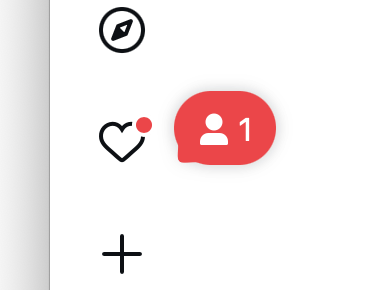
To me, a non-lawyer, much of the actual text of the ruling (PDF) explaining why this lawsuit was not immediately turfed on Section 230 grounds seems pretty reasonable. For example, the judge says “[u]nder the default settings, Meta enables approximately forty types of notifications” for the Instagram app, which the government alleges “is designed to overwhelm young users and compel them repeatedly to reopen Instagram”. We can argue whether this is a meaningful thing for a government to police or if it is just another example of Meta resorting to tacky growth-hacking techniques instead of trusting their product is sufficiently compelling on its own. (Most days when I open Instagram in my browser, it puts a red badge over the notifications tab and suggests I have one new follower. I do not; I never have. It lies to me every time, presumably because it knows most people, including me, will usually click on that, thereby increasing a number on a dashboard somewhere.)

Mike Masnick:

couple weeks back, Jonathan Haidt published another entry in his ongoing campaign to convince the world that social media is inherently ruining kids’ lives. This one was a victory lap titled “Seven Lines of Evidence Against Social Media,” treating recent developments — including the social media addiction verdicts against Meta that most people are misunderstanding — as vindication of his thesis.

[…]

But then something inconvenient happened for Haidt’s thesis: Pew went and did a brand new study exploring teens’ experiences on TikTok, Instagram, and Snapchat. This one asked the kids themselves.

[…]

Indeed, the research repeatedly suggests that for the very small number of kids who are facing mental health problems and overrelying on social media in response, the answer is a targeted intervention to help those individuals — not a broad “ban kids from social media” program.

Previously:

  •  

Kids Online Safety Act

Amanda Silberling (May 2025):

The Kids Online Safety Act (KOSA) has been reintroduced into Congress. If passed into law, this bill could impose some of the most significant legislative changes that the internet has seen in the U.S. since the Children’s Online Privacy Protection Act (COPPA) of 1998.

As it currently stands, KOSA would be able to hold social media platforms legally accountable if it’s proven that these companies aren’t doing enough to protect minors from harm. The bill includes a long list of possible harms, such as eating disorders, sexual exploitation, substance abuse, and suicide. Though it overwhelmingly passed through the Senate last year, the bill was stifled in the House.

[…]

“Apple is pleased to offer our support for the Kids Online Safety Act (KOSA). Everyone has a part to play in keeping kids safe online, and we believe [this] legislation will have a meaningful impact on children’s online safety,” Timothy Powderly, Apple’s senior director of Government Affairs, said in a statement.

Nick Heer:

The App Store Accountability Act is based on model legislation written by the Digital Childhood Alliance. The lobbying group also publishes marketing pieces, including one (PDF) that calls Apple’s age verification frameworks “ineffective”. Specifically, it points to the lack of parental consent required “for kids to enter into complex contracts”, with “no way to verify that parental consent has been obtained”.

Maya Posch (via ednl):

Since the arrival of so-called ‘social media’ the central tenet of never giving out your personal information which was front and center during the 1990s and 2000s got quite literally flipped around. Suddenly we had massive corporations practically begging you to give every last scrap of your personal information, every intimate detail of your daily life and with it every last second of your attention span.

[…]

The upshot of this reversal is that instead of a mostly comfortable anonymous experience, suddenly every second that you’re awake has been turned into the equivalent of a schoolyard during recess, the watercooler banter at the office and similar social interactions.

[…]

This raises many questions, such as whether ‘social media’ and the FOMO it introduces is a legitimate addiction, and whether we shouldn’t make being online more anonymous rather than enforce a rather dystopian ‘real name’ policy onto the populace.

Joe Mullin (Hacker News):

Within the next week, Congress is preparing to vote on the KIDS Act, a sprawling package of legislation that seeks to control Americans’ web browsing and private messaging. The package includes a revised version of the Kids Online Safety Act, or KOSA, combined with a collection of other internet bills, study bills, reporting requirements, and new regulations. Instead of debating any of these proposals on their merits, lawmakers are attempting to move them all at once under an ultra-expedited process.

[…]

Buried inside the KIDS Act are provisions that will push online services to verify all users’ ages, require government-directed moderation policies for online speech, and even create new rules about private and encrypted communications. While supporters continue to claim this bill protects minors online, its requirements come at the expense of privacy, free expression, and the ability of people of all ages to use the internet without revealing sensitive data.

[…]

Several provisions of the bill create new rules around direct messages, disappearing or “ephemeral” messages, and AI chat services.

The bill includes language stating that certain KOSA requirements should not be construed to override strong encryption. But the protection is incomplete. The carve-out applies to certain features and messaging controls, but doesn’t apply to KOSA’s separate requirement that platforms “address” a list of harms to minors.

Previously:

  •  

UK Social Media Ban

Tim Hardwick:

The British government will introduce a ban on social media access for all users under 16 years of age, set to take effect in 2027.

[…]

The plan goes further than a similar ban introduced in Australia. It will cover major platforms Snapchat, TikTok, YouTube, Instagram, Facebook, and X. An exhaustive list has not yet been released, but Starmer said the rules will apply to services “whose purpose is to enable social interaction and which allow users to post material.”

Messaging apps like WhatsApp and Signal are not covered by the ban, and most social media platforms already require children to be over 13 to create an account and use their services.

Max Goldbart (Hacker News):

So-called AI ‘romantic companion’ chatbots – designed to simulate sexual relationships or roleplay with users – will have to enforce a minimum age of 18 and the government will also be looking in more detail at overnight curfews and breaks in infinite scrolling for under-18s, with more detail coming in July.

[…]

The government said it will “learn the lessons” from Australia’s experience by introducing more highly effective age assurance measures to support compliance, making it far harder for children to bypass safeguards.

Ax Sharma (Hacker News):

In practice that means anyone opening a new account will likely have to prove they’re over 16 by uploading an ID or passing a facial age scan, the same checks that adult sites serving UK visitors have implemented since July 2025 under the Online Safety Act.

Long-standing accounts are largely exempt, but signing up fresh now triggers verification, effectively ending anonymous account creation in the UK.

James Rodger (Hacker News):

New VPN rules are set to be issued by the Labour Party government as part of the under-16 social media ban. The government has not revealed any plans to regulate them, but ministers have said details about action alongside the social media ban, including regarding VPN use, will come in July.

Paige Collings and Jillian C. York (Hacker News):

There remains no reliable, privacy-preserving method of verifying the age of every internet user and methods vary from one platform to the next.

Young people will not simply be protected from being contacted by adults or endlessly scrolling—they’ll also lose access to educational videos on YouTube, local events on Facebook, and potentially cut off from distant friends and family.

[…]

The provision also requires internet service providers to limit the time kids spend online, and has rules about who can contact them online. These extreme rules will take decisions about using technology away from families and put them in the hands of government regulators.

Cory Doctorow (Hacker News):

The problem is, there’s no such thing as “age verification” for the internet. What we call “age verification” is actually mass surveillance, so invasive and pervasive that it makes the ad-tech industry’s commercial surveillance look like some kind of cypherpunk darknet pirate utopia[…]

[…]

Any attempt to save kids from online harms should start with saving kids from online surveillance, but that’s the opposite of what we’re doing today. After decades of failing to pass and enforce privacy controls for the internet, those same governments are breaking all land-speed records to pass “age verification” laws that make privacy illegal[…]

Anonymous (Hacker News):

Lots of US states, European countries, and Australia have introduced “age verification” regulations. They present it as the classic “save the children” talking point, but it’s really just a precursor to attribution of speech, particularly attributing your words to your real identity.

Sean Hollister (via John Gruber):

Azdoufal is the security researcher who used Claude Code to help discover that every DJI Romo robot vacuum cleaner and a million baby monitors and security cameras were embarrassingly easy to hack. This time, he says he discovered over 985,000 photo IDs sitting on the public internet for any half-decent hacker to steal.

[…]

Traditionally, you’d need to provide a photo ID every time you wanted to get into a club. But with the verification system, the receptionist can pull up your stored identity documents and check if your face matches. There’s also an optional app called PuffPal that lets clubs scan a QR code for faster entry.

But when Azdoufal decompiled that PuffPal app, he explains in his report, he discovered that Nefos had no meaningful level of security.

Previously:

Update (2026-07-01): Craig Grannell:

I find it incredible that the UK government is about to create a cliff edge where teens will simultaneously be able to access social media and vote, having had no experience of the latter and with scant understanding of how algorithms work.

Update (2026-07-08): James Ball (via Nick Heer):

There are almost no truly public spaces on the internet. Everywhere we congregate is privately owned, even if it operates as a public space. But we seem somehow content to accept them as fiefdoms in their own right, beyond the reach of government. Instead of demanding that they function as safe and pleasant public spaces for all of us, we are asking our governments just to ban teenagers from them.

[…]

It is one thing to ban our children from one park when there are others nearby. It is quite another to ban them from every public space when there are no others on offer.

[…]

I am skeptical as to whether social media is as dangerous as some of its critics say. I am even more skeptical as to whether it is particularly dangerous to teens and young people. […] The central facet of my argument in this post is that wherever you land on the matters of the harms of social media, a ban for teenagers is the wrong response. If the harms are overstated, the policy is unnecessary. If they are not, it is an abdication.

  •  

Om Malik, RIP

Ryan Merket (Hacker News, Wikipedia):

Om Malik (@Om), the journalist, GigaOm founder, photographer and True Ventures partner whose work tracked the commercial internet from dial-up optimism to AI saturation, died on June 24 at Stanford Hospital after what his family described as a long health journey with his heart, according to a post on On my Om. He was 59.

[…]

That exchange was small. It was also the whole system in miniature. A founder could reach the editor directly. The editor was awake. The story was not filtered through a communications department, a conference stage or a banked embargo calendar. Malik helped build that operating system for Silicon Valley media: fast, conversational, porous, technically literate and dangerously close to the companies it covered.

Malik was not just one of the people who covered Silicon Valley. He became one of the people Silicon Valley used to understand itself. That was the gift and the complication of his career. He was a reporter, then a founder, then a venture investor, and he never entirely gave up any of those identities. He could spot a network shift early because he had spent decades watching pipes, protocols, business models and human ego interact at close range. He could also be too close to the machine he covered, a tension that defined the blog era he helped build.

[…]

On my Om, became less about scoops and more about judgment. He wrote about technology, photography, business cycles, health, memory and the human cost of living inside the network. He preferred the long arc to the launch post.

We were mutual readers for many years, and I respected him as a thoughtful writer, but I didn’t know him well. He always seemed like a kind soul, and reading the many comments about his passing that really comes across. When he announced the break recently, I hoped he was off to take some more wonderful photos.

Benjamin Clymer:

Through it all, Om Malik was just a kind, warm, funny (af), true, and honest friend who helped me get to the good times and ride out the bad. He’d been through a lot and wasn’t afraid to tell you all about it. He was a rare breed indeed in many ways, but having the confidence to show kindness and vulnerability in the world of venture capital is something that should be studied.

Om Malik (2020):

Given that I have been writing three decades, including eighteen-plus years a blogger, I am hardly surprised that I am repeatedly asked: how should I write? And my answer is always the same — write like a human.

Update (2026-06-29): See also:

Update (2026-07-13): John Gruber has a great roundup of remembrances.

  •  

Swift Package Index Joins Apple

Ted Kremenek, Dave Verwer, and Sven A. Schmidt (Hacker News):

Bringing Swift Package Index to Apple allows us to build on its strong foundations while preserving its vision and expertise. Together, we’re building a comprehensive package registry to serve the Swift community’s evolving needs.

[…]

Swift Package Index will continue to operate as it does today. You can continue to rely on it to discover packages, check compatibility, and explore documentation. As we embark on this new phase, our goal is to accelerate development and introduce new features that make discovering and evaluating packages even better.

[…]

Swift Package Index will remain open source.

Helge Heß:

A little sad that this era ends. SPI was a stronghold of Apple independence, a package index run by independent and trusted individuals.

  •  
❌