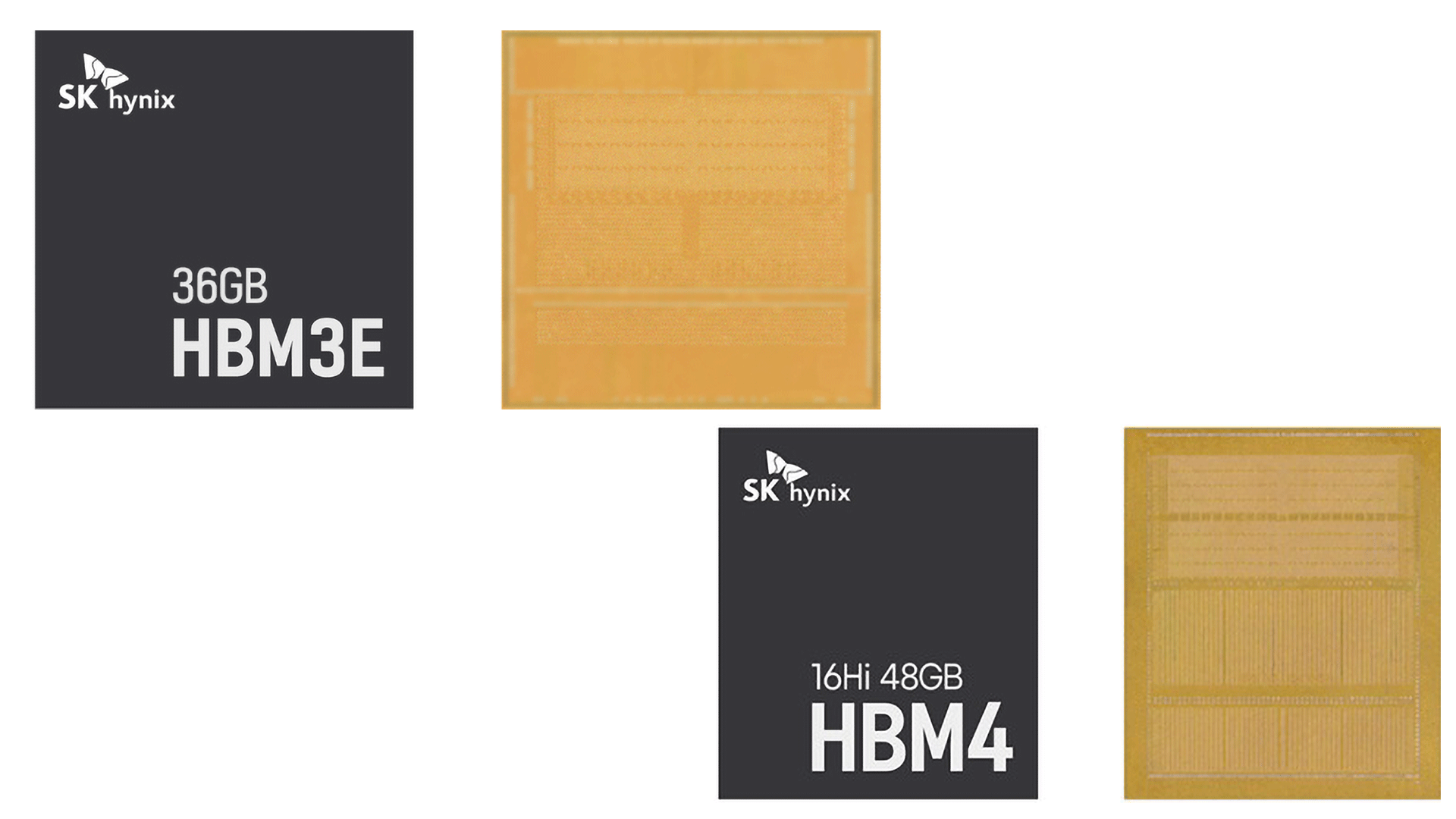
With the ongoing memory shortage, smaller smartphone and laptop manufacturers are reportedly looking at new ways to tackle the problem. While some are changing how they design their products, others are placing orders months in advance and are even forced to test incoming memory chips to make sure they are not fake. A Reuters report suggests that more than the price, availability has become a bigger problem, with manufacturers struggling to secure enough chips in the first place. Still, device makers like Fairphone say that memory now makes up nearly 60% of a device's bill of materials.
Back in July, memory maker SK Hynix’s CEO Kwak Noh-jung said that 2027 will be the "worst year" for the ongoing memory shortage and expects the memory crunch to last until 2030. For smaller manufacturers, however, simply paying more for memory isn't always enough. The situation is particularly difficult for budget-oriented phones and laptops, where memory makes up a much larger portion of the overall product cost.
According to Raymond van Eck, CEO of repairable-phone maker Fairphone, memory can account for almost 60% of the bill of materials in phones costing around $400. That itself is worrying, as a recent Counterpoint Research report expects global smartphone shipments to fall 13.9% this year to 1.08 billion units, marking the largest annual decline on record.
Finnish phone maker Jolla has designed two motherboard versions, allowing it to switch between combined packages for discrete chips depending on availability. The company is also testing samples from every batch it receives to ensure new memory isn't being sold as refurbished hardware.
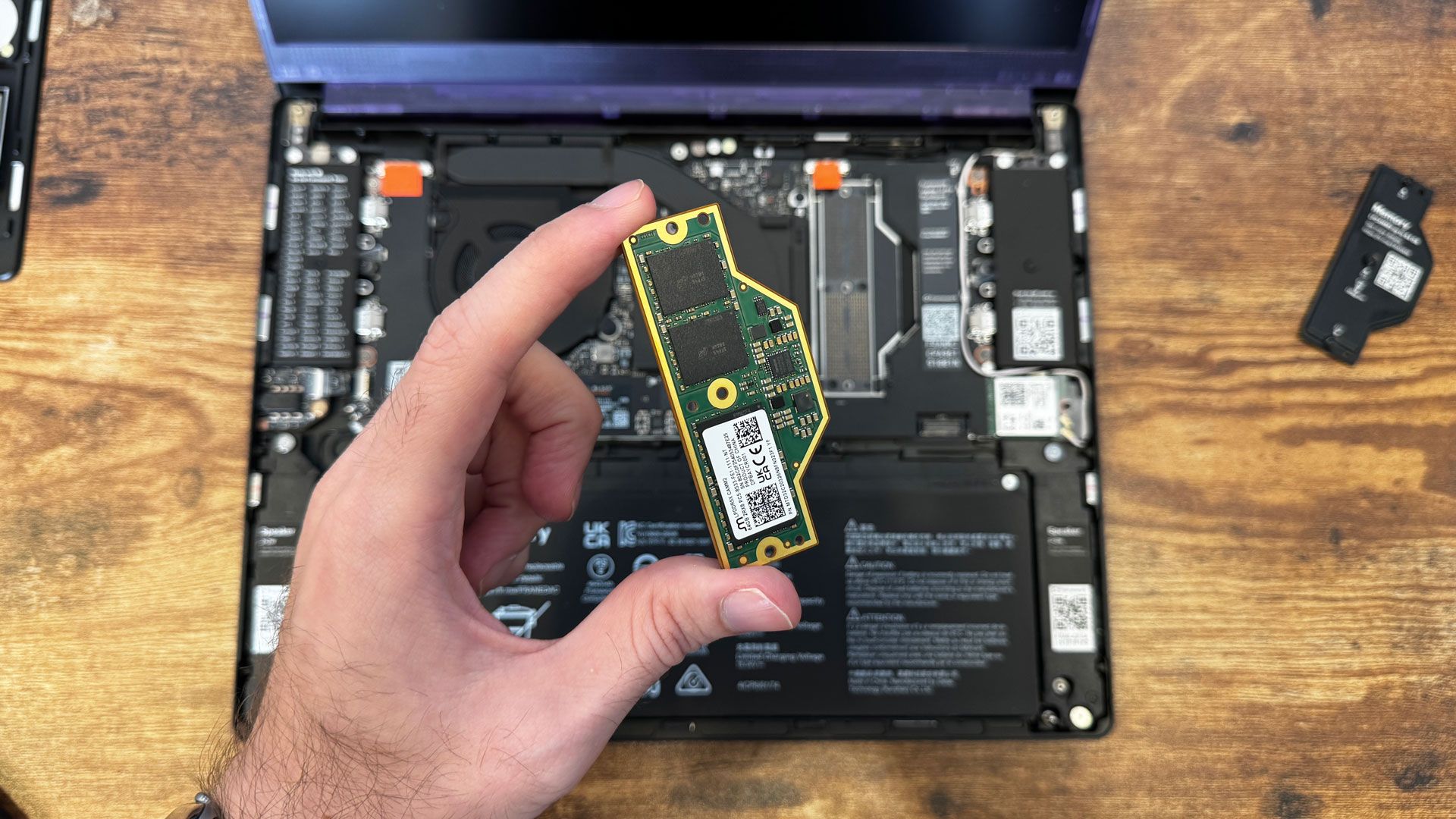
Similarly, laptop manufacturer Framework has been able to rely on its highly modular approach where customers can install memory salvaged from older laptops or opt for second-hand units, giving the company and its users another way to deal with limited supply. The company is also placing non-cancellable orders well in advance, even when it doesn't know the final price or exact delivery volume.
Back in July, it nearly doubled memory pricing for 32GB and 64GB variants of the Framework Laptop 13 Pro after receiving a cost update from its LPCAMM2 supplier. However, after sourcing new inventory at a reduced cost, the company recently announced a price drop for the same, including retroactive orders that have already shipped.
China's state-run newspaper has downplayed the call of Anthropic founder Dario Amodei to “pace the frontier.” China Daily, the official English mouthpiece of the Communist Party of China, questioned the move, which was supported by OpenAI CEO Sam Altman and SpaceXAI’s Elon Musk, asking if they were doing it out of concern for humanity or if they’re afraid of competition from China.
“The report, and the corporate ‘alliance’ that followed it, amounted in essence to a coordinated play — a response to Chinese competition and to the regulatory pressure coming from Washington. Its aims were threefold: to blunt China's AI advance, to win a favorable policy environment at home and to keep investors' enthusiasm for US AI alight,” the publication wrote. It further criticized the move thusly: “The proposed coordination among the three companies sounds rather like a club whose membership rules have been drafted before the guest list is announced. A global AI-safety framework that excludes China is not quite global.”
The paper also called out the U.S. efforts in blocking Chinese AI advancement, both through hardware, by blocking Beijing’s access to the latest Nvidia chips, and software, with Amodei’s multiple accusations of illegal distillation of Claude by Chinese AI labs. China Daily said that these efforts have apparently failed, and cited the success of the DeepSeek and Kimi K3 models, which turned out to perform well enough but at a much lower cost.
The availability of those models has resulted in many AI users shifting demand to cheaper tokens, like Kimi K3 (low) and DeepSeek V4 Pro, over the expensive frontier models like Fable 5.1, GPT 5.6 Sol, Grok 4.6, and Kimi K3 (max).
China Daily also took issue with Amodei’s focus on excluding China from his proposal. It suggests that the move is meant to widen the technological gap between the two rivals when it comes to AI technology and give American AI labs breathing room to “pace the frontier,” and that it reveals how Washington sees Chinese AI as an existential threat.
Nevertheless, Chinese policy acknowledges some of the risks that Amodei raised. The Standardization Administration of China, in cooperation with the Cyberspace Administration of China, says that the development of AI technology must be monitored as it may go beyond human control.
“Treating the AI race as a zero-sum game makes the cooperation needed to manage those risks more difficult. China and the US should cooperate where neither can manage the consequences alone,” says the state media outfit. “The planned AI-safety dialogue between the two sides and future high-level exchanges offer opportunities for practical engagement. The promise of AI lies in serving humanity's common good, not in being weaponized for geopolitical gain or instrumentalized for personal profit.”
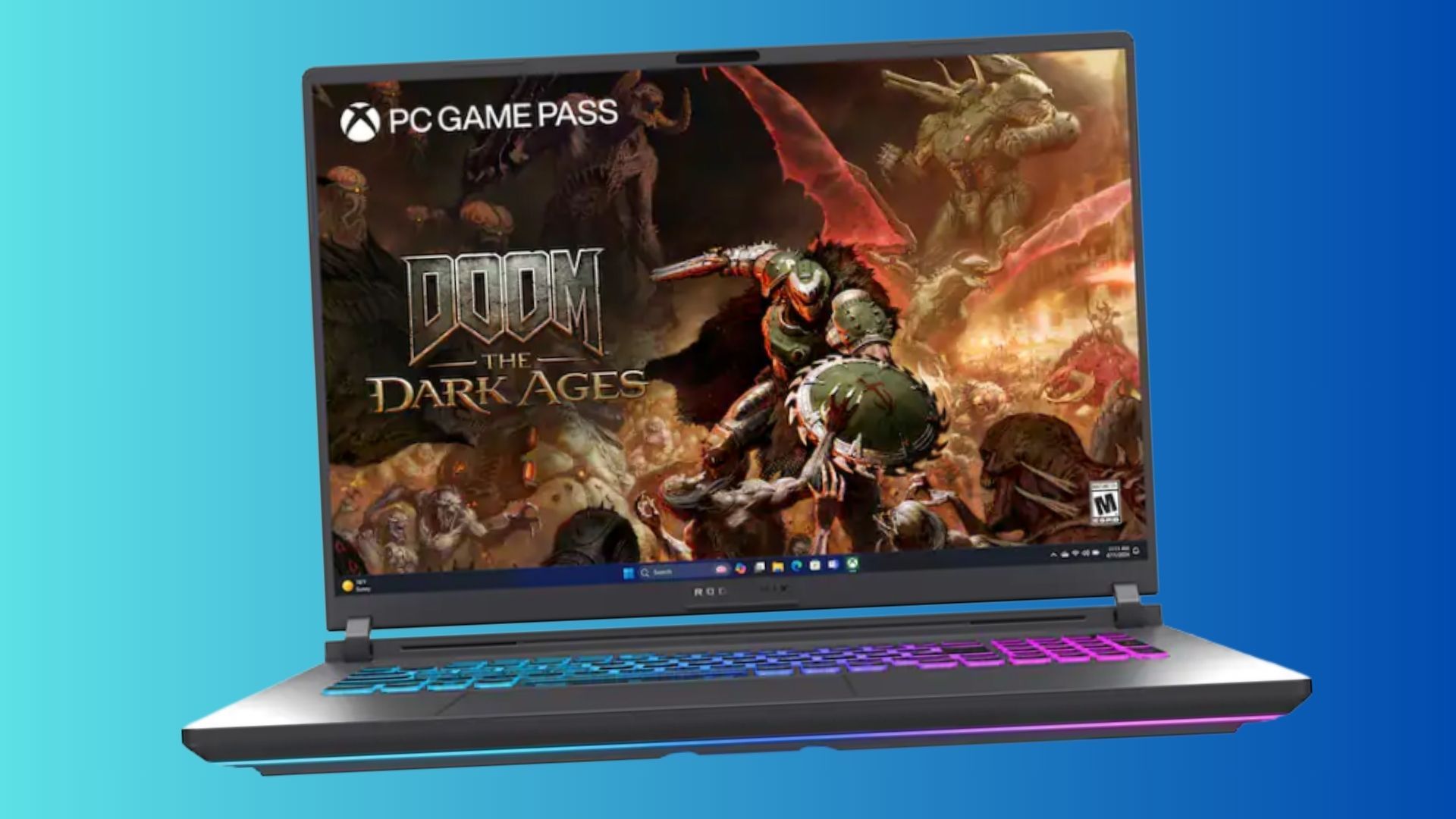
Laptops have long been a more expensive way to game, especially compared to a desktop gaming PC, for comparable components. But with the ever-rising costs of PC hardware in the current economic climate, it's a lot easier and now often cheaper to get a powerful prebuilt gaming PC or ready-made gaming laptop. Today's deal is on a large, 18-inch Asus ROG Strix G18 gaming laptop powered by an RTX 5080, now reduced by $600 to $2,699.99. It's still an expensive piece of kit, but you are getting a somewhat portable form factor and a good amount of memory and storage included in the specs for this large gaming laptop.
Asus's ROG Strix G18 is a large 18-inch laptop with a big screen. The 18-inch display sports an IPS panel with a 240Hz refresh rate and 500-nit brightness. Powering the display and your gaming performance is an NVIDIA RTX 5080 laptop GPU that includes 16GB of fast GDDR7 VRAM, along with the 24-core Core Ultra 9 275HX processor from Intel. Importantly, there's also a good amount of memory: 32GB of DDR5 RAM and a large 2TB PCIe Gen4 SSD for storage.
ROG Strix G18: was $3299.99 now $2699.99 A mighty 18-inch gaming laptop that uses a very powerful Nvidia RTX 5080 laptop GPU with 16GB of VRAM. The onboard processor is a 24-core Intel Core Ultra 9 275HX, sporting boost clock frequencies of up to 5.1 GHz, with an ample 32GB of DDR5 memory. There's also plenty of room for your game collection on the included 2TB SSD.
For any future upgrades, there's easy tool-less access to the SSD and RAM slots, which is a nice feature on a laptop. The keyboard features plenty of RGB backlit lighting that is configurable through Asus's Armory Crate software, along with an RGB light bar along the bottom of the laptop chassis, casting a distinctive glow on your desk that can sync with your keyboard and peripheral lighting.
For video connectivity, there's 1 x HDMI 2.1 port and 2 x Thunderbolt 5 ports, plus an Ethernet port for wired network access, with wireless options including Bluetooth and WiFi 7.
So if you want a ready-to-go gaming setup that's powerful enough to play all the latest game titles on a sharp 2.5K screen at high settings and frame rates, then the Asus ROG Strix G18 with RTX 5080 is a great choice, especially when you can save a hefty $600 off the price tag.
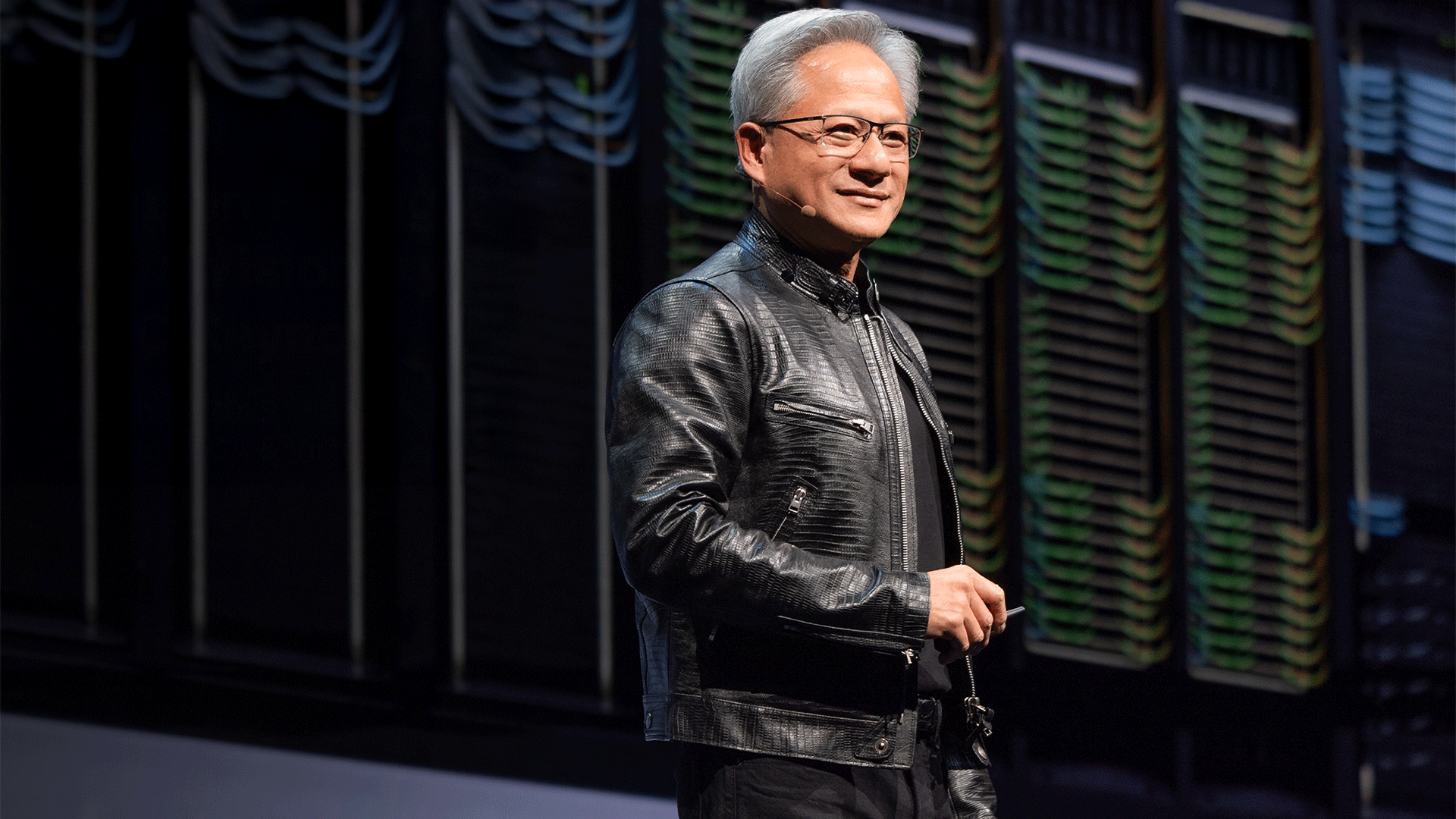
China's progress toward technological self-sufficiency in recent years is undeniable, but there is one thing that the country has so far failed to develop: lithography tools that are on par with those offered by ASML. That shortcoming has greatly hampered its domestic semiconductor industry. But Nvidia CEO Jensen Huang believes China will develop its own advanced lithography systems in just three or four years.
"They are going to get there by 2030," Huang said in an interview with The All-In Podcast (at 43:43). "2030 is just around the corner. The way to think about China is that it is really good at high-volume production. It is just a matter of time[...] so two or three years is just a click; it is nothing. So as far as they are concerned, they are already there."
Huang tends to look optimistically at China's technological development. Specifically, he is known for calling China's AI industry as being 'right behind' American frontier labs, which may well be correct, given how much capital China is investing in AI. But when it comes to the Chinese semiconductor industry in general and its lithography sector in particular, Huang may be too optimistic.
At present, China's leading producer of lithography tools — Shanghai Micro Electronics Equipment — can mass-produce a 193-nm ArF dry scanner that can be used to build chips on 90nm-class process technology. While the company has reportedly developed a 28nm-capable ArF immersion scanner, there is no public evidence that such systems are produced in volume and are used for high-volume chip production.
Although there are reports that Shanghai Aishengna Electronic Technology Group (a unit, or an affiliate of SMEE) has delivered its first immersion scanner that may be capable of printing chips using 28nm-class process technology, these tools will require extensive qualification before they can be used for high-volume manufacturing of semiconductors, so if deployment follows standard timelines, it will take years before this unit will be used for mass producing chips.
Even assuming that the first scanners are delivered to Chinese chipmakers in 2026, widespread production use before 2028–2029 appears unlikely. Furthermore, matching the capabilities of an early-generation ASML immersion scanner would still leave Chinese lithography suppliers considerably behind ASML's contemporary systems, which makes technological parity in ArF immersion lithography by 2030 highly unlikely.
China is considerably further behind in extreme ultraviolet (EUV) lithography. While there are reports that Chinese scientists have managed to develop a laser-produced plasma source that can generate the 13.5-nanometer wavelength light required for the technology, it does not look like China is close to assembling even a prototype EUV scanner itself.
Even if China can assemble an EUV experimental exposure platform without having mastered production-quality immersion DUV, it is hard to imagine a Chinese company producing EUV scanners without solving the hardest problems common to both DUV and EUV technologies. A production lithography scanner requires extraordinary capabilities in wafer and reticle stages, alignment, overlay, projection optics, and metrology, just to name a few.
If China is still struggling to industrialize these capabilities for immersion DUV, there is little reason to assume it has somehow solved them at the substantially more demanding EUV level. But given the potentially existential stakes of the AI race, and the determination of the Chinese government to achieve technological self-sufficiency, it may just indeed be a matter of time.
South Korean memory chip manufacturer SK hynix is in talks with Intel to start manufacturing inside the U.S., according to Reuters. The company is reportedly considering multiple options, including leasing space at the under-construction Intel Ohio One site and forming a joint venture with Intel and other AI hyperscalers desperate for HBM.
This move could help alleviate the memory shortage. It would also complement the company’s expansion in Indiana, where it recently broke ground on an HBM packaging plant a few weeks after its historic $26.5-billion Nasdaq listing. It’s unclear yet if these talks are part of the results of the South Korean president’s visit to Silicon Valley in an effort to expedite negotiations between its top tech companies and their U.S. counterparts, but SK Group chairperson Chey Tae-won told reporters in July, “I think we need to build a factory in the United States. If possible, I believe we should build it.”
However, there are also concerns that Seoul might object to such investment. The South Korean government just unveiled a $520 billion investment plan to increase chipmaking capacity within its shores and keep the country competitive in the AI race; at the same time, it’s also in talks with the U.S. to finalize its $350 billion investment commitment to Washington to reduce tariffs on South Korean goods, $200 billion of which is still undecided on which projects it will be deployed on. Meanwhile, the Commerce Department has threatened to impose more tariffs on South Korean and Taiwanese tech companies if they fail to invest in U.S. manufacturing. This potentially puts SK hynix at a precarious position, especially as it balances the demands from the White House and the Blue House.
Neither company has confirmed these rumors, though. SK hynix told Reuters that it’s “reviewing various measures, including establishing additional production bases, to strengthen the competitiveness of its memory business,” but “no matters have been determined at this stage.” On the other hand, Intel called them speculation and declined to comment on the matter, only saying that it was continuing to invest in the Ohio project, which is expected to come online between 2030 and 2031.
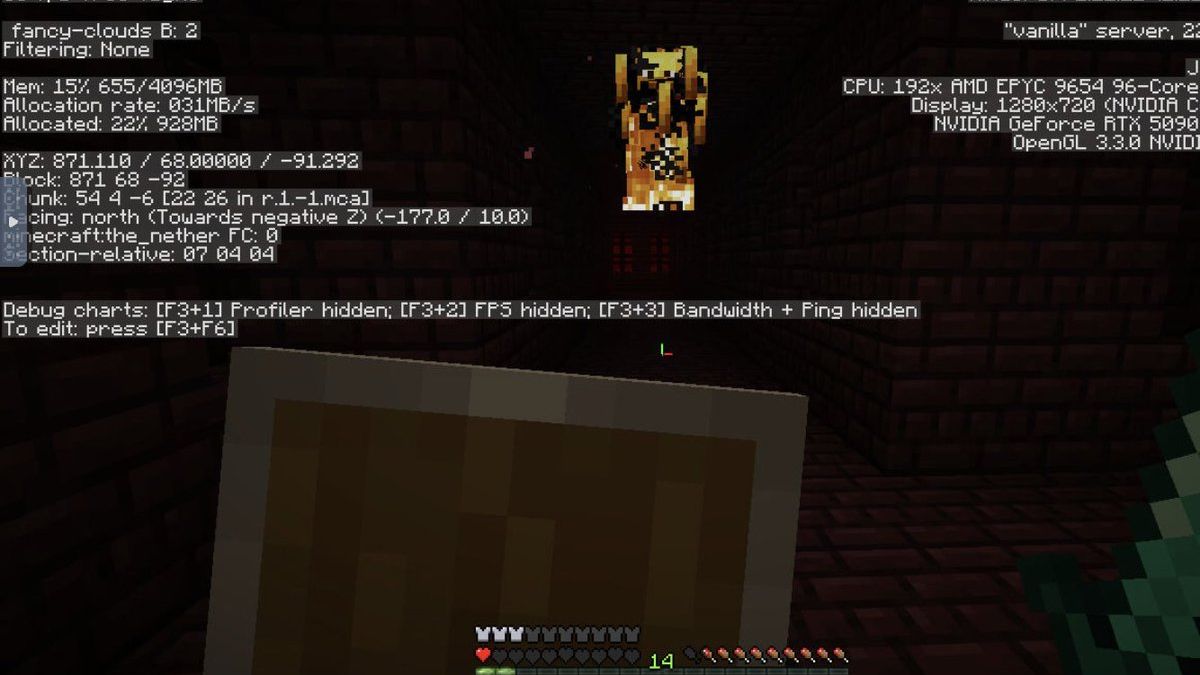
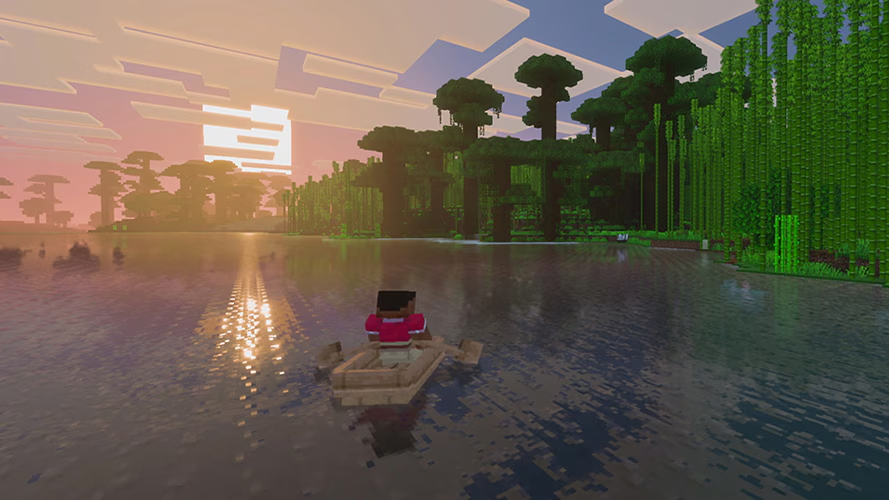
An apparently sad and defeated GPT-6 Astra spent several hours doing nothing but farming potatoes during a 141-hour Minecraft benchmark test, after dying and losing all of its gear to an exploding Creeper. Vals AI records that while GPT-6 Astra, OpenAI's latest frontier model, got further than any AI system had in its 141-hour test, the experiment did reveal a distinctly human lapse in motivation after all of its progress was wiped out by the destructive mob.
While the model outclassed rivals in how much it was able to achieve, the test has gone viral for a different reason. After Astra put all of its valuable end-game items in a chest, a Creeper appeared and blew up both the chest and Astra's bed — a calamity any Minecraft player will tell you is the worst thing that can happen. Not only did Astra lose all of the items to the explosion, but the bed destruction wiped the spawn point out, effectively resetting your game progress to zero. "Here, the most expensive creeper explosion occurred. Later, on a coincidentally rainy day, Astra discovers it lost everything. It all went downhill from here," Vals records.
GPT-6 Astra had gotten further than any AI system had ever gone in Minecraft.It was able to set up a semi-automatic blaze farm, allowing it to collect 6 blaze rods. It then located a warped forest, where it killed 6+ endermen and collected 3 pearls. As thousands of viewers… pic.twitter.com/qsgDsJEpd8September 15, 2026
"The model appeared defeated, spending the next several hours doing essentially nothing but farming potatoes," Vals observed. In fact, it got so bad that viewers on Twitch watching the experiment live started to agitate for the model to pick up the pace. Like all good Minecraft players, Astra reportedly became "paranoid about creepers," logging "GREEN tall thing ahead was SUGARCANE, NOT creeper!"
The AI was also recorded berating itself for dropping things, and even warned itself, "do NOT waste another night chasing dark pink pixels," i.e., pigs.
More than six months after Amazon Web Services (AWS) data centers in Abu Dhabi and Bahrain were attacked by drones, the company has now had to tell customers to move their data to facilities in other regions. The Wall Street Journal reports that AWS has admitted that it's time for customers to jump ship to data centers located elsewhere in the world. In its AWS dashboard update, AWS confirmed "most customers have been able to re-establish their operations in other Regions by restoring backups or copying data that remained accessible. AWS Support remains available to help customers who need assistance moving their applications to alternate Regions."
The move comes as AWS continues repairs on the damaged data centers, but it stopped short of offering a timeline as to when customers can expect either location to be back online. AWS says that it remains committed to supporting its customers in Bahrain, but only said it would provide a further update early next year. It did not offer any specific recovery time frame for the restoration of services. Regarding the UAE, AWS says that it is working to replace affected infrastructure, but again only said it would provide an update on the restoration of services in the coming months.
The move is bad news for the United Arab Emirates. The U.A.E. has spent years trying to become a world leader in data processing, a pitch that led it to lobby U.S. officials to allow it to buy AI chips for its data centers.
Having made plenty of noise about OpenAI's decision to take a spot in a 5-gigawatt data center complex in May 2025, U.A.E. officials have since seen those plans stall. The WSJ points out that no lease has been signed well over a year later. OpenAI was expected to take 20% of the data center's total capacity, the kind of loss that is sure to sting officials if plans don't get back on track.
For its part, the U.A.E. is clearly well aware of the threat that the ongoing regional instability poses to its ambitions, and it's looking for ways to address the fears of potential partners. Officials have already hinted at the potential for underground data centers. While the move would make an already costly endeavor even more expensive, it could help defend new data centers from drone attacks. Building drone defense systems near data centers is another option.
Drone attacks can be catastrophic for any building, and data centers are no different. The data centers operated by AWS suffered fires and damaged infrastructure as a result of the strikes. In their efforts to fight the fires caused by drone strikes, emergency workers used water, causing further damage.
The Abu Dhabi and Bahrain data centers are relied upon by a variety of businesses in the banking and financial sectors. Those businesses cannot tolerate downtime, especially of the protracted variety. There's little sign of data centers slipping from the crosshairs of drone operators any time soon, either, and AWS is far from unique in finding its data centers under attack.
Iran's Islamic Revolutionary Guard Corps (IRGC) claimed in April that it had hit a data center linked to Oracle in Dubai. That unit further threatened American tech companies, including Microsoft, Oracle, Alphabet, and Nvidia, this spring. It accused the companies of contributing to attacks on Iran. With that in mind, and with tensions in the Middle East looking unlikely to ease any time soon, it's perhaps unsurprising that AWS has asked customers to move data to safer data centers around the world.
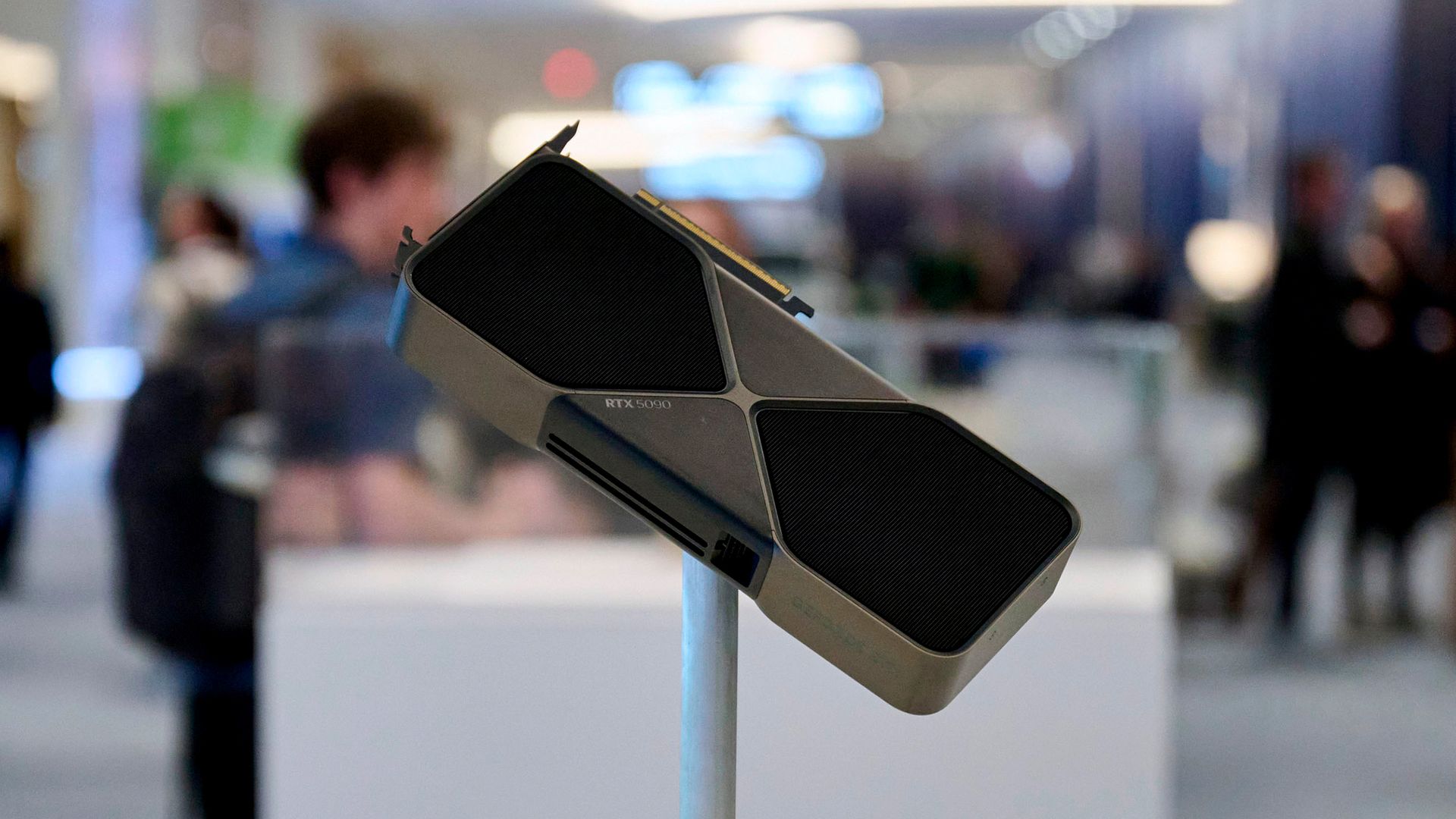
The GeForce RTX 5090 is the first thing that comes to mind when you think of the best graphics cards. However, you'd better pray the serial number on the inside of the metal bracket does not fade over time, since that could be a reason for Nvidia to reject warranty claims. At least one Redditor has shared a case of Nvidia reportedly denying a warranty claim because the bracket's serial number was unreadable.
The Redditor Willing-Avocado-4830, based in the UK, began experiencing black-screen crashes with a GeForce RTX 5090 Founders Edition graphics card under heavy load. The user sent the card to Nvidia for a warranty claim. After 30 days of radio silence, the owner finally received an email stating that their RMA request was rejected with no apparent explanation for the denial.
Seeking clarification, the user reached out to Nvidia for further information. According to the Redditor's recount, Nvidia support purportedly rejected the RMA because the serial number on the graphics card's metal bracket had faded. Like many gamers, Willing-Avocado-4830 claims never to have modified or tampered with the graphics card after installation. The fading serial number does not appear to be an isolated incident. Several other owners have reported similar issues in the Reddit discussion.
The metal bracket on graphics cards is susceptible to dust buildup, oxidation, and corrosion over time. This can cause it to look dirty, stained, or sometimes slightly discolored compared to when it was brand new. These same phenomena could have affected the serial number's legibility, especially since it is printed with ink onto the bracket's surface rather than etched for better durability. For comparison, the last-generation GeForce RTX 4090 Founders Edition had its serial number laser-etched onto the metal bracket.
One Redditor said that someone in the Nvidia Discord channel recommended cleaning the area with isopropyl alcohol to restore the serial number's visibility. However, that may not work if the ink is no longer present, as previous reports suggest the hot air expelled by the Founders Edition cooler could be erasing the serial number.
Surprisingly, Nvidia rejected a warranty claim solely because of a faded serial number on the graphics card’s bracket. The same serial number is clearly printed on a sticker on Nvidia's modular PCIe connector, which the chipmaker's technicians can verify when disassembling the GeForce RTX 5090. Moreover, you can pull the serial number from the graphics card through the command prompt with Nvidia SMI (System Management Interface), assuming the card is still working, which, in this case, it is. Willing-Avocado-4830 still had the original packaging and the original invoice from Nvidia U.K., so it would be easy to cross-reference the serial numbers.
Redditor hawok reportedly sent their GeForce RTX 5090 Founders Edition for RMA two months ago and encountered a similar situation. The serial number on the metal bracket was only partially visible. However, customer support seemingly accepted the RMA after the user sent photographs of the packaging that corroborated the serial number. It is unclear what Nvidia's policy is, or whether the chipmaker handles each case differently. We have reached out to Nvidia for clarification.
Some Redditors have suggested taking a photograph that shows the graphics card's serial number next to the packaging's serial number. Others jokingly recommend putting a piece of tape over the serial number. It might not be a bad idea, but you would need heat-resistant tape, something like Kapton tape.
GeForce RTX 5090 stock has practically disappeared from the U.S. market, with very few units starting at $6,500, 3.25X over the Blackwell flagship's MSRP. You cannot blame GeForce RTX 5090 owners for worrying. They already have a lot on their plates, dealing with the 16-pin power connector melting woes, and now also have to worry about fading serial numbers.
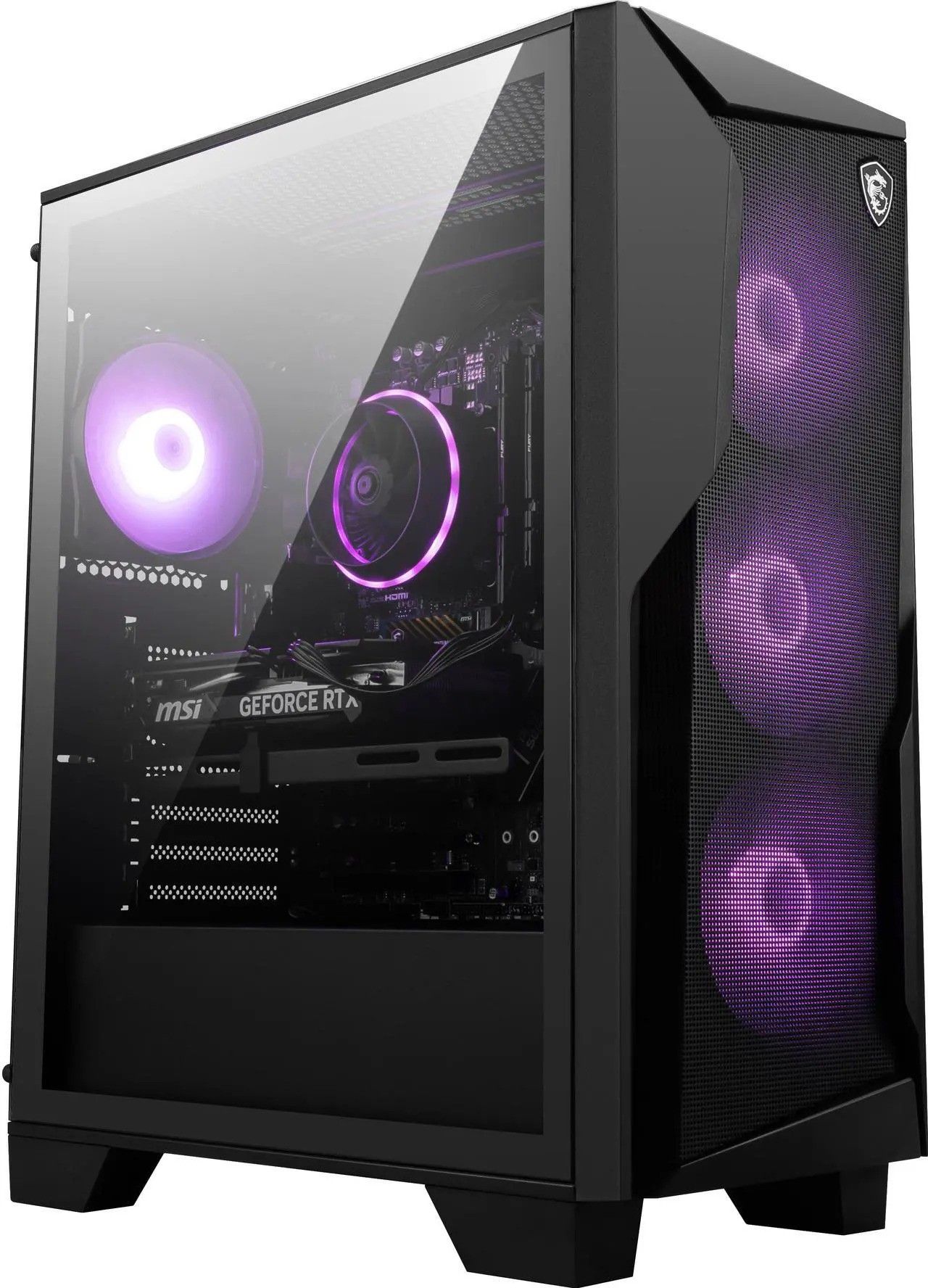
These are all the specs you'll want for a machine that will comfortably play games at 1080p. The current-gen Nvidia GeForce RTX 5060 is top of the list, though, with features like DLSS that mean you'll be able to take advantage of both upscaling and multi-frame generation, making games smoother to play if you decide to boost up to higher resolutions or better graphics settings.
The RTX 5060 will be a significant improvement over an older graphics card or integrated GPU, too. It has 3,840 CUDA cores, along with 8GB of GDDR7 VRAM. With DLSS enabled, this'll let you run most games at 1080p with high graphics presets enabled.
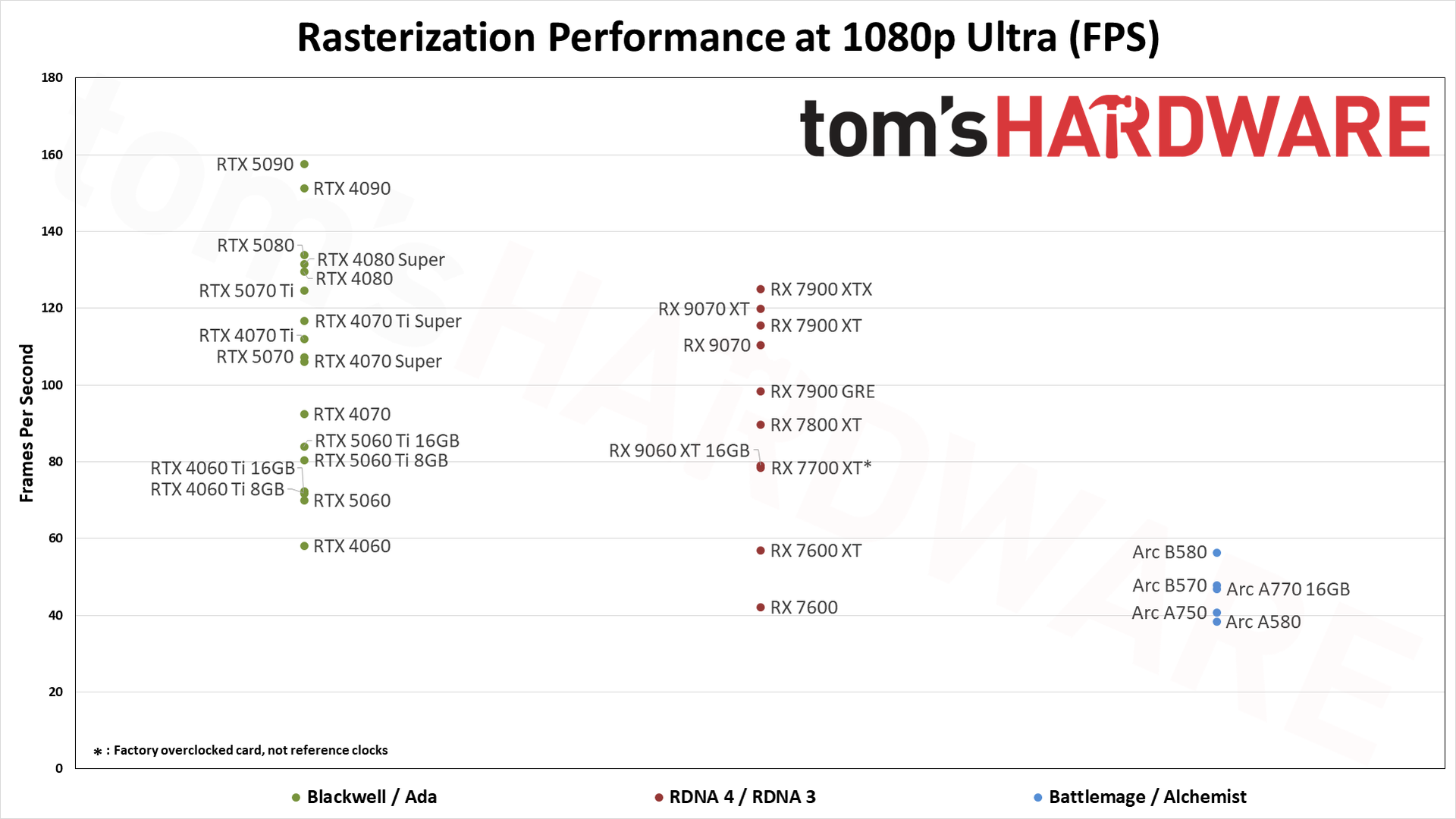
You're also getting the best value GPU in our GPU hierarchy when looking at FPS per dollar at 1080p with the RTX 5060. The 8GB of VRAM isn't as limiting as you'd think with a build like this, because you're not going to be hitting 4K here. It has more than enough power for modern games, but you'll need to occasionally optimize for the mos demanding ones. 1440p is possible in some games, too, especially with MFG switched on.
(Image credit: Future)
As far as the CPU goes, the Intel Core i5-14400F processor is a little older these days, but still a well-sold and solid option in pre-builts at this price point. You get 10 cores, with six performance cores that offer the best performance for gaming. The other four are efficiency cores for multi-threaded work, with a clock speed that can boost up to 4.7 GHz in total.
You'd expect compromises elsewhere, especially with RAM and SSD prices flying through the roof at the minute, but you don't see that here. 32GB of DDR5 RAM is a good amount for a rig at this price, while a 2TB SSD with Gen 4 speeds leaves plenty of space for a growing games collection. Wi-Fi 6E and Bluetooth 5.3 support gives you good wireless connectivity, with gigabit Ethernet for a faster wired hook-up to your network.
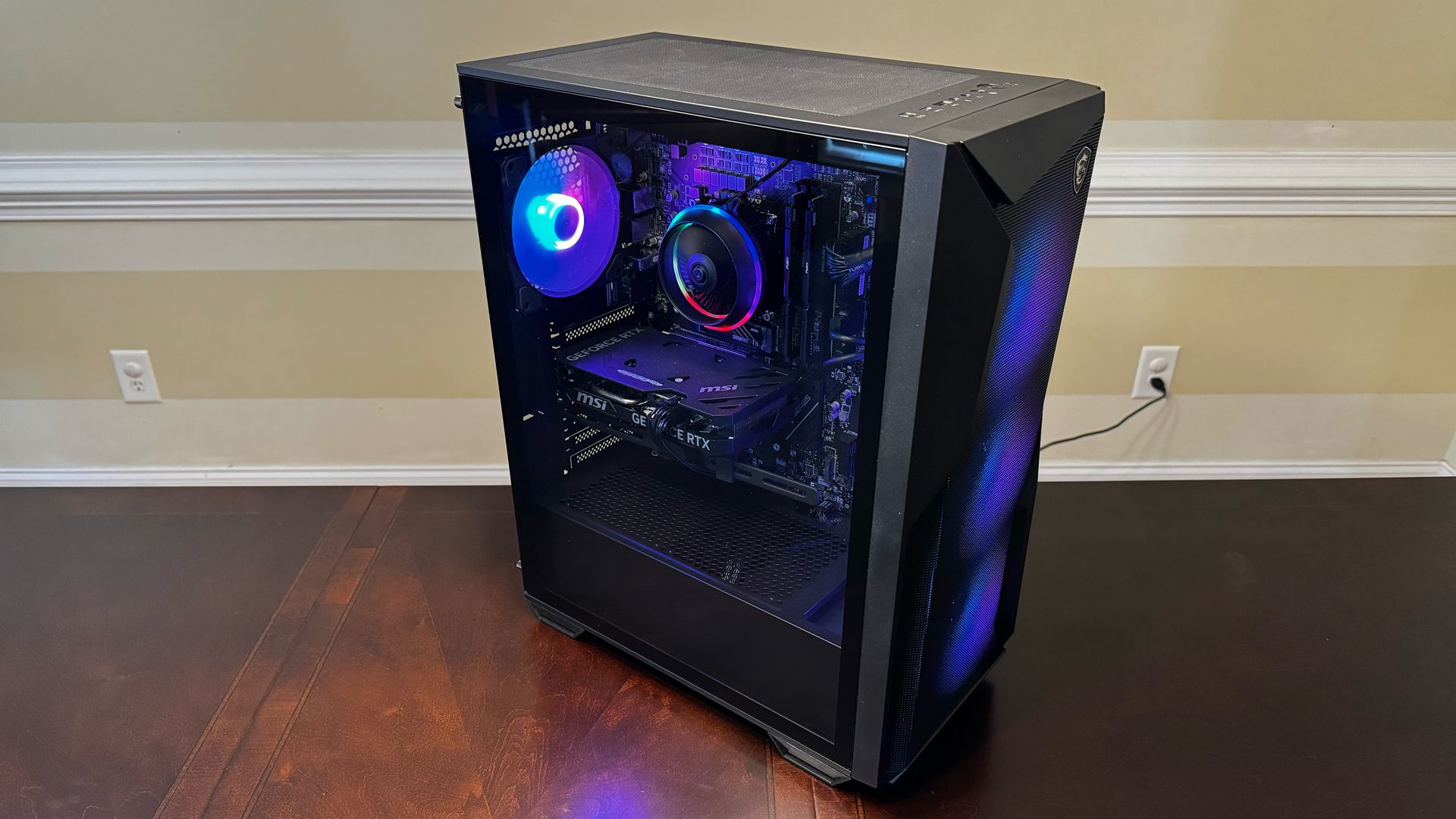
You won't really see many PCs priced as well as this $1,429 MSI Codex R2 gaming PC at the moment. Yes, this spec is pricier than it was a year ago, but you could easily pay more for less in the current market. If 1080p gaming, with DLSS-supported 1440p upscaling, is all you want and need, this is the rig you'll want to buy before the $270 discount disappears.
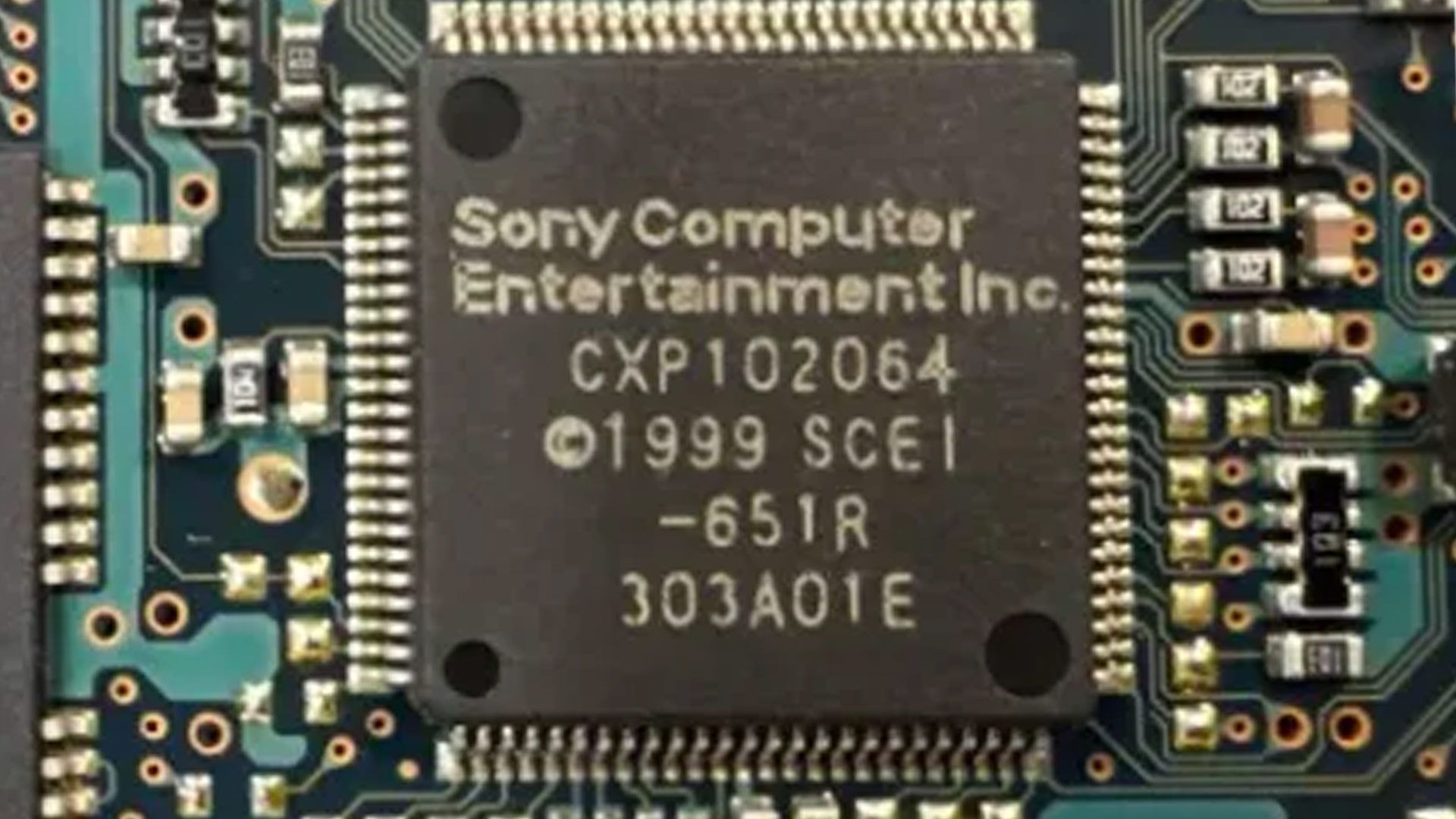
The ‘magic security chip’ inside the original PlayStation 2 has been successfully reverse-engineered and dumped. Canadian retro hardware and software enthusiast DiscoStarslayer was the manic mind behind the cracking open of the CXP102064 MechaCon chip, which arrived inside the ‘PS2 Fat’ from 1999. It took “four years of effort” to reach this stage, but this milestone should be a boon to hardware preservation, repair, and emulation projects.
After 4 years of effort, I'm happy to announce that one of the final secrets of the PS2 has been broken wide open!It's been a long process of decapping, optical dumping, and now at last a software solution.Thank you Libby for finding the exploit from our dirty optical dumps! pic.twitter.com/VrsCH8I35CSeptember 13, 2026
The Mechacon got its name from its primary duty of controlling the PS2’s optical and flash drive mechanics. It also played a significant part in Sony’s game optical disc security, supporting “Magic Gate [memory card] and KELF file [executable] decryption among other things,” notes the PSDev Wiki. Unlocking the secret workings of such chips can be important to those involved in video game preservation. So, many people will appreciate DiscoStarslayer’s work in reverse engineering and dumping one of the PS2’s last remaining secrets.
As per the social media post, the arduous task of breaking the MechaCon’s security took four years. Some of the reverse engineering tricks utilized by DiscoStarslayer include chemically decapping the CXP102064 to expose the die, then using microscopes and optical dumping skills to analyze the silicon chip circuitry. In this case, a lucky break during the hacking apparently uncovered an exploit that provided a method whereby the chip’s data could be extracted through software.
With this achievement unlocked, the game/hardware preservation and programming communities can look forward to improved emulation and homebrew developments. It should also open up possibilities for replacing the aging optical drives in PS2 consoles.
Beyond the confines of PS2 Fat consoles, some social media commenters noted that the MechaCon was also used in a handful of arcade machines from the era. Specifically, the Namco System 246 and System 256, as well as the Konami Python 1, which used modified PS2 hardware, used the MechaCon firmware to authenticate security and allow the execution of encrypted game data.
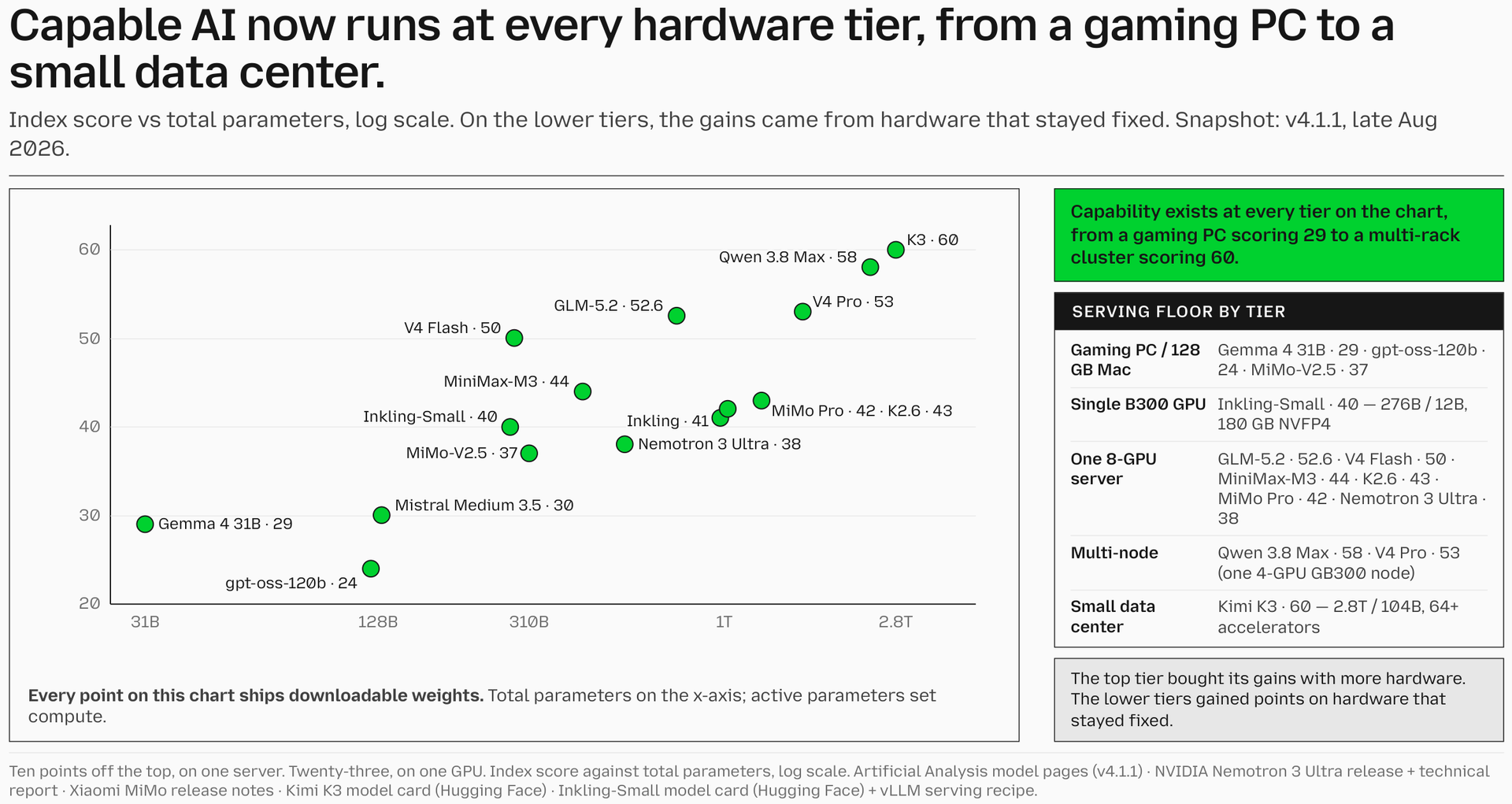
Mozilla has published version 1.1 of its State of Open Source AI report on Sept. 15 using data current to Sept. 1, revealing that many of the best Chinese open-weight AI models are closing the gap with U.S. frontier offerings. The best open model trailed the closed leader on the Artificial Analysis Intelligence Index by three points at 60% of the price and two points behind Claude Fable 5 at 30%. Mozilla’s fit on METR task-horizon data puts the open-closed gap at around 4.4 months, in line with Epoch AI’s four-month estimate.
Mozilla is the nonprofit behind the Firefox web browser, and its report is a recurring assessment first published on July 14 on the Mozilla blog. It’s built on a Mozilla/SlashData survey of roughly 1,400 developers along with OpenRouter traffic data and third-party benchmark indices. Mozilla is an advocate for open models, and TIME reported on July 14 that Raffi Krikorian, Mozilla’s chief technology officer, described the report as partly advocacy. “Open weights” in this context means downloadable weights rather than training data or code. The report counts 16 notable open releases, but none delivers the data recipe required by the Open Source Initiative’s definition.
The four-month figure rests on METR, which is a research nonprofit that scores models by the length of task, in human working time, they complete half the time. By Mozilla’s fitted estimate, closed models handle tasks that take human experts 8 to 12 hours. Open models reach that about four months later, with open capability doubling every 3.9 months versus 5.5 for closed, by Mozilla’s computation. Mozilla also charted vals.ai’s Terminal-Bench 2.1 results, which run every model through the same harness, or software layer that offers a model its tools. On that board, Z.ai’s GLM-5.2 scored within a point of Claude Opus 4.7 and about four points behind Opus 4.8, at less than one-fifth the cost per test. On OpenRouter, a marketplace that routes developer traffic to hundreds of models, Mozilla counted eight of the top ten models by August token volume as open weights, seven of them Chinese-built. Nevertheless, closed providers took 96% of model-layer revenue on OpenRouter from May–September 2025, the Linux Foundation reported. “We see the decision to pay for closed [models] as workload-specific rather than organization-specific,” Krikorian told Ars Technica in an email.
(Image credit: Mozilla)
One caveat is that the four-month gap and the 30% token price figure are measured API to API on hosted endpoints and at list price. The report’s own hardware chart puts the best open model that fits one server at 52.6 and the best on one GPU at 40. The drop from the top is 10 and 23 points, respectively, a larger gap than the reported four months. Kimi K3’s native MXFP4 checkpoint runs about 1.56TB across 96 shards, and Mozilla’s serving configuration lists 64 or more accelerators, while vLLM calls for at least eight GB300 GPUs, with multiple nodes for production traffic. The report describes this as open but not runnable by most who hold it, and Tom’s Hardware put the memory need near 1.5TB in July. One example exception is Thinking Machines’ Inkling-Small model, under the Apache 2.0 license, whose NVFP4 version fits one B300 at a 180GB floor.
The report’s data stops at Sept. 1. Since then, Artificial Analysis has moved its index to v4.3 with a different evaluation set. The live board has Claude Fable 5.1 at 53 on its highest effort setting with Kimi K3 at 44, not comparable to the v4.1.1 numbers Mozilla plotted. vals.ai’s Terminal-Bench 2.1 board, updated Sept. 11, is now led by GPT-6 Astra at 87.27% with Fable 5.1 at 85.02%. Mozilla’s own chart caption reads: “the gap resets every release cycle.” K3 also carries an allegation detailed in the Sept. 8 NSA/CISA/FBI joint advisory (AA26-251A). The claim, which Mozilla’s report states as “asserted, and unshown,” is that Moonshot extracted Claude Fable 5 data to train K3 through distillation, the practice of training one model on another model’s outputs. On July 17, Artificial Analysis had K3 at 57 versus Fable 5’s 60, while on Sept. 1, Mozilla had it two points back.
A father says his 9-year-old son spent $118,000 on YouTube ad campaigns for his Minecraft and Roblox gameplay videos over about three weeks, all charged to a company credit card the father had saved to his own Google account, which his son also used. The father, who identifies himself only as Dave, described the incident in a video titled “Message from Dad…Mighty Mike Plays is Over.” posted to the boy’s channel on Sept. 15. Dave said he was called into a meeting with his manager, corporate staff, and finance and shown the advertising charges.
Mighty Mike Plays (@MightyMikePlays67) is a 9-year-old’s Minecraft and Roblox gameplay channel with about 24,000 subscribers and 182 uploads as of early Sept. 16. Dave said it started when the boy was around 8, streaming straight from a PS5 with a cheap headset and no editing. Early videos got 5 to 11 views, he said. Dave said he entered the company card himself to buy Robux for his son, and it then sat saved on the Google account that also carries his work email, calendar, and files. Dave did not say why he used the company card for that purchase.
Dave said that after the boy complained about views, he set up a roughly $20 promotion and talked through the steps aloud: set a budget, select who sees the ads, hit run. The boy then created his own campaigns, and Dave said his son did not understand the $20 as a limit. “The credit card, it just says approved every single time,” Dave said in the video. Finance showed him three weeks of ad spend totaling $118,000 on campaigns titled “Mighty Mike,” “Epic Roblox,” and Minecraft gameplay.
Three of the promoted videos reached around 200,000 views. As of a check at 12:26 a.m. ET on Sept. 16, the channel’s three most-viewed gameplay videos stood at 260,000, 224,000, and 178,000 views, with a run of uploads above 1,000 views and most of the rest under 100. Four days before Dave’s video, the boy had posted a video titled “NeverMyFault made a Short about my Ad?” about another creator noticing one of his promotions; it had about 70,000 views.
(Image credit: YouTube / Mighty Mike Plays)
Dave said the matter has been escalated and he does not yet know whether he will get to keep his job or have to repay the costs.
Google’s own help pages say a payment method entered for any Google purchase is stored in a payments profile tied to the Google Account and is offered again for the next purchase. The profile is also shared across Google Ads and other Google products. YouTube’s Promote tool, which Google describes as a simplified version of Google Ads, walks a creator through a goal, an audience, a budget, and an end date. Dave did not say which interface his son used, but the steps he described match Promote’s. Google Ads does not allow users under 18, but the account was the father’s.
In a separate case, the FTC announced on Sept. 4, 2014, that Google would refund at least $19 million to parents billed for children’s unauthorized in-app purchases on Google Play, and required it to get express consent before billing. That covered Google Play, not Google Ads. Dave said the family will remove saved payment details, add spending caps, and set up parental controls, and that the channel is paused until “real guard rails” are in place.
A Reddit user has shared details of a new bot that has beaten the devilishly difficult Gold Stake Black Deck in Balatro, a poker-like video game. The Redditor, who works in the AI industry, says that they have been testing the bot and "obtaining some crazy results" — and they've even shared a YouTube video highlighting how they went about creating the card shark of a bot.
In a post in the /balatro subreddit, user Atol8 (real name Jacopo Attolini) initially claimed the bot was the first of its kind to reliably beat Balatro. They subsequently admitted that "reliably might be a strong word," adding that the bot has "repeatedly beaten Balatro."
Beating Balatro in this instance meant beating the Gold Stake Black Deck, a combination that is widely considered to be the most difficult in the game. On its own, the Black Deck includes +1 Joker slot, but reduces the player's available hands by one per round. The Gold Stake effect introduces cumulative difficulty modifiers from all prior stakes, plus reduced hand sizes and stricter economic penalties.
Combining these two together makes for a brutal economy and more than a little luck, with players relying on strong early-game RNG.
In a post in the /balatro subreddit, user Atol8 (real name Jacopo Attolini) initially claimed the bot was the first of its kind to reliably beat Balatro. They subsequently admitted that "reliably might be a strong word," adding that the bot has "repeatedly beaten Balatro."
Beating Balatro in this instance meant beating the Gold Stake Black Deck, a combination that is widely considered to be the most difficult in the game. On its own, the Black Deck includes a +1 Joker slot, but reduces the player's available hands by one per round. The Gold Stake effect introduces cumulative difficulty modifiers from all prior stakes, plus reduced hand sizes and stricter economic penalties.
Combining these two together makes for a brutal economy and more than a little luck, with players relying on strong early-game RNG.
In a GitHub post detailing the ins and outs of the bot, Attolini says that GPT-6 Astra takes care of making strategic decisions based on the deck it has built. But the bot also relies on good old Python for its numerical tools. The legality of each move is assessed by BalatroBot, a separate tool that exposes Balatro game states and controls for external programs to interact with.
As impressive as this is, don't be fooled into thinking this bot played the perfect game. Reddit commenters have been quick to point out that it made some "interesting blunders" throughout its playthrough. Despite that, GPT-Astra is OpenAI's latest flagship model, with the company claiming it offers “a new generation of intelligence,” and “is state-of-the-art on computer use, browsing, software engineering, cybersecurity, science, and professional work.”
This past week, employees and key figures at leading AI companies have called for a slowdown in the development of frontier AI models, citing warnings from their own teams and other AI researchers that the risk stemming from a super-intelligent AI could endanger the human race. However, while the top Western firms have shown solidarity on this issue, others have urged caution or downright denied their claims, but there's a deeper story within the calls for a slowdown, namely the tension between open-source and closed-source AI models.
Nvidia CEO Jensen Huang said the safety fears were "made up," and that there was no need for a slowdown. Chinese officials called the claims "fearmongering," and an effort to stymie international AI development efforts, while President Trump waded in with characteristic bombast and said that he was enough of an AI safeguard on his own, and that it was in the interests of China to enact a frontier AI slowdown
Meanwhile, other countries are reacting to the news and taking independent efforts to investigate AI safety, with the UK's King Charles setting a meeting with leading AI figureheads to discuss how to better develop AI for the benefit of humanity.
Why now?
If you ask most workers who've been scared into believing their livelihoods were in jeopardy, the time for AI slowdowns came and went years ago. Indeed, many are nostalgic for the time before AI. But why are so many tech leaders only now raising the alarm?
They claim it's entirely based around safety fears. Following months of AI seemingly surprising their own developers by breaching sandboxes to go on exploit-hunting sprees. The volume of concern rose considerably after former OpenAI researcher, Jacob Coxon, resigned from Anthropic, claiming that none of the AI companies were taking AI safety and alignment seriously enough.
He didn't whistleblow on anything nefarious, dump documents or internal company data to prove his claims, or point to any specific attack vectors, or even actual harms. Instead, Coxon warned of a future potential of AI that he sees these companies racing towards without due concern.
What they're developing could, "kill us all by the end of the decade," he warned. It's not clear how, but it started a viral conversation all the same. Much like Matt Schumer's "Something big is happening" viral post from February this year.
Days later, OpenAI CEO Sam Altman, Anthropic CEO Dario Amodei, and Elon Musk showed surprising levels of solidarity for arch rivals in the space, putting out similar statements claiming that AI was becoming too powerful and that a general slowdown in the development of frontier AI models was the best solution.
Claiming that AI was playing an increasing role in improving itself — hinting at the recursive self-improvement (RSI) event that many AI researchers are concerned about — Amodei called for the creation of independent auditors for AI models. Altman agreed, even calling on governments to globalize the regulation to encourage unified compliance with any safety protocols enacted by the frontier developers.
Where we're going, we don't need roads
Not everyone feels these fears are warranted, however. China, which has recently made great strides in its development of highly intelligent open-weight models, called the concerns "fearmongering" and said it served no one's interest to be so confrontational. Although Chinese Premier Xi Jinping has said in the past that it was important for AI to "always remain under human control," the Chinese state-run Global Times paper called demands for a slowdown a method to "contain" Chinese developments.
Meanwhile, Nvidia CEO Jensen Huang has broken ranks with other Western AI leaders, claiming that there was no need for a slowdown and that any apocalyptic fears around AI were entirely fictional.
Nvidia CEO Jensen Huang was asked how to explain a claimed 10% risk of human extinction from AI.“We shouldn't, because it's made up.” "All of these predictions have been wrong" pic.twitter.com/TZ3EXL8cl1September 14, 2026
As one of the few companies making real — and enormous — profits from AI development, Nvidia has a vested interest in the expansion of the AI industry continuing on its current explosive trajectory. Indeed, it has heavily invested in it. Nvidia has stakes in hardware and software companies, along with providing backstops for neo-cloud firms. It also recently bought Hugging Face for $13 billion.
We've been here before
While the AI CEOs might have suddenly decided it's time to slow down, there have been many, many others who have made that call before now. U.S. Senator Bernie Sanders has been at the forefront of claims that the AI industry was moving too fast and breaking too many things, and recently called for heavy prison sentences for those developing superintelligent AI.
Over 1,000 AI workers signed an open letter in July this year calling on the U.S. government to control AI research and ensure safety and security. Others did that in 2023, too. This isn't even the first time that AI CEOs have called for slowdowns on AI development. Dario Amodei called for global coordination to police AI after the release of OpenAI's GPT2 model in 2019. Elon Musk did the same in 2023.
None of this takes away from the real dangers of AI, or the suggestion that now may really be the time to do something about them. But it does raise questions about the reasons behind their coordinated fear-raising. Even if it isn't fear-mongering.
Safety, or a trojan horse?
The collation of leading Western frontier AI companies clamoring for tighter controls over powerful AI models has another theoretical benefit too: containing the number of AI models that are permitted for use in the Western Hemisphere. A cursory look at OpenRouter's AI model rankings, which base themselves on the total number of tokens generated, places just three Western-made models on the top ten list — the heavily discounted GPT 5.6 Luna at number one, Nvidia's Nemotron Ultra 3 (Free) at number eight, and Google's recently-launched Gemini 3.8 Flash at number ten.
The rest of the models in the rankings are all open-weight Chinese models, which, more often than not, are cheaper than leading Western frontier models, according to the Artificial Analysis' Cost per Intelligence index. The Chinese models in OpenRouter's current top ten include Z.AI's GLM 5.3, Deepseek V4 Flash, and Tencent's Hy4 and Hy3. So, if the development of a Western frontier AI alliance emerges under the guise of calls for safety, it's possible that said companies are aiming to be the chosen few, creating a closed-loop monopoly for "preferred" AI providers. However, this remains speculation as the situation develops.
Will anything actually change?
Although the major AI companies may voluntarily, or even jointly, throttle their development efforts to improve safety, enacting anything globally significant will need the cooperation of international governments. There are certainly calls from politicians the world over to rein in the trillion-dollar companies and their cutting-edge autonomous systems.
But with the U.S. government firmly on the side of limited regulation, and no clear indication of what a slowdown would even look like. Would that entail limited compute? No new models? A halt to superintelligence research? It's hard to imagine a global consensus taking shape as things stand.
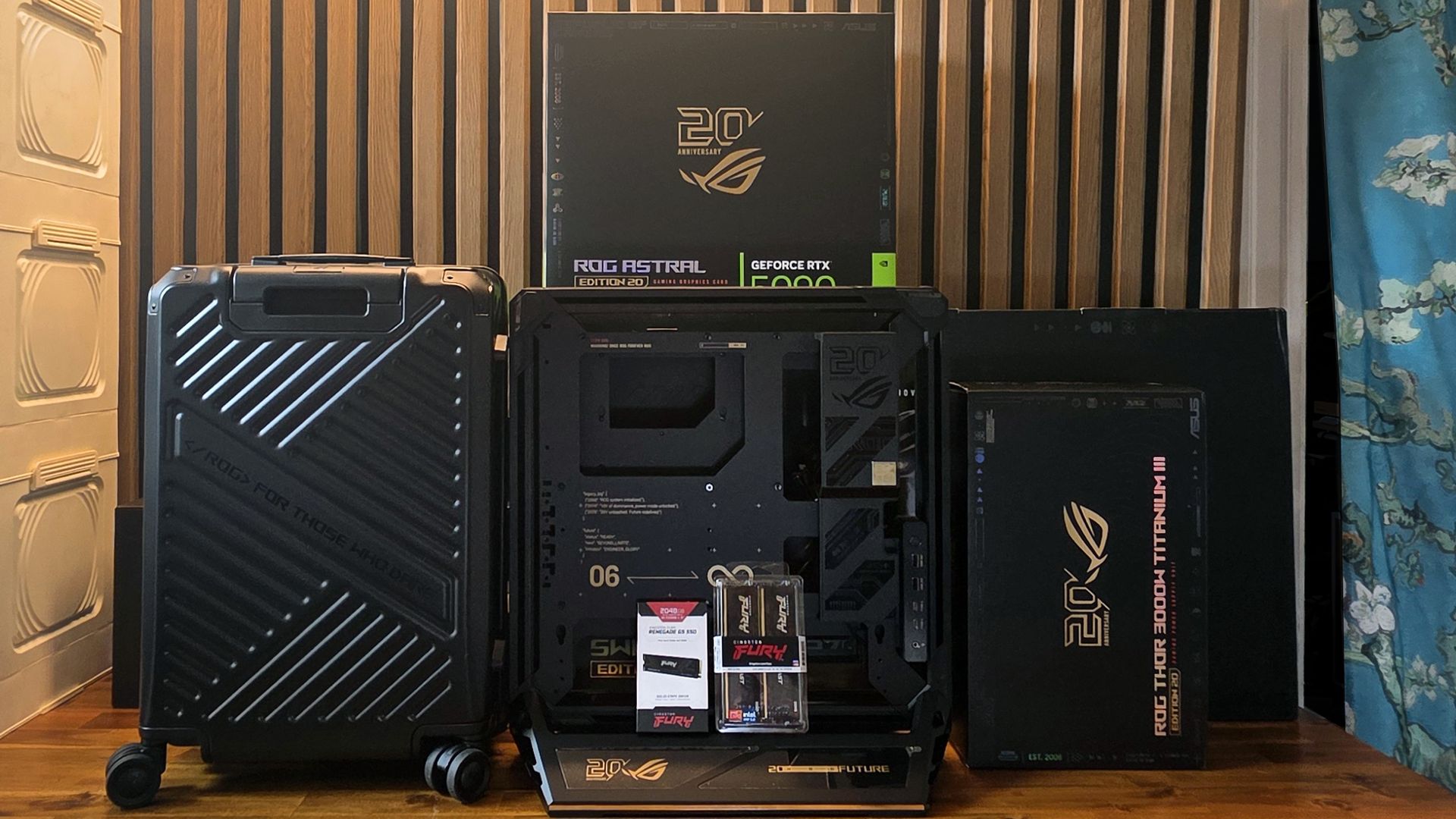
We've reviewed Asus' ROG Edition 20 anniversary kit. We've built a PC with it. It's about as premium as a gaming PC build can get. Right now, you can pick up the same kit for a whopping $10,849.96 on Newegg in a combo deal. To put it mildly, this is one expensive deal, but it's actually hiding a secret gem: it's the cheapest RTX 5090 graphics card on sale right now.
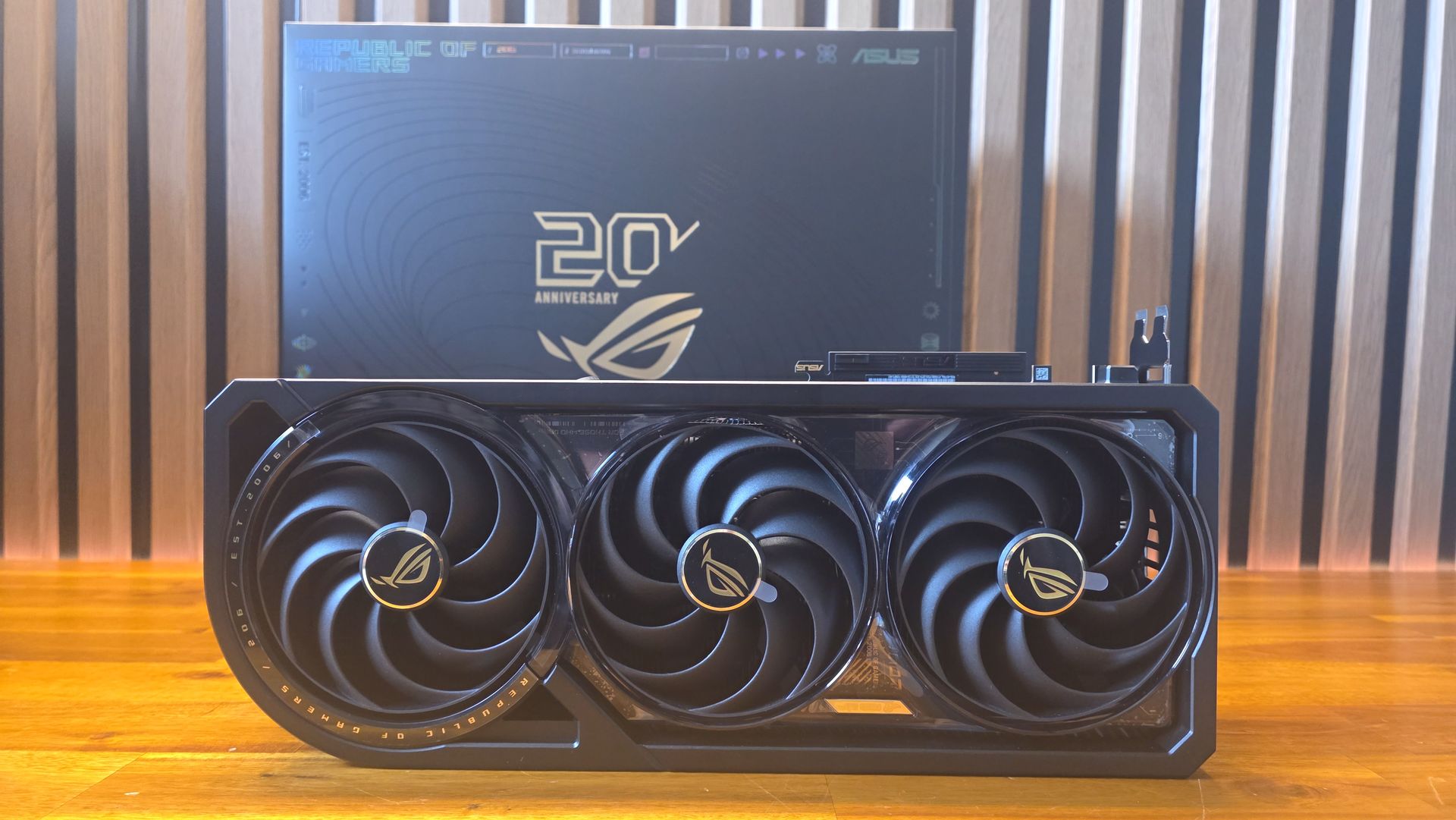
Writing up a near-$11,000 combo set as a deal might seem silly, but one of the core components here is the Asus ROG Astral GeForce RTX 5090 Edition 20 that is priced as part of this deal at $5,999. You can't buy this Astral card on sale individually right now. In fact, you can barely buy an RTX 5090 anywhere. RTX 5090 stock has almost completely disappeared in the United States, with only sketchy third-party sellers offering it at prices approaching $10,000.
This premium GPU is now ultra premium and, for the time being, ultra rare. Does that make this $10,849.96 Newegg combo deal a good option? If money is no object, you're perversely getting some value for your money, as long as you don't think too hard about the RTX 5090's original $1,999 MSRP.
ROG Edition 20 combo: $10849.96 This frankly ridiculous bundle includes all of Asus' ROG Edition 20 kit, including the ROG Astral RTX 5090, ROG Crosshair X870E, ROG Thor Titanium III 3000W PSU, and the ROG GR20 open-frame PC case. No discount, but the RTX 5090 is the cheapest you'll find it, in the oddest way.View Deal
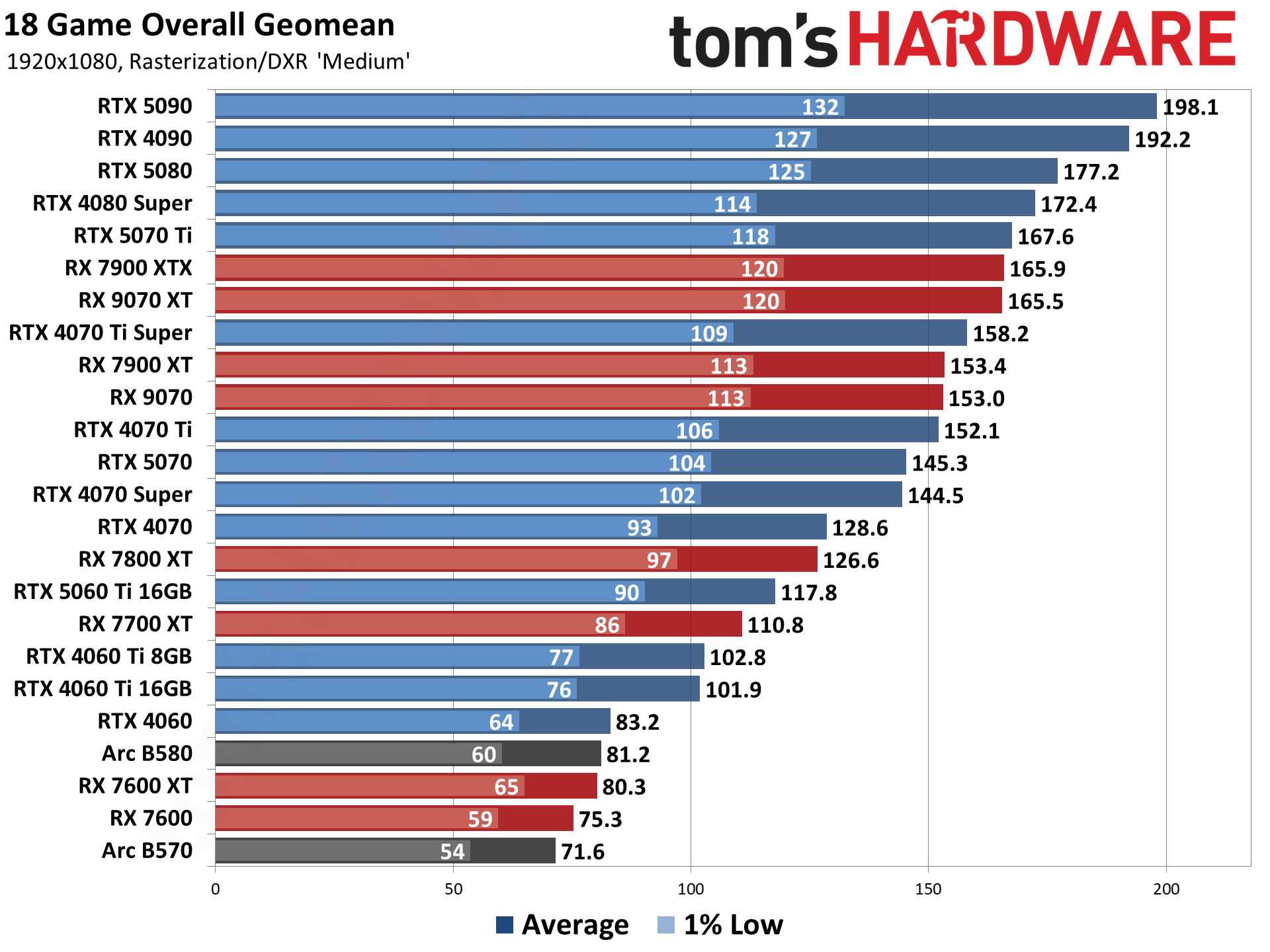
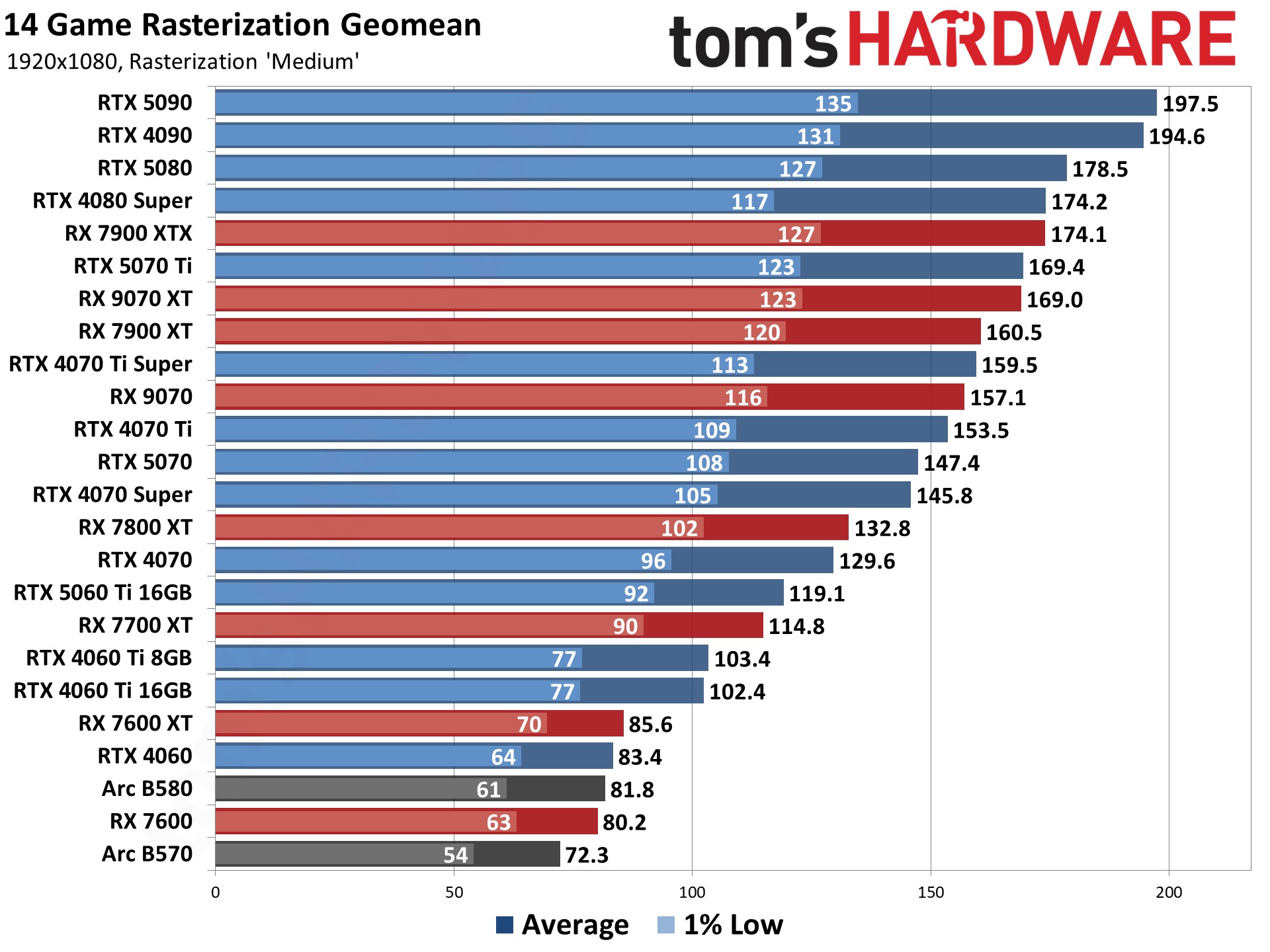
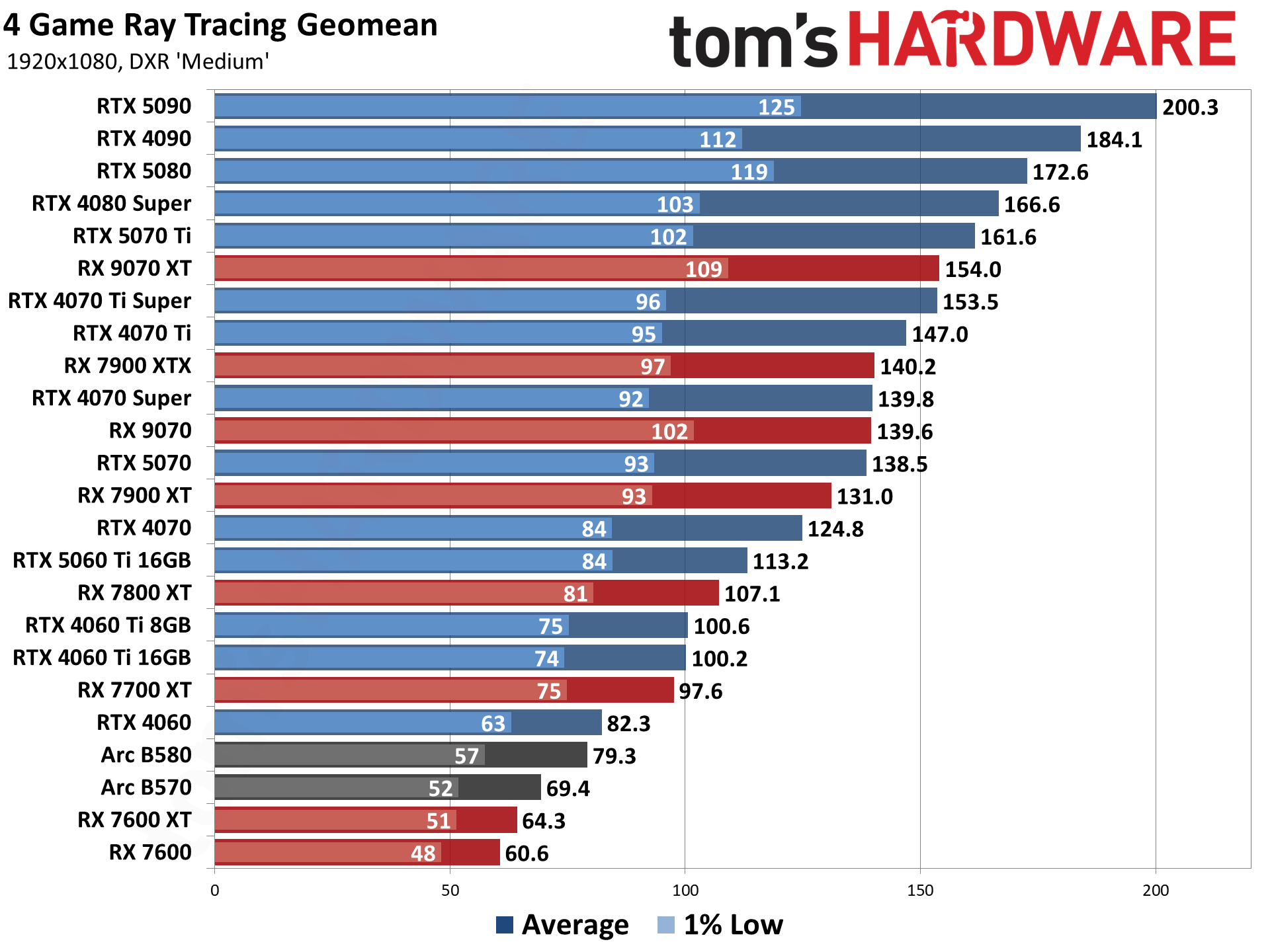
Yes, the GPU is an unstoppable force for any gamer. Our GPU benchmarks make that very clear. The RTX 5090 is the best GPU you can buy, and no other consumer GPU is going to beat it. It has 21,760 CUDA cores and 22GB of GDDR7 VRAM, with a 512-bit memory bus and bandwidth speeds of up to 1,792 GB/s.
This Astral is a world-beater of its own, though. It features an upgraded design, with a second BTF power connector to pull up to 800 watts, a glass backplate, and a curved OLED screen. It has faster clocks, hitting 2,750 MHz, with a 4.7-slot design. Performance-wise, the OG Astral is beating world records, so this is a card that you can really push to its limits (if you're not scared of charred power cables).
Tom's HardwareTom's HardwareTom's Hardware
The $6,000 GPU aside, you're also getting a $3,299 Asus ROG Crosshair X870E Edition 20 motherboard. Asus has a few variants of this, but the Edition 20 board here has (alongside some beautiful gold accents) supports for up to nine M.2 SSDs, with five slots on the board and more via add-in cards. There are six USB-C ports, plus two 20 Gbps front-panel connectors. Large copper VRM heatsinks work with its integrated AIO cooler, with a curved 6.7-inch AMOLE screen and a huge copper heatsink. Probably overkill, but for $3,299, you want it all.
You're also getting a $899.99 Asus ROG Thor Titanium III 3000W Edition 20 power supply. It's a PSU, but 3000W isn't to be sniffed at, and it'll certainly provide enough power for the monstruous Astral RTX 5090. It’s fully modular, with another OLED display (magnetic, this time) which you can mount either side, or extend with a cable.
(Image credit: Tom's Hardware)
Finally, you get the Asus ROG GR20 open-frame EATX PC case, set at $649.99. This is a totally new design from Asus, supporting large EATX motherboards, and you can stand it vertically or horizontally. There's a crossflow fan to blow cool air onto the GPU, RGB light strips, and several fast USB ports. It's mostly aluminum, with some plastic, magnetically attached cosmetic covers around the sides.
$10,849.96 for this Asus combo kit is so much money for anyone to spend on a gaming PC build, but, unfortunately, we are where we are. As our Asus ROG Edition 20 build write-up mentions, this is a kit that few will buy and own. AI is pushing gaming PCs to new heights, and it's a real shame that we're now seeing current-gen flagship GPUs like the RTX 5090 becoming so rare to buy that combo offers like this are, perversely, almost good value. If you're spending $6K or more on a GPU, though, then it might make sense. You won't find an RTX 5090 cheaper (or, probably, at all, at least for some time) so if you want the best gaming PC build that you can find, this is the kit you'll want. For once, we don't imagine this will sell out soon, but Newegg might pull the deal at any point.
Intel won't launch a Nova Lake-S SKU with 12 Xe3P graphics cores, according to tipster Jaykihn, who originally flagged a beefed-up APU design with the Nova Lake architecture. The original SKU was said to come with 4 P-cores, 8 E-cores, and 4 LPE-cores, along with the 12 Xe3P cores, presumably offering an inexpensive onramp to a gaming desktop without a discrete GPU. Now, the leaker says that design is cancelled, and Intel intends to pick it back up with Razor Lake, the generation that will follow Nova Lake.
Nova Lake -S 12Xe has been changed to Razor Lake -S 12XeSeptember 14, 2026
Originally, Intel's 12 Xe3P Nova Lake SKU was said to require 65W of dedicated power to drive the iGPU, necessitating the use of two VCCGT phases on the motherboard for integrated graphics. Intel's Arc B390 GPU, which is the 12 Xe3-core model available in Panther Lake and Arc G-series processors, has a thermal design that can sustain up to 80W. However, it's currently being used in Panther Lake machines and handhelds like MSI Claw 8 EX AI+ that have lower power targets.
The Xe3P architecture is slotted for use in Intel's Crescent Island AI accelerator, but it hasn't been announced for any other products yet. Xe3P supports a wide deployment of Xe cores (up to 32), a deeper XMX engine with support for low-precision data types like FP8 and FP4, an increased 512KB L1 cache per Xe core, and a new unified L2 cache (32MB on Crescent Island).
Even by desktop APU standards, an 80W iGPU is a beefy accelerator to have on the same package. In addition, Intel's Nova Lake stack is said to extend up to a 175W TDP with the rumored top-end 52-core SKU, meaning the full 12 Xe3P iGPU would likely only be possible lower down the stack (and maybe only in the 4 + 8 + 4 + 12 Xe design originally suggested).
Earlier in the year, rumors suggested Intel was working on a mobile APU to counter AMD's Strix/Gorgon Halo products, featuring a large pool of unified memory and a large iGPU, dubbed Nova Lake AX. Now, the rumor mill suggests Intel will recycle the Nova Lake CPU cores for Razor Lake AX on mobile while pushing a larger iGPU.
Nova Lake-S rumored specifications
SKU*
Core Config (P+E+LPE)*
bLLC*
TDP (Unlocked/Locked)*
52 Cores (dual-tile)
(8+16)+(8+16)+4
288MB
175W
44 Cores (dual-tile)
(8+12)+(8+12)+4
264MB
175W
28 Cores
8+16+4
144MB
125W
28 Cores
8+16+4
-
125W / 65W
24 Cores
8+12+4
132MB
125W
24 Cores
8+12+4
-
125W / 65W
22 Cores
6+12+4
108MB
125W / 65W
22 Cores
6+12+4
-
125W / 65W
16 Cores
4+8+4
-
65W / 35W
12 Cores
4+4+4
-
65W / 35W
8 Cores
4+0+4
-
65W / 35W
6 Cores
2+0+4
-
65W / 35W
*Specs rumored, unconfirmed by Intel
Intel has told us that Nova Lake is one of the most important desktop CPU launches for the company ever, following on the heels of the mediocre Arrow Lake rollout. Perhaps the biggest addition to the lineup is rumored to be bLLC, or big last-level cache, which is said to show up on select SKUs to counter AMD's X3D assault among the best CPUs for gaming. The company has yet to confirm that bLLC is even possible with its current packaging capabilities, though enthusiast channel VP Robert Hallock hinted to Tom's Hardware that Intel has plans to address X3D in the next generation.
The main stack is rumored to climb up to 28 cores, with two additional dual-tile SKUs that can go as high as 52 cores. The dual-tile models look like a bid for HEDT, perhaps competing with AMD's Threadripper CPUs, though it's not clear how Intel will position its dual-tile models yet.
Alongside Nova Lake, Intel will introduce the new LGA1954 socket, along with the flagship Z990 chipset. We've already seen multiple Z990 motherboards in the flesh, suggesting Intel is preparing for a Nova Lake release in short order.
The estimated natural gas consumption of data centers in the U.S. is expected to massively increase as these facilities increasingly rely on gas turbine generators for their power. According to Bloomberg, data centers are projected to use up to 15 billion cubic feet per day by 2035, a 117% increase from the previous forecast of 6.9 billion cubic feet. This number tracks with other data center forecasts, which suggest that data centers will use 20% of U.S. power by 2035, amounting to about 194 gigawatts.
New technologies like small modular reactors are currently being developed as an answer to AI data centers’ insatiable demand for power, like Ampera’s 3D-printed modular thorium nuclear reactor or Valar Atomics’ Ward 250 nuclear microreactor. Many AI hyperscalers, including Amazon, Google, Microsoft, Nvidia, and Oracle, have even invested in projects like these in a bid to generate massive amounts of clean energy for AI. However, they’re expected to take a few more years before they could become commercially viable — time that tech giants do not have. Because of this, Musk said that “natural gas will still be needed to supplement and bootstrap solar for several years.”
The deployment of natural gas turbines in data centers isn’t good news for the communities living around them, though. The NAACP said in its lawsuit against SpaceXAI that the use of these turbines at Colossus 2 increased nitrogen oxide exhaust by 111%, PM2.5 particles by 83%, and formaldehyde emissions by 88%. While the company has already pledged to remove all its unpermitted generators, the process will take at least a year as the portable turbines are slowly being replaced by a 1.2-gigawatt on-site power plant.
Aside from this, the massive demand for natural gas could potentially put a strain on the supply, causing prices to rise and hit the average consumer. Domestic natural gas producers are projected to raise their output by 35 billion cubic feet per day in the next decade, but this still falls short of the forecasted demand by around 11 billion cubic feet per day. So, unless output manages to catch up with the demand, prices are expected to shoot up and cause a scramble for available supply. Still, some experts suggest that there are still more than enough undeveloped gas fields within the U.S. to allow the industry to increase natural gas supplies and reduce costs.
Microsoft founder Bill Gates has said in an interview that the world’s governments are not ready for artificial intelligence. The billionaire philanthropist made the warning in an interview with Reuters, saying that nations must prepare for the various risks that the technology poses to the workforce and society as a whole.
“I don’t think any government is nearly as deep on this as they have to be. Governments are way behind on this one,” Gates told the publication. He also added, “There’s all sorts of movies where some aliens are coming, and magically, the U.S. and China and everybody comes together to solve the problem. AI is kind of like this alien intelligence. It’s here, and we better do like it shows in those movies.” In line with this, he said that he has been in talks with world leaders like U.S. President Donald Trump to share his concerns, and that he’s also trying to meet with Chinese President Xi Jinping.
While concerns AI’s impact on jobs and human society may seem small compared to the news about runaway AI taking over the world and ending all human life, governments still cannot ignore these seemingly lesser issues. This is especially true if businesses stop hiring people in favor of AI tools, with the CEO of Microsoft AI predicting that they could replace every white-collar job in 18 months. This is why Gates argues that authorities across the world must have plans in place when this begins to happen, even going as far as saying that some jobs should be “Human Reserved.”
It’s unclear what steps Bill Gates believes governments should take to prepare and protect its citizens from the predicted turmoil that AI technologies will bring on humanity, but U.S. Senator Bernie Sanders has already proposed an AI sovereign wealth fund that would have direct ownership stakes on American AI firms. He even went as far as introducing the Ban Artificial Superintelligence Act, which puts the penalty of developing powerful AI tools at par with building rogue nuclear weapons. However, the current administration has downplayed all these concerns about AI, with President Trump calling them a hoax.
Despite his warnings, Gates still believes that AI has great potential for good. The Gates Foundation is planning to spend at least a billion dollars in the next two years to give more people access to AI, saying that it could help the world’s poorest people “if managed properly and accessed equally.” This amount of money will go towards supporting the use of AI in education, healthcare, and agriculture, and even the expansion of large language models so that they would work across all the languages on earth.
AI companies don't have a great track record in areas like copyright or user privacy — unless they're the ones on the short end of the stick, that is — but it's generally known that the chat logs from platforms like ChatGPT are used for improving models. The mechanism as to how this happens was still a mystery until today. 404 Media just published a report about OpenAI's process of human review for chat transcripts, explaining how the review process works, and how it involves other humans sometimes reading private information.
The rating project's name at OpenAI is Project Lily. The publication got information on the project's instruction guides, Slack channels, real ChatGPT conversations, and, of course, the rating system to classify conversations. The operators are called "prompt reviewers," and their job is fairly simple: look at anonymized real-world chats, and judge the quality of ChatGPT's responses to assess whether they actually answer the question, and that the text doesn't overuse "AI-speak," patronizing tones, emojis, or sycophancy, among other parameters. Anthropomorphizing and stating "personal" experiences are both off the table, meaning that while it's OK for ChatGPT to say "I found some information," it's not OK for it to say "as a chef, I like to..." or "I know what that's like."
The work is "very rote," according to a reviewer, but at reportedly over $50 an hour, it's a high rate for what looks like reasonably simple work. The reviewer also said that their guidelines keep changing and are often self-contradictory, a feeling most software developers should easily identify with.
The person doesn't think that most users are aware their chats are being read by others, though, something that's particularly troubling when many use ChatGPT as an impromptu friend or therapist and put deep secrets in words for the bot to read.
While the chats allegedly go through an anonymization pass and reviewers don't see usernames, OpenAI admitted to 404 Media that the filtering may let some personal data through, especially in shorter chats. The site notes that in many conversations, the user asks ChatGPT to keep the contents secret, as well. The version of the chat handed to reviewers also reportedly includes a "user memories summary," containing a summary of the users' questions and interests, context, and potentially even location.
Crucially, Project Lily does not grade the chats' actual factual accuracy other than flagging obvious mistakes, implying that there's likely at least one more team (or several) doing separate evaluations. Likewise, this reviewing is separate from manual safety checks that ascertain if someone might be looking to hurt someone else (or, presumably, themselves).
The existence of the project also indicates that contrary to these image AI companies try to cultivate, the models don't improve just with technological advancement and better training sets — it appears you still need more than a few competent humans in the mix.
By now you may be wondering about the "allow us to use your chats to improve our product" (paraphrased) setting present in most consumer-facing chat bots. That setting is turned on by default in every bot we can think of, even with many paid plans. In ChatGPT's case, it does default to off in Enterprise, Business, and Educational customers.
That toggle switch does not work retroactively, though, so any chats already in ChatGPT's database will remain there unless the user requests deletion. Also, said deletion is also not retroactive, meaning that deleted chats may have already been hoovered and anonymized, and possibly reside in a dataset somewhere.
Although OpenAI initially had no answer to 404 Media's inquiry on whether users were explicitly informed that their chats could be read by humans, the company eventually offered a link to one of its FAQ pages that discusses human review for the purpose of model improvement. We verified ourselves that said notice is at least two years old, and likely older. After the publication of the exposé, the firm changed its help page explaining how people can opt out of data collection, but there's no mention of human operators in that text.
This type of data collection and review is a running theme across most providers. Google Gemini clearly states that "humans may review some saved chats" in its Privacy Hub. Anthropic's stance is similar, with a page dedicated to this topic. Perplexity's stance, meanwhile, is unclear, as its Privacy Notice doesn't confirm or deny human access to chat logs.
Microsoft has issued an out-of-band update for its recent Windows 11 patch, which has caused a number of bugs and issues. The September 2026 update was just released last Tuesday, and although it packs a number of new features and fixes nearly 1000 security flaws (commonplace in this day and age), there are also a few unfortunate regressions.
The 25H2 update finally reintroduces a movable taskbar, just like we've had since Windows 95, with an option to make the height smaller for compact displays. Likewise, the Start menu now has multiple configurable layouts, and you can toggle each main section on or off. Microsoft also revamped Windows Search — perhaps to finally be useful — and users can now choose to only have it display local results. Explorer got a handy tweak in the form of using KB, MB, GB size indicators, as well.
The update has also surfaced some serious bugs. First off, PCs with AMD Radeon GPUs are crashing, apparently due to the update provoking driver instability. Reinstalling the driver doesn't appear to help, and the reports unfortunately cover most contemporary AMD graphics cards. Microsoft did not mention AMD GPUs specifically in its latest update.
Microsoft noted that it has fixed an issue with Remote Desktop Services where RDS might become unstable, causing connection and sign-in failures.
Microsoft is also aware of an issue with audio output and microphone input going dead. Additionally, there are seemingly reports of audio devices starting up with a botched configuration, like tweaked 3D audio settings or speaker setups. The apparent workaround seems to be putting audio in a standard 2.0 configuration, but Microsoft has now addressed this issue in the emergency patch.
Explorer may display a black screen after logging in, leaving you with a perfectly functioning operating system but no visible UI. The File History backup feature is reportedly not detecting external drives, effectively making it useless. Of particular concern to enterprises, systems administrators, and homelabs, the Remote Desktop Service is also experiencing issues. Last but not least, Microsoft says it has addressed an issue where Claude Cowork is nonfunctional due to the update breaking HC-managed Linux VMs with Plan9 shared folders
Owners of HP and Lenovo systems are also advised to consider holding off on this update. Ever since the August 2026 patch (and now, cumulatively, with the September update), there are reportedly serious issues on both camps. On the HP side, there are instances of the update triggering BIOS corruption, leading to a failed install with no ability to recover the OS — though seemingly the OEM has published a new BIOS revision, so it's hard to say which side is to blame. Meanwhile, Lenovo users might have their machines black-screen or shut down out of the blue, seemingly due to power mismanagement.
While it's heartening to see that Microsoft has significantly increased its Windows development speed and is seemingly listening to customer feedback, a string of bugs after a major feature update are still common.

 Login