Normal view
- MacVoices
- MacVoices #26231: Live! – Apple Earnings, Executive Changes, and the Windows Clipboard Debate
MacVoices #26212: Live! – Google, Apple, and the Growing U.S.–EU Technology Divide
MacVoices #26205: Live! – An AI Lifesaver For Creatives and Is The AI Reckoning Upon Us?
MacVoices #26200: Road to Macstock: Brian Henson
- MacVoices
- MacVoices #26179: Flip The Script – Dmytro Melnyk on Building AI Into Trusted MacPaw Products
MacVoices #26179: Flip The Script – Dmytro Melnyk on Building AI Into Trusted MacPaw Products
MacVoices #26172: Live! – Exploit Speed, Bot Limits, and Bad Tech Features
MacVoices #26153: Road to Macstock – Jill McKinley
MacVoices #26150: Setapp by MacPaw Enhances Options for Both Developers and Customers
- MacVoices
- MacVoices #26145 NAB – Riverside Brings Local Recording and Flexible Production Tools to Online Creators
MacVoices #26145 NAB – Riverside Brings Local Recording and Flexible Production Tools to Online Creators
MacVoices #26141: Joe Kissell Announces Take Control Live: Taming Big Tech
The WHO’s High-Price Pandemic Plan Is Built on Smoke and Mirrors
The WHO and the World Bank want $31 billion a year for pandemic preparedness – but a new Leeds University study says the financial case is built on dubious assumptions and false accounting.
The post The WHO’s High-Price Pandemic Plan Is Built on Smoke and Mirrors appeared first on The Daily Sceptic.
Grok exfiltrates user data when malicious instructions are encrypted
Earlier this week, researchers outlined an attack that used a secret input provided by Microsoft 365 Copilot for enterprise to cause the AI assistant to exfiltrate a password present in the user’s inbox. Now, a separate team has devised a similar attack against Grok. The new data theft hack employs a deceptively simple trick to force the Elon Musk-owned large language model to steal user chats and other personal information. At the time this post went live, the assistant continued to cough up the data, despite xAI being informed of it in June.
The lesson from both this week’s episodes—and the countless other ones that have come before it—is that LLMs are incapable of solving the root causes for prompt injections, the most severe vulnerability classes they’re most prone to. That leaves AI developers with no other option but to build a guardrail that steers the model away from the harmful actions. As I noted in Tuesday’s story, the approach is tantamount to a road traffic safety engineer erecting a protective rail around a dangerous bend rather than banking the curve.
Cryptographic Context Injection in the house
Prompt injections exploit LLMs' training to comply with user requests whenever possible. Attackers can capitalize on the predilection by smuggling harmful instructions into emails or webpages the assistant is instructed to summarize. Because LLMs can’t reliably distinguish between content in an email sent by an untrusted party and user instructions entered directly into a prompt, the overly solicitous LLM faithfully follows them. To date, Grok and other LLMs' only recourse is to create guardrails that flag suspicious instructions and forbid them from being executed.


© Getty Images | SOPA Images
‘LION’ – new TV series chronicles four-year journey of lion cub Kio
It’s very much a real-life doco version of ‘The Lion King’, with Jon Favreau executive producing, and music from Hans Zimmer echoing themes from the Disney classic. It took Disney+ and BBC Studios’...
The post ‘LION’ – new TV series chronicles four-year journey of lion cub Kio first appeared on Science Illustrated.
- La Brujula Verde - English
- The Sons of Míl: The Science Behind the Irish Legend That Traces the Origins of the Celts to Northern Spain
The Sons of Míl: The Science Behind the Irish Legend That Traces the Origins of the Celts to Northern Spain

- La Brujula Verde - English
- A Linear A Inscription Found on the Island of Crete Reveals a Minoan Ritual and the Name of a God Predating Dionysus
A Linear A Inscription Found on the Island of Crete Reveals a Minoan Ritual and the Name of a God Predating Dionysus

Wall St. Wants Another Half-Trillion Dollars for the A.I. Boom
Stops Along the Path of Totality
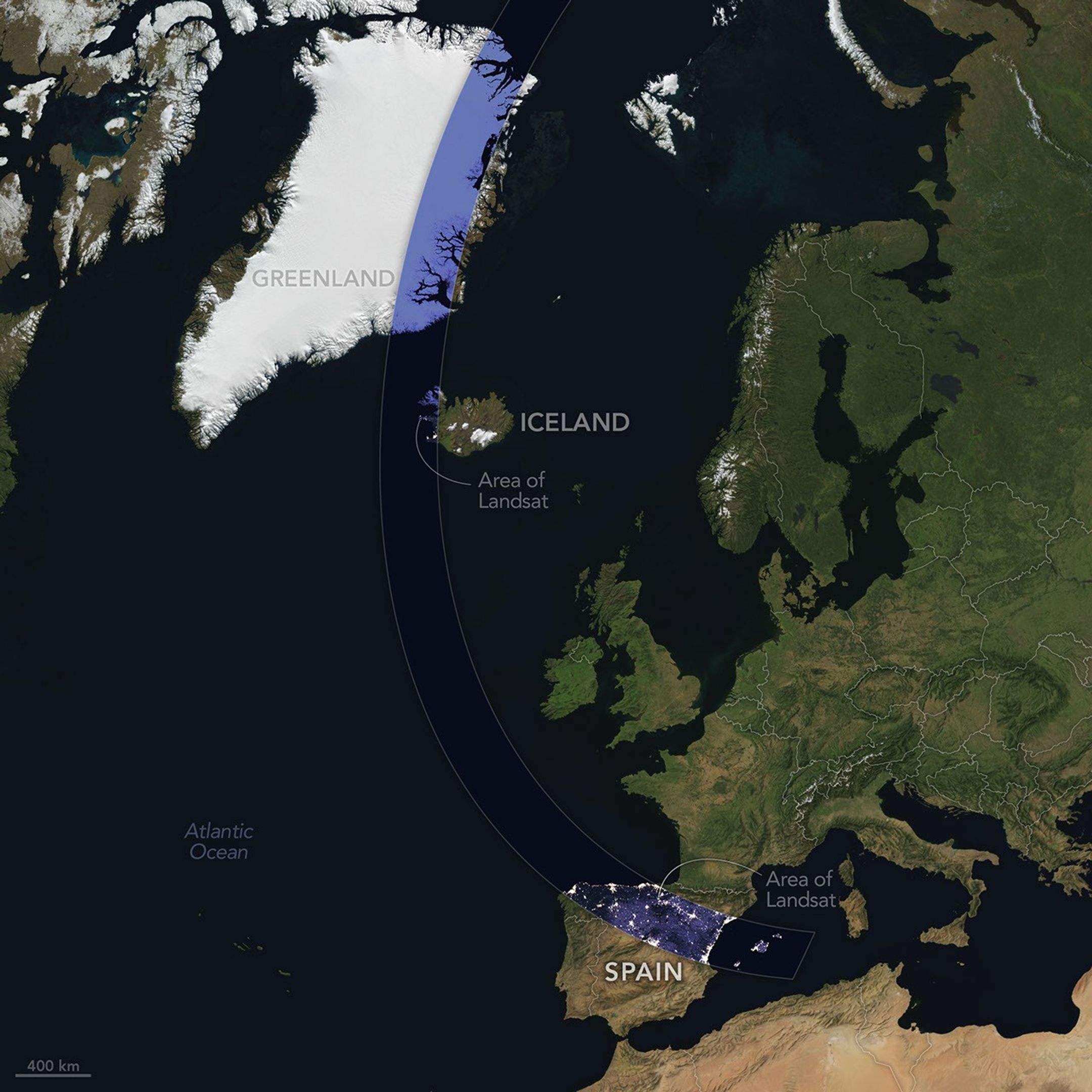
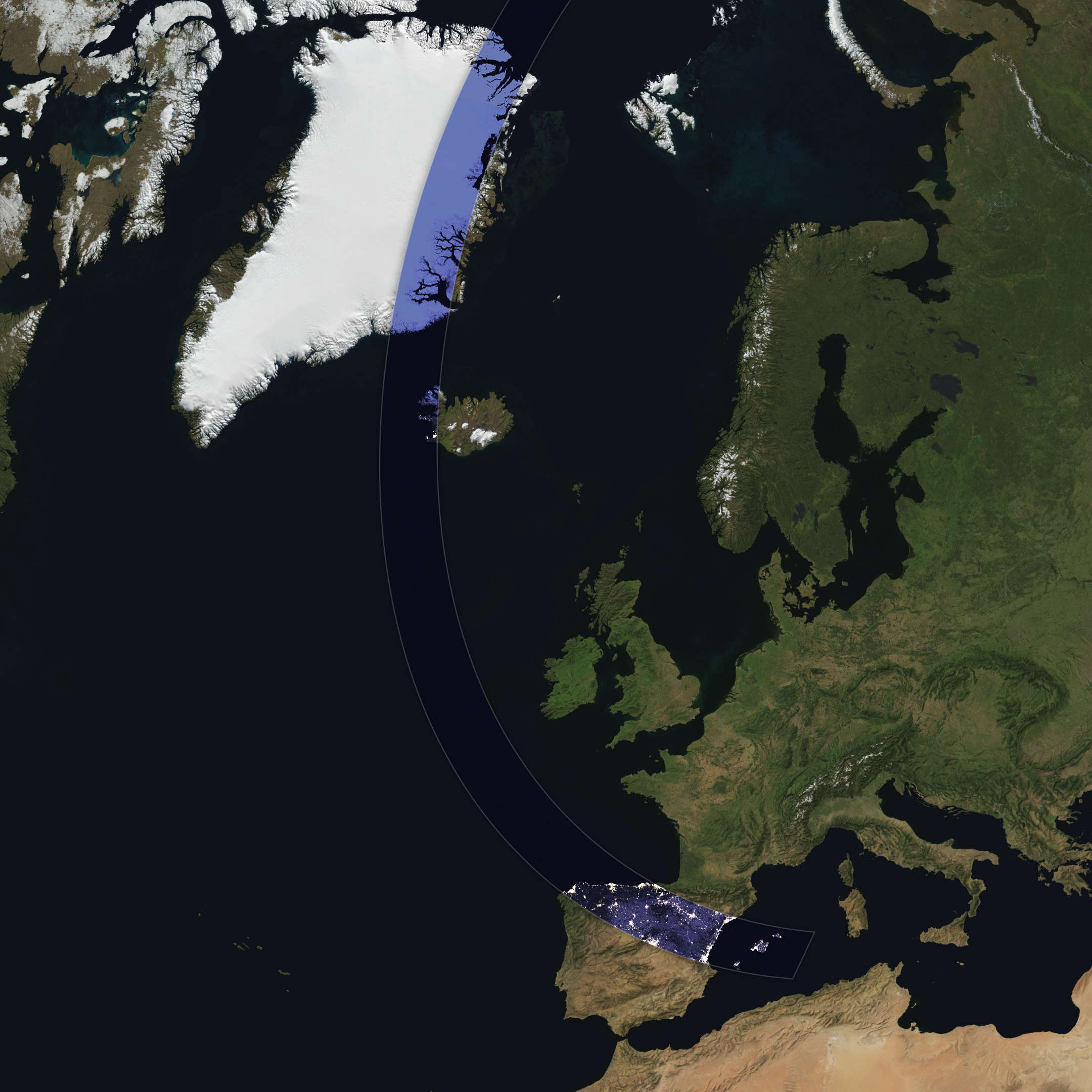
The Sun, Moon, and Earth align on August 12, 2026, to produce a total solar eclipse. When this celestial event last occurred, on April 8, 2024, the path of totality stretched across North America, giving millions the chance to glimpse the Sun’s corona. In 2026, the viewing locales are more limited; only a handful of land areas in the Northern Hemisphere, including parts of Iceland and Spain, fall within the path of totality.
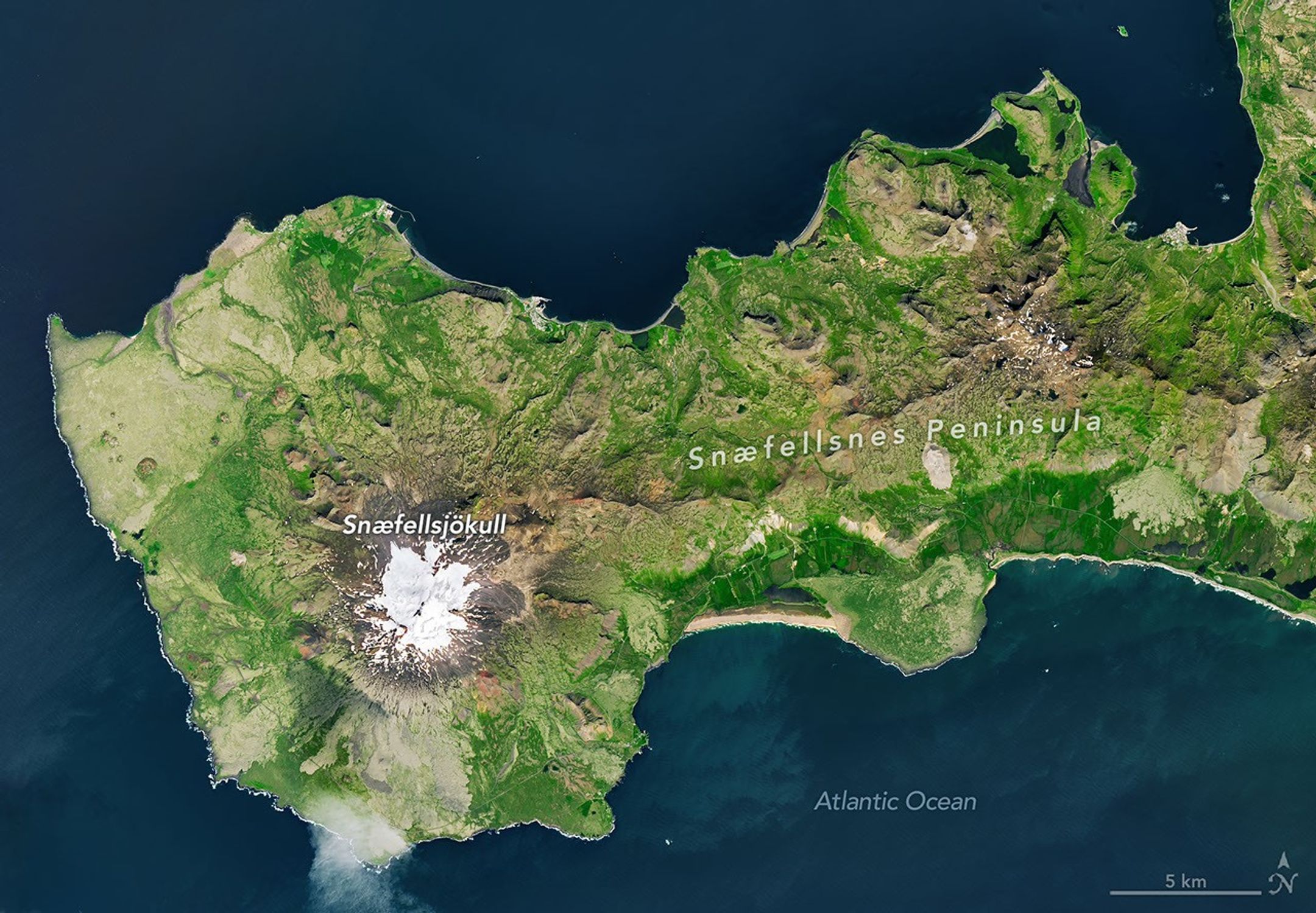
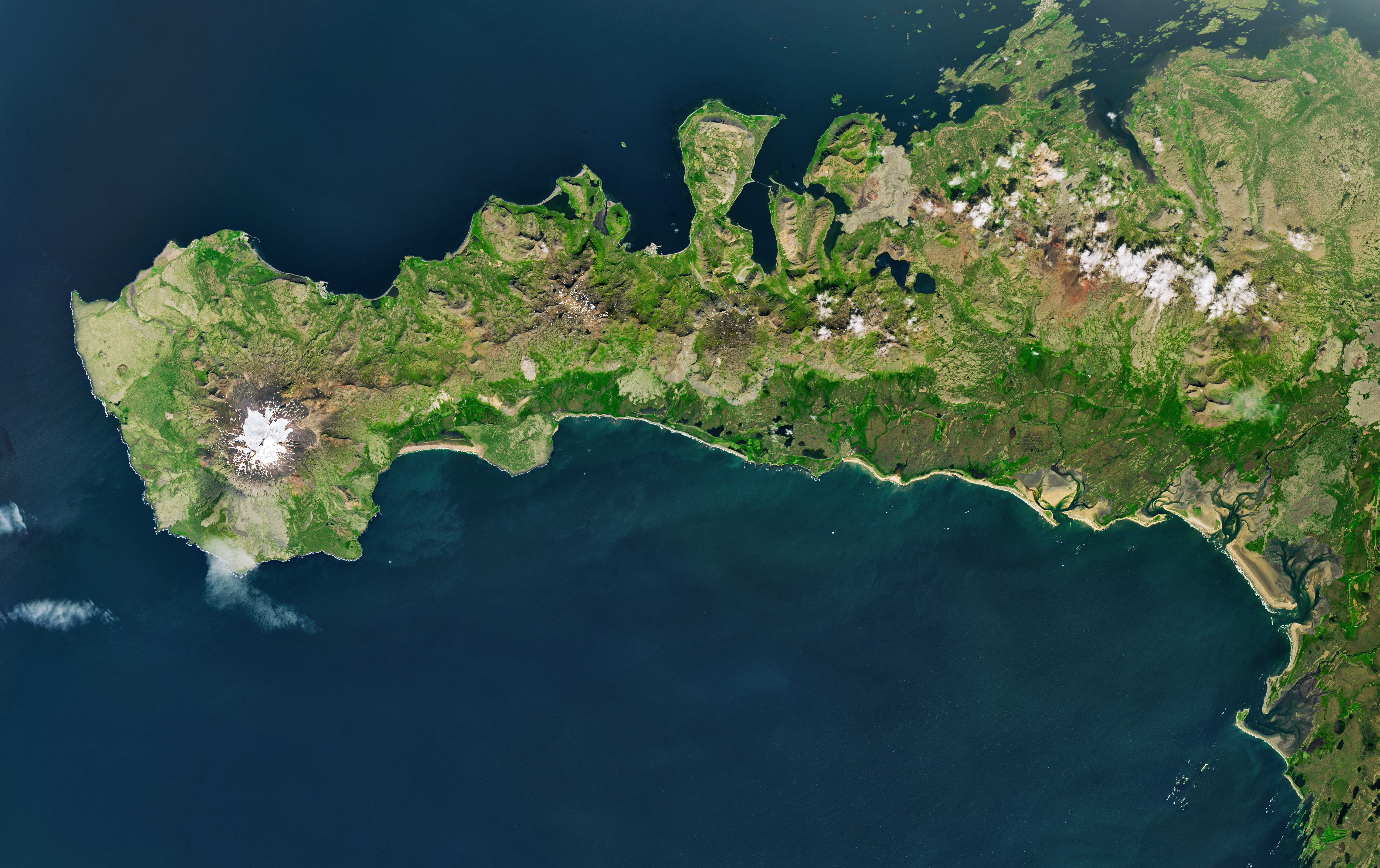
On August 12, the Moon’s shadow will first cross over the Arctic Circle from northern Russia and then track along the eastern side of Greenland. At about 5:45 p.m. local time in Iceland (17:45 Universal Time), the country’s western fringes—including the Snæfellsnes peninsula, shown in the Landsat image above—will begin to experience totality. The greatest eclipse will occur near this sparsely populated peninsula when the Moon appears the largest and covers more of the Sun.

The Snæfellsjökull volcano on the western end of the peninsula is covered in ice and last erupted about 1,800 years ago. It is the highlight of a national park of the same name, where people are expected to visit to view the eclipse. The stratovolcano even has a literary claim to fame: in Jules Verne’s A Journey to the Center of the Earth, characters venture underground through its crater, later emerging in an eruption of Stromboli, in Italy. In 2025, a broader area of the peninsula was designated a UNESCO biosphere reserve, containing over 70 percent of Iceland’s flora and an agglomeration of volcanic landscapes, wetlands, and grasslands.
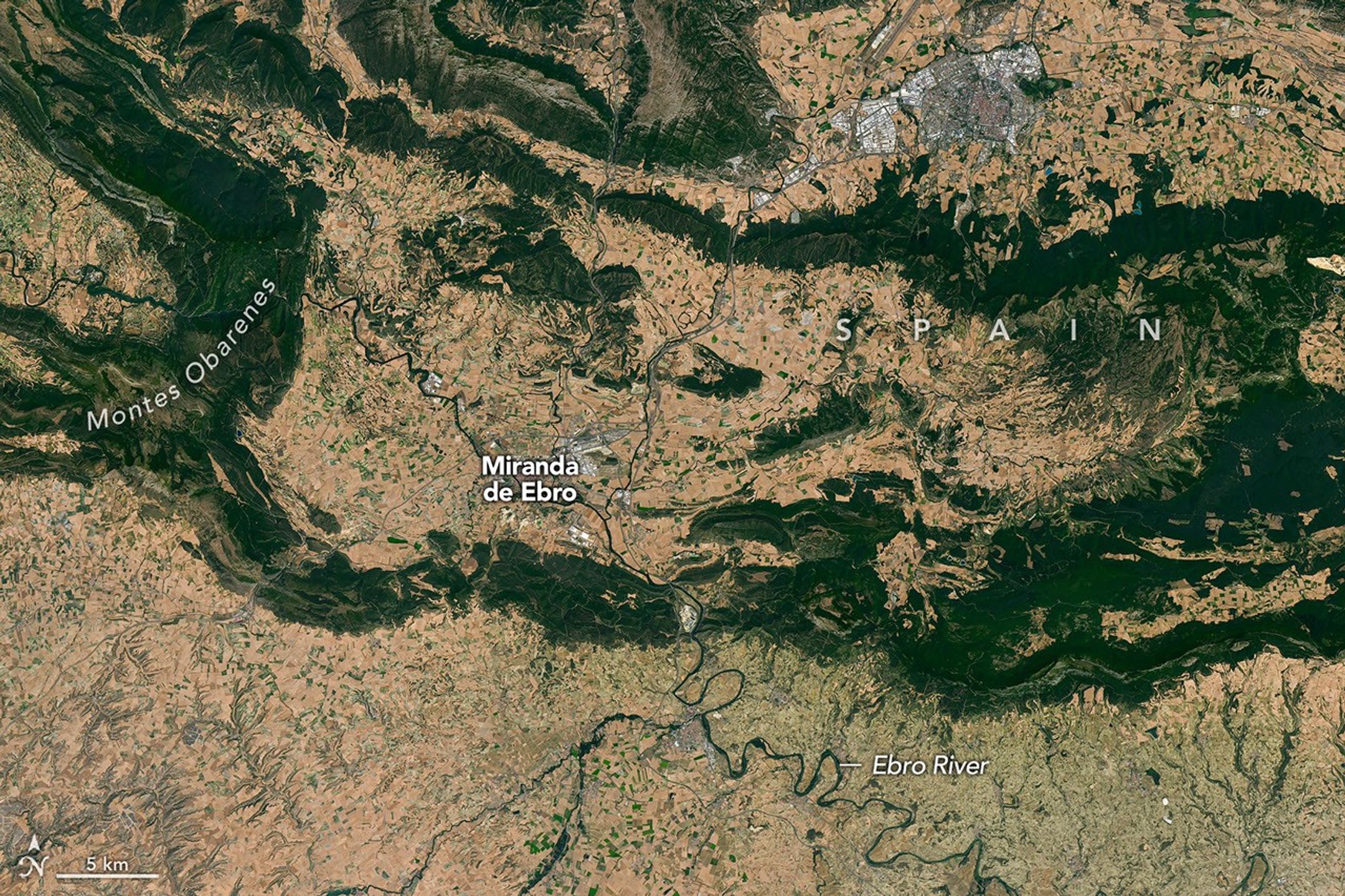
From Iceland, the eclipse shadow, or umbra, progresses across the North Atlantic and reaches northern Spain shortly before sunset. It runs east-southeast across the country, much like the Ebro River (Río Ebro), seen in the Landsat image below.
The upper Ebro emerges from rugged terrain in Parque Natural de Montes Obarenes-San Zadornil, where it carves canyons and gorges through the eastern foothills of the Cantabrian Mountains. It then meanders through La Rioja, a region known for its vineyards. About 400 kilometers (250 miles) away, the river reaches a delta on the Mediterranean coast between Barcelona and Valencia.
Based on satellite measurements of cloud cover in August over several decades, viewers in Spain have a higher likelihood than those in Iceland of getting a clear look at the eclipse. And despite limited viewing opportunities in the path of totality, the rest of Europe, parts of Africa, Canada, and the northern and northeastern U.S. will experience a partial eclipse.
NASA Earth Observatory images and map by Michala Garrison, using Landsat data from the U.S. Geological Survey, base imagery from Blue Marble: Next Generation and Black Marble, and eclipse path data from Xavier Jubier. Story by Lindsey Doermann.
References & Resources
- NASA (2026) August 12, 2026, Total Solar Eclipse. Accessed August 11, 2026.
- NASA (2026, July 31) What’s Up: August 2026 Skywatching Tips from NASA. Accessed August 11, 2026.
- NASA Scientific Visualization Studio (2025, July 13) Animations of the August 12, 2026, Total Solar Eclipse. Accessed August 11, 2026.
- NASA Space Place (2024, March 29) Lunar Eclipses and Solar Eclipses. Accessed August 11, 2026.
- Patrimonio Natural de Castilla y León, Parque natural Montes Obarenes-San Zadornil. Accessed August 11, 2026.
- Snæfellsjökull National Park (2026) Snæfellsjökull National Park. Accessed August 11, 2026.
- UNESCO (2025) Snæfellsnes. Accessed August 11, 2026.
You may also be interested in:
Stay up-to-date with the latest content from NASA as we explore the universe and discover more about our home planet.

The colonial communities of “America’s historic triangle” played defining roles in the road to American independence.

Sites relevant to the start of the American Revolutionary War are interspersed throughout the modern-day Boston metropolitan region.

The crew of NASA’s Artemis II mission captured extraordinary images of our home planet during their journey around the far…
Discover More from NASA Earth Science
Subscribe to Earth Observatory Newsletters
Subscribe to the Earth Observatory and get the Earth in your inbox.

Earth Observatory Image of the Day
NASA’s Earth Observatory brings you the Earth, every day, with in-depth stories and stunning imagery.

Explore Earth Science

Earth Science Data
Open access to NASA’s archive of Earth science data

Trump Administration Kills Annual Arctic Report Card
NASA Completes Astronaut-Deployed Science Instrument for Lunar Surface

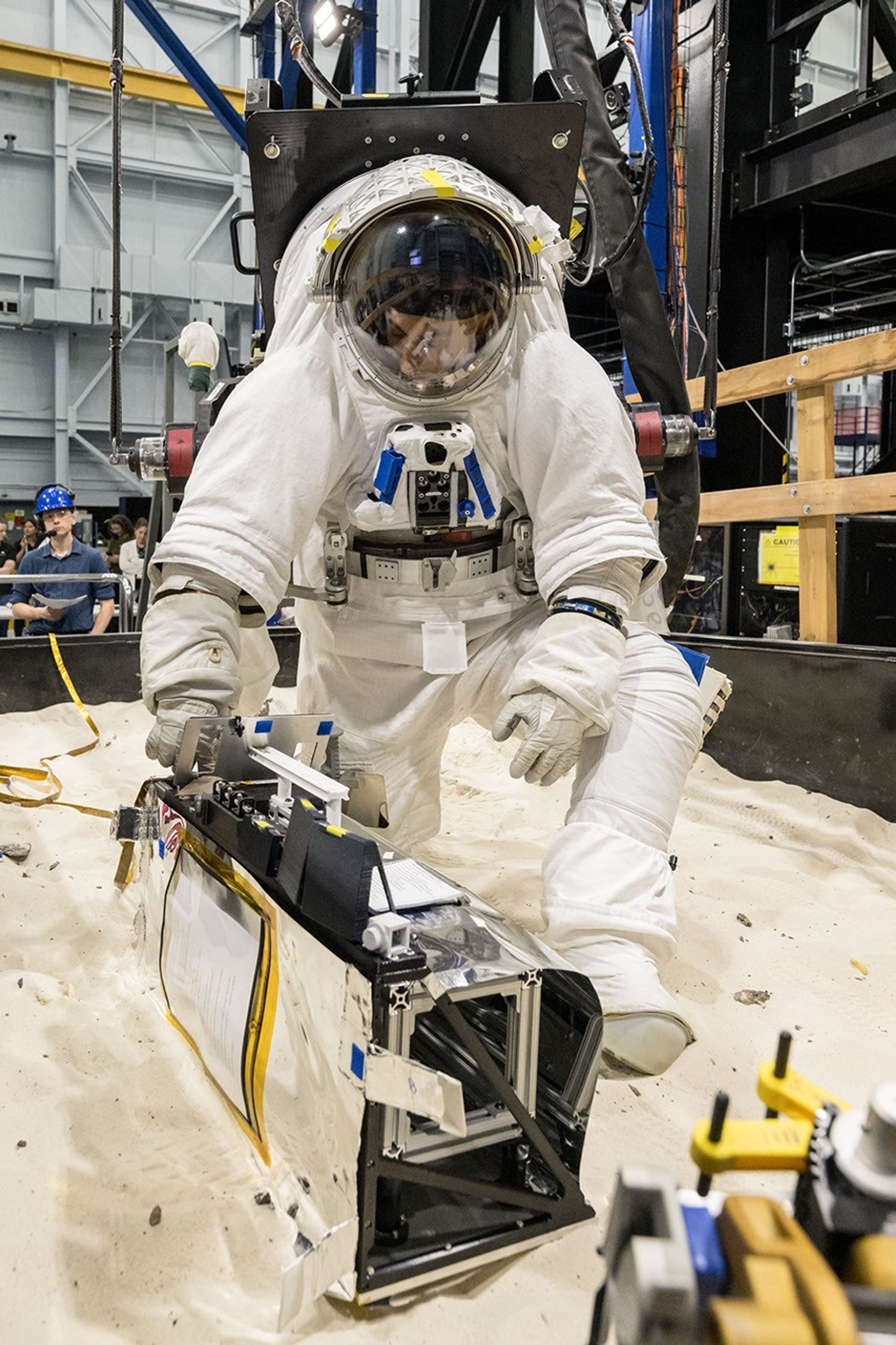
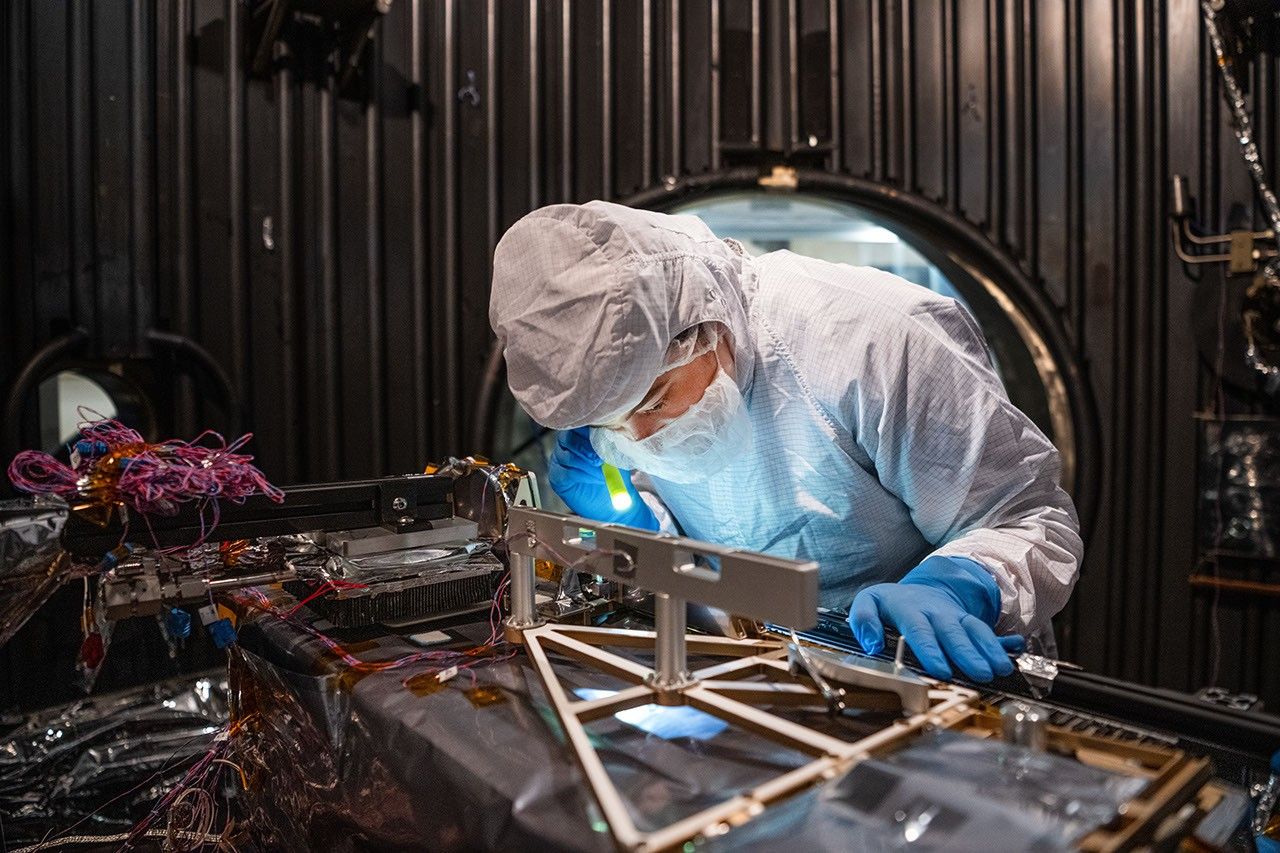
NASA has declared “wrenches down” on the first completed payload designed for Artemis astronauts to deploy on the Moon’s surface. Engineers working on NASA’s Lunar Environment Monitoring Station, or LEMS, have completed hardware development and testing and the payload is ready for its permanent home near the lunar South Pole. With the hardware complete, LEMS is ready to support one of the Artemis program’s core goals: enabling sustained lunar science and exploration.
The LEMS instrument package contains two highly sensitive seismometers that will monitor ground vibrations from moonquakes and meteorite impacts, providing scientists with insights into the Moon’s interior and the seismic hazards astronauts might encounter at the surface. Its modular design allows the system to be adapted or expanded to host new instruments in the future, creating a reusable platform that can evolve as scientific priorities grow.
The payload will remain in a clean room at NASA’s Goddard Space Flight Center in Greenbelt, Maryland, where it was built, until it is assigned to an Artemis mission for deployment to the lunar surface.
“The completion of the LEMS scientific instrument is a major step in a new era of lunar surface science. Innovative science experiments will uncover, measure, and reveal the Moon’s secrets while astronauts open new frontiers for discovery,” said Joel Kearns, deputy associate administrator for exploration, Science Mission Directorate, NASA Headquarters in Washington. “And, behind the scenes, countless teams across NASA and our partners are pushing the boundaries of what surface instruments can do, building the tools that will make future exploration possible and safer.”

The LEMS payload builds on a legacy of lunar seismic tracking. Apollo astronauts deployed a network of seismometers on the Moon’s nearside equatorial region between 1969 and 1972. Those instruments operated until 1977, recording about 13,000 moonquakes and other ground vibrations that helped scientists begin to understand the composition of the Moon’s interior. For decades, researchers have hoped to spread more seismometers, updated with new technologies, across the lunar surface.
Now, LEMS will carry the first seismometers to be deployed by future astronauts to listen for faint ground vibrations, collecting new clues to the Moon’s internal structure and ongoing seismic activity. The sensors will be the most compact, sensitive, and energy-efficient seismometers ever built for planetary exploration.
LEMS itself is about the size of a small suitcase, weighing 11 pounds in the Moon’s low-gravity environment. It will carry not just these seismic sensors, but everything it needs to function independently of humans after deployment. LEMS is built to manage its own power production via a lightweight, flexible solar array that conforms to the shape of the LEMS unit. It also will manage its operational activities to ensure continuous data collection based on a preset plan, and monthly data transmission to Earth. The payload will do all this while maintaining a stable internal temperature throughout the massive day-to-night temperature swings of the South Pole region.

“When we conceived of LEMS, we weren’t just thinking about the next mission, we were thinking about the next generation of lunar exploration,” said Mehdi Benna, a University of Maryland Baltimore County scientist who leads LEMS from NASA Goddard. “Our vision was to create a scientific buoy for the Moon. Like an ocean buoy on Earth, LEMS is designed to be easy to build, adaptable to different scientific objectives, and capable of operating independently for years.”
Before any surface science could happen, Benna and his team had to ensure that LEMS could survive the trip to the Moon and the harsh environment of its surface. Over the past five months, LEMS and its components have been subjected to a demanding series of environmental and operational tests. Engineers verified LEMS can endure the violent shaking of launch, the journey to the lunar surface, and the Moon’s temperature and radiation environment. The team also showed that the instrument package’s mechanical and electrical design is safe for astronaut handling.
The LEMS payload was built to operate through the lunar night, which lasts two Earth weeks, without external power assistance or a heat source. Past lunar surface instruments relied on radioisotope heaters for warmth and power. But LEMS instead will withstand temperatures that dip to minus 400 degrees Fahrenheit in some areas by using advanced insulation materials, low-thermal-conductivity cables that minimize heat loss, and a thermal regulator that conducts heat away during the day to prevent overheating and helps retain heat at night.
These innovations reduce mass and power needs, setting the stage for lighter, energy-efficient instruments that can operate continuously at future Artemis landing sites and the NASA-led Moon Base.
The LEMS payload is led by University of Maryland Baltimore County and University of Maryland College Park. Technical implementation is led by NASA Goddard. The University of Arizona, in partnership with Silicon Audio, Inc., supplied LEMS’ two state-of-the-art seismometers. Morehead State University in Kentucky provided LEMS’ telecommunication system and will operate the instrument on the surface. Washington University in St. Louis will manage the instrument’s data processing and dissemination to the larger scientific community.
Explore More
Arkansas researchers map genetic neighborhoods to identify disease-causing bacteria
Scientists in Arkansas have developed a machine-learning approach that can identify potentially disease-causing strains of a poultry bacterium by analyzing not only which genes are present, but also how those genes are arranged across the genome. The method focuses on the “genetic neighborhoods” surrounding genes, offering a new way to distinguish harmful strains of Enterococcus cecorum from closely related strains that do not cause disease.
E. cecorum is commonly found in poultry environments, and many of its strains are harmless. However, pathogenic strains can cause arthritis, bone infections and lameness, creating serious animal-welfare problems and economic losses for poultry producers. Because pathogenic and nonpathogenic strains can share many of the same genes, identifying the genetic features associated with disease has been challenging.
The research team, led by Aranyak Goswami of the Arkansas Agricultural Experiment Station’s Center for Agricultural Data Analytics, examined the organization of genes within genomic islands. These are segments of DNA that bacteria often acquire from other microorganisms through horizontal gene transfer. Genomic islands can carry genes involved in antibiotic resistance, bacterial survival, movement of DNA and virulence, making them important regions for understanding how pathogens emerge.
Rather than treating the bacterial genome as a simple list of genetic components, the researchers analyzed it as a structured map. They investigated which genes occurred near one another, the order in which they appeared and the way groups of neighboring genes formed recurring units known as genomic-island cassettes. This architecture provided information that could be missed when genes are examined individually.
“The machine-learning model recognizes patterns in gene order much like it recognizes patterns in language,” Goswami said. In the same way that a language model can learn that certain words frequently appear together, the computational system learned that particular combinations and arrangements of bacterial genes were associated with pathogenic strains. The approach therefore captures relationships among genes rather than relying only on the presence or absence of individual DNA sequences.
For the proof-of-concept study, the researchers analyzed the genomes of 145 E. cecorum strains isolated from poultry. The dataset included 95 nonpathogenic strains and 50 pathogenic strains capable of causing illness. The analysis found that disease-associated strains were more likely to contain genomic islands enriched in genes linked to antimicrobial resistance and the transfer of genetic material between bacteria.
Those findings do not mean that every bacterium carrying such genes will necessarily cause disease. Instead, the researchers describe the system as an exploratory classification and research tool. It identifies patterns that may help scientists investigate why some bacterial lineages become harmful, while also providing clues about how resistance and virulence traits move through bacterial populations.
Current monitoring methods for E. cecorum often depend on culturing the bacterium or screening for specific genes. Such techniques remain valuable, but they may overlook broader genomic relationships. The new pipeline could complement these approaches by evaluating the wider context in which genes occur. Additional testing with larger and more geographically diverse datasets will be necessary before the method can be used for routine flock surveillance or diagnostic decision-making.
The researchers believe the strategy could eventually be adapted to other bacterial species affecting animals, humans, wildlife and plants. Goswami’s team is beginning to examine Enterococcus faecalis, a close relative of E. cecorum and a frequent cause of hospital-acquired infections in humans. They also plan to apply the pipeline to Escherichia coli and other bacteria to study how nonpathogenic lineages acquire the genomic configurations associated with disease. The study, published in Frontiers in Microbiology, demonstrates how machine learning and comparative genomics can reveal hidden signals in bacterial DNA and may help researchers track the evolution of emerging pathogens.
Subject of Research: Animals
Article Title: Genomic-island cassette architecture provides interpretable signal for exploratory classification of poultry-associated Enterococcus cecorum lineages
News Publication Date: 7-Jul-2026
Web References: https://doi.org/10.3389/fmicb.2026.1882753
References: Frontiers in Microbiology, DOI: 10.3389/fmicb.2026.1882753
Image Credits: UA University Relations photo by Chieko Hara
Keywords: artificial intelligence, machine learning, deep learning, computational biology, bacterial pathogens, Enterococcus cecorum, genomic islands, genomic architecture, antibiotic resistance, poultry disease, pathogen surveillance, comparative genomics