Normal view
The first complex cells had genes from a complex mix of species
We tend to view ourselves and the complex cells that build us as a distinct branch of the tree of life from the compact, seemingly featureless cells of bacteria and archaea. But we've found that our genome is actually a hybrid, a mish-mash of genes from bacteria and archaea, along with some that have evolved in our own lineage.
Scientists gradually settled on a simple explanation for this: the first complex cells were the product of a fusion between archaeal cells and bacteria, with the bacteria ultimately evolving into the mitochondria, a chemical-power-generating structure that still retains a bit of its own genome. Over time, many of the other bacterial genes were transferred to the nucleus of what was becoming what we now call a eukaryote, intermingling with the archaeal genes there.
But a new study has taken a careful look at some of the genes shared by all eukaryotes and comes to the conclusion that the reality is a little more complicated and that there were several waves of gene transfers from bacteria. The big picture of a merger between bacteria and archaea is still right, but it was only part of a picture where gene transfers among species were commonplace.


© MARK GARLICK/SCIENCE PHOTO LIBRARY
Caffeine may dial down genes crucial for brain development, teen finds
PHOENIX, Ariz. — When someone says they’re “addicted to caffeine,” it might not seem that alarming. After all, many people rely on a morning coffee or an afternoon energy drink to get through the day. But Sophia Zeng, 16, says we might need to reconsider our attitudes about one of the most common drugs in the world.
Her research hints that caffeine might impact genes involved in brain development. And it may affect kids and adults in different ways.

The American Academy of Pediatrics advises that kids avoid caffeine. Yet many kids and teens consume caffeine in some form every day. Sophia is one of those caffeine drinkers. She first got curious about the effects of this drug when she noticed differences in how she and her mom reacted to caffeinated tea.
Sophia’s mom is “really a tea lover,” she says. “After drinking tea, she would feel more focused.” But drinking tea didn’t always leave Sophia feeling good. “If I stopped drinking it, I’d receive headaches,” she says. To get rid of those headaches, she needed more caffeine. That got Sophia wondering: Why does caffeine make some people feel happy and helpful, while leaving others with increased stress and headaches?
Sophia’s work earned this sophomore from Tsinghua International School in Beijing, China, a spot at the 2026 Regeneron International Science & Engineering Fair, or ISEF. This is a program run by the Society for Science (which also publishes this magazine). Sophia was among 1,725 students from 65 nations or territories who competed in 2026. Participants shared nearly $7 million in prizes.
A three-stage approach
Dye-ing for caffeine

The first thing Sophia did was look at past data on caffeine. She analyzed published studies with the goal of identifying new patterns. This approach is called bioinformatics.
Sophia focused on studies that had looked at how caffeine affected the brains of adult mice. Her analysis suggested that caffeine could alter which genes in a mouse’s DNA were active, or expressed.
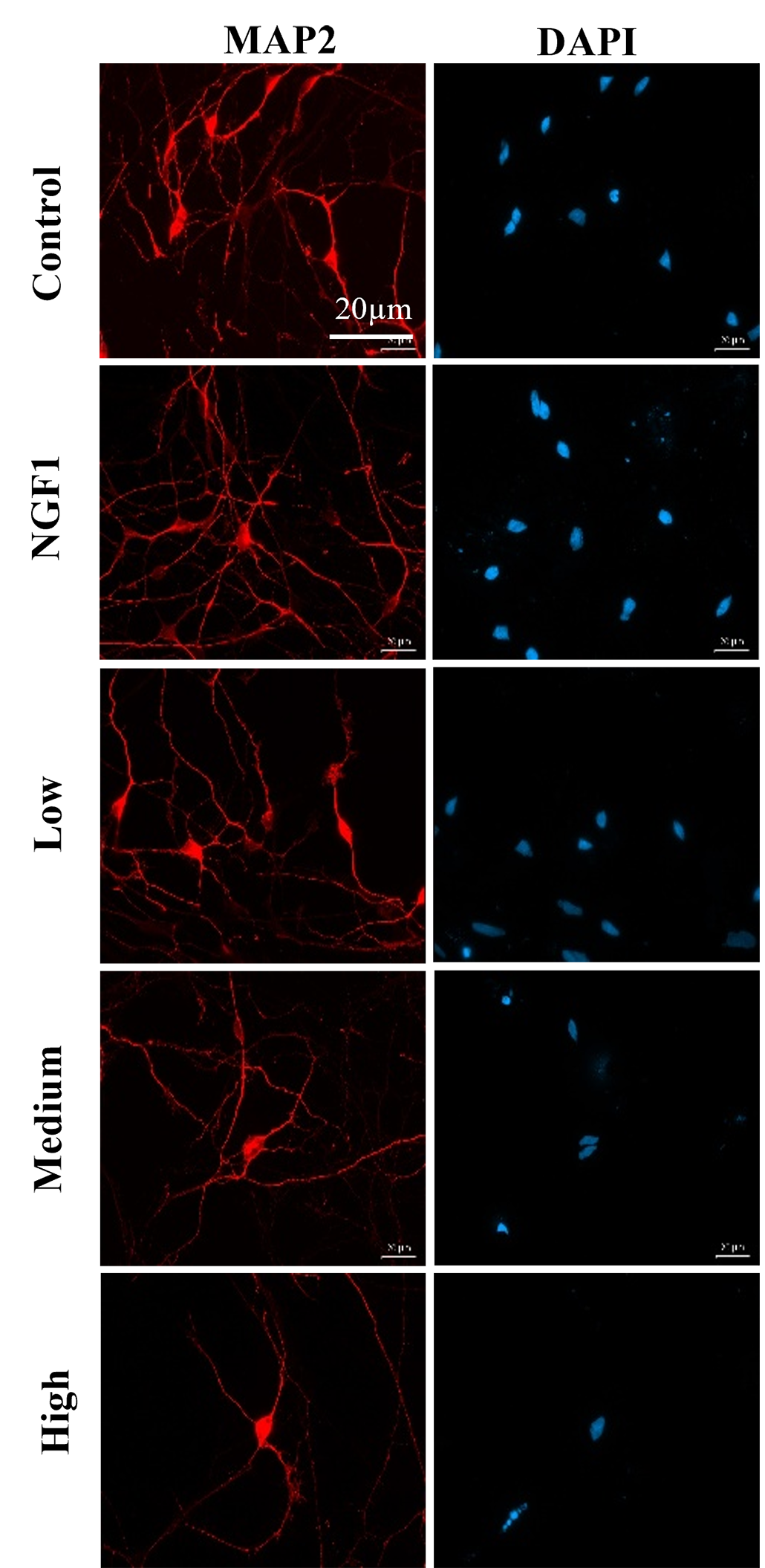
Next, Sophia took her work to a lab. She grew rat brain cells in petri dishes for six days, then exposed the cells to different levels of caffeine. Two days later, she compared the neurons under a microscope.
To make the neurons show up clearly, Sophia used fluorescent dyes that bind to the cells. Dyes can highlight important features, such as how the cells are forming connections with one another. Those neuron-to-neuron connections are called synapses.
Dishes exposed to more caffeine contained fewer neurons, Sophia found. What’s more, those neurons showed fewer connections. Caffeine seemed to make neuronal networks simpler and scarcer.
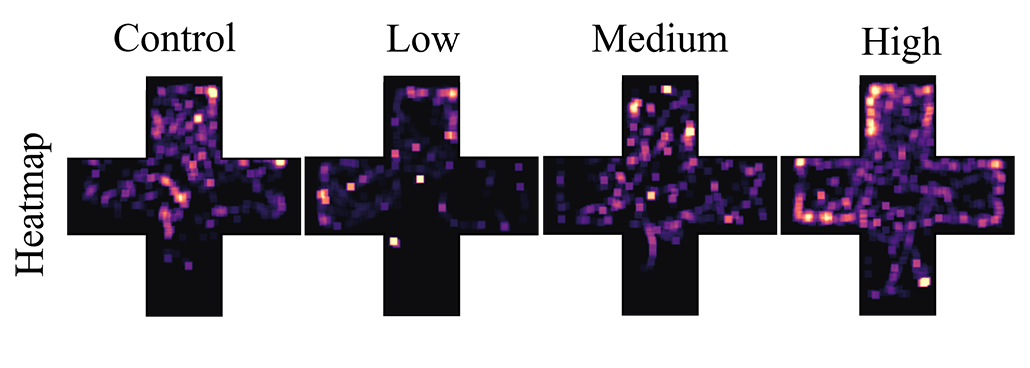
In another set of experiments, Sophia studied young zebrafish that had been exposed to different levels of caffeine. She looked at how far the fish swam and where. More caffeinated fish swam more, she says. They also made erratic choices, spending time in regions of their tank that calm fish typically avoided. Both of these findings hinted that the fish that got more caffeine were more anxious.
But Sophia didn’t stop there. She looked at what changes in the fishes’ brains might have led to this behavior. Sophia measured the activity of four genes involved in brain development. All four were less active in the caffeine-exposed fish, she found.
Takeaways for caffeine drinkers
Interestingly, some genes in the young zebrafish were turned down, or less active, in a way not seen in the neurons from adult rats. So, caffeine may affect the brain differently at different ages, Sophia says. But together, the mouse brain data, the rat neuron experiment and the fish studies all point to the same pattern. Caffeine seems to affect gene activity in neurons. And that in turn may impair brain development and behavior.

“I feel that we really don’t talk about caffeine, even though we drink it,” Sophia says. It’s in so many everyday drinks, she adds. Between soda, tea and other beverages, young people may be consuming a lot more of it than they realize.
Sophia suggests greater skepticism about using this drug. People tend to think about caffeine as a helpful tool for focus, she notes, and dismiss potential downsides. But her findings highlight that caffeine comes with trade-offs — and those trade-offs may harm young brains more than we know.
- Sci.News
- Study: Cave Lions were Distinct Species that Occasionally Bred with Ancestors of Today’s Lions
Study: Cave Lions were Distinct Species that Occasionally Bred with Ancestors of Today’s Lions
The extinct Eurasian cave lion (Panthera spelaea) and today’s African and Asian lions (Panthera leo) belong to separate evolutionary lineages that diverged roughly 1.7 million years ago -- far earlier than previously thought, according to an analysis of 12 cave lion genomes spanning more than 100,000 years.
The post Study: Cave Lions were Distinct Species that Occasionally Bred with Ancestors of Today’s Lions appeared first on Sci.News: Breaking Science News.
A Surprising Discovery Suggests Autism Is Not One Condition
Secret to Sloths’ Slow Life May Lie in Ancient ‘Jumping Genes’
In new research, scientists sequenced and analyzed chromosome-level genomes of the Linnaeus’s two-toed sloth (Choloepus didactylus) and the southern anteater (Tamandua tetradactyla).
The post Secret to Sloths’ Slow Life May Lie in Ancient ‘Jumping Genes’ appeared first on Sci.News: Breaking Science News.
- SciTechDaily
- Scientists Uncover Surprising Secrets of a Mysterious Man Buried in Finland 400 Years Ago
Scientists Uncover Surprising Secrets of a Mysterious Man Buried in Finland 400 Years Ago
Orange Cats Are Genetically Unlike Any Other Mammal and Now We Know Why
- The Debrief
- This Deep-Sea Predator Can Live for Centuries—Now Geneticists Are Close to Hacking the Secrets of Its Longevity
This Deep-Sea Predator Can Live for Centuries—Now Geneticists Are Close to Hacking the Secrets of Its Longevity
The mystery of the Greenland shark’s incredible longevity may finally be unraveling, as a team of international researchers has completed the first comprehensive genome map of the creature.
Native to the cold waters between Greenland, Iceland, and Canada, Greenland sharks boast one of the longest vertebrate lifespans on Earth, approaching 400 years. In a recent paper published in the Proceedings of the National Academy of Sciences, researchers led by Shigeharu Kinoshita of the University of Tokyo have identified some of the genetic basis of that extraordinary lifespan, which they say future researchers may exploit to treat cancer and age-related illnesses.
Greenland Sharks Longevity
As genetic sequencing technology has improved and costs have fallen, there has been a major increase in the number of sequences from long-lived species for comparative analysis. Discoveries have included identifying increases in genes related to the immune system and growth hormone receptors in rockfish and bat species noted for their longevity.
With an entire lifecycle in slow motion, Greenland sharks’ longevity can be traced to their prolonged development: they take 150 years to reach sexual maturity, growing only 1 centimeter per year. Despite being one of the slowest swimmers in the ocean, the species undertakes large-scale migrations spanning over 1,000 kilometers.
Genome Mapping
Large genome sizes, like those of the Greenland shark, pose enormous mapping challenges, full of many repetitive sequences. Despite their importance for management and conservation, few whale and shark species have been sequenced due to the difficulty involved. To fill data gaps in the genetic causes of longevity, aquatic species evolution, and the risks of biodiversity loss, the team chose the Greenland shark as their subject.
The University of Tokyo-led team mapped roughly 5.9 billion DNA base pairs, accounting for 96.7% of the shark’s genome. Among the discoveries were the identification of specific genetic features likely related to the Greenland shark’s longevity.
In their paper, they wrote of discovering “genetic traits associated with cancer, immune response function, genome stability, and cardiac function, deep-sea adaptations, and population size dynamics,” in the new research.
Longevity Results
One of the most crucial of these traits is how the shark appears to mitigate the genetic strain that contributes to aging by stabilizing the building blocks of chromosomes. Chromatin is a structure consisting of DNA, RNA, and proteins, which makes up chromosomes.
In the Greenland shark, the histone H1.0 protein, which binds DNA in chromatin, undergoes an amino acid substitution that may enhance stability and reduce the effects of aging.
Another genetic tool aiding the shark’s longevity is the presence of 59 copies of the FTH1b gene, which researchers discovered on pseudochromosome 33, far above the number seen in other shark or fish species. This helps regulate ferroptosis, a form of programmed cell death, thereby mitigating cell damage. Since the gene controls iron storage and ferroptosis is iron-dependent, the researchers say this multiplication of FTH1b could prevent oxidative cell damage.
Beyond those specific expressions, researchers also found expansion of entire gene families associated with DNA repair, immune functions, and cancer resistance.
Although limited to a single species, the research does advance general understanding of the genetic factors involved in extended lifespans. However, it will be up to future researchers to identify how this new information can be applied to human concerns.
The paper, “The Greenland Shark Genome: Insights into Lifespan Extremes and Population Dynamics,” appeared in Earth and Planetary Science Letters on May 19, 2026.
Ryan Whalen covers science and technology for The Debrief. He holds an MA in History and a Master of Library and Information Science with a certificate in Data Science. He can be contacted at ryan@thedebrief.org, and follow him on Twitter @mdntwvlf.
- The Debrief
- Ancient Europeans Ate Some Pretty Gross Things, but The Ickiest One Was Probably by Accident
Ancient Europeans Ate Some Pretty Gross Things, but The Ickiest One Was Probably by Accident
An analysis of dental tartar containing traces of human diets dating back over 33,000 years has revealed that ancient Europeans and many early Asian populations likely only ate insects by accident, perhaps as larvae in the carcasses of dead animals.
Conversely, the new study found that intentional insect consumption, called entomophagy, was more common in tropical regions and among Neanderthal populations.
Although the difference has some cultural and religious roots, the team found evidence that the abundance of insects in the tropics and the decreasing ability of humans migrating away from the tropics to digest insects likely led to the modern-day separation over thousands of years.
The Institute of Evolutionary Biology (IBE), a joint center of the Spanish National Research Council (CSIC) and Pompeu Fabra University (UPF), research team behind the new findings suggests their research could help explain why some modern populations still consume insects as food while other parts of the world consider it gross or taboo, especially given the increasing food demands of a rising world population.
Insect Consumption in Ancient Northern Europeans Likely Accidental
According to a statement announcing the new research, hundreds of millions of people currently include insects in their diet. However, they also note that most of the Western world continues to “show an aversion” to including any of the more than 1,611 insect species designated as edible by the Food and Agriculture Organization of the United Nations (FAO) in theirs. Although some theories suggest the difference is almost purely cultural, the team concedes that “its origin remains unknown.”
To explore the origins of human entomophagy, the IBE analyzed 745 samples of ancient human dental tartar dating back to 33,000 before present. According to the team’s results published in the journal Science Advances, dental tartar (sometimes called dental ‘calculus’) is a critical archaeological tool because it preserves the DNA of the species these human ancestors consumed during their lifetimes.
Although the analysis found evidence for entomophagy amongst virtually all ancient populations sampled in the study, the levels varied dramatically. Notably, the evidence suggested that ancient humans in northern Eurasia did not routinely eat insects in measurable quantities. Instead, any consumption was likely incidental, including consumption of insect larvae in rotting food.
Curious whether the lack of entomophagy in ancient European and Central and Northern Asian populations was purely cultural or whether genetic and geographic factors were involved, the team studied human genes involved in chitin digestion. Chitin, which can be found in some marine animal shells, is also part of an insect’s hard exoskeleton.
According to the study authors, the analysis revealed that the ‘chitinase’ genes in North Eurasian human populations “carry mutations that confer a reduced capacity to digest insect exoskeletons.” Their analysis revealed that this reduced capacity to digest insect exoskeletons has persisted in the genomes of modern Eurasian populations “for the last 9,000 years,” which would coincide with the widely accepted date for the origin of agriculture.
Pablo Librado, study leader and a principal investigator at the IBE, said the “scarce presence of insects in the diet of northern Eurasians” suggests that the cause may not lie solely in more recent cultural factors but also in ecological and evolutionary components dating back several millennia.
Neanderthals and Denisovans Probably Ate Insect Larvae in Rotting Meat
When the team compared data from ancient human tartar with that of ancient Neanderthals, they found that Neanderthals engaged in much higher levels of entomophagy than humans living in the same regions. According to the study authors, Neanderthal insect consumption levels were similar to those found in western chimpanzee populations, which the researchers note “rely on entomophagy to supplement their diet on the savanna, especially during periods of drought.”
Further analysis of the extracted insect DNA showed that the group most commonly consumed by the Neanderthal specimens included flies and mosquitoes. Although the team only analyzed the DNA, they noted that a recent hypothesis suggests Neanderthals ate carcasses laden with mosquito larvae.
“The abundance of mosquito remains reinforces the possibility that the carcasses of their prey were kept in ponds and marshy areas, where mosquitoes lay their eggs,” the team’s statement explained.
An analysis of the Neanderthal DNA and the DNA from the lone Denisovan study subject revealed that both ancient hominid populations could digest chitin. This result reinforced the genetic basis for increased or reduced entomophagy beyond cultural factors.
Humans Ate Fewer Bugs When They Moved Away from Tropical Regions
One geographic component identified by the chitinase DNA analysis showed higher levels of digestive enzyme expression among humans living in or near the tropics. However, the expression of these enzymes gradually decreased as populations moved away from tropical regions. The team said this variation, which has been maintained for at least the last 9,000 years, “reflects the abandonment of entomophagy in European populations.”
Manuel Piñero, a predoctoral researcher at the IBE and first author of the study, noted that large numbers of insects must be consumed to offset the “high caloric cost” of collecting them, which might explain the higher levels of entomophagy in this region.
“In the tropics, there is a greater availability of social insects, such as termites and locusts,” Piñero explained, adding that the biomass and diversity of tropical edible insects enable “sustainable exploitation throughout the year.” The researcher also noted that insect consumption “adds to pest control.”
When discussing the implications of their findings, Librado highlighted the DNA and geographic factors the IBE team uncovered.
“Beyond cultural or religious factors, our results suggest that the reduced availability of insects in non-tropical areas may have been a key factor in the abandonment of entomophagy, leading to a reduced capacity to digest insect exoskeletons,” the researcher explained.
Christopher Plain is a Science Fiction and Fantasy novelist and Head Science Writer at The Debrief. Follow and connect with him on X, learn about his books at plainfiction.com, or email him directly at christopher@thedebrief.org.

Tiny Genetic Change Turns Female Mice Into Males, Scientists Discover
- The Debrief
- This Deep Sea ‘Giant’ Can Go Five Years Without Eating—Now Scientists Are Unlocking the Genetic Secrets of Its Extreme Survival
This Deep Sea ‘Giant’ Can Go Five Years Without Eating—Now Scientists Are Unlocking the Genetic Secrets of Its Extreme Survival
Scientists have uncovered the genetic secrets behind a novel energy-use strategy that allows a deep-sea “giant” to survive without food for over five years, in one of nature’s most stunning survival stories.
Supergiant bathynomids, also known as giant isopods, present a bizarre biological paradox: they exhibit pronounced body gigantism as megafaunal species yet inhabit a deep-sea habitat with extremely sparse nutrient availability.
In a recent paper in Cell, researchers from the Institute of Oceanology of the Chinese Academy of Sciences (IOCAS) revealed how these large deep-sea creatures subsist on such limited food, using a novel genetic strategy unique to bathynomids.
A Complex Genetic Approach
The IOCAS team employed a multi-omic strategy to address the problem, combining genomics with other disciplines, such as morphology, physiology, behaviorology, and metagenomics. Doing so led to a novel discovery: that supergiant bathynomids don’t have just one, but two techniques to manage their limited access to nutrients.

First, isopods have a massive stomach that can store vast amounts of nutrients for later use. Second, they have an exceptionally low basal metabolic rate (BMR), which is genetically driven.
To diversify their research, the team focused on two species that occupy different depths. At around 300 meters, the Bathynomus doederleini is the shallower of the two, while the Bathynomus jamesi is found at 898 meters. Despite the difference in depth, both are technically considered “deep-sea” inhabitants, as the boundary is defined at 200 meters.
A Powerful Stomach
Roughly two-thirds of a bathynomid’s body is stomach—a figure far beyond that of related intertidal and shallow water species. The contents of those enormous stomachs are also unusual, filled with a mud-like mixture of highly digested food. This finely ground nutrient sludge has a low proportion of digestive bacteria, but a high amount of lipid-storing Chlamydiae.
With a bacterial ratio leaning toward preservation rather than just digestion, this creates a food reserve that can be slowly digested and utilized as the creatures lower their BMR to endure long periods between feedings.
Genetic Findings
Another major finding was that bathynomids benefit not only from vertically transferred genes between parents and offspring, but from the horizontally transferred ND1 gene they acquired from an exogenous symbiotic bacterium. Intriguingly, the transfer defied typical horizontal transfer limitations, achieving an ultra-high level of expression in the bathynomid genome.
These isopods use epigenetic histone modifications to regulate energy-related gene expression, thereby improving efficiency, conservation, and control. An example of this is histone acetylation regulating ND1 expression at an ultra-high level, which the team investigated in a laboratory test. Researchers suspected this gene was essential to energy metabolism, as it is a component of Complex I in the electron transport chain.
ND1 Genetic Tests
Using zebrafish, nematodes, and human 293T cells, the IOCAS team tested the gene’s impact on energy usage. At normal temperatures, the team found that ND1 actually decreased starvation tolerance by increasing energy metabolism. Yet when the team lowered temperatures to reflect those found in a typical deep sea environment, they found the opposite effect, with ND1 decreasing mitochondrial activity and energy metabolism rates, to improve zebrafish starvation tolerance an astounding 37%.
The IOCAS team concluded that ND1 provides a solution to the long-standing paradox of bathynomid gigantism in the context of their nutrient-poor environment. By fine-tuning the degree of metabolic depression, the gene can adjust the mitochondrial metabolic network to preserve energy during extended periods without sustenance.
Never before has such a strategy for energy efficiency, combining horizontal gene transfer and epigenetic optimization, been identified in a deep-sea megafaunal species.
“Our work not only deciphers the mystery of ultra-long starvation tolerance in deep-sea isopods,” said lead author Yuan Jianbo, “but also provides an important paradigm for understanding how life balances growth and survival in extreme environments.”
The paper, “Deep-Sea Megafauna Co-Opts Microbial Energy Metabolism Genes to Withstand Ultra-Long Starvation,” appeared in Cell on June 5, 2026.
Ryan Whalen covers science and technology for The Debrief. He holds an MA in History and a Master of Library and Information Science with a certificate in Data Science. He can be contacted at ryan@thedebrief.org, and follow him on Twitter @mdntwvlf.
Scientists Discover Rogue Gene That Could Unlock New Cancer Treatments
Bed Bugs Took Over When Humans Built the First Cities. They Never Left Us Since
MIT Scientists Replace Pacemakers With Wearable Ultrasound Patch
- SciTechDaily
- Scientists Uncover the Earliest Brain Changes That May Predict Alzheimer’s Decades Before Symptoms
Scientists Uncover the Earliest Brain Changes That May Predict Alzheimer’s Decades Before Symptoms
Why Some Cancers Turn Deadly: Researchers Uncover a Hidden Trigger
What Scientists Found Inside a 117-Year-Old Woman Reveals New Clues to Long Life
- Live Science
- 'We can identify these really early, before the clinical diagnosis': Epigenetic markers may help explain why Native Hawaiians are aging faster
'We can identify these really early, before the clinical diagnosis': Epigenetic markers may help explain why Native Hawaiians are aging faster
- Live Science
- DNA sequencing is rewriting our understanding of historic outbreaks, but it can't tell the whole story
DNA sequencing is rewriting our understanding of historic outbreaks, but it can't tell the whole story