O Microsoft Build 2026 foi o palco escolhido pela tecnológica para o lançamento de novos modelos de IA próprios para reduzir a dependência da OpenAI, do novo chip quântico Majorana 2 e de uma plataforma de agentes que vai ao "coração" de como as organizações trabalham.
At Microsoft's annual Build conference on Tuesday, the company announced a slew of new or expanded AI initiatives, including a super app, in-house reasoning models, a cybersecurity tool, and OpenClaw-esque AI agents. All this news added up to a clear message: Microsoft is positioned to be one of the biggest players in AI, and it's finally acting like it.
For years, Microsoft's AI business leaned hard on its early and exclusive partnership with OpenAI. But the drama-filled marriage slowly devolved into a situationship, and the pair effectively separated in late April (though Microsoft is still OpenAI's primary cloud partner - for now). This …
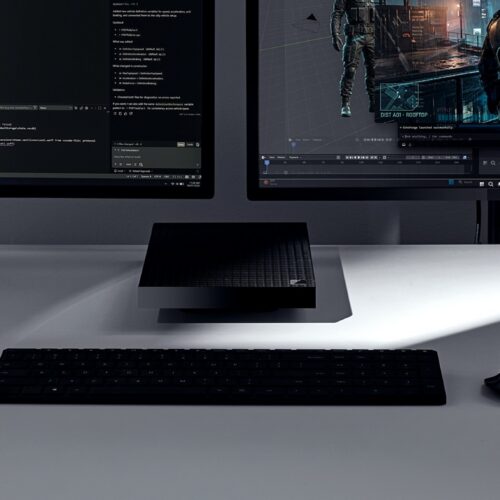
Microsoft has two new Surface devices arriving later this year, both powered by Nvidia's RTX Spark chips. I got a chance to take a closer look at both the Surface Laptop Ultra and Surface RTX Spark Dev Box at Microsoft's Build conference this week, and while both have the same chip inside, they're utilizing Nvidia's RTX Spark in different ways.
The Surface Laptop Ultra looks and feels very much like a 16-inch MacBook Pro. There are no transforming hinges, detachable displays, or any other tricks - this is a clamshell laptop built with performance in mind. Microsoft has opted for a 15-inch mini LED panel, which operates at up to 2,000 nits o …
Microsoft on Tuesday took the wraps off Adaptive Spec-driven Scoring for Evaluation and Regression Testing, an open source framework for spinning up AI evaluations.
A security researcher has released exploit code for a Visual Studio Code (VS Code) zero-day vulnerability that allows attackers to steal GitHub authentication tokens by tricking users into clicking a link. [...]
Microsoft announced today at its Build 2026 developer conference the release of Coreutils for Windows, bringing many commonly used Linux command-line utilities to Windows as native applications. [...]
Microsoft is working to address a widespread service issue affecting the mail flow pipeline for Exchange Online customers across North America and Germany. [...]
Microsoft continua a mettere a punto dei cambiamenti fra le impostazioni di Windows 11, dove ora spunta una pagina dedicata ai componenti AI. Per l'appunto, in alcune build sperimentali del programma Insider, questa sezione appare ancora più completa, con la possibilità di vedere i modelli AI installati sul PC e perfino di controllare cosa stiano eseguendo in locale, soprattutto nei dispositivi su cui è presente Copilot+.
COME RIMUOVERE I MODELLI AI DA WINDOWS 11
La build 26300.8553 di Windows 11 ha portato varie modifiche tra cui un menu Start più flessibile, una ricerca migliorata che funziona anche con parole inserite solo parzialmente, e nuove gesture touch per far riapparire la barra delle applicazioni quando è spostata.
Nel sistema è stata individuata una pagina nascosta che riguarda la gestione dei modelli AI. Lì compaiono informazioni come il nome del produttore, la versione, la data di installazione, le dimensioni e l'uso totale registrato per ciascun modello. In alcuni casi è possibile anche rimuovere componenti AI e, di conseguenza, avere più potere decisionale sul modo in cui Windows 11 gestisce le funzioni diintelligenza artificiale.
A Microsoft revelou o Project Solara, uma plataforma chip-to-cloud onde o sistema operativo deixa de estar confinado ao equipamento, distribuindo-se entre o hardware e a cloud.
Microsoft's Build developer conference kicked off today, and as with almost everything the company has done in the last few years, Microsoft's opening keynote focused overwhelmingly on AI and other closely related technologies. There's Microsoft Scout, an OpenClaw-based "Autopilot" agent that can hook into Microsoft 365 data to perform tasks for users; several new AI models; an expanded preview of "Codename MDASH," which is a "multi-model agentic scanning system" meant to detect and fix software vulnerabilities.
A few of those announcements stood out to us as particularly interesting, either for esoteric technical reasons or because they seem like they may have some utility for those who aren't spending their every waking moment using generative AI tools. (Microsoft's recent efforts to make its flagship operating system faster, more reliable, more useful, and less annoying didn't really come up, but there have been plenty of other announcements on that front lately.)
On the hardware front, we didn't get any updates for existing Surface devices (not counting yesterday's Surface Laptop Ultra announcement), but we did get something new: the Surface RTX Spark Dev Box is "a compact developer PC" built around Nvidia's new RTX Spark chip with up to 128GB of built-in memory.
Microsoft's Build developer conference kicked off today, and as with almost everything the company has done in the last few years, Microsoft's opening keynote focused overwhelmingly on AI and other closely related technologies. There's Microsoft Scout, an OpenClaw-based "Autopilot" agent that can hook into Microsoft 365 data to perform tasks for users; several new AI models; an expanded preview of "Codename MDASH," which is a "multi-model agentic scanning system" meant to detect and fix software vulnerabilities.
A few of those announcements stood out to us as particularly interesting, either for esoteric technical reasons or because they seem like they may have some utility for those who aren't spending their every waking moment using generative AI tools. (Microsoft's recent efforts to make its flagship operating system faster, more reliable, more useful, and less annoying didn't really come up, but there have been plenty of other announcements on that front lately.)
On the hardware front, we didn't get any updates for existing Surface devices (not counting yesterday's Surface Laptop Ultra announcement), but we did get something new: the Surface RTX Spark Dev Box is "a compact developer PC" built around Nvidia's new RTX Spark chip with up to 128GB of built-in memory.
Microsoft's Build developer conference kicked off today, and as with almost everything the company has done in the last few years, Microsoft's opening keynote focused overwhelmingly on AI and other closely related technologies. There's Microsoft Scout, an OpenClaw-based "Autopilot" agent that can hook into Microsoft 365 data to perform tasks for users; several new AI models; an expanded preview of "Codename MDASH," which is a "multi-model agentic scanning system" meant to detect and fix software vulnerabilities.
A few of those announcements stood out to us as particularly interesting, either for esoteric technical reasons or because they seem like they may have some utility for those who aren't spending their every waking moment using generative AI tools. (Microsoft's recent efforts to make its flagship operating system faster, more reliable, more useful, and less annoying didn't really come up, but there have been plenty of other announcements on that front lately.)
On the hardware front, we didn't get any updates for existing Surface devices (not counting yesterday's Surface Laptop Ultra announcement), but we did get something new: the Surface RTX Spark Dev Box is "a compact developer PC" built around Nvidia's new RTX Spark chip with up to 128GB of built-in memory.
Microsoft's Build developer conference kicked off today, and as with almost everything the company has done in the last few years, Microsoft's opening keynote focused overwhelmingly on AI and other closely related technologies. There's Microsoft Scout, an OpenClaw-based "Autopilot" agent that can hook into Microsoft 365 data to perform tasks for users; several new AI models; an expanded preview of "Codename MDASH," which is a "multi-model agentic scanning system" meant to detect and fix software vulnerabilities.
A few of those announcements stood out to us as particularly interesting, either for esoteric technical reasons or because they seem like they may have some utility for those who aren't spending their every waking moment using generative AI tools. (Microsoft's recent efforts to make its flagship operating system faster, more reliable, more useful, and less annoying didn't really come up, but there have been plenty of other announcements on that front lately.)
On the hardware front, we didn't get any updates for existing Surface devices (not counting yesterday's Surface Laptop Ultra announcement), but we did get something new: the Surface RTX Spark Dev Box is "a compact developer PC" built around Nvidia's new RTX Spark chip with up to 128GB of built-in memory.
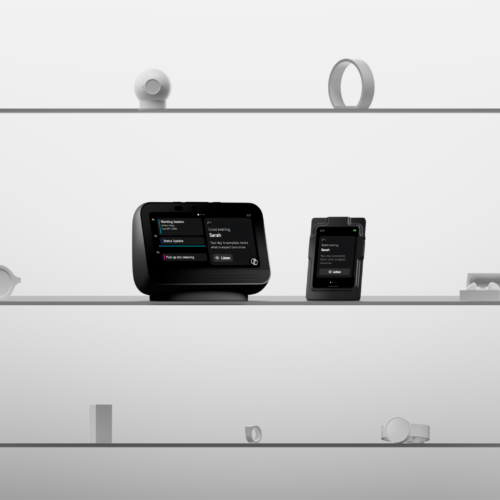
Microsoft has been deeply committed to the growth of generative AI technology in recent years through its now-fragmented partnership with OpenAI. At Build 2026, the company remains all-in on AI, and it's looking toward the future with a new software platform. The new Android-based OS is called Project Solara, and Microsoft says Solara is designed to run agents instead of apps.
Project Solara is not something you'll have to worry about killing your apps anytime soon. It's limited to a few pieces of concept hardware and software that are awaiting the magical agents of the future. The vision is for Solara to run on myriad specialized devices with interfaces generated on the spot, and it's all powered by the explosive intelligence of models that Microsoft and others insist will soon exist.
According to Microsoft, Solara is a chip-to-cloud platform intended to free agents from reliance on single interfaces. Much of Microsoft's messaging around AI is speculative and self-serving, but the company rightly points out that new computing form factors have always required specialization, and that process is complex and expensive. The shift to mobile computing, for example, tripped Microsoft up multiple times as it fell behind on app availability, security, and long-term support.
Microsoft has been deeply committed to the growth of generative AI technology in recent years through its now-fragmented partnership with OpenAI. At Build 2026, the company remains all-in on AI, and it's looking toward the future with a new software platform. The new Android-based OS is called Project Solara, and Microsoft says Solara is designed to run agents instead of apps.
Project Solara is not something you'll have to worry about killing your apps anytime soon. It's limited to a few pieces of concept hardware and software that are awaiting the magical agents of the future. The vision is for Solara to run on myriad specialized devices with interfaces generated on the spot, and it's all powered by the explosive intelligence of models that Microsoft and others insist will soon exist.
According to Microsoft, Solara is a chip-to-cloud platform intended to free agents from reliance on single interfaces. Much of Microsoft's messaging around AI is speculative and self-serving, but the company rightly points out that new computing form factors have always required specialization, and that process is complex and expensive. The shift to mobile computing, for example, tripped Microsoft up multiple times as it fell behind on app availability, security, and long-term support.
Microsoft has been deeply committed to the growth of generative AI technology in recent years through its now-fragmented partnership with OpenAI. At Build 2026, the company remains all-in on AI, and it's looking toward the future with a new software platform. The new Android-based OS is called Project Solara, and Microsoft says Solara is designed to run agents instead of apps.
Project Solara is not something you'll have to worry about killing your apps anytime soon. It's limited to a few pieces of concept hardware and software that are awaiting the magical agents of the future. The vision is for Solara to run on myriad specialized devices with interfaces generated on the spot, and it's all powered by the explosive intelligence of models that Microsoft and others insist will soon exist.
According to Microsoft, Solara is a chip-to-cloud platform intended to free agents from reliance on single interfaces. Much of Microsoft's messaging around AI is speculative and self-serving, but the company rightly points out that new computing form factors have always required specialization, and that process is complex and expensive. The shift to mobile computing, for example, tripped Microsoft up multiple times as it fell behind on app availability, security, and long-term support.

 Login
Login