Normal view

Oxygen Loss in Inland Freshwater Ecosystems

3 June 2026 at 21:37

Inland freshwater ecosystems—comprising rivers, lakes, and reservoirs—are critical reservoirs of biodiversity and essential sources of freshwater resources for human use. However, these ecosystems are facing an alarming threat from deoxygenation, a process characterized by declining levels of dissolved oxygen (DO) in surface and subsurface waters. Dissolved oxygen serves as a fundamental driver of aquatic life, facilitating aerobic respiration for myriad organisms and sustaining complex biogeochemical cycling. The rapid depletion of DO in freshwater systems threatens not only the ecological health of these habitats but also the socioeconomic stability of communities that depend on them for drinking water, fisheries, and recreation.

Recent studies reveal a stark global trend: surface water dissolved oxygen in inland freshwater bodies is declining at unprecedented rates. Over the last two decades, lakes have recorded an average DO decrease of approximately 0.034 mg per liter per decade during summer months, while rivers have exhibited a more pronounced year-round decline of 0.043 mg per liter per decade dating back to the early 1980s. These patterns are not uniform, with spatial variability linked to geographic and climatic heterogeneity. Notably, the most dramatic decreases have occurred in Asian lakes, where DO has dropped by 0.043 mg per liter per decade, and in the Amazon River Basin, where declines reach as much as 0.2 mg per liter per decade, a figure that signals profound disruption in one of the planet’s most vital freshwater systems.

The drivers behind this widespread deoxygenation are multifaceted, intricately interwoven with both natural processes and human influences. Climate warming emerges as a dominant force amplifying oxygen depletion through several mechanisms. Elevated temperatures exacerbate thermal stratification in lakes and reservoirs, prolonging the summer layering of water masses which prevents oxygen exchange between surface and bottom layers. Moreover, oxygen’s solubility in water inherently decreases as temperature rises, compounding DO shortages. Higher temperatures also stimulate microbial metabolism, escalating the respiration rates that consume available oxygen. In sum, climatic warming both directly and indirectly escalates the vulnerability of freshwater systems to hypoxia and anoxia.

Human activities intensify these natural stressors by accelerating nutrient inputs, primarily nitrogen and phosphorus, through agricultural runoff, sewage discharge, and industrial effluents. This nutrient enrichment leads to eutrophication—a process marked by excessive algal growth and subsequent decay, further depleting oxygen levels once the organic matter decomposes. Extreme rainfall events, which are increasing in frequency and intensity due to climate change, exacerbate this situation by facilitating nutrient transport and promoting the development of hypoxic zones. Globally, this complex interplay of anthropogenic nutrient loading and climate-induced changes is reshaping hydrological and biogeochemical cycles with alarming consequences.

The process of deoxygenation initiates a cascade of biogeochemical feedbacks that accelerate ecosystem deterioration. Oxygen-depleted conditions foster the proliferation of anaerobic microbial communities, altering the cycling of key elements such as nitrogen, sulfur, and carbon. For instance, in low-oxygen environments, increased denitrification and sulfate reduction processes release potent greenhouse gases like nitrous oxide and hydrogen sulfide, contributing to climate warming and further degrading water quality. These feedback loops not only diminish biodiversity through selective pressures on aerobic organisms but also impede ecosystem resilience by modifying essential nutrient fluxes.

Biological communities within freshwater habitats are profoundly restructured as DO levels decline. Aerobic species—ranging from fish and macroinvertebrates to key microbial taxa—often face physiological stress or mortality due to hypoxic conditions, leading to losses in biodiversity and shifts toward more tolerant but less ecologically functional assemblages. These shifts undermine the ecological integrity of freshwater systems, compromising ecosystem functions such as nutrient cycling, primary production, and organic matter decomposition. Consequently, trophic interactions become altered, disrupting food web dynamics and potentially promoting harmful algal blooms and invasive species that further degrade water quality.

In parallel, the socioeconomic dimensions of freshwater deoxygenation are vast and insidious. Diminished oxygen concentrations impair fishery productivity, reducing catch volumes and the livelihoods of millions dependent on inland fisheries worldwide. Deoxygenated waters often exhibit poorer recreational quality due to eutrophication-driven algal blooms and unpleasant odors, impacting tourism and associated economic benefits. Moreover, the quality of drinking water sourced from lakes and rivers can be severely compromised by hypoxia-induced processes, including the release of harmful contaminants and changes in microbial populations. These factors collectively jeopardize public health, food security, and economic stability.

Despite the gravity of freshwater deoxygenation, monitoring efforts remain insufficiently coordinated and under-resourced. Establishing comprehensive, real-time dissolved oxygen monitoring networks is critical for detecting early-stage deoxygenation events and informing rapid management responses. Coupled with these networks, the development of integrated predictive models that incorporate climatic, hydrological, and biogeochemical drivers can improve forecasting accuracy and guide adaptive management strategies. These models must consider complex feedback mechanisms and potential nonlinear responses to environmental changes to ensure reliability.

Mitigation requires a multifaceted approach emphasizing nutrient management through reduction of agricultural runoff, wastewater treatment improvements, and watershed restoration. Restoration efforts that reestablish hydrological connectivity and promote aquatic vegetation can enhance oxygen replenishment and buffer against extreme events. Ecological restoration not only targets oxygen replenishment but also fosters biodiversity recovery and resilience building. Coordinated governance frameworks integrating local stakeholder engagement, scientific expertise, and policy enforceability are vital to ensuring the sustainability of mitigation initiatives.

Furthermore, adaptation strategies must anticipate the compounding threats posed by future climate warming and land-use changes. Increasing community awareness and embedding scientific findings into policy decisions foster better resilience and stewardship at the local to global scales. Collaborative interdisciplinary research—and transboundary cooperation, especially in large, shared freshwater basins—is pivotal for confronting the complexities of freshwater deoxygenation.

In conclusion, the widespread deoxygenation of surface waters in inland freshwater systems represents a critical environmental challenge with far-reaching ecological and socioeconomic impacts. The synergistic effects of climate warming and human activities have set in motion a trajectory of oxygen loss that threatens the viability of aquatic ecosystems globally. Addressing this challenge mandates innovative science-policy interfaces, enhanced monitoring infrastructures, proactive nutrient and watershed management, and inclusive governance models. Only through integrated and adaptive strategies can the integrity and functionality of our planet’s freshwater ecosystems be safeguarded for future generations.


Subject of Research: Deoxygenation trends, drivers, and impacts in inland freshwater ecosystems

Article Title: Deoxygenation in inland freshwater systems

Article References:
Shi, K., Iestyn Woolway, R., Guan, Q. et al. Deoxygenation in inland freshwater systems. Nat Rev Earth Environ (2026). https://doi.org/10.1038/s43017-026-00795-x

Image Credits: AI Generated

Dark Oxygen Discovery Challenges Life’s Evolutionary Origins

18 March 2025 at 23:49
The recent claim that polymetallic deep-ocean floor nodules produce oxygen challenges traditional views on oxygen production and the origin of life. New evidence suggests oxygen is produced in darkness via electrolysis in these nodules, sparking controversy and skepticism in the scientific community regarding its implications for evolution of life.

The Essential Role of Carbon in Life’s Chemistry

22 November 2024 at 04:09
The fundamental differences between Carbon and Silicon as bases for life are presented. All known life relies on Carbon for energy through processes like photosynthesis, whereas Silicon-based life is impossible. The belief in creating sustainable fuels while eliminating Carbon is contrary to all logic. No Carbon means no life!

Clouds Confuse Climate Cult Catastrophe Claims

1 August 2024 at 02:41
Water vapour and clouds are very important in regulating Earth’s temperature and supporting life. I question why the Climate Cult's focus is primarily on carbon dioxide. I emphasize the role of the essential molecules in the planet’s design and climate regulation.

Asteroid Impact Craters May Have Helped Create Early Habitats for Oxygen-Producing Life

29 May 2026 at 12:51


Scientists studying an ancient asteroid crater on the Korean Peninsula have uncovered rock formations that may offer clues to the rise of atmospheric oxygen on Earth.

Researchers from the Korea Institute of Geoscience and Mineral Resources (KIGAM) discovered stromatolites inside the Hapcheon impact crater, the only confirmed asteroid impact site in South Korea. Similar stromatolite fossils represent some of the oldest known evidence of life on Earth.

Their findings were published in Communications Earth & Environment, and the discovery suggests that asteroid impacts, often linked to mass extinctions, may also have supported the development of early oxygen-producing life.

The Importance of Stromatolites

Stromatolites are layered rocks made by microorganisms, such as cyanobacteria, which produce oxygen through photosynthesis. Fossilized stromatolites are at least 3.5 billion years old and are some of the earliest evidence of life on Earth.

Scientists think these microbes were central to the Great Oxidation Event, which occurred about 2.4 billion years ago and led to a lasting increase in atmospheric oxygen levels. Learning where and how early stromatolites lived could help explain how Earth became habitable.

The KIGAM team discovered several stromatolites in the northwestern part of the Hapcheon crater, each measuring about 10 to 20 centimeters across. This is the first time that these types of formations have been found at this location.

Life from the Crater

The team suggests that the stromatolites developed in a hydrothermal lake that formed after the asteroid impact. The impact generated enough heat to melt surrounding rock and keep the water warm and rich in minerals for an extended period. These conditions would have supported the growth of early microbial communities.

Geochemical analysis supports this explanation. The stromatolites contain material from both the asteroid and local rock, in addition to signs of changes caused by heat and water. The inner layers show the most evidence of hydrothermal activity, suggesting they formed when the lake was hottest and continued to grow as it cooled. The combination of heat, minerals, and chemical energy found in hydrothermal environments is favorable for microbial life.

Radiocarbon dating of charcoal in the impact breccia shows that the Hapcheon impact occurred about 42,300 years ago. This is much more recent than the geological events usually linked to early life. The researchers frame the crater as a local example of a post-impact environment that was likely common during Earth’s early history.

“This is the first comprehensive evidence suggesting that stromatolites could form in hydrothermal lakes created by asteroid impacts,” said lead author of the study Dr. Jaesoo Lim. “Such environments may have provided favorable conditions for early microbial ecosystems.”

Oxygen Oases Before Atmospheric Oxygen

The implications may extend far beyond a single crater. During Earth’s early history, asteroid impacts occurred far more frequently. If each impact produced a warm, mineral-rich lake where oxygen-producing microbes could flourish, then these craters may have served as isolated ‘oxygen oases’ long before the atmosphere as a whole became oxygen-rich.

The researchers suggest these localized pockets of biological activity could have contributed to the gradual buildup that eventually triggered the Great Oxidation Event.

Implications for Martian Life

This new research builds on a 2021 study in Gondwana Research, where KIGAM scientists first confirmed that the Hapcheon crater was formed by an impact. This new study adds a biological perspective, linking the physical effects of the asteroid impact to the development of life.

The research may also apply to life on Mars. The early Martian environment contained water-filled impact craters similar to those on ancient Earth. The researchers suggest that Martian craters could be good places to search for signs of past microbial life. This study now provides a model for what this type of evidence might look like.

Austin Burgess is a writer and researcher with a background in sales, marketing, and data analytics. He holds an MBA, a Bachelor of Science in Business Administration, and a data analytics certification. His work focuses on breaking scientific developments, with an emphasis on emerging biology, cognitive neuroscience, and archaeological discoveries.

Is extracting oxygen from lunar soil the future of space exploration

1 June 2026 at 01:26

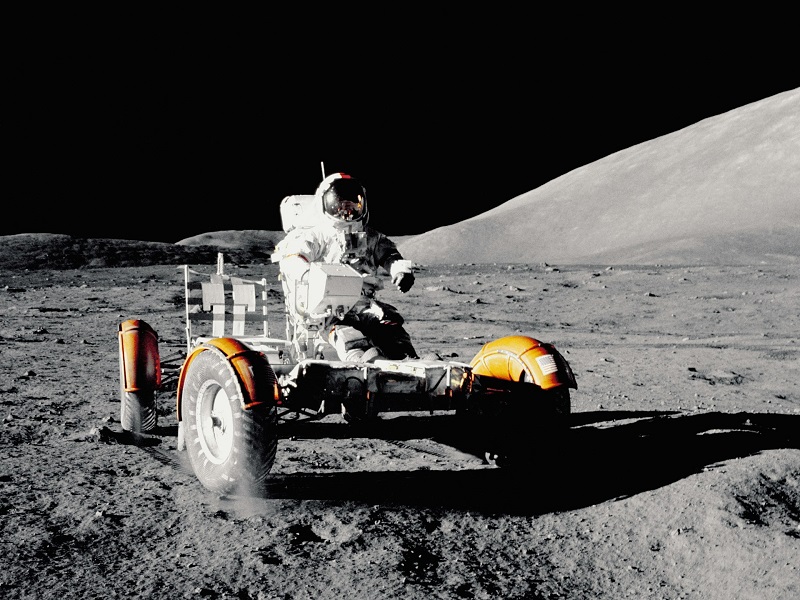
A new race to the moon is emerging between the United States and China. Unlike fifty years ago, the goal is no longer just about landing and leaving, but establishing a base that allows for a sustainable presence and extended stays on the surface of our natural satellite. The objective is now to use the […]

The post Is extracting oxygen from lunar soil the future of space exploration appeared first on Knowridge Science Report.

Want an oxygen-rich atmosphere? Stuff oxygen’s friends in the mantle.

26 May 2026 at 19:30

Planet Earth has some pretty great qualities going for it. (Negative reviews mostly revolve around the staff and clientele.) Pretty high on the list of positives is a richly oxygenated atmosphere. But that’s something that evolved and built up over a couple billion years, only eventually resulting in a world conducive to animal life like us.

Scientists have many ideas about what could have caused oxygen to increase, and it seems that a number of them are probably correct. No one thing in isolation seems to explain it. Life is part of the story, with photosynthetic life pumping out oxygen. The chemistry of the solid Earth also had a role to play, both through supporting photosynthetic life and through reactions that can shuttle oxygen between the atmosphere and rocks deep inside the Earth.

A new study led by Wei Shi of the Chengdu University of Technology suggests that evidence of changes in the subduction of tectonic plates—the process by which they disappear down into Earth’s interior—lines up with the timing of jumps in oxygen levels.

Read full article

Comments

© AZemdega

Study: Early Complex Life Forms Were Bottom-Dwellers

27 May 2026 at 21:54
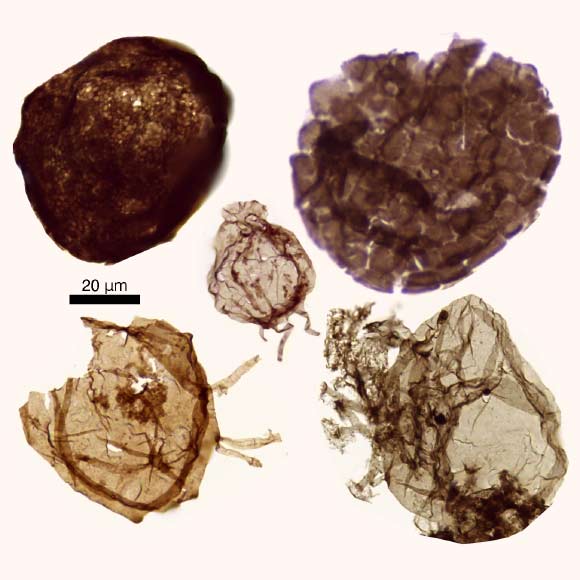
Fossil eukaryotes from Northern Territory, Australia. Image credit: Lechte et al., doi: 10.1038/s41586-026-10533-4.

Analyzing 1.75-billion-year-old microfossils from ancient Australian seabeds, paleontologists say ancient eukaryotes -- the ancestors of every plant, animal and fungus -- huddled in oxygenated seafloor patches for over a billion years before breaking free into open water.

The post Study: Early Complex Life Forms Were Bottom-Dwellers appeared first on Sci.News: Breaking Science News.

Want an oxygen-rich atmosphere? Stuff oxygen’s friends in the mantle.

Planet Earth has some pretty great qualities going for it. (Negative reviews mostly revolve around the staff and clientele.) Pretty high on the list of positives is a richly oxygenated atmosphere. But that’s something that evolved and built up over a couple billion years, only eventually resulting in a world conducive to animal life like us.

Scientists have many ideas about what could have caused oxygen to increase, and it seems that a number of them are probably correct. No one thing in isolation seems to explain it. Life is part of the story, with photosynthetic life pumping out oxygen. The chemistry of the solid Earth also had a role to play, both through supporting photosynthetic life and through reactions that can shuttle oxygen between the atmosphere and rocks deep inside the Earth.

A new study led by Wei Shi of the Chengdu University of Technology suggests that evidence of changes in the subduction of tectonic plates—the process by which they disappear down into Earth’s interior—lines up with the timing of jumps in oxygen levels.

Read full article

Comments

© AZemdega

❌