Normal view

Social Interaction Boosts Brain Growth in Young Fish

3 June 2026 at 12:08

In a groundbreaking study emerging from Stockholm University, researchers have unveiled compelling evidence that the nature of social interaction plays a critical role in brain development in young guppies. The investigation, recently published in the prestigious journal Biology Letters, reveals that guppies raised with the ability to engage in live, reciprocal social exchanges develop significantly larger and more complex brains compared to their counterparts exposed only to passive visual stimuli, such as video images of other fish or minimal social contact. These findings not only deepen our understanding of neural plasticity in vertebrates but also raise profound questions about the impact of digital and passive screen-based social exposure on the developing brains of higher organisms, including humans.

The researchers designed an experimental setup that meticulously controlled the social environment of juvenile guppies over a 20-day developmental window. The three distinct groups comprised fish that interacted in real time with live conspecifics, fish that were exposed only to video recordings of other fish—thus lacking any actual reciprocal interaction—and fish with severely limited social contact. Through this careful stratification, the study sought to disentangle the effects of passive social observation from active social engagement on neural architecture.

Remarkably, guppies participating in live social exchanges demonstrated brains nearly six percent larger than those merely exposed to screens displaying other fish. Particularly notable was the enlargement of the olfactory bulbs, crucial neural regions associated with processing social olfactory cues, which suggests that real-time interaction enhances not only general brain growth but also the development of areas pivotal for complex social processing. In contrast, guppies restricted to video exposure exhibited brain sizes akin to socially deprived counterparts, underscoring that passive visual stimuli alone are insufficient to foster typical neural maturation.

The implications of these results resonate far beyond ichthyology. By employing guppies—a species whose brains continue to grow and adapt throughout life—the study leverages an exemplary vertebrate model to rigorously probe the causative links between social experience and brain plasticity. This methodological rigor circumvents the ethical and experimental limitations of human research, allowing precise manipulation of social environments unfeasible in clinical or epidemiological studies on child development.

Senior author Professor Niclas Kolm emphasizes that while the neurodevelopmental dynamics of fish and humans diverge considerably, the fundamental biological principle that brain development is sensitive to quality and mode of social interaction appears deeply conserved across vertebrates. This conservation implies that insights from guppies may shed light on the nuanced ways that social deprivation or altered social stimuli, such as those presented through screens, might influence neural trajectories in human children.

Interestingly, despite clear differences in brain morphology, the study reports no detectable variation in cognitive performance among the groups when subjected to object permanence tasks—an assessment of the ability to track objects through temporary occlusion. This finding suggests that not all cognitive domains or neural functions are equally susceptible to social modulation during early life stages, highlighting the complexity of disentangling which aspects of brain development are most vulnerable to environmental influences.

Lead author Olivia Carmstedt stresses that these results should not be misconstrued as a blanket indictment of screen time usage. Instead, they accentuate the irreplaceable role of interactive social experiences in normal neurodevelopment. Unlike passive observation, real-time engagement involves reciprocal feedback mechanisms, sensory integration, and dynamic neural stimulation, all crucial for shaping the synaptic connectivity underpinning cognitive and social capabilities.

The study also arrived amid burgeoning public discourse about the effects of burgeoning screen use in early childhood, a phenomenon marked by extensive exposure to video and digital media often lacking interactive features. Current human studies indicate associative, though not causative, links between media consumption and brain development metrics. By isolating and experimentally manipulating social interactivity, the guppy model offers an innovative approach to dissecting these relationships with unprecedented precision.

Technically, the methods employed included volumetric brain analyses using advanced imaging techniques to quantify differential growth patterns across treatment groups. Specialized interest was directed toward the olfactory bulbs due to their integral function in fish social communication, mediated through chemical signaling—a modality analogously significant in mammalian social interactions. The study’s rigorous experimental design enhances its validity, controlling for confounding variables and permitting robust conclusions about causality.

Beyond the immediate results, this research prompts urgent inquiries into how evolving social environments and technology-mediated interactions may impact brain development trajectories in a range of species. It beckons neurobiologists, psychologists, and educators to rethink the qualitative aspects of social exposure critical for nurturing cognitive and emotional well-being, especially in developmental stages characterized by rapid neuroplasticity.

In conclusion, this pioneering study illustrates with remarkable clarity that social interaction is a dynamic, reciprocal, and biologically essential catalyst for brain development. By demonstrating that live social contact promotes substantial neuroanatomical growth beyond what passive screen exposure can achieve, it underscores the evolutionary importance of interactive social experiences and offers a crucial foundational model for interpreting analogous processes in humans.


Subject of Research: Animals
Article Title: Streaming for fish? Screen-based social exposure disrupts brain development
News Publication Date: 3-Jun-2026
Web References: https://doi.org/10.1098/rsbl.2025.0830
References: Carmstedt, O., Kolm, N. (2026). Streaming for fish? Screen-based social exposure disrupts brain development. Biology Letters. DOI: 10.1098/rsbl.2025.0830
Image Credits: Arezo Shamsgovara
Keywords: brain development, social interaction, guppies, neural plasticity, screen exposure, neuroanatomy, vertebrate biology, olfactory bulb, cognitive development, digital media, reciprocal interaction, developmental neurobiology

Was Jesus a Vegan or a Vegetarian?

26 February 2025 at 01:34
Veganism is criticized as a detrimental lifestyle, akin to a curse that disregards necessary nutrients for survival. Jesus was neither a vegan nor a vegetarian, as He consumed fish and instructed the preparation of lamb for Passover. The notion that food choices bear spiritual significance is deemed irrelevant.

50 million pounds of invasive fish removed from Illinois River

1 June 2026 at 17:02

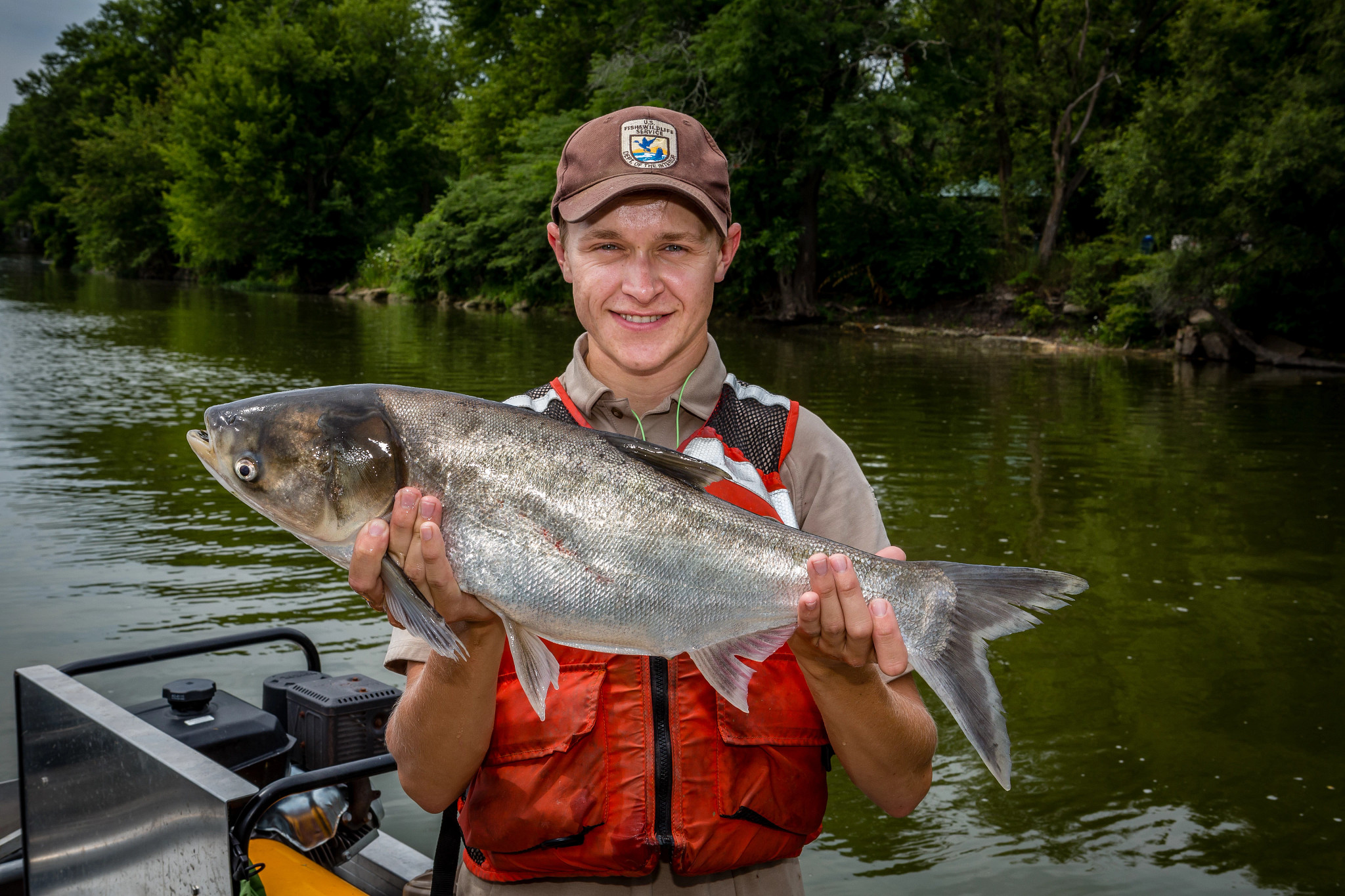
While swimmers and boaters don’t have to fear sharks or giant squid in the Great Lakes watershed, invasive fish the size of large dogs lurk in the freshwater. Invasive carp have wreaked havoc on the ecosystem for over a century, but officials have hit a milestone worth celebrating in the fight against these mega fish. 

In the past 15 years, wildlife officials have removed 50 million pounds of invasive carp from the Illinois River. That’s equivalent to roughly 5,000 elephants. The removal is part of a broader and coordinated effort to protect the rivers and lakes from this non native species.

Why are carp a problem?

Currently, four species of invasive carp cause harm in the Great Lakes and beyond—bighead carp (Hypophthalmichthys nobilis), silver carp (Hypophthalmichthys molitrix), black carp (Mylopharyngodon piceus), and grass carp (Ctenopharyngodon idella). 

According to the Great Lakes Fishery Commission, all four species were imported to North America to help with pest control in aquaculture facilities in the 1970s. The carp escaped confinement in only 10 years, and have spread to the Mississippi River basin and other large rivers, including the Missouri and Illinois.

Each of the four invasive carp species can weigh more than 100 pounds and grow to four feet from tip to tail. Bighead carp and silver carp generally feed on the tiny plankton in the water, while grass carp eats rooted plants in shallow water, and black carp feed primarily on mollusks and snails. 

“They consume so much food and can exist in such great numbers that they can really reduce the amount of [resources] for resident species of fish,” Peter Alsip, an ecologist with the NOAA Great Lakes Environmental Research Lab told Popular Science in 2024. “They can have indirect effects on the whole ecosystem because [silver carp] are consuming phytoplankton and zooplankton, which are essentially the base of the food web.”

Once inside a watershed, they can reproduce rapidly and compete with native fish species for resources. In areas where invasive carp are abundant, they have harmed other fish species  and interfered with commercial and recreational fishing, according to the United States Fish & Wildlife Service (USFWS). They can also pose a danger to humans, as the giant fish can jump out of the lake and hit unsuspecting boaters.

What is being done to stop them?

Carp eradication measures have been active for over 100 years. These efforts include targeted mass removal efforts, developing barriers to block or impede their movement, and ongoing monitoring. 

carp in a large net
Cap being culled in the Illinois River. Image: Illinois Department of Natural Resources.

The 50 million pounds of fish removed from the Illinois River were part of a program focusing on the northern part of the river about 50 miles from Lake Michigan. The removal project is designed to suppress the mostly adult populations of carp living in the area, by limiting their ability to reproduce and reduce their migration upstream towards the Electric Dispersal Barrier System. Located about 37 miles from Lake Michigan, this electric barrier is designed to deter their movement through the Chicago area. It is one of the main tools wildlife officials are using to keep them from further entering the Great Lakes through the Illinois River. Another program in the Illinois River offers fish harvest incentives to commercial fishers in the river’s lower 240 miles. 

“The more invasive carp we remove, the more we reduce their harmful impacts and the risk of them reaching Lake Michigan,” the USFWS wrote on Facebook. “Thanks to these and other efforts to monitor our waters and prevent the spread of invasive carp, Illinois and more than two dozen partners are safeguarding some of our most prized native fisheries, and the Great Lakes regional economy.”

The post 50 million pounds of invasive fish removed from Illinois River appeared first on Popular Science.

The Missing Notebooks That Solved a 25-Year-Old Paleontology Mystery

1 June 2026 at 16:17
55 Million Year Old Tarpon Fossil FishField notebooks from the late Richard Köhler allowed researchers to finally catalog a remarkable fossil tarpon from Aotearoa New Zealand. Recently disclosed notebooks from a late paleontologist supplied the missing details researchers needed to complete their study of a “remarkable” fossil found nearly 30 years ago. Dr. Richard Köhler discovered the fossil fish in 1999 [...]

Thomas the moray eel goes to the doctor

30 May 2026 at 20:15

Routine checkups for humans are usually straightforward. The doctor tells you what to do, and unless you’re a squirming baby or terrified of needles, you pretty much follow instructions. 

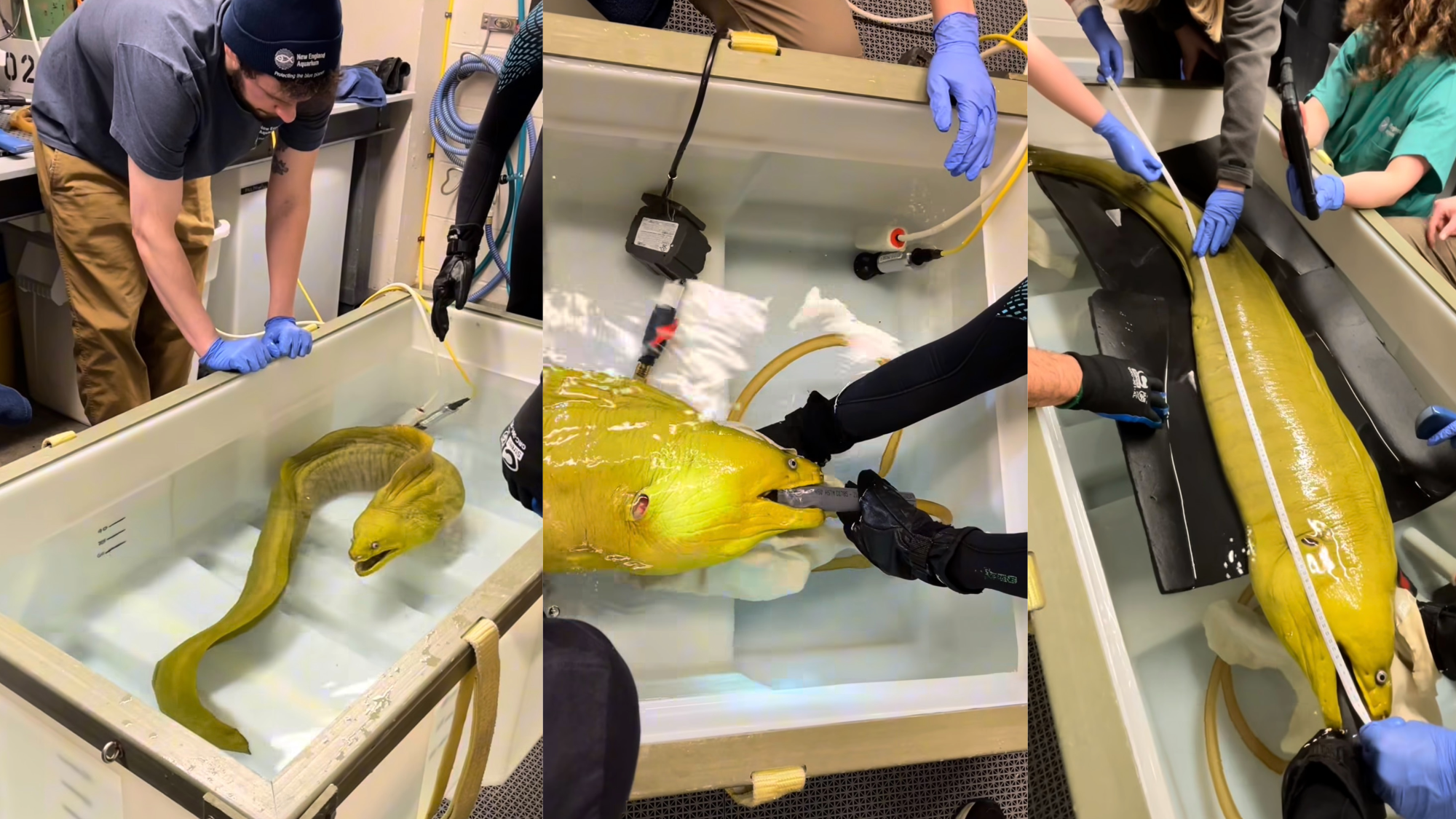
But what happens when the patient is a giant yellow-orange eel with sharp teeth? Things get a bit slippery. At the New England Aquarium, experts need to follow a complicated process in order to get Thomas, a green moray eel (Gymnothorax funebris), ready for his yearly checkup. 

The first step consists of retrieving Thomas from the aquarium’s giant ocean tank. Divers get him into a plastic barrel.Thomas and the barrel are then submerged into a different water tank with powdered anesthetic water, Melissa Joblon, New England Aquarium’s director of animal health, tells Popular Science

“We have to be really cautious to make sure that he’s fully anesthetized before we handle him because they can be dangerous,” she adds, “and they’re very slippery and can kind of slither away if we’re not really careful.”

Once Thomas is essentially knocked out, the team lifts him from his sedation bin and onto a rack. They then flush water—with more of the anesthesia agent—which allows him to continue breathing. 

The medical exam is preventative care, meaning the team is on the lookout for any health issues to catch them before they become serious. The session includes a physical exam, bloodwork, a full ultrasound, and an electrocardiogram. The team is essentially investigating the eel’s outsides and insides. 

“We do full routine annual exams on the majority of the animals that live at the aquarium, similar to bringing your cat or dog to a vet once a year,” Joblon explains. 

Thomas is probably 18 to 21 years old, but he was a juvenile when the New England Aquarium took him in. A pet owner donated him after wisely deciding that they couldn’t care for the eel anymore—Thomas was becoming too big. Green moray eels are, after all, among the largest morays—they can be eight feet long.

Here’s to making sure Thomas eels good. 

The post Thomas the moray eel goes to the doctor appeared first on Popular Science.

Bioluminescent Deep-Sea Fish Use Crystal ‘Prisms’ to Recycle Their Own Glow

27 May 2026 at 20:37
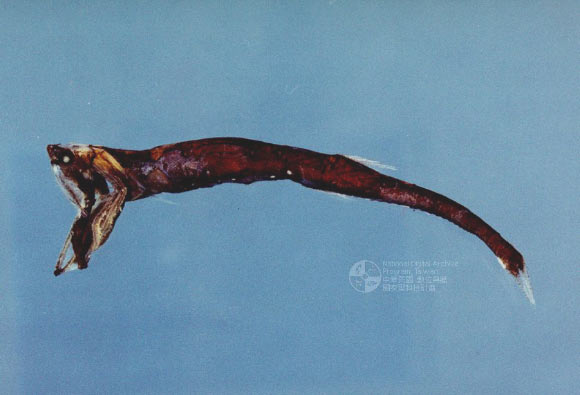
Sigmops gracilis. Image credit: Wu Quancheng / Fisheries Research Institute, Council of Agriculture, Taiwan.

A marine biologist studying the photophores of a bioluminescent fish species found needle-shaped guanine crystals that scatter and redirect light instead of merely reflecting it, a discovery that could inspire more efficient biomedical and optical devices.

The post Bioluminescent Deep-Sea Fish Use Crystal ‘Prisms’ to Recycle Their Own Glow appeared first on Sci.News: Breaking Science News.

Ars Asks: Share your shell and show us your tricked-out terminals!

I spend more time today than ever before interacting with terminal windows, which is something I don't think Past Me would have believed in the early '90s. Back then, poor MS-DOS was the staid whipping boy of the industry, and at least on the consumer side, graphical environments like Windows (and maybe even odder creatures like AmigaOS) seemed poised to stamp the command line into oblivion, leaving text interfaces behind as we all blasted into the ooey-GUI future.

As it turns out, though, the command line is still the best tool for some jobs—many jobs, in fact. I read a wise post some years ago (probably on Slashdot) arguing that a mouse-driven point-and-click interface essentially reduces the user to pointing at something on the screen and grunting, "DO! DO THAT!" at the computer. (The rise of right-click context menus adds the ability for the user to also grunt "MORE THINGS!" but doesn't otherwise add vocabulary.)

The command line, by contrast, gives the user the opportunity to precisely tell the computer what they want done, using words instead of one or two gestalts that the computer must interpret based on context.

Read full article

Comments

© Aurich Lawson | Getty Images

❌