Normal view

NTU Singapore Scientists Innovate Sustainable Method for Recycling Mixed Plastic Packaging

3 June 2026 at 17:58

Scientists at Nanyang Technological University, Singapore (NTU Singapore), have pioneered a groundbreaking technique to revolutionize the recycling of mixed plastic packaging—a notoriously challenging waste category. This innovation introduces a chemical process that can separate and recover individual plastics from multilayer packaging without the use of harmful solvents, offering a cleaner, safer, and more economically viable pathway to deal with one of the planet’s most persistent environmental problems.

Mixed plastic packaging is ubiquitous in the consumer market, especially in food products like snacks and instant noodles. These multilayered materials combine various polymers, bonded to ensure durability and airtight preservation, but these same properties make them incredibly difficult to recycle. Traditional mechanical recycling methods often degrade the quality of the polymers, resulting in low-value materials frequently destined for landfill or incineration. The global scale of this challenge is immense, with plastic production expected to surge to over 700 million tonnes by 2040, intensifying the urgency for effective recycling innovations.

The team from NTU’s School of Materials Science and Engineering alongside the Nanyang Environment and Water Research Institute (NEWRI), led by Professor Hu Xiao, has developed a technology called depolymerisation-induced polymer separation (DIPS). This sophisticated process selectively targets specific plastic components within mixed packaging, breaking down one polymer chemically while leaving others intact, thus enabling their clean separation and recovery. This nuanced chemical intervention is carried out without introducing solvents, eliminating many environmental and health hazards associated with conventional recycling practices.

At the heart of the DIPS method is reactive extrusion, an industrial process that combines melting, shaping, and chemical reaction stages within a single continuous operation. During this process, poly(ethylene terephthalate) (PET)—commonly used in beverage bottles—is mixed with glycerol, a readily available, nontoxic reagent. The process induces a targeted depolymerization of PET, converting it to smaller molecular units with altered physical and chemical properties. This reaction is finely tuned to maintain the integrity of other plastics like polypropylene (PP), a staple in food packaging.

What makes this technique exceptional is the natural separation that occurs post-depolymerization. The qualitative differences in polarity and viscosity between the chemically altered PET and unaffected PP drive an automatic phase separation, allowing the materials to be isolated without laborious sorting or hazardous chemicals. This solvent-free environment operates at ambient pressure, markedly reducing energy consumption and supporting safer industrial scale-up potential.

Laboratory analysis of the recycled PP material revealed it retained mechanical strengths up to 90% of virgin polypropylene under optimized conditions. This remarkable retention of tensile strength underscores the practical viability of this recycled plastic for high-performance applications, a notable improvement over conventional mechanical recycling, which often results in material downgrading. Besides offering environmental benefits, this enhances the economic value proposition of recycling mixed plastics.

While the PET fraction cannot be directly reprocessed into new packaging materials, its chemical profile post-depolymerization makes it a valuable feedstock for specialty applications. These include precursor materials for high-strength epoxy resins used in advanced composites like wind turbine blades. Furthermore, its chemical groups offer pathways to transform it back into monomers, potentially enabling closed-loop recycling and creating a circular economy for PET-based products.

The potential of the DIPS process extends beyond PET and PP. The principles of selective depolymerization and exploitation of differing material properties signal feasibility for broad applicability across various multilayer plastic combinations prevalent in the packaging industry. This adaptability could dramatically reshape industrial recycling practices, minimizing reliance on sorting and solvent-based treatments.

PhD candidate Kathirvel Periasamy, who contributed significantly to developing the DIPS methodology, highlights that this process aims to bridge the gap between laboratory innovation and industrial application. By integrating separation and depolymerization into a single, streamlined operation, DIPS addresses the economic and environmental challenges hampering widespread adoption of mixed plastic recycling.

The implications of efficiently remediating mixed plastic waste go beyond environmental sustainability—they represent a potential economic boon. It is estimated that unlocking effective recycling solutions for mixed plastics could generate annual economic value exceeding $250 billion globally. This transformative impact could drive market incentives for recycling infrastructure development and elevate the quality standards for recycled materials.

Looking forward, the NTU Singapore team plans collaborative efforts with industrial partners to pilot this technology under scaled-up manufacturing conditions. These partnerships aim to validate the process’s commercial feasibility, operational robustness, and integration with existing recycling systems. The researchers actively invite industry stakeholders interested in advancing sustainable plastic waste management to engage in this next phase.

This innovative approach to depolymerization and polymer separation is poised to be a major step forward in tackling one of the most recalcitrant components of plastic pollution. By eliminating harmful solvents, minimizing energy consumption, and producing high-quality recycled plastics, DIPS aligns technological ingenuity with environmental stewardship, potentially rewriting the narrative around mixed plastic recycling for decades to come.


Subject of Research:
Not applicable

Article Title:
Depolymerization Induced Polymer Separation: A New Strategy for Continuous and Efficient Separation of PP/PET Multilayer Plastic Packaging Waste

News Publication Date:
16-Mar-2026

Web References:
OECD Policy Scenarios for Eliminating Plastic Pollution by 2040
OECD Global Material Resources Outlook to 2060

References:

  1. OECD Policy Scenarios for Eliminating Plastic Pollution by 2040; OECD, 2024.
  2. OECD Global Material Resources Outlook to 2060: Economic Drivers and Environmental Consequences; OECD, 2019.

Image Credits:
NTU Singapore

Keywords

Industrial chemistry, Materials processing, Chemical separation, Separation techniques, Sustainable chemistry, Plastic recycling, Polymer science, Depolymerization, Reactive extrusion, Environmental engineering, Circular economy, Mixed plastics

Popular Weight-Loss Drug Found To Slow Biological Aging in Landmark Human Trial

GLP-1 Semaglutide Obesity Weight Loss Drug NewspaperA widely prescribed class of weight-loss and diabetes medications may be doing more than improving metabolic health. Drugs such as Ozempic and Wegovy have transformed the treatment of obesity and type 2 diabetes, helping millions lose weight and improve metabolic health. But scientists are increasingly uncovering effects that extend far beyond the scale. Research has [...]

Sarcopenia, Obesity, and Frailty: Impact on Mortality

3 June 2026 at 11:34

In the rapidly evolving landscape of geriatric medicine, a landmark study is shedding new light on the intricate nexus between muscle deterioration, excess body fat, and their compound effect on elderly populations. The investigation, recently published in BMC Geriatrics, delves deeply into sarcopenia, obesity, and the concurrence of both conditions—termed sarcopenic obesity—and their collective influence on frailty, transitions in frailty states, and eventual mortality. This comprehensive exploration is poised to revolutionize clinical approaches to aging and vulnerability by elucidating the underlying biological and physiological mechanisms that predicate adverse outcomes in older adults.

Sarcopenia, defined as the progressive loss of skeletal muscle mass and strength, has long been recognized as a critical factor compromising the functional independence of seniors. When paired with obesity, a state characterized by excessive accumulation of adipose tissue, the resulting condition—sarcopenic obesity—combines the worst of both worlds. This dual burden synergistically exacerbates physical decline, metabolic dysregulation, and inflammatory processes, effectively accelerating the trajectory toward frailty. The study meticulously quantifies these relationships, utilizing advanced imaging, biochemical assays, and longitudinal health data to map the precise contributions of muscle and fat alterations to frailty dynamics.

Frailty itself, a clinical syndrome marked by decreased physiological reserve and increased vulnerability to stressors, serves as a pivotal predictor of adverse health outcomes, including falls, hospitalization, and death. The research underscores that sarcopenic obesity amplifies intrinsic frailty beyond the additive risk posed by sarcopenia or obesity alone. The biological interplay involves inflammatory mediators, hormonal imbalances, and neuromuscular impairments, which collectively undermine cellular homeostasis and organ function. By unraveling these complex interrelations, the authors offer a nuanced perspective on why some elderly individuals experience accelerated frailty progression while others remain comparatively stable.

A particularly innovative aspect of this study lies in its examination of frailty transitions—shifts between states such as robustness, prefrailty, frailty, and death—over time. Using sophisticated statistical modeling and repeated clinical assessments, the investigators illuminate how sarcopenic obesity disrupts these trajectories, often precipitating irreversible declines. Notably, the research reveals that interventions targeting muscle preservation and fat reduction may modulate these transitions, potentially delaying or preventing onset of severe frailty. Such insights pave the way for precision medicine approaches in geriatric care, tailored to individual risk profiles determined by body composition metrics.

The molecular underpinnings highlighted in the study accentuate the role of chronic low-grade inflammation, commonly termed “inflammaging,” as a central driver linking sarcopenic obesity to frailty. Cytokines such as interleukin-6 and tumor necrosis factor-alpha emerge as key players in promoting muscle catabolism and adipose tissue dysfunction. These inflammatory factors not only impair muscle regeneration but also exacerbate insulin resistance and mitochondrial dysfunction, laying the groundwork for systemic decline. By dissecting these pathways, the research identifies potential therapeutic targets that could be exploited to counteract frailty progression at the cellular level.

Furthermore, the metabolic consequences of sarcopenic obesity extend beyond musculoskeletal impairment to encompass cardiovascular and endocrine complications. The accumulation of visceral fat in obese seniors contributes to dyslipidemia, hypertension, and glucose intolerance, conditions that synergize with muscle loss to heighten morbidity and mortality risks. The study’s data robustly link these pathophysiological changes to heightened rates of hospitalization and death in elderly cohorts exhibiting sarcopenic obesity. This multifaceted risk profile underscores the necessity for integrated treatment paradigms addressing both muscle and fat tissue health.

Clinically, the findings advocate for routine assessment of muscle mass and fat distribution in aging populations, employing cutting-edge tools such as dual-energy X-ray absorptiometry (DXA) and bioelectrical impedance analysis. Traditional metrics like body mass index (BMI) prove inadequate to capture the complex body composition changes implicated in frailty. Precision diagnostics facilitated by these technologies enable early identification of at-risk individuals who might benefit from targeted interventions—ranging from resistance training programs and nutritional supplementation to pharmacological agents aimed at attenuating muscle breakdown and reducing adiposity.

The societal implications of the study are profound, given the escalating demographic shift toward older populations worldwide. Frailty, compounded by sarcopenic obesity, portends increased healthcare costs, caregiver burden, and diminished quality of life. Public health initiatives informed by this research could promote preventative strategies, emphasizing physical activity, dietary optimization, and metabolic health maintenance from midlife onward. Such paradigms have the potential to reduce frailty prevalence and improve longevity, thereby alleviating pressure on health systems and enhancing elder autonomy.

From a translational research perspective, the investigation charts new avenues for drug development. Compounds modulating anabolic and inflammatory signaling pathways implicated in sarcopenic obesity, such as myostatin inhibitors and anti-cytokine biologics, represent promising candidates for clinical trials. Moreover, advances in omics technologies and machine learning could refine risk stratification and therapeutic responsiveness, fostering personalized medicine approaches that adapt to the evolving heterogeneity of frailty phenotypes among seniors.

The role of lifestyle factors further enriches the discussion, with the study highlighting the interplay between physical inactivity, dietary patterns, and genetic predispositions in shaping sarcopenic obesity risks. Comprehensive intervention strategies that integrate exercise regimens tailored to enhance muscle strength and promote fat loss, alongside nutritional plans to optimize protein intake and micronutrient support, emerge as critical elements in frailty mitigation. Behavioral modifications that address sedentary habits and promote sustained engagement in physical activity are essential complements to biomedical therapies.

Ethical considerations also arise given the vulnerability of frail seniors and the complexity of managing sarcopenic obesity. The study advocates for patient-centered approaches respecting autonomy while balancing risks and benefits of interventions. Multidisciplinary care teams incorporating geriatricians, nutritionists, physiotherapists, and social workers are instrumental in delivering holistic management that addresses medical, functional, and psychosocial dimensions. Advance care planning and education for patients and families play pivotal roles in aligning treatment goals with preferences and quality of life considerations.

Technological innovations such as remote monitoring devices and telemedicine platforms hold promise for facilitating longitudinal assessment and personalized support for frail elders contending with sarcopenic obesity. Wearable sensors capable of tracking physical activity and muscle function could enable timely adjustments in care plans, improving outcomes while reducing the need for frequent in-person visits. Digital health tools also offer opportunities for patient engagement and education, fostering empowerment and adherence to therapeutic regimens.

The study’s longitudinal design and robust methodology set a new benchmark for future research in aging and frailty. By integrating comprehensive clinical data, advanced imaging, and molecular analyses across diverse populations, it provides a richly detailed portrait of how sarcopenia, obesity, and their confluence intricately govern the aging process. Ongoing research building on these findings may elucidate additional biomarkers and mechanistic insights, ultimately refining frailty prediction and prevention strategies.

In summary, this seminal investigation elucidates the multifactorial and synergistic impacts of sarcopenia, obesity, and sarcopenic obesity on frailty evolution and mortality risk among the elderly. The compelling evidence underscores the urgent need for integrated diagnostic, therapeutic, and preventive frameworks that address muscle and fat tissue dynamics holistically. As the global population ages, translating these research insights into clinical practice and public health policy will be paramount to enhancing longevity, preserving function, and improving quality of life for millions of older adults worldwide.


Subject of Research: The study investigates the role of sarcopenia, obesity, and sarcopenic obesity in the development and progression of frailty, frailty transitions, and mortality in elderly populations.

Article Title: Role of sarcopenia, obesity and sarcopenic obesity in frailty, frailty transitions and death

Article References:
Álvarez-Bustos, A., Carnicero, J.A., Sepúlveda-Loyola, W. et al. Role of sarcopenia, obesity and sarcopenic obesity in frailty, frailty transitions and death. BMC Geriatr (2026). https://doi.org/10.1186/s12877-026-07756-5

Image Credits: AI Generated

Infertility Linked to Earlier Onset of Menopause, New Study Reveals

3 June 2026 at 06:41

In a groundbreaking study published today in the prestigious journal Menopause, researchers have unveiled a compelling link between infertility and the timing of natural menopause, shedding new light on a complex aspect of women’s reproductive health. The investigation, involving a longitudinal cohort of nearly 700 individuals, primarily focused on women diagnosed with primary infertility, a condition affecting millions worldwide. This comprehensive research reveals that women experiencing primary infertility tend to enter menopause approximately one year earlier than their fertile counterparts. Most notably, it identifies unexplained infertility and endometriosis—a chronic gynecological disorder—as key contributors to an elevated risk of early menopause, defined as menopause occurring before age 45.

Menopause marks a significant phase in a woman’s life, typically occurring around the age of 51, and fundamentally alters physiological and hormonal landscapes. While most women spend over a third of their lives post-menopause, premature menopause (before age 40) and early menopause pose substantial health risks. Despite this, the underlying factors influencing the onset age of menopause remain incompletely understood, particularly in populations grappling with infertility. This latest study bridges critical gaps, providing robust, data-driven evidence linking infertility subtypes with menopause timing, thereby expanding the scope of reproductive endocrinology.

Infertility, affecting roughly one in six people globally, exerts profound effects beyond family planning challenges. The intricate etiologies encompass genetic predispositions, hormonal imbalances, in utero influences, and lifestyle factors. Historically, studies investigating connections between infertility and menopause have yielded inconclusive or conflicting outcomes, often neglecting to differentiate between infertility types. By dissecting these nuances, the current research emphasizes the distinct mechanistic pathways through which specific infertility diagnoses—particularly unexplained infertility and endometriosis—may accelerate ovarian aging and the depletion of follicular reserves, culminating in earlier cessation of natural fertility.

The study’s findings emerged from meticulous statistical analyses of longitudinal data, underscoring that women with primary infertility represent a unique demographic at enhanced risk for early menopausal transition. Importantly, the absence of association between infertility and premature menopause suggests distinct predictive factors and possibly varying pathogeneses across the menopause-age spectrum. This differentiation is clinically significant, as early menopause correlates with heightened vulnerability to myriad chronic conditions, including cardiovascular disease, osteoporosis, and neurocognitive disorders, stressing the necessity for vigilant health surveillance in this population.

Biological mechanisms potentially underlying these observations involve complex hormonal dynamics. For instance, endometriosis is characterized by aberrant growth of endometrial tissue outside the uterus, often eliciting inflammation and immune dysregulation, which may detrimentally impact ovarian function. Unexplained infertility, by definition, lacks a definitive pathophysiological diagnosis, but is hypothesized to involve subtle defects in gamete quality or endocrine signaling. These disruptions can accelerate follicular depletion, thereby precipitating an earlier decline in estrogen production and earlier menopause onset.

The broader clinical implications of this research are profound. Early menopause truncates the protective effects of endogenous estrogens, increasing susceptibility to osteoporosis due to diminished bone mineral density and elevating cardiovascular risks via adverse lipid profiles and vascular changes. Additionally, early estrogen deficiency may impair cognitive function and elevate risks for neurodegenerative diseases. These findings advocate for targeted counseling and proactive screening strategies for women with primary infertility or related conditions to detect and manage early menopausal symptoms and associated health risks.

Current epidemiological data identify several risk factors for premature and early menopause, including tobacco use, low body mass index, nulliparity, and early menarche. Conversely, increased parity and oral contraceptive use have been linked with delayed menopause onset. The integration of infertility history into this risk architecture enhances the precision of predictive models for menopause timing, enabling clinicians to formulate more individualized management plans and preventative approaches.

From a therapeutic perspective, recognizing the increased risk of early menopause among women with primary infertility, particularly those with unexplained infertility or endometriosis, highlights the critical need for hormone replacement therapy (HRT) considerations. HRT has demonstrated efficacy in mitigating menopausal symptoms and reducing long-term health risks when initiated appropriately and tailored to individual risk profiles. This new evidence supports earlier intervention and highlights the importance of patient education regarding reproductive aging and potential hormonal therapies.

Moreover, this study underscores the importance of interdisciplinary collaboration among reproductive endocrinologists, gynecologists, and primary care providers to optimize care pathways for women with infertility. Integrating menopause risk assessment into fertility evaluations can provide a holistic approach, ensuring early detection and management of menopause-related health issues. The application of these findings could transform clinical practice, improving health outcomes and quality of life for women affected by infertility.

In summary, this landmark research offers compelling evidence that infertility, particularly primary infertility associated with unexplained causes or endometriosis, predisposes women to an earlier onset of menopause by approximately one year. This association emphasizes the systemic implications of reproductive disorders beyond immediate fertility concerns. As early menopause significantly heightens risks for multiple chronic diseases, the study advocates for vigilant monitoring, patient education, and timely therapeutic interventions to mitigate adverse health consequences. These insights pave the way for future research to unravel mechanistic pathways and refine clinical guidelines, ultimately enhancing the standard of care for women navigating the intertwined challenges of infertility and reproductive aging.

Subject of Research: People
Article Title: Infertility and age at menopause in a longitudinal cohort of women with primary infertility
News Publication Date: 3-Jun-2026
Web References: https://menopause.org/wp-content/uploads/press-release/Infertility-and-age-of-menopause.pdf
References: DOI 10.1097/GME.0000000000000002809
Keywords: Infertility, Early Menopause, Primary Infertility, Unexplained Infertility, Endometriosis, Reproductive Aging, Hormone Replacement Therapy, Ovarian Function, Cardiovascular Disease, Osteoporosis, Neurocognitive Disorders

Dr. Heather Jacene Appointed President of the Society of Nuclear Medicine and Molecular Imaging

3 June 2026 at 03:02

Heather Jacene, MD, has assumed the prestigious role of president of the Society of Nuclear Medicine and Molecular Imaging (SNMMI), marking a significant milestone in the advancement of nuclear medicine and molecular imaging disciplines. Dr. Jacene’s appointment was announced during the SNMMI 2026 Annual Meeting held from May 30 to June 2 in Los Angeles, an event that gathers experts and pioneers driving innovation in precision medicine and molecular diagnostics. Her leadership is poised to catalyze new developments that integrate cutting-edge research with clinical practice, deepening the impact of molecular imaging technologies on patient outcomes.

In her multifaceted career, Dr. Jacene holds several prominent positions, including Chief of Molecular Imaging and Theranostics at Beth Israel Deaconess Medical Center, Clinical Director of Nuclear Medicine/PET-CT, and Senior Physician at Dana-Farber Cancer Institute. She also serves as Associate Professor of Radiology at Harvard Medical School. Her diverse roles underscore a strong commitment to pushing the boundaries of nuclear medicine through both clinical excellence and academic rigor, highlighting her capacity to bridge the gap between innovative research and patient-centered care.

One of Dr. Jacene’s primary objectives as president is to reinforce SNMMI as an indispensable resource for its members, spanning the spectrum from foundational basic science research to the highest standards of evidence-based clinical application. She emphasizes the critical importance of fostering an environment where nuclear medicine evolves through interdisciplinary collaboration and robust scientific inquiry, ensuring that the field remains at the forefront of diagnostic and therapeutic modalities.

Dr. Jacene is focused on creating dynamic platforms within SNMMI that encourage active participation and collaboration among members, transcending traditional disciplinary boundaries. By promoting multidisciplinary partnerships, she envisions expanding the reach and influence of nuclear medicine, driving innovations that enhance molecular imaging technologies such as PET-CT and radiopharmaceutical therapies. Her approach involves breaking down silos to facilitate knowledge exchange and accelerate technological advancements.

A major part of her agenda involves advocating for increased awareness and acceptance of nuclear medicine among clinical colleagues and patients alike. She aims to communicate the tangible benefits of these advanced imaging techniques in personalized medicine, emphasizing how molecular imaging enables precise characterization of disease states and therapeutic responses. This strategic communication will help solidify nuclear medicine’s role as a cornerstone of modern clinical practice.

Another critical challenge Dr. Jacene intends to address involves the barriers related to the availability, reimbursement, affordability, and funding of radiopharmaceuticals. These radiotracers are indispensable tools in targeted diagnostic and therapeutic procedures, yet their accessibility remains uneven. Her leadership will concentrate on policy advocacy and operational innovations to ensure broader and timely access to these vital agents, thus enhancing the clinical utility and patient reach of nuclear medicine.

Dr. Jacene’s extensive training and expertise reflect a career dedicated to nuclear medicine and molecular imaging. She earned her medical degree from the University of Medicine and Dentistry of New Jersey-Robert Wood Johnson Medical School in New Brunswick, New Jersey. She subsequently completed both her residency and fellowship in nuclear medicine and PET-CT at Johns Hopkins University, Baltimore, where she honed her skills in cutting-edge diagnostic imaging techniques and the evolving applications of radiopharmaceuticals in oncology and beyond.

Her longstanding involvement with SNMMI is marked by significant leadership roles, including chairing the Scientific Program Committee, where she orchestrated innovative transformations to the Annual Meeting format. These changes have led to enhanced member engagement, increased networking opportunities, and a fertile ground for presenting novel research. She has also played a pivotal role in quality assurance, serving as Chair for the Quality of Practice Domain within the SNMMI Value Initiative, and helped establish the Radiopharmaceutical Centers of Excellence Program to standardize and elevate the delivery of radiopharmaceutical therapies.

Dr. Jacene’s research portfolio is both extensive and impactful, focusing predominantly on the application of FDG-PET/CT and other emerging PET tracers for the assessment of cancer biology and therapeutic efficacy. Her investigations delve into functional imaging biomarkers that reveal tumor metabolism, receptor expression, and microenvironmental changes, thereby informing more personalized and adaptive treatment strategies. Furthermore, she explores novel radiopharmaceutical therapies that promise to revolutionize the management of malignancies through targeted molecular interventions.

In addition to more than 100 peer-reviewed scientific publications, Dr. Jacene has authored numerous review articles and book chapters, contributing authoritative perspectives on the evolving landscape of molecular imaging and theranostics. Her scholarship not only advances academic discourse but also aids in translating complex imaging science into practical clinical guidelines and protocols that optimize patient care.

The new SNMMI leadership team for 2026-27 includes other distinguished figures such as Gary Ulaner, MD, PhD, FSNMMI, chosen as president-elect, and Jason S. Lewis, PhD, FSNMMI, as vice president-elect. The SNMMI Technologist Section has also elected Shannon Youngblood, EdD, MSRS, CNMT, RT(CT), as president, with Sara L. Johnson, CNMT, RT(N)(CT), serving as president-elect. Together, this leadership cadre represents a diverse spectrum of expertise poised to drive the society’s mission forward.

SNMMI remains a global scientific and medical organization dedicated to propelling nuclear medicine, molecular imaging, and theranostic precision medicine. Through its efforts, SNMMI facilitates innovations that allow clinicians to tailor diagnostic and therapeutic approaches to individual patients with unprecedented specificity, aiming for optimal outcomes. Dr. Jacene’s presidency symbolizes a sustained commitment to integrating high-caliber research, education, and clinical practice at the forefront of this transformative field.

Subject of Research:
Heather Jacene’s presidency at SNMMI and advancements in nuclear medicine and molecular imaging, including PET-CT innovations and radiopharmaceutical therapy.

Article Title:
Heather Jacene, MD, Named President of the Society of Nuclear Medicine and Molecular Imaging: Advancing the Future of Molecular Imaging and Theranostics

News Publication Date:
June 2026

Web References:
http://www.snmmi.org/

Image Credits:
Courtesy of SNMMI

Keywords:
Molecular imaging, Nuclear medicine, Positron emission tomography, Personalized medicine, Radiopharmaceutical therapy, Theranostics, FDG-PET/CT, Radiopharmaceutical Centers of Excellence, Precision medicine, SNMMI, Cancer imaging, Clinical molecular imaging

Dr. Gary Ulaner, MD, PhD, Elected President-Elect of the Society of Nuclear Medicine and Molecular Imaging

3 June 2026 at 02:57

In a significant development within the realm of nuclear medicine and molecular imaging, Dr. Gary Ulaner has been appointed as the president-elect of the Society of Nuclear Medicine and Molecular Imaging (SNMMI). This appointment, announced during the SNMMI 2026 Annual Meeting held from May 30 to June 2 in Los Angeles, highlights the growing importance and transformative potential of nuclear medicine in contemporary healthcare. Dr. Ulaner’s expertise and leadership are poised to drive forward innovative research and clinical applications that could redefine patient care, particularly in oncology and molecular diagnostics.

Dr. Ulaner currently holds the James & Pamela Muzzy Endowed Chair of Molecular Imaging and Therapy at the Hoag Family Cancer Institute and serves as a Professor of Radiology and Translational Genomics at the University of Southern California. His multifaceted roles underscore a career dedicated to the integration of molecular imaging technologies and translational research, aligning with the broader goals of personalized medicine and precision oncology. His background exemplifies the merger of academic rigor and clinical application crucial for advancing this rapidly evolving field.

Nuclear medicine, a specialty focused on the use of radioactive substances in diagnosis and therapy, stands at the forefront of precision medicine innovation. The role of the president-elect extends beyond administrative leadership; it includes championing initiatives that fortify research infrastructures, expand educational platforms, and secure funding to nurture the next generation of radiochemistry and nuclear physics professionals. Dr. Ulaner’s vision emphasizes a holistic advancement, where technological innovation dovetails with workforce development and interdisciplinary collaboration.

Dr. Ulaner’s academic foundation was established at Stanford University School of Medicine, where he earned both his MD and PhD in Cancer Biology. His post-doctoral training involved rigorous residencies in Nuclear Medicine and Diagnostic Radiology at the University of Southern California. This robust training has empowered him with a unique perspective that bridges molecular imaging technology, radiopharmaceutical development, and clinical oncology, driving impactful translational research.

Before his current tenure at Hoag Family Cancer Institute, Dr. Ulaner was an Associate Member on a tenure track at Memorial Sloan Kettering Cancer Center—a leading institution in cancer research and treatment. At MSK, he developed significant academic and clinical roles that contributed to the institution’s pioneering work in PET imaging and molecular diagnostics. His professional credentials are further reinforced by certifications from the American Board of Radiology and the American Board of Nuclear Medicine, underscoring his specialized expertise.

Within the SNMMI, Dr. Ulaner has been an active and influential member, occupying vital leadership positions such as director at large on the board of directors, president of the PET Center of Excellence, and chair of the Mars Shot Campaign—a bold initiative aimed at advancing nuclear medicine research. His multifaceted involvement signals his commitment to driving SNMMI’s strategic objectives, including the formulation of standards, educational outreach, and advocacy for nuclear medicine’s value in clinical practice.

His scholarly contributions are substantial, with over 190 journal articles and more than 300 invited presentations. Dr. Ulaner has contributed to seminal guidelines such as SNMMI’s Appropriate Use Criteria for Fluoroestradiol PET, setting standards that influence clinical decision-making globally. His editorial roles and authorship of textbooks like “Fundamentals of Oncologic PET/CT” demonstrate his dedication to disseminating knowledge and fostering an educated workforce proficient in advanced imaging modalities.

The Mars Shot Campaign, under Dr. Ulaner’s leadership, exemplifies a visionary approach to accelerating research and innovation within nuclear medicine. This initiative targets critical translational gaps, funding high-impact projects that aim to develop novel radiopharmaceuticals and imaging technologies with the potential to revolutionize diagnostic accuracy and therapeutic efficacy. Such efforts are crucial in overcoming existing limitations related to imaging biomarkers and personalized treatment monitoring.

Dr. Ulaner’s dedication to education and training extends beyond research innovation. He actively advocates for expanding educational opportunities for nuclear medicine professionals—technologists, clinicians, physicists, and radiochemists—recognizing the interdisciplinary nature of the field. This approach is vital for sustaining a skilled workforce capable of navigating the complexities of molecular imaging and theranostics, transforming patient outcomes in oncology and other disease domains.

Throughout his career, Dr. Ulaner has garnered numerous accolades, including the Susan G. Komen Career Catalyst Award and the Department of Defense Breakthrough Award. His recognition as a Distinguished Investigator by the Academy for Radiology & Biomedical Imaging Research and as a healthcare visionary highlights both his scientific contributions and leadership qualities. Such honors reflect his role as a catalyst for innovation at the interface of cancer biology, imaging science, and clinical oncology.

The SNMMI’s election of new officers alongside Dr. Ulaner—Heather Jacene, MD as president and Jason S. Lewis, PhD as vice president-elect—illustrates a leadership cohort poised to navigate the next frontier of nuclear medicine. Their collective expertise underscores the society’s commitment to fostering cutting-edge research, expanding educational horizons, and enhancing policy frameworks to elevate the role of molecular imaging in modern medicine.

As president-elect, Dr. Ulaner’s agenda will involve steering the SNMMI to harness the full potential of nuclear medicine and molecular imaging technologies. These advancements promise not only to enhance the early detection and characterization of malignancies but also to optimize individualized therapy through theranostics—combining targeted diagnostics with personalized treatment regimens. This paradigm shift aligns closely with contemporary trends aimed at achieving superior patient outcomes through precision health strategies.

The Society of Nuclear Medicine and Molecular Imaging remains at the vanguard of scientific and medical innovation, dedicated to advancing nuclear medicine, molecular imaging, and theranostics worldwide. Dr. Ulaner’s ascension to the role of president-elect represents a pivotal moment in reinforcing the society’s mission. His leadership is expected to invigorate research efforts, expand educational initiatives, and advocate for policies that solidify the critical role of molecular imaging in the healthcare continuum, driving transformative advances for patients globally.

Subject of Research:
Nuclear medicine, molecular imaging, and theranostics with a focus on oncologic PET/CT and translational genomics in cancer care.

Article Title:
Gary Ulaner, MD, PhD, Named President-Elect of the Society of Nuclear Medicine and Molecular Imaging, Heralding New Era in Molecular Imaging and Theranostics

News Publication Date:
June 7, 2026

Web References:
http://www.snmmi.org/

Image Credits:
Courtesy of SNMMI

Keywords:
Molecular imaging, Nuclear medicine, Positron emission tomography (PET), Personalized medicine, Theranostics, Oncology imaging, Radiopharmaceuticals, Translational genomics, SNMMI, PET/CT, Radiochemistry, Molecular diagnostics

Revealing Spatial Chirality Through Terahertz Imaging

3 June 2026 at 02:56

In the realm of molecular science and materials engineering, the concept of chirality — objects or molecules that are mirror images but not superimposable — holds profound significance. Much like how the left and right human hands are structurally similar yet non-identical, chiral entities exhibit behavior and properties that are deeply influenced by their handedness. Chirality is a cornerstone in fields spanning biology, chemistry, and nanotechnology, fundamentally influencing everything from the twisting form of DNA to the design and efficacy of pharmaceuticals. Understanding and visualizing chirality at micro and nanoscale levels remains a critical yet elusive challenge in science.

A particularly promising avenue for characterizing chiral molecules and structures is the use of circularly polarized light within the terahertz (THz) frequency range. Occupying the electromagnetic spectrum between microwaves and infrared light, terahertz waves are exceptionally sensitive to collective molecular motions and subtle twisting modes inherent in chiral materials. Traditionally, however, the use of THz spectroscopy has been limited to bulk measurements that average responses across the entire sample, obscuring spatial variations in chirality critical for nuanced material characterization and biomedical applications.

Breakthrough research led by Professor Katsuhiko Miyamoto at Chiba University, Japan, alongside collaborators at Tohoku University and the National Institute for Materials Science, has shattered this constraint. By developing an innovative imaging technique based on terahertz circular dichroism (TCD) spectroscopy combined with precisely engineered moiré metasurfaces, the team has for the first time realized direct, high-resolution two-dimensional mapping of chirality distributions. This novel approach moves beyond mere chiral signal averaging and enables the visualization of chirality’s spatial heterogeneity with unprecedented clarity.

At the core of this advancement lies the crafting of moiré metasurfaces — meticulously fabricated nanostructured assemblies consisting of stacked microscopic silver disks with controlled lateral shifts and rotations at micrometer dimensions. These engineered surfaces exhibit intricate interference patterns that manifest as alternating right-handed and left-handed chiral regions. Their carefully calibrated geometry enables strong interaction with circularly polarized THz radiation, whereby distinct local circular dichroism spectral signatures arise from the underlying chirality variations.

Illuminating these metasurfaces with circularly polarized terahertz waves, the researchers observed spatially dependent differential absorption of left- versus right-handed polarization components. By spectroscopically analyzing these signals, they generated detailed images that revealed local chiral domains, with an impressive spatial resolution on the order of 100 micrometers — approximately the width of a single human hair. This level of resolution, coupled with the ability to distinguish coexisting opposite chirality within the same sample plane, marks a transformative leap beyond conventional THz measurement techniques.

The implications of this imaging methodology extend far beyond academic curiosity. The capacity to spatially resolve chirality opens new pathways for rigorous quality control in next-generation chiral materials, which are pivotal in advanced optics, quantum devices, and chiral photonics. Furthermore, it can drive breakthroughs in biomolecular analysis by enabling visualization of protein conformations and aggregates whose chiral nuances relate directly to their biological function or pathogenicity. Crucially, the non-invasive and label-free nature of this THz circular dichroism imaging makes it an attractive tool for probing delicate biological samples or sensitive nanofabricated structures without damage.

Professor Miyamoto described the work as a response to a fundamental gap in chirality characterization—while conventional methods had only provided averaged chirality information, the true spatial arrangement had remained a mystery. “Our motivation was simple but profound: to ask not just what chirality exists, but how it is distributed. Visualizing this spatial distribution unlocks a deeper understanding of chiral phenomena,” he said. Indeed, their approach integrates optics, materials science, and nanofabrication technologies to bring this vision to fruition.

Technically, the design and fabrication of the moiré metasurface demanded precise control over the nanoscale patterning of metallic disks, ensuring the subtle offsets necessary to generate spatially alternating twisting motifs. When excited with THz circularly polarized light, these motifs selectively absorb left- or right-handed polarization components, creating differential spectral fingerprints captured by a THz spectroscopic imaging system. By scanning the beam or analyzing the reflected/transmitted signals across the metasurface, spatial maps depicting circular dichroism intensity emerge, directly correlating with localized chirality.

Looking toward the future, the research team envisions expanding this technique’s frequency range to encompass 2 to 15 THz, which would enable even finer structural analyses and broaden its applicability. This frequency scalability is expected to enhance sensitivity to diverse molecular vibrations and chiral interactions, further refining diagnostic capabilities. Potential applications span the detection of abnormal protein aggregations implicated in neurodegenerative diseases, evaluation of chiral metamaterials for Beyond 5G and upcoming 6G communication technologies, and the investigation of subtle internal distortions within quantum and soft matter systems.

The advent of this terahertz circular dichroism imaging technique thus represents a pivotal advancement in chiral science, promising to catalyze scientific and technological innovation across multiple disciplines. By translating chiral phenomena into spatially resolved, spectrally rich images, researchers can now explore the complexities of chiral matter with a precision and depth that was previously unattainable. This work not only answers longstanding questions about the spatial nature of chirality but also lays the groundwork for future breakthroughs in medicine, materials science, and telecommunications.

As the field of nanofabrication continues to evolve, producing increasingly intricate and functional chiral architectures, having a reliable, non-destructive method to image chirality at microscale resolution is indispensable. The collaborative efforts between Chiba University, Tohoku University, and the National Institute for Materials Science have thus opened a new frontier in chirality research — one that bridges optical physics and material engineering with real-world applications on the horizon.

In summary, the groundbreaking imaging of chirality through terahertz circular dichroism spectroscopy combined with moiré metasurfaces redefines the capability to study handedness in materials. By unveiling a multiscale chiral landscape where right- and left-handed domains coexist and interact, this work paves the way for innovative diagnostic tools and advanced material evaluations, heralding a future where the mysteries of chirality are not only understood but visually mapped and manipulated for technological and biomedical gains.


Subject of Research: Not applicable

Article Title: Multiscale chirality in moiré metasurfaces revealed by terahertz circular dichroism spectroscopic imaging

News Publication Date: June 2, 2026

Web References: https://www.cn.chiba-u.jp/en/news/

References:
Authors: Uina Chiba, Shota Tsuji, Gaku Oritani, Takumi Yoichi, Rinpei Sasaki, Takeo Minari, Seigo Ohno, Katsuhiko Miyamoto
Affiliations: Graduate School of Engineering, Chiba University; Research Center for Functional Materials, National Institute for Materials Science; Department of Physics, Tohoku University; Molecular Chirality Research Center, Chiba University
DOI: 10.1021/acsphotonics.6c00372

Image Credits: Professor Katsuhiko Miyamoto, Chiba University, Japan

Keywords

Chirality, Terahertz Circular Dichroism, Moiré Metasurfaces, Terahertz Imaging, Circularly Polarized Light, Nanofabrication, Chiral Metamaterials, Spectroscopic Imaging, Structural Biology, Advanced Optics, Nonlinear Optics, Quantum Materials

Unified MIFC in GRAS LDPE/ZnO Nanocomposites

3 June 2026 at 01:19

In the evolving landscape of food packaging technology, scientists have long sought sustainable materials that not only preserve food quality but also extend shelf life without compromising safety or environmental standards. Recent breakthroughs have emerged from the realm of nanotechnology, where researchers have succeeded in unifying photocatalytic and antimicrobial functionalities within a single material system. This advancement has culminated in the development of a novel low-density polyethylene (LDPE) nanocomposite, doped with zinc oxide (ZnO) nanoparticles, exhibiting a new paradigm called the Minimum Integrated Functional Concentration (MIFC). This innovative approach signifies a monumental stride towards GRAS-compliant (Generally Recognized As Safe) active food packaging with profound implications for global food security and waste reduction.

The genesis of this breakthrough resides in the inherent challenges tied to active packaging materials. Traditional packaging often falls short in mitigating microbial contamination or oxidative degradation, leading to rapid spoilage and potential foodborne illnesses. Incorporating antimicrobial agents into packaging films has been attempted, yet the trade-offs between efficacy, safety, and regulatory acceptance have stymied widespread adoption. Thus, marrying photocatalytic activity—which can enable the degradation of organic contaminants and microbial cells under light exposure—with antimicrobial potency in a manner compliant with food safety norms represents an unprecedented technical accomplishment.

Central to this technology is the utilization of ZnO nanoparticles embedded within an LDPE matrix. ZnO has garnered significant interest due to its semiconductor properties and recognized antimicrobial efficacy. When subjected to ultraviolet or visible light, ZnO nanoparticles exhibit photocatalytic activity by generating reactive oxygen species (ROS), including hydroxyl radicals and superoxide anions. These ROS are highly effective in disrupting microbial cell walls and catalyzing the breakdown of organic pollutants. However, conventional applications have had to balance the ZnO concentration meticulously—too low and the activity is insufficient; too high, and the material can compromise mechanical properties or introduce toxicity concerns.

The novel framework of MIFC ingeniously quantifies the lowest concentration threshold at which the integrated functionalities of photocatalytic and antimicrobial effects synergistically manifest without crossing safety boundaries. This parameter indicates a precise formulation wherein ZnO nanoparticles suffice to maintain antimicrobial activity under packaging conditions while enabling photocatalytic degradation of contaminants in situ. The integration within the LDPE substrate ensures the mechanical integrity and flexibility expected from commercial packaging films, all while aligning with GRAS standards to reassure consumers and regulatory bodies alike.

In the engineered LDPE/ZnO nanocomposite, extensive physicochemical characterization elucidates the dispersion quality and interaction dynamics between nanoparticles and polymer chains. Optimized uniform dispersion is critical to maximize surface exposure of ZnO’s active sites and ensure consistent functionality throughout the packaging material. Advanced microscopy and spectroscopy techniques reveal that ZnO nanoparticles form a homogenous network, eschewing agglomeration issues that would otherwise deteriorate performance or produce structural weak points.

Thermal and mechanical analyses affirm that the nanocomposite retains the requisite flexibility, tensile strength, and thermal stability essential for commercial food packaging applications. Moreover, ultraviolet-visible (UV-Vis) reflectance studies demonstrate enhanced light absorption by the nanocomposite, facilitating effective photocatalytic activation under typical indoor and retail lighting conditions. This aspect is particularly significant as it obviates the dependency on specialized UV light sources, making the technology viable in real-world storage environments.

The antimicrobial efficacy of the LDPE/ZnO nanocomposite undergoes rigorous evaluation against a broad spectrum of foodborne pathogens, including Gram-positive and Gram-negative bacteria, molds, and yeasts. Results indicate a substantial reduction in microbial colonies over 24 to 72 hours, showcasing a lasting protective effect. Simultaneously, the photocatalytic activity accelerates the degradation of organic residues and biofilms potentially responsible for secondary contamination, thus extending the safety margin beyond mere microbial growth inhibition.

Safety validation studies affirm that the ZnO loading corresponding to MIFC does not elicit cytotoxic or genotoxic effects in food simulants, aligning with GRAS criteria. This finding is pivotal as it strategically positions the technology for regulatory approval and consumer acceptance, mitigating longstanding concerns about nanoparticle migration or adverse health impacts stemming from nanomaterials in direct food contact.

Beyond the laboratory, this technological innovation addresses pressing global challenges such as food waste reduction and sustainability. By actively protecting food from spoilage, this smart packaging can significantly curtail the environmental footprint associated with discarded food and excessive reliance on preservatives. Moreover, the LDPE base material is amenable to existing recycling processes, ensuring that incorporation of ZnO nanoparticles does not hinder circular economy initiatives.

The hybrid functionality of the LDPE/ZnO nanocomposite also opens new avenues for multifunctional packaging designs. By tuning the nanoparticle size, morphology, and concentration, packaging manufacturers can tailor performance attributes to specific food types, storage conditions, or shelf life targets. This versatility paves the way for customizable solutions that address diverse market needs while adhering to stringent food safety standards.

Intriguingly, the research team has hypothesized that the MIFC model is extensible beyond ZnO-based systems, potentially enabling the integration of other photocatalytic nanomaterials such as TiO2 or doped semiconductors. Such adaptability could usher in a new generation of active packaging materials harnessing multiple antimicrobial mechanisms alongside photo-induced degradation pathways, thereby amplifying protective efficacy.

This pioneering research underscores the vital role of interdisciplinary collaboration melding materials science, microbiology, and food engineering. The strategic synthesis and nanoscale engineering of the LDPE/ZnO platform underpin the remarkable leap from conceptual antimicrobial barriers to agile, light-activated, and safety-compliant active packaging films. As the global food supply chain grapples with mounting pressures from climate change, resource scarcity, and population growth, innovations such as MIFC-centric nanocomposites represent a beacon of technological hope.

Industry stakeholders are taking note of these findings, anticipating regulatory submissions, pilot-scale trials, and eventual commercial deployment within the next few years. Such transitions hinge on demonstrating scalability, cost-effectiveness, and compatibility with current packaging manufacturing infrastructure—parameters that initial feasibility assessments suggest are attainable.

In conclusion, the Minimum Integrated Functional Concentration concept embodied in these GRAS-compliant LDPE/ZnO nanocomposites heralds a transformative leap forward in active food packaging technology. By harmonizing photocatalytic and antimicrobial modes within a single material platform optimized for safety and performance, this approach holds the promise of substantially enhancing food preservation, reducing waste, and safeguarding consumer health. As this research progresses towards real-world application, it stands to redefine expectations for what smart packaging can accomplish in the quest for more sustainable and secure global food systems.


Subject of Research: Development of an active food packaging material combining photocatalytic and antimicrobial properties using a GRAS-compliant LDPE/ZnO nanocomposite.

Article Title: Minimum Integrated Functional Concentration (MIFC), unifying photocatalytic and antimicrobial modes in a GRAS-compliant LDPE/ZnO nanocomposite for active food packaging.

Article References: Dolatabadi, M., Qabus, S.H.H., Arabshahi, S. et al. Minimum Integrated Functional Concentration (MIFC), unifying photocatalytic and antimicrobial modes in a GRAS-compliant LDPE/ZnO nanocomposite for active food packaging. Sci Rep (2026). https://doi.org/10.1038/s41598-026-54427-x

Image Credits: AI Generated

Researchers Use “Ghost Imaging” with Sunlight to Generate Correlated Photon Pairs Without Lasers or Electricity

20 May 2026 at 14:15

Scientists report the development of a new experimental system that could lead to a breakthrough resource in quantum optics by successfully generating correlated photon pairs using sunlight.

The new system relies on nature’s most abundant light source as the main driver of a nonlinear optical process known as spontaneous parametric down-conversion (SPDC), which normally requires a laser to “pump” a nonlinear crystal.

The breakthrough achievement was reported in Advanced Photonics.

Entangled Photons in Correlated Pairs

In the world of quantum optics, the phenomenon of pairs of correlated or entangled photons is an important asset, despite being a seemingly obscure concept for most of us.

Under normal circumstances, optical scientists rely on spontaneous parametric down-conversion (SPDC), a nonlinear optical process in which devices such as coherent lasers are the primary means of “pumping” a nonlinear crystal. Given that they require the kinds of lasers typically found only in top laboratories, the practical use of SPDC is nonviable under normal conditions.

Finding a practical, real-world substitute has long been an intriguing idea, which prompted researchers at Xiamen University in China to determine whether similar processes could be achieved using the most abundant source of light on Earth: sunlight.

A Challenging Process

This is easier said than done, since sunlight, unlike lasers, is generally unstable due to changes in intensity caused by environmental or atmospheric factors (think clouds, for instance) as well as changes in angle and position that occur naturally throughout the day.

All these factors compromise the precision required for SPDC. Still, the practicality of sunlight, as well as the energy it provides, has continued to make it a potentially feasible alternative that scientists hope might liberate SPDC from its reliance on lab-grade coherent lasers.

If it could be harnessed for such purposes, using sunlight to fuel SPDC would also mean that photon-pair generation could be achieved in remote areas where researchers had never previously considered it possible.

A Solution to SPDC Beyond the Lab?

According to the Xiamen University research team, a new experimental system has been developed that uses sunlight as the only pump source for this process, employing a device that tracks the sun, similar to how equatorial mounts allow astronomers to follow the movement of celestial objects as the Earth spins.

The device, according to researchers, harnesses sunlight at the proper angles throughout the day, which is then fed through a length of optical fiber to an indoor lab. From there, the light is used to pump a potassium titanyl phosphate (KTP) nonlinear crystal.

Periodically Poled Potassium Titanyl Phosphate (PPKTP) crystals are a variety of engineered nonlinear optical crystals that researchers use for high-efficiency frequency conversion and other quantum optics applications, especially for creating entangled photon pairs. They work by altering qualities of light that include its color, phase, or frequency by forcing it to pass through a specially engineered component or structure.

While using sunlight as the sole source of illumination for such processes is complex, the team found that its system successfully produced photon pairs that exhibited strong correlations.

Ghost Imaging for Photon Pair Production

Next came the demonstration phase, where the team used the photon pairs generated by their new system to perform “ghost imaging,” a process that uses correlated photons to produce imagery rather than spatial detection.

Correlated photon pairs
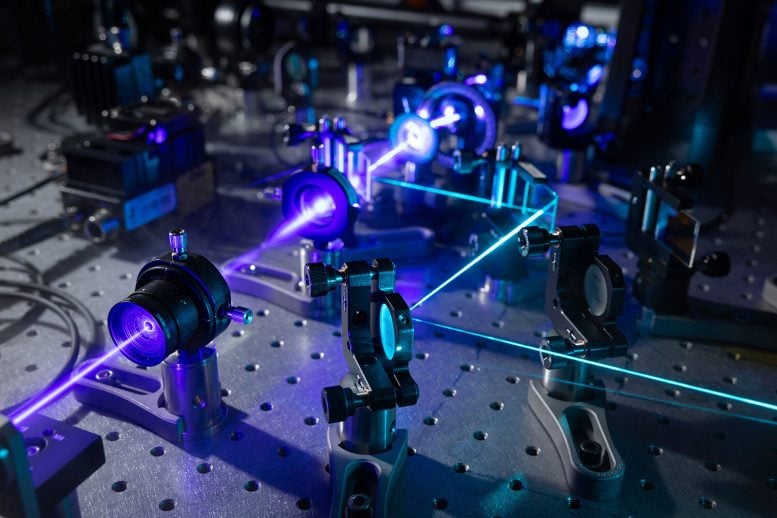
Above: In this diagram, the team’s experimental apparatus for use in generating sunlight-based ghost imaging is shown (Image Credit: W. Zhang (Xiamen University)

While conventional laser-based systems can achieve better than 95 percent visibility at comparable pumping power levels, the team’s sunlight-powered technology achieved ghost imaging visibility of 89.7 percent, well within the range of lab-based systems. To further illustrate the system’s use with more detailed spatial structures, the team also used it to produce, appropriately enough, a two-dimensional image of a ghostly face.

Overall, the team says quasi-phase matching in the PPKTP crystal was achievable with the broad spectrum of sunlight, enabling them to generate an abundance of position-correlated photon pairs. Additionally, the team reports that their system yields better signal-to-noise and contrast-to-noise ratios, even given the challenges posed by sunlight variability when used as a primary energy source.

Practical Use Beyond the Lab

“Our research holds substantial significance as it expands the range of viable illumination sources,” the team writes in their recent study, “including scattered light and nontraditional artificial incoherent light—for imaging applications.”

They add that among the potentially promising uses for their technology, space-based quantum information systems may be particularly beneficial, since the team’s new method “enables operation independent of laser sources.”

The team’s new paper, “Sunlight-excited spontaneous parametric down-conversion for ghost imaging,” appeared in Advanced Photonics on April 24, 2026.

Micah Hanks is the Editor-in-Chief and Co-Founder of The Debrief. A longtime reporter on science, defense, and technology with a focus on space and astronomy, he can be reached at micah@thedebrief.org. Follow him on X @MicahHanks, and at micahhanks.com.

Scientists Discover a Hidden Cause of Cellular Aging That Can Be Reversed

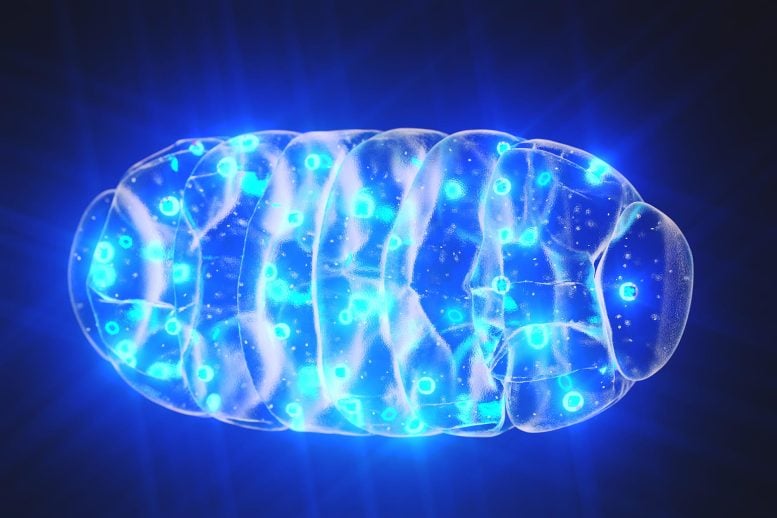
Mitochondria Blue GlowScientists identified phosphatidylcholine loss as a key driver of mitochondrial aging and showed that restoring it can rejuvenate cellular energy networks. Why do cells age, and why do people gradually lose energy and vitality over time? Scientists have long focused on mitochondria, the tiny structures inside cells responsible for producing energy. Researchers now understand that [...]

PET Imaging Reveals Whole-Body Metabolic Shifts Following Bariatric Surgery

1 June 2026 at 22:26

In a groundbreaking advancement in metabolic medicine, researchers at the Medical University of Vienna have utilized an innovative whole-body positron emission tomography/computed tomography (PET/CT) imaging framework to reveal the extensive metabolic transformation triggered by bariatric surgery. This state-of-the-art imaging technique, employing radiolabeled glucose analog [18F]fluorodeoxyglucose (18F-FDG), has illuminated the profound metabolic remodeling across numerous organs, offering unparalleled insights into how bariatric surgery reshapes the body’s internal metabolic landscape beyond mere weight loss.

For decades, bariatric surgery has served as a cornerstone treatment for obesity, delivering sustained weight reduction and mitigating related comorbidities such as diabetes and cardiovascular disease. However, until now, the precise systemic metabolic changes induced by these surgical interventions remained largely elusive. The advent of this novel PET/CT-based investigative approach addresses this gap by simultaneously quantifying metabolic activity across a broad spectrum of tissues, highlighting coordinated organ responses that contribute to metabolic recovery.

The study retrospectively analyzed 32 individuals diagnosed with obesity, who underwent either laparoscopic sleeve gastrectomy or one-anastomosis gastric bypass—a pair of commonly employed bariatric procedures. Whole-body 18F-FDG PET/CT scans were performed preoperatively and again at a 12-month postoperative interval. This design allowed for a comprehensive comparison of metabolic alterations in diverse tissues including subcutaneous and visceral adipose depots, liver, pancreas, spleen, adrenal glands, and skeletal muscle.

Quantitative analysis of 18F-FDG uptake demonstrated a significant decline in glucose metabolism within adipose tissue compartments—both subcutaneous and visceral—as well as in the liver, pancreas, and spleen. These reductions reflect diminishing metabolic stress and inflammatory activity, consistent with clinical improvements reported in patients’ glycemic control and lipid profiles. Intriguingly, skeletal muscle metabolism exhibited complex remodeling, potentially indicating enhanced insulin sensitivity and muscle functionality after weight loss surgery.

Perhaps most striking was the observation of an apparent increase in colonic volume at the 12-month mark, pointing to a potential compensatory adaptation in gastrointestinal anatomy and function. This expansion may influence nutrient absorption dynamics and warrants further investigation. Moreover, the network analysis of PET data revealed increased metabolic connectivity between different organs post-surgery, signifying a more synchronized, systemic metabolic state rather than isolated organ changes.

These multidimensional metabolic insights provide compelling evidence that bariatric surgery unleashes a holistic metabolic recalibration, underscoring the notion that organ systems adapt in concert to restore metabolic homeostasis. This data challenges the traditional focus on singular biomarkers and weight parameters by emphasizing integrative organ-level metrics that better capture the complexity of obesity treatment outcomes.

Clinicians stand to benefit immensely from these findings, as whole-body molecular imaging could serve as a vital tool for tailoring postoperative care. By visualizing metabolic recovery across multiple tissues, healthcare providers can optimize monitoring strategies, anticipate complications, and customize therapeutic interventions—transitioning from a one-size-fits-all paradigm toward truly personalized metabolic medicine.

While pharmacological advances, such as glucagon-like peptide 1 (GLP-1) receptor agonists, have recently gained prominence in managing obesity, many patients continue to elect bariatric surgery for its durable benefits and reduced reliance on chronic medication. The novel imaging approach described herein holds promise for enhancing the safety and efficacy of these surgical treatments by illuminating the intricate biological shifts occurring during the critical healing and adaptation periods.

From a technological perspective, relying on 18F-FDG PET/CT imaging leverages the high sensitivity of positron emission tomography combined with anatomical precision from computed tomography, enabling precise spatial localization and quantification of metabolic signals. This synergistic imaging modality opens pathways for broader applications beyond obesity, including the study of metabolic diseases, cancer metabolism, and aging.

The researchers emphasize that interpreting postoperative metabolic changes necessitates multifactorial analysis, integrating PET imaging results with comprehensive laboratory assessments of glycemic indices, lipid panels, endocrine markers, and inflammatory parameters. Such a multidisciplinary approach is essential to unravel the complex biochemical networks underpinning the observed structural and functional organ modifications.

Critically, this study’s longitudinal design allowed for the assessment of sustained metabolic impact one year following surgery, providing more reliable data on long-term physiological adaptation rather than transient postoperative fluctuations. The findings underscore the dynamic but persistent nature of the metabolic recalibration prompted by weight loss interventions.

This landmark research was detailed in Abstract 261206, titled “Evaluation of organic metabolic profiling alternation assessed by [18F]FDG PET/CT in obese patients before and after bariatric surgery,” and presented at the Society of Nuclear Medicine and Molecular Imaging’s 2026 Annual Meeting. The collaborative effort included experts in nuclear medicine, endocrinology, surgery, and biomedical imaging, reflecting the multidisciplinary challenges inherent in obesity treatment research.

In conclusion, this pioneering work spotlights the immense potential of whole-body PET/CT imaging as a transformative modality for understanding and optimizing metabolic health post-bariatric surgery. By mapping the metabolic trajectory across organ systems, clinicians and researchers gain a powerful vantage point to decipher obesity’s complex biology and tailor interventions for maximal therapeutic benefit. This integrated imaging strategy heralds a new era in metabolic medicine, one where precision and personalization drive superior patient outcomes across diverse obesity phenotypes.

Subject of Research: Metabolic changes and organ-level remodeling after bariatric surgery assessed by whole-body 18F-FDG PET/CT imaging.

Article Title: Evaluation of organic metabolic profiling alternation assessed by [18F]FDG PET/CT in obese patients before and after bariatric surgery.

News Publication Date: Not explicitly provided; related to Society of Nuclear Medicine and Molecular Imaging 2026 Annual Meeting.

Web References:

Image Credits: Courtesy of Society of Nuclear Medicine and Molecular Imaging (SNMMI).

Keywords: bariatric surgery, 18F-FDG PET/CT, metabolic imaging, obesity, organ metabolism, molecular imaging, personalized medicine, laparoscopic sleeve gastrectomy, one-anastomosis gastric bypass, metabolic remodeling, glucose metabolism, multimodal imaging.

Next-Generation PET Tracer Revolutionizes Rapid, High-Precision Kidney Cancer Detection

1 June 2026 at 22:16

A groundbreaking advancement in molecular imaging has emerged from recent clinical research, unveiling a novel PET tracer that targets carbonic anhydrase IX (CAIX) with remarkable precision. This innovative radiotracer, designated as ^68Ga-RCC78, has exhibited exceptional sensitivity in detecting clear cell renal cell carcinoma (ccRCC), a malignancy known for its aggressive nature and diagnostic challenges. The development of ^68Ga-RCC78 represents a pioneering step toward enhanced staging and personalized management of kidney cancer, as presented at the Society of Nuclear Medicine and Molecular Imaging (SNMMI) 2026 Annual Meeting.

Clear cell renal cell carcinoma is characterized by the distinctive and constitutive overexpression of CAIX, a transmembrane protein involved in pH regulation within the tumor microenvironment. This pathological overexpression makes CAIX a highly attractive target for molecular imaging agents seeking to discern malignant lesions amidst the complex anatomical structures of the abdomen. Until now, molecular imaging probes targeting CAIX have been hampered by significant physiological expression in the gastrointestinal tract, resulting in high background signals that obscure tumor visualization and compromise diagnostic accuracy.

The novel ^68Ga-RCC78 tracer overcomes these limitations through the use of a uniquely engineered cyclic peptide that binds specifically to CAIX with high affinity. Unlike traditional antibody-based tracers requiring prolonged clearance times extending over days, ^68Ga-RCC78 achieves rapid accumulation in tumor tissues while simultaneously minimizing non-specific background uptake. This rapid pharmacokinetic profile not only accelerates imaging timelines but also markedly improves tumor-to-background contrast, a vital factor in identifying metastatic deposits.

The development process began with the synthesis of sixteen novel CAIX-specific cyclic peptides, each radiolabeled with the positron-emitting radionuclide gallium-68 (^68Ga). Cellular uptake assays systematically evaluated tracer affinity and specificity across cell lines with high and low CAIX expression, alongside blocking studies to confirm target-mediated binding. Subsequent in vivo evaluations entailed extensive PET/CT imaging and biodistribution analyses in ccRCC xenograft models and patient-derived xenografts, providing critical insights into tracer dynamics and tumor delineation.

Among the candidates, ^68Ga-RCC78 demonstrated superior performance, characterized by robust and sustained tumor uptake coupled with rapid clearance from non-target tissues. Intriguingly, this tracer enabled the detection of metastatic lesions in often elusive locations such as the mediastinum, pancreas, adrenal gland, and contralateral kidney, regions where conventional imaging modalities have traditionally shown limited sensitivity due to anatomical complexity and overlapping background activity.

A pivotal stage of the research involved a first-in-human clinical evaluation consisting of thirteen patients diagnosed with ccRCC. The study provided compelling evidence that ^68Ga-RCC78 could discern CAIX-positive tumors accurately, consistent with histopathological confirmation of CAIX expression via immunostaining. Furthermore, the intra-abdominal background activity was remarkably low, enabling clear visualization of both primary lesions and metastatic foci that eluded detection by standard ^18F-FDG PET imaging, which often suffers from non-specific uptake in renal and gastrointestinal tissues.

The clinical implications of these findings are profound. With enhanced tumor specificity and minimized background noise, ^68Ga-RCC78 not only offers potential improvements in initial staging accuracy but may also facilitate earlier detection of recurrent or metastatic disease. This capability is critical in the management of ccRCC, where timely therapeutic interventions significantly influence patient outcomes. By furnishing a more precise molecular map of the disease landscape, this tracer may inform personalized treatment strategies tailored to the unique tumor biology of each patient.

Moreover, the research team has highlighted the therapeutic potential of this molecular platform. Building on the diagnostic success of ^68Ga-RCC78, efforts are underway to conjugate the same cyclic peptide scaffold with therapeutic radioisotopes capable of delivering targeted radiation. This theranostic approach holds promise for simultaneously diagnosing and treating ccRCC, maximizing tumoricidal effects while sparing healthy tissues and minimizing systemic toxicity.

The development of ^68Ga-RCC78 addresses a critical unmet need in kidney cancer diagnostics by overcoming persistent challenges related to abdominal background interference that have historically limited CAIX-targeted imaging. The precise balance achieved between rapid tumor uptake and efficient background clearance is a testament to the sophisticated molecular engineering underlying this probe, paving the way for next-generation radiopharmaceuticals in oncology.

The current phase of clinical investigation remains early, necessitating expanded trials to validate safety, efficacy, and reproducibility across broader patient populations. However, the promising results from preclinical and first-in-human studies have set the foundation for larger multicenter trials anticipated within the next few years. Pending regulatory approvals, ^68Ga-RCC78 could transition into routine clinical practice, revolutionizing the diagnostic workflow for ccRCC and potentially other CAIX-expressing malignancies.

This advancement exemplifies the evolving paradigm of precision medicine within nuclear oncology, where highly specific molecular probes enable disease characterization at the cellular level. The integration of such targeted PET tracers reinforces the role of molecular imaging not only as a diagnostic tool but also as a critical component in the design of personalized therapeutic regimens, fostering improved prognosis and individualized patient care.

In summary, the introduction of ^68Ga-RCC78 marks a milestone in ccRCC imaging by delivering unparalleled tumor specificity combined with reduced physiological background interference. Its capability to visualize metastatic disease with high sensitivity promises to refine staging accuracy, guide therapeutic decisions, and propel the field toward an era of integrated diagnostics and therapeutics tailored to the molecular signature of each patient’s cancer.

Subject of Research: Development and clinical evaluation of a CAIX-targeted radiotracer for precision diagnosis of clear cell renal cell carcinoma.

Article Title: Development and Clinical Evaluation of a Novel CAIX-Targeted PET Radiotracer for Clear Cell Renal Cell Carcinoma.

News Publication Date: 2026

Web References:
– Society of Nuclear Medicine and Molecular Imaging 2026 Annual Meeting Abstracts: https://www.xcdsystem.com/snmmi/program/UtDKfSi/index.cfm?pgid=3058&sid=53902&mobileappid=5390200000
– SNMMI official website: http://www.snmmi.org/

References: Abstract 261784. “Development and clinical evaluation of a novel CAIX-targeted radiotracer for clear cell renal cell carcinoma precision diagnosis,” Sixuan Cheng et al., Union Hospital, Tongji Medical College, Huazhong University of Science and Technology.

Image Credits: Image courtesy of SNMMI.

Keywords: Clear cell renal cell carcinoma, CAIX, molecular imaging, PET tracer, ^68Ga-RCC78, precision medicine, radiotheranostics, cyclic peptide probe, tumor-to-background contrast, metastatic lesion detection.

Scientists Discover a Simple Writing Test That May Detect Cognitive Impairment

1 June 2026 at 12:49
Elderly Senior Writing Letter PaperA simple writing task may offer clues about aging brains. Researchers found that dictation, in particular, exposed subtle differences linked to cognitive impairment. Handwriting depends on both fine motor skills and complex mental processes, including selecting, organizing, and interpreting sensory information. Because writing places heavy demands on the brain, changes in handwriting may help reveal [...]

Scientists Made Older Mice Biologically Younger Using Gut Microbes

1 June 2026 at 12:14
Medical Hologram Human LiverScientists restored young gut bacteria in aging mice and saw signs of rejuvenation along with complete protection from liver cancer. Returning the gut microbiome to a more youthful state could help slow aging and lower the risk of liver cancer, according to research entitled “Restoration of a youthful gut microbiome reduces liver aging and suppresses [...]

Stanford’s Revolutionary New Microscope Reveals Living Cells in Stunning Detail

31 May 2026 at 21:31
Interferometric Microscopy Laser ArrayStanford researchers have developed a microscope that can show how nanostructures interact inside living cells at the highest resolution achieved so far. The view into living cells just got better. Stanford researchers have merged two microscopy methods to build a unique instrument that can capture cell structures interacting in real time at an unprecedented resolution [...]

Scientists Discover Some “Zombie Cells” May Actually Help You Live Longer

31 May 2026 at 11:43
Senior Woman Anti-Aging Beauty Treatment Face Close UpScientists are discovering that some of the cells linked to aging may also be key to staying healthy. A growing body of research is changing how scientists view one of aging biology’s most studied cell types: senescent cells, often called “zombie cells.” While these cells have long been associated with aging and chronic disease, new [...]

What Scientists Found Inside a 117-Year-Old Woman Reveals New Clues to Long Life

Maria BranyasA remarkable new study of the world’s oldest verified living person reveals a surprising picture of extreme longevity. Maria Branyas lived through two world wars, the 1918 flu pandemic, the Spanish Civil War, and COVID-19. When she died in 2024 at age 117 years and 168 days, she was the oldest verified living person in [...]

Chickens without eggs? De-extinction company creates artificial egg.

20 May 2026 at 19:38

On Tuesday, biotech startup Colossal announced its newest development on the road to its announced goal: reversing the extinction of species, in this case, avian species. The development itself is essentially an artificial eggshell, one that allows almost the entire developmental process to occur without the shell. The company transferred the contents of eggs to their specially designed container within a day or two of laying and were able to have normal chicks walk away from it.

Beyond its potential utility for Colossal's intended efforts, the work is personally interesting to me because it may solve a problem I faced in my research days. I'm going to start by describing the research problem that Colossal may have solved, before coming back to what it hopes to use its technology to do—and why the company still has a few key hurdles left to overcome.

Watching development

For part of my career, I studied the development of vertebrates using chickens. While they're less closely related to us than something like mice, the basics of their development are largely the same. And, unlike mice, they develop outside of their mother's body. If you're careful, you can chip away a hole in the egg, perform manipulations on the developing embryo, and then seal it back up with some tape. The chicken embryo will keep developing, allowing you to see the impact of what you've done on normal development.

Read full article

Comments

© Colossal

❌