Normal view
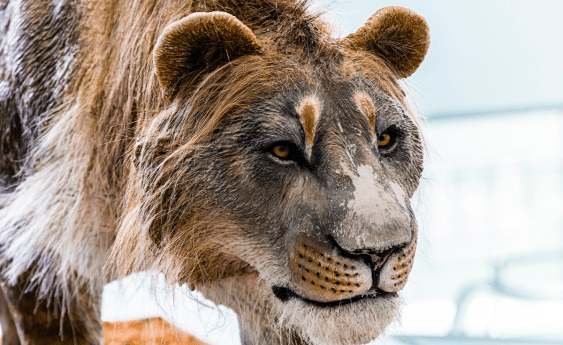
Ancient DNA Illuminates the Uniqueness of the Extinct Cave Lion
Although it had a habit of interbreeding with modern lions
The post Ancient DNA Illuminates the Uniqueness of the Extinct Cave Lion appeared first on Nautilus.

Thalamic Disruptions Linked to Parkinson’s Motor Genetics
In a groundbreaking study published in npj Parkinson’s Disease, researchers led by Bu, Pang, Li, and colleagues have unveiled intricate links between the functional disturbances in the thalamus—a critical relay center within the brain—and the genetic underpinnings of varying motor subtypes in Parkinson’s disease (PD). This comprehensive investigation illuminates the complex neurogenetic landscape underlying PD and offers promising avenues for tailored therapeutic strategies, marking a significant leap forward in our understanding of this debilitating neurodegenerative disorder.
The thalamus, often described as the brain’s gateway to the cortex, plays a pivotal role in integrating and transmitting motor and sensory signals. Dysfunction within this region has long been suspected in Parkinson’s pathology; however, the precise ways in which thalamic organization varies across PD motor subtypes remained elusive until now. The research team employed advanced neuroimaging techniques alongside cutting-edge genetic analyses to map functional disturbances within the thalamic nuclei and correlate these with specific genetic architectures characterizing tremor-dominant, akinetic-rigid, and mixed motor phenotypes.
Leveraging resting-state functional MRI (rs-fMRI), the study meticulously charted the connectivity patterns of thalamic subregions in a well-characterized cohort of PD patients. The imaging data revealed discrete, subtype-specific disruptions in thalamic connectivity. Notably, individuals exhibiting tremor-dominant PD presented with alterations predominantly in motor relay nuclei associated with sensorimotor integration, whereas those with akinetic-rigid features showed more widespread thalamocortical disconnection implicating premotor and supplementary motor areas. These observations confirm the thalamus’s heterogeneous involvement in PD and underscore its contributory role in defining motor symptomatology.
Complementing the neuroimaging insights, the genetic dimension of the study unveiled unique gene-expression profiles linked to the observed thalamic disturbances. Utilizing whole-genome sequencing combined with transcriptomic analyses, the authors identified differential expression of genes implicated in synaptic plasticity, dopaminergic signaling, and neuroinflammatory pathways. These genetic signatures not only align with known PD risk loci but also highlight novel candidates potentially driving the functional reorganization of thalamic circuits observed in distinct motor subtypes.
Critically, the research elucidates the bidirectional interplay between genetic predisposition and neural network dysfunction. The data suggest that specific genetic variants may predispose certain thalamic nuclei to maladaptive plasticity or neuron loss, thereby sculpting the motor phenotype expressed by the individual. This nuanced understanding challenges the one-size-fits-all model of Parkinson’s disease, advocating instead for a precision medicine approach tailored to the molecular and functional profile of each patient.
Beyond mechanistic insights, the study carries profound implications for biomarker development and clinical management. Thalamic connectivity patterns identified through non-invasive imaging could serve as reliable proxies for underlying genetic risk, facilitating early diagnosis and subtype differentiation. Moreover, these biomarkers offer a robust framework for monitoring disease progression and therapeutic efficacy, especially as novel gene-targeted and circuit-specific interventions emerge.
The authors also discussed the implications of their findings in the context of current therapeutic paradigms. Deep brain stimulation (DBS), a well-established treatment primarily targeting subthalamic and globus pallidus regions, may benefit from refined targeting strategies informed by thalamic functional disturbances. Tailoring stimulation parameters to modulate aberrant thalamocortical circuits could enhance symptomatic relief and potentially slow disease progression in select patient subgroups.
Importantly, this study paves the way for future exploration into non-motor symptoms of PD, many of which are linked to thalamic and cortical network dysfunction. Cognitive impairment, mood disorders, and sleep disturbances, often co-occurring in PD, may similarly originate from genetically mediated disruptions in thalamic circuits. Comprehensive phenotyping linked with multimodal imaging and genomics promises to unravel these complex associations, enhancing holistic patient care.
The methodological rigor of the investigation deserves emphasis as well. The integration of multimodal datasets—combining neuroimaging, genomic sequencing, and clinical phenotyping—exemplifies the power of interdisciplinary approaches in contemporary neuroscience. Such synergy not only refines causal inferences but also optimizes the translational potential of findings from bench to bedside.
Furthermore, the study’s large, demographically diverse cohort strengthens the generalizability of its conclusions across populations, addressing a persistent gap in PD research that often suffers from limited ethnic and genetic representation. This inclusivity underscores the relevance of the findings on a global scale and encourages equitable development of new diagnostic and treatment modalities.
While the discoveries presented are monumental, the authors carefully acknowledge limitations inherent to their work. The cross-sectional design precludes definitive conclusions about causality, and longitudinal studies are warranted to track how thalamic and genetic abnormalities evolve over disease progression. Additionally, expanding research to include prodromal and preclinical PD stages may elucidate early pathophysiological mechanisms amenable to intervention.
In conclusion, this study by Bu et al. represents a watershed moment in Parkinson’s disease research, intricately linking thalamic functional disruptions with distinct genetic profiles across motor subtypes. This paradigm-shifting work offers a blueprint for personalized neurology, integrating neuroimaging and genetic data to dissect disease heterogeneity. As the field advances towards precision medicine, such insights will be instrumental in transforming the care landscape for millions affected by Parkinson’s worldwide.
With these revelations, the quest continues to harness burgeoning neurotechnological and genomic tools to decode PD’s enigmatic nature further. Understanding the thalamus’s role as both a nexus and a battleground in this disease could unlock new frontiers, ultimately yielding more effective and individualized therapies that halt or even reverse the debilitating march of Parkinson’s.
Subject of Research: Functional organization of the thalamus and its genetic correlates in motor subtypes of Parkinson’s disease
Article Title: Correlation of thalamic functional organization disturbances and genetic architecture in motor subtypes of Parkinson’s disease
Article References:
Bu, S., Pang, H., Li, X. et al. Correlation of thalamic functional organization disturbances and genetic architecture in motor subtypes of Parkinson’s disease. npj Parkinsons Dis. (2026). https://doi.org/10.1038/s41531-026-01417-5
Image Credits: AI Generated
Epigenetic Changes Can Be Passed to Offspring Without Altering DNA in Animals
In the intricate dance of life’s blueprint, DNA has long been celebrated as the master code guiding organismal development and heredity. Yet, the regulation of gene activity—how genes switch on and off with exquisite precision across different cellular contexts and environmental cues—extends beyond the mere sequence of nucleotides. This regulation hinges on a complex layer of control known as epigenetics. Epigenetics encompasses chemical modifications of DNA and histone proteins that influence gene expression without altering the underlying genetic code. Among these modifications, DNA methylation, the addition of methyl groups to cytosine bases within the genome, has emerged as a pivotal mechanism modulating gene activity.
In vertebrates such as mammals, a robust epigenetic “resetting” occurs shortly after fertilization. This sweeping reprogramming strips away most inherited methylation marks, effectively erasing epigenetic memories acquired during the parents’ lifetimes and thus safeguarding embryonic development from potentially deleterious epimutations. However, this epigenetic reprogramming does not appear universal across the animal kingdom. In numerous invertebrates, including marine organisms like corals, worms, sea anemones, and sea urchins, this global erasure seems conspicuously absent, hinting at fundamental evolutionary divergences in epigenetic regulation.
A groundbreaking study recently explored these differences by experimentally disrupting DNA methylation in the starlet sea anemone, Nematostella vectensis, a cnidarian species that occupies a key phylogenetic position near the base of animal evolution. By selectively removing methylation marks within its genome, researchers sought to unravel methylation’s functional importance in an organism where typical epigenetic resetting is missing. Contrary to expectations, the anemones developed normally, even in the near complete absence of DNA methylation. This surprising resilience suggested that DNA methylation’s primary role might not be to orchestrate gene expression as traditionally envisioned.
Rather than broadly compromising gene regulation, the loss of methylation predominantly unleashed the activity of transposable elements—often referred to as “jumping genes” or selfish DNA sequences—that reside within actively transcribed genes. These genetic elements possess the capacity to move within the genome, potentially inserting themselves into critical coding or regulatory regions. If not tightly suppressed, such mobilization can disrupt gene function, precipitate genomic instability, and impair normal development. The discovery that methylation chiefly acts to restrain these disruptive elements underscores an ancestral genomic defense mechanism preserved across evolutionary epochs.
Dr. Alex de Mendoza, a leading expert in evolutionary epigenomics at Queen Mary University of London, highlighted the profound implications of these findings. Because invertebrate species like sea anemones lack the typical epigenetic cleansing during early development, abnormal methylation patterns can persist and transmit to subsequent generations. This epigenetic inheritance modulates gene expression profiles beyond what genetic code alone dictates, revealing an additional layer of heritable biological information. Such phenomena demonstrate how experimentally introduced epigenetic variation can traverse generational boundaries in animals, challenging the long-held tenet that only DNA sequence changes are heritable.
Delving deeper, the research offers a novel perspective on the evolutionary trajectory of DNA methylation. Initially, this modification appears to have evolved primarily as a genomic safeguard, protecting coding sequences from the disruptive capacity of transposable elements. Over time, in mammalian lineages, this molecular machinery was co-opted and expanded to execute broader developmental regulatory roles—acting to silence one X chromosome in females and regulate complex tissue-specific gene expression programs. The study thus illuminates how molecular systems adapt and diversify, transforming ancient genomic guardians into sophisticated regulators of vertebrate biology.
Moreover, the lack of full epigenetic reprogramming in cnidarians suggests these organisms possess an inherent capacity to maintain inherited epigenetic states, providing a reservoir of variation for natural selection to act upon. Such stable transmission of epigenetic marks without underlying genetic mutation may represent an unappreciated source of phenotypic diversity and evolutionary innovation. This challenges the paradigm that heritable biological change requires DNA sequence alteration, expanding evolutionary biology’s conceptual framework to include epigenetic mechanisms in shaping organismal adaptation.
This work also emphasizes the intricate interplay between epigenetics and genome integrity. Transposable elements constitute a significant fraction of animal genomes, and their regulation is paramount to preventing genomic chaos. DNA methylation emerges as a critical regulator, keeping these elements silenced, especially within gene bodies, where their disruptive potential is highest. The failure of this epigenetic control unleashes internal genomic parasites that can jeopardize normal gene function and organismal survival.
Intriguingly, the seemingly paradoxical normal development of methylation-deficient anemones underscores redundancy and plasticity in gene regulatory networks. The absence of overt developmental defects suggests that alternative mechanisms can compensate for lost methylation-mediated repression. This resilience hints at a genome architecture finely tuned through evolution to maintain stability even when key regulatory systems falter, underscoring the robustness of biological systems.
The study not only deepens our understanding of DNA methylation’s ancestral functions but also opens avenues for exploring how epigenetic inheritance influences ecological and evolutionary dynamics in marine ecosystems. Cnidarians represent ecologically vital keystone species; thus, their capacity to pass on epigenetic traits may impact resilience and adaptation in changing oceans, with implications for biodiversity and conservation.
Beyond evolutionary insights, the research sets a foundation for new epigenetic models that integrate heritable methylation patterns with genome defense and gene regulation. It challenges researchers to reconsider the boundaries between genetic and epigenetic inheritance and to explore how ancient molecular mechanisms continue to shape life’s diversity from sea anemones to humans. This deeper comprehension may ultimately inform biomedical approaches targeting epigenetic modifications in disease and developmental biology.
In sum, this landmark investigation redefines DNA methylation’s evolutionary purpose, positing that its primordial function was genome protection rather than gene regulation per se. The delicate dance between epigenetic marks, transposable elements, and genetic regulation emerges as a foundational axis steering animal evolution and developmental fidelity. As we dive deeper into epigenomes across diverse species, the revelations from humble sea anemones remind us that evolution often innovates by repurposing age-old molecular tools in unexpected, transformative ways.
Subject of Research: Not applicable
Article Title: Gene body methylation suppresses intragenic transcription and permits epigenetic inheritance in a cnidarian
Web References: 10.1038/s41559-026-03090-6
Image Credits: Karmannye Chaudhary
Keywords: Evolutionary biology, epigenetics, DNA methylation, transposable elements, epigenetic inheritance, cnidarian, genome stability, gene regulation, Nematostella vectensis
- The Debrief

- 5,000 Years Ago, Two Ancient Megalithic Societies Shared an Unknown Connection—Now Genetic Science Reveals Their Long-Hidden Secrets
5,000 Years Ago, Two Ancient Megalithic Societies Shared an Unknown Connection—Now Genetic Science Reveals Their Long-Hidden Secrets
New genetic analysis of remains recovered from two 5,000-year-old Neolithic stone monument sites in present-day Germany has revealed a previously unknown biological connection between distant megalithic societies.
The new findings include the discovery that two individuals buried at separate sites over 250 kilometers apart were father and son.
In an email to The Debrief, study co-author Ben Krause-Kyora from Kiel University said their findings reveal surprisingly long-distance familial ties between the people from the Western Funnel Beaker (TRB-West) and the neighboring Wartberg (WBC) communities despite their distinct archaeological differences, suggesting that these Stone Age megalithic communities “were much more interconnected than previously assumed.”
Although the study found little evidence for a genetic connection between the Sorsum and WBC megalithic communities and those found in more distant parts of northern Europe, Britain, and Scandinavia, the research team behind the new study said there may be cultural or social connections between these ancient societies that would account for the archaeological and cultural similarities.
Previously ‘Unrelated’ Megalithic Communities Share Cultural and Architectural Features
Although archaeologists have documented large ancient stone monuments around the world, some of the oldest and most complex megalithic structures began to appear across Europe between 4,500 and 2,800 BCE. The TRB-West community was responsible for some of the most elaborate stone burial chambers of the time, and also stood out for other distinct traditions.

Barbara Fritsch, Kiel.
Unfortunately, very little is known about these ancient stone monument builders or any possible relationship with other nearby megalithic cultures due to a lack of genetic data. To date, the TRB-West site studied by Krause-Kyora and colleagues, called Sorsum, is the only one where human remains have been recovered.
Still, the researcher told The Debrief that previous studies had noted general similarities in burial chamber features between Sorsum and the nearby Wartberg culture, suggesting a potentially deeper connection.
“Most notably, Sorsum contains an underground rock-cut burial chamber with an elongated form, which is unusual for the Western Funnel Beaker (TRB-West) tradition and instead resembles the subterranean gallery graves characteristic of WBC communities,” the study co-author explained.
When asked if any of these architectural features were also observed in other, more distant megalithic cultures beyond Wartburg, Krause-Kyora said that some of the site’s broader features, including collective burial practices and monumental stone architecture, “are shared across many European megalithic cultures.” However, the researcher also cautioned that their findings suggest that even when similarly aged communities shared monument styles, “the social meaning and burial organization behind these structures could differ substantially from region to region.”
Genetic Tests Show Hunter-Gatherer Heritage & Father/Son Duo Buried over 250 Kilometers Apart
To explore any possible genetic connection between the people buried at the TRB-west Sorsum site and remains collected from the Wartburg site of Niedertiefenbach, study leader Nicolas Antonio da Silva from Kiel University’s Institute of Clinical Molecular Biology (IKMB) and colleagues analyzed the genomes of 203 separate individuals collected from Sorsum and five local WBC sites.

When the researchers compared the results, they found that the people buried at Sorsum were more closely related to the WBC groups than other groups classified within the TRB-west culture. This deep genetic connection was unexpected since previous studies have identified the two groups with different archaeological labels.
The two groups also shared what the research team termed “high levels of ancestry” with Western hunter-gatherer cultures. The study authors said the hunter-gatherer ancestry was higher in male lineages, suggesting that the seemingly disparate groups shared “deep-sustained biological connections.”

Perhaps the most shocking discovery involved the genetic connection between two individuals buried separately at the Sorsum and WBC sites. Krause-Kyora told The Debrief that the biological father was buried at the WBC site of Niedertiefenbach, whereas his “subadult son” was buried far away at Sorsum.
“This was one of the most surprising findings of the study because the two sites are separated by more than 250 km,” the researcher told The Debrief.
Site Differences: “Primarily Archaeological & Stylistic” Rather Than Genetic
Although the father-son pair buried over 250km apart was the most unexpected familial relationship identified between the two cultures, the genetic analysis did reveal other, first and second-degree genetic connections between individuals. The researchers suggest that these signs of interbreeding across stylistically independent cultures living at substantial distances from one another indicate occasional movement between the sites, potential intermarriage, and social or cultural exchanges that defy the distance.
“The major differences between Sorsum/TRB-West and WBC are primarily archaeological and stylistic rather than genetic,” Krause-Kyora told The Debrief.

Barbara Fritsch, Kiel.
For example, TRB-West communities like Sorsum are usually associated with decorated funeral beaker pottery and the manufacture of transverse arrowheads, which are razor-sharp, arrow-shaped stones wider than they are long. Conversely, the researcher explained, WBC assemblages like the ones examined in this study “are characterized by mostly undecorated barrel-shaped pottery and gallery graves.”
“Despite these cultural distinctions, genetically the groups were remarkably closely related,” Krause-Koyra told The Debrief.
Taken as a whole, the team said the evidence suggests that Sorsum and the WBC communities represented a “genetically continuous population,” including the possibility that Sorsum was a northern branch of the WBC collective that integrated various TRB-West traditions and methods distinct from those of typical TRB-West groups.
Exploring Potential Connections with Other Ancient European Megalithic Societies
While the genetic analysis revealed unexpected connections between these seemingly disparate megalithic groups, the research team found no genetic connections between the tested groups and more distant megalithic populations in the British Isles or Scandinavia to the north. When asked if these unrelated groups may have shared knowledge or displayed stylistic or cultural similarities that may indicate a similar cultural cross-contamination with the groups they studied, Krause-Koyra told The Debrief that there are “definitely broader stylistic and cultural similarities across European megalithic societies.”
“Monumental stone constructions, communal burials, and certain ritual traditions appear widely shared,” the researcher explained.
Still, he cautioned, their genetic results suggest these similarities were not indicative of a large-scale migration or long-distance biological networks spanning thousands of kilometers. Instead, the study co-author said that previously observed similarities in ideas and cultural practices “likely spread through cultural exchange and interaction between neighboring regions over time.”
When asked about the broader significance of their findings, the researcher told The Debrief that their genetic analysis successfully identified close biological relatives buried over 250 km apart, “showing substantial long-distance mobility and interaction during the Late Neolithic.”
“At the same time, the collective graves were not simply family tombs,” Krause-Koyra added. “Many unrelated individuals were buried together, indicating that social kinship and community identity were just as important as biological relationships.”
Researcher Pleas for Enhancing Research Integrity “Across the Field”
In a separate statement to journalists covering their discovery, Krause-Kyora said those working in ancient DNA research have increasingly emphasized authentication standards, reproducibility, open data sharing, and contamination control. The researcher also noted that a community-wide adoption of transparent bioinformatic pipelines and independent replication of test data has “substantially strengthened confidence in results.”
“Moving forward, stronger support for long-term data accessibility, standardized metadata reporting, and interdisciplinary validation approaches would further enhance research integrity across the field,” Krause-Kyora added.
The study “Long-distance genetic relatedness in megalithic central Europe” was published in Science.
Christopher Plain is a Science Fiction and Fantasy novelist and Head Science Writer at The Debrief. Follow and connect with him on X, learn about his books at plainfiction.com, or email him directly at christopher@thedebrief.org.
A Hot Pink Katydid Just Pulled Off One of Nature’s Most Surprising Camouflage Tricks
Researchers at a field station in Panama observed a katydid with striking hot-pink coloration in the rainforest. Rather than assuming the coloration was simply a genetic anomaly, they monitored the insect to document what would occur over time. Eleven days later, it was completely green.
The findings, published in Ecology, center on Arota festae, a leaf-mimicking katydid found in Panama, Colombia, and Suriname. This observation is shifting researchers’ understanding of dynamic camouflage in relation to the changing colors of rainforest leaves.
More Than a Mutation
The discovery happened on March 27, 2025, at the Smithsonian Tropical Research Institute’s field station on Barro Colorado Island. Dr. Benito Wainwright, the lead author from the University of St Andrews, observed an adult female A. festae with a bright, hot pink color under a research station light. Since this color is so rare, the team kept the insect in natural conditions and checked on its appearance every day.
The katydid retained its pink coloration for four days, which then faded to a lighter shade. By the eleventh day, it had matched the typical green coloration of the species. The insect survived long enough to mate and died naturally the following month.
“Finding this individual was a genuine surprise,” Wainwright said. “Rather than a bizarre genetic quirk, this may actually be a finely tuned survival strategy that tracks the life cycle of the rainforest leaves this insect is trying to resemble.”
Camouflage That Changes With the Forest
This color change is connected to a process called delayed greening. In many tropical plants, new leaves start out pink or red and turn green as they grow. On Barro Colorado Island, about a third of plant species show this color pattern year-round, so pink leaves are always present in the forest.
A katydid that changes color in step with this pattern can stay hidden in its environment. The research team suggests that A. festae may have evolved to match its color transition to the leaf color cycle, allowing it to blend in at each stage rather than maintaining a single color.
A First in the Scientific Record
Pink katydids have been documented in scientific literature since 1878, but have generally been regarded as rare and disadvantageous mutations. This new observation challenges that interpretation. There are no previous records of a katydid completing a full color transition within a single adult stage; therefore, this appears to be the first documented case.
Dr. Matt Greenwell from the University of Reading, who co-authored the study, explained the finding as an example of how exactly the rainforest can influence the animals that live there.
“You would think that a bright pink insect in a mostly green forest would stand out to predators like a worker in a high-vis jacket,” Greenwell said. “The idea that an insect might gradually shift color to keep pace with the leaves it mimics shows how dynamic the rainforest can be, and is a remarkable example of camouflage in action.”
More Questions Than Answers
The researchers point out that their findings are based on a single observed individual, which limits the study. They still do not know whether this color shift occurs across the species, what biological mechanisms drive it, or whether environmental or internal factors trigger it.
Still, this finding offers a new way to think about insect camouflage. Rather than seeing color as fixed, A. festae shows that some species may have evolved to adjust their color as the environment changes, staying hidden by following ongoing changes instead of matching just one background.
Austin Burgess is a writer and researcher with a background in sales, marketing, and data analytics. He holds an MBA, a Bachelor of Science in Business Administration, and a data analytics certification. His work focuses on breaking scientific developments, with an emphasis on emerging biology, cognitive neuroscience, and archaeological discoveries.
Twin Study Suggests Genetics May Strongly Influence IQ and Future Success
Today’s societies often operate under the assumption that education, hard work, and opportunity are the main drivers of upward mobility. Intelligence has traditionally been viewed as part of that formula as well, with decades of research showing that people who score highly on cognitive tests frequently go on to attain higher levels of education and more prestigious careers.
But a new study suggests the relationship between genetics and success may be more complex and more politically sensitive than many social scientists and decision-makers are comfortable acknowledging.
In research published in Scientific Reports, Dr. Petri J. Kajonius, a research psychologist at Lund University in Sweden, found that genetic factors explained most of the long-term relationship between IQ and later educational and occupational outcomes among young adults.
Using data from the large-scale German TwinLife project, Dr. Kajonius examined how cognitive ability measured at around age 23 related to socioeconomic outcomes four years later, including educational attainment, occupational prestige, and occupational socioeconomic status.
By comparing identical twins, who share nearly all of their DNA, with fraternal twins, who share roughly half, Dr. Kajonius was able to estimate how much of the relationship between intelligence and socioeconomic outcomes could be tied to genetics rather than environmental aspects.
According to the findings, genetic influences explained between 69% and 98% of the observed relationship between IQ and later socioeconomic status.
“Genetic factors further explained most of the IQ–SES association (69–98%), and genetic correlations between IQ and SES exceeded environmental correlations,” Kajonius wrote in the paper. “These findings seem to underscore the importance of researchers and policymakers to also consider genetic factors when examining the life outcomes of young adults.”
The findings step directly into one of the most controversial debates in modern science: how much of a person’s life trajectory is controlled by environment versus inherited biology.
Dr. Kajonius is careful not to frame genetics as destiny. Rather, the research argues that inherited traits may play a substantially larger role in educational and occupational outcomes than many public discussions typically acknowledge.
The study relied on data from TwinLife, a long-running German research initiative examining social inequality across the lifespan. The project tracks more than 4,000 families through repeated surveys and assessments.
For the analysis, Dr. Kajonius focused on adults aged 23 to 27. Participants completed standardized IQ testing and reported educational and occupational milestones.
The results showed a strong relationship between IQ scores at age 23 and socioeconomic outcomes several years later. Participants with higher cognitive scores generally achieved higher educational attainment and occupational status by age 27.
However, the most intriguing findings emerged when those correlations were separated into genetic and environmental components.
The study estimated the heritability of IQ at roughly 75%, while educational and occupational outcomes also demonstrated substantial heritable influences. Depending on the metric being analyzed, genetics accounted for the overwhelming majority of the observed connection between intelligence and socioeconomic success.
Environmental aspects still mattered, specifically in education, but their contribution to the IQ-to-SES relationship was significantly smaller than the genetic overlap identified in the analysis.
Dr. Kajonius provided several possible explanations for this overlap. One possibility is what he describes as “direct or biological pleiotropy,” in which the same genes affect both brain development and traits associated with success, such as motivation or behavioral tendencies.
Another possibility is a more indirect pathway: inherited traits that lead to higher cognitive ability, which in turn provide access to better educational and occupational opportunities.
The findings dispute simplified explanations of inequality that focus exclusively on social structures or environmental disadvantage.
Over the last decade, advances in behavioral genetics and large-scale genetic analysis have increasingly suggested that traits such as educational attainment, personality characteristics, and intelligence are all influenced, at least in part, by heredity.
At the same time, the field remains deeply controversial.
Critics have long warned that research on heredity can be misinterpreted, politicized, or used to support deterministic worldviews. Researchers frequently emphasize that heritability estimates apply to populations, not to individuals, and that this does not mean environmental interventions are irrelevant.
Even highly heritable traits can still be affected by culture, institutions, economics, and personal experience.
Because of that history, studies linking genetics, intelligence, and socioeconomic outcomes often draw accusations of promoting hereditarian thinking or echoing past eugenic arguments. Those concerns have also contributed to caution within the field itself, leaving some areas of the wider “nature versus nurture” debate comparatively underexplored.
“[An] individual’s future socioeconomic status (SES) has been reported to be robustly predicted by cognitive ability (IQ),” Dr. Kajonius notes. “However, research on the genetic and environmental underpinnings of this association in emerging adults remains limited.”
Importantly, the study does not argue that genes determine a person’s value, worth, or inevitable future. Dr. Kajonius also stresses that no single “success gene” exists.
Human outcomes remain extraordinarily complex, formed by countless interactions between biology, environment, institutions, and personal backgrounds. In fact, the study itself notes that IQ explains only a modest portion of overall socioeconomic variation.
The findings similarly complicate the assumption that children from wealthier families succeed solely because of privilege or inherited social advantage.
“The so-called ‘silver spoon’ isn’t as big as you might think,” Dr. Kajonius said in a press release. “Your home life also depends on your genes.”
Rather than portraying affluent children as inherently superior, the study points toward a far more layered reality in which inherited traits, family dynamics, academic access, and broader social conditions all interact over time.
Dr. Kajonius also acknowledged several limitations to the research. The analysis covered only a four-year period during early adulthood, leaving unanswered questions about how these relationships may evolve later in life. Parental socioeconomic status was also not directly controlled for in the primary analysis.
Twin studies themselves remain the subject of longstanding methodological debates, notably regarding shared environments and gene-environment interactions. Dr. Kajonius notes that reducing such complex biological and social processes into broad categories of “genes” and “environment” inevitably oversimplifies reality.
Still, the findings add to a growing body of evidence suggesting that differences in cognitive ability and life outcomes cannot be explained entirely by environmental factors alone.
Dr. Kajonius ultimately argues that broad institutional interventions, such as expanding educational availability, may not completely eliminate socioeconomic disparities because individuals are not psychologically identical.
“People are different – Genetic predispositions (i.e., individual differences) seem to play a role in individuals’ socioeconomic outcomes,” Kajonius concludes. “Failure to account for these well-replicated genetic influences in research may present the wrong conclusions for both the public and academia.”
“As a researcher, my job is to describe reality as accurately as possible. If we want to change society, we must, of course, understand the underlying assumptions.”
Tim McMillan is a retired law enforcement executive, investigative reporter and co-founder of The Debrief. His writing typically focuses on defense, national security, the Intelligence Community and topics related to psychology. You can follow Tim on Twitter: @LtTimMcMillan. Tim can be reached by email: tim@thedebrief.org or through encrypted email: LtTimMcMillan@protonmail.com

- Science Mag
- Mount Sinai Scientists Identify Significant Genetic Factors in Postpartum Psychosis, Shedding Light on Severe Maternal Mental Illness
Mount Sinai Scientists Identify Significant Genetic Factors in Postpartum Psychosis, Shedding Light on Severe Maternal Mental Illness
A groundbreaking study from the Icahn School of Medicine at Mount Sinai has unveiled compelling evidence that postpartum psychosis, a devastating psychiatric disorder occurring shortly after childbirth, possesses a substantial genetic and biological underpinning. This rare but severe mental illness, which afflicts about 1 in 1,000 new mothers, has long been misunderstood and stigmatized. The new findings, published in the prestigious journal Molecular Psychiatry, significantly reshape the scientific community’s understanding of this condition, holding promise for improved prediction, prevention, and treatment strategies grounded in biology rather than misinformed cultural assumptions.
This comprehensive investigation harnessed advanced whole genome sequencing techniques alongside extensive family-based population data to delve deeply into the genetic architecture of postpartum psychosis. The analysis revealed the presence of rare, damaging mutations in the HMGCR gene, a discovery that not only implicates this gene in increased susceptibility but also points to complex biochemical pathways linking cholesterol metabolism to mental health disorders. The findings underscore that postpartum psychosis shares notable genetic overlap with bipolar disorder, schizophrenia, and a range of autoimmune diseases such as rheumatoid arthritis, Sjögren’s syndrome, myasthenia gravis, and Crohn’s disease, highlighting an intricate interplay between neuropsychiatric and immune system regulation.
The condition itself is a psychiatric emergency characterized by acute symptoms including delusions, hallucinations, severe mood fluctuations, confusion, and disorganized behavior, placing affected individuals at heightened risk for suicide and infanticide. Historically, the etiology of postpartum psychosis has been elusive, often overshadowed by social misconceptions that framed it as a failure of maternal care or psychological resilience. However, this study explicitly challenges such stigma, demonstrating that postpartum psychosis is fundamentally a biological illness with identifiable genetic contributors.
One of the most unexpected and illuminating aspects of this research was the identification of HMGCR—the gene encoding the rate-limiting enzyme in cholesterol biosynthesis—as a critical factor associated with postpartum psychosis risk. Cholesterol’s pivotal role extends beyond cellular structures; it serves as a precursor for steroid hormone synthesis, which undergoes dramatic fluctuations during pregnancy and the postpartum period. Previous research has linked low serum cholesterol levels to the onset of psychosis and increased suicidality, providing a biological rationale for these new genetic findings. The dynamic hormonal and metabolic environment postpartum appears to interact with genetic susceptibilities, potentially triggering or exacerbating the illness.
The study’s methodology represents a significant advance in rare psychiatric disorder research. By applying whole genome sequencing on a scale previously unattainable and integrating this with rich Swedish national health registry data and genomic datasets from the NIH’s All of Us Research Program, researchers could analyze both common and rare genetic variants simultaneously. This multifaceted approach allowed for the estimation that approximately 55 percent of the risk is heritable based on family studies, with common variants accounting for around 46 percent heritability. Such precision provides a robust foundation for future genetic research targeting this devastating illness.
Importantly, the discovery of genetic overlaps with autoimmune diseases sheds light on the potential role of immune dysregulation in postpartum psychosis. Clinicians have long observed that autoimmune disease symptoms and activity frequently shift during and after pregnancy, suggesting shared biological mechanisms. This study’s findings reinforce the hypothesis that immune system changes during the critical postpartum window could contribute to neuropsychiatric vulnerability, positioning the immune system as a promising focal point for future mechanistic research.
The research team, led by Dr. Behrang Mahjani and postdoctoral fellow Dr. Seulgi Jung, emphasizes that multiple genes are implicated in postpartum psychosis, with HMGCR serving as an important tool for further dissection of the disorder’s molecular underpinnings. Functional studies now underway aim to explore how HMGCR and other candidate genes influence neuronal and immune cells in the context of pregnancy and postpartum physiology. This integrative approach is poised to reveal the mechanistic pathways by which genetic variants interact with hormonal and immunological changes to trigger illness onset within this narrowly defined temporal window.
Contributors to this study highlight that their ultimate goal is to leverage these scientific insights to predict who is most at risk, develop preventative interventions, and design treatments that target biological causes rather than solely mitigating symptoms. This paradigm shift has the potential to transform clinical care for postpartum psychosis, offering personalized medicine approaches grounded in a deep understanding of genetic and biochemical pathways.
The study also underscores the critical importance of collaborative, large-scale genomic databases in facilitating research on rare conditions. Without access to comprehensive and diverse datasets like the NIH All of Us Research Program, such groundbreaking discoveries in understudied psychiatric illnesses would be nearly impossible. Equitable access to extensive genomic and health data repositories is essential to accelerate scientific progress and equalize research opportunities globally.
Postpartum psychosis remains one of psychiatry’s least understood conditions despite its pronounced impact on women’s mental health worldwide. The findings from this work not only expose its substantial genetic foundations but also open new research avenues exploring the crosstalk between neuropsychiatric disorders and immune mechanisms. By illuminating these pathways, the study paves the way for innovative biological interventions that could dramatically improve outcomes for mothers and families affected by this formidable illness.
The Icahn School of Medicine at Mount Sinai, known for pioneering biomedical research, houses the investigators and continues to cultivate an environment where cross-disciplinary collaborations thrive. Supported by institutions including the National Institutes of Health, the Brain and Behavior Research Foundation, the Beatrice and Samuel A. Seaver Foundation, and the All of Us Research Program, this work exemplifies the potential of sustained funding and infrastructural support to confront psychiatric illnesses that have long eluded comprehensive scientific scrutiny.
In a broader medical context, this research highlights the essential nature of approaching postpartum mental health with scientific rigor and compassion. It calls for a reframing of postpartum psychosis as a serious medical condition with identifiable biological determinants rather than social or cultural deficits. As science advances, so too does the imperative to destigmatize mental illness and tailor clinical care to the unique and intricate needs of new mothers.
This transformative research represents a landmark in psychiatric genomics, offering hope that through continued inquiry, clinicians may one day be able to predict, prevent, and precisely treat postpartum psychosis, safeguarding the well-being of mothers and their children around the globe.
Subject of Research: People
Article Title: Genetic architecture of postpartum psychosis: from common to rare genetic variation
News Publication Date: 14-May-2026
Web References: https://doi.org/10.1038/s41380-026-03637-w
Keywords: Psychosis, Pregnancy, Behavior genetics, Human genetics
Jumping Genes Surprise Scientists on the Y Chromosome
In the vast and intricate landscape of the mammalian genome, the Y chromosome often attracts attention for its unique characteristics and evolutionary quirks. Although it stands as the smallest chromosome in mammals and is diminutively shrinking over time, the Y chromosome wields substantial influence, chiefly through its indispensable role in male fertility. Recent groundbreaking research emerging from the University of Michigan Medical School sheds new light on how the Y chromosome defends its genomic territory against decay and gene loss by harnessing innovative genetic mechanisms. This study, published in the prestigious journal Current Biology, focuses on deer mice as a model organism to elucidate these molecular ballet moves that preserve the vigor of the Y chromosome.
Chromosomes are typically divided into sex chromosomes and autosomes, the latter encompassing all chromosomes that do not determine sex. Traditionally, the Y chromosome has been perceived as a genetic wasteland where genes inevitably wither due to its lack of recombination—the genetic reshuffling process that maintains gene integrity in other chromosomes. This absence of recombination forces the Y chromosome into a precarious evolutionary path, often described metaphorically as a “graveyard” for genes. However, the University of Michigan study disrupts this narrative by uncovering a vibrant genetic saga unfolding on the Y chromosome, marked by a complex gene family expansion that bucks the conventional decline.
Ivan Mier, an M.D./Ph.D. candidate and former lab manager in Jacob Mueller’s lab, draws an arresting comparison: “You can think of the X and Y chromosomes as rival political parties in a relentless genetic tussle.” Interestingly, they discovered that one gene from the X chromosome, initially migrating to an autosome, later made a surprising leap to the Y chromosome—essentially switching allegiances in this chromosomal rivalry. This unprecedented finding challenges longstanding assumptions about the immutability of sex chromosome gene content and suggests a dynamic evolutionary interplay governed by gene mobility and strategic genomic positioning.
Central to this discovery is a novel gene family named Phf8y, which reveals an extraordinary genomic translocation and amplification process. Unlike typical gene decay observed on the Y chromosome, Phf8y has not only relocated from the X chromosome to an autosome but subsequently “jumped” to the Y chromosome, duplicating itself there. This phenomenon, according to Mier, is “a unique pattern that we didn’t expect,” marking the very first documented instance of this X-to-autosome-to-Y chromosome movement followed by gene amplification on the Y.
The driving force behind this curious genetic journey is intimately linked with spermatogenesis—the process by which sperm cells mature. Since males possess one X chromosome inherited maternally and one Y chromosome from the paternal line, this generates sperm cells carrying either sex chromosome. During sperm maturation, the X chromosome temporarily assumes a role akin to an autosome, supporting genes essential for viability and sperm formation. Yet with only a single X chromosome present, evolution devised an alternative safeguard: duplicating critical genes onto the Y chromosome to serve as genetic backups, ensuring uninterrupted male fertility.
Mueller elaborates on this biological fail-safe, noting that “males carry just one X chromosome, so an evolutionary alternative method arose to back up critical sperm-creating genes.” Mier poetically likens this to “having your own clone ready to cover for you when you go on vacation,” underscoring the functional redundancy that guards against gene loss on the Y chromosome. This delicate balance is crucial because the genetic content of the Y must be preserved to maintain male reproductive success and, by extension, species survival.
A remarkable mechanism facilitating this genetic gymnastics involves transposable elements, often dubbed “jumping genes.” These elements are sequences within the genome capable of moving or copying themselves to new locations, silently nested in vast numbers, constituting nearly half of the human genome. The research team uncovered evidence that the deer mouse Phf8y gene commandeered the machinery of these transposable elements to replicate itself onto the Y chromosome. This molecular hijacking highlights the ingenious ways genomes innovate using their inherent mobile DNA sequences.
Despite cracking the code on how Phf8y journeyed across chromosomes and multiplied, the functional role of this gene family on the Y chromosome remains enigmatic. The researchers speculate that Phf8y may contribute to chromatin packaging during spermatid development—the tightly regulated process dictating how DNA is compacted within sperm cells. Such chromatin remodeling could confer a competitive advantage to Y-bearing sperm over their X-bearing counterparts, potentially influencing the sex ratio and reproductive success dynamically.
This revelation dovetails with previous studies in house mice, where similar genetic skirmishes between the X and Y chromosomes—sometimes described as an “arms race”—have been observed. These genomic conflicts drive rapid gene evolution and contribute to the differential selection pressures on sex chromosomes, further emphasizing the ongoing battle for dominance and survival at the genetic level.
Understanding these complex genomic interactions is not merely an academic exercise; it touches on fundamental biological questions about how the balance between males and females is evolutionarily regulated. If the mechanisms that preserve Y chromosome integrity falter, the ramifications could ripple through populations, disrupting the critical 50/50 sex ratio that underpins stable reproduction in mammals. Thus, insights gleaned from this research illuminate how gene mobility and amplification on the Y chromosome play a vital role in sustaining species continuity.
Moreover, this study presents a paradigm shift in how scientists perceive chromosome evolution, particularly regarding the fluidity of gene movement between chromosomes and how genomes innovate to counteract deleterious degeneration. The identification of Phf8y as an amplified retrogene family on the Y chromosome opens new avenues for research into genomic resilience, male fertility, and evolutionary biology.
The findings were the product of a collaborative effort involving researchers Ann Marie Lawson, Eden A. Dulka, T. Brock Wooldridge, and Hopi E. Hoekstra, highlighting the interdisciplinary nature of modern genetics research. Supported by prominent institutions, including the National Institutes of Health and the U.S. National Science Foundation, this initiative underscores the critical role of funding in advancing our understanding of complex biological systems.
In sum, the University of Michigan’s groundbreaking work unravels a novel example of genomic adaptability—demonstrating how a gene can traverse from the X chromosome to an autosome, and finally to the Y chromosome while amplifying itself to maintain essential functions in spermatogenesis. This not only redefines our understanding of the Y chromosome’s evolutionary narrative but also provides pivotal insights into the genetic foundations of male fertility and the maintenance of balanced sex ratios across mammalian species.
Subject of Research:
Evolution of the Y chromosome and gene movement mechanisms maintaining male fertility in mammals.
Article Title:
An X-to-autosome-to-Y chromosome amplified retrogene family functions in spermatids.
Web References:
http://dx.doi.org/10.1016/j.cub.2026.04.045
References:
Current Biology, DOI: 10.1016/j.cub.2026.04.045
Keywords:
Y chromosome, gene amplification, transposable elements, spermatogenesis, Phf8y, chromatin remodeling, sex chromosome evolution, retrogene, deer mouse, male fertility, genetic conflict, chromosome dynamics
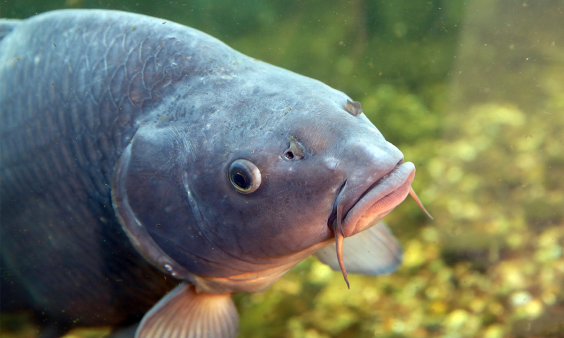
Editing the Pesky Bones Out of a Popular Farmed Fish
Genetic modification could make carp more accessible for millions
The post Editing the Pesky Bones Out of a Popular Farmed Fish appeared first on Nautilus.

What Scientists Found Inside a 117-Year-Old Woman Reveals New Clues to Long Life
- Latest from Live Science

- 'We can identify these really early, before the clinical diagnosis': Epigenetic markers may help explain why Native Hawaiians are aging faster
'We can identify these really early, before the clinical diagnosis': Epigenetic markers may help explain why Native Hawaiians are aging faster
- Latest from Live Science

- DNA sequencing is rewriting our understanding of historic outbreaks, but it can't tell the whole story
DNA sequencing is rewriting our understanding of historic outbreaks, but it can't tell the whole story
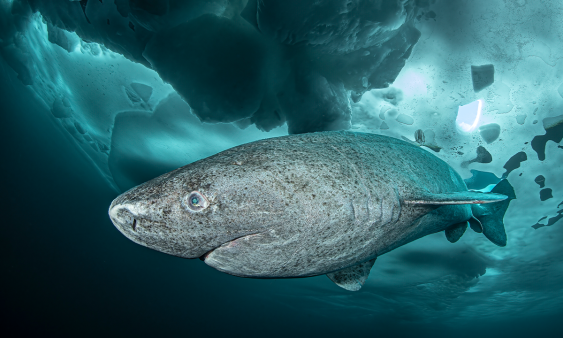
The Genetic Secrets of a Shark That Lives for 500 Years
How the Greenland shark lives long and prospers
The post The Genetic Secrets of a Shark That Lives for 500 Years appeared first on Nautilus.

- Livescience

- 'We can identify these really early, before the clinical diagnosis': Epigenetic markers may help explain why Native Hawaiians are aging faster
'We can identify these really early, before the clinical diagnosis': Epigenetic markers may help explain why Native Hawaiians are aging faster
- Livescience

- DNA sequencing is rewriting our understanding of historic outbreaks, but it can't tell the whole story
DNA sequencing is rewriting our understanding of historic outbreaks, but it can't tell the whole story
Chris Hemsworth & the dementia doctor
In the documentary ‘A Road Trip To Remember’, Chris Hemsworth and his recently dementia-diagnosed father take a road trip back through their past, while exploring social connection and reminiscence therapy using the advice...
The post Chris Hemsworth & the dementia doctor first appeared on Science Illustrated.