Nvidia's announcement that it's getting into the consumer laptop chip space with RTX Spark is huge. Apple has proved for years that Arm-based chips can perform incredibly well while also delivering great battery life - at least on the Mac. In the Windows world, performance hasn't fully matched up under Qualcomm chips, mostly in the graphics department. There's clearly still untapped potential, and Nvidia seems to be promising to deliver it.
This could be Windows' moment to blow us away with a new generation of supremely capable chips, much like Apple's back in 2020, with the introduction of the M1. But why does this launch feel simultaneous …
Google's new "24/7" AI agent, Gemini Spark, can be shockingly good at doing things on your behalf. But I'm not sure it's worth the financial cost and potential privacy tradeoffs.
The company gave me access to Spark last week. Google advertises Spark as an AI agent that can take on tasks and work on them in the background - even tasks that have multiple steps - allowing you to put your phone down or walk away from your computer. It also advertises at the very topof the Spark website that it's "always under your direction," that "you choose to turn it on," and that "it's designed to check with you before taking major actions." Given the moun …
Microsoft is heading to San Francisco this week in a bid to win back developers at its Build conference. I've been attending Build since the days when Microsoft called it the Professional Developers Conference, and I can't remember a more pivotal moment. As Microsoft continues to reshuffle its entire business around AI, it's moving Build into a smaller, more intimate venue. Trust in Windows and GitHub is at an all-time low, and this is Microsoft's chance to reconnect with developers and outline the future.
Sources tell me that we'll hear about new AI models in Windows, a new reasoning model from Microsoft AI, and a Copilot "super app." But …
That all makes it a somewhat awkward time for Summer Game Fest, a weeklong spectacle of events that kicks off on Tuesday. Splashy announcements won't do much to stem the negative sentiment around the industry. But given the challenging state of console gaming in particular, both Microsoft and Sony have an oppo …
Over the past several years, Microsoft has largely managed to withstand populist calls to break up Big Tech while peers faced sweeping lawsuits. But a probe by the Federal Trade Commission suggests that grace period could be nearing an end.
Earlier this year, Bloomberg outlined the contents of civil investigative demands (CIDs) - similar to a subpoena - the FTC sent to at least half a dozen companies that compete with Microsoft. New details obtained by The Verge further reveal the FTC's interests, suggesting the agency is particularly concerned with potentially exclusionary behavior around Microsoft's Azure cloud services, as well as its ro …
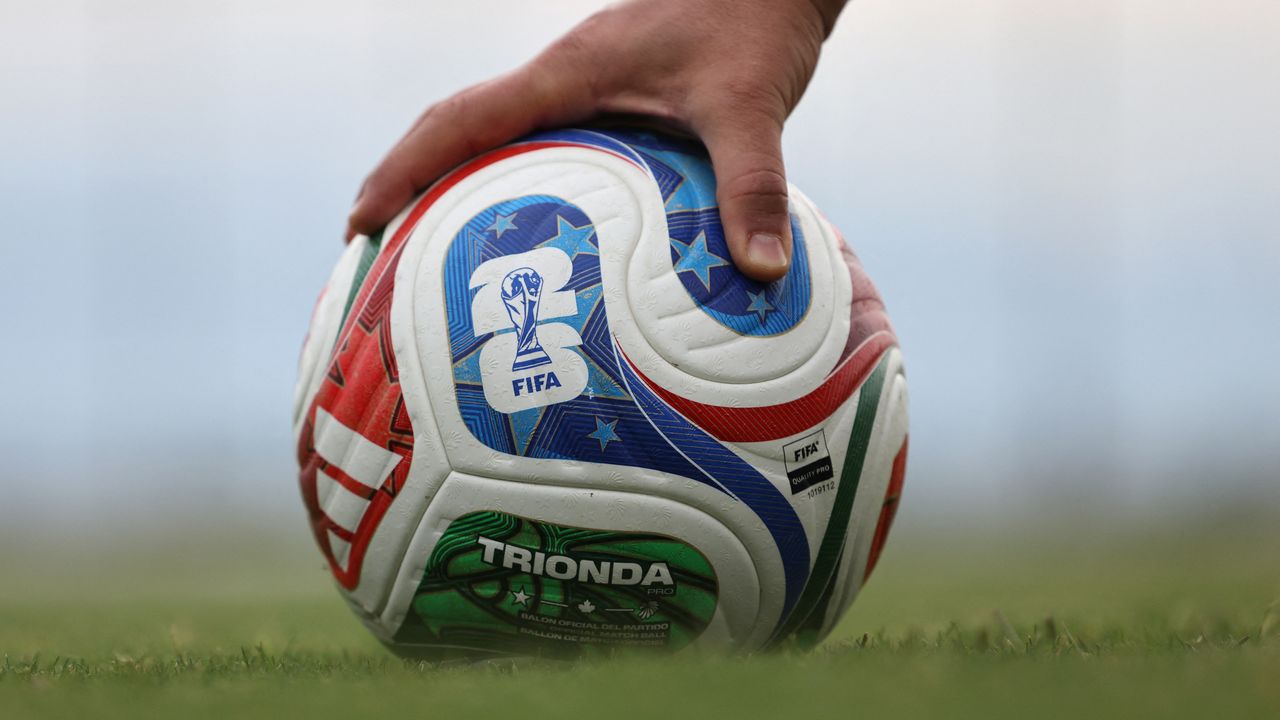
All the ways you can stream the World Cup for free from anywhere in the world as we keep you up-to-date with the latest updates ahead of the tournament.
Riding them can also quickly turn into a terrifying near-death experience, as one couple in San Francisco found out firsthand. As CBS News reports, the couple was looking to get home in the Mission District only for their Waymo cab to veer off a highway and accelerate to terrifying speeds while driving down a construction lane.
All the while, police vehicles were trying to chase it down with sirens blaring.
“There were construction signs,” resident Elliot Slade told the broadcaster over the weekend. “There were lights going on. Police in the distance and it sped up. That’s when I looked at my fiancée, we’re done.”
“This is it,” he added. “We’re dead. We’re going to die right here in the Waymo.”
The terrifying incident underlines the very real dangers of relying on autonomous vehicles for ride shares, while they still suffer from nagging technical shortcomings that are putting people in danger. It could also further erode public trust in the tech.
In the last two months alone, Waymo’s vehicles have been observed driving through flooded streets and speeding through construction zones, as USA Today reports.
The latest incident also proved scary enough for Waymo to pull its cars from freeways in San Francisco, Los Angeles, Phoenix, and Miami altogether as it works to “integrate recent technical learnings into our software,” according to a statement to CBS.
The offending Waymo vehicle “started freaking out,” Slade recalled, because of a slew of merging lanes, causing cars to be “all over the place.” Smartphone footage Slade recorded shows the dramatic incident from his perspective.
“Holy s***, dude,” Slade can be heard saying in the clip.
After speeding up for around 20 seconds, the Waymo eventually pulled over, with a representative chiming in over the car’s audio system. Understandably, Slade and his partner were desperate to leave and never look back.
“She came on the line and said from what I could see, it seemed like a stressful experience,” Slade told CBS. “What do you want to do next? I was like we want to get out. They’re like do you want to continue the journey; I was like absolutely not.”
Waymo offered the rattled occupant $40 worth of free rides, but understandably, he’s now unsure about climbing back into one of its vehicles.
“It was one of those things, once you lost your autonomy in the car, I don’t want to feel that again,” Slade told CBS. “Like it was a really freaky moment.”
Meanwhile, a spokesperson told the broadcaster that the company expects to resume its freeway routes “soon.”
It turns out not even the people building Tesla’s self-driving tech trust Elon Musk’s extravagant claims about the company’s autonomous vehicles.
New reporting by Reuters interviewed nine former data labelers and a former self-driving engineer about their take on Tesla’s Full Self-Driving mode. The results were overwhelmingly negative, with seven of the data specialists admitting they wouldn’t ride in a Tesla in FSD.
“We have all seen it fail,” one Tesla insider told Reuters. “Definitely don’t trust Elon on this,” the self-driving engineer concurred, referencing Musks’ declaration that the the vehicles are ready for “safe unsupervised” rides.
One erstwhile worker told the publication they wouldn’t ride in a Tesla robotaxi “if you f**king paid me.”
At least five data labelers, whose job was to comb through hours of FSD footage to train the vehicle’s software to avoid past mistakes, told Reuters they routinely saw clips of Teslas driving above the speed limit, an issue which engineers and managers treated like a low-priority compared to edge-case issues.
Those glowing recommendations come amidst concerns that Tesla’s FSD mode may never be truly safe enough for public roads.
In recent months, Tesla operating on FSD move have driven riders into lakes, off bridges, and even into the path of oncoming trains — and those are just the incidents that get media exposure. Given these insiders’ direct access to terabytes’ worth of proprietary FSD footage, we’re inclined to take their word on it.
Longtime Cybertruck watchers might remember a peculiar day back before the brutalist pickup was even released, when Tesla CEO Elon Musk randomly tweeted that the vehicle would function as a rudimentary flotation device.
“It will even float for a while,” he wrote at the time.
It wasn’t a one-off claim. Musk later boasted that the vehicle would be able to “traverse at least 100m [330 feet] of water as a boat.”
“Mostly just need to upgrade cabin door seals,” he claimed, writing at another point that the “Cybertruck will be waterproof enough to serve briefly as a boat, so it can cross rivers, lakes and even seas that aren’t too choppy.”
Unsurprisingly, all Musk’s bluster about the truck serving as a makeshift schooner turned out to be flimflam. In fact, it quickly emerged that just getting wet in a car wash could brick the thing.
To muddy the waters further, the company ended up adding what it calls “Wade Mode” to the vehicles, which sets the truck’s ride height to the highest level, ostensibly so it can ford creeks and streams.
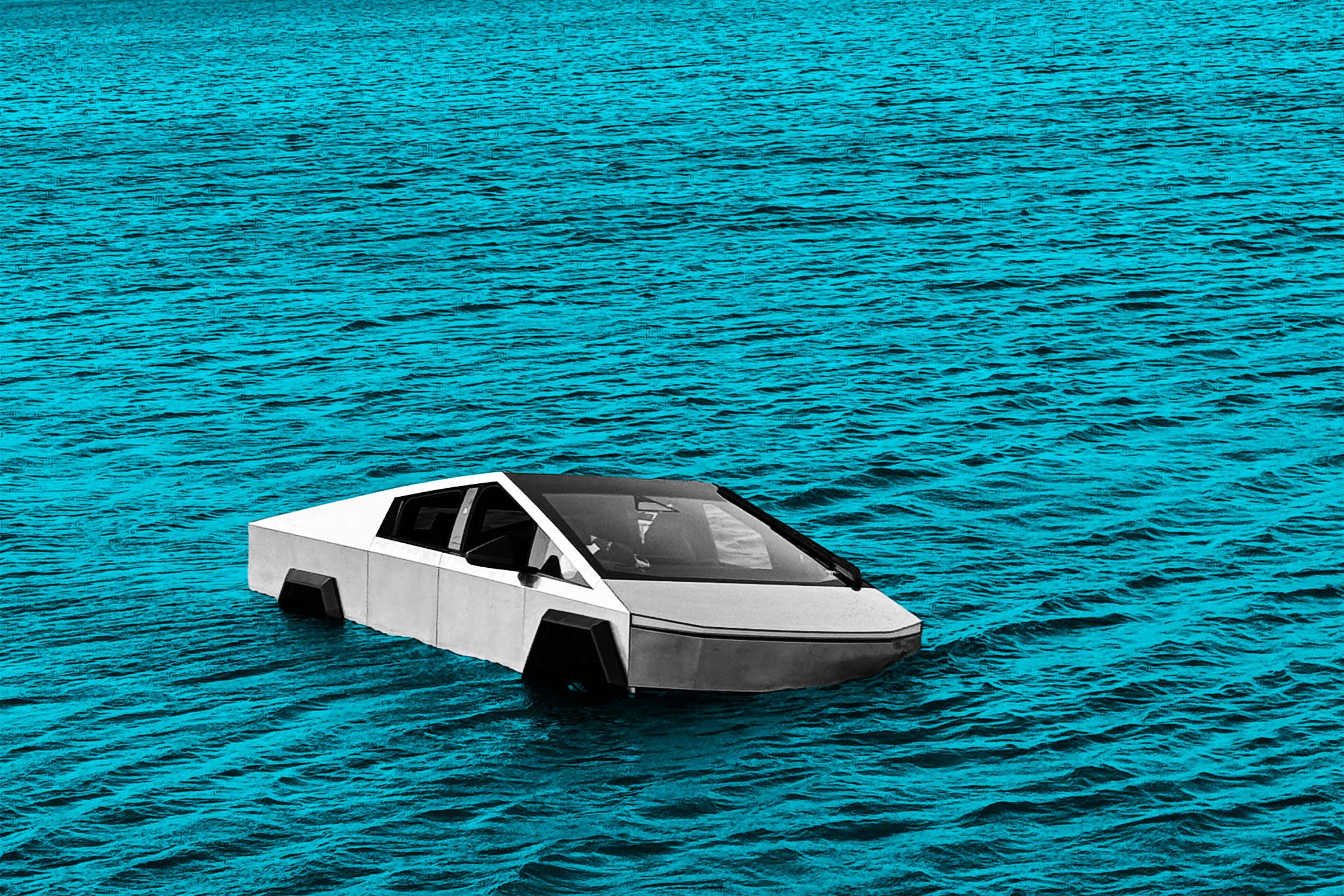
All that mixed messaging clearly got jumbled for a Texas man, though, who activated Wade Mode and drove his Cybertruck into a lake. Unsurprisingly, things didn’t go well for him.
“Yesterday, [Grapevine Police Department] and [Grapevine Fire Department] were dispatched to Grapevine Lake, where a Tesla Cybertruck was stranded in the water,” police in Grapevine, Texas, wrote on X-formerly-Twitter. “The driver drove into the lake to use the ‘Wade Mode’ feature when the vehicle became disabled.”
Not only is the man’s vehicle swamped — as the cops showed in an amazing attached photo — but he’s in legal trouble as well.
“The passengers abandoned the vehicle and the driver was arrested,” they wrote.
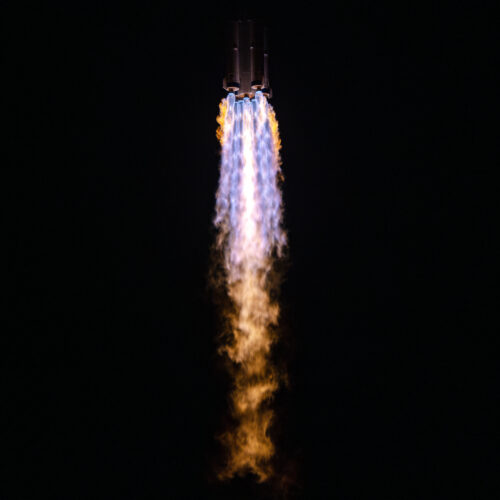
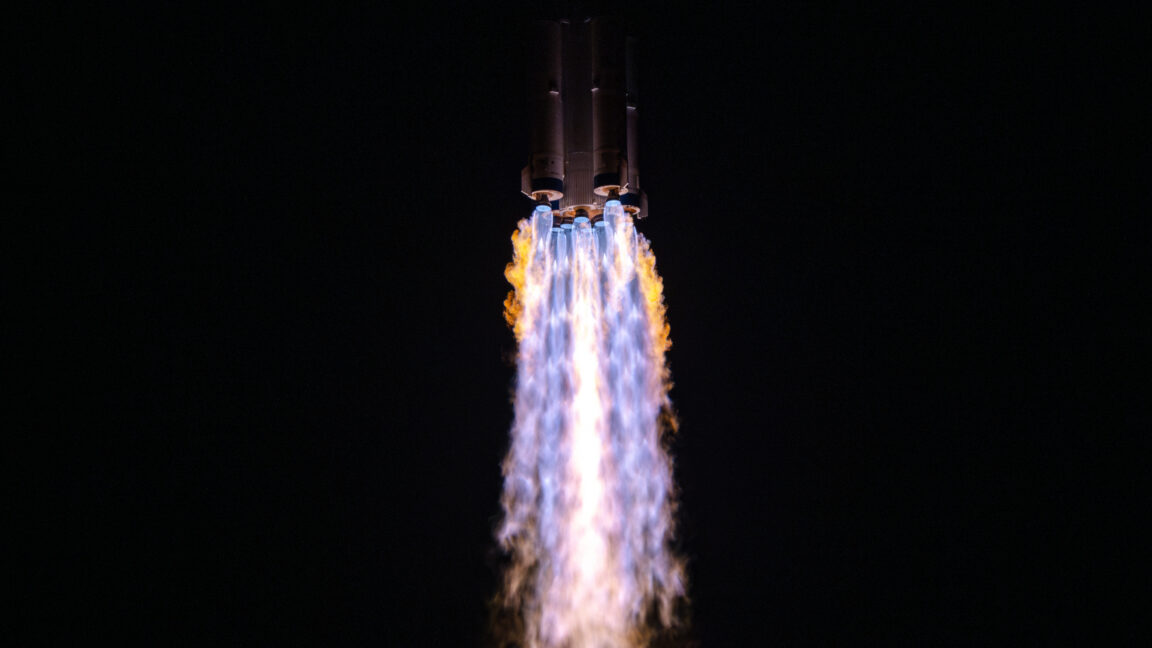
Welcome to Edition 8.43 of the Rocket Report! A disclaimer: No one yet fully appreciates the ramifications of Blue Origin's New Glenn rocket explosion Thursday night on its launch pad at Cape Canaveral, Florida. What we know as of this writing is that much of Blue's sole orbital-class launch pad has been destroyed, and the New Glenn rocket will be grounded for an extended period of time. It is too soon for any hot takes, at least until the Sun rises at the Cape on Friday morning. One thing I am sure of is that we will be writing about this event for weeks, months, and years to come.
As always, we welcome reader submissions. If you don't want to miss an issue, please subscribe using the box below (the form will not appear on AMP-enabled versions of the site). Each report will include information on small-, medium-, and heavy-lift rockets, as well as a quick look ahead at the next three launches on the calendar.
Charting China's contribution to space junk. There's a problem with the drastic uptick in Chinese space launches over the last decade. China appears to be ignoring long-established norms about disposing of the upper stages of rockets, Ars reports. These are the parts of the vehicle that separate from the first stage of a rocket and push a satellite or spacecraft into orbit. In the early decades of spaceflight, launch operators routinely left upper stages in orbit after they released their payloads. But most launch companies today reserve enough propellant in their rockets to remove them from orbit to avoid the risk of spent upper stages becoming a source of space debris. But China is not following this trend. There has been striking growth in China’s rocket body mass. In the past five years, the mass of Chinese rocket bodies in long-lived orbits has risen from less than 100 metric tons to 252, according to a new analysis by Space Domain Awareness expert Jim Shell.
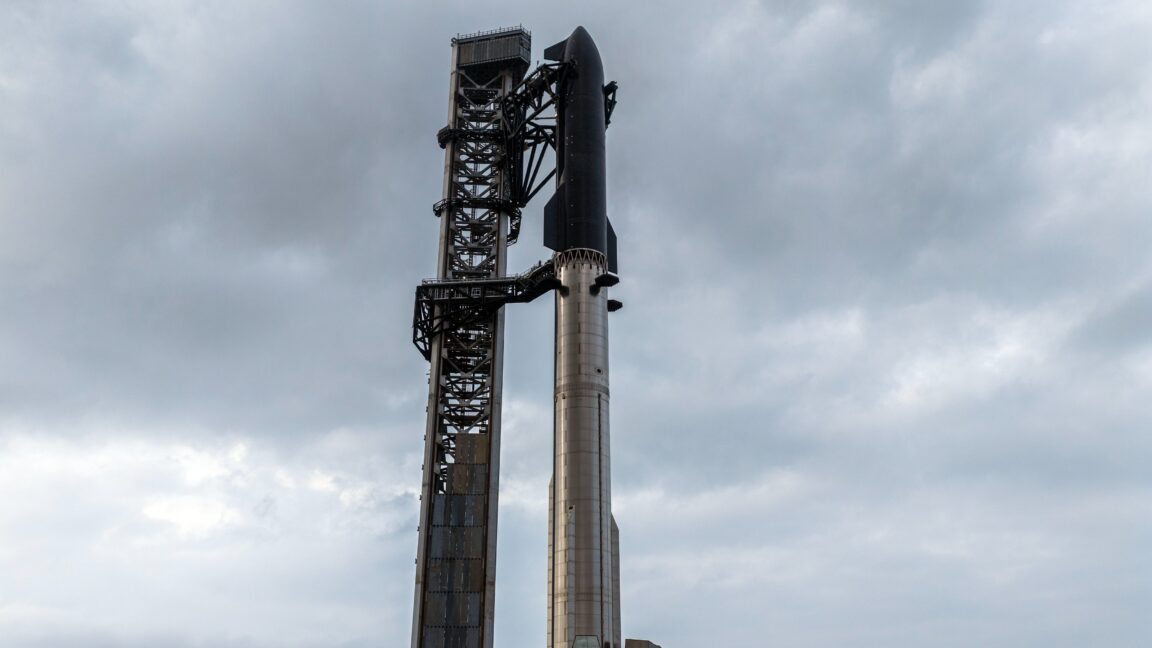
Welcome to Edition 8.42 of the Rocket Report! SpaceX nearly launched its Starship rocket on Thursday amid much pomp and circumstance in South Texas, only to be foiled by a ground system issue. Such delays are to be expected, with almost entirely new hardware on both the rocket and the ground side of things. The company will try again as soon as Friday evening, and as we discuss in this week's report, the stakes are quite high for SpaceX and much of the rest of the US spaceflight enterprise.
As always, we welcome reader submissions, and if you don't want to miss an issue, please subscribe using the box below (the form will not appear on AMP-enabled versions of the site). Each report will include information on small-, medium-, and heavy-lift rockets as well as a quick look ahead at the next three launches on the calendar.
Firefly expands Central Texas footprint. Firefly Aerospace on Tuesday announced that it has moved into a new headquarters, expanded its cleanroom space, and added an innovation lab to support its growing workforce and accelerate spacecraft production. The expansion includes two new buildings adjacent to Firefly’s existing spacecraft facility in Cedar Park, Texas, enabling a single campus with 144,000 total square feet for spacecraft assembly and testing, mission control, avionics and component production, engineering, and business operations.
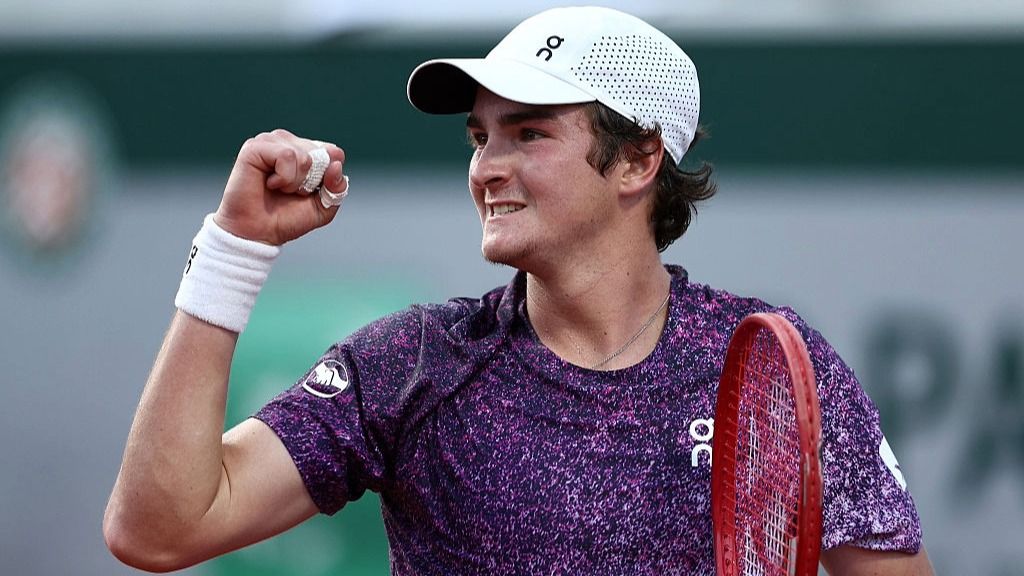
Watch free streams from the French Open 2026 as Casper Ruud vs Joao Fonseca meet for a place in the quarter-finals – Roland-Garros TV channels, broadcasters.
Earlier this month, I finally achieved the elusive goal I had set for myself in Bungie's Marathon. I collected six of the game's rarest items, allowing me to attempt and then successfully clear the raid-style Compiler boss. I felt a massive weight lift off my shoulders - nearly 185 hours of playtime and I had managed to complete Marathon's pinnacle activity. A day later, I took my first break from the game.
I had been playing Marathon virtually every day since it launched in March, and I needed to put it down. Treating a Bungie game like it's a grueling second job is nothing new. Certainly not for me or the many fellow Destiny players that …
All the ways to watch Royal Challengers Bengaluru vs Gujarat Titans live streams from anywhere, as the IPL's two best teams battle it out in the 2026 Final.
All the ways to watch Champions League Final 2026 live streams online – including for FREE – with Arsenal vs PSG set to light up Puskas Arena, Budapest.
All the ways to watch Challenge Cup Final 2026 live streams online – including for FREE – with Hull KR vs Wigan Warriors on rugby league's big day at Wembley.

 Login
Login