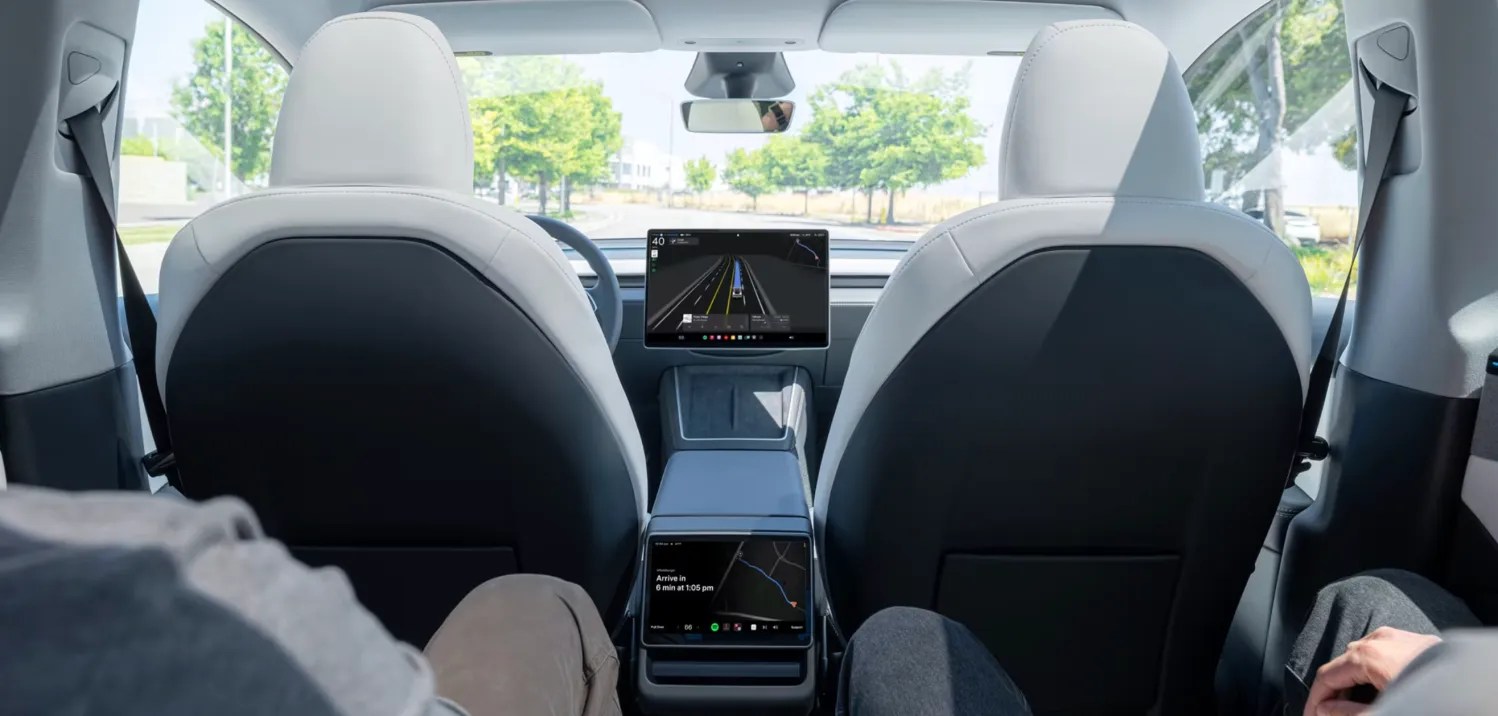
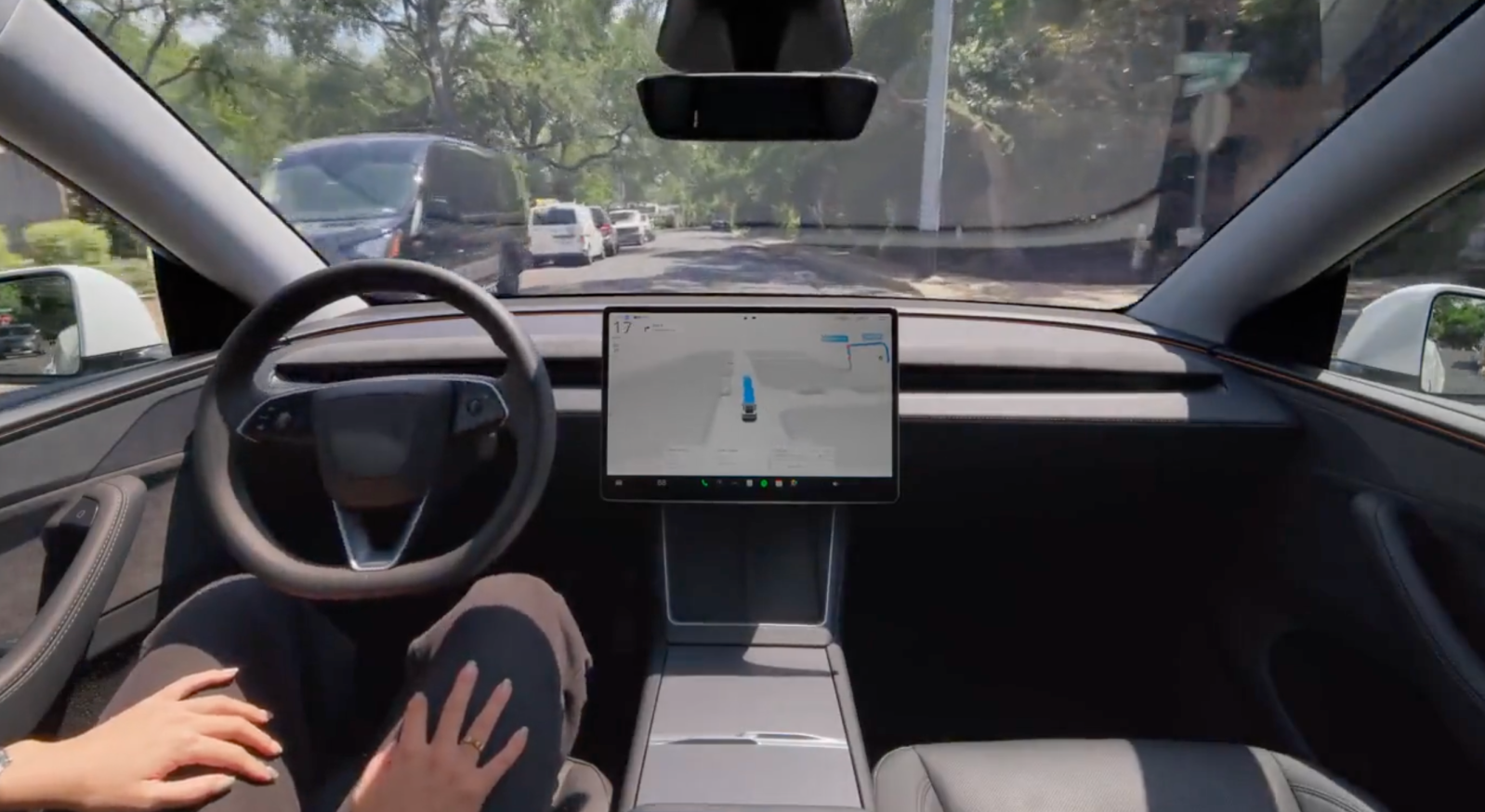
Tesla announced today that its unsupervised “Robotaxi” service now covers the entire Austin metro area, a significant expansion of its geofenced operating zone.
It’s a notable milestone on paper, but the actual fleet serving this massive area remains tiny — just ~20 active unsupervised vehicles, according to the latest data, a number that has actually been shrinking.
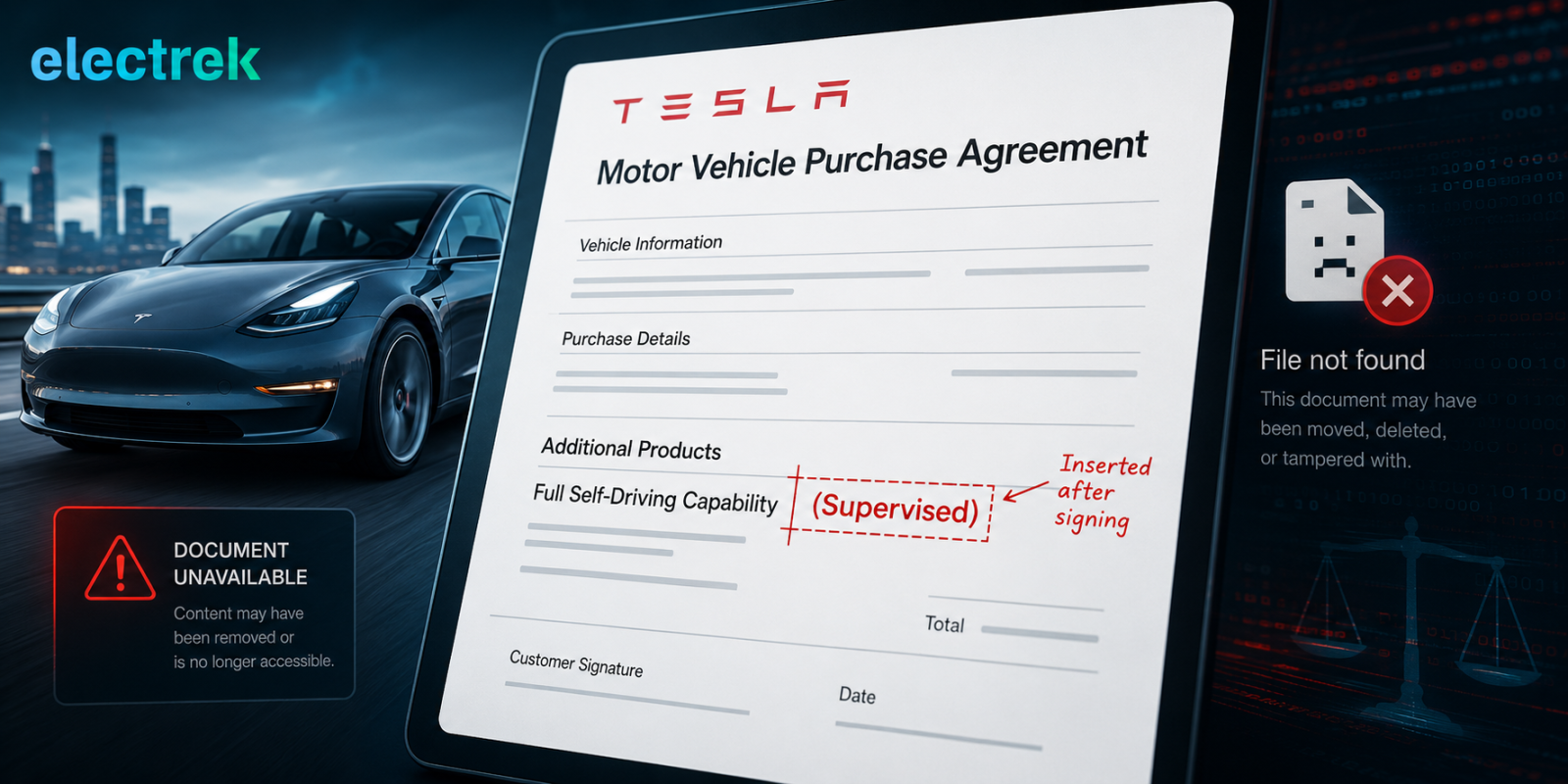
Tesla has retroactively modified “Full Self-Driving” purchase agreements to add “supervised” language that did not exist when owners originally bought the product. In some cases, the original documents have been made entirely inaccessible.
Electrek has confirmed the issue with multiple owners. The contracts in question were signed between 2016 and early 2024, when Tesla sold the package as “Full Self-Driving Capability” — with no mention of “supervised” and the implicit promise of unsupervised autonomy.
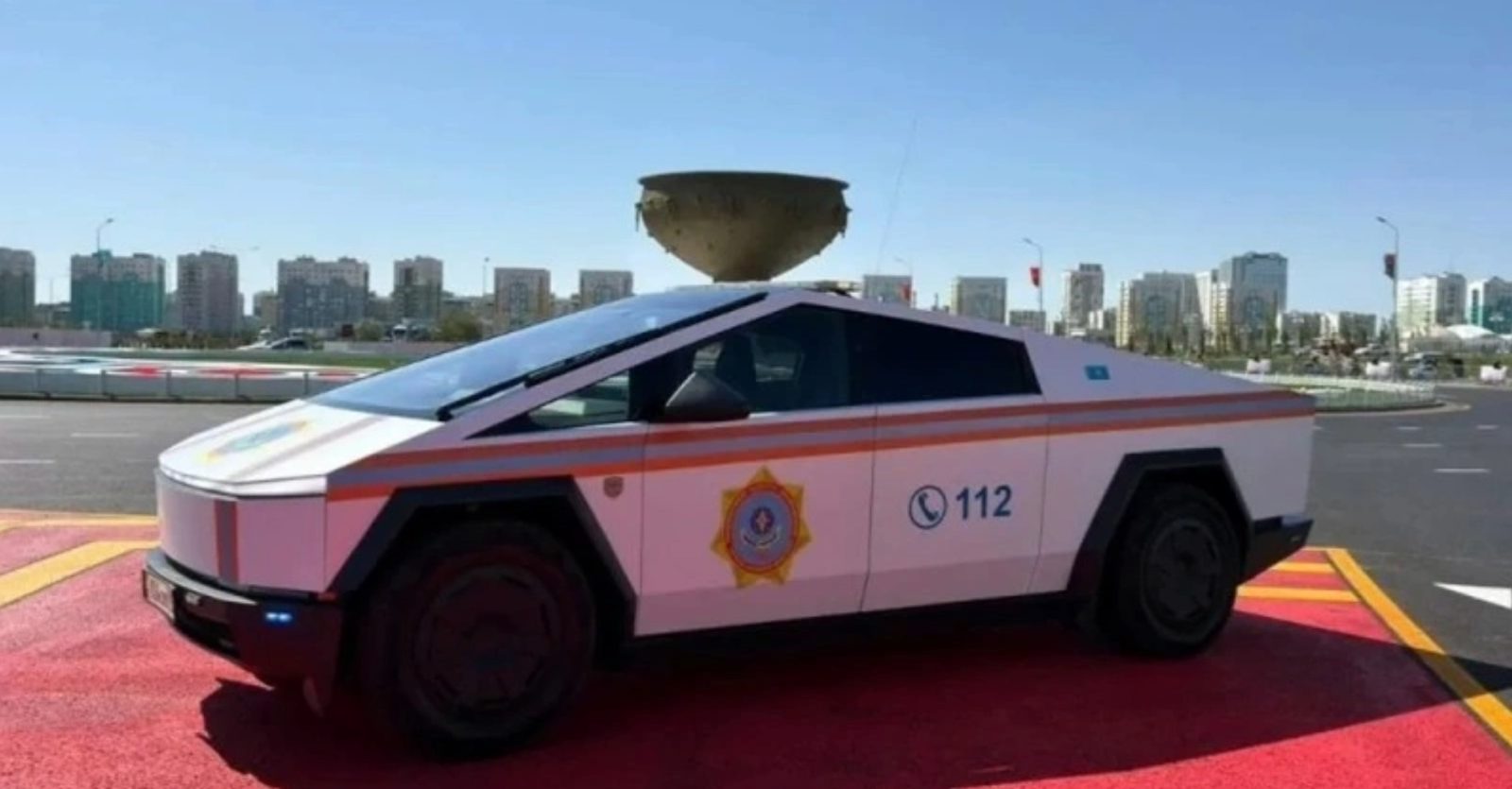
Kazakhstan’s Ministry of Emergency Situations has confirmed it will purchase additional Tesla Cybertrucks after the electric pickup proved effective in rescue operations in Almaty, the country’s largest city.
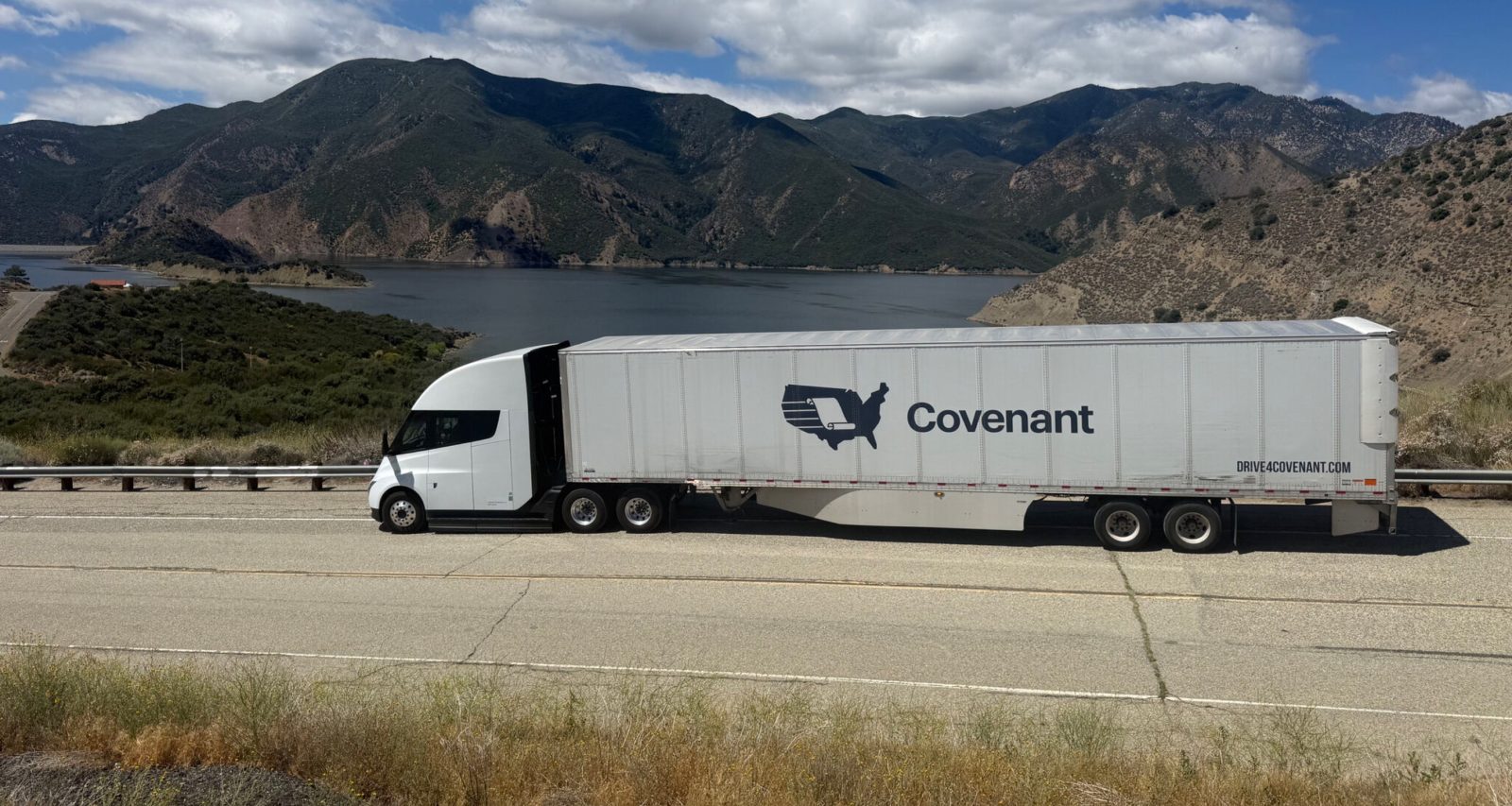
Covenant Logistics, one of the largest trucking companies in the US with a fleet of over 2,600 tractors, completed a two-week evaluation of the Tesla Semi in California — including a loaded run over the notorious Grapevine pass on I-5.
The company’s VP of Sustainability and Innovation, Matt McLelland, said the driver “was amazed at the performance of the Tesla Semi and felt a level of confidence that was hard to match in a diesel truck.”
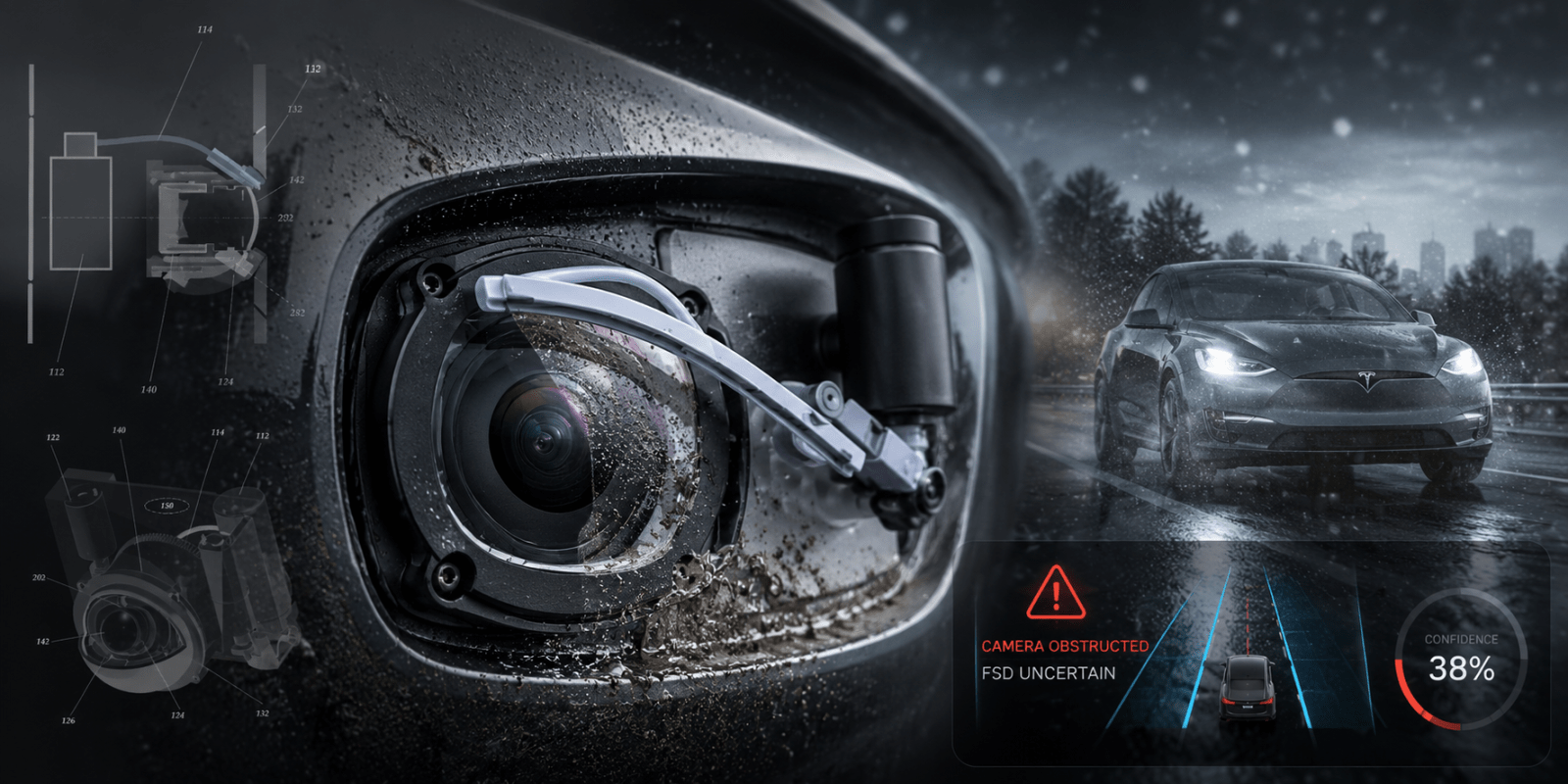
Tesla has been granted a new patent for a miniature camera cleaning system with a built-in wiper designed to keep vehicle cameras clear for autonomous driving.
The patent addresses one of the most frustrating and well-known issues with Tesla’s “Full Self-Driving” system — dirty cameras that constantly trigger alerts telling drivers to clean them. But Tesla’s Robotaxi fleet in Austin already has its own camera washer hardware that consumer vehicles don’t get.
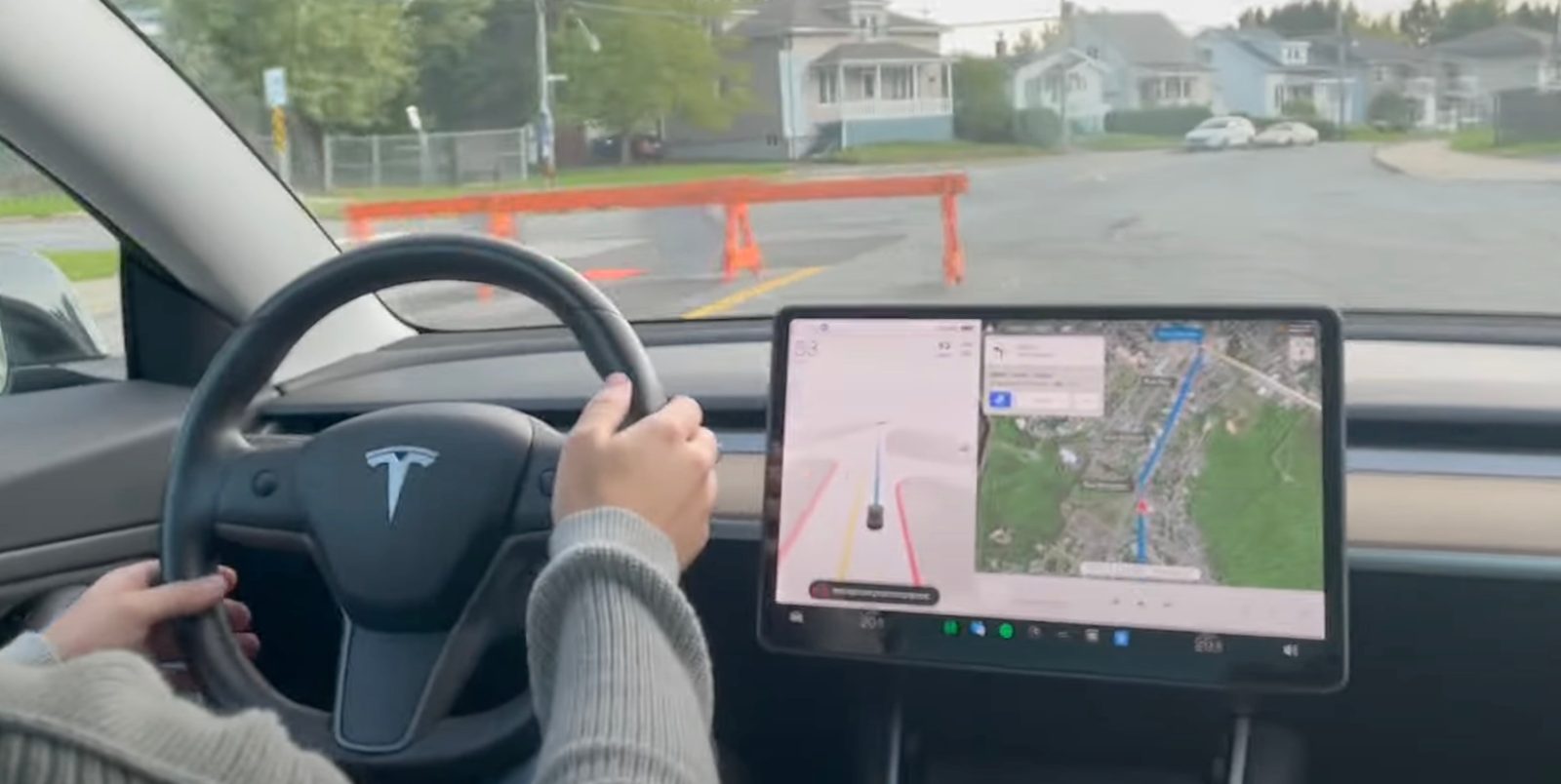
I was the first journalist to test Tesla’s Autopilot before it launched over a decade ago. I’ve tested every version of Autopilot and “Full Self-Driving” since. FSD v14 is by far the most impressive — and that’s exactly what makes it the most dangerous.
The danger isn’t that FSD v14 is bad. The danger is that it’s so good enough that it can make you stop paying attention — and Tesla is not doing enough to discourage complacency.
In fact, I’d argue that it is actively encouraging complacency with its marketing.
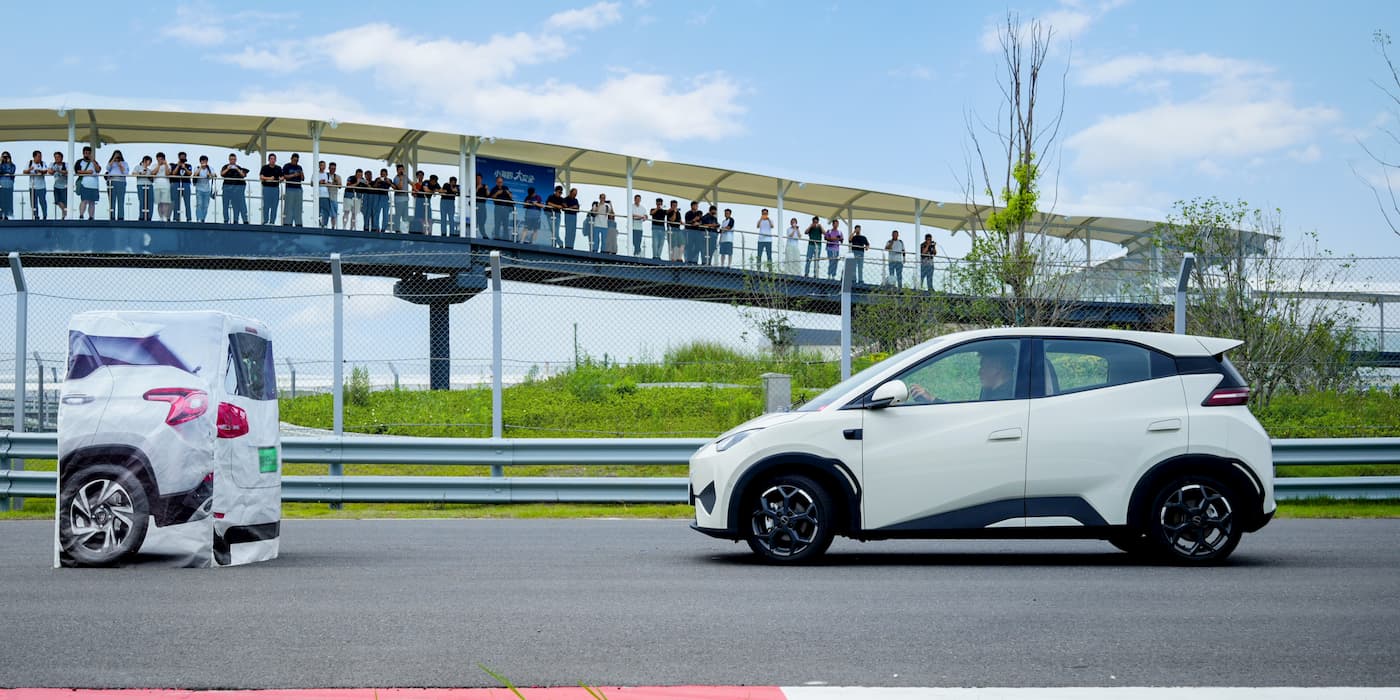
BYD says it will assume full financial liability for at-fault accidents that happen while its “God’s Eye” urban driving system is active in China — with no cap on the payout.
It’s a commitment Tesla has never made for “Full Self-Driving,” and it flips the industry’s standard liability model on its head.
A Beijing court held its first hearing in a consumer fraud lawsuit against Tesla over its “Full Self-Driving” software, with 10 owners seeking more than 3.95 million yuan ($583,000) in damages.
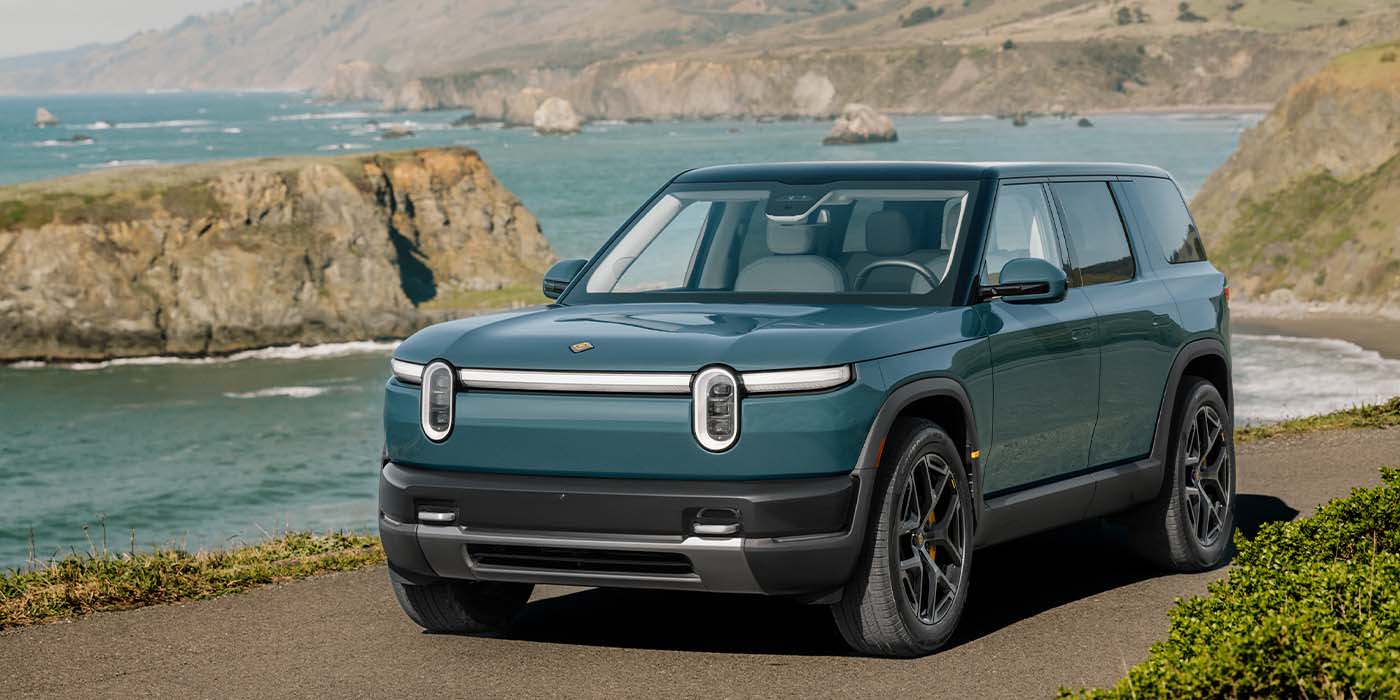
The Rivian R2 Performance’s final EPA ratings are now published, and the numbers confirm something impressive: the R2 Performance matches the Tesla Model Y Performance on efficiency at 105 MPGe combined and 32 kWh per 100 miles — while actually beating it on range with 330 miles versus 306.
What makes this particularly noteworthy is the R2’s form factor. The Rivian is a boxier, taller, more utilitarian SUV that weighs nearly 800 lbs more than the Model Y, yet it achieves identical efficiency.
On today’s exciting episode of Quick Charge, we’re exploring the industry’s backlash – real or imagined – towards Elon Musk’s SpaceX merger talks, Full Self Driving’s staff revolt, and even large, utility scale solar projects. All this and more when you hit that play button!
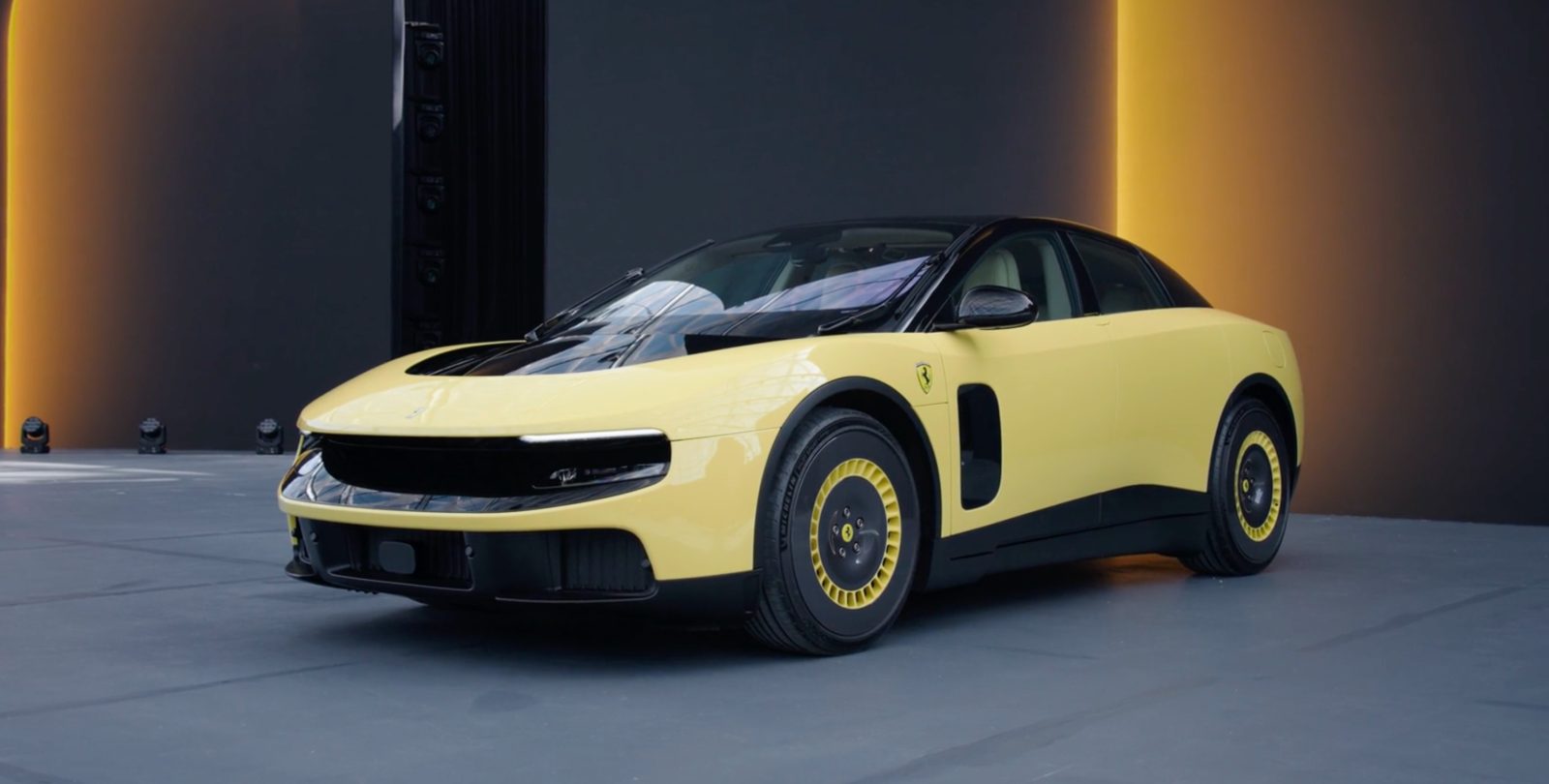
Ferrari CEO Benedetto Vigna confirmed that the $640,000 Luce, the company’s first all-electric car, is already receiving orders from both existing and new customers. The order book extends toward the end of 2027, according to Bloomberg.
The announcement comes just days after the Luce’s Rome unveiling triggered a 6% stock drop and a brutal wave of design criticism online, with former Ferrari boss Luca di Montezemolo himself telling Italian media to “at least take the prancing horse off.”
A major Reuters investigation published today reveals that Tesla’s widely touted “Full Self-Driving” safety statistics are built on deeply flawed methodology — and that the company’s own data labelers, the workers who train the AI system, don’t trust the technology to drive them.
The report, based on interviews with nine former Tesla data labelers, a former self-driving engineer, and 11 traffic-safety researchers, paints a damning picture of the gap between Tesla’s safety marketing and the reality of its autonomous driving program.
On today’s momentous episode of Quick Charge, we are all about momentum, with solid-state EV batteries gaining ground in China as wind and solar continuing to grow in the US while Tesla’s self-driving Robotaxi fleet, well – doesn’t.
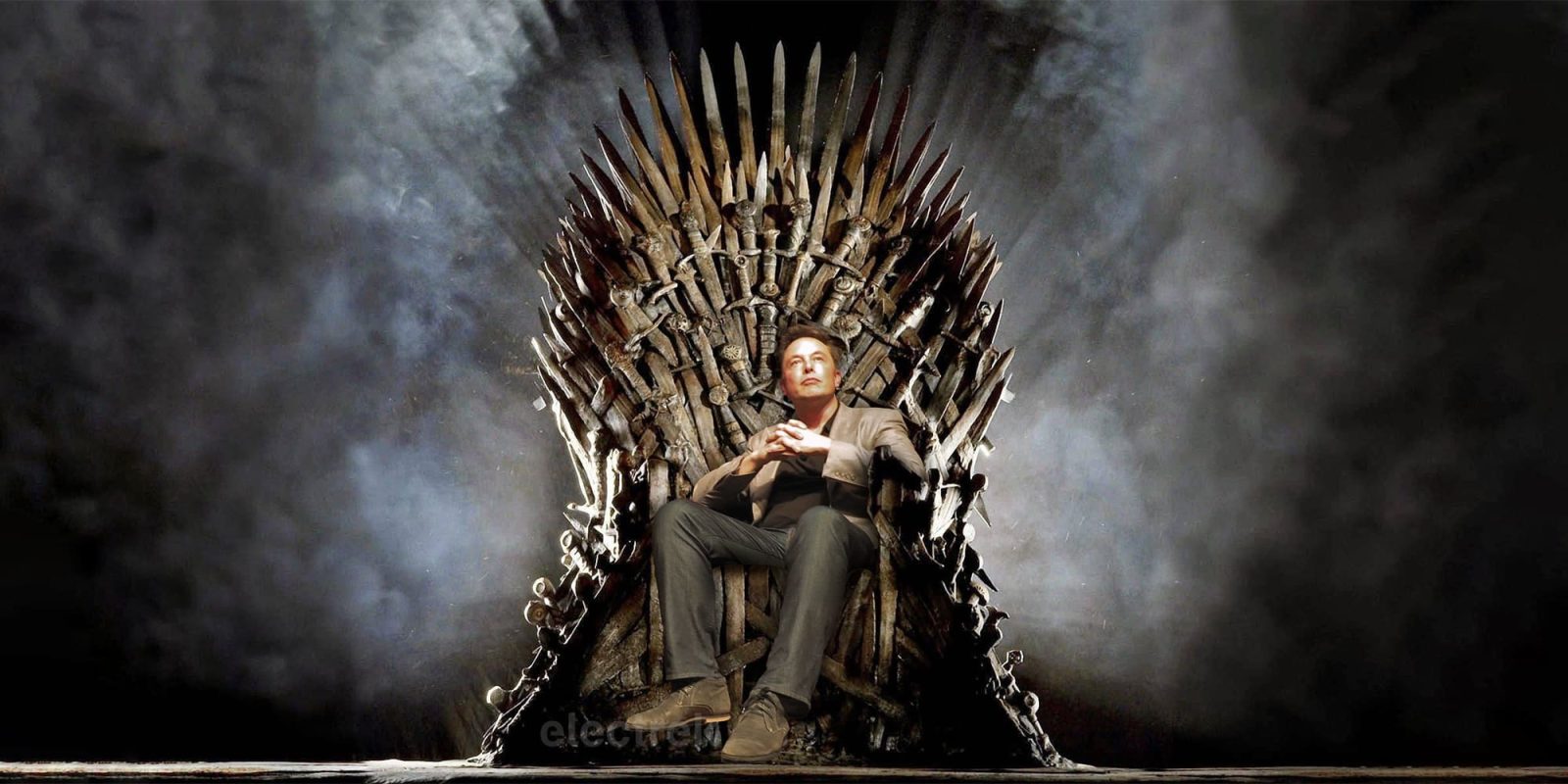
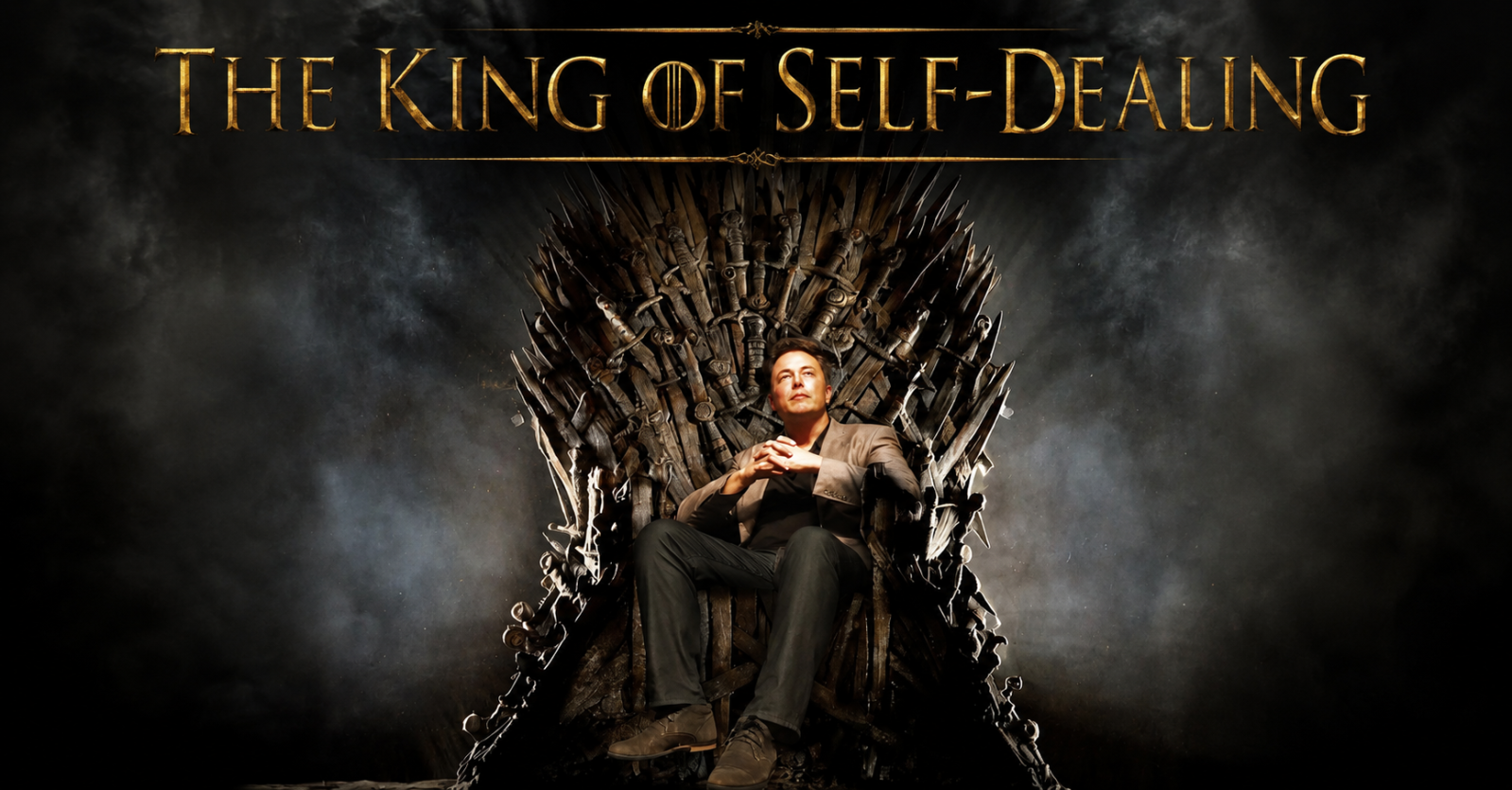
Elon Musk is reportedly floating the idea of merging Tesla (TSLA) and SpaceX, just weeks before SpaceX’s massive IPO on the Nasdaq. If it happens, this would literally be the fourth time Musk has orchestrated a billion-dollar transaction between companies he controls.
No one in corporate America is doing this at the scale Musk is. Between SolarCity, Twitter/X, and xAI, Musk has built a playbook for self-dealing that is unprecedented — and now he’s gearing up for the biggest one yet.
Less than a month after we reported that Tesla’s unsupervised “Robotaxi” fleet was finally showing some signs of growth, new data from the Robotaxi Tracker tells a different story. The fleet is actually shrinking.
The number of active unsupervised Tesla “Robotaxis” has dropped to just 20 vehicles — down from the 25 cumulative vehicles we reported in late April — and the total active fleet across all Tesla ride-hailing operations has collapsed to just 34 vehicles.
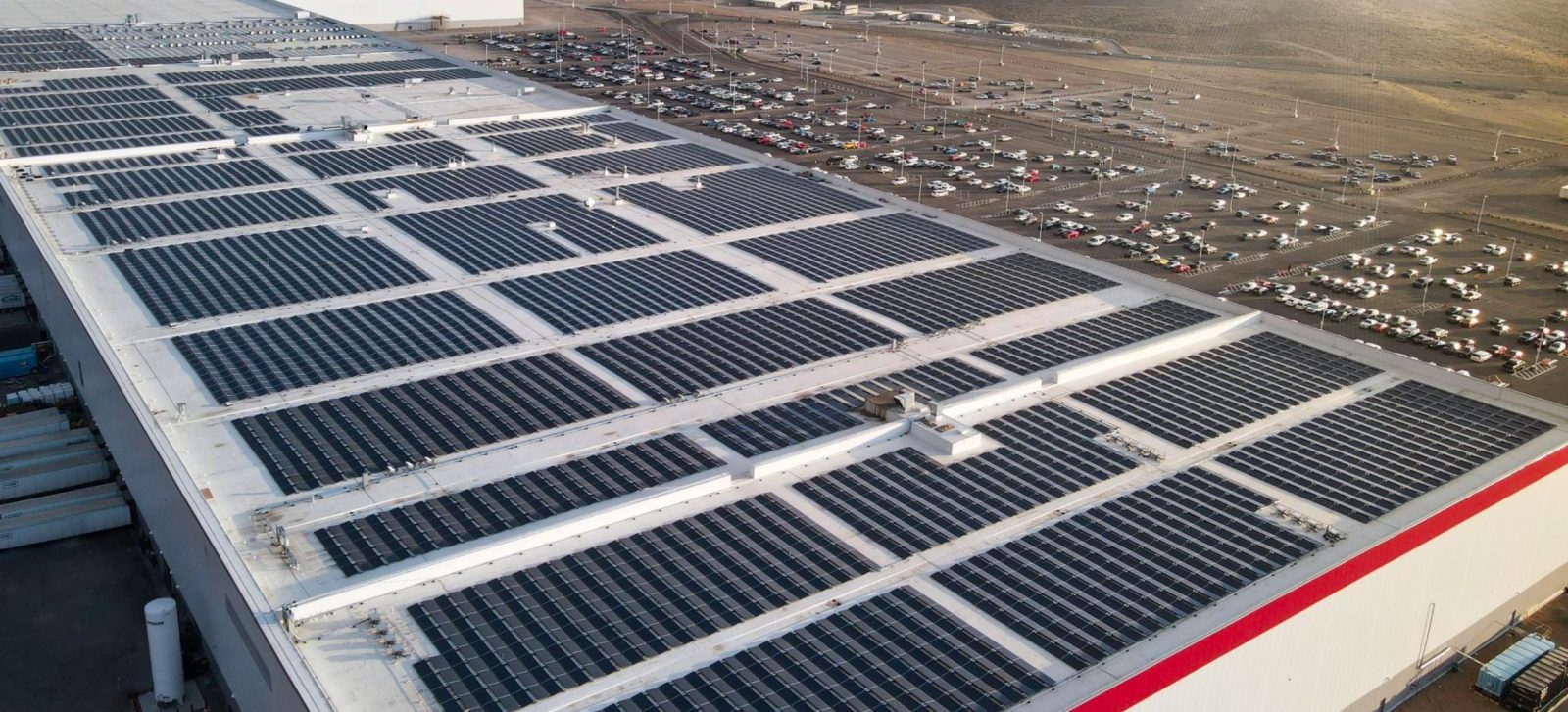
Elon Musk spent years telling the world that solar power was the obvious answer to Earth’s energy needs — that a small patch of desert could power the entire United States. Now, he’s burning millions of tons of fossil fuels to run an AI chatbot that has lost 60% of its downloads, selling the unused compute to a company he called “misanthropic and evil” three months ago, and pitching space-based solar panels right as SpaceX files for a $2 trillion IPO.
The contradictions are stacking up faster than xAI’s unpermitted gas turbines.
It turns out not even the people building Tesla’s self-driving tech trust Elon Musk’s extravagant claims about the company’s autonomous vehicles.
New reporting by Reuters interviewed nine former data labelers and a former self-driving engineer about their take on Tesla’s Full Self-Driving mode. The results were overwhelmingly negative, with seven of the data specialists admitting they wouldn’t ride in a Tesla in FSD.
“We have all seen it fail,” one Tesla insider told Reuters. “Definitely don’t trust Elon on this,” the self-driving engineer concurred, referencing Musks’ declaration that the the vehicles are ready for “safe unsupervised” rides.
One erstwhile worker told the publication they wouldn’t ride in a Tesla robotaxi “if you f**king paid me.”
At least five data labelers, whose job was to comb through hours of FSD footage to train the vehicle’s software to avoid past mistakes, told Reuters they routinely saw clips of Teslas driving above the speed limit, an issue which engineers and managers treated like a low-priority compared to edge-case issues.
Those glowing recommendations come amidst concerns that Tesla’s FSD mode may never be truly safe enough for public roads.
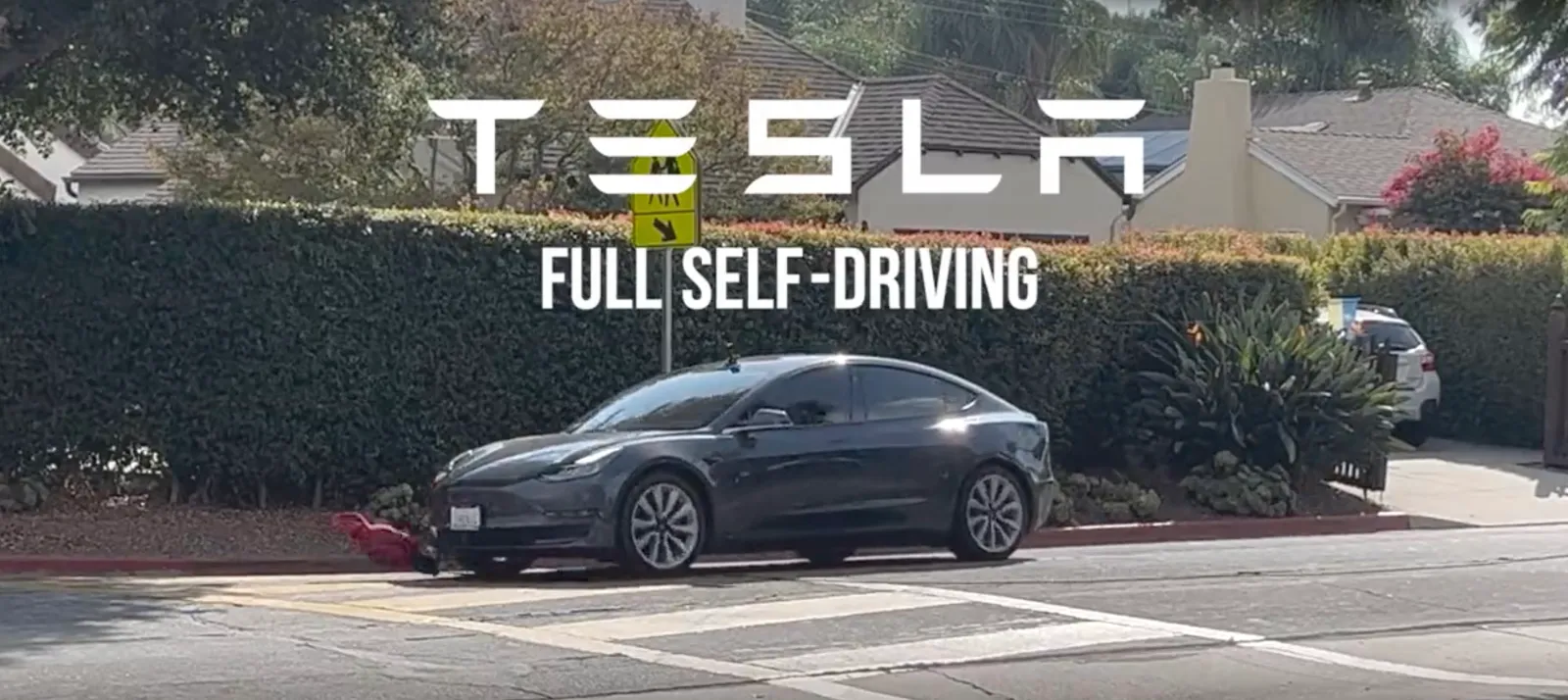
In recent months, Tesla operating on FSD move have driven riders into lakes, off bridges, and even into the path of oncoming trains — and those are just the incidents that get media exposure. Given these insiders’ direct access to terabytes’ worth of proprietary FSD footage, we’re inclined to take their word on it.

 Login
Login