 Login
Login
What Happened When the First Animals Started to Move
Life on Earth wasn’t always mobile
The post What Happened When the First Animals Started to Move appeared first on Nautilus.
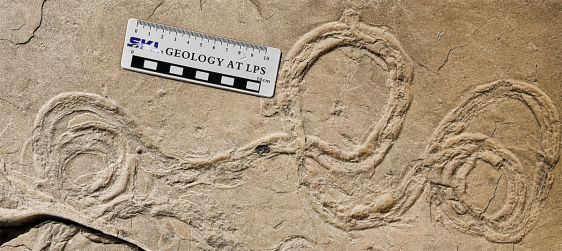

Life on Earth wasn’t always mobile
The post What Happened When the First Animals Started to Move appeared first on Nautilus.
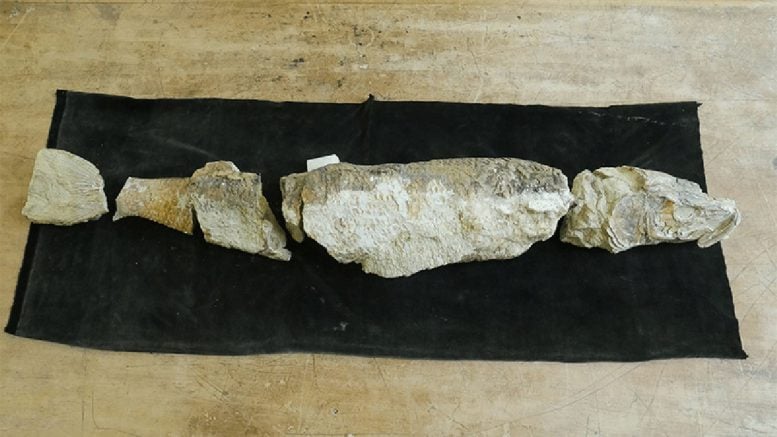 Field notebooks from the late Richard Köhler allowed researchers to finally catalog a remarkable fossil tarpon from Aotearoa New Zealand. Recently disclosed notebooks from a late paleontologist supplied the missing details researchers needed to complete their study of a “remarkable” fossil found nearly 30 years ago. Dr. Richard Köhler discovered the fossil fish in 1999 [...]
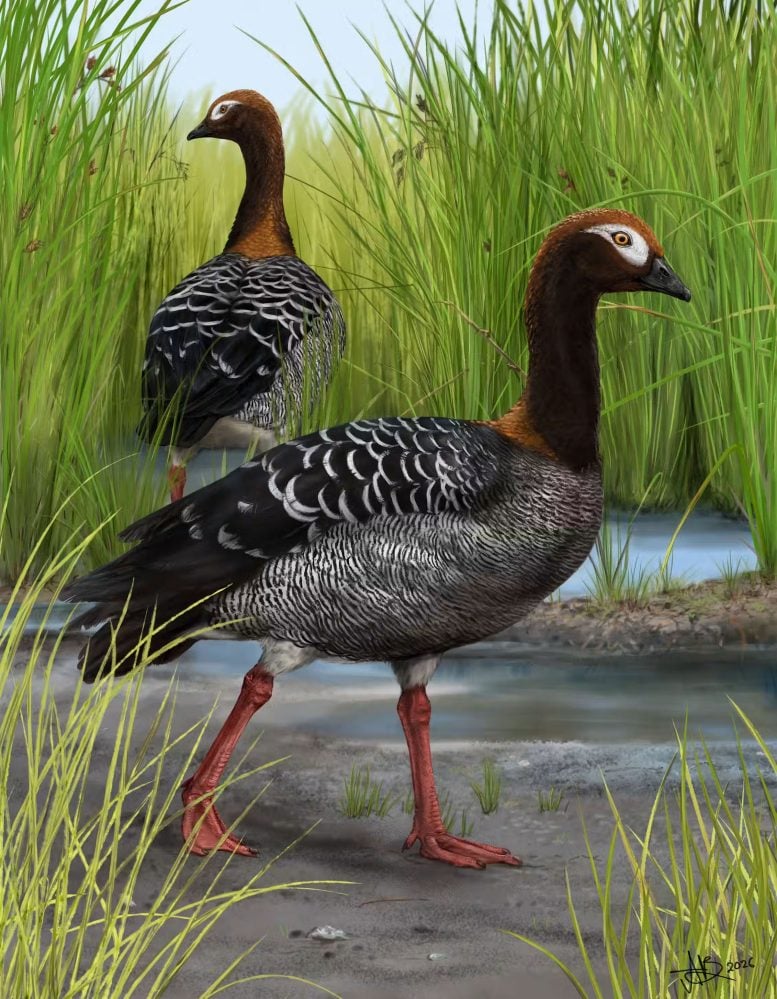 A newly described fossil goose shows that New Zealand’s bird history involved repeated arrivals, extinctions, and rapid island evolution. A rare fossil goose found in the remains of an ancient lake in Central Otago is changing how scientists understand the bird history of Aotearoa New Zealand, according to a researcher at the University of Otago [...]
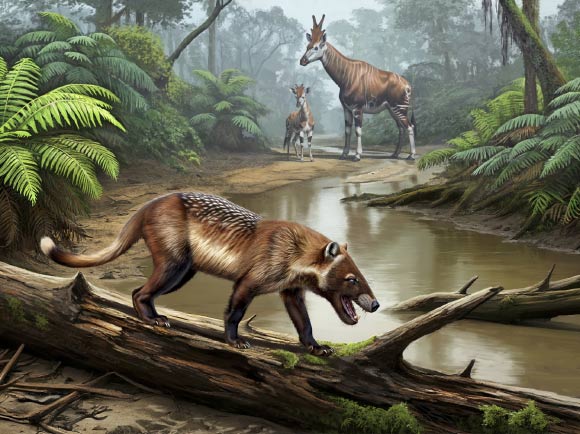
Paleontologists have recovered the fossilized remains of three hyaenodont species, including one previously unknown to science, from Miocene sediments in Pakistan.
The post Paleontologists Identify New Hyaenodont Species in Pakistan appeared first on Sci.News: Breaking Science News.
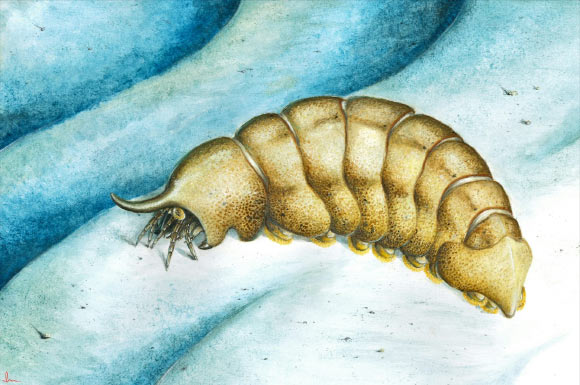
A new species of corcoraniid arthropod that lived during the Furongian epoch, between 497 and 487 million years ago, has been identified from an exceptionally preserved specimen found near Québec, Canada.
The post 490-Million-Year-Old Arthropod Fossil Fills Puzzling Gap in Fossil Record appeared first on Sci.News: Breaking Science News.
Pretty tough to be a fish 70 million years ago
The post Nightmarish Heron-like Dinosaur Unearthed in Patagonia appeared first on Nautilus.
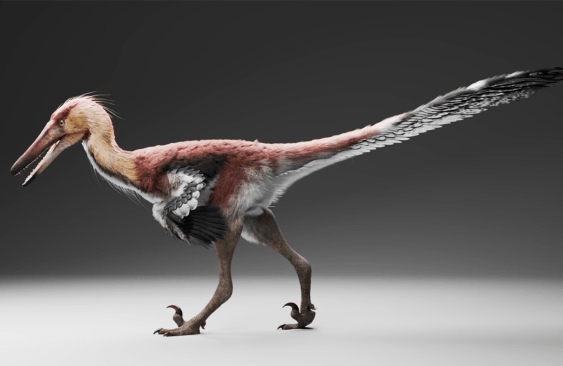
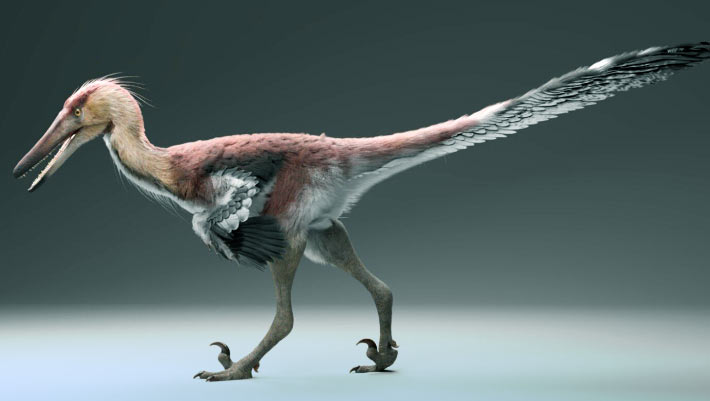
Paleontologists in Argentina have identified a previously unknown species of unenlagiid dinosaur that stalked freshwater wetlands during the Late Cretaceous epoch, adding to evidence that some dinosaurs specialized in catching fish.
The post New Dinosaur Species from Argentina May Have Specialized in Catching Fish appeared first on Sci.News: Breaking Science News.
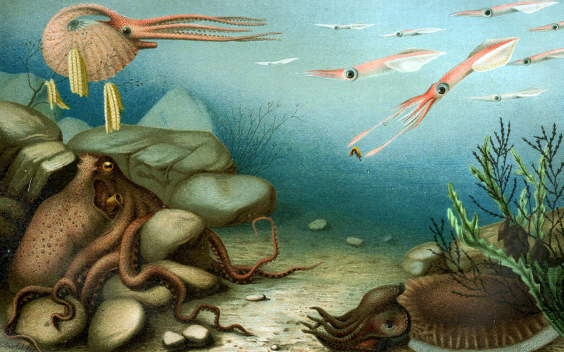
Fossil records reveal Earth’s mass extinctions are followed by a rise of ocean cephalopods. They’re rising again.
The post The Cephalopods Are Coming appeared first on Nautilus.

By studying fungal microfossils in 66-million-year-old rock samples from the Denver Basin in Colorado, Johns Hopkins University microbiologists have confirmed that the dinosaur-killing asteroid impact triggered a worldwide fungal takeover, and uncovered a second, previously unknown ecological crisis just before it.
The post Fungi Bloomed Twice around End-Cretaceous Mass Extinction appeared first on Sci.News: Breaking Science News.
 New fossil suggests bird courtship displays are at least 121 million years old.
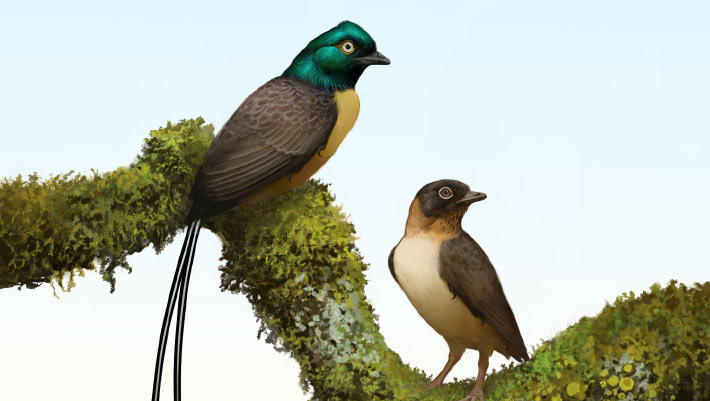
Named Plumadraco bankoorum, the newly-described species of enantiornithine bird lived in what is now northeastern China during the Cretaceous period, roughly 121 million years ago.
The post Cretaceous Bird from China Had Pair of Tail Feathers Twice as Long as Its Body appeared first on Sci.News: Breaking Science News.
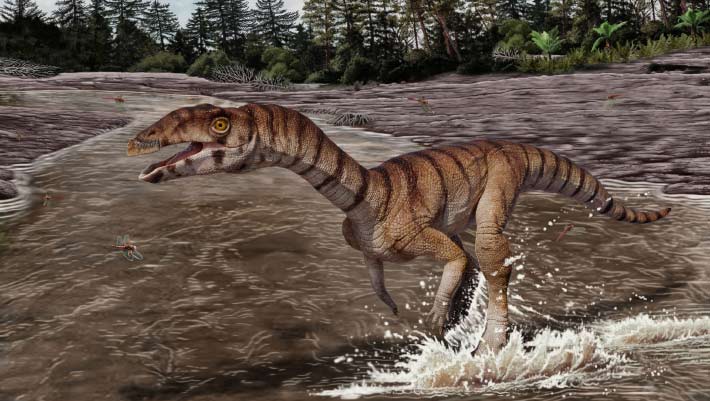
Paleontologists have described a new species of bipedal shuvosaurid archosaur from New Mexico, shedding light on a group of creatures that roamed North America during the Triassic period, more than 200 million years ago.
The post Toothless, Bipedal Crocodile Relative Lived in New Mexico 212 Million Years Ago appeared first on Sci.News: Breaking Science News.
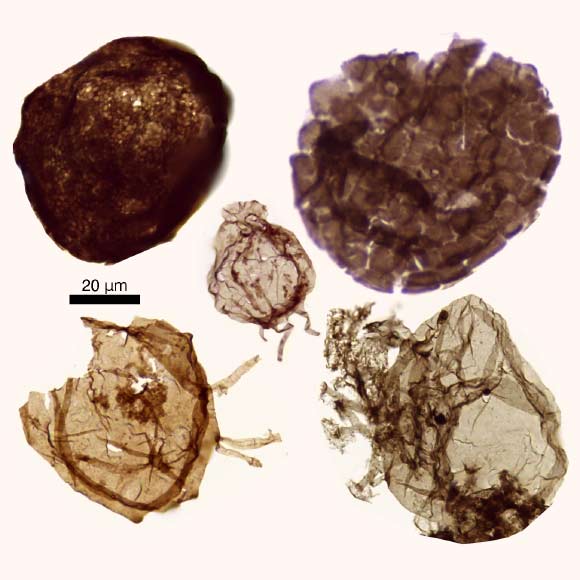
Analyzing 1.75-billion-year-old microfossils from ancient Australian seabeds, paleontologists say ancient eukaryotes -- the ancestors of every plant, animal and fungus -- huddled in oxygenated seafloor patches for over a billion years before breaking free into open water.
The post Study: Early Complex Life Forms Were Bottom-Dwellers appeared first on Sci.News: Breaking Science News.
 Burned fossils reveal a vivid snapshot of early Homo sapiens life.
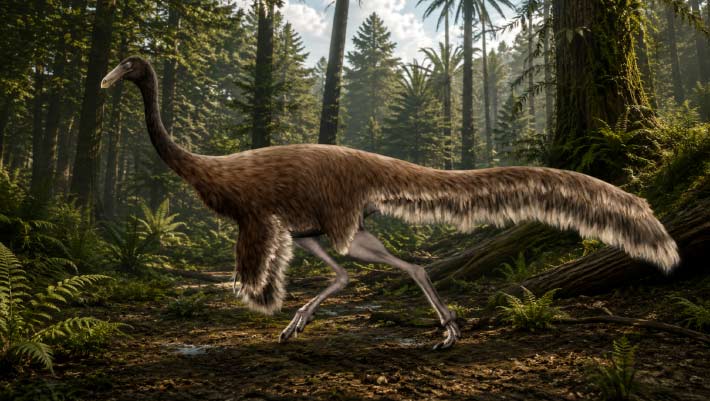
Paleontologists in Canada say they have recovered a dinosaur tail vertebra from 75- to 80-million-year-old marine rocks on a small island off the coast of British Columbia, providing the clearest evidence yet that bird-like ornithomimosaurs once roamed the ancient Pacific coastline of North America.
The post Rare Ostrich-Like Dinosaur Fossil Found on Canadian Island appeared first on Sci.News: Breaking Science News.
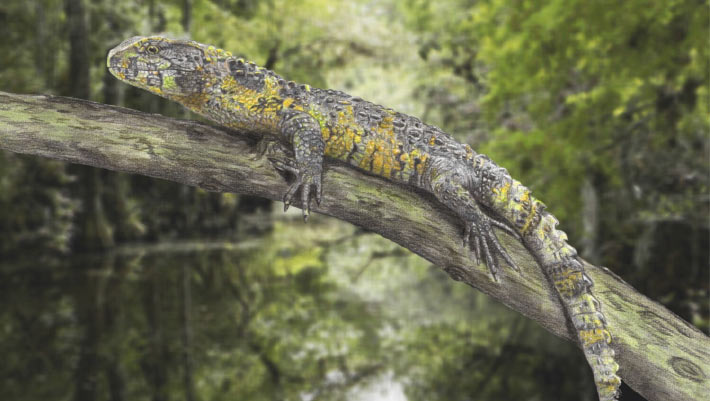
Paleontologists have identified a new genus and species of pan-shinisaur lizard from a partial upper jaw discovered in southern France, pushing the presence of its lineage in Europe back by at least 30 million years.
The post 83-Million-Year-Old Crocodile Lizard Fossil Unearthed in France appeared first on Sci.News: Breaking Science News.
