Reading view

Stress Can Literally Make You Lose Your Direction, According to New MRI Evidence

Confused Businessman Decision ClosePeople under stress may find it harder to orient themselves in space, and researchers in Bochum have identified a possible reason why. The stress hormone cortisol appears to interfere with the brain system that helps people navigate. It weakens the activity of grid cells, which are important for spatial orientation. Researchers at Ruhr University Bochum [...]
  •  

Scientists Uncover a Hidden Alzheimer’s Target and Create the First Tool To Control It

Neurons Damaged by Alzheimer's DiseaseTwo new tool compounds may help scientists study TAOK proteins linked to Alzheimer’s disease and other neurological disorders. Alzheimer’s disease is the leading cause of dementia and affects more than seven million people in the United States. Some treatments can slow the disease, but most address symptoms rather than the root biology, and none can [...]
  •  

Scientists May Have Found a Completely New Way To Treat Depression

Happy Smile Face Depression Breakthrough SuccessScientists may have found a completely new way to treat depression by targeting inflammation instead of brain chemistry. A small clinical trial led by researchers at the University of Bristol suggests that targeting the immune system could help people with depression who do not improve with standard antidepressant medications. The findings, published May 20 in [...]
  •  

Scientists Discover Surprising Similarities Between Freud’s Ideas and Modern Neuroscience

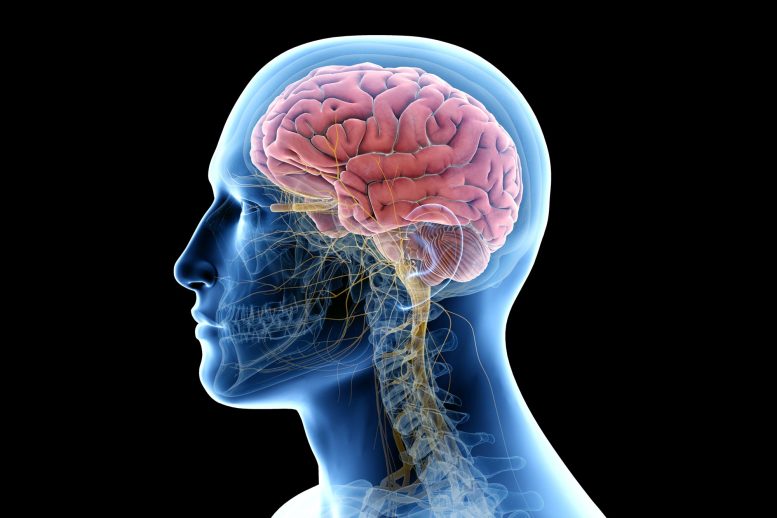
Human Anatomy 3D Brain RenderingResearchers suggest that old psychoanalytic ideas and modern brain science may be describing the same mental processes from different angles. More than a century after Sigmund Freud developed his influential theories of the mind, some researchers believe modern neuroscience may be arriving at surprisingly similar conclusions. A new paper published in the neurocognitive journal Entropy [...]
  •  

New 7-Dimensional Theory May Finally Solve the Black Hole Information Paradox

Astronomy Black Hole Astrophysics ConceptA new theoretical study suggests that black holes may never completely disappear, potentially offering a way to resolve the long-standing black hole information paradox. One of the biggest unsolved problems in modern physics, known as the “black hole information paradox,” may finally have a compelling solution. The proposed answer could also help explain where the [...]
  •  

The Missing Notebooks That Solved a 25-Year-Old Paleontology Mystery

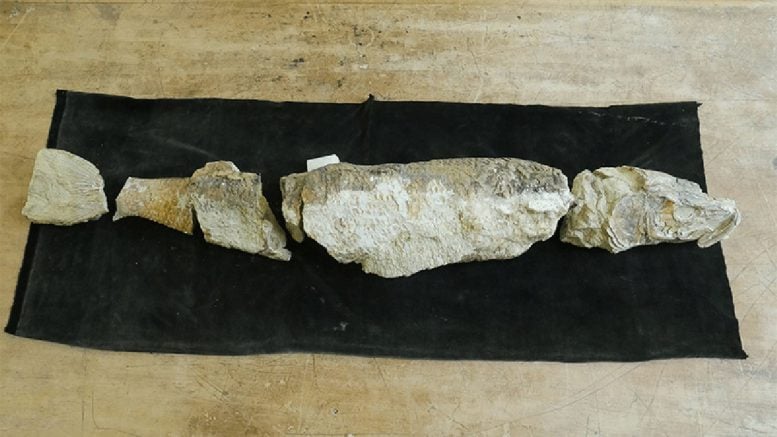
55 Million Year Old Tarpon Fossil FishField notebooks from the late Richard Köhler allowed researchers to finally catalog a remarkable fossil tarpon from Aotearoa New Zealand. Recently disclosed notebooks from a late paleontologist supplied the missing details researchers needed to complete their study of a “remarkable” fossil found nearly 30 years ago. Dr. Richard Köhler discovered the fossil fish in 1999 [...]
  •  

Scientists Discover a Simple Writing Test That May Detect Cognitive Impairment

Elderly Senior Writing Letter PaperA simple writing task may offer clues about aging brains. Researchers found that dictation, in particular, exposed subtle differences linked to cognitive impairment. Handwriting depends on both fine motor skills and complex mental processes, including selecting, organizing, and interpreting sensory information. Because writing places heavy demands on the brain, changes in handwriting may help reveal [...]
  •  

Scientists Made Older Mice Biologically Younger Using Gut Microbes

Medical Hologram Human LiverScientists restored young gut bacteria in aging mice and saw signs of rejuvenation along with complete protection from liver cancer. Returning the gut microbiome to a more youthful state could help slow aging and lower the risk of liver cancer, according to research entitled “Restoration of a youthful gut microbiome reduces liver aging and suppresses [...]
  •  

Scientists Finally Uncover Why Ozempic Stops Working for Some People

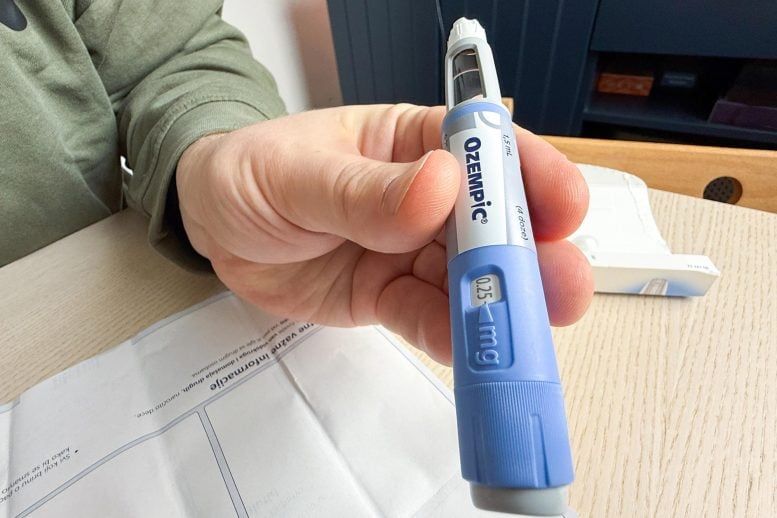
Hand Holding Blue GLP-1 Semaglutide Ozempic Pen Close UpScientists may have found the brain-cell switch that determines how long Ozempic’s weight-loss effects last. Researchers at the National Institutes of Health (NIH) have gained new insight into how GLP-1 receptor agonists such as semaglutide produce their weight-loss effects. While scientists have long known which areas of the brain are involved, much less has been [...]
  •  
❌