Stanford researchers have developed a microscope that can show how nanostructures interact inside living cells at the highest resolution achieved so far. The view into living cells just got better. Stanford researchers have merged two microscopy methods to build a unique instrument that can capture cell structures interacting in real time at an unprecedented resolution [...]
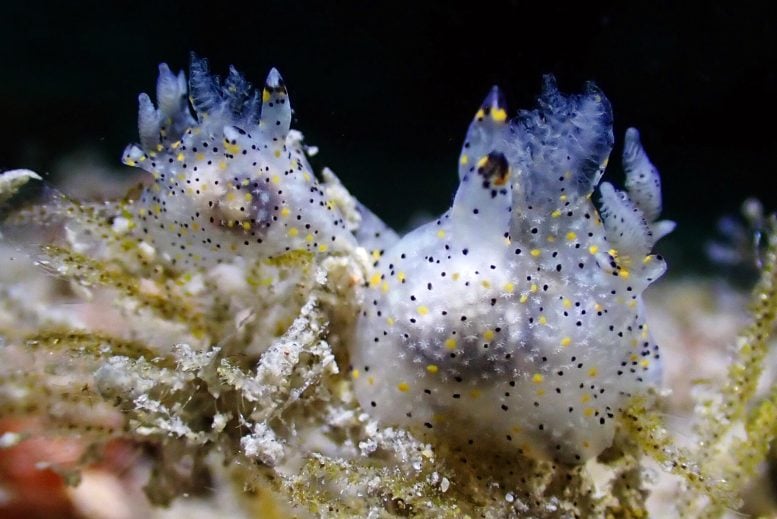
A sesame-seed-sized sea slug discovered in Taiwan is revealing a hidden world of tiny ocean life. A newly identified species of sea slug, so small that it is barely larger than a sesame seed, has been discovered in the coastal waters of Keelung, Taiwan. The tiny marine animal, named Thecacera sesama, features a translucent body [...]
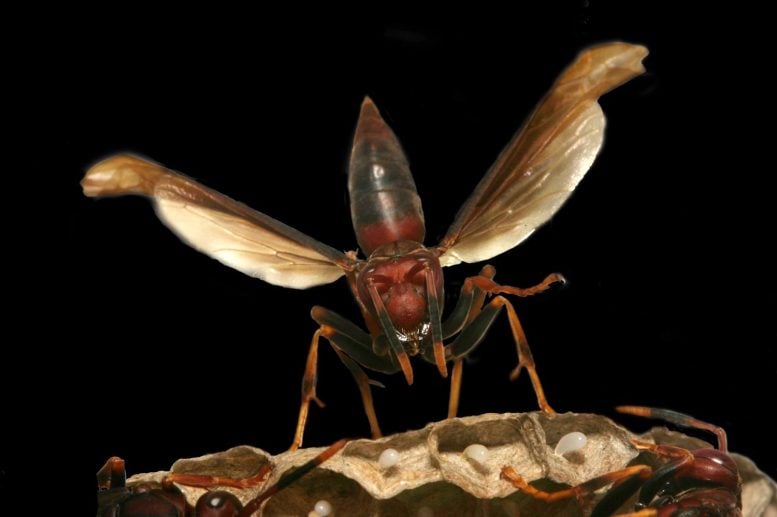
The loss of a queen triggers intense battles for power among female wasps, disrupting the colony’s social structure. Surprisingly, other wasps avoid the fighting and keep the colony functioning by taking care of its most important daily tasks. What happens when a queen suddenly disappears from a wasp colony? According to new research led by [...]
A new evolutionary analysis suggests that modern blood and immune cells may preserve a 700-million-year legacy inherited from ancient single-celled ancestors. Long before humans, dinosaurs, or even fish existed, ancient single-celled organisms may have already carried the genetic blueprint for one of the body’s most important systems: blood. A new study from Kyoto University suggests [...]
Scientists are discovering that some of the cells linked to aging may also be key to staying healthy. A growing body of research is changing how scientists view one of aging biology’s most studied cell types: senescent cells, often called “zombie cells.” While these cells have long been associated with aging and chronic disease, new [...]
Models suggest that impact-ejected material from Earth could reach Venus’ clouds and potentially survive there briefly. Panspermia is the idea that life, or the ingredients needed for life, can move through space on asteroids, comets, and other objects. If life’s building blocks appear on one planet, a powerful impact could blast material from its surface [...]
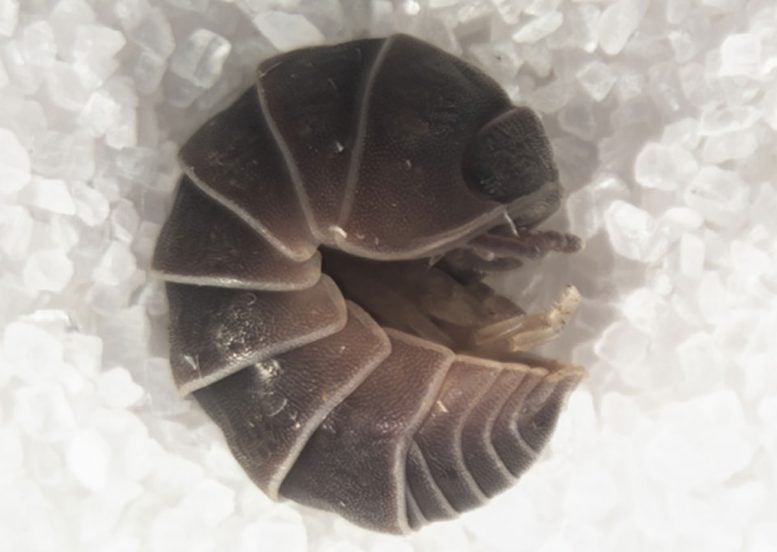
Artificial streetlights can lure isopods into massive circular processions that may leave them vulnerable to predators. Researchers have made a world-first observation of thousands of Israeli isopods leaving their normally solitary shelters and moving together in huge synchronized “death spirals” caused by artificial streetlights. By testing different light arrangements, the team found that vertical beams [...]
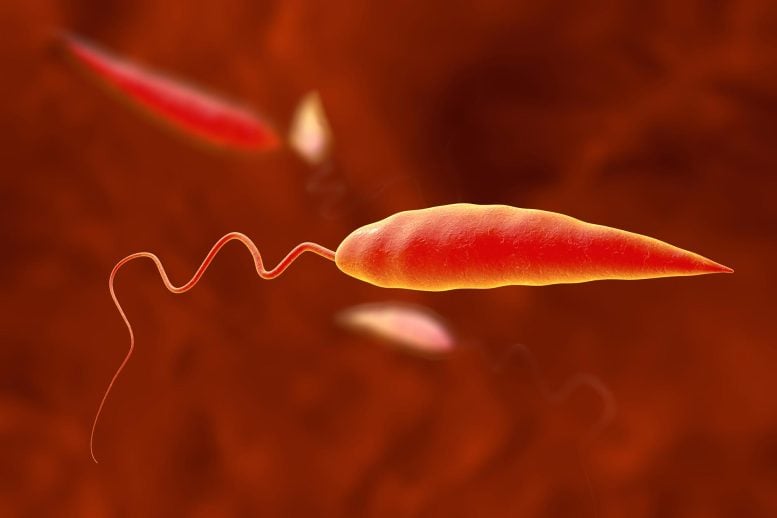
Leishmania parasites appear to evolve through widespread genetic exchange, reshaping assumptions about how they adapt and spread. A parasite long thought to spread mostly by cloning itself may be far more genetically dynamic than scientists once believed. A new international study suggests that Leishmania—a group of microscopic parasites responsible for debilitating tropical diseases—regularly swaps genetic [...]
A remarkable new study of the world’s oldest verified living person reveals a surprising picture of extreme longevity. Maria Branyas lived through two world wars, the 1918 flu pandemic, the Spanish Civil War, and COVID-19. When she died in 2024 at age 117 years and 168 days, she was the oldest verified living person in [...]
Scientists discovered that fog droplets can host living bacteria that grow and help remove harmful pollutants from the atmosphere, revealing fog as a surprisingly active microbial environment. Every breath you take may contain microscopic hitchhikers floating through the atmosphere. Scientists have known for years that bacteria drift through clouds and air currents, but new research [...]
A newly described fossil goose shows that New Zealand’s bird history involved repeated arrivals, extinctions, and rapid island evolution. A rare fossil goose found in the remains of an ancient lake in Central Otago is changing how scientists understand the bird history of Aotearoa New Zealand, according to a researcher at the University of Otago [...]
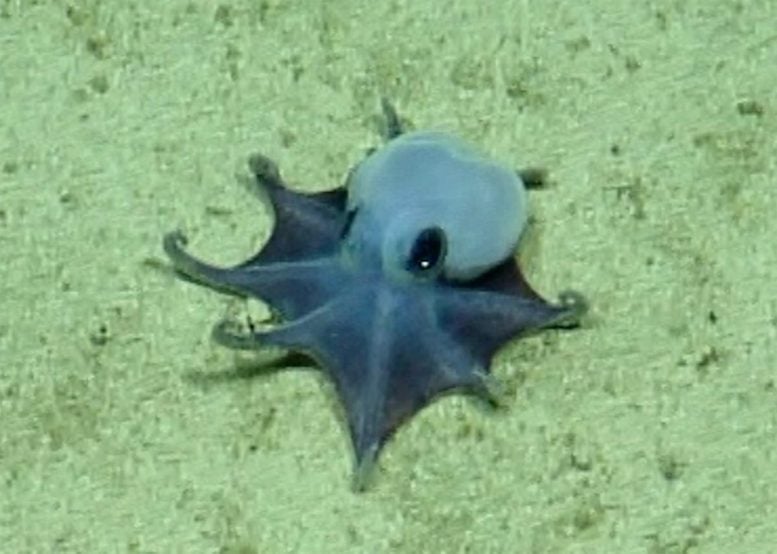
A newly discovered tiny blue octopus from the Galápagos is a striking reminder that the deep ocean still holds countless secrets. The Galápagos Islands, located off the coast of Ecuador, are famous for their remarkable wildlife. More than a thousand species of plants and animals found there exist nowhere else on Earth, including giant tortoises [...]
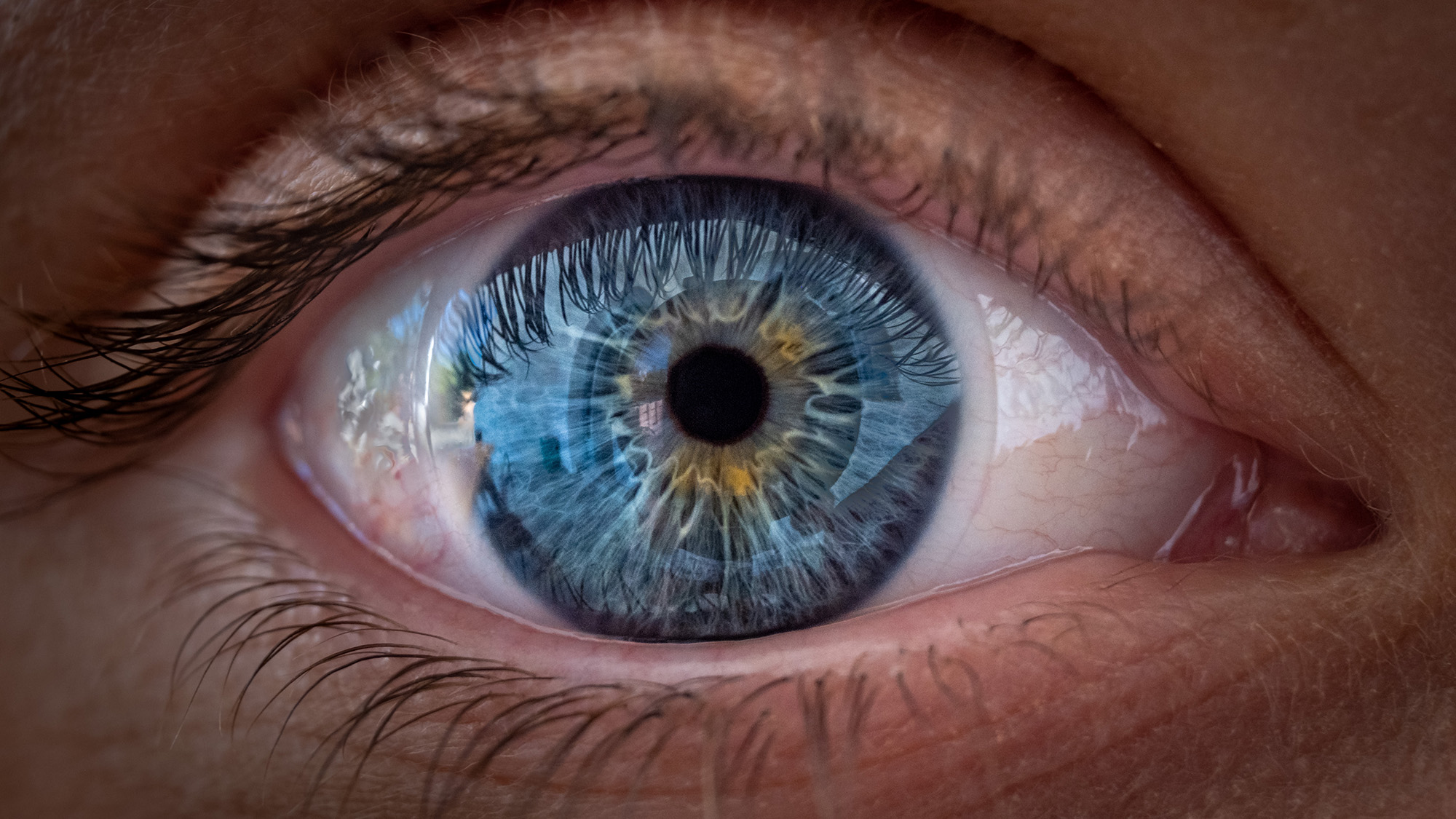
Blue, green, amber: Someone’s eye color immediately attracts our attention. But there’s something unusual about human eyes: We have a large visible area of white that surrounds the iris. Most other mammals have entirely dark eyes with almost indistinguishable pupils. So why are we different? What is the white part of our eyes actually for?
The whites of our eyes help us connect
Scientists paid little attention to that question until 1997, when Shiro Kohshima, a Japanese biologist at Kyoto University, decided to take a closer look. He compared the eyes of nearly half of existing primates and found that only humans had white in their eyes.
His theory was that the white part of the eye (the sclera) helps us communicate because it makes it easier to tell where someone is looking. The contrast between the white sclera and dark pupil makes the outline of the eye more visible. We also have more elongated eyes than other animals, which makes it even easier to tell where someone may be looking.
Following someone’s gaze is surprisingly powerful. It can indicate if they’re telling the truth, draw attention to something, and even help us bond. Language, after all, can be complicated and ambiguous. “It’s important to build up a fast communicative step,” says Fumihiro Kano, a cognitive scientist at Kyushu University in Japan. “White sclera help towards that.”
The cooperative eye hypothesis
In 2007, Michael Tomasello, a psychologist at Duke University, expanded on Kohshima’s earlier ideas to develop the cooperative eye hypothesis. He argued that the white sclera are particularly useful for human collaboration.
For instance, the whites of our eyes help us figure out what someone is focused on. It may even have helped our ancestors hunt together and share resources. Central to his idea was the theory that humans are unusually sensitive to where others are looking.
To test this, he conducted an experiment involving human infants and gorillas, chimpanzees and bonobos. A scientist looked at the ceiling with only his eyes, only his head, or both.
In an experiment, gorillas rely primarily on head movement rather than eye gaze to know where someone is looking. Image: Shutterstock
Human infants primarily followed the eye direction of the scientist. They looked up nearly three times more often when he glanced towards the ceiling using only his eyes than when he just raised his head with his eyes shut.
Apes did the opposite, relying primarily on head movement rather than eye gaze. They looked towards the ceiling roughly 2.5 times more often when the researcher lifted his head but closed his eyes.
Why eye contact is so important for babies
From an early age, humans are particularly sensitive to eye contact. In a study of newborns, within the first five days of their lives, researchers found that babies looked longer at faces whose gaze was directed at them. The ability to actively follow where others look emerges between two and four months, and by eight months it becomes consistent behavior.
“Eye gaze is a natural pointer which makes it easier to understand each other,” says Kano. “If you look at a human infant, then that infant becomes interested in you.”
“The cooperative eye hypothesis taps into the bias of human exceptionalism,” says Perea-García. “That’s why it’s so compelling.” Since Tomasello’s 2007 study that proposed the theory, research has shown there are other primates with white sclera.
Perea-García also points out that, for some people from South Asia, Africa, and Australia, their sclera is not uniformly white but more pigmented. So he argues that it’s not the whiteness of the eyes that’s important for communication, but the contrast between the sclera and the iris. Chimpanzees also have dark sclera with bright irises which could serve a similar purpose.
But this may not be the whole story. While human sclera are not always uniformly white, we tend to show considerably more of the whites of our eyes than most primates and experiments suggest that difference matters.
Kano and his team compared how humans and chimpanzees interpreted images of human and chimp eyes. They found that both species were better able to discriminate gaze direction from humans. They then made both images smaller and darker. Chimp eyes became even harder to read than humans.
Chimpanzees, one of our closest relatives, have almost no white in their eyes. Image: Shutterstock
The team even digitally altered chimpanzee eyes to have white sclera and found that gaze discrimination immediately improved.
“Our work suggests that gaze visibility depends not only on iris-sclera contrast, but also on the visibility of the overall eye outline,” Kano says. In other words, it’s not just about how well the iris stands out. The white sclera makes the whole shape of the eye more visible against the face, something that’s difficult to discern in the dark eyes of chimpanzees. It’s these features working together that seems to make it easier to follow our gaze direction in poor visibility conditions.
The whites of our eyes also indicate health and age
White eyes may also have another purpose: They make it easier to notice changes in eye color which can indicate significant information about health or age.
As we get older, the whites of the eyes gradually become more yellow or red because of fatty deposits and more blood vessels around our eyes. This shift can occur more rapidly with poor health or diet.
However, if the sclera suddenly changes color, it can signal more serious health problems. Severe yellowing is closely related with jaundice, a failure of the liver to filter blood properly, while acute reddening may indicate an eye infection. A yellow or red sclera also affects how healthy others think you are.
Researchers tested this by digitally manipulating pictures of eyes to be more red or yellow. Individuals with yellow or red eyes were seen as less healthy, older, and less attractive. It’s an immediate frame of reference that shows how much information we get from our eyes.
So, next time you catch the eye of someone across the room and smile, take a second to appreciate the importance of the white in their eyes. Without it, that connection might never have happened.
In Ask Us Anything, Popular Science answers your most outlandish, mind-burning questions, from the everyday things you’ve always wondered to the bizarre things you never thought to ask. Have something you’ve always wanted to know? Ask us.
Routine checkups for humans are usually straightforward. The doctor tells you what to do, and unless you’re a squirming baby or terrified of needles, you pretty much follow instructions.
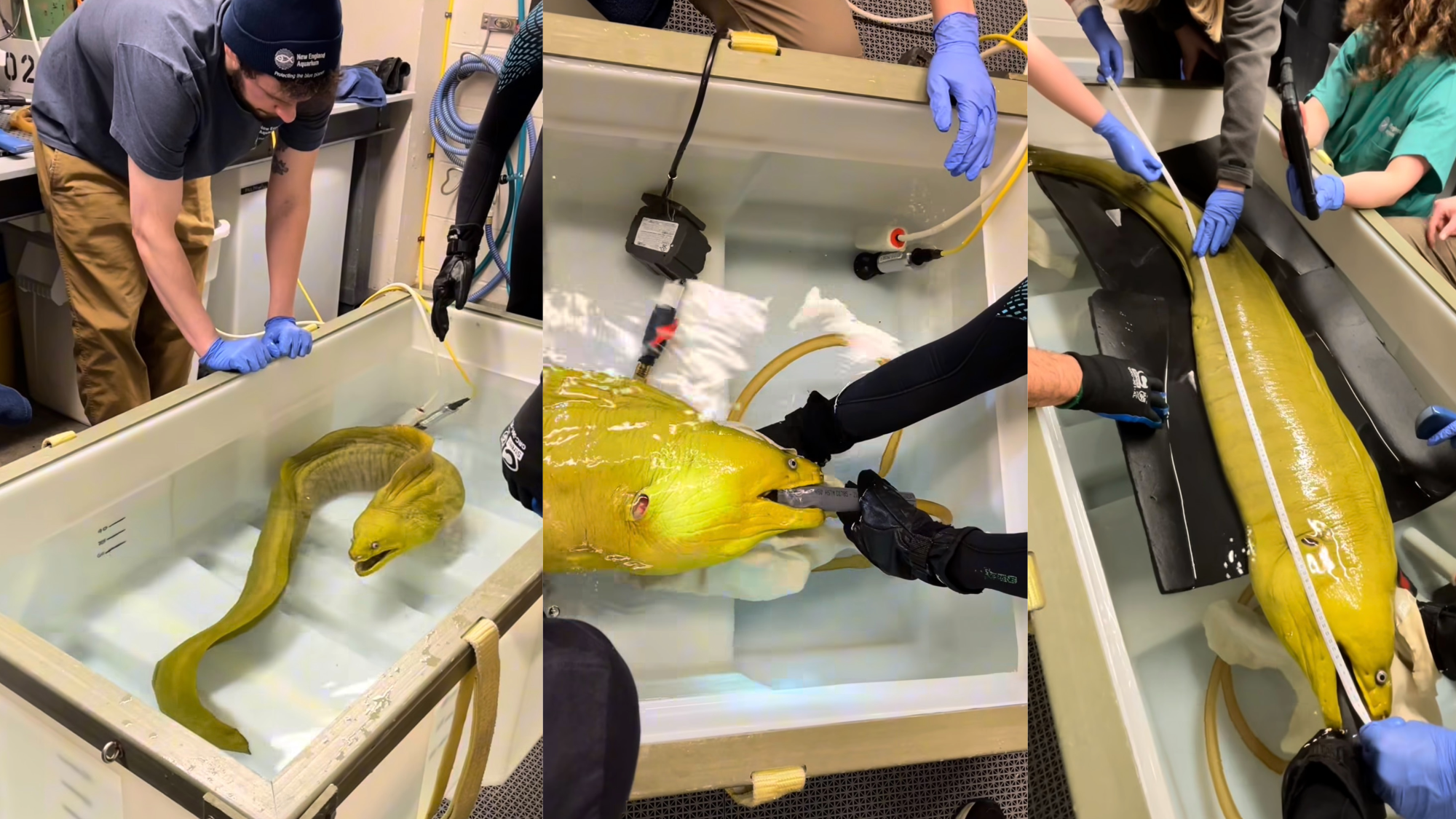
But what happens when the patient is a giant yellow-orange eel with sharp teeth? Things get a bit slippery. At the New England Aquarium, experts need to follow a complicated process in order to get Thomas, a green moray eel (Gymnothorax funebris), ready for his yearly checkup.
The first step consists of retrieving Thomas from the aquarium’s giant ocean tank. Divers get him into a plastic barrel.Thomas and the barrel are then submerged into a different water tank with powdered anesthetic water, Melissa Joblon, New England Aquarium’s director of animal health, tells Popular Science.
“We have to be really cautious to make sure that he’s fully anesthetized before we handle him because they can be dangerous,” she adds, “and they’re very slippery and can kind of slither away if we’re not really careful.”
Once Thomas is essentially knocked out, the team lifts him from his sedation bin and onto a rack. They then flush water—with more of the anesthesia agent—which allows him to continue breathing.
The medical exam is preventative care, meaning the team is on the lookout for any health issues to catch them before they become serious. The session includes a physical exam, bloodwork, a full ultrasound, and an electrocardiogram. The team is essentially investigating the eel’s outsides and insides.
“We do full routine annual exams on the majority of the animals that live at the aquarium, similar to bringing your cat or dog to a vet once a year,” Joblon explains.
Thomas is probably 18 to 21 years old, but he was a juvenile when the New England Aquarium took him in. A pet owner donated him after wisely deciding that they couldn’t care for the eel anymore—Thomas was becoming too big. Green moray eels are, after all, among the largest morays—they can be eight feet long.
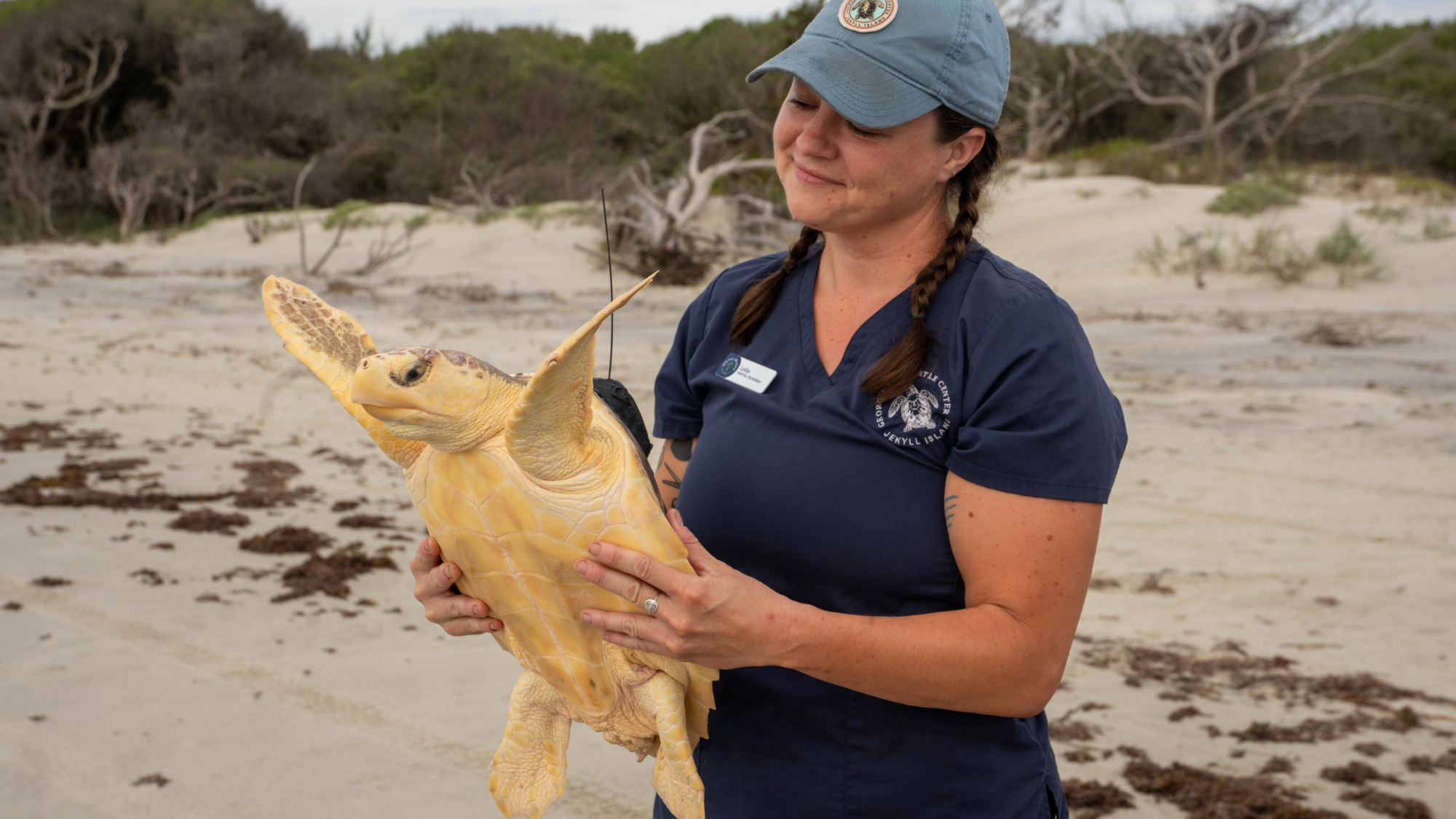
A unique turtle is officially getting a second chance at life in the big blue. Last month we reported on a special resident at the Georgia Sea Turtle Center in Jekyll Island, Georgia: a first-generation hybrid sea turtle, the child of a Loggerhead sea turtle father (Caretta caretta) and a Kemp’s ridley sea turtle (Lepidochelys kempii) mother. Nicknamed Earl Grey, the reptile-turned-celebrity has returned to the wild.
This Hannah Montana of turtles was slated to be released on Wednesday, but on Tuesday the Georgia Sea Turtle Center announced a change of plans because of “some unexpected pre-release complications.” Luckily, these complications must have been resolved. He was sent on his way Thursday morning, only one a day behind schedule.
“Yesterday evening, veterinarians at the Georgia Sea Turtle Center determined that the best course of action for Earl Grey’s well-being and successful transition back into the ocean was to conduct a private release,” according to a George Sea Turtle Center spokesperson.
The turtle was rescued from a beach in Brewster, Massachusetts, where it was stranded and cold-stunned. The turtle’s mixed background was revealed by genetic testing after the Loggerhead ridley (or Kemp’s Loggerhead?) arrived at the turtle center. Hybrid animals are natural, but we don’t know how many wild hybrid sea turtles there are. Most hybrid animals are only confirmed with genetic testing.
Earl Grey on his way to the beach for release. Image: Jekyll Island Authority.
“From an evolutionary perspective, hybridization could be one of many ways genetic diversity is introduced into a population,” Jaynie L. Gaskin, Georgia Sea Turtle Center director, told Popular Science in April. “We encourage other rehabilitation facilities to consider genetic testing for any suspected hybrid sea turtles, as there may be more individuals than we currently realize!”
In a Facebook video, the turtle center highlights the traits that the rare hybrid sea turtle inherited from each species, including a hook-shaped beak of a Kemp’s ridley (the mother) and the colors of a Loggerhead (the father). A combination of, in their words, the “best of both worlds.” .
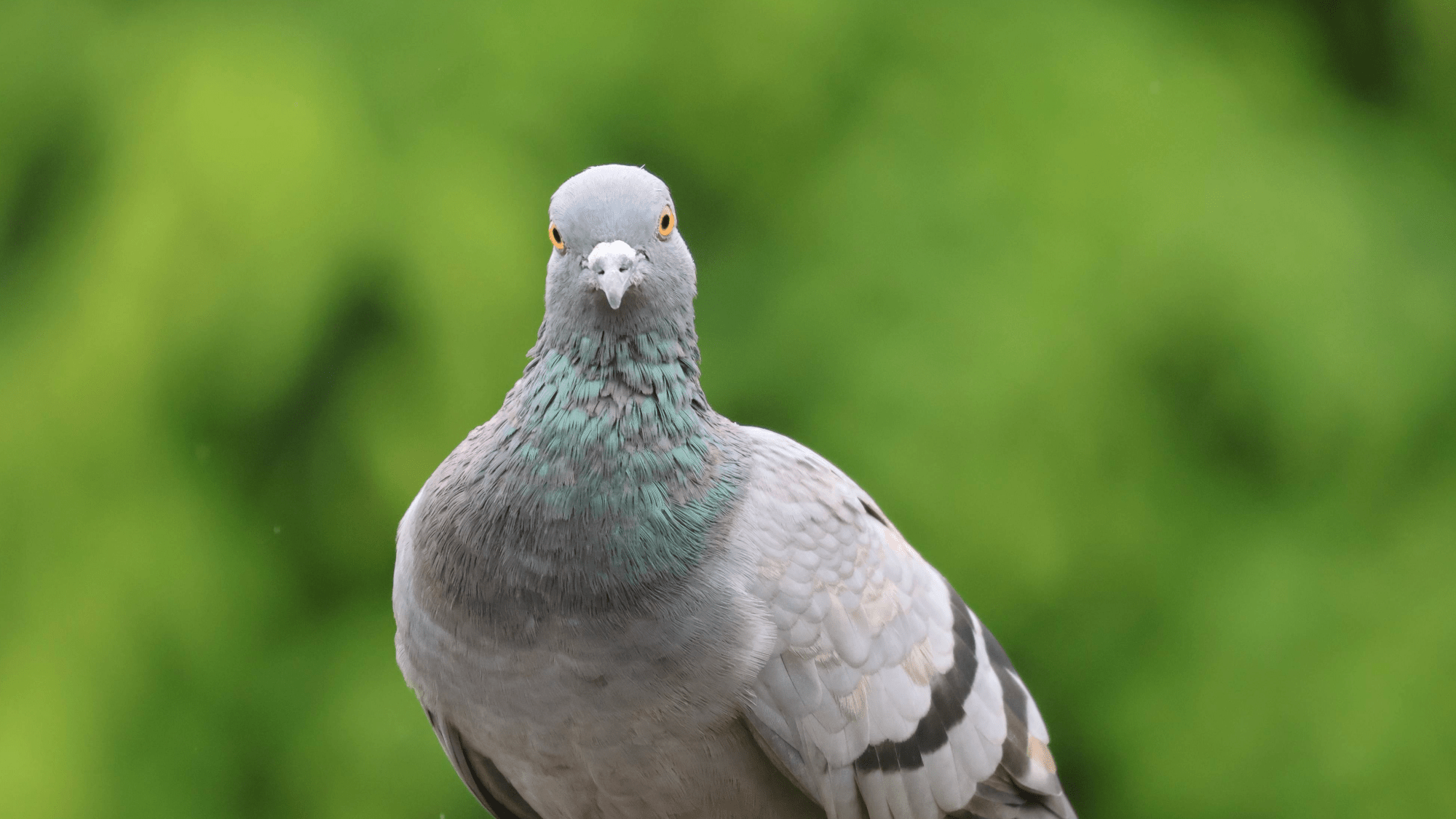
For decades, scientists have known that Earth’s magnetic field helps migratory birds and homing pigeons navigate. Just how our feathered friends sense the invisible sphere around the Earth, however, has been less clear.
At least part of the answer appears to be hiding inside a seemingly random organ. Immune cells inside pigeon livers called macrophages are sensitive to the planet’s magnetic field. These cells function like an internal compass, according to a new study published today in the journal Science.
Macrophages destroy old red blood cells, which makes them accumulate iron. The iron makes the macrophages superparamagnetic, a kind of magnetism that takes place in particular nanoparticles. The nanoparticles can then be magnetized if a magnetic field is applied to them.
“When pigeons fly, the nanoparticles align with the magnetic field and become ‘magnetized,’” Clivia Lisowski, a co-author of the study and a post-doctoral researcher in Immunology at the University of Bonn, tells Popular Science. “Like that, pigeons can sense Earth’s magnetic field.”
Electron microscopy image of pigeon liver tissue shows hepatic macrophage (blue) in contact with nerve fiber (yellow), which enables them to transmit (“magnetic”) information to the pigeon brain. Image: Lisowski et al. (2026) Science.
To understand how these particles help the pigeons navigate, Lisowski and her team tracked down where magnetic cells are in pigeons’ bodies. Because the liver and spleen store significant quantities of iron, researchers thought these might be good candidate organs. The liver had a significantly stronger magnetic response than any of the other tissues in the study, according to study co-author Ulf Wiedwald, an expert in nanoscience at the University of Duisburg-Essen in Germany,
From there they homed in on macrophages, and put these important immune cells to the test. They studied pigeons that were trained to fly back to their aviary in Konstanz, Germany, from over 12.4 miles away. Pigeons whose macrophages had been removed got lost when the weather was overcast. But when the sun was out, the pigeons reached the aviary, probably with the aid of solar cues.
The findings show how the birds employ magnetic sensing to find their way, as well as the sun’s orientation.
“Our study has implications for both the immune research landscape as well as for research on animal navigation or magnetoreception, respectively. For animal navigation it’s a new concept of how animals sense/perceive Earth’s magnetic field,” Lisowski says. “We think that this ferrimagnetic mechanism can actually explain how birds migrating at night, or sharks or bats or other animals migrating in dark environments can perceive Earth´s magnetic field.”
The team also found that the iron-rich macrophages are close to nerve fibers, indicating that magnetic information can get to the brain via this route. Ultimately, this shows how important interdisciplinary research, involving immunologists, behavioral biologists, and physicists, carries significance for more than just birds.
As for the immune system, Lisowski explains that to accomplish its different fuctions—such as defending our bodies from pathogens and healing wounds—it has to sense the environment.
“Our finding that the immune system can also sense the Earth´s magnetic field is a complete new layer in this concept of ‘immuno-sensation’ and opens the door to new research,” Lisowski explains.
Sunburn and mosquito bites go together in the summer like a hot dog and ketchup. To keep from becoming a mosquito buffet, most of us turn to bug sprays with DEET. An acronym built from its scientific identification (diethyltoluamide), DEET was developed for the United States Army in 1946 and entered civilian use in 1957. It is generally considered safe when used as directed.
However, mosquitoes can learn to associate the repellant with food. They may even become attracted to it. The findings are detailed in a study published today in the Journal of Experimental Biology.
“If someone applies DEET and the concentration fades over time, but a mosquito still manages to feed, the insect may begin associating that smell with a reward,” Clément Vinauger, a study co-author and biochemist at Virginia Tech, said in a statement. “That’s a possibility we should take seriously when we think about how repellents are used in the real world.”
Ace processors
Like it or not, Earth’s over 3,500 known mosquito species are pretty smart and an evolutionary wonder. They use sensory information to find hosts and can adapt to changing environments.
“Mosquitoes are remarkable at processing information about their environment,” Vinauger said. “What we are trying to understand is not only how they detect us, but how their brains interpret those cues and turn them into behavior.”
A DEET-covered dinner bell?
In this new study, the team focused on the yellow fever mosquito (Aedes aegypti). This species spreads several diseases to tens of millions of people each year, including dengue fever, Zika, yellow fever, and chikungunya.
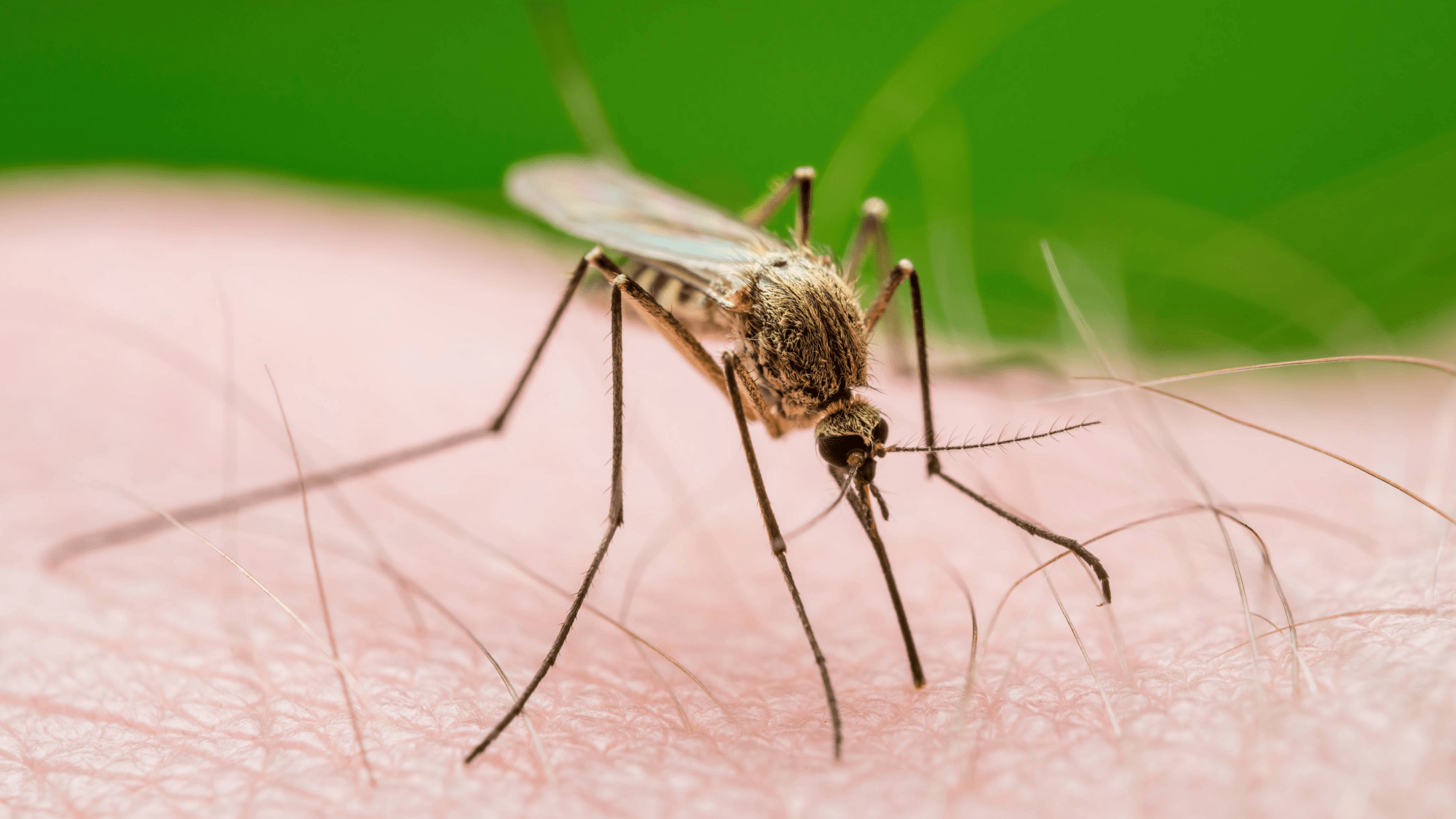
The mosquitoes were restrained behind a piece of fabric mesh. They then offered the mosquitoes a bag of warm blood (yum) that was just out of the insects’ reach to see how enthusiastically the insects stabbed at it with their proboscises. As expected, the mosquitoes were interested in the blood, particularly when the team rewarded them by lowering the bag within reach. Things changed a bit once DEET entered the experiment. When the team offered the insects blood when surrounded by the scent of DEET, they initially stayed away from the potential feast.
A female yellow fever mosquito (Aedes aegypti), feeding on a bag of warm blood. Image: Romina Barrozo.
To see if they could be trained to associate that smell with the dinner bell, the team fed the mosquitoes warm blood for 20 seconds, squirting the scent of DEET into the enclosure in the final 10 seconds of dining. They repeated the procedure three more times before noting how the mosquitoes responded to only the scent of DEET. In this trial, over 60 percent of mosquitoes tried to bite when they smelled DEET.
To examine further, the mosquitoes were given a choice between two human hands. The hand belonged to study co-author Ayelén Nally of the University of Buenos Aires. One of Nally’s hands was coated with DEET at normal concentrations and the other was bare. The untrained mosquitoes avoided the DEET-treated hand, while the trained mosquitoes were drawn to it.
Interestingly, the mosquitoes could form that same association when sugar, instead of blood, was used as the reward.
According to the team, they are seeing how the mosquito’s brain can rewrite its response based on their experiences. What they have learned matters just as much as what a chemical like DEET does.
“If mosquitoes are repeatedly exposed to DEET, it becomes less effective as a repellent,” study co-author Claudio Lazzari from University of Tours in France added.
Keep the bug spray
Importantly, this does not mean you should stop using DEET completely. It is still one of the most effective ways to keep the dangerous insects away, particularly where mosquito-borne disease is common.
“If you’re in tropical regions where disease risk is real, you should use it,” Vinauger said. “Instead of applying a lot at once, you may want to reapply regularly so it’s always active and providing continuous protection.”
Treated clothing may also be a challenge since DEET concentrations in fabric decline over time. Additional study to understand their behavior is crucial for public health as mosquito-borne illnesses increase due to climate change.
“We need to understand how mosquitoes keep outsmarting our control strategies,” Vinauger concluded. “And that takes understanding how they work—at the molecular level, the neural level, the behavioral level.”
On April 21, a baby horse was born at the Wildlife Conservation Society’s Bronx Zoo in New York City. But it wasn’t just any foal that came into the world—this newest resident of the Big Apple is a Przewalski’s horse (Equus ferus przewalskii), an endangered species that has been pulled back from the brink of extinction.
Przewalski’s horses look more like a mule than your average horse. For starters, their mane sticks up straight into the air and they don’t have a forelock (horse bangs, basically). Przewalski’s horses are also short, light brown, and—excuse the necessary slang—exceptionally chonky. They also have a really thick neck.
They are also referred to as the Mongolian wild horse, and they are the only truly wild horse species left, according to the International Union for Conservation of Nature (IUCN). Though the species used to exist across Asia and Europe, their numbers plummeted so much that at one point they were deemed Extinct in the Wild.
“The Bronx Zoo has played a pivotal role in the conservation of Przewalski’s horse,” the Bronx Zoo wrote in a statement announcing the birth. “Through breeding programs aimed at maintaining a genetically diverse population of the species and through reintroduction efforts, zoo-bred Przewalski’s horses were successfully returned to their native grasslands in China in 1989 and in Mongolia beginning in 1992.”
Przewalski’s horses now live in Mongolia, China, and Kazakhstan, as well as in zoos. Rather shockingly, the entire extant population (which researchers estimate is less than 2,000 individuals) descends from only 12 horses.
In Mongolia, the Wildlife Conservation Society supports Protected Areas with wild horses. As for the Bronx Zoo, the foal is part of a herd. Visitors can see it from the Wild Asia Monorail, where the adorable baby is sure to develop a colt (young male horse) following.
Previously, we reported on the birth of a baby western lowland gorilla (Gorilla gorilla gorilla) at Seattle’s Woodland Park Zoo on May 18. His mother Jamani was one of two pregnant western lowland gorillas bearing children from the same father, a silverback gorilla named Nadaya. Since Olympia was due around the same time, we spent the long weekend waiting anxiously for news.
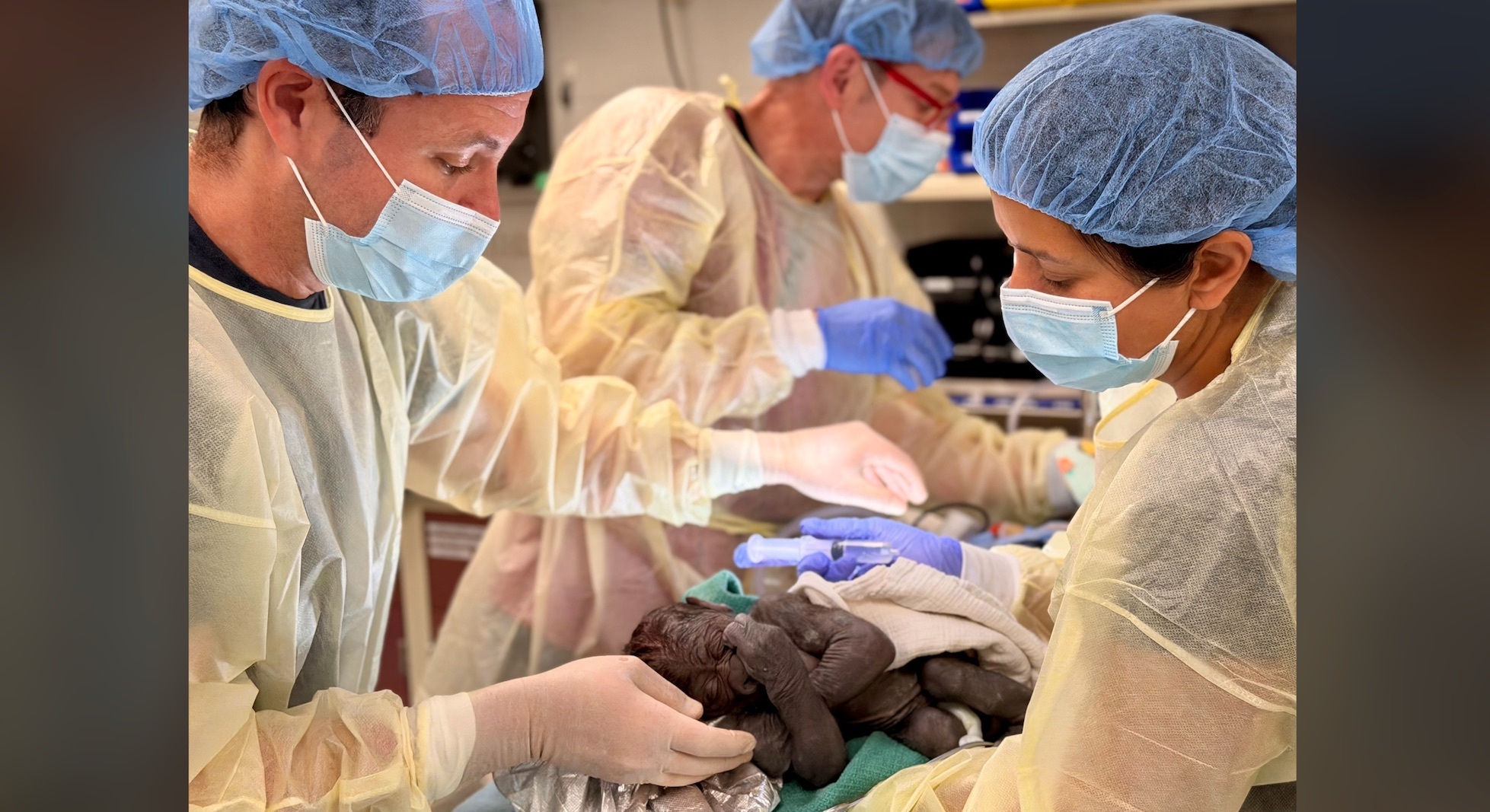
The Woodland Park Zoo’s announcement arrived last night. The baby was born on May 24—five dates past the due date. To bring her baby into the world, the medical team that usually works on humans performed an emergency C-section on Olympia. The procedure is incredibly rare for gorillas, with less than a dozen recorded gorilla C-sections.
“Over the weekend, the decision to proceed with emergency delivery was due to low fluid and intermittent low baby heart rate (found by us with the Butterfly) and critical behavioral information from the keepers team that suggested delayed/paused labor, with confirmation of ruptured membranes (bag of water) by the Team Gorilla OB physicians,” Sachita Shah, emergency physician and VP of Global Health at medical equipment manufacturer Butterfly Network, tells Popular Science. In a previous interview, Shah said that ultrasounds of gorilla fetuses look very similar to ultrasounds of human fetuses.
Butterfly is an all-in-one ultrasound probe that the gorilla care team has been using to monitor the pregnancies. Once the baby came out, “I used The Butterfly throughout the neonatal resuscitation to keep a close eye on the baby’s heart rate as our vital sign so we were able to ensure the safe point to transition from neonatal resuscitation to post natal care,” Shah adds.
Olympia, seen in her habitat prior to her pregnancy. Image: Jeremy Dwyer-Lindgren/Woodland Park Zoo.
Whether for humans or gorillas, a C-section is a major operation, and Olympia rested without the baby for the first night after the birth. But the newborn wasn’t far away—a gorilla keeper and veterinary technician took care of the baby in a den next to Olympia’s, so she was able to see, hear, and smell it. Both Olympia and the baby boy are now back with their gorilla troop, though Jamani is taking care of Olympia’s newborn as well as her own baby boy.
“So far Olympia’s baby is doing well and maintaining a healthy body temperature. While Olympia recovers from the C-section, our plan is to allow Jamani to continue caring for Olympia’s son while also caring for her own son as long as both infants remain healthy, which is our priority,” Martin Ramirez, Curator of Mammalogy at Woodland Park Zoo, explained in a blog post. “Once Olympia shows signs of being ready for her baby, we’ll move forward with plans to reunite them.”
It remains to be seen what the mother-son duo will look like. However, western lowland gorillas are critically endangered, so the important thing is that both remain healthy.
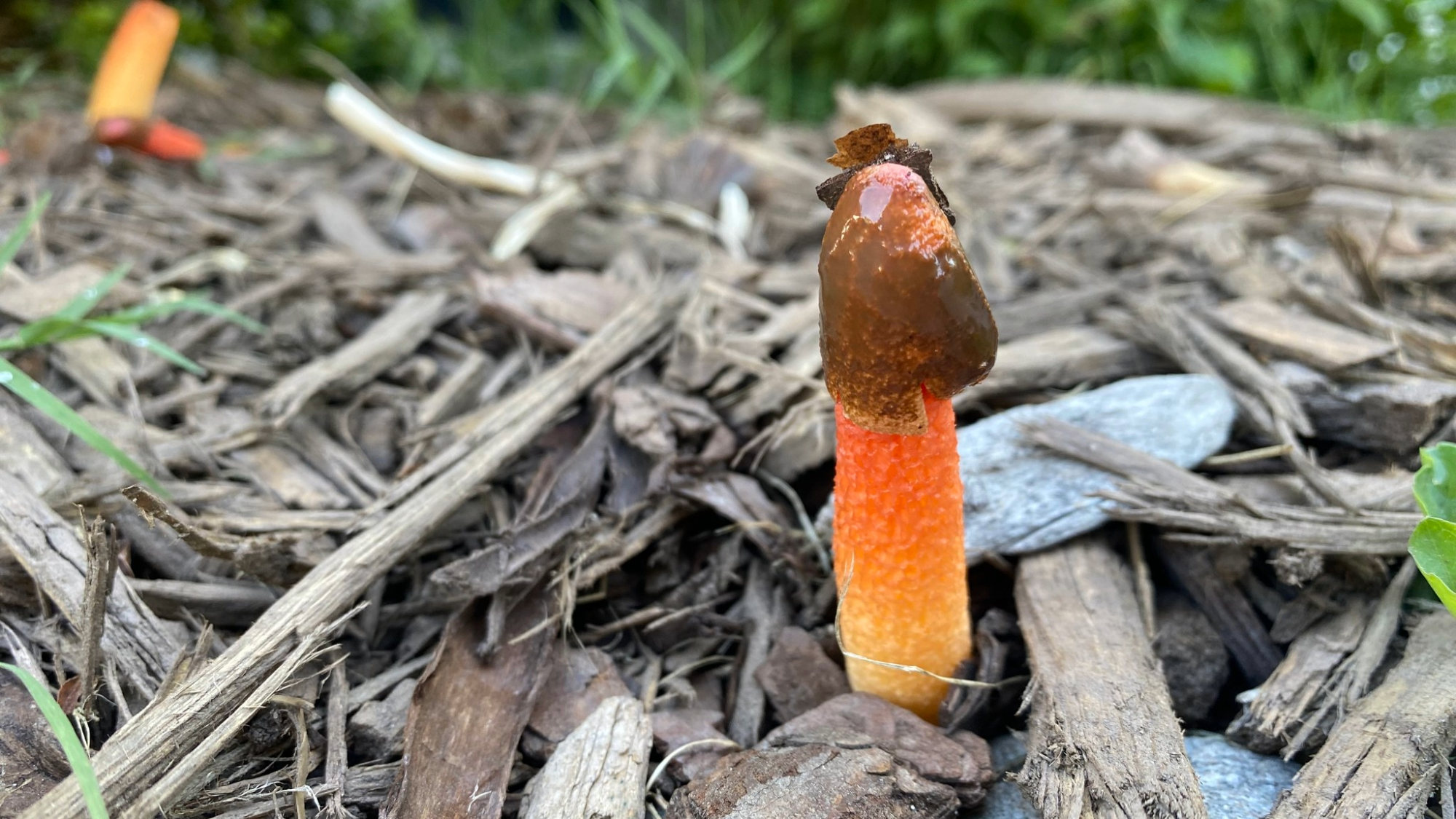
Animals are not the only stinky living things on this planet. The putrid corpse flower blooms with the stench of rotting flesh, as does the lesser-known (but equally pungent) Bulbophyllum phalaenopsis. Then there is the elegant stinkhorn (Mutinus elegans), a fungus known for its phallic appearance and spores that give off the odor of rotting meat.
Also called the devil’s dipstick, elegant stinkhorns are found across most of eastern North America, particularly from spring to the earliest days of winter. It has also been found in parts of Europe and Asia. They typically prefer temperate climates and looser soils, springing up in gardens, mulch beds, forests, and wood debris during warm and wet weather. They can grow to about four to six inches tall, and a mature mushroom will only last a day or two before subsiding.
The sticky (and stinky) brown spore substance attracts insects to help the fungi spread. Image: Tina Shaw/USFWS.
All of that stench comes from the dark and slimy coating on the mushroom’s tip called the gleba, and it serves an important purpose. The fungi uses this dark and stinky spore mass to get the flies and other insects buzzing. Once they get a whiff of that rotten flesh smell, they will land on the stinkhorn and get covered in spores. As the bugs fly away, they spread the stinkhorn’s spores far and wide, so that more stinkhorn can pop up elsewhere.
During the Victorian era, their penis-like appearance was reportedly distressing to some ladies. According to one story, naturalist Charles Darwin’s daughter Henrietta (or Etty), was openly combative towards the elegant stinkhorn. She would roam the woods armed with a spear, following her nose to the offensive mushrooms. Her niece recalled that Etty would find the fungi and “poke his putrid carcass into her basket.” After cleansing the territory, Etty would then secretly burn it to protect “the morals of the maids.”
Henrietta “Etty” Darwin (1843-1927) was the eldest of Charles Darwin’s daughters to reach adulthood. Image: Cambridge University Library.
If you encounter this bizarre fungus in the wild like Etty Darwin, don’t worry. Beyond offending your nostrils, it is not poisonous or dangerous to your health. But you still probably shouldn’t eat it anyway.

 Login
Login

 Stanford researchers have developed a microscope that can show how nanostructures interact inside living cells at the highest resolution achieved so far. The view into living cells just got better. Stanford researchers have merged two microscopy methods to build a unique instrument that can capture cell structures interacting in real time at an unprecedented resolution [...]