Artificial streetlights can lure isopods into massive circular processions that may leave them vulnerable to predators. Researchers have made a world-first observation of thousands of Israeli isopods leaving their normally solitary shelters and moving together in huge synchronized “death spirals” caused by artificial streetlights. By testing different light arrangements, the team found that vertical beams [...]
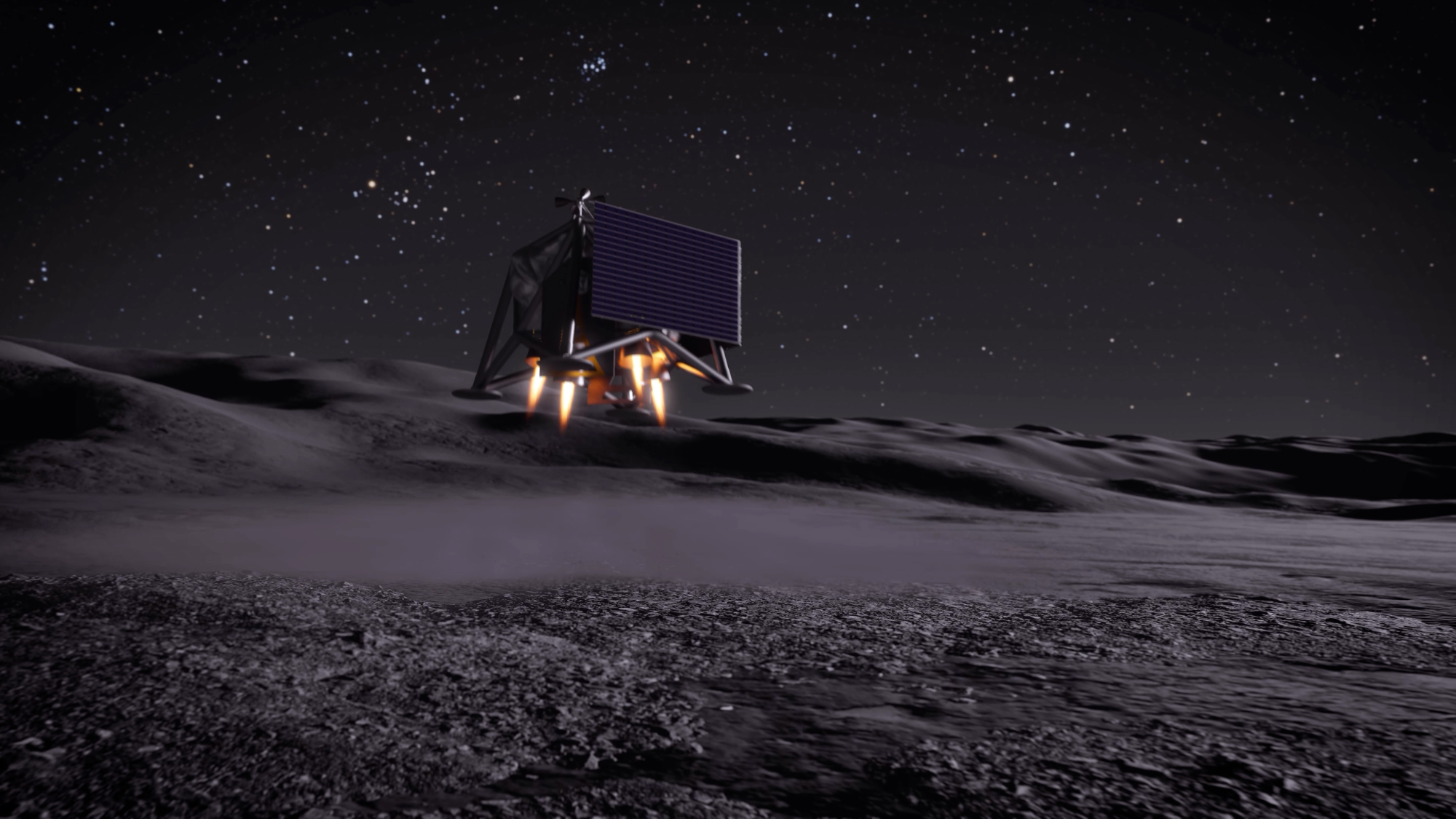
As NASA looks ahead towards Artemis III in mid-2027, the agency is sharing new details on several projects, including a future permanent moon base and a drone mission called MoonFall. The mission will send four drones to survey the surface of the moon’s South Pole to spot potential landing sites for future Artemis astronauts.
According to the update, the Jet Propulsion Laboratory (JPL) in Southern California has been developing the drone design and testing prototype hardware ahead of the scheduled 2028 launch. Each drone will land on the moon’s surface and gather high-resolution imagery of the terrain over the course of a single lunar day (up to 14 Earth days). After each drone’s last flight, its survive-the-night payload will continue to work for several months. Payloads that are designed to survive-the-night can endure the sub-zero temperatures of the lunar night, which can get as cold as -208 degrees Fahrenheit.
Each of the four drones should weigh about 550 pounds, and stand at four-feet tall and seven feet in diameter. They will use a Lunar Dashcam imaging system to create maps of the terrain. The drones will also be equipped with a laser retroflector array so that mission control can precisely locate the drones, a neutron spectrometer system to help determine how much (if any) subsurface water is present, and a spectrometer to measure radiation.
Texas-based Firefly Aerospace was selected to build the spacecraft that will transport the drones. Firefly’s Elytra spacecraft will carry the drones for a 45-day transit from the Earth to the moon. After entering lunar orbit, it will deorbit and perform a braking maneuver to send out the drones roughly 31 miles above the lunar South Pole.
No stranger to lunar exploration, Firefly Aerospace’s Blue Ghost lander became the first commercially built lander to reach the lunar surface in March 2025. While on the moon, Blue Ghost delivered 10 NASA instruments designed to gather lunar subsurface data and also snapped some beautiful images of a solar eclipse.
As of now, NASA and 66 other nations have signed the Artemis Accords. While not an international treaty, the Artemis Accords is an agreement for high-level principles of space exploration and provides a basic legal framework for exploring and developing the lunar surface during this century. However, the NASA-led Artemis group is in direct competition with an initiative led by China to explore the lunar South Pole and potentially extract its resources.
In the 1960s, two organizations were formed for cooperation around a European presence in space: the European Space Research Organization, which focused on scientific research, and the European Launcher Development Organization, which concentrated on engineering launch systems. By the end of the decade, however, dissatisfaction was growing with this split structure, and in 1968, theContinue reading "May 31, 1975: ESA begins operations"
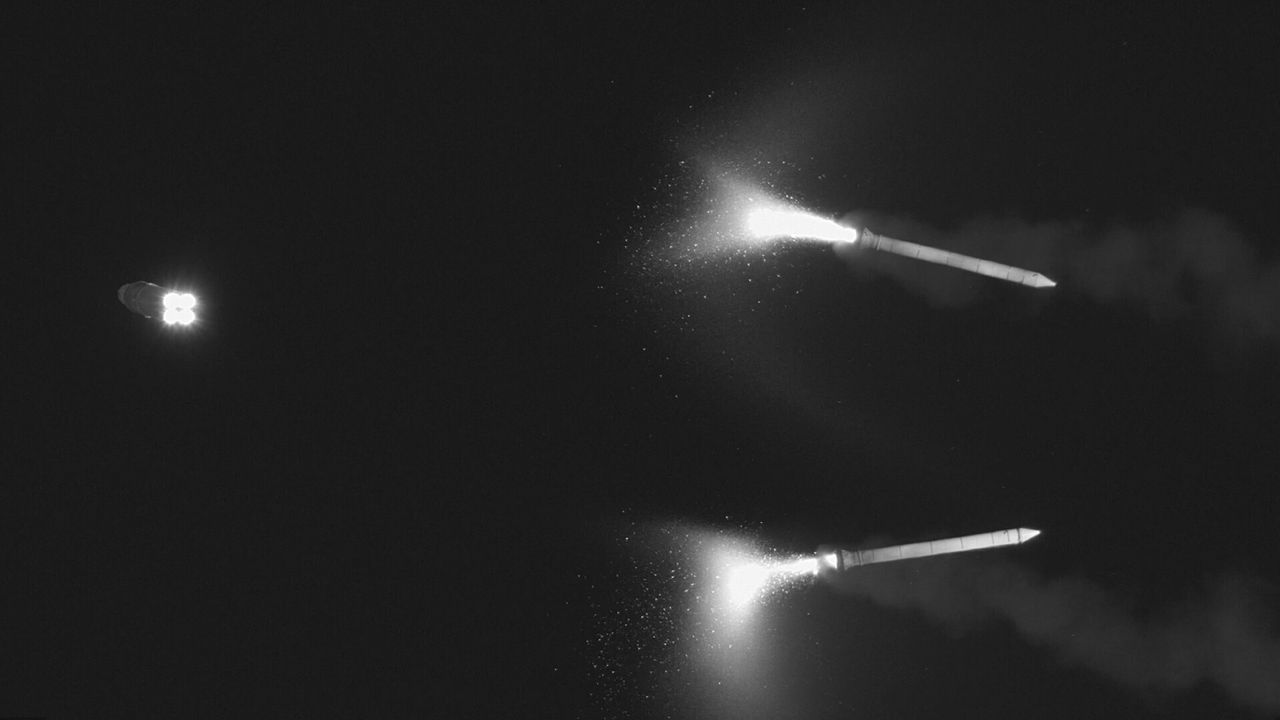
After completing what it said was a “thorough assessment,” the FAA on Wednesday ordered SpaceX to investigate anomalies that its Super Heavy booster experienced during the 12th test flight of its behemoth Starship rocket. The aviation regulator on Tuesday was ambiguous about whether an investigation would be required into Starship Flight 12, which launched Friday evening fromContinue reading "FAA grounds SpaceX Starship after V3 debut"
Ahead of what observers anticipate will be the largest initial public offering (IPO) in history, SpaceX debuted its largest rocket yet on a mostly successful mission. Though Starship and the Super Heavy booster — which combined stand more than 400 feet (122 meters) tall, nearly the length of a Boeing 777 — suffered multiple engineContinue reading "What Starship Flight 12 means for SpaceX’s IPO"
The rocket, built by the Jeff Bezos-owned space company, was to carry 48 satellites into space. Blue Origin reported on social media that “all personnel have been accounted for.”
A marine biologist studying the photophores of a bioluminescent fish species found needle-shaped guanine crystals that scatter and redirect light instead of merely reflecting it, a discovery that could inspire more efficient biomedical and optical devices.

 Login
Login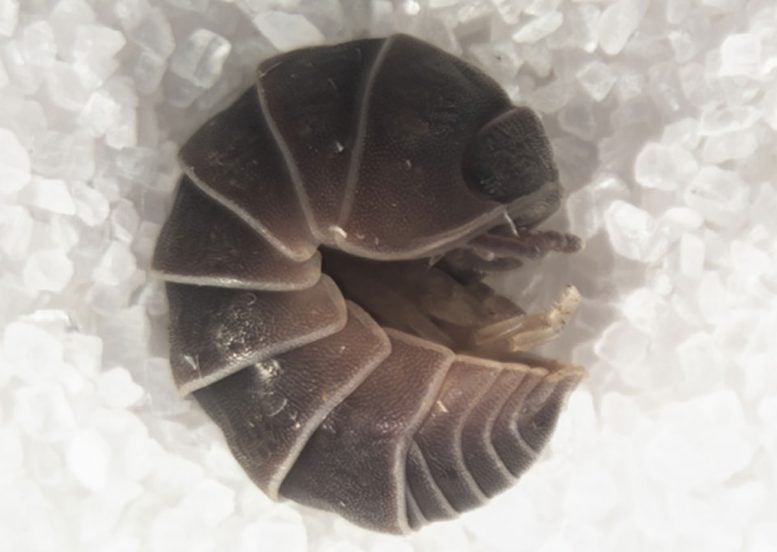

 Artificial streetlights can lure isopods into massive circular processions that may leave them vulnerable to predators. Researchers have made a world-first observation of thousands of Israeli isopods leaving their normally solitary shelters and moving together in huge synchronized “death spirals” caused by artificial streetlights. By testing different light arrangements, the team found that vertical beams [...]