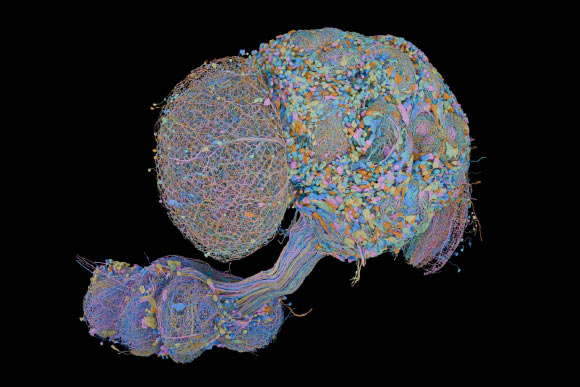
After nearly two decades of work, scientists have completed a wiring diagram of the central nervous system of an adult male fruit fly (Drosophila melanogaster).
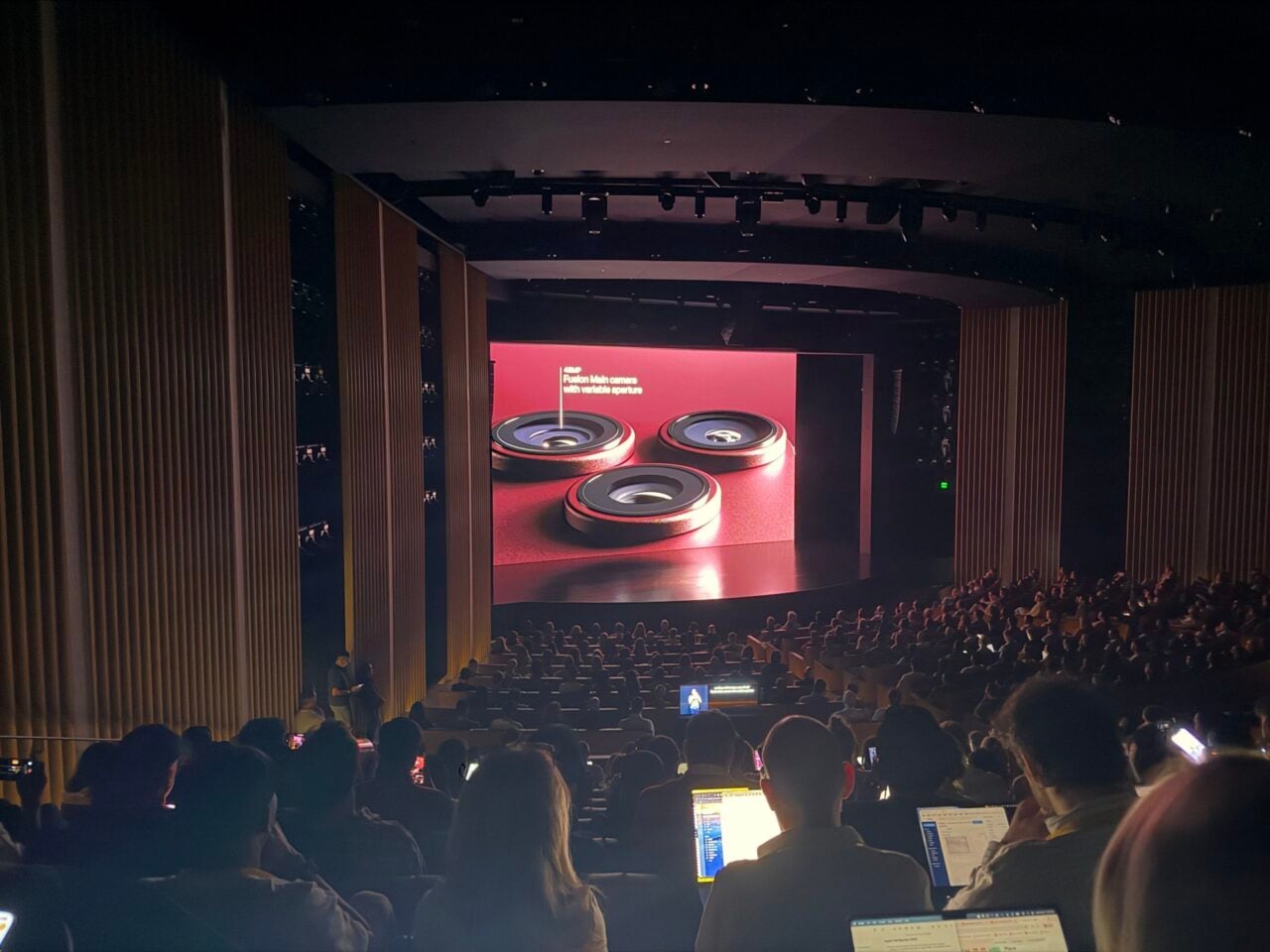
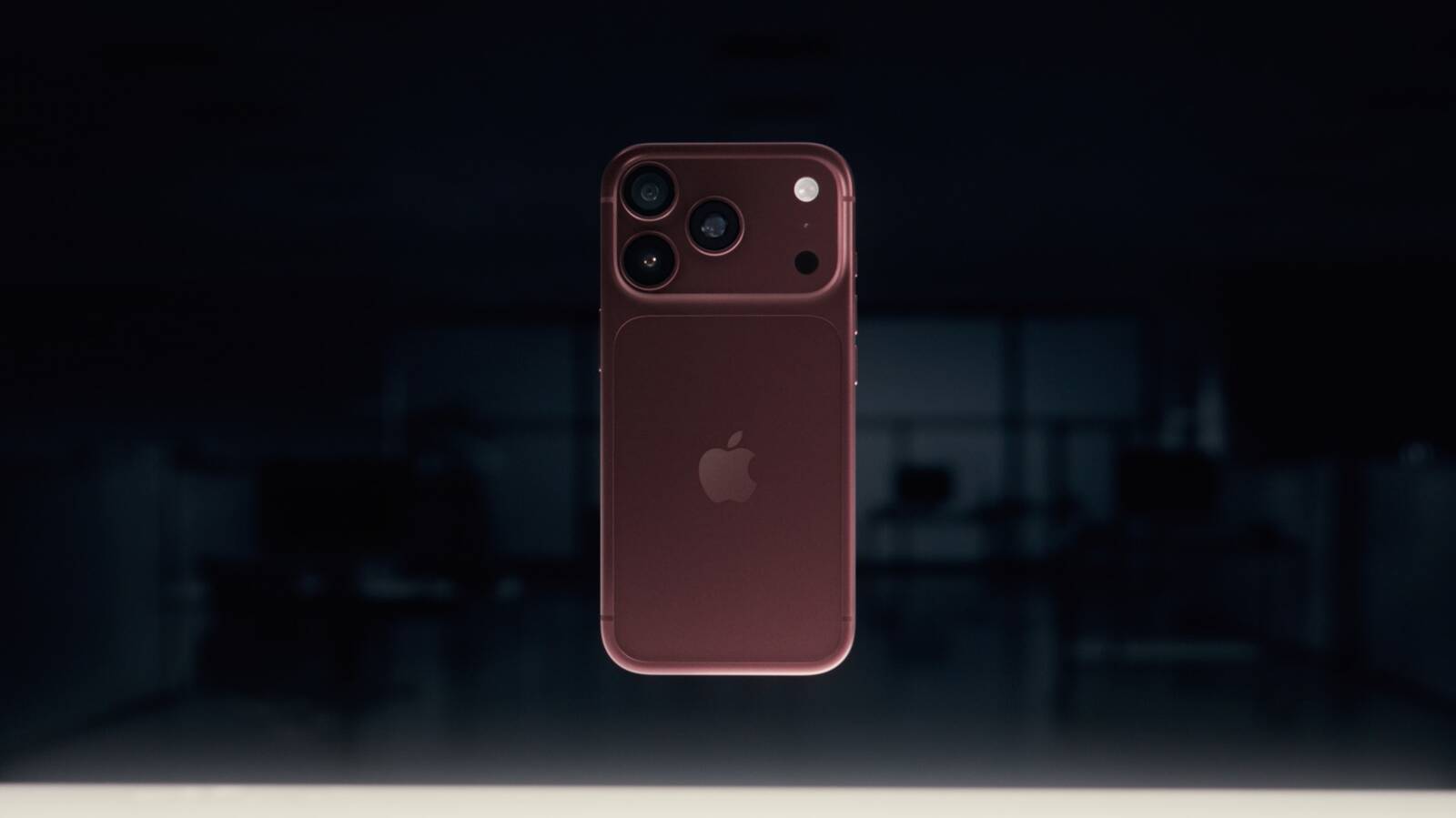
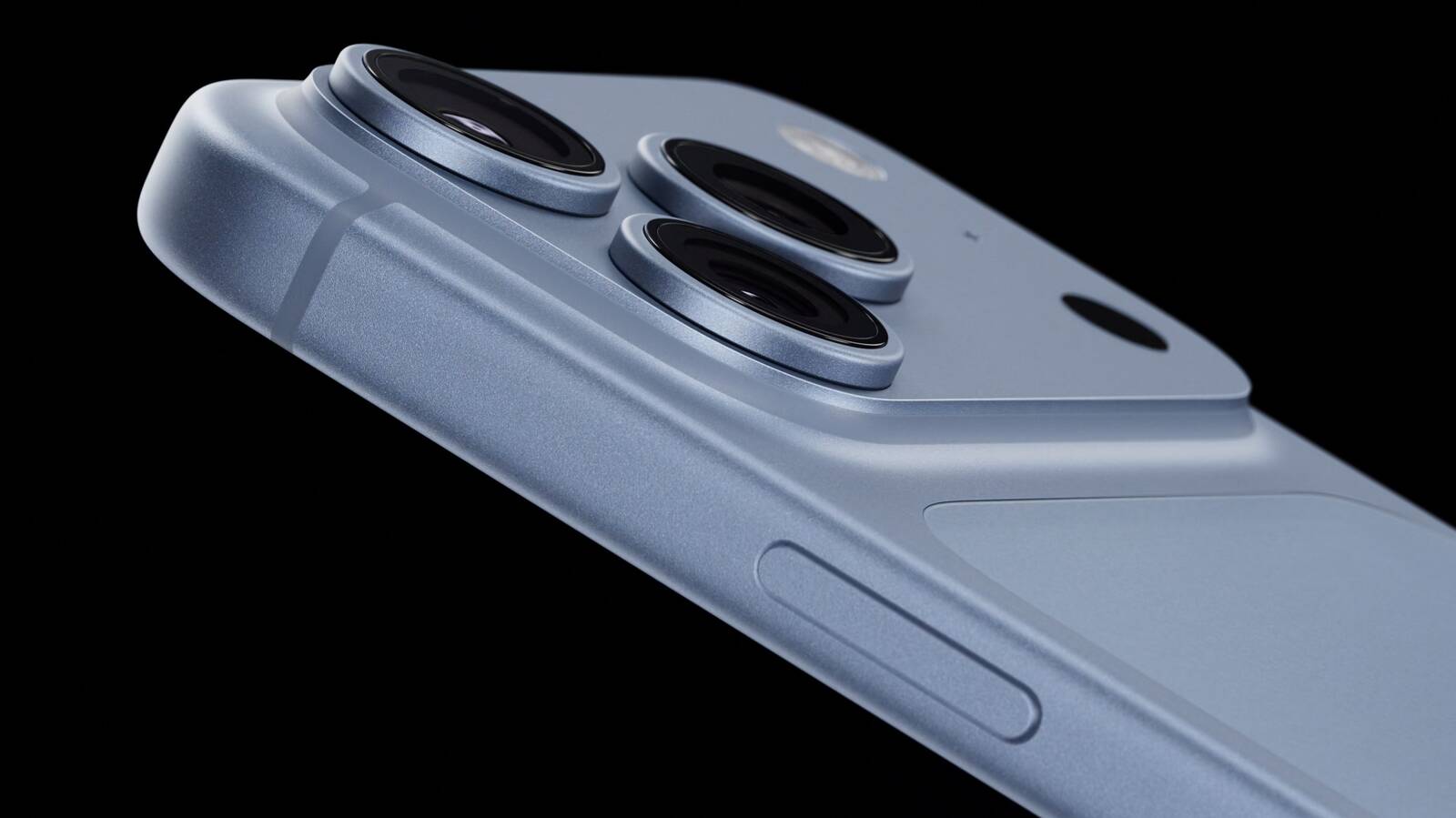
Apple parte a razzo durante il suo nuovo evento, annunciando iPhone 18 Pro e 18 Pro Max. Esteticamente è molto simile a quanto visto nella precedente generazione, ma spiccano soprattutto i nuovi colori: un nero molto profondo, il Burgundy sul rosso / viola / ciliegia, argento e il Glacier Blue che è un azzurro ghiaccio molto tendente al bianco. Le novità più di sostanza di cui si è parlato prima riguardano la piattaforma hardware: Apple parla soprattutto di intelligenza artificiale (naturalmente chiamata Apple Intelligence), nello specifico Siri AI, finalmente al debutto, ma anche CPU e GPU, più potenti che mai.
Il SoC è l'Apple A20 Pro, con CPU a 6 core (2 super core, fino a +20% veloci), realizzato su nodo produttivo di classe 2 nm (non è stato specificato espressamente ma è praticamente certo che si parli del nodo produttivo TSMC). La GPU è a 7 core, e può essere più veloce fino al 40%. La nuova NPU, il coprocessore AI, arriva a 32 core, con il doppio della potenza di elaborazione. Apple promette un'efficienza termica radicalmente migliore grazie a una tecnologia di packaging che connette direttamente il processore e la memoria alla vapor chamber, che tra l'altro è stata ampliata fino a 3 volte rispetto a quanto visto nella precedente generazione.
Grazie al nuovo chip Apple è riuscita a migliorare radicalmente anche l'autonomia: il colosso di Cupertino promette che l'autonomia del più compatto iPhone 18 Pro sarà superiore a quella di iPhone 17 Pro Max dell'anno scorso, con 36 ore di riproduzione locale continuativa di video, mentre il Pro Max arriverà addirittura a 45 ore. Per un uso tipico "misto", Apple dichiara rispettivamente 24 e 30 ore. Non ha specificato la capacità della batteria, ma sospettiamo che sia uguale all'anno scorso. La ricarica cablata è anche più rapida: l'iPhone può raggiungere il 50% di carica in circa 15 minuti, e 5 minuti di ricarica via cavo garantiscono 6 ore di riproduzione video.
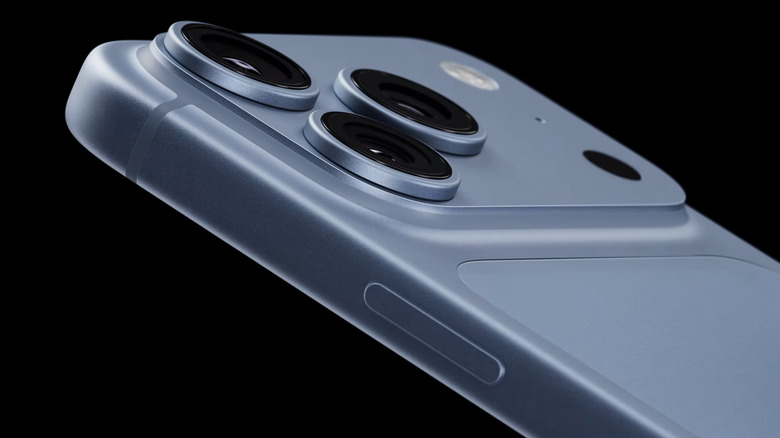
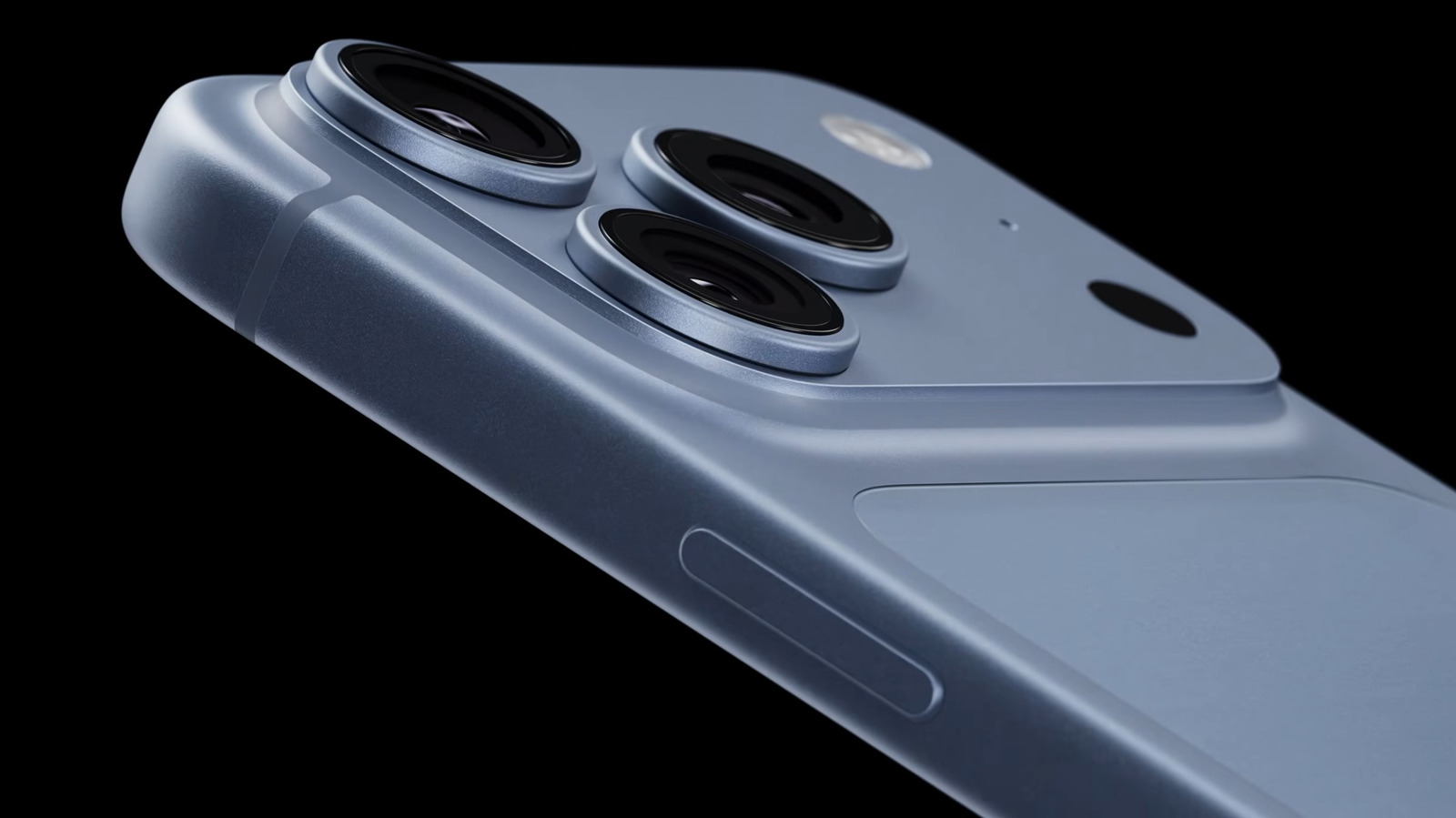
Apple at its annual fall iPhone event has revealed that the new iPhone 18 Pro and iPhone 18 Pro Max models will be available in four new colors.
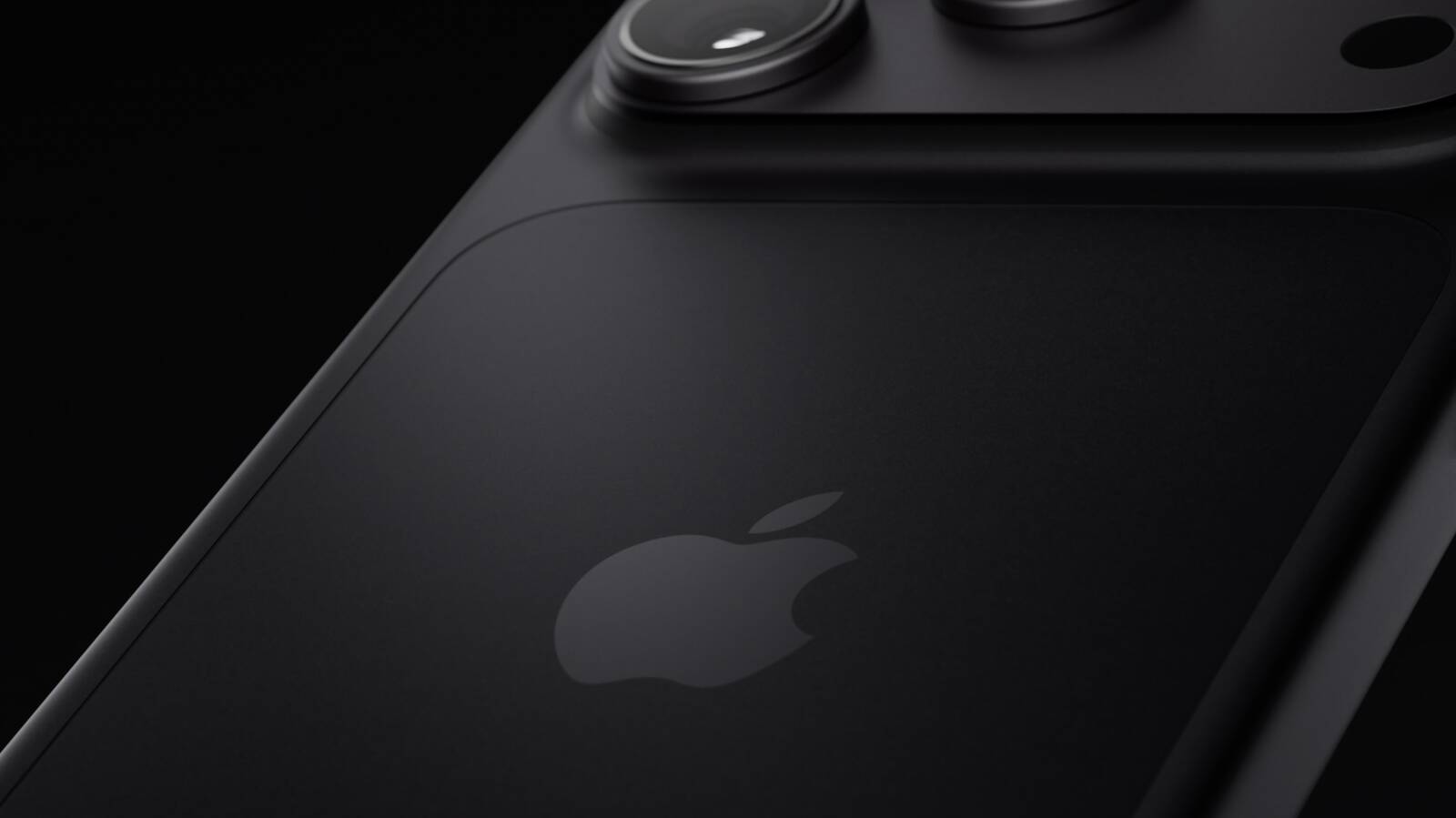
Apple describes the new colors as a Deep Black, a refined Silver, a new Glacier Blue, and Burgundy – calling the latter a "sophisticated and unique new color" that's obviously meant to be a successor to the iPhone 17 Pro's Cosmic Orange.
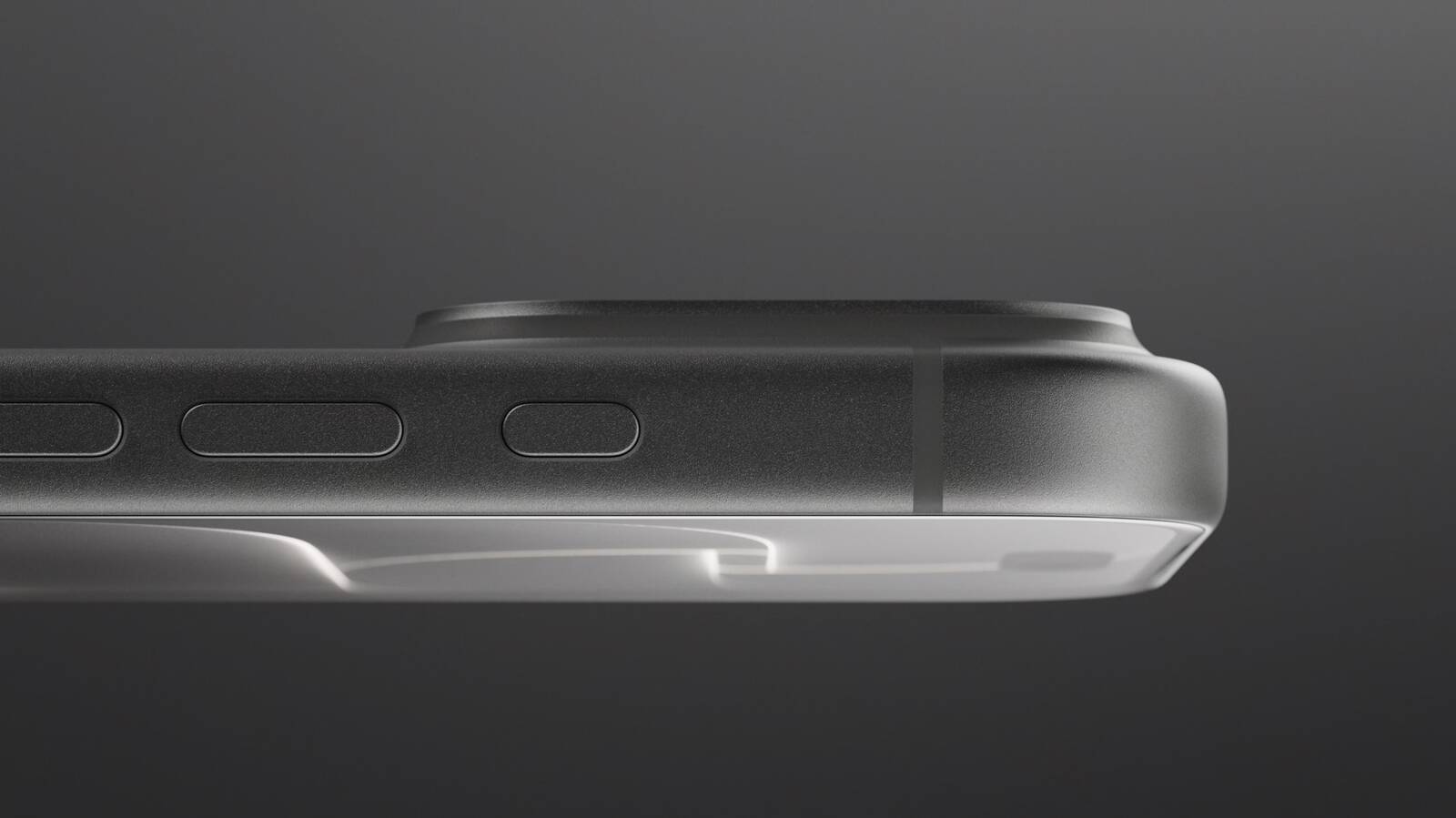
In addition, the rear aluminum and Ceramic Shield glass area are now more color-matched compared to the iPhone 17 Pro models, which had a noticeable glazed effect on the rear of the devices.
Apple is still describing the design and features of the iPhone 18 Pro and iPhone 18 Pro Max, with the Apple event ongoing as we write.
More details to follow...
A Microsoft reforçou a promessa de melhorar o desempenho do Windows 11 durante a feira IFA 2026, na Alemanha. A empresa destacou que a inicialização do sistema será mais rápida com atualizações futuras e muitas mudanças vão otimizar os computadores com 8 GB de RAM, de acordo com o site PC World.
O chefe de Windows e Dispositivos na Microsoft, Mark Linton, confirmou durante a IFA que a empresa já teve avanços significativos para diminuir o tempo ao ligar o PC e deixou o Windows Hello mais responsivo para autenticar as contas.
Linton também destacou que a MS segue com o objetivo de otimizar computadores com 8 GB de RAM, algo mencionado pela empresa no começo do ano diante da crise mundial que encareceu o componente.
A Big Tech ainda não trouxe mais detalhes, mas a expectativa é de que os ajustes de velocidade tragam um ganho de performance para PCs mais simples com menos travamentos e maior velocidade para tarefas simples.
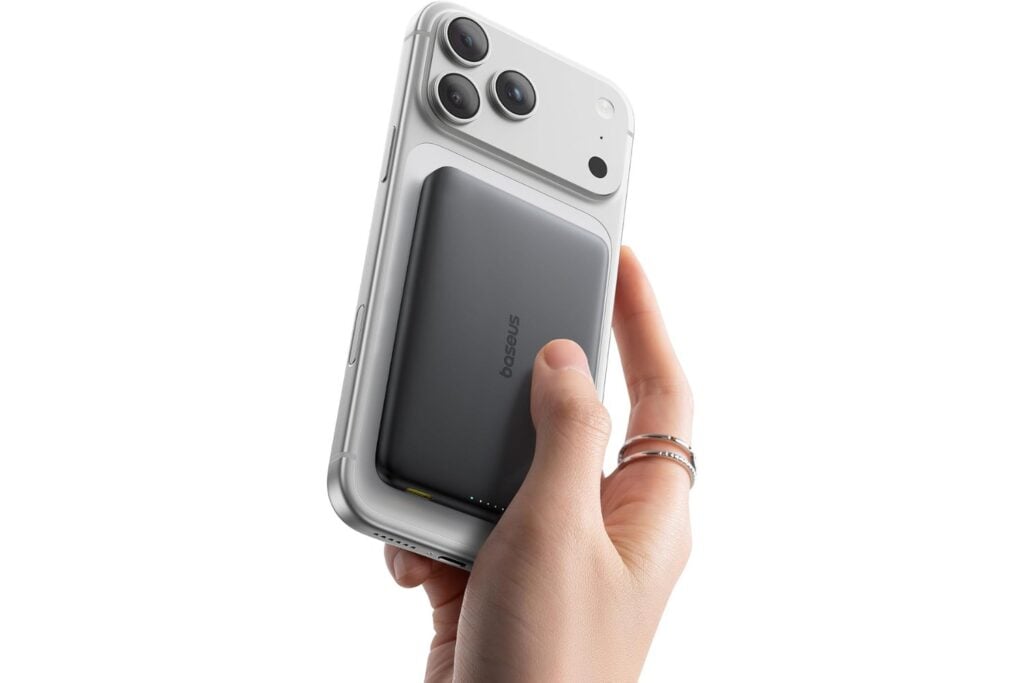
Las baterías magnéticas tienen una ventaja bastante evidente: se pegan al móvil y te olvidas de cables mientras sigues utilizándolo. La Baseus PicoGo AM41 suma 10.000 mAh, carga Qi2 y un diseño sorprendentemente fino, y ahora se queda por debajo de los 40 euros.
Honor was featured at the 83rd Venice International Film Festival, and it brought the Robot Phone with it to highlight its cinematic capabilities with ARRI.
What truly captivated users was another appearance: the Magic 9 Pro Max in moss green, which consumers saw for the first time.
Honor announced that it will continue its huge ARRI partnership with the Magic 9 Pro Max, bringing many features you'd find on the Robot Phone.
The Magic 9 Pro Max will debut in China on September 28.
Honor paraded at the 83rd Venice International Film Festival with its cinematic devices. However, the Robot Phone's presence at the festival wasn't the only big thing Honor had in store.
Earlier this morning (Sept 9), Honor revealed that it brought the Robot Phone's cinematic videography capabilities to the 83rd Venice International Film Festival. The company recognizes the attention the phone has received for its "innovative mechanical gimbal design and professional-grade cinematic imaging capabilities." The Robot Phone was crafted in collaboration with ARRI for professional camera-grade features.
While this has captivated consumers, Honor says it plans to extend its partnership with ARRI for its next flagships.
At the festival, Honor revealed its upcoming Magic 9 Pro Max in moss green—the first time consumers have witnessed it. Another exciting tidbit is that the phone features ARRI's logo on the back by its cameras. Honor states the device even features "the lens layout follows the design language of one of the most iconic ARRI cinema cameras." Creators will find ARRI's LogC3 to help preserve highlights and shadows for post-production. Additionally, ARRI Wide Gamut 3 delivers a broader, more distinct color space, with ARRI Looks handling controlled cinematic color styles.
The Honor Magic 9 Pro Max will debut on September 28 in China.
Honor and ARRI continue
(Image credit: Honor)
Android Central's Take
I'm a big fan of photography and, more recently, recording better videos. Bringing that sort of "professional-grade" software and tech into a phone is huge. To have the ability right in your pocket makes it easier for people who care about that kind of thing. For creators, I'm sure it's a major win. They can streamline their devices and purchases a little more—if they prefer, of course. I still love photography on a traditional, more powerful camera, but a phone is up there.
Cinematic styles and vibes played a key role in Honor's Robot Phone debut in August. The phone features an automatic gimbal that is just as curious as a little robot. Honor states it combined its technology with ARRI Image Science and professional cinema workflows. The Robot Phone is equipped with two 200MP lenses. The gimbal hosts one of these 200MP cameras with an f/1.6 aperture on a 1/1.28-inch sensor. The periscope telephoto lens arrives at 200MP with 2.7x optical zoom.
Several features such as ARRI LogC3, ARRI Wide Gamut 3, and ARRI Looks with its in-house H1 Image Chip help solidify Honor's "cinematography" position with the Robot Phone. AI is woven in to help reduce strenuous noises and to optimize your video's high dynamic range.
The Honor Magic 9 Pro Max launch is a few weeks away. It'll be interesting to see if Honor takes any of these features up a notch for the traditional slab phone form factor.
CERT-AGID, ovvero il team di sicurezza informatica di Agenzia per l'Italia Digitale, ha segnalato una nuova truffa di phishing che riguarda un presunto rimborso TARI. La vittima riceve una comunicazione apparentemente istituzionale e viene indirizzata a un sito che imita PagoPA, dove prima inserisce i dati personali e poi quelli della carta di credito, CVV incluso, con la promessa di ottenere un rimborso di 95 euro. Naturalmente non vedrà mai tale accredito, ma piuttosto rischia addebiti per pagamenti non autorizzati e persino di vedersi prosciugare il conto. Non solo: l'ulteriore rischio è la vendita e lo sfruttamento dei dati personali a fini illeciti, come organizzare nuove frodi con identità e riferimenti reali.
Il CERT-AGID ha individuato siti malevoli che utilizzano nome, logo e grafica di PagoPA per sottrarre dati personali e informazioni relative alle carte di pagamento delle vittime.
Anche in questo caso, la truffa punta su una leva credibile per abbassare le difese della vittima. Grafica professionale, comunicazione rassicurante e anzi invogliante: si parla di un errore nel conteggio del tributo e – sempre apparentemente – basta poco per "regolarizzarlo".
Svelata il 29 aprile 2026, la<strong> nuova ID. Polo</strong> non è solo la prima vettura a inaugurare il nuovo corso di nomenclature <strong>Volkswagen</strong>, che rispolvera i nomi storici per i modelli elettrici, ma è già diventata un caso di mercato. La produzione negli stabilimenti è partita ufficialmente il 3 giugno, con le prime consegne previste entro la fine dell'anno, ma chi vuole ordinarne una oggi dovrà armarsi di parecchia pazienza.Le concessionarie hanno già collezionato oltre <strong>30.000 ordini</strong> e la rete produttiva è col fiato corto. Volkswagen ha confermato al quotidiano tedesco <em>Automobilwoche</em> che l'impennata delle richieste sta creando inevitabili ritardi. Quindi i tempi di attesa per la vettura sono schizzati a un minimo di dieci mesi e la quota iniziale è ufficialmente sold-out.<h2>Batterie, motori e la variante GTI</h2>[gallery ids="285094,285093,285095,285096,285097,285098"]Ricordiamo che sotto la carrozzeria debutta l'inedita architettura a trazione anteriore dedicata alle compatte a batteria del Gruppo. L'offerta si suddivide su più livelli:<ul> <li><strong>Trend</strong>: l'entry-level sviluppa 116 CV e 290 Nm di coppia. Monta un piccolo pacco batterie da 37 kWh, sufficiente per percorrere fino a 320 chilometri nel ciclo WLTP.</li> <li><strong>Life</strong>: condivide la batteria da 37 kWh con la Trend, ma alza l'asticella della potenza a 135 CV e 219 Nm di coppia. In opzione si può scegliere il modulo accumulatore da 52 kWh, che porta l'autonomia al valore record di tutta la gamma: 452 chilometri.</li> <li><strong>Style</strong>: è l'allestimento più ricco, abbinabile a entrambe le batterie. Sotto il cofano spinge un motore da 211 CV con 290 Nm di coppia.</li> <li><a href="https://www.hdmotori.it/volkswagen-id-polo-gti-hot-hatch-elettrica/"><strong>GTI</strong></a>: non mancherà poi la declinazione sportiva. Arriverà con 226 CV e una coppia invariata a 290 Nm. Sarà la più rapida del lotto, fermando il cronometro nello 0-100 km/h a soli 6,8 secondi.</li></ul><h2>La risposta alle elettriche cinesi?</h2>Quanto costa? In Europa il listino della <strong>ID. Polo</strong> parte da 24.900 euro (<a href="https://www.hdmotori.it/volkswagen-id-polo-prezzi-allestimenti/"><strong>qui tutti i prezzi</strong></a> per l'Italia). La fame di elettriche sotto i 25.000 euro sta mettendo sotto pressione non solo Volkswagen. Anche i modelli gemelli sviluppati sulla stessa ossatura, come la <a href="https://www.hdmotori.it/skoda-epiq-b-suv-elettrico-autonomia-prezzi/"><strong>Skoda Epiq</strong> </a>e la <a href="https://www.hdmotori.it/cupra-raval-ordini-prezzi-italia/"><strong>Cupra Raval</strong></a>, stanno registrando un boom di prenotazioni. Un segnale? Diciamo che probabilmente la clientela europea cercava "disperatamente" auto a batteria (non cinesi) dal prezzo accessibile.<h2>Dove verrà prodotta e la scelta sui mercati esteri</h2>La produzione della compatta tedesca è stata affidata allo stabilimento spagnolo di <strong>Martorell</strong>, dove condividerà le linee di montaggio proprio con le rivali "di casa" Skoda Epiq e Cupra Raval, piazzate sulla stessa fascia di prezzo. Per quanto riguarda i mercati extra-UE, la ID. Polo sbarcherà anche in Cina e in Australia, ma non verrà per ora venduta negli Stati Uniti.
Hubo un paréntesis de largos años en la vida de Lorenzo Roca Moreno en los que se dedicó a crear empresas, trabajar como químico y vender productos a laboratorios. Pero al margen de su trayectoria profesional, lo que más lo define es su afición por la naturaleza. Aprendió a respetar a los animales de pequeño cuando vivía en el Pirineo, donde también salía a pescar o buscar setas. Los llama “mis amigos, los bichos”.
Con cierta holgura económica, en 2019 como entretenimiento decidió aportar algo que consideraba inexistente en el mundo de la divulgación: una enciclopedia sobre la comunicación de los animales. Dice que le ha dedicado 10.000 horas y ahora presenta el séptimo libro de la serie.
La parte técnica de la obra ha sido revisada por Luis Palomo Muñoz, doctor en Ciencias Biológicas de la Universidad de Málaga, el Dr. Antonio Román Muñoz Gallego, profesor titular de Biología Animal de la Universidad de Málaga; Alfonso López-Solano (investigador de CSIC); y Mario García Paris (biólogo del Museo Nacional de Ciencias Naturales). Roca define su trabajo de “escribano” de bibliografía sobre la que otros han investigado.
En el primer tomo reconstruyó la cronología de la comunicación del homo sapiens -de las pinturas rupestres hasta el fax-; en el segundo, se detuvo en los mamíferos; luego siguieron las aves, los anfibios, los reptiles, los peces y ahora está presentando el séptimo, dedicado a los invertebrados para finalizar la colección.
“Una araña macho cuando quiere comunicarse con la hembra para reproducirse mueve la patita que pesa 0,00001 gramo y la hembra, que es la tejedora, la observa desde un rinconcillo. Imagínate lo que pesa su pata y a pesar de ser tan pequeñito sabe qué especie es. Eso es espectacular, comunicación por ondas vibratorias”, cuenta Lorenzo Roca a National Geographic, absolutamente fascinado con su campo de estudio y argumentando que este último es su libro preferido. Luego añade:
“Las luciérnagas también son maravillosas. La hembra emite luz desde el abdomen para que el macho vaya a buscarlas. Se dice que hoy en día tienen problemas para procrear porque con las luces de las farolas ahora los machos tienen dificultades para encontrarlas”.
Pregunta. ¿Es cierto que el principal objetivo de comunicación de las especies es la reproducción?
Respuesta. Los animales tienen el único sentido importante que es conseguir la continuación de la especie. Primero, se comunican para reproducirse, pero también para defenderse de otras especies y sobrevivir. Nosotros nos creemos superiores, pero somos una especie reciente en comparación a las demás.
P. Siempre se habla de la comunicación de los cetáceos. ¿Con qué te has encontrado estudiándolo?
R. Me ha impresionado que las orcas entienden su comunicación en grupos concretos, pero si llega una desde otro sitio, no. No sólo han construido un sistema de comunicación como especie, sino un lenguaje dentro un grupo y lugar concreto. Lo mismo pasa con los orangutanes: los de Borneo del sur se comunican diferente a los del norte, pero puede haber cosas comunes como señales de alarma o miedo.
P. ¿Desarrollan mejor su comunicación los animales en mayor peligro?
R. Los peces han entendido que deben poner millones de huevos porque su descendencia está desprotegida. El pez luna produce 30 millones de huevos al año, pero la mayoría los comen otros peces, un pájaro o lo pescan. El objetivo es que sobreviva la especie.
P. ¿Has comprobado la comunicación interespecie?
R. Sí, hay casos, por ejemplo, entre aves y mamíferos. El cuervo negro tiene un pico enorme y robusto, que no es puntiagudo. Solo come las partes blandas porque no puede desgarrar la carne. Entonces cuando observan un animal muerto, busca lobos y el jefe de la manada de lobos capta el mensaje de su vuelo en círculos y lo sigue. Cuando llegan, el cuervo espera que los lobos coman y cuando se marchan, bajan a buscar las partes blandas.
R. Otro caso es el mero y la morena. La morena vive en agujeros, sale para cazar y vuelve a su sitio. El mero, que tiene una cabeza grande, a veces se pone en forma vertical y le envía un mensaje a la morena para llevarlo a coger una presa que él no puede.
P. Los loros tienen una comunicación muy desarrollada, pero no suele pensarse que son los más inteligentes. ¿Por qué?
R. Imitar palabras no quiere decir que sea su lenguaje. Cuando repiten “hola” no está asociado a lo que tú conoces. El lenguaje también son los gestos, la mirada y las expresiones. Algunas aves utilizan cánticos o cambios de plumas para anunciar el período reproductivo. Los delfines hacen bailes o movimientos con la cabeza y se comunican con ultrasonidos por el agua.
Optical frequency combs have transformed the way scientists measure light and time, earning the Nobel Prize in Physics in 2005 and underpinning technologies ranging from atomic clocks to exoplanet detection. Yet the miniature on-chip versions of these combs, known as soliton microcombs, have long suffered from a frustrating paradox: the most stable and useful operating regimes have also been the most fragile and difficult to sustain. A newly published study in Light: Science & Applications reports a significant advance toward resolving this tension. Researchers led by J. Tang, J. Yang and E. Yan describe a multimodal locking-enabled soliton microcomb that combines robust, self-starting operation with an exceptionally low repetition rate on the scale of a day of stable measurement time, opening a path toward practical high-precision metrology systems that can run unattended for extended periods.
At the heart of the advance is a technique the authors call multimodal locking, a scheme that stabilizes not just a single resonance of the optical microresonator but multiple modes simultaneously, locking the comb dynamics to a regime in which dissipative Kerr solitons can form and persist without delicate manual tuning. In conventional microcomb systems, soliton formation typically requires a precise and rapid traversal of a “chaotic” modulation instability regime, a step that is notoriously sensitive to thermal transients in the resonator chip. Laser frequency must be swept with exquisite control while the soliton’s own heat dissipation shifts the resonator’s resonances, creating a feedback loop that can destroy the soliton state within microseconds. The multimodal locking approach circumvents this fragility by engaging several mode families of the resonator at once, so that the interplay among them pins the comb to a stable soliton state even as environmental and thermal conditions fluctuate.
The significance of achieving a low repetition rate in the same device cannot be overstated. A frequency comb’s repetition rate is the spacing between its individual comb teeth, and for many applications, coarser spacing is a decisive advantage. In laser ranging and distance metrology, for example, the ambiguity range of an interferometric measurement is set by the inverse of the comb’s free spectral range. Microcombs, generated in whispering-gallery-mode or ring resonators only a few millimeters across, usually exhibit repetition rates of tens to hundreds of gigahertz, which severely limits the unambiguous measurement range available to a comb-tooth-resolved distance measurement. By engineering a low-repetition-rate soliton state, the research team extends this ambiguity range dramatically, making the microcomb directly useful for absolute distance measurement, multi-wavelength interferometry and coherent communications, where each comb line must be spectrally resolvable and addressable.
Achieving both low repetition rate and robust soliton generation in a single microresonator is a formidable engineering challenge. Low repetition rates demand large resonator diameters, which in turn produce dense spectra of resonances and increased susceptibility to mode crossings with higher-order transverse and polarization mode families. Such crossings historically destabilize soliton formation, causing comb states to collapse or preventing single-soliton operation altogether. The multimodal locking strategy turns this liability into an asset: rather than engineering mode crossings away, the researchers harness the coupling among mode families to lock the comb dynamics into a favorable basin of attraction. The result is a soliton microcomb whose low repetition rate is preserved over day-scale timeframes, a duration that places the device among the most operationally stable microcomb demonstrations reported to date.
Day-scale stability matters because it transforms the microcomb from a laboratory demonstration into an instrument. Many high-precision experiments, from astronomical spectrograph calibration to the accumulation of statistical confidence in atomic spectroscopy, require comb sources that remain locked and stable across many hours or even days of continuous operation. Conventional fiber-laser-based frequency combs achieve this, but at the cost of table-top size, high power consumption and substantial maintenance overhead. Microcombs promised to shrink the technology onto a photonic chip, yet until now their operational fragility has confined most demonstrations to short observation windows. The robust low-repetition-rate soliton microcomb described in the new work demonstrates that chip-scale frequency combs can, with appropriate locking architecture, sustain the kind of long-duration, hands-off operation that real metrology campaigns demand.
The physics underlying soliton microcombs rests on the Kerr nonlinearity of the resonator material, typically silicon nitride, magnesium fluoride or fused silica. When continuous-wave pump light resonantly builds up inside the ring, the Kerr effect produces a four-wave-mixing process that seeds sidebands spaced by the resonator’s free spectral range. Under the right conditions of pump detuning and intracavity power, these sidebands evolve into a coherent train of ultrashort optical pulses, dissipative Kerr solitons, that circulate around the resonator and emit a broadband comb spectrum with tooth spacing equal to the repetition rate. The comb’s output frequencies are determined by two radio-frequency quantities, the pump laser frequency and the repetition rate, which is why the combs can serve as rulers for measuring optical frequencies against a reference. Any drift in either quantity propagates directly into measurement error, and the multimodal locking mechanism suppresses precisely this drift by anchoring the comb’s underlying mode structure to the resonator’s intrinsic stability.
Applications for such a device span an unusually broad swath of science and engineering. In high-precision laser ranging, low-repetition-rate combs with tooth spacings in the low-gigahertz or even megahertz regime allow interferometric distance measurements over ranges of meters to kilometers without the need for auxiliary synthetic-wavelength techniques. In astronomical spectroscopy, comb calibration sources with well-controlled line spacing enable the detection of Earth-like exoplanets through radial velocity shifts measured in centimeters per second. In telecommunications, low-repetition-rate combs align naturally with standard channel grids used in wavelength-division multiplexed fiber networks, making them attractive as multi-carrier sources. In spectroscopy, dual-comb techniques benefit from repetition rates that are low enough to permit resolution of closely spaced molecular absorption features. A microcomb that is simultaneously robust, low-repetition-rate and day-scale stable therefore functions as a versatile enabling component across these domains rather than a single-purpose device.
The demonstration also speaks to a broader trend in photonics: the migration from delicate, expert-operated laboratory setups to self-contained, self-stabilizing systems. The self-starting character implied by multimodal locking is particularly important for this transition. A comb that requires a skilled operator to initiate soliton formation, sweeping the laser with practiced timing past the chaotic regime, cannot be deployed in an observatory dome, on a satellite platform or inside an industrial instrument. A comb that engages its soliton state reliably on demand and then holds it through thermal cycling, laser drift and mechanical perturbation removes the last practical barrier to integration. The authors’ demonstration of day-scale continuous operation is, in effect, a stress test passed by a technology that researchers have been attempting to harden for more than a decade.
The implications extend to metrology standards and timing as well. Optical atomic clocks, which now achieve fractional frequency uncertainties below one part in 10^18, rely on frequency combs to divide down their optical oscillations to countable microwave rates. Miniaturizing the comb stage of such clocks is a prerequisite for portable optical timekeeping, which would benefit navigation in GPS-denied environments, geodesy that monitors sea level and crustal motion with millimeter precision, and fundamental physics tests that track the constancy of natural constants over months and years. A robust chip-scale soliton microcomb with day-scale stability contributes a key subsystem to this vision, and the multimodal locking principle may generalize to other resonator platforms, materials and spectral regions, including the mid-infrared where molecular fingerprinting awaits compact comb sources.
Looking forward, the study suggests several directions that the photonics community is likely to pursue. Combining multimodal locking with on-chip pump lasers and integrated electronics would complete the transformation toward fully self-contained comb modules with no free-space optics. Extending the approach to lower repetition rates still, into the megahertz regime where fiber-laser combs operate, would bring microcombs into direct competition with their bulkier predecessors for the most demanding ranging and spectroscopy tasks. Improvements in resonator fabrication, reducing mode-volume disorder and engineering dispersion with greater precision, will further expand the parameter space in which robust soliton states can be locked. The present work demonstrates that the fragility once considered intrinsic to soliton microcombs is not a fundamental limit but an engineering problem, and one that can be solved by embracing, rather than avoiding, the multimodal structure of real optical resonators.
The research, published in Light: Science & Applications, marks a milestone in the maturation of microcomb technology. By uniting three properties that had previously been achieved only separately, self-starting robustness, low repetition rate and day-scale operational stability, the work delivers a soliton microcomb genuinely suited to high-precision metrology. As the demand for compact frequency references accelerates across navigation, astronomy, communications and fundamental science, the multimodal locking strategy reported by Tang, Yang, Yan and colleagues offers a clear and technically grounded route from chip-scale optical chaos to dependable, precision measurement light.
Subject of Research: A robust, self-starting low-repetition-rate soliton microcomb enabled by multimodal locking for day-scale-stable, high-precision metrology applications.
Article Title: Multimodal locking-enabled robust and day-scale low-repetition-rate soliton microcomb for high-precision metrology
Article References: Tang, J., Yang, J., Yan, E., Huang, G., Yin, K., Tian, D., Lei, X., Huang, J., Yang, M., Ding, H., Yan, S., Wei, K., Zhu, L., Wang, G., & Jiang, T. (2026). Multimodal locking-enabled robust and day-scale low-repetition-rate soliton microcomb for high-precision metrology. Light: Science & Applications, 15(1), Article 370. https://doi.org/10.1038/s41377-026-02460-w
It still feels like a dream that Spyro the Dragon, one of my childhood favorite platformer games, is finally getting a true successor to the classic PlayStation One trilogy with Spyro: A Realm Beyond.
Fortunately, Toys for Bob is here to remind me that it's indeed real by showing off a sneak preview of Arcadian Vale, one of the first locales you'll explore in the game, as part of a special event celebrating Spyro's 27th anniversary called Spyro Community Day.
Something from the Realmis hiding below.But what could it be?There’s only one way to know.Start in the center.Let the fire spread.Burn away the questionand see what’s ahead.#HappyBirthdaySpyro pic.twitter.com/NfWBZjb9mYSeptember 9, 2026
As you can see from the concept art, the Acadian Vale is a lush and colorful locale that perfectly captures the childlike wonder you'd normally associate with Spyro games, complete with cascading waterfalls, ancient buildings, and cutesy critters running around (which I totally won't roast alive to spawn butterflies that will replenish my health like in previous games).
The art also implies that the Arcadian Vale will feature a fair degree of verticality, most likely to help players practice the new free-roaming flight mechanic that will allow us to fly anytime, anywhere instead of specific levels and boss fights like in previous games.
A special birthday surprise from Spyro's biggest fans 💜 #HappyBirthdaySpyro #Spyroversary pic.twitter.com/tpEOvxkTMVSeptember 9, 2023
It's going to be a long, painful wait until we get to play Spyro, but in the meantime, you can celebrate Spyro's legacy by showing off fan art, appreciation messages, and other content for Spyro Community Day on social media platforms like X with the hashtag #HappyBirthdaySpyro.
Sebbene la concorrenza cinese stia facendo passi da gigante, Samsung è riuscita a mantenere ancora nel 2025 la leadership del mercato italiano dei televisori. Il risultato è certificato dai dati annuali NIQ/GfK.
Parliamo di un lasso di tempo molto ampio e in questi anni il mercato si è sicuramente evoluto in modo netto. Siamo passati dal dominio dei giapponesi a quello dei coreani e oggi l'astro nascente è sicuramente rappresentato dai produttori cinesi. Nonostante l'agguerrita concorrenza di marchi come Hisense e TCL, Samsung mantiene salda la prima posizione nelle preferenze dei consumatori italiani quando si tratta di acquistare un televisore.
Dai primi televisori LED, che hanno rappresentato il primo successo della casa coreana, siamo passati negli anni ai QLED, che hanno sono stati l'ossatura dell'offerta di Samsung per quanto riguardava i televisori, abbracciando ampie porzioni della gamma. L'ultima evoluzione di questo percorso è rappresentata dalla tecnologia Micro RGB, che oggi è alla base dell'esperienza TV premium di Samsung.
MBLM has released its annual study of brand intimacy, and Apple has dropped to number seven on the list.
Brand Intimacy is defined as “the emotional science that measures the bonds we form with the brands we use and love.” The Brand Intimacy Report compared over 600 brands across 19 industries.
MBLM measures “brand intimacy” by examining users’ emotional connections to a brand, including the characteristics of their bond across categories such as nostalgia, indulgence, and identity. It also measures the intensity of a user’s connection with the brand.
Apple scored a 55.5 in the report. Ahead of it are: Disney (62.1), Costco (60.3), Samsung (59.5), Netflix (57.7), Target (57.2), and Amazon (55.6).
In 2018, Apple ranked first in the Brand Intimacy Report. It’s score has been declining since.
I hope you’ll help support Apple World Today by becoming a patron. Almost all our income is from Patreon support and sponsored posts. Patreon pricing ranges from $2 to $10 a month. Thanks in advance for your support.
Ieri Zelda, oggi Metroid e Kirby. Se il Direct di martedì era dedicato tutto ai 40 anni di Link, quello di oggi invece era un classico appuntamento "panoramico", di quelli in cui vengono mostrati i titoli third party e first party in arrivo. In 45 minuti i giochi mostrati sono tanti: potete recuperare l'evento integrale qui sotto. A spiccare sicuramente ci sono le due novità firmate Nintendo: Metroid Ravenous e Kirby and The World Beyond.
Cominciamo dalla nuova avventura di Samus, che poi è anche quella che arriverà prima su Switch 2: la data di lancio è fissata per il 28 gennaio 2027. Proprio come previsto dai rumor si tratta di un capitolo in 2,5 D, sulla scia del recente Dread insomma e non dell'ancor più recente Metroid Prime: 4 Beyond. Anche perché sembra proprio questa l'anima più apprezzata da pubblico e critica del franchise.
The physical copy of the upcoming Ocarina of Time remake with its sparkly cover. | Image: The Verge
Nintendo announced a variety of new titles at its September livestream, but among the most talked-about is the remastered The Legend of Zelda: Ocarina of Time for Switch 2. Walmart has the physical copy of the upcoming game available for preorder for just $59.88, which is $10 lower than the physical price elsewhere, and the same as the digital price. The game officially releases on November 5th, 2026, and should ship in time to reach you on launch day.
The Legend of Zelda: The Ocarina of Time (Switch 2)
The remastered title has been completely overhauled graphically, with all the shadows, details, and improved physics you would expect from a modern title. There are new quality of life improvements too, like a free camera for getting a better look at those revamped environments, and a mechanic called “Threads of Time” that helps you find your next objective. Perhaps the most shocking addition is that Link now has a dedicated jump button. In the original game, there was no way to make Link jump, outside of automatically leaping when you run off a ledge.
window.HYPE_DESK_CONFIG = {
productImageUrl: "https://platform.theverge.com/wp-content/uploads/sites/2/2026/08/Dell_XPS_13_Hype_Desk_16x9.png",
productImageAlt: "Dell XPS 13",
productTitle: "Dell XPS 13",
shortDescription: "A premium ultraportable at a starting price that doesn't feel premium.",
longDescription:
"The thinnest, lightest XPS yet, without cutting anything you'd miss. At just 2.2 pounds and 0.5 inches thin, the new XPS 13 keeps the premium CNC-aluminum build the line is known for, at a surprisingly accessible starting price. The 13.4-inch 2.5K touchscreen runs a smooth 30–120Hz refresh rate, everyday essentials are covered with Wi-Fi 7 and Windows Hello, and the quad-speaker Dolby Atmos setup delivers genuinely impressive audio for something this thin.",
purchaseUrl: "https://www.tkqlhce.com/click-8836598-12839518?sid=VergeHypeDeskArticle12Newsletter1DellAugust2026&url=https%3A%2F%2Fwww.dell.com%2Fen-us%2Fshop%2Fdell-laptops%2Fnew-xps-13-laptop%2Fspd%2Fxps13dx13260laptop",
purchaseLinkText: "Shop At Dell"
};
Other deals to consider
The Corsair Scimitar RGB Elite is on sale for $49.99 at Amazon, $40 lower than the list price. This wired gaming mouse features a grid of 12 buttons on the left side, which can slide to fit different hand sizes. The extra buttons are great for MMO players in particular, though it’s also worthwhile for other games that have a lot of key bindings you’d prefer to more easily access. I have a similar gaming mouse and use it to keep all of my spells close at hand while playing World of Warcraft.
Amazon and Walmart have the JBL Live Beam 3 discounted to $129.99, an $80 discount from their list price, and close to their all-time low from Prime Day. These unique earbuds feature a 1.45-inch touchscreen on the charging case, letting you quickly check connectivity and battery level at a glance, or adjust your equalizer profile without pulling out your phone. They also have active noise cancelation, which isn’t always a given at this price point.
You can save a few bucks on the Olight Sphere C at Amazon, bringing the price down to just $12.59. This compact tabletop lamp has a magnetic base, letting it attach to many different surfaces. It also has over 20 lighting modes to choose from, including RGB options, and can run for up to 40 hours on a single charge.
 Login