❌

Reading view

UC Irvine Scientist Awarded Nearly $4 Million NIH Grant to Develop Therapeutic Vaccine Targeting Genital Herpes

University of California, Irvine Innovates Therapeutic Vaccine Strategy to Combat Recurrent Genital Herpes

In a groundbreaking development that could transform the management of genital herpes, UC Irvine immunologist Lbachir BenMohamed has secured nearly $4 million in funding from the National Institutes of Health to advance a novel therapeutic vaccine approach. This ambitious five-year project aims to tackle recurrent genital herpes caused by herpes simplex virus type 2 (HSV-2), a persistent viral infection that affects over 60 million Americans and more than half a billion individuals globally. Despite extensive research efforts historically, no approved therapeutic vaccine exists to date, leaving millions vulnerable to recurrent outbreaks and transmission.

BenMohamed’s research focuses on a next-generation vaccine strategy termed “Prime/Pull/Keep,” designed to establish a robust, localized immune defense precisely at the mucosal sites where HSV-2 resides and reactivates. Conventional vaccines predominantly elicit circulating antibodies, which are insufficient to control HSV-2’s latent reservoirs in the nerve ganglia and mucosal tissues. This innovative approach instead targets tissue-resident memory T cells (TRM), a specialized subset of immune cells critically positioned at the barrier sites to provide immediate defense against viral reactivation.

The Prime/Pull/Keep methodology encompasses a three-step immunization process: initial priming of protective T cells via vaccination, mobilization of these cells to the infected tissue through chemokine signals (pull), and sustained retention and functional maintenance at the site of infection (keep). Together, these steps ensure a sustained population of antiviral T cells, capable of rapid detection and elimination of reactivated virus, potentially curbing recurrent disease manifestations and viral shedding.

Previous investigations by BenMohamed’s team have demonstrated promising results with mRNA-based therapeutic vaccines in preclinical models. These candidates were effective in reducing clinical signs of recurrent genital herpes and enhancing the recruitment of protective T cells within genital mucosal tissues. Additionally, exploring immune-signaling molecules such as chemokines has validated the feasibility of attracting and retaining TRM populations, thereby improving local immune surveillance and long-term antiviral immunity.

The current NIH-funded project intends to rigorously evaluate the safety profile and immunogenic potential of various Prime/Pull/Keep vaccine candidates in preclinical animal models, examining how augmenting the quantity, quality, and durability of TRM cells correlates with protection from HSV-2 reactivation. This represents a critical translational step toward bridging laboratory research and clinical trials, responding to NIH’s strategic priority to develop novel therapeutic interventions for genital herpes.

BenMohamed articulates the significance of this research succinctly: “People living with recurrent genital herpes have long awaited effective therapeutic vaccines. Our innovative immune-based approach not only amplifies protective T cells but directs and maintains them where the virus hides. This could revolutionize prevention strategies for millions affected worldwide.” The team’s vision is to develop a vaccine capable of reducing recurrent outbreaks and viral transmission, substantially improving quality of life for patients.

HSV-2 represents a formidable pathogen due to its ability to establish lifelong latent infection in sensory neurons, periodically reactivating to cause painful genital lesions and facilitating onward transmission. Existing antiviral therapies focus on suppressing viral replication but do not eliminate reservoirs or prevent recurrence. The targeted boosting of tissue-resident immune memory represents a paradigm shift in immunotherapy, promising durable tissue-specific immunity where it is needed most.

The Prime/Pull/Keep vaccination strategy could also circumvent issues faced by traditional systemic vaccines, which often fail to generate sufficient mucosal immunity or induce long-lasting memory T cell populations within genital tissues. By tailoring antigen delivery and immune modulation, this approach aims to enhance the local microenvironment and foster a self-renewing population of sentinel T cells poised to respond immediately to viral reactivation.

As the project advances through preclinical stages, rigorous assessment of immune correlates of protection will inform optimization of vaccine formulations, dosing schedules, and adjuvant combinations. Understanding the mechanisms underpinning TRM cell maintenance and functionality remains an active area of investigation critical to maximizing therapeutic efficacy and durability.

The successful identification of an optimal Prime/Pull/Keep candidate would pave the way for human clinical trials, marking a historic milestone in the fight against genital herpes. Such a vaccine holds the promise not only to alleviate recurrent symptoms but also to significantly curtail viral shedding, thereby decreasing transmission rates and public health burden.

Beyond genital herpes, the conceptual framework underlying Prime/Pull/Keep may inspire novel immunotherapeutic strategies for other persistent viral infections and chronic diseases where localized immune memory is pivotal. Collaborative efforts among immunologists, virologists, and clinical scientists will be essential to translate these findings into effective interventions.

With UC Irvine’s robust infrastructure, cutting-edge facilities, and interdisciplinary expertise, BenMohamed’s laboratory is well-positioned to spearhead this transformative endeavor. The $3.93 million NIH R01 grant underscores the scientific community’s confidence in this pioneering approach and its potential to redefine therapeutic vaccine development for chronic viral infections.

In conclusion, the UC Irvine-led Prime/Pull/Keep vaccine project represents a beacon of hope for millions plagued by recurrent genital herpes, offering a sophisticated and strategic means to harness the immune system’s power at the precise sites of viral latency and reactivation. As research progresses, the scientific world eagerly anticipates the realization of a durable, tissue-targeted therapeutic vaccine capable of changing the landscape of HSV-2 management and prevention.

Subject of Research: Development of a novel therapeutic vaccine to prevent recurrent genital herpes by targeting tissue-resident memory T cells

Article Title: UC Irvine Advances Prime/Pull/Keep Therapeutic Vaccine Strategy to Combat Recurrent Genital Herpes

News Publication Date: June 16, 2026

Web References:
– University of California, Irvine: www.uci.edu
– UC Irvine News: news.uci.edu
– NIH Media Resources: https://news.uci.edu/media-resources/

Keywords: herpes simplex virus type 2, HSV-2, genital herpes, therapeutic vaccine, tissue-resident memory T cells, Prime/Pull/Keep, immunotherapy, mRNA vaccine, viral latency, NIH funding, recurrent infections, mucosal immunity

  •  

Rivian lays off hundreds, under 2% of staff, a week after R2 launch

Rivian laid off hundreds of workers on Tuesday, or less than 2% of its workforce, just one week after it began deliveries of its all-important R2 SUV.

The electric automaker confirmed the cuts hit its service and customer teams, which include sales and marketing, as it tries to claw its way to a profit it has yet to ever post.

  •  

Les Bleus face au Sénégal : pourquoi le fantôme de 2002 plane encore sur ce match

Le 31 mai 2002, c’est l’humiliation pour les Bleus. Presque 25 ans plus tard, ce match contre le Sénégal reste gravé dans les mémoires comme l’un des plus grands upsets du football. Comment une rencontre de Coupe du monde peut-elle ainsi transcender le temps ? La science avance...

  •  

Tianwen-2 makes series of burns on approach to asteroid, according to radio tracking 

China’s Tianwen-2 spacecraft has carried out a series of small propulsive maneuvers following a main burn June 7, setting up an asteroid rendezvous in July.

The post Tianwen-2 makes series of burns on approach to asteroid, according to radio tracking  appeared first on SpaceNews.

  •  

A Chinese rocket breaks apart dangerously close to the Starlink constellation

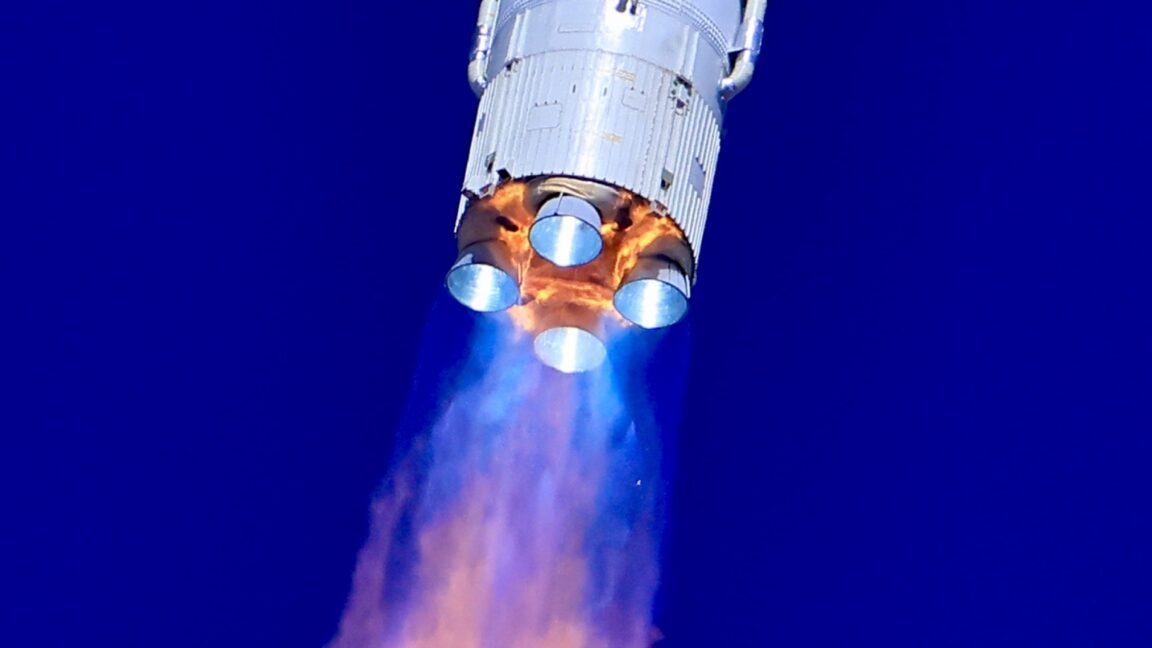
The upper stage from a commercial Chinese rocket that launched last week has broken apart in space, spreading debris in a heavily trafficked part of low-Earth orbit home to the International Space Station and a significant portion of SpaceX's Starlink broadband network.

The breakup occurred shortly after the Zhuque-2E rocket reached orbit on June 9 with two satellites providing direct-to-cell communications, perhaps around the time the upper stage was expected to perform a disposal burn. The US Space Force confirmed the breakup event in a post on space-track.org, a website used by the military to distribute orbit data to the public.

"The tracked pieces are being incorporated into routine conjunction assessment to support spaceflight safety," the Space Force wrote in an advisory. "There are currently no threats to human spaceflight. Analysis is ongoing."

Read full article

Comments

© Wang Heng/Xinhua via Getty Images

  •  

Molti sintomi comuni come stanchezza, sete eccessiva, fame continua e vista…

Molti sintomi comuni come stanchezza, sete eccessiva, fame continua e vista sfocata possono essere le prime spia del diabete di tipo 2, una malattia molto frequente ma spesso sottovalutata. Non ignorare questi segnali e fare un controllo del glucosio se persistono.
  •  

Il 19 gennaio 2024, il lander giapponese SLIM — soprannominato “Moon Sniper…

Il 19 gennaio 2024, il lander giapponese SLIM — soprannominato “Moon Sniper” per la precisione del suo sistema di atterraggio — toccava la superficie lunare diventando il quinto veicolo spaziale nella storia a completare un allunaggio morbido. Quasi subito, però, qualcosa andò storto: i pannelli solari si trovarono orientati nella direzione sbagliata rispetto al sole, […]
  •  

La science le confirme : le thé peut aider à vivre plus longtemps, mais tout dépend de sa préparation

Et si une simple tasse de thé contribuait à vieillir en meilleure santé ? Selon une nouvelle revue scientifique, cette boisson pourrait aider à protéger le cœur, le cerveau et même les muscles. À condition toutefois de choisir le bon type de thé et d'éviter certains produits qui pourraient en...

  •  

Long March 5 launches classified satellite, Zhuque-2E lofts direct-to-device test sats

China has conducted a pair of launches to advance its communications capabilities, using the country’s largest rocket and a commercial launcher.

The post Long March 5 launches classified satellite, Zhuque-2E lofts direct-to-device test sats appeared first on SpaceNews.

  •  

Mobi Fold é o primeiro rato dobrável da Logitech e foi criado para profissionais em movimento

O novo Mobi Fold, o primeiro rato dobrável da Logitech, acaba de chegar ao mercado. Juntamente com esta solução, que se desliga automaticamente quando dobrado, chega-nos o Spotlight 2, um controlador de apresentações que vai além dos slides com um sistema háptico inédito nesta categoria.

The post Mobi Fold é o primeiro rato dobrável da Logitech e foi criado para profissionais em movimento appeared first on Tek Notícias.

  •  

La Fifa promettait mieux : la Coupe du monde 2026 pourrait battre un triste record, alerte ce rapport

C’est sans aucun doute l’événement sportif le plus attendu dans le monde cette année : la Coupe du monde de football 2026. Elle réunira plus d'un milliard de personnes, derrière leurs écrans, ou bien sur place dans les différentes stades. Mais cette Coupe, qui avait été annoncée comme la plus...

  •  

Análise TEK: Lenovo Legion Go Gen 2 tem um ecrã OLED de sonho numa consola portátil que desafia os limites do peso

A Legion Go Gen 2 é a evolução natural da portátil de gaming da Lenovo, melhorando o ecrã e atualizando o hardware, mas essas melhorias refletem-se no peso (na carteira e nas mãos).

The post Análise TEK: Lenovo Legion Go Gen 2 tem um ecrã OLED de sonho numa consola portátil que desafia os limites do peso appeared first on Tek Notícias.

  •  

Decades of NASA Satellite Data Reveals the Elusive, Enigmatic ‘Urban Pulse” of Six Major Cities


A multi-institutional team of researchers led by University of Connecticut Professor Zhe Zhu has developed a method for measuring the dynamic, real-time activity of urban environments from space, which they are calling an “Urban Pulse.”

The research team behind the novel urban activity metric said that monitoring a city’s Urban Pulse could help mitigate uncontrolled urban sprawl or decay and enable environmentalists and urban planners to intervene before disasters become unavoidable.

Measuring an Urban Pulse Could Reveal Neighborhoods ‘Not Doing Well”

Although environmentalists and urban planners have a wide range of tools to measure the activities within a city, Zhu notes that scientists have spent decades merely capturing the “outcome of urbanization,” such as a finished road or a newly completed home. However, the researcher and lead author of a study detailing the Urban Pulse methodology added that, even with all the current tools, “you don’t really see the dynamics within an urban area.”

According to a statement detailing the new approach, a city’s pulse is determined by all construction activity within it. Along with new construction, the metric includes repairs, infrastructure improvements, or expansion into previously undeveloped green spaces. When used correctly, the researchers said that it can help determine “if and where their city is not doing well.”

“This would allow (authorities) to be proactive rather than conducting a metaphorical autopsy after the decay of an area is evident,” the team explained.

Bridging the Gap Between Abstract Urban Theories and Measurable, Real-World Data

To test their approach, the team evaluated the Urban Pulse of six cities: Seattle, Shenzhen, Lagos, Mumbai, Dubai, and Mexico City. This involved a deep examination of what the team termed “decades of dense time-series data” collected by NASA’s Harmonized Landsat and Sentinel-2 (HLS)  satellites for physical transformations in an urban environment, such as new construction, measurable infrastructure improvements, and demolition.

Instead of analyzing each city’s changes manually, the team evaluated the above changes on what they called “the neighborhood level” using a deep-learning and time-series-analysis approach called CAPES, developed by former UConn postdoctoral researcher Ji Won Suh. The team said that, by observing these “high-frequency rhythms of development” from a broad ‘outer space’ perspective, their approach “bridges the gap between abstract urban theories and measurable, real-world data.”

Urban Pulse
This figure visualizes Dubai’s rapid expansion as a glowing “urban pulse.” Mapping monthly construction data from the city’s top 65 most active locations, the ridge plot reveals how distinct neighborhoods grow through spiky, cyclical, and asynchronous bursts. Rather than a steady wave, urbanization unfolds as dynamic, localized heartbeats, exposing the complex rhythms driving a modern metropolis. Image Credit: Zhe Zhu/GERS Lab.

After examining CAPES’ results, the team found several key markers within the Urban Pulse. For example, the view from space revealed that growth within cities is not smooth and steady. Instead, Zhu and colleagues said that development happens in “abrupt, intense, and episodic bursts of construction.”

CAPES also revealed that the rhythms of an urban environment are cyclical. For example, while a city may show relatively steady growth on a broader level, individual neighborhoods go through “dramatic boom-and-rest cycles” of expansion and dormancy that don’t appear to follow predictable annual seasons.

The third pattern revealed by measuring the six cities’ Urban Pulse from space was that cities are “asynchronous,” meaning a single city does not ‘beat’ in unison. The team noted that neighborhoods “pulse at completely different times.” When it functions properly, this “uncoordinated rhythm” helps prevent the city’s infrastructure and labor markets from “overheating.”

Unlike previous methods for tracking a city’s evolution, the team noted that their Urban Pulse approach can help researchers “visualize a city’s reaction to global shocks.” For example, the team said that their analysis captured “the exact moment the COVID-19 pandemic triggered a widespread, synchronized ‘cardiac arrest’ in urban development worldwide.”

However, their new tool also revealed what the researchers termed “profound inequalities” in how individual cities recovered from the dramatic halt to urban growth. For example, the team said that the Urban Pulse of Shenzhen revealed synchronized ‘dips’ in activity, followed almost immediately by “rapid, policy-driven rebounds.” However, the same Orban Pulse analysis showed that the reactions in Mumbai and Mexico City were much more “muted.”

“It’s like in human beings,” Zhu explained. “When you get a disease, it’s not going to show up exactly the same in different people.”

A ‘Very Impactful Tool’ for Navigating Cities

Although the Urban Pulse metric offers a tantalizing tool for academics, the team noted real-world benefits for global policymakers, urban planners, and environmentalists, adding that “it serves as an early warning system.”

“By monitoring the rhythm, rate, and amplitude of neighborhood pulses, governments can identify early signs of urban decay or unsustainable sprawl and intervene before crises become entrenched,” they explained.

The team also suggested that making Urban Pulse data publicly available could “revolutionize how everyday people interact with their cities.” For example, an urban family considering a move to a new city or a new part of their current city could track a target neighborhood’s pulse to spot early warning signs of decay or early indicators of positive-trending growth. The same data could help business owners plan new locations or expanded service routes, depending on the business profile and the local Urban Pulse trends.

“This is going to be a very impactful tool influencing not only top-down policy decisions from governments but also bottom-up decisions from everyday people navigating their cities,” Zhu explained.

In a recent study, “The Urban Pulse: Diagnosing the urbanization process as spiky, cyclical, and asynchronous” was published in the Proceedings of the National Academy of Sciences.

Christopher Plain is a Science Fiction and Fantasy novelist and Head Science Writer at The Debrief. Follow and connect with him on X, learn about his books at plainfiction.com, or email him directly at christopher@thedebrief.org.

  •  

Commercial launch providers shortlisted for China’s low-cost cargo spacecraft

A wide aerial view of a rocket launch site in a desert landscape at sunset. A tall white rocket stands vertically on a launch pad near the center-right, surrounded by service towers and low buildings. A long rectangular assembly building and crane structure sit nearby, connected by paved roads. The surrounding terrain is flat, sandy, and sparsely developed, with distant mountains visible on the horizon under a warm orange sky.

China is expanding the role of its commercial rocket companies by shortlisting four such entities for launches of a new space station cargo transport system.

The post Commercial launch providers shortlisted for China’s low-cost cargo spacecraft appeared first on SpaceNews.

  •  

NASA’s Artemis II Moon Mission Research Continues on Earth

5 min read

NASA’s Artemis II Moon Mission Research Continues on Earth

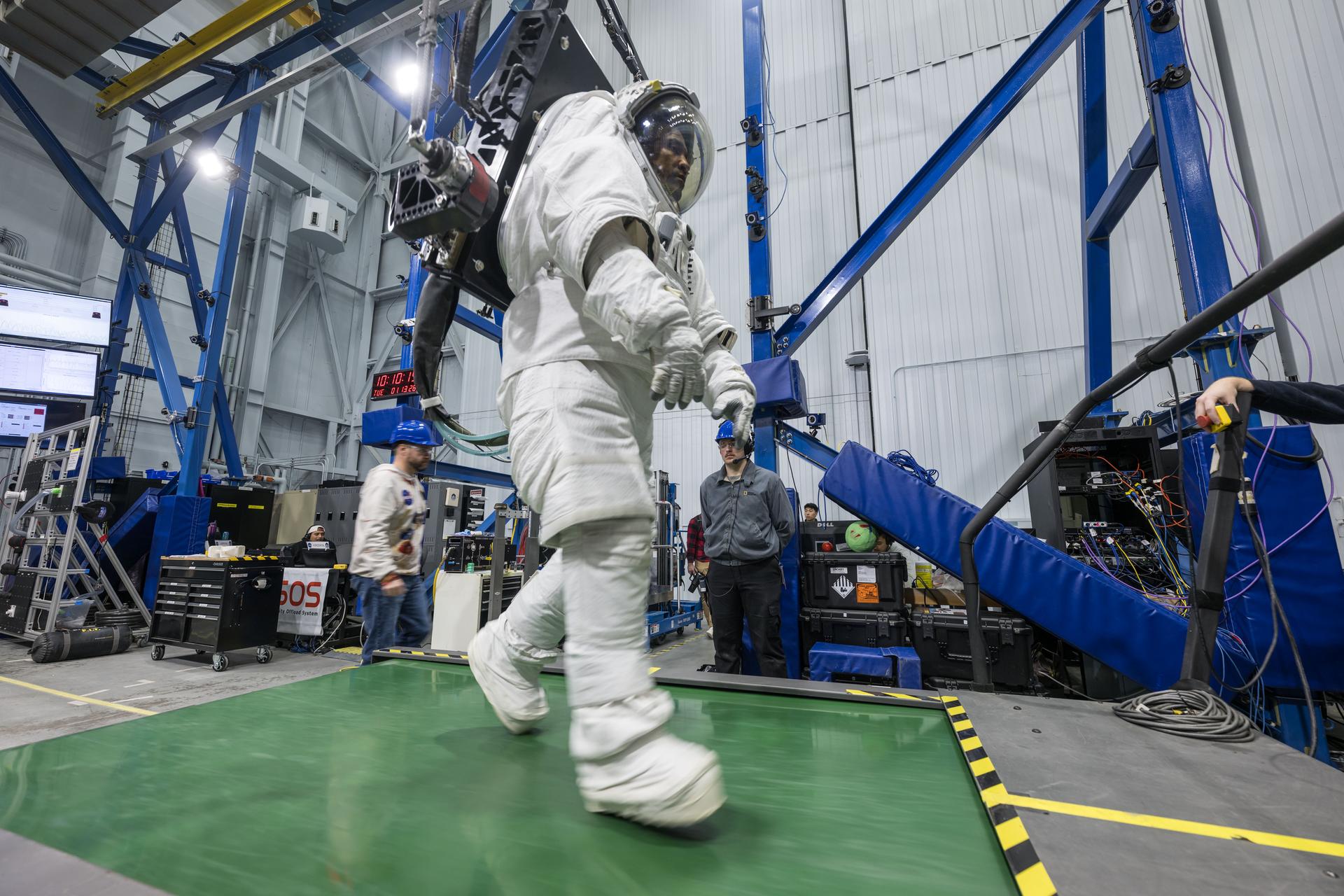
Dressed in a white space suit—with hands gloved, feet booted and head in a helmet with a clear visor—Artemis II astronaut Victor Glover walks on a wide green treadmill. His suit is harnessed to a black machine that is taking the weight off Glover such that, while in the suit, he experiences forces equivalent to lunar gravity. Two people wearing casual clothes and blue hard hats stand in the background, waiting to support Glover and the experiment, should the need arise.  Behind Glover are crisscrossing blue iron beams that stretch to a high ceiling in this industrial building at NASA’s Johnson Space Center.
Artemis II astronaut Victor Glover walks on a treadmill while in a space suit harnessed to NASA’s Active Response Gravity Offload System at NASA’s Johnson Space Center. Glover is simulating a walk on a planetary surface while in a suit that has been offloaded to lunar gravity. Artemis II astronauts completed this and other suited tasks before their mission launched and within a few days of landing, giving researchers a chance to assess how quickly upon landing crews’ bodies adapt to a different gravity. Results will help scientists better understand how soon after landing crews can complete mission-critical tasks on the surface of the Moon or Mars.
NASA/Robert Markowitz

Since NASA’s Artemis II crew members safely splashed down in the Pacific Ocean on April 10 after their record-setting mission around the Moon, science teams have been busy collecting more data and combing through observations collected on the test flight. Results from these science investigations will help support safe human exploration of deep space and provide a blueprint for how future missions will conduct science on the lunar surface as NASA builds a Moon Base and develops an enduring human presence there.

Postflight crew health, performance data

In the hours, days, and weeks after landing, the Artemis II crew members, NASA astronauts Reid Wiseman, Victor Glover, Christina Koch, and CSA (Canadian Space Agency) astronaut Jeremy Hansen, contributed critical data to help the agency understand how the human body reacts to spaceflight. Collecting this data as soon as possible after landing was important to understand how the body adapts from microgravity to Earth’s gravity. The data will inform NASA’s understanding of how quickly crews can complete mission-critical tasks after landing on a planetary surface like the Moon or Mars, where there won’t be landing support personnel to assist.  

Within a day of splashdown, researchers collected a suite of data for the Artemis II Spaceflight Standard Measures study, which is part of a larger effort across the astronaut corps to gather a baseline set of health measurements on blood pressure, heart rate, eye health, and motor control. Crew members also completed a mini obstacle course, which included lying down, standing up, unfurling a rope ladder, ladder climbing, and more, to assess how their bodies were adapting to Earth’s gravity.

Once the crew returned to NASA’s Johnson Space Center in Houston, researchers guided them through further medical check-ups and tests of motor control. Over the next several days, the crew completed obstacle courses wearing spacesuits offloaded to lunar gravity, which is roughly one-sixth the force of Earth’s gravity. Researchers are now analyzing this data to gain insight into how crews may perform as they adapt to the gravity of a planetary surface.

As part of the Immune Biomarkers study, researchers are comparing blood and saliva samples collected after the Artemis II splashdown with samples collected preflight and during the mission. Among other topics, the study investigates whether and how dormant viruses reawaken in astronauts’ bodies while in space.

Some crew members completed postflight cognition tests and a simulated manual spacecraft docking task to assess motor control for the ARCHeR (Artemis Research for Crew Health & Readiness) study. This, combined with data collected through a wrist-worn device while crew members were in space, is used to understand the effect of space hazards on well-being and performance.

Initial data collections for Artemis II health studies concluded 45 days after splashdown. However, medical teams will continually monitor astronaut health throughout the Artemis II crew members’ lifetimes.

Once this data is processed and anonymized, information will be available for scientists to study the effects of spaceflight via a request to NASA’s Life Sciences Data Archive. The results from this work could lead to new technologies and studies that help predict the adaptability of crews on future missions to the Moon and Mars.

Analyzing astronaut-derived organ chips flown around Moon

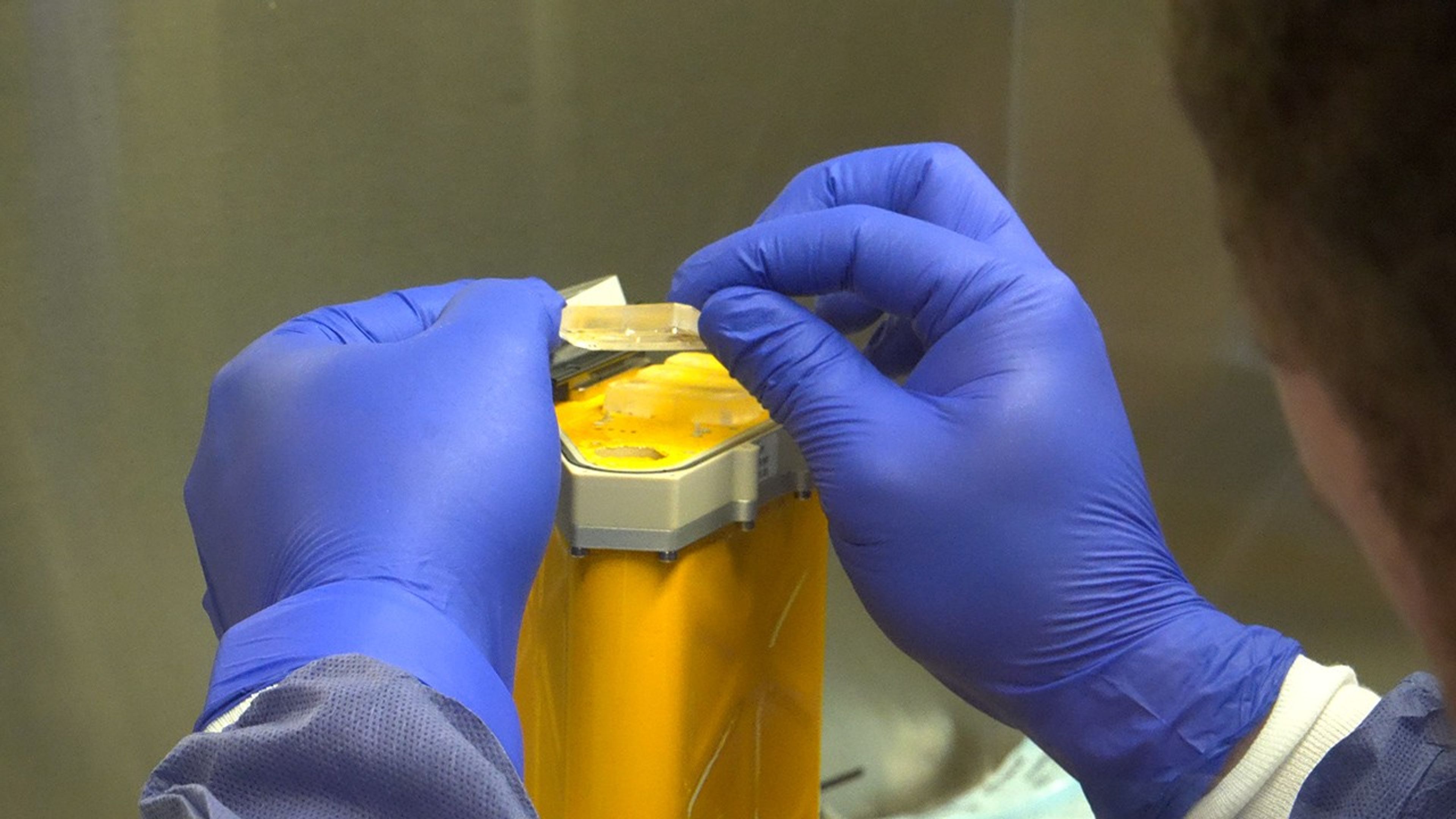
A person wearing blue gloves holds a small cylindrical organ chip.
A scientist handles AVATAR organ chips following their journey around the Moon aboard Orion. The chips contain cells from each astronaut and are being prepared for detailed analysis.
NASA

Organ chips from NASA’s AVATAR (A Virtual Astronaut Tissue Analog Response) investigation are being analyzed at chip developer Emulate’s laboratory in Boston. The organ chips included bone marrow cells from each Artemis II astronaut. They flew around the Moon with the astronauts, and now researchers are studying these organ chips to determine how deep space radiation and microgravity affect human health at the molecular level.

Scientists are comparing the chips flown aboard the spacecraft to ground controls and crew blood samples using advanced techniques, including single-cell RNA sequencing. The analysis will characterize how organ chips model individual responses to spaceflight, which is data that could allow NASA to send future astronauts’ AVATAR chips ahead on missions to develop personalized medical kits. The researchers plan to share early findings at scientific conferences while full analysis continues.

Lunar imagery, audio for data release

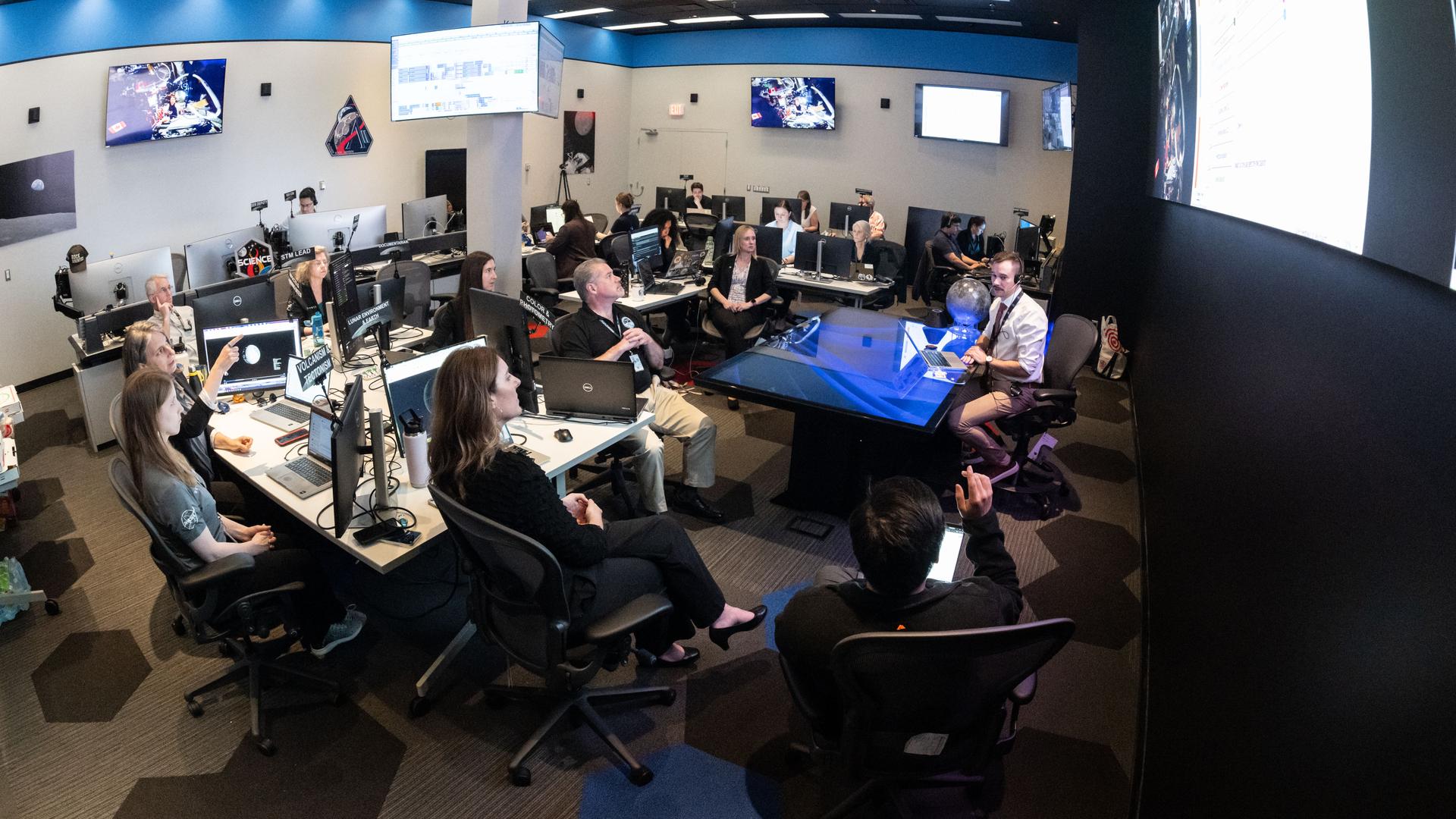
A large operations room filled with about two dozen staff members seated at computer workstations. Rows of desks with multiple monitors face a central area where a person sitting at a glass-topped desk appears to be speaking to the group. Large screens mounted on the walls display space-related imagery and data. Several people are looking towards a large screen hanging on a wall on the right of the image, while others work at their computers. The room is brightly lit, with blue accents along the walls, creating the atmosphere of a space operations or flight control center.
In this April 3, 2026, image, the Artemis II lunar science team is shown working in the Science Evaluation Room in the Mission Control Center at NASA’s Johnson Space Center in Houston. The team is putting together a plan of science observations for the Artemis II crew, which was headed toward the Moon aboard Orion. As they passed the Moon at closest approach on April 6, the crew applied the geology skills they learned in the classroom and in Moon-like environments on Earth as they photographed and described nuances of geologic features such as impact craters, ancient lava flows, and surface cracks and ridges. The crew noted differences in color, brightness, and texture — details that provide clues to surface composition and history.
NASA/Bill Stafford

On April 6, the Artemis II crew members studied features on and around the Moon for nearly seven hours during Orion’s closest approach to the lunar surface. Their work was guided by a minute-by-minute observation plan developed by the Artemis II lunar science team.

Scientists are reviewing the data collected from the mission, which includes images, video, and audio files, to release a report of their initial data interpretations later this year. The report will cover observations of impact flashes, variations in color on the lunar surface, and the shape and texture of faults and ridges. The team also will publish a report on how Artemis II lunar science observations were planned, organized, and executed for the benefit of future Artemis missions.

NASA will publish more than 100 science-related audio recordings with transcripts, as well as approximately 11,500 Earth and Moon image and video files from the mission science campaign, with accompanying data. While many of these images already are public, these records will be available through NASA’s Planetary Data System, a public archive of data from all of NASA’s planetary missions. To get the data ready, the team is converting files into standard formats that anyone can easily open and add information to make the data searchable in NASA’s archive for generations to come.

For more information on NASA’s Artemis II science efforts, visit:

https://www.nasa.gov/humans-in-space/artemis-ii-science/

Karen Fox / Molly Wasser

Headquarters, Washington

240-285-5155 / 240-419-1732

karen.c.fox@nasa.gov / molly.l.wasser@nasa.gov

The post NASA’s Artemis II Moon Mission Research Continues on Earth appeared first on NASA Science.

  •  
❌