Strength training helps protect independence in aging by preserving the muscle needed for daily movement, balance, and resilience. Healthy aging means staying independent, moving well, and continuing to take part in daily life as the years pass. For many people, the most meaningful signs of good health are practical ones: standing up from a chair [...]
One sleepless night can blur the brain, but just 20 minutes of exercise or a well-timed nap may help new memories survive for days. In a McGill University-led study, participants who exercised for 20 minutes or slept for 90 minutes after prolonged wakefulness performed about 22 percent better on a delayed memory test than those [...]
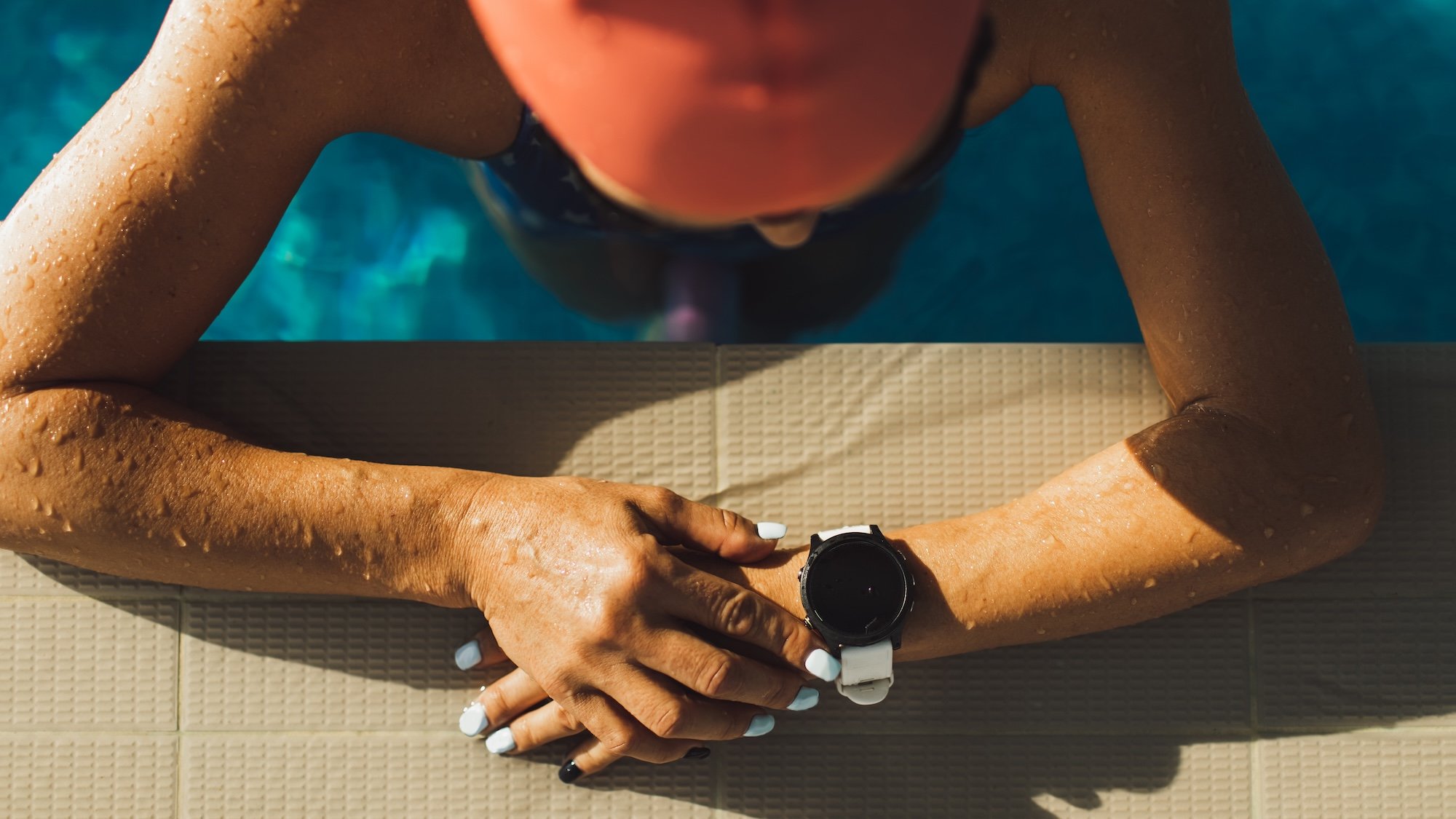
One of a smartwatch’s main selling points can be its ability to track the calories burned while exercising. But similar to the health tech industry’s “10,000 steps” selling point, new research strongly suggests a wearable’s workout assessment may overestimate your efforts—and in some cases, the readings are off by as much as 25 percent.
“You can’t treat the calories burned number it gives you as an accurate number, because it’s not,” Florida International University kinesiologist Jason Kostrna said during a recent profile.
Kostrna and his colleagues compared four of the most popular fitness wearables on the market: the Apple Watch Series 8, Samsung Galaxy Watch 5, Fitbit Sense 2, and Garmin Forerunner 955 against clinical-grade measurement equipment. They then asked 58 adult volunteers to use a stationary bike during a controlled workout session, while alternating between moderate and intense activity. Their results were simultaneously recorded by one of the commercially available wearables, as well as a COSMED K5 metabolic analyzer. For reference, COSMED fitness equipment can be seen during James Bond’s physiology assessment scene in the 2012 film Skyfall.
According to results recently published in the journal PLOS One, smartwatch calorie overestimations ranged between 15 and 25 percent. Apple was the most comparatively accurate, while Garmin and Samsung offered the most generous results. Meanwhile, the researchers needed to discard Fitbit from their trial entirely because the device repeatedly glitched during experiments. In some instances the Fitbit recorded a single calorie burned during an entire workout, or even failed to generate any assessment.
To put the larger findings in perspective: if your wearable claims you burned 500 calories at the gym, that number may be much closer to 350 calories. This may not seem too serious, but the errors can easily add up over time.
“You could be hundreds of calories off each week and easily end up in a calorie surplus when you think you’re in a calorie deficit,” said Kostrna.
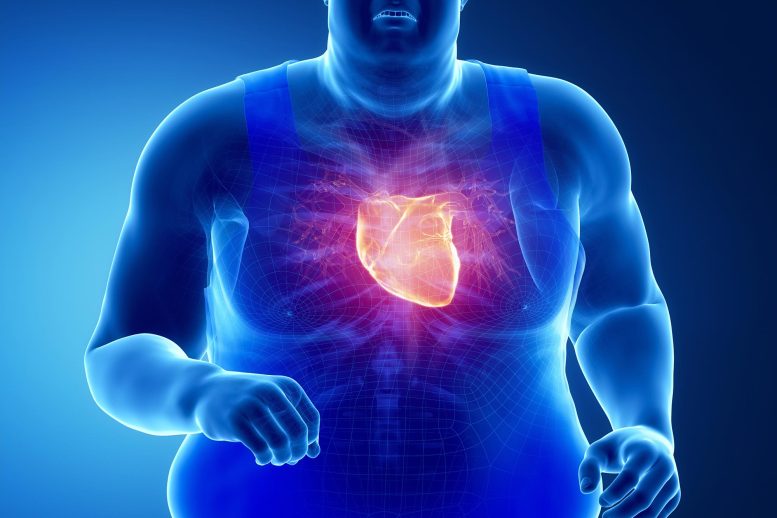
Tests also consistently indicated that smartwatches become less accurate for wearers with higher body fat percentages. The exact reason is still unclear, but Kostrna’s team suspects the issue may stem from how each device’s algorithms are calculated. This information is often highly guarded from public scrutiny by the tech companies themselves.
“When the companies are developing those algorithms, we don’t know where the test data is coming from,” Kostrna explained. ” That’s why I think it’s beneficial for the companies to see this type of data, so they can refine their products over time.”
However, this doesn’t mean the devices are completely useless. Their caloric measurements should just be taken as generous estimates. Researchers suggest treating a reading as a best case scenario after each workout, while people with higher body fat index may want to view the actual numbers even more conservatively. At the same time, the study’s authors warn against solutions like more aggressive dieting, since the body still requires healthy foods to recharge and improve. In any case, Kostrna stressed that calorie monitoring should only be one part of a person’s larger fitness goals.
“Focus on how you’re feeling, and use data to get a little better over time,” he suggested.
Cardiovascular health in midlife may influence mental function later in life. A person’s activity level and blood sugar in middle age may help shape how quickly thinking skills decline decades later. Research from UT Health San Antonio, the academic health center of The University of Texas at San Antonio, found that physical activity and better [...]
A new study strengthens the case for exercise as a critical way to protect the brain from age-related decline, including dementia and Alzheimer’s disease. During sleep, the brain activates a cleanup network that helps remove accumulated waste. A review led by Victoria University (VU) researcher Dr. James Broatch examined whether exercise could strengthen this glymphatic [...]
Women may benefit more from simple, evidence-based exercise and nutrition habits than from rigid social media advice. Social media is filled with detailed rules telling women when to eat protein, how much water to drink, and whether exercising without food is harmful. Researchers at the University of Otago – Ōtākou Whakaihu Waka argue that most [...]
Even moderate amounts of walking may help protect brain function and slow changes linked to Alzheimer’s disease. New research reveals a modest amount of daily movement may help protect the brain from Alzheimer’s disease, but the apparent benefit does not involve the biological target researchers expected. Using pedometers, researchers followed nearly 300 older adults with [...]
Researchers found that smelling chocolate before and during resistance exercise may subtly change how the brain responds to effort and appetite. Halfway through a difficult leg workout, most people would not expect the smell of chocolate to help them complete more repetitions. Yet a study published in Frontiers in Physiology suggests that exposure to dark [...]
Swimming matched running for fitness gains but delivered greater heart growth and more favorable molecular changes, making it potentially more beneficial for cardiovascular health. For decades, swimming and running have been considered two of the best forms of aerobic exercise for cardiovascular health. But new research suggests they may not strengthen the heart in exactly [...]
People taking popular GLP-1 weight-loss drugs like Ozempic, Wegovy, Mounjaro, and Zepbound may be shedding pounds, but a new study suggests they are also moving less. People with obesity who lost weight while taking popular medications such as Ozempic, Wegovy, Zepbound, and similar drugs became significantly less physically active, according to research presented at ENDO [...]
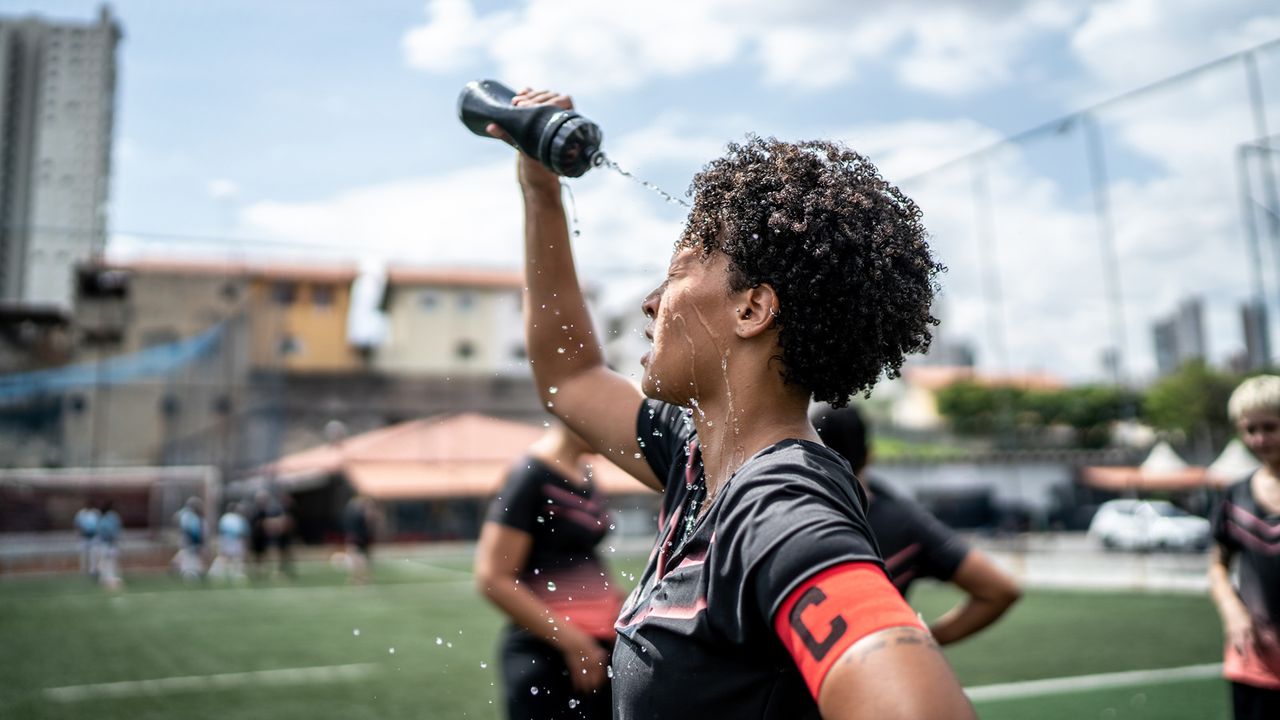
As the World Cup kicks off across the U.S., Canada and Mexico, scientists have predicted that extreme heat could play a decisive role in determining the outcome.
Nearly half of the scheduled matches — especially those in more southerly areas of the U.S. and low-lying parts of Mexico — have at least a 50% likelihood of "performance-impairing heat." To prepare, many teams have been training intensively in hot conditions, and during the tournament, they will have access to cold-water immersion tubs, ice vests and misting fans to help cool players down if they overheat.
Compared with these major sporting events, which have resources to adapt to extreme heat, community sports participants and recreational exercisers often have fewer options. This lack of adaptability may increasingly affect when, where and how people can safely exercise, especially as climate change makes extreme warming events more frequent and intense.
"The majority of people who play sport for competition or just for fun, recreation and leisure have a fraction of that power [of professional sports organizers] but face greater challenges and harms," Jessica Murfree, an assistant professor in the Department of Exercise and Sport Science at the University of North Carolina at Chapel Hill, told Live Science.
How hot is too hot for exercise?
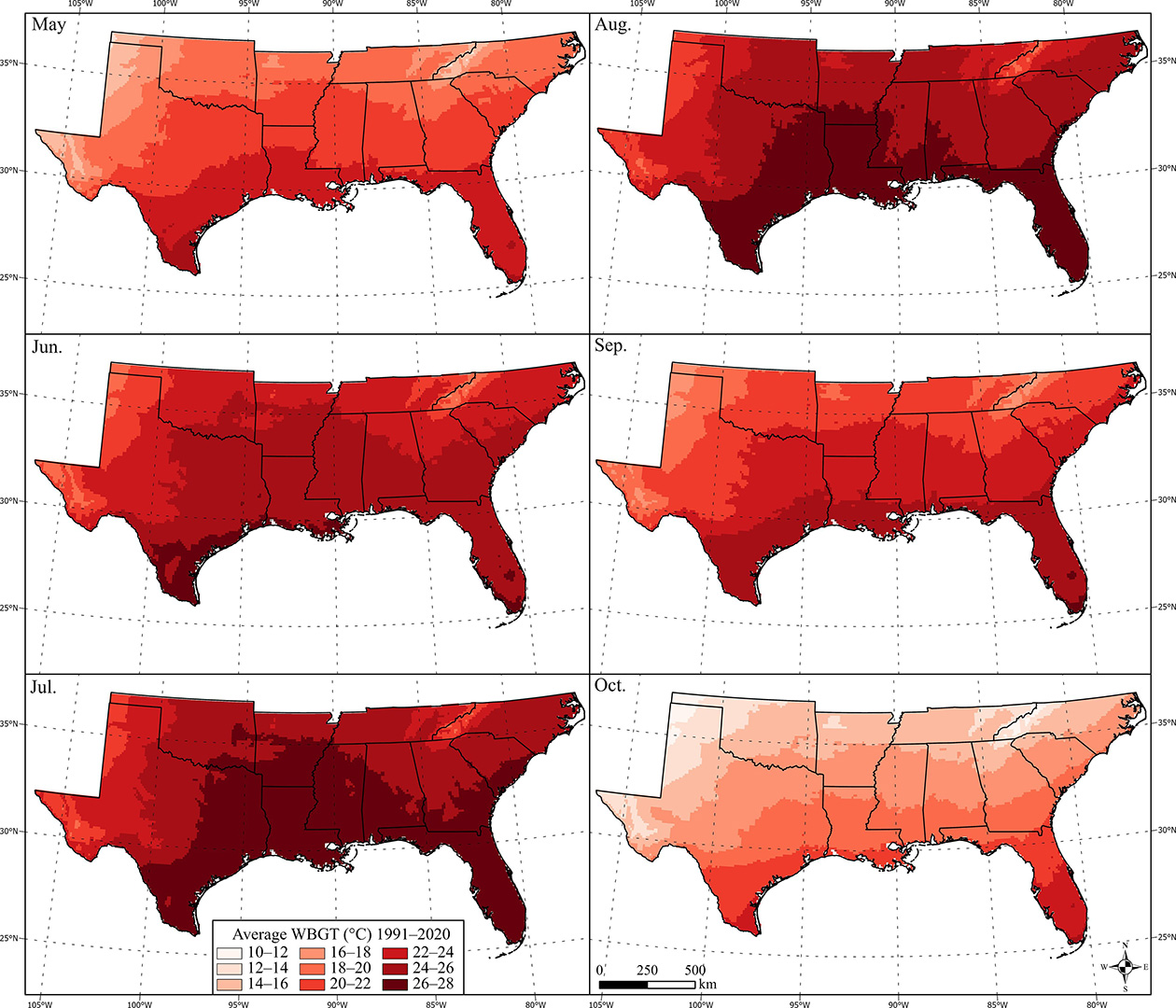
Sports governing bodies typically use wet-bulb globe temperature (WBGT) to assess heat risk. It measures the combined impacts of temperature, humidity, direct sunlight and wind speed on the human body.
Taking humidity into account is key because, with more water in the air, it's harder for sweat to evaporate off the skin and cool the body. WBGT was developed by the U.S. military in the 1950s to prevent heat-related deaths in training camps. Nowadays, it also shapes safety guidelines for outdoor workers, as well as athletes.
The American College of Sports Medicine divides the U.S. into three regions to account for varying levels of heat acclimatization and defines WBGT ranges that pose a "very high" risk in each region. That threshold is a WBGT of 82.2 degrees Fahrenheit (27.9 degrees Celsius) or higher in Southeastern and Southwestern states, 79.9 F (26.6 C) in Central states, and 76.3 F (24.6 C) in Northern regions.
For unacclimatized individuals and those with poor physical fitness, the health risk jumps at lower thresholds.
Gulf Coast states — particularly Southern Texas, Louisiana, Mississippi, Alabama and Florida — tend to experience the highest WBGT values. High-risk conditions begin in May in South Texas and South Florida, before expanding northward and peaking in July and August. Studies suggest the number of extreme humid heat events has more than doubled in most parts of the U.S. since 1980, and that globally, climate change added roughly three weeks' worth of dangerous humid heat in 2024 alone.
An individual's overall health and fitness, hydration levels and amount of exertion need to be considered, and systemic factors like socioeconomic status also come into play, Murfree said. For instance, lower-income families are more likely to live in hotter urban environments and lack access to air conditioning, meaning they may already be experiencing heat stress at home.
While high humidity and heat make it so sweat can't evaporate easily, the body has other means to cool down. It also sends more blood to the skin, arms and legs, allowing heat to be released through the skin. But physical exertion in extreme heat makes this more difficult.
"We only have a limited amount of blood in our body, and we're simultaneously trying to use it to fuel the reactions in our muscles to be able to facilitate exercise, as well as send it to our skin to help us cool down," said Grant Lynch, a research fellow in the Heat and Health Research Centre at the University of Sydney.
When the body can no longer get rid of extra heat, symptoms of heat exhaustion — including dizziness, nausea, headache and muscle cramps — may set in. If the body continues to overheat, this can progress to heat stroke, a serious and potentially fatal medical emergency where a person's core body temperature rises to 104 F (40 C) or above. Heat stroke can cause central nervous system dysfunction and delirium, convulsions or coma.
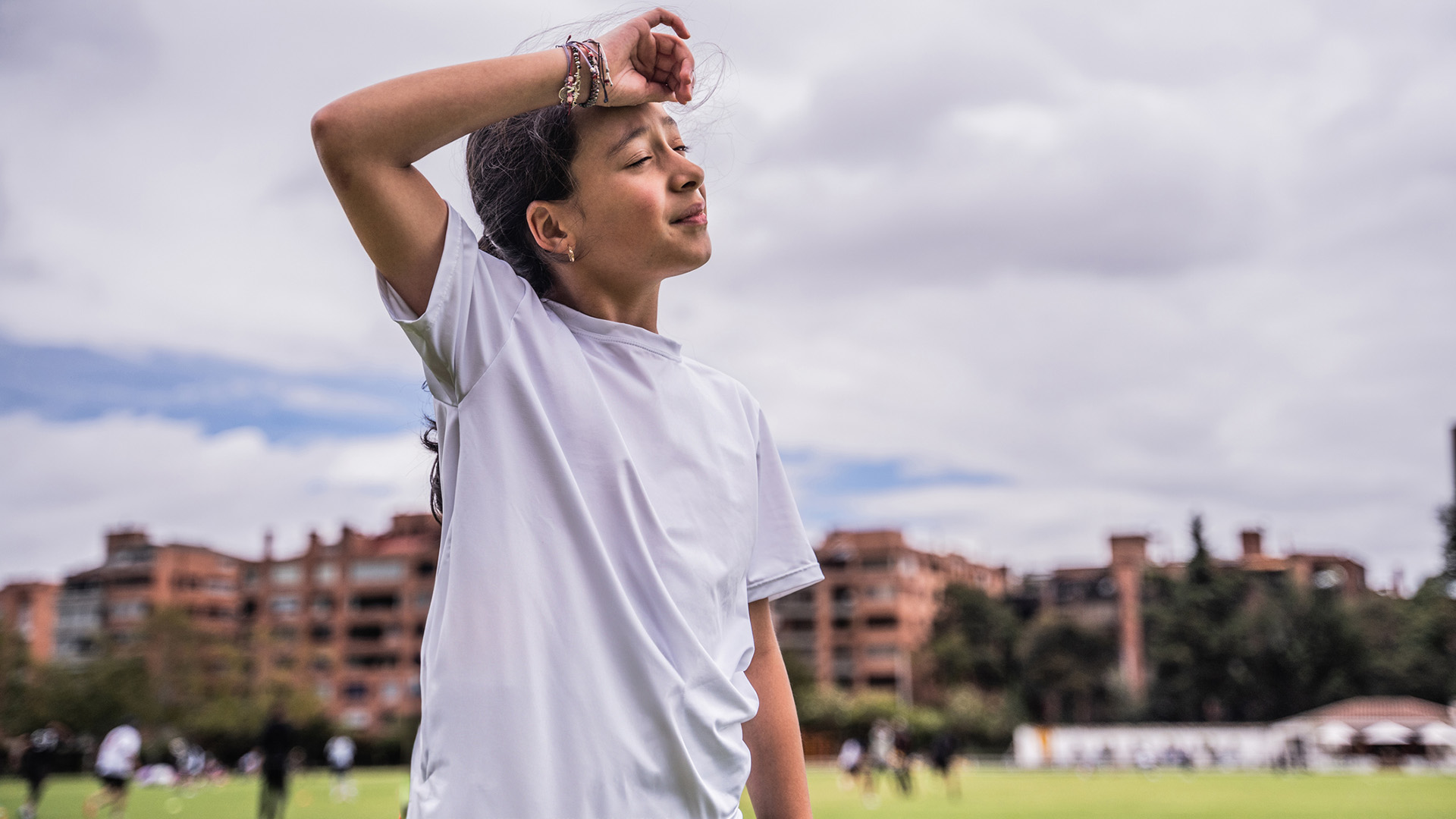
Heat can be especially dangerous for children and teens, compared to adults. (Image credit: Frazao Studio Latino via Getty Images)
Reducing health risk in hot weather
The body can acclimate to extreme heat, to some extent. At the University of Sydney’s thermal ergonomics laboratory, researchers use a climate chamber to test the body’s capacity to adapt by increasing its blood plasma volume and lowering heart rate and resting temperature.
"We would have them come in for anywhere from five to 14 consecutive days of exposure," Lynch said. "They would be cycling or running for between 90 minutes to 2 hours every day, and the conditions would be [95 F to 104 F] 35 C to 40 C in the room for that entire duration."
The benefits achieved through this kind of heat acclimation aren't permanent. Research suggests that, for every two days spent in a cool environment, one day of heat acclimation is lost. For people exercising just a few times a week in hot weather, "it's pretty unlikely you are physiologically adapting as much as you think you are," Lynch said.
While WBGT is considered the "gold standard" for heat safety monitoring, the special device required to measure it may not be accessible to every community sports organization or individual person exercising. The danger, Lynch said, is that many people focus on ambient temperature alone to determine risk, when multiple factors are involved and can compound.
Sports Medicine Australia, the country's national body for sports medicine and sports science, developed a tool to calculate risk and suggest safety precautions. It combines data automatically extracted from weather stations — including ambient temperature, humidity, wind speed and solar radiation — with sport-specific information, such as typical uniforms and duration of activity.
Generally speaking, the sports body recommends staying hydrated before, during and after physical activity; wearing lightweight and breathable clothing; taking frequent rest breaks using ice towels and misting fans when possible; and delaying or cancelling games when the risk level gets too high. If someone begins to feel overheated, immediate action is important to prevent further heat strain.
"The most important thing to do, without a doubt, is to stop or reduce the intensity of the activity you're performing, seek shade, go into an area where you are not exposed to direct sunlight, and then douse the skin with water," Lynch said.
Heavy sweating, painful muscle cramps, nausea, dizziness, and cool, pale, clammy skin are all signs that someone may be suffering from heat-related illness. Heat stroke symptoms include a very high temperature; hot, dry skin or profuse sweating; confusion; and loss of consciousness. These symptoms should prompt immediate cooling with a cold water bath and emergency medical care.
Murfree said she would like to see heat safety training introduced in schools in areas prone to extreme heat in the U.S., similar to existing fire safety education.
"Sport often asks us to push ourselves harder, be faster and tougher," Murfree said. "It's OK to take breaks, stop, slow down, reschedule and advocate for our bodies and our wellness in the heat."
This article is for informational purposes only and is not meant to offer medical advice.
How much do you know about the greatest athletic feats of all time? Find out with our sports record quiz!
A new study reveals that aging changes the body’s walking strategy, prioritizing balance and safety over efficiency. Walking may seem automatic, but every step requires a complex balance between stability, muscle coordination, and forward propulsion. As people age, that balance begins to shift. New research from Australia suggests the body gradually adopts a more cautious [...]
New research indicates that a moderate amount of weekly strength training may be associated with the greatest longevity benefits, especially when paired with regular aerobic exercise. For years, exercise advice has focused heavily on getting enough cardio. But a major new study suggests that what you do with your muscles may be just as important [...]

 Login

 Strength training helps protect independence in aging by preserving the muscle needed for daily movement, balance, and resilience. Healthy aging means staying independent, moving well, and continuing to take part in daily life as the years pass. For many people, the most meaningful signs of good health are practical ones: standing up from a chair [...]