❌

Reading view

It’s a Beautiful Day in the (Solar) Neighborhood
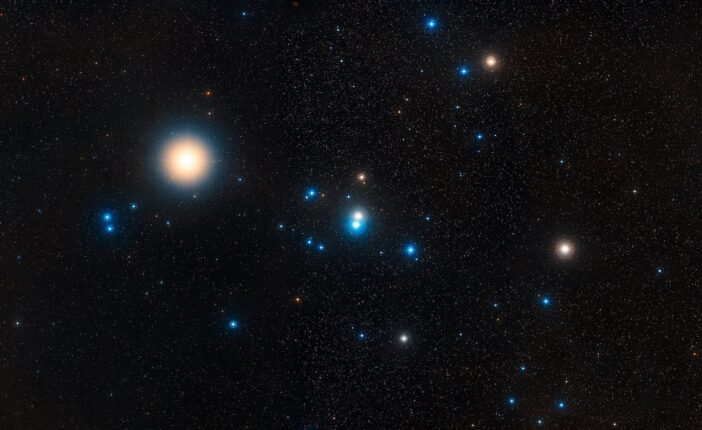
Hyades star cluster

It’s never been easier to get to know your neighbors: a new database introduces open star clusters, stellar associations, and substellar objects within 500 parsecs (1,630 light-years) of the Sun.

Too Much of a Good Thing

Astronomers today must contend with a difficult but delightful problem — there’s just so much data available. As a researcher attempting to study a particular slice of the universe, it can be challenging to pinpoint the correct data and to know whether you’ve collected all the data relevant to your science. This prospect is already daunting, and the deluge of data from surveys like the Vera C. Rubin Observatory’s Legacy Survey of Space and Time will make the situation even harder to manage.

This is where specialized databases can help. Often crafted with specific science goals in mind, database creators do the work for you by compiling objects within a well-defined parameter space. Today’s article describes a new database that takes a census of the solar neighborhood, with applications for studies of stellar evolution, exoplanets, and more.

Compiling Clusters

Jonathan Gagné (Montreal Planetarium; University of Montreal) and collaborators have compiled the Montreal Open Clusters and Associations (MOCA) database, which contains detailed information on nearby star clusters, stellar associations, and substellar objects.
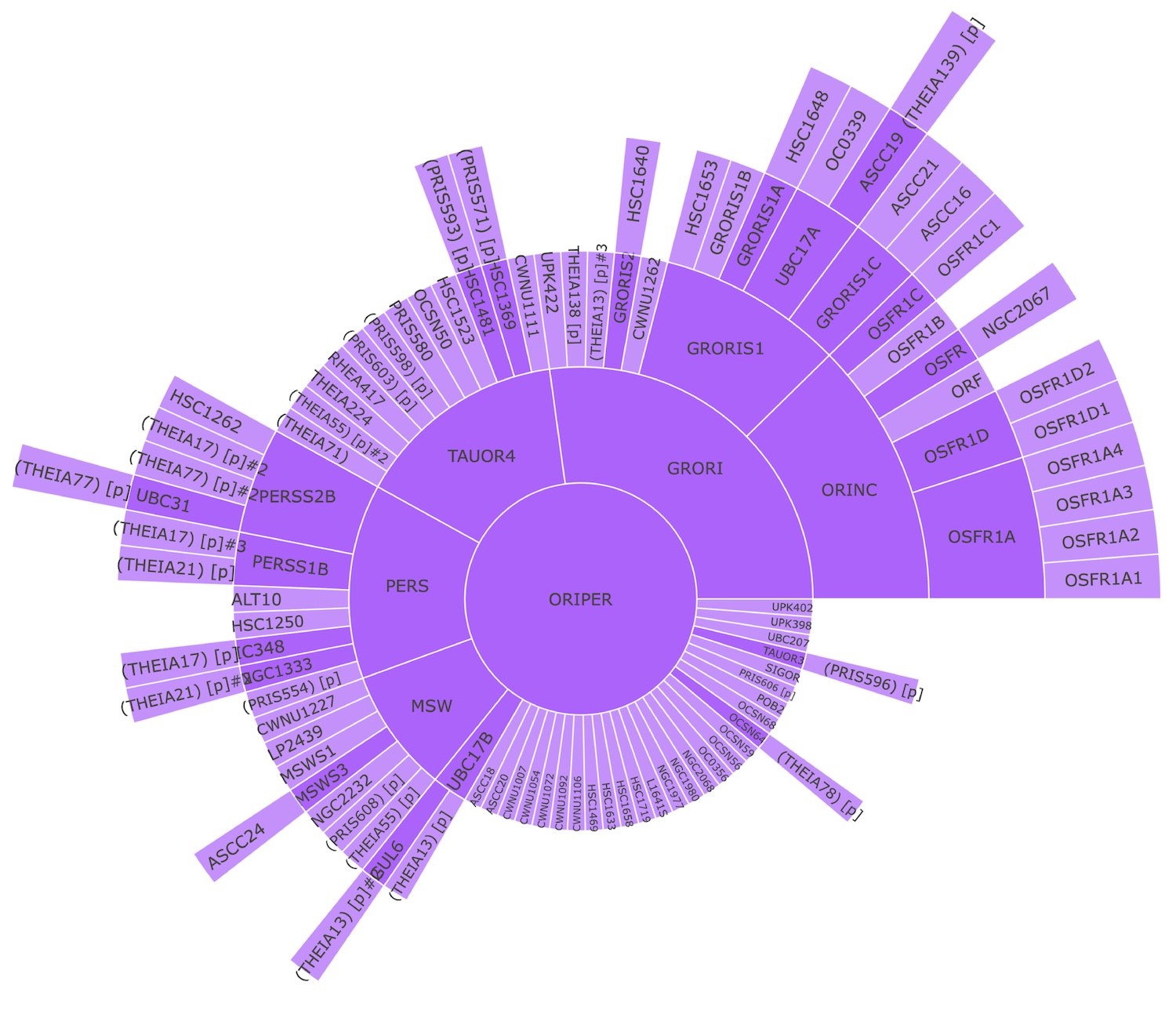
visualization of stellar association hierarchies

Visualization of the hierarchy of young stellar associations within the Orion–Perseus branch of the database. Click to enlarge. [Gagné et al. 2026]

Gagné’s team began the monumental task of constructing the database by amassing a list of nearby groups of stars from the literature, drawing on recent searches using data from the Gaia mission and other sources. This task required reconciling cluster names and memberships from multiple sources and detailing a cluster hierarchy that places subgroups within larger cluster structures.

In total, the complete database contains information about 10,259 star clusters and stellar associations and their individual members. The authors identified more than 11,000 new candidate cluster and association members, most of which are M dwarfs. The database also contains 1,620 substellar objects, 196 of which are newly identified through this work, and 101 candidate isolated planetary-mass objects.

Science with MOCA

For each star, the team compiled the available measurements from the literature and, from these core measurements, derived quantities like distance and spectral type. They then used empirical methods to estimate further properties like age, mass, and effective temperature.
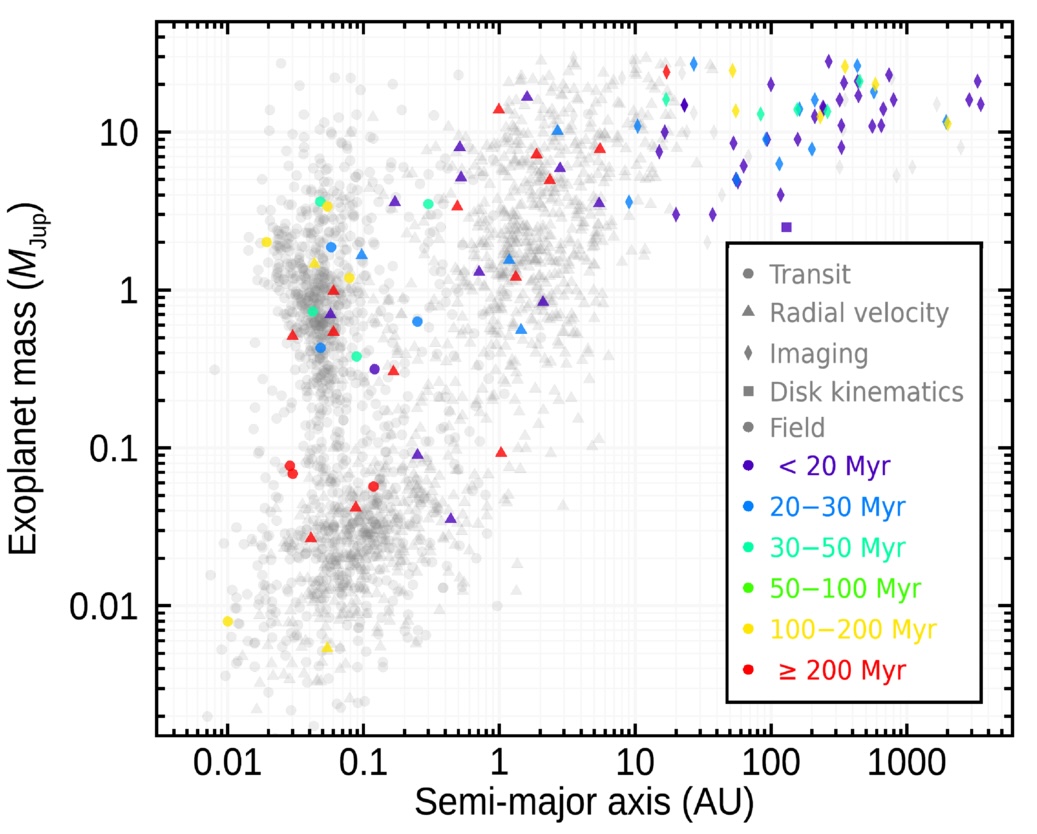
properties of confirmed exoplanets and exoplanets in young stellar associations

Masses and semi-major axes for confirmed exoplanets from the NASA Exoplanet Archive (gray symbols). Colored symbols indicate planets belonging to a young stellar association, with the color denoting the age of the association. Click to enlarge. [Adapted from Gagné et al. 2026]

Assigning ages to star clusters and stellar associations enhances the scientific value of the database, making it broadly accessible to studies of stellar and planetary evolution. For exoplanet science, the team identified 134 confirmed exoplanet systems and 121 planet candidates in young stellar associations with well-determined ages. This includes 46 confirmed and 53 candidate planets that appear to be assigned to an age-dated association for the first time.

MOCA already offers an impressive census of our patch of the Milky Way, but this isn’t its final iteration. As new data become available — including future Gaia data releases that will improve our understanding of cluster membership and reveal a population of astrometrically detected exoplanets — they will be incorporated into the existing database.

Interested in seeing what MOCA can do for your research? You can access the database online.

Citation

“The Montreal Open Clusters and Associations (MOCA) Database: A Census of Nearby Associations, Open Clusters, and Young Substellar Objects Within 500 pc of the Sun,” Jonathan Gagné et al 2026 ApJS 287 8. doi:10.3847/1538-4365/ae9b09

The post It’s a Beautiful Day in the (Solar) Neighborhood appeared first on AAS Nova.

  •  

The past, present, and future share a show floor at Pinball Expo 2026

It's October in the Midwest, which means it's time for the pinball world to descend on a convention center in Chicagoland for the annual Pinball Expo. Once thought to be an entertainment sector slowly bleeding out, pinball has come back in a big way in recent years. I visited one of Chicago's last old-school manufacturers before heading down the road to see what's new in the silver-ball universe.

Behind the silver ball

Hundreds gathered on a brisk fall Friday morning outside Stern Pinball's headquarters in Elk Grove, Illinois, waiting to enter a Wonka-like wonder factory where piles of raw parts become licensed creations from Jaws to the brand-new Fallout. Stern invited me to tour its offices and factory floor before heading off to the convention in nearby Schaumburg, Illinois.

An early morning line begins to form outside of Stern HQ as busses of Pinball Expo attendees arrived for tours. An early-morning line begins to form outside of Stern HQ as buses of Pinball Expo attendees arrive for tours.


As I stood with my tour group in Stern Pinball's HQ lobby, mouth agape at the dozens of machines lining the walls, we were greeted by the man himself, Gary Stern, who gave us some background on the company's 40-year history. After a stop at Gary's podium, we were ushered to the factory floor entrance, where Stern employee and legendary game designer George Gomez briefed us on the tour rules and answered questions. According to Gomez, "at any given time, Stern controls 90 percent of the current pinball market, and everybody else splits the rest."

Read full article

Comments

  •  

DIY VR: How to build your own headset, and why you probably won't want to

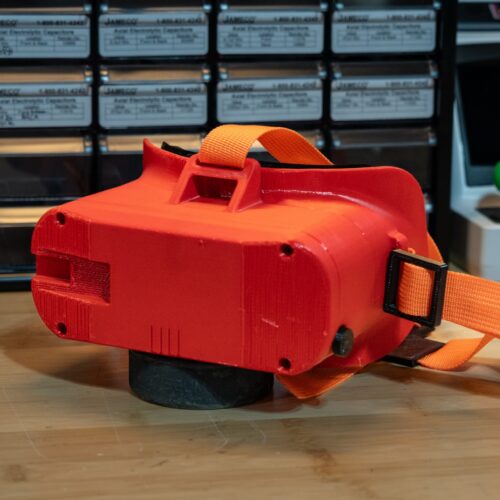
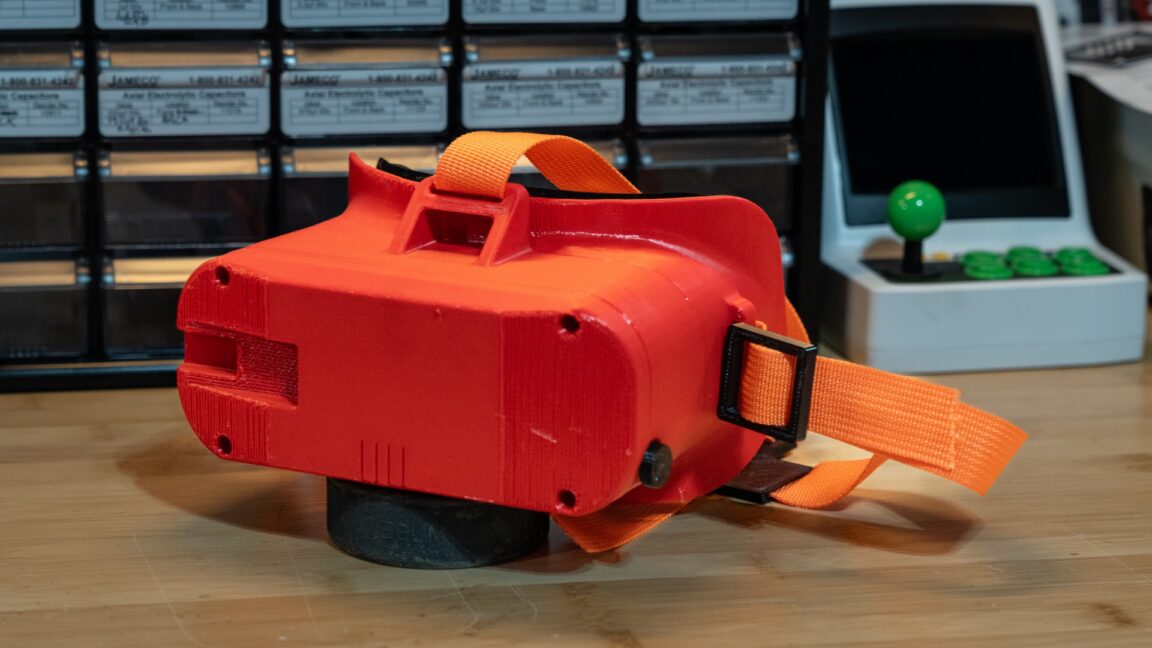
Virtual reality is in a bit of a weird place right now. After a lot of unfulfilled promise in the 1990s, it came back strong with the 2016 release of the Oculus Rift. For a while, it looked like VR, AR, XR, the metaverse, or whatever you wanted to call it, was going to be huge. Mark Zuckerberg was certainly convinced, and even Apple got in on the hype with its Vision Pro.

But by then momentum for alternate realities of every acronym was already in steady decline, and it only dwindled from there. The rate of development of new headsets has slowed, with many companies (including Apple) scaling back or shelving their efforts. While new releases like the Steam Frame and Pimax Dream Air are still happening, many of the most interesting developments in the space these days are on the enthusiast front.

That's right, DIY VR is a thing, and with a couple hundred dollars in components, plus many hours of your time, you too can enter the immersive world of virtual reality while also experiencing the highs and lows of soldering, firmware flashing, and 3D printing. I rode that rollercoaster myself and learned why this is still a decidedly niche movement.

Read full article

Comments

© Tim Stevens

  •  

Astronomers Get a Better Look at a Rare White Dwarf–Brown Dwarf Pair

Illustration of a brown dwarf orbiting a white dwarf

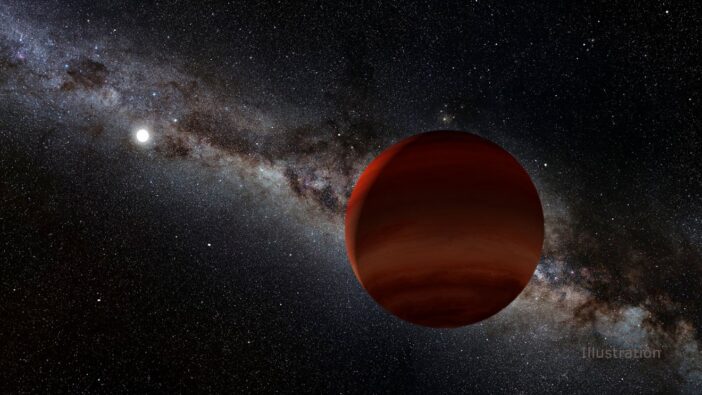
Researchers have followed up on the discovery of a rare binary system containing a white dwarf and a brown dwarf. This unusual pairing offers valuable insights into the physics of atmospheres subjected to strong radiation.

Odd Couple

In 2025, researchers searching through observations from the Transiting Exoplanet Survey Satellite (TESS) spotted an eclipsing binary system in which a brown dwarf orbits the white dwarf J0404+1112 every 2.93 hours. Only about a dozen white dwarf–brown dwarf binaries have been confirmed so far, and each newfound system offers clues to how substellar or planetary companions survive a star’s transition from main-sequence star to swollen red giant to blazing white dwarf.
Because the two objects orbit one another so closely, this remarkable system also offers researchers an opportunity to study the dynamics and chemistry of an atmosphere blasted with high-energy radiation, with important implications for close-in brown dwarfs and giant planets.

Insights from New Observations

eclipse photometry of J0404+1112

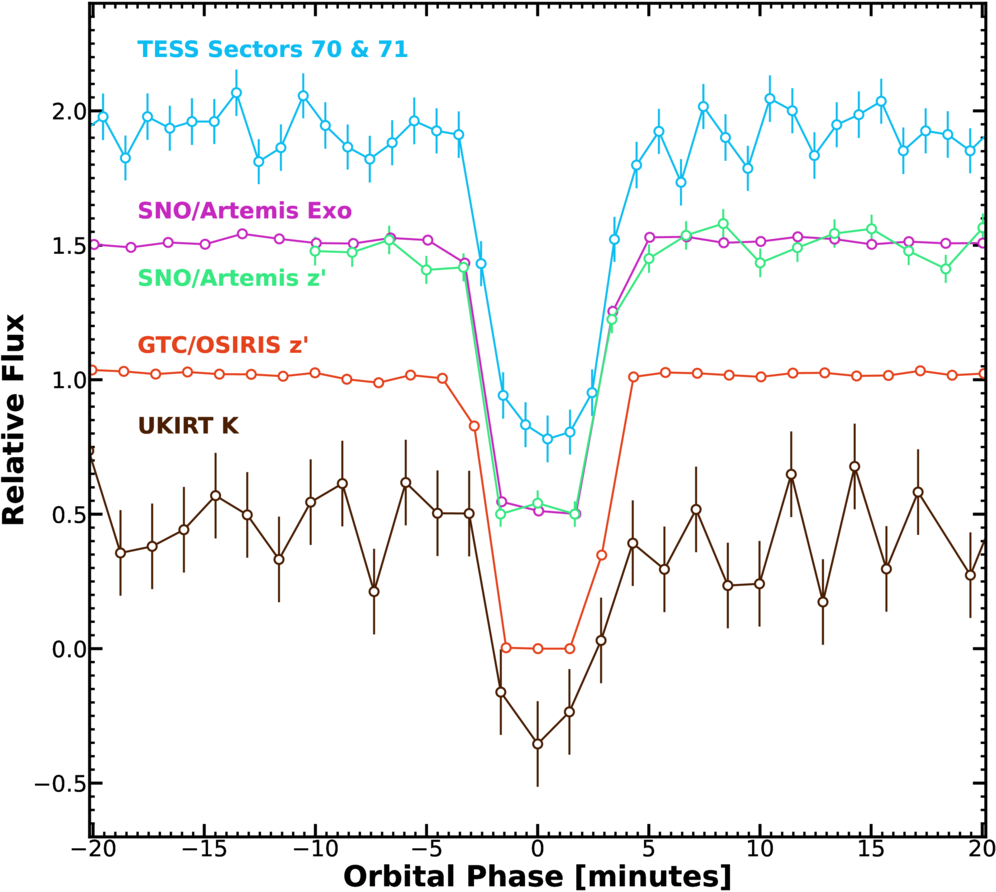
Eclipse photometry of J0404+1112 from TESS, SPECULOOS, the Gran Telescopio Canarias, and the United Kingdom Infra-Red Telescope. [de Wit et al. 2026]

Based on early data from TESS and SPECULOOS, Julien de Wit (Massachusetts Institute of Technology) and collaborators posited that the J0404+1112 system contained an unusually puffy low-mass white dwarf and a 25-Jupiter-mass brown dwarf. However, the initial data couldn’t fully constrain the white dwarf’s properties, leaving degeneracies between its temperature, radius, and other factors.
Now, the team has obtained new photometry from the Gran Telescopio Canarias and the United Kingdom Infra-Red Telescope, plus spectroscopy from the Gran Telescopio Canarias, to get a better sense of the system. These observations allowed them to break the degeneracies in the white dwarf’s properties, showing it to be an 0.60-solar-mass white dwarf that has been cooling for more than 10 million years to a present-day temperature of 28,000K. The brown dwarf also appears to be more massive than initially thought, weighing in at roughly 40 Jupiter masses.
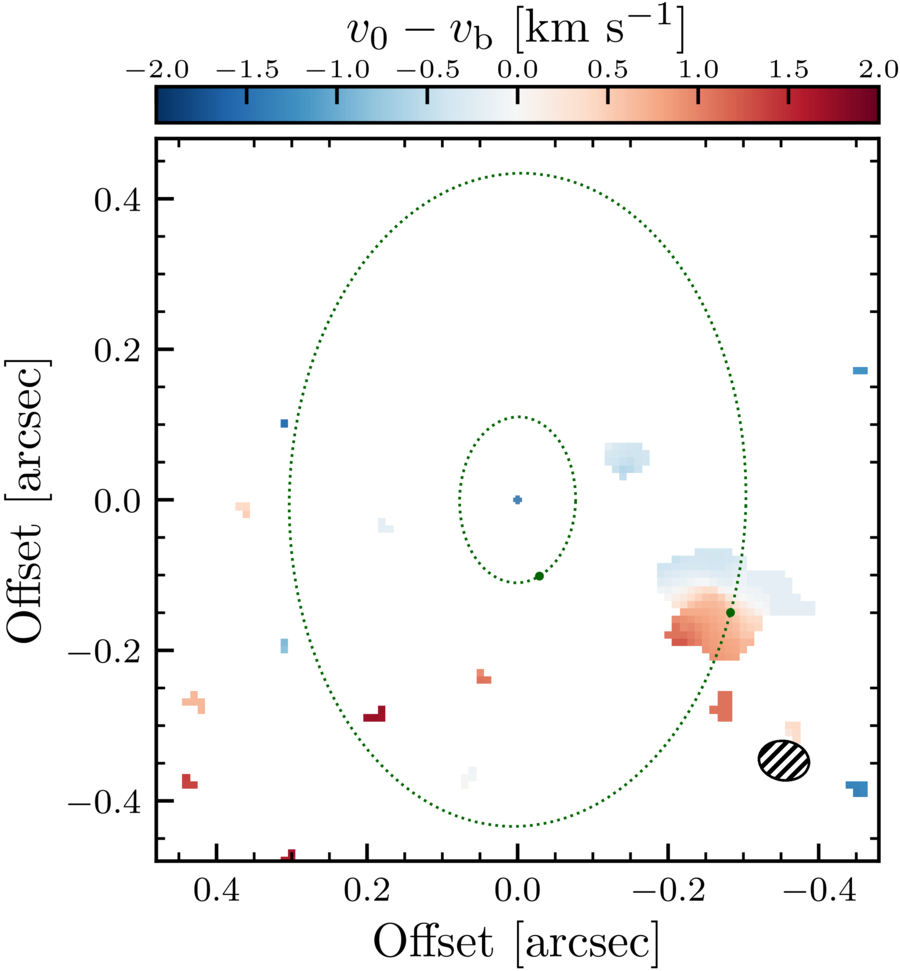
diagram illustrating the relative sizes of J0404+1112 and its companion brown dwarf

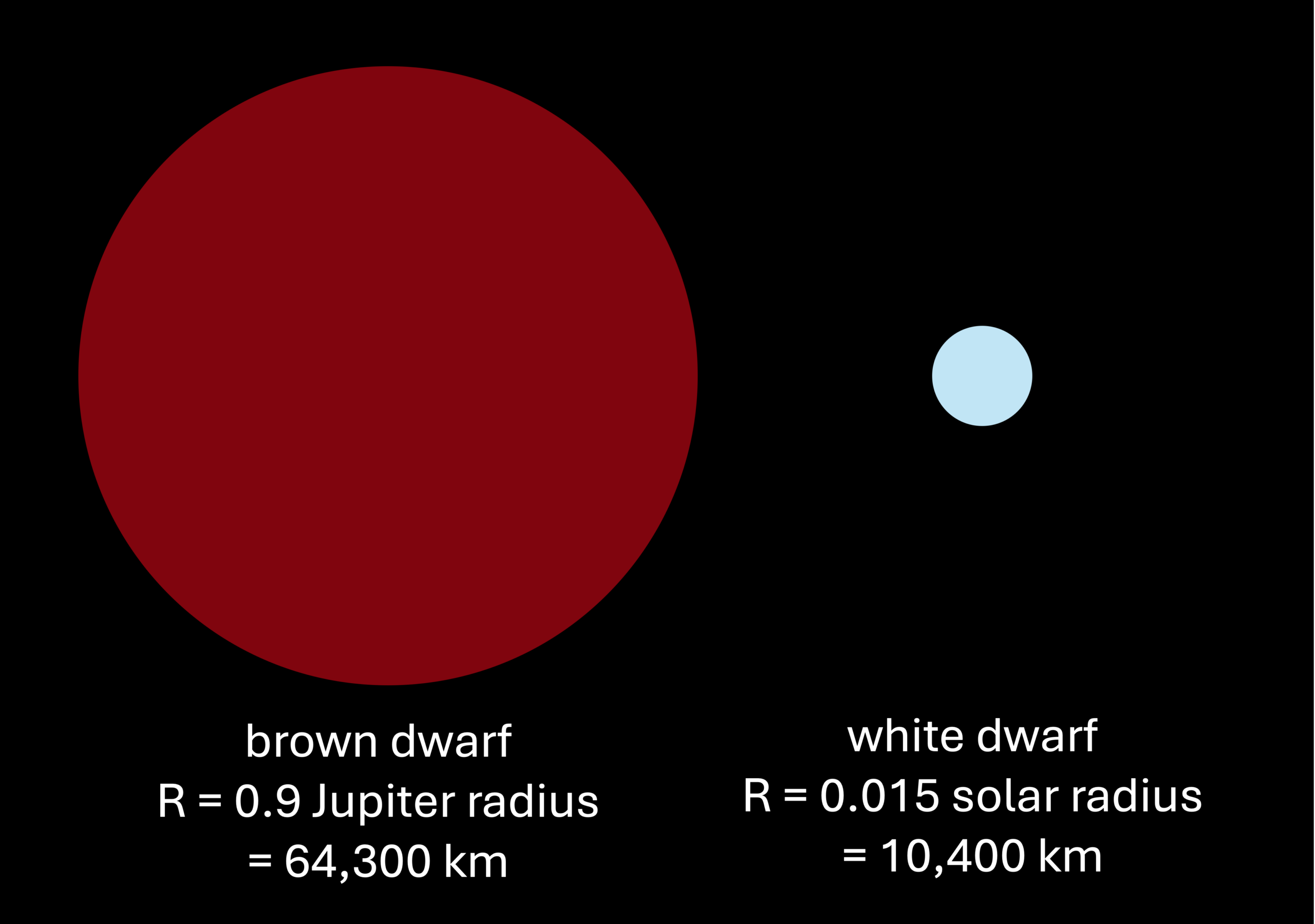
This diagram shows the relative sizes of the brown dwarf and the white dwarf. [AAS Nova/Kerry Hensley]
Like Night and Day

Because the system’s orbit is almost exactly edge on from our point of view, the white dwarf is completely eclipsed as the much larger brown dwarf passes in front of it. This allows the contributions from the two components to be separated, and for the emission from the brown dwarf’s nightside to be measured. The authors constrained the brown dwarf’s nightside temperature to roughly 1750K. Its dayside temperatures are likely to be significantly higher — potentially around 3750K at the point where the white dwarf is directly overhead — but more data are needed to constrain the dayside temperature of this world.

comparison of day–night temperature difference and irradiation flux of J0404+1112 compared to other systems

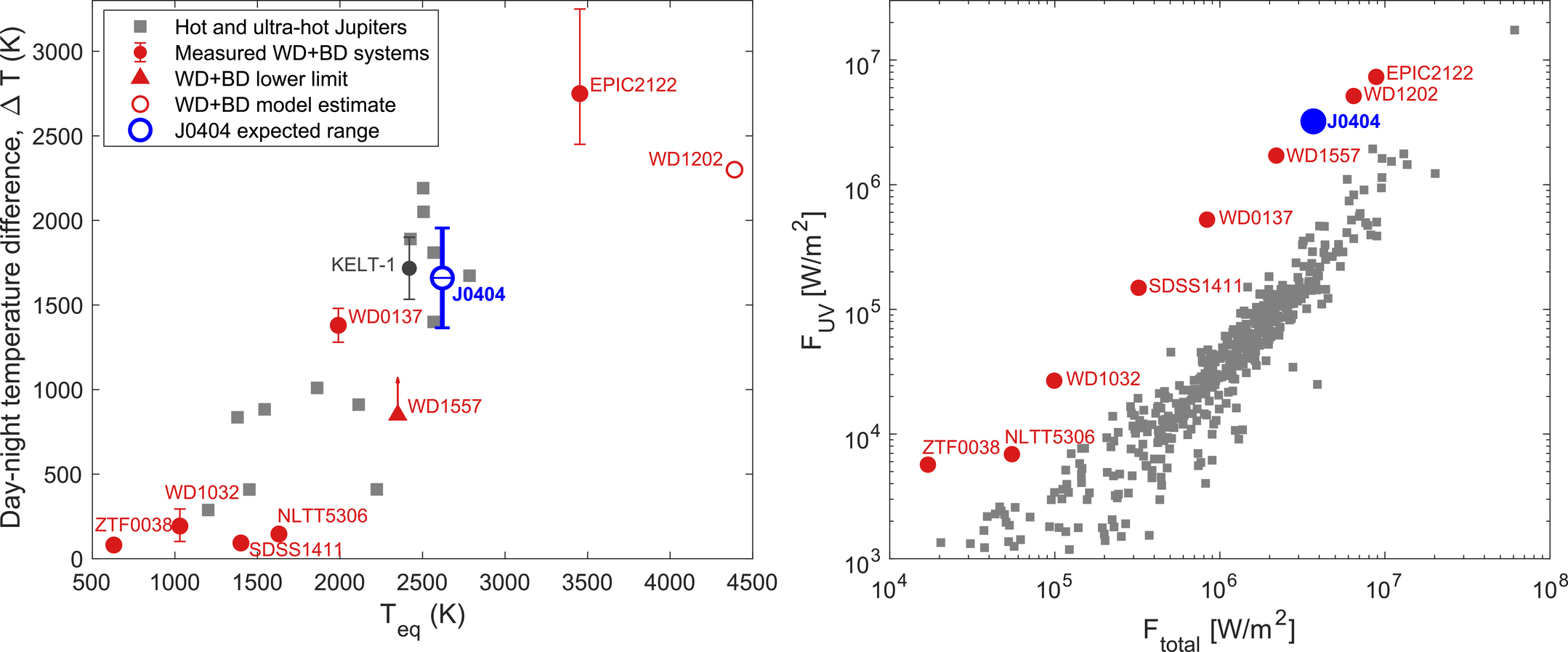
Day–night temperature difference (left) and irradiation flux (right) of the brown dwarf in this system compared to other white dwarf–brown dwarf systems and hot and ultra-hot Jupiters. Click to enlarge. [de Wit et al. 2026]

The estimated day–night temperature difference for this brown dwarf places it in the realm of hot and ultra-hot Jupiters. However, it’s subjected to more ultraviolet radiation than a typical hot or ultra-hot Jupiter orbiting a main-sequence star. This makes J0404+1112 a valuable system for disentangling the interconnected effects of temperature, radiation environment, atmospheric composition, and other factors on hot or ultra-hot Jupiters and other strongly irradiated brown dwarfs. We can certainly expect to learn more about this rare system as new data are collected!

Citation

“J0404+1112: A 3 hr Eclipsing White Dwarf–Brown Dwarf Probing Multiple Atmospheric Regimes,” J. de Wit et al 2026 ApJL 1009 L40. doi:10.3847/2041-8213/ae9a97

The post Astronomers Get a Better Look at a Rare White Dwarf–Brown Dwarf Pair appeared first on AAS Nova.

  •  

Googlebook review: Android on a laptop is still Android

Android was designed for phones, but that hasn't stopped Google from trying to adapt the OS and its apps to larger machines over the years. Googlebooks are just the latest attempt after tablets, Chromebooks, and foldables induced little change in how people interact with Android software. These new Android-powered laptops are designed to pick up where the web-focused ChromeOS left off, offering premium hardware and native support for Android apps.

Google sees Googlebooks as an alternative to Windows and macOS, but these platforms are entrenched with decades of software and UI conventions that keep users locked in. Googlebooks have to offer something very special to steal users away from either of the dominant operating systems.

For devoted Android phone users, there are some cool things in Googlebook OS, but the Android roots of these machines are impossible to miss. Sometimes it feels like using a Chromebook, and sometimes it feels like using a giant phone. It almost never feels like using a premium laptop, and that's the problem.

Read full article

Comments

© Ryan Whitwam

  •  

Catching the Culprit Behind Globular Clusters’ Disappearing Binaries

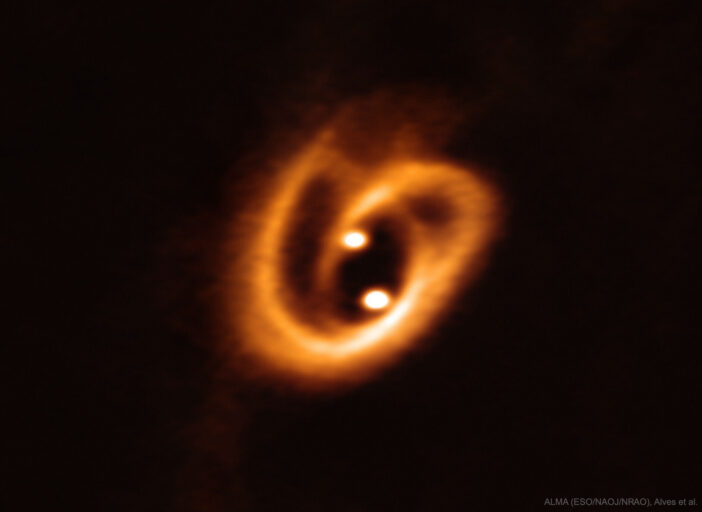
The formation of young binary protostars.

Roughly one-third of stars in the Milky Way are in binary or multiple systems, but only ~1–10% of stars in globular clusters have a companion. Did globular clusters start with fewer binaries than the solar neighborhood, or have they since been wiped out? 

Survival of the Tightest

Plot of semi-major axis vs. primary mass of binary stars.

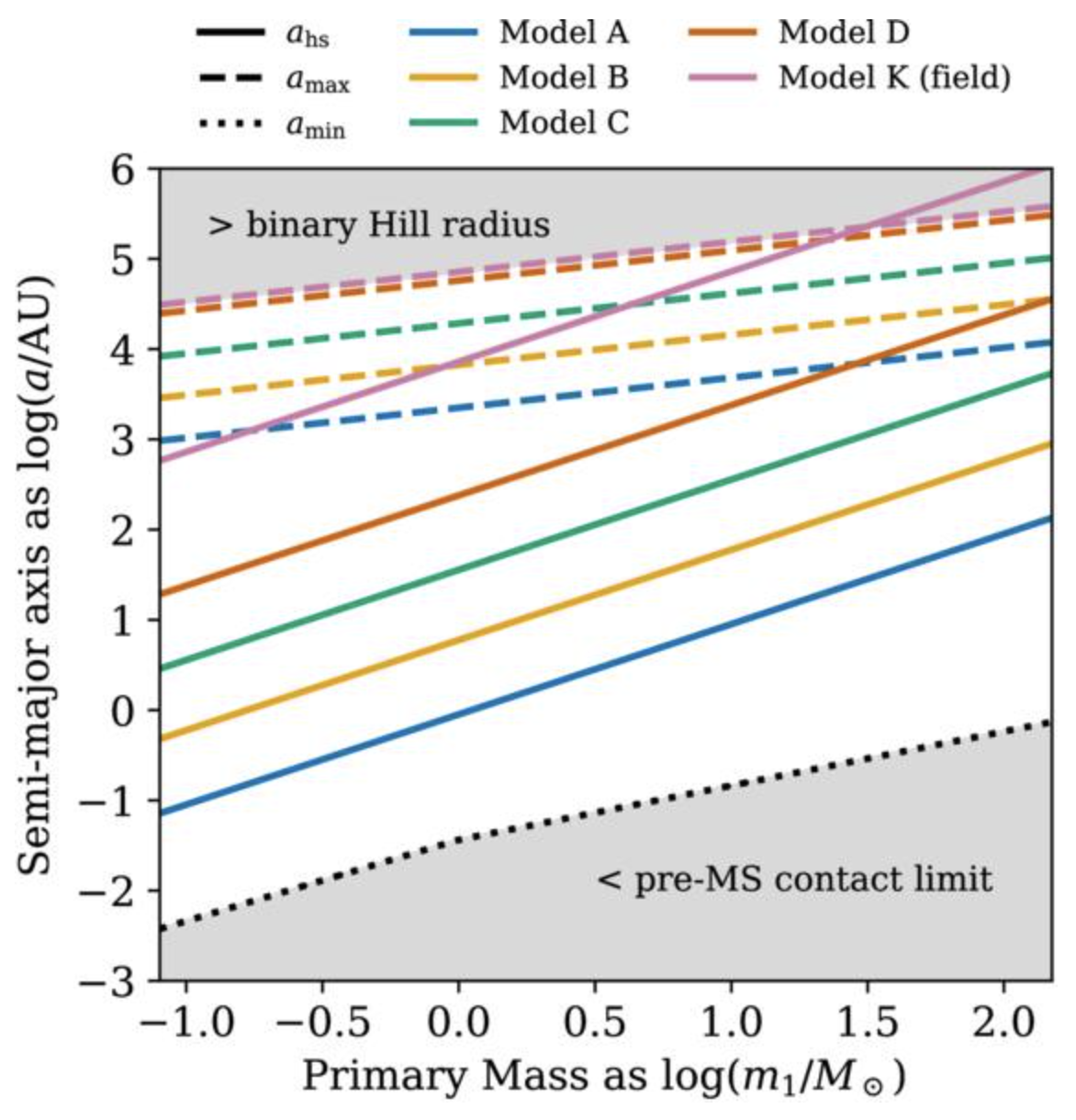
Map of the semi-major axis–primary mass parameter space for binary systems. Solid lines show the boundary between hard (below the line) and soft (above the line) binaries for a variety of models. Models A–K span a variety of cluster masses and virial radii (a proxy for cluster density). [O’Connor et al. 2026]

Globular clusters (GCs) are dense, ancient, gravitationally bound groups of stars. A team led by Christopher O’Connor at Northwestern University explored whether the lack of binary systems could be the result of some process unique to GCs. First, the team developed an analytical formalism to understand how binaries in a GC evolve depending on the binary stars’ masses, distance from each other, and interactions with other stars in the cluster. 

It turns out that the fate of a binary system depends on whether it is dynamically “hard” or “soft.” Hard binaries are generally tightly bound, and they tend to get “harder” from stellar flybys, which are common in a crowded cluster environment. Soft binaries are the opposite — they have much shorter lifetimes since encounters with other stars tend to loosen them. The team found that, assuming GCs have the same initial distribution of binaries as the solar neighborhood, the dissolution of soft binaries is sufficient to explain the present-day scarcity of binaries in GCs. 

Burning Away the Binaries

What actually tears the soft binaries apart? The answer is a process called “black hole burning.” As some of the most massive objects in a globular cluster, black holes in binary systems can transfer energy when they interact with passing stars. This influx of energy can excite soft binaries to the point of dissolution, the study shows. 

Black hole burning can also prevent core collapse in GCs. Left to itself, a cluster’s core gradually loses energy to its outskirts, causing the core to grow hotter and denser with stars. This leads to more dynamical interactions between stars that can then get flung from the core or enter new tight binaries. Black hole burning pumps energy back into the core and prevents this from happening. 

Putting the Theory to the Test

Plot that shows the number of black holes and total binary fraction in simulated globular clusters with time.

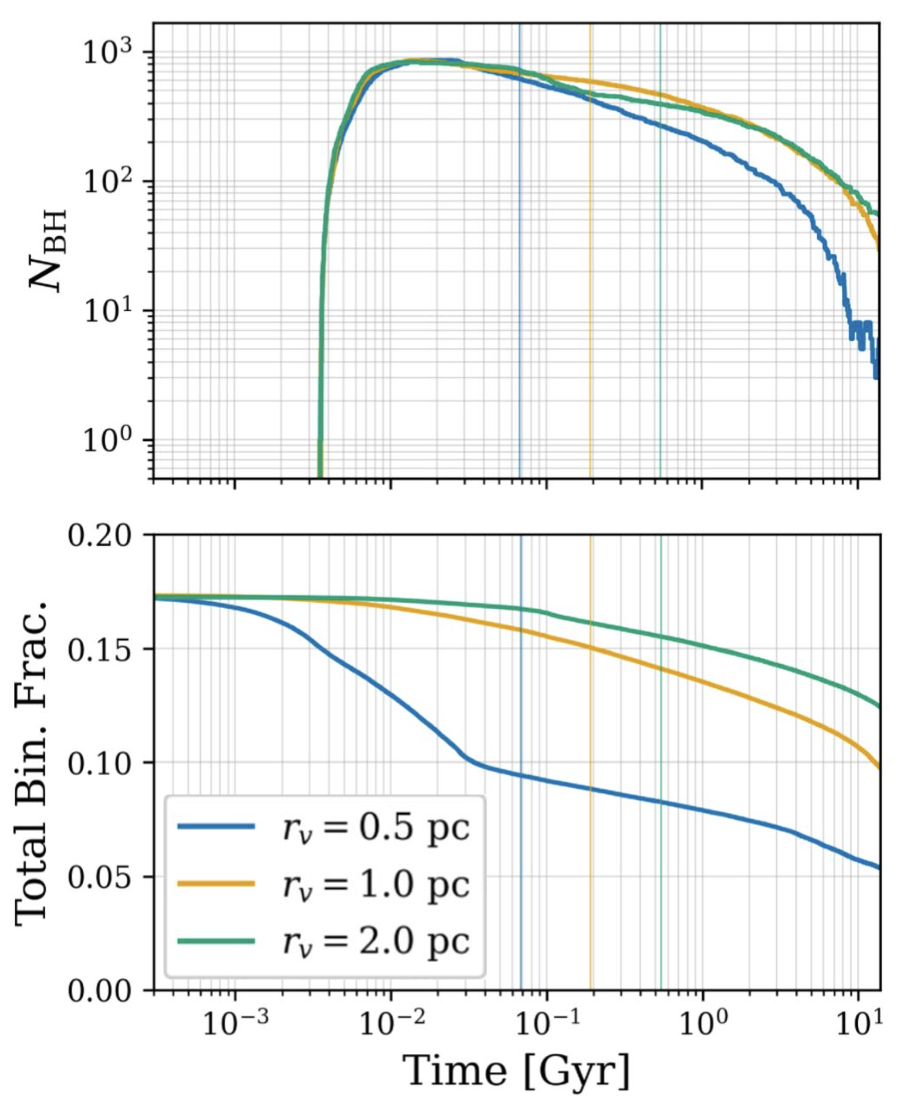
The total number of black holes in a cluster (top) and the binary fraction (bottom) as a function of time for three different cluster models. In the densest cluster (blue), binary dissolution starts early on, mainly driven by stellar collisions. For the other two models, binary dissolution mainly occurs after the number of black holes reaches its peak and black hole burning commences. [Adapted from O’Connor et al. 2026]

To validate their analytical results, the team performed N-body simulations of GC dynamics with the Cluster Monte Carlo code. They found that, in moderate-to-low-density clusters, the decline of binary systems is powered mainly by black hole burning. In more compact clusters, however, stellar collisions also play an important role in the dissolution of binary systems, and at earlier times than the onset of black hole burning.

In general, the final binary fractions of the simulated clusters agree with those predicted by the team’s analytical formalism. This further supports the theory that there is a universal initial binary distribution between galactic GCs and our solar neighborhood. Constraining this distribution is pivotal for refining dynamical models of GCs.

In short, GCs and the solar neighborhood likely started with the same amount of binary systems, and interstellar dynamics handled the rest. 

Citation

“A Common Origin for Binary Fractions in the Field and in Dense Clusters,” Christopher E. O’Connor et al 2026 ApJ 1009 L80. doi:10.3847/1538-4357/aea078

The post Catching the Culprit Behind Globular Clusters’ Disappearing Binaries appeared first on AAS Nova.

  •  

Drawing Back the Curtain on Solar Spicules

solar spicules

The Sun’s surface is peppered with spikes of plasma called spicules that appear to shift and twist over time. Recent simulations suggest a new explanation for the motion of solar spicules.

solar spicules

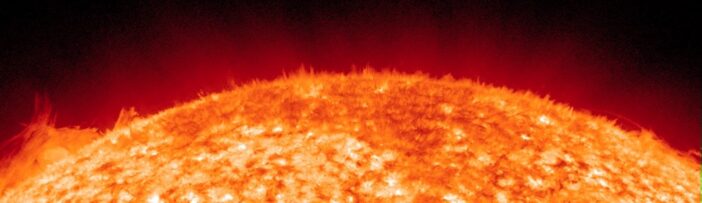
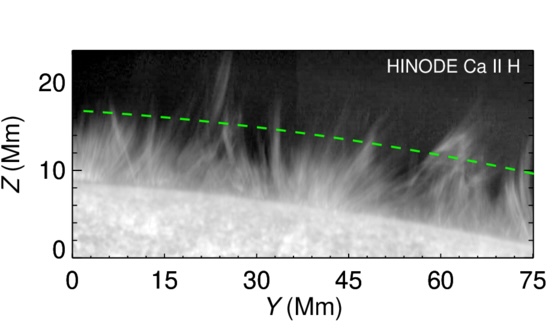
Solar spicules as seen by the Hinode mission. [Adapted from Dey et al. 2026]

Jets in Motion

Solar spicules are tiny jets of solar plasma that last just a few minutes. When viewed along the solar limb, spicules resemble blades of grass blowing in the wind. Observations show these structures moving in a variety of ways: twisting, shifting side to side, splitting, and joining together. Though spicules were first identified more than a century ago, where these motions come from is still up for debate.

In a recent research article, Sahel Dey (University of Newcastle; Indian Institute of Astrophysics; Indian Institute of Science) and collaborators performed 3D magnetohydrodynamics simulations to investigate the source of solar spicules’ motion. The team’s simulations encompassed a volume of 6,000 × 9,000 × 37,000 kilometers that stretched from beneath the visible surface of the Sun up to the lower region of the Sun’s outer atmosphere, or corona. In this region, they applied a uniform vertical magnetic field, mimicking the conditions within a coronal hole, where the Sun’s magnetic field streams outward into the solar system

simulated solar spicules

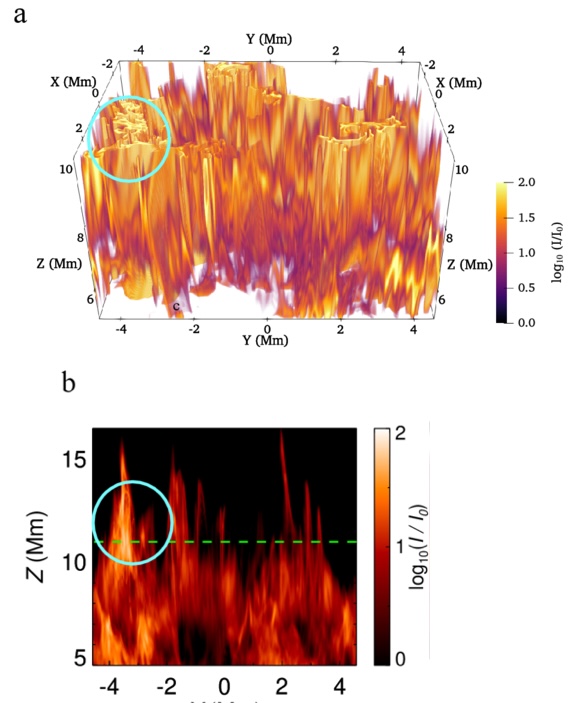
A) A three-dimensional view of simulated solar spicules, showing curtain-like structures. B) Intensity of synthetic emission from the spicules in panel A, integrated along the line of sight. The cyan circle indicates the same region in both panels. [Adapted from Dey et al. 2026]

Convection low in the simulation region generates slow magnetohydrodynamic waves, which create pockets of hot, upward-moving plasma and launch the spicules. When looking at the 3D structure of the spicules, Dey and collaborators found that they are not individual jets as they appear to be in photographs of the Sun. Instead, the sea of spicules creates an interconnected structure similar to a folded curtain.

Simulating Spicules

The jet-like appearance arises when this arrangement is viewed from the side; the team created synthetic images of their simulated spicules that show individual jet-like features. These “jets” have properties similar to those of real spicules, lasting just 5–10 minutes, journeying upward at 20–70 kilometers per second, and reaching heights of 6,000–16,000 kilometers.

These simulations clearly demonstrate that what appear to be individual jets can arise from curtain-like plasma structures. Dey and collaborators showed that this network of spicules evolves over time, buoyed upward from below by a series of shocks, pulled down gradually by gravity, and buffeted by adjacent plasma.

spicules and coronal swirling conduits

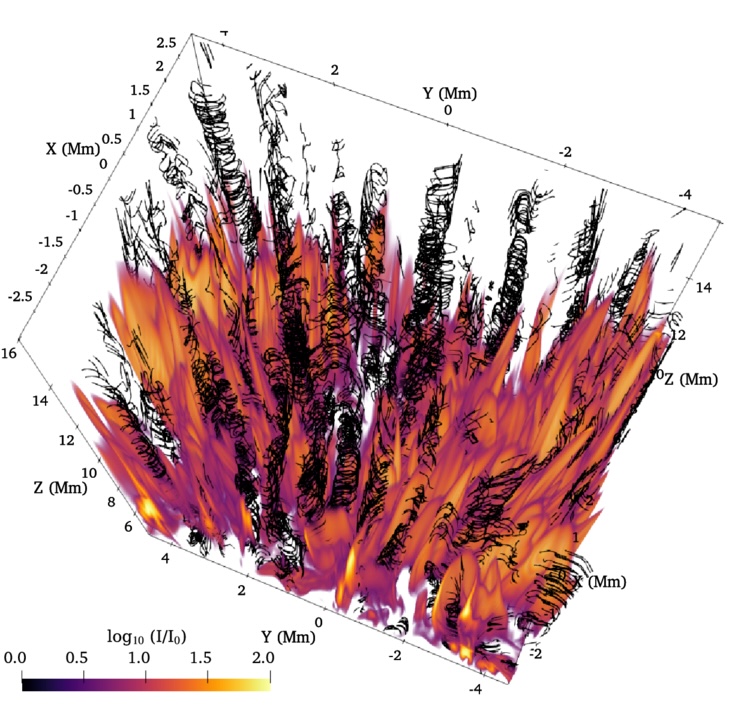
Three-dimensional view of spicules (purple–yellow regions) and coronal swirling conduits (represented by spiraling black lines). [Adapted from Dey et al. 2026]

The team showed that when spicules seem to rotate, merge, or split, these are largely apparent motions. For example, when two spicules appear to merge, this could be caused by different sections of a plasma curtain aligning along the line of sight. Some of the spicule rotation is due to what the authors term coronal swirling conduits: columns of rotating plasma interspersed within the network of spicules. These swirling plasma columns can transfer some of their motion to the spicules, especially when the spicules are falling back toward the solar surface.

This work demonstrates that a curtain-like configuration provides a viable explanation for the observed variety of spicule motions. Going forward, it will be critical to test this possibility further, as correctly interpreting the underlying structures of solar spicules is key to understanding how mass and energy are transferred to the solar corona.

Citation

“Solar Spicule Rotation Driven by Plasma Curtain–Vortex Interactions,” Sahel Dey et al 2026 ApJ 1008 132. doi:10.3847/1538-4357/ae8999

The post Drawing Back the Curtain on Solar Spicules appeared first on AAS Nova.

  •  

Amazon has over 1 million robot workers. What’s next for human employees?

No organization in the world operates more robots than Amazon. The company already has more than 1 million robots working in warehouses around the clock to make tens of millions of same-day and one-day package deliveries happen on a daily basis—and Amazon is poised to significantly grow that robotic fleet in the coming years as it establishes new factories to churn out increasingly more capable robot workers.

Despite deploying so many robots, Amazon is also the second-largest corporate employer in the world, with more than 1.5 million full-time and part-time human workers, according to its 2025 annual report. Amazon executives say that the growing robot fleet has eased the burden on its human workforce by taking on the toughest fulfillment center tasks that carry the greatest risks of physical fatigue and injury. But labor advocacy groups and independent researchers point to evidence suggesting that warehouse automation driven by AI is not all upside for the humans who work alongside robots.

“For the last 100 years, most of the automation that we've seen usually happens away from workers—you're taking that high-risk task away from the worker, and you're doing so in a way that is not physically proximate,” Brad Greenwood, professor of business at George Mason University, told Ars. “The rise of collaborative robots really changes that dynamic for two reasons: one is that it is physically proximate, and two, the robot has the ability to dictate the pace of work.”

Read full article

Comments

© Amazon

  •  

A Pulsar in a Rare Triple System

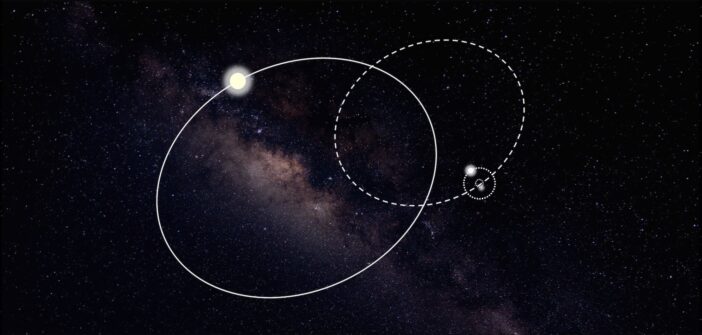
triple-star system containing the pulsar PSR J0435+3233

Follow-up observations show that a recently discovered pulsar has two stellar companions, making it one of just a handful of millisecond pulsars known to be in triple-star systems.

An Unusual New Pulsar

Earlier this year, researchers reported the discovery of a pulsar with the Five-hundred-meter Aperture Spherical radio Telescope (FAST). The newfound pulsar, PSR J0435+3233, is a millisecond pulsar, rotating once every 3.2 milliseconds. What’s unique about this pulsar is how quickly it’s spinning down: its spin rate is decreasing roughly 100 times faster than other millisecond pulsars in our galaxy, suggesting an unusually strong magnetic field and the possibility of an exotic formation pathway.

The FAST observations also showed that the pulsar is not alone: it appears to be on an 8-day orbit with a white dwarf. Now, follow-up observations have revealed the pulsar’s membership in an intriguing stellar system.

From Radio to Gamma Rays

Zonglin Yang (National Astronomical Observatories, Chinese Academy of Sciences) and coauthors followed up on the discovery of PSR J0435+3233 using multiwavelength data from FAST, multiple optical and infrared observatories, and the Fermi Gamma-Ray Space Telescope.

optical image of the subgiant companion to PSR J0435+3233

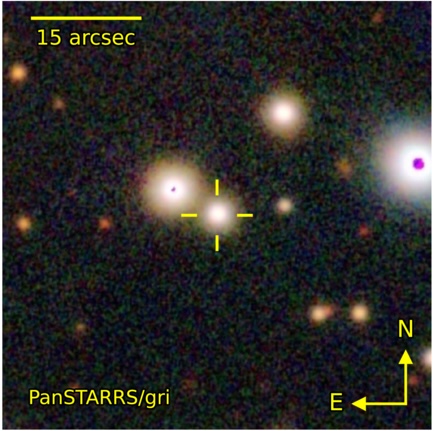
Visible-light image from PanSTARRS of the outer subgiant companion. [Adapted from Yang et al. 2026]

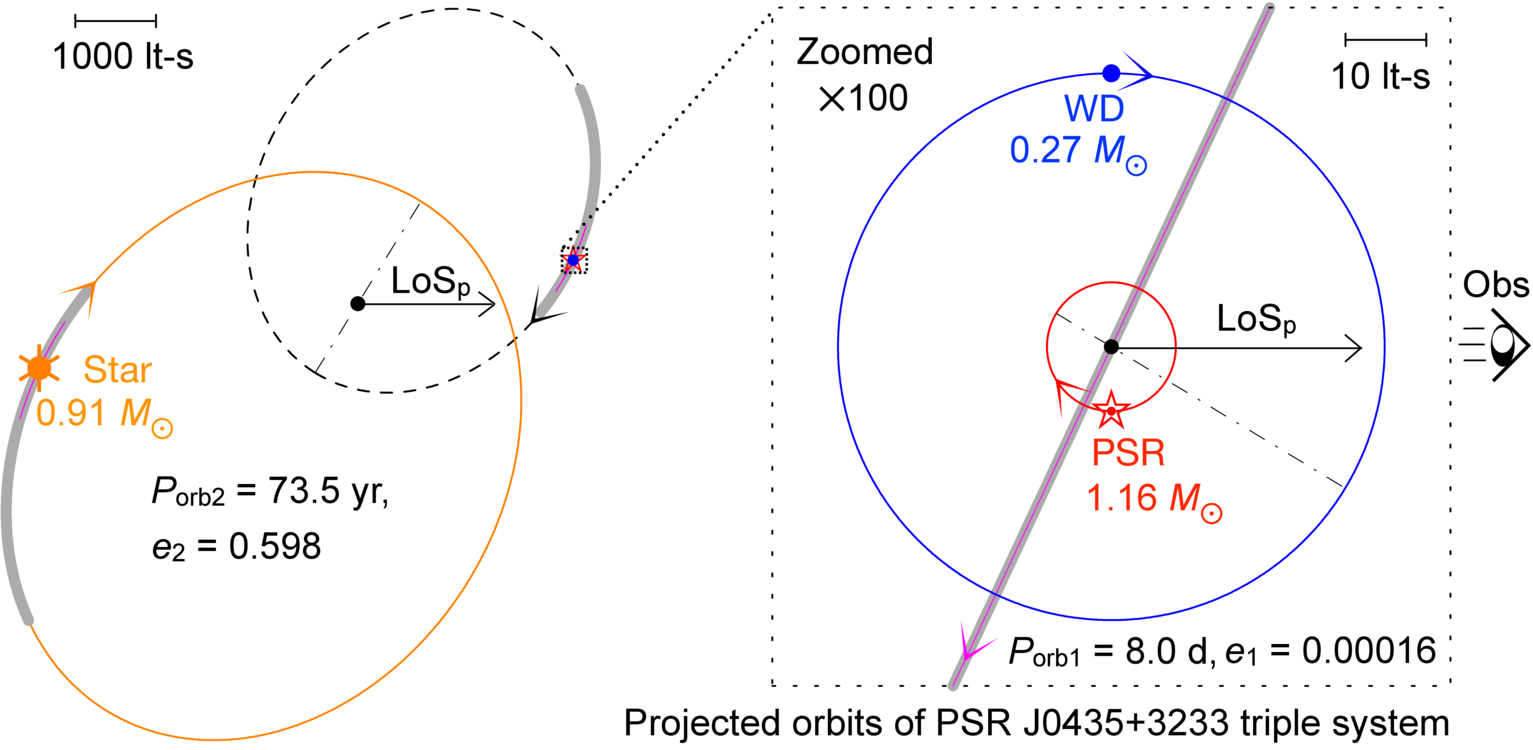
With this broad dataset, the team confirmed the identity of the pulsar’s white-dwarf companion, detected gamma-ray emission from the pulsar, and identified a second previously unknown companion, a subgiant star roughly as massive as the Sun. These three stars are arranged in a hierarchical triple: the pulsar and white dwarf orbit one another tightly, and the subgiant is a more distant companion, orbiting in decades rather than days. Current observations show that the orbits of the inner binary and the outer star are tilted relative to one another, either nearly perpendicularly or at about 54 degrees. While a triple system of three closely intertwined stars invites chaos, this configuration is stable long term.

Insights into Stellar Evolution

While it’s common to find millisecond pulsars in binary systems — in fact, many millisecond pulsars are thought to spin up to their incredible speeds via accretion from a stellar companion — it’s rare to discover them in triple systems. Because this system is isolated out in the field rather than crowded together with other stars in a dense cluster, Yang and collaborators suspect that the three stars have been together since birth, as opposed to being assembled dynamically later on.

projected orbits of PSR J0435+3233 and its two stellar companions

Projected orbits of the three stars in the system. Click to enlarge. [Yang et al. 2026]

The most massive star in the trio would have hurried through its main-sequence lifetime in less than 10 million years, culminating in a supernova. The remaining two members of the system would have had to withstand this explosion, which the team found is possible but not especially likely; the likelihood of the system coming unglued due to a star going supernova depends on how much of a “kick” the explosion gives the newborn pulsar, and even in a zero-kick scenario, the likelihood of the system remaining bound is only 35%. The future evolution of the system will be less dramatic. The outer star will eventually evolve into a white dwarf, undergoing a gentle transition that poses no threat to the stability of the system.

Triple-star systems are common among massive stars, but how this configuration affects stellar evolution is still being explored. This discovery offers a valuable opportunity to study dynamics and stellar evolution in a rare triple system.

Citation

“The PSR J0435+3233 Triple System,” Z. L. Yang et al 2026 ApJL 1010 L9. doi:10.3847/2041-8213/aeaa29

The post A Pulsar in a Rare Triple System appeared first on AAS Nova.

  •  

Tilting WASP-12b Doesn’t Solve the Mystery of Its Inspiral

Illustration of the exoplanet WASP-12 b.

In 3 million years or less, WASP-12b will tumble into its host star. It’s not surprising that the planet will meet its end this way, but it is surprising that it will happen so soon. New work tests a potential explanation for the planet’s rapid orbital decay.

Diagnosing a Doomed Planet

Roughly twice as wide as Jupiter and almost 50% more massive, exoplanet WASP-12b zips around its Sun-like stellar host every 1.09 days at a distance of just 0.023 au (3.4 million kilometers or 2.1 million miles). If placed in our solar system, WASP-12b would easily dethrone Mercury as the nearest planet to the Sun.

Observations show that WASP-12b’s already tiny orbit is shrinking, with each orbital period growing shorter at a rate of 29 milliseconds per year (Earth-year, that is). While we would expect the planet to slowly spiral inward due to tidal interactions with its star, it’s moving several orders of magnitude faster than predicted. The planet’s motion has so far defied all attempts to explain it, and now, a new research article by Caleb Lammers (Princeton University) and collaborators appears to topple yet another hypothesis for WASP-12b’s unexpectedly fast orbital decay.

A Tidy Tidal Explanation?

Previous work has proposed that WASP-12b’s rapidly shrinking orbit is due to obliquity tides, which could come into play if the planet had a nonzero obliquity, or axial tilt. Tidal dissipation generally works to keep close-in giant planets like WASP-12b from having a significant axial tilt. However, if you throw a second planet into the system, the companion can exert a torque that could force WASP-12b to remain tilted. This outside forcing, the hypothesis suggests, changes the orbital, spin, and tilt evolution of WASP-12b and ultimately pushes it toward its star far faster than expected without the tilt or the companion.

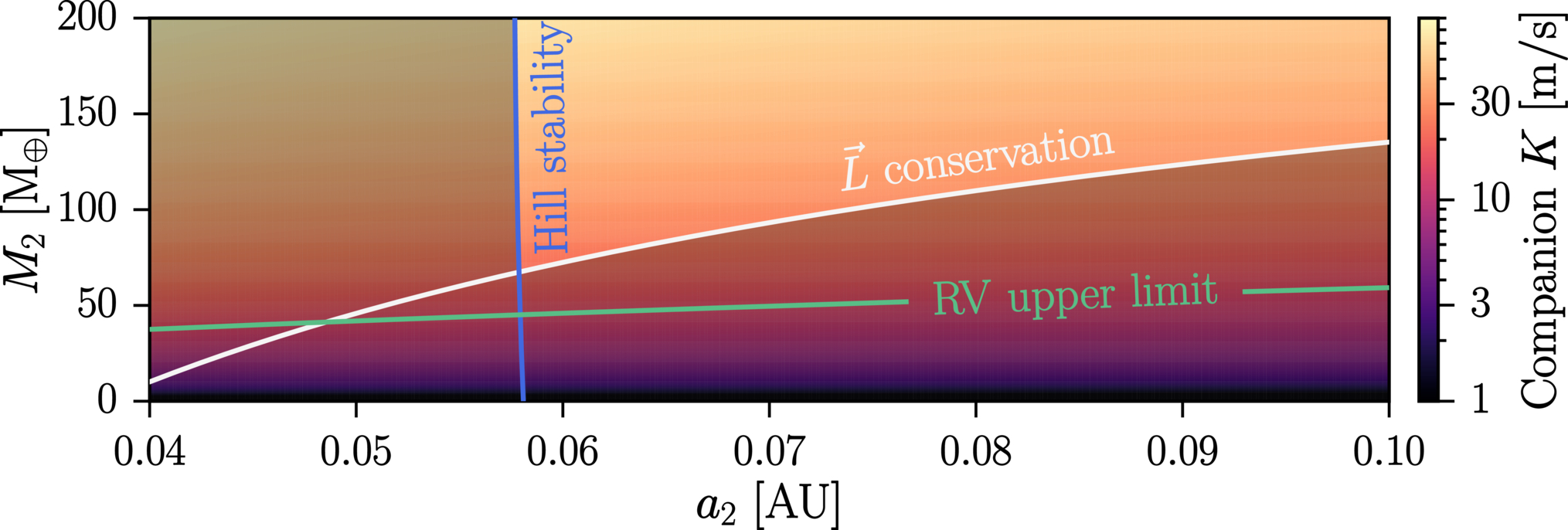
plot of mass versus orbital distance showing the radial velocity signal for each combination of parameters

Constraints on the mass and orbital distance of the companion planet in the obliquity-tide scenario. The color shows the radial velocity signal associated with each combination of parameters. The green line shows the maximum radial velocity allowed by observations. Click to enlarge. [Lammers et al. 2026]

Lammers and coauthors examined this hypothesis by tracking how the angular momentum of a system containing both WASP-12b and a companion planet would evolve over time. As WASP-12b spirals inward, it loses angular momentum. For the planet’s lost angular momentum to be absorbed by the star and the companion planet — while maintaining a stable orbital configuration for both planets — the companion must orbit at least 0.06 au from the star and have a mass of at least 65 Earth masses.

The Mystery Persists

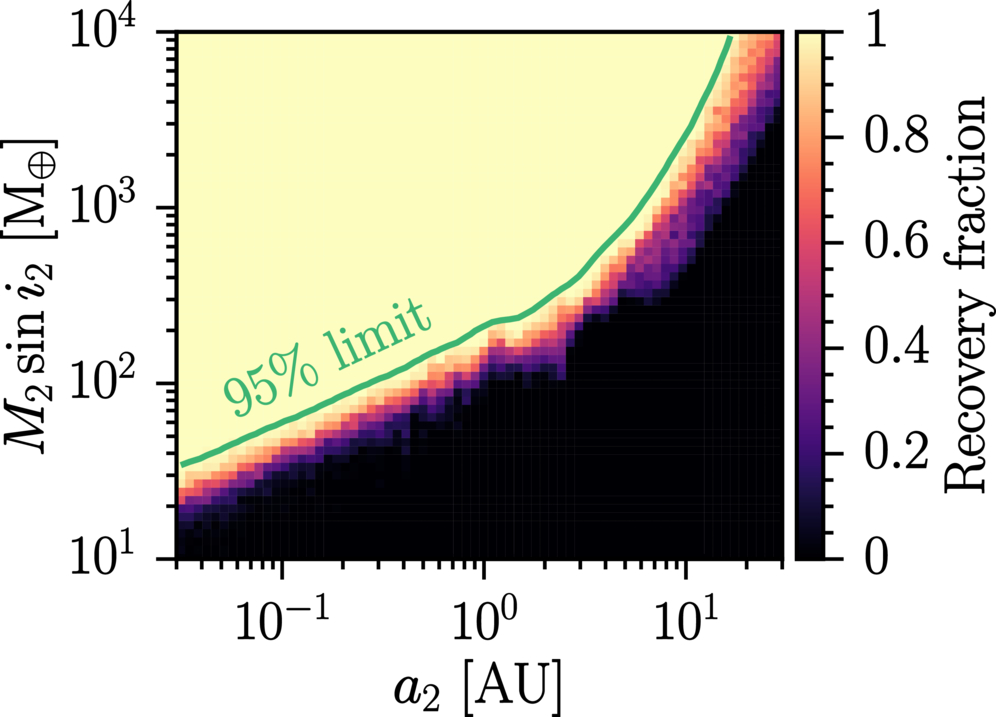
This companion mass and orbital distance are both larger than predicted by previous work, which had suggested that a 10–20-Earth-mass planet at 0.04 au would be sufficient to drive WASP-12b’s inward journey. Lammers and coauthors analyzed WASP-12’s radial velocity data for evidence of such a planet tugging on the star, but found none; only under extremely particular conditions could such a planet exist and not be detected in current data.

radial-velocity constraints on a second planet in the WASP-12 system

Radial velocity constraints on the properties of a hypothetical second planet in the WASP-12 system, obtained via injection-recovery tests. [Lammers et al. 2026]

Taking their calculations further, the team found it unlikely that this mechanism is at work in planetary systems in general, not just in the WASP-12 system. This leaves the mystery of WASP-12b’s rapid orbital decay wide open, and with only 3 million years to ponder it before the planet’s demise.

Citation

“The Mysterious Inspiral of WASP-12 b: Why Obliquity Tides Cannot Drive Orbital Decay,” Caleb Lammers et al 2026 ApJL 1009 L43. doi:10.3847/2041-8213/aea405

The post Tilting WASP-12b Doesn’t Solve the Mystery of Its Inspiral appeared first on AAS Nova.

  •  

If you're looking, here's a "good deal" for NASA and the European Space Agency

It's no surprise that NASA's new tack toward foreign partnerships—good deals only, please—is challenging preconceived notions of international cooperation in space.

Without a massive budget hike, the US space agency's emphasis on building a Moon Base and winning a competition for lunar real estate and resources with China will inevitably leave lesser priorities behind.

Gone is the Lunar Gateway, a space station that was to be assembled in orbit around the Moon. For the United States, Gateway was an unnecessary distraction and expense as NASA goes all-in on placing a surface station near the Moon's south pole.

Read full article

Comments

© AEI/MM/Exozet

  •  

Supernova, Kilonova, or Both? Another Look at SN 2025ulz

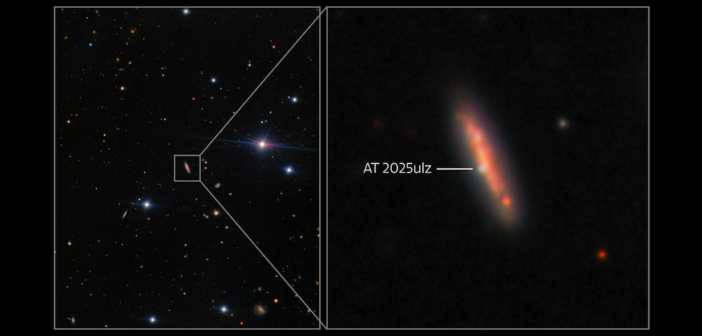
AT 2025ulz within its host galaxy

A tentative gravitational wave signal sent astronomers searching for a possible electromagnetic counterpart. New radio observations weigh in on whether the candidate counterpart is a standard supernova or a sign of something rarer.

A Potential Neutron Star Merger

kilonova as seen by Hubble

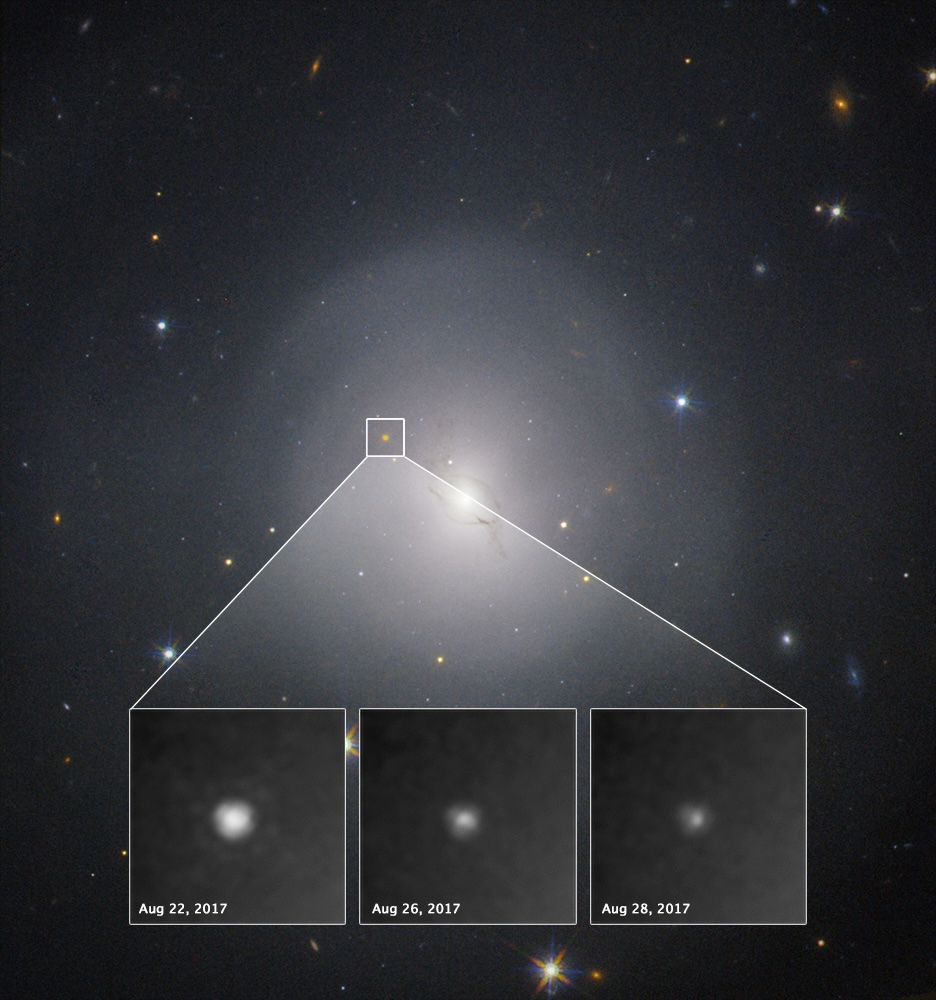
These images from the Hubble Space Telescope show the fading light of the kilonova associated with the gravitational wave event GW170817. [NASA and ESA Acknowledgment: A. Levan (U. Warwick), N. Tanvir (U. Leicester), and A. Fruchter and O. Fox (STScI)]

In 2025, the LIGO-Virgo-KAGRA collaboration announced an interesting gravitational wave candidate, S250818k. Despite a 71% chance that the gravitational wave signal wasn’t astrophysical in origin, S250818k raised eyebrows as a potential kilonova: a compact-object collision involving at least one neutron star.

S250818k offered a rare opportunity to associate the light from a kilonova with a gravitational wave detection, a feat achieved only once so far, in 2017. The intrigue surrounding S250818k was heightened even further by the possibility that the collision involved at least one sub-solar-mass neutron star. Such a lightweight neutron star would fall below the lower mass limit set by stellar evolution models, requiring a different formation pathway.

S250818k’s kilonova potential rose and fell once researchers spotted an electromagnetic transient in its source region. Early optical observations revealed a kilonova-like color and rapid fading, while later observations showed brightening similar to a supernova interacting with circumstellar gas. This led the event to be classified as supernova SN 2025ulz — and therefore unlikely to be the source of the gravitational wave signal.

illustration of a kilonova in a supernova

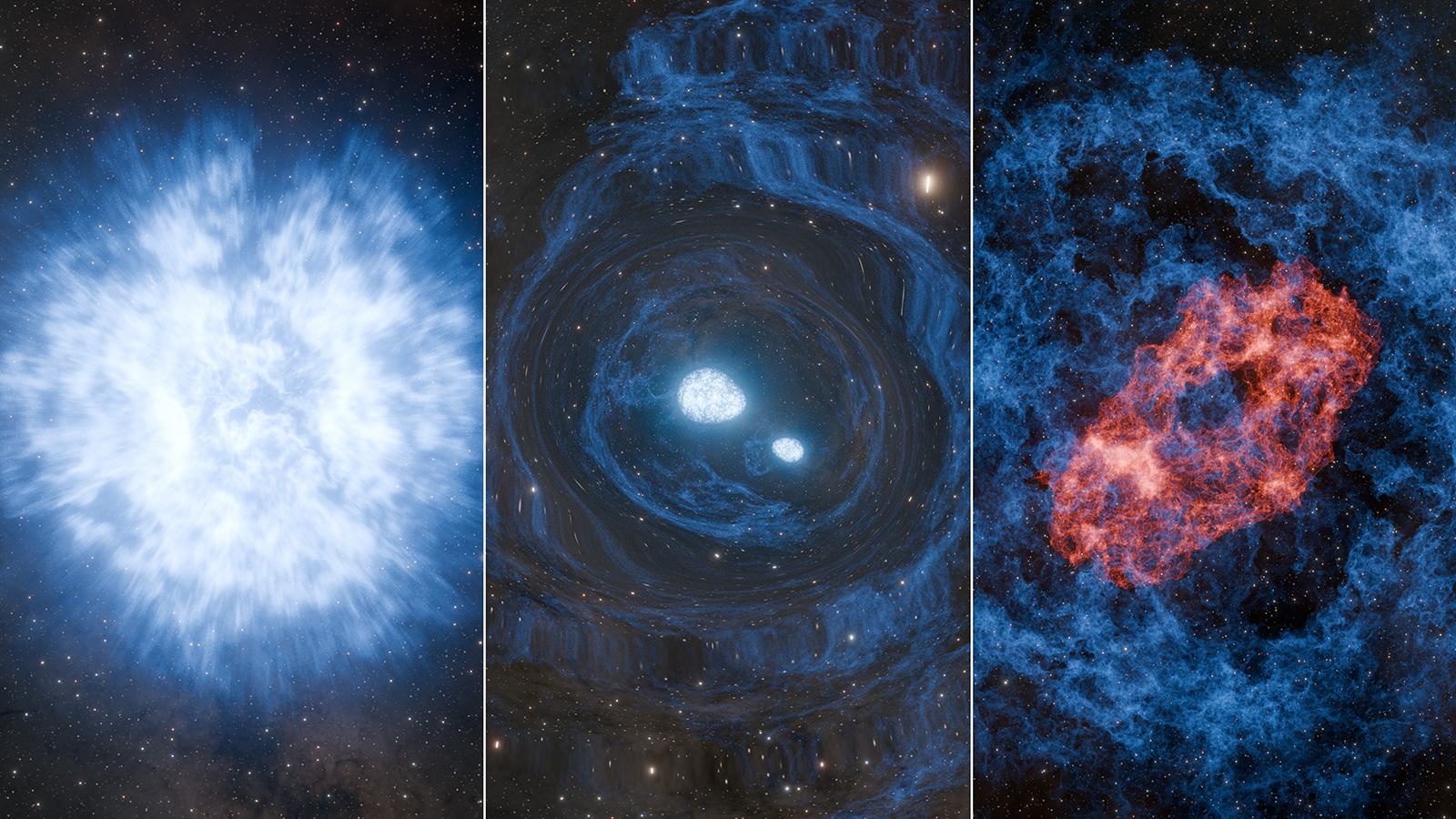
Illustration of a kilonova that occurs in the wake of a supernova. First, a massive star collapses. Then, neutron stars form in the aftermath. Finally, the neutron stars collide, producing a kilonova whose signal might be hidden by the supernova. [Caltech/K. Miller and R. Hurt (IPAC)]

A Kilonova in a Supernova?

Unlikely, but not impossible. Tanner O’Dwyer (Johns Hopkins University) and collaborators investigated the supernova for signs that it wasn’t a typical collapsing star. The team was motivated by theories suggesting that the collapse of a rapidly rotating massive star could produce both a kilonova and a supernova — potentially uniting gravitational wave signal S250818k and supernova SN 2025ulz.

In theory, the demise of a fast-spinning massive progenitor could produce one or more sub-solar-mass neutron stars. This could happen if 1) the collapsing stellar core splits into two neutron stars, or 2) in a twist on the star-formation process, neutron stars coalesce out of neutron-rich material in the disk surrounding the dying star. In either scenario, the neutron stars could merge shortly after the star’s collapse, generating kilonova emission that might be obscured by the expanding supernova.

Looking Deeply in the Radio

radio counterpart of SN 2025ulz

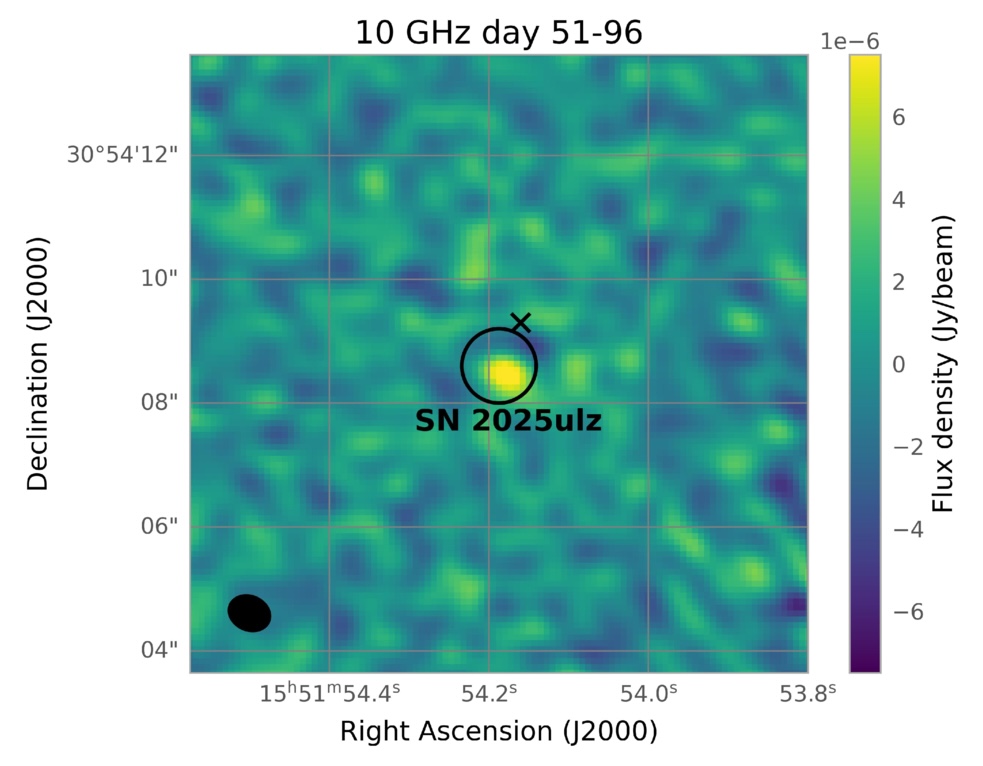
Very Large Array detection of a radio counterpart to SN 20215ulz. The circle shows the optical position of the supernova, and the “x” shows the optical position of the host galaxy. [Adapted from O’Dwyer et al. 2026]

Radio observations offer a way to distinguish between a typical supernova, which would have relatively slow-moving ejecta, and a collapsing rapidly rotating progenitor, which could produce a relativistic jet. Searching for a radio counterpart to the supernova in observations from the Very Large Array, the upgraded Giant Metrewave Radio Telescope, and MeerKAT, O’Dwyer and coauthors found a faint but significant radio source in stacked observations made 51–96 days after the gravitational wave trigger.

The team found that standard supernova ejecta and relativistic jet models can both plausibly fit the data. In the supernova scenario, the estimated expansion speed and progenitor mass-loss rate place the event well within the bounds of known stripped-envelope supernovae. Though the data were also compatible with an off-axis relativistic jet, the authors were unable to resolve degeneracies in the event’s properties, including the jet energy and the interstellar medium density.

Ultimately, the authors suggested that a supernova fits the data more naturally. While this radio investigation didn’t unambiguously link S250818k and SN 2025ulz via an exotic kilonova-plus-supernova mechanism, it’s clear that radio observations have an important role to play in examining future gravitational wave signals.

Citation

“Identification of a Radio Counterpart to SN 2025ulz in the S250818k Localization Area,” Tanner O’Dwyer et al 2026 ApJL 1009 L44. doi:10.3847/2041-8213/aea4a5

The post Supernova, Kilonova, or Both? Another Look at SN 2025ulz appeared first on AAS Nova.

  •  

The Solar System Has a New Life Expectancy, and It’s a Billion Times Shorter

Image of a solar flare.

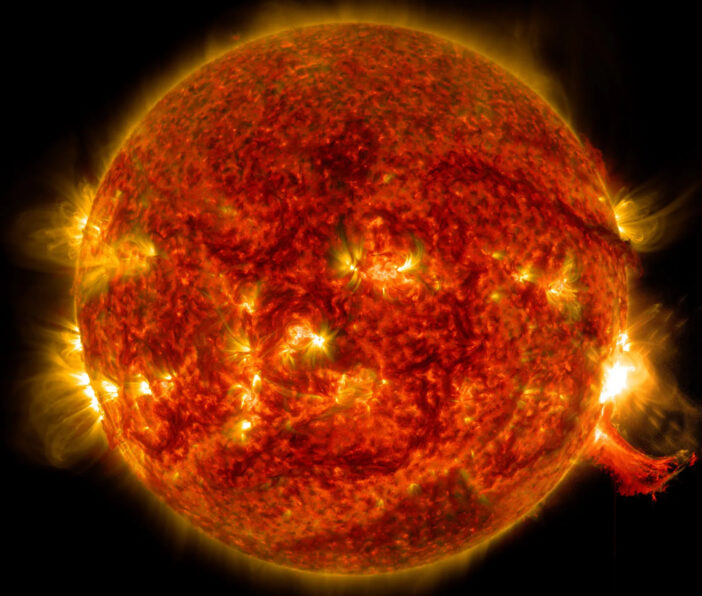
Isaac Newton suspected that the gravitational dance between the Sun and Jupiter would eventually destabilize the solar system, but modern computational research has shown that its long-term stability is, statistically, pretty secure. However, new simulations with more realistic solar mass-loss conditions make a strong case for the disassembly of the outer solar system — and on timescales much shorter than previously thought.

Kick It Up a Notch

A plot showing final orbits of the outer planets for two simulations.

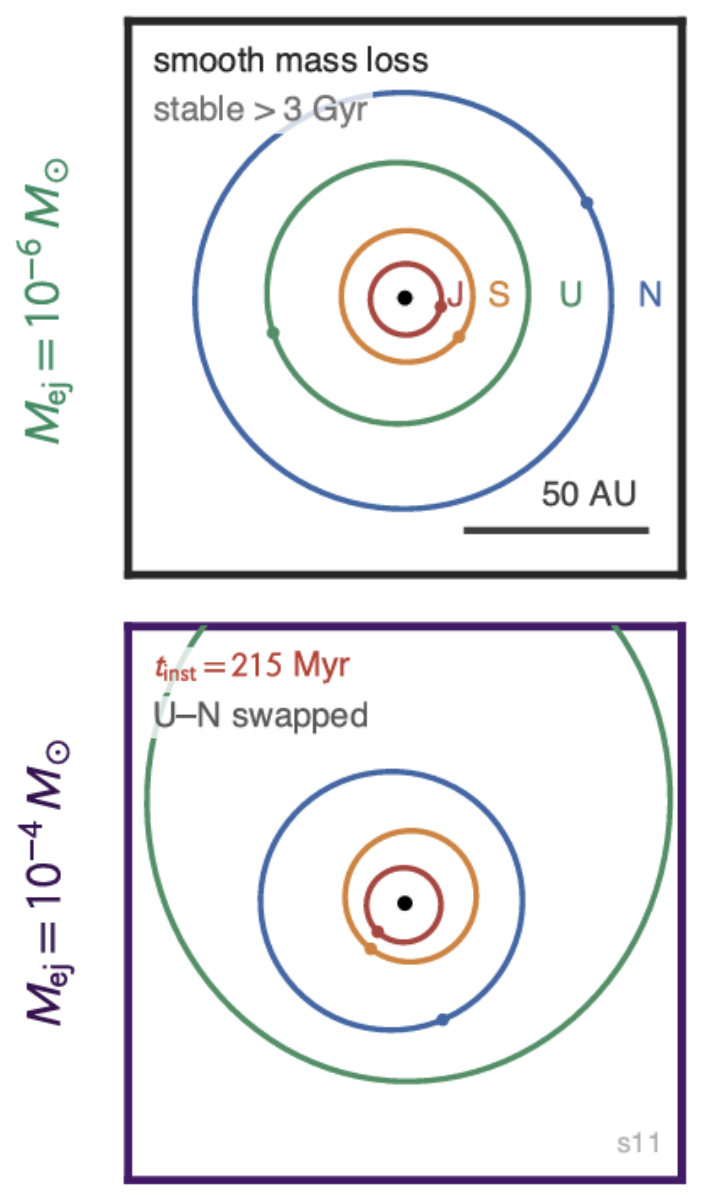
Final outer planet orbital configurations for two simulations — one stable and one unstable. t=0 at the onset of white dwarf formation. Click to enlarge. [Adapted from Batygin et al. 2026]

Several studies have investigated what will happen to the orbits of planets in our solar system as the Sun sheds its mass during its transition to a white dwarf. These studies have found that while the semimajor axes of the planets will expand by approximately a factor of 2, their orbits remain stable on timescales longer than the age of the universe (approximately 1018 years). This expanded orbital architecture will make the solar system more prone to jostles from stellar flybys, but even accounting for this, the giant planets’ orbits wouldn’t disassemble for another 30–100 billion years.

However, all of these studies modeled solar mass loss as a smooth function, so the dismantling of the solar system was left up to external forcings. In reality, stars on the red giant branch undergo mass ejections that are random in time and direction, corresponding to velocity “kicks” that can alter the dynamics of the planets. 

A team led by Konstantin Batygin at the California Institute of Technology conducted numerical experiments to analyze the orbital dynamics of the outer solar system under different solar mass-loss conditions. First, they tested the classic case of smooth mass loss and validated previous findings that, despite planetary orbits doubling in size, the dynamics are pretty tame. This holds true even when mass is ejected anisotropically: if the timing is smooth, the asymmetries cancel out.

Outer Solar System, Your Days Are Numbered

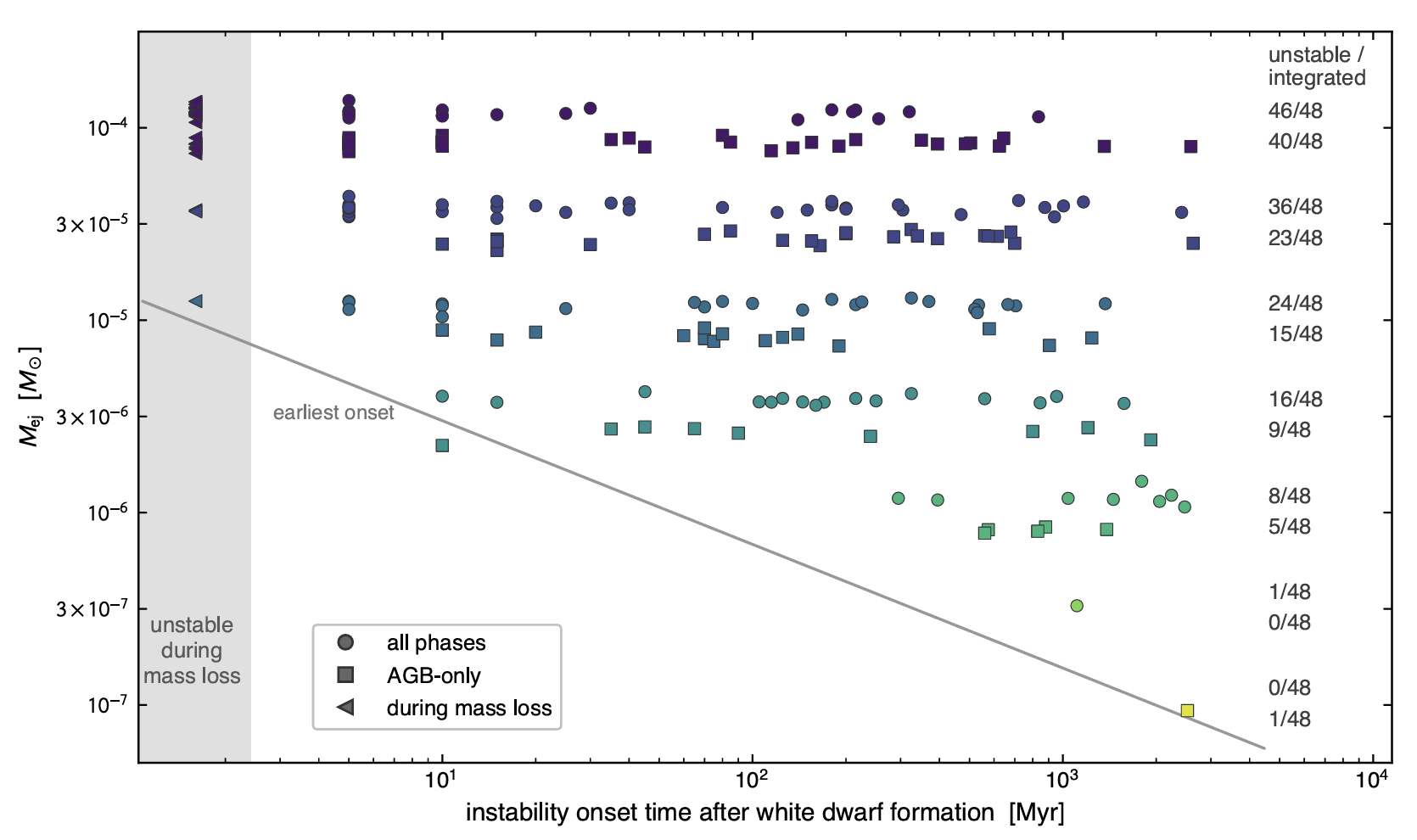
Next, they simulated stochastic kicks and found that the behavior of the outer planets was largely tied to the ejection mass of each kick. For very small ejection masses (≤ 10-7 M☉), dynamics mimic the smooth mass-loss case. For intermediate values (10-7 to 10-6 M☉), there’s a roughly 20% chance Jupiter–Saturn and Uranus–Neptune enter mean-motion resonances: an orbital configuration where planets’ periods are a ratio of small integers. These resonant configurations don’t protect the giant planets, however: resonant simulations disassemble slightly more often than nonresonant simulations. For larger ejection masses (≥ 10-5 M☉), the outer solar system disassembles on the timescale of billions of years. 

Plot showing the instability onset times as a function of ejection mass for all simulations.

Instability onset time — or how long after white dwarf formation the outer solar system disassembles — as a function of ejection mass. The larger the ejection mass, the greater the chance of instability. Click to enlarge. [Batygin et al. 2026]

Which ejection masses are the most accurate for our Sun? Well, unfortunately for our beloved outer planets, ejection models and observed kick amplitudes suggest a future ejection mass of 10-4 M☉. With kicks like these, not only is there a considerable chance of orbit destabilization, but it could happen before the white dwarf even forms. About 40% of simulations lead to disruption or violent scattering while the Sun is in its red giant phase, and roughly 90% break down within 3 billion years. 

This new discovery reduces the life expectancy of the solar system from one billion billion years to a meager one billion years after white dwarf formation. 

Citation

“Terminal Instability of the Solar System Triggered by Stochastic Solar Mass Loss,” Konstantin Batygin et al 2026 ApJL 1009 L22. doi:10.3847/2041-8213/aea290

The post The Solar System Has a New Life Expectancy, and It’s a Billion Times Shorter appeared first on AAS Nova.

  •  

Researchers See Gas Swirling Around a Growing Baby Planet

WISPIT 2b

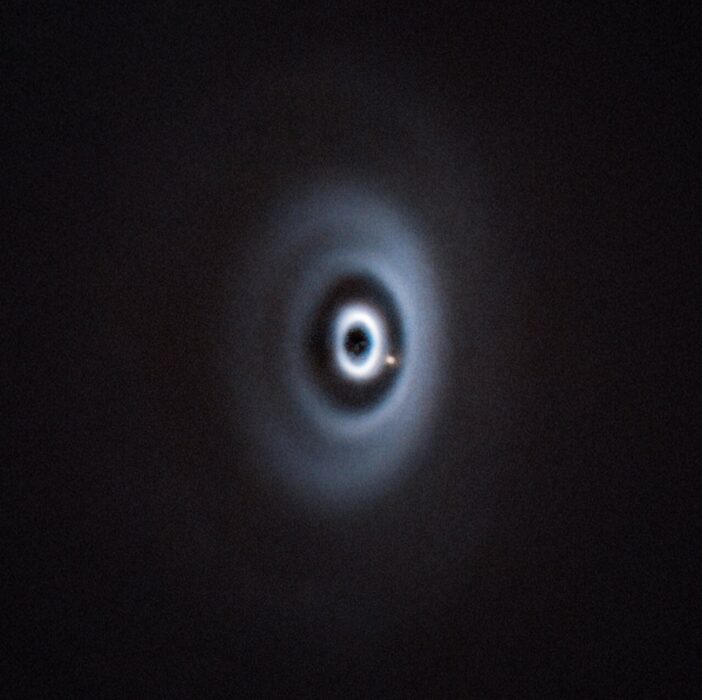
Astronomers seem to find something new every time they point a telescope at WISPIT 2, a 5-million-year-old solar-mass star located 430 light-years away. New high-resolution radio observations provide the best view yet of how the young planets of this system interact with the disk that feeds them.

Detecting Distant Planets

In 2025, astronomers carrying out the WIde Separation Planets In Time (WISPIT) survey — a targeted search for widely separated giant planets around young Sun-like stars — revealed a dusty disk surrounding the star WISPIT 2. Orbiting within this disk is a 4.9-Jupiter-mass planet, WISPIT 2b, at 57 au from the star. This makes WISPIT 2 just the second star to host a confirmed, directly imaged planet within its protoplanetary disk. Even more remarkable, WISPIT 2b was detected in Hα, showing that the planet is still growing by accreting gas from the disk.

Later observations confirmed the presence of a second planet, WISPIT 2c, which has an estimated mass of 8–12 Jupiter masses and orbits the star at 15 au. On top of these planetary discoveries, researchers have also found that WISPIT 2 is two stars rather than one!

Best View Yet of the WISPIT 2 System

observations of WISPIT 2 showing the disk in three different ways

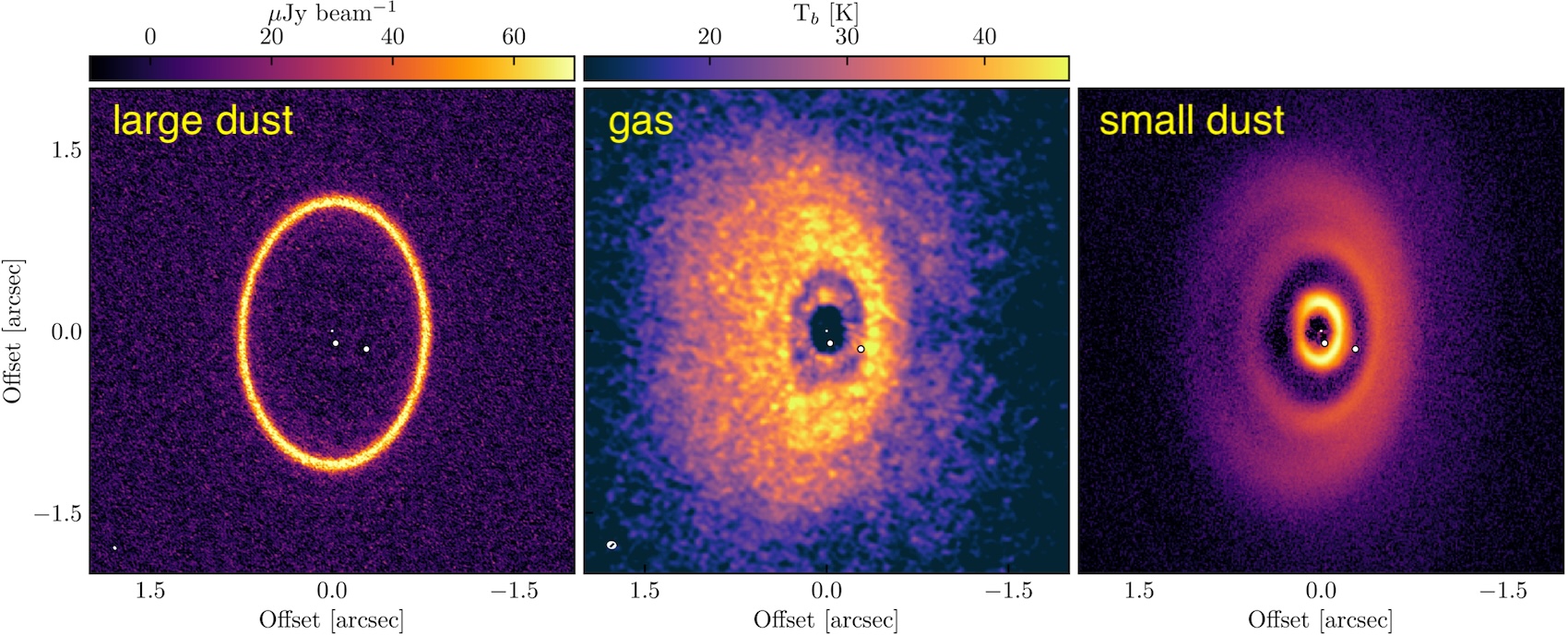
New observations of WISPIT 2 from ALMA (left and center panels) and previous observations from the Very Large Telescope (right panel). The star is shown by the small dot at the very center, and the planets are indicated by the two white circles. Click to enlarge. [Adapted from Benisty et al. 2026]

Now, a team led by Myriam Benisty (Max Planck Institute for Astronomy) has presented new high-resolution observations of the WISPIT 2 system from the Atacama Large Millimeter/submillimeter Array (ALMA). These observations show the distribution of gas and large dust particles within the disk. When combined with existing observations of small dust grains, the new data demonstrate how these components of the disk interact with each other and with the system’s planets.

The distribution of gas within the disk, traced by emission from carbon monoxide, roughly follows the pattern seen in previous observations of small dust grains: the orbits of WISPIT 2b and 2c are depleted of gas and dust, demonstrating how the young planets have carved their own berths within the disk, creating a gap at WISPIT 2b’s orbit and a cavity around the star.

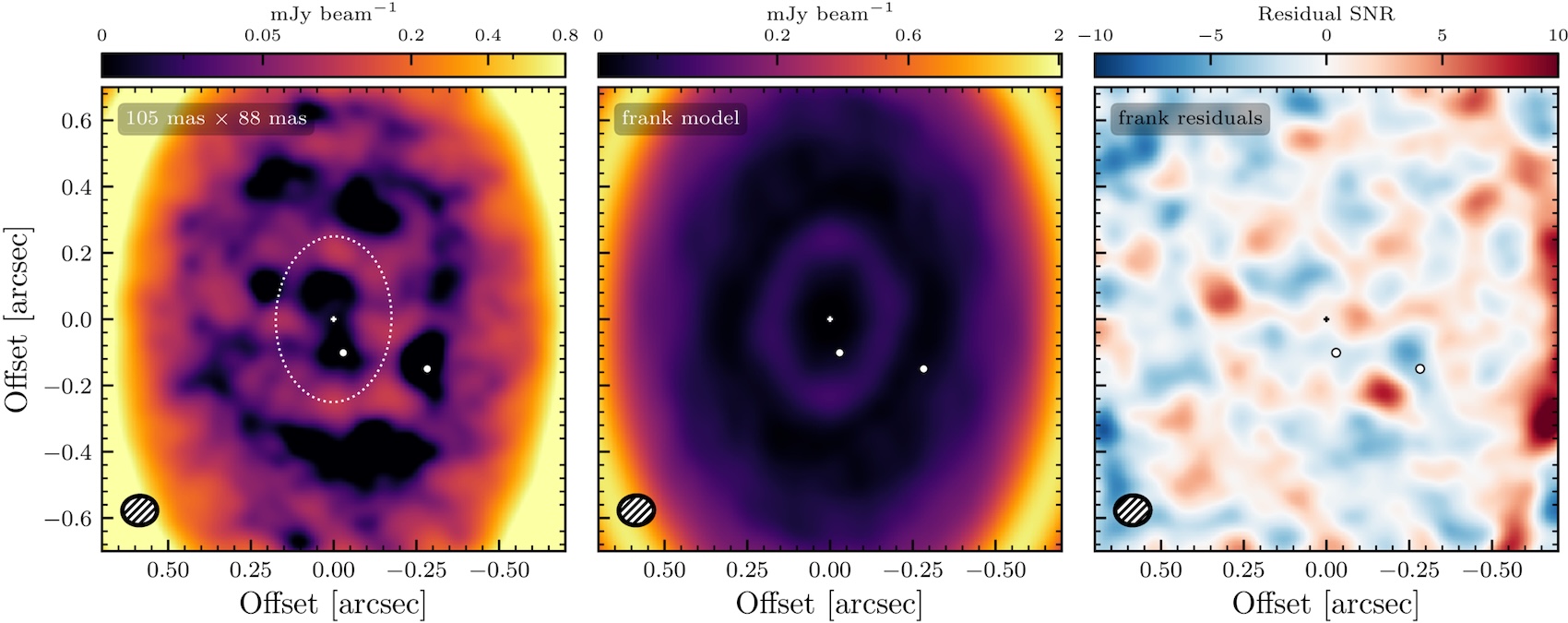
dust continuum emission around WISPIT 2 showing the location of a faint dust ring

The left panel shows the dust continuum emission zoomed in on the star (plus sign) and planets (circles). The dotted line shows the location of a faint ring, which is modeled in the center panel. The right panel shows the residuals. Click to enlarge. [Benisty et al. 2026]

The new observations of larger dust particles show a bright ring of emission well outside the orbits of both planets, plus a faint ring in between the two planets that is newly detected in dust continuum emission. This faint ring lines up with a ring in both the gas and small dust grain data, showing that dust and gas are able to journey inward from the outer disk, past the orbit of WISPIT 2b. However, there is no gas or dust detected interior to WISPIT 2c’s orbit, and WISPIT 2c does not appear to be accreting, suggesting that this material is unable to move inward to WISPIT 2c’s orbit and beyond.

Spiral Wakes Making a Splash

velocity field showing gas swirling around WISPIT 2b

Velocity field showing the gas swirling around WISPIT 2b, which is indicated by the green circle farther from the star. [Benisty et al. 2026]

The new ALMA observations allowed Benisty and coauthors to analyze how WISPIT 2b is interacting with the disk. Kinematic maps of the disk showed that the typical emission pattern of a rotating disk is interrupted near WISPIT 2b. The team determined that this feature is due in part to spiral wakes driven by the planet as it orbits within the disk, with potential contributions from local heating or a circumplanetary disk.

Spiral wakes have been spotted in other protoplanetary disks, but this is the first time researchers have been able to definitively associate this feature with a planet rather than other causes, such as gravitational instabilities. Looking ahead, future high-resolution spectroscopic observations of WISPIT 2b and its surroundings will offer researchers an unprecedented opportunity to compare the properties of the planet and its spiral wake against the predictions of simulations — advancing toward a powerful new way to study exoplanets embedded in protoplanetary disks.

Citation

“Mapping the WISPIT 2 Planet-Hosting Cavity at Sub-Hill-Radius Scales,” Myriam Benisty et al 2026 ApJL 1009 L32. doi:10.3847/2041-8213/aea214

The post Researchers See Gas Swirling Around a Growing Baby Planet appeared first on AAS Nova.

  •  

Stellar Pulsations Suggest Habitable-Zone Planet Around a Massive Star

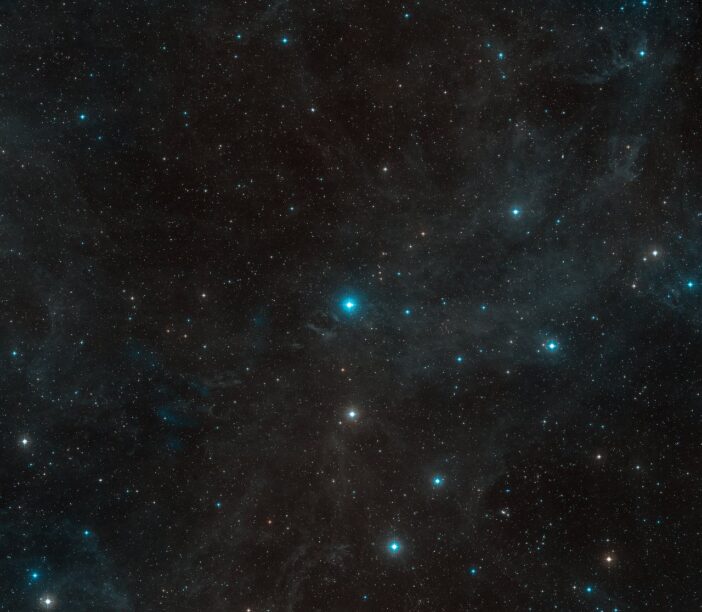
Stellar field observed by ESO.

By observing subtle variations in the timing of stellar pulsation modes, researchers may have made the first detection of a planet in the habitable zone of a massive A-type star.

Listening for Planets in Stellar Heartbeats

To date, some 6,000 exoplanets have been detected across a vast array of surveys and instruments. The majority of these have been detected around main-sequence F, G, and K stars — but not because these are the only places exoplanets can exist. Rather, this is a result of selection bias: these stars tend to be both bright and luminously stable enough for astronomers to deploy the radial velocity or transit methods.

Sinusoidal graph showing planet-induced timing delays in stellar pulsation modes.

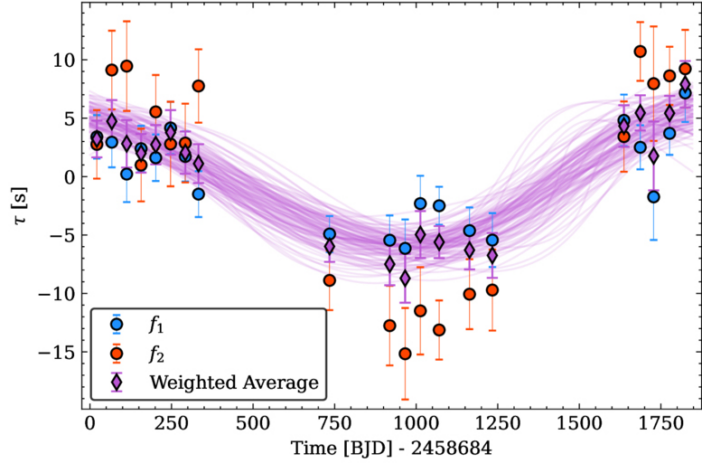
Periodic modulations in the time of observed stellar pulsations can indicate the presence of an orbiting companion. In this case, timing variations are displayed for the two most prominent pulsation modes f1 and f2 for the variable star HD 156295. The sinusoidal pattern indicates they may be caused by an orbiting companion with a mass of about 6.3 Jupiter masses at a distance of 3.9 au, in this star’s habitable zone. [Adapted from Wilson et al. 2026]

A-type stars, by contrast, are challenging for exoplanet detections. These more massive stars tend to exhibit fewer and broader spectral lines than their F, G, or K counterparts, rendering radial velocity techniques largely ineffective. Many A-type stars also pulsate in brightness, making it hard to identify planetary transits within their erratic light curves. 

Luckily, one transit astronomer’s trash data can be a pulsation timer’s treasure. For some A-type stars called δ Scuti stars, the pulsation is regular enough to be used like a cosmic clock. Subtle variations in a star’s position due to the tug of an orbiting companion can then disrupt the timing of its otherwise steady pulsation, allowing one to once again find planets via its light curve — including massive ones on intermediate-period orbits that are the most difficult to detect around massive stars using traditional methods.

A Massive Planet in the Habitable Zone of a Hot Star?

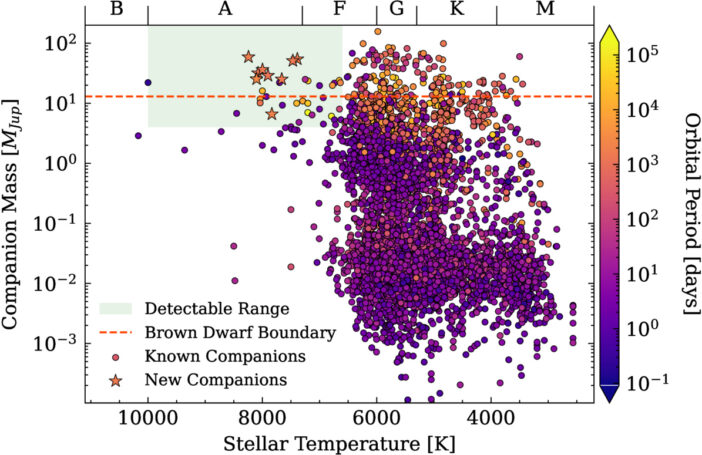
In a new study led by Logan Wilson (Center for Astrophysics | Harvard & Smithsonian), researchers analyzed 16,440 highly pulsating δ Scuti stars observed at a high cadence by the Transiting Exoplanet Survey Satellite (TESS) in order to look for the distinctive, periodic timing modulations associated with an orbiting companion. This sample was then whittled down to nine candidate systems they believe may contain substellar companions — likely either brown dwarfs or massive planets.

Scatterplot showing population of substellar companion objects found to date.

The properties of the nine candidate objects identified in this study and their host stars are shown here, along with the properties of other exoplanet systems. Through stellar pulsation timing, the researchers were able to identify substellar candidates around hot A-type stars in intermediate-period orbits, a region of parameter space that has been difficult to probe with other methods. [Wilson et al. 2026]

One particularly striking candidate was found when analyzing the star HD 156295. Based on their timing data, Wilson and collaborators deduce the star may have a 6.3 Jupiter-mass planetary companion orbiting every 2,200 days. That puts the companion’s distance from its host at about 3.9 au, right at the far edge of HD 156295’s habitable zone. If this planet turns out to be real, HD 156295 would be the hottest star known to host an exoplanet in its habitable zone. This detection also suggests a high occurrence rate of massive planets on intermediate orbits relative to expectations for other main-sequence stars, supporting theories that A-type stars may form companions like these more efficiently. 

The other eight candidates are more consistent with brown dwarfs. Six of these candidates show somewhat uncommon masses and orbital separations that place them in a region of parameter space known as the “brown dwarf desert.” Some observations suggest this desert is less severe around hotter stars — a conclusion that this study supports.

All of these findings are still quite tentative, however; the researchers estimate that the probability for the planetary signal being real is just over 50%, and the parameters given for each candidate are still subject to large uncertainties. With new data arriving all the time, it may not take long before we have a clearer picture of these unique substellar companions.

Citation

“A Search for Substellar Companions around A-type Stars: Pulsation Timing Detection of Eight Brown Dwarf Candidates and a Possible Habitable-zone Planet,” Logan G. Wilson et al 2026 ApJ 1009 78. doi:10.3847/1538-4357/ae93a0

The post Stellar Pulsations Suggest Habitable-Zone Planet Around a Massive Star appeared first on AAS Nova.

  •  

A New Look at a Centuries-Old Solar Eclipse

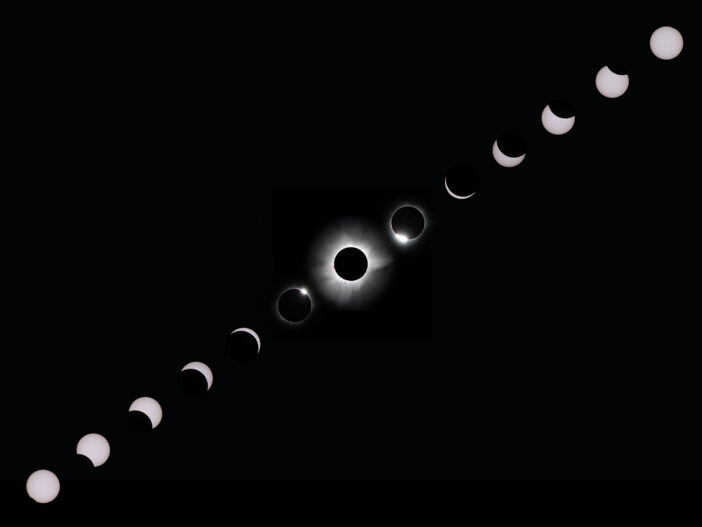
phases of a total solar eclipse

Humans have recorded solar eclipses for thousands of years. Recently, researchers translated and analyzed solar eclipse observations from 18th-century Sweden to determine the Sun’s radius at that time and study the first confirmed record of solar prominences.

Looking Back Nearly 300 Years

map showing the path of a solar eclipse

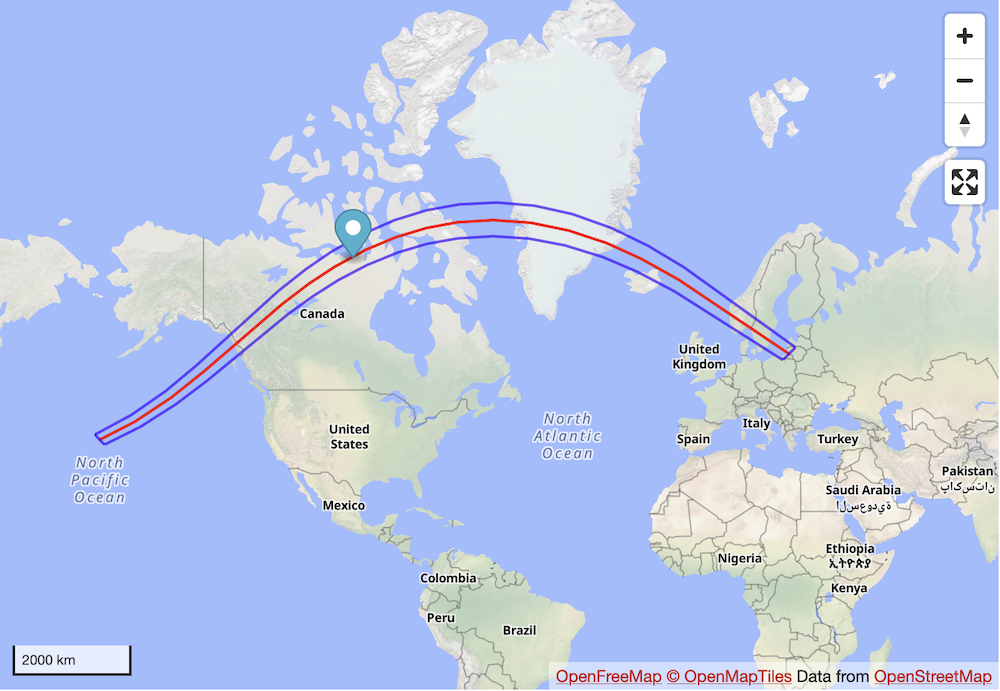
The path of the 13 May 1733 total solar eclipse. Click to enlarge. [Eclipse Predictions by Fred Espenak (NASA’s GSFC)]

On 13 May 1733, a solar eclipse darkened skies across a swath of modern-day Canada, Greenland, Iceland, and Scandinavia. Among the eclipse’s careful observers was Swedish astronomer and mathematician Birger Wassenius, who dutifully sketched the eclipse and the massive loops of plasma and magnetic fields — solar prominences — that bulged out from behind the Moon’s obscuring disk.

Wassenius penned a short account of his observations in Latin for Philosophical Transactions of the Royal Society (the longest-running scientific journal in the world!). His drawings of the event, which include the first robust record of solar prominences, were never officially published, but were housed in the Royal Academy Archives of Sweden. Now, researchers have translated Wassenius’s full report from Swedish to English and analyzed his sketches, helping to fill an important gap in the historical record of solar activity.

Drawing from Observations

Hisashi Hayakawa (Nagoya University; Rutherford Appleton Laboratory) and collaborators translated Wassenius’s notes, which describe how he viewed the eclipsed Sun through a 21-foot-long telescope during just over two minutes of totality. From Wassenius’s measurements, Hayakawa and coauthors calculated the solar radius to be 696,250 ± 170 km; this is larger than the modern accepted radius, but it’s in line with what has been calculated from solar eclipse measurements two decades earlier, in 1715.

sketch of a solar eclipse

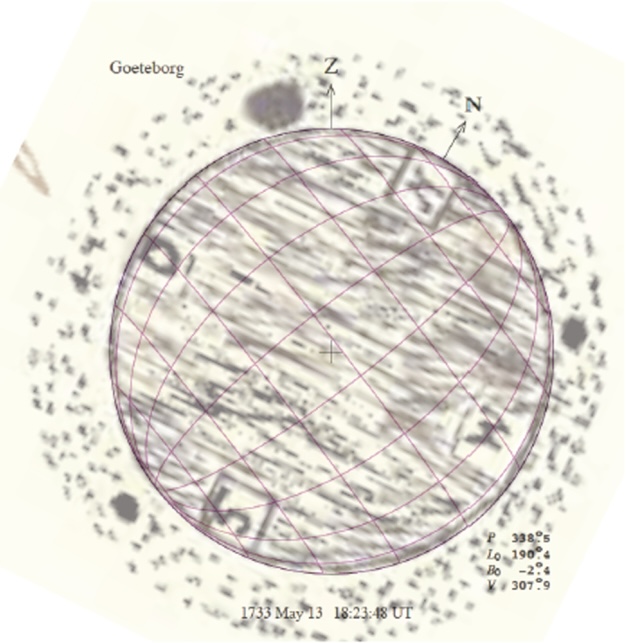
Wassenius’s sketch of the solar eclipse, showing three prominences as filled circles emerging from behind the disk of the Moon. [Adapted from Hayakawa et al. 2026]

Wassenius also made several sketches of prominences hovering above the edge of the Sun. While assessing these drawings, Hayakawa and coauthors had to contend with the imperfections of these hand-recorded features. With a narrow field of view that prevented him from seeing the entire disk at once, and with his time limited by the brief eclipse, Wassenius scribbled in two of the three prominences after the fact, from memory. After assigning reasonable uncertainties to the positions of these prominences, the team determined that at least one of these features was located at a high latitude.

Prominent Features

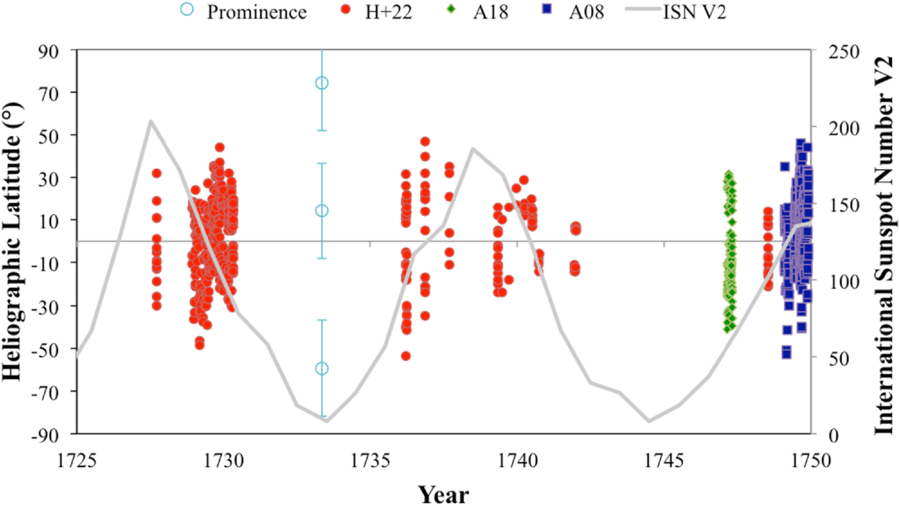
High-latitude prominences like the one (or more) seen by Wassenius are most common during what’s known as the “polar rush,” which occurs as solar activity rises toward a maximum. If these prominences are related to the polar rush, that would mean that in 1733, the Sun was not in an activity minimum as previously thought. However, it’s also possible for prominences to pop up at high latitudes during other times in the solar cycle; the authors estimated the likelihood of this happening at 20%.

plot of positions and numbers of sunspots and solar prominences

Heliographic latitude of solar prominences estimated from Wassenius’s drawings (light blue circles), compared to the positions (filled symbols) and number (gray line) of sunspots. Note that sunspot data around this time were scarce, and some researchers have suggested that revisions to the sunspot number are needed. Click to enlarge. [Hayakawa et al. 2026]

This work shows the value of historical observations in determining the Sun’s past activity cycles. The 1733 eclipse observation by Wassenius adds a fascinating data point to the long history of solar eclipse observations, helping to illuminate a time when sunspot data were scarce.

Citation

“Analyses on Wassenius’s Report for Total Solar Eclipse in 1733: Quantifications of the Solar Radius and the Earliest Reported Prominences,” Hisashi Hayakawa et al 2026 ApJ 1007 189. doi:10.3847/1538-4357/ae6451

The post A New Look at a Centuries-Old Solar Eclipse appeared first on AAS Nova.

  •  

Planets Scattering Planets in Warm Jupiter Systems

exoplanet system with three planets

While our solar system sports one Jupiter-like planet, exoplanet discoveries have revealed that giant planets come in a few different forms in systems with varying architectures. A recent study has explored how the mass–eccentricity relationship in warm Jupiters is shaped by dynamical interactions between planets.

Jupiter-like Planet Eccentricities

Exoplanet surveys have uncovered three different Jupiter-like planet populations across the galaxy: hot, warm, and cold Jupiters. Much like our own, cold Jupiters orbit on long periods, far away from their host stars. Conversely, hot Jupiters zip around their host stars on extremely short-period orbits. Somewhere in between, warm Jupiters orbit their host stars with periods from 10 to 365 days.

eccentric and circular orbits

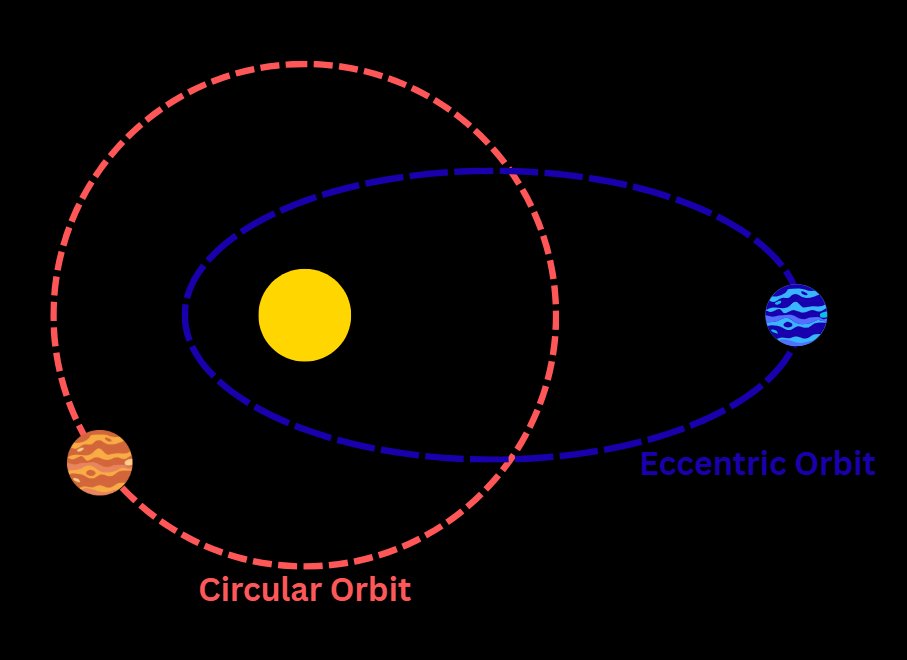
Diagram showing examples of a circular and an eccentric orbit. Click to enlarge. [AAS Nova/Lexi Gault]

These giant planets have proven to be deeply entwined with the makeup of their host systems, and their orbital properties have been used to test and trace planet formation pathways. For example, long-period cold Jupiters discovered in radial velocity surveys have exhibited a positive correlation between planetary mass and orbital eccentricity. This mass–eccentricity relationship, as previous studies have suggested, is likely the result of a process known as planet–planet scattering, in which dynamical interactions between planets in the same system cause significant and chaotic changes to their orbits.

Does this relationship extend to shorter-period giant planets as well? Hot Jupiters are heavily impacted by tidal interactions with their host stars, circularizing their orbits and erasing dynamical imprints on their eccentricities. Warm Jupiters, on the other hand, orbit far enough away for their eccentricities to preserve clues about their energetic histories. Recently, thanks to the Transiting Exoplanet Survey Satellite (TESS), astronomers have identified a positive correlation between planetary mass and eccentricity in a growing sample of warm Jupiters, but the exact driver of this trend has yet to be uncovered.

Planets Scattering Planets

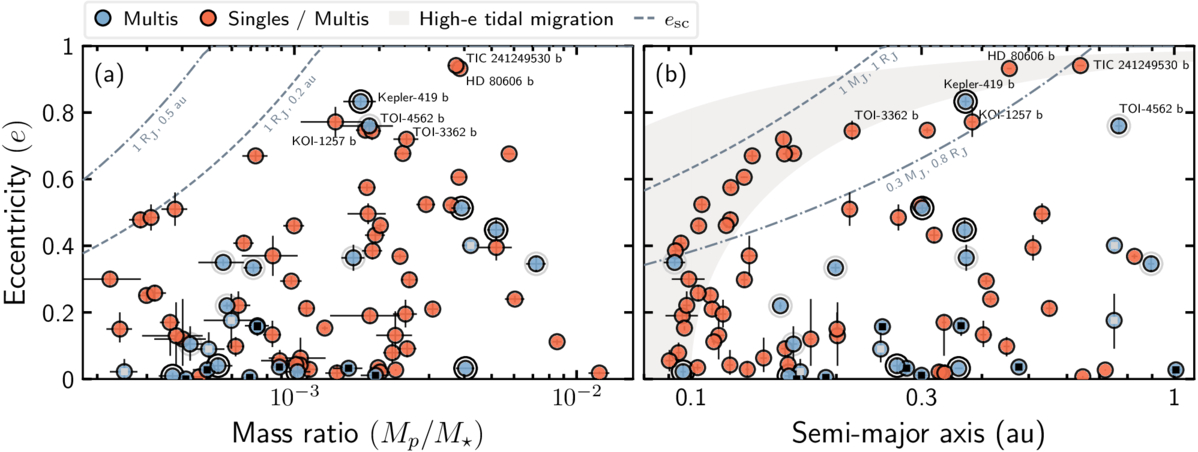
To test if the positive mass–eccentricity correlation in warm Jupiters is consistent with planet–planet scattering, Jiayin Dong (University of Illinois at Urbana-Champaign) constructed a sample of 85 warm Jupiters from the NASA Exoplanet Archive. This carefully selected sample, dominated by discoveries from TESS and Kepler, included planets with masses between 0.3 and 15 Jupiter masses and orbital periods between 10 and 365 days. In conjunction with this sample, the authors built a planet–planet scattering framework to assess the range of properties anticipated for scattered warm Jupiter systems.

Eccentricity planet-star mass ratio and semimajor axis

Warm Jupiter eccentricity versus planet–star mass ratio (left) and semimajor axis (right). Click to enlarge. [Dong et al 2026]

Comparing the observed trends in their sample with their theory-based expectations, Dong and team showed that planet–planet scattering naturally explains the mass–eccentricity relation of warm Jupiters. In their framework, warm Jupiters originate in compact, multiplanet systems, and as the systems evolve, gravitational interactions between planets excite orbital eccentricities and inclinations, leading to close encounters. These encounters can cause planets to collide or to be ejected from the system entirely.

The mass–eccentricity relation of warm Jupiters, the authors suggested, represents a transition from collision-dominated interactions among low-mass planets to ejection-dominated interactions among high-mass planets. For massive enough systems, scattering can excite eccentricities high enough to trigger the high-eccentricity migration responsible for moving hot Jupiters to their close-in orbits. Overall, this study suggests that warm Jupiters are not a distinct planet species, but instead may represent the shorter-period counterparts of cold Jupiters whose orbits are shaped by the same dynamical processes. Future observations expanding the sample of warm Jupiters and discoveries of additional planet companions will further uncover the links between hot, warm, and cold Jupiter systems.

Citation

“Planet–Planet Scattering Explains the Mass–Eccentricity Relation of Warm Jupiters,” Jiayin Dong et al 2026 ApJL 1007 L29. doi:10.3847/2041-8213/ae930e

The post Planets Scattering Planets in Warm Jupiter Systems appeared first on AAS Nova.

  •  

Why we need in-orbit refueling to return to the Moon

When the Artemis 2 crew splashed down in the Pacific Ocean on April 10, the excitement was palpable — Reid Wiseman, Victor Glover, Christina Koch, and Jeremy Hansen had swung around the Moon, broken a human spaceflight distance record, and come home safely. But for the Artemis program, it was just the beginning. Between April’sContinue reading "Why we need in-orbit refueling to return to the Moon"

The post Why we need in-orbit refueling to return to the Moon appeared first on Astronomy Magazine.

  •  

Extragalactic Planetary Nebula with Massive Progenitor Sheds Light on Stellar Evolution

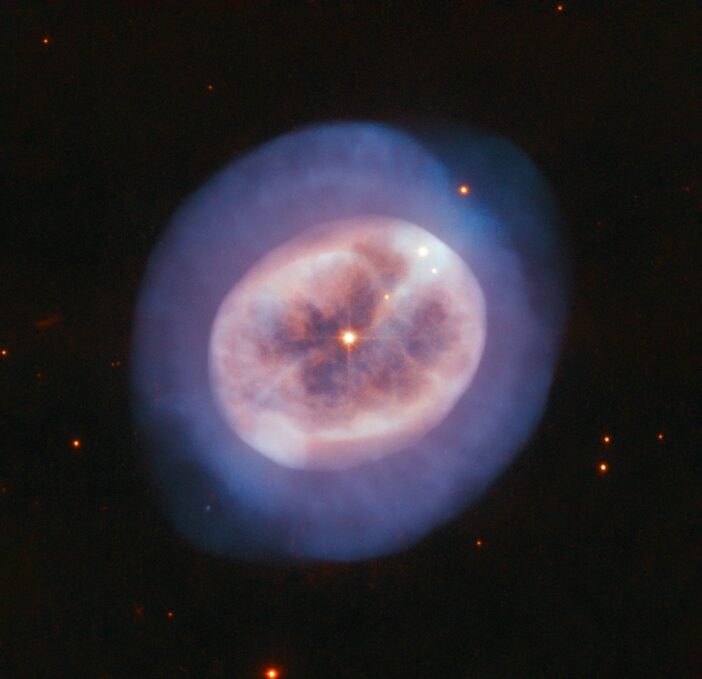
planetary nebula NGC 2022

Editor’s Note: This article was co-written by Lucas Brown and Alexia Kubas, our 2026–2027 AAS Media Fellows. We’re excited to welcome Lucas and Alexia to the team and look forward to featuring their writing on AAS Nova regularly!

Planetary nebulae mark a key evolutionary phase for low- and intermediate-mass stars, but properties of the parent star are difficult to sleuth out. Researchers have discovered an extragalactic planetary nebula in the center of a star cluster, offering an unprecedented opportunity to trace planetary nebula properties to parent star stats.

The Puzzle of Planetary Nebula Progenitors

A planetary nebula, so named because the first ones discovered resemble the planet Uranus in a small telescope, forms when a Sun-like star runs out of fuel and sheds its outer layers, leaving a hot remnant core enveloped in a gaseous nebula. At higher masses, a different process kicks in: stellar cores can collapse to produce a chaotic burst of stellar material called a supernova. Where exactly the boundary should be placed between planetary nebula progenitors and supernova-forming stars remains an outstanding question in the field of stellar evolution.

Answering this question is challenging because once a planetary nebula becomes visible, the progenitor star’s transition into a hot, compact white dwarf is already underway, making it difficult to determine the star’s initial mass. For this task, researchers seek out planetary nebulae within open clusters — groups of stars that were born from the same molecular cloud and are roughly the same age — so that cluster characteristics can help piece together the progenitor puzzle. Since open clusters tend to be relatively young, they are also a great tool to probe planetary nebulae from more massive progenitors and explore the boundary between stars that produce planetary nebulae and those that go supernova.

Striking Gold

planetary nebula M279 in Andromeda

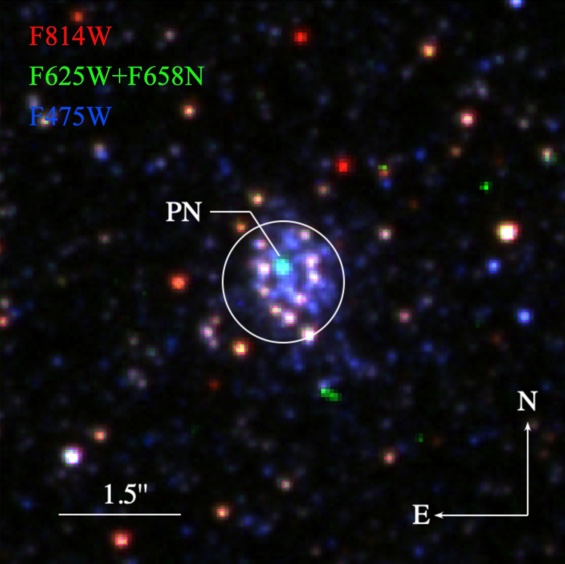
Open cluster AP 210 and planetary nebula M279 in the Andromeda Galaxy, as seen in archival Hubble observations. Click to enlarge. [Chen et al. 2026]

Numerous planetary nebula–open cluster pairs have been found in the Milky Way, but among those with well-constrained progenitor masses, very few push into the higher-mass regime where things get really interesting. Outside our home galaxy, the search has proven even more challenging due to data sparsity. Despite the odds, Pinjian Chen (Chinese Academy of Sciences) and collaborators have found a planetary nebula with one of the highest known progenitor masses in an open cluster in the Andromeda Galaxy.

To make this identification, Chen’s team used archival Hubble Space Telescope and MMT data to examine the location of the planetary nebula candidate M279 within the Andromeda Galaxy. The researchers’ critical observation was that the nebula not only overlaps with the position of an open star cluster called AP 210, but it also has an estimated velocity that matches the velocity of other stars in the cluster. These associations, when combined, provide strong evidence that M279 originated within the cluster.

color–magnitude diagram for open cluster AP 210

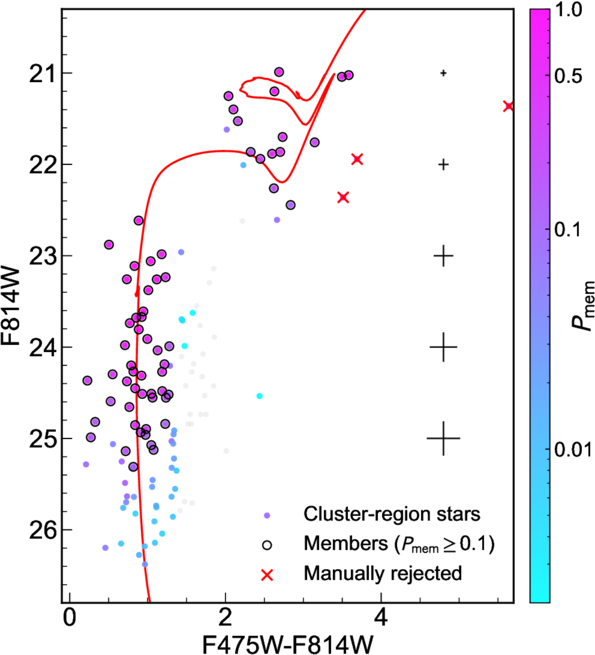
Color–magnitude diagram of stars in the open cluster AP 210. Colored dots represent stars, and the red line is the best-fitting isochrone, which was used to determine the cluster’s age. Click to enlarge. [Chen et al. 2026]

What’s My (Cluster) Age Again?

M279’s cluster origin has significant consequences for pinning down the properties of the progenitor star. First, stars in open clusters all form at roughly the same time — 90 million years ago in the case of AP 210 — allowing the authors to set a tight constraint on the progenitor’s age. Then, because the rate at which a star burns through its nuclear fuel and generates a planetary nebula is related to its initial mass, the researchers are able to connect this age to a specific progenitor mass of around 5.7 solar masses.

The team also subtracted the central star’s contribution from the observed spectrum to isolate the nebula’s composition, illuminating specific nuclear processes relevant to higher-mass stars. Planetary nebulae are cosmic cocktails whose chemical abundances trace the composition of the interstellar medium when the progenitor formed as well as elements formed via nucleosynthesis inside the star during its lifetime. Chen and collaborators found the nebula to be significantly nitrogen-enhanced, which is consistent with a massive asymptotic giant branch progenitor undergoing hot bottom burning that converts carbon to nitrogen. This newly minted metal would then be mixed back into the star’s outer layers, flooding the resultant nebula with its particular spectral signature.

While this work represents only a single observation of a high-progenitor-mass planetary nebula — and only the third compelling extragalactic planetary nebula–open cluster pair — it opens up the possibility that there may be many more waiting to be found, unlocking new insight into the lives of massive stars.

Citation

“A Planetary Nebula from a 5.7 M⊙ Progenitor in a 90 Myr M31 Star Cluster,” Pinjian Chen et al 2026 ApJL 1005 L2. doi:10.3847/2041-8213/ae77e4

The post Extragalactic Planetary Nebula with Massive Progenitor Sheds Light on Stellar Evolution appeared first on AAS Nova.

  •  

macOS 27 Golden Gate: The Ars Technica review

Apple Intelligence is back, baby! That's right: Two years after its initial launch, Apple is giving its generative AI features their first significant upgrade, along with a new version of Siri that the company has been strongly insinuating would be a part of each of the last two macOS releases, without ever actually announcing a release date.

Generative AI is unavoidable if you install macOS 27 Golden Gate. I'm being very literal: There used to be a toggle you could hit if you wanted to turn off Apple Intelligence and delete the gigabytes' worth of AI models it would download to your disk, and now there isn't. Apple Intelligence defines the Golden Gate release, in everything from its marketing to its features to the chips it runs on to the amount of space it takes on your disk. Ready or not, here it is.

But if you can manage to look past that fanfare somehow, the operating system underneath Apple Intelligence is getting the kind of update that macOS users usually proclaim to like. Golden Gate addresses the most irritating of macOS 26 Tahoe's design sins, adds a big pile of incremental improvements, and promises a bunch of under-the-hood fit-and-finish optimizations to make common tasks feel just a little faster and more reliable than before.

Read full article

Comments

© Apple

  •  
❌