❌

Reading view

New Scale Reveals How Culture Shapes What We Call Child Abuse

Where is the line between firm discipline and child abuse? For millions of families in the United States, the answer depends on where they grew up, what their parents did, and how their culture defines good parenting. A new study published in the Journal of Child and Family Studies tackles this thorny question with an ambitious goal: building a scientific instrument that can measure how people from different backgrounds judge parenting practices that are accepted in some communities but condemned in others. The Parenting Practices and Discipline Scale, or PPDS, developed by Kevin Ortiz Diaz, Maureen C. Kenny, and Helia Baez at Florida International University, is one of the first tools designed specifically to capture culturally situated discipline practices that existing measures simply ignore.

The stakes are enormous. Child abuse is recognized as a global health issue, and in the United States it occurs at what researchers describe as epidemic proportions. Federal data show 546,159 victims of child abuse and neglect in 2023 alone, and the vast majority of these cases, roughly 89 percent, are committed by one or both parents. Children from minority groups are often the most affected, with Black or African American children among the most likely to experience abuse, second only to American Indian or Alaska Native children. Yet the definitions of what constitutes abuse vary dramatically across countries and cultures, creating a legal and ethical minefield for immigrant families who may not realize that practices considered normal at home are illegal in their new country.

The problem is particularly acute for Hispanic families, who make up 19 percent of the American population and represent the largest share of recent immigrants. Hispanic culture is far from monolithic, encompassing communities from South and Central America and the Caribbean with distinct traditions, but certain common threads run through the research. The concept of familismo, a cultural orientation and sense of obligation to family, has been linked to greater parental warmth in some studies. At the same time, physical violence as a disciplinary method remains common in many Hispanic cultures, and the chances that such behaviors are carried over by families immigrating to the United States are high. The result is a potential collision between generations of cultural practice and a legal system, anchored by the Child Abuse Prevention and Treatment Act of 1974, that defines abuse in terms of serious physical or emotional harm.

What makes the new study distinctive is its grounding in intersectionality theory, a framework rooted in feminist scholarship that examines how multiple categories of identity, such as race, ethnicity, gender, and nativity, interact to shape experience. Rather than treating demographic characteristics as independent variables, the researchers designed their analyses to test whether these dimensions jointly predict how individuals classify discipline practices as culturally acceptable or abusive. The framework has practical urgency: racial and ethnic disparities exist in both the reporting and substantiation of child maltreatment, and current child protection policies can disproportionately affect women of color who use social services and face heightened surveillance and risk of reports to child protective services.

The scale itself emerged from a careful two-stage piloting process. First, four experienced mental health clinicians specializing in child abuse, with 10 to 20 years of experience each, reviewed a draft pool of 54 items describing parenting behaviors and case vignettes. Then ten first-generation Hispanic immigrants from a range of nationalities, including Puerto Rican, Cuban, Colombian, Mexican, Dominican, and Nicaraguan participants, examined the refined items and identified which behaviors they would associate with parents in their own cultures and whether they would label those behaviors abusive or acceptable. Consensus required agreement from at least 70 percent of the pilot group. Eighteen items survived, ten identified as culturally acceptable behaviors such as yelling, using the chancla, the slipper famously wielded in many Latino households, or letting a child sleep with parents, and eight identified as abusive behaviors such as spanking, leaving a child alone in a car, or forcing a child to bathe with an adult.

The main study recruited 1,477 undergraduates at a large Hispanic-Serving Institution in Miami, ultimately yielding an analytic sample of 1,089 participants after exclusions for failed attention checks, missing data, and groups too small for meaningful analysis. The final sample was 72.2 percent Hispanic, 16.3 percent non-Hispanic Black, and 11.6 percent non-Hispanic White, nearly 70 percent U.S.-born, and predominantly female at 88.8 percent. Participants rated each of the 18 behaviors on a three-point scale: not abusive, inappropriate but not abusive, or abusive. The choice of a college population was deliberate, since emerging adults are on the cusp of parenthood, attitudes at this life stage predict later parenting intentions, and parenting practices tend to be transmitted intergenerationally.

Psychometrically, the study unfolded in two parts. Study 1 established the scale’s initial properties using exploratory factor analysis with principal axis factoring and oblique rotation on a polychoric correlation matrix, an approach suited to the ordinal, non-normally distributed responses. The analysis supported a two-factor structure: Factor 1 captured discipline and psychological aggression, including spanking, yelling, the chancla, cursing, ignoring, comparing, fighting, and religion, while Factor 2 reflected neglect and physical endangerment, such as using drugs in front of a child, refusing treatment for illness, and allowing smoking. The two factors accounted for 29.5 percent of the variance and were moderately correlated. Internal consistency for the full 18-item measure was acceptable at a Cronbach’s alpha of 0.71, though the abusive subscale showed weaker reliability, a limitation the authors acknowledge candidly.

Study 2 then deployed regression models to test how demographic identities shaped perceptions, and the results were revealing. Gender and parental status emerged as the strongest and most consistent predictors: women and parents were significantly more likely to classify culturally acceptable practices as abusive. Among Hispanic participants, those not born in the United States were more likely than U.S.-born Hispanics to view behaviors like spanking as abusive, a finding that ran counter to the researchers’ hypothesis and suggests that acculturation may shift parenting beliefs toward American child protection norms. Across racial and ethnic groups, Hispanic participants were more likely than Black participants to classify culturally acceptable practices as abusive. Notably, for the more overtly harmful behaviors in Factor 2, parental status was the only significant predictor, suggesting broad agreement that neglecting a sick child or encouraging substance use transcends cultural and gendered expectations.

The effect sizes were small, with the models explaining roughly 1 to 6 percent of the variance, a reminder that unmeasured cultural and contextual factors account for most of the variation in how people judge discipline. Still, the patterns carry real implications for prevention. The authors suggest that father-focused education programs may be valuable, since men were less likely to identify physical discipline as harmful and may therefore be at greater risk of normalizing such practices. Culturally adapted interventions have already shown promise, from brief summer parent training programs benefiting Hispanic children to the multinational Triple P Positive Parenting Program, and the PPDS could help practitioners identify which disciplinary practices are perceived as acceptable within specific communities, allowing messaging to be tailored rather than uniform.

The researchers are careful to frame their findings as preliminary. The sample was heavily female and drawn from a single Miami institution in a minority-majority city, socioeconomic status was not assessed, and social desirability bias may have influenced responses to questions about parenting. The abusive subscale needs refinement, and future work should apply confirmatory factor analysis and measurement invariance testing across cultural groups. Yet the core contribution stands: a novel measure that captures culturally situated discipline practices invisible to existing tools like the Alabama Parenting Questionnaire or the Child Abuse Potential Inventory. As parenting practices pass from generation to generation and families cross borders into legal systems with different rules, understanding exactly how culture shapes perceptions of abuse may be the first step toward protecting children without criminalizing the traditions their parents brought with them.

Subject of Research: Development and validation of a scale measuring cultural perceptions of parenting and discipline practices

Article Title: Development and Validation of the Parenting Practices and Discipline Scale in an Ethnically Diverse Sample

Article References: Ortiz Diaz, K., Kenny, M. C., & Baez, H. (2026). Development and Validation of the Parenting Practices and Discipline Scale in an Ethnically Diverse Sample. Journal of Child and Family Studies. https://doi.org/10.1007/s10826-026-03370-6

Image Credits: AI Generated

DOI: 10.1007/s10826-026-03370-6

Keywords: child abuse, parenting practices, discipline, Hispanic families, intersectionality, psychometrics, scale development, cultural perceptions, child welfare, corporal punishment, acculturation, exploratory factor analysis

  •  
  •  

Audio Intelligence

Apple:

Audio Intelligence is a brand-new class of Apple Intelligence features that use the microphones of Apple Watch, the power of Apple silicon, and on-device and cloud-based AI models to help you detect sounds, identify music, and stay present and engaged — all while protecting your privacy at every step.

Hartley Charlton:

  • Siri Recap: Uses ambient listening to generate high-level notes from conversations, such as takeaways from a team meeting or a parent-teacher conference, producing an Apple Intelligence-generated title, summary, and key points reviewable in the Siri app.
  • Live Rewind: Lets users “go back in time for 15 seconds,” transcribing and displaying what was just said in a conversation with a double press of the Digital Crown.
  • Shazam: Automatically identifies music playing nearby and surfaces the song title and artist on the Music Recognition widget in the Smart Stack.
  • Sound Recognition: Brings sound alerts to Apple Watch for users who are deaf or hard of hearing, listening for sirens, alarms, doorbells, a baby crying, and more, even when their iPhone isn’t nearby.

Lily Hay Newman:

Apple is emphasizing that all of them are built to prioritize privacy and security using the extensive infrastructure the company has developed to protect its other Apple Intelligence and Siri services. As more and more of these types of features debut, though, the audio intelligence announcements are a reminder that AI-powered tools are becoming increasingly universal in all areas of computing and life.

“These features do not create or store audio recordings, and raw audio used for processing is completely inaccessible to the operating systems, apps, the user, or Apple,” the company wrote in a report shared with WIRED.

[…]

Apple emphasizes that its on-device capabilities for Apple watches have expanded thanks to the company’s new S11 chips. The chips include a special memory-protected space that Apple calls the Secure Exclave. Designed specifically for sensor data, the exclave is an isolated buffer that is inaccessible to the rest of the operating system where Apple Watch can hold and process audio data in a protected space.

[…]

To try to mitigate blatant privacy violations, Apple says that the watch produces an audible chime when a watch owner initiates a Live Rewind transcript to alert other people in the area—even if it is on silent mode or paired with headphones. And the features are built to omit or filter out potentially identifying information about speakers. But the sheer scope and breadth of the tools is extremely noteworthy.

Zac Hall:

If you want to really take a deep dive on privacy and the new features, Apple has published an 11-page privacy paper that goes even further.

Previously:

Update (2026-09-11): Dr. Drang:

Ron Huang introduced a couple of features of the Series 12 and Ultra 4 that struck me as both disturbing and possibly illegal. They certainly seem at odds with Apple’s commitment to privacy.

[…]

I’m sure Apple will argue that there’s no privacy issue because the recordings aren’t being saved. But if there’s a transcription, isn’t that a type of saving?

And then there’s the question of legality. A great variety of law, both in the United States and across the world, concerns the recording of electronic and in-person conversations. I’m sure Apple has considered this, but I have to think some jurisdictions will frown on Live Rewind. If Apple has to defend it, that’s fine. What’s one more squadron of lawyers to Apple? But if an Apple Watch owner has to defend a transcription made innocently—made with Apple’s encouragement, in fact—that seems like an unfair burden. Maybe Apple should indemnify all future Watch buyers from privacy-related legal action.

[…]

The hoops Apple jumped through to avoid certain words is pretty funny. […] You think your watch records the audio around you? No no no. The audio flows into the Secure Enclave, and flowing is definitely not recording because it’s a different word.

Juli Clover:

Live Rewind and other Audio Intelligence features do not generate audio recordings. Audio flows into the Secure Exclave, is processed, and then deleted.

According to Apple, Live Rewind text snippets “disappear permanently” from the Apple Watch approximately 30 seconds after the Apple Watch display dims, unless the info is saved to the Siri app.

Nick Heer:

But good luck explaining that to anyone around you after you read back an exact transcript of what they just said. Apple says they should be sufficiently notified Live Rewind is active because “an audible chime plays from the speaker on your Apple Watch, even if your Apple Watch is on silent or you have headphones connected”, plus the watch plays an animation, but it is not clear to me when this happens. It is not shown in Apple’s video. The impression I get is that Live Rewind is always running in the background and these notifications are only played after you double-click the Digital Crown to look at the text.

This feels like a glimpse of how Apple will market its inevitable wear-anywhere glasses product. I do not think it does enough to assuage privacy concerns. I think normal people will continue to react negatively when you tell them you have been passively recording them because, outside Silicon Valley, that is considered gross and invasive.

Saagar Jha:

I have to admit that the Siri Recap stuff all being “documented” using AI slop is really giving me confidence in the level of care that went into designing this feature

Matt Evans (Hacker News):

I’m frankly surprised Apple even went through with this feature at this time, considering the bans and backlash other AI-powered surveillance wearables are getting.

[…]

Apple is keen to evidence its trustworthiness, with on-device AI and Private Cloud Compute and an insistence that it doesn’t record or log audio and transcripts. However, if people think they’re being discreetly recorded without their permission, it’s possible Apple Watch wearers could experience their own slice of the abuse hurled at Meta Glasses wearers.

Dan Sugalski:

I… y’know, Betteridge’s law does, as always, apply.

Glenn Fleishman:

Given that Apple has to warn of this, it’s the surest sign the features shouldn’t be released in this form. Apple repeats the form of the warning I see regularly at my gym… but apparently it isn’t heeding it.

Jack Brewster:

Just called my HSA provider and upfront they say that calls may be recorded and transcribed by AI and then provide no means of opting out. So of course the person who finally answered says I have to give my social to verify my identity.

Update (2026-09-14): See also: Core Intuition and Steven Aquino.

  •  

Inteligência de Áudio: Apple detalha como protegerá a privacidade nos novos recursos do Watch

Hoje, com a revelação dos Apple Watches Series 12 e Ultra 4, a Maçã também anunciou um novo conjunto de recursos chamado Inteligência de Áudio (Audio Intelligence), composto pelas funções Reconhecimento de Som (Sound Recognition), Reconhecimento de Música (Music Recognition), Live Rewind e Siri Recap.

Parte da Apple Intelligence e exclusivas desses novos relógios, essas ferramentas analisam o som ambiente — que, em alguns casos, é captado constantemente — para alertar o usuário sobre sons importantes, ajudá-lo a descobrir o título de músicas, recobrar algo que foi falado nos últimos instantes e revisar anotações sobre as suas principais conversas ao longo do dia, respectivamente.

Por mais bem intencionados que esses recursos possam ser, no entanto, é natural que alguns usuários torçam o nariz para eles — afinal, a ideia de ter um dispositivo monitorando tudo o que você fala (e que falam para você) sem interrupções pode ser um tanto… preocupante, principalmente do ponto de vista da privacidade — um assunto tão abordado pela Apple.

E foi muito provavelmente pensando nessas pessoas que a Apple colocou no ar uma extensa página de suporte que detalha o funcionamento dessas ferramentas, além de explicar quais medidas de segurança foram tomadas para proteger usuários que decidirem ativar essas ferramentas. A empresa também publicou um documento [PDF] que mergulha ainda mais nas minúcias dessas novidades, as quais dependem não só do poder de fogo do novo SiP 1System in a package, ou sistema em um pacote. S11, como também dos seus recursos de segurança embutidos.

Para início de conversa, a Apple deixa claro que todos esses recursos são completamente opcionais; o Reconhecimento de Som, por exemplo, precisa ser configurado nos Ajustes (Settings) do iPhone, de modo que ele só vem ativado por padrão no Apple Watch caso o recurso equivalente do iOS já tenha sido ativado anteriormente pelo usuário no iPhone. Outras ferramentas, como o Reconhecimento de Música, podem ser ativadas diretamente nos Ajustes do Apple Watch (caso já não tenham sido ativadas anteriormente).

Divulgação/Apple

O Live Rewind, por sua vez, entra em cena apenas quando o usuário dá um clique duplo na Digital Crown, mostrando em seguida uma transcrição dos últimos 15 segundos de conversa. Ainda segundo a Apple, o relógio para de gerar essa transcrição assim que o último trecho de conversa é exibido, além de não salvar qualquer texto — a menos que o usuário faça uma pergunta sobre o seu conteúdo para a Siri ou escolha salvá-lo no app da assistente, que é onde estão os ajustes dessa ferramenta.

Divulgação/Apple

Disponível na Central de Controle, o Siri Recap pode ser ativado e desativado manualmente a qualquer momento, mas também permite que o usuário defina uma programação com base na hora e/ou localização. A Siri também pode ser barrada de realizar qualquer registro em momentos/lugares específicos.

Trechos de texto do Live Rewind e anotações do Siri Recap podem ser visualizados, editados e apagados a qualquer momento no app da Siri, bem como exportados para apps como o Notas (Notes) e o Diário (Journal). Além disso, apagá-los faz com que eles sumam de todos os seus dispositivos sincronizados — lembrando que a Apple os protege com criptografia de ponta a ponta antes de enviá-los ao iCloud.

Proteções adicionais

Segundo a Apple, em todos esses casos, nenhuma gravação de áudio é gerada ou armazenada no Apple Watch. Em vez disso, o áudio captado pelos microfones passa pelo Secure Exclave do SiP S11 — compartimento isolado por hardware que processa dados de maneira separada do resto do sistema, impedindo que aplicativos, o watchOS, a Apple ou até mesmo o próprio usuário possam acessá-lo.

Os resumos da Siri Recap são gerados pelos chamados Apple Foundation Models no Private Cloud Compute, que não salva nenhuma das informações. As anotações também são apagadas automaticamente pelo app da Siri depois de sete dias, caso o usuário escolha não salvá-las ou exportá-las.

A Apple também garante que esses recursos não identificam ou atribuem locutores nos áudios captados — protegendo, assim, a identidade de pessoas no entorno do usuário. A única particularidade aqui é a Siri Recap, que pode registrar nomes citados no conteúdo da conversa, mesmo sem identificar quem é o locutor ou interlocutor; ele também reconhece e censura “conteúdo potencialmente prejudicial, como linguagem que promove automutilação ou discurso de ódio, e informações confidenciais, como dados financeiros, identificadores governamentais, dados de autenticação e certos identificadores pessoais”.

Divulgação/Apple

No caso do Live Rewind, um alerta sonoro é reproduzido sempre que o usuário ativa o recurso, não importa se o Apple Watch está com o modo silencioso ligado ou não. Uma animação em tela cheia também é exibida junto com um indicador de uso do microfone; “Isso serve para alertar as pessoas próximas de que o recurso foi ativado”, explica a empresa.

Dependente do Shazam, o Reconhecimento de Música compartilha apenas uma assinatura acústica, e não o áudio bruto, na hora de processar o áudio captado — algo que acontece nos servidores do serviço. A assinatura acústica, ainda segundo a Apple, é gerada em um buffer seguro no Secure Exclave.

Disponibilidade

Todos esses recursos, como dito, requerem um Apple Watch Series 12 ou um Apple Watch Ultra 4 para funcionar.

Indisponíveis para usuários menores de 13 anos, o Live Rewind e a Siri Recap serão liberados como recursos beta ainda neste ano (inicialmente apenas em inglês). O Reconhecimento de Som e o Reconhecimento de Música serão liberados junto com os novos smartwatches.

Notas de rodapé

  • 1
    System in a package, ou sistema em um pacote.

  •  

Major Study Finds Hidden Order in the Psychedelic Brain That Challenges What We Thought About Psilocybin

Psychedelic drugs are often described as throwing the brain into a state where the usual rules begin to break down. Under psilocybin, neural networks that normally organize perception, thought, and our sense of self loosen, blurring the boundaries between the mind and what we perceive as reality.

Close your eyes, and colors and shapes may appear from nowhere. Music can feel almost physical. Even the familiar boundary between where the self ends and the rest of the world seemingly begins to melt away.

From the outside, this altered state can look a lot like a neurological disorder—a brain becoming less synchronized, less structured, and increasingly chaotic.

But a major new brain-imaging study suggests an unexpected order may be hidden within that apparent chaos. Rather than simply scrambling the brain, psilocybin appears to reorganize its activity, making it unusually sensitive to what a person is experiencing in the moment.

Published in Nature, the study used functional magnetic resonance imaging (fMRI), electroencephalography (EEG), and machine learning to examine 62 adults before and after receiving psilocybin.

Researchers say their results uncover a previously hidden form of organization within the psychedelic brain that helps explain why setting and subjective experience can have such a powerful influence on the psychological effects of psychedelics.

“Under psilocybin, brain networks that help us process our inner world and the world around us became less distinct, but reorganized into patterns that reflected what people were experiencing,” lead author and Research Fellow at the Turner Institute for Brain and Mental Health in the Monash School of Psychological Sciences, Dr Devon Stoliker, said in a statement. “We uncovered hidden order within that disruption.”

Past studies have shown that psychedelics disrupt the brain’s usual organization. Psilocybin acts primarily on serotonin 5-HT2A receptors, reshaping communication between sensory regions and higher-level networks involved in cognition, perception, and our sense of self. Researchers have frequently characterized the resulting brain state as more entropic, desynchronized, and disordered.

The new study does not necessarily contradict those findings. Instead, it suggests conventional measurements may have been missing another layer of organization unfolding over time.

Participants, none of whom had previously used psychedelics, underwent both fMRI and EEG while experiencing four different conditions: resting with their eyes closed, guided meditation, listening to music, and watching a silent movie of moving clouds. Researchers recorded their brain activity during a baseline session and again after participants received a 19-milligram dose of psilocybin.

Standard brain-imaging measurements initially produced results consistent with previous psychedelic research. Psilocybin reduced the degree to which the brain remained divided into distinct functional networks. During eyes-closed conditions, connectivity between sensory areas and the wider brain decreased while integration involving associative regions increased.

One especially intriguing change involved the difference between eyes open and eyes closed. Normally, those states produce clearly distinguishable patterns of brain connectivity.

Under psilocybin, however, that distinction narrowed dramatically. In the visual network, the gap in global functional connectivity between eyes-open and eyes-closed conditions fell by 85 percent.

EEG measurements independently showed a similar convergence. Alpha-band activity, normally associated with suppressing visual information while the eyes are closed, decreased under psilocybin, while brain-wide signal complexity increased. Because the effect appeared using two different methods of measuring brain activity, the researchers argue that psychedelic-induced changes in blood flow cannot simply explain it.

Researchers also used machine-learning techniques to follow changes in brain activity over time. Instead of becoming increasingly random, the brain activity of participants experiencing stronger psychedelic effects formed tighter, more clearly distinguishable patterns corresponding to whether they were resting, meditating, listening to music, or watching the movie.

In other words, as the psychedelic experience intensified, researchers became better able to identify what participants were doing simply from the structure of their brain activity. That is essentially the opposite of what would be expected if psilocybin were merely introducing neural noise.

“This shows that context is not just background to the psychedelic experience,” co-author and researcher at the Turner Institute for Brain and Mental Health in the Monash School of Psychological Sciences,  Dr. Adeel Razi, explained. “What a person is doing and focusing on shapes how their brain responds.”

The effect was particularly strong among people reporting positive experiences involving unity, bliss, self-dissolution, and the disappearance of boundaries between themselves and their surroundings. It was weaker for purely sensory or hallucinatory effects and largely absent for negative experiences, such as anxiety or impaired cognition.

Researchers call this phenomenon “context alignment” and describe the corresponding subjective experience as “embeddedness.”

Embeddedness differs subtly from simply feeling connected to something. The researchers use the term to describe an experience in which the distinction itself begins disappearing—a feeling that the person is continuous with, rather than separate from, the surrounding environment.

Two brain systems appeared especially important. The default mode network, heavily involved in internally directed and self-referential processing, and the visual network, representing the opposite end of a broad gradient toward externally directed sensory processing. Together, changes in these systems accounted for nearly half of the machine-learning model’s improvement in distinguishing different contexts under psilocybin.

Those findings could influence psilocybin and psychedelic-assisted therapy, where a person’s mental state and surrounding environment have long been considered important.

Half of the participants later ranked their psilocybin session among the most meaningful experiences of their lives. One month later, the group also showed improvements in measures of personal meaning, acceptance of death, and bond with nature, although there was considerable variation between individuals.

However, the findings also come with important caveats. The study involved healthy volunteers rather than patients being treated for psychiatric disorders, meaning the results do not establish whether “embeddedness” itself contributes to the therapeutic benefits reported in clinical psychedelic research. Participants also knew they were receiving psilocybin.

While the researchers identified machine-learning signatures associated with subjective experience and subsequent psychological changes, they acknowledge that additional research is needed to determine whether those patterns hold across populations.

Nevertheless, the results present a different way of thinking about what psychedelics do to the brain. Psilocybin may loosen ordinary neural boundaries without eliminating organization. Beneath what looks like disorder when averaged across time, the brain may actually be reorganizing itself around the person’s immediate experience.

“Until now, brain-imaging studies have mainly told us what happens on average across a group. Using artificial intelligence, we could measure this reorganization in each person,” Dr. Razi notes. “If translated to patients, this could eventually help clinicians understand how someone is responding and predict who is most likely to benefit.”

The recent study, “Psychedelics Align Brain Activity with Context,” appeared in the journal Nature.

Tim McMillan is a retired law enforcement executive, investigative reporter and co-founder of The Debrief. His writing typically focuses on defense, national security, the Intelligence Community and topics related to psychology. You can follow Tim on Twitter: @LtTimMcMillan.  Tim can be reached by email: tim@thedebrief.org or through encrypted email: LtTimMcMillan@protonmail.com 

  •  

MacVoices #26233: Live! – Facial Recognition, Biometric Privacy, and Bending Spoons’ Buying Spree

The MacVoices Live! panel examines a class action lawsuit over Apple Photos facial recognition, debating whether on-device processing, user consent, and biometric privacy laws justify the legal action. The conversation moves to TV tracking alternatives after TV Time’s shutdown, then shifts to Bending Spoons’ acquisition of Airtable, exploring the company’s growing portfolio, its business strategy, and the future of database tools in an era of AI-assisted coding development.

💾

  •  

Dogs can tell if you're scared or sad

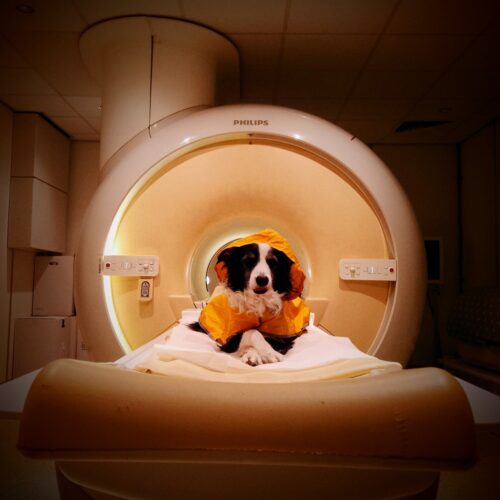
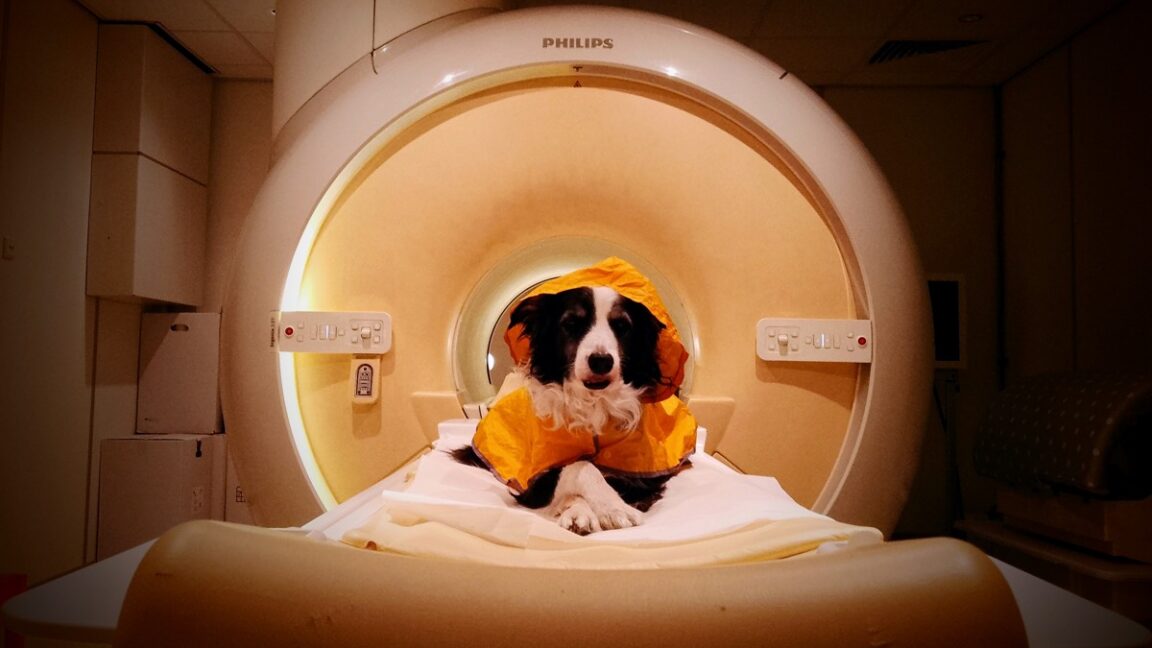
Any dog owner would tell you that their canine companions are attuned to their humans' emotional state and respond accordingly. Scientists have performed fMRI scans on dogs and identified a specific brain region that processes happy human facial expresses, like a smile, according to a new paper published in the journal iScience. They also found that dogs can tell the difference between negative facial expressions, specifically anger, sadness, and fear.

“Humans are really good at picking up small details on the face, and so are dogs,” said co-author Raúl Hernández-Pérez of the University of Vienna. “This makes dogs very interesting. By studying their brains, we can understand what adaptations have developed to support their remarkable social and emotional understanding of humans.”

Prior behavioral studies have shown that dogs are sensitive to emotion in human faces. Dogs will, for example, choose a box their human has identified with a happy expression over one the human treats with fear or disgust. Past fMRI studies found that an area in the canine left temporal cortex showed a stronger response to human faces compared to dog faces, as well as a greater response in the caudate, hippocampus, and amygdala to human faces showing emotion versus neutral faces.

Read full article

Comments

© Laura V. Cuaya/CC BY-SA

  •  

Dodo Had Surprisingly Keen Sense of Smell and Owl-Like Vision, New Study Reveals

The dodo (Raphus cucullatus) by Frederick William Frohawk, 1905.

New research led by University of Lethbridge scientists offers the most detailed look yet at how the dodo (Raphus cucullatus) -- the flightless bird driven to extinction by the 1600s -- actually perceived its world, suggesting the ‘stupid bird’ had a far more complex sensory life than its reputation implies.

The post Dodo Had Surprisingly Keen Sense of Smell and Owl-Like Vision, New Study Reveals appeared first on Sci.News: Breaking Science News.

  •  

Decades of Financial Hardship Linked to Faster Brain Aging

Long-term financial stress accelerates age-related cognitive decline. Image credit: Thomas Breher.

A large British study spanning more than 70 years has found that people who experience chronic money struggles over their working lives show measurable declines in memory and processing speed by their 50s, along with signs of accelerated brain shrinkage decades later.

The post Decades of Financial Hardship Linked to Faster Brain Aging appeared first on Sci.News: Breaking Science News.

  •  

Forgot your Google password? Now you can log in with a selfie.

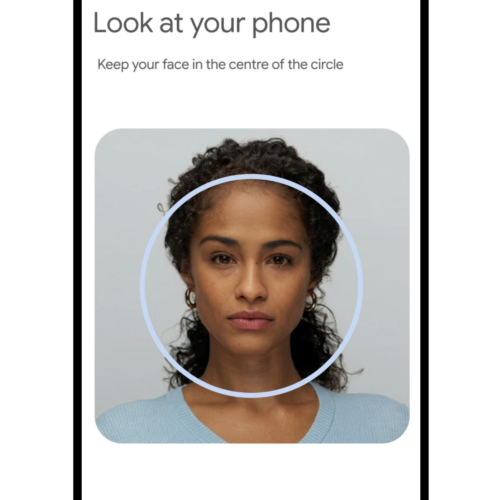
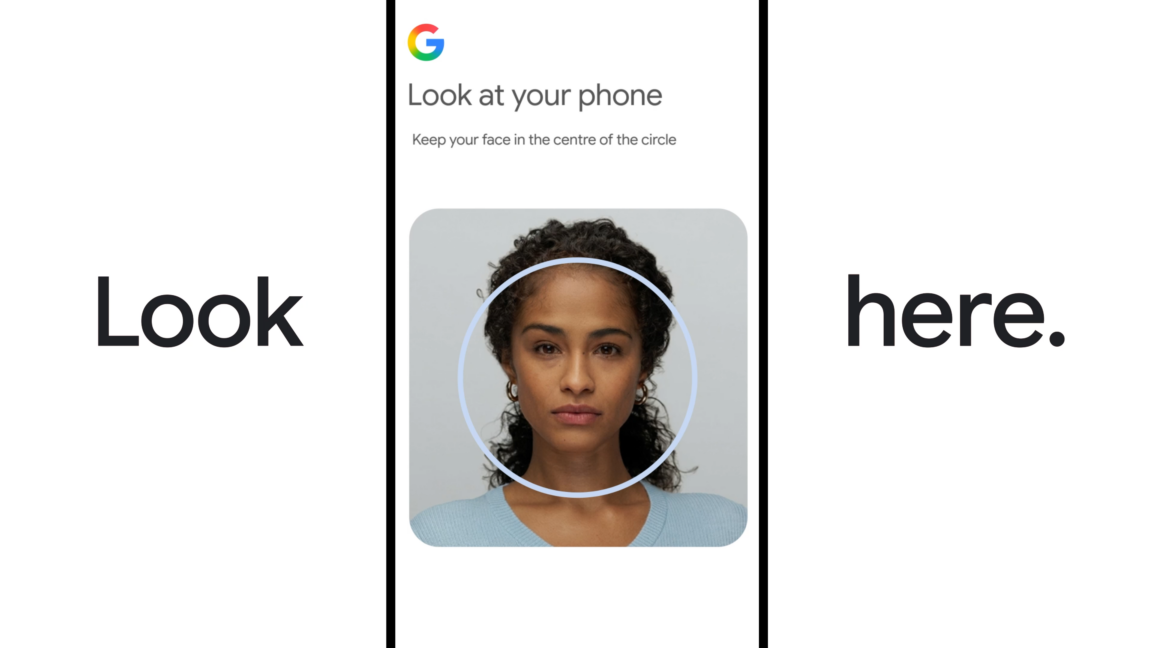
Getting locked out of an account is no fun. Google has a few ways to help you regain access if you happen to forget your password or lose an authenticator, including recovery contacts and backup codes. Now, Google has a completely new option: your face. You can now give Google a video record of your face and sign into your account with a selfie, which sounds like something people are going to just love.

You will have to set this feature up ahead of time if you want the option of regaining account access with a selfie later on. To get started, verify your account type is supported. You won't be able to configure selfie sign-ins for Workspace accounts, child accounts, or any account enrolled in Google's Advanced Protection Program.

Configuring selfie sign-in requires you to record a video, which Google will store on its servers. Google's selfie sign-in landing page includes the typical disclaimers about privacy and data access, promising that the company will keep the video encrypted and won't use it for any other purposes unless you opt in.

Read full article

Comments

© Google

  •  
❌