❌

Reading view

Promoções na App Store: Black Border 2, VENARI – Escape Room Adventure, Nível de bolha + Medições e mais!

Nesta terça-feira, confira e aproveite a nossa seleção de promoções na App Store!

Black Border 2, criado pelo pessoal da Mona Cervino Ltd, é um jogo de simulação de proteção de fronteira.

Como oficial, caberá a você analisar documentações e possíveis itens proibidos, impedindo a entrada de bandidos, terroristas e outros passageiros com documentação roubada ou falsificada.

Confira um vídeo:

Aproveite a oferta e boa diversão! Ah, o terceiro jogo da franquia também está em oferta:


Abaixo outros jogos/apps que, juntos, somam mais de R$50 em descontos:

Jogos

Jogo de aventura.

Jogo de ação.

Aplicativos

Nivelador.

Lista de compras.


Aproveite as ofertas e até amanhã! Lembrando que elas são sempre por tempo limitado, então é bom correr. 🏃

  •  

As diferenças entre o HomePod mini 2 e o modelo original

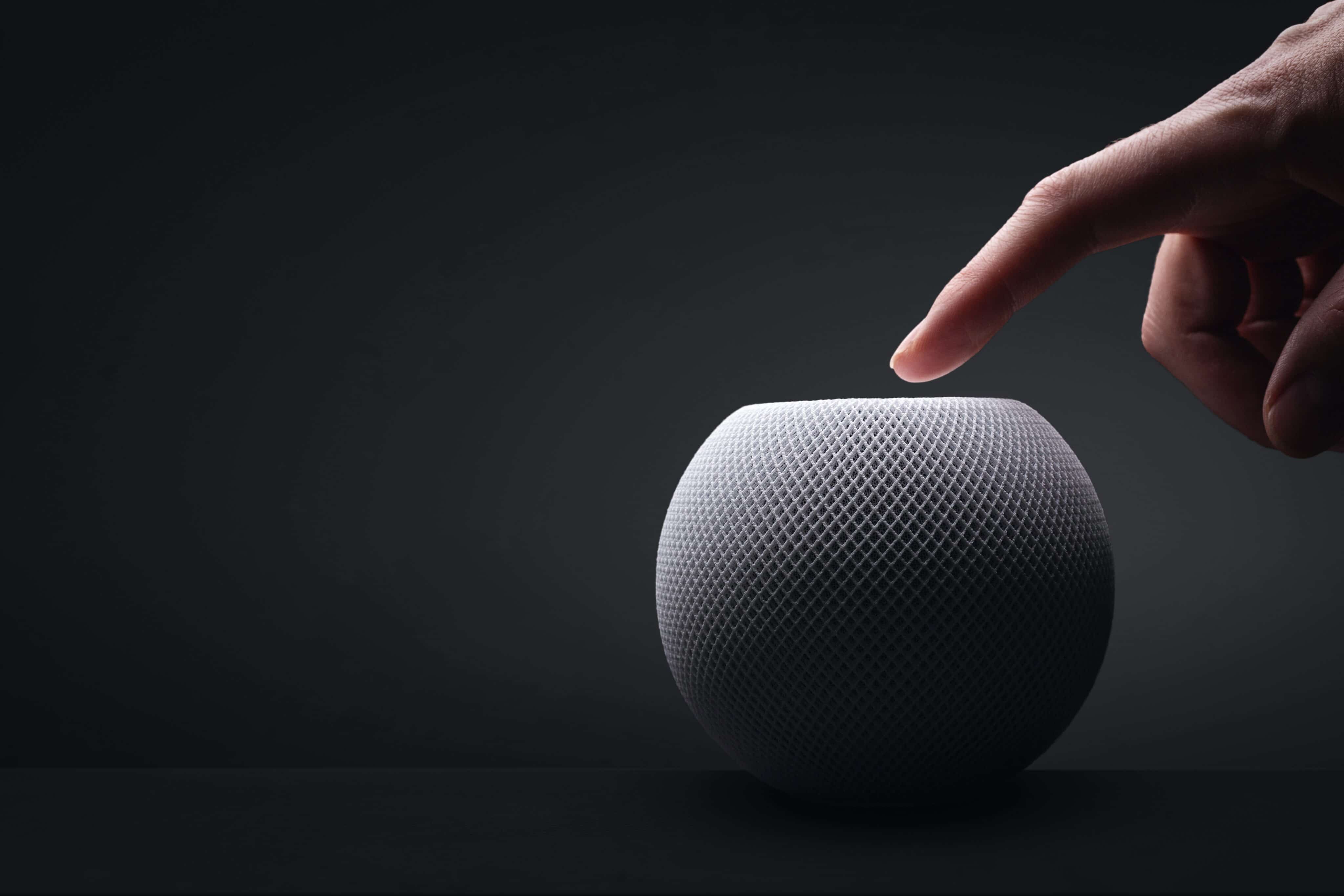
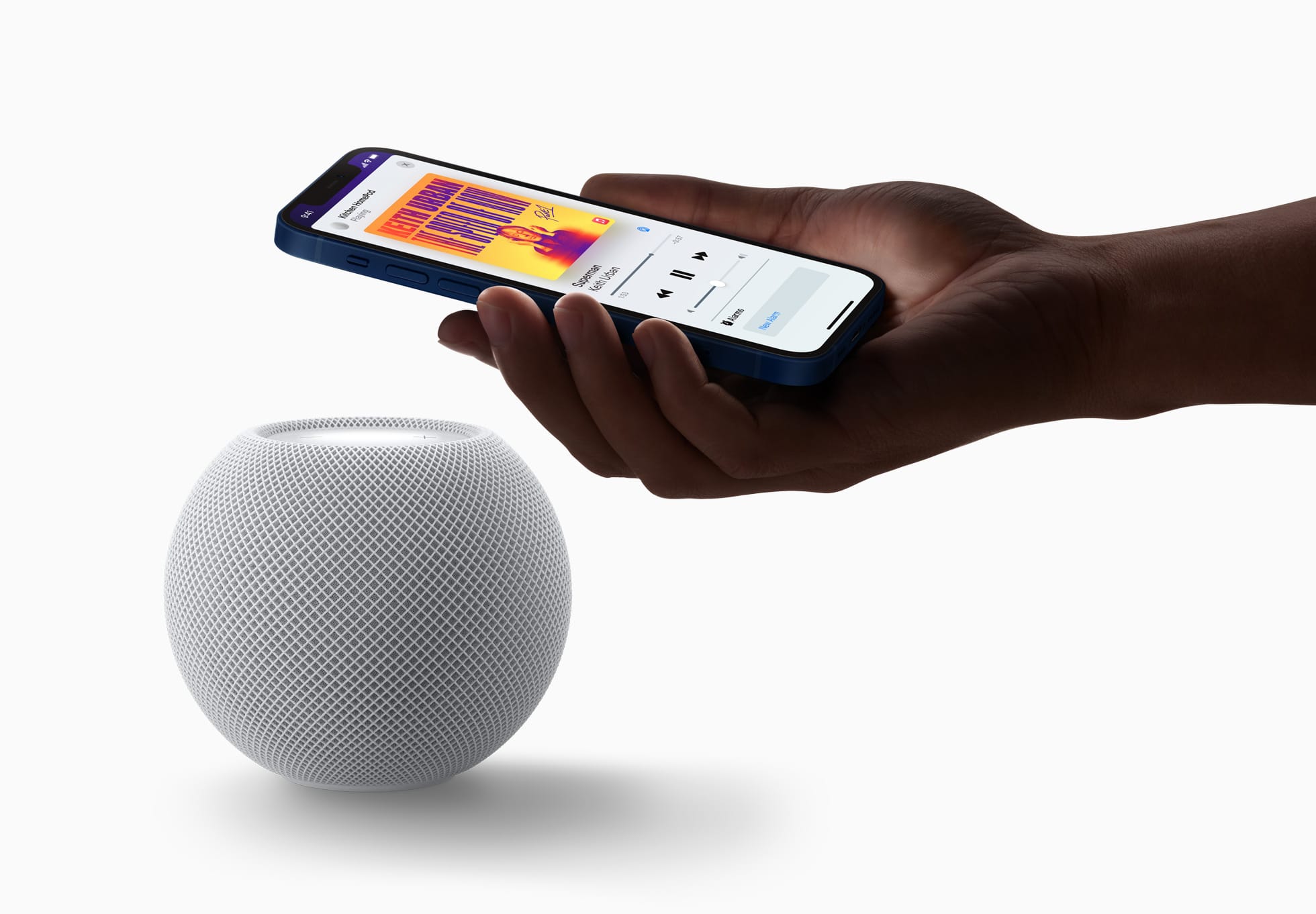
Anunciado na semana passada, o HomePod mini 2 traz algumas novidades bastante interessantes, como o suporte à Siri AI e um processador atualizado. Ainda assim, como ele se parece bastante com o seu antecessor (principalmente em termos de design), é possível que algumas pessoas ainda estejam confusas quanto às melhorias promovidas pela Apple.

Se você é uma delas, saiba que está no artigo certo! A seguir, vamos passar por todas as diferenças entre o HomePod mini de primeira geração e o HomePod mini 2 — assim, você poderá decidir qual dos dois modelos comprar ou se vale a pena trocar o seu.

Design e dimensões

Aqui você vai encontrar mais semelhanças do que diferenças entre as duas gerações da caixa de som inteligente, que contam com o mesmo visual geral, introduzido em 2020, com novas cores adicionadas em 2021 e posteriormente em 2024.

Divulgação/Apple

Com um corpo esférico envolto por uma malha colorida, ambos os modelos têm 84,33mm de altura e 97,9mm de largura, com diferença apenas no peso, menor no HomePod mini 2: 335g (ante os 345g do modelo de primeira geração).

Como dito, as cores do HomePod mini de primeira geração já foram atualizadas algumas vezes, e o modelo chegou a ser vendido nas opções branca, amarela, laranja, azul e meia-noite. O HomePod mini 2, por sua vez, pode ser adquirido nas cores branca, rosa, verde, azul e meia-noite.

Ambos os modelos seguem vindo com uma superfície circular retroiluminada com botões de “+” e “-” para ajuste rápido de volume.

A Apple disponibilizará o recurso Brilho do Som (Sound Glow), que faz essa superfície pulsar e brilhar em tempo real de acordo com a música que está tocando, para todos os modelos do HomePod mini e para o HomePod de segunda geração.

Divulgação/Apple

Tecnologia de áudio

Nesse quesito temos algumas mudanças bem curiosas de uma geração para a outra, embora pouco tenha mudado do ponto de vista de hardware.

O que ambos os modelos têm:

  • Driver de alcance completo e dois radiadores passivos para graves profundos e frequências altas nítidas;
  • Guia de onda acústica personalizada para um campo sonoro de 360º;
  • Tecido acusticamente transparente;
  • Áudio computacional para ajustes em tempo real;
  • Reconhecimento de Som para alarmes de fumaça e monóxido de carbono;
  • Áudio multiambiente com AirPlay;
  • Compatibilidade com setups de áudio estéreo.

O que apenas o HomePod mini 2 tem:

  • Compatibilidade com som surround quando emparelhado a uma Apple TV 4K;
  • Pode ser usado como caixa de som para Macs;
  • Chip S10.
Divulgação/Apple

Em termos de hardware de áudio, o HomePod mini de primeira geração leva vantagem em apenas um item: o número de microfones. Enquanto o modelo mais antigo vem com quatro microfones embutidos “para Siri em distâncias grandes”, o HomePod mini 2 vem com “apenas” três.

É possível, no entanto, que a Apple esteja compensando a ausência de um microfone no novo modelo com as novas capacidades de software viabilizadas pelo chip S10, bem mais moderno do que o S5 do HomePod mini de primeira geração.

Fontes e controles de áudio

Aqui, nada mudou. Ambos os modelos podem reproduzir áudio das seguintes fontes:

  • Apple Music;
  • Compras do iTunes;
  • Biblioteca de Música do iCloud com uma assinatura do Apple Music ou do iTunes Match;
  • Serviços de música de terceiros;
  • Estações do Apple Music Radio ou episódios sob demanda;
  • Estações de rádio do TuneIn, do iHeartRadio ou do Audacy;
  • Apple Podcasts;
  • Resumos de notícias;
  • AirPlay (iPhone, iPad, iPod touch, Apple TV 4K ou Mac).

Também é possível controlar a reprodução ao:

  • Tocar uma vez na parte superior para reproduzir/pausar;
  • Tocar duas vezes seguidas para pular;
  • Tocar três vezes seguidas para voltar;
  • Tocar e segurar para invocar a Siri;
  • Tocar nos botões de “+” e “-” para aumentar ou diminuir o volume.
HomePod mini
photoschmidt / Shutterstock.com

Siri

O HomePod mini 2 vence com facilidade nesse quesito: é o único compatível com a versão “turbinada” da assistente virtual da Apple, a Siri AI.

De acordo com a Apple, além de ajudar em tarefas mais simples como enviar mensagens, controlar a reprodução e configurar lembretes, a Siri AI também pode conversar mais naturalmente, responder dúvidas sobre o mundo real com base em buscas na web e recomendar músicas de maneira mais precisa. Ela ainda leva mais o contexto em conta e processa a maioria das solicitações no próprio dispositivo.

O HomePod mini de primeira geração segue com a versão antiga da Siri, capaz de lidar com comandos mais básicos.

Conectividade e sensores

Tanto o HomePod mini de primeira geração quanto o HomePod mini 2 são compatíveis com descoberta ponto a ponto, para acesso fácil de convidados, e com redes Thread, além de contarem com um chip de banda ultralarga para recursos que dependem da proximidade de outros aparelhos, como iPhones.

Divulgação/Apple

Já o modelo mais antigo tem Wi-Fi 4 (802.11n) e Bluetooth 5, enquanto a nova versão conta com Wi-Fi 6E (802.11ax) e Bluetooth 6. Ambos os modelos vêm com sensores de temperatura e umidade.

Preço e disponibilidade

Já disponível em pré-venda, o HomePod mini 2 será lançado em 30 de outubro por US$150 (US$20 a mais do que o modelo anterior) nos Estados Unidos e em outros países selecionados.

Assim como seu antecessor, o novo HomePod mini também segue sem uma previsão de lançamento no Brasil ou em Portugal — quem sabe isso mude com o lançamento dos sistemas 27.2 e com a chegada da Siri AI em português.

Divulgação/Apple

Ambos os HomePods mini vêm com um cabo USB-C e um adaptador bivolt de 20W na caixa, além da documentação regulamentar, é claro.


HomePod e HomePod mini (miniatura)
Comprar HomePod e HomePod mini 2 de Apple 🇺🇸 Preço: a partir de US$149
Cores: meia-noite, branco, rosa, azul ou verde

NOTA DE TRANSPARÊNCIA: O MacMagazine recebe uma pequena comissão sobre vendas concluídas por meio de links deste post, mas você, como consumidor, não paga nada a mais pelos produtos/serviços ao usar os nossos links de afiliado.

  •  

RCs dos sistemas 27.2 introduzem novidades para os HomePods, Apple TV 4K e mais

Conforme informamos ontem, a Apple liberou as Release Candidates das versões 27.2 dos seus sistemas operacionais, incluindo algumas reformulações visuais e novidades.

Vamos conferir o que chegou para os sistemas da Maçã?

iOS/iPadOS 27.2

No caso da RC do iOS 27.2, há uma série de pistas sobre implementações de recursos futuros, além de integrações com outros sistemas: é o caso da adição do código de configuração do som surround com quatro HomePods e a nova Apple TV 4K (quarta geração):

iOS 27.2 RC adds setup code for surround sound with 4 HomePods and Apple TV 4K (4th gen).

The code was already included in the iPhone Duo 27.2 simulator runtime. https://t.co/LXuYyOxBQi pic.twitter.com/0FqZnZN1qb

— pdfu (@itspdfu) October 19, 2026
A RC do iOS 27.2 adiciona o código de configuração para o som surround com quatro HomePods e a Apple TV 4K (quarta geração).

O código já estava incluído no runtime do simulador do iPhone Duo 27.2.

Um indício deixado no sistema para um recurso futuro é a não contabilização de conversas silenciadas na contagem das notificações de mensagens não lidas no app Mensagens (Messages):

iOS 27.2 RC indicates that Apple is working on a feature to exclude muted chats from the unread count in the Messages app

— Aaron (@aaronp613) October 19, 2026
A RC do iOS 27.2 indica que a Apple está trabalhando em um recurso para excluir conversas silenciadas da contagem de não lidas no app Mensagens.

O código do sistema também apresenta vestígios do MacBook Pro com tela sensível ao toque (também chamado de “MacBook Ultra”) para o recurso Sidecar:

iOS 27.2 once again likely references the upcoming MacBook Pro with a touchscreen

The code for SideCar adds a new mention of "touch display" pic.twitter.com/KWwMwqo0hm

— Aaron (@aaronp613) October 19, 2026
O iOS 27.2 mais uma vez provavelmente referencia o esperado MacBook Pro com touchscreen.

O código para o SideCar [sic] adiciona uma nova menção a “touch display”.

Outro achado no sistema foi uma menção ao iOS 28, que deverá chegar aos aparelhos no ano que vem:

iOS 27.2 RC already references iOS 28 pic.twitter.com/oAJ2aBulGq

— Aaron (@aaronp613) October 19, 2026
A RC do iOS 27.2 já referencia o iOS 28.

Software do HomePod 27.2

Às vésperas da chegada do HomePod mini 2, o software dos alto-falantes inteligentes da Apple ganhou algumas novidades que se aplicam aos demais modelos compatíveis com a atualização (para ser mais exato, o HomePod mini de primeira geração e o HomePod de segunda geração), como o Sound Glow (que exibe luzes ambientes no topo do alto-falante de acordo com o som que está sendo reproduzido) e o bloqueio dos controles de toque:

Sound Glow will work on HomePod mini 1, HomePod mini 2 and HomePod (2nd generation)!

In HomePod Software 27.2 RC, the LightShowCapability check is “productType > 1,” so only the original HomePod is unsupported. https://t.co/KwMrrAx7rf

— pdfu (@itspdfu) October 19, 2026
O Sound Glow funcionará no HomePod mini 1 [sic], HomePod mini 2 e HomePod (segunda geração)!

No HomePod Software 27.2 RC, a verificação de LightShowCapability é “productType > 1”, então apenas o HomePod original não é suportado.

All HomePod models will support the Lock Controls setting, according to HomePod software 27.2 RC.

You should see the setting in the Home app after updating both HomePod and iPhone. https://t.co/lAPVuRg3av

— pdfu (@itspdfu) October 19, 2026
Todos os modelos de HomePod suportarão a configuração de Controles de Bloqueio, de acordo com o RC do software do HomePod 27.2.

Você deve ver a configuração no app Casa após atualizar tanto o HomePod quanto o iPhone.

O leaker pdfu [@itspdfu] confirmou ainda que o Party Mode (“Modo Festa” em tradução direta) é um modo de renderização “difuso” secundário para som surround, o que significa que, para aproveitá-lo, será necessário ter uma Apple TV 4K de quarta geração:

audioOS 27.2 confirms that Whole Room Audio (Party Mode) is a secondary “diffuse” rendering mode for surround sound, so you’ll need the new Apple TV 4K.

The feature has an interesting implementation: it gives diagonally opposite HomePods the same L/R stereo role.

Front left →… pic.twitter.com/2uPCGrjPks

— pdfu (@itspdfu) October 19, 2026
O audioOS 27.2 confirma que o Whole Room Audio (Party Mode) é um modo de renderização “difuso” secundário para som surround, então você precisará da nova Apple TV 4K.

O recurso tem uma implementação interessante: ele atribui o mesmo papel estéreo L/R aos HomePods diagonalmente opostos.

Esquerdo frontal → Estéreo da esquerda
Direita frontal → Estéreo da direita
Esquerda traseira → Estéreo da direita
Direita traseira → Estéreo da esquerda

Então, se você virar as costas para a TV, ainda terá o posicionamento correto de L/R. Você também recebe ambos os canais L/R se estiver de lado.

tvOS 27.2

Ainda sobre o som surround com HomePods na Apple TV, será possível ajustar o modo dos alto-falantes, o ganho de surround e o funcionamento do som estéreo:

You’ll get new audio controls when you set up four HomePods with the new Apple TV.

Speaker Mode: Surround Sound or Whole Room Audio.

Specifically for Surround Sound:
• Spatialize Stereo: Control whether to play a spatially processed mix for video and music. As reported in… pic.twitter.com/KDzUeu3VpU

— pdfu (@itspdfu) October 19, 2026
Você terá novos controles de áudio quando configurar quatro HomePods com o novo Apple TV.

Modo Alto-falante: Som Surround ou Whole Room Audio.

Especificamente para Som Surround:
• Spatialize Stereo: Controle se deve reproduzir uma mixagem processada espacialmente para vídeo e música. Como relatado em setembro, quando desativado, o estéreo normal é reproduzido nos alto-falantes frontais, enquanto os alto-falantes traseiros recebem uma mixagem vazia. Padrão: Ativado para Vídeo e Música.
• Nível Surround: Ajuste o par traseiro em relação aos frontais. Suporta de −8 dB a +8 dB, em etapas de 0,5 dB. Padrão: Normal (0 dB).

Não há opções de áudio para o Whole Room Audio, pois ele usa canais estéreo para ambos os pares de alto-falantes. Os canais são atribuídos diagonalmente: esquerda traseira e frontal compartilham o canal esquerdo, enquanto direita traseira e frontal compartilham o canal direito.

A nova versão do sistema também permite a exibição aleatória de protetores de tela personalizados com Memórias, Apresentações de Slides ou Retratos:

tvOS 27.2 allows you to shuffle through available Screen Savers throughout the day.

You can also set up Memories & Slideshows or Portraits screen savers on iPhone or iPad without sharing your whole library.

The features were announced in the Apple TV 4K press release. pic.twitter.com/1VNsCBzymi

— pdfu (@itspdfu) October 19, 2026
O tvOS 27.2 permite que você embaralhe os Protetores de Tela disponíveis ao longo do dia.
Você também pode configurar Memórias e Apresentações de Slides ou protetores de tela de Retratos no iPhone ou iPad sem compartilhar toda a sua biblioteca.
Os recursos foram anunciados no comunicado de imprensa da Apple TV 4K.

Bastante coisa, né?

iPhone 18 Pro Max

iPhone 18 Pro Max

Cores: bordô, glacial, prateado e preto
Armazenamento: 256GB, 512GB, 1TB ou 2TB
R$ 12.999,00
iPhone 18 Pro

iPhone 18 Pro

Cores: bordô, glacial, prateado e preto
Armazenamento: 256GB, 512GB, 1TB ou 2TB
R$ 11.126,19
R$ 11.999,00
Apple TV 4K (3ª geração)

Apple TV 4K (3ª geração)

Armazenamento: 64GB ou 128GB
Conectividade: Wi-Fi ou Wi-Fi + Ethernet
R$ 2.735,25

HomePod e HomePod mini (miniatura)
Comprar HomePod e HomePod mini 2 de Apple 🇺🇸 Preço: a partir de US$149
Cores: meia-noite, branco, rosa, azul ou verde

NOTA DE TRANSPARÊNCIA: O MacMagazine recebe uma pequena comissão sobre vendas concluídas por meio de links deste post, mas você, como consumidor, não paga nada a mais pelos produtos/serviços ao usar os nossos links de afiliado.

  •  

Apple Adds Lock Controls for HomePod in the New iOS 27.2 Update

Apple is bringing a helpful change to its smart speakers with an upcoming software update. Users testing the beta version noticed a new toggle inside the Home app that turns off the physical touch panel on top of the HomePod. This addition gives you more control over the device and stops accidental taps from changing […]

The post Apple Adds Lock Controls for HomePod in the New iOS 27.2 Update appeared first on The Mac Observer.

  •  

Release Candidates do iOS 27.2, iPadOS 27.2, macOS 27.2, watchOS 27.2, tvOS 27.2 e visionOS 27.2 são liberadas

A Apple acaba de liberar para testadores dos seus sistemas as versões Release Candidate do iOS 27.2 (compilação 24B115), iPadOS 27.2 (idem), macOS Golden Gate 27.2 (26B118), watchOS 27.2 (24S116), tvOS 27.2 (24K120) e visionOS 27.2 (24N118).

Estão disponíveis também as RCs do iOS 26.7.2 (compilação 23H127), iPadOS 26.7.2 (idem), macOS Sequoia 15.8.2 (24H230) e macOS Tahoe 26.7.2 (25G330), bem como a do Xcode 27.2 (27B48).

Como sempre, essas são as versões candidatas a serem lançadas para o público final, mas pode ser que mais versões sejam disponibilizadas até lá — caso a Apple encontre algum problema de última hora que precise ser resolvido.

A expectativa agora é de que as versões finais dos sistemas 27.2 sejam lançadas para todos os usuários já na próxima semana.

  •  

Apple TV 4K comes with 3 months of Apple TV, HomePod mini 2 with Apple Music

Apple is bundling a free streaming trial with each of its new home devices on its U.S. store. The $299 Apple TV 4K comes with 3 months of Apple TV free, while the $149 HomePod mini 2 and the $299 Apple HomeView each come with 3 months of Apple Music free, according to Apple’s buy […]

The post Apple TV 4K comes with 3 months of Apple TV, HomePod mini 2 with Apple Music appeared first on The Mac Observer.

  •  

Apple Stores estariam se preparando para lançamento em 6 de novembro

Depois de detalhar uma possível nova versão do HomeView planejada para ser lançada em 2027, o jornalista da Bloomberg, Mark Gurman, comentou na última edição da sua newsletter “Power On” que as Apple Stores estariam se organizando para mais um lançamento em 6 de novembro (uma sexta-feira), que poderá ser destinado a um produto revelado no suposto “evento” que a empresa realizará no dia 27 de outubro.

Considerando que — ainda de acordo com ele — esse evento poderá revelar o “MacBook Ultra” (modelo com tela OLED 1Organic light-emitting diode, ou diodo emissor de luz orgânico. sensível ao toque), um novo iMac com o chip M6, a nova geração do iPad mini (com tela OLED) e uma nova versão do MacBook Pro de 14 polegadas com o chip M6, qualquer um desses produtos passa a ser candidato a esse lançamento — ou todos juntos, é claro.

Apple plans a retail store reset for Nov. 6, indicating potential new Mac release timing. More in Power On: https://t.co/imlJIzWeaS

— Mark Gurman (@markgurman) October 18, 2026

Caso o rumor se concretize, a Apple terá um lançamento para cada sexta-feira pelas próximas quatro semanas, começando com o iPhone Duo e concluindo o cronograma com a chegada da nova Apple TV 4K e do HomeView, revelados junto com o HomePod mini 2 na última terça-feira (13/10).

A relação de lançamentos ficaria mais ou menos assim:

  • 23 de outubro: iPhone Duo
  • 30 de outubro: HomePod mini 2
  • 6 de novembro: novos Macs e/ou novo iPad mini
  • 13 de novembro: HomeView e Apple TV 4K

Falando em iPhone Duo…

Escassez do Duo pode aumentar as vendas do 18 Pro?

O jornalista também aproveitou o espaço para comentar a pré-venda do dobrável da Apple, classificada por ele como “desastrosa”, já que os prazos de entrega estão em janeiro (no caso dos Estados Unidos) ou em fevereiro (no caso do Brasil)!

Apple’s iPhone Duo preorders were an absolute disaster. That may help the iPhone 18 Pro. More in Power On: https://t.co/qX4Wp8R6sc

— Mark Gurman (@markgurman) October 18, 2026
A pré-venda do iPhone Duo da Apple foi um desastre absoluto. Isso talvez ajude o iPhone 18 Pro. Mais em “Power On”.

Segundo ele, a Apple cometeu um “erro grave” ao manter o lançamento do Duo no início do primeiro trimestre fiscal sem ter um grande estoque do aparelho em escala global, em vez de lançar o produto inicialmente apenas nos Estados Unidos e na China. A empresa também poderia ter a intenção de oferecer os iPhones 18 Pro/18 Pro Max como alternativas ao Duo.

iPhone Duo

iPhone Duo

Cores: branco-estrela ou céu noturno
Armazenamento: 256GB, 512GB, 1TB ou 2TB
R$ 21.999,00
iPhone 18 Pro Max

iPhone 18 Pro Max

Cores: bordô, glacial, prateado e preto
Armazenamento: 256GB, 512GB, 1TB ou 2TB
R$ 12.999,00
iPhone 18 Pro

iPhone 18 Pro

Cores: bordô, glacial, prateado e preto
Armazenamento: 256GB, 512GB, 1TB ou 2TB
R$ 11.126,19
R$ 11.999,00

NOTA DE TRANSPARÊNCIA: O MacMagazine recebe uma pequena comissão sobre vendas concluídas por meio de links deste post, mas você, como consumidor, não paga nada a mais pelos produtos/serviços ao usar os nossos links de afiliado.

Notas de rodapé

  • 1
    Organic light-emitting diode, ou diodo emissor de luz orgânico.

  •  

How to set up HomePod mini 2: an iPhone or iPad on the latest iOS, not a Mac

HomePod mini 2 arrives October 30 at $149 (U.S.), and Apple says you will need an iPhone or iPad to get it running. “You can’t set up HomePod with a Mac,” Apple’s support guide states, and the device must be updated to the latest version of iOS or iPadOS first. The setup itself is short. […]

The post How to set up HomePod mini 2: an iPhone or iPad on the latest iOS, not a Mac appeared first on The Mac Observer.

  •  

HomePod mini 2 and Apple TV 4K are on sale in the EU, but without Siri AI

HomePod mini 2 costs 169,00 € and the new Apple TV 4K (4th generation) costs 349,00 € on Apple’s German, French and Spanish online stores, with the speaker arriving on October 30 and the TV box on November 13. EU buyers get the hardware without Siri AI, because Apple says in its footnotes that “Siri […]

The post HomePod mini 2 and Apple TV 4K are on sale in the EU, but without Siri AI appeared first on The Mac Observer.

  •  

Epigenetic Drug Valemetostat Shows Dual Action Against HTLV-1 Eye Inflammation

Human T cell leukemia virus type 1, the first human retrovirus ever identified, infects an estimated 5 to 10 million people worldwide, a figure extrapolated from surveys covering only about one-seventh of the global population. The virus inserts a DNA copy of its RNA genome into the chromosomes of host T cells, establishing a lifelong infection that can drive a spectrum of diseases, including adult T cell leukemia/lymphoma, HTLV-1-associated myelopathy, and HTLV-1-associated uveitis, a chronic inflammation inside the eye that is particularly common in endemic regions such as Japan. Despite the scale of the problem, coordinated global action has been slow; the World Health Organization only published technical reports aimed at reducing HTLV-1-related morbidity and mortality in 2021, and no broadly effective intervention has emerged in decades of research.

Current treatment for the ocular disease relies heavily on corticosteroids, delivered as topical drops, injections into the eye, or oral prednisone. This approach has serious shortcomings. Studies indicate that 30 to 60 percent of patients with HTLV-1-associated uveitis experience recurrent episodes, and long-term steroid exposure can trigger cataracts, glaucoma, macular edema, epiretinal membranes, retinal degeneration, optic nerve atrophy, and bullous keratopathy. Most importantly, corticosteroids suppress inflammation without reducing the number of virus-infected cells or halting disease progression. Newer molecular targeted agents, including the anti-CCR4 antibody mogamulizumab and the immunomodulatory drug lenalidomide, have been explored, but treatment-related inflammation and adverse effects remain significant obstacles. This therapeutic gap motivated a team led by Yaru Zou and Koju Kamoi of Tokyo Medical and Dental University to investigate whether an epigenetic drug already approved for blood cancer could address the root of the ocular inflammation.

The drug in question is valemetostat, marketed as EZHARMIA, a dual inhibitor of the enzymes EZH1 and EZH2 that was approved in 2022 for adult T cell leukemia/lymphoma. Both enzymes are the catalytic components of polycomb repressive complex 2, a molecular machine that silences genes by adding three methyl groups to lysine 27 on histone H3, producing the repressive chromatin mark known as H3K27me3. Previous work had shown that EZH1 and EZH2 are overexpressed, and H3K27me3 deposition increased, in ATL cells and in cells expressing the viral oncoprotein Tax. Dual EZH1/2 inhibitors have also been reported to curb the spontaneous proliferation and exaggerated immune responses of HTLV-1-infected cells in patients with HTLV-1-associated myelopathy. What remained unknown was whether such inhibition could benefit the inflamed eye.

To find out, the researchers built a series of laboratory models centered on ARPE-19 cells, a human retinal pigment epithelial cell line chosen because the retinal pigment epithelium forms the outer blood-retinal barrier and governs retinal immune homeostasis. They exposed these ocular cells to three kinds of T cells: MT-2 cells, which carry transcriptionally active HTLV-1 and express the viral protein Tax; TL-Om1 cells, an ATL-derived line in which the virus is largely silent and Tax is low or absent; and Jurkat cells, which are uninfected and served as controls. In parallel, they treated the T cell lines themselves. Western blotting and quantitative PCR revealed that HTLV-1 infection drove significant upregulation of both EZH1 and EZH2, along with elevated H3K27me3, in infected retinal pigment epithelial cells and in MT-2 cells, with EZH1 protein rising roughly 2.5-fold in infected ocular cells and six-fold in MT-2 cells. This was the first demonstration that HTLV-1 infection induces polycomb-mediated epigenetic changes in retinal cells.

The team then treated the models with valemetostat at 0.01, 0.1, and 1 micromolar for 96 hours, concentrations selected in preliminary experiments because they harmed infected T cells while leaving normal ocular cells, including primary human trabecular meshwork cells, unaffected below 10 micromolar. The results were strikingly dependent on the model. In co-cultures of retinal cells with Tax-positive MT-2 cells, and in retinal cells directly infected with HTLV-1, the drug produced modest but statistically significant reductions in cell viability at the highest dose, accompanied by small increases in late-stage apoptosis. No such effects appeared in co-cultures with TL-Om1 or Jurkat cells. Crucially, the absolute magnitude of apoptosis remained limited, typically only 1 to 3 percent above baseline, indicating that valemetostat is not broadly toxic to retinal cells, an important safety consideration given their role in maintaining vision.

The virological findings were equally nuanced. Valemetostat did not significantly reduce the HTLV-1 proviral load in co-culture systems or in directly infected retinal pigment epithelial cells. However, in MT-2 cells themselves, 1 micromolar valemetostat significantly lowered proviral load and suppressed the messenger RNA levels of both Tax and HBZ, the two hallmark transcripts of the virus. Because MT-2 cells represent the transcriptionally active, highly infectious state of HTLV-1, while TL-Om1 represents latency, the results suggest that the drug’s antiviral effect is gated by the transcriptional status of the infected cell. Within the four-day treatment window, the authors conclude, valemetostat’s benefit to the ocular environment is likely indirect, acting primarily by quieting the most virally active cells rather than by eradicating provirus everywhere.

The most clinically relevant effects emerged in the inflammatory readouts. HTLV-1-infected T cells recovered from the eyes of patients with uveitis are known to secrete copious interleukin-6, interleukin-8, and interleukin-10, all implicated in disease. In the new study, valemetostat produced a dose-dependent increase in the anti-inflammatory cytokine IL-10 in MT-2-containing conditions, significant at 1 micromolar in the co-culture system and across all doses in MT-2 cells. This fits a mechanistic expectation: blocking EZH1/2 removes H3K27me3 marks that repress the IL-10 gene, and prior genetic studies showed that loss of EZH2 directly activates IL-10 transcription in several CD4-positive T cell subsets. Meanwhile, pro-inflammatory signals fell in a context-dependent pattern. IL-12p70 and the chemokine CXCL-10 dropped in co-cultures, IL-6 and IL-8 declined mainly in MT-2 cells, and CCL-2 fell at low doses in the MT-2 co-culture, whereas the chemokine CCL-5 was unchanged in every model.

The drug’s influence on NF-kappaB, the central inflammatory pathway that Tax hijacks to drive both viral replication and cytokine production, was more subdued. Valemetostat modestly reduced NF-kappaB p65 phosphorylation in the MT-2 co-culture at the lowest dose and slightly decreased the nuclear-to-cytoplasmic ratio of p65 in retinal cells stimulated with TNF-alpha, but it did not abolish nuclear translocation. The authors attribute this to the overwhelming strength of Tax-driven NF-kappaB activation, which a 96-hour course of EZH1/2 inhibition may be insufficient to counteract, and to the fact that NF-kappaB and cytokine networks are regulated by many factors beyond polycomb complexes. Immunofluorescence confirmed that valemetostat significantly lowered H3K27me3 in retinal cells exposed to MT-2 cells or directly infected, but not in cells co-cultured with TL-Om1 or Jurkat cells, again underscoring the model dependence of the epigenetic response.

The study also carries a cautionary note about IL-10. Although the cytokine is anti-inflammatory, it can promote the survival of HTLV-1-infected T cells and facilitate immune evasion by impairing dendritic cell antigen presentation and downregulating MHC class I molecules, and patients with aggressive ATL often show abnormally elevated IL-10. The authors therefore suggest that combining EZH1/2 inhibition with IL-10 pathway blockade could prove more effective, noting evidence that IL-10 neutralization sensitizes ATL cells to standard therapies. In the TL-Om1 model of ATL-related ocular infiltration, valemetostat failed to reduce H3K27me3, proviral load, or NF-kappaB activation within the malignant cells, yet it suppressed TL-Om1-induced CXCL10 secretion and induced dose-dependent apoptosis, pointing to a benefit mediated through the inflammatory microenvironment rather than direct tumor killing.

The authors are candid about the limitations. The work relied entirely on in vitro co-cultures and established cell lines, which cannot reproduce the blood-retinal barrier, retinal architecture, or local immune regulation of a living eye, and the intraocular pharmacokinetics of valemetostat after systemic administration remain undefined. Sex as a biological variable could not be assessed because donor-defined primary cells were not used. Even so, the findings establish a proof of concept that an approved epigenetic therapy can counteract HTLV-1-induced chromatin changes in retinal cells, dampen viral transcription in the most active infected cells, and reshape the cytokine milieu that sustains uveitis. Longer treatment studies, in vivo models, and patient-derived systems will be needed to determine whether these modest, context-dependent effects can be translated into a genuine steroid-sparing therapy for one of the most burdensome manifestations of a virus that medicine has long neglected.

Subject of Research: EZH1/2-targeted epigenetic therapy with valemetostat for HTLV-1-associated uveitis

Article Title: Dual impact of EZH1/2-targeted therapy in HTLV-1-associated inflammation: Direct and indirect mechanisms

Article References: Zou, Y., Kamoi, K., Yang, M., Zong, Y., Zhang, J., & Ohno-Matsui, K. (2026). Dual impact of EZH1/2-targeted therapy in HTLV-1-associated inflammation: Direct and indirect mechanisms. iScience, 29(11), Article 117775. https://doi.org/10.1016/j.isci.2026.117775

Image Credits: AI Generated

DOI: 10.1016/j.isci.2026.117775

Keywords: HTLV-1, valemetostat, EZH1, EZH2, H3K27me3, uveitis, epigenetics, PRC2, Tax, IL-10, NF-kappaB, retinal pigment epithelium

  •  

How Broadly Bat Viruses Use the ACE2 Receptor May Predict Pandemic Risk

The viruses that gave rise to SARS-CoV-2 have been circulating in horseshoe bats and related mammals across Asia for millennia, and most of them have never spilled over into people. Yet a small number of these bat sarbecoviruses clearly can infect humans, as the COVID-19 pandemic demonstrated. A central question for pandemic preparedness has therefore been whether scientists can look at the properties of a newly discovered bat coronavirus and make an evidence-based judgement about how dangerous it might be. A new study published in PLOS Biology suggests that one measurable property, the breadth of species whose ACE2 receptor a virus can use, may be a surprisingly informative signal, predicting not only which animals a virus can infect but also how closely related it is to SARS-CoV-2 in the eyes of the human immune system.


Sarbecoviruses, the subgenus of coronaviruses that includes SARS-CoV and SARS-CoV-2, attach to their host cells through the receptor-binding domain, or RBD, of the Spike protein. This domain grips the angiotensin-converting enzyme 2 receptor, ACE2, on the surface of host cells, and it is also the principal target of neutralising antibodies. That dual role creates an intimate link between host range and antigenicity: the same molecular surface that determines which species’ receptors a virus can engage also determines how well antibodies raised against one virus recognise another. The research team, led by scientists at The Pirbright Institute together with collaborators including researchers at King’s College London, set out to map that relationship systematically across a diverse collection of bat sarbecoviruses.

The experimental strategy combined three complementary approaches. First, the researchers used binding assays to test whether the Spike proteins of different sarbecoviruses could attach to ACE2 proteins from a wide panel of mammalian species. Second, they used pseudotype-entry assays, in which harmless lentiviral particles are decorated with each coronavirus Spike protein, to test whether receptor binding actually translates into cell entry. Third, they measured how sera from SARS-CoV-2 convalescent individuals and monoclonal antibodies from vaccinated people who had experienced breakthrough infections neutralised the different viruses. By running the same viruses through all three assays, the team could directly correlate receptor usage with antigenic behaviour.

The results revealed a striking pattern. Sarbecoviruses in clade 1, the group that contains SARS-CoV-2 itself and the BANAL viruses isolated from bats in Laos, tended to be generalists. Their Spike proteins could productively engage ACE2 receptors from many different bat species, indicating that they are not finely tuned to a single host. In contrast, viruses from clade 3, exemplified by RhGB07, and clade 5, exemplified by Rc-o319, behaved as specialists, using a much narrower range of ACE2 receptors. Rc-o319, which was previously known to be unable to use human ACE2 efficiently, fits this specialist profile, whereas the BANAL viruses, which can use human ACE2, sit firmly in the generalist camp alongside SARS-CoV-2.

To understand the structural basis of this specialism, the team solved a novel structure of the RhGB07 Spike protein. The structure allowed them to identify specific residues within the RBD that are associated with the restricted receptor usage of this clade 3 virus. These residues presumably shape the receptor-binding interface in ways that favour particular bat ACE2 variants while excluding others. Such structural insights are valuable because they point to the molecular features that distinguish viruses capable of flexible receptor engagement from those locked into narrow host ranges, and they may help predict the properties of newly discovered sarbecoviruses from sequence data alone.

When the researchers extended their receptor panel beyond bats to include more diverse mammalian ACE2 proteins, the generalist phenotype largely held. Clade 1 viruses could bind and enter cells expressing ACE2 from humans, non-human primates, livestock, and rodents, as well as from species considered potential intermediate reservoir hosts, such as civets, raccoon dogs, and pangolins. This is significant because intermediate hosts are thought to have played a role in previous coronavirus spillovers, including the emergence of SARS-CoV in 2002. A virus that can already use the receptors of many species faces fewer barriers on the path from bat to human. The specialist viruses, by contrast, showed wider phenotypic diversity across this expanded panel, with RhGB07 exhibiting a more idiosyncratic pattern of receptor usage that did not simply mirror its bat-host profile.

The study also examined how SARS-CoV-2’s ongoing evolution in humans has changed its receptor preferences. Comparing variants that have emerged during the pandemic, the researchers found an expanding and, in some cases, shifting pattern of generalism, particularly for Omicron and its many sub-lineages. Omicron’s Spike has accumulated numerous mutations in the RBD, and these changes appear to have broadened or reconfigured the range of ACE2 molecules the virus can engage. This observation underscores that receptor usage is not a fixed property of a virus but a dynamic trait that can evolve under immune pressure and changing transmission landscapes, with potential consequences for which animal species might serve as new reservoirs for human-derived variants.

The antigenic side of the analysis produced equally important findings. When convalescent sera from people who had recovered from COVID-19 were tested against the panel of bat sarbecoviruses, clade 1 viruses, being phylogenetically closest to SARS-CoV-2, were antigenically the most similar. There was robust evidence for cross-neutralisation of these viruses, meaning that immunity generated against SARS-CoV-2 offers meaningful protection against its closest bat relatives. Importantly, however, the team also found evidence for limited cross-neutralisation across the entire subgenus, suggesting that even the more distantly related specialist viruses are not completely invisible to immunity primed by SARS-CoV-2 infection. This graded pattern of cross-reactivity maps closely onto the phylogenetic and receptor-usage relationships the researchers had established.

Using monoclonal antibodies derived from COVID-19 vaccinees who subsequently experienced breakthrough infections, the researchers were able to pinpoint which classes of antibody epitopes are responsible for the broader neutralisation observed across the sarbecovirus panel. Because antibodies recognise specific structural features of the RBD, identifying the epitope classes that mediate cross-neutralisation provides a rational basis for designing vaccines and therapeutics with deliberately broad coverage. Antibodies directed against more conserved features of the receptor-binding interface, rather than those specific to SARS-CoV-2’s particular configuration, appear to underpin the wider neutralising activity.

Taken together, the study delivers a unifying message: generalist ACE2 usage, phylogenetic proximity to SARS-CoV-2, and antigenic similarity travel together. A bat sarbecovirus that can flexibly use receptors from many mammalian species is likely to be a close relative of SARS-CoV-2 and likely to be partially neutralised by existing human immunity. This constellation of traits offers surveillance teams a practical framework for triage. When a new sarbecovirus is discovered, characterising its receptor-binding breadth through binding and pseudotype assays could provide an early, laboratory-based assessment of both its zoonotic potential and the degree to which current vaccines and antibodies might protect against it. As bat habitats are disturbed and human-wildlife interfaces expand, such tools for distinguishing the generalists from the specialists among the thousands of circulating bat coronaviruses could prove essential for anticipating, and perhaps preventing, the next spillover.

Subject of Research: ACE2 receptor usage breadth as a predictor of host range and antigenic relatedness across bat sarbecoviruses

Article Title: Breadth of ACE2 receptor usage predicts host range and antigenic relatedness across bat sarbecoviruses

Article References: Thakur, N., Newman, J., Ni, D., Seow, J., Hay, A. L., Lee, Y., Upadhyay, A., Ekundayo, B. E., Hammond, J. A., Peacock, T. P., Lau, K., Doores, K. J., & Bailey, D. (2026). Breadth of ACE2 receptor usage predicts host range and antigenic relatedness across bat sarbecoviruses. PLOS Biology, 24(10), e3003944. https://doi.org/10.1371/journal.pbio.3003944

Image Credits: AI Generated

DOI: 10.1371/journal.pbio.3003944

Keywords: sarbecoviruses, ACE2, SARS-CoV-2, host range, receptor-binding domain, antigenicity, cross-neutralisation, bat coronaviruses, zoonotic spillover, Omicron, monoclonal antibodies, pseudotype assays

  •  

La forme physique des enfants européens décline depuis des décennies, mais un indicateur inquiète particulièrement les scientifiques

Plus de 400 000 jeunes Européens, six décennies de mesures, quatre indicateurs suivis. Le déclin de la condition physique n'est uniforme ni dans le temps ni selon les capacités : l'endurance s'est stabilisée depuis 2015, quand la souplesse recule de plus en plus vite depuis 2000.

  •  

25 ans, une bascule : l'ARN Messager, de la Covid-19 aux vaccins personnalisés contre le cancer

En quelques années, l’ARN messager est passé du statut de technologie expérimentale à celui d’outil capable de répondre à une pandémie. Rapide à adapter et presque « programmable », il pourrait désormais ouvrir la voie à des vaccins conçus sur mesure contre certains cancers.

  •  
  •  

NASA Visits Schools Strengthening Florida’s Skilled Workforce

NASA recently awarded $10.5 million to seven organizations nationwide through its new State Hubs initiative. Space Florida was selected for Project ORBIT, which aims to expand opportunities for middle and high school students, boost enrollment in key career and technical programs, and create a statewide portal connecting skilled workers with aerospace employers.

Two people looking at a computer screen
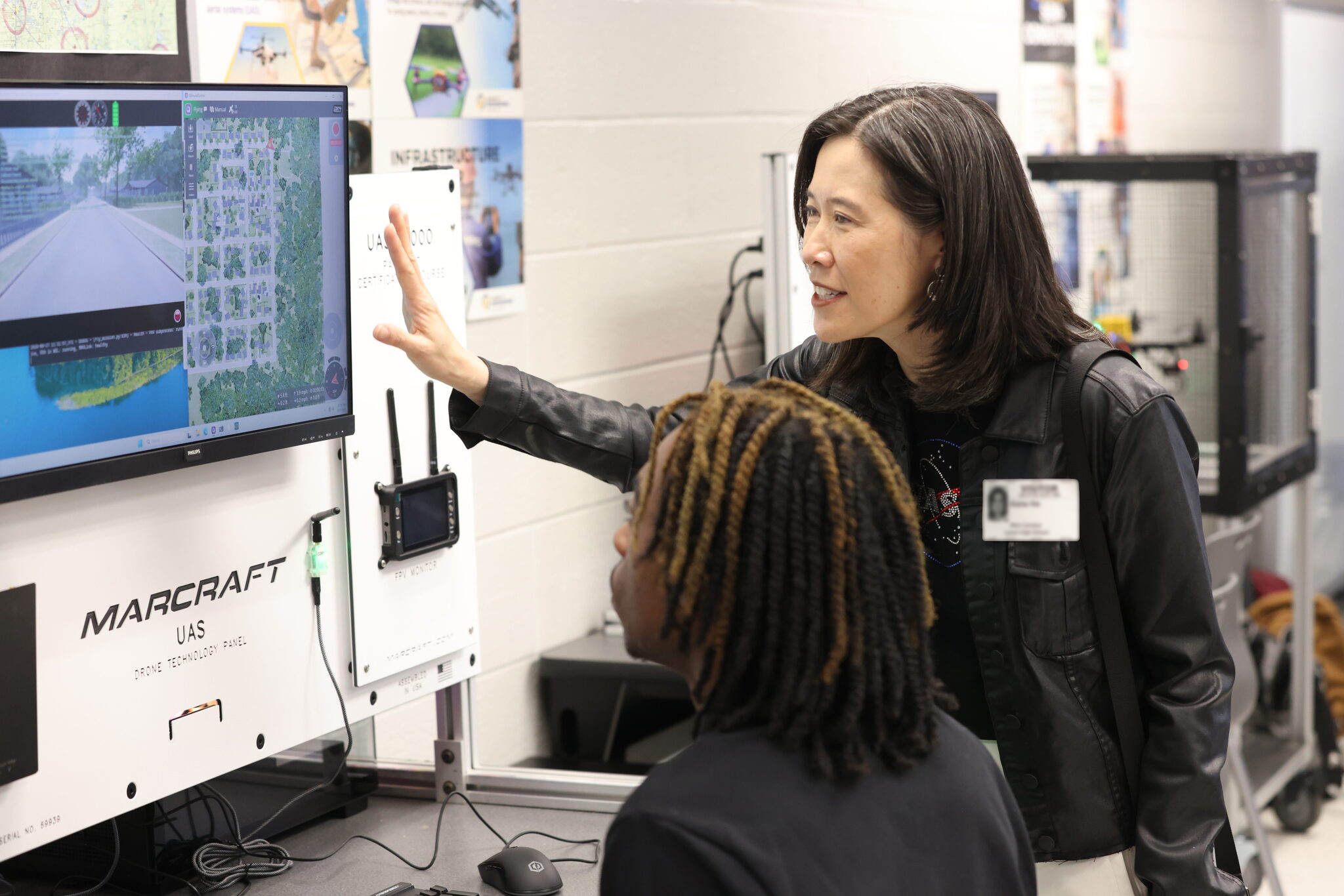
Elaine Ho, right, associate administrator for NASA’s Office of STEM Engagement, discusses training software with a student at Lyman High School in Longwood, Florida on on Aug. 27, 2026.
Credit: NASA/Clayton Rougelot

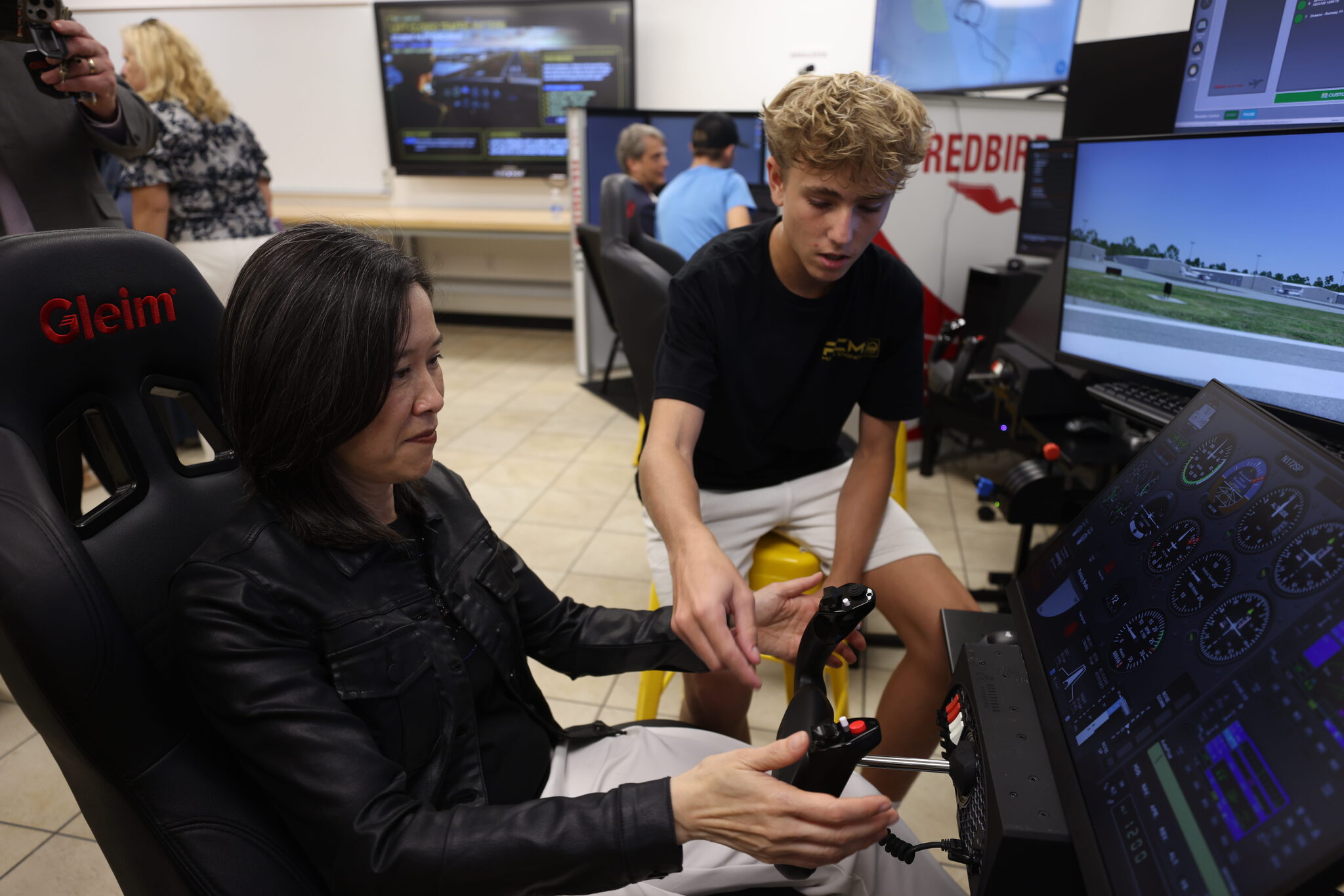
Elaine Ho, associate administrator for NASA’s Office of STEM Engagement, joined local leaders and industry partners recently to see Space Florida Academy students in action at three Central Florida schools. Students at Lyman High School in Longwood, Florida, demonstrated their skills in aerospace engineering, robotics, building trades, welding, and more. Later, in Merritt Island, Florida, Ho and the other leaders stopped by the Aeronautics & Flight Exploration (AFEX) program and cloud computing classrooms at Merritt Island High School and the robotics lab at nearby Edgewood Junior/Senior High School.

Since its launch in August 2024, the Space Florida Academy has expanded from 23 to 42 participating school districts, preparing students for careers in aviation and aerospace, advanced manufacturing, construction, cybersecurity, logistics, and semiconductors.

A group of students posing with Elaine Ho wearing matching t-shirts
Elaine Ho, center, poses for a photo with Space Florida representatives, public school officials, aerospace industry partners, and students at Edgewood Junior/Senior High School in Merritt Island, Florida on Aug. 27, 2026.
Credit: NASA/Clayton Rougelot

“It’s all about showing students what’s possible and then giving them the tools to achieve it,” said Dean Cuke, Merritt Island High School AFEX astronautics and aviation flight instructor. “There are far more possible pathways to be part of the space industry than I think they realize. We’re showing them ways that they can attain that, through learning, through motivation and chasing after their dreams. I’m excited for them.”

Merritt Island High School juniors and student pilots Olivia Street and Troy Wallenburg have both benefited from the program.

“It makes you feel like you’re a part of something way bigger than just a high school class. I learned what I want to do when I grow up – to be a pilot,” Street said.

“My entire life, I’ve just loved space,” Wallenburg said. “It’s great knowing that I’m actually somewhat involved in it, too.”

Elaine Ho sitting in a chair with her hands on controller with a student helping set up the simulator
A student in the Merritt Island High School Aeronautics and Flight Exploration program shows Elaine Ho, left, how to use a flight simulator on Aug. 27, 2026.
Credit: NASA/Clayton Rougelot

“I’m so impressed by how this region holds so many opportunities for our students, who are incredibly capable of solving hard problems, who can build our hardware, who want to be part of something bigger than themselves,” Ho said. “NASA is really focused on ensuring that those opportunities are easier to reach.”

  •  

NASA Astronaut Reid Wiseman to Join NFL Fans in Baltimore

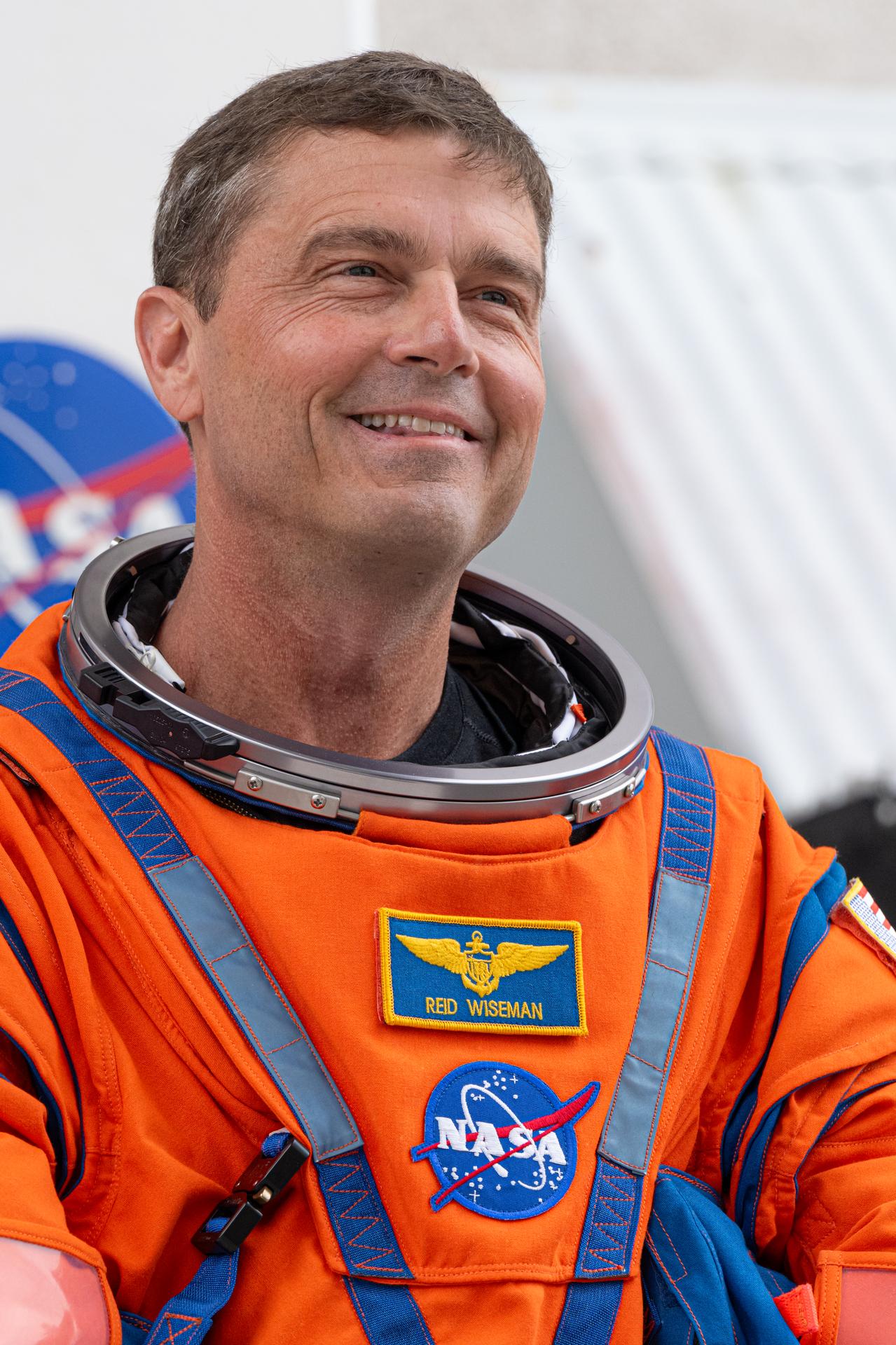
Reid Wiseman looks toward supporters, smiling, wearing an orange spacesuit with his name and a NASA meatball patch.
NASA astronaut Reid Wiseman prepares to depart the Neil A. Armstrong Operations and Checkout Building for Launch Complex 39B at the agency’s Kennedy Space Center in Florida to board NASA’s Artemis II SLS (Space Launch System) rocket and Orion spacecraft for the agency’s Artemis II launch on April 1, 2026.
Credit: NASA/John Kraus

As part of NASA’s new Inspiration Tour, Reid Wiseman, NASA astronaut and commander of the agency’s Artemis II mission, will highlight America’s strengths in space exploration and aeronautics innovation at the Baltimore Ravens vs. New Orleans Saints game in Baltimore on Sunday, Sept. 20.

A Baltimore native, Wiseman is a 27-year Navy veteran and NASA astronaut who spent 175 days in space over two missions. On April 1, Wiseman launched from NASA’s Kennedy Space Center in Florida on a SLS (Space Launch System) rocket as part of the Artemis II mission. Wiseman and his fellow Artemis II crew members completed a historic lunar flyby, marking humanity’s return to the vicinity of the Moon for the first time in more than 50 years.

Wiseman also will be available for media interviews inside the stadium at 12:20 p.m. To RSVP for the media availability, please contact Shaneequa Vereen at: shaneequa.y.vereen@nasa.gov.

NASA team members will engage with fans at the agency’s Experience Zone, located outside the stadium from 10 a.m. to 1 p.m. before the game. Fans can learn more about NASA’s return to the Moon through the agency’s Artemis program, enjoy interactive games, and capture photos at a selfie station and with a large, inflatable NASA logo.

With stops across the nation, NASA’s Inspiration Tour convenes academic, industry, and public sector stakeholders to connect the agency with the people, technologies, and organizations that drive American leadership in space.

The tour will culminate in MAX POWER, a public exposition of American air and space innovation, Saturday, Nov. 7, and Sunday, Nov. 8, on and near the agency’s Kennedy Space Center in Florida. Held in honor of America’s historic 250th anniversary, the multi-day, family-friendly event will showcase the next-generation aircraft, spacecraft, autonomous vehicles, and technologies that will help define the future of transportation in air and space.

For more information about MAX POWER and the agency’s missions, visit:

https://www.nasa.gov/maxpower

-end-

Camille Gallo / Jessica Taveau
Headquarters, Washington
202-358-1600
camille.m.gallo@nasa.gov / jessica.c.taveau@nasa.gov

Share

Details

Last Updated
Sep 16, 2026
Editor
Jessica Taveau
  •  

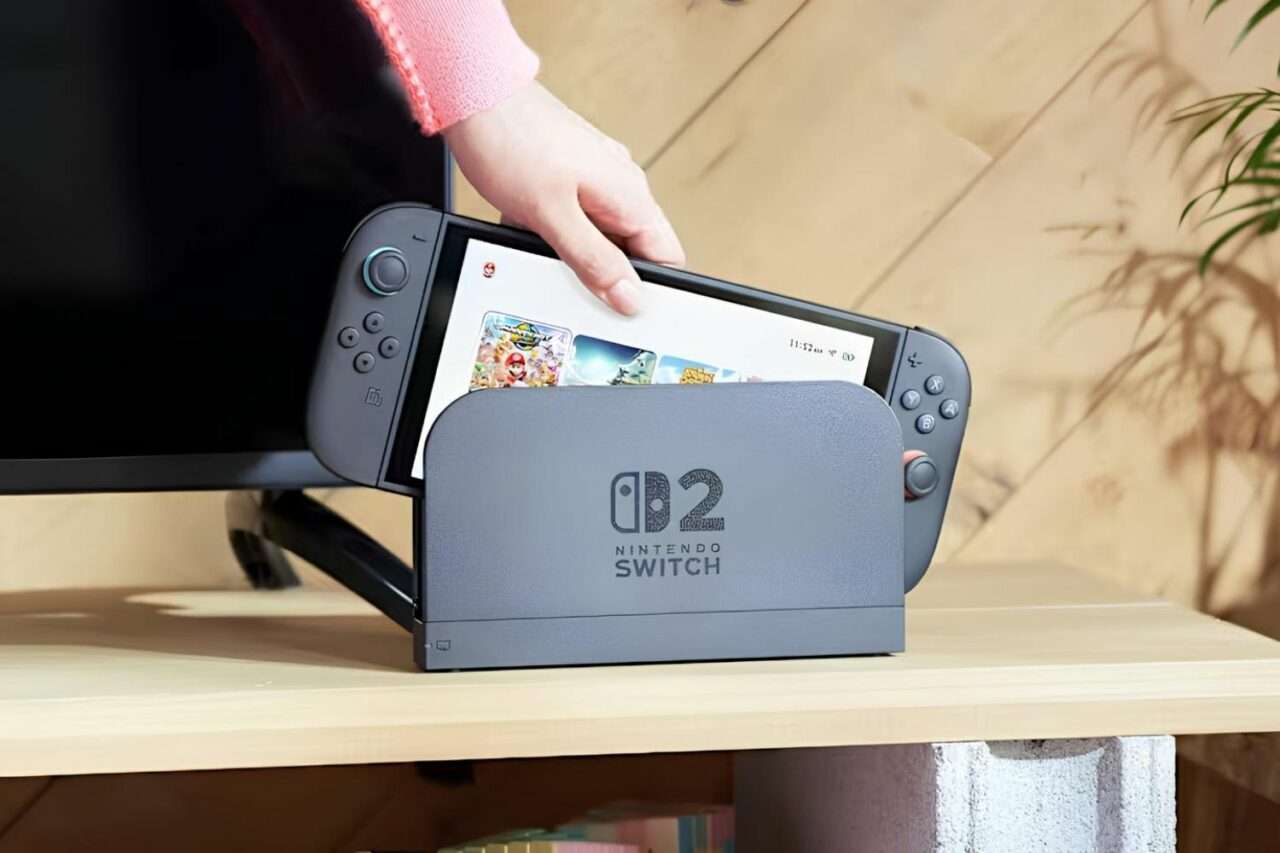
La Nintendo Switch 2 est à moins de 420 € sur Amazon et c'est la bonne affaire du moment

Console de jeu hydride récente et adaptée aux jeunes joueurs comme aux adultes, la Nintendo Switch 2 séduit de nombreux joueurs depuis son lancement en juin 2025. En ce moment, et alors que son prix officiel vient de passer à 499,99 €, vous pouvez vous l'offrir pour moins de 420 € sur Amazon.

  •  

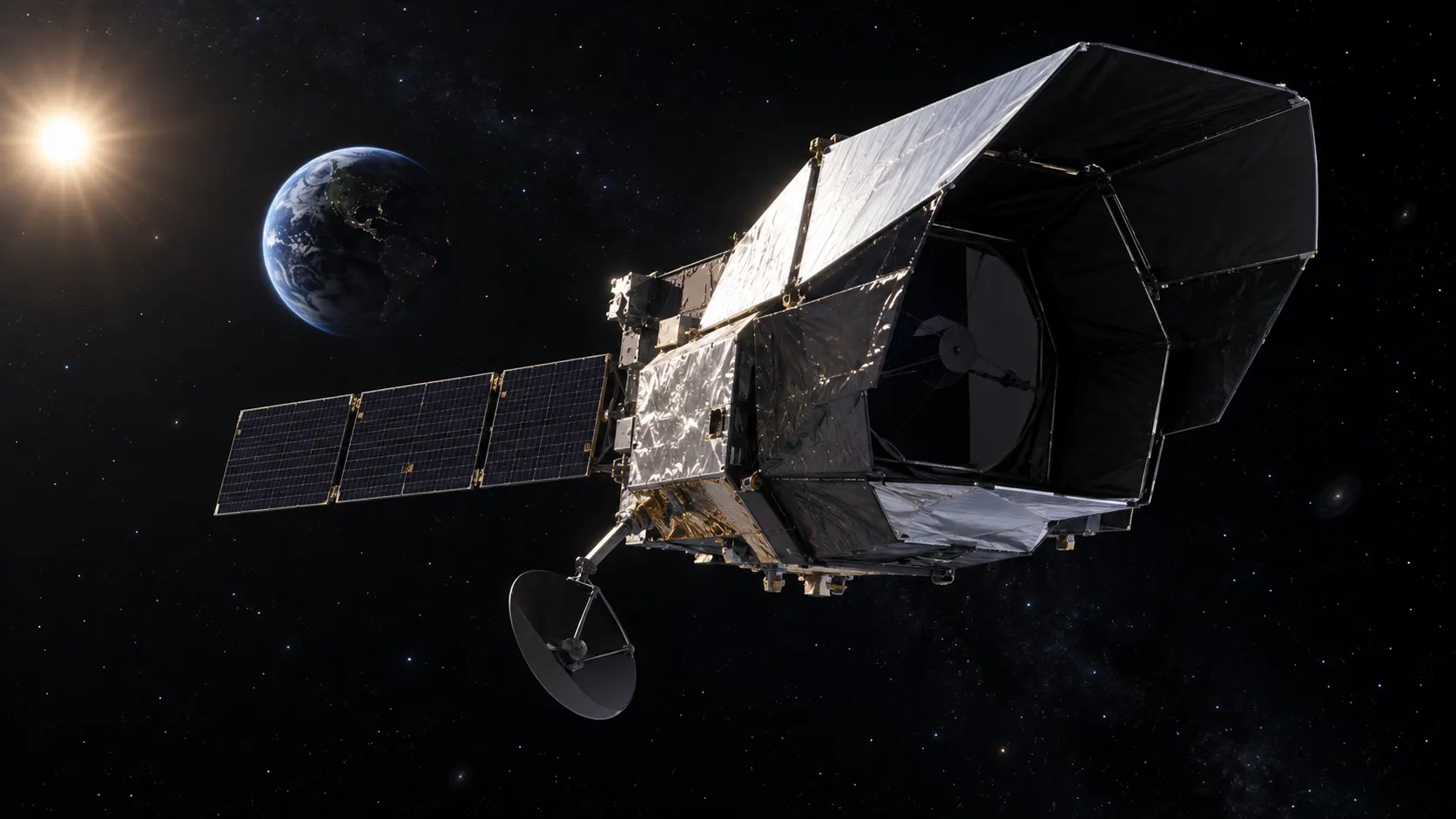
Roman Is on Its Way to L2. Why Are Its First Days in Space So Carefully Choreographed?

Roman’s antenna, sunshade and visor are deployed. Here is why the telescope’s three-month commissioning journey matters before its first images arrive.

The post Roman Is on Its Way to L2. Why Are Its First Days in Space So Carefully Choreographed? appeared first on Curiosmos.

  •  
❌