❌

Normal view

My favorite iteration of Hunting Horn is making a comeback in Monster Hunter Wilds: Ascendance with rock and roll-style attacks, combos, and counters

11 September 2026 at 10:27

After the somewhat underwhelming Insect Glaive trailer, Monster Hunter Wilds: Ascendance's weapon trailer series picks up the pace again with a new trailer highlighting changes to the Hunting Horn.

The Hunting Horn is a slow weapon that mixes offensive blunt attacks with musical songs that buff allied players' stats. However, the execution made the weapon feel slow and clunky compared to all the other weapon types.

Thankfully, Monster Hunter Wilds: Ascendance is planning to fix Hunting Horn's slow playstyle by giving it a metric ton of new offensive attacks, combos, and more mechanics to make it more fun to use thanks to the DLC expansion's new Boost Bracer mechanic.

First of all, Hunting Horn will feature a new Boost Driver attack where you powerslide across the battlefield like a Rock & Roll star, and jump into the air to smash monsters in the head and let loose a sonic wave by slamming the weapon into the ground.

Once you fill a meter called the Boost Gauge with successful Boost Driver attacks, the Hunting Horn will gain the following features while active:

  • Faster attacks and new combo paths.
  • A new Offset Counter attack where you punch the Hunting Horn to fire a sonic wave (which can be charged for more damage), which can be followed up with an attack where you do several forward somersault slams with the Hunting Horn.
  • You can now attack enemies while placing Echo Bubbles.
  • Your regular Offset Counter can now be followed up with the aforementioned somersault slams.

Windows Central's take

I'll admit, I was kind of disappointed in how the Hunting Horn was handled in the base game of Monster Hunter Wilds because it felt like a downgrade compared to its predecessor, Monster Hunter Rise.

Monster Hunter Rise's version of the Hunting Horn was my favorite iteration of the weapon because it finally embraced the power fantasy of killing enemies with music attacks I always wanted, instead of just being a longer Hammer that sacrificed damage potential for short-term buffs like in most games.

It was so awesome giving enemies concussions with rock-solo super moves that it felt like I was playing Brütal Legend all over again.

So I'm happy to see Monster Hunter Wilds: Ascendance bring back some of Monster Hunter Rise's aggressive playstyle for Hunting Horn, and I can't wait to try its new attacks when Monster Hunter Wilds: Ascendance launches in 2027 for Xbox Series X|S, PlayStation 5, and PC via Steam.

Monster Hunter Wilds (Xbox): $21.4

Venture into Forbidden Lands to discover uncharted lands and hunt giant monsters alongside your friends in online co-op to protect nature and mankind in Monster Hunter Wilds.

• Xbox Store
• GreenManGaming (Steam)View Deal


Empower your weapons with the new Boost Bracer, explore a mysterious land floating in the sky, and hunt down ancient Elder Dragons in Monster Hunter Wilds' epic DLC expansion, Monster Hunter Wilds: Ascendance.

• Steam StoreView Deal

Click to join us on r/WindowsCentral

Join us on Reddit at r/WindowsCentral to share your insights and discuss our latest news, reviews, and more.

Rebellion says Alien Deathstorm is a 'dynamically generated' survival horror game with sandbox elements and 'not another corridor shooter' — 'It's a rare beast'

11 September 2026 at 04:00
  • Alien Deathstorm producer Martin Willingham says the game is "not another corridor shooter"
  • Head of design Ben Fisher says it's a "dynamically generated" survival horror game
  • The Rebellion developers say it's a 360-degree sandbox experience

Rebellion Developments has said players can't expect its upcoming first-person survival horror game, Alien Deathstorm, to be another linear corridor shooter, calling it a "rare beast."

Alien Deathstorm was revealed earlier this year by the developers behind the Sniper Elite series and Atomfall and is described as a "visceral first-person action horror experience, where second-to-second survival hinges on responding to a monstrous, constantly shifting threat on a storm-blasted off-world colony."

TechRadar Gaming recently went hands-on with the game at Gamescom and then later caught up with some Rebellion developers, who talked more about it at length, including the concept and design influences, replayability, and player freedom.

While Alien Deathstorm may look like your run-of-the-mill survival shooter with typical survival horror features, the team considers it a "dynamic" experience with sandbox elements where the player's actions can affect unscripted enemy encounters.

Producer Martin Willingham said this means, "the horror, the tension, can happen at any time in different ways between playthroughs and between difficulty camps as well.

"For me, that's one of the most exciting parts of the game because in horror games the experience is typically kind of very, very choreographed because it has to be to build up that anticipation set of those jump scares. But it means you can only play it once."

He continued, saying the team values replayability and sandbox freedom, which means "we had to do something dynamic," and "building the encounters around the player and the player's activities means it's a different experience."

Ben Fisher, head of design, called the game "dynamically generated," where levels are played sequentially, and each has its own sandbox, adding that "It's a rare beast."

"It's not another corridor shooter," Willingham added later. "You're in that sandbox. It's 360 degrees. The action could be coming from anywhere, rather than just at the end of that corridor."

Alien Deathstorm doesn't have a release date yet, but you'll be able to play it in Spring 2027 on PlayStation 5, Xbox Series X, Series S, and PC.

Nintendo of America puts tariff refunds towards 'customer appreciation' sale, but no refunds to Switch 2 buyers — offers 30% off games and accessories from September 13 to 26

10 September 2026 at 20:35

Nintendo of America got its tariff refund and is using the money to hold a sale, rather than returning it to customers who paid higher-than-expected prices for the Nintendo Switch 2 and accessories. The rare promotion, dubbed the "Customer Appreciation Sale," will run from September 13 to 26 and will offer 30% off digital Switch games, bundles, and "select physical games, downloadable content, accessories, amiibo, and apparel." Discounts will be available in Nintendo Stores and the Nintendo eShop, as well as other participating retailers.

"The Customer Appreciation Sale is our way of saying thank you to Nintendo players for their continued support and is made possible in part by tariff-related refunds," a brief blog post on Nintendo's U.S. website reads. "While Nintendo absorbed most tariff-related costs, the refunds helped make promotions like this one possible."

In a 2026 earnings document, the company stated that it got $300 million in tariff refunds.

Nintendo of America is facing a proposed class action lawsuit from customers who believe the company will be made whole twice: once through raised prices and a second time through the refunds. Sony is facing a similar suit, and in September, Nintendo of America filed a motion to dismiss its suit.

Nintendo was hit hard by the Trump administration's tariffs. Soon after the Switch 2's initial announcement, the company delayed U.S. pre-orders for the console, though the system launched on time. In May, Nintendo raised the price of the Switch 2 by $50 to $499, though that also priced in component shortages and included hikes in Europe and Japan.

In March, Nintendo of America sued the U.S. government in the U.S. Court of International Trade seeking refunds, joining Costco, FedEx, Revlon, and more than 1,000 others. The Supreme Court ruled that large swaths of the tariffs were unlawful, with over $166 billion due back to American businesses. By the end of July, the government had paid $100 billion in refunds.

Most companies seem to be pocketing the refunds, even though costs were typically passed on to American consumers. In August, Panic, which makes the handheld Playdate focused on indie games, refunded tariffs to customers.

Samsung might've started racing ahead to Android XR glasses with a color display

What you need to know

  • Rumors claim Samsung is developing a new pair of smart glasses, and has tapped Samsung Display for an in-lens color display.
  • The glasses would allegedly focus on displaying "text, notifications, icons, and more" on an extremely thin panel.
  • Samsung has its Intelligent Eyewear, which is supposedly coming out this fall, but those are mostly voice-focused with Google's Gemini and a camera.

Samsung has barely dipped a toe into the world of smart glasses, and there's already a rumor that it wants to go bigger next time.

This report from The Elec (Korean) claims Samsung might've started developing smart glasses with a color display (via 9to5Google). The publication cites its "industry sources" in saying Samsung has tapped Samsung Display to "create microdisplays" for a future pair of AI smart glasses. These rumors claim Samsung has a lot on its plate to prepare this product.

Specifically, the post claims Samsung has a "technical challenge" to overcome: its FOV (field of view). The company is purportedly chasing a wide FOV for these glasses to accommodate the information users would see. What's more, Samsung is leaning on its Display side to create "ultra-small panels" of ~0.2 inches or smaller for the lenses. Samsung is allegedly focusing on displaying "text, notifications, icons, and navigation arrows" (machine-translated).

It's still incredibly early to know for sure how Samsung's first color display smart glasses will arrive. However, the publication suggests the glasses could see a launch in the second half of 2027 or "early" in 2028.

Got lenses?

Hands-on with Samsung Glasses with Warby Parker and Gentle Monster styles

(Image credit: Derrek Lee / Android Central)
Android Central's Take

Samsung's getting serious. I don't think its Intelligent Eyewear are a bad start, though. It's starting simple. Useful, even. Everything is based on your voice. You still have a camera to take photos, and Gemini is there to help with hands-free assistance. To put a color display—a proper screen—would definitely take things up a notch. To me, I think this rumor is probably a little more eye-catching.

We can't help but think about the Ray-Ban Display glasses from Meta. In fact, that's probably the kind of competition Samsung wants to get itself involved in. These glasses also feature the neural band. It makes it easier to control the display and content on your lenses with hand gestures. There's plenty of time still to see how Samsung manages this.

Right now, we have (kind of) Samsung's "Intelligent Eyewear." These glasses are in partnership with Google, alongside designs from Warby Parker and Gentle Monster. These are Samsung's first smart glasses, but they lean more on the user's voice. Users can communicate with Gemini for navigation, order pickups, and photos. The glasses feature a camera and a microphone to get all of this done. Google reiterated its Samsung partnership during this summer's Unpacked.

These glasses aren't out yet. During the original announcement this past spring, Samsung said we shouldn't expect to see them until "later this fall."

GameSir has to defend its controllers against internet misinformation about "built-in cheats" — or has turned it into a perfect marketing tool

Ah, social media, the place where misinformation can fly around at breakneck speed, all supported by "experts". The latest case? GameSir controllers.

This one has gathered so much steam that the company has chosen to respond or has used the opportunity to turn it into a brilliant marketing campaign. You be the judge.

Why all the hullabaloo? On a recent stream, Call of Duty pro players were heard discussing GameSir controllers and the idea of "GA-ing them" from the Modern Warfare 4 season of the Call of Duty League. Because of features that amount to "built-in cheats".

It seemed like a fairly obvious troll to me and to many others. These were guys on a stream just shooting the breeze, and it smells like a troll a mile off. Call of Duty pro-players are notorious for using a GA to avoid using most of the weapons in any Call of Duty during pro play in order to provide as level a playing field as possible.

But the idea of GA-ing a controller is ludicrous, but then the internet did its thing. You can see GameSir's statement posted to X below.

pic.twitter.com/4jW9NTmAeySeptember 10, 2026

Anyone who has ever used a GameSir controller can tell you that it's farcical someone could suggest it comes with built-in cheats. There's no magic button that suddenly gives you no recoil in an FPS game. You still have to do that yourself. Believe me, I know. I'm still just as terrible.

That's not to say GameSir hasn't had some trouble in recent times. It removed a feature, the RC filter, because it was (unintentionally) always allowing rotational aim assist in Apex Legends and was banned from official competitions. But the company responded and took the feature away. It wasn't designed to 'cheat' but it was an unfortunate side effect.

GameSir has been responding on social media to some of these posts in a more casual manner, but it's the internet; people will keep talking. So there's an official response, and with it, I think, a genius marketing move.

I actually think that if some of the pro players put down their current controllers, in many cases a Scuf or a Razer — sometimes linked to sponsorship — and they tried a GameSir, they'd be surprised.

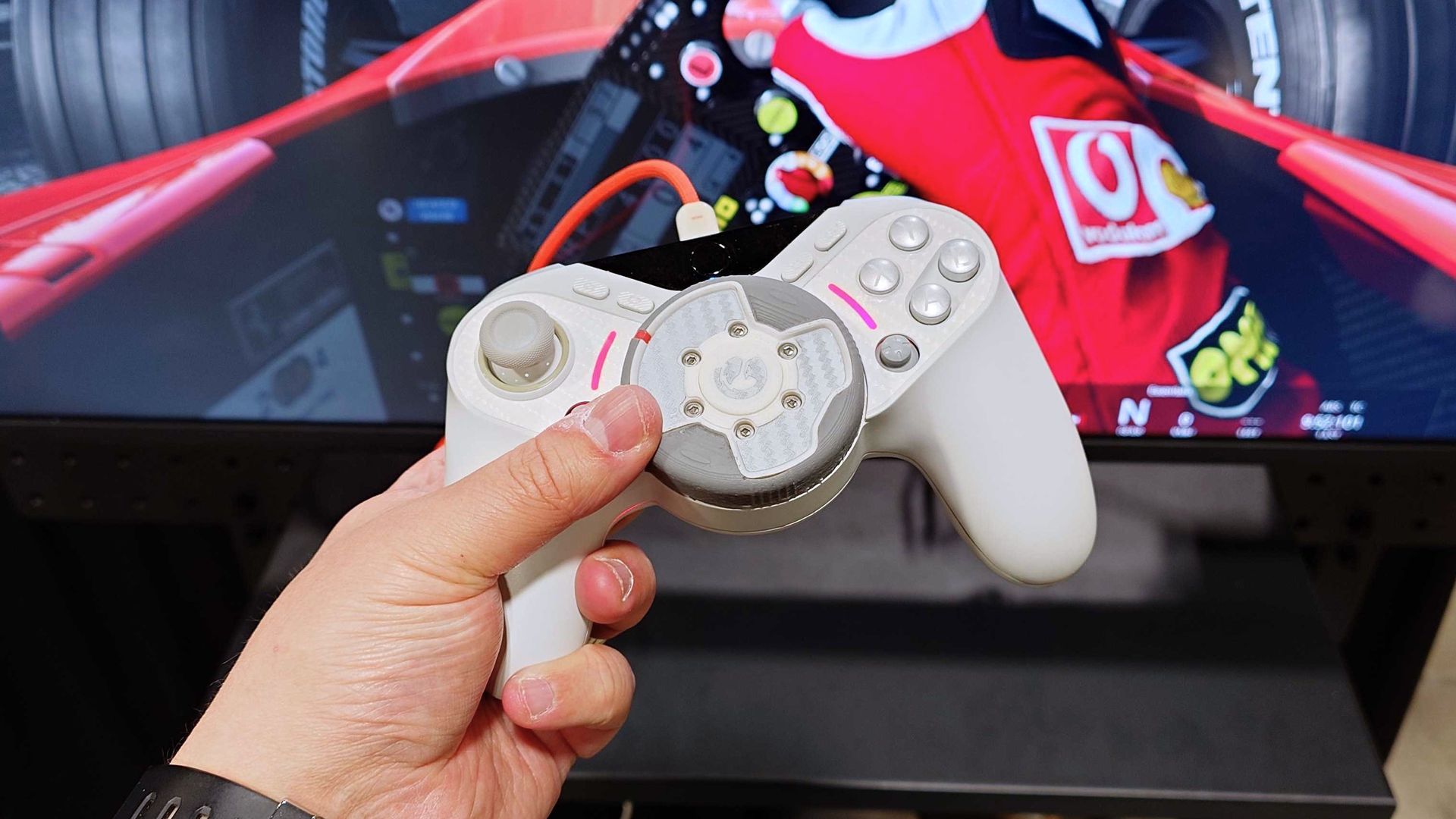
A photo of a prototype GameSir Swift Drive controller steering a race car in Assetto Corsa.

GameSir is doing incredible work in controllers, like its upcoming racing-focused one with a tiny direct drive wheel built-in. (Image credit: Windows Central)

I'm currently trying out the Tarantula 8K, and I can confirm that it doesn't give you cheats. It gives you a lot of features to customize, but so do competing brands. The difference here is this controller is $80, and right now, I'm picking it up every time over my much more expensive Razer Wolverine V3 Pro 8K. A controller I reviewed and called an "unfair advantage".

A full review on that will be coming soon. But this is another example of not believing everything you see on the internet, especially if the source is "pRoGaMeR619" or "trust me bro." But if you get one of GameSir's latest controllers, you're getting an incredible package at the sort of price that should put the industry on notice.

Everyone's always looking for an edge. In gaming, you want the best hardware your budget allows for. Be it a higher frame rate, a fast mouse, keyboard, controller, the best display. It's not cheating. Is it cheating when a race car driver wants to be using the best equipment? Let's not be silly now.

Click to join us on r/WindowsCentral

Join us on Reddit at r/WindowsCentral to share your insights and discuss our latest news, reviews, and more.

Monster Hunter Wilds: Ascendance seems to return the Insect Glaive's playstyle to its roots with a new weapons showcase

10 September 2026 at 17:14

We're reaching the home stretch of Monster Hunter Wilds: Ascendance's weapons showcase trailer series as we're now on to the 9th on the list, Insect Glaive.

This complex weapon type, which mixes aerial and ground-based combat with bug companion management, has some new techniques to dispatch monsters in Monster Hunter Wilds' upcoming DLC expansion, and they're somewhat subtle compared to the other weapon changes we've seen so far.

In contrast to previous weapon showcase trailers, which revealed that weapon types like Hammer and Dual Blades are getting various new aerial attacks granted by the DLC's Boost Bracer gimmick, Insect Glaive's changes keep it fairly grounded.

Some of the Insect Glaive's new Boost Driver attacks consist of spinning the glaive around while sending out the weapon type's unique 'Kinsect' bug pet to attack monsters and steal its Extract to power yourself up without manually commanding the Kinsect to do so.

While the Boost Gauge is active, the Insect Glaive gains extended ground-based combo attacks, your Kinsect can deal extra tick damage, and you perform new Offset counterattacks that can be followed up with aerial jump attacks.

Windows Central's take

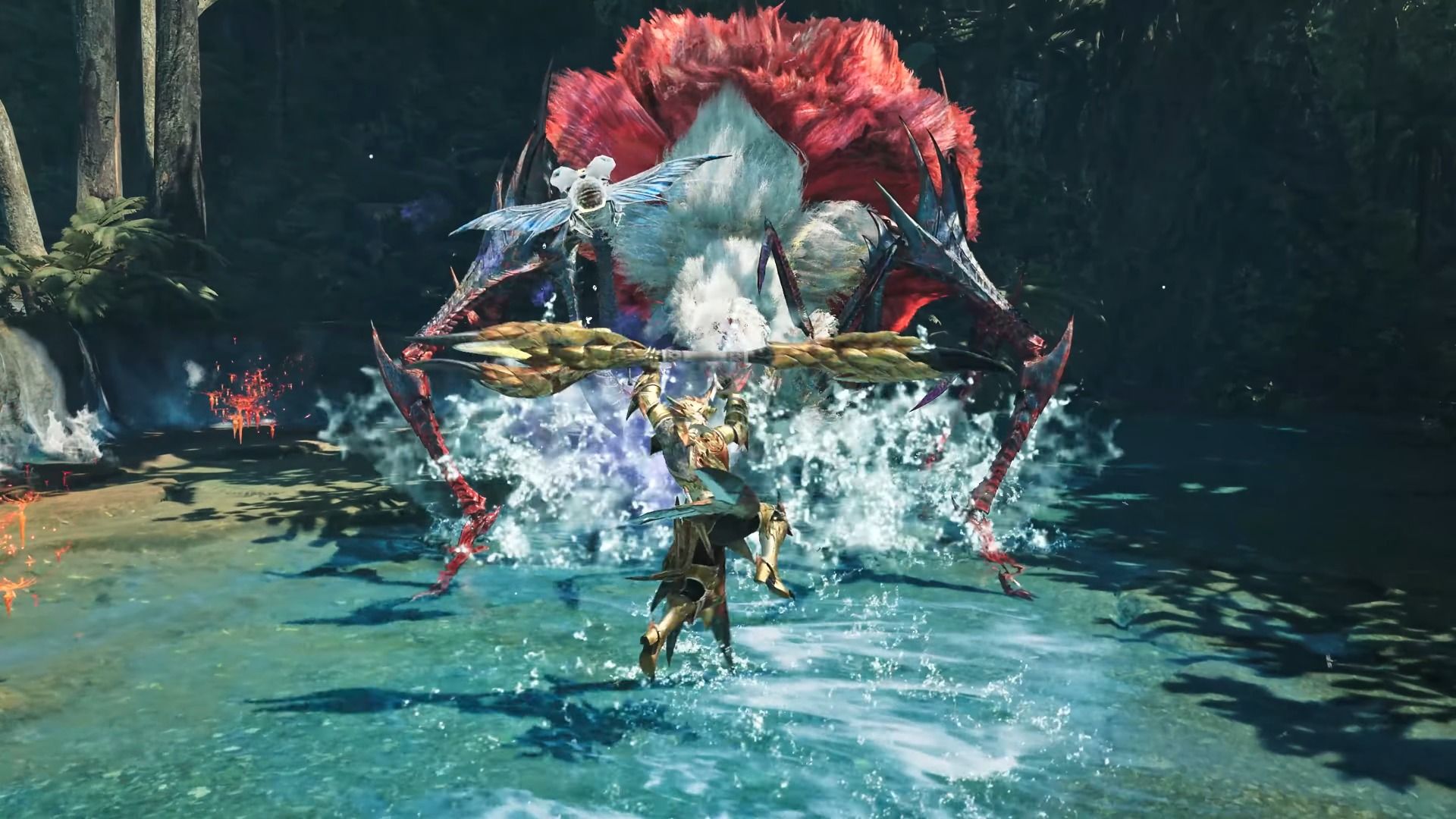
A golden-armored warrior battles a large, spider-like monster with a vibrant red mane and sharp limbs in a shallow, splashing forest stream.

An Insect Glaive user fighting a Lala Barina. (Image credit: Capcom)

Overall, this weapon trailer felt underwhelming compared to the previous ones, as most of the changes seem to focus on improving the Insect Glaive's pre-existing ground attacks without adding any flashy new aerial moves or aerial combo attacks.

I'm guessing that Capcom wants the Insect Glaive's playstyle to function more like it did back when it was introduced in Monster Hunter 4. In that game, Insect Glaive dominated the entire monster roster with its insanely powerful, acrobatic, and literally grounded glaive attacks that made you feel like Darth Maul from the Star Wars franchise.

Unfortunately, many people these days (myself included) prefer Insect Glaive to focus on aerial-based combat, as it helps it stand out from other weapon types; otherwise, it will feel like we're playing Longsword or Dual Blades but with extra steps.

Hopefully, Capcom is hiding some new cool aerial combo attacks we can pull off with Insect Glaive in the final game, when Monster Hunter Wilds: Ascendance launches in 2027 for Xbox Series X|S, PlayStation 5, and PC via Steam.

Monster Hunter Wilds (Xbox): $23

Venture into Forbidden Lands to discover uncharted lands and hunt giant monsters alongside your friends in online co-op to protect nature and mankind in Monster Hunter Wilds.

• Xbox Store
• GreenManGaming (Steam)View Deal


Empower your weapons with the new Boost Bracer, explore a mysterious land floating in the sky, and hunt down ancient Elder Dragons in Monster Hunter Wilds' epic DLC expansion, Monster Hunter Wilds: Ascendance.

• Steam StoreView Deal

Click to join us on r/WindowsCentral

Join us on Reddit at r/WindowsCentral to share your insights and discuss our latest news, reviews, and more.

The Switch 2 is finally getting VRR in docked mode for smoother performance with compatible TVs and monitors — but there's a classic Nintendo wrinkle

10 September 2026 at 17:05
  • Docked VRR finally arrives more than a year after Nintendo announced and then unannounced it
  • Requires a system update to both console and Dock
  • It seems to work on a title-by-title basis and will require games to update to use it

Nintendo's latest system update for the Switch 2 is here and delivers a much-wanted new feature: VRR support in Docked mode. But there's a catch: a the moment, it only works on one game, and we're not sure how many more will follow, because it's reported to work on a "whitelist" system.

When the Switch 2 launched, VRR (variable refresh rate) was only supported when using the console in handheld mode. Having the same feature available in Docked mode means your display's refresh rate and the game's frame rate can be synchronized to get rid of any screen tearing or judder when you're playing on one of the best gaming TVs or the best gaming monitors that supports VRR.

Unfortunately, the new VRR support in System Update 23.0.0 only appears to be available on a title-by-title basis, unlike the way that the PS5 can force VRR support at the system level on games that don't natively have it.

The big concern here is that Digital Foundry reports that "the feature appears to operate on a whitelist, so only games that developers have flagged as supporting docked VRR will activate it" — and what's unclear is whether the whitelist will require a slow certification process by Nintendo, or whether developers can just quickly roll out an update with support.

It means that, at the time of writing, the list of titles with docked VRR support only includes Nintendo's Switch 2 Welcome Tour, which has just been updated to add the feature. That's it. We at least assumed Nintendo would be ready with updates for all its own games.

What's new in the Switch 2 update

In the release notes Nintendo says: "VRR output is now supported in TV mode. When both the software and the TV support it, the video will be output at a refresh rate that matches the game's processing speed."

We've known for a while that the Switch 2 Dock supports docked VRR, because Nintendo told us on its US website before removing the text last year. So it's nice to see the feature finally being implemented, even if it'll take a while for the appropriate game patches to arrive.

In addition to VRR the Switch 2 software update gives you the ability to make a complete data transfer from one Switch 2 to another. There's a new toggle for Switch 2 Boost saving you a trip into System Settings, improved accessibility support, background music in the Mii editor (which you can turn off if you don't want it) and the usual interface tweaks, unspecified bug fixes and optimizations.

Nintendo's support page for the new system update is here.

Wolverine on the PS5 goes back to a simpler (and bloodier) style of action game

10 September 2026 at 16:00
A screenshot from the video game Wolverine.

Marvel's Wolverine captures just how angry its lead character is. The latest PS5 exclusive from Spider-Man developer Insomniac, Wolverine is a straightforward action game that is at its best when you're (literally) slicing through enemies or thrust into a sequence pulled from a blockbuster movie, like climbing the fuselage of a plane as it careens toward land or racing a motorcycle across rain-slicked city streets. It's the kind of game that can really get your heart rate rising, and keeping Logan mad is a key part of the strategy. In many ways, it's a throwback to straightforward action titles of the past - and it's a refreshing change of p …

Read the full story at The Verge.

Warhammer 40,000: Dawn of War IV shows off a new gameplay deep dive of its exciting multiplayer mode, with more to follow in the coming weeks

10 September 2026 at 13:51

If you're still feeling salty about Warhammer 40,000: Dawn of War IV being delayed until December 3, 2026, then don't fret, because the developers will be posting several gameplay deep dives to satiate us Warhammer 40,000 fans until then.

The first of these deep dives is a new battlefield report that shows a 15-minute match between the Necron and Ork factions in a 1v1 PvP game mode called Annihilation.

It was a fast-paced, chaotic match that showcased the unstoppable, near-immortal tankiness of the Necron army and how it slowly but surely weathered the aggressive, quantity-over-quality playstyle of the Ork army.

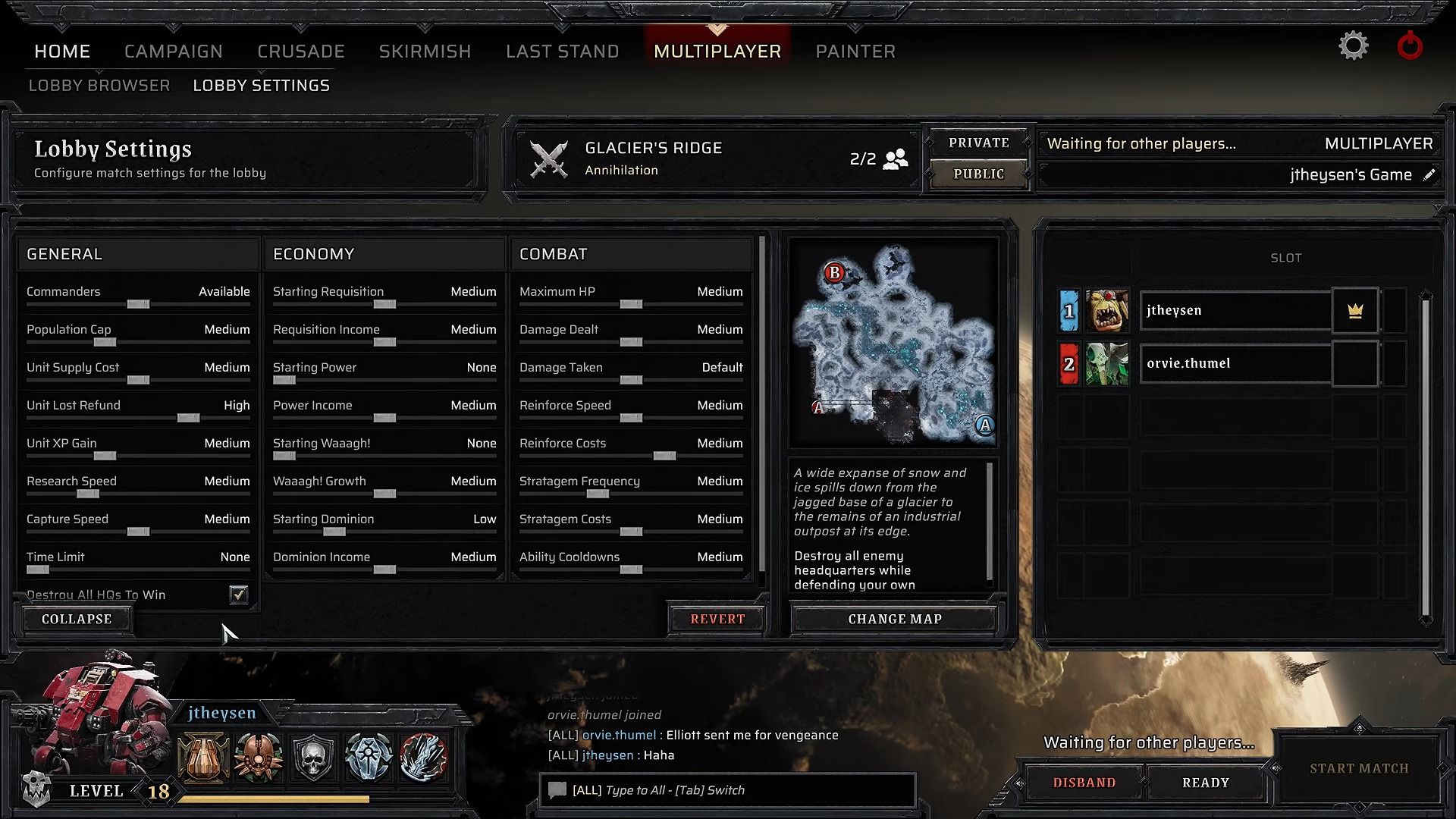
This gameplay deep dive also shows that the developers are incorporating player feedback, like making units more readable on the battlefield and adding a configurable match settings menu.

A video game lobby menu showing match settings, map preview for Glacier's Ridge, and a player list with jtheysen and orvie.thumel in a dark interface.

Make matches easier or harder for yourself or your opponents with the new Multiplayer match configurations menu. (Image credit: Deep Silver)

This menu will allow players to change various aspects of a match before fighting. Some examples include, but are not limited to:

  • The HP, damage, and defense stats of units.
  • The speed at which your army generates resources.
  • How fast you capture Control Points.
  • How much WAAAGH resources Ork players and Dominion resources Necron players start with.
  • Whether or not to include a time limit.

There's more Warhammer 40,000: Dawn of War IV videos to come this month

I'm not too versed in real-time strategy games, but having a multiplayer match-setting menu where players can have a gentleman's agreement to either buff or nerf their own units or their rivals' units to make matches challenging is an interesting concept.

Though I was more entertained seeing Orks getting curbstomped by Necrons because it's always entertaining that the monster factions of Warhammer 40,000 duke it out.

And there will be more entertainment in the coming weeks, as the developers are releasing two more Warhammer 40,000: Dawn of War IV gameplay deep dives and battlefields for September 2026.

The next report will feature a 2v2 Team Domination game mode where all four factions (Space Marines, Orks, Necrons, and Adeptus Mechanicus) will duke it out, and it will be released on September 16, 2026.

After that will be a 2v2 Team Skirmish match where the developers team up against computer opponents whose AI will be set to hard difficulty settings.

Tune into those dates to see more exciting gameplay footage of this long-awaited return for the classic RTS franchise, before Warhammer 40,000: Dawn of IV launches on December 3, 2026 for PC via Steam.


Take control of the Space Marines, Orks, Necrons, or Adeptus Mechanicus factions and wage a bloody war for domination in epic single-player campaigns or chaotic multiplayer modes in Warhammer 40,000: Dawn of War IV.View Deal

Click to join us on r/WindowsCentral

Join us on Reddit at r/WindowsCentral to share your insights and discuss our latest news, reviews, and more.

Ubisoft is removing its launcher from Prince of Persia on Steam, pledging to cut 'Ubisoft Connect' from more games "in the future"

Ubisoft is starting to test a change to how its PC games work on Steam, removing its own game launcher from games bought in Valve's storefront app, according to a patch note shared on Reddit. Previously, launching a Ubisoft-made game would require gamers to first install the Ubisoft Connect PC launcher to support cross-progression and other stat tracking.

[The new tool] keeps Ubisoft game features (..) without requiring the Ubisoft Connect PC launcher to be installed or launched.

Ubisoft

The change will first apply to 2024's 2D platformer Prince of Persia: The Lost Crown and, presuming this test proves to be successful, will "progressively evolve and roll out to more Ubisoft games on Steam in the future". Crucially, there's no definite confirmation that this will retroactively apply to even older Ubisoft games on Steam, but it's a reasonable assumption.

The impossible is less of a barrier

Finally another launcher out of steam
 from r/Steam

This is fantastic news for PC gamers, if it works as expected. Connecting my Steam and Ubisoft accounts should, in theory, be as much effort as I need to play these games from my library, skipping the frustrating process of navigating (and quickly closing) Ubisoft's launcher. I'm crossing all my fingers that this soon applies to my entire catalog, so I can stop neglecting Watch_Dogs 2.

Having to re-enter my password every time I boot up Assassin's Creed unity or whatever is painful. Hopefully this will help

u/mango__moose, Reddit

Sentiments are fairly unanimous across the r/Steam thread on Reddit, with most agreeing that the Ubisoft Connect launcher has never been a positive feature in games they've bought on Steam. Ditto for other companies, as launching Grand Theft Auto IV or Red Dead Redemption 2 on my Steam Deck still tediously forces me through Rockstar Games' own launcher variant.

Curiously, this announcement is currently restricted to the Steam-hosted patch note, which can't be viewed outside a library that already owns the relevant game, so Ubisoft is seemingly keeping this test on the downlow for now. Maybe they're trying to save face after pushing Ubisoft Connect for so long, but frankly, this is a step in the right direction to celebrate — if it passes testing.

Click to join us on r/WindowsCentral

Join us on Reddit at r/WindowsCentral to share your insights and discuss our latest news, reviews, and more.

Xbox heads to Tokyo Game Show 2026: Here's how you can watch, and what we expect to see in the upcoming showcase

10 September 2026 at 11:44

Tokyo Game Show is almost here, and it's ready to bring all kinds of exciting gaming news from the Land of the Rising Sun. Microsoft will be among the many publishers attending this year, and it's planning some big reveals to mark the Xbox brand's 25th anniversary.

Here's where and how you can watch Xbox's Tokyo Game Show 2026 showcase livestream and get a little taste of what to expect at the show.

Xbox Tokyo Game Show 2026: Watch times and platforms

The XBOX cat is back… it’s TGS time! 🐈‍⬛👀 Watch the XBOX Tokyo Game Show Broadcast on Sept 17 at 7pm JST / 3am PDT, live or on demand🎮 XBOX FanFest hits Tokyo⚔️ Minecraft Dungeons II on the TGS showfloorLearn more: https://t.co/4NqQoEyeHI pic.twitter.com/XC69Ge62YBSeptember 9, 2026

The Xbox Tokyo Game Show 2026 showcase livestream will commence on Thursday, September 17, 2026, at 7:00 pm (JST) / 3:00 am (PT) / 6:00 am (ET) / 11:00 am (BST).

It will be available to watch on the following YouTube and Twitch platforms:

Xbox Tokyo Game Show 2026: What to expect

Microsoft will be showing off many upcoming Xbox games during its Xbox Tokyo Game Show 2026 livestream.

Two of these games are confirmed to be Minecraft Dungeons 2 and Call of Duty: Modern Warfare 4, and they'll also be playable on the Tokyo Game Show's show floor for people attending the event in person.

Minecraft Dungeons 2 is an upcoming ARPG where you and your friends hack and slash your way through the Minecraft universe for glory and loot in a similar manner to Blizzard Entertainment's Diablo series.

Call of Duty: Modern Warfare 4 is the latest upcoming entry in the Call of Duty Modern Warfare sub-series. Players will engage enemies in thrilling military shooter combat through an epic single-player campaign and chaotic 6v6 online multiplayer modes.

The community-driven Xbox FanFest will also be at the Tokyo Game Show to host a watch party for the Xbox Tokyo Game Show livestream, with special guests Misuzu Araki and Larry Hyrb.

What are you hoping to see at Xbox's Tokyo Game Show 2026 showcase?

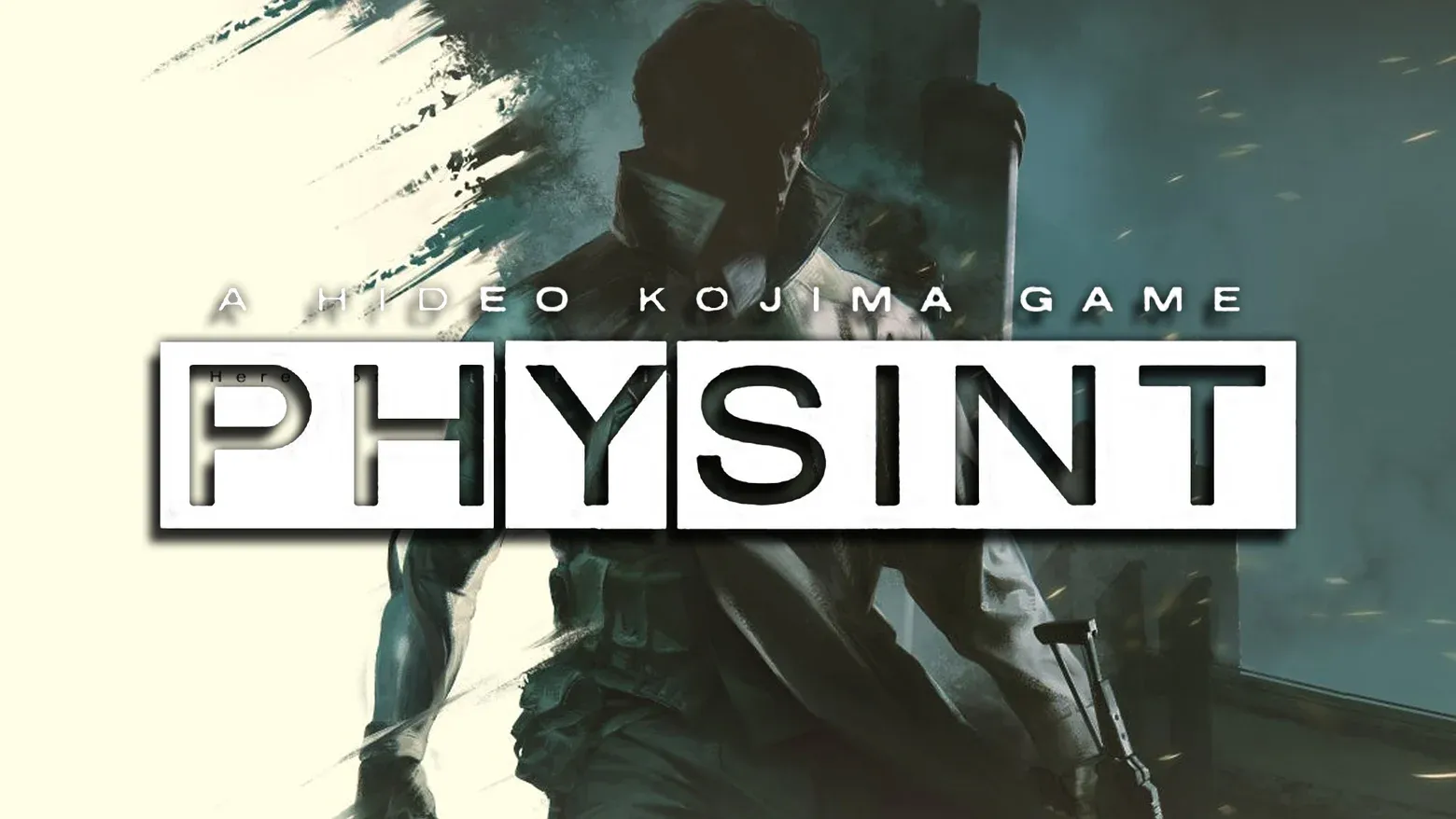
Hideo Kojima's PHYSINT

Could we see our first look at Hideo Kojima's successor to Metal Gear Solid at the Xbox Tokyo Game Show 2026 showcase? (Image credit: Hideo Kojima)

As for what else will be at the Xbox Tokyo Game Show, your guess is as good as mine.

While I'm personally hoping to see gameplay footage of long-awaited titles like Spyro: A Realm Beyond and Persona 6, my colleagues are hoping to see footage of Physint.

Physint is an upcoming action-stealth game made by Kojima Productions that's meant to be a successor to the legendary Metal Gear Solid franchise. It was originally a PlayStation exclusive, but when Sony unexpectedly tried to cancel it, Hideo Kojima cut off ties with Sony and permitted Xbox to publish Physint instead.

Will we see gameplay of Physint, Spyro: A Realm Beyond, and Persona 6 at the Xbox Tokyo Game Show livestream, or will we see some new games that haven't been announced yet?

Tune in next week to find out when the Xbox Tokyo Game Show 2026 livestream launches on Thursday, September 17, 2026.

Click to join us on r/WindowsCentral

Join us on Reddit at r/WindowsCentral to share your insights and discuss our latest news, reviews, and more.

Steam enforces Australian age verification via credit cards — debit card glitches and low credit adoption alienate core gamers, privacy-first mindset leads to dearth of options that may hinder consumers

Today is September 9, and the significance of the date for Australian consumers is that, by law, buying online apps and games now requires an over-18 age verification step. The local law isn't specific about the exact type of verification, only that it offers "appropriate age assurance measures." Valve is complying by asking for a bank card rather than government ID or a biometric check. The problem in the land down under is that while credit cards seemingly all work, debit card support is spotty and conditional.

This situation isn't unique, as it's basically a repeat of the same existing scenario in the United Kingdom. Valve's privacy-minded approach is laudable, as a bank card only links a payment method to a name and address. Meanwhile, a government ID is a more dangerous document if it gets leaked; face scans are quite fallible and revealing, and biometrics are intrinsic to the person and not replaceable if exposed — unlike bank cards, which can be canceled and swapped in minutes.

However, having a card check as the only verification option is causing problems, and many users are already asking for other means of verification, even if they're more invasive, citing Xbox and Sony's services as more accommodating.

Since credit cards in Australia (and the UK) can only be issued to adults, they work fine for Steam verification. Debit cards, on the other hand, can be carried by minors, and they're only valid for age checks under specific conditions. For now, that seems to be those (a) belonging to the Mastercard network, which introduced its own global automatic age verification check on June 2, 2026, and (b) for which the issuing bank flagged the card product as adults-only. The transaction firm only passes the answer to "is the buyer an adult?" back to the merchant (in this case, Steam), without exposing an actual date of birth.

A quick harnessing of user reports, mainly from Reddit posts, seems to indicate that debit Mastercards from Commonwealth, Westpac, and Macquarie appear to work, while those from Bendigo, St. George, Revolut, ANZ, and most Visa cards seem to fail the check. Note that this is an evolving situation, so the situation may have changed by the time you're reading this.

The demographics of credit card ownership definitely don't help matters. Unlike the U.S., where credit cards are the default method of purchase, only about 45% of Australian buyers and 65% of UK punters own one. Perhaps most importantly, within the 18-24 age demographic, only 25% to 30% own a credit card — precisely the people who buy the most games and are the most affected. For both user satisfaction and business reasons, it's seemingly desirable that Steam add verification alternatives.

Rokid wants anyone to build AI agents for its smart glasses

What you need to know

  • Rokid's AIUI Studio is a browser-based platform that lets anyone build spatial AI apps for Rokid Glasses, with no coding experience or dev kit required.
  • Developers can describe an idea, while the AI-native workflow helps turn it into a working app.
  • The built-in smart glasses simulator lets developers create and test projects before getting physical hardware involved.

Rokid is making it easier to build apps for its AI glasses, and you won't need a coding background or even to own a pair of the glasses.

The company has launched AIUI Studio globally at IFA Berlin 2026, giving developers a browser-based platform for creating and publishing spatial AI applications.

Much of the development process takes place via an AI-native workflow in AIUI Studio. You can say what you want to build in plain language, and the platform can take that idea and build an app without the traditional coding skills.

It also offers a simulation of Rokid’s smart glasses, enabling developers to work on their projects without having to purchase the hardware.

There’s still a reason to get the real hardware involved eventually, though. Rokid’s developer documentation advises testing agents in its Interactive Inview simulator before performing a final check on the actual glasses.

Rokid booth at IFA 2026

(Image credit: Rokid)

For developers who want to have more control, Rokid pairs its AIUI Skills Library framework with AIUI Code assistance. The company says this helps creators make better use of the glasses’ hardware while also optimizing apps for less latency, less memory use, and less power consumption.

The move is the latest as Rokid’s developer ecosystem continues to grow. The company says it now has some 35,000 registered developers and more than 500 agents available through its Agent Store.

AIUI Studio is now available worldwide. If Rokid can take advantage of that growing developer base to create a steady stream of useful agents, its glasses might just become a platform that people actively build around.

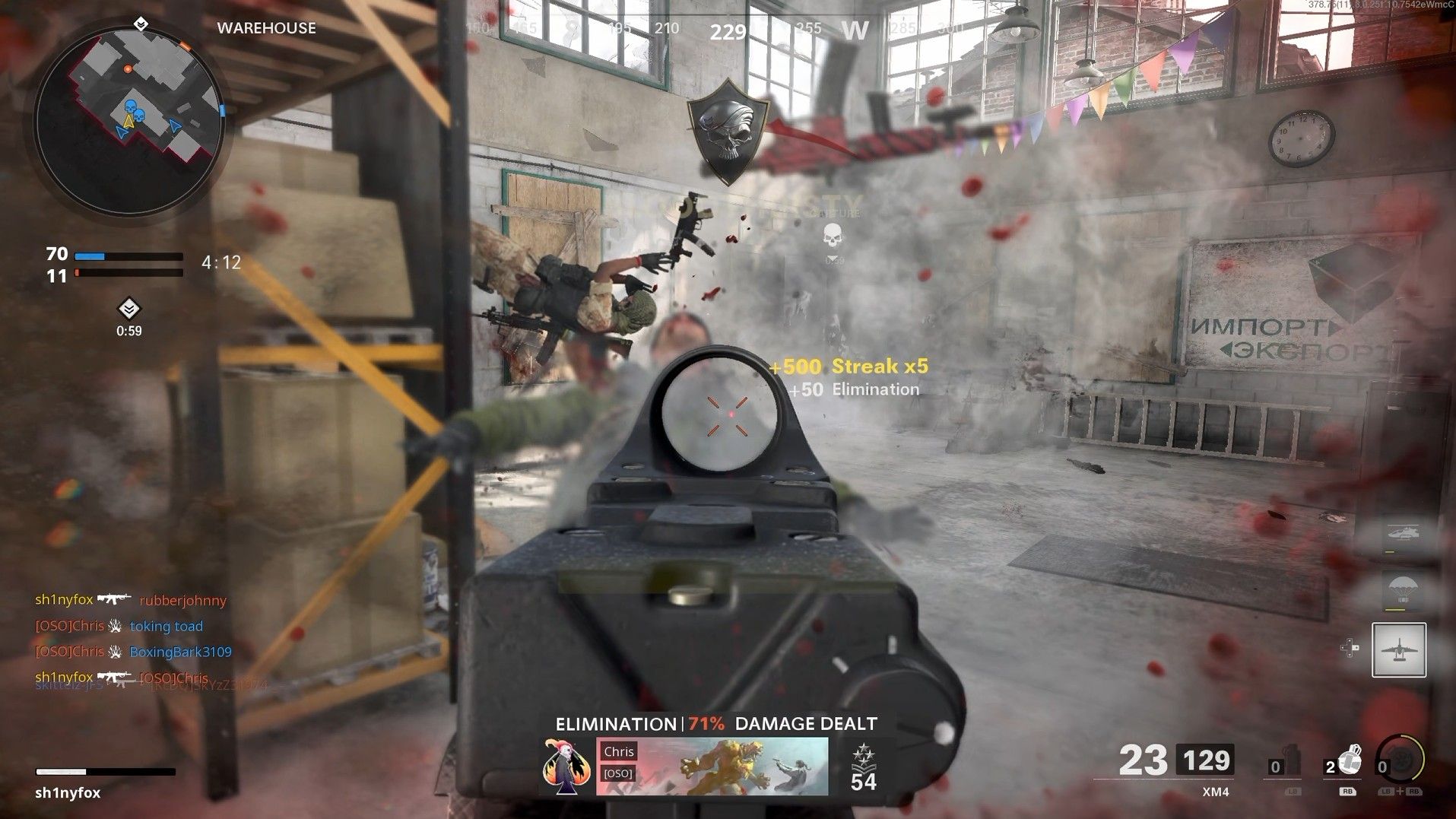
Black Ops Cold War is the Call of Duty game you should be playing right now while waiting on Modern Warfare 4

I almost entirely skipped 2020's Call of Duty: Black Ops Cold War. I'd pretty much done the same with 2019's Modern Warfare because at the time, I wasn't feeling the new look and feel after Black Ops 4.

I didn't actually get any kind of mojo back until the launch of Black Ops 6, helped in large part because of Microsoft's acquisition of Activision, and the arrival of Call of Duty into Xbox Game Pass.

The back catalog has gradually joined, too, and going forward, it'll only be a back catalog since the new games won't join for a year. While I do fear for how that decision (among other things) will affect Modern Warfare 4 and its player count, subscribers still have a smorgasboard of older games to enjoy.

Black Ops Cold War is the latest addition, having joined Xbox Game Pass this week as I write this. So I installed it, because I can, and I spent an evening playing it. What a breath of fresh air. Having just completed, finally, the gruelling Singularity Mastery Camo on Black Ops 7 in the sweatiest lobbies of all time, Black Ops Cold War feels so good.

Importantly, it feels fun. As much as I may have played the last two Call of Duty games, I can't always say it's been fun. Maybe it's the 'no pressure' environment of not actually trying to do anything. Not chasing unlocks, filling battle passes, or completing challenges to get the new items that I apparently need, but never use. It feels low commitment, and it feels absolutely fantastic.

The slower pace of Call of Duty: Black Ops Cold War is perfect for more casual players

A screenshot from Standoff hardpoint on Call of Duty: Black Ops Cold War

The reduced movement makes us more casual players feel like we can compete! (Image credit: Windows Central)

I'll admit, I don't hate the movement in Black Ops 6 or Black Ops 7, but it is pretty outrageous. The term "movement demon" is one us less sweaty players fear, and every lobby in the current game seems to have multiple.

While there's a satisfaction to flying, sliding, and wall bouncing around the map, it feels like hard work, and it's hard work to play against. Black Ops Cold War has a slower pace; there's no wall bouncing, no Omnimovement, just a run and fairly basic slide. Being an average player that can kinda sorta aim decently well, I feel like I can actually compete.

Positioning, map knowledge, and tactics feel like they have more of an impact in Black Ops Cold War compared to Black Ops 7. In the current game the movement and the pace make it so, if you're capable, you can just fly around and rely on this to get you out of trouble. Or to make trouble for the opponents.

I played a bunch of objective modes in Black Ops Cold War, and every match felt like where I positioned myself mattered. Breaking into hardpoints took a measured approach and actually aiming, rather than just bouncing around. Even Nuketown doesn't feel like a miserable experience, and that's saying a lot.

The weapons look and feel good, and the camo grind is a different type of challenge

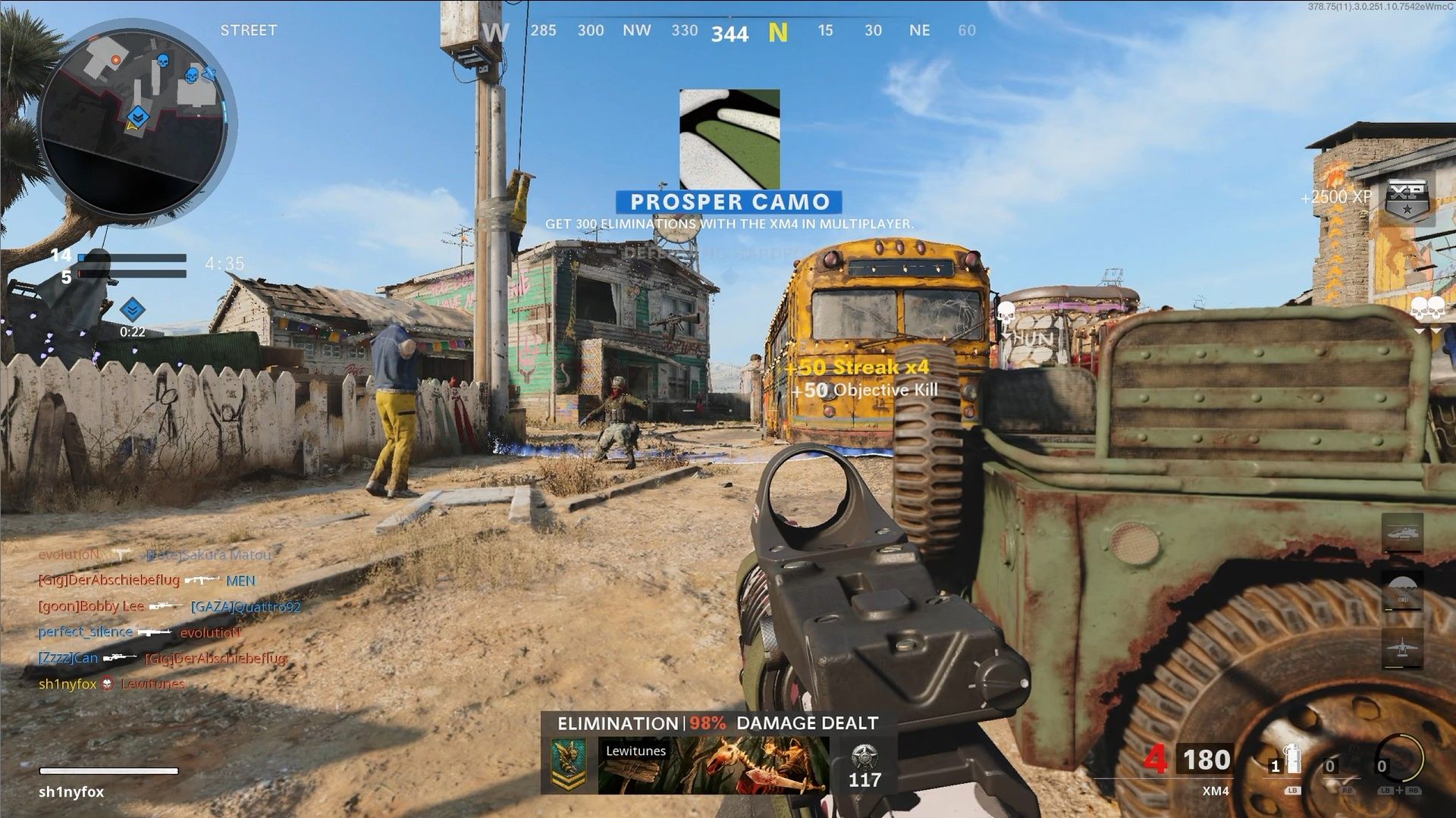
A screenshot of Call of Duty: Black Ops Cold War showing the Prosper Camo unlock for the XM4 on the Nuketown map.

I think I prefer the way the camo grind was set up in the older games. (Image credit: Windows Central)

The gunplay in Black Ops Cold War is obviously different from the two most recent Black Ops titles, and I think it's better. It's closer to how Modern Warfare feels, which, traditionally, I wasn't much of a fan of.

Maybe it's old age, but I like it better this way.

To say it's from 2020, the weapons look great and still hold up today. The sound also feels better, like you're firing an actual weapon. It's loud.

Going back to an older Call of Duty also highlights the difference in the camo grind to what we've had the last couple of years. I don't think I'm bothering, but compared to the all headshots, then specials, then multikill challenges we've had to do in order in Black Ops 6 and Black Ops 7, I think this is still a better way.

Once a weapon is leveled high enough, you can progress multiple categories at the same time. You can get those Bloodthirsty medals alongside the long shots, headshots, and general eliminations, for example. I just finished doing the three Bloodthirsty's per weapon 30 times in Black Ops 7, and it's exhausting. Working on it earlier seems like it'd be better.

The overall aesthetic is really nice, too. I love the 80's theme, and while graphically the textures on some maps do definitely look old, some others look really good.

The BIG problem: Black Ops Cold War will eat up your PC or Xbox storage

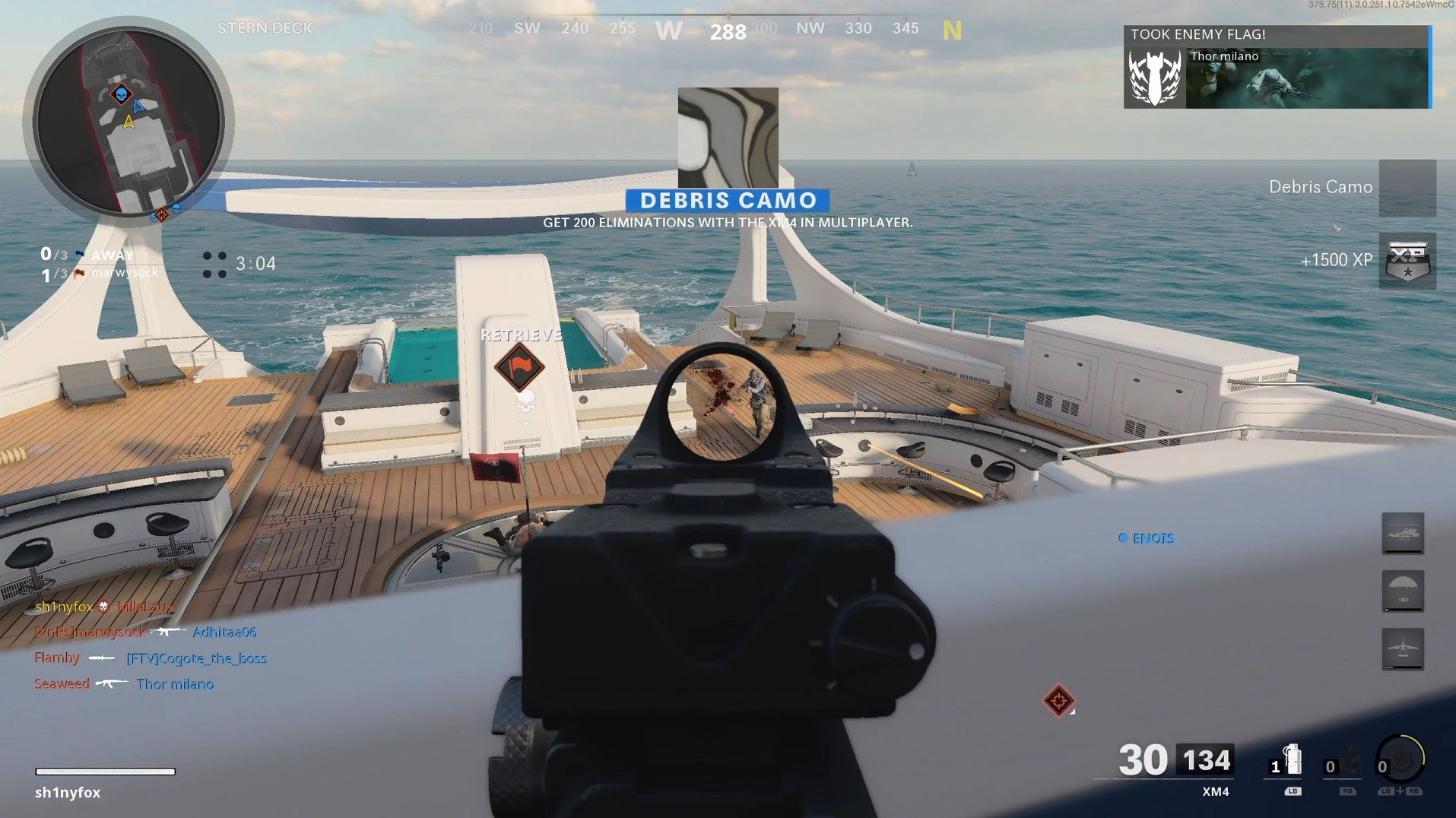
A screenshot from Hijacked on Call of Duty: Black Ops Cold War with the Debris Camo unlock popup for the XM4.

You don't seem to have the option not to have the 4K texture pack on the PC Game Pass version, so it needs A LOT of storage space. (Image credit: Windows Central)

We're used to Call of Duty being a storage hog, but this is a game from 2020, detached from Warzone, and it's absolutely gigantic.

On Xbox you're looking at 158 GB (according to the store listing), and the "Windows Edition" on PC takes up a whopping 220 GB, including the high-res texture pack. A pack you seemingly on this version cannot play without.

That's more than the current Call of Duty launcher is taking up on my PC, and that at least also has Warzone installed. There's nothing we can do about it, and they're certainly not going to try and shrink down a six-year-old game, but you'll need a lot of space to be able to play it.

I'm at the point now where I think I'm mostly done with Black Ops 7. There's a couple of things I want to finish still, like the Endgame 100% since I've only got two challenges left, but a new game is coming soon.

While I'm feeling better about it after the beta than before, I'm still up in the air over whether it's going to be worth playing longer term.

But I haven't even touched the Campaign or Zombies in Black Ops Cold War yet, and I'm actively looking forward to playing the game again. Maybe this will be the Call of Duty to scratch the itch until Modern Warfare 4 comes out.

Click to join us on r/WindowsCentral

Join us on Reddit at r/WindowsCentral to share your insights and discuss our latest news, reviews, and more.

Naver Turns to In-House Security AI After Claude Access Disruption

10 September 2026 at 10:23
Kim Jin-hwi, an executive director at Naver Cloud’s Security Division, explains the company’s strategy for developing a security-specialized model at the AIDC Security Technology Workshop at Militopia Hotel in Seongnam, Gyeonggi Province, on Sept. 7. (Photo: THE ELEC)

Naver began developing an artificial intelligence (AI) model specialized for cybersecurity after export controls on Anthropic’s Claude disrupted access to the service.

The disruption led the company to conclude that it could not rely on overseas models for its security capabilities.

Kim Jin-hwi, an executive director at Naver Cloud’s Security Division, disclosed the circumstances at the AIDC Security Technology Workshop held at Militopia Hotel in Seongnam, Gyeonggi Province, on Sept. 7. Kim, a former National Intelligence Service official, joined Naver in April. He oversees infrastructure security across the group, including Naver, Naver Cloud and Naver Webtoon.

“The service was interrupted midway because of export controls,” Kim said. “After experiencing that problem, we decided that we needed to build our own AI model.”

The US Department of Commerce in June ordered Anthropic to suspend access by all foreign users to Claude Fable 5 and Claude Mythos 5, citing national security concerns. Access to the two models was blocked for 19 days until the department lifted the restrictions. Mythos 5 remains available only to certain approved organizations.

Kim also pointed to limitations of overseas models. “Foreign models don’t have an understanding of the domestic threat environment,” he said. “Their guardrails, or AI control mechanisms, also pose major problems for how we use them.” He added that the episode made Naver realize it could not depend on overseas providers for its security policies and capabilities.

Kim said, however, that Naver does not plan to handle all AI security tasks with its own model. The company intends to continue using external solutions for tasks including vulnerability assessments.

According to Kim, Naver is already using existing AI models in actual security operations. AI automatically scans all ports on about 100,000 externally exposed servers twice a day. The company also operates a system in which a red team responsible for attacks and a blue team responsible for defense and patching exchange results and repeatedly validate vulnerabilities.

As Naver prepared its own model, it also built an in-house “harness” that connects AI models with vulnerability-analysis tools and execution environments. “Using this harness, we reproduced all of the open-source vulnerabilities that Mythos had discovered,” Kim said. Naver’s security team identified and reported 29 previously undisclosed high-risk vulnerabilities during the process, he said.

Against that backdrop, the government announced a project in late July to develop an AI foundation model specialized for cybersecurity. Naver Cloud formed a consortium and applied. “There were many areas that were difficult to address at the level of a single company,” Kim said. “It is an opportunity to build GPU resources, data and validation capabilities on a national scale.”

The consortium, comprising Naver Cloud and 32 other organizations, was selected on Sept. 3 as the final contractor for the government’s project to develop an AI foundation model specialized for cybersecurity.

Naver will contribute 4,000 of its own GPUs. The consortium aims to train Naver’s HyperCLOVA X and LG’s EXAONE on security data to develop a mixture-of-experts (MoE) security model with 700 billion parameters. The completed model will also be deployed on domestic AI chips from FuriosaAI and HyperAccel to validate its performance.

Development will begin on Sept. 18. With Minister of Science and ICT Bae Kyung-hoon saying the security-specialized model will be unveiled within the year, the consortium is targeting a demonstration in December. An interim evaluation will follow in February next year, with the project scheduled to conclude in July. Naver plans to release the final model as open source and distribute it through application programming interfaces (APIs) and software development kits (SDKs), allowing Korea’s cybersecurity industry to use it.

Smilegate Profit Falls 30% as NPIXEL Bets on 'Eclipse' Amid Capital Impairment

10 September 2026 at 10:23

Smilegate's new title "Eclipse: The Awakening," or "Eclipse," launched on PC and mobile at noon on Sept. 10. The game is a key project for Smilegate after its operating profit fell 30% last year, while developer NPIXEL is seeking to offset an operating loss of 12.3 billion won. With Com2uS's new title "Zeus," released about two weeks ago, holding the top spot in mobile game sales, attention is turning to how Eclipse will perform.

Eclipse is a free-to-play game with in-app purchases. The company designed its monetization model to attract users early on while reducing the burden of spending. According to Smilegate, the game secured 1 million pre-registrations before launch. During the first round of character pre-creation on Aug. 19, all 24 available servers reached capacity within 25 minutes. Some streamer servers filled up in just one minute. Smilegate increased capacity and opened a second round the following day, but that also closed within a day.

The game's core concept is "MMOLite," designed to reduce the time commitment, spending pressure and intensity of player competition typically associated with massively multiplayer online role-playing games (MMORPGs). A key example is "Sanctuary," which accumulates character-growth resources and summon tickets even while users are offline. An AI mode allows gameplay to continue automatically after users exit the game. Player-versus-player (PvP) combat is also disabled in most areas.

The monetization system follows the same approach. Eclipse does not allow users to directly purchase "cash accessories" that boost character stats. Some growth-related products are subject to weekly or monthly purchase limits rather than being available without restriction. The goal is to minimize the gap between hardcore and casual players. From a financial perspective, however, the policy could lower average revenue per user (ARPU) by reducing the incentive to spend. The model therefore depends on maximizing the overall number of paying users.

The importance of Eclipse's commercial performance is evident in the financial statements of Smilegate and NPIXEL for last year.

Smilegate posted consolidated revenue of 1.4365 trillion won and operating profit of 359.8 billion won in 2025. Revenue fell 5.6% from the previous year, while operating profit declined 30%. Net income dropped about 36% to 302.3 billion won.

The stakes are even higher for developer NPIXEL. According to its audit report, the company generated 13 billion won in revenue last year. Sales have continued to decline from 67 billion won in 2022 to 31.6 billion won in 2023 and 14.2 billion won in 2024. NPIXEL posted an operating loss of 12.3 billion won last year. It cut operating expenses to about 25.4 billion won from 67.6 billion won a year earlier, narrowing its operating loss by about 77% from 53.4 billion won in 2024. Despite the cost reductions, revenue has yet to recover.

NPIXEL also faces pressure from its financial structure. At the end of last year, the company had 7.7 billion won in current assets, compared with 56.3 billion won in current liabilities, more than seven times as much. Total assets stood at 14.8 billion won and total liabilities at 66 billion won. Total equity was negative 51.1 billion won, leaving the company in a state of complete capital impairment. EY Han Young said in its audit report that material uncertainty exists that may cast significant doubt on the company's ability to continue as a going concern. NPIXEL's co-chief executives have also lent money to the company. Borrowings related to co-CEO Jung Hyun-ho totaled 11.9 billion won, while those related to co-CEO Bae Bong-gun amounted to 6.9 billion won.

Eclipse therefore carries significant weight for both companies. For Smilegate, it represents a new revenue source that could help revive earnings. For NPIXEL, it is a game that needs to rebuild the company's revenue base and help it move out of losses and capital impairment.

The game industry is focusing less on Eclipse's initial user numbers than on its future retention rate and sales ranking. Users drawn in by free summon tickets and other incentives need to remain in the game for at least a month, with some converting into paying customers. Smilegate's "MMOLite" model will only prove viable if the game can generate meaningful revenue while keeping the burden of spending low.

As of 4 p.m. on Sept. 10, Eclipse ranked No. 10 in sales on Apple's App Store. It ranked No. 1 in free downloads.

Zscaler Automates SOC Operations With Frontier AI

10 September 2026 at 10:23
Zscaler screen capture. (Source: Zscaler)

Zscaler has unveiled Agentic SOC, a security operations platform that uses frontier artificial intelligence (AI) models from companies including OpenAI and Anthropic.

The U.S. cloud security company said on Sept. 9 that AI-powered attacks are occurring at speeds that traditional security operations centers (SOCs) struggle to handle, requiring SOCs to be redesigned so AI can take the lead in detecting, investigating and blocking threats.

Zscaler's Agentic SOC combines security information and event management (SIEM), which collects logs and detects threats, with security orchestration, automation and response (SOAR), which handles identified threats. It adds AI agents that can independently assess situations and take action throughout the process.

The company has also partnered with frontier AI labs including Anthropic and OpenAI, based on its view that a single model or approach has limitations in delivering accurate agentic AI operations.

Agentic SOC assigns AI agents to perform decisions and responses traditionally handled by security analysts. The agents identify genuine threats among large volumes of security alerts, investigate attack paths and root causes, and determine whether a threat is present. They can then automatically take necessary actions, such as isolating compromised users or blocking attackers' command-and-control (C2) communications.

Zscaler provides the AI agents with security data collected from networks in real time and its own threat intelligence. The platform can also integrate with customers' existing security tools to analyze threat information and automatically block lateral movement by attackers across systems.

"Agentic SOC represents a fundamental reimagining of security operations," said Deepen Desai, Zscaler's vice president of cybersecurity. "It is designed to proactively reduce exposure and contain threats at machine speed."

"AI attacks operate with a speed, scale and adaptability that are markedly different from humans, fundamentally changing the threat landscape," said Allie Mellen, a principal analyst at Forrester Research. "Defenders need to focus on fundamentals such as zero-trust principles, data loss prevention and access restrictions."

AULA V1 Gaming Mouse Combines Lightweight Design With Competitive-Level Features

10 September 2026 at 10:07

Gaming mice have changed significantly in recent years. Instead of simply adding more buttons or aggressive designs, many modern players are looking for a better balance between speed, precision, comfort and wireless flexibility.

The AULA V1 gaming mouse follows this trend with a lightweight 55g body, a PAW3311 optical sensor, dual 1000Hz polling support and three connection modes. Designed for PC and laptop gamers, the mouse aims to deliver a responsive experience while remaining comfortable during long gaming sessions.

Rather than targeting only professional esports players, the AULA V1 focuses on a broader group of users who want a fast and reliable gaming mouse without dealing with excessive weight or unnecessary complexity.

Lightweight 55g Design Focuses on Faster Movement

Weight has become one of the most important factors in gaming mouse design.

The AULA V1 weighs approximately 55g, placing it in the lightweight gaming mouse category. A lower weight can make quick movements easier, especially in fast-paced FPS games where players frequently perform rapid aiming adjustments.

A lighter mouse also reduces the amount of physical effort needed during extended sessions. For gamers who use low sensitivity settings and rely on larger arm movements, reducing unnecessary weight can improve overall control and comfort.

However, lightweight design is not only about reducing numbers. The shape, balance and grip style also determine whether a mouse feels comfortable.

The AULA V1 uses a versatile ergonomic shape designed for different grip methods, including palm grip, claw grip and fingertip grip. It is recommended for small to medium-sized hands, making it more suitable for users who prefer a compact gaming mouse design.

PAW3311 Sensor Delivers Accurate Tracking

At the center of the AULA V1 is the PixArt PAW3311 optical sensor.

The sensor supports up to 12,000 DPI, with tracking performance reaching up to 300 IPS and acceleration up to 35G. These specifications provide enough adjustment range for different gaming styles, from precise aiming in competitive shooters to faster cursor movement in everyday applications.

DPI flexibility is especially useful because different games require different sensitivity settings.

A competitive FPS player may prefer a lower DPI setting for accuracy, while strategy games, productivity tasks or large-resolution displays may benefit from higher sensitivity.

Instead of forcing users into one performance profile, the AULA V1 gives players more freedom to customize the mouse according to their preferences.

Dual 1000Hz Polling Rate Keeps Wireless Performance Competitive

Wireless gaming accessories have improved significantly, and many players no longer want to sacrifice performance for convenience.

The AULA V1 supports a 1000Hz polling rate in both wired and 2.4GHz wireless modes. This means the mouse can report its position frequently, helping maintain a responsive connection during gameplay.

For competitive gaming, consistency is often more important than simply chasing the highest specification number.

A stable 1000Hz polling rate combined with a lightweight body and accurate sensor creates a balanced setup for players who want a fast response without being restricted by a cable.

Tri-Mode Connectivity Makes It More Versatile

One of the biggest advantages of the AULA V1 is its tri-mode connection system.

The mouse supports:

  • USB-C wired connection
  • 2.4GHz wireless connection
  • Bluetooth connection

This allows users to switch between different scenarios more easily.

For gaming desktops, the 2.4GHz wireless mode provides a cleaner setup without the limitations of a cable. When battery charging is needed or maximum stability is preferred, users can switch to wired mode.

Bluetooth connectivity expands compatibility with laptops and other devices, making the AULA V1 more practical than a mouse designed only for gaming PCs.

Built for Long Gaming Sessions

A gaming mouse is not only judged by performance numbers. Comfort becomes increasingly important when users spend several hours playing or working.

The AULA V1 combines its lightweight construction with an ergonomic body design to reduce fatigue during extended use.

Its compact dimensions of approximately 94mm × 62.7mm × 38.5mm make it easier to control for users who prefer smaller mice.

The design is especially suitable for players who prefer quick movements rather than the heavier, larger shapes often found on traditional gaming mice.

Reliable Switches and Custom Control Software

The AULA V1 uses AULA’s custom MCU system and gaming switches rated for approximately 10 million clicks.

While click lifespan does not directly determine gaming performance, durability is important for users who frequently play competitive games where thousands of clicks can accumulate over time.

The mouse also supports AULA’s proprietary HUB driver software, allowing users to adjust settings and customize the experience according to their needs.

Battery and Everyday Wireless Convenience

The AULA V1 includes a built-in 300mAh battery, allowing it to operate as a wireless gaming mouse without requiring constant cable connection.

Battery capacity is only one part of wireless mouse performance. Actual usage time depends on factors such as connection mode, polling rate and lighting settings.

For users who switch between gaming and everyday computer use, the combination of wireless freedom and USB-C charging provides a more flexible experience.

AULA V1 Specifications

Feature Details
Model AULA V1
Sensor PAW3311 Optical Sensor
Maximum DPI 12,000 DPI
Tracking Speed 300 IPS
Acceleration 35G
Polling Rate 1000Hz wired / 1000Hz wireless
Weight About 55g
Battery 300mAh
Connection USB-C wired / 2.4GHz wireless / Bluetooth
Switch Lifespan 10 million clicks
Driver AULA HUB Driver
Size 94 × 62.7 × 38.5mm
Recommended Hand Size Small to medium

Specifications are based on the current product listing and may vary depending on regional versions.

Who Should Buy the AULA V1 Gaming Mouse?

The AULA V1 is a good match for users who want:

  • A lightweight mouse for FPS and competitive gaming
  • Wireless freedom without giving up 1000Hz polling
  • A compact ergonomic design
  • Multiple connection options for PC and laptop use
  • A balance between gaming performance and daily productivity

It may not be the ideal choice for users who prefer large ergonomic mice designed for bigger hands or those looking for advanced features such as adjustable weights, many programmable buttons or premium flagship sensors.

Final Thoughts

AULA V1 gaming mouse focuses on the areas that matter most for modern gaming: low weight, accurate tracking and flexible connectivity.

Its 55g design makes fast movements easier, while the PAW3311 sensor and dual 1000Hz polling rate provide the responsiveness expected from a modern gaming peripheral. The addition of wired, 2.4GHz wireless and Bluetooth modes also makes it practical beyond a single gaming setup.

For gamers looking for a lightweight, versatile and affordable gaming mouse, the AULA V1 offers a balanced combination of performance and everyday convenience.

The post AULA V1 Gaming Mouse Combines Lightweight Design With Competitive-Level Features appeared first on IGeeKphone China Phone, Tablet PC, VR, RC Drone News, Reviews.

Playground Games says Fable's story will last between '15-20 hours' or double that with other open-world content, and the life systems are 'limitless'

10 September 2026 at 10:00
  • Fable's main story takes between 15 and 20 hours to complete
  • Associate game director Will Kennedy confirms additional side content can also take between 15 and 20 hours
  • However, the game's life systems are "limitless"

Playground Games has confirmed that Fable's main story will take up to 20 hours to beat, but promises the game's life systems offer "limitless" replayability.

Speaking during a Q&A session at Gamescom 2026, associate game director Will Kennedy discussed the scale of the upcoming role-playing game (RPG), saying, "So the main story obviously depends on how you play, but the main storyline is around 15 to 20 hours."

He added, "But then we've got around probably about 15 to 20 hours again of open world and side content to engage with."

While not a massive amount of hours compared to other open-world RPGs, that at least gives fans an idea of what to expect when the game releases next year.

However, it's what Kennedy said later that confirmed that, while Fable will have a good-sized story with plenty of side content, the game's life systems, like interacting with the over 1,000 unique non-player characters (NPCs), buying real estate, committing crimes, and more, will offer up even more playtime.

"Honestly, with the life systems which we [shared an] in-depth look at and showcased earlier on in the year, that's limitless, and you can engage with it as much as you want," he said.

Fable has been in development for a very long time, but will officially launch on February 23, 2027, for PlayStation 5, Xbox Series X, Series S, and PC.

❌