❌

Normal view

Petlibro accused of “gaslighting” users over smart pet feeder outage

17 August 2026 at 19:43

Petlibro founder and CEO York Wu provided more information about an outage that left users unable to control their smart pet feeders through the companion app and, in some reported cases, left them with hungry pets.

Petlibro, a company owned by Shenzhen, China-headquartered firm Shenzhen Libro Technology Co., first acknowledged the outage on Tuesday at 5 am PT. At 7 pm PT on Wednesday, Petlibro said the outage was resolved. Notably, some people online reported different information at the time, and some claimed to still have problems as of August 13.

In a blog post on Saturday that included an apology and acknowledgement of the “frustration and concern” the outage caused, Wu confirmed that problems with Petlibro’s cloud server caused the outage:

Read full article

Comments

© Petlibro

Heart Health Advances with $28.7 Million Gift from Marcus Foundation

11 August 2026 at 20:02

The Marcus Foundation has awarded $28.7 million to Chuck Murry, MD, PhD, director of the USC Stem Cell Center, to support a clinical trial testing a stem cell-based therapy intended to regenerate heart muscle damaged by a severe heart attack. The award, the largest the foundation has given to the University of Southern California and one of its largest contributions to academic medicine, will fund both the planned human study and a parallel research program examining how the immune system responds to transplanted cardiac cells.

The trial is scheduled to begin in 2027 at Keck Hospital of USC in partnership with the USC Cardiac and Vascular Institute. A second clinical site will be established at the University of Washington, where elements of the technology were originally developed. The first phase will enroll approximately 18 patients who have experienced extensive myocardial infarction, the medical term for a heart attack that destroys part of the heart’s muscular wall.

Patients in the study will receive stem-cell-derived heart muscle cells delivered into regions damaged by the infarction. The primary goals will be to evaluate safety and determine whether the procedure is feasible in people with severe cardiac injury. Investigators will also monitor early biological signals, including whether the transplanted cells remain active, integrate with the injured tissue and produce measurable changes in cardiac performance during recovery and long-term follow-up.

A heart attack occurs when blood flow through a coronary artery is blocked, depriving cardiac muscle of oxygen. Within minutes, cells in the affected region begin to die, and the resulting scar tissue lacks the contractile properties of healthy myocardium. Unlike tissues such as skin or blood, adult human heart muscle has only a limited capacity for self-repair. As a result, a large infarction can weaken the heart’s pumping function, increase the risk of heart failure and leave survivors unable to perform ordinary activities without fatigue or breathlessness.

Current cardiovascular treatments can reopen blocked arteries, limit further injury and help the remaining heart muscle work more efficiently. They cannot, however, routinely replace the cardiomyocytes that have already been lost. Murry’s research program is aimed at addressing that biological gap by producing replacement heart muscle cells in the laboratory and delivering them directly to damaged tissue. The strategy represents a shift from supporting a failing heart to attempting to rebuild part of its contractile apparatus.

The transplanted cells are being developed as a form of cellular therapy, in which living cells act as the therapeutic agent rather than serving merely as a vehicle for a drug. According to Murry, the cells are intended to become active within the injured heart, contribute to repair and synchronize with surrounding muscle. Achieving that outcome requires more than placing new cells into scarred tissue: the cells must survive, connect functionally with the host myocardium and avoid creating dangerous electrical disturbances or abnormal rhythms. The initial trial is therefore designed principally to establish safety before testing therapeutic effectiveness in larger patient groups.

The foundation’s funding will also support research into the immune response triggered by cell transplantation. Even cells created from stem cells can be recognized as foreign by the recipient’s immune system, potentially leading to inflammation or destruction of the transplanted population. Patients who receive cellular grafts may consequently require immunosuppressive drugs, which can increase susceptibility to infection and produce other long-term complications. Researchers will study how immune cells interact with the implanted cardiac cells and investigate methods that could reduce or eventually eliminate the need for chronic immunosuppression.

The work builds on approximately three decades of research by Murry and his collaborators to move regenerative cardiology from laboratory experiments toward clinical treatment. The program includes gene-edited cellular technology, intended to improve the compatibility or performance of therapeutic cells in the human body. The precise effectiveness of the approach will not be known until it is tested in patients, and the small 2027 cohort will not be large enough to determine whether the therapy improves survival or prevents heart failure. Those questions would require subsequent trials involving substantially more participants and longer observation.

The Marcus Foundation described the project as a potential turning point for regenerative medicine, while USC leaders said the investment could create a platform for developing additional cellular therapies. The immediate scientific challenge is to determine whether transplanted heart muscle cells can be delivered safely and function meaningfully within severely damaged human hearts. If the trial meets its safety and feasibility objectives, it could provide the clinical evidence needed to advance a new generation of treatments for myocardial infarction—therapies designed not only to help patients live with damaged cardiac tissue, but to restore some of the function that conventional medicine cannot yet replace.

Subject of Research: Stem cell-based regenerative therapy for heart muscle damaged by myocardial infarction

Article Title: $28.7 Million Award Supports USC Trial of Stem Cell Therapy to Regenerate Heart Muscle After Heart Attack

Web References: The Marcus Foundation: https://marcusfoundation.org/; USC Stem Cell Center: https://stemcell.keck.usc.edu/; Chuck Murry Lab: https://murrylab.usc.edu/charles-chuck-murry-md-phd/; USC Cardiac and Vascular Institute: https://www.keckmedicine.org/services/cardiovascular/; Keck School of Medicine of USC: https://keck.usc.edu/

Image Credits: Steve Cohn

Keywords: Heart disease, myocardial infarction, heart attack, heart muscle, stem cell research, stem cell therapy, cell therapy, regenerative medicine, cardiovascular disorders, heart failure, clinical trial, cardiac regeneration

Ancient Warming Event Reveals Possible Climate Tipping Point

11 August 2026 at 19:40

A climate shock that unfolded about 304 million years ago is offering scientists a dramatic warning about how quickly Earth’s climate system can amplify an initial temperature rise. During the Late Paleozoic Ice Age, a relatively modest increase in global temperatures appears to have triggered a much larger episode of warming, as methane released from thawing permafrost intensified the greenhouse effect. Researchers say the ancient event provides a powerful geological parallel for the climate changes occurring today.

The study, led by Le Yao of the Nanjing Institute of Geology and Paleontology with contributions from University of Cincinnati geosciences professor Thomas Algeo and international colleagues, examined a short-lived warming episode during Earth’s penultimate ice age. Their findings suggest that global sea surface temperatures eventually increased by more than 7 degrees Celsius, or approximately 12 degrees Fahrenheit. The rise was not necessarily caused by one enormous initial pulse of carbon. Instead, it may have developed through a chain reaction in which warming activated additional natural sources of greenhouse gases.

The Late Paleozoic Ice Age extended across a vast span of geological time, when large ice sheets covered parts of the supercontinent Gondwana. Although the planet was in an “icehouse” state, atmospheric carbon dioxide and methane still had the power to destabilize the climate. The newly analyzed warming event is particularly significant because it occurred under ice-age conditions rather than during an already warm greenhouse world. That makes it a valuable analog for the modern Earth, which still contains continent-scale ice masses in Greenland and Antarctica.

According to the researchers, the initial climate disturbance may have been linked to volcanic activity. Volcanic emissions can inject carbon dioxide and other gases into the atmosphere, where they absorb outgoing infrared radiation and prevent some heat from escaping into space. The warming may also have been assisted by changes in Earth’s orbit. Over long cycles, variations in orbital shape alter the distribution of sunlight across the planet, influencing the growth and retreat of ice sheets and changing the seasonal balance of solar energy.

At first, the additional carbon may have produced only a limited temperature increase. But once warming crossed a critical threshold, frozen ground in high-latitude regions began to thaw. Permafrost contains large quantities of organic carbon preserved in frozen soils. When that material becomes available to microbes, decomposition can release carbon dioxide and methane. Methane is especially powerful over shorter atmospheric timescales because, molecule for molecule, it absorbs considerably more infrared radiation than carbon dioxide, even though it remains in the atmosphere for less time.

This process can create a positive climate feedback. An initial warming causes permafrost to thaw, thawing releases greenhouse gases, and the additional gases produce further warming. That extra heat can accelerate more thawing, allowing the cycle to reinforce itself. The researchers describe the ancient event as a transient global warming episode in which a comparatively modest carbon release appears to have crossed a climatic tipping point and initiated much more extensive carbon emissions from natural reservoirs.

The geological timescale of the ancient warming is also central to the study’s relevance. Algeo said the temperature change unfolded over tens of thousands of years, with warming occurring at an average rate of roughly one-tenth of a degree Celsius per 1,000 years. Modern warming is progressing far more rapidly. Researchers have observed an increase of nearly 1 degree Celsius in global sea surface temperature over approximately the past century, a rate many times faster than the average change reconstructed for the ancient event.

The comparison does not mean that Earth is destined to repeat the precise conditions of 304 million years ago. Continents, ecosystems, atmospheric composition and ice-sheet geometry were all different in the Late Paleozoic. However, the physics of greenhouse warming and the existence of carbon feedbacks remain relevant. Ancient climate records reveal how a system that appears stable can respond nonlinearly when warming activates processes capable of releasing additional greenhouse gases.

The findings also place human history in a broader planetary context. All recorded human civilization has developed during the most recent ice age, despite the fact that the term can sound incompatible with today’s climate. In scientific usage, Earth remains in an ice age because substantial permanent ice sheets still exist in Greenland and Antarctica. The ancient warming episode matters precisely because it demonstrates that an ice age does not guarantee a permanently cold or stable climate. Even within an icehouse world, a small disturbance can trigger rapid and substantial changes when reinforcing feedbacks are engaged.

The research, published in the Proceedings of the National Academy of Sciences, underscores why scientists closely monitor permafrost, polar ice and other climate-sensitive carbon stores. The ancient record cannot provide an exact forecast of future warming, but it shows that Earth’s climate has repeatedly responded to carbon disturbances with amplifying feedbacks. As modern emissions continue to raise temperatures at an exceptional rate, the geological evidence offers a clear message: the danger lies not only in the carbon released directly by human activity, but also in the natural carbon sources that warming can unlock.

Subject of Research: Ancient global warming, permafrost methane feedbacks, and climate tipping points during the Late Paleozoic Ice Age

Article Title: A transient global warming event during Earth’s penultimate icehouse

Web References: https://doi.org/10.1073/pnas.2601643123

References: Proceedings of the National Academy of Sciences, DOI: 10.1073/pnas.2601643123

Image Credits: Andrew Higley, University of Cincinnati

Keywords: climate change, global warming, ice age, Late Paleozoic Ice Age, permafrost, methane, climate feedback, tipping point, paleoclimate, geology, volcanic activity, Earth’s climate history

Goda Lab Advances to Final XPRIZE Healthspan Phase with Breakthrough Super Exosomes

11 August 2026 at 14:47

A research team in Japan has won a US$1 million Milestone 2 award in the XPRIZE Healthspan competition for developing engineered “super exosomes,” microscopic biological delivery vehicles designed to target aging and damaged cells. Led by Professor Keisuke Goda of Tohoku University’s SiRIUS Institute of Medical Research and Graduate School of Medicine, in collaboration with researchers from the University of Tokyo’s Department of Chemistry, the team was selected from more than 600 competitors worldwide.

XPRIZE Healthspan is a seven-year international competition focused on extending the period of life people spend in good health. Participating teams are challenged to develop treatments capable of restoring muscle, cognitive, and immune function in adults between 50 and 90 years old. The competition sets a minimum target of reversing at least 10 years of biological decline, while the most ambitious goal is a 20-year improvement within one year or less of treatment. Goda’s team is now moving forward after receiving recognition for results obtained in aged animal studies.

At the center of the research are exosomes, naturally occurring nanoparticles released by cells. These membrane-bound vesicles normally transport proteins, lipids, messenger RNA, and other molecular signals between cells, functioning as part of the body’s communication network. Because exosomes can carry biological cargo and interact with specific tissues, scientists have been investigating them as potential alternatives to synthetic drug-delivery systems. However, naturally produced exosomes often lack sufficient targeting precision, limiting their ability to reach the cells most relevant to a disease or aging process.

The Tohoku-led group attempted to solve that problem by chemically modifying the surface of exosomes with lanthanide ions. Lanthanides are a family of metallic elements with distinctive electronic and chemical properties. According to the researchers, attaching these ions changes the surface behavior of the exosomes and substantially improves their ability to recognize and bind to senescent cells. The resulting particles have been named “super exosomes,” a term that reflects their enhanced targeting and delivery capabilities rather than a new biological category.

Cellular senescence is one of the major biological processes associated with aging. Senescent cells have generally stopped dividing because of accumulated damage or stress, but they do not necessarily disappear. Instead, some remain metabolically active and release inflammatory molecules, growth regulators, and other signals that can disrupt nearby tissues. This collection of secreted factors, often called the senescence-associated secretory phenotype, can contribute to chronic inflammation, impaired tissue repair, and the deterioration of organs. Precisely influencing these cells has therefore become a major objective in longevity research.

The proposed super-exosome platform is designed to deliver regenerative molecular cargo directly to aging tissues after attaching to senescent cells. Potential cargoes include growth factors, messenger RNA, and other genetic materials capable of altering cellular behavior. Rather than distributing such molecules broadly throughout the body, a targeted exosome could concentrate them near damaged or dysfunctional tissue. In theory, this approach could promote repair while reducing unwanted effects in healthy cells, although the degree of targeting and the durability of the response will need to be confirmed in human studies.

In preclinical experiments involving several groups of aged mice, the researchers reported statistically significant improvements in frailty, physical performance, and multiple functional measures associated with aging. They also described the treatment’s safety profile as excellent in the studies conducted so far. The team says the overall benefit corresponds to more than 15 additional healthy human years when estimated using cross-species lifespan scaling. Such calculations can help compare biological effects between species, but they are not evidence that a mouse treatment will extend human life by a specific number of years. Human biology, dosing, immune responses, and long-term risks could differ substantially.

The award will support the next stage of development: clinical studies planned in collaboration with Tohoku University Hospital and the Tohoku University Healthspan Research Center. These studies will need to establish how the particles behave in humans, how efficiently they reach senescent cells, what cargoes are most effective, and whether the treatment produces measurable improvements in strength, cognition, immunity, or other healthspan indicators. Researchers will also have to monitor possible immune reactions, unintended effects on healthy tissues, changes in tumor risk, and the persistence of engineered exosomes in the body. These questions are essential before claims of age reversal can move beyond the laboratory.

The platform could eventually be investigated for conditions involving muscle decline, cognitive impairment, immune dysfunction, hair loss, skin aging, and reproductive health. The team plans to commercialize the technology through NanoTitan, with the aim of developing scalable manufacturing and international distribution for exosome-based therapeutics produced in Japan. “Advancing to the XPRIZE Healthspan finals is an important milestone, but our ultimate goal is to translate this technology into therapies that allow people to lead healthy, independent, and active lives longer,” Goda said. The research now enters its most demanding phase: determining whether an impressive result in aged mice can become a safe, reproducible, and clinically meaningful treatment for people.

Subject of Research: Engineered “super exosomes” designed to target senescent cells and deliver regenerative molecular cargo for healthy aging.

Article Title: Japanese Research Team Wins US$1 Million XPRIZE Award for “Super Exosome” Aging Technology

Web References: https://mediasvc.eurekalert.org/Api/v1/Multimedia/673c8fb3-268a-4a90-93b4-a0d531624a52/Rendition/low-res/Content/Public

Image Credits: Goda Lab

Keywords: Super exosomes, exosomes, cellular senescence, healthy aging, longevity research, XPRIZE Healthspan, regenerative medicine, Tohoku University, lanthanide ions, aged mice, healthspan, nanomedicine

Which Families Pay Most for Neonatal Intensive Care? Analyzing NICU Out-of-Pocket Costs

11 August 2026 at 14:06

The price of saving a newborn’s life can extend far beyond the hospital walls. A new analysis published in the Journal of Perinatology is drawing attention to a largely invisible consequence of neonatal intensive care: the direct medical out-of-pocket costs paid by families. The study, led by researchers Gorka, Profit and Phibbs, examines who carries the greatest financial burden during a neonatal intensive care unit admission and investigates how structural conditions may shape those costs.

Neonatal intensive care is among the most technologically advanced forms of medicine. Infants in NICUs may require mechanical ventilation, incubators that regulate temperature and humidity, continuous heart and oxygen monitoring, intravenous nutrition, specialized medications and repeated laboratory testing. These interventions can be lifesaving, particularly for babies born extremely prematurely or with serious medical complications. Yet the financial consequences of receiving this care are not experienced equally by every household, even when families receive treatment in the same health-care system.

The researchers’ focus is direct medical out-of-pocket spending: the money families must pay themselves for medical services connected to a NICU admission. This can include deductibles, copayments, coinsurance and other forms of cost sharing that remain after insurance has paid its portion. Unlike the total hospital charge or the amount reimbursed by an insurer, out-of-pocket cost reflects the portion that reaches a family’s own budget. For households already coping with an unexpected high-risk birth, even relatively small individual charges can accumulate rapidly.

The study is designed not only to document these expenses, but also to explore the structural forces behind differences in cost burden. In health economics, structural contributions refer to the way institutions and systems distribute risk and resources. Insurance design, employment-linked coverage, household income, geographic location, hospital characteristics and access to public assistance can all affect how much a family ultimately pays. Two infants with similar clinical needs may therefore generate very different financial experiences for their parents, depending on the architecture of coverage surrounding them.

That distinction matters because the effects of a NICU admission are not limited to the newborn’s medical condition. Parents may need to travel long distances to reach a specialized hospital, arrange accommodation near the facility, pay for transportation or meals, and take unpaid leave from work. These expenses may not always appear in estimates of direct medical out-of-pocket costs, but they can intensify the economic shock associated with a prolonged admission. The medical bill is only one component of the broader financial strain that can accompany neonatal illness.

A central question raised by the analysis is whether the families with the fewest financial resources are also the ones most exposed to high cost sharing. A payment that is manageable for a high-income household may consume a substantial share of a lower-income family’s monthly budget. Economists often describe this pattern as a disproportionate cost burden: the absolute amount paid may not be the highest, yet the payment represents a greater fraction of household resources. This distinction can reveal inequities that remain hidden when researchers look only at average dollar amounts.

The findings are expected to be relevant to health-policy debates about medical debt, insurance protection and the financial consequences of premature birth. If structural factors account for meaningful differences in family payments, reducing inequality may require more than improving clinical care. Potential responses could include limits on neonatal cost sharing, stronger protections against unexpected bills, expanded eligibility for public coverage and assistance with transportation or family support services. The analysis may also help hospitals and policymakers identify families at risk of financial hardship while an infant is still receiving care.

The issue has significance beyond individual hospitalizations because NICU care can influence a family’s financial stability long after discharge. Parents may face follow-up appointments, medications, developmental assessments and specialist care for children who experienced complications of prematurity or serious illness. Medical expenses can overlap with reduced work hours, job loss or the need for one parent to become a full-time caregiver. A short period of intensive treatment can therefore produce a long economic aftershock, particularly when families lack savings or paid leave.

By placing family payments at the center of neonatal research, Gorka, Profit and Phibbs emphasize a dimension of NICU care that is often absent from clinical success measures. Survival, complications and length of stay remain essential indicators, but they do not fully describe the experience of families navigating intensive care. Understanding who pays the most, why they pay it and how those payments relate to broader social structures could help redefine quality in neonatal medicine. The study’s message is potentially viral because it connects cutting-edge life-saving technology with a simple but consequential question: when medicine saves a baby, how much of the cost is left for the family to survive?

Subject of Research: Direct medical out-of-pocket costs of neonatal intensive care admissions and structural factors contributing to differences in financial burden among NICU families.

Article Title: Who pays the most for neonatal intensive care? An analysis of the out-of-pocket cost burden borne by NICU families

Article References: Gorka, N., Profit, J. & Phibbs, C.S. “Who pays the most for neonatal intensive care? An analysis of the out-of-pocket cost burden borne by NICU families.” Journal of Perinatology (2026). https://doi.org/10.1038/s41372-026-02869-6

Image Credits: AI Generated

DOI: 10.1038/s41372-026-02869-6

Keywords: neonatal intensive care, NICU, out-of-pocket costs, medical expenses, health-care inequality, premature birth, financial burden, insurance, neonatal health, health policy

Saint-Cyr-sur-Mer : la baie des Lecques, là où la Méditerranée offre l’un des plus beaux horizons du Var

11 August 2026 at 11:00
La lumière glisse sur la Méditerranée comme une caresse dorée, semant mille éclats à la surface de l’eau. Lovée entre les reliefs du littoral varois, la baie des Lecques déroule son rivage face à un horizon où le bleu du ciel se confond avec celui de la mer. À Saint-Cyr-sur-Mer, pins, roches et...

Ce requin cache un étonnant secret : à quoi lui sert son « projecteur » naturel ?

10 August 2026 at 20:00
Dans les profondeurs océaniques, produire sa propre lumière peut sembler risqué. Pourtant, la bioluminescence constitue un précieux outil de survie pour de nombreuses espèces. Chez le plus grand vertébré lumineux connu, elle pourrait même remplir une fonction inattendue.

Microsoft’s PostgreSQL alternative, HorizonDB: Worth the wait?

10 August 2026 at 17:02

Microsoft is betting that the integration of HorizonDB, the cloud-native PostgreSQL alternative it is developing, with Azure will attract more enterprise AI and agentic workloads to its cloud services.

Enterprises may not be willing to take that bet.

It’s been nine months since Microsoft unveiled HorizonDB, but the service remains in public preview with no announced general availability date. Why put AI projects on hold waiting for HorizonDB to arrive, when AWS, Google, Databricks, Snowflake, and others already have production-ready PostgreSQL services positioned for the same AI workloads that Microsoft says it is building HorizonDB to handle?

AWS has had the longest head start. Aurora PostgreSQL became generally available in 2017 and has since evolved from a cloud-native PostgreSQL database into an AI-ready service with vector search and integrations with Amazon Bedrock. Similarly, Google’s AlloyDB, which followed in 2022, now includes AlloyDB AI with vector search, embeddings and model interaction for generative AI and agentic applications.

Databricks and Snowflake, too, have their own platform-centric services in the form of Lakebase, which became generally available on AWS and Azure this year, and Snowflake Postgres, which was made generally available in February 2026.

As the latecomer, when Microsoft pitched HorizonDB at Ignite in November 2025 it talked up its new architectural approach to cloud-native PostgreSQL, built around disaggregated compute and storage and a database-as-log design. The hyperscaler also positioned native vector search and deep integration with Foundry and Fabric as key differentiators for AI-heavy workloads.

No reason to wait

Those architectural differences may not be compelling enough for CIOs to wait for HorizonDB to become generally available, though.

“Most enterprises with urgent needs will not wait. A long preview window creates uncertainty around SLAs, pricing, operational maturity, and roadmap confidence,” said David Linthicum, an independent cloud consultant.

And, said Stephanie Walter, practice lead of AI stack at Hyperframe Research, enterprises cannot build mission-critical production plans around an undefined GA date, regional footprint or support commitment.

Given the difficulty of unwinding a poor database choice, enterprises will approach unknown quantities with caution.

“Database platforms eventually become sticky control points. Once the database is connected to the rest of the application, analytics, AI, and governance stack, switching becomes a business transformation rather than just an infrastructure swap,” said Michael Ni, principal analyst at Constellation Research.

In the case of a cloud database, there’s also the unwelcome possibility of “huge egress fees” in case of change, said Bradley Shimmin, lead of the data and analytics practice at The Futurum Group.

All that uncertainty is likely to lead enterprises to restrict HorizonDB to experimental use cases for now, Shimmin added.

Performance anxiety

Analysts also questioned whether HorizonDB’s technical differences will show up in performance benchmarks.

Microsoft has said HorizonDB can deliver up to three times the throughput of open-source PostgreSQL, but makes no comparisons with rival offerings such as Aurora or AlloyDB that it will compete with, Walter said.

The bigger question, according to Igor Ikonnikov, advisory fellow at Info-Tech Research Group, is whether those performance advantages, still largely on paper, translate into a meaningful difference in production.

“A database with a better compute benchmark can still be more expensive once resilience and ecosystem costs are included,” Ikonnikov said.

The economics also point to another HorizonDB limitation, particularly for workloads that are not continuously running, said Advait Patel, senior site reliability engineer at Broadcom.

HorizonDB currently uses provisioned compute rather than a serverless, scale-to-zero model, meaning customers continue to incur compute charges while an instance is provisioned, even if its workload is intermittent or idle, Patel said.

There are developer considerations too.

HorizonDB’s PostgreSQL compatibility does not necessarily mean every existing PostgreSQL application will move cleanly as in its current form the database supports only an approved set of PostgreSQL extensions rather than arbitrary ones, Walter said.

Who should wait?

For enterprises already deeply invested in Microsoft’s Azure ecosystem, those limitations may not be enough to rule out waiting for HorizonDB, Patel said: The chance to integrate the database with AI services and the wider Microsoft stack may outweigh immediate availability, he added.

That calculus also reflects how enterprises typically make database decisions in the first place: not by comparing databases in isolation, but by weighing how well they fit into the broader technology stack, including the cloud platform they have standardized on, Ikonnikov said.

For Azure shops, the choice may therefore be less about moving an existing workload away from Aurora or AlloyDB and more about whether a new Azure workload should start on Azure Database for PostgreSQL today or wait for HorizonDB when it becomes available, he said.

That may be an open question for some enterprises, said Devin Pratt, research director at IDC. “Plenty of organizations are still mid-decision, not locked in,” he said.

Microsoft finally offers a timeframe

Microsoft still won’t say exactly when HorizonDB will launch, with Shireesh Thota, corporate vice president for Azure Databases at Microsoft, saying only, “General availability for Azure HorizonDB is currently targeted for the second half of 2026.”

That narrows it down to a period of a little over four months, including Microsoft’s FabCon and Ignite conferences — an eternity in AI.

Save nearly $350 on this 4TB Samsung 9910 Pro SSD with Gen 5 speeds right now —limited-time Woot sale delivers ultra-fast storage with speeds up to 14,800 MB/s

10 August 2026 at 11:18

If you need to buy new storage for your PC, you're going to pay extra. There's no way around that fact. The AI boom has forced prices up across the board. Without a time machine, the only way to score a good deal on a new SSD is to find a bargain that is hundreds of dollars cheaper than its current list price. Luckily, this 4TB Samsung 9910 Pro deal at Woot qualifies, knocking a huge $348 off compared to sister brand Amazon's rival discount price, making it $619.99 for a limited time only.

● Check out this deal at Woot

Before you grab your pitchforks, this is a good deal in context. Amazon owns Woot, so it's fair to use Amazon's own historic pricing as a benchmark here. That data shows this SSD, like the entire market, has seen a huge set of price increases since December. We've not seen this particular model close to this price since February. Prices have been unstoppable since then, too.

For your money, you're getting 4TB of fast storage from a known, trusted brand. Our Samsung 9910 Pro review, made before the market turmoil, shows this is a good all-rounder drive, with good power efficiency compared to its rivals. This is a PCIe 5.0 SSD, with speeds that vastly improve upon rival Gen 4 and 3 drives, and will be a huge step up over an older SATA SSD or traditional hard drive.

amazon prime required

This Samsung 9100 Pro SSD provides 4TB of PCIe 5.0 storage. It delivers impressive performance with up to 14,800 MB/s in sequential read and 13,400 MB/s in sequential write speeds. It comes with a heatsink, too.View Deal

Two things are important to point out on this SSD: speed and capacity. 4TB of storage is a sizable amount for a gaming or productivity rig. Once you've installed your operating system, you'll be left with terabytes of space for your files. If you're a gamer, that'll mean enough for several of the biggest AAA game installations, alongside plenty of indies, with enough room left spare.

Speed is arguably the bigger draw, though. The Samsung 9910 Pro is an NVMe M.2 SSD, running on PCIe 5.0 over four lanes, delivering sequential read and write speeds of 14,800 MB/s and 13,400 MB/s apiece. This isn't the fastest, but it's not a million miles away from faster rivals like the Corsair MP700 Pro XT, which leads our best SSD list for speed with speeds of 14, 900 MB/s and 14,700 MB/s for read and write.

9100 Pro 2TB
Tom's Hardware
9100 Pro 2TB
Tom's Hardware
9100 Pro 2TB
Tom's Hardware

Specs-wise, the 9100 Pro is built with a single-sided design that includes an SSD controller, a DRAM package, and two NAND flash packages. It's made with Samsung's 5nm Presto controller and is able to max out PCIe 5.0 over four lanes for best throughput. It's a TLC drive using Samsung's 236-layer V8 flash memory modules. This particular 4TB model comes with a heatsink, too, to help keep the drive cool during use.

The $619.99 sale price for this 4TB Samsung 9910 Pro is not ground-breaking or an all-time low. In the context of the current PC hardware market, however, it's a good price that knocks nearly $350 off compared to the same model on sale at Amazon. It's a Prime exclusive (Woot is owned by Amazon), so if you want it, you'll need to make sure you use a Woot account that's linked to your existing Amazon Prime account.

If you're looking for more savings, check out our Best PC Hardware deals for a range of products, or dive deeper into our specialized SSD and Storage Deals, Hard Drive Deals, Gaming Monitor Deals, Graphics Card Deals, Gaming Chair, Best Wi-Fi Routers, Best Motherboard, or CPU Deals pages.

You can also join the Tom's Hardware deals Discord for up-to-the-minute hardware deals.

Harry Potter fans force relocation of £430m undersea cable to avoid Dobby’s ‘grave’

10 August 2026 at 08:46

Power cable linking UK and Ireland now passes near Bronze Age human burial remains instead of fictional grave on Welsh beach

Harry Potter fans have forced a new multimillion-pound power cable between the UK and Ireland to be relocated after complaining it would desecrate the “grave” of Dobby, a fictional elf.

The character was laid to rest on Freshwater West beach in Pembrokeshire, Wales, in the film Harry Potter and the Deathly Hallows. Fans of the wizard series come to leave stones reading “Here Lies Dobby” despite being asked not to by the land owner, the National Trust, because the beach is an ecologically sensitive site.

Continue reading...

© Photograph: REUTERS

© Photograph: REUTERS

© Photograph: REUTERS

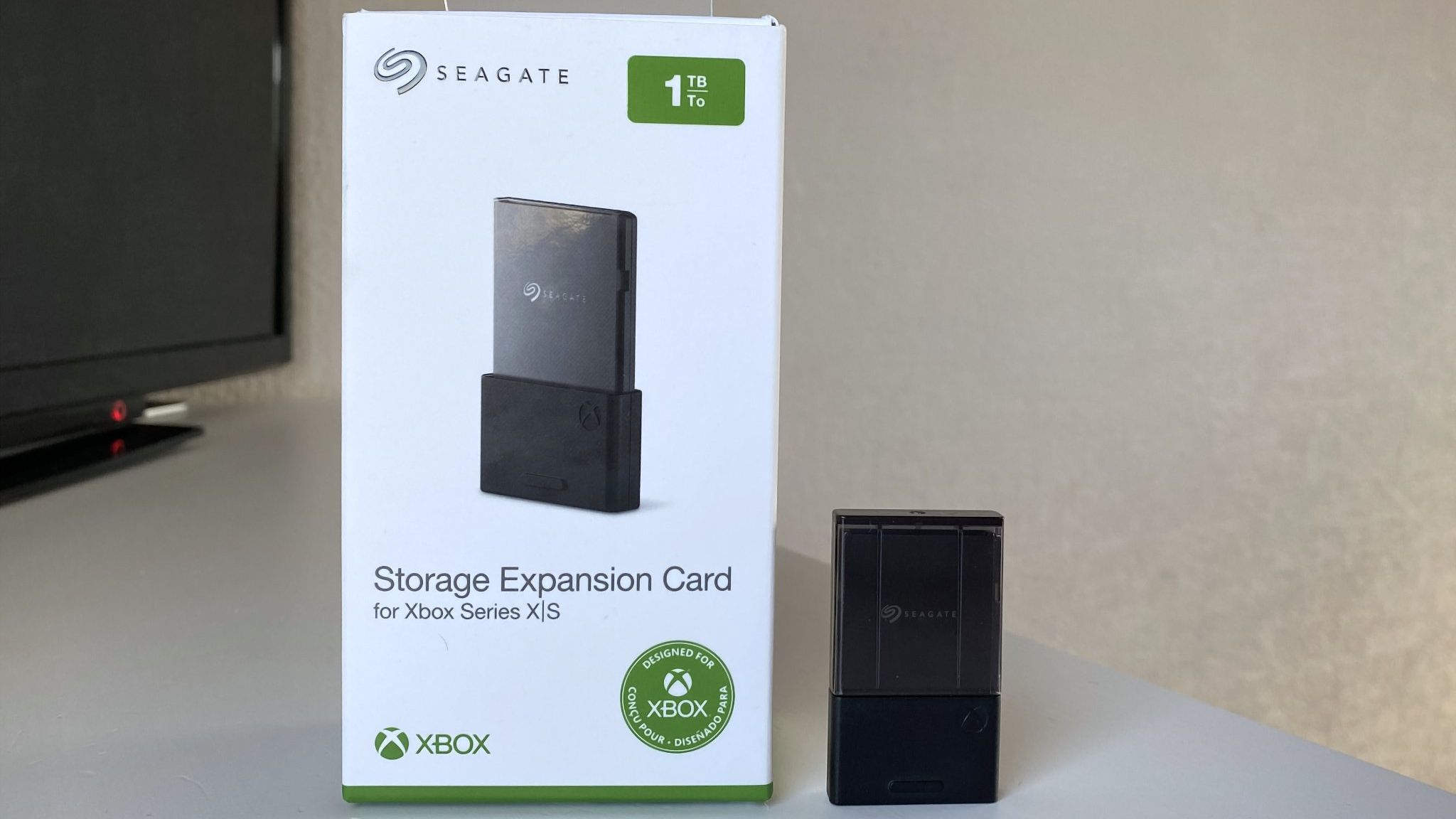
We warned you prices would skyrocket; now Seagate Xbox Expansion Cards are out of stock or over $300 — but these ones are still available

The Seagate Xbox Expansion Card is a must-have accessory for the Xbox Series X and Xbox Series S. It's a plug-and-play drive with quick enough speeds to play games right from the card.

But the Seagate Xbox Expansion Card is running out of stock. Scanning the web shows retail listings with warnings of low stock or a lack of stock at all. Other stores have the cards but at inflated prices. If you want to get a Seagate Xbox Expansion Card, you need to act quickly.

Below, I'll list all places I've found the card in stock. It's now difficult to find them at all, let alone at a good price.

This card allows you to expand the storage of your Xbox Series X or Xbox Series S. Stock is extremely limited.

1TB at GameStop for $199.99
2TB at Walmart for $299
2TB at GameStop for $299.99
2TB at Adorama for $349.99
1TB at Newegg for $362.01

Windows Central review:⭐⭐⭐⭐View Deal

Is it a good time to buy a Seagate Expansion Card?

Seagate Expansion Card

You can skip game file management and space issues with the Seagate Storage Expansion Card for Xbox. (Image credit: Windows Central)

Right now is a good time to buy a Seagate Xbox Expansion Card for three reasons. First, the card is below its launch price at certain retailers. Second, the card is running out of stock, so if you want one you need to act quickly. Third, games like GTA 6 and Call of Duty: Black Ops 7 will take up a lot of space, so you'll need more storage.

Gaming prices are out of control right now. RAM and storage seem to get more costly each month. There aren't signs of the market correcting any time soon, either.

The most pressing factor here is that stock of the Seagate Xbox Expansion Card is running out. Literally as I wrote this article, Best Buy marked the card as unavailable. Newegg and Amazon have the card in stock but at wildly inflated prices.

The only Seagate Xbox Expansion Cards I've found in stock are the ones listed above, including the 2TB model at Walmart. If you spot a model in stock, please flag it and I'll update this piece.

Click to join us on r/WindowsCentral

Join us on Reddit at r/WindowsCentral to share your insights and discuss our latest news, reviews, and more.

Quinta beta do iOS 27 traz novos ícones de apps, mais ajustes da voz da Siri e outras novidades

10 August 2026 at 22:31

A Apple disponibilizou hoje as quintas versões de testes dos sistemas 27 e, como era de se esperar, elas incluem algumas mudanças e novidades que valem a pena conferirmos.

Começando pela parte visual, a Apple continua a fazer ajustes em alguns ícones de aplicativos — como o Safari, o app da Siri, os Ajustes (Settings), o Controle Remoto, a App Store e o Pré-visualização (Preview), entre outros.

O ícone do Safari está em um azul mais claro, com linhas e setas da bússola mais detalhadas, enquanto o ícone do app da Siri se parece mais com o “balão” que aparece quando ela está ativada.

Can you actually spot the difference between Safari app icon:

iOS 27 Beta 4 vs Beta 5 pic.twitter.com/C8uhT3hKyV

— TOTTI  (@TOTTI6t21) August 10, 2026

Siri updated app icon:

iOS 27 Beta 4 vs Beta 5 pic.twitter.com/kUOKJ81yah

— TOTTI  (@TOTTI6t21) August 10, 2026

O ícone da App Store está mais translúcido para que você possa ver melhor cada linha que compõe o “A”, enquanto o do app Ajustes também ficou mais translúcido em algumas partes.

Apple has updated the Liquid Glass style of the App Store app icon. pic.twitter.com/lQ67idgGFn

— Andreas Storm (@avstorm) August 10, 2026

Settings app icon:

iOS 27 Beta 4 vs Beta 5 pic.twitter.com/1hm4STHVSi

— TOTTI  (@TOTTI6t21) August 10, 2026

Já o ícone do app Pré-visualização tem uma aparência completamente diferente, com uma lupa sobre um fundo colorido, enquanto o ícone do Controle Remoto também ganhou mais detalhes e foi atualizado com um fundo cinza em vez de preto.

The Preview app got a new icon in iOS 27 Beta 5 pic.twitter.com/6fdQ0pOwgw

— Andreas Storm (@avstorm) August 10, 2026

iOS 27 beta 5 slightly redesigns the Remote app pic.twitter.com/UMtVVtbp40

— Aaron (@aaronp613) August 10, 2026

O ícone do jogo Xadrez (Chess) do macOS Golden Gate 27, por sua vez, foi redesenhado do zero, e o do Diagnostics ganhou um tom de azul mais claro.

Chess got an app icon update in macOS 27 Beta 5 pic.twitter.com/r95o3m20QQ

— Andreas Storm (@avstorm) August 10, 2026

iOS 27 beta redesigns the Diagnostics app icon pic.twitter.com/Ve3WJ1zaBx

— Aaron (@aaronp613) August 10, 2026

Por fim, pedidos no app Carteira também ganharam um ícone completamente novo.

iOS 27 beta 5 introduces a new icon in the Wallet app for Orders pic.twitter.com/4SJM8yuoXZ

— Aaron (@aaronp613) August 10, 2026

Customização da voz da Siri

A quinta beta do iOS 27 também expandiu ainda mais as opções de personalização da voz da Siri. Em versões anteriores, os controles deslizantes de Ritmo e Expressividade estavam disponíveis apenas para as vozes da Siri com sotaque americano.

Agora, essas opções de ajuste estão disponíveis para qualquer voz americana, além de todas as vozes com sotaque britânico já existentes. Isso significa que agora há 11 vozes compatíveis que permitem escolher diferentes configurações de ritmo (velocidade da fala) e expressividade (nível de emoção e ênfase).

iOS 27 Beta 5 expands Siri voice customization.

Pace and Expressivity can now be adjusted across more Siri voices, including all seven American voices and all four British voices. pic.twitter.com/Ma0aZDRHio

— Shishir (@ShishirShelke1) August 10, 2026

A própria animação da Siri também foi atualizada, refletindo melhor as cores do novo ícone supracitado.

iOS 27 Beta 5

Siri animation now less colourful pic.twitter.com/tVMYWcOCNN

— apple files (@applefiles_) August 10, 2026

“Imagem de Referência”

Conforme observado pelo pessoal do 9to5Mac, o código da quinta beta iOS 27 mostra que a Apple está trabalhando em algo chamado “Imagem de Referência” (Apple Reference Image), um possível novo recurso projetado para autenticar a origem das fotos usando dados vinculados ao hardware da câmera do iPhone.

Para isso, o sistema enviará a imagem ao Private Cloud Compute para autenticação, sendo que certas informações do sensor e metadados da foto são enviados de volta para a Apple — embora ela garanta que não acessará a foto original.

Atualmente, o recurso está desativado por padrão e, quando for lançado, poderá ser ativado em Ajustes » Câmera » Imagem de Referência e tocando em “Modo de Referência”.

Apple Reference Image

Essa verificação só será possível se as fotos forem capturadas com o referido modo ativo. Isso significa que as fotos tiradas normalmente não conterão as informações de procedência necessárias para a autenticação posterior; além disso, se a Apple determinar que um sensor pode ter sido comprometido, ela poderá revogar as autenticações anteriores associadas a esse sensor.

As fotos autenticadas também poderão ser compartilhadas com outras pessoas, de modo que as informações incluídas no compartilhamento variarão dependendo do método usado (AirDrop, Mensagens, etc.) e se a foto é uma versão original, editada ou autenticada. Se o usuário optar por compartilhar “Todos os Dados de Fotos”, a Apple afirma que a transferência também pode incluir identificadores de hardware exclusivos e qualquer vídeo não cortado associado à imagem.

Por fim, a reportagem aponta que a Apple também está adicionando uma opção “Transferir com Procedência” (Transfer with Provenance) para transferências feitas a partir de um cabo USB. Quando ativada, as fotos autenticadas transferidas para um Mac ou PC incluirão os dados de Imagem de Referência, enquanto as fotos não autenticadas ainda poderão conter informações de procedência, como identificadores de hardware exclusivos e qualquer vídeo não cortado.

RCS da Claro

Como notado por testadores da nova beta, a Claro começou a testar o suporte ao padrão RCS 1Rich communications service, ou serviço de comunicação rico., o que indica que ela pretende cumprir a promessa de liberar essa funcionalidade ainda neste ano.

E aconteceu de novo!https://t.co/2O6rPmSjqF já pegou o RCS da Claro no iOS 27 beta 5! pic.twitter.com/uZO8Dmmtoh

— Vitor Gomes (@vctgomes) August 10, 2026

Outras novidades

Outras novidades menores vistas com as novas betas incluem novas telas de apresentação quando os aplicativos Carteira (Wallet), Apple Music, App Store e Fotos são abertos pela primeira vez após o update.

iOS 27 beta 5 includes new Splash Screens for Calendar, Photos, and Apple Music pic.twitter.com/TVSytZQJbg

— Aaron (@aaronp613) August 11, 2026

A Apple também fez ajustes na Central de Controle com a beta mais recente. Os tipos de rede celular não são mais exibidos — então você não verá “5G” ou “LTE” quando seu telefone estiver conectado a uma rede Wi-Fi. Ademais, a Central de Controle e a barra de status agora apresentam novas barras de ícones de rede celular.

Apple just refined the status bar icons in iOS 27 Beta 5 pic.twitter.com/OBflDDw0k3

— Andreas Storm (@avstorm) August 10, 2026

Apple increased the height of the Cellular Data signal bars in the Status Bar and added a matching Control Center icon in iOS 27 Beta 5. pic.twitter.com/LabNcVkR8F

— Andreas Storm (@avstorm) August 10, 2026

Há novas opções de cores do wallpaper padrão do iOS 27 para o CarPlay.

iOS 27 beta 5 adds some new CarPlay wallpaper colors including Black and Lilac pic.twitter.com/jOmfx8iqeQ

— Aaron (@aaronp613) August 10, 2026

Red and Brown also got a new color pic.twitter.com/MI39ZJEf5D

— Aaron (@aaronp613) August 10, 2026

Outras várias opções foram, curiosamente, removidas.

iOS 27 beta 5 removes 10 CarPlay wallpapers:

Dark Blue
Green pic.twitter.com/r6HmoDgDnc

— Aaron (@aaronp613) August 11, 2026

Teal pic.twitter.com/r4beBvQeUA

— Aaron (@aaronp613) August 11, 2026

Na seção Busca do aplicativo Ajustes, a Apple adicionou uma nova opção chamada “Antes de Buscar” (Before Searching), permitindo que os usuários escolham quantos aplicativos aparecem como sugestões durante as buscas, entre outras coisas.

🚨 New feature Alert 🚨

iOS 27 Dev Beta 5 lets you devices how many apps spotlight suggests when first opening it up. You can keep it at 8, switch to 4 or just say none

What do we think of this 🤔 pic.twitter.com/xBlzo5tO5O

— Fernando Silva (@nandoprince93) August 10, 2026

O menu Atualização de Software do app Ajustes agora diz quando você instalou a última atualização:

New in iOS 27 beta 5: Software Updates now tells you when you installed your current version pic.twitter.com/7cIN196n3U

— Aaron (@aaronp613) August 11, 2026

Foram vistas, ainda, as seguintes novidades:

  • No app Contatos (Contacts), caso um contato criado por você tiver uma empresa associada, o nome da empresa aparecerá na lista — abaixo do nome — e nos resultados de busca.

New in iOS 27 beta 5: If a contact has a company name added, it now shows in the main view pic.twitter.com/xNtSXnYY5E

— Aaron (@aaronp613) August 11, 2026
  • Há uma fonte mais espessa para a seção de Alarmes e Timers do aplicativo Relógio (Clock).
  • A configuração mais transparente do Liquid Glass está mais translúcida do que na versão beta anterior.
  • Agora existe uma opção para ativar ou desativar o recurso “Personalizar Respostas Inteligentes” no aplicativo Mail. O recurso vem desativado por padrão e pode ser ativado na seção Mail do aplicativo Ajustes.

iOS 27 beta 5 adds a new setting for mail called Personalize Smart Replies

“Smart Reply can learn from your sent Mail messages to suggest responses that sound more like you” pic.twitter.com/LvD6NNkJod

— Aaron (@aaronp613) August 10, 2026
  • A seção Bateria do aplicativo Ajustes agora informa se uma conexão de rede móvel ruim está causando consumo excessivo de bateria.
  • O aplicativo Ajustes agora também mostra quando a atualização mais recente do iOS foi instalada.
  • O recurso de criação de passes do app Carteira já está disponível fora dos Estados Unidos.
  • A fonte San Francisco dos números do indicador de bateria foi trocada por uma versão mais arredondada.

They swapped SF Pro to SF Pro rounded for the battery percentage on beta 5
Certainly looks better pic.twitter.com/6cK6asCtGH

— ShrimpApplePro 🍤 ずっと真夜中でいいのに (@VNchocoTaco) August 11, 2026
  • Foram encontradas referências à disponibilidade da Apple Intelligence na China, incluindo menções a “mecanismos de segurança” disponibilizado por empresas locais.

iOS 27 beta 5 preps support for Apple Intelligence in China

"Apple Intelligence is built for privacy. To comply with laws and regulations, Apple Intelligence in China uses a safety mechanism provided by a local company. Your requests are processed on-device and not sent to Apple… pic.twitter.com/mCwiwZqqMi

— Aaron (@aaronp613) August 11, 2026

Certamente alguma ou outra mudança/novidade surgirá nas próximas horas e dias — e nós, é claro, estaremos de olho para comentá-las por aqui!

Notas de rodapé

  • 1
    Rich communications service, ou serviço de comunicação rico.

These Curious Ancient Greek Artifacts Have Extraterrestrial Origins—Why They Vanished 3000 Years Ago Remains a Mystery

9 August 2026 at 15:30

Deep within ancient chamber tombs where elite members of society in ancient Greece and Crete were once laid to rest, new evidence has emerged that these high-status individuals wore some out-of-this-world iron jewelry.

Among the most coveted jewelry worn in the Bronze Age Mediterranean world were rings that were likely made from extraterrestrial iron, according to a new study published in the Journal of Archaeological Science.

Researchers Matthieu Gounelle and Eleni Mantzourani used chemical analysis to examine more than 90 iron objects from the Bronze Age and Early Iron Age, uncovered from 33 archaeological sites, revealing that about one-third of the artifacts were likely crafted using iron that fell from space.

Although iron harvested from ancient meteorites accounted for at least 10 of the rings the researchers examined, another three “might deserve further examination,” the study’s authors say, in new observations that indicate these ancient extraterrestrial adornments “may have been popular power symbols among prominent individuals” that included the Mycenaean and Minoan palatial elite.

Yet despite their apparent significance, the otherworldly fashion trend involving these otherworldly rings seems to have mysteriously vanished by the 12th century BCE, for reasons that remain unclear to researchers.

Meteoritic Iron as a Status Symbol

Using portable X-ray fluorescence, or XRF, to assess these rare artifacts in various museums where they are kept, most of the objects were found to contain very little nickel, if any at all. This is consistent with iron produced using smelting processes from the periods in question, which relied on terrestrial ores.

However, 13 of the objects possessed elevated levels of nickel, which hinted at the likelihood that some of these ancient rings had been crafted with metal originating in meteorites, which contain far more nickel than smelted varieties of iron do.

Another intriguing discovery the researchers made was that each artifact suspected of being made from meteoritic iron was either a whole or fragmentary signet or bezel ring, combining the suspected meteoritic iron with gold, silver, or bronze. Most were also found in various chamber tombs alongside other luxury goods, adding to the likelihood that these unique artifacts may have been considered symbols of status or authority.

Where Did Ancient Greeks Obtain Extraterrestrial Iron?

However, another mystery involves the source of the meteoritic material, which remains uncertain since extraterrestrial iron was uncommon in ancient Greece. Because of this, the team suspects that one reason for this material’s role as a status symbol may have been not just its otherworldly nature, but also the fact that it was likely imported.

“Given the rarity of meteorites in Greece and the established trade networks during the Bronze Age, we propose that the source of the raw meteoritic material was Egypt,” the team writes, “where meteorites are numerous due to the abundance of deserts.”

Several famous examples of meteoritic iron have been recovered from Egypt, which include a dagger found among the items entombed with the Pharaoh Tutankhamun.

The abundance of rings made from this extraterrestrial metal contrasts with the more common iron objects that appear to have been made from smelted material. This suggests that ancient metalworkers recognized the distinction between the materials, and ascribed higher value to the far rarer meteoritic forms of iron.

An Otherworldly Fashion Trend Goes Missing

Curiously, the researchers also found that by around the 12th century BCE, this otherworldly fashion trend appears to have almost completely vanished, and for reasons that remain unclear.

Possible reasons for this may include interruptions to trade networks, political upheaval, or simply changes in trends from the period. However, one potential clue is that the ancient Greeks’ production of meteoritic iron rings seems to have ended coinciding with the collapse of the Mycenaean palace system.

“Such a development could be related to economic, social or political changes,” the team speculates, although they also acknowledge more mundane possibilities.

“It is also possible that the meteoritic finger ring fashion, almost exclusive to Minoan and Mycenaean Late Bronze Age, has ‘naturally’ faded away as does any fashion,” the researchers write.

The recent study, “Iron in Greece in the second millennium B.C.E.,” appeared in the Journal of Archaeological Science. 

Micah Hanks is the Editor-in-Chief and Co-Founder of The Debrief. A longtime reporter on science, defense, and technology with a focus on space and astronomy, he can be reached at micah@thedebrief.org. Follow him on X @MicahHanks, and at micahhanks.com.

Open-source stealth USB hides an encrypted partition behind an 8GB decoy drive — 'Phantom Drive' appears as a regular USB stick until you create a text file to unlock the hidden data

From the outside, the Phantom Drive, created by Rootkit Labs, appears like a boring old USB. It has that classic, cheap plastic-feeling look to it that would never make you second-guess its intention; when you plug it in, it shows up as just an 8GB drive. However, under the hood, the Phantomdrive is powered by a microSD card that only unlocks itself when you specifically create a new text file, after which it mounts the secret partition, which comes with AES-256 encryption. It's made for situations and places where you might be forced to reveal the contents of a storage device.

The Phantomdrive is built using the CH569 microcontroller that has a bunch of different hardware blocks — this project uses the USB3, SD/eMMC, and the AES block. There are no NAND chips directly onboard the custom PCB because of the ongoing component crisis. Instead, the Phantomdrive relies on a simple microSD card (that you provide; it doesn't come with one) for both its 8GB decoy partition and the hidden partition. The creator does say they'll make a version with eMMC modules once prices come down.

Of course, if someone were to open up the drive, they'd be able to physically rip the SD card out. However, it still wouldn't be a dead giveaway since many cheap USBs are powered by microSD cards, and SD card adapters are also a thing. Anyhow, the finished drive looks pretty simple from the inside; it comprises a USB port, two buck supplies, a button for firmware update, the microSD card, UART test points, and some support components. The custom firmware now comes into play.

The Phantomdrive
Rootkit Labs
The Phantomdrive
Rootkit Labs

The name of the game is interception. The firmware doesn't know it's being used to handle file transfers; it just reads raw packets of data being sent over the USB bus as is. It's coded to always look for a "password" string, so as soon as you create the unlock.txt file with "password:xyz" inside, it detects the "xyz" bit and copies it over to SRAM, while overwriting the raw data with a bunch of zeroes before it's written to the SD card. The operating system thinks it's created the new file, but the firmware intercepted it midway and sent essentially nothing to the physical storage cells.

The firmware uses the unique internal hardware ID of the microcontroller as the salt, combines it with the password you just typed, and runs the pair through PBKDF2-HMAC-SHA-256 hashes 100,000 times (you can also select 600,000 times) to create a key. Each run induces an intentional 2-3 second delay to deter brute-force attacks that would try to crack the password. The key is used to unlock and lock the hidden partition, and since it's tied to the silicon itself, putting the SD card into another Phantom Drive will not unlock it.

Unlocking the Phantomdrive's secret partition

(Image credit: Rootkit Labs)

Even if you try to access it directly through a microSD card slot, it will stay hidden, and the 8GB decoy will actually appear like a broken partition. The creator has also provided the option to recompile the firmware on your own to spoof specific vendor IDs, so that the USB appears like it's from different brands. You can make the Phantomdrive pretend to be a cheap 16GB Kingston Datatraveler at the hardware protocol level, at which point no scanning software will flag it as anything more than a cheap USB.

There are Linux-based C tools you can use in case of emergency, however, to recover your data, such as physical damage to the board. The transfer speeds are also very limited because the project is built over USB 2 — 20 MB/s reads and 9 MB/s writes in AES-CTR mode. The speeds fall to 10 MB/s reads and 6 MB/s writes in AES-XTS, but at least you have the freedom to choose between the two according to your needs.

You can buy the Phantomdrive from Rootkit Labs for $50, but you can also build your own, since this is an open-source project. The prebuilt device comes with two extra shells because the pins wear off and break quickly. Otherwise, the GitHub repo provides all the resources, including the PCB layout files and schematics, the BOM for every part, and the custom firmware, alongside its related tools.

The creator of Phantomdrive, Ryan Walker, explains the goal behind the project as both utilitarian and political. It's built using entirely open-source software and with inexpensive, easily accessible components. They wanted to create something that could "slip past authoritarian government representatives, corrupt police, and anyone else that doesn't respect basis encryption rights."

Croatie : comment un orage sur la mer Adriatique transforme Crna Punta en spectacle naturel fascinant

9 August 2026 at 07:30
Croatie : Ici, le ciel se déchire en éclairs blancs, et la mer répond par un grondement sourd. Les vagues se soulèvent, lourdes, dans la lumière froide des orages. À Crna Punta, l’Adriatique se fait tempête et cathédrale, offrant à qui regarde un spectacle de puissance brute.

One encrypted cloud storage platform has a 10TB lifetime subscription on sale for $359.99

8 August 2026 at 09:00

Macworld

TL;DR: Get a 10TB Internxt Cloud Storage Lifetime Subscription for $360.

Renting cloud storage from Google or Dropbox means a monthly charge that never stops and files a company can scan whenever it likes. Internxt is a private, encrypted alternative, and a lifetime subscription to its 10TB plan is on sale for $359.99 (reg. $2,900).

Your files get end-to-end encrypted on your Mac before they ever leave the device, so only you can open them, and not even Internxt can read them. That encryption goes a step past the standard AES-256 most providers use, holding up against future quantum computing threats. Internxt is open-source with its code posted publicly on GitHub, and they’ve even been audited independently by Securitum.

You can reach your files from macOS, iOS, Windows, Linux, or a browser, across as many devices as you want. Files are split into smaller encrypted pieces during transfer, so intercepted data stays unreadable. Because the system is decentralized, your data isn’t locked to one server, and you can export everything whenever you like. This plan is open to new users only.

Stop renting your storage by the month and own it outright.

Get an Internxt 10TB Cloud Storage Lifetime Subscription on sale for $359.99.

Internxt Cloud Storage Lifetime Subscription: 10TB PlanSee Deal

StackSocial prices subject to change.

❌