
❌

Normal view

Short-Term Animal-Product Restriction Rapidly Alters Human Proteogenomic Profiles

9 August 2026 at 00:45

A short-term decision to eat fewer or no animal products may begin reshaping the human body at the molecular level far sooner than many people expect, according to a new study published in Nature Communications. Research by A. Simistiras, O. Bocher, C. Emmanouil and colleagues examined how restricting animal-derived foods affects both gene activity and protein production in humans, revealing a complex biological response that unfolds beneath the visible changes on a plate.

The study focuses on proteogenomics, an approach that combines two powerful layers of biological information. Genomics and transcriptomics examine the instructions encoded in DNA and the messenger RNA molecules produced when genes are activated. Proteomics, by contrast, measures the proteins that cells actually manufacture. Because proteins perform most of the body’s day-to-day work—from transporting nutrients to controlling immune reactions—studying them alongside gene activity can provide a more direct picture of how physiology responds to dietary change.

Rather than treating diet as a distant influence on long-term health, the research highlights it as an immediate biological signal. When people reduce their intake of animal products, the body is exposed to a different mixture of amino acids, fats, vitamins, minerals and other bioactive compounds. The quantity and timing of these nutrients can alter metabolic pathways, cellular signaling and the activity of genes involved in maintaining tissues. The researchers’ proteogenomic analysis was designed to capture these interconnected effects during a relatively short dietary intervention.

The significance of the work lies in its ability to distinguish between what cells are instructed to do and what they ultimately do. A gene may become more active without producing a corresponding increase in its protein, while a protein may remain stable because of slower turnover or regulation after translation. By examining both molecular layers, the study offers a more refined view of diet-responsive biology than either gene-expression or protein measurements alone. This is particularly important for nutrition research, where modest changes in multiple pathways can combine to influence health.

The findings indicate that restricting animal products can produce measurable molecular shifts even over a limited period. These changes do not represent a simple biological switch from “animal-based” to “plant-based” physiology. Instead, they appear as a network of coordinated responses involving nutrient processing, energy metabolism and cellular regulation. Some proteins may respond directly to altered nutrient availability, while others may change indirectly as tissues adapt to new metabolic demands. The result is a biological signature of dietary transition rather than a single marker that explains every effect.

Such signatures could eventually help researchers understand why individuals respond differently to the same eating pattern. Two people can consume similar diets yet experience distinct changes in blood chemistry, metabolism or immune activity because of differences in genetics, gut microorganisms, age, lifestyle and baseline health. Proteogenomic profiles may help identify these sources of variation by showing which pathways are activated in each person. In the future, that information could support more individualized nutritional guidance instead of assuming that one dietary pattern produces the same outcome for everyone.

The study also underscores an important distinction between molecular response and clinical benefit. Detecting changes in proteins or gene activity does not automatically prove that a diet will prevent disease, improve performance or extend lifespan. Molecular alterations can be adaptive, neutral or potentially harmful depending on their intensity, duration and biological context. The research therefore provides evidence that the body responds rapidly to dietary restriction, while longer and larger studies will be needed to determine how these responses relate to cardiovascular health, metabolic disease, immune function and other outcomes.

The work arrives as plant-forward diets are drawing increasing interest for environmental, ethical and health reasons. Yet public discussions often reduce the science to competing claims about whether animal products are categorically beneficial or harmful. The proteogenomic perspective offers a more nuanced alternative. It suggests that dietary effects emerge through dozens, perhaps hundreds, of interacting pathways, and that the consequences of removing or reducing a food category depend on what replaces it. A diet rich in minimally processed legumes, grains, nuts, seeds, fruits and vegetables may produce a very different molecular response from one dominated by refined plant-based products.

For scientists, the study demonstrates the value of observing dietary change across multiple biological scales. For the public, its message is both striking and practical: the body does not wait years to notice what people eat. Even short-term restriction of animal products can be reflected in the molecular machinery of human cells. The findings do not settle the broader debate over the ideal diet, but they add a new layer of evidence showing that food choices are rapidly translated into biological signals—and that understanding those signals may be key to designing healthier, more personalized nutrition strategies.

Subject of Research: The proteogenomic effects of short-term restriction of animal products in humans.

Article Title: Diet-responsive proteogenomic effects following short-term restriction of animal products in humans.

Article References: Simistiras, A., Bocher, O., Emmanouil, C. et al. Diet-responsive proteogenomic effects following short-term restriction of animal products in humans. Nature Communications (2026). https://doi.org/10.1038/s41467-026-76379-6

Image Credits: AI Generated

DOI: 10.1038/s41467-026-76379-6

Keywords: proteogenomics, nutrition, animal-product restriction, plant-based diet, gene expression, protein response, human metabolism, dietary intervention, precision nutrition
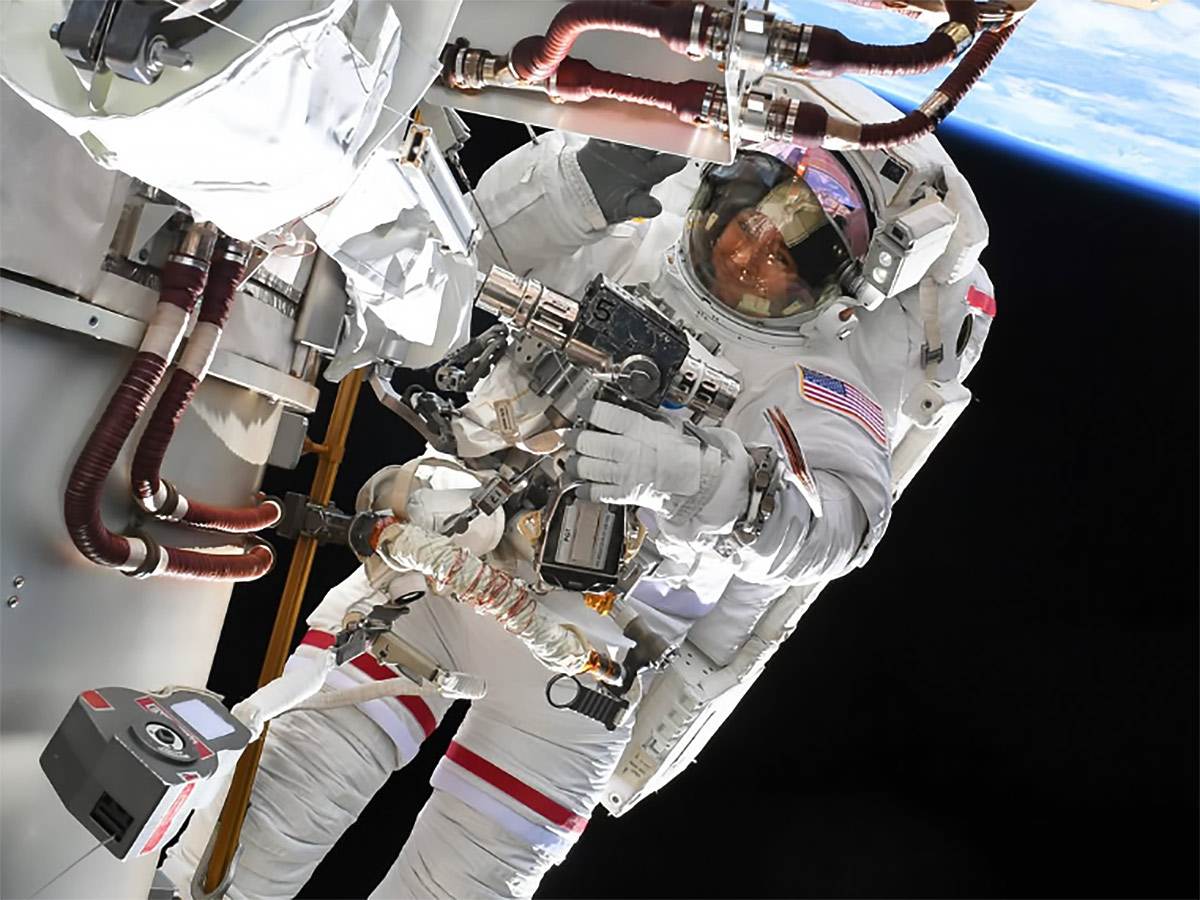
Space Station Crew Wraps Busy Week, Plans New Date for US Spacewalk 97

7 August 2026 at 23:29
NASA astronaut Jessica Meir shared a pictured of herself during a spacewalk taken by NASA astronaut Anil Menon on her Instagram page.
NASA astronaut Jessica Meir shared a pictured of herself during a spacewalk on her Instagram page taken by NASA astronaut Anil Menon.
Instagram/@Astro_Jessica

On Aug. 6, NASA astronauts Jessica Meir and Anil Menon concluded a 6-hour, 27-minute spacewalk outside the International Space Station. Meir and Menon successfully completed their primary objective of preparing the 3B power channel for the future installation of a roll out solar array. Toward the end of the spacewalk, a carbon dioxide sensor on Menon’s spacesuit indicated an unexpected data reading. Menon reported no other issues during the spacewalk.

Although the sensor returned to normal readings following removal of the suit, engineers on the ground will continue to evaluate over the coming days whether to change suits for the next spacewalk. As a result, NASA will move the next spacewalk to replace a Space-to-Ground antenna on the space station to Tuesday, Aug. 18. As of now, the third planned spacewalk this month remains scheduled on Tuesday, Aug. 25. The agency will provide additional spacewalk details early next week.

On Friday, NASA astronaut Jack Hathaway of studied Canadarm2 robotic arm operations planned to support the next spacewalk. NASA will soon name the spacewalkers who will replace a space-to-ground antenna to maintain high-speed data and communication transmissions between Mission Control Center and the space station.

ESA (European Space Agency) astronaut Sophie Adenot was back on exercise research working out with new and advanced gear to inform countermeasures that may improve muscle and bone health in microgravity. She first wore the EasyMotion-2 suit that sent electrical impulses and triggered muscle contractions to supplement her workout session on the advanced resistive exercise device in the Tranquility module. Afterward, she moved into the Columbus laboratory module and performed rope pull exercises on the European Enhanced Exploration Exercise Device (E4D). Researchers are evaluating the E4D’s effectiveness for use on missions to the Moon, Mars, and beyond.

Numerous science investigations and lab maintenance tasks also kept the three Expedition 75 cosmonauts busy at the end of the week. Roscosmos flight engineer Andrey Fedyaev started his shift measuring his blood pressure while wearing a series of cuffs on his arm, wrist, and fingers for a circulation system study. He wrapped up his day inspecting and cleaning smoke detectors in the Rassvet module. Flight engineer Pyotr Dubrov set up an automated Earth photography session to capture European and Asian landmarks then tested artificial intelligence tools to improve crew operations. Flight engineer Anna Kikina worked in the Zarya module photographing areas to identify optimal stowage locations and locate hardware.

Learn more about station activities by following the space station blog, @space_station on X, as well as the ISS Facebook and ISS Instagram accounts.

Get the latest from NASA delivered every week. Subscribe here.

The post Space Station Crew Wraps Busy Week, Plans New Date for US Spacewalk 97 appeared first on NASA Science.

Apple’s iPhone captures 65% of global premium smartphone market as segment hits record 29% share in H1 2026

7 August 2026 at 20:15

iPhone 17 Pro camera

Apple dominated the premium smartphone segment in the first half of 2026, holding a commanding 65% market share, according to Counterpoint Research. The Cupertino company outpaced the broader industry as devices priced at $600 and above (wholesale average selling price) accounted for a record 29% of overall global smartphone sales.

Premium smartphone unit sales grew 5% year-over-year in H1 2026, outperforming the overall market. This marked a rise from 25% share in H1 2025 and 20% in H1 2022. Counterpoint attributed much of the latest jump to rising memory and component costs, which hit low- and mid-tier devices harder. As prices for mid-range Android phones climbed, the gap with premium models—including older or discounted flagships—narrowed, making higher-end upgrades more attractive. Manufacturers also expanded financing, trade-in, and buyback programs to improve affordability.

Apple’s premium segment shipments rose 9% year-over-year, fueled by strong demand for the iPhone 17 series, particularly the base model. This reversed a prior-year slowdown linked to intensified competition in China, the world’s largest premium smartphone market. Apple’s share edged up from 63% in H1 2025 but remains below the 74% peak recorded in H1 2022.

Global Smartphone Premium Segment Brand Unit Sales Share H1 2022 to H1 2026

Global Smartphone Premium Segment Brand Unit Sales Share H1 2022 to H1 2026
Source: Counterpoint Research Global Handset Model Sales Tracker, Jun 2026 (Prelim). Premium Segment includes smartphones with a wholesale price of $600 and above.

Samsung held steady at 19% of the premium market (up from 17% in 2022) and posted 3% year-over-year growth despite a later-than-usual launch of the Galaxy S26 series. Together, Apple and Samsung controlled 84% of global premium smartphone sales, up from 82% a year earlier.

Among other players, OPPO recorded the fastest growth at 69% year-over-year, driven by its Find X9 series, while Vivo grew 20%. The remaining 16% of the premium segment was shared among Chinese brands including Huawei, Xiaomi, OPPO, and Vivo.

“Rising memory and component costs are reshaping smartphone pricing and creating opportunities for OEMs to accelerate premiumization,” said Counterpoint Senior Analyst Harshit Rastogi in a statement. “As mid-segment Android smartphone prices rise, the price gap with premium devices, especially older or discounted flagship models, is narrowing. This trend makes flagship smartphones a better upgrade option for consumers. To support this shift, OEMs are expanding financing, trade-in and buyback programs to improve affordability.”

MacDailyNews Take: The data underscores a continued shift toward higher-priced devices even as the broader smartphone market faces volume pressures. Premiumization is expected to persist, supported by better component access for leading brands, steady demand among higher-income consumers, and expanded financing options. In other words; More great news for Apple!


‎
Please help support MacDailyNews — and enjoy subscriber-only articles, comments, chat, and more — by subscribing to our Substack: macdailynews.substack.com. Thank you!

Support MacDailyNews at no extra cost to you by using this link to shop at Amazon.

The post Apple’s iPhone captures 65% of global premium smartphone market as segment hits record 29% share in H1 2026 appeared first on MacDailyNews.

Safety fears as scientists make first viruses designed by AI

Researchers say breakthrough offers hope for new medicines but also raises urgent biosecurity questions

Scientists have made the first viruses designed by artificial intelligence in a milestone that raises hopes for new medicines but also concerns over how to ensure the technology remains safe.

The viruses are specific kinds known as bacteriophages, which only infect bacteria and are used around the world to treat patients with persistent infections. In lab tests, a cocktail of the AI-designed viruses killed E coli bugs that were resistant to natural bacteriophages.

Continue reading...

© Photograph: Samyukta Lakshmi/Bloomberg/Getty Images

© Photograph: Samyukta Lakshmi/Bloomberg/Getty Images

© Photograph: Samyukta Lakshmi/Bloomberg/Getty Images

Redwire to fly dedicated Starfall mission for microgravity research

6 August 2026 at 15:18
Starfall reentry

A Redwire subsidiary working on space biotech and pharmaceutical applications has signed an agreement to fly microgravity research payloads on SpaceX’s Starfall reentry vehicle.

The post Redwire to fly dedicated Starfall mission for microgravity research appeared first on SpaceNews.

New Research Suggests Extraordinary Experiences Are More Common—and More Meaningful—Than Expected

6 August 2026 at 13:47

Throughout recorded history, humans have experienced events that challenge their understanding of reality. These include purported out-of-body and near-death experiences, anomalous events or perceptions, and even profound spiritual awakenings.

Depending on an individual’s culture, belief system, or worldview, these experiences may be interpreted as mythical, psychological, pathological, or even deeply spiritual. However, a new study by Ronald Fischer of the Instituto D’Or de Pesquisa e Ensino in São Paulo, Brazil, and colleagues suggests that these types of experiences may be more universal than previously thought.

Published in PLOS ONE, the research team took a deeper look into how people understand or personally interpret “nonordinary experiences,” what those factors might include, and how they could be seen as distress or personal growth. 

The Study 

The researchers examined how thousands of people interpreted unusual experiences. For example, one person might view an out-of-body or near-death experience as evidence of a spiritual awakening, while another might interpret the same event as a neurological phenomenon or the result of normal brain chemistry.

Similarly, hearing voices may be regarded as a symptom of mental illness in some cultures, while others interpret it as a spiritual or supernatural experience. The study argues that both perspectives can be valid, depending on the individual’s cultural and personal framework.

“Experiences like sensing a presence, having a vision, or feeling as though you are observing yourself from outside your own body are far more common in the general population than clinical diagnosis rates would suggest,” Fischer said in a statement. “We observed that most people in our sample of over 5000 participants who report them are not unwell, and most describe them as neutral or positive — both at the time they occur and also when looking back and reflecting on that experience.” 

The research team first reviewed and validated the Inventory of Nonordinary Experiences. They then developed a questionnaire designed to assess both the universal and cultural influences shaping participants’ interpretations of these events. After refining the survey based on feedback from 160 Brazilian participants, the researchers administered the final 47-question questionnaire to 5,117 individuals representing the general population.

“Previous research has often failed to differentiate the experience and how people make sense of such diverse and challenging experiences,” Fischer explained. “Our work stands out in that we squarely focus on where and when these experiences happened and how people tried to make sense of them.”

“By clearly separating the context, the experience and the meaning-making processes, the patterns we observe challenge various assumptions that have guided previous theory, research but also clinical practice,” he added. 

Among the findings, 20% of participants reported that their nonordinary experience had a negative impact, while 25% said it caused suffering or discomfort. However, 51% reported that their experience ultimately produced positive long-term effects.

The researchers also found that 39% of participants experienced these events while alone, and approximately 57% reported being awake and alert at the time. While some participants attributed their experiences to random chance, most reported having at least some degree of perceived control over the experience.

“For many people, such experiences can be meaningful and lead to personal growth and insight,” Fischer says. “Highlighting these possible positive outcomes is important to help people make sense of them and help to normalize them. Importantly, we hope our work can help to remove stigma by focusing on the diverse ways that people experience and make sense of them.”

“However, we would also stress that if people feel that these experiences interfere with their daily activities, then they should talk to a professional or seek help from somebody that they trust,” Fischer adds.

Overall, the survey challenges the assumption that anomalous experiences should primarily be viewed through the lens of mental illness.

“What struck us was the mismatch. These experiences share features with symptoms used to define psychosis and dissociation yet are frequently observed in a general-population sample,” said Pedro Fortes, a Researcher at the Instituto D’Or de Pesquisa e Ensino (IDOR). “Our prevalence study suggests they most often arrive in entirely ordinary moments, when we’re awake, alert, and by ourselves, and are commonly remembered as meaningful rather than frightening.”

Jorge Moll, neurologist and neuroscientist at the Instituto D’Or de Pesquisa e Ensino (IDOR), adds that “How a person interprets an unusual experience matters more than the experience itself in determining whether it becomes a source of distress or of meaning.”

“That has direct consequences for how clinicians and families respond when someone describes something extraordinary,” Moll concluded. 

Chrissy Newton is a PR professional and the founder of VOCAB Communications. She currently appears on The Discovery Channel and Max and hosts the Rebelliously Curious podcast, which can be found on YouTube and on all audio podcast streaming platforms. Follow her on X: @ChrissyNewton, Instagram: @BeingChrissyNewton, and chrissynewton.com. To contact Chrissy with a story, please email chrissy @ thedebrief.org.

Crise de memórias: fornecedoras já teriam vendido toda a sua produção para 2027

5 August 2026 at 17:52

A crise no mercado de DRAMs 1Dynamic random access memories, ou memórias dinâmicas de acesso aleatório. e HBMs 2High bandwidth memories, ou memórias de alta largura de banda., causada pelo boom das empresas de inteligência artificial (IA), pode ter alcançado seu ponto mais dramático até agora, com as produções de todas as três principais fabricantes desses tipos de componentes (Samsung Electronics, SK Hynix e Micron) já tendo sido reservadas para o ano de 2027 inteiro, segundo informações do DIGITIMES.

Além das memórias, outra categoria de componentes que tem sofrido bastante com a demanda causada por data centers de IA é a de chips NAND, muito utilizados em dispositivos de armazenamento flash (como SSDs 3Solid-state drives, ou unidades de estado sólido.). Embora a situação desses chips ainda não esteja tão apertada quanto a das memórias, fontes ouvidas pelo veículo dão conta de que a Samsung Electronics, a Micron e a SanDisk já venderam toda a sua produção para 2026 por preços altíssimos. A Kioxia e a SK Hynix, por sua vez, deverão firmar contratos parecidos com seus clientes até o fim deste mês.

Voltando para o caso das memórias, dados da Counterpoint Research dão conta de que a Samsung Electronics ficou responsável por 39% do mercado de DRAM (por receita) durante o segundo trimestre, seguida pela SK Hynix (com 26%) e pela Micron (25%). Apesar de todo o investimento nessas empresas, os rumores são de que os compradores de componentes estão recebendo apenas 60-70% dos volumes que solicitaram inicialmente, devido à capacidade de produção limitada.

Algumas dessas fornecedoras, é claro, são parceiras de longa data da Apple — que também tem sofrido com essa escassez de componentes, embora tenha conseguido absorver parte do impacto. Enquanto os iPhones têm passado ilesos por essa crise, produtos como os Macs e os iPads viraram alvo de aumentos expressivos de preços — algo que foi classificado por Tim Cook, o atual CEO 4Chief executive officer, ou diretor executivo. da empresa, como “enchente que ocorre uma vez a cada 100 anos”.

Ainda de acordo com o DIGITIMES, todos os compradores concordaram em realizar pagamentos adiantados por esses componentes, tenham eles estabelecido acordos de fornecimento multianuais anteriormente ou não. Ao que tudo indica, isso é uma resposta ao medo que muitas dessas empresas têm de que seus competidores tentem garantir o máximo de capacidade de produção possível — especialmente durante o período entre julho e agosto, que é quando a maior parte dos pedidos é feita.

Por ser uma das principais compradoras de memórias e chips NAND do mercado, é quase certo que a Apple também tenha desembolsado uma boa grana para garantir sua parcela de componentes para 2027, que é quando deveremos ver o “iPhone 20” chegar ao mercado. Não está claro, no entanto, por quanto mais tempo ela absorverá o impacto dos preços inflados — algumas pessoas, inclusive, acreditam que os próximos iPhones poderão ficar até US$300 mais caros por conta dessa crise.

Em uma clara manobra para tornar a sua lista de fornecedoras mais diversa, a Apple estaria testando memórias de marcas como a chinesa ChangXin Memory Technologies (CXMT), que passou a receber aportes de investidores recentemente. Isso, no entanto, não tem sido bem visto por políticos dos Estados Unidos (país natal da Maçã), que acusam a fornecedora de ter ligações com as forças armadas da China — país com o qual os americanos travam uma guerra comercial há alguns anos.

via AppleInsider, Seeking Alpha

Notas de rodapé

  • 1
    Dynamic random access memories, ou memórias dinâmicas de acesso aleatório.
  • 2
    High bandwidth memories, ou memórias de alta largura de banda.
  • 3
    Solid-state drives, ou unidades de estado sólido.
  • 4
    Chief executive officer, ou diretor executivo.

Bentham Science Launches International Journal of Wireless and Communication Engineering Innovation

2 August 2026 at 06:24

Bentham Science Launches Two New Journals to Accelerate Research in Wireless Communications and Engineering

Bentham Science Publishers has announced the launch of two new peer-reviewed journals designed to capture the rapid transformation of modern technology: Wireless and Communication Letters and Current Engineering Letters and Reviews. Both publications are now open for manuscript submissions, offering researchers an international platform to share emerging discoveries in communication systems, engineering technologies, and interdisciplinary innovation. The launches arrive as advances in artificial intelligence, sixth-generation wireless networks, satellite systems, advanced materials, and sustainable engineering continue to reshape scientific research and industrial development.

Wireless and Communication Letters is focused on the technologies that enable today’s increasingly connected world. The journal will publish original letters, full-length research articles, comprehensive reviews, mini-reviews, and guest-edited thematic issues addressing both theoretical developments and practical applications. Its scope covers the complete communication chain, from antennas and radio-frequency hardware to signal processing, network architecture, cybersecurity, and intelligent software. By emphasizing the efficient dissemination of research, the journal aims to provide a rapid channel for findings that could influence the next generation of wireless infrastructure.

The technical challenges addressed by the journal are central to the future of digital connectivity. Fifth-generation networks have already introduced high-speed mobile broadband, ultra-reliable low-latency communication, and massive machine-type connectivity, but researchers are now investigating 6G systems capable of supporting even greater data rates, extremely precise sensing, and seamless integration with artificial intelligence. These systems may combine terahertz frequencies, reconfigurable intelligent surfaces, distributed antennas, edge computing, and advanced machine-learning algorithms. Such technologies require new approaches to spectrum allocation, energy efficiency, network coordination, and data security.

The journal also welcomes research on the Internet of Things and machine-to-machine communication, areas in which billions of sensors and devices are expected to exchange data with minimal human intervention. In these environments, communication protocols must operate reliably despite limited power, unpredictable radio conditions, and enormous numbers of connected nodes. Research into low-power wide-area networks, intelligent scheduling, network virtualization, and secure device authentication could help support applications ranging from industrial automation and smart cities to remote healthcare and environmental monitoring.

A further component of the journal’s scope involves the physical science of communication. Antenna design, electromagnetic propagation, microwave engineering, optical links, and satellite communication determine how information travels through real environments. Engineers must account for obstacles, atmospheric conditions, interference, polarization, bandwidth limitations, and the movement of users or spacecraft. Developments in compact antennas, beamforming, optical wireless communication, and satellite-terrestrial integration could improve connectivity in rural regions, disaster zones, transportation systems, and future space missions.

Wireless and Communication Letters is led by Editor-in-Chief Dr. Nasimuddin of the Antenna and Optical Department at the Institute for Infocomm Research in Singapore. Supported by an international editorial board, the journal states that it will apply a rigorous and objective peer-review process. This is particularly important in a field where theoretical claims must often be tested through simulations, prototypes, channel measurements, or performance comparisons. Research involving modulation, coding, information theory, cognitive radio, software-defined networking, artificial intelligence, privacy, and communication protocols will be considered within the journal’s broad technological remit.

Alongside the communications title, Bentham Science has introduced Current Engineering Letters and Reviews, an interdisciplinary journal intended to connect research across the full spectrum of engineering sciences. Announced on 3 August 2026, the journal will publish research articles, short communications, comprehensive reviews, mini-reviews, and thematic issues. Its mission is to bring together discoveries that are often separated into specialist fields, reflecting the reality that many modern technologies emerge from collaboration among mechanical, electrical, materials, chemical, biomedical, environmental, and computer engineers.

The new engineering journal will cover aerospace, civil, structural, transportation, manufacturing, energy, robotics, automation, nanotechnology, artificial intelligence, and digital engineering. It will also address sustainable engineering, renewable energy systems, smart materials, advanced manufacturing, and biomedical technologies. These subjects are increasingly connected: an electric vehicle, for example, depends simultaneously on materials science, power electronics, software, communications, manufacturing, and transportation engineering. An interdisciplinary publication can provide a forum for examining such systems as integrated technological platforms rather than isolated components.

The scientific importance of this approach is becoming more visible as engineers confront challenges involving climate change, resource efficiency, resilient infrastructure, and automation. Renewable energy systems require improved storage, power conversion, and grid management; smart materials can respond to changes in temperature, pressure, or electromagnetic fields; and artificial intelligence can optimize industrial processes by identifying patterns in large streams of sensor data. At the same time, engineering research must demonstrate reliability, scalability, safety, and economic feasibility if laboratory innovations are to produce measurable benefits in society and industry.

Both journals invite contributions from researchers, engineers, scientists, academics, and industry professionals worldwide. Bentham Science says that information about open-access policies, article processing charges, waiver eligibility, editorial policies, and complaints and appeals procedures is available through the respective journal websites. With their emphasis on rapid communication, technical rigor, and interdisciplinary exchange, the two publications seek to become new hubs for research at the intersection of connectivity, intelligent systems, sustainable technology, and engineering innovation.

Subject of Research: Wireless communications, communication engineering, interdisciplinary engineering research, emerging technologies, artificial intelligence, sustainable engineering, and advanced technological systems.

Article Title: Bentham Science Launches Two New Journals to Accelerate Research in Wireless Communications and Engineering

News Publication Date: 3 August 2026 (for the announcement of Current Engineering Letters and Reviews; no publication date is provided for Wireless and Communication Letters).

Keywords

Wireless communications, 5G, 6G, Internet of Things, satellite communications, antenna design, signal processing, artificial intelligence, engineering research, sustainable engineering, robotics, renewable energy, smart materials, advanced manufacturing.

What Long-Term Evidence Reveals About Hypoglycemia in Late-Preterm Infants

2 August 2026 at 04:12

A common complication of early birth is being thrust into a medical debate that reaches far beyond the neonatal intensive-care unit: how low is too low when a late preterm baby’s blood glucose falls, and what—if anything—does that episode mean years later? A new article in Pediatric Research examines late preterm hypoglycemia through the lens of long-term evidence, highlighting why a seemingly brief metabolic disturbance has become one of neonatology’s most closely watched questions.

Late preterm infants are typically born between 34 weeks and 36 weeks plus six days of gestation. They often appear stronger and more mature than very preterm babies, but their brains, hormone systems and feeding abilities are still developing. After birth, glucose levels can drop as the infant transitions from a constant placental supply to intermittent feeding. Immature glycogen stores, limited fat reserves, difficulty coordinating sucking and swallowing, and illness-related stress can all increase the risk of hypoglycemia.

Glucose is the brain’s primary energy source during early life, making neonatal hypoglycemia biologically concerning. When glucose delivery falls, the brain may initially compensate by using alternative fuels, including lactate and ketone bodies. If the shortage is severe, prolonged or repeatedly missed, however, energy production can become insufficient. This may interfere with neuronal signaling and, in extreme cases, contribute to cellular injury. The challenge is that many affected newborns show no obvious symptoms, while symptomatic infants may display only subtle signs such as jitteriness, poor feeding, lethargy, temperature instability or apnea.

The article by U. Felderhoff-Müser focuses attention on a crucial gap between immediate treatment and long-term certainty. Hospitals commonly screen infants considered vulnerable to hypoglycemia, including late preterm newborns, and intervene with feeding, buccal dextrose gel or intravenous glucose when indicated. These measures are designed to restore glucose quickly and prevent neurological stress. Yet the threshold used to define hypoglycemia is not a universal biological line. It is a clinical value shaped by gestational age, postnatal age, symptoms, measurement method and the balance between avoiding harm and preventing unnecessary intervention.

That uncertainty has made long-term follow-up essential. Researchers have investigated whether neonatal hypoglycemia is associated with later problems involving cognition, executive function, attention, language, motor coordination and school performance. Some studies have reported higher risks after severe, recurrent or prolonged episodes, while others have found limited or inconsistent effects, particularly when low glucose was detected and treated promptly. The differences may reflect more than glucose itself: prematurity, fetal growth restriction, maternal diabetes, infection, respiratory illness and socioeconomic conditions can independently influence neurodevelopment.

This is one reason the evidence remains difficult to interpret. Most long-term studies are observational, meaning researchers cannot randomly assign infants to experience different glucose levels. Instead, they compare children who had hypoglycemia with those who did not, while attempting to account for other medical and social factors. Even sophisticated statistical adjustments may not eliminate hidden confounding. In addition, studies use different definitions of hypoglycemia, different monitoring schedules and different ages or tools for developmental testing, making direct comparisons challenging.

The timing and pattern of low glucose may be as important as the lowest recorded number. A single short episode may carry a different biological significance from repeated episodes or an extended period below a treatment threshold. Continuous glucose monitoring has raised further questions by revealing fluctuations that intermittent heel-stick testing can miss, although sensor accuracy in newborns and the clinical meaning of every detected dip are still being evaluated. The emerging picture is therefore more complex than a simple division between “normal” and “abnormal.”

For clinicians and families, the practical message is not to dismiss hypoglycemia or to assume that every low reading predicts disability. Instead, the long-term evidence supports careful surveillance of infants at risk, rapid confirmation of abnormal results, and treatment strategies that protect the brain without disrupting feeding or exposing babies to unnecessary interventions. Developmental follow-up may be particularly important for infants with severe or recurrent episodes, neurological symptoms, or multiple additional risk factors. Such monitoring can identify difficulties early, when speech, occupational or educational support may have the greatest effect.

The discussion also underscores the need for better research. Future studies will need standardized glucose definitions, precise records of duration and recurrence, improved measurement technologies and follow-up extending into school age and adolescence. Researchers must also distinguish the effects of hypoglycemia from the conditions that caused it and examine outcomes beyond a single global developmental score. Felderhoff-Müser’s review places late preterm hypoglycemia in that broader scientific context: a common neonatal event whose immediate management is well established, but whose long-term consequences still demand careful, nuanced investigation.

Subject of Research: Late preterm hypoglycemia and its long-term neurodevelopmental evidence

Article Title: Late preterm hypoglycemia through the lens of long-term evidence

Article References: Felderhoff-Müser, U. “Late preterm hypoglycemia through the lens of long-term evidence.” Pediatric Research (2026). https://doi.org/10.1038/s41390-026-05316-6

Image Credits: AI Generated

DOI: https://doi.org/10.1038/s41390-026-05316-6

Keywords: late preterm infants, neonatal hypoglycemia, blood glucose, neurodevelopment, brain health, newborn care, long-term outcomes

EAGLE

31 July 2026 at 23:02

EAGLE

Explorer for Artemis Geology, Lunar, and Earth — a NASA satellite program to study surface biology and geology on Earth, with technologies that could support future missions to the Moon and Mars.

Future Mission

NASA’s EAGLE program — Explorer for Artemis Geology, Lunar, and Earth — will be a series of satellite missions studying surface properties using technologies for Earth observation that will also benefit future missions to the Moon and Mars, where they could identify critical resources and safe landing sites.

The satellites making up the first two EAGLE missions will study biology and geology on Earth’s surface to support agriculture, disaster response, and other needs. Each mission will carry a different instrument with capabilities that complement each other. The first mission (EAGLE-VSWIR) is scheduled to take flight in 2028.

Mission Type

Orbiter

Target

Earth, Moon, Mars

Launch

No earlier than 2028

Objective

Study surface composition and changes

  • EAGLE-VSWIR

    EAGLE-VSWIR (Visible to Shortwave Infrared) will observe the Earth’s surface every 16 days with a high-resolution imaging spectrometer, which measures light reflected from the planet’s surface, separating wavelengths across the visual and into the infrared spectrum. The patterns created by light being reflected or absorbed across this spectral range act like fingerprints, letting scientists identify the composition of the surface. 

    A similar instrument, NASA’s EMIT (Earth Surface Mineral Dust Source Investigation), has been monitoring Earth from the International Space Station since July 2022, characterizing the surface mineral composition of Earth’s arid lands, monitoring ecosystem status, and tracking health and safety hazards — such as methane leaks and acid mine drainage — among other applications.

    EAGLE-VSWIR will have 25 times more capability than EMIT has today. This technological leap will allow scientists to map surface deposits of critical and rare-earth minerals, strengthen food security, and aid wildfire prevention and recovery. It can also highlight environmental hazards such as oil spills or landslide risks, and monitor water quality and availability.

    Region of Nevada as observed by NASA's EMIT with spectrum on right edge
    The front of this image cube shows a region in Nevada observed by NASA’s EMIT imaging spectrometer; the cube’s sides show the spectral fingerprint for every point in the image and can be used to discover mineral resources. EAGLE-VSWIR will have 25 times greater performance beyond NASA’s current state-of-the-art EMIT.
    NASA/JPL-Caltech
  • EAGLE-TIR

    The EAGLE-TIR mission will provide Thermal InfraRed (TIR) imagery when it launches two to three years after EAGLE-VSWIR, measuring energy emitted from the surface and producing data that scientists can use to map temperature, composition, and critical mineral deposits. On Earth that would let researchers monitor wildfires and volcanic activity, track drought and water use by crops, study urban heat islands, observe the rates that snow or ice accumulates or melts, and better understand Earth’s resilient ecosystems.

    EAGLE-TIR follows on from ECOSTRESS (ECOsystem Spaceborne Thermal Radiometer Experiment on Space Station), which has been observing Earth from the International Space Station since 2018. ECOSTRESS was designed to study how different ecosystems respond to drought and water stress, and the data has provided a vital understanding of how plants’ water use changes throughout the day. Since ECOSTRESS also measures emitted energy in the thermal infrared, its surface-temperature products have also been used for urban planning and wildfire monitoring. 

    Further innovation and lessons learned from ECOSTRESS has led to EAGLE-TIR, which will carry a multi-band thermal radiometer. EAGLE-TIR’s great strength compared to existing missions is that it provides detailed imagery of the entire globe every two days, day and night, at multiple wavelengths not available from other instruments.

    Aerial view of Namib desert in Infrared captured by ECOSTRESS
    This image shows the minerals contained in Namibian dunes using ECOSTRESS data. EAGLE-TIR will have more spectral channels to enable even better mineral discrimination.
    NASA/JPL-Caltech
  • EAGLE Program

    By advancing vital techniques for measuring our planet’s surface composition, resources, and hazards, the EAGLE program addresses critical needs in Earth observation, with technologies that can also transfer to planetary exploration, where they’ll serve as pathfinders for future missions to the Moon and Mars.

    015B0489.NEF
    As the Artemis II crew came close to passing behind the Moon and experiencing a planned loss of signal, they captured this image of a crescent Earth setting on the Moon’s limb on April 6, 2026.
    NASA
Featured Video

EAGLE

NASA unveiled the EAGLE program as one part of its “Ignition” event on March 24, 2026, when it announced a wide-ranging series of transformative agencywide initiatives. With EAGLE (the Explorer for Artemis Geology, Lunar, and Earth missions), NASA will deploy breakthrough hyperspectral images across Earth with later missions anticipated for the Moon and Mars in rapid succession. On Earth they’ll identify critical minerals for national security, enable precision agriculture, and support disaster response. On Earth and at Mars they will locate critical minerals and resources such as ice for propellants, rare-earth elements for technology, and construction materials for habitats.

EMIT

EMIT (Earth Surface Mineral Dust Source Investigation) measures the mineral composition of Earth’s dust source regions, to help scientists understand how they heat or cool our planet.

Learn More About EMIT

ECOSTRESS

ECOSTRESS (ECOsystem Spaceborne Thermal Radiometer Experiment on Space Station) is accurately measuring the temperature of plants on Earth.

Learn More About ECOSTRESS

The post EAGLE appeared first on NASA Science.

💾

Join us for continuing coverage as our leaders discuss the agency's implementation of the National Space Policy and our plans to advance science and discover...

‘This Is Very Strange’: Ancient Smallpox May Have Been Less Deadly

31 July 2026 at 12:46
Scientists have found smallpox viruses in the remains of people in Chile from around 500 years ago, revealing how the virus may have evolved into a global killer.

Bioengineered Approaches to Probe and Modulate the Aging Immune System

29 July 2026 at 14:09

Age-related remodeling of the immune system leaves older adults increasingly susceptible to sudden infections and cancer, while also promoting chronic, misdirected inflammation and impaired wound repair. These effects help drive a wide spectrum of long-term diseases. Yet despite rapid progress in immunology and gerontology, key mechanistic links—how specific immune-cell programs degrade over time and how that degradation shapes early response decisions—remain incompletely understood.

A major obstacle has been the limited availability of immune-aging models that are both predictive and experimentally tractable. Conventional in vitro systems often fail to capture the tissue context, cellular crosstalk, and microenvironmental cues that govern when and how immune responses ignite. As a result, “aging phenotypes” can be difficult to reproduce across laboratories and difficult to connect to causal pathways.

In a 2026 Nature Aging discussion, Nikolich and colleagues argue that the field needs a shift from descriptive comparisons toward engineered, mechanistically grounded platforms. They propose multidisciplinary strategies spanning immunology, gerontology, and engineering to interrogate immune aging at the point of initiation—when innate sensors, tissue barriers, and early signaling networks collectively determine the trajectory of downstream immunity.

The authors highlight drug delivery technologies as a route to more precise interventions. By tuning where, when, and at what dose immunomodulatory agents act, researchers could better test how age-altered signaling thresholds change the balance between protective responses and harmful inflammation.

They also emphasize extracellular matrix (ECM) and biomaterials, noting that aging reshapes the physical and biochemical scaffold surrounding immune cells. Biomaterials that recapitulate age-associated stiffness, ligand density, and degradation dynamics could reveal how microenvironmental cues reprogram immune recruitment, activation, and effector function.

Microphysiological systems and organoid-like models are presented as complementary engines for causality. These platforms can integrate multiple cell types, enable controlled perturbations, and better mimic tissue architecture than traditional culture formats.

Together, these approaches aim to deliver validated in vitro tools for immune-aging research—tools designed not only to measure differences, but to reproduce them reliably and connect them to specific upstream drivers.

The ultimate ambition is precision diagnostics and therapies that can “reprogram and rejuvenate” immune function in older adults, extending both lifespan and healthspan. By targeting immune-response initiation with engineered models, the field may finally bridge the gap between observational aging biology and interventions that work.

Subject of Research: Aging immune system; immune response initiation models and modulation

Article Title: Bioengineering strategies to interrogate and modulate the aging immune system

Article References: Nikolich, J.Ž., Wolf, M.T., Pompano, R.R. et al. Bioengineering strategies to interrogate and modulate the aging immune system. Nat Aging (2026). https://doi.org/10.1038/s43587-026-01187-y

Image Credits: AI Generated

DOI: https://doi.org/10.1038/s43587-026-01187-y

❌