❌

Normal view

How Broadly Bat Viruses Use the ACE2 Receptor May Predict Pandemic Risk

11 October 2026 at 09:09

The viruses that gave rise to SARS-CoV-2 have been circulating in horseshoe bats and related mammals across Asia for millennia, and most of them have never spilled over into people. Yet a small number of these bat sarbecoviruses clearly can infect humans, as the COVID-19 pandemic demonstrated. A central question for pandemic preparedness has therefore been whether scientists can look at the properties of a newly discovered bat coronavirus and make an evidence-based judgement about how dangerous it might be. A new study published in PLOS Biology suggests that one measurable property, the breadth of species whose ACE2 receptor a virus can use, may be a surprisingly informative signal, predicting not only which animals a virus can infect but also how closely related it is to SARS-CoV-2 in the eyes of the human immune system.

Sarbecoviruses, the subgenus of coronaviruses that includes SARS-CoV and SARS-CoV-2, attach to their host cells through the receptor-binding domain, or RBD, of the Spike protein. This domain grips the angiotensin-converting enzyme 2 receptor, ACE2, on the surface of host cells, and it is also the principal target of neutralising antibodies. That dual role creates an intimate link between host range and antigenicity: the same molecular surface that determines which species’ receptors a virus can engage also determines how well antibodies raised against one virus recognise another. The research team, led by scientists at The Pirbright Institute together with collaborators including researchers at King’s College London, set out to map that relationship systematically across a diverse collection of bat sarbecoviruses.

The experimental strategy combined three complementary approaches. First, the researchers used binding assays to test whether the Spike proteins of different sarbecoviruses could attach to ACE2 proteins from a wide panel of mammalian species. Second, they used pseudotype-entry assays, in which harmless lentiviral particles are decorated with each coronavirus Spike protein, to test whether receptor binding actually translates into cell entry. Third, they measured how sera from SARS-CoV-2 convalescent individuals and monoclonal antibodies from vaccinated people who had experienced breakthrough infections neutralised the different viruses. By running the same viruses through all three assays, the team could directly correlate receptor usage with antigenic behaviour.

The results revealed a striking pattern. Sarbecoviruses in clade 1, the group that contains SARS-CoV-2 itself and the BANAL viruses isolated from bats in Laos, tended to be generalists. Their Spike proteins could productively engage ACE2 receptors from many different bat species, indicating that they are not finely tuned to a single host. In contrast, viruses from clade 3, exemplified by RhGB07, and clade 5, exemplified by Rc-o319, behaved as specialists, using a much narrower range of ACE2 receptors. Rc-o319, which was previously known to be unable to use human ACE2 efficiently, fits this specialist profile, whereas the BANAL viruses, which can use human ACE2, sit firmly in the generalist camp alongside SARS-CoV-2.

To understand the structural basis of this specialism, the team solved a novel structure of the RhGB07 Spike protein. The structure allowed them to identify specific residues within the RBD that are associated with the restricted receptor usage of this clade 3 virus. These residues presumably shape the receptor-binding interface in ways that favour particular bat ACE2 variants while excluding others. Such structural insights are valuable because they point to the molecular features that distinguish viruses capable of flexible receptor engagement from those locked into narrow host ranges, and they may help predict the properties of newly discovered sarbecoviruses from sequence data alone.

When the researchers extended their receptor panel beyond bats to include more diverse mammalian ACE2 proteins, the generalist phenotype largely held. Clade 1 viruses could bind and enter cells expressing ACE2 from humans, non-human primates, livestock, and rodents, as well as from species considered potential intermediate reservoir hosts, such as civets, raccoon dogs, and pangolins. This is significant because intermediate hosts are thought to have played a role in previous coronavirus spillovers, including the emergence of SARS-CoV in 2002. A virus that can already use the receptors of many species faces fewer barriers on the path from bat to human. The specialist viruses, by contrast, showed wider phenotypic diversity across this expanded panel, with RhGB07 exhibiting a more idiosyncratic pattern of receptor usage that did not simply mirror its bat-host profile.

The study also examined how SARS-CoV-2’s ongoing evolution in humans has changed its receptor preferences. Comparing variants that have emerged during the pandemic, the researchers found an expanding and, in some cases, shifting pattern of generalism, particularly for Omicron and its many sub-lineages. Omicron’s Spike has accumulated numerous mutations in the RBD, and these changes appear to have broadened or reconfigured the range of ACE2 molecules the virus can engage. This observation underscores that receptor usage is not a fixed property of a virus but a dynamic trait that can evolve under immune pressure and changing transmission landscapes, with potential consequences for which animal species might serve as new reservoirs for human-derived variants.

The antigenic side of the analysis produced equally important findings. When convalescent sera from people who had recovered from COVID-19 were tested against the panel of bat sarbecoviruses, clade 1 viruses, being phylogenetically closest to SARS-CoV-2, were antigenically the most similar. There was robust evidence for cross-neutralisation of these viruses, meaning that immunity generated against SARS-CoV-2 offers meaningful protection against its closest bat relatives. Importantly, however, the team also found evidence for limited cross-neutralisation across the entire subgenus, suggesting that even the more distantly related specialist viruses are not completely invisible to immunity primed by SARS-CoV-2 infection. This graded pattern of cross-reactivity maps closely onto the phylogenetic and receptor-usage relationships the researchers had established.

Using monoclonal antibodies derived from COVID-19 vaccinees who subsequently experienced breakthrough infections, the researchers were able to pinpoint which classes of antibody epitopes are responsible for the broader neutralisation observed across the sarbecovirus panel. Because antibodies recognise specific structural features of the RBD, identifying the epitope classes that mediate cross-neutralisation provides a rational basis for designing vaccines and therapeutics with deliberately broad coverage. Antibodies directed against more conserved features of the receptor-binding interface, rather than those specific to SARS-CoV-2’s particular configuration, appear to underpin the wider neutralising activity.

Taken together, the study delivers a unifying message: generalist ACE2 usage, phylogenetic proximity to SARS-CoV-2, and antigenic similarity travel together. A bat sarbecovirus that can flexibly use receptors from many mammalian species is likely to be a close relative of SARS-CoV-2 and likely to be partially neutralised by existing human immunity. This constellation of traits offers surveillance teams a practical framework for triage. When a new sarbecovirus is discovered, characterising its receptor-binding breadth through binding and pseudotype assays could provide an early, laboratory-based assessment of both its zoonotic potential and the degree to which current vaccines and antibodies might protect against it. As bat habitats are disturbed and human-wildlife interfaces expand, such tools for distinguishing the generalists from the specialists among the thousands of circulating bat coronaviruses could prove essential for anticipating, and perhaps preventing, the next spillover.

Subject of Research: ACE2 receptor usage breadth as a predictor of host range and antigenic relatedness across bat sarbecoviruses

Article Title: Breadth of ACE2 receptor usage predicts host range and antigenic relatedness across bat sarbecoviruses

Article References: Thakur, N., Newman, J., Ni, D., Seow, J., Hay, A. L., Lee, Y., Upadhyay, A., Ekundayo, B. E., Hammond, J. A., Peacock, T. P., Lau, K., Doores, K. J., & Bailey, D. (2026). Breadth of ACE2 receptor usage predicts host range and antigenic relatedness across bat sarbecoviruses. PLOS Biology, 24(10), e3003944. https://doi.org/10.1371/journal.pbio.3003944

Image Credits: AI Generated

DOI: 10.1371/journal.pbio.3003944

Keywords: sarbecoviruses, ACE2, SARS-CoV-2, host range, receptor-binding domain, antigenicity, cross-neutralisation, bat coronaviruses, zoonotic spillover, Omicron, monoclonal antibodies, pseudotype assays

'October is the ideal time to get vaccinated': Flu season is kicking off early, experts say

Flu season is off to an early start in some parts of the U.S., data shows.

In a typical year, U.S. flu activity starts building in late fall β€” typically in October or November β€” and peaks between December and February. This year, flu activity is currently low but rising nationwide: During the week ending Sept. 26, 3.4% of respiratory samples tested by clinical labs were positive for flu, according to Centers for Disease Control and Prevention (CDC) data.

That's about seven times the rate that was seen at the same point last year. About 0.5% of samples tested positive during the week ending Sept. 27, 2025.

"This particular year, it appears to be starting early β€” like right now," Dr. William Schaffner, a professor of preventive medicine and infectious diseases at Vanderbilt Health in Tennessee, told Live Science. Patients at clinics in his area are already testing positive for flu, he said.

The early uptick in flu is mostly unfolding in Western states, including Washington, California and Arizona. In Washington, for example, the share of emergency department visits diagnosed as flu climbed from 0.25% in the week ending Aug. 29 to 1.34% in the week ending Oct. 3, according to CDC emergency department data. That's a more than fivefold increase over six weeks.

Where the flu took off first isn't a warning sign in itself, Schaffner noted.

"There's nothing unusual about flu starting in the West Coast and moving east," he said. Recent seasons have more often begun in the Southeast or Midwest, he noted, but "it can start almost anywhere."

Leading with H1N1

Nowadays, seasonal flu is caused by three subtypes of flu viruses: two subtypes of influenza A, called H1N1 and H3N2, and the Victoria lineage of influenza B. (A second subtype of influenza B used to circulate but is now thought to be extinct.)

Last season, a fast-spreading version of H3N2 known as subclade K dominated. The CDC classified the 2025-2026 season as highly severe for children, as at least 195 children died of flu-related causes.

Schaffner likens influenza A and B to siblings. "They're very related, but they each have their own individual characteristics," he said. Influenza A strains usually cause the biggest outbreaks early in the season, while influenza B strains "kind of smolder along" and account for most cases toward the end, he noted.

This year, H1N1 has taken the initial lead. Of the influenza A samples that public health labs subtyped during the week ending Sept. 26, 96% were identified as H1N1, according to CDC data. That doesn't mean H1N1 will continue to dominate throughout the season; it just gives a snapshot of what's happening now.

The dominant strain matters because flu is "a moving target," said Dr. Paul Offit, director of the Vaccine Education Center at Children's Hospital of Philadelphia. The virus constantly mutates β€” especially hemagglutinin, the protein on the virus's surface that it uses to latch onto human cells. Hemagglutinin is the main target of flu vaccines.

An early start to the season doesn't guarantee it'll be a severe one, either. In its 2026-2027 season outlook, the CDC projected that this season will likely be moderate, although it has only low-to-moderate confidence in that forecast.

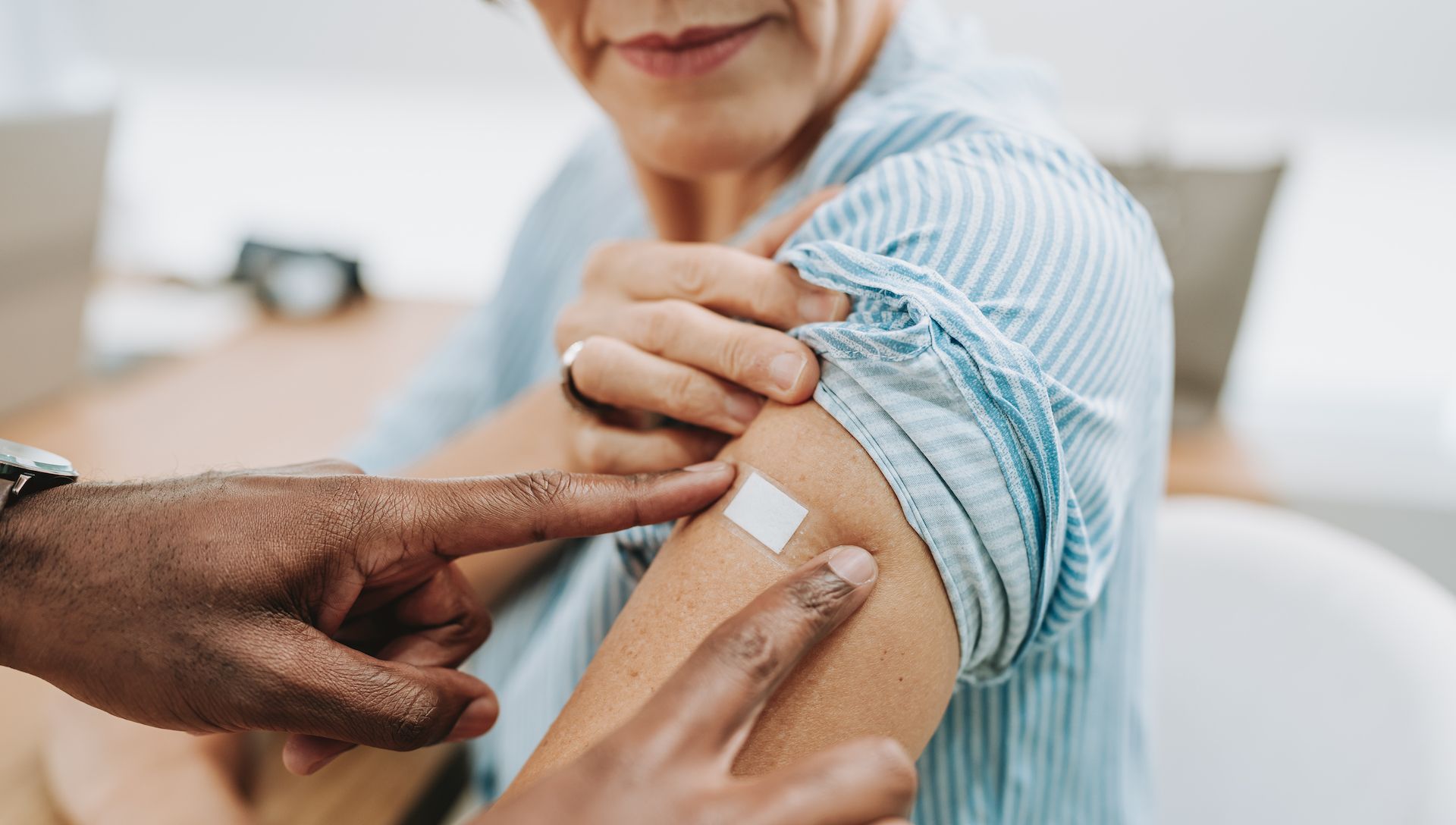
a woman receives a vaccine

Everyone ages 6 months and older is recommended to get a flu shot, and older adults have several options, including high-dose, adjuvanted and mRNA vaccines. (Image credit: andreswd via Getty Images)

When to get vaccinated

Everyone 6 months and older is recommended to get an annual flu vaccine.

Influenza is especially dangerous for children under 5, adults 65 and older, people with chronic health conditions and pregnant people, as these groups are more prone to severe infections. Serious cases of flu can lead to complications such as pneumonia, sepsis, and brain or heart inflammation, and in some cases, they can be deadly. Tens of thousands of people die of flu each season in the U.S.

For flu vaccination, timing matters. The CDC generally doesn't recommend vaccination in July or August for most adults, because the shot's protection can wane over the course of a season. But with flu arriving early, "October is the ideal time to get vaccinated, and even more so right now," Schaffner said.

When circulating strains' features differ from those captured in the vaccine, "that usually predicts a more difficult season," Offit said. That said, it's too early to know if this year's flu shots are a good match for the circulating flu viruses.

Protection begins building right after you get the shot, but it takes up to about two weeks to reach full strength.

How much protection a flu vaccine offers varies by season, depending partly on how well its formulation matches the strains that circulate. Offit said that protection against symptomatic illness varies by age group and that the vaccines are "a little more effective" at preventing more severe illness. In terms of flu cases that prompt people to seek medical care, the shot has been 29% to 56% effective over the past decade, the CDC estimates.

While the vaccines are less reliable at preventing mild cases of flu, Schaffner said, they work best at "keeping you out of the hospital, keeping you out of the intensive care unit, and keeping you out of the cemetery."

The CDC's 2026-2027 guidance keeps its recommendation of an annual flu vaccine for everyone 6 months and older, with high-dose and adjuvanted shots preferred for adults 65 and older. (Adjuvanted shots contain an extra ingredient to help rev up the immune system.)

There's also a new option: In August, the Food and Drug Administration approved mFlusiva, the first mRNA flu vaccine, for adults 50 and older. (You can find out where mFlusiva shots are available near you using Moderna's vaccine finder.) With the mRNA shot, "you're less likely to get symptomatic disease," Offit told Live Science.

Traditional flu shots contain purified pieces of the virus itself, Schaffner explained. With mRNA, the vaccine contains a "blueprint" of those proteins β€” essentially a set of genetic instructions that the body's cells then use. In mFlusiva's case, those instructions code for hemagglutinin (the protein on the virus's surface that it uses to latch onto human cells) from each of three flu subtypes, Offit said. The mRNA then breaks down in the body, Offit noted. It "cannot influence human genetic material," Schaffner emphasized.

Whether this early start gives way to a heavy flu season should become clearer in the coming weeks, as the CDC's weekly surveillance reports will show whether cases keep climbing beyond the West.

This article is for informational purposes only and is not meant to offer medical advice.

Why are dengue cases surging in Florida this year? An 'unlucky' combination of factors, experts say

8 October 2026 at 11:00

Cases of dengue fever are surging in Florida, spurring several counties to declare a state of emergency.

The state has seen 497 reported cases so far this year. Of those, 252, or about 51%, were caught locally, rather than brought to the state by travelers. The Florida Department of Health confirmed one woman's death from dengue fever in early September, marking the state's first known dengue death in almost a century.

Prior to the past few years, most dengue cases reported in Florida were the result of travel. In other words, people caught the disease in other countries and then traveled to Florida, where their case was then diagnosed. At 245, the number of travel-related cases reported this year is not unusually high, Caroline Waddell, a public health researcher at the University of Florida, told Live Science in an email. However, the number of cases caught from local mosquitoes is more than five times higher than at this point in the year compared with any of the previous four years, she said.

Why are local dengue cases especially high this year? Live Science spoke with experts to find out.

A growing global health concern

Dengue fever is caused by the virus Orthoflavivirus denguei, which spreads from mosquitoes to people through the pests' bites; it doesn't spread from person to person. Aedes aegypti and Aedes albopictus mosquitoes transmit the virus to humans, and the same species can also carry the viruses behind yellow fever, Zika and chikungunya.

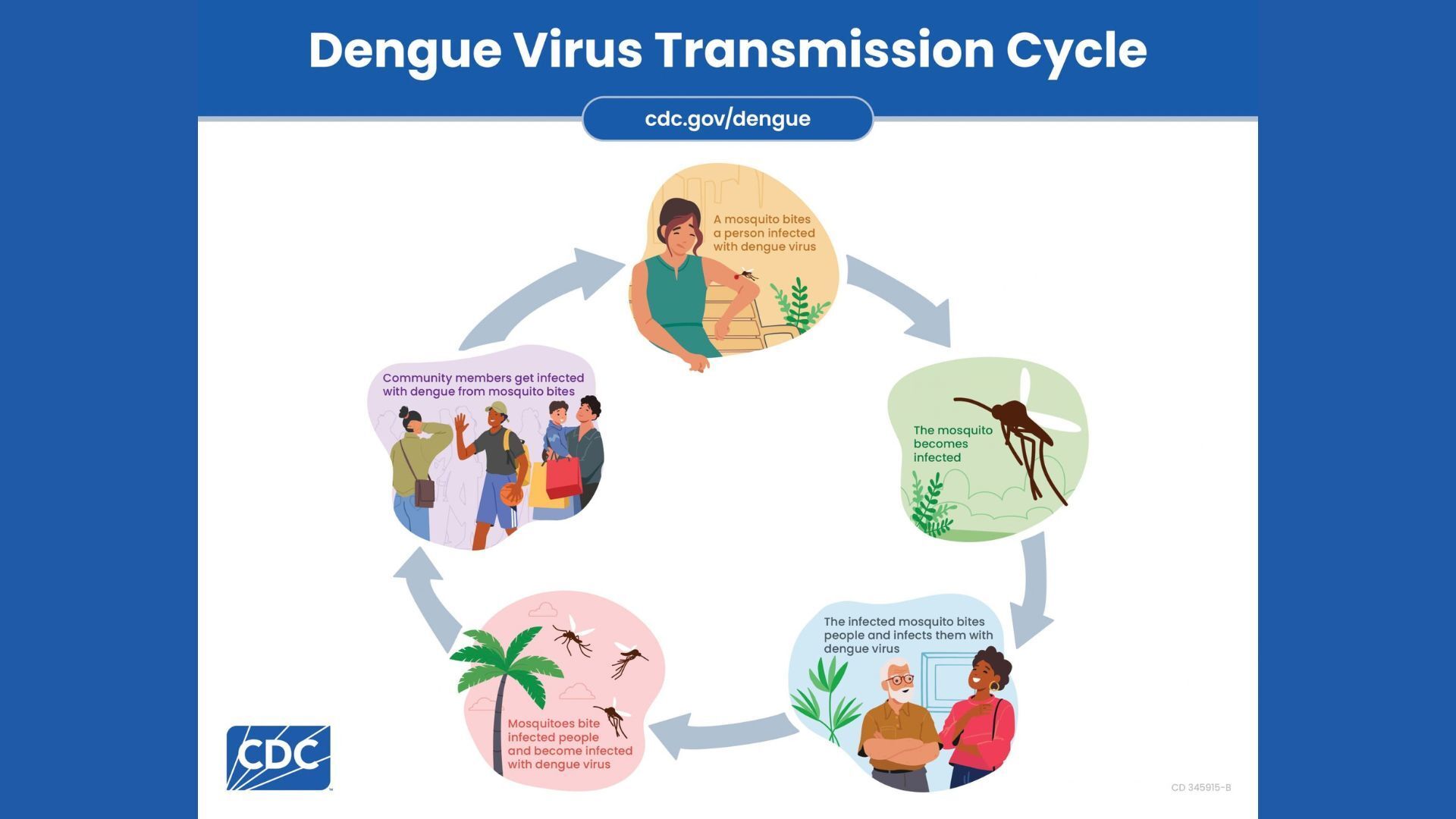
A diagram depicting how dengue spreading from mosquitoes to people

Mosquitoes capable of carrying dengue pick up the virus from people and then spread it to additional people via their bites. (Image credit: Centers for Disease Control and Prevention)

About 100 million to 400 million dengue infections happen annually worldwide, with about 800 cases reported in the U.S. historically, although that number has increased recently. Only about 1 in 4 people exposed to the dengue virus develop symptoms, which can include fever, headache, body aches, nausea and rash. About 1 in 20 cases become severe, and immunocompromised people, children, older adults and pregnant people are especially susceptible to these serious infections.

Severe symptoms can include abdominal pain, vomiting, difficulty breathing and bleeding of the gums or nose. The most severe forms of the infection can lead to leaky blood vessels, severe bleeding, shock, organ dysfunction and death. There is no specific treatment for dengue, so care focuses on managing symptoms and maintaining patients' vital signs.

Dengue has escalated as a global health concern in the past few decades. Between 2000 and 2019, global cases of dengue increased tenfold; between 1990 and 2021, dengue-related deaths doubled. Scientists say this surge is likely driven by climate change, since rising temperatures expand Ae. aegypti mosquitoes' range, in turn exposing more people to the insects' bites. Plus, warmer conditions speed up mosquitoes' life cycles and the dengue virus's replication rate, thereby boosting transmission.

International travel also factors into these rising case counts. In 2023, dengue spikes around the world were attributed to the resurgence of global travel following the COVID-19 pandemic.

Zooming in on Florida

As the global picture has worsened, dengue cases in the U.S. have also increased.

Nearly 3,800 cases were reported in 2024 β€ͺ—‬ an increase of more than 300% above the annual average for the previous 10 years. The uptick was tied to a rise in travel-associated cases, reflecting the wider global surge, as well as to warming temperatures that brought dengue-carrying mosquitoes to new regions of the U.S.

Since approximately 75% of dengue infections are asymptomatic, the virus can circulate within a community without being readily detected for some time.

Keira Lucas, deputy executive director of the Collier Mosquito Control District

Each year, Florida experiences dengue outbreaks in the southernmost parts of the state, such as Miami and the Florida Keys, Panpim Thongsripong, a disease ecologist at the University of Florida, told Live Science. Historically, outbreaks in Miami typically totaled around 50 or fewer cases. But then a 2019 outbreak resulted in over 200 cases, and from 2022 to 2024, outbreak totals have ranged from about 500 to 675 cases.

The outbreak currently unfolding in Florida centers on Hillsborough County, which is farther north and includes Tampa. This is unusual, Thongsripong said, as this region of the state normally sees just a few sporadic cases. Hillsborough County has reported 223 of the state's 252 locally acquired cases this year, and it's where the one dengue-related death took place.

Florida's health department regularly traps mosquitoes and tests them for viruses. So far this year, 20 pools of mosquitoes have tested positive for dengue across seven counties, and 19 of those positive pools were sampled from the greater Tampa area. In 2025, only four mosquito pools throughout the state tested positive, and in 2023, one mosquito pool did.

"Finding positive mosquito pools is rare in Florida because dengue is not endemic to the state," said Keira Lucas, deputy executive director of the Collier Mosquito Control District. "In many ways, it can be like looking for a needle in a haystack," she told Live Science.

Routine mosquito trapping is a relatively inefficient method for detecting viruses, though, Lucas said. As such, detecting dengue-positive mosquito pools may indicate that a large amount of transmission is already unfolding. "Since approximately 75% of dengue infections are asymptomatic, the virus can circulate within a community without being readily detected for some time," Lucas explained.

In addition to Hillsborough, neighboring Pasco and Pinellas counties have declared local states of emergency over dengue.

An unlucky combination of factors

So what's driving the unusual dengue activity this year?

In the past, Florida's local dengue outbreaks tended to be concentrated in the South, which saw moderate rainfall, warmer temperatures and more travel-related dengue cases compared with the rest of the state, according to a 2022 study in the journal Insects. With the outbreak concentrated farther north this year, that could suggest changing climatic patterns are making additional parts of the state especially hospitable to mosquitoes and the virus. That wouldn't necessarily explain why Tampa is seeing more local cases than Miami this year, but it could nonetheless be a factor in the overall trend.

For the virus to persist in local mosquitoes, dengue still needs to be reintroduced periodically through travel-related cases. Because the virus is not yet endemic to the state, it doesn't regularly circulate in local mosquitoes; however, a somewhat predictable "dengue season" has been emerging that coincides with upticks in international travelers carrying the virus to Florida.

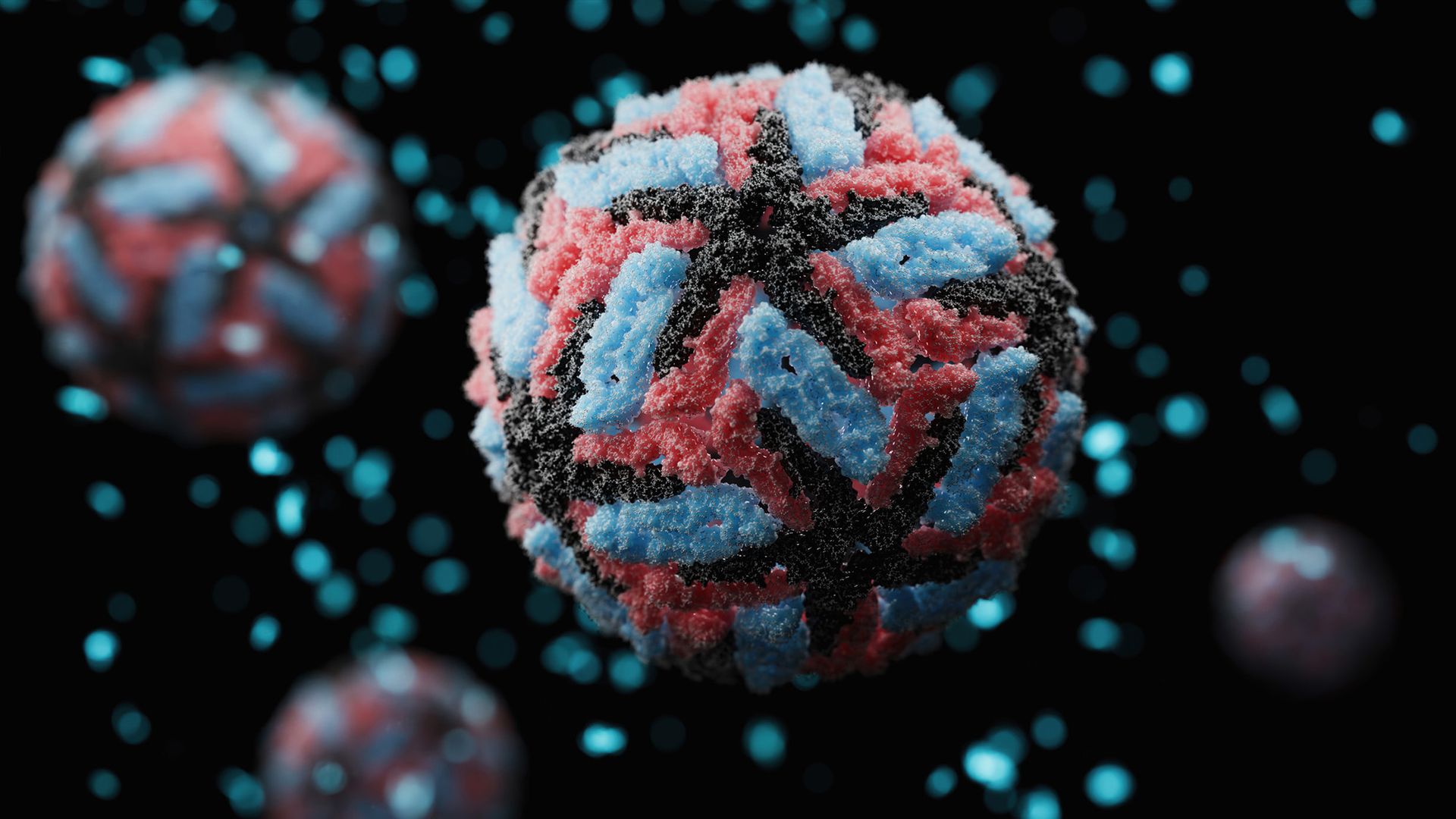
Spheres of red and blue and black against a dark background

The dengue virus is a member of the Flaviviridae family, meaning it's closely related to the Zika virus and yellow fever virus. (Image credit: koto_feja via Getty Images)

This year, though, the high number of locally acquired dengue cases suggests a shift from predominantly imported infections toward outbreaks spurred by local Florida mosquitoes. Scientists hypothesize that climate change could increase local transmission in Florida even more in the future.

This year, Florida has also been enduring its most intense drought in over a decade. In theory, that might be expected to limit mosquito populations because the pests need water to breed, Lucas said. However, when it's dry, people tend to run their sprinklers more, creating mosquito breeding grounds when puddles form or containers fill up, she noted. This could bring mosquitoes closer to people, as it creates opportunities for them to breed.

Ae. aegypti mosquitoes are especially well adapted to living alongside humans, as they prefer to breed in human-made containers. Droughts can also drive dehydrated mosquitoes to bite more as they hunt for fluids.

"It's almost like an unlucky [combination]," Thongsripong said. "Everything coming together at the right time and right place, and boom, you have the conditions for an outbreak to occur."

The true number of dengue cases may be even higher than reported, Waddell said. The cases captured in the data include infected individuals who went to a doctor to get tested. Because many infections are mild or asymptomatic, additional people may have contracted the virus but never got counted.

What can be done

It's too early to definitively say what factors have increased Florida's dengue cases this year, Thongsripong said, as scientists are still gathering information. Despite the unknowns, she thinks the health and housing infrastructure in the U.S. will stop dengue from becoming too dangerous here.

To get dengue under control, it's key for government-level mosquito control efforts to coordinate and for the public to be aware of the virus, Lucas said. The mosquito control district coordinates with the health department for the latest data to best target where to spray larvicide, which kills mosquito offspring before they can bite people, she said.

It's important for people to use mosquito repellent when going outside, Thongsripong said, as well as to empty water from objects that can collect water and become a mosquito breeding ground, such as pets' water bowls, plant saucers, buckets or discarded tires.

Due to this year's strong El NiΓ±o, Florida is expecting a rainier winter, which could mean even more mosquitoes than usual, Lucas noted. That, in turn, could fuel additional dengue cases.

"Cases with September onsets are still being reported," Waddell said, "so we're not out of the woods."

This article is for informational purposes only and is not meant to offer medical advice.

Mpox is still spreading in the US β€” here's what to know about vaccines, symptoms and treatment

6 October 2026 at 11:00

Mpox is an infectious disease caused by a poxvirus, meaning a virus in the same family as smallpox. The infection was formerly known as monkeypox.

Historically, mpox was endemic to Africa, and the virus consistently spread in the continent's central, eastern and western regions. In 2022, an unprecedented global outbreak spurred the widespread transmission of mpox in places that had seen only sporadic cases in the past.

Today, many countries affected by that outbreak β€” including Germany, Portugal and the United States β€” are still contending with local mpox transmission. Here's what to know about the virus, how it spreads and how to prevent infection.

What to know about mpox in the U.S.

Mpox is still spreading at low levels in the United States and may soon be considered endemic to the country. While case counts have fallen dramatically since the peak of the global outbreak in summer 2022, some people are still advised to get vaccinated against the virus.

Who should get vaccinated for mpox?

The mpox vaccine currently used in the U.S. is called JYNNEOS. One dose is about 35% to 86% effective, while the complete two-dose series is 66% to 90% effective. (The effectiveness varies, in part, because some studies include people with HIV and people without HIV, and inadequately treated HIV can undermine the body's response to vaccines.)

The JYNNEOS vaccine is not currently recommended for routine use in the general population because, beyond vulnerable groups, the risk is not high enough to warrant a universal vaccination strategy. The current outbreak is primarily affecting men who have sex with men, and those sexual networks are the primary targets for JYNNEOS vaccination.

However, not all men who have sex with men need to be vaccinated, according to the Centers for Disease Control and Prevention (CDC). Instead, vaccination is recommended for a specific subset of the group, including those who, in the last six months, have had more than one sex partner, have had sex at commercial sex venues, or have been diagnosed with other sexually transmitted diseases.

Nonbinary and transgender people with these risk factors are also recommended to get two doses of JYNNEOS, as are any sexual partners of anyone in the above groups.

Vaccines are also recommended after a suspected exposure to mpox, as they can help prevent or reduce the severity of the infection.

"For those who are eligible and have not yet completed vaccination, now is a good time to talk with a healthcare provider about getting protected," Dr. Demetre Daskalakis, chief medical officer of Callen-Lorde, an LGBTQ+ community health center in New York City, told Live Science in an email.

With the exception of laboratory researchers who work with mpox, people who have received two doses of JYNNEOS are fully vaccinated and do not need a booster, he said. And if a person has caught mpox in the past and recovered, they do not need to get a vaccine, he added.

close up of a health care worker's gloved hands as they draw the jynneos vaccine out of a vial and into a syringe

Individuals who are recommended to get vaccinated against mpox should get two doses of the JYNNEOS vaccine. (Image credit: PATRICK T. FALLON/AFP via Getty Images)

About the virus

The poxvirus family also includes smallpox, which has been eradicated worldwide. Mpox and smallpox cause some similar symptoms, but mpox tends to be far milder than smallpox. However, the viruses are closely related enough that vaccines designed to prevent smallpox can also protect against mpox.

Mpox was initially named monkeypox because the virus behind the disease was discovered in captive monkeys in Denmark. But monkeys are not the main hosts of the virus in the wild; rodents and small mammals mostly found in West and Central Africa likely are. Health officials changed the name to mpox in 2022.

There are two major branches of the mpox family tree, called clade I and clade II. These clades were historically thought to have very different death rates, with clade I being the deadlier of the two. The case-fatality rate (CFR) of clade I has been estimated to range from 1.4% to over 10%, depending on the outbreak, while the CFR for clade II has been estimated at between 0.1% and 3.6%.

However, as both clades have spread beyond Africa, data suggests that the CFR for clade I may be lower than once thought, said Joel Wertheim, a professor of medicine in the Division of Infectious Diseases and Global Public Health at the University of California, San Diego.

The features of a given outbreak β€” such as the surrounding health infrastructure, patients' access to timely medical care, and the population's underlying risk factors for severe disease β€” likely play a big role in determining the virus's death toll, Wertheim told Live Science. In short, rather than being an immutable feature of the virus itself, the CFR is dependent on the underlying health of and resources available to a given population.

How mpox spreads

Mpox can spread from infected animals to humans through the animals' bites or scratches. Additionally, people can get the virus when they come into close contact with animals and/or their bodily fluids during hunting, skinning, trapping, cooking, eating animals or handling carcasses, the World Health Organization (WHO) notes.

The virus also spreads from person to person, primarily through very close contact, including intimate contact during sex. The virus typically enters the body through broken skin, the respiratory tract or mucous membranes (thin tissues found in the eyes, nose, mouth, anus and genitals), spreading via bodily fluids such as spit, mucus or blood. People can also pick up the virus via objects, such as clothing or linen, that are contaminated with the bodily fluids of an infected person.

The virus can spread through small respiratory droplets expelled during speaking or breathing. However, this is thought to be a less-common transmission route than close contact. There is also evidence that asymptomatic spread sometimes occurs, though it's unclear how frequently that happens.

Mpox can spread from mother to baby during pregnancy or birth. This route of infection can result in pregnancy loss, stillbirth, death of the newborn, or complications for the mother.

Symptoms of mpox

text across the top reads:
Centers for Disease Control and Prevention, National Center for Emerging and Zoonotic Infectious Diseases (NCEZID), Division of High-Consequence Pathogens and Pathology (DHCPP)
a graphic that reads
Centers for Disease Control and Prevention, National Center for Emerging and Zoonotic Infectious Diseases (NCEZID), Division of High-Consequence Pathogens and Pathology (DHCPP)

Symptoms of mpox typically appear within a week of a person being exposed to the virus, but they can sometimes take up to 21 days to develop. Once they emerge, symptoms last about two to four weeks, although the illness can linger longer in people with weakened immune systems.

Common symptoms include rash (see images), fever, sore throat, headache, muscle aches, back pain, swollen lymph nodes and low energy. Often, mpox rashes first appear on the face and then spread to other parts of the body; however, if a person becomes infected during sex, the rash may instead start around their genitals. The rashes begin as flat, discolored patches of skin and then progress into raised bumps, blisters, and large, pus-filled pimples that eventually scab over and fall off.

Some people with mpox develop painful swelling of the rectum (proctitis), while others have pain and difficulty when peeing (dysuria) or when swallowing.

Mpox rashes can make people vulnerable to bacterial skin infections, which can cause abscesses or other serious skin damage. Additional complications of the illness include pneumonia, infection of the cornea that can cause vision loss, and vomiting and diarrhea that causes dehydration or malnutrition. Mpox can also lead to blood infections, the intense immune reaction sepsis and, rarely, brain infections (encephalitis) or heart inflammation (myocarditis).

Children, pregnant people, and people with weakened immune systems, including from HIV infection, have a higher risk of serious illness and death from mpox.

Mpox prevention measures

Beyond vaccination, other strategies to decrease the risk of mpox infection include washing hands frequently, avoiding contact with contaminated objects and materials used by people with mpox, avoiding contact with other people's scabs or rashes, and using condoms, although they may only reduce, not eliminate, the risk of mpox exposure during sex.

Mpox treatment

Mpox treatment aims to manage a person's rashes and pain while also preventing complications. "Early and supportive care is important to help manage symptoms and avoid further problems," according to the WHO.

There is no antiviral drug approved for use in mpox, although some are available for emergency use in various countries. For example, the U.S. allows the use of certain smallpox medicines for mpox.

Severe mpox infections also may be treated with vaccinia immune globulin intravenous, which contains antibodies taken from the blood of people who were immunized against smallpox.

People who have recently been exposed to mpox can be given an mpox vaccine to reduce the severity of their symptoms or to prevent the illness altogether. This approach is known as post-exposure prophylaxis, or PEP.

"Post-exposure vaccine should be given as soon as possible, ideally within 4 days of exposure; administration 4 through 14 days after exposure may still provide some protection against monkeypox," the CDC states.

'Mpox has not disappeared': Why the infectious disease is still spreading in the US and may be here to stay

6 October 2026 at 11:00

Mpox spread across the world in 2022, triggering tens of thousands of cases in countries where the infection was once rarely seen. Although the disease has since fallen out of news headlines, mpox (formerly called monkeypox) continues to circulate. Now, recent data suggests that the viral illness may soon be endemic to the United States, meaning it will circulate in the country consistently.

Previously, mpox cropped up sporadically in the U.S. via travelers who had visited African countries where the disease is endemic, as well as imported, infected animals that spread the virus to people. Cases have fallen substantially since the peak of the outbreak in 2022, but they haven't disappeared. A report published in August found that there were 2,800 cases in 2024 and over 2,500 in 2025, with only a small fraction being tied to travel. Nearly all of the viral samples analyzed were descendants of the strain that sparked the 2022 outbreak. In short, once the virus arrived, it never went away.

"There's no set threshold for what constitutes endemicity of monkeypox virus (MPXV) in the United States," Ryan Standford, an epidemiologist in the Centers for Disease Control and Prevention's (CDC) Poxvirus and Rabies Branch and co-author of the report, told Live Science in an email. "But each year provides further evidence of this transition."

Why is mpox still spreading in the U.S., and what can be done to snuff it out? It's likely that too few people have received two doses of the mpox vaccine JYNNEOS, which together are 66% to 90% effective. But beyond low vaccination, there may be other, less-understood factors that are contributing to the continued spread, experts told Live Science.

"We don't quite know how it's able to persist at such low numbers across the entire country," said Joel Wertheim, a professor of medicine in the Division of Infectious Diseases and Global Public Health at the University of California, San Diego.

Who should get vaccinated?

Find out who is recommended to get an mpox vaccine in the United States, and also learn about the infection's common symptoms and available treatments.

At the same time, public health efforts around mpox have dwindled. Without a sustained effort on that front, it's unlikely the disease will be eliminated from the U.S.

"We have vaccines, testing, and a much stronger understanding of the disease than we did in 2022," Dr. Demetre Daskalakis, chief medical officer of Callen-Lorde, a LGBTQ+ community health center in New York City, told Live Science in an email. "Our focus now should be making sure those tools remain accessible, especially for communities that continue to face ongoing risk," said Daskalakis, who coordinated the nation's mpox response during the previous presidential administration.

"People at increased risk should know that mpox has not disappeared."

Who is at risk of mpox in the U.S.?

In the U.S., mpox is predominantly affecting men who have sex with men, and current vaccine recommendations are aimed at this group and their sexual partners. Mpox mostly spreads from person to person through close contact, and transmission during sex is playing a major role in the ongoing spread in the U.S.

Men who have sex with men are not more prone to mpox infection than anyone else. Rather, this transmission pattern stems from the outbreak beginning within a specific sexual network and then continuing to persist within the same network. "The mpox virus rediscovered the same transmission network that HIV had explored decades earlier," Wertheim said.

In a paper published in 2025, Wertheim and colleagues described the transmission dynamics of mpox in New York City during the 2022 outbreak. Similar to how HIV previously spread, mpox triggered "densely connected" clusters of infection. Then, as people in the network gained immunity via infection and vaccination, the cases petered out, decreasing to the persistent trickle we see now.

Wertheim noted that he's not surprised that mpox has remained largely confined to the same network, rather than leaping into new groups.

"From an evolutionary, ecological perspective, it's not hugely successful," Wertheim said. "It's sort of barely hanging on as an STI."

text across the top reads:
Centers for Disease Control and Prevention, National Center for Emerging and Zoonotic Infectious Diseases (NCEZID), Division of High-Consequence Pathogens and Pathology (DHCPP)
a graphic that reads
Centers for Disease Control and Prevention, National Center for Emerging and Zoonotic Infectious Diseases (NCEZID), Division of High-Consequence Pathogens and Pathology (DHCPP)

Why is mpox still circulating?

So if mpox is not hugely successful and we have a vaccine, how has the virus continued to circulate? One big factor is that too few at-risk people have been vaccinated, experts said.

The CDC's Center for Forecasting and Outbreak Analytics has crunched the numbers to see what percentage of that at-risk group needs to have immunity to stop mpox transmission, Daskalakis said. The at-risk group is estimated by counting the men who have sex with men who are either taking HIV-preventing medicines or have HIV, and then adding 25% to that total to account for additional people in the same sexual network. That estimate comes out to about 2 million people.

To prevent an outbreak bigger than the one in 2022, between 21% and 35% would have to have immunity through vaccination or a past infection. If over 50% of the group had immunity, that would mean there's a "very small probability" of sustained local transmission, the CDC's modeling suggested.

The current case counts suggest we haven't hit the 50% mark, or a total of roughly 1 million complete vaccinations or past infections.

Data from the August report on mpox seems to support the idea that too few people are vaccinated. That said, information about vaccination status was missing for about 62% of the reported cases. Among the remaining cases, 76% were unvaccinated, while 10% had gotten one dose and 14% had gotten two.

In a subset of 860 cases, the effect of vaccination was striking: Unvaccinated people had nearly 10 times higher odds of hospitalization due to mpox than fully vaccinated people did.

As the emergency phase faded from public attention, awareness and risk perception may have declined.

Dr. Demetre Daskalakis, chief medical officer of Callen-Lorde

Waning public health attention

It's difficult to pin down exactly how many at-risk people are vaccinated, given that that data is no longer tracked at the national level. "My understanding is that there's no mandatory reporting on mpox vaccination data," Wertheim said.

The CDC previously monitored national vaccination trends, comparing the number of people vaccinated to the overall at-risk population. But that tracking stopped in early 2024, when about 23% of the at-risk population had been fully vaccinated.

Some states, such as New York, previously mandated that clinicians provide their state health department data on the number of people given mpox vaccines. But that reporting is now voluntary, a spokesperson for the New York State Department of Health told Live Science in an email.

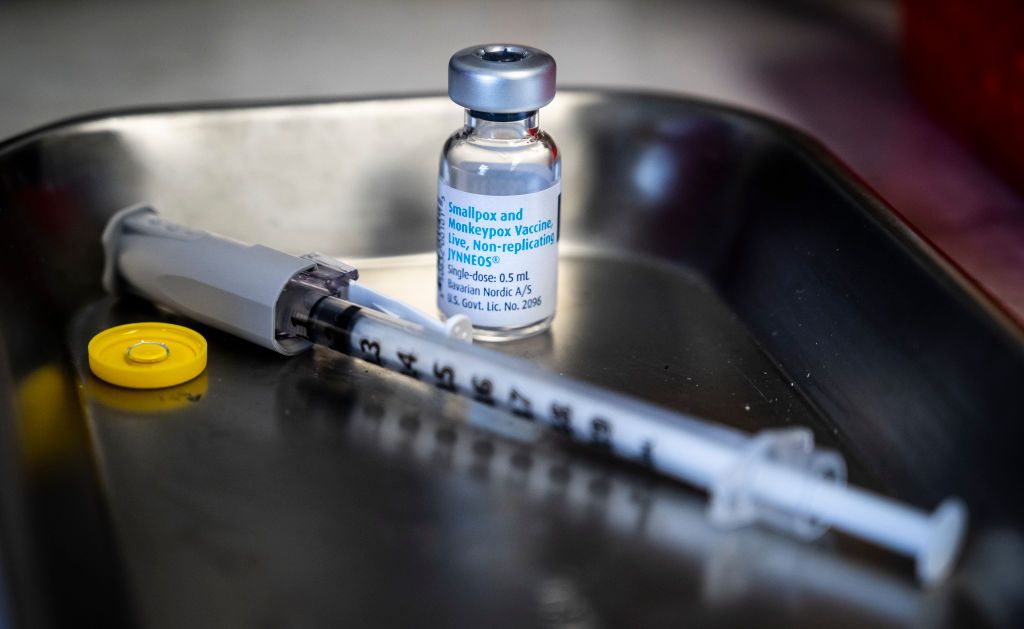
A close up of a vaccine vial and syringe.

People recommended to get the JYNNEOS vaccine need two doses to be maximally protected from mpox. (Image credit: MediaNews Group/Orange County Register via Getty Images )

Meanwhile, "as the emergency phase faded from public attention, awareness and risk perception may have declined," Daskalakis said. Public health messaging about the virus and vaccination has also waned.

"In recent weeks, HHS [the Department of Health and Human Services] has pulled down some of the plain-language guidance, which is not helpful in supporting messaging," Daskalakis noted. This decision to remove online resources about mpox reflects the federal government's current stance against addressing issues that affect LGBTQ+ health, he told Live Science.

Complicating factors

Although JYNNEOS substantially lowers the risk of severe mpox infection, the vaccine is not perfect, said Rachel Roper, a professor of microbiology and immunology at East Carolina University.

The virus typically enters the body through broken skin, the respiratory tract or mucous membranes (thin tissues found in the eyes, nose, mouth, anus and genitals). The mpox vaccine is good at generating systemic immunity, but it's not as good at guarding against the virus's immediate effects at those mucous membranes, said Roper, who studies poxviruses and vaccines against them.

Because mpox is largely spreading through sexual contact that involves those membranes, that slight gap in protection may also help to explain some of the ongoing spread, she suggested.

Plus, "there are also some data supporting asymptomatic infection as a possible route of transmission, making it more difficult to eliminate local transmission of mpox," Daskalakis said.

What can be done?

Given that mpox is already well established within some sexual networks in the U.S., "preventing endemicity entirely may be increasingly difficult," Standford told Live Science.

And notably, some federal funding cuts could undermine efforts to address mpox, Daskalakis said. These include cuts to Medicaid, mental-health services, housing programs, and HIV services such as the Ryan White HIV/AIDS Program.

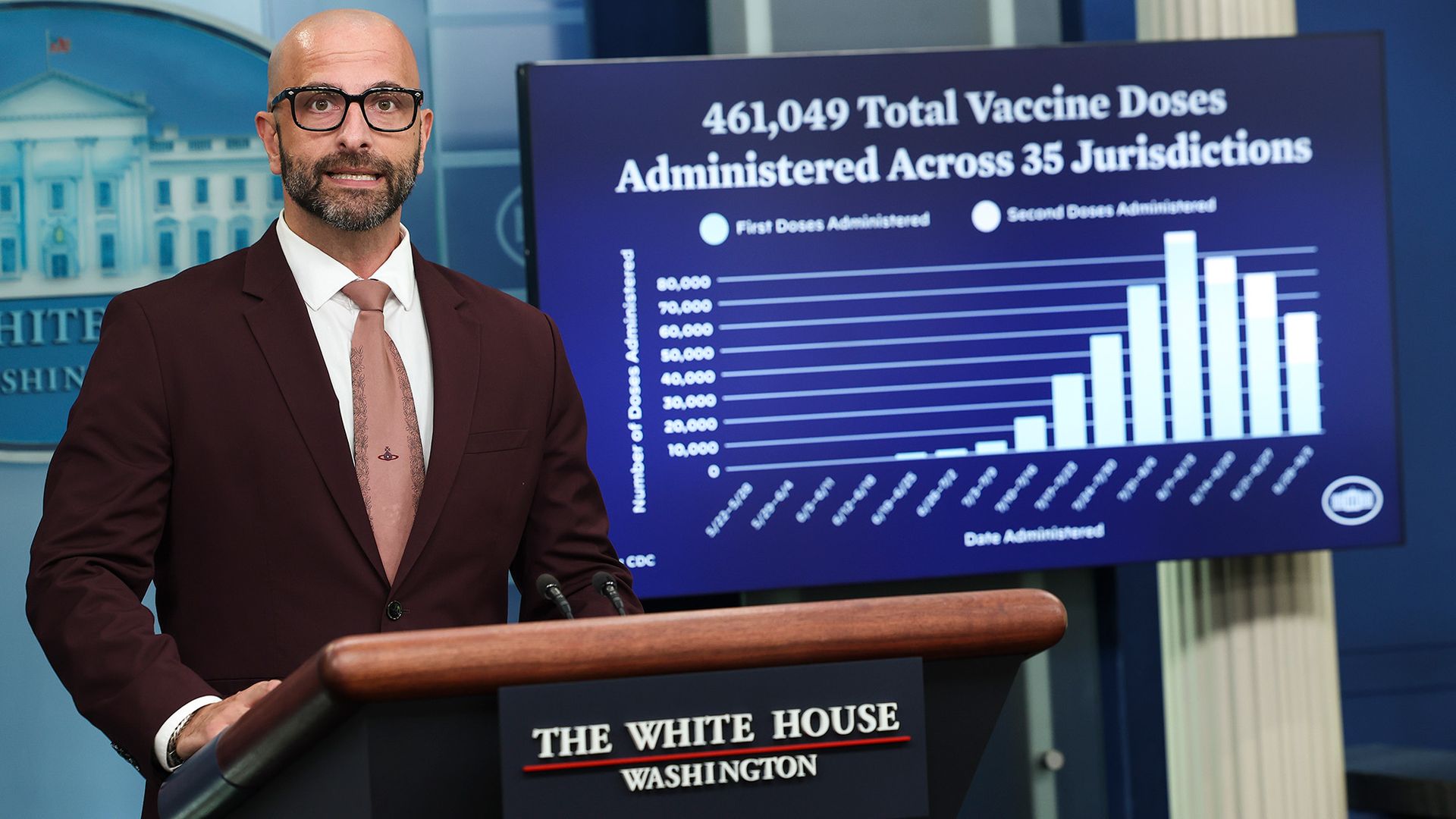
A bald man with glasses wearing a suit and tie stands behind a podium next to a bar chart.

Dr. Demetre Daskalakis speaking at the White House on Sept. 7, 2022, when he provided an update on the administration's response to the ongoing mpox outbreak. (Image credit: Kevin Dietsch via Getty Images)

Thankfully, looking at current mpox trends, "there's no indication we're returning back to 2022 levels," Wertheim told Live Science. So far in 2026, just under 1,000 mpox cases have been reported, according to the CDC. Month over month, the number of cases is generally trending downward. So, at a glance, the current situation seems better than it was in 2025, he said.

"We sort of seem to be on this razor's edge between endemicity and extinction," he said. "And it's not really clear which way it'll go."

Tipping the virus toward extinction will require healthcare providers to be informed and equipped to spot and manage cases, Daskalakis said. And communicating the importance of vaccination is key.

"One lesson from 2022 was that trusted messengers matter," he said. "We [at Callen-Lorde] work closely with LGBTQ+ communities and make information and vaccination opportunities available in settings where people already receive care." The clinic integrates conversations about mpox vaccination into routine health visits, sexual health services, HIV prevention programs and community outreach activities.

Beyond vaccinating at-risk populations, educating patients about how mpox spreads and how to reduce their risk is also key, Standford noted. "Vaccination coverage is a very important factor, but it is not the only one," he said.

Tipping mpox toward extinction will also require enough investment to maintain the disease surveillance, vaccination, testing and treatment capacity that the federal government helped to expand in 2022, Daskalakis said. The vaccine itself is now commercially available to clinics and in adequate supply, he emphasized.

"The fact that we're seeing ongoing circulation underscores the need for sustained prevention efforts rather than viewing mpox as a resolved public health issue," he said. "Infectious diseases don't disappear simply because public attention shifts."

This article is for informational purposes only and is not meant to offer medical advice.

Help us improve Live Science Pro: We're always trying to make our content better. Leave us feedback about Pro here.

1 in 8 cancer cases are caused by infections, underscoring the importance of vaccines, experts say

3 October 2026 at 17:00

About 1 in 8 cancer cases are caused by infections with viruses, bacteria or parasites, a new study finds, suggesting that one of the most effective ways to reduce cancer rates might be to prevent common infections.

In a new analysis published Sept. 28 in the journal The Lancet Oncology, researchers mapped the global impact of 12 cancer-causing pathogens. They estimate that infections drove about 2.3 million new cancer cases in 2024, or about 12% of all cancer cases diagnosed that year.

The study highlights that a large fraction of cancer cases could be avoided if these underlying infections were prevented, Dr. Prashant Mathur, director of India's National Centre for Disease Informatics and Research, who was not involved in the study, told Live Science in an email.

"When combined with other risk factors such as tobacco use, alcohol consumption, appropriate diet, physical activity, and environmental pollution, it is estimated that about 50 to 60 percent of all cancers in India are avoidable," he said. Past studies suggest that similar figures hold on a global scale.

In the new study, the researchers used the Global Cancer Observatory's GLOBOCAN database, which combines data from various cancer registries to estimate that about 20 million new cancer cases were diagnosed in 2024. The team combined that information with other published data examining the prevalence of different infections in people with specific cancers. This enabled them to estimate how many cases were attributable to each infection.

Their analysis focused on 12 pathogens tied to cancer, including human papillomavirus (HPV), hepatitis B and C, HIV and Epstein-Barr virus (EBV), the virus behind mononucleosis. The resulting breakdown revealed that just four pathogens accounted for roughly 92% of the cancer cases caused by infections.

A bacterium called Helicobacter pylori, which infects the gastrointestinal tract, accounted for 760,000 cases, primarily gastric cancers. The other three leading cancer triggers were viruses. HPV accounted for 750,000 cases, including cervical, penile, throat and mouth cancers. The liver-attacking hepatitis B virus was responsible for 360,000 cases and EBV drove 260,000 cases. (EBV is known to increase the risk of throat cancers, as well as certain lymphomas and stomach cancers.)

The scale of the burden contrasts with gaps in prevention. In 2024, just 31% of eligible adolescent girls worldwide received at least one dose of the HPV vaccine, well below the 90% target, the World Health Organization reports. The degree of protection provided by the vaccine is striking in countries that have achieved higher coverage.

"We have now achieved the critically important milestone of cervical cancer starting to disappear in countries that quickly achieved vaccination rates of over 80 percent," said Dr. Rebecca Perkins, an obstetrician-gynecologist at Tufts University School of Medicine who was not involved in the study. "Research from Australia, England, and Finland have shown zero cases of HPV-related cancers or deaths in young adults who received vaccination by age 13," Perkins told Live Science in an email.

But these successes are concentrated in wealthy nations. The Lancet study found that low- and middle-income countries bear 77% of the global infection-driven cancer burden. For example, about 81% of HPV-linked cancers occurred in these countries.

Perkins pointed out that shifting from the standard two-dose HPV vaccine series to a single-dose regimen using the same vaccines could make mass campaigns easier worldwide by lowering costs and eliminating the need to track patients for follow-ups. The single-dose approach has been backed by recent trials.

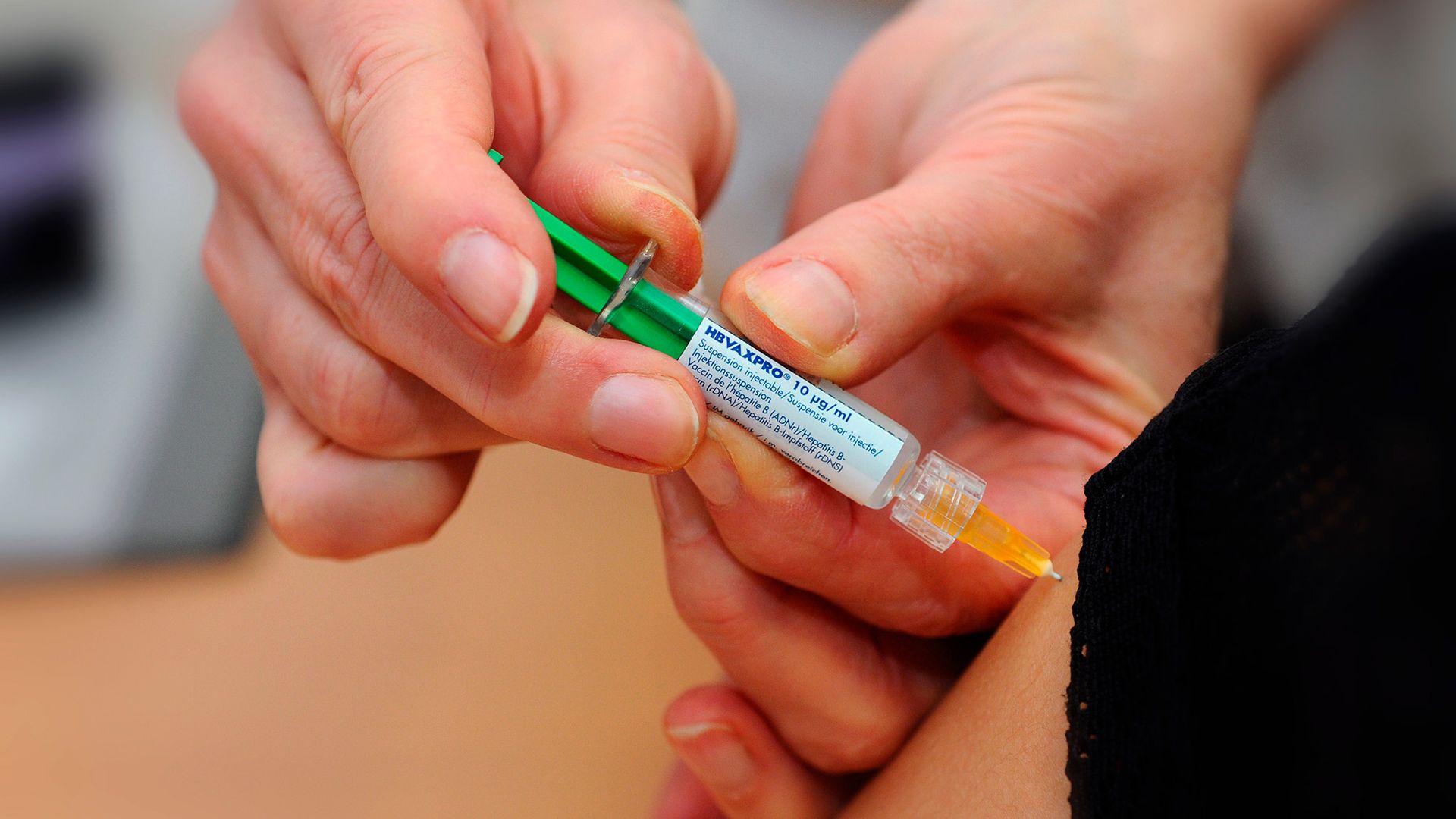
A close up of an orange liquid-filled syringe.

As with HPV, there is a highly effective vaccine for hepatitis B that can help prevent both the infection and related cancers. (Image credit: BSIP via Getty Images)

In the U.S., progress has been uneven across states with some boasting high vaccination rates and others lagging behind. One barrier is that some children's caregivers feel the shots are unnecessary or that their kids are too young to receive it. "The biggest misconception from families is that the HPV vaccine is not needed or that it can wait," Perkins noted. "The reality is that you can't vaccinate too early, only too late."

There is also a highly effective vaccine for hepatitis B, and health officials recommend giving children their first dose as soon as possible after birth. (The U.S. Centers for Disease Control and Prevention recently made the decision to stop recommending universal vaccination at birth, which experts say could raise the country's rates of hepatitis B infections and related cancers.)

While the challenge with HPV and hepatitis B is getting their vaccines into widespread use, there isn't an approved vaccine for EBV yet.

"The biggest hurdle has been the complexity of the virus," said Claire Shannon-Lowe, a tumor virologist at the University of Birmingham in the U.K. who was not involved in the study. "Unlike many other viruses that use just one or two virus proteins to enter cells, EBV uses multiple proteins ... and it hides inside cells for our entire lifetime."

Epstein-Barr infections are also incredibly common, with up to 95% of people infected by adulthood; most people infected with the virus don't develop a related cancer, but it's still a major contributor to the global cancer burden. The germ has also been tied to several autoimmune diseases, which may help spur the development of a vaccine, Shannon-Lowe suggested.

"With the increased impetus following EBV's association with multiple sclerosis and lupus, we may finally have a potential vaccine in sight that could not only prevent virus infection but could help treat EBV-associated cancers," she said.

For H. pylori, meanwhile, researchers are pursuing population-wide testing for and treatment of the infection to help prevent gastric cancer, while vaccine development remains an area in need of further investment.

The true scale of the infection-related cancer burden may be even larger than the study suggested. Some of the registries used in the new research cover only about 19% of the global population, and only 2% of Africa's population. More high-quality data is needed to fill in these gaps.

For Mathur, though, the bottom line is that cancer prevention makes economic sense.

"Studies have clearly demonstrated that the return on investment of prevention on cancers is much higher than on its treatment in the long run," he said. "Preventive aspects must be strengthened for long-term gains."

This article is for informational purposes only and is not meant to offer medical advice.

Does estrogen protect against dementia? And if so, who should take it?

14 September 2026 at 10:00

In women's reproductive years, their brains are exposed to high levels of sex hormones, and their neurons may come to depend on those hormones to function optimally. But leading up to and after menopause, the ovaries produce far less estrogen and progesterone, raising concerns that this drop in hormones may contribute to women's dementia risk.

"We think that the loss of those hormones at menopause renders those neurons more vulnerable to age-related cellular decline and pathologies like Alzheimer's," said Karyn Frick, a neuroscientist and professor of psychological and brain sciences at the University of Wisconsin-Milwaukee.

So, if falling hormone levels are a risk factor for dementia, could replacing those hormones help stave off the disease?

While the idea sounds logical on its face, studies that have looked at hormone replacement therapy (HRT) for dementia prevention have had mixed results. There are early hints that restoring estrogen during early menopause may protect brain health, but ultimately, more gold-standard clinical trials are needed to know for sure, experts told Live Science.

Support for estrogen protecting the brain

The idea that estrogen could help ward off dementia is plausible. Women are more likely to develop Alzheimer's disease than men are, and scientists think the loss of estrogen during menopause may be partly to blame, said Jennifer Bruno, an instructor of psychiatry and behavioral sciences at Stanford University.

Lab and animal studies buttress the idea that estrogen could protect brain health.

In the brain, estrogens act as neuromodulators, or chemical messengers that alter how neurons behave. Estrogen also helps neurons keep their shape. Estrogen loss in female mice triggers a drop in the number of dendritic spines β€ͺ—‬ the small, bud-like bumps on neurons that receive chemical messages.

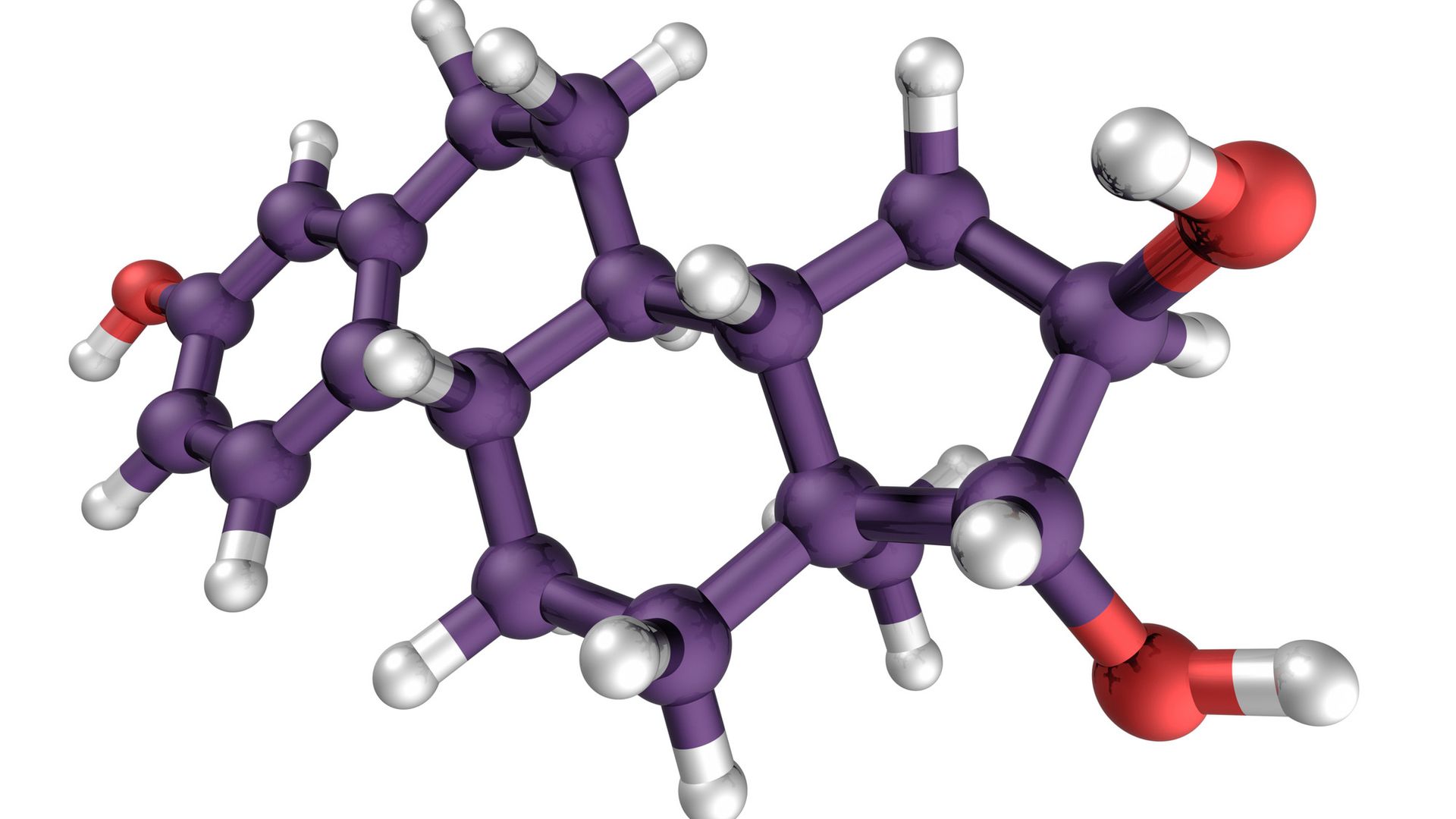
A molecule with purple and red bonds against a white background

An estrogen molecule. The body's levels of estrogen fluctuate in perimenopause, and they then dramatically decline and level off during and after menopause. (Image credit: theasis via Getty Images)

Researchers think that estrogen may help prevent the formation of the abnormal proteins β€” including one called amyloid beta β€” that accumulate, disrupt communication between neurons and ultimately kill cells in Alzheimer's disease. Amyloid beta is produced when a larger protein is cut the "wrong" way by an enzyme, Frick explained. Estrogen promotes the "normal" cutting of this protein, thus reducing amyloid beta, studies in lab mice show.

And estrogen may limit the buildup of a second Alzheimer's-related protein, called tau, by preventing the chemical processes that cause the tau proteins to clump together. This helps prevent the formation of tau tangles, a hallmark of Alzheimer's disease.

The hormone may also support brain health indirectly by improving sleep quality.

"It's well documented that menopausal women have difficulty sleeping, whether it's due to hot flashes or insomnia," Frick said. Estrogen can ease those nighttime hot flashes, thus helping menopausal women get more, less-fragmented sleep. Deep rest may help the brain clean out toxic proteins, while research shows sleep deficiency is linked to Alzheimer's disease.

Mixed results with estrogen-only HRT

HRT for menopause comes in two main forms: treatments that include only estrogen, and combined therapies with both estrogen and progesterone. The treatment has a complicated history.

HRT was popular in the 1990s but fell out of favor after results from the Women's Health Initiative study were published in 2002. That study identified various risks tied to both estrogen-only and combined HRT options, some of which have since been overturned by newer data.

That said, the Women's Health Initiative study found that estrogen-only HRT came with an increased risk of endometrial cancers, and later analyses have backed up this idea. That's why today, clinical guidelines recommend that women who have not gotten a hysterectomy take combined HRT, while estrogen-only options are reserved for those who have had their uterus removed. (The added progesterone counteracts estrogen's thickening effect on the uterine lining.)

For the subset of women who take estrogen-only HRT, observational data published in August showed that this form of the treatment was linked to a reduced risk of dementia. The study, published in the journal Neurology, found that women who took estrogen-only HRT were less likely to show Alzheimer's-related changes in the brain than women who didn't take any HRT.

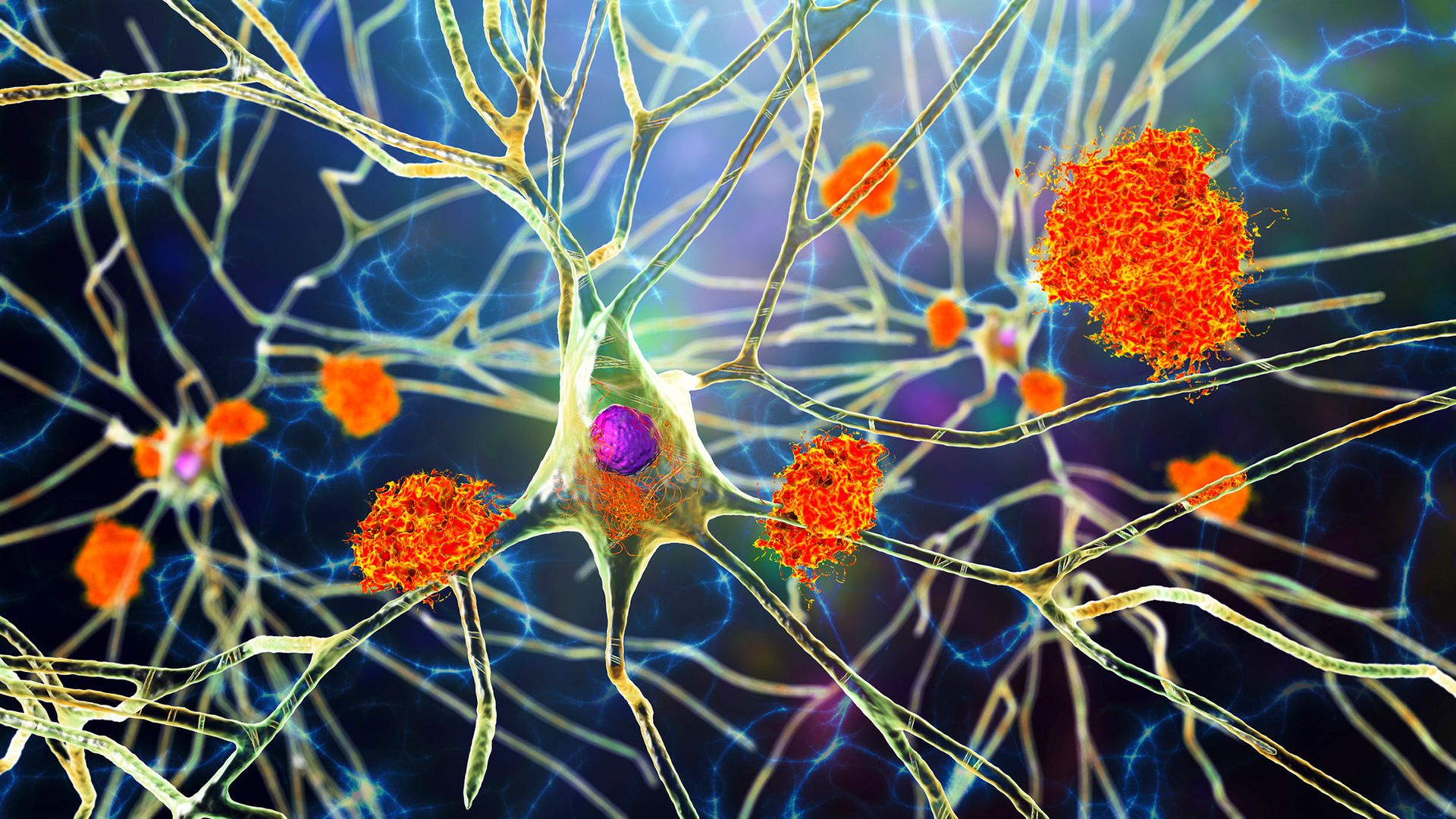
An illustration stringy neurons with orange cells on them.

Laboratory data suggest that estrogen may help prevent the formation and accumulation of abnormal proteins that are related to Alzheimer's. (Image credit: KATERYNA KON/SCIENCE PHOTO LIBRARY via Getty Images)

Estrogen-only HRT was also tied to better clinical outcomes: Treated women were less likely to be diagnosed with dementia, were less likely to show clinical and functional cognitive decline, and had better scores on memory tests, on average, compared with untreated women. These findings drew on two large, separate groups of older women, reporting data from 21,400 people in total, but they didn't include data on when each woman started HRT.

Whereas earlier studies of HRT and dementia risk relied on doctors' ratings of patients' symptoms, the Neurology study measured levels of Alzheimer's-related proteins in the brain after death. That's a more "definitive" marker of disease, said Bruno, a co-author of the study. However, the research was observational, so it can't say whether estrogen-only HRT directly causes the better brain outcomes the team observed, she stressed.

Although the Neurology study's findings are promising, they don't necessarily match the results of other studies of estrogen-only HRT and dementia. For example, a slightly larger observational study, published in 2023, found that estrogen-only HRT was associated with an increased dementia rate.

In that research, most of the women took a type of estrogen called estradiol, while Bruno's study included a greater variety of estrogens. That may have been the difference in the two studies' results, but teasing that out would require further study. Meanwhile, the conflicting findings muddy the waters of what estrogen-only HRT can do for brain health.

Does timing matter?

One big finding from the Women's Health Initiative study was that starting HRT β€” either estrogen-only or combined β€” after age 65 was associated with worse cognitive function and increased dementia risk, said Yuko Hara, director of aging and Alzheimer's prevention at the Alzheimer's Drug Discovery Foundation.

The same may not be true for people who start HRT earlier. For context, menopause starts around age 51 to 52, on average, and it's preceded by perimenopause, a transitional period when hormone levels begin to drop, typically around the mid-40s.

An observational study published in August in the journal Alzheimer's & Dementia found that starting HRT between ages 46 and 56 was linked to a reduced risk of dementia. That study did not differentiate between estrogen-only and combined treatment; it lumped all of the data together.

A close up of a person putting a patch on their arm.

Patches (pictured) are one form of systemic HRT. They deliver hormones through the skin and into the bloodstream. (Image credit: SVPhilon via Getty Images)

The protective link was especially strong in three groups: women with "surgical menopause," triggered by the removal of one or both ovaries; carriers of a certain variant of a gene called APOE that raises Alzheimer's risk; and women who had a relatively short time between their first period and menopause.

A 2024 meta-analysis of randomized controlled trials also found that HRT had a cognitive benefit for women with surgical menopause; that finding was tied mostly to estrogen-only therapies.

However, outside of that specific group, the idea of early HRT protecting brain health is far from settled.

Who might benefit, if anyone?

When it comes to using hormone replacement to protect brain health, the evidence isn't yet strong enough to recommend any kind of HRT as a way to protect the brain in all women, Hara said. Women who had one or both of their ovaries surgically removed are the exception to this rule.

"This is a distinct clinical population because the procedure can cause an abrupt, early loss of estrogen, rather than the gradual hormonal decline that occurs with natural menopause," Hara said.

For most women who have gone through natural menopause, "there is not enough evidence to recommend [HRT] specifically for preventing cognitive decline or dementia," she said.

HRT is not currently prescribed to prevent dementia β€” it is prescribed to ease menopause symptoms, such as hot flashes, night sweats and sleep disturbances. To settle the science on HRT and the brain, what's really needed is a well-designed clinical trial that follows women from perimenopause to postmenopause, Bruno said. That would reveal the effects of HRT on brain health and dementia risk more reliably than the studies done so far.

This article is for informational purposes only and is not meant to offer medical advice.

Help us improve Live Science Pro: We're always trying to make our content better. Leave us feedback about Pro here.

AI trained to 'think' like human pathologists may be better at spotting cancer

12 September 2026 at 13:00

Artificial intelligence (AI) algorithms that hunt for cancer may do a better job when they approach the analysis as if they were a human pathologist, a new study suggests.

Many AI systems analyze preselected regions of a tissue sample, or they split a whole pathology slide into patches of a fixed size. By contrast, a pathologist searches more dynamically, panning across the tissue, zooming in and out, and pausing over areas that raise red flags. A whole slide can contain billions of pixels, while the evidence of cancer may occupy only a tiny patch.

Study co-author Zhi Huang, an assistant professor of pathology and laboratory medicine at the University of Pennsylvania, compared the process to a search-and-rescue helicopter. "You don't start by inspecting one square meter of ground," Huang told Live Science. You scan the landscape first and then swoop in for a closer look.

In the new study, published in July in the journal Nature, Huang and colleagues demonstrated that cancer-detecting AI might work better when it takes this humanized approach.

Training AI to hunt for cancer

AI algorithms called vision language models (VLMs) struggle with the first step that Huang described β€” that initial, cursory scan. That's in part because many pathology AI systems learn from what pathologists leave behind at the end of that search: a labeled image pointing out where the cancer is or an official diagnosis.

Instead, the researchers trained their new AI on pathologists' search behavior. They called this approach to training "Pathology-CoT," short for "chain of thought." It turns observable actions, including where pathologists move around and zoom in on an image, into training data.

To collect the data, the team created a tool that recorded how pathologists moved around a slide and changed magnification. The raw logs, gathered from eight pathologists, were messy, as a given pathologist might drift across a slide, overshoot their intended region of focus or fiddle with magnification to adjust it to their liking.

To clean up the data, the researchers filtered out those incidental movements, focusing on moments that appeared to represent deliberate attention, such as lingering over one view or making a sustained pan. Then, they compared those regions with eye-tracking data to check that the software was capturing where pathologists were actually looking.

For each region a pathologist inspected, the VLM also drafted a short rationale explaining why the region was worth examining and what features were visible; human pathologists could then accept, edit, or reject the rationale, creating additional training data for the AI. In one example, the AI flagged a portion of a slide as potentially metastatic and suggested zooming in to look for atypical cells. Other inspected regions were flagged as healthy tissue.

Ultimately, the researchers used this training method to build a new tool called Pathology-o3. It scans a slide at low resolution, uses a model trained on pathologists' behavior to choose regions worth a closer look, then sends higher-resolution views of those regions to a VLM for analysis.

A close up of a microscope lens looking at a glass slide on the microscope mount.

Pathology-CoT trains algorithms to scan over a whole slide and then return to regions of interest for a closer look. (Image credit: Universal Images Group via Getty Images)

Putting it to the test

Huang said the goal of the new study was not to show that Pathology-o3 worked better than specialized AI models that are specifically built to detect specific types of cancer; those models are often trained disease by disease. Rather, the researchers wanted to see whether their new training approach could help a general-purpose AI navigate a pathology slide more effectively.

They compared Pathology-o3 to other general-use AI systems, such as OpenAI's o3, and asked the algorithms to examine slides containing lymph node tissue. These slides were collected from colorectal cancer cases and some contained metastatic cancer, which human pathologists had already labeled.

The algorithm correctly identified slides that were positive for cancer 100% of the time. However, of the slides it identified as positive, 15.5% were actually negative. By comparison, OpenAI o3 correctly identified slides that were positive for cancer 87.5% of the time. Of the slides it identified as positive, 53.3% were actually negative.

The researchers designed Pathology-o3 to err on the side of flagging something for another look, rather than potentially missing cancer. That might help to explain the rate of false positives, Huang said.

Whether that rate of false alarms is acceptable depends on how Pathology-o3 is used, said Mohammad Asadi, a data scientist at Stanford University who was not involved in the research. It's not precise enough for the AI to diagnose patients on its own, but it could still be useful for a system to point a human toward regions of a slide that are worth double-checking. It may be an advantage that the approach shows the pathologist a specific region to inspect rather than declaring an entire slide suspicious, he said.

The researchers tried repeating the test on an independent dataset that the algorithms hadn't seen before to see how well it worked on unfamiliar slides. Pathology-o3 correctly identified slides that were positive for cancer 97.6% of the time. Of the slides it identified as positive, 37.1% were actually negative. The finding is an example of how AI performance can change when the data source changes, even when the medical task stays the same.

Asadi explained this result suggests the system can still work with slides from a different source. But that result does not yet show that using this tool would make pathologists more accurate or efficient in practice.

Can it help pathologists?

The researchers applied their training approach to several existing VLMs, finding that the models' performance consistently improved after the training. That suggests that the navigation data from pathologists was useful across settings, Asadi said.

For Huang, that is the most important result. "The takeaway isn't our system," he said. "It's that the missing ingredient has been sitting in hospitals this whole time."

The study did not compare Pathology-o3 directly with human pathologists, but the researchers said that wasn't their aim.

"The right question isn't whether it beats a pathologist," Huang said. "It's whether a pathologist working with it catches more [cancer cases] and works faster." The current study did not address the latter question, either, but the team's next experiment is designed to test pathologists on the same cases with and without Pathology-o3, measuring what they catch and how long they take to do so.

The system's most plausible use is as a prescreening tool, Asadi said, but he stressed that the research has not yet shown that doctors who use it become faster or more accurate. Asadi wants an even tougher test: trials conducted across multiple hospitals that measure not just accuracy and speed but also pathologists' workloads. He wants the trails to assess the burden of false alarms from the AI algorithms and whether doctors recognize when the AI is wrong.

Importantly, cancer diagnoses can require information from multiple slides, stains and a patient's medical history, while the current system just reads one slide at a time. "I wouldn't claim it should diagnose on its own," Huang said.

This article is for informational purposes only and is not meant to offer medical advice.

The CDC Is Now Denying That Specific Children Died From Measles, in a Scandal Potentially Beyond Anything in Its History

5 September 2026 at 18:01

After health officials in Pennsylvania found that two young children died from measles, the Centers for Disease Control and Prevention is refusing to count their deaths as being caused by the deadly virus.

β€œThis week’s measles outbreaks update will not include the two measles-associated deaths reported by the Pennsylvania Department of Health on Aug. 25,” the CDC posted on its website, in a high unusual announcement.

It’s a precedent shattering action. The New York Times called it an β€œextraordinary move for the CDC,” breaking with the agency’s long-standing procedure of accepting data shared by states.

The challenge by the CDC comes amid a political showdown between health secretary Robert F. Kennedy Jr, who oversees the CDC, and Pennsylvania’s Democratic governor Josh Shapiro.

At a news conference last week, Shapiro announced the deaths of the two children from measles and condemned Kennedy for spreading vaccine misinformation, saying that β€œthere’s real life consequences for spreading misinformation.”

RFK Jr responded on social media by accusing Shapiro of taking β€œgiddy delight” in their deaths and even suggested he may even β€œfabricated” them. The CDC’s own announcement that it would not be counting the deaths as measles related came just days after the public spat.

According to the latest reporting, one of the deceased was a newborn with a ruptured spleen, and the other was a child of unknown age.Β Both were unvaccinated and tested positive for measles, the Pennsylvania Health Department said, per the NYT. They came from Lancaster County, the center of a measles outbreak where 242 people have been infected with the disease so far, the most in the state.

Conflicting information over the children’s deaths gave rise to the heated controversy.

Though the state’s health department said both deaths were due to measles, Lancaster County coroner Stephen Diamantoni, a Republican, said that his office’s pathologist determined that the newborn β€” which was born infected with virus which it inherited from its mother β€” died of a ruptured spleen, not measles.

But some top medical experts have pushed back against Diamontoni. Measles can enlarge a baby’s spleen and make them prone to rupturing during birth,Β  wrote Paul Offit, a renowned vaccine and pediatric infectious disease expert at Children’s Hospital of Philadelphia, in a widely reported essay on Substack. Once the spleen ruptures, it’s difficult to determine if it was enlarged after the fact.

Offit called on Diamontoni to provide more details surrounding the newborn’s death β€” and that, if it wasn’t measles, to offer an alternative explanation for the baby’s ruptured spleen. Since ruptured spleens in newborns is exceedingly rare and can be caused only by a handful of disorders or infections, he said, if one of those conditions wasn’t found in the child, then the β€œonly obvious cause left would be measles.”

None of this explains why the CDC also refused to count the other child’s death, few details on whom have been released ot the public.

The Department of Health and Human Services, which oversees the CDC, defended its decision in a statement.

β€œThe two measles-associated deaths announced by Pennsylvania have not been confirmed based on the information currently available to CDC,” it said, per the NYT.Β  β€œThe information currently posted reflects the best available information and our commitment to transparency and telling the American people the truth β€” a foundational principle of the Trump administration.”

More on viruses: Authorities Alarmed When Person With Measles Spends Entire Day Frolicking Around Universal Studios

The post The CDC Is Now Denying That Specific Children Died From Measles, in a Scandal Potentially Beyond Anything in Its History appeared first on Futurism.

'It's in the realm of possibility': Climate change is spurring a reemergence of yellow fever, and the US could face future threats

1 September 2026 at 10:00

Yellow fever is appearing in regions that haven't seen cases of the disease in years, largely as a result of climate change.

Historically, the virus ravaged cities across the Americas, Europe and Africa, until a vaccine was introduced in 1937 and its range shrunk significantly. But now, as climate change creates favorable conditions for virus-carrying mosquitoes, scientists are seeing outbreaks in unexpected areas.

"Yellow fever is a highly deadly disease," Dr. Joelle Ivy Rosser, an infectious-disease researcher at Stanford University, told Live Science, "so any environmental pressures that increase the likelihood of future yellow fever virus outbreaks … is highly concerning."

How is climate change contributing to this pattern, and could it get worse in the future?

How rising temperatures impact yellow fever

Yellow fever is a mosquito-borne disease caused by the Orthoflavivirus flavi virus, better known as yellow fever virus (YFV). The infection causes fever, muscle aches, headaches and vomiting. About 15% of cases become severe, with patients showing jaundiced skin and eyes, bleeding from the mouth, eyes, nose and stomach, or organ failure.

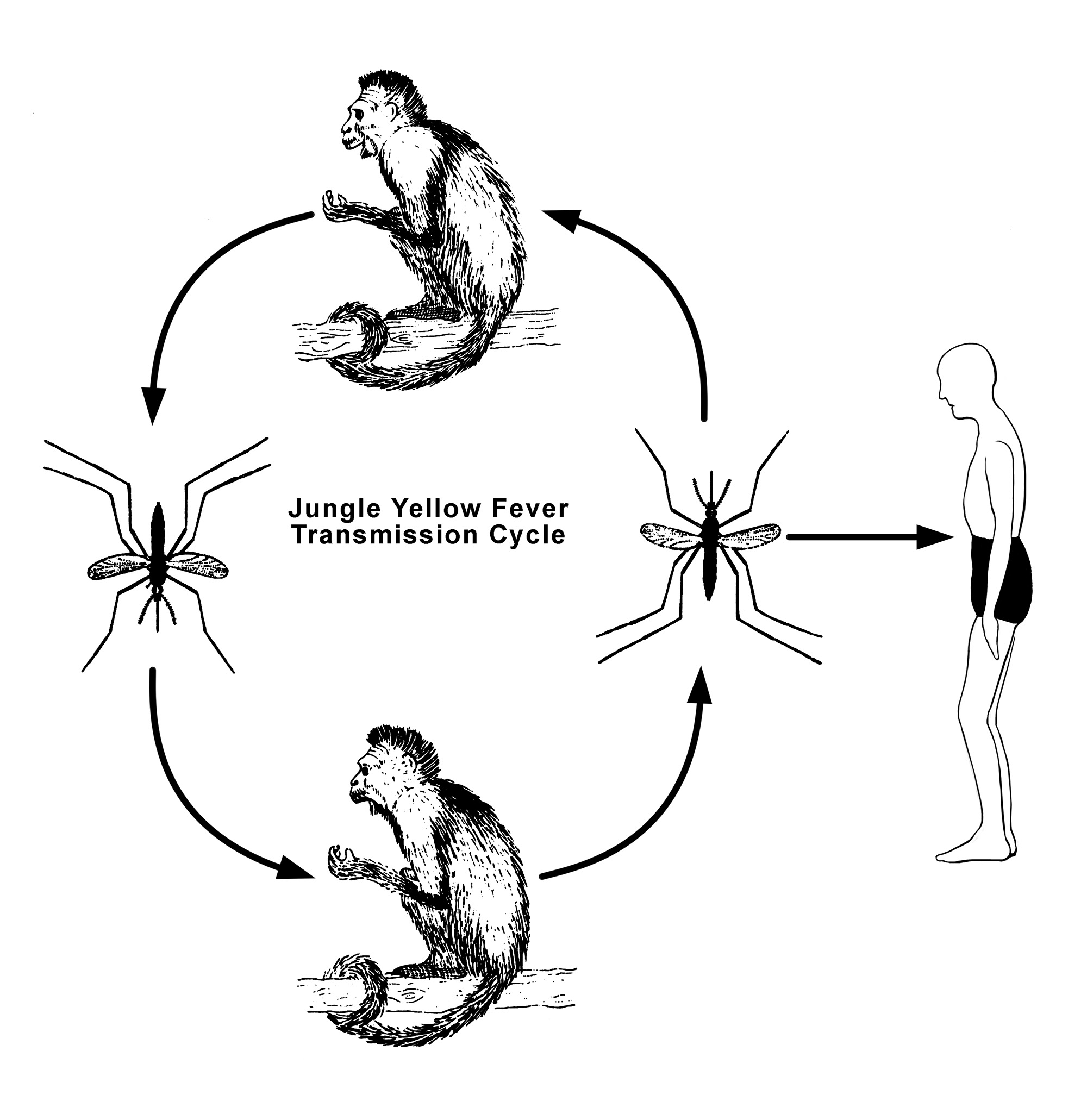
A diagram showing how yellow fever passed from mosquitos to monkeys to man

Primates, such as howler monkeys, carry the yellow fever virus, which then gets picked up mosquitoes that bite the monkeys and later spread the germ to humans. (Image credit: CDC)

Devastating yellow fever epidemics spread in the 17th to 19th centuries, before the development of a vaccine. Nowadays, an estimated 31,000 to 82,000 yellow fever deaths occur each year; severe cases have an estimated fatality rate of 20% to 50%.

Most yellow fever infections are a result of spillover from nonhuman primates; mosquitoes bite monkeys that carry the virus, such as howler monkeys, and then the infected mosquitoes bite humans. Several types of mosquitoes carry the virus, but the species Aedes aegypti is the main vector for yellow fever in cities, where high population density can make outbreaks especially severe.

Although there is an effective vaccine for yellow fever, cases have been on the rise in the past three decades. This led the World Health Organization (WHO) to set out a strategy in 2017 for eliminating yellow fever epidemics by 2026 through outbreak prevention and containment.

Climate-change-driven warming and extreme weather events may have heightened yellow fever risk over the past few decades, experts say. Rising temperatures make mosquitoes bite more because heat makes their metabolisms more active, said Dr. Seth Judson, an infectious-disease physician-scientist at UCLA. Warming also cuts down the virus's extrinsic incubation period, meaning the time it takes for the virus to replicate in a newly infected mosquito and then get passed on to another person, he told Live Science.

Weather patterns and deforestation

Changing weather patterns play a role, too. In 2017-2018, Brazil saw its first yellow fever outbreak in a city in almost a century. That outbreak, primarily in Belo Horizonte and SΓ£o Paulo, was likely a result of drought, according to one study.

Extremes of weather in either direction can exacerbate mosquito-borne disease transmission

Dr. Joelle Ivy Rosser, infectious-disease researcher at Stanford University

While heavy rainfall creates a breeding ground for mosquitoes, in this case, drought pushed forest-based mosquitoes β€” as well as YFV carriers like marmosets and howler monkeys β€” closer to cities as the animals searched for water. Drier conditions can also prompt dehydrated mosquitoes to bite more as they search for fluids, study co-author Jamie Caldwell, a disease ecologist at Princeton University, told Live Science.

"Extremes of weather in either direction" β€” very wet or very dry β€” "can exacerbate mosquito-borne disease transmission," Rosser said.

Parts of Africa and South America that were considered low-risk for yellow fever have already been seeing new outbreaks, Judson said, so maps of yellow-fever-affected areas have had to be updated. In research that's been released as a preprint but not peer-reviewed yet, Judson found that yellow fever is reemerging in an area of the Colombian Andes where it hadn't been reported since 1940.

Experts are paying particular attention to the edges of cities, where urban centers meet the forest. The risk of yellow fever transmission from monkeys to humans via mosquitoes is rising at these edges due to both climate change and deforestation.

"Humans are expanding the agricultural frontier and encroaching on forests where yellow fever mosquitoes … are found," Gabriel Parra-Henao, a biologist with the WHO, told Live Science in an email. "[This] results in more people being exposed to their bites."

Similar patterns have been seen with other mosquito-borne infections, such as malaria.

A series of yellow, spherical virus particles against a white background

The yellow fever virus (pictured) is in the family Flaviviridae, which also includes the dengue and Zika viruses. (Image credit: BSIP via Getty Images)

Could yellow fever return to the U.S.?

Climate change is expected to bring yellow fever to new areas. One study predicts that, under the most severe climate change scenario, nearly a billion people could face their first exposure to the mosquitoes that can carry YFV in the next century. While that worst-case scenario may not be the most likely, the mosquitoes' ranges are still expected to expand under less-severe conditions.

Europe is predicted to face the largest increase in exposure to Ae. aegypti mosquitoes compared to the rest of the world, and the U.S. and Canada are predicted to see increases too. In the U.S., the mosquito species already lives in a number of states, including Florida, Mississippi, Arizona and New Mexico. However, warming would increase the chances of mosquitoes surviving in locations further north, such as Philadelphia and New York, which suffered major yellow fever outbreaks in the past. One model predicts Ae. aegypti could spread as far north as Chicago by 2050.

I think many people don't realize that we're still seeing significant yellow fever outbreaks.

Dr. Seth Judson, infectious-disease physician-scientist at UCLA

Although the mosquito lives in the U.S. already, yellow fever cases are exceedingly rare within the country because the virus is not present in local populations. That's because of an international campaign that the U.S. spearheaded in the 20th century, which involved researching YFV, eradicating mosquito breeding grounds, and vaccinating people widely.

"If yellow fever virus reestablished itself in our local Aedes aegypti population, then that would be very concerning," Rosser said.

One way yellow fever could return to the U.S. would be via people carrying the virus home with them after traveling to regions where the disease regularly circulates. Local mosquitoes could then catch the virus by biting those infected people, and then pass it on to others.

For local transmission to take hold, "there needs to be significant numbers of infections [passed to locals], and infections among travelers," Judson said. "But … it's in the realm of possibility."

With climate change driving resurgences of yellow fever in more places, and more regions of the U.S. becoming hospitable to the mosquitoes, that reintroduction scenario may become more likely. But some scientists think that even if North American cities saw yellow fever outbreaks, the outcome would likely not be devastating. Infrastructure in wealthier cities could be the difference between a disaster and a manageable health concern.

"There's access to medicines and vaccines; we pipe water to our homes, so we don't have standing water around," Caldwell said. "So it is a concern, but it's never going to be the next COVID."

Other experts noted that diligent surveillance of yellow fever infections can help public health officials prepare. In places where yellow fever is circulating in forest primates, forest conservation can limit contact among humans, wildlife and the mosquitoes that spread diseases among them. It's also crucial to make vaccines widely accessible to people who live in the virus's endemic regions and to travelers who visit those regions.

The WHO's yellow fever campaign is set to conclude at the end of this year, and its next steps are unclear. There's ongoing discussion of what comes next, Judson said, with questions about whether the control of yellow fever outbreaks will rely more on national strategies than on international coordination via the WHO.

Whatever happens, this is a time for heightened awareness of the virus, Judson said.

"We think of yellow fever as this historic disease," he said. "I think many people don't realize that we're still seeing significant yellow fever outbreaks. … It's really important to be aware of the risks and think about how we prepare for that."

This article is for informational purposes only and is not meant to offer medical advice.

Authorities Alarmed When Person With Measles Spends Entire Day Frolicking Around Universal Studios

7 August 2026 at 17:53

Even notorious anti-vaxxer and US health secretary Robert F Kennedy Jr had to urge families to vaccinate their children against measles last week.

Despite being an entirely preventable disease thanks to a highly effective vaccine that has been widely available since the 1960s, cases of measles have skyrocketed in recent years, facilitated by a White House that’s declared war on scientific research, made a mess of childhood vaccine mandates, and furthered dangerous misinformation.

As of last week, the US had recorded 2,465 confirmed infections so far this year, already more than the 2,289 total cases in 2025. The last two years saw more total infections than the rest of the 21st century combined, as The Guardian reports, with 2026’s tally beating a 35-year record.

Now, in the midst of all that crisis crisis, a character has stumbled into the narrative who perfectly illustrates how it’s gotten so bad. As the LA Times reports, a measles-infected individual spent a whopping 11 hours at the Universal Studios Hollywood theme park last month, potentially exposing countless other visitors.

The Los Angeles County Public Health Department was forced to issue a stark warning: anybody who visited the amusement park on July 26 during teh hours between 10am and 9pm may have been exposed and should monitor for symptoms including fever, cough, or rash β€” and stay vigilant until August 16.

The virus is contagious up to four days before the characteristic rash appears on the skin, and up to four days after that.

Measles can easily spread through the air through just via talking or breathing, and can persist on surfaces for hours at a time.

The vaccine against it, available as part of the measles, mumps, and rubella combination (MMR) shot, is extremely worthwhile. Two doses are 97 percent effective in preventing a measles infection.

The department also urged β€œeveryone to confirm their immunity and get the vaccine if needed, especially before traveling and attending crowded events.”

California has been hit particularly hard, recording at least three localized measles outbreaks this year so far. However, according to the state’s health department, all three outbreaks have ended.

According to the Centers for Disease Control and Prevention, there have been 38 new outbreaks in 2026 across the country so far this year, with several thousand cases spanning 47 states.

The danger to one’s health is substantial β€” especially to the unvaccinated. According to the CDC, roughly one in five unvaccinated people in the US who get measles are hospitalized. One out of 20 children with measles develop pneumonia. and one to three of every 1,000 children who become infected die from respiratory and neurologic complications.

More on infectious diseases: This Measles Outbreak at a Detention Center Perfectly Encapsulates America Right Now

The post Authorities Alarmed When Person With Measles Spends Entire Day Frolicking Around Universal Studios appeared first on Futurism.

2 people die of Cyclospora infection in Michigan

3 August 2026 at 20:10

Editor's note: This is a developing story and may be updated.

Michigan has reported two deaths in its ongoing Cyclospora outbreak, a wave of parasitic infections that has affected over 11,000 people in the state.

Since early May, 193 people in Michigan have been hospitalized with cases of Cyclospora cayetanensis infection, called cyclosporiasis. The parasite can enter the body when someone consumes food or water contaminated with the organism, and the cases in Michigan have been linked to iceberg lettuce sourced from central Mexico.

These two deaths are the first reported in the Michigan outbreak, as well as the first deaths documented in any of the ongoing Cyclospora outbreaks in the United States.

Multiple outbreaks have been detected in the country in recent months, but not all have been linked to a specific source of exposure, such as lettuce. Since May, the Centers for Disease Control and Prevention has confirmed over 6,700 cases of cyclosporiasis acquired within the U.S. (In some states, case counts are typical of what's usually seen this time of year, while in others, case counts are higher than normal.)

Regarding the deaths in Michigan, "according to medical records, both individuals had significant underlying health conditions that may have been impacted by cyclosporiasis and dehydration," the state's Department of Health and Human Services (HHS) said in a statement. "No additional information will be provided on these two cases."

Cases of cyclosporiasis range from mild to severe, with severe cases being more likely in young children, older adults, and people with weakened immune systems. Symptoms include loss of appetite, fatigue, low-grade fever, vomiting and diarrhea. The infection is treated with antibiotics, which block the parasite's ability to multiply.

In mild cases, the infection can sometimes resolve on its own, but without treatment, the symptoms can linger for over a month. Severe and prolonged infections can raise the risk of dehydration due to vomiting and diarrhea. Severe dehydration can then cause various complications, such as electrolyte imbalances and hypovolemia (severe fluid loss).

While these complications can be dangerous β€” causing kidney failure or shock, for instance β€” cyclosporiasis is not usually life-threatening. For instance, over 2,200 cases were reported in the U.S. between 2011 and 2015, but there were no associated deaths.

"Death resulting from cyclosporiasis is uncommon in the United States," Michigan HHS representatives noted in the statement.

This article is for informational purposes only and is not meant to offer medical advice.

Could we prevent dementia? A new trial may point the way.

1 August 2026 at 14:00

LONDON β€” In the packed halls of the recent Alzheimer's Association International Conference in mid-July, over 10,000 experts in brain research discussed strategies to beat dementia. But in one room, attendees gathered to watch a video from a nonscientist named Isabel Beltre, whose life was transformed by a recent trial.

Beltre was one of 1,200 participants ages 60 to 77 who took part in the Latin American Initiative for Lifestyle Intervention to Prevent Cognitive Decline (LatAm-FINGERS), the first trial to test a culturally adapted lifestyle intervention to prevent cognitive decline in Latin America. Rather than attempting to treat dementia after it has developed, the trial tackled risk factors that raise the likelihood of the condition, like smoking and a sedentary lifestyle.

In her native Spanish, Beltre thanked both God and the project for its impact on her life. There was a celebratory air in the conference room as the trial's results were released. The lifestyle interventions, which included exercise programs and brain training, had statistically improved participants' thinking skills, compared with a control group who received only bare-bones support, like general health advice.

Trials like LatAm-FINGERS β€” including a related U.S.-based trial called the POINTER study β€” ultimately aim to cut rates of dementia around the world. The LatAm trial is the most successful of these trials to date, raising hopes that this approach could help to prevent dementia en masse.

Whether that promise pans out remains to be seen, though, experts told Live Science.

The lifestyle factors that increase dementia risk

When it comes to dementia prevention, few guidelines are as influential as those written by the Lancet Commission, an expert-led review of the available evidence on dementia. Three editions of this review have provided comprehensive overviews of risk factors; the most recent, published in 2024, identified 14 factors, including smoking, infrequent social contact, and a lack of physical activity.

The commission estimated that, together, the identified risk factors contribute to 45% of dementia cases at a population level.

Long before the 2024 report, Dr. Miia Kivipelto, a professor of clinical geriatrics at the Karolinska Institute in Sweden, wanted to tackle these risk factors at the individual and population level in her work as a medical doctor and epidemiologist.

"I felt that I wanted to move on to interventions to really show that if you do something, you can change the risk," Kivipelto told Live Science.

The many contributing factors that lead to cognitive decline, and ultimately dementia, couldn't be tackled in isolation, Kivipelto realized. She designed a trial in her native Finland, called the Finnish Geriatric Intervention Study to Prevent Cognitive Impairment and Disability (FINGER) study, that would aim to tackle many risks simultaneously.

The two-year project recruited 1,260 participants ages 60 to 77 and divided them into two groups. The first group received general health advice, such as tips on healthy eating and exercise, at the start of the study and then again after six and 12 months.

The other group additionally received a multipart intervention consisting of meetings with nutritionists to discuss personalized meal plans, brain training, exercise programs, social activities, and metabolic and vascular tests. These programs lasted throughout the study period, with the brain training alone including 144 sessions over 12 months of the study.

At the end, the two groups' cognitive skills, such as thinking speed and memory, were tested; the trial did not track dementia rates, only overall cognition. In both groups, these skills improved by the end of the study. But the headline finding was that in the group given the comprehensive intervention, overall brain function was judged to be 25% stronger than in the control group.

What did that difference mean in concrete terms? It turns out, the improvement was relatively small.

I felt that I wanted to move on to interventions to really show that if you do something, you can change the risk.

Miia Kivipelto, professor of clinical geriatrics at the Karolinska Institute

It was calculated in terms of a statistical measure called a z-score, which represented the extent of the improvement in brain-function test scores in each group. In the end, the difference in z-scores between the two groups was just 0.04 points, which a 2021 review defined as "small."

However, Kivipelto maintained that the improvement is significant. "It's as big as anti-amyloid treatments," she said.

Several drugs approved by the U.S Food and Drug Administration for the treatment of Alzheimer's disease target amyloid, a protein that forms unruly tangles in the brain. These drugs have been reported to marginally slow the disease's progression, but statistically, their overall effect is small.

Targeting those most at risk of dementia

Despite criticism of the trial's moderate effects, Kivipelto's FINGER intervention has since been repeated all over the world, including by the U.S.-based POINTER study, and, most recently, LatAm-FINGERS.

Dr. Gill Livingston, a psychiatrist at University College London who led the 2024 Lancet Commission report, told Live Science that the data from these trials shows that dementia interventions need to be tailored to the risks the participants actually face.

In the POINTER study, 70% of the participants had a college degree, compared with roughly 43% of the wider U.S. population. "People who are usually in randomized controlled trials are usually highly educated people who are very interested in health," Livingston noted. "And that means they're at less risk of developing dementia, and therefore, less can be done to help them" through lifestyle interventions.

The difference between the test group and the control group in the POINTER study was even smaller than in the original FINGER trial β€” just 0.029 points.

LatAm-FINGERS tried to maximize flexibility in its approach by better tailoring its interventions to its study participants, said study first author Dr. LucΓ­a Crivelli, a neuropsychologist at the neurology center FLENI in Argentina. Dietary advice reflected the produce available in each region. Exercise programs considered local environmental factors; for example, sessions were held outside, avoiding hot gyms during the sweltering summers in Ecuador and Mexico.

A group of gray-haired people all stand together

Regular exercise and social interaction are associated with a lower risk of dementia, compared to infrequent exercise and social contact. (Image credit: FG Trade Latin via Getty Images)

The trial recruited volunteers across Argentina, Brazil, Bolivia, Chile, Colombia, Costa Rica, Ecuador, Mexico, Peru, Puerto Rico, the Dominican Republic and Uruguay. The participants were less highly educated than the POINTER cohort had been; 37% had no education beyond a high school diploma, compared to just 5% in the POINTER study. That likely made the study participants more representative of people who might benefit from the trial's interventions.

When Crivelli announced the results of the trial at the conference, a large cheer filled the room. The intervention had achieved a difference of 0.11 points between the test and control groups' z-scores β€” more than twice the difference seen in the FINGER trial.

That difference corresponded to a relative 55% improvement in overall brain function in the test group compared to the control group at the end of the study.

What made the difference?

Crivelli, Kivipelto and Livingston all pointed to one key factor in explaining the project's relative success. "In Latin America, there are more modifiable risk factors," Kivipelto summarized.

The study participants had lower academic attainment and higher cardiometabolic risk factors, such as high BMI, than the participants in previous studies. The trial had reaped the rewards of delivering the intervention to people who needed it most, experts concluded.

But the approach wasn't perfect. said Dr. Claudia Suemoto, a neuroscientist at the University of SΓ£o Paulo who presented a detailed breakdown of the trial's results. They found that the intervention didn't improve men's overall cognitive ability, compared with the control group. Only women benefited.

The difference may be that men simply didn't engage in the trial as much as women did, Suemoto's data suggested. Livingston pointed to the trials' exercise classes as an example of an activity that men may not be as likely to participate in, although that's an assumption rather than being based on the trial data.

An elderly woman in a pink dress sits in a chair next to a nurse in blue scrubs

Experts think that women may be more likely than men to participate in these types of lifestyle interventions. (Image credit: FG Trade Latin via Getty Images)

Can we really prevent dementia?

The LatAm-FINGERS results show that addressing the dementia risk factors that people face is the most effective way to prevent dementia, Livingston said.

And Livingston is leaning into the idea. She's planning a dementia prevention trial in the U.K. that will ask participants about their risk factors and then give them tailored interventions based on the risks they can realistically avoid.

"We ask them to choose which ones they want," Livingston said. "If somebody doesn't want to stop drinking or smoking, then they're not going to."

While LatAm-FINGERS has been the most successful of the FINGER trials to date, it's still unclear whether such projects actually reduce dementia rates.

Only two previous prevention trials have attempted to measure dementia incidence, and neither saw a notable change in their test group. That said, neither trial included cognitive training interventions like FINGER did; they instead focused on cardiovascular risk factors, such as low exercise rates and high body weight.

Measuring changes in dementia rates requires trials much longer than two years, and they also need massive recruitment. Implementing an intensive study like LatAM-FINGERS in the wider community "is not practical," Crivelli said. Instead, she said the study's interventions would need to be distilled into their essential parts so that they could be implemented at scale.

Kivipelto is optimistic that advances in Alzheimer's screening, including new blood-based tests, could provide an early biological measure to show that FINGERS-style interventions can help stave off dementia. This would be an indirect measure but wouldn't require as long a trial as tracking dementia rates.

Some of the risk factors the Lancet Commission identified, like air pollution, can't be modified at an individual level, Livingston noted. A combination of personal and governmental change could address this, she said, as it has in the realm of infectious-disease prevention.

While the scientific field still has uncertainty about the scale of change that trials like FINGERS can bring about, Beltre has little doubt about the trial's impact.

While she previously relied on help from family members like her grandson to complete everyday activities, she said, "I do everything myself now."

This article is for informational purposes only and is not meant to offer medical advice.

See how much you know about the most complex organ in the human body with our brain quiz!

Alzheimer's blood tests are transforming how patients get diagnosed β€” here's what to know

31 July 2026 at 10:00

LONDON β€ͺ—‬ New blood tests for Alzheimer's disease aim to catch the condition in its earliest stages. Scientists hope that, someday, by spotting very early signs of dementia and enabling earlier treatments, these tests could significantly improve patients' prognoses.

But how well do current blood tests work for that purpose?

At the Alzheimer's Association International Conference in London on July 12-15, Live Science spoke with researchers and clinicians who study and use blood tests for Alzheimer's disease. Here's their take on the current state of these tests and their practicality for real-world use

Scientists' big hopes for the tests

People diagnosed with Alzheimer's disease face an incurable condition, but their outlook is marginally more hopeful than it was 10 years ago. That's because the first "disease-modifying" drugs for Alzheimer's, which target the disease's causes rather than its symptoms, have been approved in recent years.

These drugs, which include the lab-made antibodies lecanemab and donanemab, only slow, rather than stop, the progression of the disease. However, researchers hope these medicines could be the precursors to more effective treatments.

Alzheimer's disease researchers hotly debate the exact causes of the condition, but they are united on the idea that early intervention is likely to produce the best possible outcome for patients. The aim is to remove disease-linked proteins before they can damage the brain.

That's why new blood tests for Alzheimer's disease, some of which have been approved in the past year, are exciting so many scientists. These tests, which measure chemical signals of the disease circulating through the bloodstream, are currently paired with other clinical exams to provide an accurate Alzheimer's diagnosis for patients with early symptoms, such as subtle changes to memory or personality.

The hope is that if these patients could be identified at this stage, they could access clinical trials and treatments when they might be the most helpful.

A woman with short blond hair wearing a white shirt escorts an older woman with short white hair and a red sweater down a hallway.

New blood tests for Alzheimer's can help patients get diagnosed earlier, which experts think could help boost the degree to which treatments help them. (Image credit: Iparraguirre Recio via Getty Images)

What do Alzheimer's blood tests measure?

The U.S. Food and Drug Administration (FDA) has approved two blood tests for Alzheimer's disease: Roche's Elecsys pTau181 assay and Fujirebio's Lumipulse G pTau217/ß-Amyloid 1-42 Plasma Ratio test.

An additional test from Roche (the Elecsys pTau217 test) has received a basic safety certification in the European Union and U.K., which allows it to be sold but is not equivalent to FDA approval. This test is not approved in the U.S. yet. A second test from Fujirebio (the Lumipulse G pTau 217 Plasma assay) is in the same boat.

Plus, there are a host of other tests made in specific clinical laboratories; these are not FDA-approved but they are available in certain specialist clinics.

All of these tests in varying stages of approval measure "a core part of the pathology of Alzheimer's disease in the brain," said Dr. Sebastian Palmqvist, a clinical neurologist at Lund University in Sweden. These include two proteins that build up in the brains of Alzheimer's patients: tau and amyloid.

The Elecsys tests and the FDA-approved Lumipulse test measure levels of tau in the blood, while the other Lumipulse test measures the ratio of tau to amyloid. Both measurements can be used to indirectly assess the presence of amyloid plaques, sticky deposits in the brain that are associated with the disease's progression.

It's important to note that the blood tests alone aren't diagnostics for Alzheimer's disease, said Dr. Jemma Hazan, an old-age psychiatrist at University College London. Instead, "the test is telling you whether you have certain abnormal proteins in your brain." This, she said, makes it important to use the test in a setting where patients can be properly directed to the next steps of diagnosis and treatment.

How are Alzheimer's disease blood tests used?

Currently in the U.S., Alzheimer's blood tests are approved for use only for adults ages 55 and older who have signs of cognitive impairment, like memory problems. Palmqvist said these tests are best used by specialists with knowledge of dementia, such as doctors in memory clinics. They aren't approved for use by primary care doctors in the U.S.

"The clinicians working there [at memory clinics] have many, many years of experience of interpreting these types of biomarkers," he explained.

Before the advent of these blood tests, memory clinics had to rely solely on expensive brain scanning technology or invasive lumbar punctures to identify physical signs of Alzheimer's disease. The new tests greatly simplify diagnosis, Palmqvist said, but they still need to be used in combination with other tests.

So currently, if a patient receives a positive blood test, they must undergo further cognitive testing, brain scans or invasive biomarker analyses to confirm the diagnosis.

While for now the blood tests are best used by specialists, data that Palmqvist presented at the conference suggested that access to a blood test result may improve a primary care physician’s diagnostic accuracy to levels closer to a memory clinic specialist's. That hints that the test may eventually be usable in primary care, without more invasive diagnostics.

An illustration of various gold spheres connected by blue filaments against a blue background

The blood tests look for Alzheimer's-related proteins, including tau and amyloid, which form tangles in the brains of patients with the condition. (Image credit: wildpixel via Getty Images)

How well do the approved Alzheimer's tests work?

In clinical trials, the approved Lumipulse test had a sensitivity of 97.6% and a specificity of 90.8%. Sensitivity refers to the percentage of people who do have amyloid in their brains that test positive β€” so it's the rate of true positives. Specificity refers to the percentage of healthy people who test negative, meaning true negatives.

However, the test was recalled in February because it returned an unusually high percentage of false-positive results when it was used in the real world, compared to clinical trials. Palmqvist said there's now a newer version of the same test that avoids this problem.

Analyses comparing pTau217 and pTau181, the two tau biomarkers that Roche uses in its tests, have concluded that pTau217 is a more accurate indicator of Alzheimer's disease. That means it more closely matches results from gold-standard amyloid brain scans.

Dr. Ashton Harper, global medical affairs lead for neurosciences at Roche Diagnostics, said the Roche pTau217 test correctly spotted Alzheimer's-linked proteins 96.1% of the time and accurately ruled out that pathology 94.7% of the time in trials. By comparison, pTau181 β€” the Roche test approved in the U.S. β€” correctly identified Alzheimer's pathology 83.6% of the time and ruled out pathology in healthy brains 72.2% of the time.

Patients who take this more-accurate test are given one of three possible results based on two cutoff points, Harper said. If their tau level comes back above the upper cutoff β€” giving a positive result β€” clinicians can be "highly certain" that the patient has disease-linked amyloid in their brain, he said.

Below the lower of the two cutoffs, clinicians can be confident that their patient doesn't have any disease-linked amyloid in their brain. If the reading comes back in between the two cutoffs, though, the result is uncertain.

A blond woman with blue scrubs pokes a needle into the vein of a person with glasses and a button-down shirt

Someday, the blood tests could help flag patients in the earliest stages of Alzheimer's before they show any symptoms, scientists hope. (Image credit: stefanamer via Getty Images)

Current guidelines set by the Alzheimer’s Association require that patients end up in that gray area no more than 20% of the time, and the pTau217 test meets that requirement, Harper said. As with patients who get a positive test result, patients who receive these uncertain results are also advised to undergo further testing, such as scans or cognitive tests.

There are other reasons a person without Alzheimer's disease might get a positive test result; rare cases of severe kidney disease, for example, can artificially inflate the test's readings.

Harper said early data suggests that Roche's pTau217 test is roughly as accurate at detecting Alzheimer's disease proteins in cognitively unimpaired people as it is in those with symptoms. This may someday open the door to prevent Alzheimer's in patients who have not yet developed symptoms, he suggested, clarifying that Roche's test is not intended for that use yet.

How do Alzheimer's tests actually affect patients' care?

In the U.S., these tests can help patients get a diagnosis more quickly, but treatment options for the condition remain limited.

The approved antibody drugs are available through both private and government insurers, but they still cost the patient thousands of dollars each month. And again, these drugs only slow, rather than stop, the progression of the disease.

Researchers hope that early treatment with the drugs will enhance their effectiveness, but as of yet, there's no published data to back this idea up.

Diagnostic accuracy is important in its own right so that people feel more certain about the diagnosis and also there are management implications.

Dr. Jemma Hazan, an old-age psychiatrist at University College London

In the U.K., disease-modifying drugs like the antibodies have not been approved by the U.K.'s National Health Service (NHS) yet. Because the drugs only modestly slow Alzheimer's progression, ultimately, the NHS determined that they were too costly to cover without clearer signs of efficacy. That means British patients cannot access the drug for free.

Still, Hazan said a positive test could be beneficial for patients.

"Diagnostic accuracy is important in its own right so that people feel more certain about the diagnosis and also there are management implications," Hazan said. While they can't access antibody drugs, patients do have access to drugs that help ease the condition's cognitive and behavioral symptoms, as well as non-pharmacological treatments like behavior management.

Diagnosed patients can also access one of the many clinical trials for the condition. It's estimated that 50,000 patients are needed to populate these ongoing trials worldwide.

Hazan and Palmqvist agreed that, despite the blood tests' accuracy, they should not be used to preventively screen for Alzheimer's in people with no symptoms. That's because testing in a wider population, where fewer people will have Alzheimer's disease, naturally increases the number of false-positive results, even while the assay itself retains the same level of accuracy. This could lead many healthy people to be incorrectly diagnosed with Alzheimer's disease, which would cause stress for patients and have significant financial implications for healthcare systems.

Newer tests that are still in development may help reduce the likelihood of false positives by measuring only a subset of tau protein that comes directly from the brain rather than from the rest of the body, Palmqvist said. But for now, mass screening remains a goal, rather than a reality, for these blood-based Alzheimer's diagnostics.

"I think that's the next frontier," Palmqvist said.

This article is for informational purposes only and is not meant to offer medical advice.

See how much you know about the most complex organ in the human body with our brain quiz!

A unique antibody system may help explain bats' unusual tolerance of viruses

30 July 2026 at 17:53

Bats have long posed an immunological mystery: They can harbor viruses that cause severe diseases in other animals, including humans, yet they rarely show signs of illness. Now, scientists have discovered a big clue as to why that is.

Researchers uncovered an unusual feature of bat immunity that could help to explain how these mammals evade infections. Vesper bats, the world's largest family of bats, may possess two separate genetic systems for producing the building blocks of antibodies, the immune proteins that latch onto germs. This configuration has never been found before in mammals.

"It was really surprising," study co-author Hannah Frank, an associate professor of ecology and evolutionary biology at Tulane University, told Live Science. "The only other vertebrates we see something similar in are fish."

The findings, published Wednesday (July 29) in the journal Science Advances, could open new avenues for studying viral infections and the evolution of immunity.

"The study provides a novel view into the evolution and diversity of adaptive immunity in bats," said Daniel Becker, an associate professor of biology at the University of Oklahoma who was not involved in the study. "The duplication seen in vesper bats is really intriguing and suggests that we need more immunological study of this globally distributed family of bats," Becker told Live Science in an email.

'More diversity in their antibodies'

Antibodies are Y-shaped proteins that help the immune system recognize and neutralize foreign invaders, including viruses, as well as other threats, like toxins. Each antibody contains two "heavy chains" and two "light chains," structures that work together to recognize and bind to specific features of viruses, bacteria or other targets.

The tips of the Y shape are responsible for recognizing the targets, while other parts of the antibody help determine how the immune system responds β€” by blocking pathogens from infecting cells or flagging them for destruction by other immune cells, for instance.

In humans and most other mammals, the genes that build antibody heavy chains are organized into a single region of the genome, called a locus. Cells create a wide range of antibodies by mixing and matching the proteins encoded in different segments of that locus.

But when Frank and her team examined 26 bat species, they found two complete heavy-chain loci located on different chromosomes. The team then showed that both sets of genes were functional and actively used by immune cells to build antibodies. The finding was initially surprising enough that the researchers considered whether it could be an error in how they'd assembled the bats' genomes after sequencing them.

However, Frank's collaborator and former graduate student Dr. Taylor Pursell thought the finding might be genuine, rather than an experimental fluke.

"She said, 'No, Hannah; this is really weird β€ͺ—‬ like, this doesn't happen,'" Frank recalled. "And I said, 'Oh my God; you're right. This is not just an experimental annoyance. This is actually super cool.'"

A woman with long black hair wearing glasses and a black shirt holds a bat skeleton in a box.

Hannah Frank holds a bat skeleton in her laboratory. (Image credit: Kenny Lass/Tulane University)

Using genetic analysis, the team found that one of the two loci contained a larger and more varied collection of gene segments that could be used to create a broad, ready-made repertoire of antibodies. The other had fewer of these building blocks but appeared to rely more heavily on a process called somatic hypermutation, in which antibody-producing cells make small genetic changes after encountering a pathogen.

Those changes can help antibodies become more "customizable" to whatever threatens the immune system, Frank said.

She compared this system to the different layers of defense seen in the 1998 Disney movie "Mulan." Upon seeing invaders at the Great Wall of China, guards raised an alarm to alert others without yet knowing the specific threat; this is like the innate immune system, the body's first, broad line of defense. The adaptive immune system is more like the heroine Mulan: highly targeted and capable of responding to a specific enemy, but slower to develop.

This study suggests bats have more diversity to start with, which may allow for faster and more effective responses from the start of an infection.

Michael Letko, molecular virologist at Washington State University

These two layers of immune defense are not unique to bats, but bats' two antibody systems may provide an additional layer of protection.

From each loci, bats can create a "cache of trainable, customizable cells," Frank said. This degree of customization could help the bats immune system ward off a wider range of threats than other mammals can.

"This extra set of genes gives the animals more diversity in their antibodies," said Michael Letko, a molecular virologist at Washington State University who was not involved in the study. "This study suggests bats have more diversity to start with, which may allow for faster and more effective responses from the start of an infection," Letko told Live Science in an email.

Letko added that the genetic analysis in the study was impressive and lends credibility to the results. "It is hard to dispute the validity of information solidly founded on the genetic organization of these bats," he said.

That interpretation remains a hypothesis, though; Frank and her team will need to study how these two systems behave when bats are exposed to viruses before they can determine exactly what advantages they provide.

"We think this discovery is an important piece of the puzzle," Frank said in a statement. "It doesn't fully explain why bats are such effective viral reservoirs, but it reveals a level of immune variety we didn't know existed and gives us an entirely new direction to explore."

Past studies of bat immunity have found that hotter body temperatures and a larger number of virus-filled packages in stem cells could also help bats' tolerate viruses better.

Understanding how bats tolerate viruses could help scientists predict which kinds of bats are most likely to affect human health and how we can mitigate those risks, Becker noted. Separately, bats have a notably low incidence of tumors and cancer, Letko said, and he wonders if their unique immune systems might hold clues as to why.

While bats are often viewed through the lens of the infectious diseases they carry, their story is far more complex, Frank said.

"Let's learn from the guys who've been evolving with them [viruses] for millions and millions of years," Frank said. "But let's try not to villainize them for surviving for millions and millions of years."

Cyclospora parasite outbreak linked to lettuce expands to 9 states, with over 1,900 people sickened

24 July 2026 at 20:53

An outbreak of parasitic illness linked to iceberg lettuce is affecting nine U.S. states, federal health officials have announced. That's up from the five affected states that were identified in earlier stages of the officials' investigation.

This lettuce-related outbreak is one of several in the U.S. that are being caused by the parasite Cyclospora cayetanensis, which can enter the body when someone consumes food or water contaminated with the organism. The federal government has not officially identified a source of contamination in the other Cyclospora outbreaks yet, although some state officials have mentioned potential culprits. (North Carolina officials have pointed to cilantro and parsley, for example.)

The nine-state outbreak linked to iceberg lettuce includes cases in Illinois, Indiana, Kansas, Kentucky, Michigan, Ohio, Oklahoma, Pennsylvania and West Virginia, according to the Food and Drug Administration (FDA). To date, 1,947 people have been infected across these states and reported eating Taco Bell before they got sick. There have been 98 hospitalizations and no deaths.

Data collected by federal officials had previously pointed to shredded lettuce served at Taco Bell as a common source of exposure, and from there, they identified the supplier as Taylor Farms de Mexico. "Taco Bell has indicated they are no longer using lettuce from Taylor Farms de Mexico as of July 17, 2026," the FDA noted.

Specifically, the infections have been linked to lettuce sourced from central Mexico, prompting Taylor Farms to remove all of its iceberg lettuce from that region from the U.S. market. The company has also issued a recall. A complete list of recalled products can be found on the FDA's website.

The recall affects products that were distributed in the nine states listed above, as well as additional states, all of which are listed on the FDA's website. Consumers, restaurants and retailers that purchased or received recalled lettuce are advised to discard it immediately and not consume it.

"We also expect to continue to see the number of confirmed cases rise, despite the recall, due to the fact that it can take as long as six weeks for CDC [Centers for Disease Control and Prevention] and state officials to determine if a sick person is part of this outbreak," the FDA's latest update notes. "FDA will continue to work with federal and state partners to investigate this multistate outbreak and ensure products implicated in this outbreak have been removed from the market."

This article is for informational purposes only and is not meant to offer medical advice.

❌