❌

Normal view

“iPhone Ultra 3” já está no radar da Apple, diz Mark Gurman

10 August 2026 at 14:49

De acordo com Mark Gurman, a Apple já planeja pelo menos três gerações para os seus iPhones dobráveis, estreando a sua resposta ao segmento com o anúncio do “iPhone Ultra”, previsto para ocorrer no mês que vem.

Um diferencial para as próximas gerações dos celulares dobráveis da Apple já colocado em pauta pelo jornalista da Bloomberg na edição mais recente da sua newsletter “Power On” é o aumento no tamanho das telas — tanto a interna quanto a externa, que deverão contar inicialmente com dimensões de 7,8 e 5,5 polegadas, respectivamente, segundo os rumores —, embora não tenha ficado claro se as mudanças ocorrerão na segunda ou na terceira versão do “Ultra”.

Render "iPhone Ultra" (retirado do vídeo do canal fpt.)
Imagem: fpt.

Cotado para ser lançado ainda este ano, o aparelho que marcará a estreia da Apple no mercado dos smartphones dobráveis e deverá contar com o chip “A20 Pro”, o modem “C2”, a volta do Touch ID (que deverá ser posicionado na lateral do aparelho, no botão liga/desliga) e um preço inicial cujas especulações flutuam entre US$2.000 e US$2.500.

Em junho passado, o leaker Digital Chat Station já havia afirmado que a Apple aprovou o desenvolvimento do “iPhone Ultra 2”, cuja tecnologia de tela poderá ser a mesma da primeira geração como uma medida para cortes de custos enquanto a crise de memória seguir vigente.

Na avaliação de Gurman, o dobrável marcará a primeira mudança de design revolucionária dos iPhones, que passou por pequenas mudanças visuais ao longo dos anos, mas manteve essencialmente o mesmo formato desde 2007.

Apple Watch poderá ganhar novos formatos no futuro

10 August 2026 at 14:12

Em sua tradicional newsletter “Power On”, o jornalista Mark Gurman (da Bloomberg) tratou dos planos da Maçã para futuro do Apple Watch. A linha poderá passar por reformulações em seu formato, expandindo a variedade de modelos ofertados — mas essa mudança não estaria no horizonte de curto prazo.

Ainda que o bem-estar seja um pilar basilar do segmento de vestíveis (tanto por parte da Apple quanto na concorrência), a equipe de design industrial da empresa trabalha em novos produtos que funcionem como a resposta da Maçã à expansão da gama de dispositivos vestíveis disponíveis no mercado, sejam os anéis inteligentes ou as pulseiras sem tela.

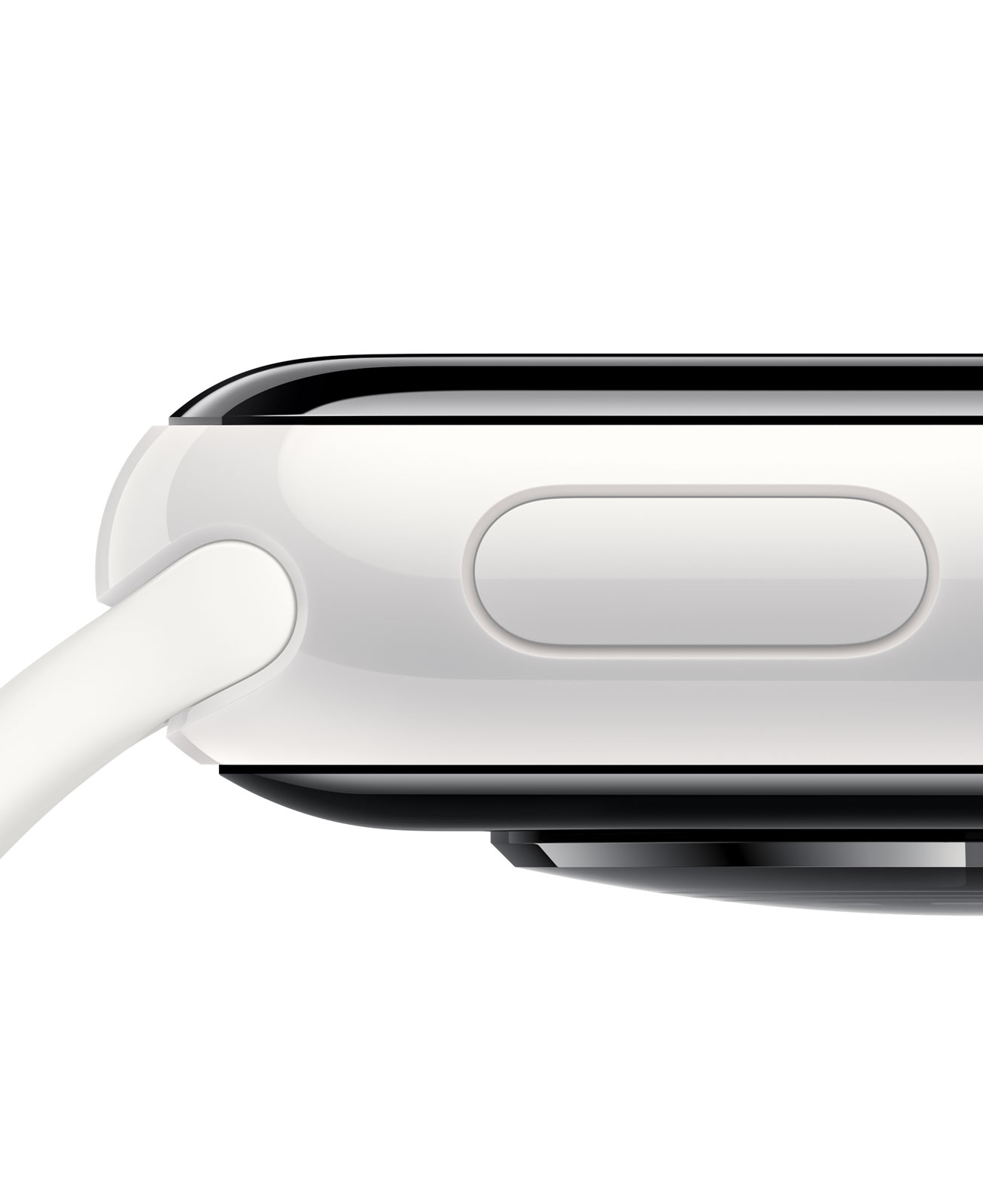
Gurman salientou, no entanto, que essas mudanças poderão “levar tempo” para chegar ao consumidor final, e que atualizações modestas deverão definir o tom da linha durante pelo menos os próximos dois anos; ele reiterou ainda que a Apple planeja reintroduzir o acabamento em cerâmica — ou agora em setembro, com o “Apple Watch Series 12” e o “Ultra 4”, ou com os modelos que deverão ser apresentados no ano que vem —, além de apresentar melhorias significativas de performance.

Apple Watch Edition de cerâmica

Quem lidera a frente de ampliação dos vestíveis da Apple é Eddy Cue, que assumiu o comando do setor de saúde no ano passado. O executivo parece estar atento às iniciativas de empresas como a WHOOP ou a Oura, que redefiniram a relação dos wearables com a integração de recursos de inteligência artificial (IA) — o que, dada a expansão da IA no ecossistema da Maçã, poderá ser um caminho para os diferenciais em termos de software.

Os planos para o futuro, de acordo com o jornalista, envolvem variações de wearables sem telas, que deverão ser ainda mais acessíveis do que o Apple Watch SE, além de variantes que extrapolam a linha Ultra e Hermès. Gurman mencionou que, embora acredite que a hipótese nunca se transformará em um lançamento real, a Apple cogitou ainda a implementação de telas redondas.

Ao fazer um breve passeio pela trajetória do Apple Watch, ele destacou que as suas evoluções, assim como as do iPhone, partiram (e seguem partindo) de mudanças incrementais, sem romper com o formato do relógio apresentado por Tim Cook em 2014. Ao traçar um paralelo com a trajetória dos iPhones, a ampliação dos formatos do Apple Watch lembra a expectativa de que o “iPhone Ultra” redefina o paradigma de formato dos celulares da Maçã.

Apple Watch Ultra 3

Cores: natural ou preto
Pulseiras: loop Alpina, loop Trail, Oceano ou estilo milanês de titânio
R$ 7.850,50
R$ 10.499,00

Apple Watch Series 11

Material: alumínio ou titânio
Cores: cinza-espacial, prateado, ouro rosa, preto brilhante, natural, dourado ou ardósia
Tamanho: 42mm ou 46mm
Conectividade: GPS ou GPS + Cellular
Pulseiras: esportiva ou estilo milanês
R$ 4.599,00
R$ 5.499,00

Apple Watch SE 3

Cores: meia-noite ou estelar
Tamanhos: 40mm ou 44mm
Conectividade: GPS ou GPS + Cellular
Pulseira: esportiva
R$ 2.466,78
R$ 3.299,00

NOTA DE TRANSPARÊNCIA: O MacMagazine recebe uma pequena comissão sobre vendas concluídas por meio de links deste post, mas você, como consumidor, não paga nada mais pelos produtos/serviços usando os nossos links de afiliado.

Eclipse solar em Portugal: como fotografar com segurança, inclusive com o iPhone

10 August 2026 at 11:00

Quem estiver em Portugal nesta quarta-feira, 12 de agosto, terá a oportunidade de testemunhar o primeiro eclipse solar total desde 1912, com previsão de repetição do feito somente daqui a 118 anos, em 2144.

A sua raridade, além da sazonalidade, está especialmente no percentual de visibilidade do fenômeno em todo o país, que varia de 92% a 100%. Para quem quiser ver o eclipse em sua totalidade, será necessário visitar o Parque Natural de Montesinho, no concelho de Bragança.

Caso também seja do seu interesse registrar esse momento histórico, existem algumas coisas importantes a se observar e algumas alternativas, a depender do que você pretende fotografar exatamente.

Antes de qualquer dica tecnológica, é importante se certificar de que a sua visão estará protegida: recomenda-se o uso de óculos de eclipse com certificação ISO 12312-2, que serão distribuídos gratuitamente pela ZEISS em parceria com a rede de óticas Club da Visão, mediante cadastro e enquanto durarem os estoques (que, aparentemente, já esgotaram-se).

Depois, vale observar as janelas de horário do eclipse:

  • Início: entre 18h30 e 18h40;
  • Pico: entre 19h30 e 19h40;
  • Fim: entre 20h20 e 20h30.

Fotografia: câmera DSLR/mirrorless ou iPhone?

Caso você opte por fotografar o evento, existem duas opções de mais fácil acesso: uma câmera digital ou o seu iPhone. Em ambos os casos, há uma série de poréns.

Sobre DSLRs e mirrorless, vale adquirir um filtro solar para a sua lente, considerando a sensibilidade do sensor à exposição ao sol, que pode acarretar uma danificação irreversível — dada a quantidade de entrada de luz. Recomenda-se fixar a abertura entre ƒ/8 e ƒ/16, com a velocidade do obturador ajustada entre 1/1000 e 1/4, de acordo com as especificações da sua câmera.

Já o iPhone, dado o tamanho do seu sensor e outras limitações técnicas, terá dificuldade de registrar o eclipse naturalmente. Claro, ainda é possível obter muitos resultados legais em relação à sombra e aos seus efeitos, ou até mesmo capturar a atmosfera do momento com um time-lapse utilizando um tripé ou outro equipamento estabilizador.

No entanto, para quem quiser de fato registrar o sol de maneira direta, será necessário adquirir acessórios:

  • Lente de zoom com ampliação entre 12x e 18x — das mais amadoras até as mais sofisticadas, com preços flutuando entre dezenas e centenas de dólares;
  • Filtro solar para o iPhone;
  • Tripé, visando não comprometer o resultado final das fotos borrando-as com um movimento sutil.

Quanto ao software, embora existam boas opções de apps de terceiros, como o Project Indigo ou o Halide, o próprio aplicativo Câmera (Camera) nativo do iPhone deverá dar conta.

Cada escolha (ou ausência) poderá impactar o registro do fenômeno, mas nada será tão determinante quanto a prática de quem fotografa. Independentemente da escolha, vale conhecer o equipamento que você tem em mãos antes do tão esperado dia, testar o comportamento da câmera sob o sol e pensar qual será o enquadramento do registro no dia do eclipse.

via AppleInsider, Lisboa Secreta

Samsung Galaxy Tab S12+ and Tab S12 Ultra Renders Leak Ahead of September Launch

9 August 2026 at 14:44

Igeekphone News August 8, 2026 — Samsung’s next-generation flagship tablet lineup is reportedly getting closer to launch, with new renders of the Galaxy Tab S12+ and Galaxy Tab S12 Ultra now surfacing online. The leaked images suggest that Samsung will largely retain the design language introduced with the previous Galaxy Tab S11 series, while upgrading the internal hardware and software.

According to a report from Sammyguru, the renders provide a clear look at the front design of both upcoming tablets, as well as a new set of Samsung wallpapers. The Galaxy Tab S12 series is expected to make its official debut in September 2026 as part of Samsung’s annual flagship tablet refresh.

Familiar Galaxy Tab S11-Inspired Design

Based on the leaked renders, the Galaxy Tab S12+ and Galaxy Tab S12 Ultra will retain much of the visual identity of their predecessors.

The front panels appear largely unchanged, with Samsung continuing to use slim bezels and a minimalist tablet design. There are reportedly no major changes to the overall screen proportions or front-facing appearance.

For users familiar with the Galaxy Tab S11 family, the new tablets may therefore look immediately recognizable rather than representing a major redesign.

The Ultra Model Keeps Its Notch

One of the more interesting details concerns the Galaxy Tab S12 Ultra.

Earlier rumors suggested that Samsung could abandon the notch used by the previous Ultra model and move to a punch-hole camera design. However, the newly leaked renders indicate that Samsung may once again retain the notch for the front-facing camera system.

If accurate, Samsung will have chosen continuity over a cleaner full-screen appearance for another generation. That could also mean a more significant front-camera redesign may not arrive until a future Galaxy Tab Ultra model.

New Blue-Purple “S” Wallpaper

While the hardware design appears familiar, Samsung is expected to introduce a new collection of wallpapers with the Galaxy Tab S12 series.

The leaked wallpaper features a bright blue-to-purple gradient with a prominent letter “S” positioned in the center. Compared with the more restrained visual themes commonly associated with Samsung’s flagship tablets, the new design appears more colorful and dynamic.

Samsung typically introduces new wallpapers alongside its major flagship products, making the appearance of these images another indication that the Tab S12 series is moving toward its official launch.

MediaTek 9500 Expected to Power the Series

Under the hood, both the Galaxy Tab S12+ and Galaxy Tab S12 Ultra are expected to receive a significant performance upgrade.

Reports indicate that Samsung could equip both models with the MediaTek Dimensity 9500 processor. If confirmed, this would represent a notable change from previous Galaxy Tab flagship generations and could give the tablets strong performance for demanding applications, gaming, multitasking, and creative workloads.

The tablets are also expected to run One UI 9, Samsung’s latest Android-based software platform.

Samsung could further strengthen the long-term appeal of the devices by offering extensive software support. According to the current reports, the Galaxy Tab S12 series may receive up to seven generations of Android OS upgrades and seven years of security updates.

12.4-Inch and 14.6-Inch AMOLED Displays

The two tablets will continue to target different size preferences.

The Galaxy Tab S12+ is expected to feature a 12.4-inch Dynamic AMOLED 2X display with a 120Hz refresh rate. This configuration should provide smooth animations and scrolling while maintaining the high-contrast visuals associated with Samsung’s premium AMOLED panels.

Meanwhile, the flagship Galaxy Tab S12 Ultra is expected to retain the enormous 14.6-inch display used by its predecessor.

The Ultra’s large panel continues to make it one of the more laptop-like Android tablets on the market, particularly for users who want a large workspace for multitasking, digital drawing, video editing, or productivity applications.

Large Batteries for Long-Session Use

Battery capacity is another area where Samsung is expected to maintain its focus on endurance.

The Galaxy Tab S12+ is reportedly set to feature a 10,600mAh battery, while the Galaxy Tab S12 Ultra could pack an even larger 11,600mAh battery.

Combined with the efficiency improvements of a newer flagship processor, the large batteries should help the tablets handle extended periods of video playback, productivity, gaming, and web browsing.

Actual battery life will naturally depend on display brightness, refresh rate, connectivity, applications, and other usage conditions.

S Pen Expected to Remain Included

As flagship members of Samsung’s Galaxy Tab S family, both tablets are expected to support the company’s S Pen stylus, with the accessory reportedly included in the retail package.

The S Pen remains an important part of Samsung’s premium tablet ecosystem, particularly for note-taking, sketching, handwriting, document annotation, and creative work.

For international buyers comparing premium tablets with Apple’s iPad Pro and other high-end Android devices, the inclusion of a stylus could remain one of Samsung’s strongest differentiating features.

Expected Galaxy Tab S12+ vs. Tab S12 Ultra Specifications

Feature Galaxy Tab S12+ Galaxy Tab S12 Ultra
Display 12.4-inch Dynamic AMOLED 2X 14.6-inch display
Refresh rate 120Hz 120Hz expected
Processor MediaTek Dimensity 9500 MediaTek Dimensity 9500
Operating system One UI 9 One UI 9
Battery 10,600mAh 11,600mAh
Stylus S Pen expected S Pen expected
Colors Gray, Silver Gray, Silver
Android updates Up to 7 generations Up to 7 generations
Security updates Up to 7 years Up to 7 years
Expected launch September 2026 September 2026

Samsung Galaxy Tab S12 Series: What to Expect

If the current leaks prove accurate, Samsung’s Galaxy Tab S12 generation will focus more on internal upgrades than a major visual redesign.

The familiar Tab S11-inspired appearance could make the new tablets feel evolutionary, but the combination of the Dimensity 9500 chipset, One UI 9, large AMOLED displays, substantial batteries, long-term software support, and S Pen integration could still make them compelling flagship Android tablets.

The continued use of the Ultra model’s notch is perhaps the biggest disappointment for buyers hoping for a cleaner display design. However, Samsung may be saving a more substantial camera and display redesign for a future generation.

Expected Launch in September

Samsung is reportedly preparing to launch the Galaxy Tab S12 series in September 2026, meaning the official announcement could be only weeks away.

The company has not yet confirmed the launch date, pricing, complete specifications, or availability for individual markets. As a result, the details currently circulating should be considered unofficial until Samsung makes a formal announcement.

For international consumers, regional pricing and configurations will be particularly important. Samsung’s flagship tablets typically launch across multiple markets, but storage options, connectivity variants, and pricing can vary by region.

Final Thoughts

The leaked Galaxy Tab S12+ and Galaxy Tab S12 Ultra renders suggest that Samsung is taking an evolutionary approach to its next flagship tablet generation. Rather than introducing a dramatic redesign, the company appears set to refine the existing formula with a new processor, updated software, refreshed wallpapers, large batteries, and continued S Pen support.

With a 12.4-inch Galaxy Tab S12+ and a 14.6-inch Galaxy Tab S12 Ultra, Samsung could once again target both mainstream premium-tablet users and consumers looking for a large-screen productivity machine.

If the rumored September launch schedule holds, more information about pricing, configurations, performance, and global availability should emerge soon.

The post Samsung Galaxy Tab S12+ and Tab S12 Ultra Renders Leak Ahead of September Launch appeared first on IGeeKphone China Phone, Tablet PC, VR, RC Drone News, Reviews.

Como descobrir a versão exata do firmware que está rodando nos AirPods [Pro e Max]

8 August 2026 at 21:00

Para que os AirPods, AirPods Pro e AirPods Max recebam novos recursos e correções de segurança, é necessário atualizar a versão de firmware dos fones de ouvido da Apple.

Isso é feito de forma completamente automática e você não precisa se preocupar com nada. Porém, você pode querer saber exatamente qual versão está rodando (para ver se está na última disponível, por exemplo).

Veja como! 🎧

  1. Com os AirPods conectados, basta abrir os Ajustes (Settings) do iPhone/iPad ou os Ajustes do Sistema (System Settings) do Mac.
Localizando a versão do firmware dos AirPods no iPhone
  1. Selecione o nome dos fones (abaixo do seu nome).
  2. Localize a informação na seção “Sobre”.

AirPods Max 2

Chip: H2
Cores: azul, roxo, meia-noite, estelar ou laranja
R$ 5.999,00
R$ 6.590,00

AirPods Max

Chip: H1
Cores: azul, roxo, meia-noite, estelar ou laranja
R$ 3.270,39

AirPods Pro 3

R$ 2.384,73
R$ 2.699,00

AirPods 4 com Cancelamento Ativo de Ruído

R$ 1.699,00
R$ 1.999,00

AirPods 4

R$ 1.199,90
R$ 1.499,00

NOTA DE TRANSPARÊNCIA: O MacMagazine recebe uma pequena comissão sobre vendas concluídas por meio de links deste post, mas você, como consumidor, não paga nada mais pelos produtos/serviços usando os nossos links de afiliado.

Como um alerta do Apple Watch me ajudou a agir durante um infarto, aos 35 anos

8 August 2026 at 14:30
Wendell Erllen
Autor(a) convidado(a)

Wendell Erllen

Ex-aluno de biomedicina e atualmente no 6º período de medicina na FPS (Faculdade Pernambucana de Saúde). É usuário do ecossistema Apple desde o iPhone 4. Atualmente tem iPhone, Apple Watch, MacBook Air, iPad e Apple TV 4K.

Instagram

Após uma história de saúde envolvendo o Apple Watch publicada recentemente aqui no MacMagazine — e um comentário meu na matéria que despertou o interesse do site —, resolvi compartilhar a minha experiência com o Apple Watch Ultra 2.

Antes de tudo, quero contextualizar: sou aluno de medicina e estou na metade do curso, o que me dá mais capacidade de interpretar alguns sinais dos alertas do relógio.

Eu tenho doença autoimune (alopécia areata) e, devido a isso, já fiz uso de muito corticoide em tempo prolongado, o que é um fator de risco. Mas já faz alguns anos que não há mais necessidade de tomar.

Enquanto eu tomava, estava sempre em acompanhamento médico (fazendo exames), mas quando parei, relaxei e fiquei um bom tempo sem avaliar meu colesterol (corticoide aumenta o LDL, conhecido como colesterol ruim). Entretanto, jamais imaginei que infartaria aos 35 anos — e sobreviveria!

Aconteceu em 6 de março deste ano — ainda está recente. Eu cheguei da faculdade no dia anterior (uma quinta-feira) muito cansado e dormi por volta das 18h30, acordando às 22h. Recebi o feedback dos Sinais Vitais do Apple Watch Ultra 2, como toda vez que eu durmo, independentemente da hora do dia. Só que, dessa vez, com um alerta.

Durante o meu sono, minha frequência cardíaca aumentou acima do meu padrão — o Apple Watch monitora de forma individualizada, para cada usuário. Como eu não havia jantado, ignorei o alerta. Comi algo e me organizei para voltar a dormir.

Só que, quando eu deitei, comecei a sentir dor epigástrica (como se subisse do estômago para o meio do peito, região esternal), e a dor passava quando eu sentava ou ficava em pé. Depois desse episódio, consegui dormir normalmente.

Frequência cardíaca alta nos Sinais Vitais da Apple

No dia seguinte, foi feriado (Data Magna) no meu estado, Pernambuco. Acordei por volta das 9h da manhã perfeitamente bem, como se nada tivesse acontecido, e fui tomar café da manhã. Quando acabei, fui deitar e procurar algo para assistir, pois queria aproveitar o feriado para descansar e relaxar.

Ao me alimentar e deitar, a dor da noite anterior voltou com a mesma intensidade. Deitado, com dor; sentado ou em pé, sem dor.

O que eu fiz? Eu tomei um remédio para dor de estômago, um antiácido e esperei fazer efeito. Esse tipo de dor torácica é muito sugestiva de Doença do Refluxo Gastroesofágico.

Um tempo depois, a medicação não fez efeito e a dor que eu sentia (apenas sentado) começou a não passar quando eu levantava. Nesse momento, eu lembrei do alerta que havia recebido do Apple Watch e pensei: Será? E foi!

A minha conclusão: sim, o alerta fez diferença — principalmente por eu não ter o perfil para infartar tão jovem.

Sempre pratiquei atividade física, durante toda a minha vida. Fui atleta de natação pelo colégio, jogo vôlei com amigos, faço musculação, corro… inclusive, ganhei o GymRats entre meus amigos ano passado com mais de 250 treinos (fora os check-ins que esqueci de fazer) — até o infarto, eu liderava o de 2026. Não sou hipertenso, diabético, obeso… enfim, a intenção é dizer que eu não tenho nenhuma comorbidade que me levasse a crer que isso aconteceria.

O fato é que eu poderia ter tomado mais remédios para o estômago, poderia ter aguardado mais ou qualquer outra coisa. Eu moro sozinho, poderia não conseguir ajuda e morrer trancado em casa. Mas eu fui capaz de agir rápido. Tive tempo e condições físicas de, mesmo com dor, tomar um banho, pegar o carro e me dirigir até o hospital sozinho.

Chegando lá, eu passei mal de verdade. Comecei a ter sudorese, dor mais forte e fui atendido rapidamente. Os exames estavam alterados: eletrocardiograma sugestivo de infarto agudo do miocárdio com supra de ST, pressão alta e eu estava bastante ansioso. Eu poderia ter começado a passar mal desse jeito em casa, mas consegui chegar ao hospital.

Fiz duas angioplastias para desobstruir duas artérias. Por que não fiz tudo de uma vez? Porque tive taquicardia ventricular (parada cardiorrespiratória), então preferiram fazer a outra artéria dias depois. Passei uma semana na UTI, tive alta e hoje estou bem.

Ter agido rápido não apenas salvou minha vida — já que em pessoas jovens o infarto costuma ser mais grave —, como também evitou um dano maior. No meio médico dizem que “tempo é músculo (cardíaco)”. Minha lesão acabou sendo muito discreta para o tipo de infarto que eu tive. Hoje eu estou apto a praticar qualquer atividade física e levo uma vida normal, só que com mais atenção aos riscos de agora em diante.

Vale ressaltar que o alerta de frequência cardíaca elevada, por si só, não caracteriza infarto. A frequência cardíaca pode subir por diversas causas: ansiedade, esforço físico, dor, febre, problemas hormonais, consumo de energéticos… e por aí vai.

O alerta não é motivo para ninguém ficar assustado e correr pro hospital toda vez que, esporadicamente, surgir um alerta do Apple Watch — que, lembrando, não é capaz de fazer diagnóstico. No meu caso, houve um conjunto de fatores que me levaram a crer numa hipótese bem atípica para a minha idade e acabou sendo real.

Sem o alerta, talvez eu continuasse pensando, por muito mais tempo, que o problema era no estômago. Mas eu tive algo no meu pulso me dizendo: “Olha, pode ser que o problema esteja aqui, e não ali.” ⌚️

Apple Watch Ultra 3

Cores: natural ou preto
Pulseiras: loop Alpina, loop Trail, Oceano ou estilo milanês de titânio
R$ 7.850,50
R$ 10.499,00

Apple Watch Series 11

Material: alumínio ou titânio
Cores: cinza-espacial, prateado, ouro rosa, preto brilhante, natural, dourado ou ardósia
Tamanho: 42mm ou 46mm
Conectividade: GPS ou GPS + Cellular
Pulseiras: esportiva ou estilo milanês
R$ 4.198,00
R$ 5.499,00

Apple Watch SE 3

Cores: meia-noite ou estelar
Tamanhos: 40mm ou 44mm
Conectividade: GPS ou GPS + Cellular
Pulseira: esportiva
R$ 2.466,78
R$ 3.299,00

NOTA DE TRANSPARÊNCIA: O MacMagazine recebe uma pequena comissão sobre vendas concluídas por meio de links deste post, mas você, como consumidor, não paga nada mais pelos produtos/serviços usando os nossos links de afiliado.

Promoções na App Store: Boxville, Sentinels of Earth-Prime, Retro Keys: Piano, Wurl, Rhds e mais!

8 August 2026 at 00:32

Fechando a semana com a nossa seleção de promoções na App Store!

Boxville, criado pela Triomatica Games, é um jogo que mistura aventura e quebra-cabeça — e nosso destaque do dia.

Visite e explore um mundo desenhado à mão e mergulhe em uma experiência nova e desafiadora em Boxville, uma cidade de caixas cheias de latas velhas. Sua tranquilidade e seu cotidiano são modificados por inexplicáveis terremotos.

Torne-se o personagem Blue Can, que, em uma missão de busca por seu melhor amigo desaparecido, deverá encarar aventuras, conhecer novos amigos e enfrentar diversos perigos.

Boxville é um premiado jogo de quebra-cabeça de aventura sobre latas que não falam, vivendo na cidade das caixas e desenhando rabiscos em papelão para contar as histórias.

Confira o trailer:

Como você pode ver, não há palavras no jogo; todos os personagens se comunicam por balões de desenho animado, e a missão do jogador envolve a resolução de dezenas de quebra-cabeças e minijogos.

A propósito, a sequência do jogo também está em oferta:


Abaixo outros jogos/apps que, juntos, somam mais de R$220 em descontos:

Jogos

Jogo de cartas.

Torne-se o rei dos mares.

Jogo de tabuleiro.

Aplicativos

Criação musical.

Medidor de ruídos.


Aproveite as ofertas e tenha um excelente final de semana! Vale lembrar que as ofertas são sempre por tempo limitado, então é bom correr. 🏃

EA Sports FC 27: what does the next instalment of the world’s biggest football game have in store?

7 August 2026 at 14:00

The all-conquering franchise’s revamps are technically impressive, its transfers more true to life – and its new grassroots social hub is surprising fun

As if the world wasn’t sufficiently football-obsessed, it’s time to prepare for the arrival of its biggest football video game. EA Sports FC 27 (the franchise that used to be Fifa – what better time to no longer be Fifa-branded?) is due to be released on 25 September. I just spent two intense days in Vancouver, where the EA FC games are made, playing FC 27 and talking to its developers.

With an annual franchise such as EA FC, it helps to have something fresh to entice regular fans, and FC 27 has a whole new element, entitled the Grounds. It’s a physical hub-type area, similar to the City as seen in 2K’s recent NBA 2K basketball games, but much more pleasant to frequent, split as it is into areas inspired by British, French and Argentinian street-football culture.

Continue reading...

© Photograph: Electronic Arts

© Photograph: Electronic Arts

© Photograph: Electronic Arts

Europe increases size and cost of IRIS² constellation

7 August 2026 at 12:51
IRIS2

The European Commission has reached an agreement with an industrial consortium to proceed with a secure connectivity constellation, increasing the number of satellites as well as its cost.

The post Europe increases size and cost of IRIS² constellation appeared first on SpaceNews.

This ‘Ancient’ Spacecraft Keeps Defying Death—But How Much Longer Will Its Extended Mission Last?

6 August 2026 at 15:17

Voyager 2

Welcome to this edition of The Intelligence Brief… This week, NASA engineers successfully extended the operational life of the iconic Voyager 2 spacecraft through a carefully orchestrated power-saving procedure, raising new hopes that the legendary probe may continue exploring interstellar space well into the 2030s. In our analysis, we’ll examine 1) how engineers carried out the ambitious “Big Bang” operation to conserve the spacecraft’s dwindling power supply, 2) why Voyager’s aging radioisotope power system presents an ever-growing challenge, 3) how NASA hopes to keep both Voyager probes returning valuable scientific data decades after their original missions ended, and 4) what the remarkable longevity of the twin spacecraft reveals about one of the most successful engineering achievements in the history of space exploration.

Quote of the Week  

“Voyager revolutionized our conception of the solar system. After almost 400 years, it transformed the astronomical objects observed by Galileo into true ‘worlds’.”

– Dr. Michael Bland, USGS Research Space Scientist

If you enjoy the news and perspectives offered by The Debrief, make sure that you aren’t missing our stories by making us one of your “preferred sources” on Google News. You can simply follow this link to add The Debrief to your list of favorites, and you can read more about Google’s preferred sources in our article here.


RECENT NEWS from The Debrief


An Ancient Spacecraft Undergoes a Long-Distance Operation

This week, engineering teams at NASA’s Jet Propulsion Laboratory succeeded in once again extending the lifespan of one of the space agency’s most iconic spacecraft.

Power systems have reportedly now been freed up on Voyager 2, allowing the famous space probe, which is now making its way through interstellar space, to continue sending valuable scientific data back to Earth with help from NASA’s Deep Space Network.

The largest and most sensitive telecommunications network in the entire solar system, for several decades now, the Deep Space Network has enabled Voyager 2 and its twin, Voyager 1, to relay science data about our planetary neighborhood back to Earth.

Launched on August 20, 1977, from Cape Canaveral, Florida, Voyager 2 is truly ancient by the standards of modern space exploration. The probe blasted off on its cosmic mission 16 days before its twin, Voyager 1, to account for specific orbital path needs.

While both spacecraft completed their official planetary flyby missions decades ago, each has overcome seemingly impossible odds in recent years and has managed to continue dispatching science data from the furthest points in the cosmos any human-built spacecraft has ever reached.

But how much longer will Voyager’s ongoing extended mission really be able to last?

A Big Bang in Interstellar Space

Recently, to free up power on Voyager 2, JPL engineers engaged in an effort dubbed the “Big Bang,” which involved simultaneous shutdowns of some of the devices on board the spacecraft and reallocating lower-power alternatives.

One of the key hurdles with this operation involves making sure Voyager 2 remains warm enough to function properly, since current power systems combined with its tremendous distance from the Sun keep the aging spacecraft’s core and instrument bays at a frosty 38.5°F—temperatures that are already dangerously close to the freezing point.

Dwindling Power Systems

The primary source of power aboard both Voyagers is their radioisotope thermoelectric generators, which generate heat using decaying plutonium, which is thereby converted into electricity. Every year, an average of four watts of power is lost as the plutonium supplies of each spacecraft continue to deplete.

Still, while their power stores are perilously close to zero, both remain online nearly a half-century after their launches in the late 1970s.

Over the last several years, several science instruments on each of the spacecraft have been disabled to help preserve power. According to NASA, the recent “Big Bang” operation helped prevent the shutdown of another instrument on Voyager 2 before the end of the year.

“The savings should provide power to keep its three instruments operating for at least an extra year,” read a NASA statement issued this week. JPL engineers also plan to perform the same operation on Voyager 1, which is currently even farther away than Voyager 2.

Voyager’s Path to the 2030s

The Voyager team hopes these measures will extend the spacecraft’s operational lifetimes into the 2030s, allowing them to continue returning valuable scientific data for years to come, provided they remain in contact with NASA’s Deep Space Network.

The spacecraft have already “far surpassed their original mission of exploring the outer planets,” said Patrick Koehn, Voyager program scientist at NASA Headquarters in Washington, in a statement last year.

“Every bit of additional data we have gathered since then is not only valuable bonus science for heliophysics but also a testament to the exemplary engineering that has gone into the Voyagers — starting nearly 50 years ago and continuing to this day,” Koehn added.

Launched more than 46 years ago, the twin Voyager I and II probes represent the longest-running missions in NASA history, as well as the farthest spacecraft ever to have travelled from Earth.

During their missions, both Voyager spacecraft visited Jupiter and Saturn, and Voyager II also flew by Uranus and Neptune. Now, with the successful implementation of the “Big Bang” procedure on Voyager 2, which is soon to be undertaken with its farther distant twin spacecraft in the months ahead, the two iconic spacecraft will at very least be secured for continuous operations through the end of the year, and with a bit of luck, on into the 2030s.

That concludes this week’s installment of The Intelligence Brief. You can read past editions of our newsletter at our website, or if you found this installment online, don’t forget to subscribe and get future email editions from us here. Also, if you have a tip or other information you’d like to send along directly to me, you can email me at micah [@] thedebrief [dot] org, or reach me on X: @MicahHanks.

Here are the top stories we’re covering right now…

Nazis and Happy Feet collide in Penguin Colony, a psychological horror game set at the world’s end

6 August 2026 at 15:00

Explore Antarctica as a flightless bird – and dodge some earthly monsters – in this surreal adaptation of HP Lovecraft

While watching the 2006 animated film Happy Feet with his daughter, Origame Digital founder Naphtali Faulkner noticed something interesting. “[In the movie], they see the digger fall into the ocean, and it has an almost eldritch quality,” he says. Over time, and with plenty of iteration, Faulkner’s inspirations coalesced, from HP Lovecraft to the 1982 version of The Thing and the works of David Lynch. “I’m a big fan of horror that sits in your head rather than in your stomach,” says Faulkner.

In Penguin Colony, players body-switch between species of flightless birds, piecing together cryptic cosmic clues as they tail a Nazi expedition to Antarctica. In the process, Origame Digital draws on Lovecraft’s novella At the Mountains of Madness. “I’d always wanted to do a creature that’s a manifestation of colonial thought, energy and power, and the idea of it resting and then regrowing,” says Faulkner. “I was looking through the history of Lovecraft and him being a gigantic racist, and this idea of the Nazis sort of came out,” he adds.

Continue reading...

© Photograph: Fellow Traveller

© Photograph: Fellow Traveller

© Photograph: Fellow Traveller

‘Mamma mia!’: Trump tariffs refund ignites 53% profit spike at Nintendo

Profit jump fuelled largely by unknown US refund amount as Japanese video game firm records quarterly sales drop

Nintendo has reported a jump in profits, as the Japanese game maker’s earnings were buoyed up by a long-awaited refund on Donald Trump’s tariffs.

The company said profits surged 53.5% to ¥147.4bn (£694m) over the three months to June, substantially beating expert forecasts for ¥77.8bn.

Continue reading...

© Photograph: Richard A Brooks/AFP/Getty Images

© Photograph: Richard A Brooks/AFP/Getty Images

© Photograph: Richard A Brooks/AFP/Getty Images

Apple seeds new beta firmware for AirPods Pro and AirPods Max

5 August 2026 at 18:00

AirPods Pro (2nd generation)

Apple has released a new round of beta firmware for several AirPods models, including the AirPods Pro 2, AirPods Pro 3, and AirPods Max 2, as the company continues testing features tied to iOS 27, iPadOS 27, and macOS Golden Gate.The latest developer beta carries the build number 9A5336b. It is the fourth beta firmware version in the current cycle and follows the previous build (9A5314b) from early July. Supported models also include the AirPods 4 (with and without Active Noise Cancellation).

This firmware enables compatibility with upcoming iOS 27 AirPods enhancements announced at WWDC 2026. Key features include:

• Custom EQ controls (a native 3-band equalizer for Low, Mid, and High frequencies adjustable directly in AirPods settings)

• A redesigned AirPods interface with improved labels and groupings

• A slider for Adaptive Audio mode

• Deeper integration with the new Siri AI

• Additional management and performance improvements

These capabilities require both the updated AirPods firmware and a host device running a compatible beta of iOS 27, iPadOS 27, or macOS Golden Gate (or, for enabling the beta toggle itself, iOS 26 / iPadOS 26 / macOS 26 or later).

How to Install the Beta Firmware

Apple has simplified the process in recent years. Developers can enable it as follows:

  1. Ensure your iPhone, iPad, or Mac is running a supported software version (iOS 26/iPadOS 26/macOS 26 or later to access the toggle; the full iOS 27 beta experience for new features).
  2. Connect your AirPods.

  3. Open Settings (or System Settings on Mac) and tap/select your AirPods at the top (or via the Bluetooth info button).

  4. Scroll to AirPods Beta Updates and turn the option on.

  5. Place the AirPods in their case (or Smart Case for AirPods Max), connect them to power, and keep them near the paired device.

The firmware installs automatically in the background. There is no manual “Update Now” button, and the process can take several hours. A public beta version of this build is expected to follow in the coming days.

MacDailyNews Note: As with all betas, the software is intended for testing and may contain bugs or incomplete features. Apple has not published detailed release notes beyond the connection to the broader iOS 27 AirPods improvements.The update arrives as Apple prepares the fall software releases that will bring these enhancements to the wider public. Owners of eligible AirPods who are already enrolled in the developer program should see the new firmware become available shortly after enabling beta updates.


‎
Please help support MacDailyNews — and enjoy subscriber-only articles, comments, chat, and more — by subscribing to our Substack: macdailynews.substack.com. Thank you!

Support MacDailyNews at no extra cost to you by using this link to shop at Amazon.

The post Apple seeds new beta firmware for AirPods Pro and AirPods Max appeared first on MacDailyNews.

Apple opens lottery for retail staff to support first iPhone event under new CEO John Ternus

5 August 2026 at 15:00

Apple Retail Store

Apple is preparing for its biggest product event of the year by opening a lottery that gives U.S. retail employees a chance to help staff the in-person unveiling, according to Bloomberg News’ Mark Gurman.

“With Apple Inc. gearing up for its biggest product launch of the year, the company is opening a lottery for U.S. retail employees who want to help staff the in-person unveiling,” Gurman reported.

The lottery allows retail employees to apply to work the event, where they’ll help organize lines, check in guests, greet attendees, offer directions and support the security teams, according to a memo that was seen by Bloomberg News.

In the memo, Apple said it was “excited to offer U.S. store team members the opportunity to participate in the Event Support Experience Program.” Apple has relied on retail employees to help staff major product launches for years.

The launch event will take place during the first half of September, the company told staff, without providing a more specific date. Historically, Apple’s iPhone presentations have taken place on the second Tuesday or Wednesday of that month. Since Labor Day in the U.S. falls on Monday, Sept. 7th, a Wednesday event appears slightly more likely, as it would preserve the workday travel window Apple has historically provided for attendees.

Workers who participated in either this year’s Worldwide Developers Conference or last year’s iPhone launch aren’t eligible for the upcoming program. Interested employees must apply by Aug. 8th, and Apple will notify those selected by Aug. 17th, according to the memo.
‎
MacDailyNews Take: This year’s September event carries added significance. It will be the first major product unveiling under Chief Executive Officer John Ternus, who is set to take over from Tim Cook on Sept. 1st. The company is expected to unveil its first foldable iPhone — rumored to be called “iPhone Ultra” – as well as the iPhone 18 Pro and Pro Max, new Apple Watch models (Series 12 and Ultra 4), and, perhaps, new AirPods and Apple Home products.


‎
Please help support MacDailyNews — and enjoy subscriber-only articles, comments, chat, and more — by subscribing to our Substack: macdailynews.substack.com. Thank you!

Support MacDailyNews at no extra cost to you by using this link to shop at Amazon.

The post Apple opens lottery for retail staff to support first iPhone event under new CEO John Ternus appeared first on MacDailyNews.

Lego deploys Hubble Space Telescope as detailed desktop model

3 August 2026 at 20:21

For 35 years, the Hubble Space Telescope has looked out into the Universe. Now, Lego is inviting builders to look inward with its latest model of the orbiting observatory.

The new Lego Icons Hubble Space Telescope (set no. 11382) was released on August 1 for $140 at the toy company's stores and its online shop. The 1,252-piece kit builds a 15-inch-long (38-cm) desktop model that is about twice as large as the previously released Lego Hubble models.

The Icons Hubble is the first to be sized in comparison to a Lego minifigure, such that the included astronaut provides a sense of scale for the telescope.

Read full article

Comments

© LEGO

Promoções na App Store: Recent Contacts Timeline, Black Border 2, Business Card Maker· e mais!

5 August 2026 at 23:43

Nesta quarta-feira, aproveite a nossa seleção de promoções na App Store!

O destaque do dia fica para o utilitário Recent Contacts Timeline. Desenvolvido por Adam Bardon, ele organiza suas interações recentes em uma linha do tempo visual simples.

A proposta é facilitar a identificação de novos números incluídos na sua agenda — agrupados por data e com acesso rápido. Em vez de listas tradicionais, ele apresenta uma visão cronológica, que pode ser muito mais prático, dependendo da sua necessidade.

Aproveite a oferta e baixe agora! 📇


Abaixo outros jogos/apps que, juntos, somam quase R$70 em descontos:

Jogos

Controle de fronteira.

Acabe com as peças.

Jogo de aventura.

Aplicativos

Utilitário para cartões virtuais.

Utilitário para desenho.


Aproveite as ofertas e até amanhã! Vale lembrar que as ofertas são sempre por tempo limitado, então é bom correr. 🛸

Meta lança Muse Code, agente de programação alimentado pelo novo modelo Muse Spark 1.2

5 August 2026 at 22:16

A Meta lançou hoje o Muse Code, seu primeiro agente de programação — o qual rivalizará com soluções como o Claude Code (da Anthropic) e o Codex (da OpenAI).

A nova ferramenta, assim como os assistentes supracitados, facilita a criação de aplicativos em uma única interface, permitindo gerenciar conjuntos de agentes digitais impulsionados por IA que auxiliam no processo de desenvolvimento de software.

Releasing Muse Code in beta today. It's a terminal coding agent that takes on complete software engineering tasks across large repos: planning changes, writing code, validating the results. Powered by Muse Spark 1.2, a coding-focused model update. pic.twitter.com/xqavk41w6v

— Mark Zuckerberg (@finkd) August 5, 2026
Estamos lançando o Muse Code em versão beta hoje. Trata-se de um agente de programação via Terminal capaz de executar tarefas completas de engenharia de software em grandes repositórios: planejar alterações, escrever código e validar resultados. Ele conta com a tecnologia do Muse Spark 1.2, uma atualização de modelo focada em programação.

Ainda que disponível inicialmente em beta, o Muse Code pode ser usado para realizar uma ampla variedade de tarefas, planejando alterações, escrevendo código e validando os resultados. Desenvolvedores podem utilizá-lo por meio de uma modalidade de pagamento conforme o uso (pay-as-you-go).

Ao contrário do Codex e do Claude Code, atualmente não existe um aplicativo dedicado para o Muse Code. Desse modo, ele pode ser instalado no macOS e no Linux a partir de um comando de uma única linha:

curl -fsSL https://dev.meta.ai/install.sh | bash

Ele também opera em conjunto com o mais novo modelo de IA da empresa, o Muse Spark 1.2 — o qual foi desenvolvido e treinado juntamente com o novo agente de programação, o que melhora o desempenho geral.

O Muse Spark 1.2 é uma atualização do Muse Spark 1.1, lançado no mês passado, trazendo melhorias na geração de código, depuração de cenários complexos, compreensão da base de código e fluxos de trabalho de ponta a ponta para desenvolvedores. O novo modelo também amplia significativamente o poder computacional de treinamento para tarefas de programação.

Muse Spark 1.2 has improved coding capabilities compared to its predecessor. We significantly scaled up training compute on coding tasks while expanding training environment diversity, delivering improvements in code generation, complex debugging, and end-to-end developer… pic.twitter.com/0cTSBe4paj

— AI at Meta (@AIatMeta) August 5, 2026

O Muse Spark 1.2 apresenta recursos de programação aprimorados em comparação com sua versão anterior. Aumentamos significativamente a capacidade computacional de treinamento em tarefas de programação, ao mesmo tempo que expandimos a diversidade de ambientes de treinamento, proporcionando melhorias na geração de código, depuração complexa e fluxos de trabalho de desenvolvimento de ponta a ponta.

O modelo foi treinado com o Muse Code para otimizar o desempenho quando utilizados em conjunto, com foco em tarefas como geração de repositórios completos, projetos de grande porte e pesquisa automatizada.

O Muse Spark 1.2 já está disponível no Muse Code e na Meta Model API.

❌