À 11,99 €/mois, le forfait RED by SFR 100 Go 5G offre une enveloppe confortable, les appels et SMS/MMS illimités, sans engagement, avec 30 Go utilisables en Europe.
Avec 200 Go en France et 40 Go depuis 135 destinations, le forfait Voyage de Sosh à 15,99 € mise sur un roaming généreux pour voyager sans multiplier les options.
Even years after the acute phase of the COVID-19 pandemic faded from daily headlines, one of its most stubborn legacies continues to shadow millions of working adults: post-COVID conditions, the cluster of persistent symptoms now broadly known as long COVID. A new cross-sectional study from Taiwan, published in BMC Psychology, offers a sobering snapshot of what these conditions mean for mental health and the capacity to work, even among people who were highly vaccinated and infected predominantly during the milder Omicron era. The findings challenge a lingering assumption that vaccination and less virulent variants have fully neutralized the long-term occupational and psychological costs of SARS-CoV-2 infection.
The research, led by Jhe-Ping Lin of the Department of Occupational Medicine at Linkou Chang Gung Memorial Hospital in Taoyuan City, together with Chia-Cheng Chang, Chen-Chang Yang, Ting-An Yang and corresponding author Yu-Chung Tsao, set out to answer a question that has become increasingly urgent for occupational health practitioners worldwide: how do employed adults who report persistent post-COVID symptoms differ, in measurable psychological and functional terms, from infected peers who consider themselves fully recovered? Much of the existing long COVID literature emerged from populations infected with earlier viral variants, before widespread vaccination, and focused heavily on physical sequelae. Relatively less is known about the psychological and occupational footprint of post-COVID conditions under contemporary epidemiological conditions, which is precisely the gap the Taiwanese team sought to fill.
The study design was straightforward but methodologically deliberate. Employed adults with prior confirmed SARS-CoV-2 infection were recruited through clinical and occupational-health channels using non-probability sampling, a practical approach for reaching workers with documented infection histories. All participants completed a battery of validated questionnaires assessing four core domains: health-related quality of life, fear of COVID-19, insomnia severity and work ability. The investigators then divided the cohort into two groups based on whether participants reported persistent symptoms consistent with post-COVID conditions, and statistically compared the two groups on every psychological and occupational measure. This symptom-based categorization mirrors the approach increasingly favored internationally, since no single laboratory biomarker can yet reliably define long COVID.
The results were striking in their consistency. Participants reporting post-COVID conditions demonstrated significantly lower quality of life, with a mean difference of 13.9 points on the quality-of-life instrument compared with fully recovered peers. They also scored higher on the Fear of COVID-19 Scale, a validated measure of pandemic-related anxiety, and reported greater insomnia severity, suggesting that disturbed sleep is a common companion of persistent post-viral illness. Perhaps most consequential for employers and policymakers, the post-COVID group showed reduced scores on the Work Ability Index, a well-established instrument that quantifies how well a worker perceives themselves able to meet the physical and mental demands of their job. The mean difference of 3.3 points on this index may sound modest, but in occupational medicine research, shifts of this magnitude on the Work Ability Index are considered clinically meaningful and are associated with elevated risks of reduced productivity, prolonged sickness absence and early exit from the labor force.
To appreciate why these numbers matter, it helps to understand what each instrument measures. Health-related quality-of-life scales capture how illness erodes daily functioning across physical, emotional and social dimensions; a 13.9-point deficit represents a substantial perceived deterioration in wellbeing, not a marginal statistical blip. The Fear of COVID-19 Scale taps illness-related anxiety that can itself become disabling, feeding avoidance behaviors and hypervigilance. Insomnia severity indices quantify difficulties falling asleep, staying asleep and feeling restored by sleep, and chronic insomnia is strongly linked to depression, impaired concentration and workplace accidents. The Work Ability Index synthesizes a worker’s self-assessed physical and mental capacity, diagnosed illnesses and resources relative to job demands, making it one of the most predictive single measures available for future work disability. That all four domains moved in the same negative direction among the post-COVID group paints a coherent picture of a population under compounding psychological and functional strain.
Crucially, these associations emerged within a population that reflects the current reality of the pandemic rather than its early, pre-vaccine chapter. Taiwan maintained exceptionally high vaccination coverage, and the overwhelming majority of infections in the study cohort occurred during the Omicron-dominant period, when the variant itself was generally associated with less severe acute disease. The persistence of measurable psychological and occupational burden under these comparatively favorable conditions suggests that the risk of long-term impairment has been reduced but not eliminated. For the millions of workers globally who have been infected with Omicron-lineage viruses despite vaccination, the Taiwanese data imply that lingering symptoms remain a genuine occupational health concern rather than a relic of earlier pandemic waves.
The authors are careful about what their study can and cannot claim. Because the design is cross-sectional, capturing participants at a single point in time, causal relationships cannot be inferred. It remains possible, for instance, that pre-existing anxiety, poor sleep or low work ability influenced how participants recalled and reported persistent symptoms, rather than the symptoms driving the psychological burden. The non-probability recruitment strategy, while effective for reaching the target population, also limits generalizability; workers who chose to participate in an occupational health study may differ systematically from those who did not. Self-reported symptom status, the standard for long COVID research given the absence of a definitive diagnostic test, introduces additional subjectivity. The researchers openly acknowledge these constraints and call for longitudinal studies to clarify recovery trajectories and functional outcomes over time, which would allow investigators to determine whether reduced work ability precedes, follows or merely co-occurs with post-COVID symptomatology.
Even with those caveats, the study carries practical implications that extend well beyond Taiwan. The authors argue that mental health assessment deserves a central place in post-COVID follow-up care, not as an afterthought but as a routine component of clinical evaluation. This recommendation aligns with a growing body of international evidence linking long COVID to depression, anxiety and sleep disorders, and it reframes post-COVID conditions as a psychosomatic and occupational problem in equal measure with a physical one. For occupational physicians, the message is that a worker presenting with persistent fatigue or brain fog should not only be evaluated for physical sequelae but also screened for insomnia, pandemic-related fear and diminished work capacity. For employers, the findings underscore the value of graded return-to-work programs, workplace accommodations and access to psychological support, since untreated mental health burdens may prolong functional impairment even after physical symptoms begin to subside.
The policy stakes are considerable. Post-COVID conditions affect a substantial fraction of infected individuals worldwide, and because the condition disproportionately impairs the ability to sustain full-time work, its economic ripple effects touch social insurance systems, disability programs and national productivity. Studies conducted in vaccinated, Omicron-era populations are especially valuable for forecasting the forward-looking burden, since they describe the risk profile relevant to new infections rather than historical ones. By demonstrating a 13.9-point quality-of-life deficit and a 3.3-point reduction in work ability under exactly these modern conditions, the Taiwanese study provides quantitative anchors that health economists and policymakers can use to model the ongoing costs of long COVID in the workforce.
The research also highlights the importance of studying long COVID outside the Europe-North America axis, where much of the literature has concentrated. Taiwan’s pandemic trajectory, characterized by early containment followed by a large, late Omicron wave in a highly vaccinated population, offers a distinct natural experiment. The fact that measurable occupational and psychological impairment still emerges in this setting strengthens the argument that post-COVID conditions are a global phenomenon requiring coordinated surveillance, standardized assessment tools and sustained investment in rehabilitation services. The study received no external funding and was approved by the Institutional Review Board of the Chang Gung Medical Foundation, with all participants providing informed consent under protocols compliant with the Declaration of Helsinki.
For now, the study’s central contribution is to quantify, with validated instruments, the invisible toll that persistent post-viral symptoms exact on working adults: poorer perceived health, greater fear, worse sleep and a weakened sense of capacity to meet job demands. As health systems worldwide transition from emergency response to long-term management of COVID-19’s aftermath, evidence of this kind, gathered under the most favorable epidemiological conditions yet seen, serves as a reminder that the pandemic’s occupational and psychological dimensions are far from over. The authors’ call for longitudinal follow-up is the natural next step, and its findings will help determine whether the burdens documented here fade with time or harden into chronic disability for a vulnerable segment of the working population.
Subject of Research: Mental health outcomes and work ability among employed adults with post-COVID conditions in Taiwan
Article Title: Mental health and work ability among employed adults with post-COVID conditions in Taiwan: a cross-sectional study
Article References: Lin, J.-P., Chang, C.-C., Yang, C.-C., Yang, T.-A., & Tsao, Y.-C. (2026). Mental health and work ability among employed adults with post-COVID conditions in Taiwan: a cross-sectional study. BMC Psychology. https://doi.org/10.1186/s40359-026-05575-2
Keywords: Post-COVID conditions, Long COVID, Mental health, Insomnia, Work ability, Quality of life, Fear of COVID-19, Occupational health, Omicron, Vaccination, Taiwan, Cross-sectional study
Partir quelques jours en Europe avec son forfait français suffit parfois. Mais dès que le voyage s’allonge, que l’itinéraire traverse plusieurs pays ou que le partage de connexion entre en jeu, la question de la data devient moins anodine. eTravelSim Europe répond à ce besoin avec une eSIM...
Archaeologists conducting a new series of excavations at the ancient Turkish city of Smyrna have uncovered three previously hidden rooms and a 1500-year-old Late Antiquity theater that earlier efforts had missed.
The new excavations, which took place in Izmir’s historic center, also uncovered a series of ancient paintings that had remained hidden for over a millennium, along with a Roman-era water channel that, unlike similar structures, seems to stop before reaching any nearby natural springs.
1,500-Year-Old Hidden Rooms, Ancient Paintings, and a Lost Theater
According to a statement from the Izmir Metropolitan Municipality, the work, which was “conducted on behalf of Izmir Katip Celebi University with permission from the Ministry of Culture and Tourism,” expanded on previous excavations at the same site. However, the new excavation effort uncovered several previously unknown finds.
First, the archaeology team came across three new hidden rooms, or “spaces,” in an area where previous efforts had uncovered an ancient mosaic floor. According to the excavation team, two of the new spaces also contained mosaic floors. However, the third newly discovered space featured a marble floor.
Image Credit: The Izmir Metropolitan Municipality
Second, the research team uncovered what they described as a “theater area.” Researchers had not identified the theater during previous excavations.
Third, the Izmir authorities described a series of ancient wall paintings as the most visually striking component. According to the Metropolitan Ministry’s statement, the previously undiscovered wall paintings were placed around the Agora and the theater.
Image Credit: The Izmir Metropolitan Municipality
“This is the first time we have found wall paintings in these spaces,” explained Prof. Dr. Akin Ersoy, faculty member of the Turkish-Islamic Archaeology Department at Izmir Katip Celebi University and the head of the latest excavations.
“We Had Never Come Across Anything Like This in the Agora of Smyrna”
When dating the site, Prof. Dr. Ersoy said cities in the region underwent significant structural changes after the division of the Roman Empire at the end of the 4th century A.D. These changes allowed the excavation team to date the site to sometime between the fifth and sixth centuries A.D. This ancient date makes the site over 1,500 years old, placing it in the period historians call Late Antiquity.
When discussing the architectural style of the new excavations, the team leader said they share some features with the Terrace Houses found at the ancient city of Ephesus. The research said the similarities suggest that the newly discovered structures may have served a public function. Still, he noted, these discoveries were unexpected.
“Until now, we had never come across anything like this in the Agora of Smyrna or around the theater.”
Given the likely historical period of the site’s construction and use, the research team also noted that the newly uncovered hidden room spaces and ancient paintings will offer previously unavailable insights into Smyrna’s transformation away from Roman influence.
150 Yards of Roman-Era Water Channel Also Unearthed
During the excavations, the team also traced a section of an ancient Roman-era water channel. The researchers suggested that the ancient channel carried water for roughly 2,000 years.
Although Roman-era water channels were typically connected to natural springs, Ersoy said the team has traced roughly 150 yards of channel and has yet to find its source. The team leader suggested a spring may lie just south of the site, near the Namazgah Bath and Kursunlu Mosque.
Future excavations are hoped to uncover more evidence of the ancient spring and perhaps even more hidden rooms and artworks left behind in the 1500-year-old city.
Christopher Plain has spent the last six years as Associate News Editor and Head Science Reporter at The Debrief. Follow and connect with him on X, learn about his novels at plainfiction.com, or email him at christopher@thedebrief.org.
In the Mapcreator booth at NAB in Las Vegas, Julia Schellekens provides an update on their service that delivers detailed maps for news and other organizations who want to clearly show what is happening where. With a wide array of export and animation capabilities to help drive home the information, it is almost certain that you have seen their product in use no matter where in the world you are.
Starlink, le service d'internet par satellite de SpaceX, renonce à exclure la Pologne de sa zone d'itinérance européenne après les protestations de Varsovie. Les clients polonais ne seront finalement soumis à aucune nouvelle restriction lors de leurs déplacements en Europe.
eTravelSim propose des forfaits eSIM dès 3,03 € dans plus de 190 pays, avec activation rapide et tarifs fixes pour mieux maîtriser son budget data à l’étranger.
Antarctica’s Blood Falls, a striking and eerie-looking feature in the McMurdo Dry Valleys where crimson-red fluid oozes from the tongue of the Taylor Glacier, may point to a hidden connection between the sea and the coldest desert on Earth.
According to new research, these unusual features on the southernmost continent may contain microbial evidence of water flowing from ancient seas into the Antarctic desert. Researchers from the J. Craig Venter Institute (JCVI) and Scripps Institution of Oceanography at the University of California, San Diego, revealed their Antarctic discovery in a recent paper published in Nature Geoscience, identifying eukaryotic organisms swimming in the crimson water.
The distinctive color of the Blood Falls comes from the high iron content of the salty water, which leaves a crimson stain on the white snow as it flows out from under the glacier.
An Antarctic Discovery
Close to the Taylor Glacier terminus, the JCVI researchers found a eukaryote community that they suggest arrived in the valley with ancient seawater.
“This is an environment that looks almost completely cut off from the ocean today,” said lead author Angela Zoumplis, of Yale and JCVI. “But when we looked at the molecular signatures of the organisms living in the red mud and sediment around Blood Falls, we saw a surprisingly strong marine signal. That tells us this place may be preserving traces of an older connection between the Dry Valleys and the sea.”
Antarctica’s Blood Falls (Image Credit: National Science Foundation/Peter Rejcek)
Even though glaciers are made of water ice, Antarctica’s McMurdo Dry Valleys are not just some of the planet’s coldest deserts, but also the driest. In this location, extremophiles survive on the edges of some of our planet’s most challenging living conditions.
Extremophile Laboratory
Previous work discovered bacteria persisting in the Blood Falls brine, but the new research is the first to discover a significantly larger life form: eukaryotes such as diatoms. The term eukaryote refers to single-celled organisms with a nucleus. Within this group, diatoms are noted for their silica shells and their highly specific preference for certain habitats.
As they analyzed 167 samples collected in the region, the team identified diatoms associated with marine environments only in the Blood Falls discharge, but not in the surrounding lakes and streams, or even in air samples.
“We were not just asking whether marine organisms were present,” Zoumplis said. “We wanted to know whether they were part of a distinct community, whether they looked different from nearby freshwater communities, and whether there was evidence that they were active. The answer to all three was yes.”
Antarctic Analysis
Laboratory techniques applied to the samples included examining their RNA with metatranscriptomics and molecular sequencing. In the Blood Falls samples, the team’s analysis revealed between 60% and 80% of the diatoms were marine-associated. The samples from other locations were primarily composed of land and freshwater diatoms.
Notably, these weren’t just dying remnants of diatom communities that had been swept into the Antarctic—they displayed gene activity related to survival under these extreme conditions.
“That activity is what makes the finding especially exciting,” Zoumplis said. “We are not simply seeing genetic leftovers. We are seeing evidence of organisms responding to a harsh, changing environment — freezing, thawing, salt stress, iron exposure, and long periods of inactivity.”
While the discovery does not entirely rule out that the diatoms arrived via wind, this is unlikely based on the prevalence of marine species specifically in the Blood Falls samples. The researchers note the area’s unusual chemistry, providing a brine rich in iron, salt, and silica, in addition to observed survival tactics in the diatom, such as the formation of resting cells.
This community likely isn’t a perfect preservation of an ancient marine ecosystem within a seemingly “lost” portion of the ocean, the researchers say, but the result of continued deposits and selection over time. Rather than providing a perfect record of ancient microbial communities, studying these eukaryotes can provide researchers with information on past climate change and how life survives under the most hostile of conditions.
Ryan Whalen covers science and technology for The Debrief. He holds an MA in History and a Master of Library and Information Science with a certificate in Data Science. He can be contacted at ryan@thedebrief.org.
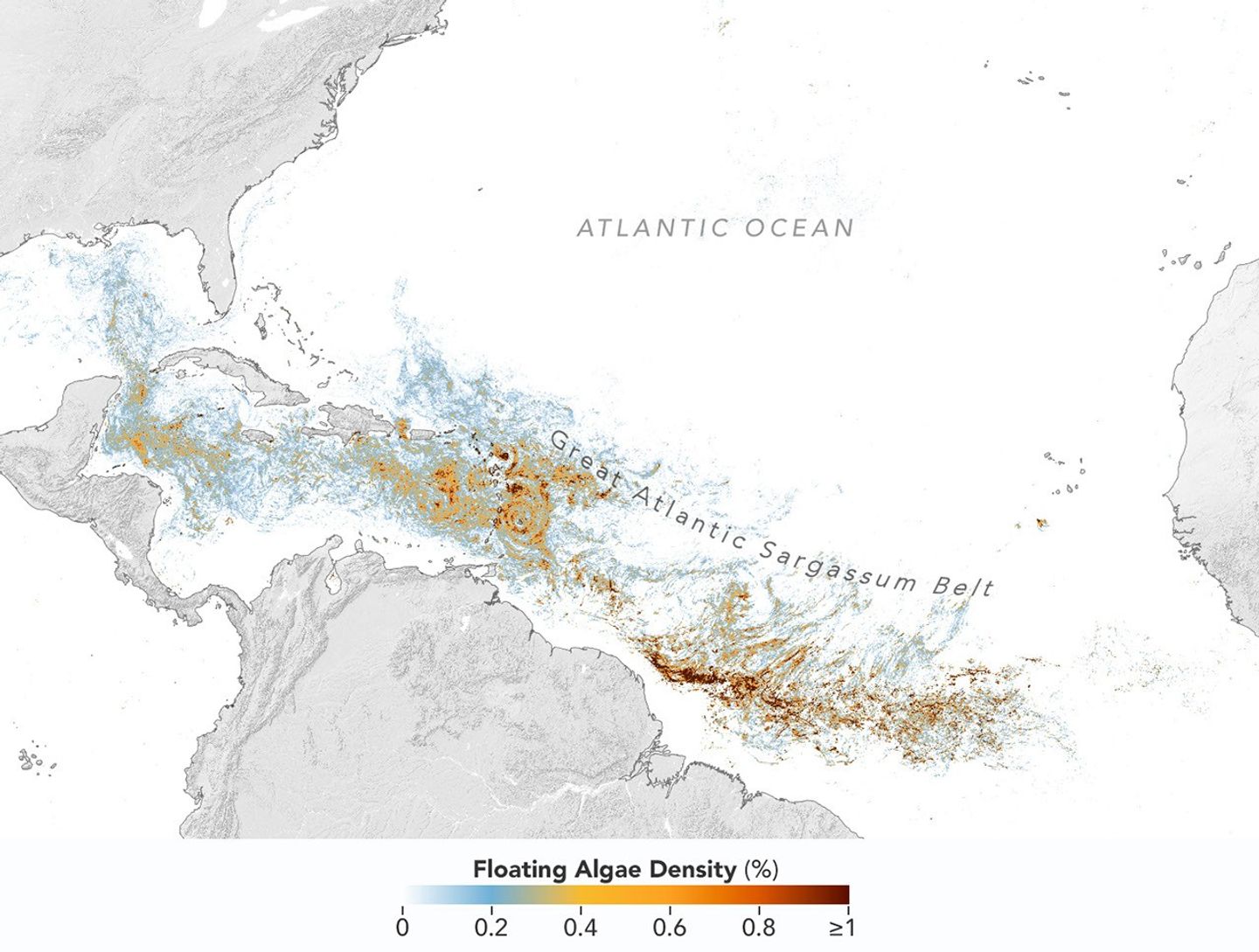
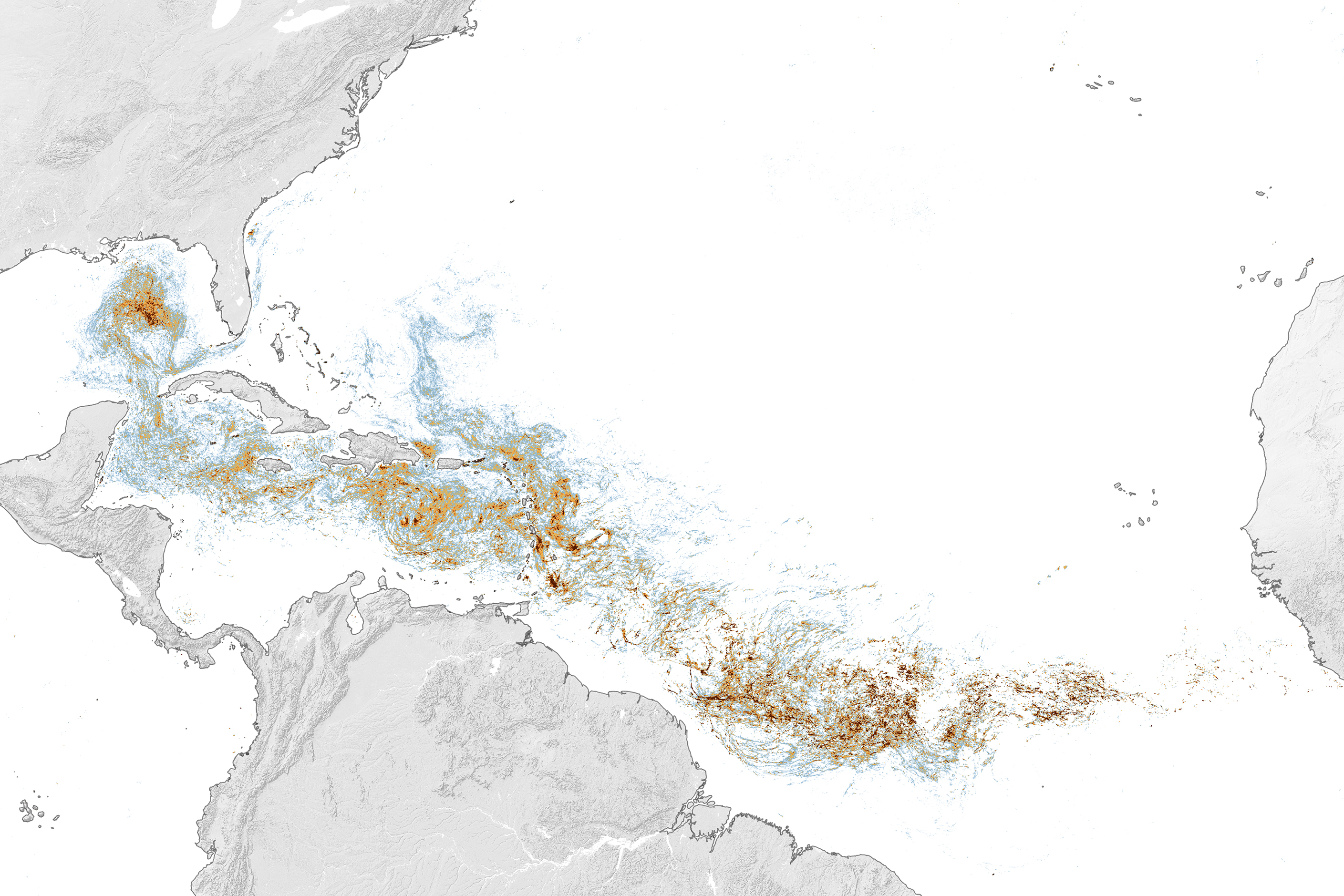
This map, based on data from the OCI (Ocean Color Instrument) on NASA’s PACE (Plankton, Aerosol, Cloud, ocean Ecosystem) satellite, shows Sargassum highly concentrated in the tropical Atlantic in June 2026.
NASA Earth Observatory/Lauren Dauphin
Sargassum, a type of brown floating algae, has shifted its range in recent decades, thinning out in the North Atlantic’s Sargasso Sea while proliferating in the tropical Atlantic. That trend, underway since 2011, continued in 2026 as the algae, commonly known as a type of seaweed, reached its annual peak in June across a stretch of ocean known as the Great Atlantic Sargassum Belt.
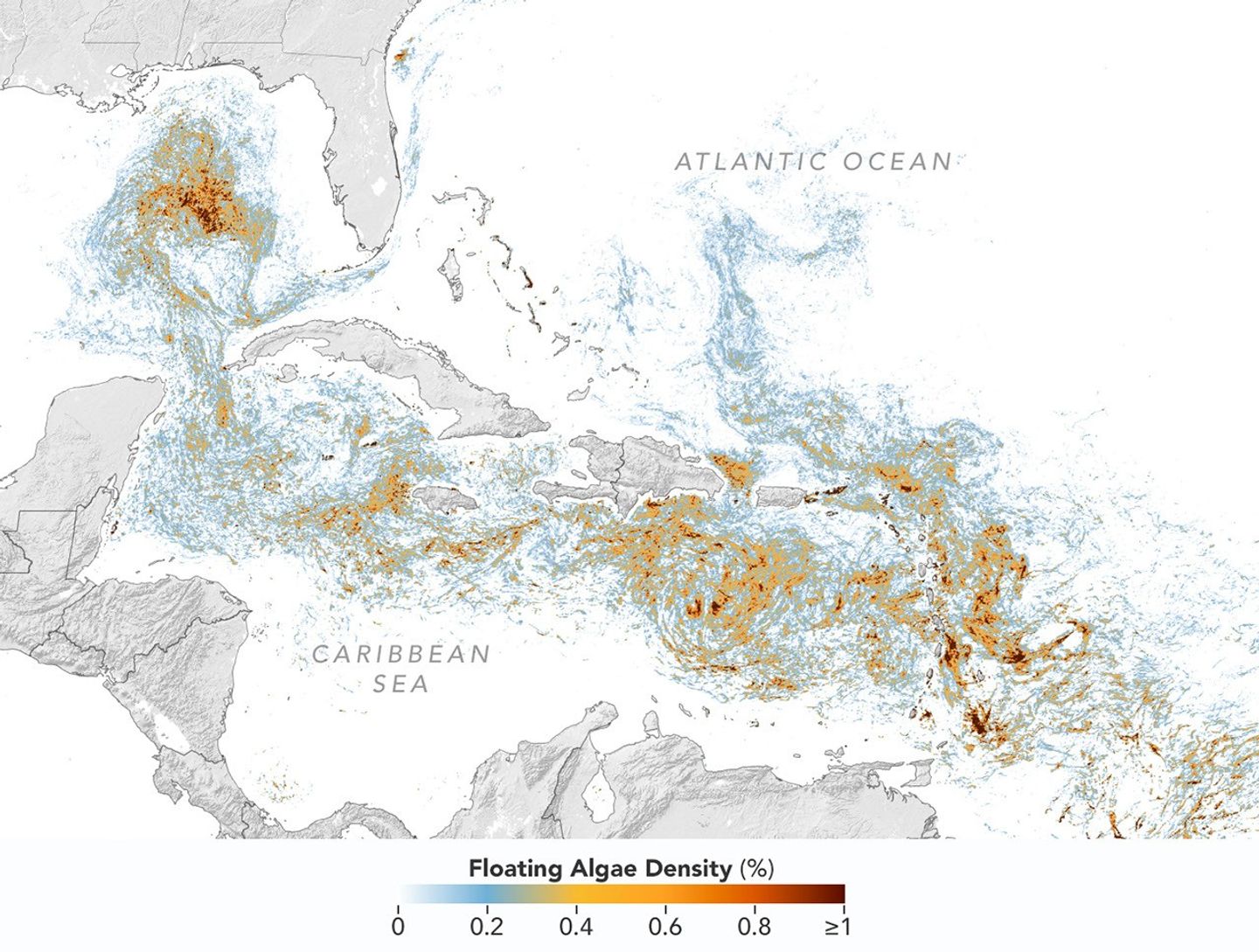
The belt’s Sargassum abundance in June 2026 made it the second-highest Sargassum year in the satellite record, slightly behind 2025, according to scientists at the University of South Florida (USF) College of Marine Science. Regionally, the Caribbean Sea and the Gulf of America (Gulf of Mexico) both hit record highs, according to USF’s June 2026Sargassum outlook. The western and eastern Caribbean saw 3.6 and 9 million metric tons, respectively, while the Gulf saw 5 million metric tons—nearly double its previous record, also set in 2025.
“The belt is a basin-scale phenomenon that can have devastating local-scale impacts throughout the Caribbean and Gulf, and satellite observations are the only method that captures both scales on a daily basis,” said Brian Barnes, a marine scientist at the Optical Oceanography Laboratory at USF. “The tracking done by our lab helps communities know the current extent of Sargassum and prepare for what’s to come.”
In moderate amounts in the open ocean, Sargassum provides habitat for turtles, invertebrates, fish, and birds, and adds oxygen to the water through photosynthesis. But too much of it near shore can tangle and suffocate marine life, and mats that sink can smother corals and seagrasses. On beaches, decomposing Sargassum releases hydrogen sulfide, a rotten-egg-smelling gas that’s a potential problem for both ecosystems and tourism.
The map above shows Sargassum density in the tropical Atlantic Ocean in June 2026. Red and orange areas are where Sargassum densities were the highest. Note that although the “belt” appears continuous, discrete Sargassum mats are scattered across the ocean surface. The map is based on satellite measurements of how much of the ocean surface was covered by the seaweed, averaged per pixel across all observations made in June by the OCI (Ocean Color Instrument) on NASA’s PACE (Plankton, Aerosol, Cloud, ocean Ecosystem) satellite.
This detailed view of the same PACEOCI map highlights Sargassum concentrations across the Caribbean Sea and Gulf of America, both of which saw record-high amounts of the floating algae in June 2026.
NASA Earth Observatory/Lauren Dauphin
Ocean currents and winds shape the Sargassum belt, which, despite the patchiness, stretches nearly continuously from West Africa to the Gulf and holds a fairly steady “width” from the western tropical Atlantic westward, explained Chuanmin Hu, also an optical oceanographer at USF. The ocean currents have also spared Florida’s west coast from inundation this summer, while delivering large amounts of seaweed to the Florida Keys and the state’s east coast. The bulk of the Sargassum, however, is visible in the Caribbean Sea, shown in detail above, where problems associated with inundation have been more severe, Hu said.
Data for the maps were provided by Lin Qi, an oceanographer at NOAA’s Center for Satellite Applications and Research, who has been working to generate Sargassum maps based on data from PACE, which was launched in February 2024. The work extends that of Qi and colleagues at USF’s Optical Oceanography Laboratory. This team first developed Sargassum detection techniques using MODIS (Moderate Resolution Imaging Spectroradiometer) on NASA’s long-running Terra and Aqua satellites and VIIRS (Visible Infrared Imaging Radiometer Suite) on the NOAA-20 satellite—data that have been a key component of USF’s Sargassum Watch System and of research into the seaweed’s longer-term trends.
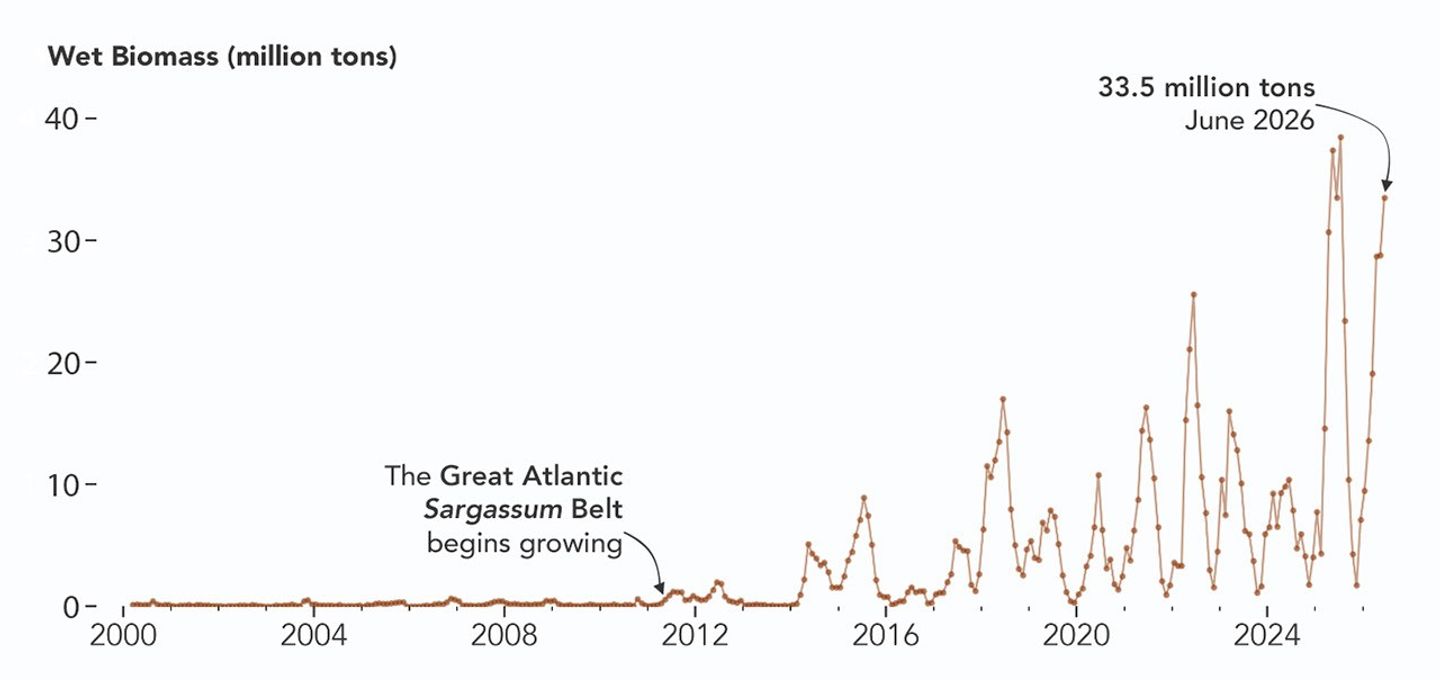
Satellites detect Sargassum by its signals in reflected sunlight. Because of its plant structure and chlorophyll pigments, Sargassum reflects more near-infrared light than water. Scientists flag pixels where the reflectance spikes above the levels produced by plain seawater, and then they use the strength of this spike to estimate Sargassum density, which refers to the fraction of ocean surface covered by the seaweed in each pixel. Density estimates can then be converted into biomass, or the total weight of Sargassum present within a pixel, which is how the longer-term trends in the chart below are tracked.
NASA Earth Observatory/Lauren Dauphin
The chart above uses the continuous MODIS record since March 2000 to show how Sargassum biomass across the Great Atlantic Sargassum Belt has changed through June 2026. Notice the uptick beginning around 2011, when the belt was first developing, and the seasonal dips in winter and peaks in spring and summer. The record high in July 2025 stands out, followed by the quick rise in early 2026—especially in the first four months of the year—that culminated in the year’s peak in June. More recent observations, not yet reflected in the chart, indicate Sargassum biomass declined through the following month of July.
“Since the initial appearance of the Great Atlantic Sargassum Belt in 2011, the total Sargassum amount in the Atlantic Ocean has increased substantially, more than doubling every five years,” Hu said. He added that the exact mechanism is still being investigated, but it’s possibly related to ocean warming, multiple nutrient sources, and the fact that large Sargassum mats attract other organisms—such as nitrogen-fixing bacteria—that can supply additional nutrients to sustain further growth.
Alongside data from MODIS and VIIRS, OCI data from PACE now feeds into the Sargassum Watch System’s near-real-time daily and weekly composite maps. A recent study of the central-west Atlantic led by Qi, spanning May through August 2024, found that OCI offers several advantages over its predecessors, observing more of the ocean and detecting Sargassum with greater sensitivity.
Hu noted that the added pixels from OCI can improve near-real-time monitoring and analyses of short-term fluctuations. And its higher sensitivity, he said, will also lead to improved maps during winter months, “thus helping understand Sargassum changes over time.”
Additionally, the study’s authors found that OCI’s hyperspectral capability makes it the only sensor able to spectrally discriminate Sargassum pixels across the Atlantic Ocean “without ambiguity,” adding confidence to the interpretation of detected image features—especially in parts of the Atlantic where another type of floating algae, Trichodesmium, has been reported.
“I think I can speak for all project members, past and present, in sharing how rewarding it is to see the promise of PACE’s advancements come to life,” said Jeremy Werdell, PACE project scientist at NASA’s Goddard Space Flight Center. “OCI has started a true renaissance in aquatic ecosystem monitoring from space.”
NASA Earth Observatory maps and chart by Lauren Dauphin, using PACE and MODIS data courtesy of Lin Qi (NOAA), and Brian Barnes and Chuanmin Hu (University of South Florida, Optical Oceanography Laboratory). Story by Kathryn Hansen.
Today, humans speak or use signs in approximately 7,500 different languages. However, this figure, impressive as it may seem, represents only a snapshot of a constantly changing history, and questions about the evolution of linguistic diversity have remained among the most elusive for science for decades. How many languages existed before the appearance of written […]
MacBook Air Flexgate is an unofficial name increasingly used for screen problems that appear when the laptop lid reaches a particular angle. The display may flicker, lose its backlight, show colored lines or turn completely black even though the computer continues running.
The term can be misleading. The original Flexgate controversy involved certain 13-inch MacBook Pro models from 2016, not MacBook Air. Apple later created a display backlight service program for eligible MacBook Pro units after determining that a small percentage could develop uneven lighting or lose the backlight entirely.
No equivalent MacBook Air repair program currently appears among Apple active service programs. Individual Air models can still experience failures involving display cables, connectors, backlight components or the LCD panel, but that does not establish one confirmed defect affecting every generation.
Owners therefore need to identify the symptom before assuming the screen has the same problem associated with the earlier MacBook Pro.
MacBook Air Flexgate Is Not the Original Flexgate
MacBook Air Flexgate usually refers to damage or wear affecting the thin cables carrying display information and power between the computer body and the screen.
These cables must flex every time the lid opens or closes. When a cable, connector or bonded section begins failing, the problem may initially appear only at certain screen angles. Moving the lid can restore the image temporarily, followed by another blackout when the display opens farther.
The original MacBook Pro issue became associated with a short backlight cable integrated into the display assembly. Repeated movement could place stress on the cable, producing a stage-light effect along the bottom of the screen before the backlight eventually stopped working.
MacBook Air designs also use compact display connections routed through the hinge area, but the internal construction differs across generations. A cable-related Air failure should not automatically be treated as evidence that Apple reused the exact defective MacBook Pro component.
The distinction matters during repair. A technician may use “Flexgate” as convenient shorthand, while the written diagnosis may identify a damaged display cable, backlight circuit, panel connection or complete display assembly.
Customers should ask which component has failed and how the conclusion was reached rather than accepting the nickname as the diagnosis.
Image Source: Google
Which MacBook Air Models Are Mentioned Most
Reports of angle-dependent MacBook Air display failures most commonly involve Retina models introduced from 2018 onward.
The 2018 and 2019 Intel MacBook Air share a thin Retina design with display connections running through the hinge area. The early 2020 Intel version and late 2020 M1 MacBook Air use closely related chassis designs, making symptoms across these machines look similar even when the failed component is not identical.
Owners describe displays that work when opened slightly but flicker, develop lines or turn black when moved toward a normal viewing position. Some units recover after the lid is partly closed, strongly suggesting a physical connection affected by movement.
The M1 MacBook Air receives particular attention because it sold in large numbers and remained available for several years. A greater number of public complaints does not necessarily mean it has a higher failure rate, but many of these computers are now old enough for wear, accidental pressure and repeated hinge movement to become relevant.
The redesigned M2 MacBook Air introduced in 2022 uses a different enclosure and display assembly. M3 and later versions continue that flatter design. Individual screen and cable failures can occur, but there is no established evidence of a single Flexgate defect covering those generations.
Older wedge-shaped MacBook Air models released before the 2018 Retina redesign can also develop display cable problems. They are not normally included in the Flexgate discussion because their screen architecture predates the MacBook Pro controversy and their failures follow different repair patterns.
The exact model can be checked through:
Apple menu > About This Mac
The model year and screen size are more useful than the date the Mac was purchased. Retailers may sell an earlier generation long after its original release.
How to Recognize a Display Cable Failure
A strong Flexgate-style symptom is a display that changes immediately when the lid moves.
The screen may operate normally below a particular angle, then flicker or disappear as it opens farther. Returning the lid to the previous position restores the picture without restarting the Mac.
Uneven illumination along the bottom edge can point toward a backlight connection. Several bright or dark patches resembling stage lights are especially associated with cable or backlight distribution problems.
A completely dark screen may still contain a faint image. Shining a flashlight toward the display in a dark room can sometimes reveal the desktop beneath the failed backlight. This test should be performed gently without pressing against the panel.
Colored vertical lines, black bands or duplicated images can involve the display data connection, but they may also indicate panel damage. Lines that remain unchanged at every lid angle are less characteristic of a flex-related failure.
Cracks do not always appear on the outer glass. Pressure from a webcam cover, keyboard protector, plug, pen or other object left between the keyboard and display can damage the internal LCD while leaving the surface relatively smooth.
Liquid exposure may create lines, discoloration or intermittent operation around the hinge and display connectors. In those cases, repeatedly opening the lid can spread contamination or worsen damaged connections.
An external monitor provides one of the most useful tests. When the external image remains normal while the built-in screen fails, the graphics processor is probably still generating the picture correctly. Attention then moves toward the internal display assembly, cable or connector.
A screenshot can provide another distinction. Capture the screen while the fault is visible, then inspect the file on another device or external monitor. When the screenshot looks normal, the problem is likely occurring after macOS generates the image.
What Owners Should Do Before Paying for Repair
Back up the Mac as soon as an intermittent display problem begins. A screen that works at one angle today may become completely unusable after another cable movement.
Avoid repeatedly opening and closing the lid to demonstrate the fault. Each movement can place further stress on an already damaged connection.
Record a short video showing the display at different angles. Intermittent failures can disappear when a Mac reaches a repair counter, and clear documentation helps the technician reproduce the condition.
Apple Diagnostics may identify some hardware problems, although a clean result does not rule out a damaged display cable. Testing in macOS Recovery or during startup can help exclude an ordinary application problem.
Apple and authorized providers commonly replace the complete display assembly when the cable is integrated with the screen. That approach can make an out-of-warranty repair expensive even when the visible fault involves a small cable.
Independent repair specialists may offer component-level cable work for certain models. The quality and durability of those repairs vary considerably, and newer Air displays can require specialized equipment, adhesives and calibration.
Before authorizing work, request a written estimate identifying the model, suspected component, warranty on the repair and whether the replacement display is new, used, refurbished or genuine.
AppleCare+ may reduce the cost when coverage remains active, particularly if the screen shows accidental damage. Standard warranty coverage depends on the diagnosis and whether Apple determines that impact, liquid or external pressure caused the failure.
The current Apple service-program list should also be checked before paying. A MacBook Air display program could be introduced or changed later, while consumer-protection laws may provide additional rights in some countries even after the limited warranty ends.
Owners using the Mac with an external monitor can often continue working while evaluating repair options. FileVault credentials, backups and any essential recovery codes should be confirmed before service because a technician may need to erase, reset or retain the computer during inspection.
Pre-Covid, the movie landscape was dramatically different: YouTubers weren’t dominating the box office, video game spin-offs rarely made an impact and Winnie-the-Pooh wasn’t yet the star of a slasher movie. Why such a flurry of innovation – and what will be next?
Cinema has always been a medium of research and development. At any given point, the industry is searching for yet another breakthrough that can drive it into the future. Synchronised sound in the 1920s. Technicolor in the 1930s. The invention of the modern blockbuster in the 1970s.
Conversely, the consensus is that, if the 2020s has a defining trend, then it is one of decline. The theatrical experience is under attack from all angles: streaming, YouTube, a once-in-a-century health crisis that shut cinemas down entirely. And yet, if you look closer, this has actually been one of the most innovative decades that cinema has ever seen. Whether down to technology or desperation, the film industry has spent these last few years figuring out new ways to make films that simply could not have existed even at the turn of the decade.
RED 100 Go propose un forfait mobile sans engagement à 9,99 €/mois avec une enveloppe data confortable, pensé pour les utilisateurs connectés qui veulent éviter de payer plus que nécessaire.
Prixtel Oxygène propose un forfait mobile flexible capable d’évoluer chaque mois selon la consommation de données. Une approche pratique pour éviter de payer des gigaoctets inutilisés.
If you’ve ever swum in the ocean and been touched by seaweed, there’s a good chance it was Sargassum! This free-floating seaweed can have population explosions in coastal waters, degrading water quality, ecosystems, fisheries, and tourism. However, despite its drawbacks, scientists think that Sargassum could be useful for extracting valuable metals, known as rare earth elements (REEs).
REEs are classified by their average masses and atomic weights. Light REEs include cerium, praseodymium, and neodymium, middle REEs include gadolinium, terbium, and dysprosium, and heavy REEs include erbium, thulium, and ytterbium. These metals are used in magnets, electronic motors, wind turbines, spacecraft, and more. Our current methods of extracting REEs, open-pit mining and chemical processing, are invasive, causing habitat loss and producing toxic waste. Additionally, REEs are difficult to import due to restricted access worldwide. But what if these metals could be extracted using natural methods?
Scientists from Woods Hole and UCLA recently tested whether Sargassum could accumulate REEs, creating a sustainable solution to these problems. They harvested Sargassum at Waterfront Park in Woods Hole, rinsed the wet samples, and stored them in sterilized, filtered seawater, which they aerated with 12-hour cycles of light and dark to keep the Sargassum alive. They dried another set of samples in the sun under controlled outdoor conditions, stored them in sealed containers, and later rehydrated them in seawater for 3 hours before the experiments.
For each experiment, they added 5 grams (about 0.2 ounces) of Sargassum to solutions containing a mixture of 9 REEs – cerium, praseodymium, neodymium, gadolinium, terbium, dysprosium, erbium, thulium, and ytterbium – in concentrations totalling 0.1 micromolar (μM) REEs, 11μM REEs, 100 to 110μM REEs, and 575 to 600μM REEs. They performed each experiment 4 times: twice with fresh seaweed and twice with rehydrated seaweed.
The researchers removed 1 gram (about 0.04 ounces) of seaweed from each solution after 1, 3, and 7 days, and dissolved it in acid to release the REEs it had absorbed. They analyzed the concentrations of REEs in each seaweed sample and the leftover solutions using 2 different plasma-based methods. They used these REE concentrations to calculate the ratio of REEs in the Sargassum versus in the solution, known as the bioconcentration factor, to determine how effectively the seaweed absorbed REEs.
They found that after 7 days at lower REE concentrations (0.1μM), the fresh seaweed had bioconcentration factors of over 1,000. At higher REE concentrations (11μM), their bioconcentration factors ranged from about 400 to 700. However, these levels of REEs were eventually toxic to the fresh Sargassum, so they died after 2 weeks. In addition, the higher REE concentrations of 100 to 600μM were immediately toxic to the fresh Sargassum, which died within 1 day in solution.
The researchers determined that once the seaweed died, it could no longer actively take up REEs into its tissues but could only accumulate them on its surface or adsorb them. Adsorption can be thought of as a powdered donut – when the surface is covered with powdered sugar, no more powder fits on the donut. Similarly, there was a limit to how many REEs could stick to the Sargassum. Due to this limit, the fresh seaweed samples had bioconcentration factors below 250 in the highest REE concentrations. In contrast, the rehydrated Sargassum consumed less REEs at lower concentrations, but didn’t experience toxicity and continued to accumulate REEs at higher concentrations.
Finally, the team compared Sargassum to a common industrial method of accumulating REEs, known as activated carbon. REEs bond easily to activated carbon because of its abundant surface area and high porosity. Both materials accumulated a similar amount of REEs in solutions of 0.1μM REEs. However, at 575 to 600μM REEs, Sargassum accumulated about twice as many REEs as activated carbon, especially the heavier REEs.
The researchers concluded that Sargassum is a natural hyper-accumulator, meaning it successfully concentrates REEs. However, they recommended that future researchers test whether Sargassum performs the same in the natural environment as it does in the lab. If so, Sargassum could be used to accumulate REEs from wastewater, like mine drainage, or other water sources with higher concentrations of REEs. Regardless, they suggested that using Sargassum to obtain REEs could simultaneously expand global access to these metals and mitigate toxic blooms.
RED by SFR propose un forfait 100 Go à 9,99 €/mois sans engagement, avec assez de data pour le streaming, la navigation GPS et le partage de connexion.

 Login