Normal view

Researchers Reveal Concealed Drug-Binding Site in Cancer Protein, Showcasing Both Strengths and Challenges of AI in Drug Discovery

3 June 2026 at 15:55

In a landmark study conducted at the Icahn School of Medicine at Mount Sinai, researchers have revealed a previously undetected drug-binding pocket within PKMYT1, a kinase intimately involved in cell cycle regulation and cancer progression. This groundbreaking discovery not only challenges current understanding of the protein’s structural dynamics but also underscores both the promise and inherent limitations of contemporary artificial intelligence (AI) methods in the field of drug discovery.

Kinases like PKMYT1 orchestrate critical cellular processes such as growth and division, rendering them prime candidates for therapeutic targeting in oncology. Traditionally, drug development strategies against kinases have centered on the ATP-binding site, which is essential for their catalytic function. However, the ATP-binding motifs among kinases exhibit high degrees of conservation, complicating efforts to engineer drugs with high specificity. This often results in off-target effects that can diminish clinical effectiveness and elevate toxicity risks.

By leveraging a synergistic approach that combined AI-based protein modeling with experimental validation, the researchers uncovered a novel allosteric pocket on PKMYT1. Notably, this binding site escaped detection by leading AI platforms, including the widely acclaimed AlphaFold2. This hidden pocket presents a unique avenue for more selective drug design, diverging from the conventional ATP-competitive strategies and heralding a new paradigm in kinase inhibition.

The research unveiled that PKMYT1 exhibits pronounced conformational flexibility, oscillating between distinct shapes rather than maintaining a static structure. Such dynamic behavior implicates the existence of transient binding pockets that evade prediction by current computational models. These transient pockets might serve as ‘Achilles’ heels’ for selective inhibitor binding, a concept with profound implications for drug discovery beyond this single protein.

Experimentally, the team employed X-ray crystallography and biochemical assays to corroborate binding interactions and validate the biological implications of their findings. Complementing these traditional methods, molecular dynamics simulations and advanced AI models like AlphaFold3 and Boltz-2 were utilized to explore whether computational tools could retrospectively predict the discovered binding modes, exposing gaps in present-day AI predictive capability.

A particularly striking revelation was the sensitivity of the protein-ligand interaction to minuscule chemical modifications. Slight changes in the molecular structure of candidate compounds dramatically altered their binding site preference, toggling between the newfound hidden pocket and more canonical sites. This sensitivity reflects the intricate nature of protein-ligand recognition and underscores the necessity for meticulous experimental validation alongside in silico predictions.

The dual leadership of the study, Professors Avner Schlessinger and Michael Lazarus, highlights a balanced perspective on AI’s role. While AI tools excel at confirming known structural patterns, they may falter in uncovering novel or cryptic sites, especially in proteins that are inherently flexible. This work emphasizes that experimental inquiry remains indispensable, even as AI transforms biomedical research.

From a translational perspective, the discovery of this new druggable site opens exciting therapeutic possibilities. By designing inhibitors that selectively target this unique allosteric pocket, drug developers may circumvent the specificity and toxicity challenges endemic to existing kinase inhibitors. This could potentially accelerate the development of next-generation cancer therapies with improved efficacy and safety profiles.

Moreover, these findings serve as a wake-up call for the AI drug discovery community. The inability of cutting-edge AI platforms to predict the full spectrum of protein conformations spotlights areas for computational innovation, particularly in modeling protein plasticity and allostery. Enhanced algorithms, informed by experimental data like this study’s insights, may soon enable more comprehensive structural predictions with direct impacts on drug development strategies.

Looking ahead, the research team plans to advance the chemical optimization of lead compounds that engage the hidden PKMYT1 pocket with greater potency and selectivity. Concurrently, they aim to survey a broader array of cancer-associated kinases for similar cryptic sites, potentially revealing a wider landscape of novel therapeutic targets across the kinome.

This study represents a significant stride in precision oncology, where the nuanced understanding of protein structure and dynamics can lead to highly selective molecular interventions. It epitomizes the evolving interplay between AI and experiment—where computational hypotheses must be rigorously tested in the laboratory to unlock biomedical breakthroughs.

The work, published recently in the Journal of the American Chemical Society, titled “Allosteric Inhibition of PKMYT1 Induces a Unique, Inactive ATP Binding Site Conformation,” showcases the power of integrating modern AI tools with classical experimental techniques. It exemplifies a model for future drug discovery endeavors aiming to outpace cancer’s complexity through technological and scientific synergy.

As the scientific community digests these revelations, the broader implications are clear: protein targets once deemed structurally intractable may hide exploitable vulnerabilities, awaiting discovery through combined AI and experimental approaches. This challenges researchers to rethink strategies in drug design, moving toward a more dynamic and flexible framework to combat diseases with precision.

In summary, the Icahn School of Medicine’s team has not only unearthed a novel therapeutic target on a cancer-relevant kinase but also illuminated the frontiers and limitations of AI-driven drug discovery. Their pioneering work reinforces that while algorithms can guide drug development, the enduring rigor of experimental science remains critical to truly transformative medical advances.


Subject of Research: Cells

Article Title: Allosteric Inhibition of PKMYT1 Induces a Unique, Inactive ATP Binding Site Conformation

News Publication Date: June 3, 2026

Web References: http://dx.doi.org/10.1021/jacs.6c05178

References: Herrington, N. B., Khamrui, S., Zhao, Y., Lansiquot, C., Wu, R., Pandey, G., Lazarus, M. B., & Schlessinger, A. (2026). Allosteric Inhibition of PKMYT1 Induces a Unique, Inactive ATP Binding Site Conformation. Journal of the American Chemical Society. DOI: 10.1021/jacs.6c05178

Image Credits: Herrington, et al., Journal of the American Chemical Society

Keywords: Drug development, kinase inhibition, cancer therapy, AI drug discovery, protein dynamics, allosteric pocket, PKMYT1, molecular dynamics, AlphaFold, X-ray crystallography

Ice Age Enigma: Taimering Mammoth Probably Processed by Early Hunters and Gatherers

3 June 2026 at 15:53

In a remarkable archaeological breakthrough near Regensburg in Bavaria, Germany, a nearly 2.5-meter-long spirally twisted tusk belonging to a woolly mammoth (Mammuthus primigenius) was unearthed during routine construction work in Taimering. This discovery, made six years ago by the Bavarian State Office for the Preservation of Historical Monuments (BLfD), reverberates profoundly through the scientific community, offering an unparalleled window into the Ice Age fauna of Central Europe. Alongside the tusk, researchers uncovered over seventy additional bones and bone fragments predominantly from the mammoth’s ribcage, as well as hand and foot bones, though the long bones remain conspicuously absent. Experts attribute the exceptional preservation of these remains to millennia of conservation within the wet sedimentary environment, which staved off the deleterious effects typically inflicted by exposure and predation.

Subsequent paleontological analyses meticulously confirmed that all the bones and the tusk belong to a single, remarkably large but juvenile individual. The mammoth is estimated to have stood approximately three meters tall at the shoulder—indicative of the species’ impressive stature even before reaching full maturity. The spatial arrangement and pristine condition of the bones strongly imply that the animal perished in close proximity to the excavation site. Detailed surface examinations revealed the absence of evidence for transport by water or predation-induced disarticulation, suggesting rapid burial in the sediments of an ancient pond or a slow-moving tributary of the Danube River during the Last Glacial Maximum. Radiocarbon dating places this event between 27,000 and 25,000 years ago, embedding the specimen firmly within a critical temporal context.

One of the most striking revelations from the site involved the identification of anthropogenic modifications on the bones. Researchers discerned clear cut marks—most notably on the ribs—attesting to human butchering activities. Intriguingly, one of the broad rib bones appears to have served as a makeshift cutting board, further underscoring the direct interaction between Palaeolithic humans and this megafaunal giant. However, it remains unresolved whether humans hunted the mammoth or scavenged its carcass after natural death. The osteoarchaeological analyses led by Kerstin Pasda from the Friedrich-Alexander-University Erlangen-Nürnberg provide compelling evidence of deliberate exploitation but stop short of clarifying the exact nature of the encounter.

Pollen analysis by Dr. Philipp Stojakowits from the University of Augsburg provided vital environmental context, revealing a tundra-like steppe populated by herbaceous plants and scattered dwarf shrubs. This biome, commonly known as the Mammoth Steppe, was a complex and nutrient-rich ecosystem that stretched expansively across Eurasia during the peak of the last glaciation from 30,000 to 20,000 years ago. It represented a vast treeless habitat nestled between the retreating Scandinavian ice sheet and the southern Alpine glaciers, capable of sustaining diverse megafauna including woolly mammoths. The palaeoecological insights gleaned from these studies place the Taimering mammoth within an ecosystem marked by climatic extremes yet surprisingly rich biodiversity.

This discovery is of exceptional significance not only because mammoth remains are exceedingly rare in this part of Europe but also due to the scarce evidence of human presence in the region during this notoriously harsh glacial period. PD Dr. Gertrud Rößner, a leading paleontologist at the Bavarian State Collections of Natural History, highlighted the rarity of such finds in Central Europe, contrasting with more common discoveries in eastern Eurasia. Additionally, archaeologists Andreas Maier of the University of Cologne and Thorsten Uthmeier of the Friedrich-Alexander-University Erlangen-Nürnberg emphasized that prevailing climatic conditions likely forced Palaeolithic hunter-gatherers to seek refuge in more hospitable southern and eastern zones, rendering direct evidence of their activities exceedingly rare in Bavaria.

The collaborative scientific endeavor involved 14 specialists from a panoply of institutions including the Bavarian State Collections of Natural History, Friedrich-Alexander University Erlangen-Nürnberg, the Bavarian State Office for the Preservation of Historical Monuments, the Reiss-Engelhorn Museums, the Curt Engelhorn Center for Archaeometry in Mannheim, and several major universities across Germany. This interdisciplinary approach ensured comprehensive analyses employing advanced archaeological, palaeontological, and geological techniques, culminating in a robust reconstruction of the mammoth’s life and death against the backdrop of Ice Age Europe.

Such integrated research has immense implications. Beyond expanding the paleobiogeographical distribution of woolly mammoths, the site furnishes rare evidence of human predation or scavenging behavior in an environmental context generally considered hostile to sustained human occupation during the Last Glacial Maximum. The cut marks on the bones, coupled with contextual geological data, provide a rare snapshot into hominin subsistence strategies and adaptability under extreme climatic stress, critical for understanding human evolution and migration patterns during this epoch.

Moreover, the preservation of the mammoth’s tusk alongside the skeletal remains offers valuable material for ongoing studies related to the species’ growth patterns, physiology, and ecological niche. The tusk’s spiral curvature—a characteristic feature in Mammuthus primigenius—provides insights into the age and health status of the individual, while microscopic analyses of growth increments may yield data on environmental fluctuations and dietary intake. The care taken in meticulously extracting and preparing these finds at the Bavarian State Collections of Natural History underscores the scientific potential locked within these ancient relics.

Attention to the depositional environment has also yielded critical stratigraphic information. The wet-soil conditions responsible for the near-perfect conservation of the bones also hint at palaeo-hydrological dynamics of the region during the Ice Age. These insights are invaluable for reconstructing the geomorphology of prehistoric landscapes and understanding how megafaunal species interacted with their habitats, maneuvered across glacial terrains, and responded to rapidly changing environmental parameters.

In summary, the Taimering mammoth discovery challenges and enriches prevailing narratives about Ice Age Europeans and their megafauna. It bridges gaps between palaeontology, archaeology, and palaeoecology, providing a multidimensional view of an ancient world teetering on the edge of monumental climatic upheaval. This research not only celebrates a spectacular scientific find but also sets a new standard for interdisciplinary collaboration in Quaternary science, offering promising avenues for further revelations about the complex interplay between humans and their environment tens of millennia ago.


Subject of Research: Animals

Article Title: A cold case from the last Glacial Maximum: A partial mammoth skeleton from southern Germany (Danube Valley, Germany) – Part 1: Traces of human activity and archaeological context

News Publication Date: 3-Jun-2026

Web References:
http://dx.doi.org/10.1016/j.jasrep.2026.105839

Image Credits: Credit: BLfD

Keywords: Woolly mammoth, Mammuthus primigenius, Ice Age, Last Glacial Maximum, archaeology, palaeontology, human activity, butchering marks, Mammoth Steppe, palaeoecology, radiocarbon dating, Bavaria, Central Europe.

New Study Reveals Wetland Loss Drives $10 Billion Surge in Residential Flood Insurance Claims

2 June 2026 at 19:59

In an era marked by escalating climate risks and intensifying hydrological extremes, a groundbreaking study recently published in Nature Water uncovers a startling economic consequence of wetland degradation across the United States. Environmental Defense Fund (EDF) researchers, including Jesse Gourevitch, Adam Gold, and Helena Garcia, present compelling evidence that the loss of wetlands upstream profoundly magnifies downstream riverine flood damages, leading to a staggering increase exceeding $10 billion in residential flood insurance claims since 1985. This study elucidates the crucial, yet often undervalued, role that wetlands play as natural infrastructures modulating flood risk.

Utilizing a spatially explicit, sub-watershed-level analysis, this research integrates hydrological modeling with socio-economic data, particularly insurance claim records from the National Flood Insurance Program (NFIP). By correlating changes in upstream wetland extent with the magnitude of downstream flood insurance payouts, the study isolates the impact of wetland loss on flood severity while controlling for confounding variables such as antecedent local precipitation and intrinsic flood exposure of affected properties. This methodological rigor allows for robust attribution of increased flood damages to wetland area reductions, advancing beyond prior assessments that predominantly offered qualitative or aggregate insights.

The quantification reveals that every hectare of wetland lost upstream corresponds to a 0.01% to 0.03% increase in residential flood claim payments downstream. While seemingly marginal per unit area, these increments aggregate to an unparalleled nationwide surge of $10.1 billion in NFIP claims, reflecting a 9% rise in flood-related payouts attributable to wetland decline over nearly four decades. Spatial variability is pronounced, with metropolitan Houston, southeastern Louisiana, and coastal Florida emerging as epicenters where wetland depletion translates into disproportionately amplified insurance costs, underscoring regional vulnerabilities rooted in both ecological and socio-economic factors.

A salient revelation of the study is the identification of wetland ecosystem services in measurable economic terms. In the top decile of sub-watersheds, each hectare of wetland conserves approximately $24,783 in residential flood damage annually. Astonishingly, the top one percentile of watersheds showcases values exceeding $301,268 per hectare, underscoring the immense protective benefits wetlands confer in critical hydrological contexts. This granular valuation equips policymakers and urban planners with concrete metrics to incorporate ecosystem services into infrastructural cost-benefit analyses and land-use decisions.

Beyond economic metrics, the research emphasizes equity dimensions of wetland loss impacts. Lower-income and predominantly non-white communities have disproportionately borne the brunt of amplified flood damages stemming from upstream wetland depletion. This intersectional insight highlights the urgency of integrating environmental justice considerations in conservation strategies and flood risk mitigation policies, ensuring vulnerable populations do not shoulder inequitable burdens of ecological degradation.

The scope of the study acknowledges limitations inherent in relying solely on NFIP data, which insures approximately 30% of total flood damages nationwide. By extrapolating to encompass uninsured losses and private insurance claims, the researchers estimate that the aggregate cost of flood damage attributable to historical wetland loss could exceed $33 billion since 1985. These figures starkly illustrate the expansive financial stakes tied to wetland conservation and restoration efforts, amplifying the imperative for proactive natural infrastructure management.

From a hydrological perspective, wetlands function analogously to sponges, absorbing substantial volumes of precipitation and surface runoff during storm events. This attenuation delays and diminishes flood peaks downstream, thereby mitigating property damage. Yet, persistent wetland conversion for development and agriculture continues apace, eroding these ecosystem services. The study’s findings make explicit the hidden costs of such land-use changes, reframing wetlands as critical assets whose depletion generates tangible, quantifiable economic consequences.

The authors also explore the policy implications of recent regulatory proposals, particularly the Trump Administration’s proposed revision to the federal “Waters of the United States” (WOTUS) definition. This redefinition threatens to exclude up to 91% of non-tidal wetlands from federal protection if they lack long-term surface water presence, potentially stripping vast tracts of wetlands from regulatory safeguards. The study estimates that these non-WOTUS wetlands, absent additional protection, provide flood mitigation services valued at approximately $177 billion for residential properties alone, signaling a profound risk of future unchecked losses in flood resilience.

Notably, the research underscores that the measured benefits of wetlands extend well beyond riverine flood mitigation for residences. Additional ecosystem services—such as biodiversity habitat, water quality enhancement, carbon sequestration, and recreational value—compound the societal benefits of wetland ecosystems. Including these factors would only magnify the economic imperative to preserve and restore wetlands as multifunctional landscapes vital to climate adaptation and environmental sustainability.

Consequently, this study delivers a clarion call to integrate wetland valuation comprehensively into federal and state decision-making frameworks. Whether informing benefit-cost analyses for infrastructure investments, refining flood insurance models to reflect natural flood defenses, or guiding targeted conservation financing through easements and acquisitions, the evidence-based quantification of wetlands’ flood risk reduction services is poised to reshape environmental governance paradigms.

As climate-induced flooding intensifies, and development strains hydrological systems, this pivotal research accentuates that restoring and protecting wetlands is neither a mere environmental ideal nor a marginal policy convenience. Instead, it constitutes a foundational strategy to curb economic losses, foster community resilience, and achieve equitable climate adaptation outcomes. The $10 billion increase in flood claims linked to wetland loss is an unequivocal economic signal—preserving nature’s infrastructure is essential for sustainable water resource management and disaster risk mitigation in the twenty-first century.

Subject of Research:
Article Title:
News Publication Date: June 1, 2026
Web References: https://www.nature.com/articles/s44221-026-00656-3
References: Environmental Defense Fund study published in Nature Water, June 2026
Image Credits:

The mystery of Alaska’s orange rivers is finally solved

2 June 2026 at 17:25

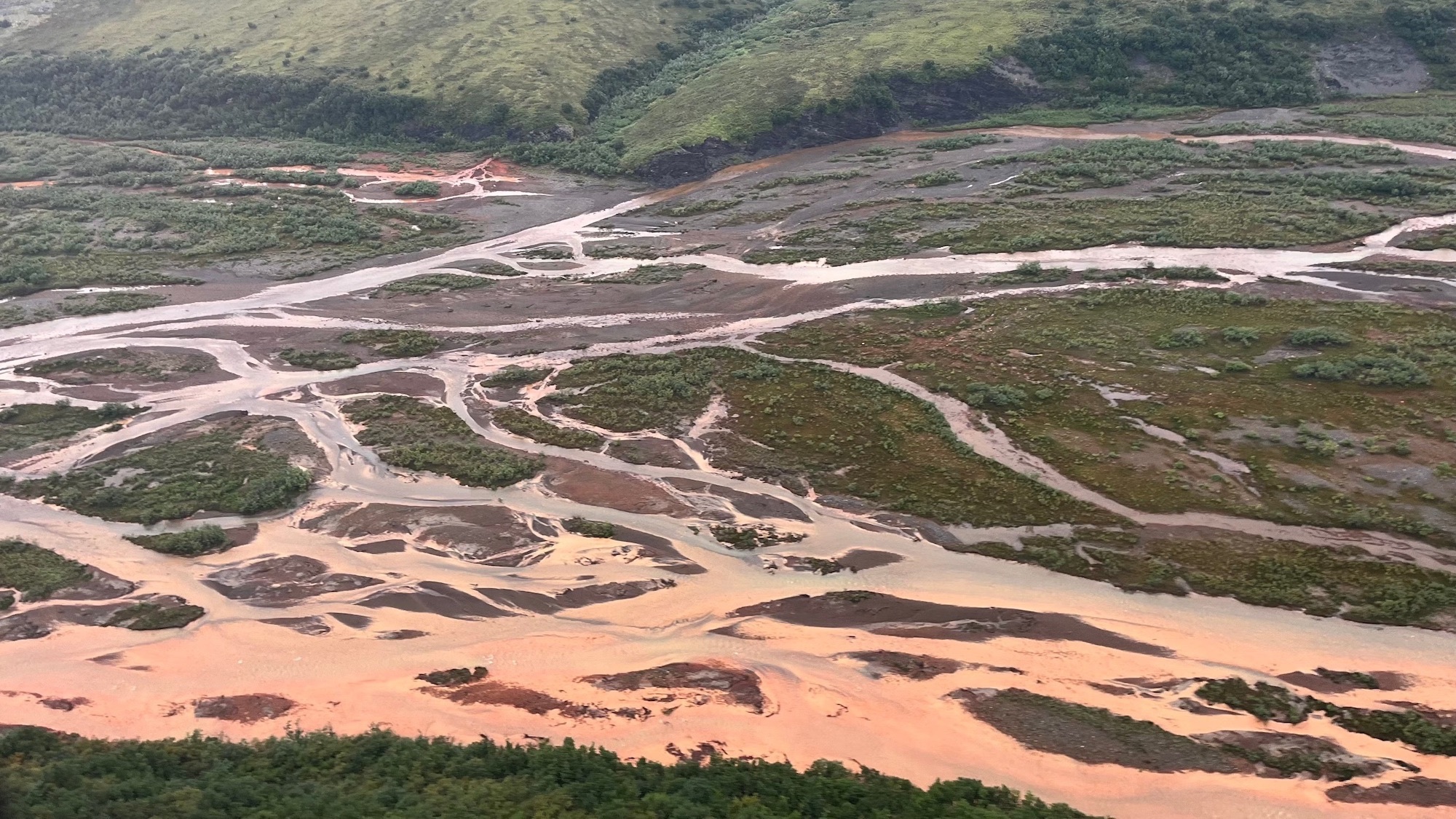
Alaska’s Arctic rivers have a big, orange problem. Previously clear rivers are turning a cloudy orange color due to iron particles, and it’s more than unsightly. The particles can suffocate fish and choke insects, threatening the food web and ecosystem as a whole. 

Scientists have long pointed to previously frozen soil beginning to thaw as the potential culprit behind the contamination of rivers in northern Alaska’s remote Brooks Range, and a study recently published in the Communications Earth & Environment proves it. The research also shows two distinct ways that this thawing soil is rusting the rivers and can help scientists predict where the damage is likely to spread next. 

“You’d think if any ecosystem could hide from the effects of warming and big human footprints, it’d be this one. But it’s not so,” Tim Lyons, a study co-author and biogeochemist at the University of California, Riverside, said in a statement. “There is no safe place.”

a scientist samples river water that has turned orange
Researcher sampling rusty Alaskan river water. Image: Tim Lyons/UCR.

From thawing permafrost to orange water

Permafrost is rock or soil that contains ice that has been frozen for two or more years. Alaska is warming two to three times faster than the global average, melting some of the permafrost that has been frozen for thousands of years. That thawing permafrost is already threatening the Tracy Arm Fjord, a popular destination for Alaskan cruises. 

As the ice-filled permafrost begins to thaw due to climate change, it can turn into mud that can’t support the weight of the soil or vegetation above it. This can threaten human-built infrastructure such as homes, pipes, and roads. It can also expose iron particles from rocks that turn rivers orange, a process called rusting. 

Rusting has severe ecological consequences. The fine iron particles can stay suspended in water for over 60 miles, smothering algae, disrupting insect populations, and clogging fish gills. These changes may already be affecting salmon in Alaska and Canada who rely on the gravel riverbeds for spawning and rely on algae as food during early life stages.

A top-down, fool’s gold problem

For this new study, the team looked at a wide regional view of the roughly 600-mile Brooks Range. They then zoomed in on a specific river system, followed by an even closer look at one creek. This top-down approach helped them to connect the bigger regional patterns to specific, on-the-ground processes.

“At middle, more heavily forested elevations, there isn’t much going on. But at the higher and lower elevations we could see distinctly different phenomena,” said Roman Dial, a study co-author math and biology professor emeritus at Alaska Pacific University.

At the higher elevations, the problem begins in the rocky ground containing pyrite, aka fool’s gold. Since the ground was frozen for many years, water and air didn’t affect the pyrite. Yet the rising temperatures have started to melt the ground, kicking off a process called acid rock drainage. The minerals and rocks are exposed to oxygen and water and degrade the water quality. 

“When pyrite meets water, it comes apart. It breaks down into iron and sulfur, creating sulfuric acid as well as sulfate and other toxic metals,” said Lyons. “When the iron-rich water mixes with more oxygen, the iron turns into rust-like particles that color the water and stain the bottom sediments orange.”

It’s an entirely different story at the lower elevations. The landscape is covered with wetlands that are changing shape and expanding downward as the permafrost melts. In these more soggy places, the soils are low in oxygen. So instead of breathing in oxygen, the microbes in the water (mostly bacteria) are taking in iron. 

“When we breathe, oxygen goes in and gets converted to the carbon dioxide that we exhale,” Dial said. “Similarly, microbes are consuming iron in the lowland soils and converting it into a water-soluble form that seeps into streams and results in rusting as it meets oxygenated surface water.”

Taken together, both acid rock drainage and microbes breathing in more iron help explain why orange waters are appearing across such large and remote regions across northern Alaska, closely tracking to areas where permafrost is thawing.

scientists sampling orange river water

The direct link

The team also found a delayed effect that could help predict future contamination. During the summer, the active, top layer of soil thaws to its deepest point. It then refreezes before the winter. The iron released during one summer thaw can become trapped and then flushed into rivers the following year.

By studying long-term ground temperature data and stream chemistry, this lag can be used to anticipate increases in metal levels.

“That means we can use ground temperatures to help predict water quality in the future,” added study co-author and University of Alaska ecologist Paddy Sullivan. In 2019, Sullivan first noticed the dramatic river changes that looked “like sewage” during fieldwork in the region.

Since mines typically control the waters near them to minimize pollution, the team partnered with scientists at the Red Dog zinc mine in northwest Alaska. The scientists there have long-term temperature records from boreholes that are drilled deeply into the earth and from chemistry sampling in stream water. Linking the underground measurements with changes in the stream’s chemistry directly connected the thawing permafrost to the rusting rivers.

While this problem is difficult to contain and manage, predicting where the contamination may pop up next could help pinpoint and protect critical habitats. This forecasting is especially important for communities that depend on these waters and the fishing living there for food and cultural practices.

“There’s no fixing this once it starts,” Lyons said. “But we can give people downstream a heads up and work hard to protect the places that are still safe and less vulnerable to the rusting.”

The post The mystery of Alaska’s orange rivers is finally solved appeared first on Popular Science.

50 million pounds of invasive fish removed from Illinois River

1 June 2026 at 17:02

While swimmers and boaters don’t have to fear sharks or giant squid in the Great Lakes watershed, invasive fish the size of large dogs lurk in the freshwater. Invasive carp have wreaked havoc on the ecosystem for over a century, but officials have hit a milestone worth celebrating in the fight against these mega fish. 

In the past 15 years, wildlife officials have removed 50 million pounds of invasive carp from the Illinois River. That’s equivalent to roughly 5,000 elephants. The removal is part of a broader and coordinated effort to protect the rivers and lakes from this non native species.

Why are carp a problem?

Currently, four species of invasive carp cause harm in the Great Lakes and beyond—bighead carp (Hypophthalmichthys nobilis), silver carp (Hypophthalmichthys molitrix), black carp (Mylopharyngodon piceus), and grass carp (Ctenopharyngodon idella). 

According to the Great Lakes Fishery Commission, all four species were imported to North America to help with pest control in aquaculture facilities in the 1970s. The carp escaped confinement in only 10 years, and have spread to the Mississippi River basin and other large rivers, including the Missouri and Illinois.

Each of the four invasive carp species can weigh more than 100 pounds and grow to four feet from tip to tail. Bighead carp and silver carp generally feed on the tiny plankton in the water, while grass carp eats rooted plants in shallow water, and black carp feed primarily on mollusks and snails. 

“They consume so much food and can exist in such great numbers that they can really reduce the amount of [resources] for resident species of fish,” Peter Alsip, an ecologist with the NOAA Great Lakes Environmental Research Lab told Popular Science in 2024. “They can have indirect effects on the whole ecosystem because [silver carp] are consuming phytoplankton and zooplankton, which are essentially the base of the food web.”

Once inside a watershed, they can reproduce rapidly and compete with native fish species for resources. In areas where invasive carp are abundant, they have harmed other fish species  and interfered with commercial and recreational fishing, according to the United States Fish & Wildlife Service (USFWS). They can also pose a danger to humans, as the giant fish can jump out of the lake and hit unsuspecting boaters.

What is being done to stop them?

Carp eradication measures have been active for over 100 years. These efforts include targeted mass removal efforts, developing barriers to block or impede their movement, and ongoing monitoring. 

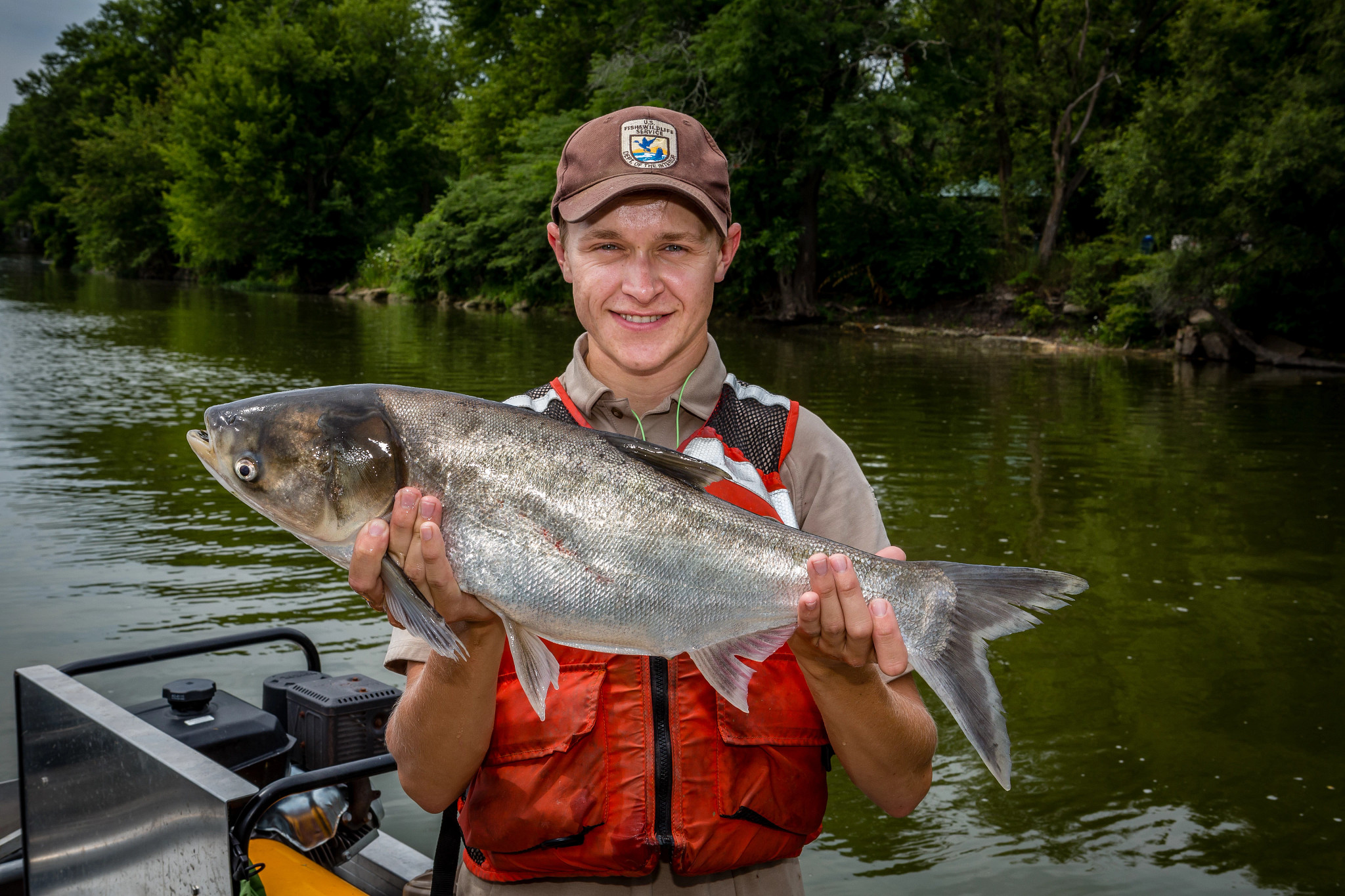
carp in a large net
Cap being culled in the Illinois River. Image: Illinois Department of Natural Resources.

The 50 million pounds of fish removed from the Illinois River were part of a program focusing on the northern part of the river about 50 miles from Lake Michigan. The removal project is designed to suppress the mostly adult populations of carp living in the area, by limiting their ability to reproduce and reduce their migration upstream towards the Electric Dispersal Barrier System. Located about 37 miles from Lake Michigan, this electric barrier is designed to deter their movement through the Chicago area. It is one of the main tools wildlife officials are using to keep them from further entering the Great Lakes through the Illinois River. Another program in the Illinois River offers fish harvest incentives to commercial fishers in the river’s lower 240 miles. 

“The more invasive carp we remove, the more we reduce their harmful impacts and the risk of them reaching Lake Michigan,” the USFWS wrote on Facebook. “Thanks to these and other efforts to monitor our waters and prevent the spread of invasive carp, Illinois and more than two dozen partners are safeguarding some of our most prized native fisheries, and the Great Lakes regional economy.”

The post 50 million pounds of invasive fish removed from Illinois River appeared first on Popular Science.

Rare hybrid sea turtle released back into the ocean after rescue

29 May 2026 at 15:32

A unique turtle is officially getting a second chance at life in the big blue. Last month we reported on a special resident at the Georgia Sea Turtle Center in Jekyll Island, Georgia: a first-generation hybrid sea turtle, the child of a Loggerhead sea turtle father (Caretta caretta) and a Kemp’s ridley sea turtle (Lepidochelys kempii) mother. Nicknamed Earl Grey, the reptile-turned-celebrity has returned to the wild. 

This Hannah Montana of turtles was slated to be released on Wednesday, but on Tuesday the Georgia Sea Turtle Center announced a change of plans because of “some unexpected pre-release complications.” Luckily, these complications must have been resolved. He was sent on his way Thursday morning, only one a day behind schedule. 

“Yesterday evening, veterinarians at the Georgia Sea Turtle Center determined that the best course of action for Earl Grey’s well-being and successful transition back into the ocean was to conduct a private release,” according to a George Sea Turtle Center spokesperson.

The turtle was rescued from a beach in Brewster, Massachusetts, where it was stranded and cold-stunned. The turtle’s mixed background was revealed by genetic testing after the Loggerhead ridley (or Kemp’s Loggerhead?) arrived at the turtle center. Hybrid animals are natural, but we don’t know how many wild hybrid sea turtles there are. Most hybrid animals are only confirmed with genetic testing. 

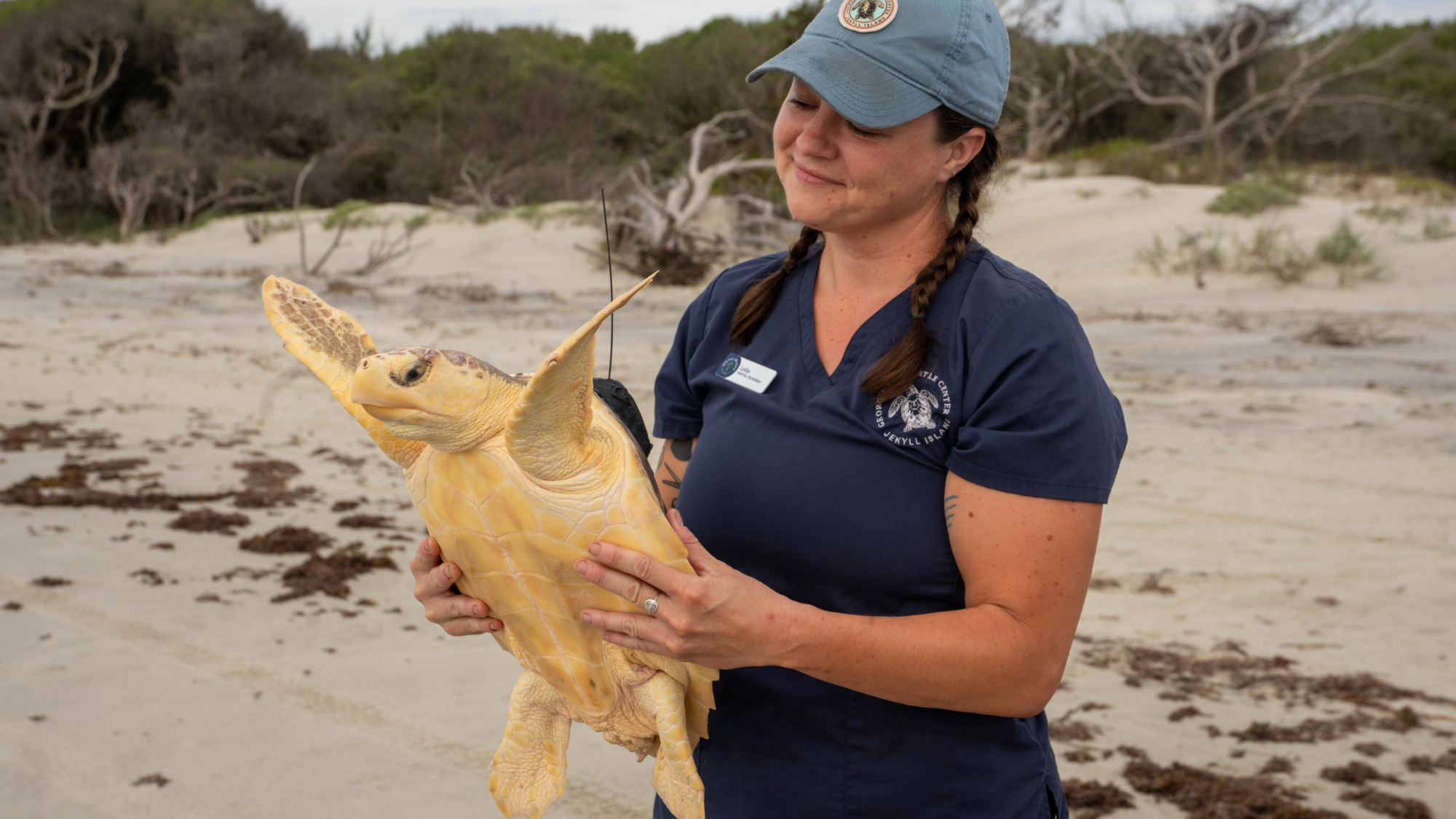
a turtle in a bucket with a telemetry device on its shell
Earl Grey on his way to the beach for release. Image: Jekyll Island Authority.

“From an evolutionary perspective, hybridization could be one of many ways genetic diversity is introduced into a population,” Jaynie L. Gaskin, Georgia Sea Turtle Center director, told Popular Science in April. “We encourage other rehabilitation facilities to consider genetic testing for any suspected hybrid sea turtles, as there may be more individuals than we currently realize!”

In a Facebook video, the turtle center highlights the traits that the rare hybrid sea turtle inherited from each species, including a hook-shaped beak of a Kemp’s ridley (the mother) and the colors of a Loggerhead (the father). A combination of, in their words, the “best of both worlds.” . 

Stay warm, E.G.! 

The post Rare hybrid sea turtle released back into the ocean after rescue appeared first on Popular Science.

What’s the safest swimsuit color? Skip blue and black.

29 May 2026 at 14:01

A pleasant swim at the beach or pool can quickly turn deadly. Every year, over 4,000 people die from unintentional drowning across the United States. 

Swim safety experts say drowning is highly preventable. They recommend learning basic swimming skills, designating “water watchers” to keep an eye on children in the water, and avoiding swimming alone or under the influence.

But what if your outfit could stop you from drowning? Swim safety experts say wearing the right color on your next beach day is a good way to stay visible and out of harm’s way—especially for inexperienced swimmers and kids.

So what are the safest swimsuit colors?

Lisa Zarda, Executive Director of the U.S. Swim School Association, says people wearing bright, neon colors are easiest to spot in pools, lakes, and oceans, while blue, black, white, and gray swimsuits blend into the water. 

“When the water is moving and reflecting the sunlight, certain colors just disappear under the water,” she said. “Especially in open water, where it can be kind of murky and hard to see: The brighter the color, the better.” 

Wearing bright colors helps lifeguards and other safety officials identify and rescue people who are at risk of drowning. Vivid orange and super-bright, highlighter yellow are two standout colors for swim safety.

“Think safety vests and traffic cones,” Zarda said. “Those are bright colors also for a reason—so that they can be easily seen.”

https://www.facebook.com/childrens.national/posts/pfbid08GZb6eHevPEyuJLgsdP3PzFXXYM58Q6vfRibrHJFhxWSmnhX8tf5DCeWqKkLvstnl

An informal study by Alive Solutions, a public safety group, tested swimsuit visibility in three different conditions: in a pool with a standard light bottom, a pool with a dark bottom similar to dark blue ocean environments, and in an outdoor lake with brown-gray water. 

Across the board, the study identified bright, neon orange as the most visible color. But there was some slight variation of which colors stood out best in different environments. Against a dark pool bottom, neon yellow, green, and orange were the most eye-catching, while even brighter reds and pinks appeared darker, and both light and dark colors faded into the water. 

In a pool with a light bottom, most colors stood out, while light colors like white and light blue disappeared almost instantly. 

In a lake, only neon colors were visible while all other colors quickly blended. So bottom line: stick to a neon orange swimsuit if you want to be sure to be seen.

Boy in dark blue swim trunks standing on jetty on a lake.
Dark colored swimsuits can be especially hard to spot in open water. Image: mrs / Getty Images / MARTINS RUDZITIS

What makes neon stand out?

All visible color is the result of reflected light. A red apple, for instance, absorbs many wavelengths along the light spectrum, but bounces back red wavelengths. So to the human eye, an apple appears red.

Ordinary colors, like the red of an apple, only reflect the light they receive, but fluorescent pigments do more than that. They also absorb incoming nonvisible ultraviolet and some visible blue light and then re-emit part of that energy as intensely visible light. This is why fluorescent colors almost seem to glow.

Fluorescent shade’s high-contrast is why traffic safety signs, protective gear, and safety and rescue objects, like buoys, are often made with neon materials. It’s also what makes fluorescent swimsuits extra safe.

Swim safety for kids

As summer comes into full swing, Zarda says wearing a neon swimsuit is just one piece of the puzzle to prevent drowning, particularly for kids.

Children are extremely vulnerable to drowning accidents. Kids between ages one to four die from drowning more than any other cause of death, according to the Centers for Disease Control and Prevention. For children aged five to 14, drowning is the second leading cause of unintentional injury.

“Choosing the right swimsuit color doesn’t replace any of the other important layers of protection.” Zarda said. 

“Always having undistracted adult supervision, having a fence around your pool, enrolling your child in swim lessons so that they know how to swim and navigate in the water—those are all still very important.”

In Ask Us Anything, Popular Science answers your most outlandish, mind-burning questions, from the everyday things you’ve always wondered to the bizarre things you never thought to ask. Have something you’ve always wanted to know? Ask us.

Related 'Ask Us Anything' Stories

The post What’s the safest swimsuit color? Skip blue and black. appeared first on Popular Science.

Kelsey Pfendler is trying to become the youngest woman to row solo from California to Hawaii

28 May 2026 at 20:14

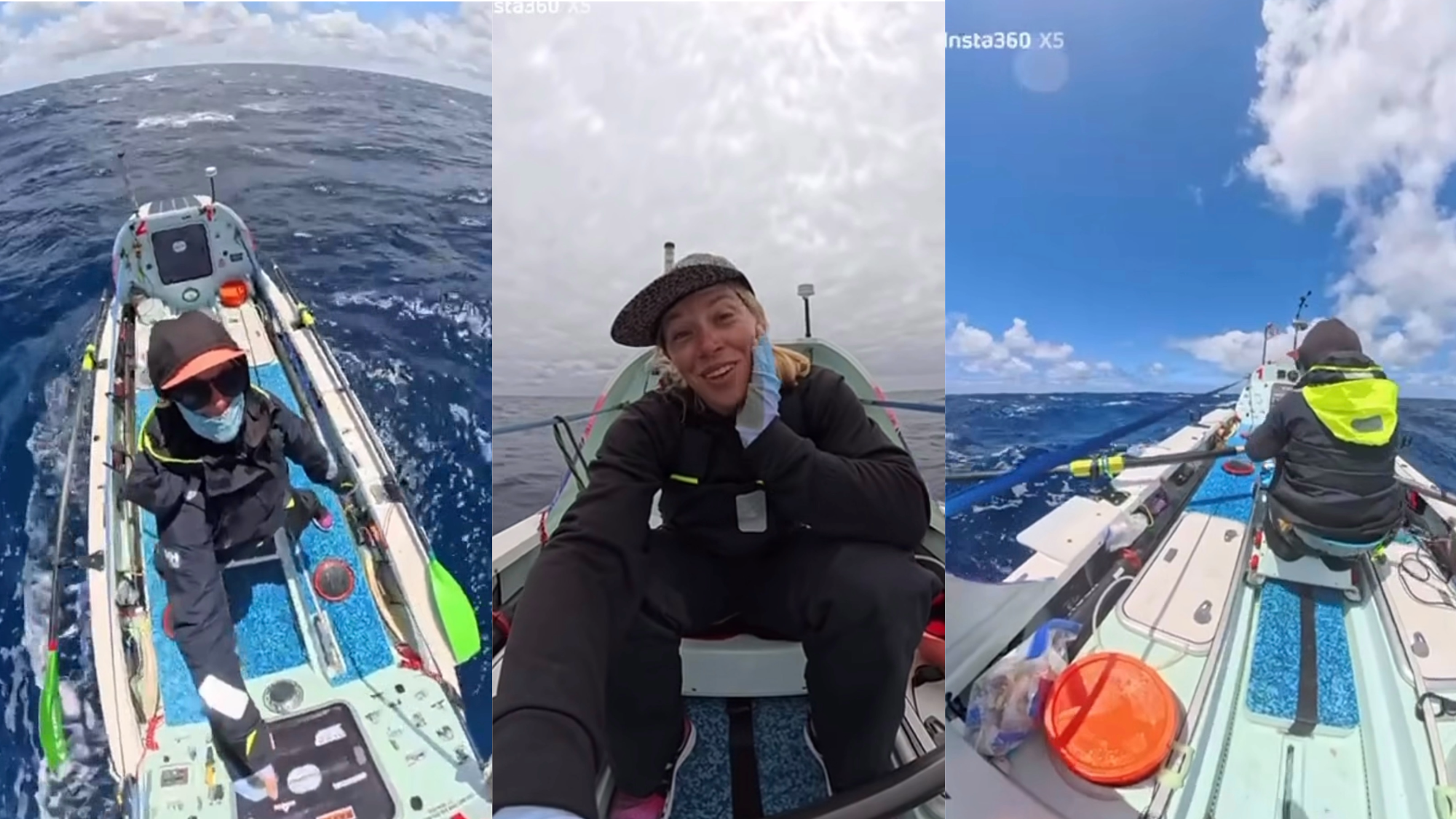
A 31-year-old New York native named Kelsey Pfendler is one week into her audacious quest to become the youngest woman to row unassisted from California to Hawaii. To complete her over 2,400-mile journey, she will need to face stormy seas and traverse waters teeming with all types of ocean life.  If she succeeds, Pfendler will become the first American woman ever to do so.

@yourowkelsey

A couple hours of napping and some food will make you feel like a new woman! Waves and wind are still big, but luckily they are becoming more favorable, allowing Kelsey’s boat to catch and ride the waves. Kelsey is rowing to raise funds for The Whale Foundation an organization whose mission is to support, restore, and celebrate the health and well-being of the Grand Canyon river guiding community. Links to learn more and donate are in our bio. @Concept2 @Recpak @insta360 official

♬ original sound – YouRowKelsey

Pfendler set off from Monterey, California on May 21 and has been posting daily updates on her TikTok. A separate live tracker  also plots her position on a digital map. As of May 28, the tracker shows her off the Southern California coast, moving at 1.6 knots. The multi-month voyage is a major test of physical strength and mental fortitude,  and it’s already proven grueling. In just her first week, Pfendler battled strong headwinds as she pushed away from the California coast, leaving her hands covered in blisters.

@yourowkelsey

Absolutely flying today! Waves are around 14ft and wind maxed about 22mph earlier, which gave her a good boost of speed. 229 miles so far, about 2,000 to go. @Concept2 @Recpak

♬ original sound – YouRowKelsey

And it has only gotten tougher. Pfendler’s route took her directly into the path of a weather front, bringing bone-chilling temperatures and punishing waves. Worse, while taking cover from the waves, she lost the cap to her heavy-duty freshwater bag. Though she has the ability to make more freshwater with a desalination device, it runs on solar power and the storm left the skies too dark and overcast for the device to work. As a result, Pfendler has had to tap into her emergency supply of 25 small water bottles, a scarcity that has also prevented her from using water to rehydrate her freeze-dried camp food.

“It’s tortillas and peanut butter until I get some sun,” Pfendler said. 

But the trip has had its lighter moments as well. Pfendler posted an update sharing her excitement when she crossed the continental shelf. At about 50 to 60 miles off the California coast, crossing the continental shelf is something few humans get to experience so intimately.  She also recounted a moment where she spotted either a sea lion or a dolphin hunting fish nearby, sending them leaping out of the water all around her boat.

“It was really cool, it was in the dark and it was kinda special for me,” Pfendler said, 

This quest  isn’t Pfendler’s first rodeo. She completed a similar rowing trip from California to Hawaii in 2024 with three companions, serving as the skipper. That trip took 40 days, 22 hours, and 14 minutes. Still, rowing in total isolation—even for an experienced oarswoman—adds another layer of challenge. If Pfendler completes the trip, she will be just the third woman ever to do so. The record, set by British rower Lia Ditton in 2020, currently stands at 86 days, 10 hours, and 56 seconds.

The post Kelsey Pfendler is trying to become the youngest woman to row solo from California to Hawaii appeared first on Popular Science.

Fans don’t cool rooms and 3 other myths about home energy conservation

27 May 2026 at 15:00

Want to spend less on energy? You’re not alone. Summer’s approach means air conditioning season is almost here, just in time for a global energy crisis.

Naturally, we’re all looking for ways to lower our energy bills. There’s a lot of great advice out there, from ditching incandescent lights to getting a heat pump. But there’s also some energy-saving advice that is useless—and a few tips that actually waste energy. Here are a few common myths about energy conservation, debunked with actual science. 

Closing vents in empty rooms doesn’t save energy.

If there are rooms in your house you don’t regularly use—a guest bedroom, say, or an occasionally used rec room—you might wonder whether it’s worth heating or cooling it year-round. What if you closed the vents in those rooms, just to save a little money? There’s a certain intuitive logic to this. Heating and cooling costs money, so why bother leaving the vents open in rooms you’re not using? 

But HVAC systems don’t work that way. Research suggests that closing vents will probably end up costing you more money. Here’s how.

A 2003 study by I.S. Walker at the Lawrence Berkeley National Laboratory tested this in a lab environment, simulating various California households and climates. Researchers found that closing vents actually increases energy usage. 

“The reduction in building thermal loads due to conditioning only a part of the house was offset by increased duct system losses,” the study concluded, stating this was “mostly due to increased duct leakage.” 

Put simply: Closing vents doesn’t save energy, because doing so pushes heated or cooled air into your walls instead of your rooms. HVAC systems use pressure to force air through vents, and the system is typically calibrated for the number of vents in your home. Closing one of those vents means there’s more pressure. Because no home HVAC system is free from leaks, that increased pressure means air ends up being pushed through those leaks into your attic or walls instead of any of your rooms. 

This doesn’t mean you can’t ever close your vents—you might do so for comfort reasons, for example. It just means that closing vents isn’t a good way to save money on energy. 

Fans don’t cool rooms; they cool people.

If it’s hot out you should turn on the fans, right? Not exactly. It turns out fans are only useful if there are people in the room; leaving them on in an empty room is pointless. 

Why is that? Because fans don’t cool rooms, only people. You can experiment with this at home if you have a thermometer. Turn on the fan and see if the temperature goes down (it won’t), then also note if the room feels cooler (it will). The reason behind this is the windchill effect

Air moving across your body speeds up heat transfer from your skin to the air, which we experience as cooling. Anyone who lives in a climate with cold winters is used to hearing both the actual physical temperature and what the temperature feels like given the windchill effect. The wind doesn’t change the physical temperature, which you can measure with a thermometer, but the human experience of it. 

The exact same force is at work inside when you turn on a fan, and it can lead to real energy savings. According to the US Department of Energy, turning on a ceiling fan during the summer “allows you to raise the thermostat setting by about 4 degrees Fahrenheit without reducing comfort.” A 2013 study by researchers from the University of California in Berkeley goes further, suggesting people can feel comfortable in a room 6 degrees higher with a fan than without it.

Either way, turning on a fan could allow you to avoid turning on the air conditioning in some conditions, which obviously saves energy. Even with AC on, though, a fan could allow you to set the thermostat a little bit higher. Just remember: There is no point to leaving a fan on if you’re not in the room. 

Cranking the thermostat doesn’t speed things up.

Here’s a trick people try sometimes: turning the thermostat up past what you actually want in order to speed things along. The problem is that HVAC systems don’t work that way. That’s according to Trane, a leading manufacturer of HVAC systems. “When you set your thermostat to a specific temperature, such as 70 degrees, your HVAC system will operate at the same rate to reach that temperature, regardless of whether you initially set it higher or lower,” the company wrote in a blog post. “Setting it higher won’t make your home heat up any faster; it will only cause your system to overshoot the desired temperature, resulting in unnecessary energy consumption.”

Close Up Of Senior Man Setting Digital Smart Heating Thermostat At Home
Set the temperature you want and walk away. Image: Shutterstock Monkey Business Images

BC Hydro, a Canadian energy utility, agrees, writing that “the science is that rooms don’t heat up any faster when you crank the temperature up to 24 degrees Celsius instead of 21 degrees”. With very few exceptions, HVAC systems adjust the temperature at a pretty consistent rate. The best policy is setting the temperature you want and waiting. 

Turning the lights on and off doesn’t affect modern light bulbs.

There is an idea that you shouldn’t turn off the lights every time you leave a room, because doing so takes up more energy than simply leaving them on. It’s not true. 

Many energy-saving myths have their origin in now-obsolete technology. This is one of those. Fluorescent lighting, the light-saber shaped tubes of light once common in office buildings and schools, wear down more quickly if they’re constantly being turned on and off. The same is true of compact fluorescent bulbs, or CFLs, which were a common energy-saving tool in the 2000s. For this reason, according to the US Department of Energy, you should only turn off fluorescent lights if you’re going to be out of the room for 15 minutes or more. 

This advice isn’t really relevant in the 2020s, though, because fluorescent lighting is a rarity now. Most modern lighting is LED-based, and “the operating life of a LED is unaffected by turning it on and off,” according to the Department of Energy.

So, unless you’ve got some really old lighting, go ahead and turn the lights off every time you leave a room. You’ll use a little bit less energy and it won’t damage your bulb at all. 

The post Fans don’t cool rooms and 3 other myths about home energy conservation appeared first on Popular Science.

10 must-know tips for visiting Yellowstone National Park

22 May 2026 at 13:00

Last year, 4.8 million people ventured to Yellowstone National Park, one of the most famous of our nation’s “best ideas.” And it’s not surprising why. The park, spread across 2.2 million acres and three states, includes half of Earth’s active geysers, the Grand Canyon of the Yellowstone River, and stunning wildlife. 

Ahead of the 2026 summer tourist season, Yellowstone National Park recommends following these 10 steps for making the most out of your visit. And remember what not to do when visiting any national park and to hold on to your hat

a hot spring with blue, green, yellow, and orange water
Yellowstone’s famed Grand Prismatic Spring. Image: NPS / Jim Peaco.

No reservations

Unlike a trendy new restaurant or theme park, Yellowstone does not require a reservation to enter. Visitors just need a park entrance pass. However, it’s important to remember that the summer is very busy, so bring your patience along with that bear spray and be ready for crowds and lines at entrances. 

Check road status

Most of Yellowstone’s park roads are open to personal vehicles in mid-April and will close in early November. Still, weather may temporarily close roads, so use Yellowstone’s website and app to check the status of park roads before arriving. 

Plan, plan, plan

As with any popular tourist attraction, it pays to plan. While the park does not require  reservations to enter, campgrounds and lodging do. Visitors often need to   book well in advance, and operating hours and service levels may change with little notice. Check before you go for the latest on fishing permits, current weather, places to go, etc. 

a baby bison standing below adult bison
Cow bison and calves in Lamar Valley. Image: NPS/ Neal Herbert.

Give wildlife lots of space

Yellowstone’s wildlife are one of the park’s biggest draws. But remember that  wild animals are dangerous if you get too close. You must respect safety regulations and view them from a safe distance. Always maintain a minimum of 100 yards from predators like bears, wolves, and cougars and 25 yards from all other animals, including bison and elk. Also, all of Yellowstone is bear country, so carry bear spray and know how to use it before you go. You should also review how to watch wildlife safely and travel safely while in bear country.

Be a responsible driver (and parker)

Observe all of the posted speed limits and use the designated pullouts to watch wildlife, take pictures, and let other cars pass you. Also, do not stop your vehicle in the middle of the road. When pulling over, be sure to park with all four of your vehicles tires fully to the right of the white line.

Boardwalks are your friends

Please keep on the park’s boardwalks. People have been severely injured or even killed after stepping off of them into thermal areas. Here, the thin, fragile ground can suddenly give way, and visitors risk falling directly into scalding hot springs. The springs can reach temperatures of over 200 degrees Fahrenheit. 

a boardwalk over a light blue hot spring and geyser
Views of Sunday Geyser from the boardwalk. Image: NPS / Jacob W. Frank.

Unplug, but remember the app

Download the free National Park Service app (and all of the offline content) before you arrive in the park. The app has interactive maps, tours of park places, on-the-ground accessibility information, and more that can help enhance your visit.

Expect limited connectivity

That said, don’t be surprised if you can’t receive calls or texts, even in the few areas of the park that may have cell reception. This is why it is important to remember to download that map before entering the park.

sunset over a river
Sunset on the Madison River near Madison Junction.  Image: NPS / Neal Herbert.

Prepare for all kinds of weather 

Yellowstone’s weather is unpredictable. You can expect big temperature swings, rain, or even snow during every month of the year. Make sure you have a warm jacket, rain gear, and several layers. You should also check current weather conditions before arrival. .

Branch out 

Consider attending a ranger program, exploring the Yellowstone Tribal Heritage Center, or participating in the free Junior Ranger program are extra ways to make the most out of your trip.

The post 10 must-know tips for visiting Yellowstone National Park appeared first on Popular Science.

‘World’s deepest banner protest’ launched at the bottom of the sea

28 May 2026 at 23:27
Deep below the ocean surface, at roughly the depth of 130 five-story buildings stacked end to end, a robot has unfurled a protest sign that reads: “LISTEN TO THE SCIENCE!” A Greenpeace remotely operated vehicle (ROV) holds the banner more than 2,300 meters (7,500 feet) below the surface of the Norwegian Sea, in front of a hydrothermal vent field known as Loki’s Castle. “This marks the deepest banner protest in history, to speak for ecosystems that have no voice of their own,” Sandra Schöttner, chief scientist for the Deep Arctic Expedition, Greenpeace International, said in a press release. The protest, carried out on May 27 during Greenpeace’s Deep Arctic Expedition, targeted an area of the Arctic seabed that the Norwegian government opened to deep-sea mining in early 2024 before reversing course under political pressure. Loki’s Castle was discovered in 2008 in the Arctic Ocean between Greenland and Norway. Here in the depths, hot fluid, between 300 and 320 degrees Celsius (572 and 608 degrees Fahrenheit), pours from mineral chimneys on the seafloor. These vents support a rich and unusual community of life, including microbes that resemble the distant ancestors of complex life on Earth. A 2024 study in Scientific Reports documented the animals living around the vents, including five new-to-science species. The authors suggested areas like this along the Arctic Mid-Ocean Ridge should be treated as “vulnerable ecosystems” and protected. In January 2024, the government of Norway opened roughly 281,000 square kilometers (108,000 square miles) of Arctic waters (an area…This article was originally published on Mongabay

Has Ecuador started fracking? New oil project causes confusion and concern

28 May 2026 at 17:44
Earlier this month, state-owned oil company Petroecuador announced a new project involving “hydraulic fracturing” in an oil block in the Ecuadorian Amazon. As a result, some observers spoke out against the environmental risks of high-volume shale “fracking,” in which water and chemicals are injected at high pressures into the tight bedrock to release trapped oil and gas. Shale fracking tends to cause air pollution, uses high quantities of water, and can result in contamination that creates public health risks for surrounding communities. But while “hydraulic fracturing” and shale “fracking” involve similar processes, they’re carried out at entirely different intensities, with different designs, the observers later said. The two terms are often used interchangeably, and the government didn’t explain the distinction or follow up when the groups asked for clarification, they said. “It’s striking because, for us, one of the concerns is the lack of information associated with this announcement,” Sebastián Valdivieso, Ecuador country director for the Wildlife Conservation Society (WCS), told Mongabay. The announcement concerned oil in Block 57, also known as the Shushufindi Libertador block, located in Sucumbíos province, which is largely covered by Amazonian rainforest. New drilling there would yield 930 barrels a day, extracted with the help of service provider Chuanqing Drilling Engineering Corporation (CCDC), a subsidiary of China National Petroleum Corporation. In its announcement, Petroecuador said it was the first time in the country’s history that hydraulic fracturing would be used on subsurface limestone, where those kinds of operations aren’t usually carried out. A group of…This article was originally published on Mongabay

How much suffering do invasive species cause? Researchers are measuring that

28 May 2026 at 14:03
Avian vampire flies (Philornis downsi) were not discovered in the Galápagos Islands for almost three decades after they were thought to have arrived from mainland Ecuador in the 1960s. Even then, the first were found by accident. Birgit Fessl, a landbird ecologist, was surveying for native species on the island of Santa Cruz in 1997 when she reached into the branches of a tree to take down the huge, domed nest of a woodpecker finch. Inside was a surprise. “We found one dying chick, another dead one which just looked sucked dry and 20 large maggots full of blood,” said Fessl, who now leads the Charles Darwin Foundation’s Landbird Conservation program. “I was stunned — the first dead baby in my hands. Then I realized it wasn’t an accident: It was everywhere,” she told Mongabay over a WhatsApp call. Across each of the Galapagos’ human-inhabited islands, vampire flies had already wrought havoc, killing some chicks in nests they infiltrated and leaving others maimed for life. “But it went unseen because people didn’t really know what to look for.” Around the world, more than 37,000 invasive species have been introduced to new environments. Many of these cause suffering, from vampire flies maiming finches to yellow crazy ants (Anoplolepis gracilipes) spraying acid at the eyes of shrikes (Laniidae) on Minami-Daitō Island, Japan, and Australian quolls (Dasyurus) bleeding from the nose after eating toxic cane toads (Rhinella marina). But none of these are measured by the current global standard for assessing the impact…This article was originally published on Mongabay

The race for oil: will Jamaica be the next country to drill and what does that mean for its green pledges?

28 May 2026 at 13:00

With early tests suggesting the presence of crude oil, the Caribbean island has begun to debate whether it could justify becoming a producer

Jamaica is closer than ever to drilling for oil. Tests on samples from the seabed off the Caribbean island’s south coast earlier this year identified hydrocarbons, which suggest the presence of crude oil below ground.

Jamaica imports all its fuel, which costs about $1.5-2bn (£1.1bn-1.5bn) annually, depending on global oil prices. It is a persistent drag on an economy that generated $4.3bn from tourism, its biggest earner, in 2024.

Continue reading...

© Illustration: Eleanor Shakespeare

© Illustration: Eleanor Shakespeare

© Illustration: Eleanor Shakespeare

‘Ocean with David Attenborough’ – masterpiece and call to action

8 June 2025 at 21:13

Wake-up call, and a call to arms The spectacular feature-length documentary ‘Ocean with David Attenborough’ is his very first partnership with National Geographic, now showing on Disney+ channel in Australia. With the great...

The post ‘Ocean with David Attenborough’ – masterpiece and call to action first appeared on Science Illustrated.

Do kangaroos form longterm relationships?

11 February 2024 at 22:02

While kangaroos are a very social species, there has until recently been no evidence that they form long-term relationships between individuals. But a new study by researchers from UNSW Sydney indicates that this...

The post Do kangaroos form longterm relationships? first appeared on Science Illustrated.

❌