Normal view

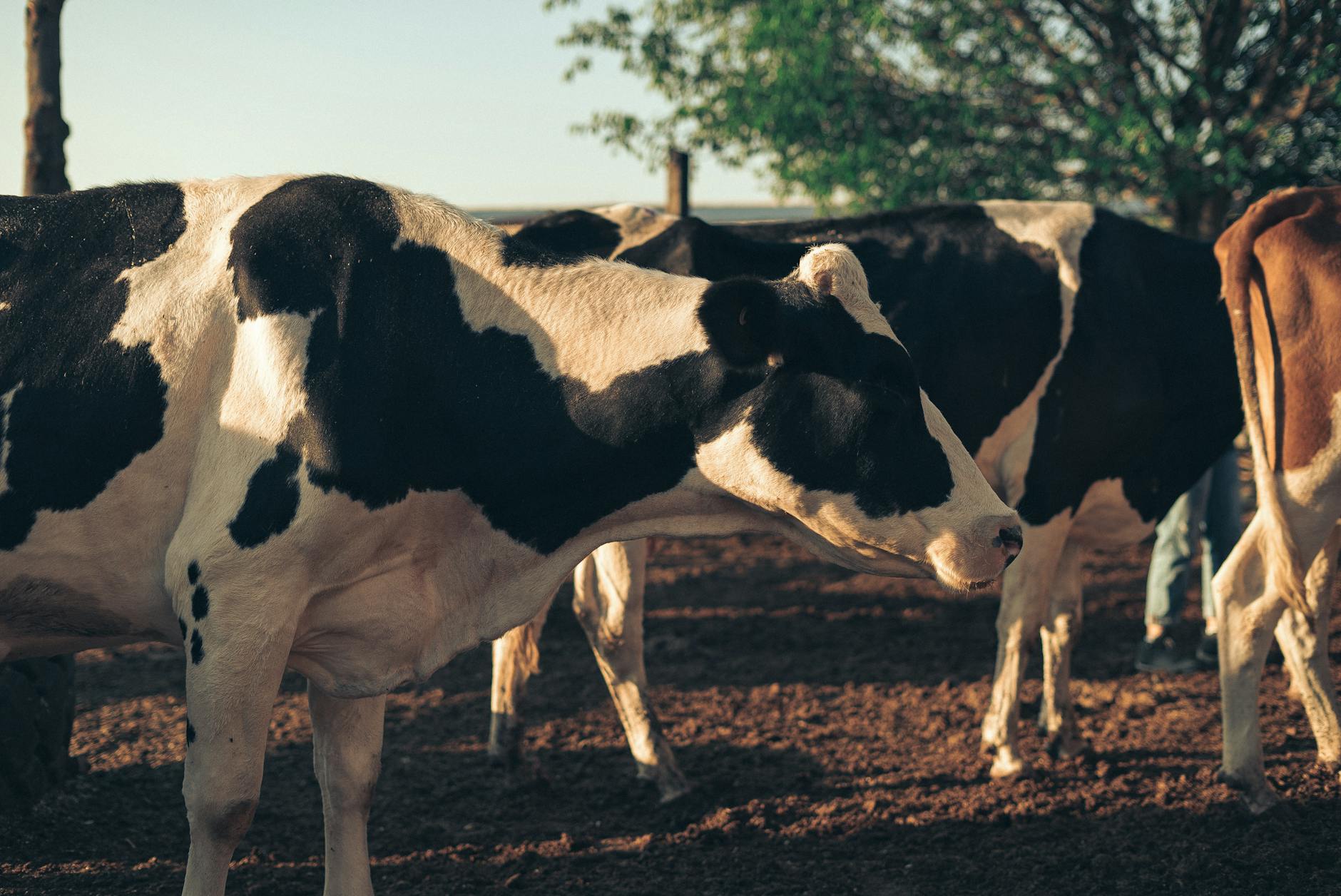
Cow Farts, Methane and Meat

6 December 2024 at 05:35
Public concern has surged over the food additive 3-nitrooxypropanol (3-NOP), used in cattle feed to reduce methane emissions. Critics claim this approach could lead to widespread cattle culling and a shift towards synthetic food production. Allegations link it to health risks, corporate interests, and a broader agenda against traditional agriculture.

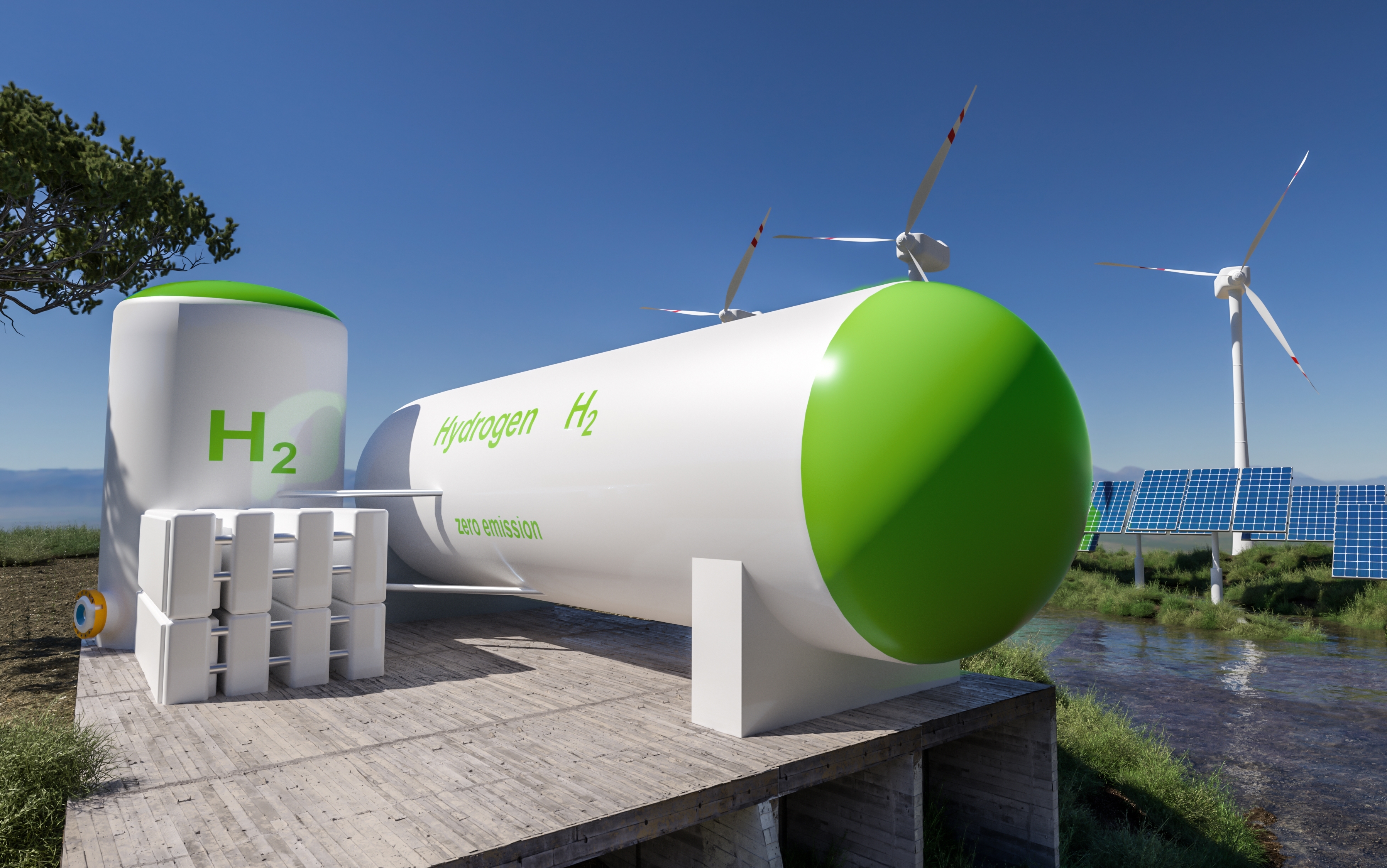
Green Hydrogen | Mythology Meets Reality

10 October 2024 at 22:45
Fortescue Metals Group is scaling back its green hydrogen ambitions due to high electricity prices, reflecting challenges faced by companies like Woodside and Origin Energy. Despite job cuts and economic feasibility concerns, chairman Andrew Forrest persists in promoting green hydrogen, advocating for ambitious production goals, in spite of the underlying physics.

This Violent Volcanic Eruption May Have Revealed a Hidden “Emergency Brake” for Climate Change

8 May 2026 at 12:58


A massive underwater volcanic eruption in the South Pacific, climaxing in January 2022, is offering new hope for an “emergency brake” on climate change, after it surprisingly cleaned up its own methane release.

The volcano Hunga Tonga–Hunga Ha’apai lies 40 miles north of the Kingdom of Tonga’s main island, which was hard hit by a tsunami resulting from the 2022 eruption. Now, in a recent paper published in Nature Communications, researchers have identified an unexpected process where the eruption removed methane from the atmosphere, offering a possible tool to slow climate change.

Volcanic Evidence

Satellite data on the massive 2022 volcanic eruption provided researchers with important new information, revealing the presence of formaldehyde in the plume. This was noteworthy because formaldehyde results from intermediate stages of methane destruction, suggesting that the material was breaking down at an extremely rapid rate.

“When we analysed the satellite images, we were surprised to see a cloud with a record-high concentration of formaldehyde,” said first author Dr. Maarten van Herpen from Acacia Impact Innovation BV. “We were able to track the cloud for 10 days, all the way to South America. Because formaldehyde only exists for a few hours, this showed that the cloud must have been destroying methane continuously for more than a week.”

While prior research identified methane emissions during volcanic eruptions, never before has one been observed cleaning up its own mess. This could offer an important new technique to mitigate anthropogenic climate change.

Reviewing the Climate Change Data

The process at play here is a recent discovery, only coming to light in 2023, during analyses of Saharan dust storms. That research identified how dust blown from the Sahara would mix with salt as it drifted over the Atlantic Ocean, producing iron salt aerosols, which then converted into chlorine atoms when impacted by sunlight.

That airborne chlorine, in turn, would break down atmospheric methane, a surprising chain of events that restructured scientists’ understanding of tropospheric chemistry.

“What is new—and completely surprising—is that the same mechanism appears to occur in a volcanic plume high up in the stratosphere, where the physical conditions are entirely different,” said Professor Matthew Johnson from the Department of Chemistry at the University of Copenhagen, who worked on both discoveries.

The Hunga Tonga–Hunga Ha’apai event mirrored this, but instead of dust drifting over the ocean, the event’s force pushed large amounts of saltwater into the atmosphere alongside volcanic ash. Again, sunlight piercing the ash plume produced chlorine, which broke down the methane, as evidenced by the formaldehyde detections.

Halting Climate Change

While methane is far more potent than CO2, the leading cause of climate change, it breaks down much more rapidly—in just about a decade. In this balance, methane accounts for roughly a third of all global warming.

Given its short lifespan, reducing methane emissions would have a more immediate effect on climate change than reducing CO2, which persists longer. While CO2 reduction is a long-term goal, the relatively quick results have led some researchers to dub methane reductions as an “emergency brake” on climate change. The team says their findings could be an essential key to this new field of methane reduction research, although more work remains to quantify the rate of removal.

“How do you prove that methane has been removed from the atmosphere? How do you know your method works? It’s very difficult, said senior author Dr. Jos de Laat from the Royal Netherlands Meteorological Institute. “But here we address that problem by showing that methane breakdown can in fact be observed using satellites.”

“It’s an obvious idea for industry to try to replicate this natural phenomenon—but only if it can be proven to be safe and effective, “Johnson concluded. “Our satellite method could offer a way to help figure out how humans might slow global warming.”

The paper, “Satellite Quantification of Enhanced Methane Oxidation Applied to the Stratospheric Plume Following Hunga Tonga-Hunga Ha’apai Eruption,” appeared in Nature Communications on May 7, 2026.

Ryan Whalen covers science and technology for The Debrief. He holds an MA in History and a Master of Library and Information Science with a certificate in Data Science. He can be contacted at ryan@thedebrief.org, and follow him on Twitter @mdntwvlf.

Webb Detects Methane in Atmosphere of Exo-Saturn TOI-199b

25 May 2026 at 19:16
An artist’s rendition of the ultrahot Jupiter TOI-1518b and its parent star. Image credit: Sci-News.com.

Using spectral data from the Near-Infrared Spectrograph (NIRSpec) onboard the NASA/ESA/CSA James Webb Space Telescope, astronomers analyzed the atmosphere of TOI-199b, a distant Saturn-mass world that is neither frozen nor scorching hot.

The post Webb Detects Methane in Atmosphere of Exo-Saturn TOI-199b appeared first on Sci.News: Breaking Science News.

Does the Arctic Ocean regulate or amplify global warming?

14 May 2026 at 12:00

Greenhouse gases trap heat within the atmosphere. One such gas that exists beneath the ocean floor is methane. Ice-like substances on the seafloor that contain methane, known as methane hydrates, can break apart or melt, releasing methane gas into the ocean, risking further global warming. Melting permafrost, active tectonics, daily tidal patterns, and changing sea levels can similarly trigger methane’s escape from sediments. However, scientists don’t understand how these triggers will respond to future climate change.

A team of researchers hypothesized that future global warming could actually accelerate methane’s escape into the ocean. To investigate this hypothesis, they focused on an ancient global warming event approximately 56 million years ago, called the Paleocene-Eocene Thermal Maximum or PETM. Arctic Ocean temperatures at times exceeded 20°C (68°F) during this event. These elevated temperatures serve as an analog for today’s rapidly warming conditions. 

Once methane enters seawater, its fate is largely determined by 2 sets of biological processes. Today, 90% of methane released into the ocean from the seafloor is consumed by tiny organisms called microbes via a process known as anaerobic methane oxidation. During this process, microbes consume methane alongside sulfate, producing a solid iron-sulfur mineral, pyrite. Anaerobic methane oxidation prevents methane from escaping into the atmosphere by trapping it in minerals. In this case, the ocean becomes a reservoir, or sink, for methane. 

Despite this, too much methane could overwhelm the sulfate-dependent cycle. If that occurs, a different set of microbes consumes methane alongside oxygen in a process known as aerobic methane oxidation. Aerobic methane oxidation produces carbon dioxide, a potent heat-trapping greenhouse gas that escapes from the ocean. Aerobic oxidation accounts for 10% of methane consumption in oceans today, though this could have been different in the past. 

To determine how much anaerobic versus aerobic methane oxidation occurred during the PETM, the team extracted data from sediments retrieved from the Arctic Ocean floor. As sediment piles up on the seafloor, it compacts. Scientists can drill deep into the seafloor to extract a cylindrical sample, or core, of this compacted sediment. 

The age of sediments in a core increases with depth. Therefore, younger sediments exist at the top of the core, and older sediments exist at the bottom. For this project, the team used a previously extracted core from the Arctic Ocean that contained sediments dating back 100 million years. They found 56-million-year-old sediments from the PETM at a depth of 386 meters, or 1,266 feet, in this core. 

The researchers explained that microbes leave behind unique carbon-based molecules called organic biomarkers when they decompose. These organic biomarkers accumulate in seafloor sediments. The 2 different types of methane-consuming microbes leave behind 2 different biomarkers, one for anaerobic methane oxidation and one for aerobic methane oxidation. This team measured the amount of each biomarker in the sediment core to determine which microbes were dominant during the PETM. 

The biomarker left behind from microbes performing aerobic methane oxidation is called hop(17)21-ene. The researchers noticed that the amount of hop(17)21-ene increased by a factor of 4 during the PETM. At the same time, the biomarker left behind from microbes performing anaerobic methane oxidation, called glycerol dialkyl tetraether, decreased to half. They interpreted these trends to reflect the rise of aerobic methane cycling and the shutdown of anaerobic methane cycling, respectively. They attributed this transition to the release of enough methane to overwhelm the sulfate-dependent methane cycle under warming conditions.

To estimate the amount of carbon dioxide produced by aerobic methane oxidation during the PETM, the researchers located another biomarker in the sediment core, called phytane. Phytane is produced by organisms that consume carbon dioxide during photosynthesis, and its structure preserves clues to the amount of carbon dioxide available at the time. The researchers found that during and well after the PETM, the concentration of carbon dioxide in the Arctic Ocean was 4 times greater than modern levels. They concluded that the Arctic Ocean became a prolonged source of carbon dioxide to the atmosphere, even after the PETM.

The team suggested that the uptick in aerobic methane oxidation during the PETM serves as an analog for the modern Arctic Ocean, which continues to warm rapidly in the face of modern climate change. Their results highlight how the transformation of methane into carbon dioxide poses a threat. More carbon dioxide in the atmosphere warms the air, which heats the oceans, causing more methane to escape from the seafloor and eventually be converted into additional carbon dioxide. When triggered, this feedback would continue to amplify and could become difficult to recover from.  

The post Does the Arctic Ocean regulate or amplify global warming? appeared first on Sciworthy.

❌