Normal view

Breakthrough in GaN Power Electronics Enables Bidirectional Single-Phase DC Charging for Electric Vehicles

3 June 2026 at 13:54

The Fraunhofer Institute for Applied Solid State Physics (IAF) has unveiled a groundbreaking advancement in electric vehicle (EV) power electronics with the development of a gallium nitride (GaN)-based power electronics module tailored for 800 V bidirectional direct current (DC) charging systems. This innovative module, realized within the GaN4EmoBiL project—an initiative funded by the German Federal Ministry for Economic Affairs and Energy (BMWi)—marks a significant leap towards more efficient, compact, and versatile EV charging solutions. The module’s integration into a bidirectional, single-phase off-board charger prototype, implemented by project partner Ambibox GmbH, signals a strategic shift in the landscape of EV charging technology.

At the heart of this module lies 1200 V GaN devices crafted on insulating substrates, leveraging the superior electrical and thermal properties of GaN semiconductors. The demonstrator is designed to accommodate battery voltages ranging from 150 V to an impressive 920 V, providing a versatile platform to evaluate device performance under realistic operating conditions. Gallium nitride’s wide bandgap enables higher breakdown voltage and faster switching speeds compared to conventional silicon-based devices, delivering unprecedented efficiency and power density in a compact footprint. These characteristics are pivotal for next-generation power electronics essential to the electrification of transport and energy systems.

The bidirectional, single-phase 800 V DC charger prototype delivers up to 3 kW of power, addressing a critical market gap where traditional on-board chargers fall short in balancing cost, flexibility, efficiency, and size. EVs typically rely on on-board chargers converting AC from household or public charging infrastructures into DC at 11 or 22 kW for rapid charging. However, these on-board units are burdened by high costs, substantial weight, and significant spatial requirements due to their complex electronics and cooling systems. By relocating the charger off-board and leveraging GaN technologies, the Fraunhofer IAF and partners have engineered a lightweight (5.7 kg including plugs), compact (8.3 liters in volume), and mobile solution compatible with Combined Charging System (CCS) and Schuko plugs.

Beyond physical advantages, the charger embodies the crucial function of bidirectional charging, a technology set to revolutionize grid interaction with EVs. High-voltage reverse power flow capability enabled by the GaN module allows EV batteries to not only draw energy from the grid but also feed stored energy back during peak demand or grid stress, thus acting as distributed energy storage. This vehicle-to-grid (V2G) functionality represents a paradigm shift toward a more resilient, efficient, and sustainable energy infrastructure, integrating transportation and power networks seamlessly.

Fraunhofer IAF continues to push the boundaries of GaN power electronics, pioneering innovative device architectures and integrated power circuits that enable system-level miniaturization through functional integration. Concurrent efforts focus on scaling these technologies to higher voltage classes, larger current capacities, and increased wafer sizes to achieve cost-effective wide-bandgap semiconductor solutions on par with silicon devices. The ultimate ambition is to harness the intrinsic performance benefits of GaN while adhering to the stringent cost targets demanded by widespread commercial adoption.

The institute plans to showcase these advancements at the upcoming PCIM Expo & Conference 2026 in Nuremberg, emphasizing “Power Electronics for Energy Technology.” Presentations and exhibits will highlight a suite of GaN-based components and modules, with the bidirectional EV charging system demonstrator serving as a flagship example. A robust scientific program includes keynote speeches, technical sessions, and panel discussions led by Fraunhofer researchers, illuminating the state-of-the-art in GaN devices and prospects for future innovation.

One keynote by Dr. Michael Basler will trace the evolution from lateral to vertical and bidirectional GaN transistor configurations, outlining the technological trajectories and breakthroughs fueling enhanced power electronic performance. Complementary talks by Dr. Richard Reiner will delve into comparative device concepts and strategies for scaling the power capabilities of GaN technologies to meet the demands of 1200 V and beyond, highlighting critical design trade-offs and manufacturing challenges. Poster sessions featuring research by Jun.-Prof. Dr. Stefan Mönch and Daniel Fugmann will provide detailed insights into inverter integration and device dynamic characteristics fundamental to system optimization.

The emerging All-Electric Society paradigm hinges on continuous advancements in power electronics that can efficiently convert and store energy at ever-increasing voltages and power densities. GaN semiconductors offer transformative potential, enabling devices that operate faster, dissipate less heat, and occupy less volume than silicon counterparts. This technological edge accelerates the deployment of high-performance converters and inverters essential for EVs, renewable energy integration, and smart grid applications, thereby catalyzing the transition to sustainable energy and mobility ecosystems.

Within the domain of electromobility, GaN makes it feasible to harness power electronics operating reliably at voltages up to 1200 V, with future prospects toward 1700 V classes. This capability unlocks new architectures for EV charging infrastructure and onboard powertrains that enhance battery range, charging speeds, and system efficiency while simultaneously reducing overall costs. Collectively, these improvements promise to diversify and democratize electric mobility, extending its appeal and accessibility to a broader segment of society.

The GaN4EmoBiL project embodies a comprehensive effort to bridge the gap between research and real-world application by delivering a cost-effective, intelligent bidirectional charging platform. Research spans from novel GaN high-voltage transistors fabricated on low-cost alternative substrates to innovative bidirectional switch component concepts and integrated system implementations for both on- and off-board chargers. A critical focus on reliability and long operational lifetimes aims to meet stringent automotive standards and market expectations.

As one of the world’s foremost institutes in III-V semiconductor technologies and synthetic diamond research, Fraunhofer IAF leverages deep expertise to develop cutting-edge components for communication, mobility, quantum computing, and sensing. The institute’s integrated approach—from material science through device fabrication and system demonstration—positions it uniquely to translate GaN innovations into impactful technological breakthroughs.

The introduction of the bidirectional GaN-based charging system stands as a testament to the transformative role of wide-bandgap semiconductors in shaping the future of energy and transportation. This development not only addresses current market demands for efficient and flexible EV charging but also lays groundwork for the integration of electric vehicles as active elements within a decarbonized energy grid, aligning with global sustainability goals.

Subject of Research: Gallium nitride (GaN)-based power electronics for 800 V bidirectional DC EV charging systems
Article Title: Fraunhofer IAF Unveils GaN-Based Bidirectional 800 V DC Charger Revolutionizing EV Charging
News Publication Date: 2026
Web References:
– https://www.iaf.fraunhofer.de/en/customers/electronic-circuits/power-electronics.html
– https://www.iaf.fraunhofer.de/en/researchers/electronic-circuits/power-electronics/gan4emobil.html
– https://www.iaf.fraunhofer.de/en/networkers.html
Image Credits: © Fraunhofer IAF

Keywords

Gallium Nitride, GaN Power Electronics, Electric Vehicle Charging, Bidirectional Charging, Wide-Bandgap Semiconductors, Energy Conversion, Power Modules, Electric Mobility, Vehicle-to-Grid, Off-Board Charger, 800 V DC Charging, Semiconductor Devices

Scientists Create Conductive Plastic to Replicate Heart Muscle Cells

3 June 2026 at 08:33

In a groundbreaking advancement at the intersection of organic electronics and biomedical engineering, researchers at Linköping University have successfully replicated the ion signaling mechanism of heart muscle cells using conductive plastics. This achievement marks the first-ever artificial mimicry of cardiac ion transport—a complex biological process responsible for the heart’s relentless rhythm—and ushers in new possibilities for bio-integrated devices such as advanced prostheses, cardiac implants, and sensitive physiological sensors. Published in the revered journal Nature Communications, this pioneering work could redefine how we interface synthetic devices with living tissues.

The human heart’s ceaseless beating—approximately 2.6 billion cycles over an average lifespan—is orchestrated by a delicate dance of ions, including potassium, sodium, and calcium, across cellular membranes. This ion exchange generates the electrical impulses known as action potentials, which trigger myocardial contractions critical for blood circulation. Despite decades of research in bioelectronic interfaces, replicating the nuanced ion channel dynamics of cardiac cells, especially the comparatively slow calcium channels, has remained a formidable challenge for conventional electronics.

Traditional inorganic electronics excel in rapid signal processing but fail to emulate the intrinsic slowness of cardiac calcium ion channels. As Professor Simone Fabiano from Linköping University elucidates, the unique temporal properties of cardiac ion channels are crucial for effective heart function. “Nature has evolved these precise electrophysiological characteristics for good reason,” Fabiano notes. Recognizing this, the team turned to organic electronics, particularly conductive polymers, which naturally facilitate both ion and electron transport and can thus communicate analogously to biological cells.

At the heart of this research is an artificial cardiomyocyte device fabricated entirely from conductive plastic materials that recapitulate the cardiac action potential waveform. This synthetic cell mimics key electrical behaviors of native heart muscle cells by precisely controlling ion fluxes, thereby overcoming the temporal bottlenecks inherent in faster inorganic systems. Postdoctoral researcher Dace Gao explains that this dual ionic and electronic conductivity enables the sophisticated signal transduction necessary for genuine bioelectronic emulation.

Notably, this development builds upon the research group’s prior successes in engineering artificial neurons with organic electronic components. Transitioning from nerve cells to heart muscle cells represented a logical extension, confronting a higher degree of complexity due to the heart’s distinctive calcium channel kinetics. Developing hardware capable of duplicating these slow ion signaling dynamics filled a critical void in synthetic biointerfaces.

The implications of these findings transcend foundational science. According to Fabiano, such organic artificial cardiomyocytes could serve as powerful experimental models to investigate how physiological variables—like ion concentration fluctuations or pH changes—affect cardiac electrical signaling in a precisely controlled environment. “Hardware-based systems allow systematic study that would be challenging or impossible in vivo,” Fabiano remarks, emphasizing the intersection of materials science with electrophysiology.

Looking ahead, the research team aspires to integrate these artificial cardiac cells with living cardiac tissue, forging hybrid platforms that combine biological and synthetic components. This integration would be a transformative leap toward biohybrid implants capable of repairing or augmenting damaged heart tissue. Gao underlines the necessity for artificial cells not only to generate signals but to sense and relay impulses to and from biological cells, effectively functioning as bioelectronic conduits.

Potential applications envisioned by the team include minimally invasive “natural” pacemakers fabricated from flexible, biocompatible conductive polymers that synchronize seamlessly with the heart’s intrinsic rhythms. Furthermore, implants designed to activate specific muscle groups could revolutionize treatments for muscular dystrophies or nerve injuries. Sensitive biosensors derived from this technology might detect early electrophysiological disturbances, enabling preemptive clinical interventions for cardiac diseases.

The materials employed—organic conductive plastics—provide unique advantages over traditional silicon-based electronics. Their inherent compatibility with ionic signaling and their mechanical flexibility allow for intimate interfacing with soft biological tissues, reducing immune response and improving the longevity of implants. These properties position organic electronics as a promising frontier in the design of next-generation medical devices that bridge the gap between organism and machine.

Despite these promising advances, key challenges remain. Integrating artificial cells into the body’s existing complex electrical network requires precise synchronization and reliable signal transmission. The research community must also address long-term stability, biocompatibility, and potential immune reactions to organic materials. Nevertheless, the current breakthrough lays the foundational framework upon which such hurdles may be overcome.

By pioneering an organic artificial cardiomyocyte capable of emulating the nuanced ion transport and action potentials of heart muscle cells, the Linköping University team has opened new vistas in bioelectronic medicine. This fusion of organic materials science and cardiac electrophysiology not only deepens our understanding of living systems but also provides tangible pathways toward innovative therapies and diagnostic tools that harmonize human biology with technology.

As this work progresses, it promises to ignite profound transformations in cardiac healthcare, embodying the promise of truly integrative bioelectronics that respect and replicate the sophistication of the human heart.


Subject of Research: Artificial mimicry of ion signaling in heart muscle cells using organic electronics.

Article Title: An organic artificial cardiomyocyte

News Publication Date: 6-May-2026

Web References: DOI: 10.1038/s41467-026-72584-5

Image Credits: Thor Balkhed

Keywords

Organic electronics, conductive plastics, cardiac muscle cells, ion signaling, artificial cardiomyocyte, bioelectronic interfaces, action potential, calcium ion channels, electrophysiology, biohybrid implants, pacemakers, biomedical devices

Stable, Efficient Deep-Blue Iridium Phosphorescent OLEDs

3 June 2026 at 01:41

In a groundbreaking advancement for the field of organic electronics, researchers have unveiled a novel approach to creating deep-blue organic light-emitting diodes (OLEDs) that are not only highly efficient but also exhibit exceptional stability over prolonged use. This breakthrough hinges on optimizing the charge transfer dynamics within iridium-based phosphorescent materials, a feat that has eluded scientists for years due to the inherent challenges of balancing luminous efficiency with device longevity. The latest study, published on June 2, 2026, showcases how fine-tuning the molecular design and electronic interactions in these materials can revolutionize display technologies and solid-state lighting.

Organic light-emitting diodes are the backbone of modern display and lighting devices due to their lightweight, flexibility, and potential for low-cost manufacturing. However, blue OLEDs, particularly deep-blue variants, have long remained a bottleneck in the industry. Their performance typically pales in comparison to red and green counterparts, primarily because of difficulties in achieving high external quantum efficiency (EQE) while maintaining operational stability. The degradation mechanisms in blue OLEDs are often exacerbated by the high energy excitons required to produce blue light, resulting in rapid device failure. By addressing these persistent issues through enhanced charge transfer dynamics, the newly proposed iridium phosphorescent OLEDs mark a significant leap forward.

The core innovation lies in manipulating the photophysical properties of iridium complexes, which serve as the emissive centers in these OLED devices. Iridium is favored for its strong spin-orbit coupling, enabling efficient harvesting of triplet excitons and thereby boosting internal quantum efficiency. Yet, the challenge has been to mitigate efficiency roll-off at high luminance and to prolong device lifespan, especially for deep-blue hues where molecular stability is less assured. The interdisciplinary research team meticulously engineered ligands surrounding the iridium ion to facilitate precise electronic communication and improved charge transfer kinetics, which enhances both exciton utilization and thermal robustness.

A crucial aspect of the enhanced performance is the modulation of the charge transfer state between the iridium complex and its ligands. By optimizing this interaction, the researchers achieved balanced charge injection and transport within the OLED stack, thereby minimizing charge recombination losses. This optimization significantly reduces operational voltage, enhances brightness, and curbs the formation of non-radiative decay pathways that typically plague deep-blue emitters. The fine-tuned charge transfer dynamics ensure that excitons are efficiently channeled toward radiative recombination, culminating in record-breaking external quantum efficiencies surpassing previous benchmarks for deep-blue OLEDs.

Moreover, the study delves into the stability metrics under extended operational conditions, employing rigorous lifetime testing that simulates real-world device usage. The newly developed iridium-based OLEDs maintained over 90% of their initial luminance after 10,000 hours of continuous operation at high brightness levels—a figure that substantially outperforms existing commercial blue OLEDs. This endurance is attributed to the molecular stability endowed by the novel ligand design, which not only reinforces the metal center but also minimizes degradation reactions catalyzed by excited-state processes and charge imbalance.

From a device architecture perspective, the researchers integrated the iridium phosphorescent complexes into multi-layer OLED structures optimized for charge balance and thermal management. The strategic selection of charge transport layers and interface engineering further complemented the intrinsic molecular enhancements, enabling synergistic improvements in overall device efficiency and operational lifetime. This holistic approach underscores how molecular design, charge dynamics, and device engineering must coalesce to surmount the intrinsic limitations of deep-blue organic emitters.

The implications of this advancement extend far beyond displays. High-efficiency and stable deep-blue OLEDs pave the way for more energy-efficient solid-state lighting solutions with tailored spectral properties. The ability to generate more accurate blue wavelengths can also enhance color gamut reproduction and visual comfort in display technologies, addressing consumer demands for richer and more vibrant imagery. Additionally, the prolonged lifetime significantly reduces the environmental footprint associated with electronic waste, aligning with sustainable manufacturing goals.

The scientific community has recognized the strategic importance of charge transfer dynamics in governing OLED performance, but this research delivers actionable insights and practical molecular architectures that bring theoretical understanding into real-world application. Through state-of-the-art spectroscopic analyses and computational modeling, the team mapped out the electronic transitions and charge delocalization pathways, correlating these mechanisms directly with device-level improvements. This mechanistic clarity provides a blueprint for future material innovations across various optoelectronic platforms.

Notably, the researchers also investigated the effects of temperature and external stimuli on charge transfer behavior and device stability, demonstrating remarkable resilience under thermal cycling and high operational stress. Such robustness is critical for commercial adoption, where devices must withstand varying environmental conditions without degradation. The depth of characterization extends the relevance of the findings beyond fundamental science, emphasizing practicality and scalability.

Collaborations between chemists, physicists, and engineers were pivotal in realizing this breakthrough. The interdisciplinary nature of the project highlights the necessity of integrating expertise in organometallic chemistry, photophysics, and device fabrication. Such a collaborative framework accelerates innovation cycles and fosters the translation of lab-scale discoveries into market-ready technologies. The success of this study is a testament to the power of synergy in scientific research.

Looking ahead, the research opens avenues for further tuning of emission properties and charge transport by exploring alternative ligand frameworks and metal centers. The principles uncovered may also be applicable to other phosphorescent systems and even emerging classes of thermally activated delayed fluorescence (TADF) emitters. There is a growing excitement that these advancements will catalyze a new generation of high-performance OLEDs with customizable emission spectra and unprecedented durability.

The commercial impact of these findings is poised to be transformative. Deep-blue OLEDs with enhanced efficiency and stability are crucial for the next wave of ultra-high-definition displays, flexible screens, and wearable electronics. Companies investing in OLED technology stand to benefit by adopting these cutting-edge materials and design principles, potentially reducing manufacturing costs and improving product lifespan. As consumer demand for premium visual experiences grows, innovations like these will set new industry standards.

In conclusion, the recent study on high-efficiency and stable deep-blue iridium phosphorescent OLEDs marks a milestone in organic electronics research. By elucidating and optimizing charge transfer dynamics at the molecular level, the researchers have surmounted longstanding challenges in blue OLED performance, delivering devices that combine record efficiency with exceptional stability. This achievement not only enhances current display and lighting technologies but also enriches the scientific understanding of photophysical processes in complex organic-metal hybrid materials. The future of OLED innovation looks brighter than ever.


Subject of Research:
Development of high-efficiency and stable deep-blue iridium phosphorescent organic light-emitting diodes (OLEDs) through enhanced charge transfer dynamics.

Article Title:
High-efficiency and stable deep-blue iridium phosphorescent OLEDs with enhanced charge transfer dynamics.

Article References:
Li, S., Tong, KN., Zhang, M. et al. High-efficiency and stable deep-blue iridium phosphorescent OLEDs with enhanced charge transfer dynamics. Light Sci Appl 15, 259 (2026). https://doi.org/10.1038/s41377-026-02264-y

Image Credits: AI Generated

DOI: 02 June 2026

Keywords:
Deep-blue OLEDs, iridium phosphorescent complexes, charge transfer dynamics, organic light-emitting diodes, device stability, external quantum efficiency, ligand design, photophysics, solid-state lighting, optoelectronics

New Smartwatch Could Monitor Blood Pressure All Day Without an Inflatable Cuff

3 June 2026 at 01:22

Checking blood pressure is one of the most common ways doctors assess heart and blood vessel health. High blood pressure affects millions of people around the world and is a major risk factor for heart attacks, strokes, kidney disease, and other serious conditions. Despite its importance, the technology used to measure blood pressure has changed […]

The post New Smartwatch Could Monitor Blood Pressure All Day Without an Inflatable Cuff appeared first on Knowridge Science Report.

Maximizing Thermal Efficiency in Chip Design

2 June 2026 at 21:39

In a groundbreaking advancement poised to redefine the future of electronics cooling and energy efficiency, researchers have developed an innovative hybrid energy generator (HEG) that harnesses waste heat from electronic devices and converts it into usable electrical energy. This novel technology integrates a cellulose-based aerogel precursor with meticulously engineered electrode structures to offer a multifunctional platform for both thermal management and energy harvesting on a chip scale.

The innovation centers on the preparation of a cellulose microcrystal—carbon composite (CMC-C) aerogel precursor, which is fabricated through a carefully orchestrated multi-step process. Initially, the precursor combines CMC-C and multi-walled carbon nanotubes (MWCNTs) within a sodium hyaluronate aqueous solution to form a homogenous blend. A secondary solution comprises CMC-C and sodium alginate dissolved in dimethyl sulfoxide (DMSO). The two solutions are mixed, heated, and polymerized under controlled conditions, yielding a porous and mechanically robust aerogel network, optimized for thermal transport and electrical properties.

Key to this development is the physical architecture of the HEG device itself. Aluminum electrodes fabricated with a multi-fin configuration provide a high surface area interface, enabling efficient thermal exchange. The aerogel precursor is infiltrated into the interstitial spaces between the aluminum fins, while an additional central carbon cloth (CC) electrode is embedded within the gel matrix. This strategic design not only facilitates superior heat conduction but also maximizes the conversion of thermal gradients into electrical output through the thermoelectric effect.

Following assembly, the HEG modules undergo a rigorous freeze-drying process to solidify the aerogel structure and maintain porosity, critical for heat transfer performance. Subsequent treatments involve ionic crosslinking with calcium chloride (CaCl₂) and surface modification via magnesium precursor solutions. Such processes enhance mechanical stability and ionic conductivity, essential parameters that bolster the thermoelectric conversion efficiency while maintaining flexibility and integrity under operational stresses.

Crucially, the aerogel boasts an exceptionally high thermal conductivity of 7.11 W/(m·K), enabling it to effectively transport heat away from hot electronic components. The HEG module, composed of multiple finned units and designed to match typical chip dimensions, is attached to heat sources via thermal adhesive, ensuring close thermal contact and minimizing interfacial resistance. This integration allows the HEG to double as a passive cooling device and an active energy harvester – capturing and repurposing heat that would otherwise be lost.

To further understand and optimize the thermal and electrochemical properties of the system, comprehensive finite element simulations were conducted using COMSOL Multiphysics software. These simulations utilized solid and shell heat transfer modules calibrated to reflect actual material compositions and configurations. Extremely fine computational meshes captured transient temperature distributions, revealing the dynamic behavior of heat flow within the HEG-LED composite devices over time. This predictive modeling was essential for tailoring material properties and device architecture to achieve maximum performance.

Beyond empirical and numerical approaches, first-principles calculations offered atomistic insights into the material interactions underpinning the aerogel’s functionality. Using the DMol³ module within Materials Studio, researchers calculated molecular surface charge densities and binding energies, particularly focusing on the interaction between the aerogel matrix and water molecules. These simulations elucidated how molecular-scale interactions influence macroscopic properties like ionic mobility and thermal conductivity, reinforcing the design rationale at a fundamental level.

Molecular dynamics simulations augmented this analysis by simulating the molecular motion and fluctuations within the gel matrix over picosecond timescales. The results indicated favorable polymer-water interactions that stabilize the aerogel structure while promoting ionic transport—key factors for sustained thermoelectric efficiency. Fine-tuning these molecular parameters allowed researchers to optimize the gel’s electrochemical performance without compromising its thermal characteristics.

In testing scenarios involving LED devices, the HEG demonstrated remarkable efficacy in managing heat dissipation while simultaneously converting a portion of the thermal energy back into electrical energy. The LED’s input electrical power was partitioned into optical output and residual heat, with traditional devices wasting most heat. However, with the HEG composite, part of this heat was harnessed, yielding an enhanced overall energy utilization efficiency. This dual functionality not only prolongs device lifespan by reducing thermal stress but also contributes to energy savings.

Quantitative analysis described the relationships between electrical input, optical output, and thermal dissipation through a series of thermodynamic equations. The electro-optical conversion efficiency of the LED alone was carefully modeled, followed by the time-dependent efficiencies that capture the degradation of light output and heat generation during prolonged operation. Incorporating HEG into the system introduced an additional term accounting for the harvested electrical energy from thermal sources, thereby elevating the total conversion efficiency metrics.

This breakthrough is particularly promising for applications in microelectronics and optoelectronics, where thermal management is a critical bottleneck. The capability of such aerogel-based HEGs to function simultaneously as thermal conductors and energy harvesters presents a paradigm shift. This dual-function material system addresses the ever-growing demand for compact, efficient, and multifunctional components in next-generation devices.

The methodology described also extends implications beyond LEDs. The pursuit of advanced battery technologies, notably sulfur-ion batteries, was outlined with parallels in the precise preparation of electrodes, separators, and electrolytes. The techniques used to prepare battery components share a meticulous attention to materials science detail, promising future cross-disciplinary applications of aerogel and polymer composites in energy storage and conversion devices.

The integration of computational modeling, material chemistry, and device engineering exemplifies a holistic approach to tackling the heat-to-electricity conversion challenge. Such interdisciplinary research not only deepens understanding of complex material phenomena but also accelerates the translation of laboratory insights into practical technologies suitable for commercial and industrial adoption.

In conclusion, the development of the CMC-C aerogel-based hybrid energy generator constitutes a substantial leap forward in thermal technology. By capturing waste heat and converting it into electricity at a micro-scale, this system promises to enhance the sustainability and efficiency of electronics. Future work will likely explore scalability, durability, and integration with diverse electronic platforms, opening new avenues for thermal and energy management in an era increasingly defined by energy consciousness and miniaturization.

Subject of Research:
Article Title:
Article References:
Zhang, Y., Lai, B., Yu, F. et al. Thermal Utilization on Chip. Light Sci Appl 15, 261 (2026). https://doi.org/10.1038/s41377-026-02326-1
Image Credits: AI Generated
DOI: 02 June 2026
Keywords: Thermal management, energy harvesting, cellulose aerogel, hybrid energy generator, finite element simulation, first-principles calculations, thermoelectric devices

The Sophisticated Threads behind a Hat That Senses Traffic Lights

21 February 2024 at 13:30

A new technique to make electronic fibers could help solve wearable technology’s flexibility problem

© Zhixun Wang

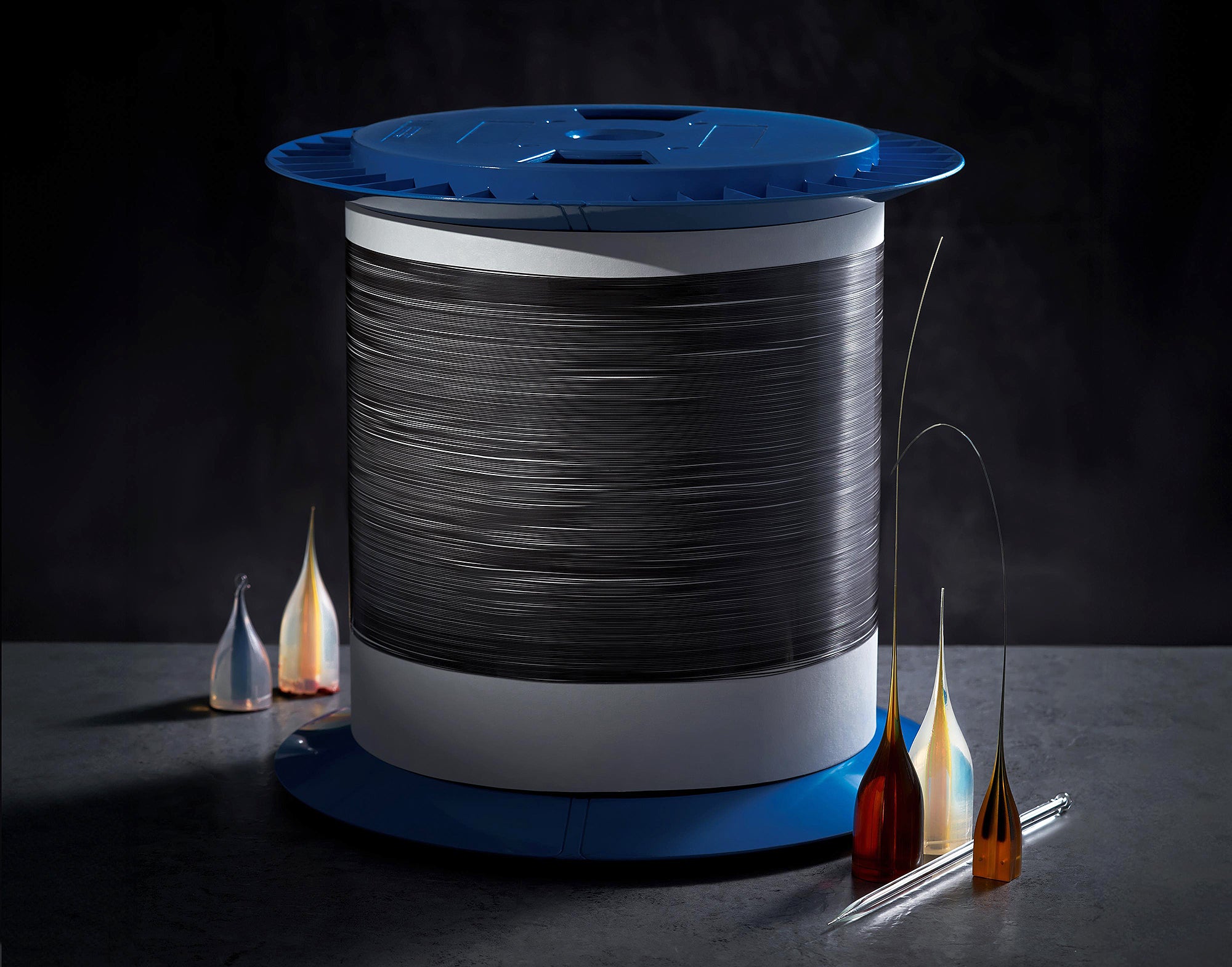
Hundreds of metres long high-performance flexible semiconductor fibres collected on a cylindrical bobbin, together with some preforms after the manufacturing process.

“Perpetual Motion is Possible in the Quantum Realm”: Researchers Link a ‘Time Crystal’ to an External Device in a Breakthrough First

7 May 2026 at 17:54

In a new physics milestone, scientists report that a time crystal and an external system have been successfully linked for the first time.

The achievement, made by researchers at Aalto University’s Department of Applied Physics, marks the first demonstration of converting a time crystal—an unusual quantum system in which particles are in constant, repetitive motion in its ground state—into an optomechanical system.

A range of potential technological applications, including new high-precision sensors, quantum storage systems, and other innovative capabilities, could result from the research, led by Jere Mäkinen and detailed in a new paper appearing in Nature Communications.

A New First for Time Crystals

Conceptually similar to physical crystalline forms that occur in nature, time crystals were first proposed by Nobel Prize-winning physicist Frank Wilczek in 2012, who argued that comparable systems might also exist in time as well as in space.

Wilczek’s theory preceded the official experimental discovery of time crystals by just four years, which can be thought of as an unusual manifestation of matter whose motion repeats indefinitely.

In a recent study, Mäkinen, an Aalto University Academy Research Fellow, and his colleagues demonstrated that the properties of a time crystal could be altered, a feat never achieved before.

“Perpetual motion is possible in the quantum realm so long as it is not disturbed by external energy input, such as by observing it,” Mäkinen recently said. “That is why a time crystal had never before been connected to any external system.”

That is, until now.

“We did just that,” Mäkinen added, “and showed, also for the first time, that you can adjust the crystal’s properties using this method.”

Approaching Absolute Zero

Mäkinen and his team developed a system that used radio waves to propel magons—a variety of quasiparticles—into a superfluid made from a light, very stable isotope of helium known as Helium-3, which was chilled to temperatures approaching absolute zero.

Remarkably, the team found that after the radio-wave magnon “injector” was disabled, the magnons self-organized into a time crystal, which remained in motion for several minutes—an unusually long time for such systems—then eventually faded to a level the team said was no longer measurable.

During its weakening phase, the team also observed the time crystal interacting with a mechanical oscillator, in which changes in the device’s amplitude and frequency appeared to influence the time crystal’s interactions with it.

Into the Odd World of Opto-Mechanics

For Mäkinen and the team, the behavior they observed in the time crystal under such conditions was significant, in part because it aligned with phenomena in the field of optomechanics.

“We showed that changes in the time crystal’s frequency are completely analogous to optomechanical phenomena widely known in physics,” Mäkinen said. Such phenomena, Mäkinen says, are the same that scientists rely on for the detection of gravitational waves, for instance.

“By reducing the energy loss and increasing the frequency of that mechanical oscillator, our setup could be optimized to reach down near the border of the quantum realm,” Mäkinen added.

Fundamentally, Mäkinen says that the time crystal’s behavior with relation to optomechanical phenomena offers a promising pathway toward the control of time crystal behavior, which had previously been thought impossible. Such practical control systems for these odd states of matter could lead to applications that include quantum technologies and a range of other uses.

“Time crystals last for orders of magnitude longer than the quantum systems currently used in quantum computing,” Mäkinen said, adding that he and his colleagues hope their research may lead to ways they can be used to improve quantum computers by powering their memory systems.

“They could also be used as frequency combs, which are employed in extremely high-sensitivity measurement devices as frequency references,” Mäkinen added.

The team’s research was detailed in a new paper, “Continuous time crystal coupled to a mechanical mode as a cavity-optomechanics-like platform,” which appeared in Nature Communications.

Micah Hanks is the Editor-in-Chief and Co-Founder of The Debrief. A longtime reporter on science, defense, and technology with a focus on space and astronomy, he can be reached at micah@thedebrief.org. Follow him on X @MicahHanks, and at micahhanks.com.

This low-cost printed sensor could transform smart packaging and medical devices

1 June 2026 at 15:44

Magnetic field sensors are everywhere in modern life, even though most people never notice them. These tiny electronic components help detect movement, position, and distance, and are found in products ranging from smartphones and computer hard drives to car steering systems, security sensors, and smart packaging. Billions of magnetic sensors are manufactured every year. However, […]

The post This low-cost printed sensor could transform smart packaging and medical devices appeared first on Knowridge Science Report.

AI patch on your skin could act like a personal doctor—No Internet needed

1 June 2026 at 01:35

A team of researchers has created a soft, stretchable electronic patch that can run artificial intelligence (AI) directly on the human body without needing to send data to a computer or cloud server. The new device was developed by scientists at the University of Chicago Pritzker School of Molecular Engineering in collaboration with researchers at […]

The post AI patch on your skin could act like a personal doctor—No Internet needed appeared first on Knowridge Science Report.

Diamonds help hunt a new type of magnet that could revolutionize electronics

31 May 2026 at 12:21

For almost 100 years, scientists believed there were only two main types of magnets. One is the familiar ferromagnet, the kind found on refrigerators and in many electronic devices. The other is the antiferromagnet, a less obvious type whose magnetic properties cancel out and remain hidden at larger scales. In recent years, researchers have identified […]

The post Diamonds help hunt a new type of magnet that could revolutionize electronics appeared first on Knowridge Science Report.

The Sophisticated Threads behind a Hat That Senses Traffic Lights

21 February 2024 at 13:30

A new technique to make electronic fibers could help solve wearable technology’s flexibility problem

© Zhixun Wang

Hundreds of metres long high-performance flexible semiconductor fibres collected on a cylindrical bobbin, together with some preforms after the manufacturing process.
❌