Reading view

New Trump vaccine order based on "no credible scientific evidence," doctors say

The American Medical Association came out swinging this weekend at an executive order President Trump signed Friday that reaffirms intentions to model US childhood vaccine recommendations after those of Denmark—a country with universal healthcare, less diversity, and a population about the size of Maryland's.

“There is no credible scientific evidence to support," such a change, AMA President Bobby Mukkamala said in a statement. The current vaccine schedule "is built on decades of rigorous research and real-world data, and it is designed to protect children in the US when they are most vulnerable based on our nation’s disease burden," he said.

The plan to align federal childhood vaccine recommendations with Denmark's was first revealed by anti-vaccine Health Secretary Robert F. Kennedy Jr. in January. The overhaul would see the total number of recommended immunizations drop from 17 to 11, walking back recommendations for shots against rotavirus, COVID-19, influenza, meningococcal disease, hepatitis A, and hepatitis B. It stemmed from a December executive order by Trump to align US vaccine recommendations with the "best practices from peer, developed countries."

Read full article

Comments

© Getty | Francis Chung

  •  

New Trump vaccine order based on "no credible scientific evidence," doctors say

The American Medical Association came out swinging this weekend at an executive order President Trump signed Friday that reaffirms intentions to model US childhood vaccine recommendations after those of Denmark—a country with universal healthcare, less diversity, and a population about the size of Maryland's.

“There is no credible scientific evidence to support," such a change, AMA President Bobby Mukkamala said in a statement. The current vaccine schedule "is built on decades of rigorous research and real-world data, and it is designed to protect children in the US when they are most vulnerable based on our nation’s disease burden," he said.

The plan to align federal childhood vaccine recommendations with Denmark's was first revealed by anti-vaccine Health Secretary Robert F. Kennedy Jr. in January. The overhaul would see the total number of recommended immunizations drop from 17 to 11, walking back recommendations for shots against rotavirus, COVID-19, influenza, meningococcal disease, hepatitis A, and hepatitis B. It stemmed from a December executive order by Trump to align US vaccine recommendations with the "best practices from peer, developed countries."

Read full article

Comments

© Getty | Francis Chung

  •  

Da Asus à Lenovo: Estes são primeiros portáteis equipados com o “super processador” Nvidia RTX Spark

Depois daquela que foi considerada a mais relevante apresentação, até agora, na Computex 2026, está na altura de conhecer um pouco melhor o que é o Nvidia RTX Spark, e quais os primeiros equipamentos a virem equipados com o mesmo.

The post Da Asus à Lenovo: Estes são primeiros portáteis equipados com o “super processador” Nvidia RTX Spark appeared first on Tek Notícias.

  •  

Nvidia RTX Spark comes to Windows PCs with Arm CPU, RTX GPU, and unified memory

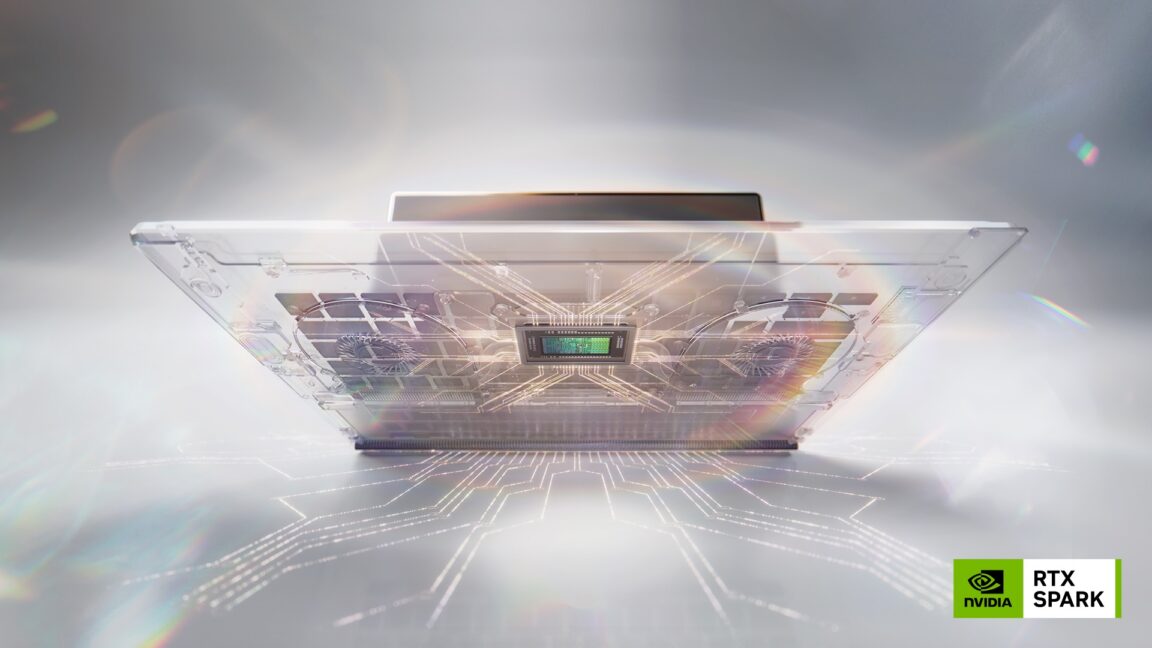
These days, Nvidia primarily sells AI data center products, and its traditional consumer devices feel like more of a side project. But the company occasionally still releases something designed for consumers. After a couple of years of rumors, Nvidia has announced an Arm-based chip designed to power Windows PCs. Dubbed RTX Spark, the new chip combines a 20-core Nvidia Grace CPU co-developed with MediaTek, up to 6,144 Blackwell-based GPU cores (the same architecture as the RTX 50-series GPUs), and support for up to 128GB of unified LPDDR5x memory.

Nvidia and its partners offered nothing about expected pricing, but both "slim Windows laptops with all-day battery life and premium displays" and "compact desktop PCs" are slated to be "available this fall" from partners including Asus, Dell, HP, Lenovo, Microsoft, MSI, Acer, and Gigabyte.

This isn't Nvidia's first chip for Windows PCs; earlier chips in the Tegra series powered several of the short-lived Windows RT tablets. But Tegra chips largely stopped appearing in consumer devices following the Tegra X1 in the late 2010s (variants power the original Nintendo Switch and the apparently unkillable Nvidia Shield TV box). Modern Arm-based PCs in the Windows 10 and Windows 11 eras have all used processors from Qualcomm.

Read full article

Comments

© Nvidia

  •  

Nvidia RTX Spark comes to Windows PCs with Arm CPU, RTX GPU, and unified memory

These days, Nvidia primarily sells AI data center products, and its traditional consumer devices feel like more of a side project. But the company occasionally still releases something designed for consumers. After a couple of years of rumors, Nvidia has announced an Arm-based chip designed to power Windows PCs. Dubbed RTX Spark, the new chip combines a 20-core Nvidia Grace CPU co-developed with MediaTek, up to 6,144 Blackwell-based GPU cores (the same architecture as the RTX 50-series GPUs), and support for up to 128GB of unified LPDDR5x memory.

Nvidia and its partners offered nothing about expected pricing, but both "slim Windows laptops with all-day battery life and premium displays" and "compact desktop PCs" are slated to be "available this fall" from partners including Asus, Dell, HP, Lenovo, Microsoft, MSI, Acer, and Gigabyte.

This isn't Nvidia's first chip for Windows PCs; earlier chips in the Tegra series powered several of the short-lived Windows RT tablets. But Tegra chips largely stopped appearing in consumer devices following the Tegra X1 in the late 2010s (variants power the original Nintendo Switch and the apparently unkillable Nvidia Shield TV box). Modern Arm-based PCs in the Windows 10 and Windows 11 eras have all used processors from Qualcomm.

Read full article

Comments

© Nvidia

  •  

Nvidia RTX Spark comes to Windows PCs with Arm CPU, RTX GPU, and unified memory

These days, Nvidia primarily sells AI data center products, and its traditional consumer devices feel like more of a side project. But the company occasionally still releases something designed for consumers. After a couple of years of rumors, Nvidia has announced an Arm-based chip designed to power Windows PCs. Dubbed RTX Spark, the new chip combines a 20-core Nvidia Grace CPU co-developed with MediaTek, up to 6,144 Blackwell-based GPU cores (the same architecture as the RTX 50-series GPUs), and support for up to 128GB of unified LPDDR5x memory.

Nvidia and its partners offered nothing about expected pricing, but both "slim Windows laptops with all-day battery life and premium displays" and "compact desktop PCs" are slated to be "available this fall" from partners including Asus, Dell, HP, Lenovo, Microsoft, MSI, Acer, and Gigabyte.

This isn't Nvidia's first chip for Windows PCs; earlier chips in the Tegra series powered several of the short-lived Windows RT tablets. But Tegra chips largely stopped appearing in consumer devices following the Tegra X1 in the late 2010s (variants power the original Nintendo Switch and the apparently unkillable Nvidia Shield TV box). Modern Arm-based PCs in the Windows 10 and Windows 11 eras have all used processors from Qualcomm.

Read full article

Comments

© Nvidia

  •  

Nvidia RTX Spark comes to Windows PCs with Arm CPU, RTX GPU, and unified memory

These days, Nvidia primarily sells AI data center products, and its traditional consumer devices feel like more of a side project. But the company occasionally still releases something designed for consumers. After a couple of years of rumors, Nvidia has announced an Arm-based chip designed to power Windows PCs. Dubbed RTX Spark, the new chip combines a 20-core Nvidia Grace CPU co-developed with MediaTek, up to 6,144 Blackwell-based GPU cores (the same architecture as the RTX 50-series GPUs), and support for up to 128GB of unified LPDDR5x memory.

Nvidia and its partners offered nothing about expected pricing, but both "slim Windows laptops with all-day battery life and premium displays" and "compact desktop PCs" are slated to be "available this fall" from partners including Asus, Dell, HP, Lenovo, Microsoft, MSI, Acer, and Gigabyte.

This isn't Nvidia's first chip for Windows PCs; earlier chips in the Tegra series powered several of the short-lived Windows RT tablets. But Tegra chips largely stopped appearing in consumer devices following the Tegra X1 in the late 2010s (variants power the original Nintendo Switch and the apparently unkillable Nvidia Shield TV box). Modern Arm-based PCs in the Windows 10 and Windows 11 eras have all used processors from Qualcomm.

Read full article

Comments

© Nvidia

  •  

S.E.C. Proposes to Kill Climate Change Disclosure Rule

The regulation would have required all publicly traded companies to disclose whether they faced significant risks from climate change and its effects.

© Loren Elliott for The New York Times

An oil drilling site in Wyoming. The S.E.C. rule would have required companies to disclose their contributions to climate change and the risks they faced from a warming planet.
  •  

Climate tech companies are going public. What’s next?

This year, there’s been a wave of notable energy companies going public via IPO in the US.

The solar and battery company Solv Energy went public in February, to the tune of $6 billion. X-energy, which is building small modular nuclear reactors, did the same in April, and its stocks surged on its first day of trading to hit a $11.5 billion market cap. Most recently, the geothermal company Fervo Energy went public in mid-May, and its market cap is now about $12.4 billion.

Those are all success stories in the IPO world. And it certainly doesn’t feel like a coincidence that all these companies are racing to provide electricity in an era of rising demand (partly due to data centers). Let’s take a look at how these firms are doing, what this moment says about the grid, and what’s coming next. 

Let’s start with Fervo Energy, a company we’ve covered a lot over the years that’s working to develop enhanced geothermal energy. (We included it on our 2025 list of Climate Tech Companies to Watch.) While conventional geothermal requires finding specific spots with hot rock, water, and fractures to support a power plant, Fervo essentially uses fracking techniques to create the necessary conditions.

The company was founded in 2017, and it raised about $1.5 billion from investors over the years before its IPO.

Fervo’s first commercial project, Cape Station in Utah, is expected to have a capacity of about 500 megawatts. The first unit is set to start generating power for customers by October and the next two units by January 2027.

The new funding from the IPO could help the company scale. Fervo currently has over 600 megawatts’ worth of binding power purchase agreements. And it has leases for land that could together generate more than 40 gigawatts of electricity. (As of 2024, the entire US geothermal fleet had a capacity of just 4 gigawatts.)

The company also has an eye on cutting construction and drilling costs—its Cape Station plant is expected to cost about $7 per kilowatt, which is cheaper than new nuclear power plants but over twice the expense of building a new natural-gas plant in the US. 

X-energy also aims to provide reliable clean power: it’s part of the wave of next-generation nuclear companies working on small modular reactors. The company is building high-temperature gas-cooled reactors, which flow helium over self-contained pebbles of nuclear fuel. These reactors will each generate 80 megawatts of electricity, less than one-tenth the output of larger ones like Unit 4 at Plant Vogtle in Georgia, the most recent addition to the commercial nuclear fleet in the US.  

X-energy also saw its IPO go well, and prices surged in trading after the initial offering. One interesting tidbit here—the company had previously planned to go public in 2023 but decided against it because of difficult market conditions.

The company is still years away from demonstrating its technology in a commercial project. 

You may recall a story I wrote last year about its effort to build nuclear reactors at the site of a Dow Chemical plant in Texas. The company recently received a key environmental approval for that project, though it’s still waiting for the final green light from the Nuclear Regulatory Commission to start construction.

Finally, Solv Energy builds solar and energy storage projects, mostly for utilities and independent power producers. Solar and batteries are some of the cheapest and easiest technologies to add to the grid, so this one could get a lot of capacity online, quickly. The company already has 21 gigawatts’ worth of projects operational across 35 states.

Many companies in the energy sector are pinning their hopes on the rapid growth in data center construction and operation. The AI boom has transformed the energy landscape, pushing electricity demand higher in a country where it’s been relatively flat for the last decade or so. Solv Energy mentioned data centers over a dozen times in documents filed with the Securities and Exchange Commission before its IPO. 

And Fervo and X-energy are particularly connected to the tech giants driving AI. Google has been a longtime investor in Fervo and also pioneered what it calls its clean transition tariff with the company. Amazon is a client of X-energy as well as an investor; it reportedly owns close to 20% of the company.

Fervo and X-energy are also in industries that occupy a political sweet spot. President Trump and his administration have gone after wind power and other renewables, cutting off existing support and slowing approvals for new projects. Meanwhile, geothermal and particularly nuclear power have kept favor with the federal government and enjoyed continued tax credits and grant funding.

If a few big leaders cash through these IPOs, it could help investors feel more confident about supporting the energy sector, even if that money is concentrated in later-stage ventures like these rather than earlier-stage companies. 

We could see other firms, particularly in nuclear and geothermal, attempt a similar route in the year ahead.

A key thing to watch here will be whether Fervo and X-energy in particular can succeed in scaling up and deploying their technology. If either of these companies stumbles or misses a timeline, it could have ripple effects for those hoping to follow in these very lucrative footsteps. 

This article is from The Spark, MIT Technology Review’s weekly climate newsletter. To receive it in your inbox every Wednesday, sign up here

  •  

CERN Physicists Observe New Exotic Particle

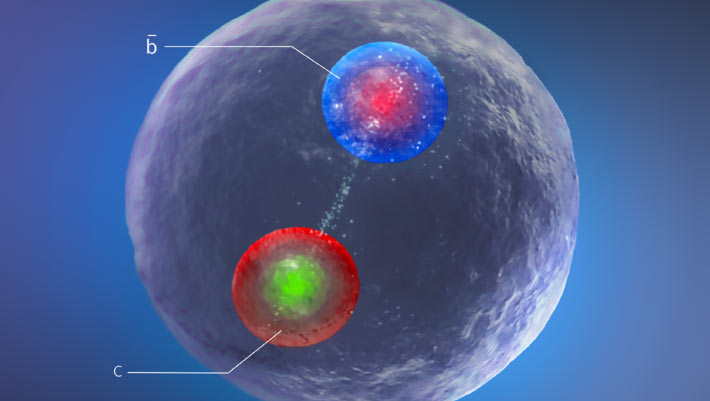
An artist’s impression of the Bc*+ meson. Image credit: Daniel Dominguez / CERN.

Physicists with the ATLAS Collaboration at CERN’s Large Hadron Collider (LHC) have observed the Bc*+ meson, an excited version of the Bc+ meson -- both consist of a charm quark and a bottom antiquark.

The post CERN Physicists Observe New Exotic Particle appeared first on Sci.News: Breaking Science News.

  •  
❌