Here at Ars, we've taken pleasure in reporting on versions of Doom that run on everything from wireless earbuds and printers to Windows' notepad.exe and even inside Doom itself. So when we hear that a piece of game-playing hardware from the '90s (or later) can't run Doom, our ears perk up.
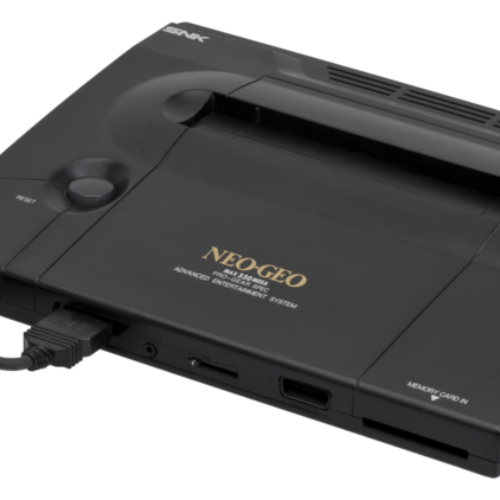
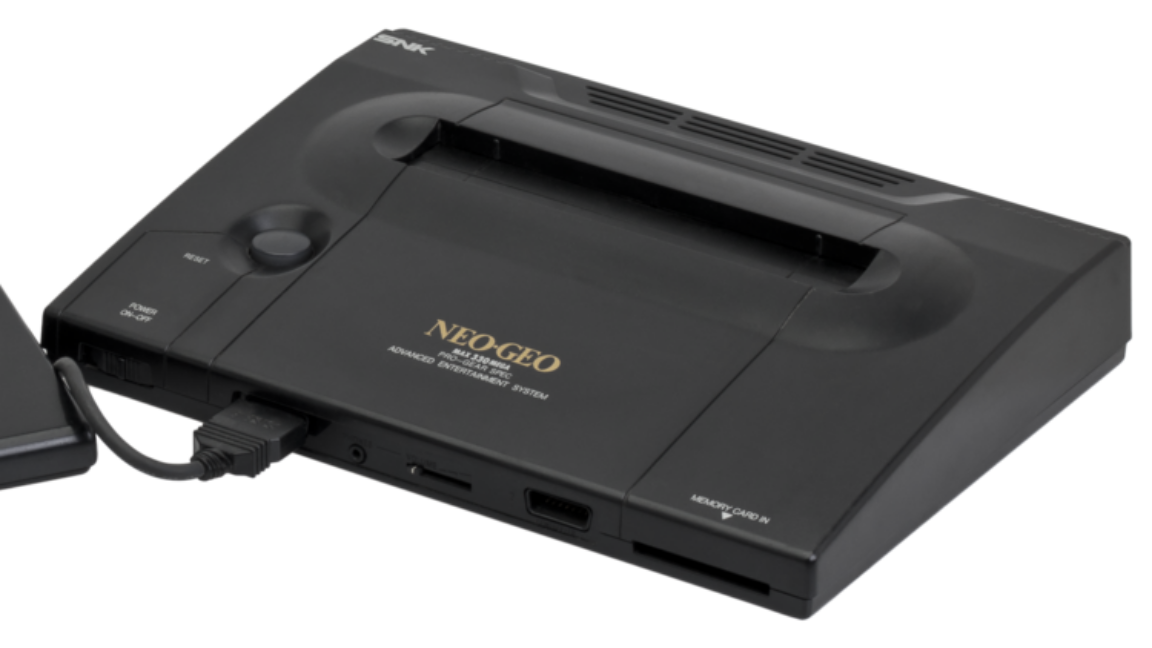
That hardware is the Neo Geo, an early '90s game console that players of a certain age will remember for its eye-watering launch price and its relatively strong pixel-pushing power for the time. Despite that relative power, though, a fascinating new video from Modern Vintage Gamer argues that the Neo Geo's architecture makes it particularly ill-suited for a port of id's famously easy-to-port game.
At first glance, the Neo Geo seems like it should be up to the task of running Doom. The Motorola 68000 CPU inside the console is the same one powering the Commodore Amiga, which has seen quite a few homebrew Doom ports over the years.
Here at Ars, we've taken pleasure in reporting on versions of Doom that run on everything from wireless earbuds and printers to Windows' notepad.exe and even inside Doom itself. So when we hear that a piece of game-playing hardware from the '90s (or later) can't run Doom, our ears perk up.
That hardware is the Neo Geo, an early '90s game console that players of a certain age will remember for its eye-watering launch price and its relatively strong pixel-pushing power for the time. Despite that relative power, though, a fascinating new video from Modern Vintage Gamer argues that the Neo Geo's architecture makes it particularly ill-suited for a port of id's famously easy-to-port game.
At first glance, the Neo Geo seems like it should be up to the task of running Doom. The Motorola 68000 CPU inside the console is the same one powering the Commodore Amiga, which has seen quite a few homebrew Doom ports over the years.
A Asus trouxe para a Computex 2026 uma linha completa de equipamentos focados na aceleração da implementação de IA nas empresas e também na linha de consumo. entre NUC, Mini PCs e novos computadores pessoais, o objetivo é garantir a experiência para a produtividade e entretenimento.
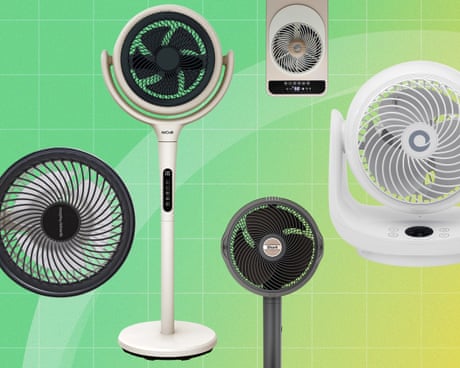
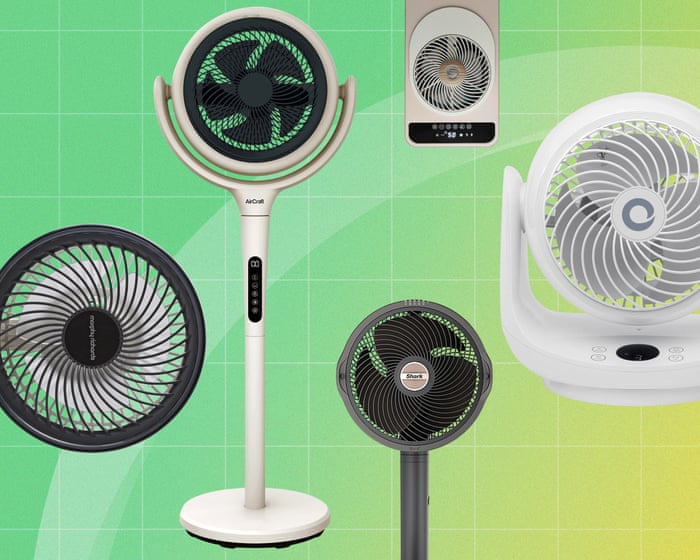
As temperatures soar across the UK, chill your space – and avoid energy-guzzling aircon – with our pick of the best fans, from tower to desk to bladeless
Our world is getting hotter. Summer heatwaves are so frequent, they’re stretching the bounds of what we think of as summer. Hot-and-bothered home working and sweaty, sleepless nights are now alarmingly common.
Get a good fan and you can dodge the temptation of air conditioning. Aircon is incredibly effective, but it uses a lot of electricity … and burning fossil fuels is how we got into this mess in the first place. Save money and carbon by opting for a great fan instead.
Best quiet fan for the bedroom and best overall: AirCraft Lume
Best fan for cooling: Dreo TurboCool misting fan 765S
A festa dos 20 anos da Asus Republic of Gamers (ROG) traz novidades para os gamers com uma seleção especial de produtos numa edição limitada para builds gamer de elevado desempenho. Do desktop ROG G1000 a motherboards, ecrãs, periféricos e cadeiras, a nova linha traz uma gama completa de produtos com design único.
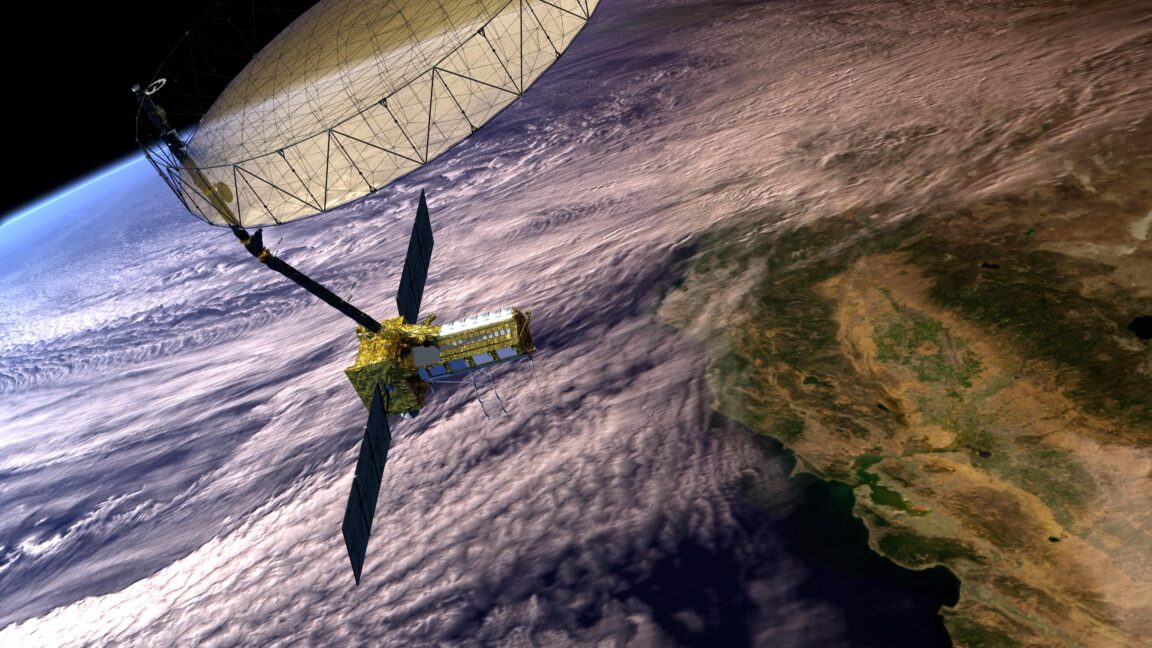
NASA satellites designed to observe cyclone wind speeds and collapsing ice sheets have also proven capable of identifying the approximate locations of GPS jammers. That could help monitor high-risk areas for aircraft and ships navigating the growing prevalence of GPS interference worldwide.
Two different NASA satellite systems showed how they could locate a known but mysterious GPS jammer within several kilometers of its position in Iran, according to an experiment by Sean Gorman, CEO and cofounder of the location-based technology company Zephr.xyz that was detailed in the magazine GPS World. Such jammers use strong signals to overpower the weaker radio signals coming from US-operated GPS satellites and other global navigation satellite systems.
Such NASA satellites cannot perform “near-real time monitoring” or pinpoint the exact location of GPS jammers, said Clara Chew, principal scientist and lead of the GNSS systems and data team at the California-based satellite manufacturer Muon Space, who was not involved in the study. But Chew told Ars that identifying the approximate locations of GPS jammers “could potentially be helpful for flight planning” or for “indicating high risk areas for maritime shipping.”
NASA satellites designed to observe cyclone wind speeds and collapsing ice sheets have also proven capable of identifying the approximate locations of GPS jammers. That could help monitor high-risk areas for aircraft and ships navigating the growing prevalence of GPS interference worldwide.
Two different NASA satellite systems showed how they could locate a known but mysterious GPS jammer within several kilometers of its position in Iran, according to an experiment by Sean Gorman, CEO and cofounder of the location-based technology company Zephr.xyz that was detailed in the magazine GPS World. Such jammers use strong signals to overpower the weaker radio signals coming from US-operated GPS satellites and other global navigation satellite systems.
Such NASA satellites cannot perform “near-real time monitoring” or pinpoint the exact location of GPS jammers, said Clara Chew, principal scientist and lead of the GNSS systems and data team at the California-based satellite manufacturer Muon Space, who was not involved in the study. But Chew told Ars that identifying the approximate locations of GPS jammers “could potentially be helpful for flight planning” or for “indicating high risk areas for maritime shipping.”
While Westminster’s attention is focused on Andy Burnham and Makerfield, another pivotal byelection is taking place in Scotland’s north-east
The coming byelection in Makerfield, from where Andy Burnham aspires to make rapid progress towards Downing Street, is perhaps the most consequential in British political history. But the decision by the Scottish National party’s former Westminster leader, Stephen Flynn, to relocate to Holyrood means that another pivotal contest is taking place more than 350 miles to the north. If Makerfield is a test case for Mr Burnham and Labour’s ability to see off Reform UK, Mr Flynn’s old constituency of Aberdeen South is on the frontline of the increasingly fraught politics of North Sea oil.
Labour, despite finishing second in the 2024 general election thanks largely to anti-Tory tactical voting, will not be expecting much this time round. The ramifications of Donald Trump’s reckless war in Iran have exposed Britain’s ongoing vulnerability to fossil-fuel-related energy shocks, highlighting the practical benefits of moving to a green economy. But the knock-on effects of the closure of the strait of Hormuz have also been a gift for the Scottish Conservatives and Reform, who are framing the byelection as a local referendum on reviving oil and gas production beyond Westminster-imposed limits.
NASA satellites designed to observe cyclone wind speeds and collapsing ice sheets have also proven capable of identifying the approximate locations of GPS jammers. That could help monitor high-risk areas for aircraft and ships navigating the growing prevalence of GPS interference worldwide.
Two different NASA satellite systems showed how they could locate a known but mysterious GPS jammer within several kilometers of its position in Iran, according to an experiment by Sean Gorman, CEO and cofounder of the location-based technology company Zephr.xyz that was detailed in the magazine GPS World. Such jammers use strong signals to overpower the weaker radio signals coming from US-operated GPS satellites and other global navigation satellite systems.
Such NASA satellites cannot perform “near-real time monitoring” or pinpoint the exact location of GPS jammers, said Clara Chew, principal scientist and lead of the GNSS systems and data team at the California-based satellite manufacturer Muon Space, who was not involved in the study. But Chew told Ars that identifying the approximate locations of GPS jammers “could potentially be helpful for flight planning” or for “indicating high risk areas for maritime shipping.”
The dream of clean hydrogen has tantalized energy experts for years, but producing it has been tough. Many start-ups think the answer could lie beneath our feet.

 Login
Login