Reading view

Nvidia is already planning N2X and N3X chips — the goal is the Star Trek computer

Jensen Huang, chief executive officer of Nvidia Corp. | Bloomberg via Getty Images

Just in case you were wondering, Nvidia's RTX Spark isn't supposed to be a one-off. The company is not just flirting with becoming the fifth high-profile vendor of consumer laptop chips to see if people bite. At Computex 2026 in Taipei, Nvidia CEO Jensen Huang confirmed at least two additional generations of RTX Spark are already planned. The eventual goal, he said, is to build Star Trek-like computers and and Star Wars-like droids you can order around with your voice.

"I want to talk to my laptop! I want R2-D2!" he told analysts and investors at Computex, revealing that he started working with Microsoft CEO Satya Nadella "about three years …

Read the full story at The Verge.

  •  

Microsoft Plans Linux Tools, RTX Spark Desktop For Windows Devs

An anonymous reader quotes a report from Ars Technica: Microsoft's Build developer conference kicked off today, and as with almost everything the company has done in the last few years, Microsoft's opening keynote focused overwhelmingly on AI and other closely related technologies. [...] On the hardware front, we didn't get any updates for existing Surface devices (not counting yesterday's Surface Laptop Ultra announcement), but we did get something new: the Surface RTX Spark Dev Box is "a compact developer PC" built around Nvidia's new RTX Spark chip with up to 128GB of built-in memory. The Dev Box looks a little like a cartoon anvil or piano fell onto an Xbox Series X and flattened it. Its aluminum casing was designed "to double as a heatsink," and its preloaded version of Windows 11 Pro will include a "purposeful" set of developer-centric default settings and preinstalled tools. This is a follow-up of sorts to the Windows Dev Kit 2023, also known as "Project Volterra." This Qualcomm Snapdragon 8cx Gen 3-powered PC was essentially the system board from a Surface Pro tablet stuffed into a plastic box, and it was introduced alongside Arm-native versions of several Microsoft developer tools. It helped to set the stage for the Arm-based flagship Surface devices that launched the next year, which benefitted from a better and faster x86-to-Arm code translation technology called Prism and a greater number of Arm-native third-party apps that didn't need to be translated in the first place. Microsoft didn't announce pricing or specific specs for the RTX Spark Dev Box, but you can probably expect it to cost quite a bit more than the $600 that Project Volterra did. Hopefully, Microsoft can keep the price at least somewhat lower than the $4,699 asking price for Nvidia's similarly specced DGX Spark box. On the software side, several developer-centric changes are coming to Windows 11, particularly for users of the Windows Subsystem for Linux (WSL). Microsoft is introducing a Windows-native version of the coreutils command line tools, so that commands or scripts made for Linux work within Windows and the other way around; the ability to run WSL inside of containers, said to be arriving in "the coming months"; and something called Windows Developer Configurations that uses the WinGet tool to quickly set up "a distraction-free dev environment with VS Code, GitHub Copilot, WSL, PowerShell 7 and developer-optimized settings with one command on any Windows 11 device." Microsoft also introduced Microsoft Execution Containers (MXC), as "enterprise-grade sandboxed environments" that let AI agents like OpenClaw operate on Windows without getting unrestricted access to the whole system. In theory, MXC could let organizations enforce agent-specific limits, such as blocking access to personal accounts, separating work and personal data, or requiring permission before deleting files. The MXC GitHub repo also notes support for "multiple containment backends," meaning the same sandboxing concept could apply beyond AI agents to other plugins, tools, and workloads. Further reading: Microsoft Unveils Scout, an Autonomous AI Agent Built On OpenClaw

Read more of this story at Slashdot.

  •  

Microsoft aposta em novos modelos próprios, agentes que conhecem as empresas e no chip quântico Majorana 2

O Microsoft Build 2026 foi o palco escolhido pela tecnológica para o lançamento de novos modelos de IA próprios para reduzir a dependência da OpenAI, do novo chip quântico Majorana 2 e de uma plataforma de agentes que vai ao "coração" de como as organizações trabalham.

The post Microsoft aposta em novos modelos próprios, agentes que conhecem as empresas e no chip quântico Majorana 2 appeared first on Tek Notícias.

  •  

Microsoft and OpenAI broke up — now they’re ready to fight

Satya Nadella on a graphic background of the red, blue, green, and yellow.

At Microsoft's annual Build conference on Tuesday, the company announced a slew of new or expanded AI initiatives, including a super app, in-house reasoning models, a cybersecurity tool, and OpenClaw-esque AI agents. All this news added up to a clear message: Microsoft is positioned to be one of the biggest players in AI, and it's finally acting like it.

For years, Microsoft's AI business leaned hard on its early and exclusive partnership with OpenAI. But the drama-filled marriage slowly devolved into a situationship, and the pair effectively separated in late April (though Microsoft is still OpenAI's primary cloud partner - for now). This …

Read the full story at The Verge.

  •  

A first look at Microsoft’s Surface Laptop Ultra and Surface Dev Box

The Surface Laptop Ultra.

Microsoft has two new Surface devices arriving later this year, both powered by Nvidia's RTX Spark chips. I got a chance to take a closer look at both the Surface Laptop Ultra and Surface RTX Spark Dev Box at Microsoft's Build conference this week, and while both have the same chip inside, they're utilizing Nvidia's RTX Spark in different ways.

The Surface Laptop Ultra looks and feels very much like a 16-inch MacBook Pro. There are no transforming hinges, detachable displays, or any other tricks - this is a clamshell laptop built with performance in mind. Microsoft has opted for a 15-inch mini LED panel, which operates at up to 2,000 nits o …

Read the full story at The Verge.

  •  

Windows 11 vi farà disinstallare i modelli AI aggiunti a forza da Microsoft

Microsoft continua a mettere a punto dei cambiamenti fra le impostazioni di Windows 11, dove ora spunta una pagina dedicata ai componenti AI. Per l'appunto, in alcune build sperimentali del programma Insider, questa sezione appare ancora più completa, con la possibilità di vedere i modelli AI installati sul PC e perfino di controllare cosa stiano eseguendo in locale, soprattutto nei dispositivi su cui è presente Copilot+.

COME RIMUOVERE I MODELLI AI DA WINDOWS 11

La build 26300.8553 di Windows 11 ha portato varie modifiche tra cui un menu Start più flessibile, una ricerca migliorata che funziona anche con parole inserite solo parzialmente, e nuove gesture touch per far riapparire la barra delle applicazioni quando è spostata.

Nel sistema è stata individuata una pagina nascosta che riguarda la gestione dei modelli AI. Lì compaiono informazioni come il nome del produttore, la versione, la data di installazione, le dimensioni e l'uso totale registrato per ciascun modello. In alcuni casi è possibile anche rimuovere componenti AI e, di conseguenza, avere più potere decisionale sul modo in cui Windows 11 gestisce le funzioni di intelligenza artificiale.


Il TOP Android senza compromessi? Samsung Galaxy S25 Ultra, compralo al miglior prezzo da Minimouse.it a 736 euro.

CLICCA QUI PER CONTINUARE A LEGGERE

  •  

Project Solara é o primeiro passo da Microsoft para a era dos equipamentos baseados em agentes de IA

A Microsoft revelou o Project Solara, uma plataforma chip-to-cloud onde o sistema operativo deixa de estar confinado ao equipamento, distribuindo-se entre o hardware e a cloud.

The post Project Solara é o primeiro passo da Microsoft para a era dos equipamentos baseados em agentes de IA appeared first on Tek Notícias.

  •  

Microsoft plans Linux tools and an RTX Spark desktop for Windows developers

Microsoft's Build developer conference kicked off today, and as with almost everything the company has done in the last few years, Microsoft's opening keynote focused overwhelmingly on AI and other closely related technologies. There's Microsoft Scout, an OpenClaw-based "Autopilot" agent that can hook into Microsoft 365 data to perform tasks for users; several new AI models; an expanded preview of "Codename MDASH," which is a "multi-model agentic scanning system" meant to detect and fix software vulnerabilities.

A few of those announcements stood out to us as particularly interesting, either for esoteric technical reasons or because they seem like they may have some utility for those who aren't spending their every waking moment using generative AI tools. (Microsoft's recent efforts to make its flagship operating system faster, more reliable, more useful, and less annoying didn't really come up, but there have been plenty of other announcements on that front lately.)

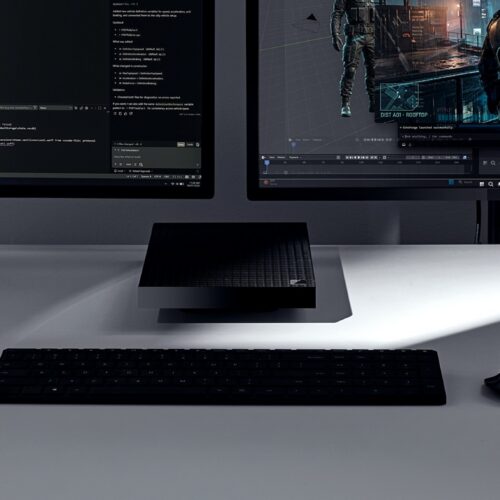
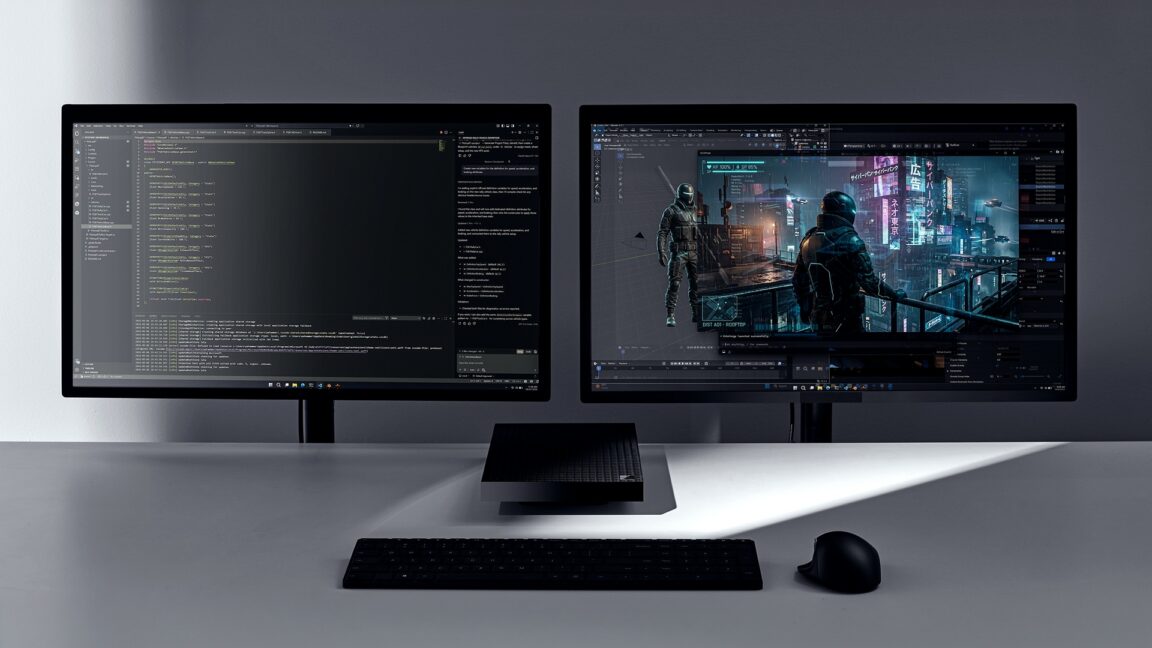
On the hardware front, we didn't get any updates for existing Surface devices (not counting yesterday's Surface Laptop Ultra announcement), but we did get something new: the Surface RTX Spark Dev Box is "a compact developer PC" built around Nvidia's new RTX Spark chip with up to 128GB of built-in memory.

Read full article

Comments

© Microsoft

  •  

Microsoft plans Linux tools and an RTX Spark desktop for Windows developers

Microsoft's Build developer conference kicked off today, and as with almost everything the company has done in the last few years, Microsoft's opening keynote focused overwhelmingly on AI and other closely related technologies. There's Microsoft Scout, an OpenClaw-based "Autopilot" agent that can hook into Microsoft 365 data to perform tasks for users; several new AI models; an expanded preview of "Codename MDASH," which is a "multi-model agentic scanning system" meant to detect and fix software vulnerabilities.

A few of those announcements stood out to us as particularly interesting, either for esoteric technical reasons or because they seem like they may have some utility for those who aren't spending their every waking moment using generative AI tools. (Microsoft's recent efforts to make its flagship operating system faster, more reliable, more useful, and less annoying didn't really come up, but there have been plenty of other announcements on that front lately.)

On the hardware front, we didn't get any updates for existing Surface devices (not counting yesterday's Surface Laptop Ultra announcement), but we did get something new: the Surface RTX Spark Dev Box is "a compact developer PC" built around Nvidia's new RTX Spark chip with up to 128GB of built-in memory.

Read full article

Comments

© Microsoft

  •  

Microsoft plans Linux tools and an RTX Spark desktop for Windows developers

Microsoft's Build developer conference kicked off today, and as with almost everything the company has done in the last few years, Microsoft's opening keynote focused overwhelmingly on AI and other closely related technologies. There's Microsoft Scout, an OpenClaw-based "Autopilot" agent that can hook into Microsoft 365 data to perform tasks for users; several new AI models; an expanded preview of "Codename MDASH," which is a "multi-model agentic scanning system" meant to detect and fix software vulnerabilities.

A few of those announcements stood out to us as particularly interesting, either for esoteric technical reasons or because they seem like they may have some utility for those who aren't spending their every waking moment using generative AI tools. (Microsoft's recent efforts to make its flagship operating system faster, more reliable, more useful, and less annoying didn't really come up, but there have been plenty of other announcements on that front lately.)

On the hardware front, we didn't get any updates for existing Surface devices (not counting yesterday's Surface Laptop Ultra announcement), but we did get something new: the Surface RTX Spark Dev Box is "a compact developer PC" built around Nvidia's new RTX Spark chip with up to 128GB of built-in memory.

Read full article

Comments

© Microsoft

  •  

Microsoft plans Linux tools and an RTX Spark desktop for Windows developers

Microsoft's Build developer conference kicked off today, and as with almost everything the company has done in the last few years, Microsoft's opening keynote focused overwhelmingly on AI and other closely related technologies. There's Microsoft Scout, an OpenClaw-based "Autopilot" agent that can hook into Microsoft 365 data to perform tasks for users; several new AI models; an expanded preview of "Codename MDASH," which is a "multi-model agentic scanning system" meant to detect and fix software vulnerabilities.

A few of those announcements stood out to us as particularly interesting, either for esoteric technical reasons or because they seem like they may have some utility for those who aren't spending their every waking moment using generative AI tools. (Microsoft's recent efforts to make its flagship operating system faster, more reliable, more useful, and less annoying didn't really come up, but there have been plenty of other announcements on that front lately.)

On the hardware front, we didn't get any updates for existing Surface devices (not counting yesterday's Surface Laptop Ultra announcement), but we did get something new: the Surface RTX Spark Dev Box is "a compact developer PC" built around Nvidia's new RTX Spark chip with up to 128GB of built-in memory.

Read full article

Comments

© Microsoft

  •  

Microsoft's Project Solara is an Android OS designed for agents instead of apps

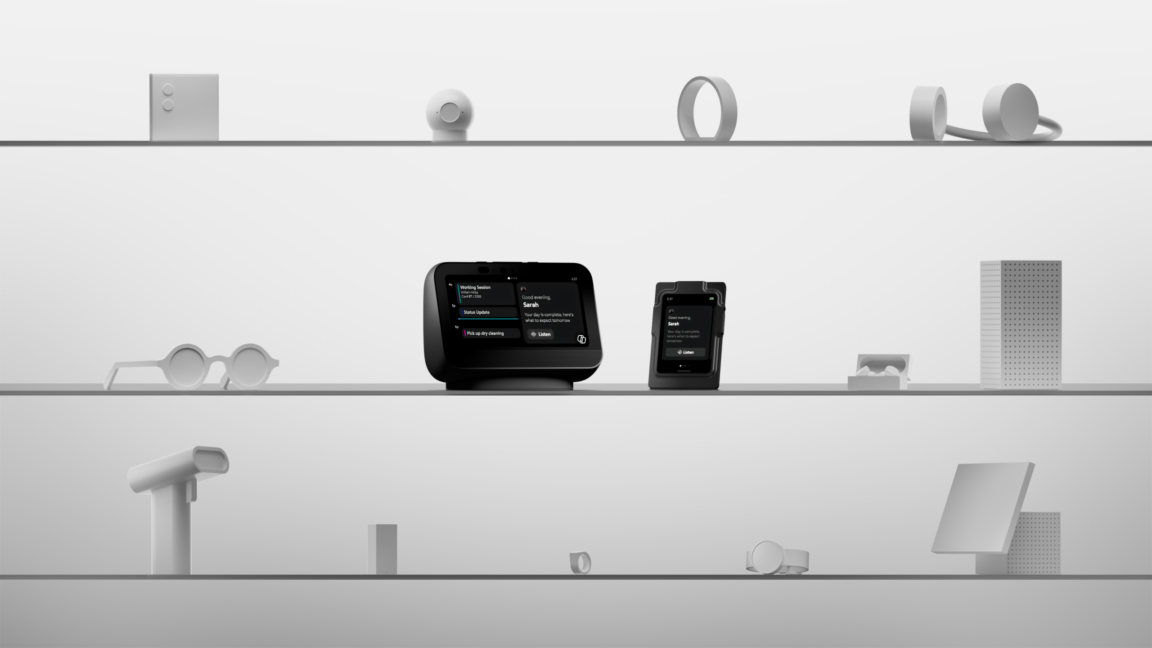
Microsoft has been deeply committed to the growth of generative AI technology in recent years through its now-fragmented partnership with OpenAI. At Build 2026, the company remains all-in on AI, and it's looking toward the future with a new software platform. The new Android-based OS is called Project Solara, and Microsoft says Solara is designed to run agents instead of apps.

Project Solara is not something you'll have to worry about killing your apps anytime soon. It's limited to a few pieces of concept hardware and software that are awaiting the magical agents of the future. The vision is for Solara to run on myriad specialized devices with interfaces generated on the spot, and it's all powered by the explosive intelligence of models that Microsoft and others insist will soon exist.

According to Microsoft, Solara is a chip-to-cloud platform intended to free agents from reliance on single interfaces. Much of Microsoft's messaging around AI is speculative and self-serving, but the company rightly points out that new computing form factors have always required specialization, and that process is complex and expensive. The shift to mobile computing, for example, tripped Microsoft up multiple times as it fell behind on app availability, security, and long-term support.

Read full article

Comments

© Microsoft

  •  
❌