Reading view

Microsoft aposta em novos modelos próprios, agentes que conhecem as empresas e no chip quântico Majorana 2

O Microsoft Build 2026 foi o palco escolhido pela tecnológica para o lançamento de novos modelos de IA próprios para reduzir a dependência da OpenAI, do novo chip quântico Majorana 2 e de uma plataforma de agentes que vai ao "coração" de como as organizações trabalham.

The post Microsoft aposta em novos modelos próprios, agentes que conhecem as empresas e no chip quântico Majorana 2 appeared first on Tek Notícias.

  •  

Jason Lewis, Ph.D., FSNMMI, Appointed Vice President-Elect of the Society of Nuclear Medicine and Molecular Imaging

In a significant development within the realm of nuclear medicine and molecular imaging, Dr. Jason S. Lewis, PhD, FSNMMI, has been appointed as the Vice President-Elect of the Society of Nuclear Medicine and Molecular Imaging (SNMMI) for the 2026-27 term. His appointment was officially announced at the SNMMI’s 2026 Annual Meeting held in Los Angeles, marking a pivotal moment for the society as it continues to expand its influence in advancing nuclear medicine and molecular imaging sciences. Dr. Lewis’s career, distinguished by a profound commitment to both scientific innovation and educational leadership, positions him uniquely to shape the future trajectory of the society.

Dr. Lewis holds prestigious roles as the Emily Tow Chair in Oncology at Memorial Sloan Kettering Cancer Center (MSK) and deputy director of the Sloan Kettering Institute in New York. His extensive background embodies a fusion of rigorous scientific inquiry and clinical application, a dual focus that reflects the integral nature of molecular imaging and nuclear medicine in bridging laboratory discoveries with patient-centered therapies. At SNMMI, he aims to leverage this integration by elevating basic science visibility, thereby fostering a symbiotic relationship between foundational research and its clinical deployment.

A central theme in Dr. Lewis’s vision as Vice President-Elect involves enhancing the educational landscape within SNMMI. He asserts that the society must strengthen its role as an educational powerhouse, catering to members across all career stages. By enriching educational content and fostering interdisciplinary collaboration, particularly between basic scientists and clinical investigators, SNMMI can solidify its reputation as an incubator for innovative research methodologies and translational sciences that define tomorrow’s standards of precision medicine.

Dr. Lewis’s commitment extends to nurturing early-career scientists, a group vital for sustaining the momentum of innovation in nuclear medicine. He intends to create novel forums and opportunities tailored specifically for these emerging investigators, emphasizing mentorship, scientific exchange, and active participation in society initiatives. This approach ensures a dynamic generational handoff that preserves and amplifies the society’s mission to push the boundaries of molecular imaging technology and radiopharmaceutical sciences.

Tracing Dr. Lewis’s academic journey underscores the depth of his expertise. He obtained his Bachelor and Master of Science degrees in chemistry from the University of Essex, followed by a doctorate in biochemistry from the University of Kent. His postdoctoral research at Washington University School of Medicine in St. Louis laid the foundation for a distinguished academic trajectory, culminating in his faculty appointment and subsequent transition to MSK, where he has consistently contributed to cutting-edge oncology imaging research.

Within SNMMI, Dr. Lewis’s involvement has been multifaceted. His tenure as secretary and treasurer over the past four years coincided with a period of strategic growth and policy development within the society. He is currently the chair of the SNMMI Task Force on Policy and Review Alignment and the SNMMI Committee on Finance. His membership spans committees encompassing radiopharmaceuticals, awards, and the Clinical Trials Network Research Committee, reflecting his broad influence and leadership across scientific, financial, and clinical dimensions of the society.

Dr. Lewis’s editorial contributions also shape the scientific discourse in nuclear medicine, notably through his role as an associate editor of The Journal of Nuclear Medicine since 2016. This position enables him to guide the dissemination of high-impact research, ensuring rigorous peer review and fostering a scholarly milieu that champions innovative molecular imaging modalities, including positron emission tomography (PET) and theranostics.

His leadership credentials extend internationally, having served as president of the World Molecular Imaging Society (WMIS) and the Society of Radiopharmaceutical Sciences (SRS). These roles highlight his global influence and dedication to the advancement of molecular imaging sciences on a worldwide scale. Such leadership roles complement his recognition as a fellow in several esteemed organizations, including the American Association for the Advancement of Science, the Royal Society of Chemistry, the American Institute for Medical and Biological Engineering, and notably, the National Academy of Inventors.

Dr. Lewis’s scientific achievements have garnered numerous prestigious awards, underscoring his contributions to the nuclear medicine field. These accolades include the Paul C. Aebersold Award, the Michael J. Welch Award, and the Dr. Saul Hertz Lifetime Achievement Award from SNMMI, the ACS Glenn T. Seaborg Award for Nuclear Chemistry, and the WMIS Gold Medal for Lifetime Achievement. Such recognition attests to his innovative research and leadership in developing radiopharmaceuticals and molecular imaging technologies that have clinical impact.

The 2026-27 SNMMI leadership cohort also includes Heather Jacene, MD, as president, and Gary Ulaner, MD, PhD, FSNMMI, FACNM, as president-elect, all of whom share a commitment to advancing scientific discovery and clinical excellence in molecular imaging. The technologist section leadership similarly reflects leadership aimed at advancing clinical practice and technological innovation in nuclear medicine and molecular imaging.

At the core of SNMMI’s mission is the dedication to advancing nuclear medicine, molecular imaging, and theranostics—fields that underpin precision medicine by tailoring diagnostic and therapeutic approaches to individual patient profiles. Under the guidance of leaders like Dr. Lewis, SNMMI is poised to continue driving forward innovations that integrate diagnostic imaging with targeted treatment, enhancing clinical outcomes and expanding the possibilities of personalized medicine.

Dr. Lewis’s appointment heralds a new era at SNMMI, emphasizing synergy between molecular imaging’s scientific foundations and its clinical applications. His strategic focus on education, collaboration, and early-career engagement promises to keep the society at the forefront of medical innovation. As molecular imaging technologies evolve rapidly, the role of guiding institutions and visionary leaders becomes paramount in translating scientific breakthroughs into meaningful clinical benefits.

Driven by a mission to expand the frontiers of molecular imaging and nuclear medicine, Dr. Lewis and the SNMMI will play pivotal roles in orchestrating scientific discourse, policy development, and educational excellence. This trajectory will not only invigorate research communities but also ensure that innovations continue to translate into enhanced patient care paradigms, defining the future landscape of precision oncology and beyond.


Subject of Research: Nuclear Medicine and Molecular Imaging

Article Title: Jason S. Lewis, PhD, FSNMMI, Named Vice President-Elect of the Society of Nuclear Medicine and Molecular Imaging

News Publication Date: 2026 Annual Meeting (May 30-June 2, 2026)

Web References:

Image Credits: Courtesy of SNMMI

Keywords: Molecular imaging, Nuclear medicine, Positron emission tomography, Personalized medicine, Radiopharmaceuticals, Theranostics, Precision medicine, Oncology imaging

  •  

New York Valves 2026 to Reveal Groundbreaking Advances in Structural Heart Disease Research

The Cardiovascular Research Foundation (CRF®) has unveiled an extraordinary lineup of groundbreaking studies slated for presentation at the forthcoming New York Valves: The Structural Heart Summit™, scheduled for June 24-26, 2026. This premier event, hosted at the Jacob K. Javits Convention Center in New York City, brings together leading interventional cardiologists, cardiac surgeons, and clinical researchers to showcase transformative advancements in the treatment of structural heart disease. The summit’s scientific agenda features an impressive array of 22 late-breaking clinical science presentations alongside eight pioneering innovation reports, each promising to reshape the landscape of valvular therapy.

Central to the conference’s late-breaking clinical studies is the burgeoning field of transcatheter aortic valve replacement (TAVR), a minimally invasive procedure that has revolutionized the management of aortic stenosis. The research to be shared includes long-term valve durability data, extending as far as seven to eight years in pivotal trials such as PARTNER 3 and studies involving the Evolut Platform. These data represent some of the first comprehensive, extended durability assessments of bioprosthetic valves implanted via catheter-based methods, providing critical insights into valve longevity, risks of reintervention, and patient outcomes beyond the mid-term horizon.

Low-risk patients treated with balloon-expandable valves, a subgroup historically managed with surgical valve replacement, will be a particular focus. The anticipated findings from U.S.-based studies underscore the expanding applicability of TAVR beyond traditional high-risk cohorts, reflecting a paradigm shift in patient selection. Detailed analyses have also explored outcomes in bicuspid aortic valve disease—a congenital malformation often excluded from early TAVR trials—spotlighting the nuanced considerations necessary when applying transcatheter therapies to anatomically complex cases.

Further expanding the scope of the summit are significant investigations into tricuspid valve disease, an often underappreciated yet clinically impactful valvular pathology. Presentations will delve into the use of transcatheter tricuspid valve replacement (TTVR) following failed transcatheter tricuspid valve repair (T-TEER), revealing pooled registry data that illuminate procedural efficacy and safety. Additionally, outcomes from patient cohorts deemed ineligible for TRISCEND trials and insights into valve thrombosis post-TTVR will enrich the collective understanding of this burgeoning frontier.

The mitral valve, with its intricate anatomy and diverse pathology, also anchors several late-breaking sessions. Cutting-edge data from the ENCIRCLE-MAC study will share one-year outcomes of transcatheter mitral valve replacement (TMVR) in patients burdened with severe mitral annular calcification—a notoriously challenging subset. Registry analyses comparing the efficacy of M-TEER devices such as MitraClip and PASCAL promise to refine interventional choices, while investigations into repeat interventions and the novel REPAIR study address previously unmet clinical challenges, including treatment in patients with small mitral valve orifice areas.

Innovation sessions will spotlight revolutionary technological advancements. AI-augmented electrocardiographic analysis emerges as a powerful tool for early detection and prognostication of structural heart disease, potentially enabling earlier intervention and personalized management strategies. Discussions will also cover the evolution of multidisciplinary heart valve teams, emphasizing patient-centered care models across leading TAVR programs. Novel devices such as leaflet modification tools designed for valve-in-valve TAVR procedures are expected to demonstrate enhanced procedural safety and efficacy.

On the final day, focused sessions revisit TAVR with studies assessing baseline clinical and echocardiographic traits of moderate aortic stenosis patients enrolled in the PROGRESS trial, and large-scale quality metrics from the American Heart Association’s Target AS Initiative. Efforts to standardize care pathways facilitated by electronic health records (EHR) will be discussed, signaling a move towards integrated, data-driven patient management. Procedural nuances, including vascular access site selection and new pacemaker implantation risks post-TAVR for pure aortic regurgitation, will be evaluated with the rigor befitting large multicenter cohorts.

Innovation tracks will introduce the first multicenter experiences utilizing pulsed field ablation of the left atrial appendage (LAA) prior to LAA closure, aiming to mitigate peri-device leaks—a known postprocedural complication. Comparative registries investigating M-TEER versus valve-in-ring approaches for failed surgical mitral valve repair will enrich decision-making algorithms. Furthermore, the anticipated SMART-MAC trial will elucidate outcomes of mitral valve lithotripsy using specialized balloon techniques to address severe annular calcification—a technical challenge limiting current therapies. Ingenious registry data on TAVR with the JenaValve Trilogy system in patients supported by continuous-flow left ventricular assist devices (LVADs) confront the intersection of mechanical circulatory support and valvular interventions.

Beyond research presentations, New York Valves 2026 promises a compelling blend of live procedural demonstrations from world-renowned operators, over 180 scientific abstracts, and more than 220 challenging clinical case reviews. The event’s comprehensive educational scope also encompasses the second annual LAAC Summit, dedicated to left atrial appendage closure with pragmatic discussions and case-based learning. Collectively, these offerings foster an environment conducive to innovation dissemination and clinical excellence.

The CRF® maintains its stature as a vanguard institution in interventional cardiovascular medicine, fostering advancements through its Skirball Center for Innovation, Clinical Trials Center, Center for Education, CRF Digital platform, TCTMD®, and its dedicated journal, Structural Heart: The Journal of the Heart Team. The forthcoming summit epitomizes CRF’s commitment to accelerating cardiovascular breakthroughs and equipping clinicians worldwide with evidence-based tools to improve patient survival and quality of life.

For press inquiries and registration details, media professionals are encouraged to contact Judy Romero at jromero@crf.org. The New York Valves: The Structural Heart Summit stands as an unmissable convergence of clinical genius and technological innovation, poised to redefine standards of care in structural heart disease management for years to come.


Subject of Research: Structural Heart Disease and Transcatheter Valve Therapy

Article Title: Breakthroughs in Transcatheter Valve Replacement Unveiled at New York Valves 2026

News Publication Date: June 2, 2026

Web References:
https://www.nyvalvesconference.com/
http://www.crf.org

Keywords: Structural heart disease, TAVR, TMVR, tricuspid valve replacement, valve durability, mitral annular calcification, AI ECG analysis, valve thrombosis, pulsed field ablation, left atrial appendage closure, valve-in-valve therapy, cardiovascular innovation

  •  

New “Hate Speech” Laws | Even Lawyers Don’t Know What Can Be Spoken

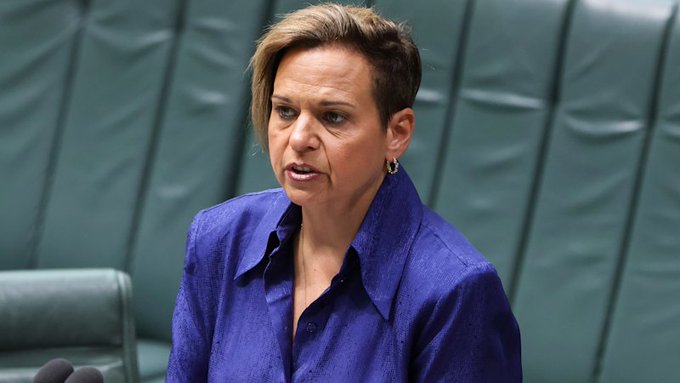
Australia's new "hate speech" laws have raised concerns about free expression, particularly regarding criticism of foreign governments like Israel. Attorney-General Michelle Rowland assures that peaceful criticism is allowed but warns that any statements causing fear or intimidation could lead to prosecution.

  •  

The Dangers of Australia’s New “Hate Speech” Legislation

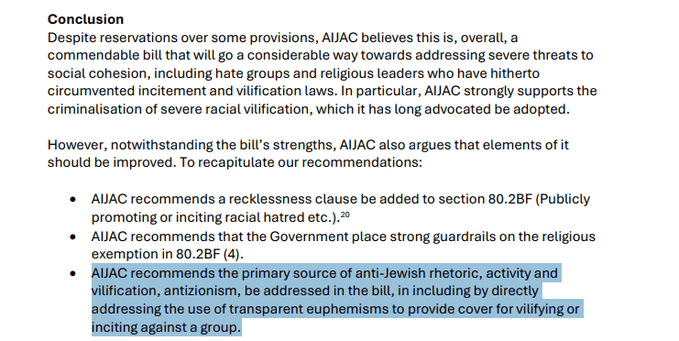
Australia's hate speech laws are under debate after passing the House of Representatives. Critics argue the definition of hate speech is subjective, potentially threatening free speech. Concerns arise over the bill’s ability to target legitimate political discourse while seemingly failing to address extremism comprehensively. A crucial Senate vote is pending.

  •  

Why Australia’s New “Hate Speech” Bill Threatens Our National Security

The proposed Combating Antisemitism, Hate and Extremism Bill 2026 in Australia aims to criminalize antisemitism and hate speech, raising concerns about its vague definitions that could limit free speech. Critics argue it might hinder public discussion on immigration and fail to address Islamic terrorism effectively, potentially compromising national security.

  •  

MSI Claw 8 EX AI+ é a primeira consola portátil equipada com o novo processador Intel Arc G3 Extreme

Apresentada durante a Computex 2026, a nova consola portátil da MSI é a primeira com o processador Intel Arc G3 Extreme, que promete melhor desempenho e maior eficiência energética que os modelos equipados com processador AMD Ryzen Z2 Extreme.

The post MSI Claw 8 EX AI+ é a primeira consola portátil equipada com o novo processador Intel Arc G3 Extreme appeared first on Tek Notícias.

  •  

Global Summit on Cutting-Edge Functional Materials and Technologies (ICAFMT)

In an era increasingly defined by the confluence of materials science innovation and data-driven methodologies, the International Conference on Advanced Functional Materials and Technologies (ICAFMT) stands as a pivotal forum. Set to convene in Dongguan, China, from October 23 to 25, 2026, this event promises to be a landmark gathering for scholars, researchers, and industry leaders aiming to shape the future of materials science. The conference will explore the latest strides in functional materials, encompassing fields from energy storage and advanced computational techniques to biomaterials and metallic alloys.

ICAFMT 2026 brings together an outstanding cadre of thought leaders and institutional representatives from around the globe. Chaired by Weihua Wang of the Dongguan Institute of Materials Science and Technology, alongside other eminent figures such as Jinkui Zhao, Gian-Marco Rignanese, and Torsten Brezesinski, the meeting reflects a uniquely international and interdisciplinary spirit. The organizing committee, drawn from prestigious universities and research institutions including Peking University, The University of Hong Kong, and École Polytechnique de Louvain, underscores the global collaboration permeating the event.

The conference program distinguishes itself through a suite of parallel sessions, each dedicated to cutting-edge research and emerging technologies. One crucial session focuses on electronic and information-processing materials, an arena witnessing revolutionary advances as the world pivots toward smarter, faster computing systems. Here, researchers will delve into novel semiconductors, quantum materials, and nanoscale architectures that redefine information handling and storage at the atomic scale.

Energy storage and conversion, critical for sustainable development, constitute another core theme. With surging global demand for efficient and durable batteries, supercapacitors, and beyond-lithium chemistries, ICAFMT will enable lively discussions on advanced materials facilitating higher energy densities, faster charge rates, and longer lifespans. Experts like Torsten Brezesinski, known for his pioneering work in electrode materials, are expected to lead discourse on engineering design at both the nano- and microscale to optimize performance.

Biomaterials research, an inherently interdisciplinary domain, also features prominently. Advances here promise transformative impacts on healthcare, ranging from regenerative medicine scaffolds to biocompatible implants and drug delivery systems. The conference’s emphasis on biomaterials reflects the growing integration of biology with materials science, leveraging molecular engineering, additive manufacturing, and computational modeling to enhance functional efficacy.

Metals and alloys remain foundational to modern technologies, and the session on high-performance metallic materials addresses the relentless pursuit of materials that combine strength, ductility, corrosion resistance, and lightweight properties. Discussions will cover alloy composition design, processing techniques such as severe plastic deformation, and characterization methods that uncover microstructural dynamics influencing macroscopic behavior.

One of the most avant-garde aspects of ICAFMT 2026 is its spotlight on AI-driven materials discovery and computational materials science. Harnessing machine learning algorithms, high-throughput simulations, and big data analytics, researchers aim to accelerate the design and optimization of materials with tailored properties. This session symbolizes the transformative role of artificial intelligence in shifting material development cycles from years or decades to mere months, heralding an era of rapid innovation.

The conference also dedicates attention to advanced characterization and measurement techniques, vital for resolving materials’ complex structures and properties. Techniques ranging from synchrotron-based X-ray spectroscopy to atomic force microscopy and in situ electron microscopy will be examined, reflecting the trend toward multimodal, high-resolution analyses that integrate experimental and theoretical insights for comprehensive understanding.

The agenda of ICAFMT 2026 is thoughtfully constructed, beginning with a registration and welcome reception on October 23, followed by plenary talks and multiple parallel sessions on the 24th and 25th of October. This structure promotes deep engagement, knowledge exchange, and networking across thematic areas while maintaining flexibility for participants to choose sessions aligned with their expertise and interests.

Early career researchers and students are notably encouraged to participate, benefitting from discounted registration fees and opportunities to present their work on an international stage. This strategic inclusion aims to cultivate the next generation of materials scientists who will navigate and contribute to the rapidly evolving landscape of functional materials and advanced technologies.

Held at the Dongguan Institute of Materials Science and Technology, a hub recognized for its innovative research, the venue provides state-of-the-art facilities tailored to accommodate the technological demands and collaborative spirit of the conference. The locale in Dongguan, Guangdong Province, also offers an enriching cultural and industrial milieu conducive to idea exchange and partnerships.

With registration open ahead of key deadlines such as the abstract submission closing on September 15, 2026, ICAFMT invites researchers worldwide to contribute their latest findings and perspectives. The combination of rigorous scientific discourse and strategic networking at this conference is poised to accelerate breakthroughs across various domains of materials science, from fundamental research to practical applications in energy, electronics, biomedical sectors, and beyond.

The dynamic integration of AI and computational approaches featured at ICAFMT underscores a paradigm shift in how materials challenges are addressed, enabling researchers to traverse vast chemical spaces and simulate complex behaviors with unprecedented speed and accuracy. These advances promise to underpin future innovations in sustainable technologies, quantum devices, and novel biomaterials, paving the way for scientific and technological revolutions.

As the materials science community anticipates this event, the International Conference on Advanced Functional Materials and Technologies offers a unique platform to converge expertise, spark interdisciplinary collaborations, and unveil next-generation materials destined to transform industries and society at large. It is a seminal event not only reflecting current trends but also proactively shaping the trajectory of materials research and development on a global scale.

Subject of Research: Advanced Functional Materials and Technologies
Article Title: International Conference on Advanced Functional Materials and Technologies (ICAFMT) to Illuminate Future Innovations in Materials Science
News Publication Date: Not specified
Web References: https://icafmt.aiforsci.net/
Image Credits: Materials Futures AI for Science

Keywords

Materials Science, Functional Materials, Advanced Technologies, AI in Materials Discovery, Biomaterials, Energy Storage, Metallic Alloys, Computational Materials Science, Characterization Techniques, International Conference

  •  

Gemini’s new AI agent is about as good as Google’s demo

Google's new "24/7" AI agent, Gemini Spark, can be shockingly good at doing things on your behalf. But I'm not sure it's worth the financial cost and potential privacy tradeoffs.

The company gave me access to Spark last week. Google advertises Spark as an AI agent that can take on tasks and work on them in the background - even tasks that have multiple steps - allowing you to put your phone down or walk away from your computer. It also advertises at the very top of the Spark website that it's "always under your direction," that "you choose to turn it on," and that "it's designed to check with you before taking major actions." Given the moun …

Read the full story at The Verge.

  •  

Mundial 2026: Os cibercriminosos já aqueceram e há muito mais em jogo do que futebol

Bilhetes falsos, lojas fraudulentas, phishing temático e até kits de fraude associados ao Mundial FIFA 2026 estão à venda na dark web. As empresas de cibersegurança revelam as principais ameaças e pedem cuidados redobrados.

The post Mundial 2026: Os cibercriminosos já aqueceram e há muito mais em jogo do que futebol appeared first on Tek Notícias.

  •  

Snapdragon C é a nova aposta da Qualcomm para dinamizar os portáteis Windows na gama de entrada

Cristiano Amon, CEO da Qualcomm, subiu ao palco da Computex para apresentar a visão da marca para um mundo onde o agente de IA não está preso a um dispositivo. Trouxe consigo chips para todos os bolsos, desde portáteis de baixo custo à robótica.

The post Snapdragon C é a nova aposta da Qualcomm para dinamizar os portáteis Windows na gama de entrada appeared first on Tek Notícias.

  •  

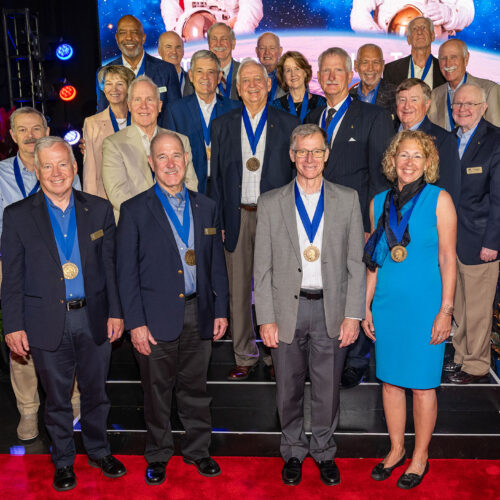
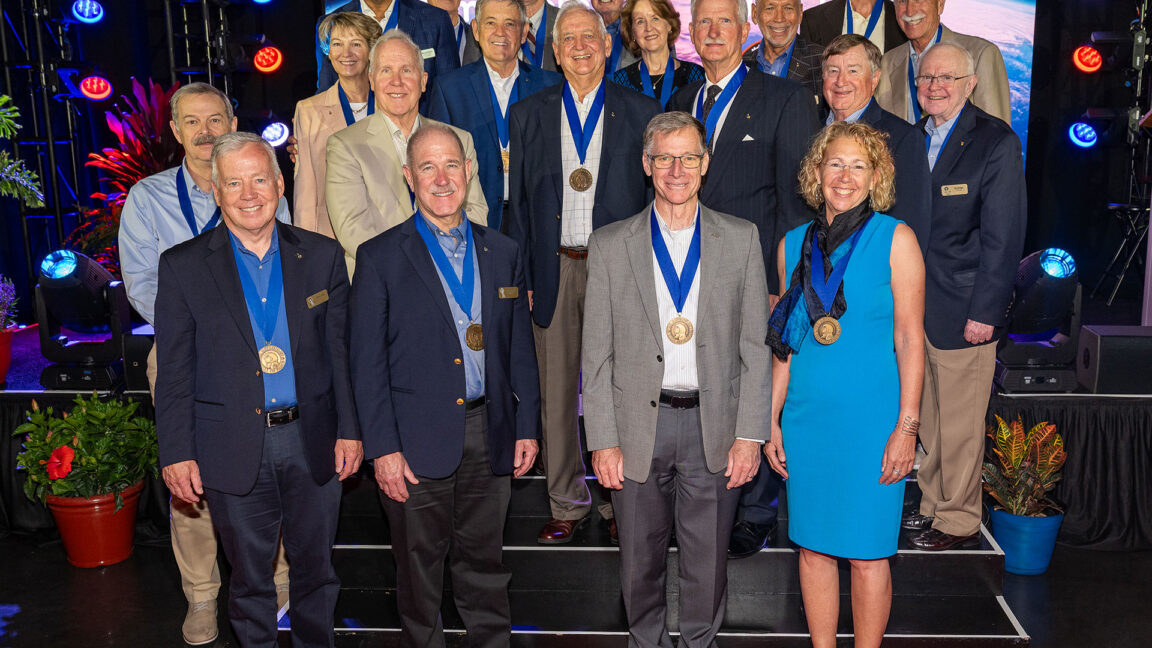
Two space shuttle-era spacewalkers enter Astronaut Hall of Fame

Tom Akers and Joe Tanner are finally in the same class.

The two veteran space shuttle crew members were inducted into the US Astronaut Hall of Fame together on May 16. They could also have been in the same NASA astronaut selection group, too, had history played out a little differently.

In 1984, Tanner reported to the Johnson Space Center (JSC) to fly as an instructor pilot and then applied for the next class of astronaut candidates.

Read full article

Comments

© Kennedy Space Center Visitor Complex

  •  
❌