Reading view

Android phones will soon be able to detect spoofed calls and impersonation scams

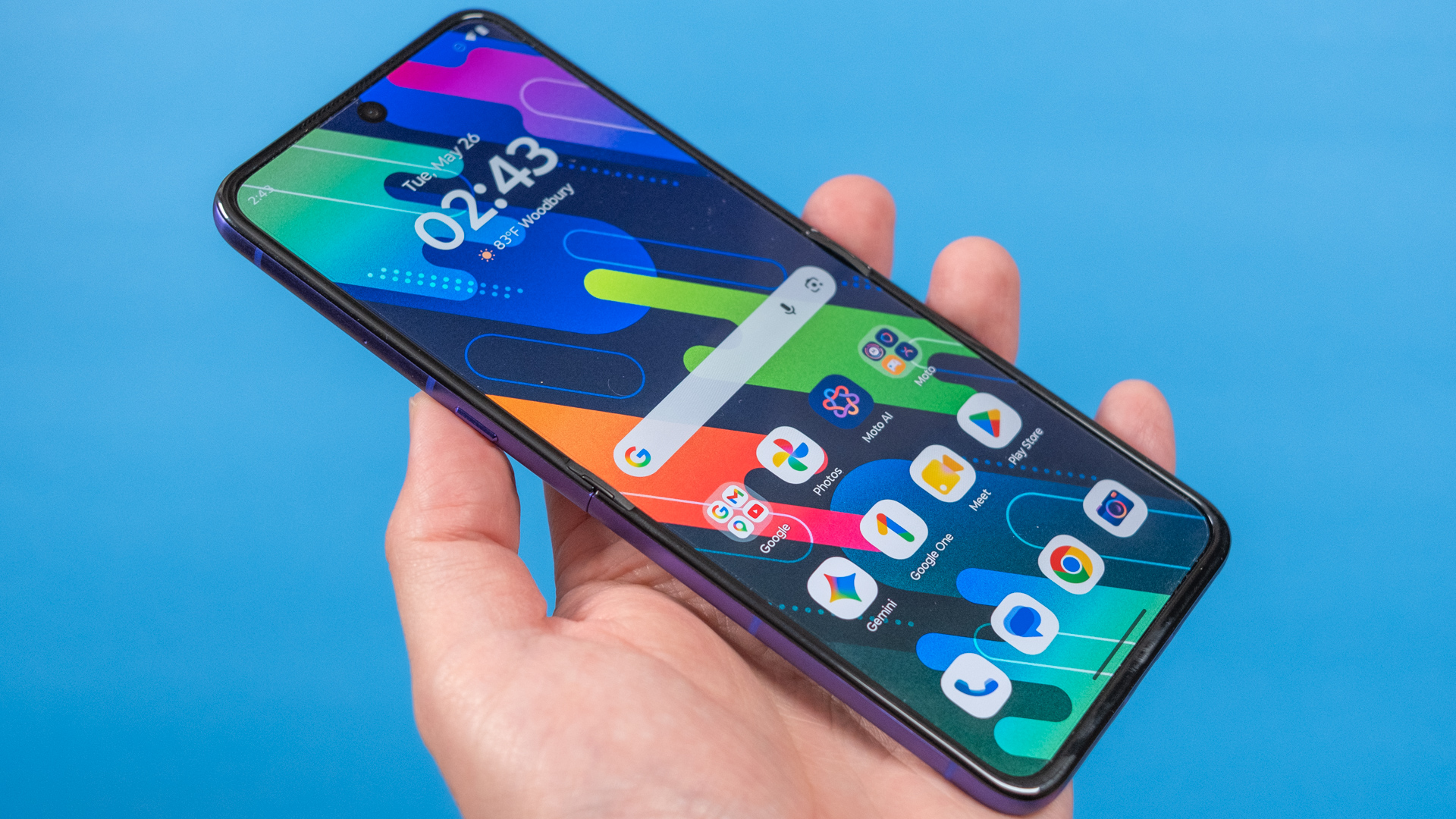
We're expecting Android 17 to begin rolling out later this month, but first, Google has a batch of updates for the wider Android device ecosystem. As usual, some of the new features are limited to specific devices, and others require using Google's apps. But if you don't mind the latter, you can get automated protection from the growing threat of deepfake phone scams.

According to Google, "impersonation fraud" is one of the most common types of financial scams. The FTC tracked almost $3 billion in losses from such scams during 2024, and the improvements in AI voice cloning tools more recently are making the schemes easier to pull off. The voice models are becoming so capable that it can be difficult to identify a fake caller even when an AI is imitating someone you talk to every day.

Google's solution is an expansion of the system it debuted last month for verified financial calls. Now, a similar feature will work with anyone in your contacts. Many of the most effective deepfake scams involve spoofing a contact's number, which makes the call look more legitimate when your phone lights up. Victims of these scams are then greeted by an accurate re-creation of the person's voice spinning a yarn that involves an urgent need for cash.


Read full article

Comments

© Ryan Whitwam

  •  

Microsoft's Surface Laptop Ultra looks like its first true MacBook Pro competitor

Dell, Asus, Lenovo, HP, MSI, Acer, and Gigabyte are among the PC makers that are designing systems around Nvidia's RTX Spark, Nvidia's new Arm-based chip for Windows PCs. But the flagship RTX Spark PC may be from the same company that makes Windows: the new Microsoft Surface Laptop Ultra is a high-end RTX Spark system that will offer up to 128GB of unified memory for "creators, developers, and AI builders."

Microsoft says the Laptop Ultra will be available "later this year" but didn't discuss any specific pricing or configuration options.

The Laptop Ultra will slot in above the regular Qualcomm Snapdragon-based Surface Laptops in Microsoft's lineup. Microsoft has made high-end Surface devices with more powerful CPUs and GPUs before, but to date, they've also come with convertible designs that may have limited their appeal. The first was the old Surface Book, with its fully detachable screen and bendy-straw hinge that didn't close all the way; the second was the Surface Laptop Studio, with its chunky design and sliding screen. The Laptop Ultra is Microsoft's first attempt to follow the MacBook Pro formula: it's like the other Surface Laptops, just with more power.

Read full article

Comments

© Microsoft

  •  

AMD extends Socket AM5 support through at least 2029; AM4 refuses to die

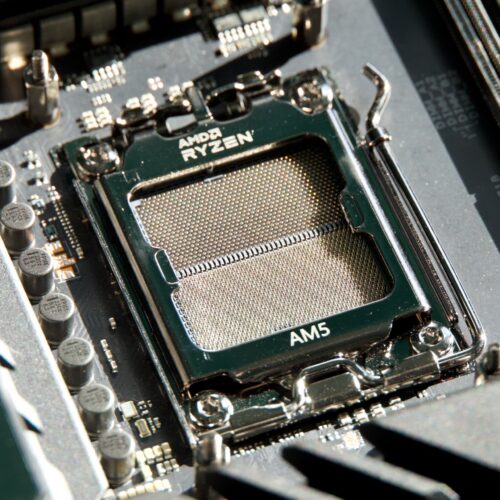
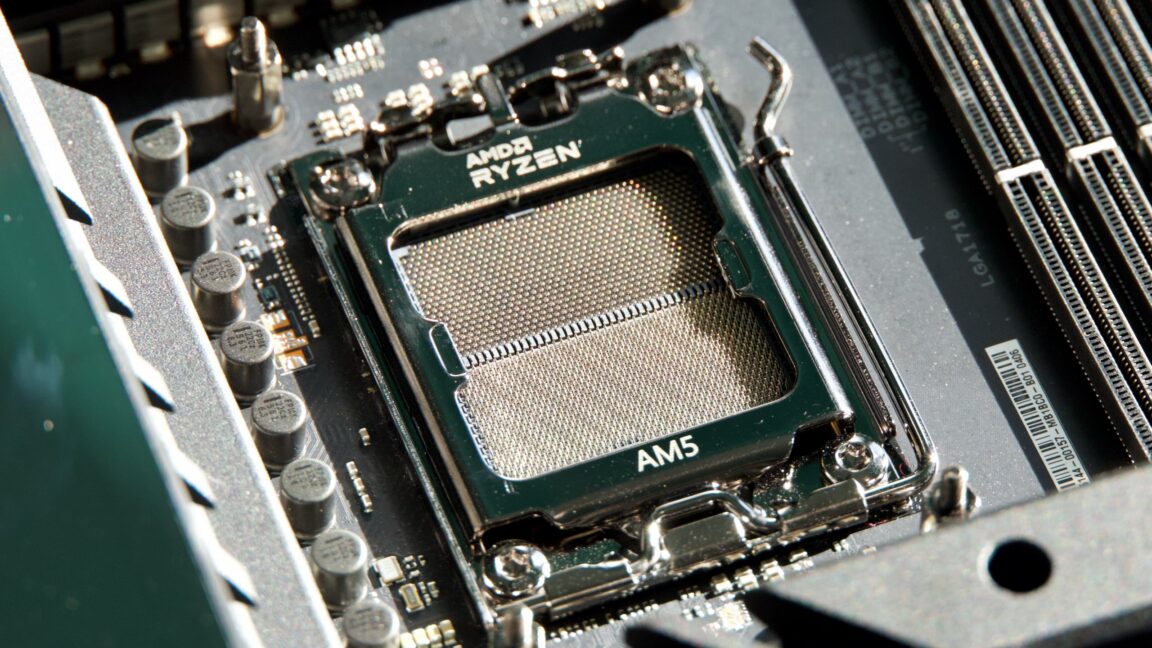
One of the benefits of building an AMD PC is that the company has historically supported its processor sockets for longer than Intel does, allowing the same motherboard (and RAM kit, if you want) to power your PC through multiple CPU upgrades. Today at Computex, AMD announced chips for the current AM5 socket and the improbably-still-around AM4 socket that will help extend their lives a little further, a nod to just how expensive it has become to build a new PC or perform a major upgrade these days.

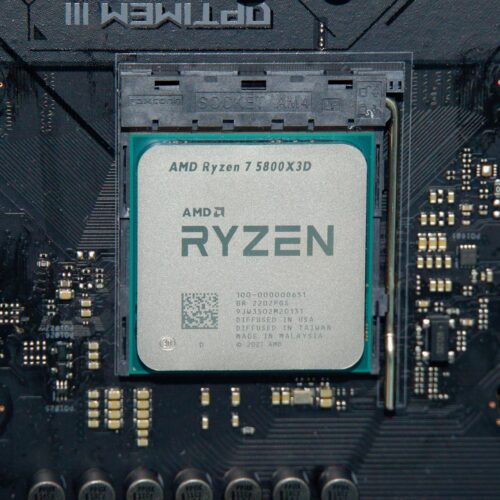
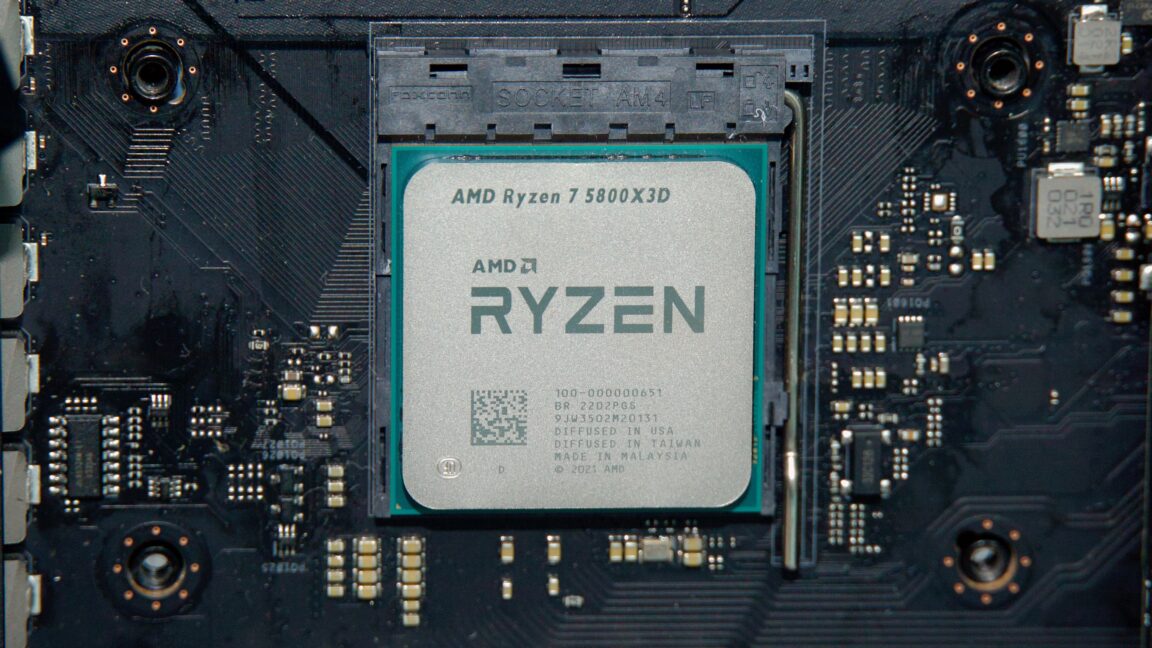
The first of these announcements is something we knew about already: the relaunch of 2022's Ryzen 7 5800X3D, the first of AMD's commercially available 3D V-Cache processors. Dubbed a "10th Anniversary Edition" in reference to how long Socket AM4 has been around, the re-released chip is slower than regular 8-core Ryzen 5000-series CPUs in general productivity tasks but comes with 64MB of extra L3 cache that disproportionately benefits games. If you're trying to use a high-end GPU with an AM4 motherboard, it could help keep your CPU from being a performance bottleneck. The 5800X3D (re-)releases on June 25 for a suggested retail price of $349, which is less than it currently costs to buy secondhand.

As for the current AM5 socket, AMD officially announced that it was extending its support to at least 2029—it was originally planned to last until 2025, then until "2027+," so that means between two and four years of additional support, depending on how you're counting.

Read full article

Comments

© Andrew Cunningham

  •  

Nvidia RTX Spark comes to Windows PCs with Arm CPU, RTX GPU, and unified memory

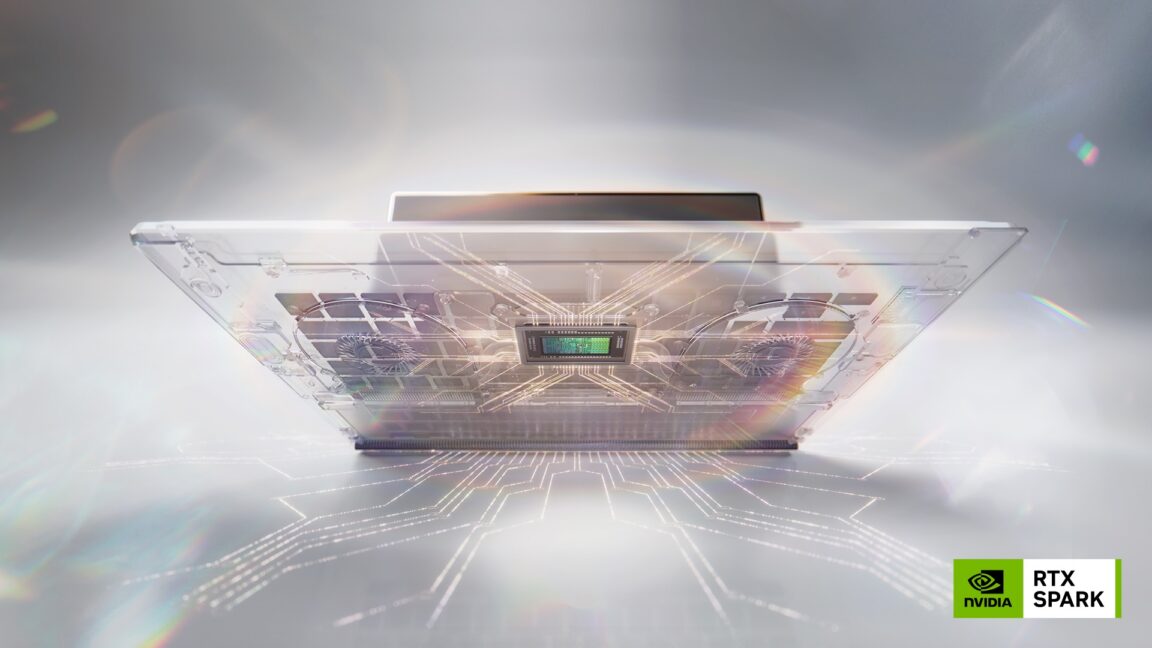
These days, Nvidia primarily sells AI data center products, and its traditional consumer devices feel like more of a side project. But the company occasionally still releases something designed for consumers. After a couple of years of rumors, Nvidia has announced an Arm-based chip designed to power Windows PCs. Dubbed RTX Spark, the new chip combines a 20-core Nvidia Grace CPU co-developed with MediaTek, up to 6,144 Blackwell-based GPU cores (the same architecture as the RTX 50-series GPUs), and support for up to 128GB of unified LPDDR5x memory.

Nvidia and its partners offered nothing about expected pricing, but both "slim Windows laptops with all-day battery life and premium displays" and "compact desktop PCs" are slated to be "available this fall" from partners including Asus, Dell, HP, Lenovo, Microsoft, MSI, Acer, and Gigabyte.

This isn't Nvidia's first chip for Windows PCs; earlier chips in the Tegra series powered several of the short-lived Windows RT tablets. But Tegra chips largely stopped appearing in consumer devices following the Tegra X1 in the late 2010s (variants power the original Nintendo Switch and the apparently unkillable Nvidia Shield TV box). Modern Arm-based PCs in the Windows 10 and Windows 11 eras have all used processors from Qualcomm.

Read full article

Comments

© Nvidia

  •  

Intel makes a bid for handheld gaming PCs with new Arc G3 processors

Most of the Steam Deck imitators on the market right now use AMD silicon, specifically the Ryzen Z-series chips. These are the same chips AMD makes for regular laptops, but with different power settings better suited to a compact handheld system. There are handhelds based on Intel silicon (MSI’s Claw is the main one), but Intel hasn’t yet tried making silicon marketed specifically for that purpose.

Today, the company is throwing its hat in the ring with two Intel Arc G-series processors, which will allow gaming handhelds to leverage the company's genuinely quite good Arc B-series integrated GPUs. Intel says that several Arc G-series handhelds will arrive "starting in June 2026, with broader availability throughout the year." These systems will include a new MSI Claw model, a Predator Atlas 8 from Acer, and a device from OneXPlayer.

Intel normally uses its "Arc" branding for integrated and dedicated GPUs, but in this case, the "Arc" brand encompasses the entire chip, including the CPU, GPU, NPU, and other components.

Read full article

Comments

© Intel

  •  

Mystery GPS jammer in Iran becomes test for NASA satellites’ capabilities

NASA satellites designed to observe cyclone wind speeds and collapsing ice sheets have also proven capable of identifying the approximate locations of GPS jammers. That could help monitor high-risk areas for aircraft and ships navigating the growing prevalence of GPS interference worldwide.

Two different NASA satellite systems showed how they could locate a known but mysterious GPS jammer within several kilometers of its position in Iran, according to an experiment by Sean Gorman, CEO and cofounder of the location-based technology company Zephr.xyz that was detailed in the magazine GPS World. Such jammers use strong signals to overpower the weaker radio signals coming from US-operated GPS satellites and other global navigation satellite systems.

Such NASA satellites cannot perform “near-real time monitoring” or pinpoint the exact location of GPS jammers, said Clara Chew, principal scientist and lead of the GNSS systems and data team at the California-based satellite manufacturer Muon Space, who was not involved in the study. But Chew told Ars that identifying the approximate locations of GPS jammers “could potentially be helpful for flight planning” or for “indicating high risk areas for maritime shipping.”

Read full article

Comments

© NASA/JPL-Caltech

  •  

Roku OS’s home screen now features a large, permanent ad

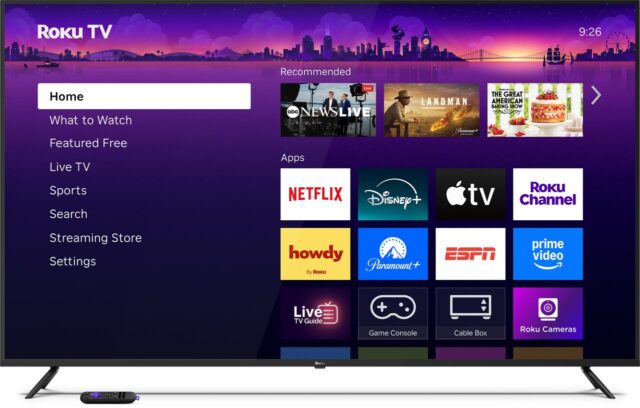
Roku just unveiled the biggest overhaul to its smart TV operating system (OS) in 10 years. One of the most noticeable differences is that ad space now takes up a large chunk of the screen’s landing page.

Before the update, loading up a Roku OS-powered smart TV or streaming device would yield a menu on the left side with sections including “What to Watch,” “Live,” and “Search.” The right side had a row of tiles for “Recommended” content above several rows of tiles representing downloaded apps. Once a user started started navigating the home screen, the menu would collapse, and they'd see a large ad on the right side of the screen.

The old Roku OS landing page before the ad is visible.  Credit: Roku

 

Read full article

Comments

  •  

Valve's Steam Deck is back in stock after months, but you won't like it

Valve's Steam Deck handheld has been largely unavailable to buy since mid-February, a victim of the RAM and storage shortages that have been driving up prices for most consumer tech since the fall of 2025. The good news is that the Deck is back in stock on Valve's site and ready to ship in three to five days; the bad news is that it appears to have returned because somebody wished for it on a monkey's paw.

The 512GB version of the OLED Steam Deck now sells for a whopping $789, $240 more than its previous $549 price. The 1TB version (which also includes an anti-glare screen coating, a slightly nicer case, and an "exclusive startup movie and keyboard theme") will now run you $949, a $300 increase from its old $649 price. The old $399 base model with 256GB of storage and the older LCD screen has been discontinued, though this had been announced well before these price increases took effect.

These prices are particularly hard to swallow for a nearly 3-year-old revision of an over-4-year-old handheld PC. If there's a saving grace for Valve, it's that most competing handhelds from the likes of Asus and Lenovo are also pushing or exceeding that $1,000 mark. Of the Deck's major competitors, only the $600 Asus ROG Xbox Ally (and its AMD Ryzen Z2 A processor, which is very similar to the Deck's semi-custom AMD chip) is significantly cheaper than the Steam Deck.

Read full article

Comments

© Valve

  •  

YouTube to begin automatically labeling AI videos

AI content creation tools like Google's new Omni model threaten to make reality even harder to discern from AI fantasy, but YouTube is taking an important step toward verifying video origins. After debuting wishy-washy AI content labeling in 2024, Google will begin using more prominent labeling for AI videos, and the site will no longer rely entirely on uploaders to divulge when they use AI tools to create a video.

When YouTube first attempted to tackle the identification of AI videos in 2024, it was almost gratuitous. AI videos at the time nearly always outed themselves by looking bizarre or disjointed. In just a few years, AI models like Seedance, Runway, and Google's own Veo have raised the bar for realism and consistency in AI video—the spaghetti is more accurate than ever.

Recognizing that, YouTube is making the AI labels more prominent and automating part of the process. Creators are still required to indicate when uploading videos if they were created with the help of AI tools. However, uploaders didn't have any incentive to be honest about that before. Starting this month, YouTube will use "new internal signals" to flag AI content. This will apparently apply to videos that show "significant photorealistic AI use."

Read full article

Comments

© Future Publishing | Getty Images

  •  

Smart light company Govee apologizes for “white supremacy” marketing imagery

Smart lighting manufacturer Govee is apologizing after a pair of books showing only the words “white supremacy” were featured in a marketing image on its website.

The books were visible in an image (shown above) on Govee’s US website for bedroom lighting. Disturbingly, the books sat under toy animals on a shelf just above a child’s bed. Only the books’ spines were visible.

The Verge was the first to report on the controversy after a reader contacted the publication. The publication reported that it contacted Govee, which subsequently removed the image but didn’t respond to the site's queries before it published its initial report.

Read full article

Comments

© Govee

  •  

Nvidia kills Windows XP-era Control Panel "after 20 years of dedicated service"

Shiny new Nvidia apps like the GeForce Experience and the "Nvidia app" have come and gone, but the old Nvidia Control Panel and its rotating green Nvidia logo have existed as an option for managing basic settings since it was originally introduced in 2006.

That's ending with version 610.47 of Nvidia's Game Ready and Studio drivers for GeForce GPUs. Nvidia says the old Control Panel will no longer be installed by default, since "all actively supported Nvidia Control Panel features for GeForce users have been modernized and transitioned" to the new Nvidia app.

"The NVIDIA app contains all of the modern functionality of the NVIDIA Control Panel available for GeForce RTX GPUs, and much more, while running faster and more efficiently," writes Nvidia Technical Marketing Content Editor Andrew Burnes in the drivers' release notes.

Read full article

Comments

© Andrew Cunningham

  •  

Motorola's 2026 Razrs are almost worth buying just for their stunning looks… almost

For the last several years, Motorola's smartphone headliners were the Razr flip phones, but 2026 is different. This time around, Moto's first tablet-style foldable, the Razr Fold, somewhat overshadows the flip phones, but a bulky $2,000 folding phone that isn't made by Samsung occupies the smallest niche in the smartphone market. A Razr flip phone is much more practical, both financially and logistically. But are these phones actually worth buying over a flat phone?

Smartphones are no longer something you need to convince people to buy. Unless you're going out of your way to exclude technology from your daily life, a smartphone is just a necessary convenience. The way some companies market their phones—making relatively boring phones look like a lifestyle choice—doesn't really take this into account. However, Motorola knows what a Razr is.

Razr Ultra open in hand All the Razrs are big phones when you open them up (Razr Ultra seen here). Credit: Ryan Whitwam

These phones are first and foremost about vibes. They're fun and colorful; there are desk clock displays, mini apps for the outer display, and a quirky camcorder camera mode. Foldables are universally gadgety and visually interesting, but the Razrs take this to the extreme with unique textures and Pantone-certified colorways. That gives the Razrs a selling point before you even get to the specs or hardware. And they need that because the speeds and feeds are nothing special.

Read full article

Comments

© Ryan Whitwam

  •  

We're starting to see some PC makers respond to Apple's MacBook Neo

It seems fair to say that Apple's MacBook Neo took the rest of the PC industry by surprise. Companies are used to competing on price and features with $1,000-and-up Apple laptops like the MacBook Air and MacBook Pro, but their $600 and $700 models usually come with cut corners and compromises that are more noticeable than the Neo's. The CEO of Asus admitted to being surprised by the laptop's price (while simultaneously trying to downplay the Neo's value); a Microsoft-backed study comparing PCs to the MacBook Neo included several laptops that can't compete with the Neo's price unless they're deeply discounted.

In the last couple of weeks, we've started to see a more intentional and targeted response to the MacBook Neo from PC makers. These mostly seem to revolve around Intel's low-end Core Series 3 processors, codenamed Wildcat Lake; while Intel's last few generations of low-end chips have mostly been rebrands of older and less power-efficient parts, Wildcat Lake is a new purpose-built budget chip that benefits from Intel's latest CPU and GPU architectures and its 18A manufacturing process. This should help these chips compete better with the Apple A18 Pro in the MacBook Neo.

Many early Wildcat Lake systems have already been announced, though not all have included a price tag, and several have only been announced for the Chinese market as of this writing. Lenovo is planning to launch some IdeaPad Slim models with the new processors, with some optional spec upgrades including 16GB of RAM and a 120 Hz high-refresh-rate display. Asus and HP have also announced some early products.

Read full article

Comments

© Intel

  •  

First-generation Chromecast users stressed by devices suddenly failing

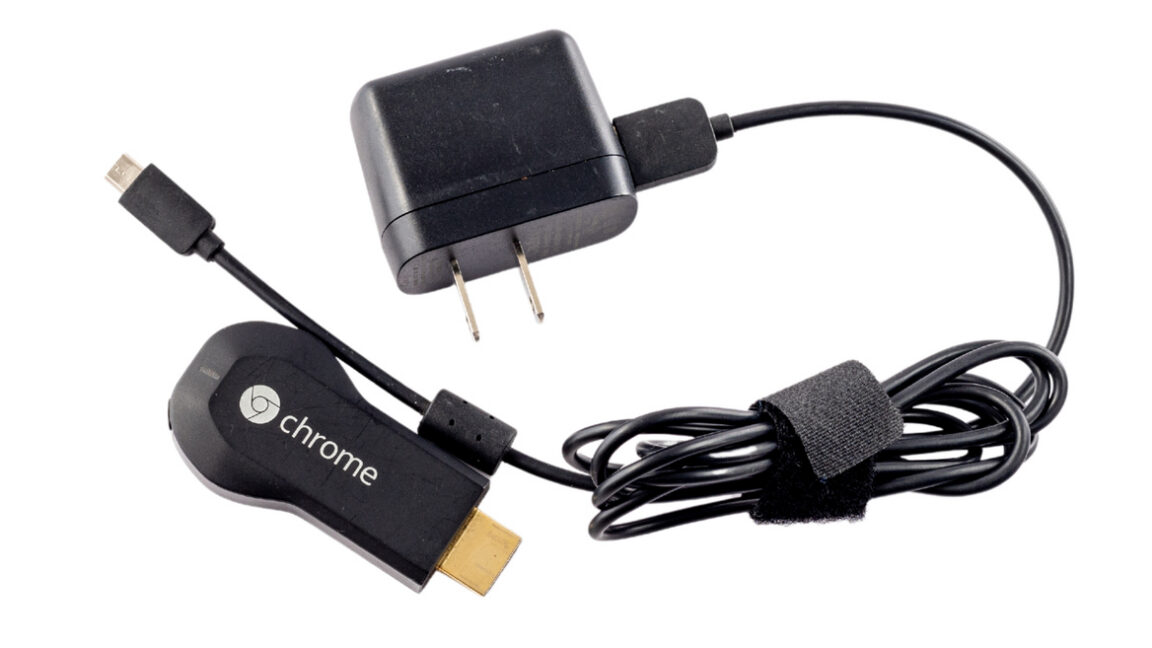
Google’s first Chromecast was a hit. With 10 million units sold in 2014, it excelled as an easy solution for streaming TV and movies from the Internet to a TV. Released at a time when dumb TVs were more common, the first-generation Chromecast has a simplicity you don’t find in streaming devices these days. Press "Cast" in an app, select a TV with a Chromecast, and start watching. Foregoing extras like a UI or ads, the device remains active in some homes today, despite Google ending support for the $35 device in 2023.

However, this week it seemed like those days were over. Numerous people reported that their original Chromecast had suddenly stopped casting from popular apps, including Chrome, YouTube, and Paramount+. This brought concern that the original Chromecast was really dead now. A Reddit thread started by someone who claimed to have two first-gen Chromecasts suddenly stop working at the same time includes various responses from people who suspected that Google bricked the devices in order to force upgrades.

But Sahana Mysore, senior product manager for Google Home, told Ars Technica today that Google didn’t kill the devices, saying:

Read full article

Comments

© Getty

  •  

US scrambles to stop Internet users re-creating dead pilots’ voices

Pilots’ voices from the last seconds of a fatal cargo plane crash have been re-created by Internet sleuths using software and AI tools. The spread of reconstructed audio recordings has prompted a US government agency to suspend all public access to its database of civil transportation accidents—because federal law prohibits investigators from publicly releasing audio from cockpit voice recorders.

The US National Transportation Safety Board (NTSB) usually shares factual reports and evidence gathered from investigations of aircraft crashes and other civil transportation incidents. But on May 21, the NTSB announced that the online docket system containing such information was “temporarily unavailable” as it reviewed the publicly available materials that had enabled people to re-create cockpit audio recordings from aircraft disasters.

“​​The NTSB is aware that advances in image recognition and computational methods have enabled individuals to reconstruct approximations of cockpit voice recorder audio from sound spectrum imagery released as part of NTSB investigations, including the ongoing investigation of the crash last year of UPS flight 2976 in Louisville, Kentucky,” according to an NTSB statement. “The NTSB does not release cockpit audio recordings.”

Read full article

Comments

© National Transportation Safety Board

  •  

Marketer that claimed it could tap devices for ad targeting will pay $880K settlement

In November 2023, we reported on dubious claims made by marketing firm Cox Media Group (CMG) Local Solutions. The company advertised a service called Active Listening on a website that said, “It’s true. Your devices are listening to you” and claimed it could use “voice data” to help advertisers target ads to specific people.

Naturally, panic ensued. 404 Media, which initially spotted the website, for instance, wrote that the idea of smartphones listening to people to sell products “may finally be a reality."

CMG Local Solutions screenshot
A screenshot taken in 2023 from a webpage that CMG has since removed.

The idea of a marketing firm using AI to “detect relevant conversations via smartphones, smart TVs, and other devices” in real time—according to a since-deleted CMG blog post from November 2023 (still viewable via the Internet Archive’s Wayback Machine)—has raised alarms.

Read full article

Comments

© Getty

  •  

IoT gadget maker AcuRite shares reasoning for killing customers’ favorite app

AcuRite must kill its customers’ favorite companion app due to “obsolete technology," VP of product development Jeff Bovee tells Ars Technica.

AcuRite, which makes smart weather-monitoring devices, announced this month that the My AcuRite iOS and Android app that has been around since 2016 won’t be available after May 30. After that date, device owners must use AcuRite NOW, which AcuRite released in June 2025, to control their gadgets.

The announcement has frustrated long-time AcuRite users, largely because the new app lacks some of its predecessors' capabilities. For example, AcuRite NOW doesn’t allow renaming multiple temperature sensors, organizing on-screen sensors, or reporting temperatures as anything other than whole numbers (AcuRite says it's working on adding some of these features).

Read full article

Comments

© AcuRite

  •  

US government takes $2 billion equity stake in nine quantum computing firms

The US government will take equity stakes worth a total of $2 billion in a slew of quantum computing companies, including a startup backed by a firm with links to the Trump family and one taken public by a Pentagon official.

The announcement by the commerce department that it had signed letters of intent with nine companies—including GlobalFoundries and IBM—sent shares in quantum specialists soaring on Thursday.

Both IBM, which is set to get $1 billion, and GlobalFoundries, which will receive $375 million, were up more than 6 percent in pre-market trading. D-Wave Quantum, an awardee that was taken public in 2022 by Emil Michael—now a top Pentagon official—was up more than 20 percent.

Read full article

Comments

© IBM

  •  

"Ryzen 5800X3D 10th Anniversary Edition" may help you avoid paying for a new PC

It's not an ideal time to be buying a new PC or doing a major upgrade. Price crunches for RAM and storage chips are making all kinds of components more expensive, and the shift to DDR5 in modern Intel and AMD CPUs means that a lot of people would need to pay money to replace their current DDR4 kits if they wanted to step up to a significantly newer, faster CPU and motherboard.

AMD may have something on the horizon for people who are looking to stretch their current PC (and its DDR4 RAM kit) just a little further. Leaks spotted by Tom's Hardware point to the existence of an "AMD Ryzen 7 5800X3D 10th Anniversary Edition," a re-release of a 4-year-old out-of-circulation CPU that might nevertheless be an upgrade for people with older Ryzen CPUs in Socket AM4 motherboards.

The "X3D" in the chip's name signifies that it comes with 64MB of extra L3 cache stacked on top of the main CPU die, bringing the total amount of L3 cache to 96MB. Workloads that benefit from extra cache—including most games—will perform much better on the 5800X3D than they do on the vanilla Ryzen 7 5800X.

Read full article

Comments

© Andrew Cunningham

  •  

Trump wants $1B to protect White House ballroom from drones and other threats

President Donald Trump’s latest pitch for using taxpayer dollars to secure his White House ballroom featured a militarized building—including a rooftop hardened against drone strikes and a “drone port” that could potentially house military drones.

The remarks came on May 19 as Trump gave reporters a personal tour of the ballroom project that has already involved the demolition of the White House mansion’s East Wing. The president spoke of installing a rooftop drone base “for unlimited numbers of drones” operated by the US military as a “drone port that would protect all of Washington,” according to Reuters. He also highlighted a ballroom roof made from “impenetrable steel” that would supposedly be “drone-proof” against potential drone strikes.

To pay for such measures, Trump has been urging Republican lawmakers in the US Congress to approve $1 billion in taxpayer funding to provide a wide variety of “security adjustments and upgrades” for his ballroom project. The taxpayer-backed security enhancements would be separate from the $400 million construction cost for the ballroom project that has been funded by private donors, including companies such as Amazon, Apple, Coinbase, Comcast, Google, HP Inc., Lockheed Martin, Meta, Micron Technology, Microsoft, Palantir, Ripple, and T-Mobile.

Read full article

Comments

© Chip Somodevilla/Getty Images

  •  
❌