Reading view

Microsoft's Project Solara is an Android OS designed for agents instead of apps

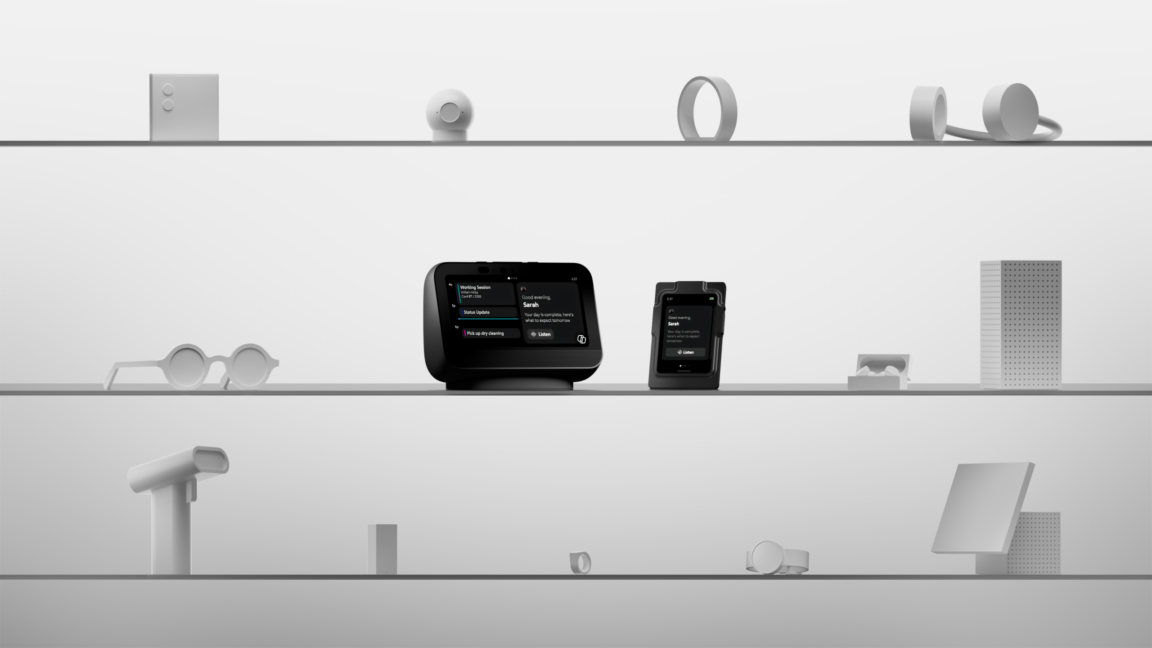
Microsoft has been deeply committed to the growth of generative AI technology in recent years through its now-fragmented partnership with OpenAI. At Build 2026, the company remains all-in on AI, and it's looking toward the future with a new software platform. The new Android-based OS is called Project Solara, and Microsoft says Solara is designed to run agents instead of apps.

Project Solara is not something you'll have to worry about killing your apps anytime soon. It's limited to a few pieces of concept hardware and software that are awaiting the magical agents of the future. The vision is for Solara to run on myriad specialized devices with interfaces generated on the spot, and it's all powered by the explosive intelligence of models that Microsoft and others insist will soon exist.

According to Microsoft, Solara is a chip-to-cloud platform intended to free agents from reliance on single interfaces. Much of Microsoft's messaging around AI is speculative and self-serving, but the company rightly points out that new computing form factors have always required specialization, and that process is complex and expensive. The shift to mobile computing, for example, tripped Microsoft up multiple times as it fell behind on app availability, security, and long-term support.
Read full article

Comments

© Microsoft

  •  

Android phones will soon be able to detect spoofed calls and impersonation scams

We're expecting Android 17 to begin rolling out later this month, but first, Google has a batch of updates for the wider Android device ecosystem. As usual, some of the new features are limited to specific devices, and others require using Google's apps. But if you don't mind the latter, you can get automated protection from the growing threat of deepfake phone scams.

According to Google, "impersonation fraud" is one of the most common types of financial scams. The FTC tracked almost $3 billion in losses from such scams during 2024, and the improvements in AI voice cloning tools more recently are making the schemes easier to pull off. The voice models are becoming so capable that it can be difficult to identify a fake caller even when an AI is imitating someone you talk to every day.

Google's solution is an expansion of the system it debuted last month for verified financial calls. Now, a similar feature will work with anyone in your contacts. Many of the most effective deepfake scams involve spoofing a contact's number, which makes the call look more legitimate when your phone lights up. Victims of these scams are then greeted by an accurate re-creation of the person's voice spinning a yarn that involves an urgent need for cash.

Read full article

Comments

© Ryan Whitwam

  •  

YouTube to begin automatically labeling AI videos

AI content creation tools like Google's new Omni model threaten to make reality even harder to discern from AI fantasy, but YouTube is taking an important step toward verifying video origins. After debuting wishy-washy AI content labeling in 2024, Google will begin using more prominent labeling for AI videos, and the site will no longer rely entirely on uploaders to divulge when they use AI tools to create a video.

When YouTube first attempted to tackle the identification of AI videos in 2024, it was almost gratuitous. AI videos at the time nearly always outed themselves by looking bizarre or disjointed. In just a few years, AI models like Seedance, Runway, and Google's own Veo have raised the bar for realism and consistency in AI video—the spaghetti is more accurate than ever.

Recognizing that, YouTube is making the AI labels more prominent and automating part of the process. Creators are still required to indicate when uploading videos if they were created with the help of AI tools. However, uploaders didn't have any incentive to be honest about that before. Starting this month, YouTube will use "new internal signals" to flag AI content. This will apparently apply to videos that show "significant photorealistic AI use."

Read full article

Comments

© Future Publishing | Getty Images

  •  

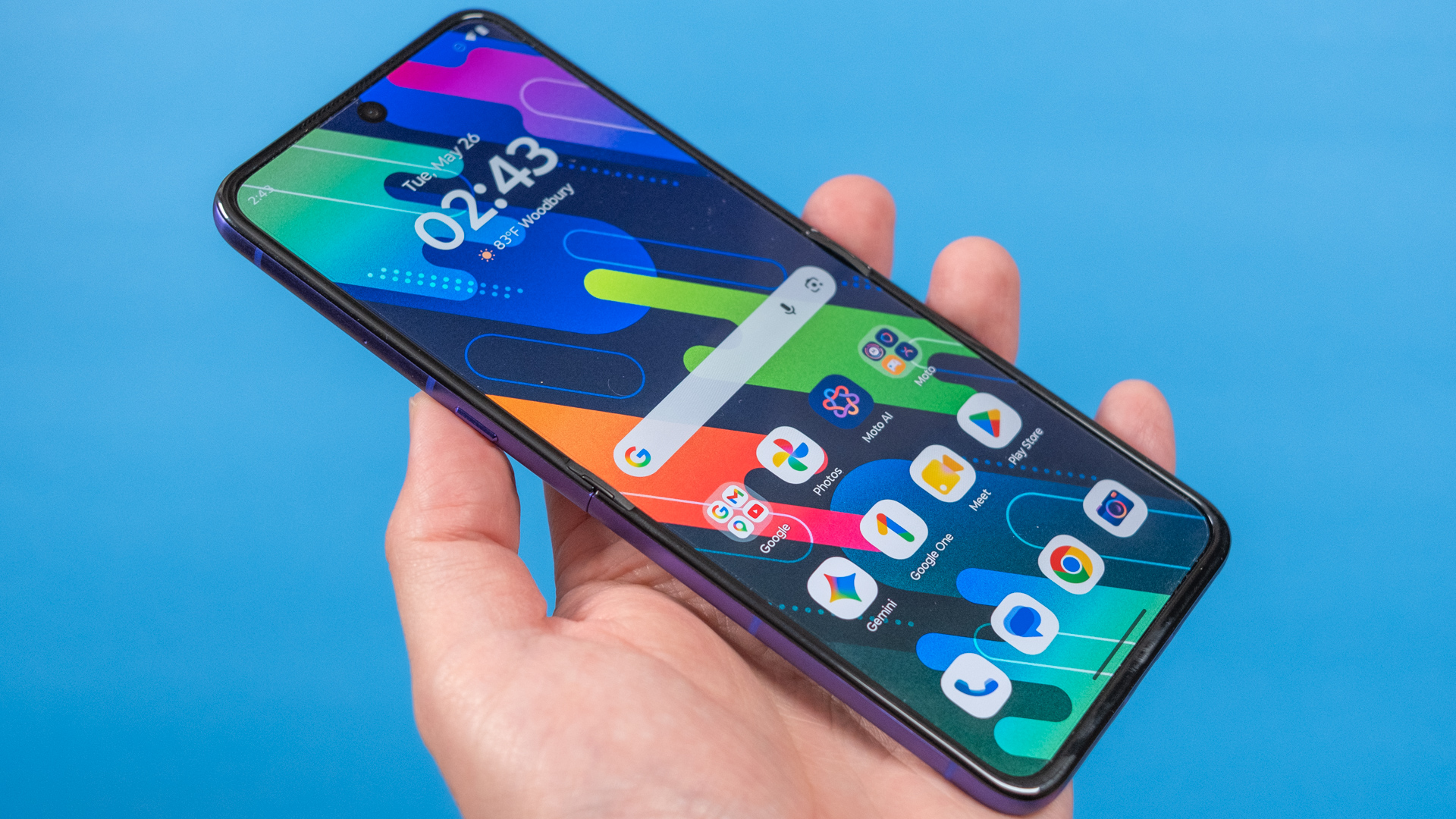
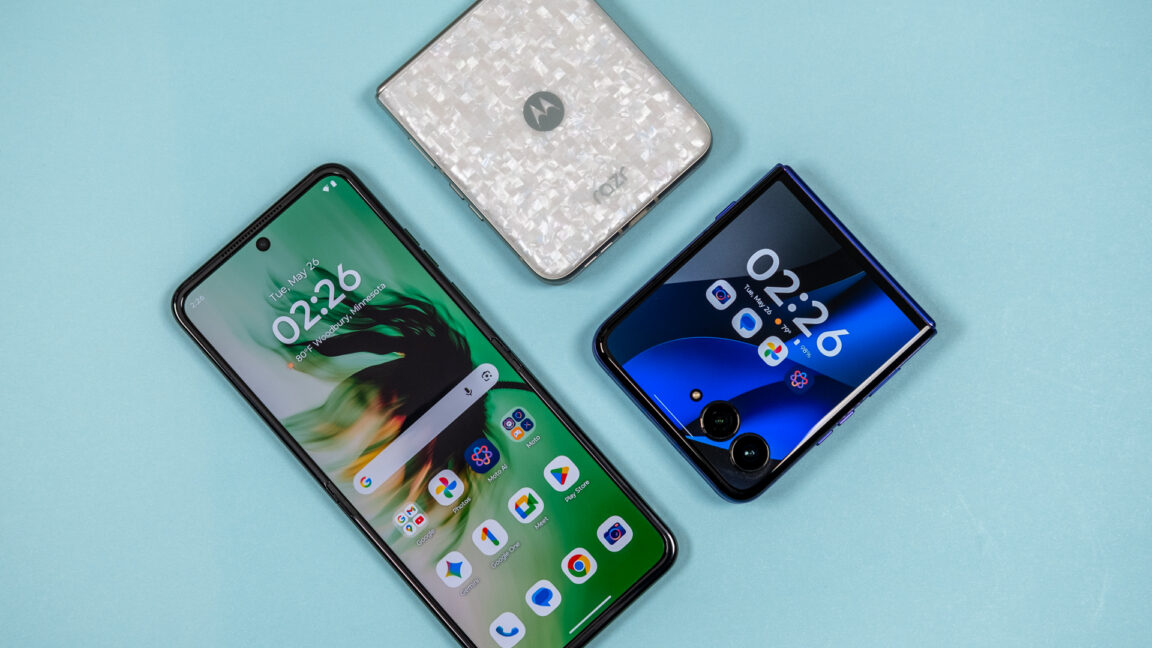
Motorola's 2026 Razrs are almost worth buying just for their stunning looks… almost

For the last several years, Motorola's smartphone headliners were the Razr flip phones, but 2026 is different. This time around, Moto's first tablet-style foldable, the Razr Fold, somewhat overshadows the flip phones, but a bulky $2,000 folding phone that isn't made by Samsung occupies the smallest niche in the smartphone market. A Razr flip phone is much more practical, both financially and logistically. But are these phones actually worth buying over a flat phone?

Smartphones are no longer something you need to convince people to buy. Unless you're going out of your way to exclude technology from your daily life, a smartphone is just a necessary convenience. The way some companies market their phones—making relatively boring phones look like a lifestyle choice—doesn't really take this into account. However, Motorola knows what a Razr is.

Razr Ultra open in hand All the Razrs are big phones when you open them up (Razr Ultra seen here). Credit: Ryan Whitwam
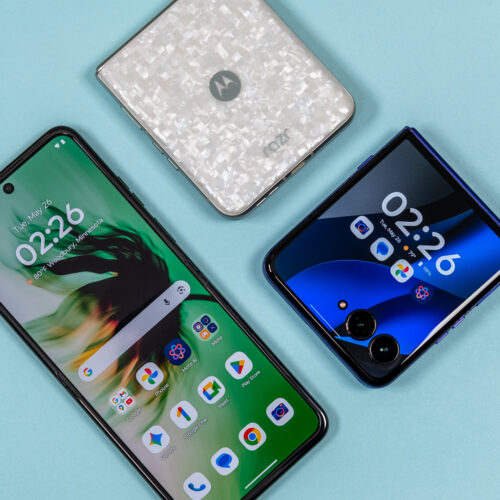
These phones are first and foremost about vibes. They're fun and colorful; there are desk clock displays, mini apps for the outer display, and a quirky camcorder camera mode. Foldables are universally gadgety and visually interesting, but the Razrs take this to the extreme with unique textures and Pantone-certified colorways. That gives the Razrs a selling point before you even get to the specs or hardware. And they need that because the speeds and feeds are nothing special.

Read full article

Comments

© Ryan Whitwam

  •  
❌