Earth Oddities • Strange Geological Phenomena • Landslides & Mudflows • Heavy Rainfall Threshold Failures • Go back to Strange Sounds A deadly landslide struck an eastern DR Congo coltan mining area after heavy rainfall, killing more than 200 people (reported). Heavy rainfall triggered a catastrophic slope failure at a coltan mining site in eastern […]
Space & Beyond • Astronomical Event • Skywatching Alert • Related: Meteor, Fireballs and Comets Tonight, a total lunar eclipse turns the full Moon a deep copper-red — a classic “blood moon”. Despite the dramatic look (and dramatic naming), eclipses are recurrent, measurable, and predictable astronomy events, not omens. This post explains what’s happening, when […]
A pleasant swim at the beach or pool can quickly turn deadly. Every year, over 4,000 people die from unintentional drowning across the United States.
Swim safety experts say drowning is highly preventable. They recommend learning basic swimming skills, designating “water watchers” to keep an eye on children in the water, and avoiding swimming alone or under the influence.
But what if your outfit could stop you from drowning? Swim safety experts say wearing the right color on your next beach day is a good way to stay visible and out of harm’s way—especially for inexperienced swimmers and kids.
So what are the safest swimsuit colors?
Lisa Zarda, Executive Director of the U.S. Swim School Association, says people wearing bright, neon colors are easiest to spot in pools, lakes, and oceans, while blue, black, white, and gray swimsuits blend into the water.
“When the water is moving and reflecting the sunlight, certain colors just disappear under the water,” she said. “Especially in open water, where it can be kind of murky and hard to see: The brighter the color, the better.”
Wearing bright colors helps lifeguards and other safety officials identify and rescue people who are at risk of drowning. Vivid orange and super-bright, highlighter yellow are two standout colors for swim safety.
“Think safety vests and traffic cones,” Zarda said. “Those are bright colors also for a reason—so that they can be easily seen.”
An informal study by Alive Solutions, a public safety group, tested swimsuit visibility in three different conditions: in a pool with a standard light bottom, a pool with a dark bottom similar to dark blue ocean environments, and in an outdoor lake with brown-gray water.
Across the board, the study identified bright, neon orange as the most visible color. But there was some slight variation of which colors stood out best in different environments. Against a dark pool bottom, neon yellow, green, and orange were the most eye-catching, while even brighter reds and pinks appeared darker, and both light and dark colors faded into the water.
In a pool with a light bottom, most colors stood out, while light colors like white and light blue disappeared almost instantly.
In a lake, only neon colors were visible while all other colors quickly blended. So bottom line: stick to a neon orange swimsuit if you want to be sure to be seen.
Dark colored swimsuits can be especially hard to spot in open water. Image: mrs / Getty Images / MARTINS RUDZITIS
What makes neon stand out?
All visible color is the result of reflected light. A red apple, for instance, absorbs many wavelengths along the light spectrum, but bounces back red wavelengths. So to the human eye, an apple appears red.
Ordinary colors, like the red of an apple, only reflect the light they receive, but fluorescent pigments do more than that. They also absorb incoming nonvisible ultraviolet and some visible blue light and then re-emit part of that energy as intensely visible light. This is why fluorescent colors almost seem to glow.
Fluorescent shade’s high-contrast is why traffic safety signs, protective gear, and safety and rescue objects, like buoys, are often made with neon materials. It’s also what makes fluorescent swimsuits extra safe.
Swim safety for kids
As summer comes into full swing, Zarda says wearing a neon swimsuit is just one piece of the puzzle to prevent drowning, particularly for kids.
Children are extremely vulnerable to drowning accidents. Kids between ages one to four die from drowning more than any other cause of death, according to the Centers for Disease Control and Prevention. For children aged five to 14, drowning is the second leading cause of unintentional injury.
“Choosing the right swimsuit color doesn’t replace any of the other important layers of protection.” Zarda said.
“Always having undistracted adult supervision, having a fence around your pool, enrolling your child in swim lessons so that they know how to swim and navigate in the water—those are all still very important.”
In Ask Us Anything, Popular Science answers your most outlandish, mind-burning questions, from the everyday things you’ve always wondered to the bizarre things you never thought to ask. Have something you’ve always wanted to know? Ask us.
For a woman in her mid-40s to mid-50s, it arrives without warning. She wakes up, overheated, wondering why it’s so hot in the house—until she sees the thermostat is set for 70 degrees, same as always. Or, she’s midway through a work presentation when heat rises from her chest to her face, and she wonders if the flush on her cheeks is visible to everyone in the room.
It’s a hot flash—a rite of passage for the majority of women in either perimenopause, the years leading up to menopause, or the years beyond it. Menopause itself is diagnosed after 12 consecutive months without a period, but the hot flashes don’t always get the memo.
Here’s everything doctors currently know about hot flashes.
What is a hot flash, and who gets them?
Hot flashes are a sudden heat flare up often paired with flushed skin and sweating. They don’t usually last long, between a minute and five minutes in duration.
Most women experience a hot flash about four and a half to five years after their last period, Dr. Monica Christmas, an OB/GYN at University of Chicago Medicine and director of its menopause program tells Popular Science. She also is the associate medical director of the nonprofit Menopause Society, which provides healthcare professionals with tools and resources to support women through the transition.
Women have grappled with hot flashes—whether simply annoying or genuinely debilitating—for centuries. In 1582, Dr. Jean Liebault of France was among the first to document the phenomenon. But while we know much more about hot flashes and night sweats than Liebault ever did, one question still stumps experts.
“What we can’t answer is why doesn’t everybody get them,” Christmas says. “Because everybody doesn’t get them. I have patients that will say, ‘I don’t know,’ if I say, ‘Are you having any hot flashes or night sweats?’ And as soon as they say that, I’m like, ‘You’re not having them.’”
What’s actually happening inside women’s bodies during a hot flash?
During a hot flash, a woman might feel like she’s spiking a high fever, but physiologically, that’s not what is happening. As women approach menopause and the ovaries begin to make less estrogen, the brain’s internal thermostat—the hypothalamus—becomes hypersensitive to even small shifts in temperature, Christmas says.
The body “thinks” it’s overheating, even when the actual temperature hasn’t changed much. In response, our bodies try to cool us down. Blood vessels dilate, which is supposed to help dissipate some of that heat, but then that triggers a sweating reflex.
“Many people will say, ‘I feel this out of nowhere, this surge of warmth that typically is from the nipple line up,’” she says. “And then as soon as the heat came on, and I felt like I was internally heated up or on fire, I start to sweat.”
Exactly how an individual woman experiences hot flashes varies wildly. Some describe very mild symptoms. Others grapple with profuse sweating. Some experience only hot flashes during the day, while some have regular night sweats. About four in five women experience them at some point during the menopause transition, according to the American College of Obstetricians & Gynecologists.
“There’s a lot of variability,” Christmas says. Common triggers include alcohol, caffeine, high-sugar and highly processed foods, along with stress.
Black women also are more likely to experience more severe and longer-lasting symptoms, sometimes up to 11 years, she says. And research also shows that women with more severe, longer-lasting hot flashes and night sweats appear to be at higher risk of cardiovascular disease.
That doesn’t mean treating hot flashes automatically lowers heart risk, Christmas says. But it does reinforce that these women deserve particularly careful attention to blood pressure, cholesterol, and lifestyle. “I want to make sure I’m doing everything possible to minimize that risk,” she says when she treats her patients.
There’s more to hot flashes than hormonal changes
For decades, the entire process was blamed purely on estrogen loss, Christmas says. But that explanation left some unanswered questions.
“That doesn’t explain why every menopausal woman doesn’t have night sweats,” she says. “And it also doesn’t quite explain why we can sometimes start to experience them during the perimenopause transition because during perimenopause, people still have some estrogen.”
Newer research now is telling a more complex story. When the brain recognizes that a woman’s estrogen levels are low, nerve cells in the hypothalamus called KNDy neurons (pronounced “candy”) become overactive, releasing neurotransmitters, which are chemical signals the brain uses to send messages throughout the body. These neurotransmitters include kisspeptin, dynorphin, and neurokinin B.
“It’s actually those neurotransmitters that seem to have more of an impact on our ability to regulate our internal temperature,” Christmas says. “They’re not hormones.”
What to do if you get a hot flash
For women in the middle of their hot flash years—along with the 10 percent of menopausal women who continue to experience them—there are treatments.
Estrogen-based hormone therapy can help, but not every woman, including those with a history of blood clots or breast cancer, can take hormone therapy.
Hormone therapy can help alleviate hot flashes. Video: Hormone therapy – Four things a Mayo Clinic women’s health specialist wants you to know., Mayo Clinic
Fortunately, researchers’ new understanding about the role of KNDy neurons has allowed for new treatments that block the brain signals that trigger hot flashes in the first place. The FDA approved a new drug called Veozah (it’s chemical name is fezolinetant) in 2023. It targets the neurokinin 3 receptor, which plays a key role in regulating body temperature.
Lynkuet, another drug (with the chemical name elinzanetant), came along in 2025. It blocks both the neurokinin 1 and neurokinin 3 receptors, interrupting the process that triggers hot flashes at two points instead of one.
Other medications can also provide relief, though weren’t originally developed for hot flashes, Christmas says. Some SSRIs and SNRIs; gabapentin, a neurologic medication; and oxybutynin, used for overactive bladder, are all used off-label for hot flashes and night sweats.
Cognitive behavioral therapy and hypnosis also have been shown to reduce hot flashes. “I’m menopausal, too, so I know if I’m under a lot of stress or in a stressful situation, I’m going to probably have more hot flashes than not,” Christmas says.
“So there’s certainly something about being able to calm our central nervous system down that seems to have an impact, too.”
If you’re struggling with hot flashes, Christmas recommends seeing your healthcare provider for help. Treatments are available. What’s more, in some cases, hot flashes or night sweats could signal other issues, including thyroid disorders, cancer, and infections, among others.
But bottom line, when it comes to hot flashes, you don’t have to sweat them out.
In Ask Us Anything, Popular Science answers your most outlandish, mind-burning questions, from the everyday things you’ve always wondered to the bizarre things you never thought to ask. Have something you’ve always wanted to know? Ask us.
President Donald Trump’s latest pitch for using taxpayer dollars to secure his White House ballroom featured a militarized building—including a rooftop hardened against drone strikes and a “drone port” that could potentially house military drones.
The remarks came on May 19 as Trump gave reporters a personal tour of the ballroom project that has already involved the demolition of the White House mansion’s East Wing. The president spoke of installing a rooftop drone base “for unlimited numbers of drones” operated by the US military as a “drone port that would protect all of Washington,” according to Reuters. He also highlighted a ballroom roof made from “impenetrable steel” that would supposedly be “drone-proof” against potential drone strikes.
To pay for such measures, Trump has been urging Republican lawmakers in the US Congress to approve $1 billion in taxpayer funding to provide a wide variety of “security adjustments and upgrades” for his ballroom project. The taxpayer-backed security enhancements would be separate from the $400 million construction cost for the ballroom project that has been funded by private donors, including companies such as Amazon, Apple, Coinbase, Comcast, Google, HP Inc., Lockheed Martin, Meta, Micron Technology, Microsoft, Palantir, Ripple, and T-Mobile.
NASA officials announced contract awards for the initial elements of a lunar base on Tuesday, including two rovers that will provide mobility to astronauts.
With the series of announcements, NASA Administrator Jared Isaacman sought to maintain momentum around a Moon Base initiative revealed two months ago as part of the space agency's return to the Moon. "For those waiting patiently, the grand return is close at hand, and we will not slow down," he said.
The manager for the lunar base, Carlos Garcia-Galan, said the space agency had selected two companies, Astrolab and Lunar Outpost, to build approximately 1-ton rovers that would be ready for delivery to the Moon in 2028. Astrolab will receive $219 million for its "CLV-1" rover, and Lunar Outpost $220 million for its "Pegasus" rover, building upon initial contracts awarded two years ago. Each rover is expected to have a range of 200 km and be capable of driving autonomously, with guidance from operators on Earth, in addition to being driven by astronauts.
SpaceX launched the first test flight of its upgraded Starship rocket and Super Heavy booster Friday, with mostly positive results.
The powerful rocket, propelled by 33 methane-fueled main engines, climbed away from SpaceX's Starbase launch facility in South Texas at 5:30 pm CDT (6:30 pm EDT; 22:30 UTC) Friday. Within a few seconds, the 408-foot-tall (124-meter) rocket, the largest ever built, cleared the launch tower and turned onto an eastward heading over the Gulf of Mexico.
Starship splashed down on target in the Indian Ocean a little more than an hour later to conclude the first flight of the latest version of SpaceX's stainless-steel mega-rocket. Starship V3 fared better on its debut than the first flights of Starship V1 and V2 in 2023 and 2025. Both past versions of Starship broke apart during launch on their inaugural flights.
SpaceX got within 40 seconds of launching the first flight of a taller, more powerful version of its Starship rocket Thursday, but a pesky problem with the launch tower kept the vehicle bound to Earth for at least one more day.
Clouds and rain showers cleared the area around SpaceX's launch site in South Texas, leaving mostly sunny skies over the Starship launch pad Thursday afternoon. SpaceX pushed back the launch time by one hour, but the countdown appeared to proceed smoothly once propellants began loading into the rocket.
That was true, at least, until the countdown clock paused 40 seconds before liftoff. The launch team repeatedly attempted to resume the countdown, only for the computer controlling the launch sequence to stop the clock again. There were five holds in all before SpaceX called off the launch attempt.
SpaceX launched the first test flight of its upgraded Starship rocket and Super Heavy booster Friday, with mostly positive results.
The powerful rocket, propelled by 33 methane-fueled main engines, climbed away from SpaceX's Starbase launch facility in South Texas at 5:30 pm CDT (6:30 pm EDT; 22:30 UTC) Friday. Within a few seconds, the 408-foot-tall (124-meter) rocket, the largest ever built, cleared the launch tower and turned onto an eastward heading over the Gulf of Mexico.
Starship splashed down on target in the Indian Ocean a little more than an hour later to conclude the first flight of the latest version of SpaceX's stainless-steel mega-rocket. Starship V3 fared better on its debut than the first flights of Starship V1 and V2 in 2023 and 2025. Both past versions of Starship broke apart during launch on their inaugural flights.
SpaceX got within 40 seconds of launching the first flight of a taller, more powerful version of its Starship rocket Thursday, but a pesky problem with the launch tower kept the vehicle bound to Earth for at least one more day.
Clouds and rain showers cleared the area around SpaceX's launch site in South Texas, leaving mostly sunny skies over the Starship launch pad Thursday afternoon. SpaceX pushed back the launch time by one hour, but the countdown appeared to proceed smoothly once propellants began loading into the rocket.
That was true, at least, until the countdown clock paused 40 seconds before liftoff. The launch team repeatedly attempted to resume the countdown, only for the computer controlling the launch sequence to stop the clock again. There were five holds in all before SpaceX called off the launch attempt.
Parkinson’s disease is one of the most common brain disorders in the world. It affects movement, balance, and coordination, and it gradually becomes worse over time. More than one million people in the United States live with Parkinson’s disease, and thousands of new cases are diagnosed every year. Although doctors have treatments that can help […]
Fatty liver disease has quietly become one of the world’s most common chronic health conditions. As obesity, type 2 diabetes, and metabolic disorders continue to rise, doctors are seeing increasing numbers of patients develop liver damage caused by excess fat accumulation. Unfortunately, many people do not discover the problem until the disease has already progressed. […]
In a striking advancement in the field of psychiatric research, scientists have unveiled compelling evidence suggesting that the way N-methyl-D-aspartate (NMDA) receptor antagonists influence negative affective biases in male rodents could dramatically enhance our ability to predict the clinical efficacy of therapeutic agents for major depressive disorder (MDD). This breakthrough emerges from an exhaustive preclinical study that delves deep into the nuanced neuropharmacological mechanisms underpinning depression and its treatment, potentially revolutionizing how new antidepressants are evaluated and optimized.
Major depressive disorder remains a global health challenge, with current pharmacotherapies failing to deliver significant relief for a substantial proportion of patients. Traditional antidepressant drug development is often hampered by the lack of reliable early-stage indicators that correlate strongly with clinical outcomes. This gap results in lengthy, costly trials with uncertain success rates. The new research spearheaded by Hinchcliffe, Kamenish, Bartlett, and colleagues offers a beacon of hope by identifying behavioral and neurochemical biomarkers in animal models that could prefigure drug efficacy in humans.
Central to the study is the role of NMDA receptor antagonists, a class of drugs that modulate glutamatergic neurotransmission, which has garnered attention due to rapid antidepressant effects observed with compounds such as ketamine. However, not all NMDA antagonists produce equal therapeutic benefits, prompting researchers to investigate the subtle differences in how these agents influence affective states, particularly negative biases—cognitive distortions that exaggerate negative thoughts and perceptions and are hallmark features of depression.
Using sophisticated behavioral paradigms, the researchers assessed male rat models exposed to different NMDA antagonists, measuring shifts in negative affective bias—a parameter reflective of mood and emotional processing. The variations in response were not only measurable but predictive: rats showing certain patterns of bias modification in response to specific NMDA antagonists corresponded to profiles of clinical success reported in human trials of these drugs.
The methodology employed was meticulous, involving chronic and acute dosing regimens, detailed behavioral assays such as the affective bias test, and expansive neurochemical analyses through brain region-specific assays. This integrative approach allowed the team to parse out the particular receptor subtype interactions and downstream signaling cascades that underlie the differential modulation of affective biases. Their findings underscore the heterogeneity of NMDA receptor function and its complex interplay with mood regulation circuits.
Interestingly, the data also highlighted sex-specific nuances. While this study primarily focused on male rats, it sets the stage for comparative analyses with females, aiming to address the sex dimorphism observed both in depression prevalence and treatment response. Understanding such biological variances is critical for tailoring personalized therapeutic strategies in psychiatry.
Beyond the biological insights, this research carries profound implications for drug development pipelines. Currently, the lack of robust, translational behavioral biomarkers impedes efficient prediction of an agent’s potential success in human depression. By leveraging the modulation patterns of negative affective biases in animal models, pharmaceutical development could adopt this framework as a preclinical screening tool, potentially accelerating the introduction of novel and more effective antidepressants.
Moreover, the study invites a reevaluation of the current clinical trial designs. Incorporating biomarkers derived from affective bias modulation could refine patient stratification, enhance endpoint sensitivity, and reduce placebo effects, which have notoriously plagued psychiatric trials. This precision approach would align with contemporary movements towards personalized medicine in mental health care.
The mechanistic revelations about NMDA receptor subtypes also open new therapeutic avenues. Beyond simply antagonizing NMDA receptors, drugs could be engineered to target specific receptor populations or signaling pathways implicated in adjusting negative affective bias, thereby maximizing efficacy while minimizing side effects. Such targeted pharmacology would represent a paradigm shift from broad-spectrum antidepressants to finely-tuned neuropsychiatric agents.
Critically, these findings shed light on the elusive neurobiology of negative affective biases themselves. Understanding how these cognitive-emotional distortions arise and can be pharmacologically adjusted not only informs drug discovery but also enriches cognitive and behavioral therapeutic approaches. This convergence of pharmacology and psychology could revolutionize comprehensive treatment regimens for depression.
While these preclinical findings are promising, translational hurdles remain. Confirmation in human subjects will be essential, necessitating biomarker development in clinical populations through neuroimaging and psychometric assessments aligned with affective bias paradigms. Nonetheless, this research charts a clear and innovative path forward.
In conclusion, the study by Hinchcliffe et al. marks a significant stride towards unraveling the complex neuropharmacology of depression and refining the toolkit for antidepressant development. By anchoring clinical prediction to the modulation of negative affective biases by NMDA antagonists, it offers a sophisticated biomarker framework that holds promise for transforming future therapeutic landscapes and improving millions of lives burdened by major depressive disorder.
Subject of Research: Differences in NMDA antagonist modulation of negative affective biases and their predictive value for clinical efficacy in major depressive disorder.
Article Title: Differences in how NMDA antagonists modulate negative affective biases in male rats may serve as a predictor of clinical efficacy in major depressive disorder.
Article References: Hinchcliffe, J.K., Kamenish, K., Bartlett, J. et al. Differences in how NMDA antagonists modulate negative affective biases in male rats may serve as a predictor of clinical efficacy in major depressive disorder. Transl Psychiatry (2026). https://doi.org/10.1038/s41398-026-04133-z
In a groundbreaking study set to redefine our understanding of malaria pathology, researchers have identified two RNA-binding proteins expressed specifically during the hypnozoite stage of Plasmodium vivax that play a crucial role in inhibiting liver stage replication. This discovery, published in Nature Communications in 2026, offers unprecedented insight into the elusive biology of the hypnozoite, the dormant form of the parasite responsible for malaria relapses, and opens new avenues for therapeutic intervention in one of the most persistent forms of malaria affecting millions worldwide.
Plasmodium vivax has long been a challenging parasite to study because of its unique ability to form hypnozoites—dormant forms that can reactivate weeks, months, or even years after the initial infection. Unlike the more lethal Plasmodium falciparum, P. vivax can evade complete eradication by sequestering itself in the liver, escaping the immune system and antimalarial drugs. Understanding the molecular mechanisms that maintain this hypnozoite state is essential for developing strategies to prevent relapses, which are a significant obstacle in malaria control and elimination efforts.
The authors, Vo, van Biljon, Zanghi, and colleagues, employed advanced transcriptomic and proteomic techniques to isolate and characterize the RNA-binding proteins (RBPs) that are selectively expressed during the hypnozoite phase of the parasite’s life cycle. These proteins, previously undetected in blood-stage parasites, exhibit high affinity for specific RNA motifs that are thought to regulate the translational repression necessary for maintaining dormancy in liver cells. The identification of these RBPs is a pivotal breakthrough in malaria biology, as it reveals how the hypnozoite arrests its growth and evades host defenses.
Using innovative single-cell RNA sequencing combined with crosslinking immunoprecipitation (CLIP) assays, the research team delineated the RNA interactome of each RBP. These data indicate that the proteins bind to transcripts encoding crucial cell cycle and replication factors, effectively silencing their translation and thereby halting progression into the replicative schizont stage. This insight into post-transcriptional regulation adds a new layer of complexity to the malaria parasite’s developmental control, highlighting the sophistication of its dormant state management.
Furthermore, the study demonstrated through gene knockdown experiments conducted in a humanized liver mouse model that suppression of these RNA-binding proteins leads to a premature reactivation of the hypnozoite and uncontrolled replication of liver-stage parasites. This phenomenon, while potentially catastrophic for the parasite’s survival strategy, offers a tantalizing therapeutic target. If drugs can be developed to destabilize these RBPs or alter their RNA-binding capacity, it may be possible to flush out dormant hypnozoites, making radical cure of P. vivax malaria a feasible objective.
The implications of these findings extend beyond basic parasitology into the realms of drug discovery and public health policy. Currently, the only approved drug for hypnozoite eradication, primaquine, carries significant toxicity risks and requires prolonged treatment regimens, limiting its use in vulnerable populations. Targeting the RNA-binding proteins introduced in this study could yield safer, more effective therapeutics that minimize side effects and improve patient compliance, potentially revolutionizing malaria treatment protocols worldwide.
The researchers also postulate that these RBPs might interact with host cell factors to modulate the liver microenvironment, promoting parasite survival during dormancy. This hypothesis stems from observed alterations in hepatocyte gene expression profiles subsequent to parasite invasion. Deciphering these parasite-host interactions is a promising future direction that could uncover additional biomarkers or drug targets essential for controlling P. vivax infections.
Moreover, evolutionary analysis conducted as part of the investigation shows that these RNA-binding proteins are highly conserved among P. vivax strains but are absent or significantly divergent in P. falciparum and other Plasmodium species that do not produce hypnozoites. This specificity underscores their unique adaptation to dormancy and relapse biology and may explain why P. vivax malaria remains problematic even in regions with substantial malaria control efforts.
In the broader context of infectious disease research, these findings contribute to a growing recognition of RNA-binding proteins as critical regulators of pathogen life cycles. Similar mechanisms controlling dormancy or latency have been observed in viruses and bacteria, suggesting that post-transcriptional control strategies may be a widespread evolutionary solution to balancing persistence and replication in hostile host environments.
The study’s methodological rigor is noteworthy, integrating cutting-edge molecular techniques with in vivo validation in models that closely mimic human liver biology. The team’s use of clinically relevant parasite isolates and minimally manipulated liver cultures enhances the translational potential of their results, offering a reliable platform for future drug screening and vaccine development.
Vo and colleagues emphasize that while these discoveries lay the foundation for novel therapeutic approaches, significant challenges remain. The complexity of hypnozoite biology and the fine balance it strikes between dormancy and activation require a deep mechanistic understanding before safe and effective interference is possible. Additionally, the technical difficulties in maintaining and studying hypnozoites in vitro reiterate the importance of developing robust model systems to accelerate research.
Experts in the field hail this work as a milestone in tackling P. vivax malaria. Dr. Helena Martinez, a leading malariologist not involved with the study, comments, “The identification of functionally critical RNA-binding proteins specific to hypnozoites is a paradigm shift. This research unveils a molecular Achilles’ heel in the parasite’s lifecycle that could finally enable us to eliminate the dormant reservoirs that have long thwarted eradication efforts.”
As the global health community continues to push for malaria eradication by 2030, research such as this will be instrumental in addressing the distinct challenges posed by P. vivax. The discovery of these RBPs enriches the toolkit available to scientists and healthcare providers seeking to deliver radical cures that preclude relapse, reduce transmission, and save millions of lives in endemic regions.
Overall, this study represents a vital leap forward in malaria biology, merging molecular parasitology with translational research to bring us closer to a future where P. vivax infections can be definitively controlled and ultimately eliminated. It is a testament to the power of interdisciplinary collaboration and technological innovation in solving one of the world’s oldest and deadliest diseases.
Subject of Research: Two hypnozoite-specific RNA-binding proteins in Plasmodium vivax that inhibit liver stage replication and maintain dormancy.
Article References:
Vo, K.C., van Biljon, R., Zanghi, G. et al. Two Plasmodium vivax hypnozoite-expressed RNA-binding proteins inhibit liver stage replication. Nat Commun (2026). https://doi.org/10.1038/s41467-026-73666-0
For years, anti-vaccine Health Secretary Robert F. Kennedy Jr. and his zealous followers have downplayed measles as "just a rash" and falsely claimed that "Measles outbreaks have been fabricated to create fear."
In 2021, when Kennedy wrote those words, the US recorded just 49 measles cases. Yearly case counts have generally been low since 2000, when the US declared measles eliminated thanks to a decades-long vaccination campaign. But with the rise of Kennedy and his ilk in the past few decades, that public health triumph is being undone. Vaccination rates have slipped, and large, multistate outbreaks of vaccine-preventable diseases have inevitably come roaring back. Now it's becoming painfully clear once again how wrong Kennedy and his cohorts are about infectious diseases and vaccines.
In a study published yesterday in the Morbidity and Mortality Weekly Report, state and federal researchers provided a detailed postmortem of last year's massive multi-state measles outbreak that mushroomed out of West Texas. The data reveals a disease that's far from just a rash, with about 20 percent of people—mostly younger children—being hospitalized.
For years, anti-vaccine Health Secretary Robert F. Kennedy Jr. and his zealous followers have downplayed measles as "just a rash" and falsely claimed that "Measles outbreaks have been fabricated to create fear."
In 2021, when Kennedy wrote those words, the US recorded just 49 measles cases. Yearly case counts have generally been low since 2000, when the US declared measles eliminated thanks to a decades-long vaccination campaign. But with the rise of Kennedy and his ilk in the past few decades, that public health triumph is being undone. Vaccination rates have slipped, and large, multistate outbreaks of vaccine-preventable diseases have inevitably come roaring back. Now it's becoming painfully clear once again how wrong Kennedy and his cohorts are about infectious diseases and vaccines.
In a study published yesterday in the Morbidity and Mortality Weekly Report, state and federal researchers provided a detailed postmortem of last year's massive multi-state measles outbreak that mushroomed out of West Texas. The data reveals a disease that's far from just a rash, with about 20 percent of people—mostly younger children—being hospitalized.
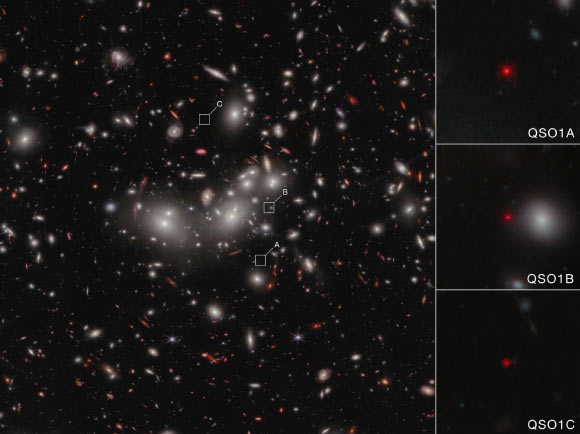
Astronomers using the NASA/ESA/CSA James Webb Space Telescope have found an enormous black hole in the early Universe that appears to predate its own host galaxy, raising fresh questions about how the cosmos’ first supermassive monsters were born.

 Login
Login