Normal view

In a surprise launch, China debuts another big rocket designed for reusability

2 June 2026 at 17:05

The race to field China's first reusable launch vehicle is far less predictable than a similar competition that played out in the United States a decade ago.

There was never any real question of which company would develop and demonstrate the first reusable orbital-class rocket in the United States. SpaceX landed a Falcon 9 booster for the first time in 2015, and a little more than a year later, it launched it back into space. It took nearly 10 years for anyone else to do the same. Blue Origin celebrated its first orbital-class booster landing last November with the successful recovery of one of its New Glenn boosters, followed by a relaunch of the same rocket in April.

In China, several companies and state-owned enterprises have a realistic shot at landing an orbital-class booster stage this year. For a time, it seemed like China's new crop of privately funded launch companies might have the advantage in accomplishing the first landing of an orbital-class booster. But Monday's launch of China's Long March 12B rocket, backed by the nearly unrestricted resources of the country's vast state-owned aerospace enterprise, suggests the industry's legacy players may now have a leg up.

Read full article

Comments

© VCG/VCG via Getty Images

Israel’s Nuclear Arsenal: A Controversial Reality

18 June 2025 at 02:33
Israel, a non-NPT signatory, may possess 200-400 nuclear warheads. Its minister's bomb remarks hint at this arsenal. The NPT encourages nonproliferation but excludes Israel, highlighting global nuclear hypocrisy and tension.

Global Thermonuclear War is Being Normalised

28 August 2024 at 23:15
The power of nuclear weapons is a grave concern as tensions rise between NATO nations and Russia. Recent strategies indicate a focus on China’s nuclear capabilities. With potential for mass destruction and global catastrophe, the implications of nuclear war are dire and call for urgent resolution.

In a surprise launch, China debuts another big rocket designed for reusability

2 June 2026 at 17:05

The race to field China's first reusable launch vehicle is far less predictable than a similar competition that played out in the United States a decade ago.

There was never any real question of which company would develop and demonstrate the first reusable orbital-class rocket in the United States. SpaceX landed a Falcon 9 booster for the first time in 2015, and a little more than a year later, it launched it back into space. It took nearly 10 years for anyone else to do the same. Blue Origin celebrated its first orbital-class booster landing last November with the successful recovery of one of its New Glenn boosters, followed by a relaunch of the same rocket in April.

In China, several companies and state-owned enterprises have a realistic shot at landing an orbital-class booster stage this year. For a time, it seemed like China's new crop of privately funded launch companies might have the advantage in accomplishing the first landing of an orbital-class booster. But Monday's launch of China's Long March 12B rocket, backed by the nearly unrestricted resources of the country's vast state-owned aerospace enterprise, suggests the industry's legacy players may now have a leg up.

Read full article

Comments

© VCG/VCG via Getty Images

In a surprise launch, China debuts another big rocket designed for reusability

2 June 2026 at 17:05

The race to field China's first reusable launch vehicle is far less predictable than a similar competition that played out in the United States a decade ago.

There was never any real question of which company would develop and demonstrate the first reusable orbital-class rocket in the United States. SpaceX landed a Falcon 9 booster for the first time in 2015, and a little more than a year later, it launched it back into space. It took nearly 10 years for anyone else to do the same. Blue Origin celebrated its first orbital-class booster landing last November with the successful recovery of one of its New Glenn boosters, followed by a relaunch of the same rocket in April.

In China, several companies and state-owned enterprises have a realistic shot at landing an orbital-class booster stage this year. For a time, it seemed like China's new crop of privately funded launch companies might have the advantage in accomplishing the first landing of an orbital-class booster. But Monday's launch of China's Long March 12B rocket, backed by the nearly unrestricted resources of the country's vast state-owned aerospace enterprise, suggests the industry's legacy players may now have a leg up.

Read full article

Comments

© VCG/VCG via Getty Images

In a surprise launch, China debuts another big rocket designed for reusability

2 June 2026 at 17:05

The race to field China's first reusable launch vehicle is far less predictable than a similar competition that played out in the United States a decade ago.

There was never any real question of which company would develop and demonstrate the first reusable orbital-class rocket in the United States. SpaceX landed a Falcon 9 booster for the first time in 2015, and a little more than a year later, it launched it back into space. It took nearly 10 years for anyone else to do the same. Blue Origin celebrated its first orbital-class booster landing last November with the successful recovery of one of its New Glenn boosters, followed by a relaunch of the same rocket in April.

In China, several companies and state-owned enterprises have a realistic shot at landing an orbital-class booster stage this year. For a time, it seemed like China's new crop of privately funded launch companies might have the advantage in accomplishing the first landing of an orbital-class booster. But Monday's launch of China's Long March 12B rocket, backed by the nearly unrestricted resources of the country's vast state-owned aerospace enterprise, suggests the industry's legacy players may now have a leg up.

Read full article

Comments

© VCG/VCG via Getty Images

In a surprise launch, China debuts another big rocket designed for reusability

2 June 2026 at 17:05

The race to field China's first reusable launch vehicle is far less predictable than a similar competition that played out in the United States a decade ago.

There was never any real question of which company would develop and demonstrate the first reusable orbital-class rocket in the United States. SpaceX landed a Falcon 9 booster for the first time in 2015, and a little more than a year later, it launched it back into space. It took nearly 10 years for anyone else to do the same. Blue Origin celebrated its first orbital-class booster landing last November with the successful recovery of one of its New Glenn boosters, followed by a relaunch of the same rocket in April.

In China, several companies and state-owned enterprises have a realistic shot at landing an orbital-class booster stage this year. For a time, it seemed like China's new crop of privately funded launch companies might have the advantage in accomplishing the first landing of an orbital-class booster. But Monday's launch of China's Long March 12B rocket, backed by the nearly unrestricted resources of the country's vast state-owned aerospace enterprise, suggests the industry's legacy players may now have a leg up.

Read full article

Comments

© VCG/VCG via Getty Images

600-Year-Old Artifacts Reveal Surprising First Evidence of Sophisticated Ancient Medical Knowledge in China’s Ming Dynasty

26 May 2026 at 15:59

At the height of China’s ancient Ming dynasty, ancient surgeons appear to have possessed early knowledge of a surprisingly advanced medical application, according to new findings.

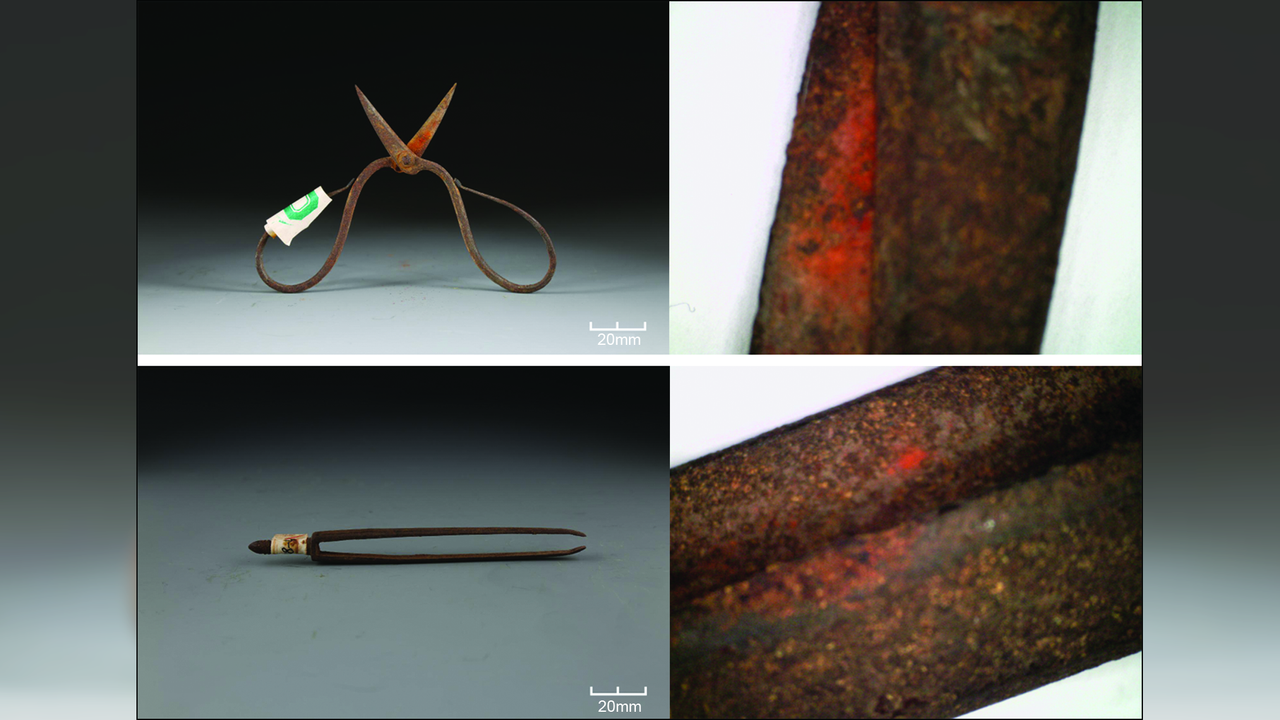
Researchers at Northwestern University have revealed that surgeons in ancient China were using aconitine, a poison derived from monkshood and similar toxic plants, for medical applications. The research offers the first evidence of its controlled use, revealed through analysis that discovered residue of the poisonous substance on surgical tools dating to between 1348 and 1411 CE.

Discovered on tweezers and surgical scissors recovered from an ancient tomb in Jiangyin, China, the researchers used microscopic analysis to reveal this highly sophisticated knowledge displayed by Ming dynasty surgeons. The findings were reported in the journal Antiquity.

Clues from Residues

Archaeologists can discern a remarkable amount of information about the ancient world from faint residues left behind on ancient objects.

From blood-protein analysis that reveals the kinds of megafauna hunted by America’s Paleoindian hunters, to environmental DNA that is revealing new genetic information about the world of our ancient archaic cousins, the Neanderthals, microscopic traces from long ago can reveal a surprising amount of information about life in ancient times.

Now, the microscopic study of 700-year-old residues left on surgical tools from China’s Ming dynasty is revealing something equally remarkable: the advanced medical knowledge of ancient Chinese surgeons.

Advanced Ancient Surgical Practices

Applying conventional microscopic analysis can be difficult in some cases, and that was a primary challenge for Northwestern researchers studying the Ming dynasty artifacts retrieved from a tomb near Jiangyin, located along the Yangtze River in China’s Jiangsu province.

To obtain the minimum amounts required for positive residue analysis and identification, the Northwestern team employed an innovative nondestructive technique called stimulated Raman scattering (SRS), a variety of microscopic imaging that is used in modern applications to help identify certain materials and their components.

Significantly, SRS microscopic imaging can also be used to overcome the problem of obtaining minimal sample requirements, according to Northwest University Professor Congcang Zhao, who says the process overcomes “the key challenges in residue research of minimal sample availability and the need to preserve archaeological material.

Zhao, a co-author of the recent research, and his colleagues were able to rely on this process to detect trace amounts of the toxic substance derived from the poisonous flowering plant Aconitum, which is also known as monkshood, wolfsbane, and by other names.

Known for its extreme toxicity, ancient Chinese medical practitioners had somehow managed to discover that when detoxified using processes that included boiling the plant in vinegar or using mung beans, aconitine could be used to produce a powder that possesses anesthetic properties.

The detoxified aconitine powder, in turn, could be used to reduce pain during surgeries, and evidence for the production of such anesthetic powders are known from ancient Chinese medical literature.

However, evidence for its direct use in surgery had never been observed until now.

“Six centuries ago, a Ming Dynasty surgeon performed an operation with a pair of iron scissors and tweezers, and today we have read the traces of anaesthetic medicine left on those instruments using a beam of laser light,” Zhao explained in a statement.

Discovery of an Ancient Anesthetic

According to the new research, which complements information found in ancient texts, aconitine powder was likely applied topically to an area before incisions were made. This process would have required very careful administration, since some of the substance’s toxic qualities would have remained in the powder ancient Chinese medicinal practitioners produced.

Zhao says that when viewed alongside ancient medical texts from the Ming Dynasty, the study he and his colleagues have produced “confirms that Aconitum was employed as a topical anaesthetic, safely and precisely applied during surgical procedures.”

“Ming physicians used iron surgical instruments and controlled the toxicity of aconitine

through topical application, compound prescriptions and strict procedural controls,” Zhao adds, “demonstrating a practical ability to balance drug potency with patient safety.”

The new research reveals not only that such surprisingly advanced medical applications existed in ancient China, but also that the surgeons who used them understood the necessity for employing them safely, in order to mitigate unwanted side effects.

The result, Zhao says, is a new window towards understanding the precocious surgical practices of 14th century Ming Dynasty medical practitioners.

“This is the first time humanity has found direct chemical evidence of anaesthetics on ancient surgical tools, proving that our ancestors already knew how to safely alleviate patients’ pain with highly toxic herbs,” Zhao says.

The recent study, “Surgical anaesthesia in Ming China: scientific analysis of aconitine residues on medical instruments,” was published in the journal Antiquity.

Micah Hanks is the Editor-in-Chief and Co-Founder of The Debrief. A longtime reporter on science, defense, and technology with a focus on space and astronomy, he can be reached at micah@thedebrief.org. Follow him on X @MicahHanks, and at micahhanks.com.

Convicted Harvard Scientist Rebuilds Career in China Through Controversial Brain-Computer Interface Lab

19 May 2026 at 13:47


A former Harvard chemistry professor convicted in the United States for concealing ties to a Chinese talent program is now leading a state-backed brain-computer interface laboratory in Shenzhen, raising fresh concerns about the geopolitical race for emerging technologies.

Former Harvard scientist Charles Lieber, 67, has rebuilt his research career in China, where he currently directs the Institute for Brain Research, Advanced Interfaces and Neurotechnologies (i-BRAIN). In 2021, he was convicted in the United States for lying to federal investigators about his financial ties to a Chinese talent recruitment program, as well as for tax-related offenses. He was sentenced to prison and later placed under home confinement before relocating to Shenzhen in 2025.

Considered a leading authority in BCI research and development, Lieber now serves as director of i-BRAIN, a laboratory operating under the Shenzhen Medical Academy of Research and Translation (SMART), a government-backed institution. The laboratory’s primary focus includes primate research and BCI chip development.

Lieber said during a Shenzhen government news conference in December, “I arrived on April 28, 2025, with a dream and not much more, maybe a couple bags of clothes.” He added, “Personally, my own goals are to make Shenzhen a world leader.”

According to Reuters, the lab provides Lieber with resources beyond what he had access to in the United States, including dedicated nanofabrication equipment and extensive primate research facilities.

Experts have previously warned U.S. officials and Congress about the privacy implications of BCI technologies, as well as potential military applications that enhance cognitive performance on and off the battlefield. Lieber’s return to cutting-edge research has renewed debate in the United States over technology security and scientific cooperation with China.

“China has weaponized against us our own openness and our own efforts for innovation,” Glenn Gerstell, an advisor at the Center for Strategic and International Studies and former general counsel for the U.S. National Security Agency (NSA), told Reuters on  May 1. “They’ve flipped that and turned it around against us, and they’re ​taking advantage of it.”

China’s policy of “military-civil fusion,” which encourages collaboration between civilian research institutions and the military, has increased those concerns in the United States. In July 2025, the Chinese government announced its goal of becoming the “gold standard” for BCI competitors worldwide. 

At i-BRAIN, Lieber’s team is reportedly currently hiring international researchers to conduct experiments involving rhesus monkeys, which have been used for BCI testing at many other companies, such as Elon Musk’s Neuralink.

In recent years, Neuralink employees have reported ongoing mistreatment and deaths of rhesus monkeys, where death certificates are openly available to see. But Musk took to the popular social media outlet X, stating that “No monkey has died as a result of a Neuralink implant. First, our early implants, to minimize risk to healthy monkeys, we chose terminal monkeys (close to death already).”

The i-BRAIN lab also offers chip-manufacturing tools, including ultraviolet lithography systems used to create tiny electronic circuits. 

Washington and Wall Street Brace for the BCI Era

In October of last year, Morgan Stanley released a private report titled, “Neuralink: AI in your brAIn” addressing that Elon Musk and Neuralink are at the forefront of a larger technological shift that society may not be ready for: one with staggering implications that could ultimately impact everything from healthcare to gaming, defense, investing, and society at large. The report also addressed the challenges of a potential “neuro-elite” evolving over time. 

“As AI moves into the physical world through expressions ranging from robotaxis to humanoids and autonomous weapons systems, we recommend paying closer attention to developments in brain-computer interface,” a portion of the paper states, under a section titled “Prometheus Shrugged.”

A month before this report was released, on September 24, Senate Majority Leader Chuck Schumer, along with Senators John Cornyn and Ron Wyden, proposed legislation to regulate BCIs, requesting that the FTC review the policy for long-term use.

Named the MIND Act, guidelines should be created alongside a framework to address ethical concerns and safeguard American interests.

Altogether, as the race to merge minds and machines intensifies, the broader consequences of who controls these technologies—and how they are used—remain in question.

Chrissy Newton is a PR professional and the founder of VOCAB Communications. She currently appears on The Discovery Channel and Max and hosts the Rebelliously Curious podcast, which can be found on YouTube and on all audio podcast streaming platforms. Follow her on X: @ChrissyNewton, Instagram: @BeingChrissyNewton, and chrissynewton.com. To contact Chrissy with a story, please email chrissy @ thedebrief.org.

146,000-Year-Old Tool Discovery Reveals Unexpected Adaptations to Harsh Ice Age Life

10 May 2026 at 13:38


Ice Age tools dating back 146,000 years were recently discovered in an ancient Chinese cave, revealing surprising human adaptations to a harsh environment and defying archaeologists’ expectations.

The level of creativity and intelligence exhibited by these prehistoric stone tools, discovered amid human remains at the Lingjing archaeological site in central China, was beyond expectations for the location and period.

Archaeologists say in a new paper published in the Journal of Human Evolution that the new work overturns the expectation that technological advancements occurred only during times of relative plenty, when humans had leisure time to devote to novel activities, rather than in the brutal conditions of the Ice Age.

Ice Age Tool Discovered

“People often imagine creativity as something that flourishes in good times,” said lead author  Yuchao Zhao, the assistant curator of East Asian archaeology at the Field Museum in Chicago. “Finding out that these stone tools were made during a harsh ice age tells a different story. Hard times can force us to adapt.”

A variety of early humans, Homo juluensis, lived in the caves at Lingjing. Combining traits of archaic humans found in East Asia and Neanderthals found in Europe, the large-brained Homo juluensis likely interacted with Homo sapiens in the remote past.

Crystals in animal bones at the site allowed archaeologists to date the find to 146,000 years ago, during the late Middle Pleistocene era. Until recently, archaeologists had generally assumed that despite the advances of Europe and North Africa’s early humans, those of Asia remained relatively behind technologically. However, this recent find adds to growing evidence that such an assumption is incorrect.

Tools of Prehistoric Humans

Initially, the stone discs discovered at the site may appear unremarkable, but the archaeologists identified a precise tool-making process of hitting stones of different sizes together as the reason behind their construction. The disks were used in this process to shape other stones into their final forms. These strikes were not random, though; instead, various disks were shaped differently to produce varying effects, such as one designed to produce sharper flakes.

By using different surfaces on the disks’ faces and operating them at specific angles, these early humans could achieve precise results.

“This was not casual flake production, but a technology that required planning, precision, and a deep understanding of stone properties and fracture mechanics,” says Zhao.

“The underlying logic of this system— and the cognitive abilities it reflects— shows important similarities to Middle Paleolithic technologies often associated with Neanderthals in Europe and with human ancestors in Africa, suggesting that advanced technological thinking was not limited to western Eurasia,” Zhao said.

An Ice Age Butchering Technique

Archaeologists say that Lingjing was used as a butchering site by Homo juluensis, as evidenced by the discovery of deer and other animal bones there. These stone disks were likely used to craft early tools for the butchering operation in place at the site. 

The site’s dating came from one of those animal bones, the rib of a deer-like animal, a data point that served as one of the most intriguing elements of the recent research. In early investigations, researchers had estimated the tools to be 126,000 years old, and extending the date to 146,000 years ago makes a significant difference, given that it marks a period during which rapid climate change appears to have occurred.

“Even though these tools are just a little bit older than we’d previously thought, the entire story is changed,” says Zhao. “During the Pleistocene, Earth repeatedly shifted between colder ice-age periods and warmer intervals between them. We used to think these tools were made 126,000 years ago, during a warm interglacial period, but based on the new dates suggested by the crystals, some of these tools were actually produced 146,000 years ago, during a harsh, cold glacial period.”

The findings question two long-held assumptions in archaeology: that creativity primarily emerges as a luxury during times of plenty, and that ancient humans of Asia lingered behind their cousins in Europe and Africa.

In the end, what is revealed is a more complex story of global ingenuity under the most extreme conditions, reframing existing archaeological assumptions.

The paper, “Earliest Centripetal Flaking System in Eastern Eurasia Reveals Human Behavioral Complexity in Late Middle Pleistocene China,” appeared in the Journal of Human Evolution on May 7, 2026.

Ryan Whalen covers science and technology for The Debrief. He holds an MA in History and a Master of Library and Information Science with a certificate in Data Science. He can be contacted at ryan@thedebrief.org, and follow him on Twitter @mdntwvlf.

Chinese Adaptation of Snyder Hope Scale Validated

2 June 2026 at 00:16

In a groundbreaking scientific endeavor poised to reshape psychological assessments in China, researchers have embarked on adapting the Snyder Adult Dispositional Hope Scale for use among older adults suffering from coronary heart disease. This work, published in the eminent journal BMC Geriatrics in 2026, transcends cultural and linguistic barriers by carefully translating and validating a tool that measures hope—a powerful psychological construct intimately linked to health outcomes in chronic disease populations.

Hope, often viewed as a beacon of positive expectancy even in adversity, is fundamentally tied to motivation and goal pursuit. The Snyder scale operationalizes hope by parsing it into agency—the motivational component that propels individuals forward—and pathways, which reflect one’s perceived capacity to generate routes to desired goals. While the scale has seen extensive use worldwide, its application in Chinese populations, especially among elderly patients with cardiac conditions, remained uncharted until now.

Given China’s rapid demographic shift toward an aging population burdened with chronic diseases like coronary heart disease, understanding the psychological determinants that influence health trajectories is imperative. The adaptation of psychological instruments like the Snyder Adult Dispositional Hope Scale stands as a pivotal tool for clinicians and researchers to quantify hope reliably and validly, thus paving the way for targeted interventions.

This cross-sectional study meticulously conducted among older Chinese adults with coronary heart disease rigorously evaluated the scale’s psychometric properties. Researchers ensured cultural and linguistic equivalence through iterative translation, back-translation, and expert panel reviews, triangulated with qualitative feedback from patients to capture nuanced understandings of hope within a Chinese cultural context.

Reliability testing centered on internal consistency measures and test-retest reliability to confirm that the instrument yields stable and consistent results over time. Indeed, the adapted scale demonstrated compelling reliability indices, indicating its dependability for repeated use in clinical and research settings. This consistency is crucial, particularly for longitudinal studies tracking psychological resilience and treatment adherence in chronic disease management.

Beyond reliability, validity assessments encompassed several facets—construct validity, convergent and divergent validity—to affirm that the scale genuinely measures the construct of hope and distinguishes it from related constructs such as optimism or self-efficacy. Factor analyses confirmed that the original two-factor structure—agency and pathways—was preserved, thus supporting the scale’s theoretical foundation even in a new cultural milieu.

An intriguing dimension of this research lies in the interplay between hope and clinical variables among older adults with coronary heart disease. Existing literature posits that higher hope levels correlate with improved health behaviors, better psychological well-being, and even physiological outcomes like cardiac function. This study’s findings reinforce and contextualize these associations within a Chinese patient cohort, suggesting that fostering hope could enhance holistic cardiac care.

Importantly, the adaptation process also accounted for age-specific considerations. Cognitive decline, cultural attitudes toward illness and aging, and linguistic subtleties necessitate a bespoke approach when translating psychometric tools for elderly populations. This study navigated these challenges adeptly, ensuring that items were comprehensible, culturally resonant, and appropriate for older adults’ lived experiences.

The broader implications of this validation extend to clinical practice, where the scale can serve as both a screening instrument and a metric for evaluating psychosocial interventions aimed at boosting hope. For healthcare providers, this represents a paradigm shift in integrating psychological measures into standard care to capture patient-centered outcomes that transcend traditional biomedical parameters.

Furthermore, from a research standpoint, the availability of a culturally validated hope scale unlocks new avenues for exploring psychosocial determinants of health in China’s aging population. It fosters cross-cultural comparisons, enriches global health psychology literature, and informs policy-making for mental health resources allocation in chronic disease settings.

Considering coronary heart disease’s status as a leading cause of morbidity and mortality globally, especially in aging populations, the intersection of psychological resilience and cardiac health assumes critical importance. The adaptable and validated hope scale equips clinicians and researchers with a sophisticated instrument to delve deeper into this nexus and devise comprehensive care models.

The study also underscores the methodological rigor essential in adapting psychological instruments. Mere linguistic translation without cultural adaptation risks misinterpretations and invalid conclusions. The authors’ meticulous approach exemplifies best practices, including psychometric evaluations, qualitative validations, and iterative refinements, setting a standard for future cross-cultural scale adaptations.

In synthesizing these complex processes, the study reinforces that hope is universally significant yet culturally nuanced. Instruments measuring intangible psychological constructs must honor these nuances to retain validity and clinical utility, particularly in populations vulnerable to health disparities and psychosocial stressors.

Moreover, as the global medical community increasingly recognizes the mind-heart connection, integrating psychological metrics like hope into routine cardiac care resonates with holistic medicine principles. It bridges biomedical models with psychosocial frameworks, fostering patient-centered care that acknowledges emotional and motivational dimensions impacting recovery and quality of life.

In summary, the adaptation of the Snyder Adult Dispositional Hope Scale into Chinese is a landmark study that enriches psychological assessment tools for older adults with coronary heart disease. Its rigorous validation assures researchers and clinicians of its reliability and accuracy while emphasizing the transformative potential of hope as a therapeutic target.

This work heralds an era where psychological constructs are not peripheral but central to understanding and managing chronic diseases. By capturing hope’s essence within a culturally attuned framework, this research advances both science and compassionate care for one of humanity’s most vulnerable groups—the aging heart patient.

As this tool gains traction in clinical and academic circles, further longitudinal and intervention studies can leverage it to elucidate how fostering hope directly translates into improved cardiovascular outcomes. Such insights will be invaluable in designing psychologically informed, culturally sensitive care pathways that enhance resilience and healthspan among older adults globally.

Ultimately, this adaptation transcends mere scale translation—it embodies the synthesis of psychology, cardiology, and cultural science, illuminating hope’s indelible role in healing hearts and minds alike. Through this pioneering work, researchers are not just measuring hope but empowering patients to envision and strive toward healthier futures.


Subject of Research: Adaptation and validation of the Snyder Adult Dispositional Hope Scale in Chinese older adults with coronary heart disease

Article Title: Adaptation of Snyder adult dispositional hope scale into Chinese: a cross-sectional study on reliability and validity test in older adults with coronary heart disease

Article References:
Cheng, Y., Xia, Y., Zhang, W. et al. Adaptation of Snyder adult dispositional hope scale into Chinese: a cross-sectional study on reliability and validity test in older adults with coronary heart disease. BMC Geriatr (2026). https://doi.org/10.1186/s12877-026-07698-y

Image Credits: AI Generated

China has approved the world’s first invasive brain-computer chip—here’s what’s next

1 June 2026 at 10:09

One day last October, sitting in the courtyard of his house in China’s Henan province, Dong Hui decided to see if he could hold a pen to write. 

Dong, 39, had sustained spinal cord injuries in a car accident six years earlier that left him paralyzed from the neck down. Slowly but determinedly, he wrote his name, “Thank you,” and then the date. This was the result of an 11-month-long rehabilitation enabled by an implant in his brain. Before that process, Dong could move his arms slightly but wasn’t able to use his fingers.

“I couldn’t believe I was able to write again. I was so excited I even missed a stroke in my name,” he told MIT Technology Review on a video call. 

In November 2024, Dong became one of the first people in China to be given an invasive brain-computer interface (BCI) through brain surgery. He had signed up for a clinical trial with the device’s developer one month after seeing on TV how a BCI had apparently enabled another paralyzed Chinese man to hold his granddaughter. 

This March, the implant Dong uses became the first invasive BCI product in the world to be approved for use beyond clinical trials. It’s now available to some patients with paralysis in their limbs due to spinal cord injuries. We spoke to a range of experts to understand why the device was able to reach this global milestone, what makes this moment so significant, and what to expect next. 

A world first

Dong’s brain implant is a coin-size device called NEO. It was developed by Neuracle Technology, a Shanghai-based startup, together with researchers at Tsinghua University in Beijing. 

During a procedure that took just over an hour and a half, the device’s sensors, which collect Dong’s brain signals, were placed on his dura mater, the tough outer layer of tissue that covers and protects the brain. The signals are transmitted to a computer by an implant placed on Dong’s skull. The computer then translates the signals into commands for a soft robotic glove Dong wears during the 2.5-hour training sessions he completes each day to help him learn to grab. 

Dong started his rehabilitation around a week after surgery. “On the ninth day of my training, my right hand successfully grabbed a ball without the glove,” he says. “That was a miraculous moment.” 

Now he continues with his training at home. He wants to be able to control his hands better in order to put on clothes, eat, and do other daily tasks without troubling his aging parents. 

A growing number of people with traumatic injuries in China are now poised to tread a similar path thanks to NEO’s recent approval. According to China’s National Medical Products Administration, the bureau responsible for drug supervision, the product is suitable for patients between 18 and 60 who have paralysis in all limbs due to spinal cord injuries but still have some residual function in their arms. 

NEO beat several other BCIs to approval, including one from Neuralink, a California-based company founded by Elon Musk. Since October 2023, Neuracle has conducted 36 clinical trials using NEO, including the one on Dong. Thirty-two of them took place in the space of a few months in 2025, with the details about one of the four first in-person trials published in a preprint paper last July. Neuracle did not reply to a request for comment from MIT Technology Review.

One reason for NEO’s fast approval could be that it has a “relatively less invasive” design than counterparts such as Neuralink’s N1 brain chip, says Avinash Singh, a BCI researcher at the University of Technology Sydney. NEO’s eight sensors sit on top of the brain’s protective membrane while Neuralink’s N1 chip directly penetrates the cortex, the outermost layer of the brain itself. Neuracle’s device faces fewer regulatory constraints because it presents a lower risk of hemorrhage, glial scarring, and long-term signal degradation, Singh says.

China’s strong support for its BCI industry also means that NEO was put on an expedited regulatory pathway; in comparison, the approval process of the US Food and Drug Administration can take several years, Singh adds.

A big boost for BCIs

NEO’s approval is hugely important for the global BCI industry, says Wang Shouyan, a neuroscientist at Fudan University in Shanghai who was not involved in research or trialing for NEO. Even though research and development on BCIs has taken place for several decades, most of it happened in the lab. The news means that BCIs are now ready for large-scale manufacturing and clinical use in China, Wang says. 

For Dong, however, it means something much more personal. “Now, it will be able to help not only me, but also thousands and thousands of other patients suffering from spinal cord injuries in China who are tortured by despair each day,” he says of NEO. “It will bring them hope and change their lives.” 

Days after NEO was approved, China started incorporating it into the country’s health insurance system by assigning it a unique code. This is one of the first steps toward a future where eligible Chinese patients pay a certain percentage of the BCI’s price if they need it during their treatment.

The growth of China’s BCI industry is expected to accelerate thanks to the government’s policy support and financial backing. The country’s latest five-year plan, published on the same day Neuracle received its approval, lists BCI as one of six key industries important to China’s future tech competitiveness, alongside quantum technology, humanoid robots, and others. Several Chinese startups, including NeuroXess and StairMed, have already worked in the field for many years. 

“China’s decision to double down on becoming a global leader in the field owes in part to what these companies have already accomplished,” says Meicen Sun, an information scientist at the University of Illinois Urbana-Champaign who studies information and technology policy. 

But, Sun says, the biggest advantage China may have is that Chinese people, particularly patients like Dong, tend to welcome this technology and are genuinely enthusiastic about it. In comparison, in the US and Western Europe, testing technologies on human bodies elicits an “ick factor,” triggering concerns and even resistance, she says.

Cooperation in a cold climate 

NEO has become the world’s first invasive BCI to go commercial, but scientists interviewed by MIT Technology Review caution against comparing Chinese and US efforts through the lens of a race

A race implies an endpoint, but it is hard to say where that is for the development of BCIs, says Nick Ramsey, a neuroscientist at Radboud University Nijmegen in the Netherlands. Also, the US and China have fundamentally different visions, Sun says. The US is primarily concerned with being the first to do something and achieving state-of-the-art performance, while winning to China means capturing more consumers and using technology to deliver solutions on a societal scale. 

“Being exceptional and being accessible are two diametrically opposed definitions of winning,” Sun says. 

In fact, neurotechnology has emerged as a rare tech sector where US-China collaboration is still happening despite geopolitical tensions. The US company Axoft,  based in Cambridge, Massachusetts, says it has teamed up with a Chinese company and a hospital in Shanghai to test its BCI on four patients in China and has plans to expand its trials in the country. 

Looking forward, China’s BCI industry is expected to speed up its growth over the next five years thanks to strong government support. “There is no comparable national-level ambition or coordinated map elsewhere in the world at the moment,” says Singh.

More BCIs are also in the pipeline for domestic approval in the country, including Beinao-1, developed by the Chinese Institute for Brain Research in Beijing and its affiliated startup, NeuCyber NeuroTech. The device, which sits on the dura mater, is designed to help those who have movement and speech difficulties due to spinal cord injuries or amyotrophic lateral sclerosis. These candidates could get the green light as early as 2028, Singh says. 

❌