Normal view

PET Imaging Reveals Whole-Body Metabolic Shifts Following Bariatric Surgery

1 June 2026 at 22:26

In a groundbreaking advancement in metabolic medicine, researchers at the Medical University of Vienna have utilized an innovative whole-body positron emission tomography/computed tomography (PET/CT) imaging framework to reveal the extensive metabolic transformation triggered by bariatric surgery. This state-of-the-art imaging technique, employing radiolabeled glucose analog [18F]fluorodeoxyglucose (18F-FDG), has illuminated the profound metabolic remodeling across numerous organs, offering unparalleled insights into how bariatric surgery reshapes the body’s internal metabolic landscape beyond mere weight loss.

For decades, bariatric surgery has served as a cornerstone treatment for obesity, delivering sustained weight reduction and mitigating related comorbidities such as diabetes and cardiovascular disease. However, until now, the precise systemic metabolic changes induced by these surgical interventions remained largely elusive. The advent of this novel PET/CT-based investigative approach addresses this gap by simultaneously quantifying metabolic activity across a broad spectrum of tissues, highlighting coordinated organ responses that contribute to metabolic recovery.

The study retrospectively analyzed 32 individuals diagnosed with obesity, who underwent either laparoscopic sleeve gastrectomy or one-anastomosis gastric bypass—a pair of commonly employed bariatric procedures. Whole-body 18F-FDG PET/CT scans were performed preoperatively and again at a 12-month postoperative interval. This design allowed for a comprehensive comparison of metabolic alterations in diverse tissues including subcutaneous and visceral adipose depots, liver, pancreas, spleen, adrenal glands, and skeletal muscle.

Quantitative analysis of 18F-FDG uptake demonstrated a significant decline in glucose metabolism within adipose tissue compartments—both subcutaneous and visceral—as well as in the liver, pancreas, and spleen. These reductions reflect diminishing metabolic stress and inflammatory activity, consistent with clinical improvements reported in patients’ glycemic control and lipid profiles. Intriguingly, skeletal muscle metabolism exhibited complex remodeling, potentially indicating enhanced insulin sensitivity and muscle functionality after weight loss surgery.

Perhaps most striking was the observation of an apparent increase in colonic volume at the 12-month mark, pointing to a potential compensatory adaptation in gastrointestinal anatomy and function. This expansion may influence nutrient absorption dynamics and warrants further investigation. Moreover, the network analysis of PET data revealed increased metabolic connectivity between different organs post-surgery, signifying a more synchronized, systemic metabolic state rather than isolated organ changes.

These multidimensional metabolic insights provide compelling evidence that bariatric surgery unleashes a holistic metabolic recalibration, underscoring the notion that organ systems adapt in concert to restore metabolic homeostasis. This data challenges the traditional focus on singular biomarkers and weight parameters by emphasizing integrative organ-level metrics that better capture the complexity of obesity treatment outcomes.

Clinicians stand to benefit immensely from these findings, as whole-body molecular imaging could serve as a vital tool for tailoring postoperative care. By visualizing metabolic recovery across multiple tissues, healthcare providers can optimize monitoring strategies, anticipate complications, and customize therapeutic interventions—transitioning from a one-size-fits-all paradigm toward truly personalized metabolic medicine.

While pharmacological advances, such as glucagon-like peptide 1 (GLP-1) receptor agonists, have recently gained prominence in managing obesity, many patients continue to elect bariatric surgery for its durable benefits and reduced reliance on chronic medication. The novel imaging approach described herein holds promise for enhancing the safety and efficacy of these surgical treatments by illuminating the intricate biological shifts occurring during the critical healing and adaptation periods.

From a technological perspective, relying on 18F-FDG PET/CT imaging leverages the high sensitivity of positron emission tomography combined with anatomical precision from computed tomography, enabling precise spatial localization and quantification of metabolic signals. This synergistic imaging modality opens pathways for broader applications beyond obesity, including the study of metabolic diseases, cancer metabolism, and aging.

The researchers emphasize that interpreting postoperative metabolic changes necessitates multifactorial analysis, integrating PET imaging results with comprehensive laboratory assessments of glycemic indices, lipid panels, endocrine markers, and inflammatory parameters. Such a multidisciplinary approach is essential to unravel the complex biochemical networks underpinning the observed structural and functional organ modifications.

Critically, this study’s longitudinal design allowed for the assessment of sustained metabolic impact one year following surgery, providing more reliable data on long-term physiological adaptation rather than transient postoperative fluctuations. The findings underscore the dynamic but persistent nature of the metabolic recalibration prompted by weight loss interventions.

This landmark research was detailed in Abstract 261206, titled “Evaluation of organic metabolic profiling alternation assessed by [18F]FDG PET/CT in obese patients before and after bariatric surgery,” and presented at the Society of Nuclear Medicine and Molecular Imaging’s 2026 Annual Meeting. The collaborative effort included experts in nuclear medicine, endocrinology, surgery, and biomedical imaging, reflecting the multidisciplinary challenges inherent in obesity treatment research.

In conclusion, this pioneering work spotlights the immense potential of whole-body PET/CT imaging as a transformative modality for understanding and optimizing metabolic health post-bariatric surgery. By mapping the metabolic trajectory across organ systems, clinicians and researchers gain a powerful vantage point to decipher obesity’s complex biology and tailor interventions for maximal therapeutic benefit. This integrated imaging strategy heralds a new era in metabolic medicine, one where precision and personalization drive superior patient outcomes across diverse obesity phenotypes.

Subject of Research: Metabolic changes and organ-level remodeling after bariatric surgery assessed by whole-body 18F-FDG PET/CT imaging.

Article Title: Evaluation of organic metabolic profiling alternation assessed by [18F]FDG PET/CT in obese patients before and after bariatric surgery.

News Publication Date: Not explicitly provided; related to Society of Nuclear Medicine and Molecular Imaging 2026 Annual Meeting.

Web References:

Image Credits: Courtesy of Society of Nuclear Medicine and Molecular Imaging (SNMMI).

Keywords: bariatric surgery, 18F-FDG PET/CT, metabolic imaging, obesity, organ metabolism, molecular imaging, personalized medicine, laparoscopic sleeve gastrectomy, one-anastomosis gastric bypass, metabolic remodeling, glucose metabolism, multimodal imaging.

Next-Generation PET Tracer Revolutionizes Rapid, High-Precision Kidney Cancer Detection

1 June 2026 at 22:16

A groundbreaking advancement in molecular imaging has emerged from recent clinical research, unveiling a novel PET tracer that targets carbonic anhydrase IX (CAIX) with remarkable precision. This innovative radiotracer, designated as ^68Ga-RCC78, has exhibited exceptional sensitivity in detecting clear cell renal cell carcinoma (ccRCC), a malignancy known for its aggressive nature and diagnostic challenges. The development of ^68Ga-RCC78 represents a pioneering step toward enhanced staging and personalized management of kidney cancer, as presented at the Society of Nuclear Medicine and Molecular Imaging (SNMMI) 2026 Annual Meeting.

Clear cell renal cell carcinoma is characterized by the distinctive and constitutive overexpression of CAIX, a transmembrane protein involved in pH regulation within the tumor microenvironment. This pathological overexpression makes CAIX a highly attractive target for molecular imaging agents seeking to discern malignant lesions amidst the complex anatomical structures of the abdomen. Until now, molecular imaging probes targeting CAIX have been hampered by significant physiological expression in the gastrointestinal tract, resulting in high background signals that obscure tumor visualization and compromise diagnostic accuracy.

The novel ^68Ga-RCC78 tracer overcomes these limitations through the use of a uniquely engineered cyclic peptide that binds specifically to CAIX with high affinity. Unlike traditional antibody-based tracers requiring prolonged clearance times extending over days, ^68Ga-RCC78 achieves rapid accumulation in tumor tissues while simultaneously minimizing non-specific background uptake. This rapid pharmacokinetic profile not only accelerates imaging timelines but also markedly improves tumor-to-background contrast, a vital factor in identifying metastatic deposits.

The development process began with the synthesis of sixteen novel CAIX-specific cyclic peptides, each radiolabeled with the positron-emitting radionuclide gallium-68 (^68Ga). Cellular uptake assays systematically evaluated tracer affinity and specificity across cell lines with high and low CAIX expression, alongside blocking studies to confirm target-mediated binding. Subsequent in vivo evaluations entailed extensive PET/CT imaging and biodistribution analyses in ccRCC xenograft models and patient-derived xenografts, providing critical insights into tracer dynamics and tumor delineation.

Among the candidates, ^68Ga-RCC78 demonstrated superior performance, characterized by robust and sustained tumor uptake coupled with rapid clearance from non-target tissues. Intriguingly, this tracer enabled the detection of metastatic lesions in often elusive locations such as the mediastinum, pancreas, adrenal gland, and contralateral kidney, regions where conventional imaging modalities have traditionally shown limited sensitivity due to anatomical complexity and overlapping background activity.

A pivotal stage of the research involved a first-in-human clinical evaluation consisting of thirteen patients diagnosed with ccRCC. The study provided compelling evidence that ^68Ga-RCC78 could discern CAIX-positive tumors accurately, consistent with histopathological confirmation of CAIX expression via immunostaining. Furthermore, the intra-abdominal background activity was remarkably low, enabling clear visualization of both primary lesions and metastatic foci that eluded detection by standard ^18F-FDG PET imaging, which often suffers from non-specific uptake in renal and gastrointestinal tissues.

The clinical implications of these findings are profound. With enhanced tumor specificity and minimized background noise, ^68Ga-RCC78 not only offers potential improvements in initial staging accuracy but may also facilitate earlier detection of recurrent or metastatic disease. This capability is critical in the management of ccRCC, where timely therapeutic interventions significantly influence patient outcomes. By furnishing a more precise molecular map of the disease landscape, this tracer may inform personalized treatment strategies tailored to the unique tumor biology of each patient.

Moreover, the research team has highlighted the therapeutic potential of this molecular platform. Building on the diagnostic success of ^68Ga-RCC78, efforts are underway to conjugate the same cyclic peptide scaffold with therapeutic radioisotopes capable of delivering targeted radiation. This theranostic approach holds promise for simultaneously diagnosing and treating ccRCC, maximizing tumoricidal effects while sparing healthy tissues and minimizing systemic toxicity.

The development of ^68Ga-RCC78 addresses a critical unmet need in kidney cancer diagnostics by overcoming persistent challenges related to abdominal background interference that have historically limited CAIX-targeted imaging. The precise balance achieved between rapid tumor uptake and efficient background clearance is a testament to the sophisticated molecular engineering underlying this probe, paving the way for next-generation radiopharmaceuticals in oncology.

The current phase of clinical investigation remains early, necessitating expanded trials to validate safety, efficacy, and reproducibility across broader patient populations. However, the promising results from preclinical and first-in-human studies have set the foundation for larger multicenter trials anticipated within the next few years. Pending regulatory approvals, ^68Ga-RCC78 could transition into routine clinical practice, revolutionizing the diagnostic workflow for ccRCC and potentially other CAIX-expressing malignancies.

This advancement exemplifies the evolving paradigm of precision medicine within nuclear oncology, where highly specific molecular probes enable disease characterization at the cellular level. The integration of such targeted PET tracers reinforces the role of molecular imaging not only as a diagnostic tool but also as a critical component in the design of personalized therapeutic regimens, fostering improved prognosis and individualized patient care.

In summary, the introduction of ^68Ga-RCC78 marks a milestone in ccRCC imaging by delivering unparalleled tumor specificity combined with reduced physiological background interference. Its capability to visualize metastatic disease with high sensitivity promises to refine staging accuracy, guide therapeutic decisions, and propel the field toward an era of integrated diagnostics and therapeutics tailored to the molecular signature of each patient’s cancer.

Subject of Research: Development and clinical evaluation of a CAIX-targeted radiotracer for precision diagnosis of clear cell renal cell carcinoma.

Article Title: Development and Clinical Evaluation of a Novel CAIX-Targeted PET Radiotracer for Clear Cell Renal Cell Carcinoma.

News Publication Date: 2026

Web References:
– Society of Nuclear Medicine and Molecular Imaging 2026 Annual Meeting Abstracts: https://www.xcdsystem.com/snmmi/program/UtDKfSi/index.cfm?pgid=3058&sid=53902&mobileappid=5390200000
– SNMMI official website: http://www.snmmi.org/

References: Abstract 261784. “Development and clinical evaluation of a novel CAIX-targeted radiotracer for clear cell renal cell carcinoma precision diagnosis,” Sixuan Cheng et al., Union Hospital, Tongji Medical College, Huazhong University of Science and Technology.

Image Credits: Image courtesy of SNMMI.

Keywords: Clear cell renal cell carcinoma, CAIX, molecular imaging, PET tracer, ^68Ga-RCC78, precision medicine, radiotheranostics, cyclic peptide probe, tumor-to-background contrast, metastatic lesion detection.

Scientists Discover a Simple Writing Test That May Detect Cognitive Impairment

1 June 2026 at 12:49
Elderly Senior Writing Letter PaperA simple writing task may offer clues about aging brains. Researchers found that dictation, in particular, exposed subtle differences linked to cognitive impairment. Handwriting depends on both fine motor skills and complex mental processes, including selecting, organizing, and interpreting sensory information. Because writing places heavy demands on the brain, changes in handwriting may help reveal [...]

Scientists Made Older Mice Biologically Younger Using Gut Microbes

1 June 2026 at 12:14
Medical Hologram Human LiverScientists restored young gut bacteria in aging mice and saw signs of rejuvenation along with complete protection from liver cancer. Returning the gut microbiome to a more youthful state could help slow aging and lower the risk of liver cancer, according to research entitled “Restoration of a youthful gut microbiome reduces liver aging and suppresses [...]

Stanford’s Revolutionary New Microscope Reveals Living Cells in Stunning Detail

31 May 2026 at 21:31
Interferometric Microscopy Laser ArrayStanford researchers have developed a microscope that can show how nanostructures interact inside living cells at the highest resolution achieved so far. The view into living cells just got better. Stanford researchers have merged two microscopy methods to build a unique instrument that can capture cell structures interacting in real time at an unprecedented resolution [...]

Scientists Discover Some “Zombie Cells” May Actually Help You Live Longer

31 May 2026 at 11:43
Senior Woman Anti-Aging Beauty Treatment Face Close UpScientists are discovering that some of the cells linked to aging may also be key to staying healthy. A growing body of research is changing how scientists view one of aging biology’s most studied cell types: senescent cells, often called “zombie cells.” While these cells have long been associated with aging and chronic disease, new [...]

What Scientists Found Inside a 117-Year-Old Woman Reveals New Clues to Long Life

Maria BranyasA remarkable new study of the world’s oldest verified living person reveals a surprising picture of extreme longevity. Maria Branyas lived through two world wars, the 1918 flu pandemic, the Spanish Civil War, and COVID-19. When she died in 2024 at age 117 years and 168 days, she was the oldest verified living person in [...]

Chickens without eggs? De-extinction company creates artificial egg.

20 May 2026 at 19:38

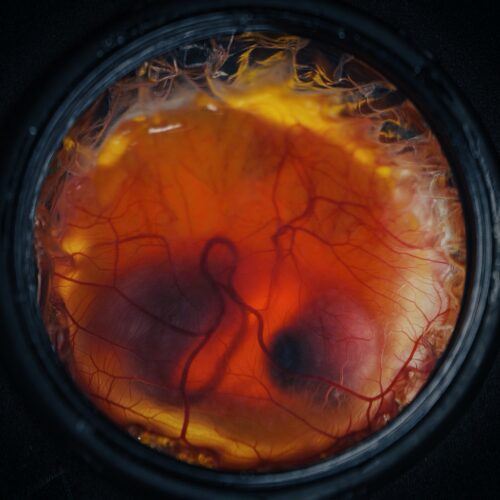
On Tuesday, biotech startup Colossal announced its newest development on the road to its announced goal: reversing the extinction of species, in this case, avian species. The development itself is essentially an artificial eggshell, one that allows almost the entire developmental process to occur without the shell. The company transferred the contents of eggs to their specially designed container within a day or two of laying and were able to have normal chicks walk away from it.

Beyond its potential utility for Colossal's intended efforts, the work is personally interesting to me because it may solve a problem I faced in my research days. I'm going to start by describing the research problem that Colossal may have solved, before coming back to what it hopes to use its technology to do—and why the company still has a few key hurdles left to overcome.

Watching development

For part of my career, I studied the development of vertebrates using chickens. While they're less closely related to us than something like mice, the basics of their development are largely the same. And, unlike mice, they develop outside of their mother's body. If you're careful, you can chip away a hole in the egg, perform manipulations on the developing embryo, and then seal it back up with some tape. The chicken embryo will keep developing, allowing you to see the impact of what you've done on normal development.

Read full article

Comments

© Colossal

Innovative AI Technique Predicts Radiation Dosage Prior to Treatment in Advanced Prostate Cancer

31 May 2026 at 00:28

A groundbreaking advancement in the realm of metastatic castration-resistant prostate cancer (mCRPC) therapy has emerged from a recent study involving machine learning and molecular imaging. Researchers have developed an innovative predictive model capable of estimating the radiation dose that tumors and critical organs might absorb during ^177Lu-PSMA radiopharmaceutical therapy, a leading treatment modality for mCRPC. This pioneering approach leverages data derived from pre-therapy ^18F-PSMA PET/CT scans, fundamentally transforming treatment planning by enabling more accurate, patient-specific predictions prior to the commencement of therapeutic intervention.

Dosimetry—the precise measurement of absorbed radiation dose—remains an indispensable component in refining and optimizing radionuclide therapies such as ^177Lu-PSMA. Traditionally, dosimetric evaluation relies heavily on imaging conducted post-treatment, which poses significant challenges due to its labor-intensive nature and the extensive resources required. The advent of a pre-therapy predictive tool utilizing widely available ^18F-PSMA PET/CT imaging represents a major leap forward by potentially circumventing these constraints. This shift not only promises to streamline clinical workflows but also extends the possibility of tailoring treatment intensity to individual patient profiles, thus maximizing therapeutic benefit while minimizing adverse effects.

The research, spearheaded by Dr. Amit Nautiyal and colleagues at the University Hospital Southampton and the University of Southampton, UK, employs a sophisticated machine learning framework combining mixed-effects modeling with multi-parametric data inputs. The model assimilates PET uptake metrics, radiomic features—which capture spatial and textural heterogeneity of lesions—and relevant clinical biomarkers. By integrating these multidimensional variables, the algorithm can accommodate inter-patient variability and predict absorbed dose distributions in tumors alongside vital organs such as salivary glands and kidneys with promising accuracy.

This proof-of-concept study analyzed data from nine mCRPC patients undergoing ^177Lu-PSMA therapy. Across these individuals, 57 tumors, 36 salivary glands, and 18 kidneys were evaluated, offering a robust dataset for model training and validation. The comparison of predicted absorbed doses with those calculated via conventional post-therapy imaging demonstrated the model’s potential in accurately forecasting dosimetric outcomes prior to treatment initiation. Such validation underscores how comprehensive image-derived quantitative features, when harnessed through machine learning techniques, can revolutionize personalized treatment planning in nuclear medicine.

One of the critical advantages of this approach lies in its capacity to inform patient selection. By predicting which patients are likely to receive optimal radiation doses in tumors while sparing normal tissue, clinicians can better stratify candidates for ^177Lu-PSMA therapy. This strategic selection inherently reduces the risk of treatment-associated toxicity and enhances the likelihood of favorable clinical responses. Furthermore, this predictive capacity may serve as an invaluable decision support tool during multidisciplinary team discussions, where tailored therapeutic regimens are formulated based on individual risk-benefit assessments.

The integration of radiomics—a burgeoning field that quantitatively analyzes medical images beyond conventional visual interpretation—marks a significant step forward in nuclear oncology. The nuanced information extracted from texture, shape, and intensity patterns within the ^18F-PSMA PET/CT images provides a rich dataset that machine learning algorithms can exploit to uncover complex relationships correlating with dosimetric parameters. When combined with patient-specific clinical biomarkers, this multifaceted modeling embodies the essence of precision medicine, ensuring treatment is dynamically adapted to each patient’s unique biological landscape.

Dr. Nautiyal emphasizes the transformative potential of this methodology, suggesting that, pending corroboration through larger cohort studies, it could redefine pre-treatment assessment strategies globally. Such validation would not only affirm the reproducibility and scalability of the model but also encourage its adoption into routine clinical practice. The ability to anticipate radiation dose distributions before therapy confers tangible benefits, including reduced need for extensive post-therapy imaging, diminished patient burden, and expedited initiation of treatment cycles.

The current research represents a foundational step in a comprehensive five-year initiative aimed at expanding the training dataset, refining the predictive accuracy of the model, and conducting rigorous external validation using multi-center patient cohorts. This longitudinal program aspires to establish a robust, clinically deployable tool capable of stratifying patients effectively and personalizing ^177Lu-PSMA radiopharmaceutical therapy. Importantly, the ongoing collaboration across institutions highlights the multidisciplinary nature of this endeavor, spanning nuclear medicine, radiology, oncology, and data science.

From a technical perspective, the employment of mixed-effects models within the machine learning framework allows for the accommodation of both fixed effects related to PET and clinical features and random effects capturing patient-specific variabilities. This statistical architecture enhances the model’s flexibility and adaptability across heterogeneous patient populations, which is paramount given the variability inherent in tumor biology and organ susceptibility. It also mitigates potential biases that might arise from limited sample sizes, fostering generalizability.

The implications of this work extend beyond prostate cancer and ^177Lu-PSMA therapy. The demonstrated feasibility of using pre-treatment imaging combined with advanced computational analytics to predict treatment dosimetry could inspire similar approaches across various theranostic applications. This positions imaging not merely as a diagnostic modality but as a dynamic, integral component of personalized therapy planning, bridging the gap between molecular visualization and actionable clinical insights.

In conclusion, this compelling study from the University of Southampton consortium delivers a visionary framework for enhancing the precision and efficacy of radionuclide therapy in advanced prostate cancer. By harnessing routinely acquired ^18F-PSMA PET/CT data through machine learning innovation, the research charts a path toward individualized treatment strategies that promise to improve patient outcomes significantly. As this technology progresses toward clinical translation, it heralds a paradigm shift in nuclear medicine, where therapy is foreseen and optimized well before a radioactive agent is administered.

Subject of Research: Machine learning for pre-therapy prediction of tumor and organ absorbed dose in ^177Lu-PSMA radiopharmaceutical therapy using ^18F-PSMA PET/CT radiomics and clinical biomarkers.

Article Title: Machine Learning-Based Pretherapy Prediction of Tumor and Organ Absorbed Dose in ^177Lu-PSMA Therapy Using ^18F-PSMA PET/CT Radiomics and Biomarkers

News Publication Date: 2026 (presented at SNMMI 2026 Annual Meeting)

Web References:

References:

  • Nautiyal A., Crabb S., Martinez Camacho R., Sundram F., Saad Z., Michopoulou S., Dewaraja Y., Dickson J. Machine Learning-Based Pretherapy Prediction of Tumour and Organ Absorbed Dose in ^177Lu-PSMA Therapy Using ^18F-PSMA PET/CT Radiomics and Biomarkers. SNMMI 2026 Annual Meeting, Abstract 262138.

Image Credits: Courtesy of SNMMI

Keywords: molecular imaging, positron emission tomography, radiopharmaceutical therapy, prostate cancer, ^177Lu-PSMA therapy, ^18F-PSMA PET/CT, dosimetry, machine learning, radiomics, personalized medicine, metastatic castration-resistant prostate cancer, nuclear medicine

Society of Nuclear Medicine and Molecular Imaging Unveils 2026 Fellows

30 May 2026 at 22:39

Los Angeles—In a distinguished ceremony at the Society of Nuclear Medicine and Molecular Imaging (SNMMI) 2026 Annual Meeting, six eminent professionals were inducted as new SNMMI Fellows, an accolade that honors exceptional contributions to nuclear medicine and molecular imaging. Since its inception in 2016, the SNMMI Fellowship has become one of the most prestigious recognitions awarded to members who have demonstrated extraordinary dedication to advancing the field through service, innovation, education, and clinical excellence.

The SNMMI Fellowship reflects a rigorous selection process that emphasizes not only distinguished volunteer service to the society but also outstanding achievement in scientific discovery, educational impact, or clinical practice. These criteria ensure that the honorees represent the pinnacle of expertise and leadership, fostering the ongoing evolution of nuclear medicine and molecular imaging techniques that are central to modern precision medicine.

One of the newly inducted Fellows, Dr. Gholam Reza Berenji, currently directs nuclear cardiology at the VA Greater Los Angeles Healthcare System. His academic role as an adjunct professor at the University of Victoria in Canada underscores his commitment to fostering interdisciplinary knowledge transfer. Dr. Berenji’s involvement in multiple SNMMI councils, including the Academic and Cardiovascular Councils and specialized centers of excellence, positions him at the forefront of facilitating cutting-edge research and practice integration in cardiovascular molecular imaging modalities.

Dr. Mehdi Djekidel, another inductee, serves as associate professor of radiology at the Zucker School of Medicine at Hofstra University and practices diagnostic radiology and nuclear medicine at Northwell Health. His leadership roles within the Theranostics Leadership Group and other critical committees highlight his active participation in the development and oversight of radiopharmaceutical therapies and brain imaging initiatives, contributing significantly to the refinement of neuroimaging and personalized treatment paradigms.

In Washington, D.C., Dr. Giuseppe Esposito presides as chief of nuclear medicine at Medstar Georgetown University Hospital and co-directs nuclear medicine services at Medstar Medical Group Radiology. His stewardship on the SNMMI Board of Directors and as chair of the Scientific Program and Education Committee reflects his dedication to advancing scientific education and orchestrating high-impact sessions at annual meetings that disseminate the latest research breakthroughs and clinical protocols widely across the nuclear medicine community.

Distinguished for his contributions to oncologic imaging, Dr. Homer Macapinlac holds the James E. Anderson Distinguished Professorship of Nuclear Medicine at the University of Texas MD Anderson Cancer Center. His longstanding leadership within the SNMMI PET Center of Excellence, including serving as its president, underscores his pivotal role in promoting positron emission tomography applications in cancer diagnostics and therapy management, fostering innovations that enhance tumor detection sensitivity and treatment monitoring.

Professor John Prior, based at Lausanne University Hospital in Switzerland, is renowned for his expertise in nuclear medicine and molecular imaging, where he heads the related department. His multifaceted contributions as a society leader, educator, and prolific speaker at SNMMI conferences have significantly influenced the international scientific discourse, particularly emphasizing molecular imaging’s capacity to revolutionize disease detection and therapeutic strategies on a global scale.

Recognizing the importance of patient advocacy in advancing nuclear medicine, Josh Mailman was honored as an Honorary Fellow. An internationally respected advocate for neuroendocrine tumor patients, Mailman’s pivotal role as the inaugural chair of SNMMI’s Patient Advocacy Advisory Board exemplifies his efforts to bridge the gap between patient communities and medical practitioners, ensuring that patient narratives inform therapeutic innovation and regulatory policies alike.

The 2026 Fellowship also acknowledged the career of Dr. Libero (Lou) Marzella, a former director at the FDA Division of Imaging and Radiation Medicine. Dr. Marzella’s contributions have been instrumental in shaping regulatory frameworks that govern PET radiopharmaceutical drug development. His expertise has not only guided policy in the United States but has also fostered international collaborations that streamline PET imaging agent approval, proving vital for translational research and clinical trial success worldwide.

The upcoming SNMMI president for 2025-26, Dr. Jean-Luc Urbain, will receive Fellowship status after his term, recognizing his extensive leadership across multiple domains within the society. Dr. Urbain’s commitment to international collaboration and educational outreach continues to drive innovation by integrating research, clinical application, and global partnerships, enabling nuclear medicine to address challenges in personalized diagnostics and tailored therapies comprehensively.

Throughout these recognitions, SNMMI reiterates its mission to promote nuclear medicine and molecular imaging as indispensable tools in precision medicine. These imaging techniques exploit radiopharmaceuticals to visualize and measure biological processes at the molecular and cellular levels, providing unparalleled insights into disease mechanisms while facilitating the tailored treatment of conditions ranging from cardiac disorders to complex malignancies.

The integration of theranostics—where diagnostic imaging and therapeutic delivery are fused—represents a paradigm shift in patient care, enabling clinicians to predict, monitor, and optimize treatments based on individualized biological data. The honored Fellows’ varied expertise across PET, radiopharmaceutical therapy, and clinical oncology underscores the dynamic and interdisciplinary evolution of this field.

The SNMMI’s emphasis on Fellow recognition not only celebrates individual excellence but also highlights the collaborative and translational efforts necessary to push the boundaries of nuclear medicine. By fostering a vibrant community of innovators, educators, and advocates, SNMMI ensures that molecular imaging continues to impact patient outcomes profoundly, influencing future healthcare practices globally.

The 2026 Annual Meeting itself, a cornerstone event for the nuclear medicine community, provides an invaluable platform for sharing advancements, debating challenges, and forging partnerships that accelerate scientific discovery. The induction of these Fellows symbolizes the ongoing quest for excellence and the relentless pursuit to harness molecular insights for groundbreaking clinical applications.

As the SNMMI Fellowship cohort grows, the society reinforces its commitment to recognizing those who enhance the knowledge base, clinical capabilities, and patient-centered focus of the nuclear medicine and molecular imaging fields. This prestigious designation serves as an inspiration to both emerging and established professionals dedicated to improving diagnostics and therapies through cutting-edge science.

Subject of Research: Nuclear Medicine, Molecular Imaging, Theranostics, Positron Emission Tomography, Radiopharmaceutical Therapy

Article Title: SNMMI Honors New Fellows Advancing Nuclear Medicine and Molecular Imaging Innovation at 2026 Annual Meeting

News Publication Date: June 2026

Web References: http://www.snmmi.org

Keywords: Nuclear Medicine, Molecular Imaging, Theranostics, Positron Emission Tomography, Radiopharmaceutical Therapy, Personalized Medicine, Oncology Imaging, Regulatory Science, Patient Advocacy

Multiplexed MRI expands the power of conventional brain imaging

21 May 2026 at 09:00
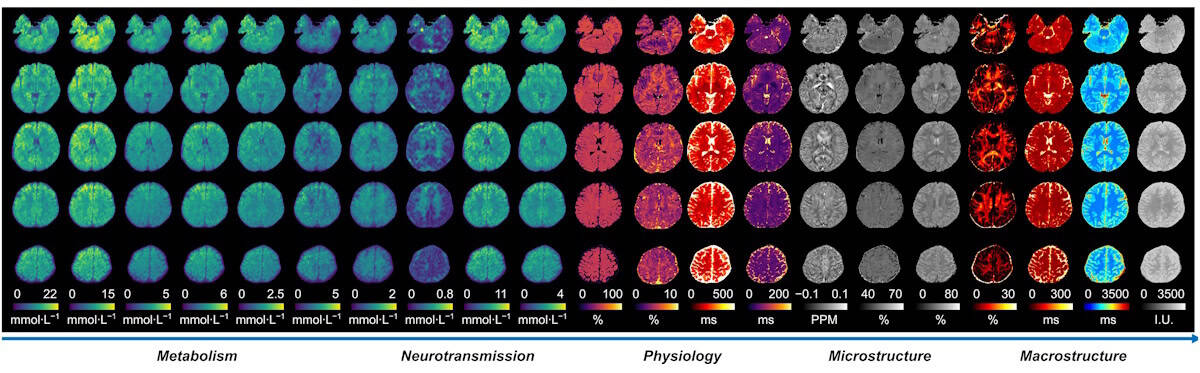
Multiple biomarkers in a whole-brain MRx scan
Whole-brain images Biomarkers recorded from a healthy volunteer in a single MRx scan. The information provides a comprehensive spectrum of information on tissue metabolism, neurotransmission, physiological function and structural characteristics. (Courtesy: Yudu Li, University of Illinois)

MRI is a powerful diagnostic imaging tool, with more than 100 million scans performed worldwide each year. While MR signals contain rich information from multiple molecules and numerous physical and biological processes, current clinical MRI exams rely solely on signals from water molecules in tissues and generally only obtain one tissue biomarker at a time. But MRI could do so much more.

A research team headed up at the University of Illinois Urbana-Champaign has done just that, devising a new MRI technique – multiplexed MRI (MRx) – that enables simultaneous mapping of multiple molecular signals using a standard clinical 3 T MRI scanner.

The barrier to performing multiparametric imaging with conventional MRI lies in the “curse of dimensionality”, in which high-dimensional imaging requires prohibitively long scan times. Multimolecular MRI, meanwhile, is limited by weak signals from brain metabolites and neurotransmitters (typically 1000–10,000 times weaker than proton-based signals from water molecules), which often overlap, making them difficult to detect and separate.

“MRx overcomes these challenges through specialized data acquisition and processing strategies,” explains study leader Zhi-Pei Liang. “During data acquisition, MRx simultaneously excites and encodes all detectable molecular signals with sparse sampling to achieve high imaging speed. During data processing, MRx employs physics-driven machine learning methods to separate and quantify the different signal components.”

Reporting their findings in Nature, the researchers demonstrate high-resolution mapping of 22 quantitative biomarkers of the whole brain in a single scan. They also show how a new sparse sampling scheme enables acquisition of these biomarkers in just 14 min – significantly shorter than clinical multi-contrast MRI protocols that can take up to an hour.

“Our main motivation was to develop an ‘omni’ imaging technology that fully harnesses the rich biological information embedded in magnetic resonance signals, enabling us to unravel the structural, physiological and molecular fingerprints of brain function and diseases,” says Liang.

In vivo studies

MRI is widely used within brain tumour diagnosis to evaluate tumour location, size and extent, and blood–brain barrier disruption. However, standard MRI scans do not directly reveal the underlying pathophysiological changes and tumour heterogeneity. MRx, on the other hand, can acquire a wide range of biomarkers that provide valuable information on processes such as neuronal loss, energy metabolism, axonal damage, hypoxia, demyelination and many more.

To test the technique, Liang and colleagues performed MRx imaging on patients with clinically diagnosed brain tumours, using machine learning to combine the measured biomarkers into a single variable defining the tissue state at each pixel. This MRx “tissue state index” could differentiate eight distinct tissue states: grey matter; white matter; cerebrospinal fluid; oedema (fluid build-up); meningioma; low and high-grade oligodendroglioma; and glioblastoma. Standard multiparametric MRI failed to separate these states.

This ability to accurately characterize tissue states could enable a range of essential clinical tasks, such as grading low- versus high-grade brain tumours, for example, or separating glioblastoma from oedema during radiation therapy planning.

MRx could also prove invaluable for lesion characterization in multiple sclerosis (MS), a critical process for stratifying patients, planning treatment and predicting disease progression. The researchers demonstrated that MRx of patients with MS could differentiate active and chronic MS lesions without requiring contrast agents (as in current practice), attributed to the technique’s ability to visualize biomarkers specific to individual pathophysiological processes.

Such MRx biomarkers also helped to predict lesion progression, by capturing key pathophysiological features that cannot be revealed by conventional MRI, a feature that could enable early interventions and improve patient outcome.

Beyond cancer and MS, many other brain diseases could also benefit from MRx, including stroke, epilepsy and Alzheimer’s disease, for example. “MRx is expected to open up new opportunities for brain mapping and for precision healthcare of brain diseases, including neurological and neurodegenerative disorders,” says Liang.

For the proton-based studies reported in this latest study, MRx was performed without needing any modifications to the MRI scanner hardware. Instead, the method is implemented using a new pulse sequence for data acquisition plus custom software for data processing. Liang notes that extending MRx to include multiple nuclei – such as sodium, phosphorus, and deuterium – will require specialized multinuclear RF coil hardware.

“Our current efforts are focused on further improving the robustness and reliability of MRx under practical clinical imaging conditions, to facilitate both scientific studies and clinical translation,” he tells Physics World, noting that MRx has already been licensed (through Siemens) to imaging centres worldwide for evaluation of its clinical potential. “We are also expanding the technology to map additional molecular species and, ultimately, to enable multinuclear multiplexed imaging beyond protons.”

The post Multiplexed MRI expands the power of conventional brain imaging appeared first on Physics World.

Chickens without eggs? De-extinction company creates artificial egg.

20 May 2026 at 19:38

On Tuesday, biotech startup Colossal announced its newest development on the road to its announced goal: reversing the extinction of species, in this case, avian species. The development itself is essentially an artificial eggshell, one that allows almost the entire developmental process to occur without the shell. The company transferred the contents of eggs to their specially designed container within a day or two of laying and were able to have normal chicks walk away from it.

Beyond its potential utility for Colossal's intended efforts, the work is personally interesting to me because it may solve a problem I faced in my research days. I'm going to start by describing the research problem that Colossal may have solved, before coming back to what it hopes to use its technology to do—and why the company still has a few key hurdles left to overcome.

Watching development

For part of my career, I studied the development of vertebrates using chickens. While they're less closely related to us than something like mice, the basics of their development are largely the same. And, unlike mice, they develop outside of their mother's body. If you're careful, you can chip away a hole in the egg, perform manipulations on the developing embryo, and then seal it back up with some tape. The chicken embryo will keep developing, allowing you to see the impact of what you've done on normal development.

Read full article

Comments

© Colossal

Non-invasive MRI test could enable early detection of heart failure

11 May 2026 at 09:15
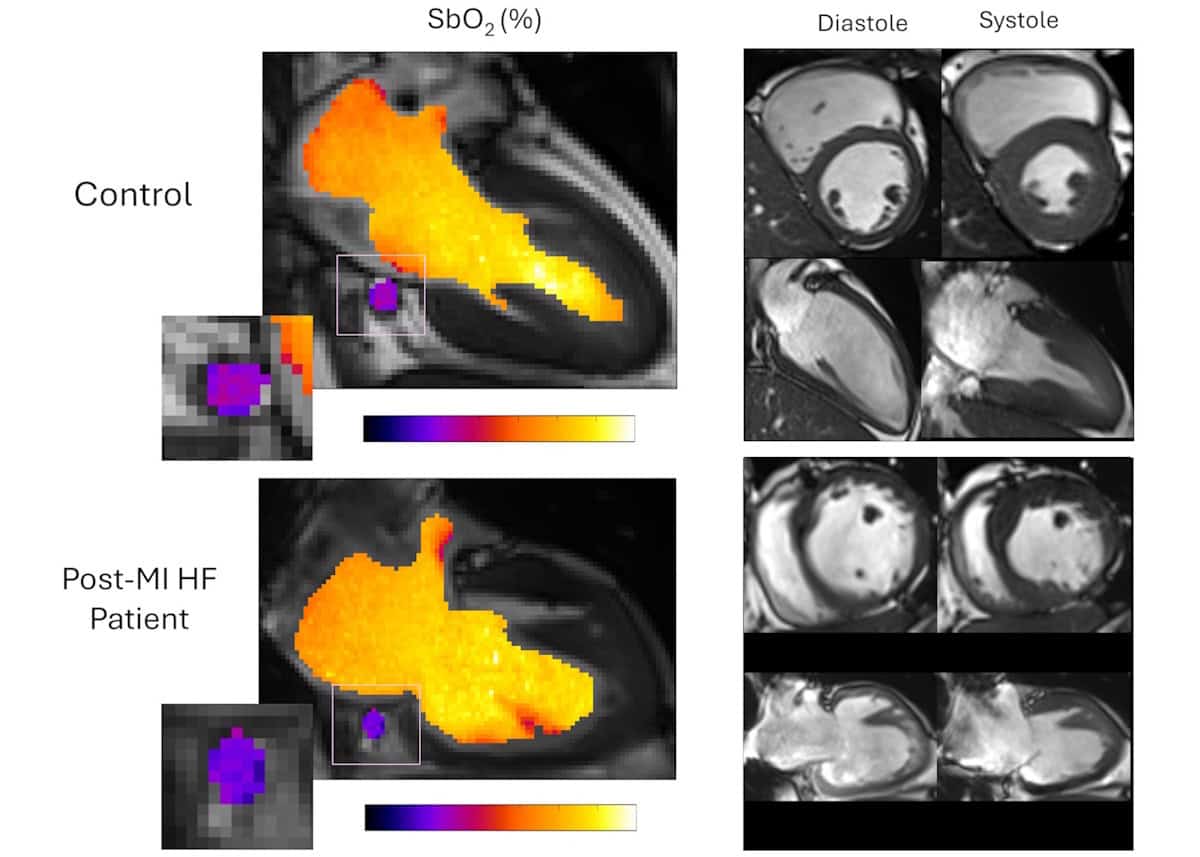
MRI measurements from a control participant and a patient with heart failure
MRI measurements Representative blood oxygen saturation (SbO2) maps and left ventricle (LV) geometry images from a control participant and a patient with heart failure, demonstrating reduced coronary sinus SbO2 and impaired LV contractility in the patient. The colour scale indicates SbO2 of 20 to 100%. (Courtesy: Ting Huang et al. Sci. Trans. Med. 18 eady6269 (2026))

The amount of oxygen that a heart consumes is a key indicator of its health. If the heart is not receiving or using enough oxygen, heart tissue can be damaged, contributing to future heart failure.

With abnormal myocardial oxygen consumption an indicator of potential cardiac dysfunction, its measurement could help in the early detection and treatment of heart failure. And as one in four individuals are likely to develop heart failure in their lifetime, this is of critical importance. But measurement of myocardial oxygen consumption is not a simple process. The gold standard for determining the heart’s oxygen use is cardiac catheterization. But this test – which involves threading a catheter from a patient’s neck or groin into the coronary sinus (CS), the largest coronary vein – is highly invasive, time-consuming and comes with a level of risk.

A new MRI technique may soon offer a rapid, non-invasive alternative. Developed by an international research team headed up at Cedars-Sinai Health Sciences University, the high-resolution MRI method can assess the heart’s oxygen consumption in just three minutes. In an initial study of 22 patients with heart failure, reported in Science Translational Medicine, the team validated its accuracy, feasibility, performance and repeatability.

Hsin-Jung Yang
Principal investigator Hsin-Jung Yang is director of cardiac imaging research in the Biomedical Imaging Research Institute at Cedars-Sinai Medical Center.

MRI is sensitive to blood oxygenation via the blood oxygen level–dependent (BOLD) signal, originally developed for mapping brain activity. Use in the heart remains challenging, however, due to the need for complex calibration, motion sensitivity and long acquisition times. Hsin-Jung Yang, of the Biomedical Imaging Research Institute at Cedars-Sinai, and collaborators overcame these obstacles by developing a rapid, self-calibrated cardiac MRI framework that enables free-breathing blood oximetry (measurement of blood oxygen saturation) in the CS and quantification of whole-heart myocardial oxygen extraction, without requiring contrast agents or pharmaceutical stress.

The researchers’ primary objective was to determine the accuracy and precision of MRI-derived measurements of CS blood oxygenation, compared with those obtained by invasive CS catheterization. They also aimed to perform non-invasive quantification of global myocardial oxygen consumption and myocardial oxygen efficiency, with comparisons between healthy controls and patients with heart failure.

To achieve this, they developed a motion-resolved reconstruction algorithm for cardiac BOLD MRI that enables clear imaging of the moving heart during breathing and heartbeats. The team first validated the method in pigs, and then applied it to a group of 22 patients with heart failure and a history of previous heart attack, as well as 11 healthy volunteers.

The researchers acquired clinical cine images to define the cardiac anatomy, localize the CS and measure ventricular function for estimating the oxygen–mechanical work coupling efficiency. Using this approach, they identified impaired myocardial oxygen consumption in the patient group, including those with preserved ejection fraction (how much blood the left ventricle pumps out with each contraction, a low value of which can indicate a heart problem). The finding that impaired oxygen consumption was measurable even before detectable structural or functional decline may facilitate the early detection of cardiac dysfunction.

The researchers note that their self-calibrated MRI framework directly addresses the difficulty of performing quantitative oximetry of the CS – a mobile blood vessel that undergoes marked displacement throughout the cardiac cycle. “Our framework directly addresses these challenges with a continuous, free-breathing, motion-resolved 3D acquisition that retrospectively sorts data across cardiac and respiratory phases, ensuring stable CS tracking despite its complex motion and size variation,” they write.

By eliminating the dependence on gating and calibration, the method could be applied across diverse clinical populations, including those with arrhythmias, intolerance of breath-holding or physiologic stress, for whom conventional gated acquisitions are unreliable. The team suggests that the framework also holds promise for extending oxygen consumption imaging to other moving organs, such as the liver and kidney, and that in the future, the motion-resolved BOLD framework could be applied to tissue-based quantification.

The researchers are performing ongoing clinical studies to evaluate the MRI technique in aortic stenosis (narrowing of the aortic valve) and hypertrophic cardiomyopathy (thickening of the heart muscle), where altered oxygen extraction and metabolic efficiency have revealed disease severity, risk and treatment response beyond conventional imaging.

More broadly, the Yang Lab is extending this approach to characterize oxygen utilization in all cardiometabolic diseases and associated emergent therapies, with the goal of noninvasively defining myocardial energetic supply–demand balance, identifying therapy–response phenotypes, and monitoring disease progression and metabolic remodelling over time.

“By enabling a fast, non-contrast, non-ionizing radioactive method for measuring cardiac oxygen metabolism, [this MRI method] can unlock frontiers for early diagnosis, personalized therapy, and the development of next-generation cardiometabolic treatments to combat the global heart failure epidemic,” the team concludes.

The post Non-invasive MRI test could enable early detection of heart failure appeared first on Physics World.

Counting photons could redefine the future of CT imaging

1 April 2026 at 14:00

Photon-counting computed tomography (PCCT) is an advanced medical imaging technique that differs from conventional X-ray CT in that it can discriminate between the energies of individual detected photons. Offering higher spatial, spectral and contrast resolution than conventional CT, PCCT could deliver significant benefits for disease characterization and enable new diagnostic approaches.

Conventional CT measures the attenuation of X-rays after they pass through the body, enabling clinicians to monitor normal and abnormal anatomy and providing valuable information for diagnosis and treatment of disease. The advantages promised by PCCT primarily arise from the differing characteristics of the detectors: conventional CT scanners use energy-integrating detectors (EIDs) whilst PCCTs employ photon-counting semiconductor detectors.

The effective dose from diagnostic CT procedures is estimated to be in the range of 1–10 mSv, although this can vary by a factor of 10 or more depending on patient size, the type of CT scan performed, the CT system and the operating technique. PCCT systems offer better dose efficiency than conventional CT and use energy thresholding to eliminate background electrical noise. As a result, PCCT requires lower radiation dose than standard CT – reducing the risk to the person being scanned.

Detector characteristics: limitations and advantages

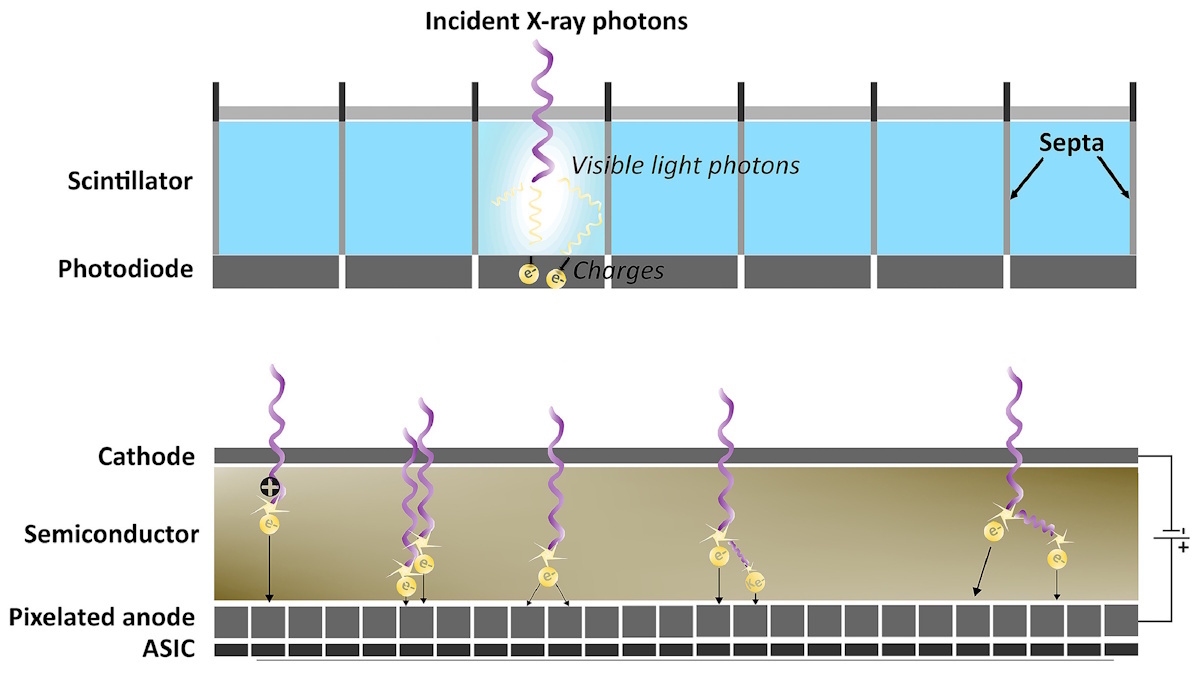
Conventional CT systems use an EID to collect the total energy deposited by all incident X-ray photons. EIDs are typically composed of gadolinium oxysulfide (Gd2O2S) or cadmium tungstate (CdWO4) and comprise two layers: a solid-state scintillator placed on top of a photodiode array. The detection mechanism is a two-step, indirect process. Incoming photons hit the scintillation layer, which produces a flash of visible light. When the photodiode absorbs this light, it converts it into an electrical signal.

The photodiode array consists of individual detector elements separated by opaque, reflective walls called septa. This design prevents optical cross talk (signals transferring between adjacent channels and reducing image quality) produced by light scattering. The need for septa, however, creates “dead space” on the detector surface, which wastes X-ray dose and limits the spatial resolution since it physically restricts detector size.

As EIDs collect the total energy from all incoming photons, signals from photons of different energies are mixed together. High-energy photons will generate a higher light intensity than low-energy photons and will consequently produce a higher intensity electrical signal. This means that the final output signal will be dominated by the high-energy photons and under-weight the valuable contrast information that the low-energy photons provide. It also prevents the distinction between electrical noise and genuine low-energy photons, which further affects the achievable contrast.

CT detector schematics
Detector schematics Top panel: In conventional CT, an incoming X-ray photon hits the scintillator, producing a flash of visible light that’s detected and converted into an electrical signal. Detector elements are separated by septa (opaque, reflective walls) to eliminate optical cross talk. Lower panel: Photon-counting CT employs a direct detection mechanism. Incoming photons strike a semiconducting material, creating a cloud of electrons that are dragged towards the anode and create a current. (CC BY 4.0/Diagn. Interv. Imaging 10.1016/j.diii.2024.09.002)

PCCT scanners, on the other hand, employ photon-counting detectors that directly convert the photon energy to electric signals. These detectors consist of a semiconductor layer placed between a cathode on the upper side and an anode underneath. The anodes are pixellated to increase spatial resolution, with each pixel placed on top of an ASIC.

This detector uses a direct conversion process in which a high bias voltage is applied across the semiconductor to generate electron–hole pairs when struck by an incoming photon. The strong electric field draws the clouds of charge toward the anode electrodes, creating a current. The ASIC instantly processes this current and converts it into a voltage pulse, with the height of the pulse directly proportional to the incident photon’s energy. Comparators and counters sort the photons into energy bins based on threshold values, a process that can also filter out electronic noise and enable spectral imaging.

The semiconducting materials used in photon-counting detectors are typically either cadmium telluride (CdTe), cadmium zinc telluride (CZT) or silicon. The cadmium-based detectors have high stopping powers due to their high atomic number, leading to efficient absorption of X-rays via the photoelectric effect and resulting in a high spatial resolution. Another advantage of CZT and CdTe detectors is that the semiconductor can be relatively thin (roughly 2 mm), allowing the detector to be placed perpendicular to the direction of the incident X-rays.

Advanced spectral capabilities

Conventional CT relies on post-processing software to enhance image resolution and reduce the electronic noise that’s inherent to its physical hardware. But the algorithms traditionally used for image reconstruction – which include back projection, filtered back projection and iterative reconstruction algorithms – can reduce spatial resolution and cause blurring.

Deep learning-based reconstruction, meanwhile, can induce artefacts (such as generating objects that don’t exist or removing true small anatomical structures), particularly in low-dose scenarios where training data are limited. To achieve high resolution in conventional CT, a low-energy filter in the X-ray beam is needed, which increases the required radiation dose.

The PCCT detector design, with small pixel sizes and lack of reflective septa, make it an inherently high-resolution technique. Image quality can be further improved using algorithms such as quantum iterative reconstruction, which has been shown to reduce image noise by up to 34.5%. Sharp convolution kernels (used to optimize the balance between noise and sharpness) are needed to ensure that the image produced maintains the high resolution provided by the detector.

K-edge subtraction imaging
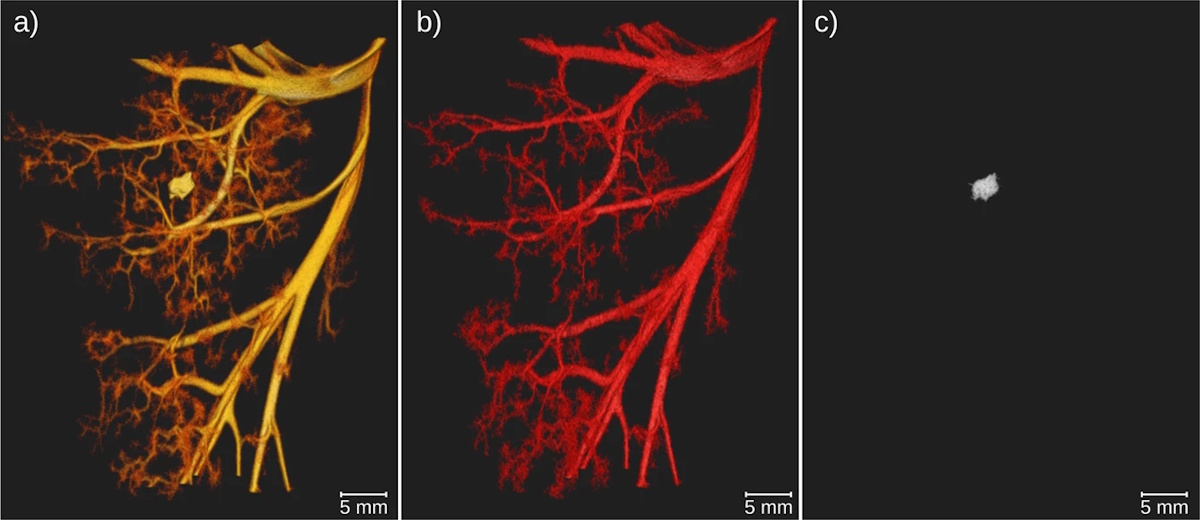
K-edge subtraction imaging (a) A CT scan using iodine and calcium contrast agents shows blood vessels and a kidney stone, but cannot differentiate the two materials. Subtracting the calcium image reveals only the blood vessels (b), while subtracting the iodine-filled blood vessels isolates the calcium within the kidney stone (c). (CC BY 4.0/Sci. Rep. 10.1038/s41598-019-49899-z)

The ability of PCCT to distinguish photon energy also allows for material decomposition, which enables the generation of a range of advanced images. This includes virtual monoenergetic images reconstructed at a single energy level to amplify contrast agents without reducing dose, and virtual non-contrast images, which allow digital subtraction of particular materials without needing another scan. PCCT can also be used for K-edge imaging, in which contrast agents can be isolated based on their isolation of their K-edge energies.

Clinical applications

The technical advantages of PCCT have significantly improved the diagnostic applications of CT across a plethora of medical disciplines.

For instance, a prospective study on 200 adults with lung cancer who underwent both PCCT and EID CT showed that PCCT outperformed conventional CT in lung cancer management. The key findings were that PCCT had a lower effective radiation dose (1.36 mSv) compared with EID (4.04 mSv), lower exposure to iodine (a dye used to increase image contrast), with an iodine load of 20.6 mSv for PCCT (compared with 28.1 mSv for EID CT) and higher detection and diagnostic confidence for enhancement-related malignant features.

Similarly, in a study of CT pulmonary angiography, PCCT reduced the total iodine load by 26.7% and the CT dose index volume by 24.4% compared with EID CT. This potentially lowers patient risk, as well as providing environmental and financial benefits.

Within coronary imaging, PCCT enables characterization of coronary artery disease and plaque and shows promise in coronary artery calcium quantification by reducing blooming artefacts (where small, high-density structures like calcium appear larger than their true size). PCCT can also provide high-resolution imaging of the lumen for evaluation of coronary stents and assessment of myocardial tissue and perfusion.

The higher dose efficiency of PCCT makes it particularly effective in paediatric applications, as children are more radiosensitive than adults. Children also have smaller organs, making the ultrahigh resolution provided by PCCT especially helpful, for example, in the detection of tiny, complex heart defects in neonates and infants.

As of early 2025, there were two US Food and Drug Administration (FDA)-cleared PCCT systems in clinical use: the NAEOTOM Alpha from Siemens Healthineers and Samsung Healthcare’s OmniTom Elite. And just last month, the Extremity Scanner System from MARS Bioimaging and GE HealthCare’s Photonova Spectra photon-counting CT both received FDA clearance. Other clinical prototypes include systems from Canon Medical Systems and Philips Healthcare.

Ongoing challenges

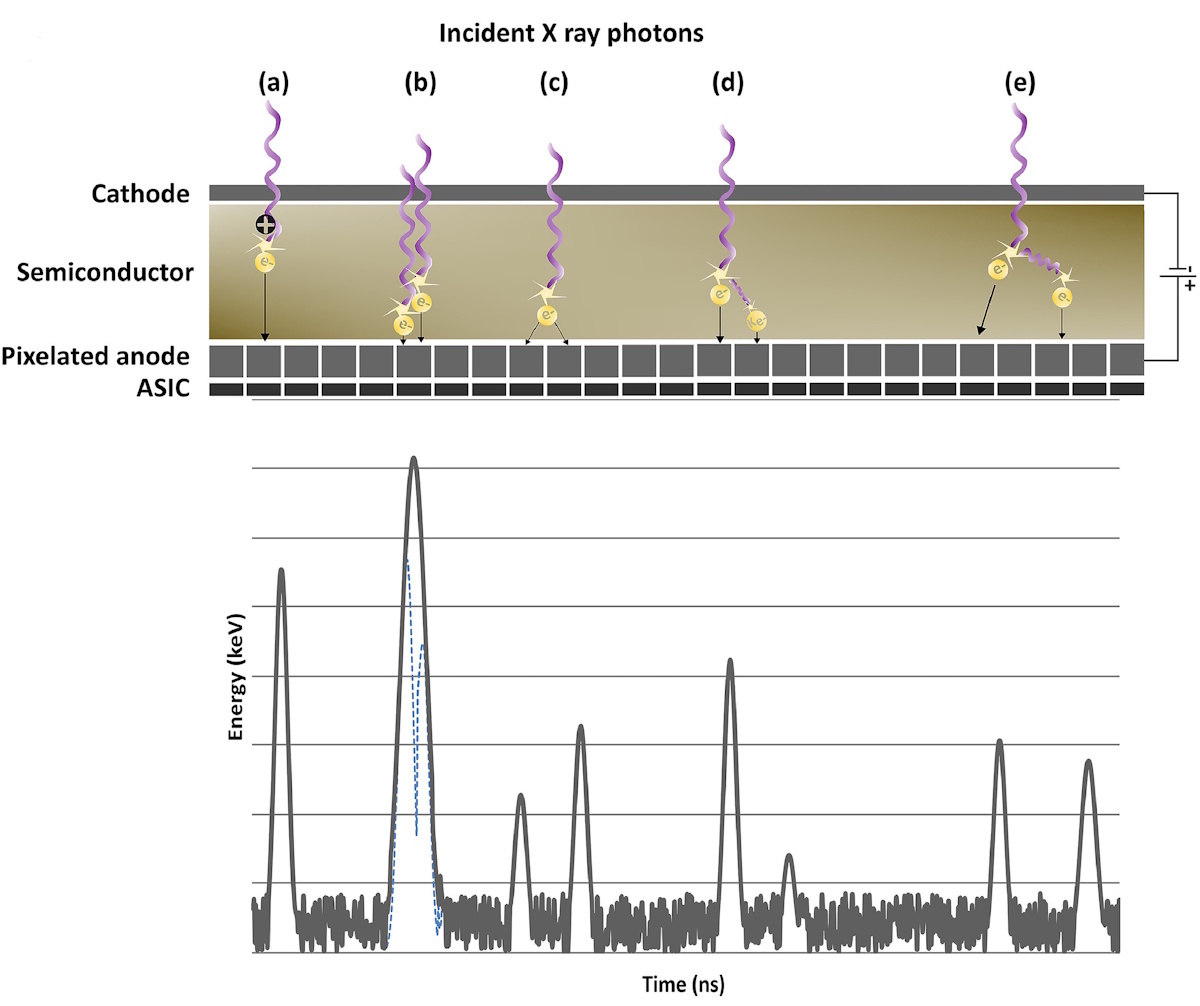
As with any emerging technology, challenges remain to be solved. With photon-counting detectors, these includes effects such as pulse pile-up, charge sharing, K-escape and Compton scattering.

The Photon-counting detector
The photon-counting detector The lower panel shows the electric signal registered for each type of interaction in the top panel: (a) an individual photon is counted; (b) the pile-up effect; (c) charge sharing; (d) K-escape; and (e) Compton scattering effects. (CC BY 4.0/Diagn. Interv. Imaging 10.1016/j.diii.2024.09.002)

Pulse pile-up occurs when two or more photons arrive at the detector simultaneously, which may result in it recording this as a single photon. This leads to errors in the calculation of energy received at the detector and determination of the numbers of photons. If a single photon strikes near the boundary between two pixels it may be detected as having lower energy than it actually has. This effect, known as charge sharing, will degrade the spectral and spatial resolution of the CT image.

Due to their high atomic number, cadmium detectors are also susceptible to an effect known as “K-escape”, in which incident X-rays produce fluorescence that’s detected as a separate event. Compton scattering occurs when a secondary photon produced in the semiconductor material is registered as a separate event, underestimating the real energy value.

Finally, manufacturing the semiconductor materials used in PCCT is expensive – PCCT scanners can cost in excess of £2 million. And the large data sets generated by multi-energy scanning require a large amount of computing power and time to process and reconstruct.

Future impact

PCCT is a highly promising technology that replaces traditional indirect detection mechanisms with direct detection using semiconducting materials. PCCT offers superior image quality due to higher spatial and spectral resolution, higher dose efficiency and the ability to perform quantitative imaging. The multi-energy capabilities of PCCT shift the image from providing purely structural information to also include functional information.

Current clinical use is limited mainly due to cost rather than diagnostic capability, with a lack of clinical studies making the high cost difficult to justify. However, the potential impacts for optimizing healthcare could be vast. Perhaps it is inevitable that, as costs decrease with evolving technology, the clinical use of PCCT will overtake conventional CT in the future and become the standard CT technique.

The post Counting photons could redefine the future of CT imaging appeared first on Physics World.

❌