A new study shows that one psychedelic experience doesn’t just alter how a person feels; it may also change the brain itself. Researchers at UC San Francisco and Imperial College London found that a single 25 mg dose of psilocybin produces signs of likely anatomical changes in the brain that persist for at least a month after the experience.
Published in Nature Communications, the study was conducted in healthy adults with no prior psychedelic use. These results may help explain why psilocybin-assisted therapy is being explored as a treatment for depression, anxiety, and addiction.
The researchers identified a key mechanism behind these changes. Instead of focusing on a single brain region, they identified brain entropy as a key factor linking the experience to later outcomes.
What the Brain Looks Like on Psilocybin
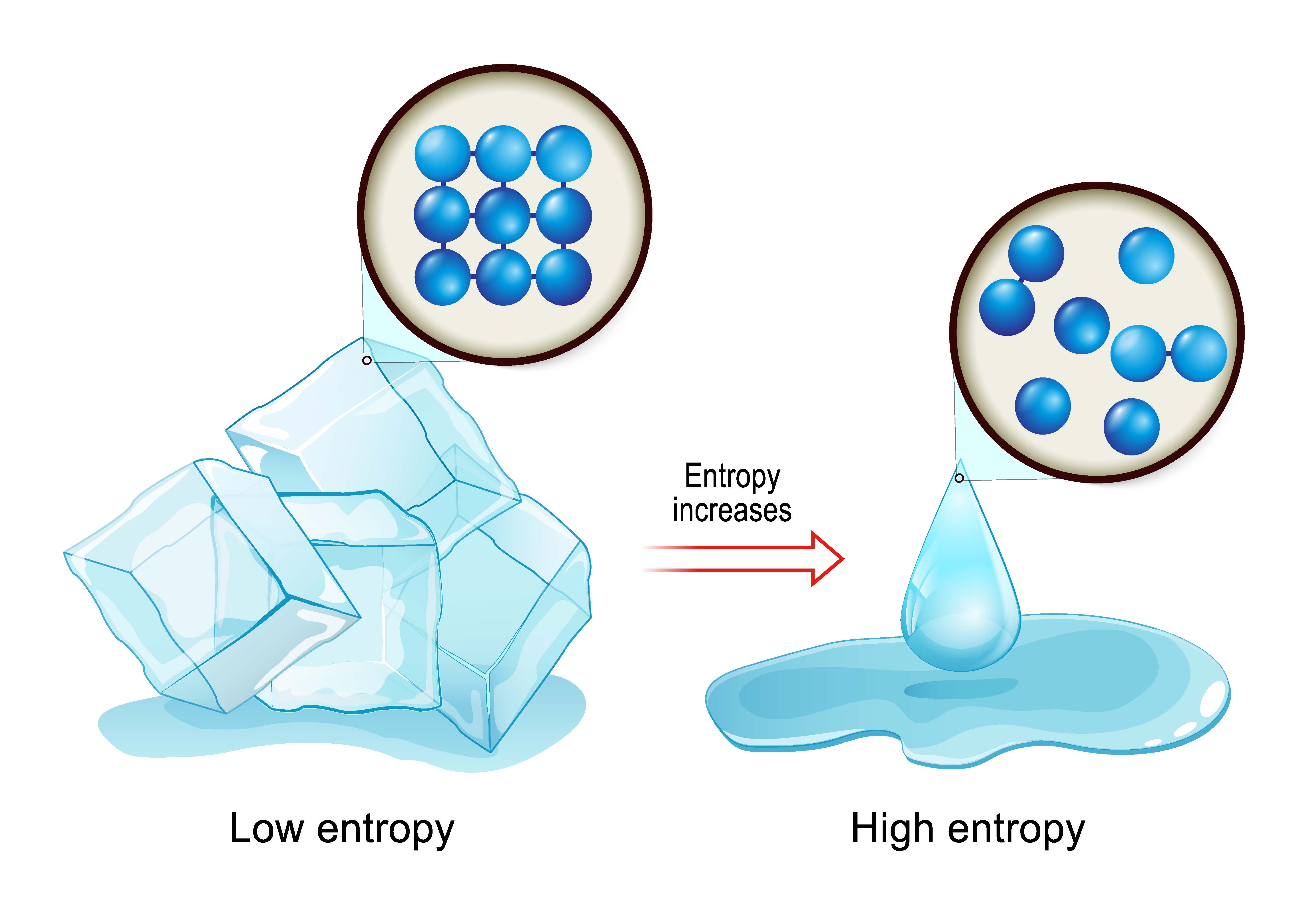
Brain entropy refers to the diversity of neural activity happening at any given moment. A low-entropy brain tends to fall into predictable, repetitive patterns. A high-entropy brain is processing a richer, more varied stream of information. Within 60 minutes of taking the 25 mg dose, EEG recordings showed a sharp spike in entropy.
This increase in entropy persisted longer than the drug’s immediate effects. People who experienced the biggest jumps in entropy also reported more psychological insight the next day, saying they felt a deeper sense of emotional self-awareness. These insights coincided with improvements in well-being that lasted for at least two to four weeks.
“Psychedelic means ‘psyche-revealing,’ or making the psyche visible,” said senior author Robin Carhart-Harris, PhD, the Ralph Metzner Distinguished Professor of Neurology at UCSF. “Our data shows that such experiences of psychological insight relate to an entropic quality of brain activity and how both are involved in causing subsequent improvements in mental health.”
How the Study Was Designed
The study included 28 healthy adults with no mental health diagnoses. The experiment had two phases. First, each person received a very low 1 mg dose of psilocybin, which acted as a placebo. Researchers then tracked their brain activity and structure using EEG, MRI, and diffusion tensor imaging over the next few weeks.
One month later, those same participants received the 25 mg dose. The researchers then repeated the same series of brain scans and assessments.
Diffusion tensor imaging (DTI), a technique that measures water movement along neural pathways, showed that participants’ brain connections were more structurally intact a month after the high dose. This finding is the opposite of what typically happens with aging, which tends to weaken these connections. The most noticeable changes were in pathways linking the front and middle parts of the brain, areas involved in self-reflection, emotional regulation, and decision-making.
The researchers called these “likely anatomical changes” and emphasized that scientists still need more work to understand exactly what the structural shifts mean over longer time frames.
The Trip Is the Treatment
All but one participant described the 25 mg experience as the most unusual state of consciousness they had ever experienced. The other person ranked it among their top five. A month later, the group also performed better on a test of cognitive flexibility, which measures how well a person can adapt their thinking to new information.
Author Taylor Lyons, PhD, a research associate at Imperial College London, pointed to this chain of effects as the study’s most significant takeaway.
“Psilocybin seems to loosen up stereotyped patterns of brain activity and give people the ability to revise entrenched patterns of thought,” Lyons said. “The fact that these changes track with insight and improved well-being is especially exciting.”
These results could guide future research. If brain entropy during the experience predicts how well the treatment works, scientists might be able to use it to calibrate dosage in real time. This could help ensure patients get enough to support insight and recovery, without so much that it causes excessive stimulation.
What Comes Next
The researchers conducted the study in healthy volunteers and now plan to test whether these patterns also appear in people with depression, anxiety, or addiction. These are the groups where psilocybin therapy is being studied most actively. The sample size of 28 was small, and the researchers emphasized the need for larger, more diverse trials before drawing firm conclusions about clinical use.
Carhart-Harris noted that the therapeutic promise of psilocybin has been recognized for years. This study now provides new details about the biological mechanisms that may underlie its effects.
“We already knew psilocybin could be helpful for treating mental illness,” Carhart-Harris said. “But now we have a much better understanding of how.”
Austin Burgess is a writer and researcher with a background in sales, marketing, and data analytics. He holds an MBA, a Bachelor of Science in Business Administration, and a data analytics certification. His work focuses on breaking scientific developments, with an emphasis on emerging biology, cognitive neuroscience, and archaeological discoveries.

 Login
Login