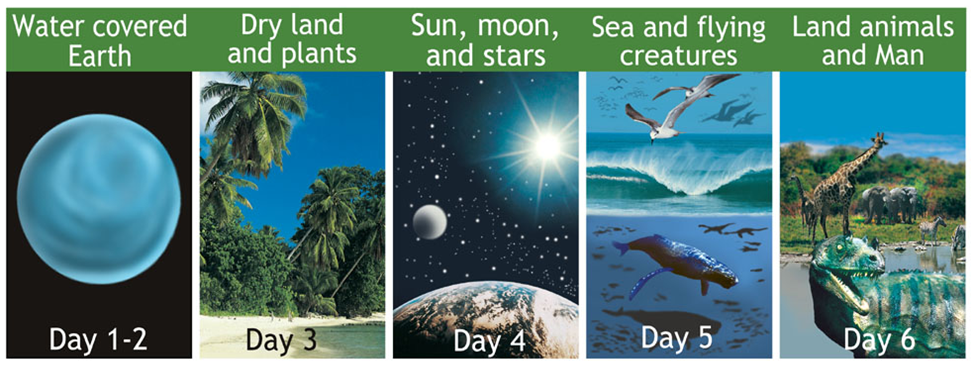
I contrast two views on the origin of the universe: the big bang theory and the Genesis creation account. I highlight how many evangelicals now support the big bang, reflecting a shift in beliefs rejecting the historical Genesis narrative on concepts like original sin and redemption.
The Search for Extra-Terrestrial Intelligence (SETI) program has yielded no evidence of intelligent life beyond Earth, raising questions about life’s uniqueness to our planet. Critics claim SETI lacks empirical support and resembles ufology. The author argues that life is a divine creation, asserting evolution cannot account for life's origin or complexity.
A research paper proposes that advanced alien civilizations might be terraforming planets and spreading life through panspermia. It suggests that similarities among clustered planets could indicate extraterrestrial life, while acknowledging the challenges in detecting such life. This approach sidesteps the fundamental questions of life's origins.
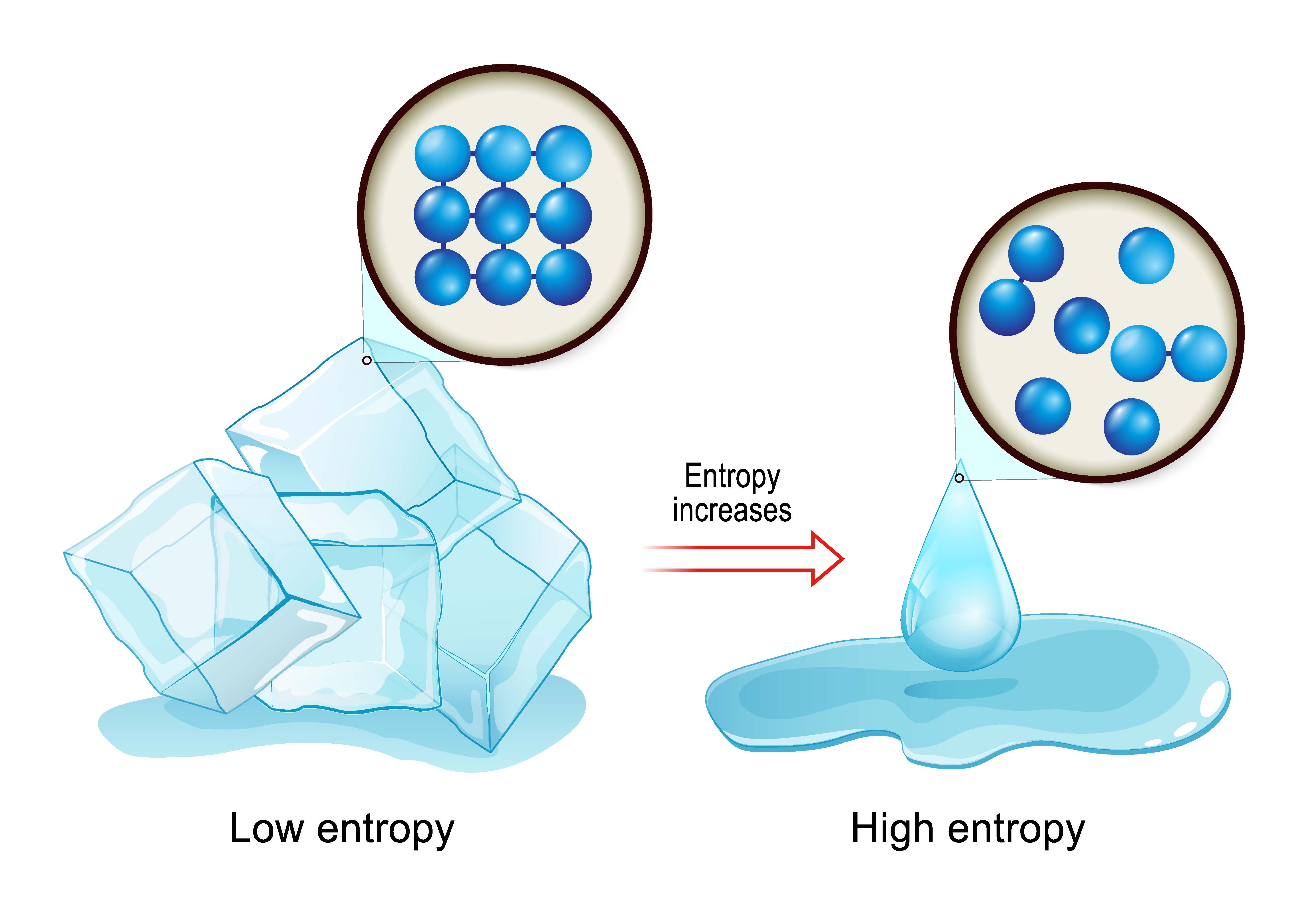
The four universal laws of thermodynamics are a part of God’s creation, and testify to His continuing work of creation. These fundamental physical laws argue against the big bang origin of the universe and spontaneous complexity arising in nature, attributing creation solely to a divine intelligence.
Recent research claims that all life on Earth originated from a single ancestor called LUCA, existing about 4.2 billion years ago. This notion is based on unprovable assumptions and circular reasoning. The conditions in the Hadean Eon were unsuitable for life, deeming LUCA a fabricated concept anchored in speculation and opposing the biblical account.

 Login
Login