❌

Reading view

Few Americans Use a Simple Salt Swap

Millions of Americans live with high blood pressure, a condition that can quietly damage arteries and organs over time. Controlling it can involve medicines, exercise, weight management, and changes to what people eat. Sodium is one important part of the diet. Eating too much can raise blood pressure in many people, while potassium can help […]

The post Few Americans Use a Simple Salt Swap appeared first on Knowridge Science Report.

  •  

A Drop in Temperature Could Signal More Cardiac Arrests in the Days Ahead

A cold forecast could someday help hospitals and ambulance teams prepare for an increase in cardiac emergencies. New research from Hungary has found that changes in weather, especially lower temperatures, can help predict when more people than usual may suffer cardiac arrest outside a hospital. The nationwide study examined more than 114,000 cases recorded over […]

The post A Drop in Temperature Could Signal More Cardiac Arrests in the Days Ahead appeared first on Knowridge Science Report.

  •  

Pacemaker Risks After TAVI May Differ in Women and Men

A pacemaker may have different implications for women and men after a common heart valve procedure, according to new research from Karl Landsteiner University of Health Sciences in Austria. The findings could help doctors provide more personalized care before and after treatment. The study focused on transcatheter aortic valve implantation, or TAVI. This procedure replaces […]

The post Pacemaker Risks After TAVI May Differ in Women and Men appeared first on Knowridge Science Report.

  •  

New Drug May Help Keep Rare Immune Disease from Returning

A rare immune disorder can cause swelling and lasting damage in organs throughout the body. In a new clinical trial, a drug called obexelimab helped more patients with the condition stay well after their symptoms had been brought under control. The condition, known as IgG4-related disease, can affect the pancreas, kidneys, salivary glands and other […]

The post New Drug May Help Keep Rare Immune Disease from Returning appeared first on Knowridge Science Report.

  •  

Enlarged Breasts Linked to Migraine, Neck Pain and Sleep Apnea

Women with unusually enlarged breast tissue may face a higher likelihood of several health problems, including chronic migraine, neck pain and sleep apnea, according to new research. The condition, medically known as macromastia, is often discussed in terms of discomfort or appearance. However, researchers from Wake Forest University School of Medicine say it may be […]

The post Enlarged Breasts Linked to Migraine, Neck Pain and Sleep Apnea appeared first on Knowridge Science Report.

  •  

How Electric Fish Tune Out Their Own Signals

Imagine trying to listen for a whisper while making a loud noise yourself. An African elephantnose fish faces a similar problem underwater. It sends out small electric pulses to explore its surroundings, but those pulses could drown out the faint signals it needs to detect food and other fish. The fish has sensors in its […]

The post How Electric Fish Tune Out Their Own Signals appeared first on Knowridge Science Report.

  •  

Black Holes on the Move May Reveal How Galaxies Grew

Most galaxies have a massive black hole near their center. But some black holes may be far from the middle, drifting through the galaxy for billions of years. Astronomers say these wanderers could help answer a question about the early universe: how did the first black holes form? A black hole can begin to wander […]

The post Black Holes on the Move May Reveal How Galaxies Grew appeared first on Knowridge Science Report.

  •  

Heart Drug Use Changes After Alzheimer’s and Parkinson’s

Heart and blood vessel diseases are common in people living with Alzheimer’s disease and Parkinson’s disease. Many of these patients take medicines for conditions such as high blood pressure, heart failure or an irregular heartbeat, so doctors need to regularly consider whether each medicine remains helpful as the disease progresses. New doctoral research from the […]

The post Heart Drug Use Changes After Alzheimer’s and Parkinson’s appeared first on Knowridge Science Report.

  •  

How Much Exercise Does Your Heart Really Need?

Regular aerobic exercise is one of the most effective ways to protect the heart. Activities such as brisk walking, cycling, swimming and running make the heart beat faster and help the cardiovascular system work more efficiently. Over time, aerobic activity can help lower blood pressure, improve cholesterol levels and support healthy blood sugar control. It […]

The post How Much Exercise Does Your Heart Really Need? appeared first on Knowridge Science Report.

  •  

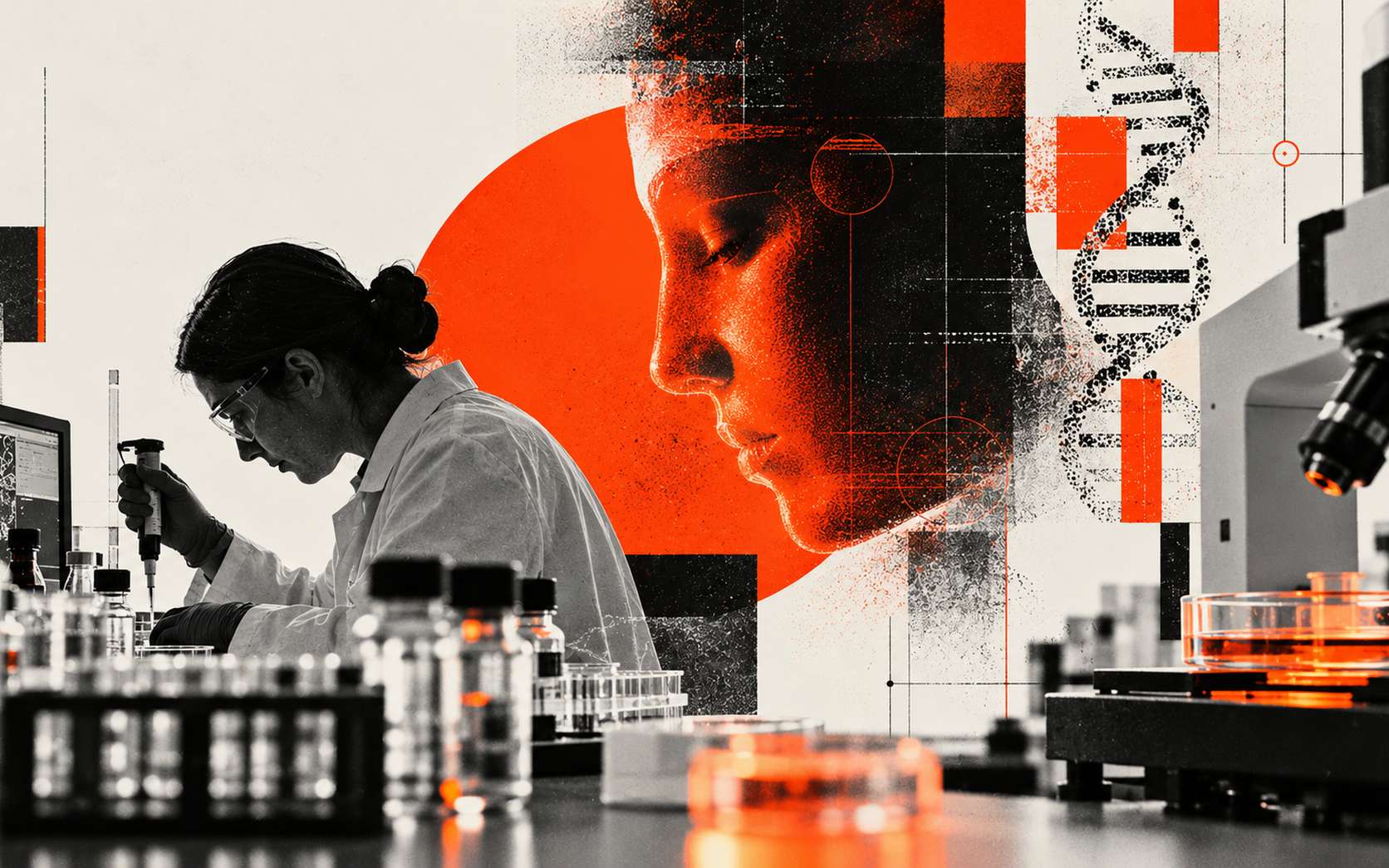
Anthropic donne un laboratoire biologique à Claude : l’IA y met 21 heures pour trouver un nouvel outil pour modifier l’ADN !

Et si l’IA ne se contentait plus d’aider les scientifiques, mais commençait à faire de la recherche à leur place ? Anthropic affirme que Claude a identifié un système enzymatique inédit dans l’ADN de bactériophages. Une découverte encore à confirmer, mais qui révèle surtout une ambition plus...

  •  

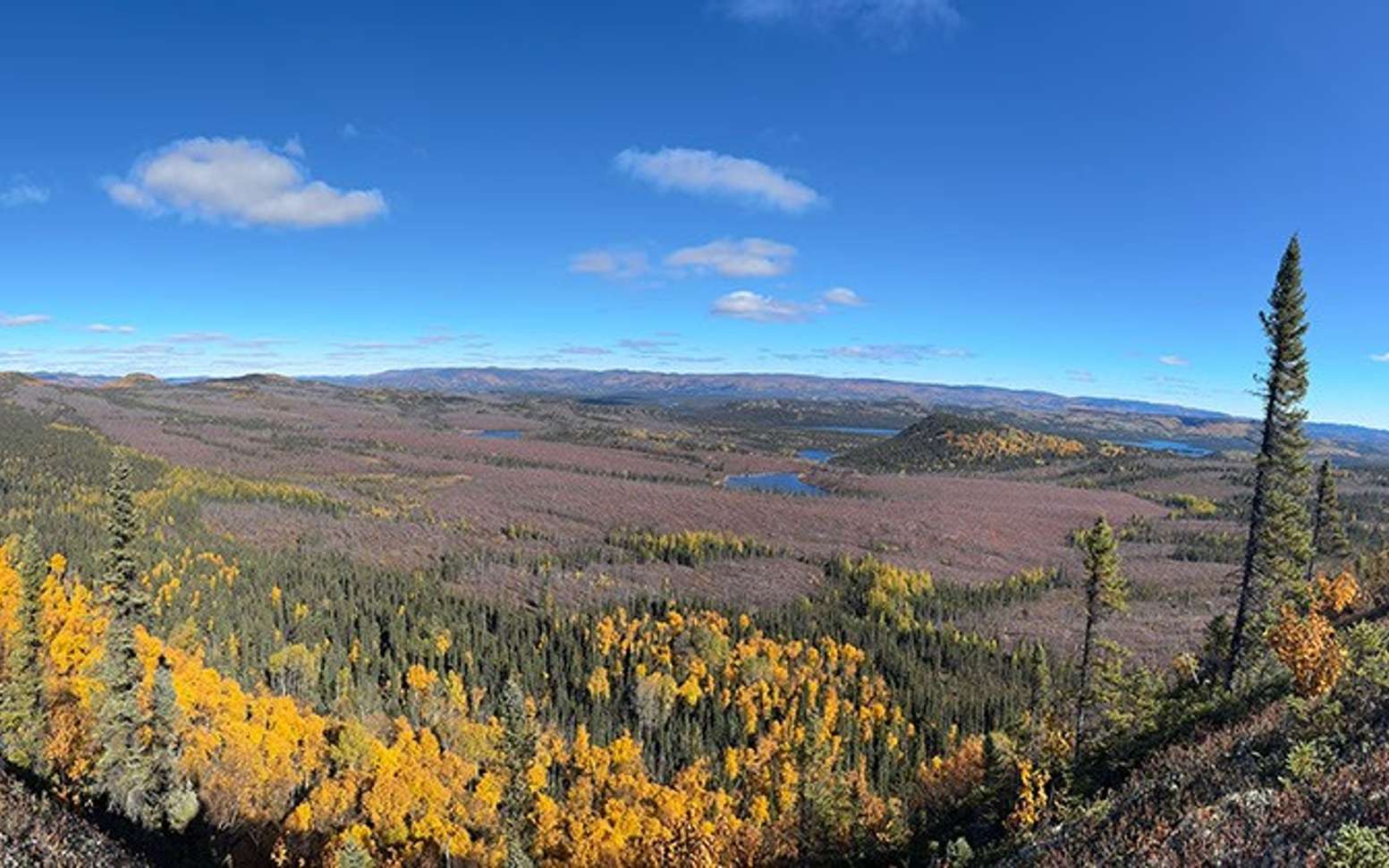
« Un tel impact raserait aujourd’hui de grandes villes » : il cherchait où camper sur Google Maps et découvre un cratère géant !

Il cherchait simplement un coin tranquille où camper au Québec lorsqu’une étrange forme circulaire apparue sur Google Maps a attiré son attention. Deux ans plus tard, une expédition menée dans des conditions particulièrement difficiles vient de révéler ce qui se cache réellement autour du lac...

  •  

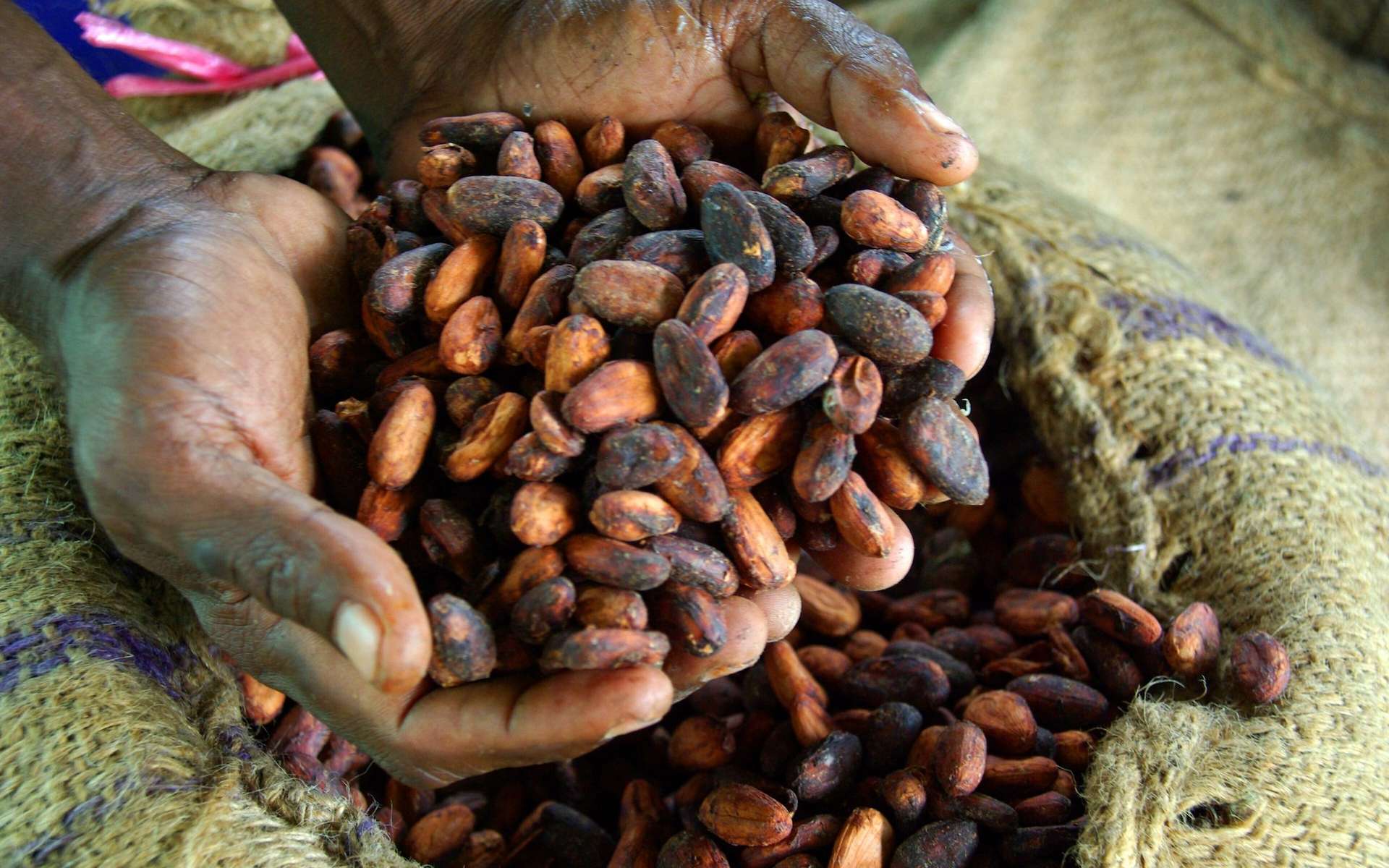
Campagne cacao 2026-2027 : la Côte d’Ivoire veut transformer davantage de fèves sur son territoire

La Côte d’Ivoire a lancé, le 1er septembre, sa campagne 2026-2027 de commercialisation du cacao, avec de nouvelles obligations de traçabilité. Premier produit d’exportation du pays, le cacao occupe une place centrale dans l’économie ivoirienne. Au-delà de la production de fèves, le gouvernement...

  •  

Le « one more thing » de Zuckerberg n’était ni des lunettes ni un casque : personne ne l’avait vu venir

Lors de sa Keynote du 23 septembre, Meta a gardé une petite surprise pour la fin. Un objet discret, pensé pour donner accès à son nouvel assistant IA sans passer par un smartphone, et qui rappelle un certain appareil qui n’a pas laissé un souvenir impérissable.

  •  

La forme physique des enfants européens décline depuis des décennies, mais un indicateur inquiète particulièrement les scientifiques

Plus de 400 000 jeunes Européens, six décennies de mesures, quatre indicateurs suivis. Le déclin de la condition physique n'est uniforme ni dans le temps ni selon les capacités : l'endurance s'est stabilisée depuis 2015, quand la souplesse recule de plus en plus vite depuis 2000.

  •  

Meta transforme son casque VR en lunettes ultralégères : le gain est spectaculaire mais il y a un compromis

Meta vient d’annoncer ses nouvelles lunettes de réalité mixte qui sortiront l’année prochaine. Malgré un format beaucoup plus compact et léger, elles ont toutefois un défaut qui pourrait freiner de nombreux utilisateurs.

  •  

Ce PC portacle Acer performant voit son prix chuter de 21 % sur Amazon

Avec son format 14 pouces, ses 16 Go de RAM et son affichage au format 16:10, l’Acer Aspire Go 14 réunit plusieurs éléments recherchés sur un PC portable destiné au travail et aux usages quotidiens légers. Cette configuration assurant de belles performances est actuellement proposée à prix...

  •  

Hurricane Polo Explodes in Pacific, UK Aphid Swarm Wipes Out 30 Million Lettuces, Glasgow Braces for Rubbish Pileup — Today’s Environmental Briefing for Thu, Sep 24 2026

Satellite view of Hurricane Polo swirling over the Pacific Ocean with visible eye structure

Across the stories today, a common thread emerges: the planet is speaking in signals — some subtle, some deafening — and the question is whether our institutions can listen fast enough to act.

Start with the signals themselves. El Niño has surged to record strength weeks ahead of schedule, and its fingerprints are already visible — from Hurricane Polo’s explosive intensification in the Pacific to the climate volatility rippling through global weather systems. In the UK, an aphid outbreak wiped out 30 million lettuce heads almost overnight, a small but telling example of how shifting conditions can upend food systems in ways no one budgets for. In Malawi, an unexplained weed overgrowth has choked Chia Lagoon, stranding farmers and fishers in flooded fields nearly seven months after the rains should have drained. These aren’t isolated oddities. They’re the planet’s early warning system, written in crop yields and clogged waterways.

Then there’s the human response — uneven, but not absent. Germany’s landmark pledge to phase out fossil fuels by 2045 marks a rare moment of policy catching up to urgency, moving beyond vague “carbon neutrality” language toward something more concrete. The UK’s decision to declassify a once-suppressed intelligence report — warning that climate breakdown is a direct threat to global security — suggests governments are quietly acknowledging what scientists have said for years, even if political will lags behind. And at UN climate talks in New York, amid what The Guardian describes as a genuinely grim mood, solar power’s continued growth offered rare, tangible hope. As Al Gore noted twenty years after An Inconvenient Truth, he’s surprised by the ferocity of fossil fuel pushback — but still believes, cautiously, that the fight can be won.

Behind the numbers are real communities adapting in real time. In the Andes, villagers near Villa de Arma are turning to ancient wetland systems as glaciers they once walked across vanish into bare rock. In Guam, resident Leevin Camacho learned his family’s water contained a pesticide banned since 1987 — a stark reminder that militarization and environmental cost are often intertwined, especially in the Pacific. And in Sarawak, Indigenous communities are still reckoning with displacement from the Bakun megadam three decades later, a cautionary tale as the world races toward a “clean” energy future that doesn’t always ask who pays for it.

It’s a reminder that progress and pressure often arrive together. Endangered birds on South Australia’s Eyre Peninsula won last-minute protection from a rocket launch site — a genuine conservation victory — even as a Norfolk Broads housing levy was quietly slashed, raising fears that environmental safeguards elsewhere are eroding. Meanwhile, olive ridley sea turtles nesting for the first time ever on California beaches offer something rarer: wonder. A signal, too, but one that invites curiosity rather than alarm — proof that the natural world is still capable of surprising us.

As the week unfolds, all eyes will be on whether momentum from Climate Week — bolstered even by a monster from Sesame Street reminding children it’s okay to feel both fear and courage — translates into follow-through. The data, the disasters, and the small human stories all point the same direction: the era of asking “if” is over. What remains is the harder work of “how fast,” and “for whom.”

The post Hurricane Polo Explodes in Pacific, UK Aphid Swarm Wipes Out 30 Million Lettuces, Glasgow Braces for Rubbish Pileup — Today’s Environmental Briefing for Thu, Sep 24 2026 first appeared on EnviroLink Network.

  •  

Pas besoin de se ruiner pour un PC portable avec ce modèle CHUWI CoreBook i3 à moins de 240 €

Conçu pour les usages courants et offrant une complément calibré, le CHUWI CoreBook i3 propose un PC portable offrant un écran de 14 pouces et un SSD de 256 Go. Ce modèle très abordable est en ce moment au meilleur prix sur AliExpress où il s'affiche à moins de 240 € grâce à une remise de 10 %....

  •  

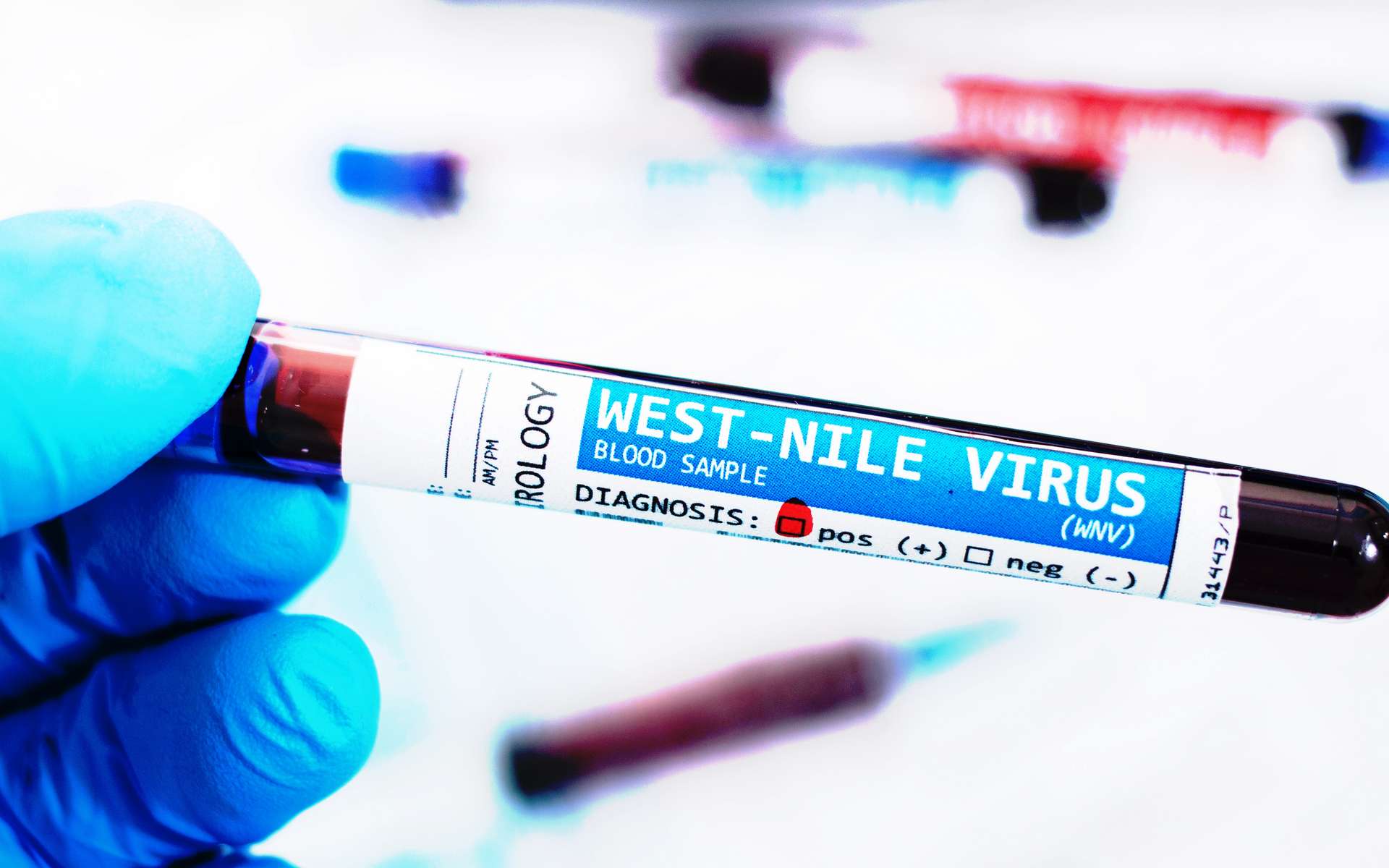
« L’année 2026 marque un tournant » : le virus du Nil occidental étend sa présence à un rythme inédit en France

La circulation du virus du Nil occidental, ou West Nile, bat des records cette année, non seulement les cas humains ont explosé, mais sa présence s'est étendue sur de nouveaux territoires métropolitains, de même qu'en Europe. Quelles sont les causes de cette hausse : climat, mutation du virus ou...

  •  
❌